32 Animal Species Mistaken for Mythical Creatures When First Discovered
The first time a trained naturalist encounters something genuinely new, the burden of disbelief falls on science rather than on imagination. When reports arrived in European capitals describing impossible animals—creatures with leathery bills, two-tailed swimming reptiles, or fur-covered mammals that laid eggs—the response was not wonder but skepticism.
What follows are animals whose verified existence contradicted the firmest convictions of learned institutions, animals that seemed so unlikely that many naturalists assumed they were elaborate hoaxes.
Throughout human history, when explorers returned with tales of strange creatures from distant lands, those tales were often dismissed as exaggeration, fiction, or deliberate deception. Yet one by one, these creatures turned out to be not inventions but real inhabitants of forests, oceans, and deserts that humans had simply not yet encountered.
Platypus
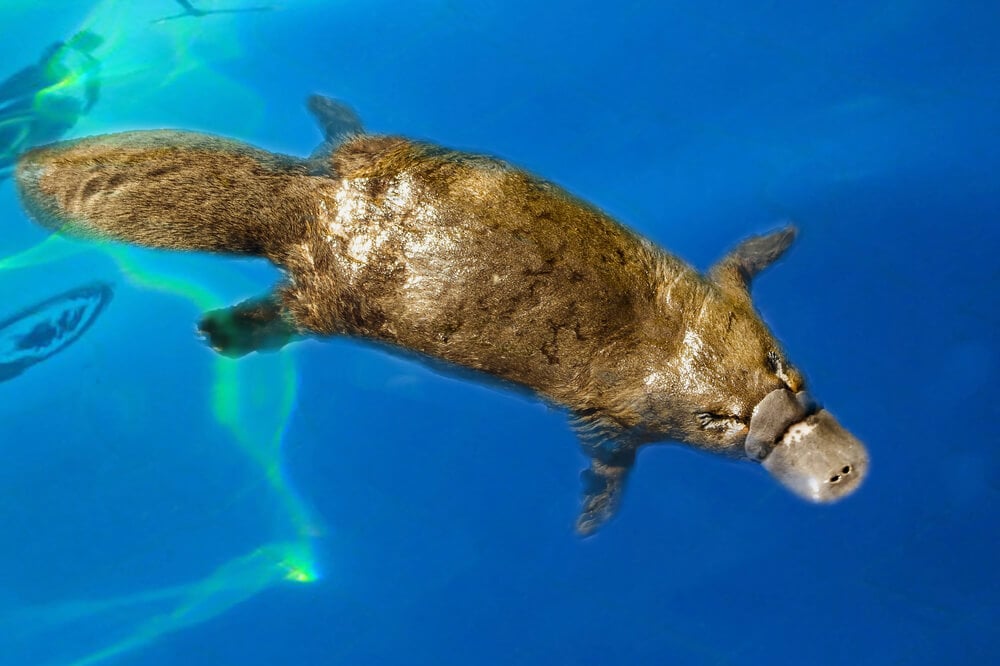
When European naturalists received the first platypus pelt and drawings in 1798, they concluded it was an elaborate taxidermic fraud—a beaver tail stitched onto a duck with beaver feet added for effect. The animal’s very combination of features seemed designed to mock the principles of taxonomy.
Even when specimens were properly documented, naturalist George Shaw apologized for accepting their reality: “a degree of skepticism is not only pardonable, but laudable.” The platypus remained suspect until living specimens could be examined, providing the first irrefutable evidence that egg-laying mammals truly existed.
Narwhal
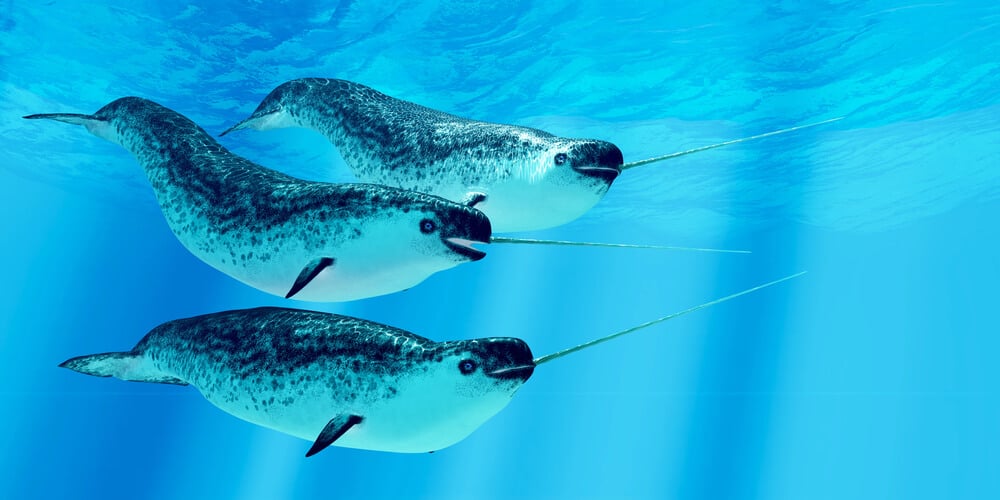
Medieval and Renaissance merchants sold narwhal tusks throughout Europe as genuine unicorn horns, complete with fabricated histories of magical properties. A single tusk could command the price of a castle.
The tusks did possess unusual characteristics that added to their mystique—a helical spiral structure unlike any other animal’s horn. For centuries, no one believed the tusks came from a living Arctic cetacean.
Only through Arctic exploration did naturalists confirm that narwhals, not mythical unicorns, produced these spectacles.
Giant Squid
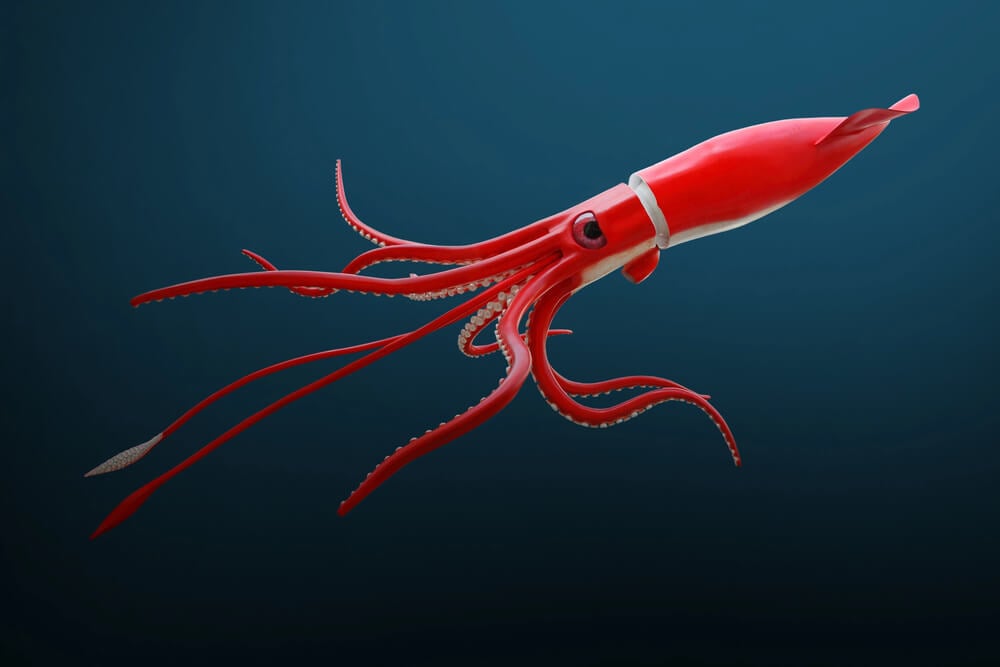
Sailors’ accounts of the Kraken—a creature capable of dragging entire ships to the ocean depths—were dismissed as folklore born from stress, alcohol, and maritime boredom. Naturalists assumed the descriptions were exaggerated sightings of normal squids.
When carcasses of enormous squids began washing onto beaches in the late nineteenth century, and later when a living specimen was filmed in the deep ocean in 2004, the Kraken transformed from legend to verified biology. Architeuthis dux can exceed forty feet in length.
Mountain Gorilla
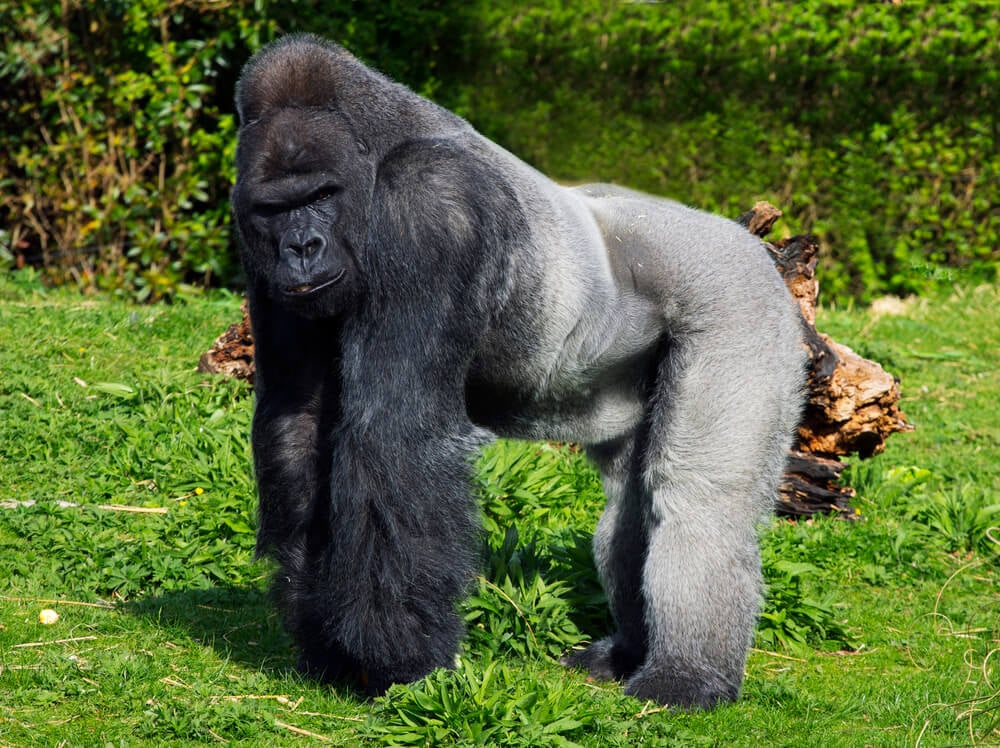
Early explorers’ tales of massive, humanoid creatures in African forests were treated as fantasy comparable to stories of wild men and forest demons. Local populations knew of these animals, but European science rejected eyewitness accounts as unreliable.
The mountain gorilla remained officially unconfirmed by Western naturalists until 1902, when specimens and skeletal material could be examined directly. By this point, Gorilla gorilla beringei had become something of a legend waiting for proof.
Okapi
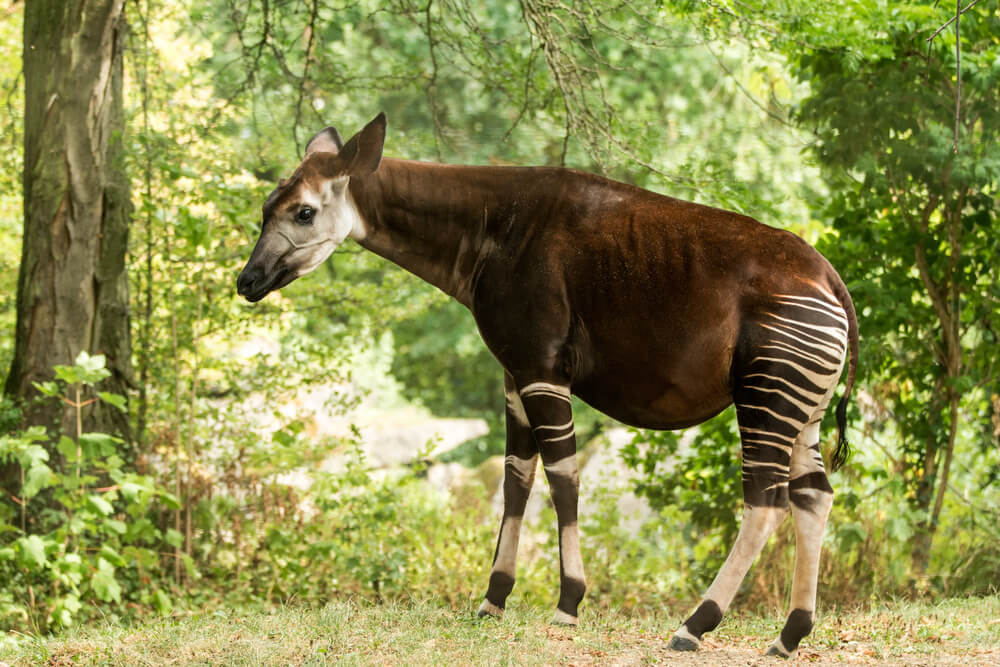
In the darkest rainforests of the Congo, an animal existed that combined features of a horse, zebra, and giraffe in a package no naturalist had ever encountered. It remained unknown to Western science until 1901, and even then only through discovered skulls rather than living specimens.
Local peoples knew the animal well as atti, but their accounts were dismissed. When Sir Harry Johnston presented complete evidence, the okapi represented one of the largest land mammals ever to escape scientific documentation.
That such a substantial creature could hide in plain sight shocked the zoological establishment.
Coelacanth
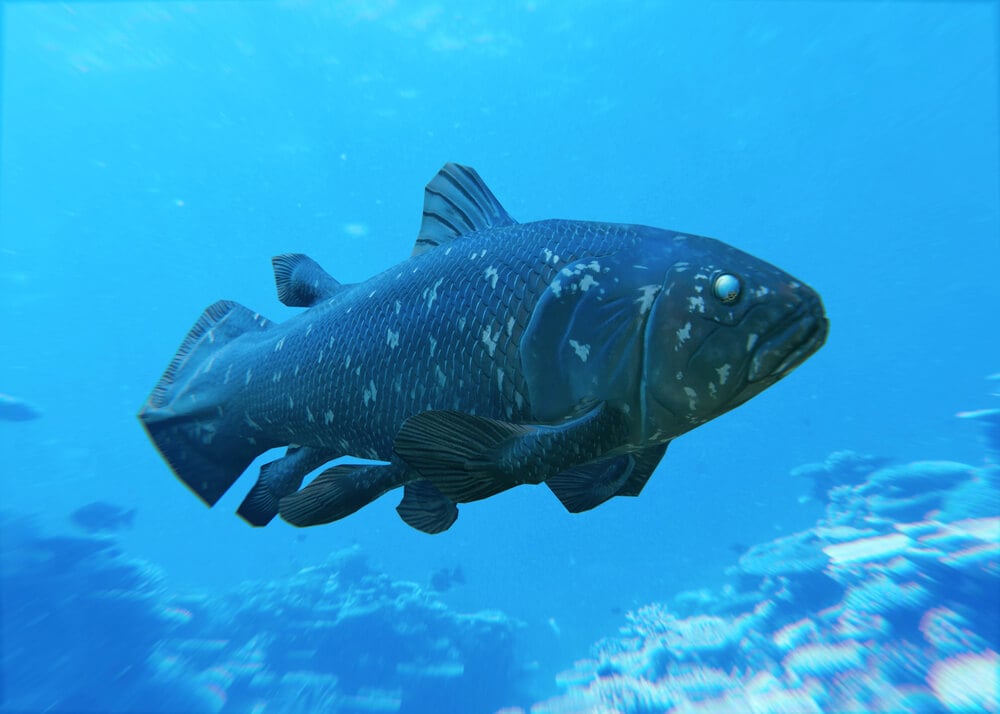
For sixty-six million years, according to fossil evidence, this fish had been extinct. Then in 1938, a living coelacanth was hauled into nets off the coast of South Africa.
The discovery reversed what paleontologists had assumed was settled truth—no organism thought extinct for such a vast span of time had ever been rediscovered. The coelacanth lived, bred, and hunted in deep oceans, proving that the fossil record is radically incomplete and that creatures can persist in remote refugia without scientific knowledge.
Komodo Dragon
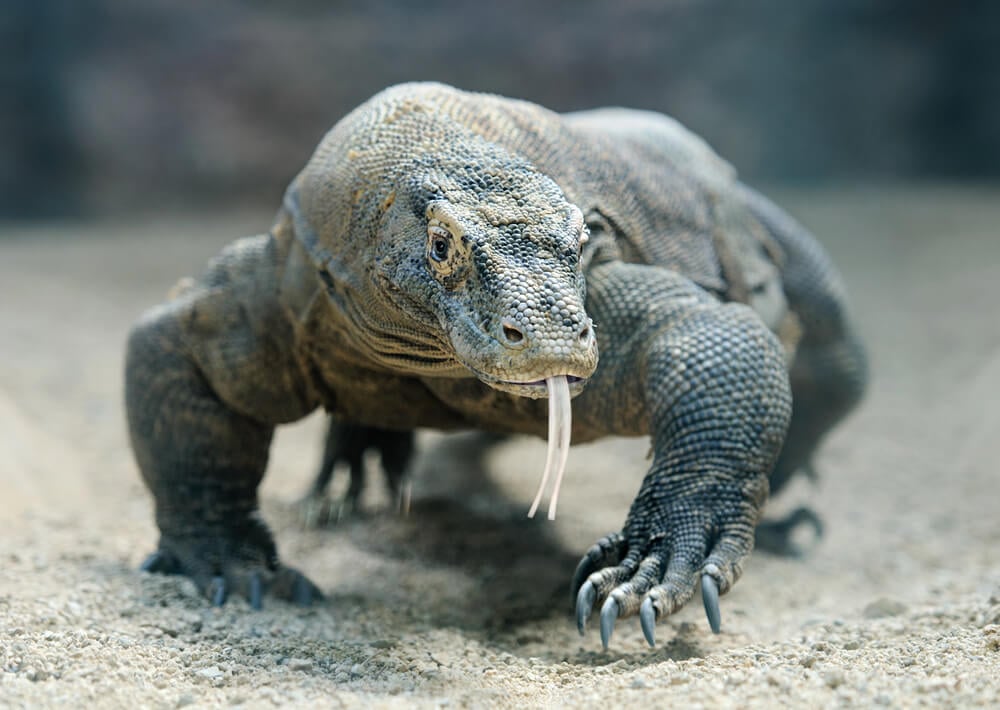
Stories circulated among Dutch colonists in Indonesia of monstrous lizards inhabiting remote islands. Local populations feared and revered these creatures, but colonial authorities dismissed the tales as native superstition.
When naturalists finally investigated, they discovered monitor lizards exceeding ten feet in length with venom and hunting prowess that matched the wildest accounts. Komodo draco emerged not as exaggeration but as inadequate understatement.
Kangaroo
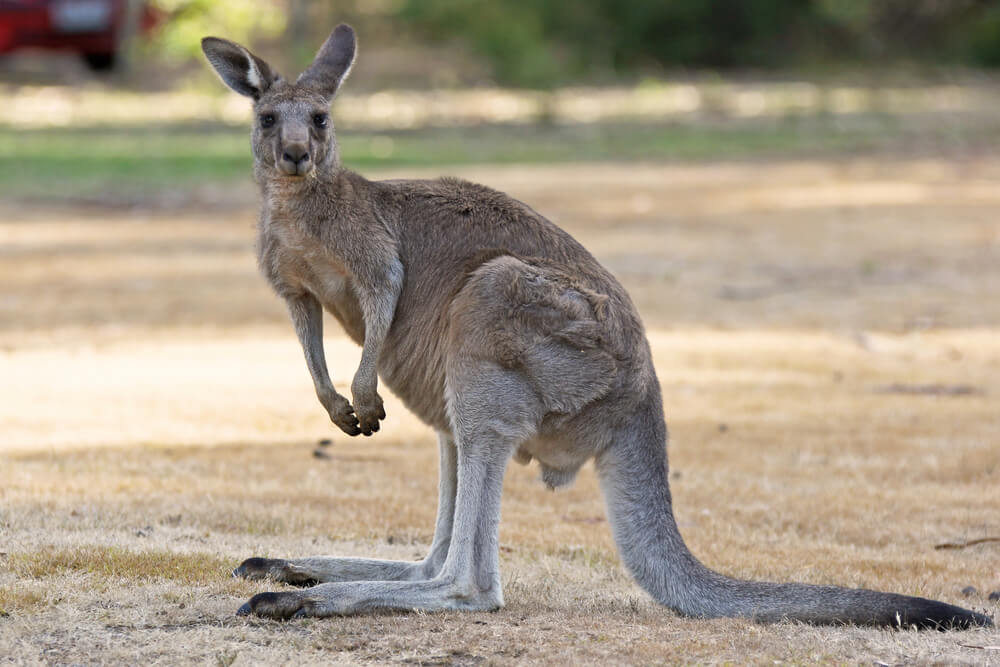
Early European explorers returned from Australia describing animals that hopped on two legs and carried their young in abdominal pouches. The descriptions seemed to violate every principle of mammalian anatomy and reproduction.
Skepticism greeted these accounts until specimens arrived in Europe and living kangaroos demonstrated their unusual anatomy and locomotion firsthand. What no European biologist had imagined proved not only real but diverse across multiple species.
Saola (Vu Quang Ox)
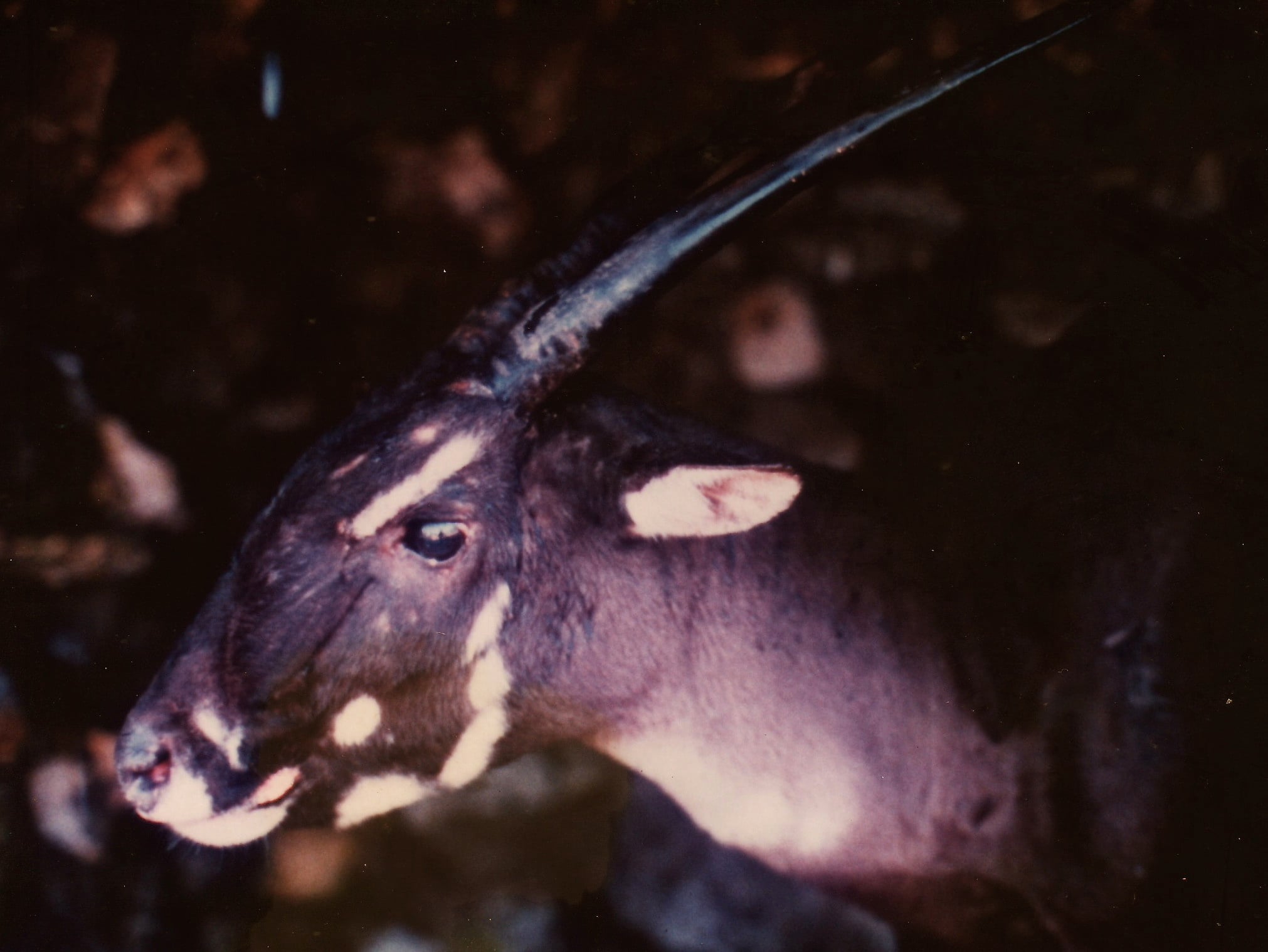
When scientists discovered this bovid in 1992 in Vietnam’s Annamite Mountains, it became the first large mammal unknown to science in over fifty years. The find shocked zoologists who had assumed all large terrestrial mammals had been cataloged.
The animal, sometimes called the Asian unicorn for its rarity, remains so elusive that scientists have never successfully observed one in its natural habitat. It exists primarily through camera trap photographs and local knowledge.
Giraffe in China
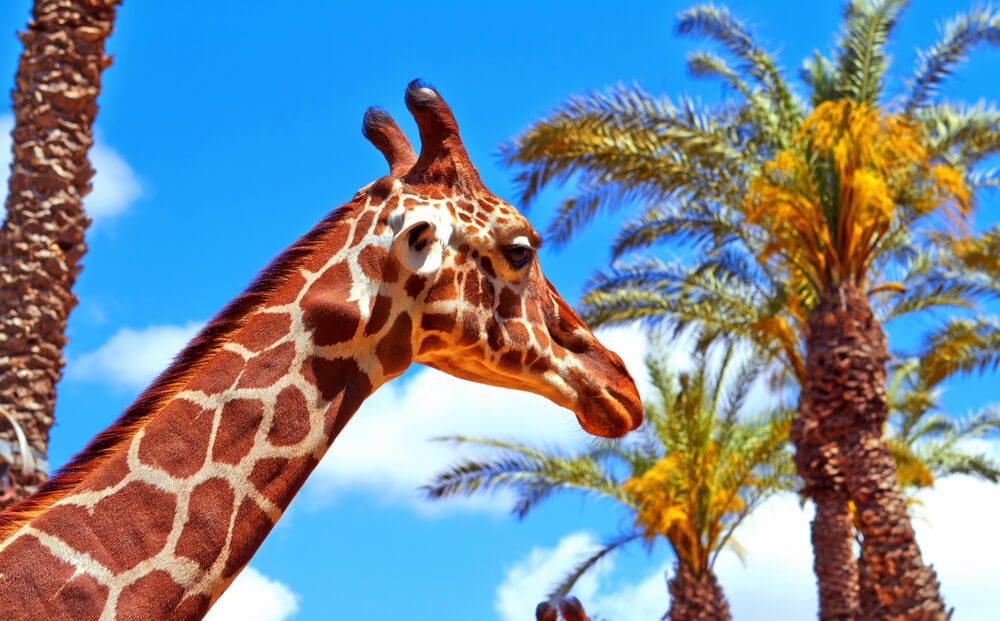
When Zheng He’s treasure fleet brought the first giraffes to China in the fifteenth century, court scholars initially identified them as the mythical Qilin, a creature associated with benevolence and cosmic significance. The giraffe’s long neck, distinctive coloration, and foreign origin aligned with ancient descriptions of this auspicious animal.
Only gradually did scholars accept that this was not a legendary creature returning to earth but a newly encountered African species.
Pangolin
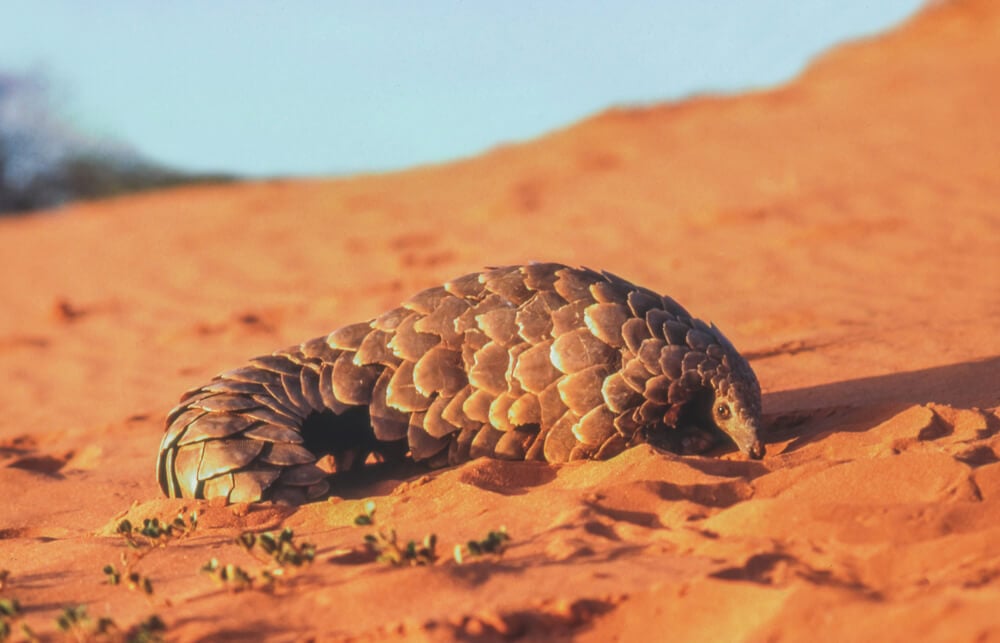
With its body encased in overlapping scales resembling roof tiles or armor, the pangolin seemed to early naturalists like a creature from medieval bestiaries rather than a real mammal. Its use of an enormously elongated tongue to extract ants from their mounds added further strangeness.
The combination of features was so foreign to European understanding of mammalian anatomy that acceptance came slowly despite living specimens in zoos.
Armadillo
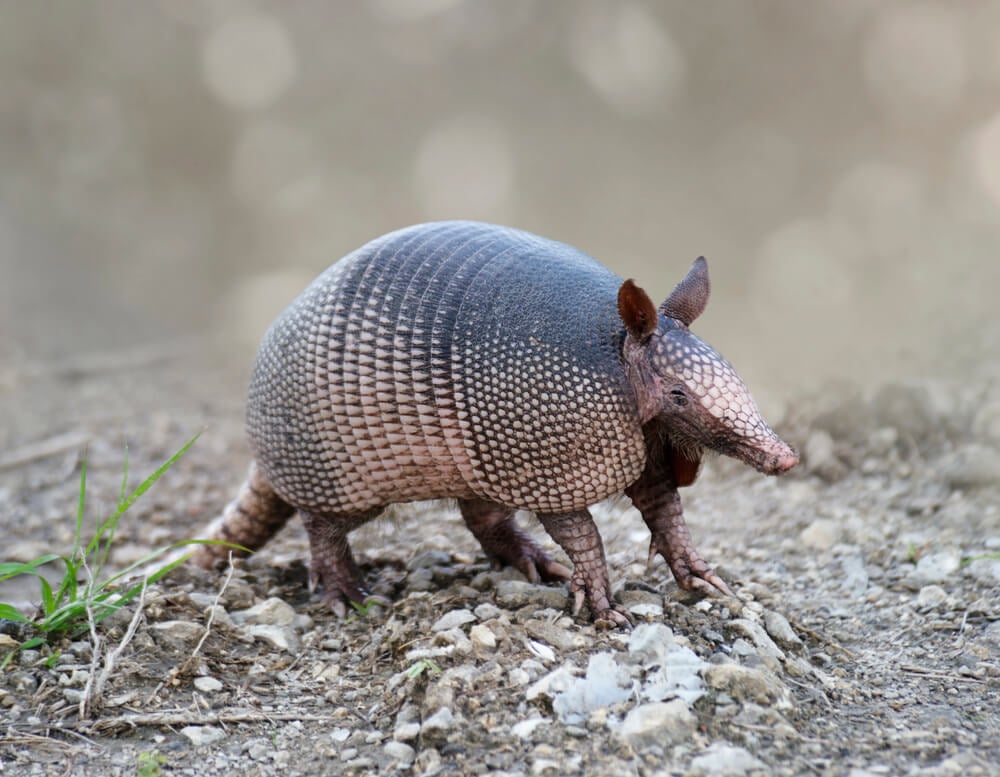
Spaniards returning from the Americas described animals covered entirely in bony armor plates. These accounts seemed fantastical until physical examples arrived, confirming that armored mammals did indeed walk the earth.
The existence of a creature that appeared to be half-mammal and half-reptile challenged existing taxonomies and required reexamination of how animals could be classified.
Anteater
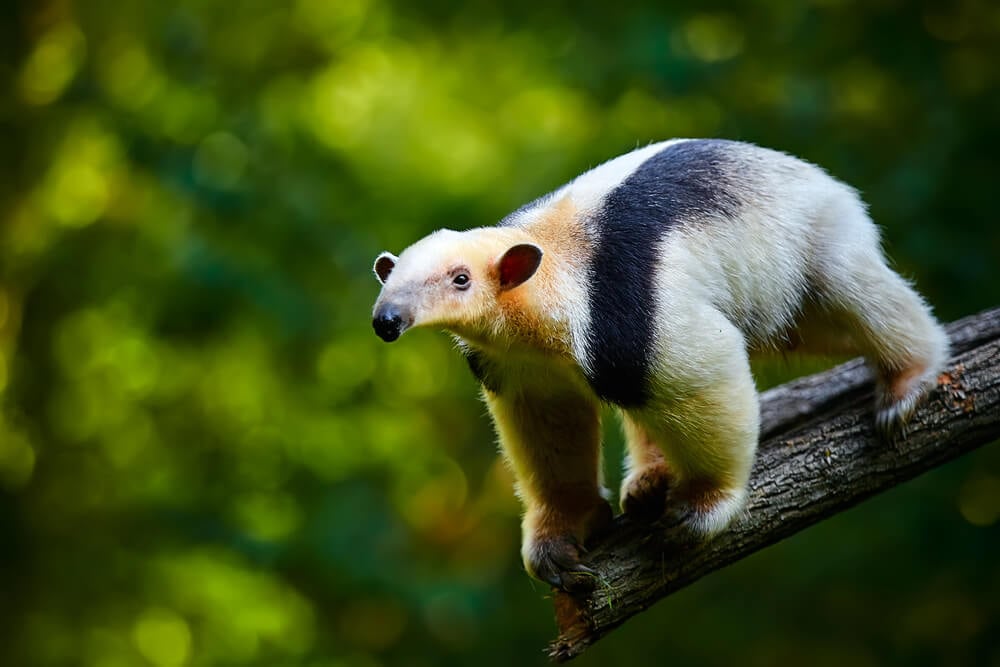
With a head that seemed disproportionately small and an impossibly long snout designed entirely around consuming insects, the anteater struck naturalists as an assemblage of mismatched parts. Living examples revealed an animal so specialized for ant consumption that its anatomy appeared to violate the principles of evolutionary sensibility.
Yet there it stood, proof that nature could build creatures around unlikely ecological niches.
Capybara
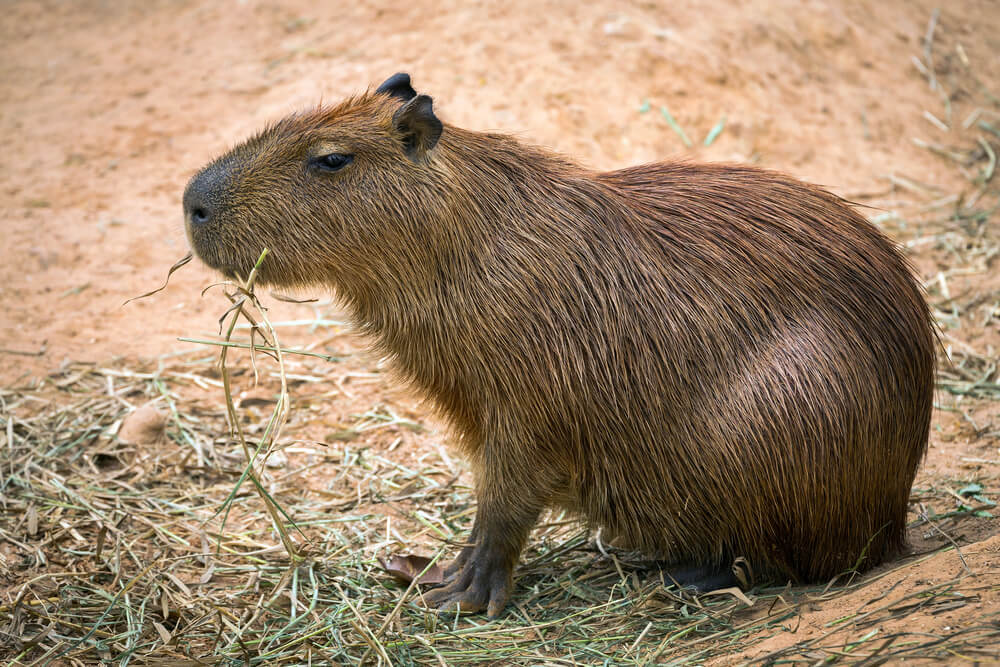
The largest living rodent, weighing over one hundred pounds, struck naturalists as implausible upon first encounter. That a beast of such size was nonetheless genuinely a rodent challenged existing assumptions about the upper limits of rodent body size.
Native peoples had coexisted with capybaras for millennia, but European science took time to accept their classification.
Manatee
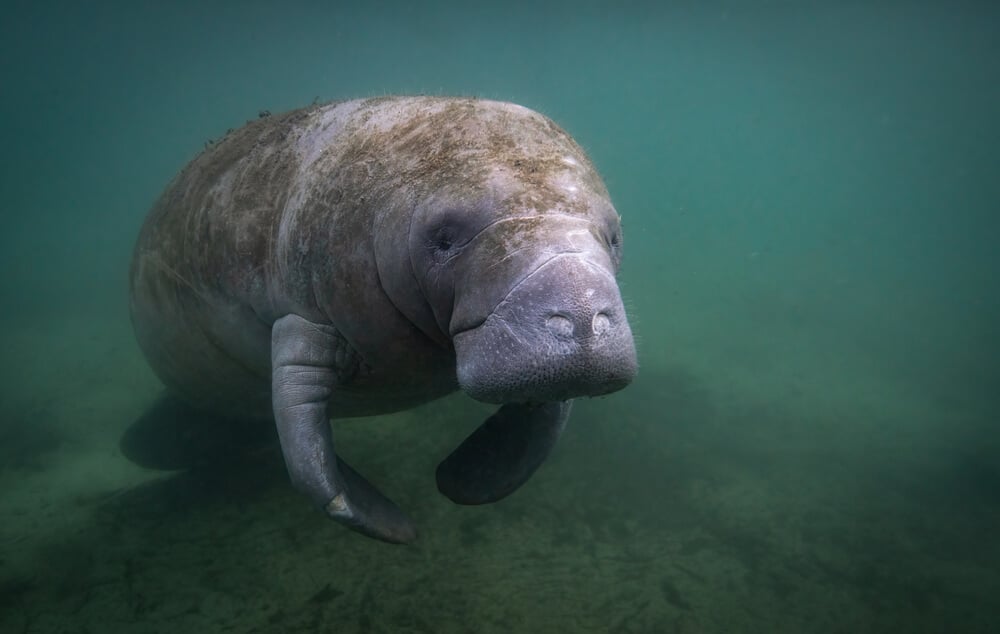
Centuries of mermaid legends may trace partially to sightings of manatees, particularly by sailors in poor visibility or alcohol-affected states. The marine mammal’s body and tail could resemble a human upper torso if viewed at distance or in dim light.
Once manatees were properly documented, they seemed an unlikely source of mermaid mythology, yet the resemblance is plausible under specific conditions.
Aye-Aye Lemur
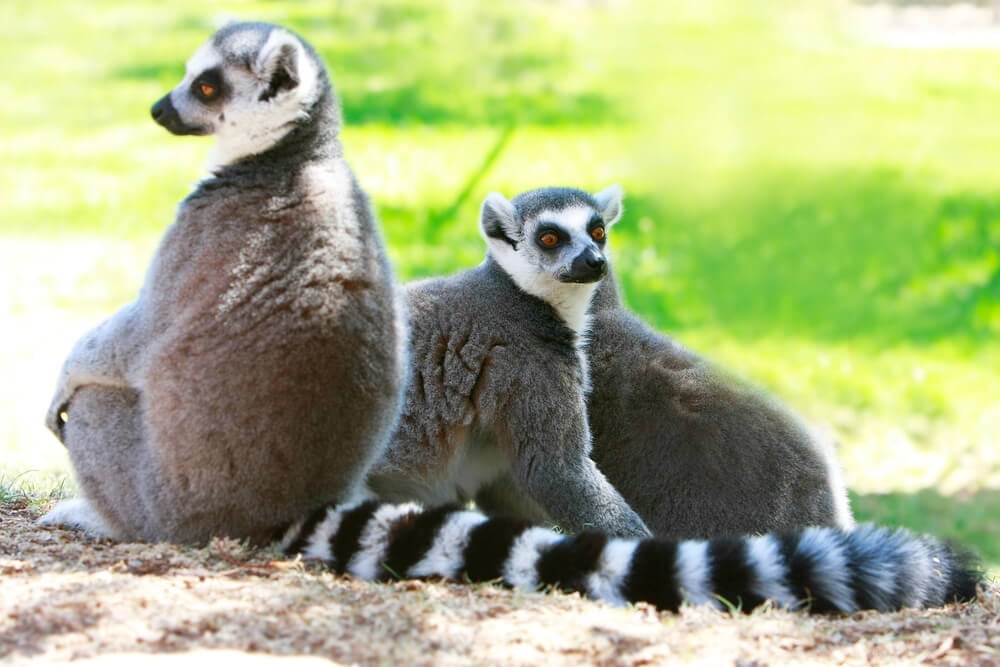
This nocturnal primate, with its oversized ears, large eyes, and peculiar hands featuring an elongated middle digit, struck locals and early naturalists as demonic. Its eerie vocalizations and purely nocturnal activity added to its sinister reputation.
European naturalists initially questioned whether the descriptions from Madagascar were accurate, suspecting exaggeration or confusion with other species.
Axolotl
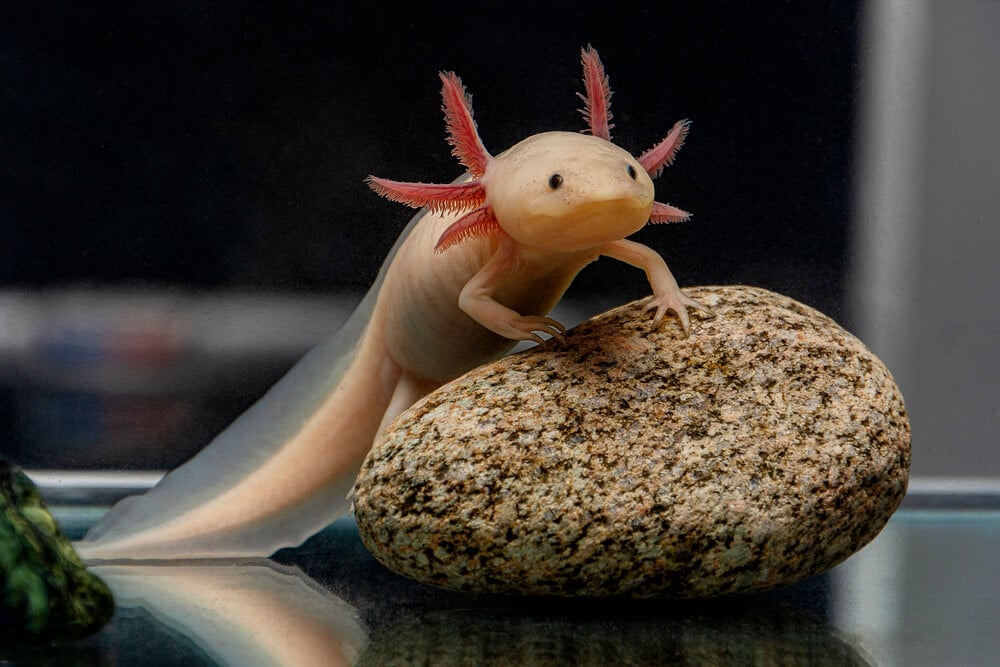
The Aztec god of fire took the form of an axolotl, a salamander that never undergoes metamorphosis and remains aquatic throughout its life. Early naturalists struggled to classify it, and specimens were rare in European scientific institutions.
The creature’s apparent defiance of normal salamander development seemed to support legends of its magical nature.
Kakapo
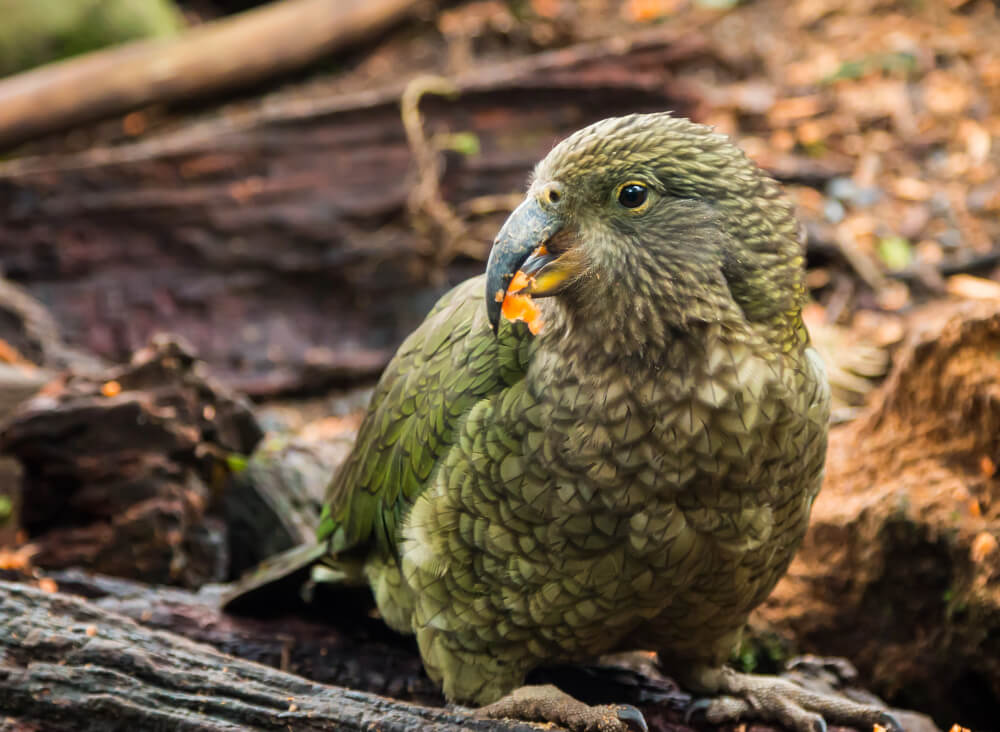
This flightless, nocturnal parrot of New Zealand baffled ornithologists with its lack of flight and terrestrial behavior. Its size and ground-dwelling habits violated their assumptions about parrot anatomy and ecology.
Maori populations knew of kakapos, but European naturalists treated reports as confused descriptions until specimens were secured.
Kiwi
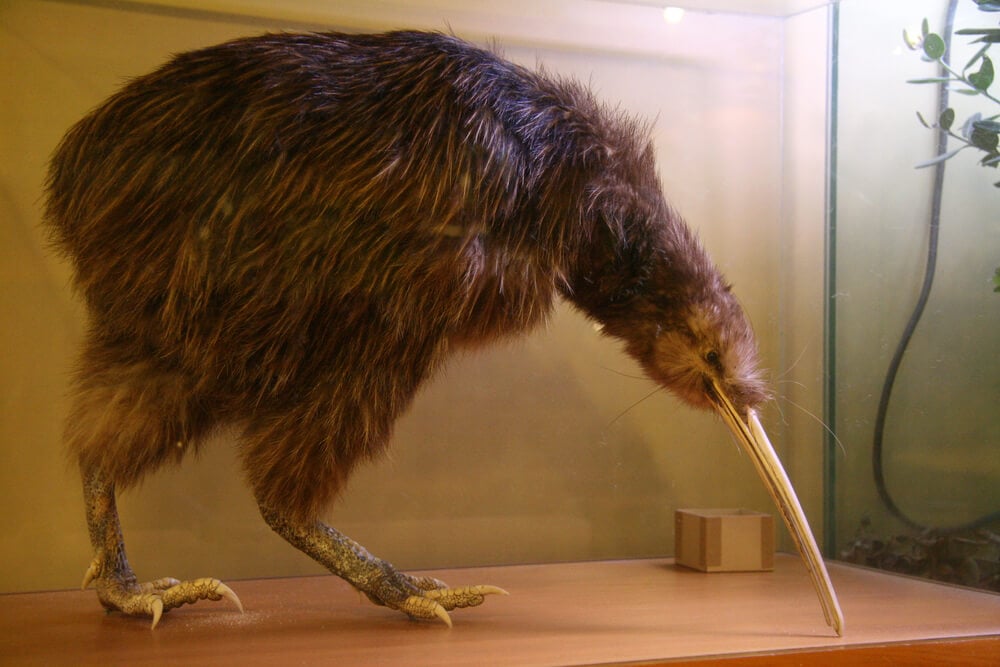
Another flightless bird from New Zealand, the kiwi’s small wings, ground-dwelling behavior, and peculiar long bill challenged conventional understanding of avian anatomy. Its resemblance to mammals in certain respects created confusion about its classification until properly examined.
Cassowary
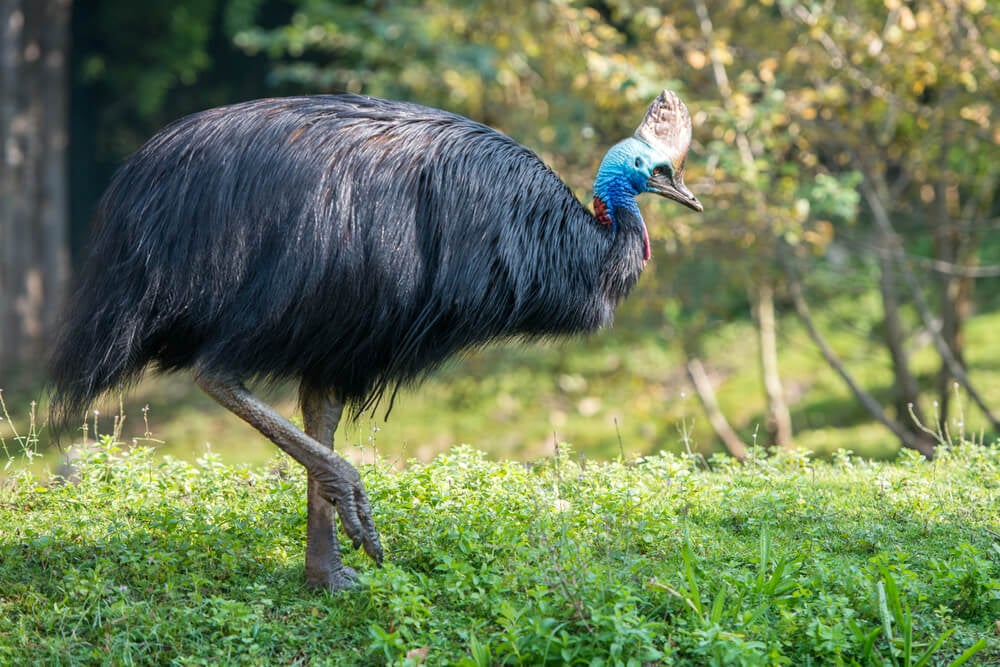
This large, flightless Australian bird, standing six feet tall and bearing a bony casque on its head, seemed to naturalists like a surviving prehistoric creature. Its powerful claws, ability to defend itself aggressively, and prehistoric appearance fed speculation that Australia harbored creatures from earlier evolutionary periods.
Horseshoe Crab
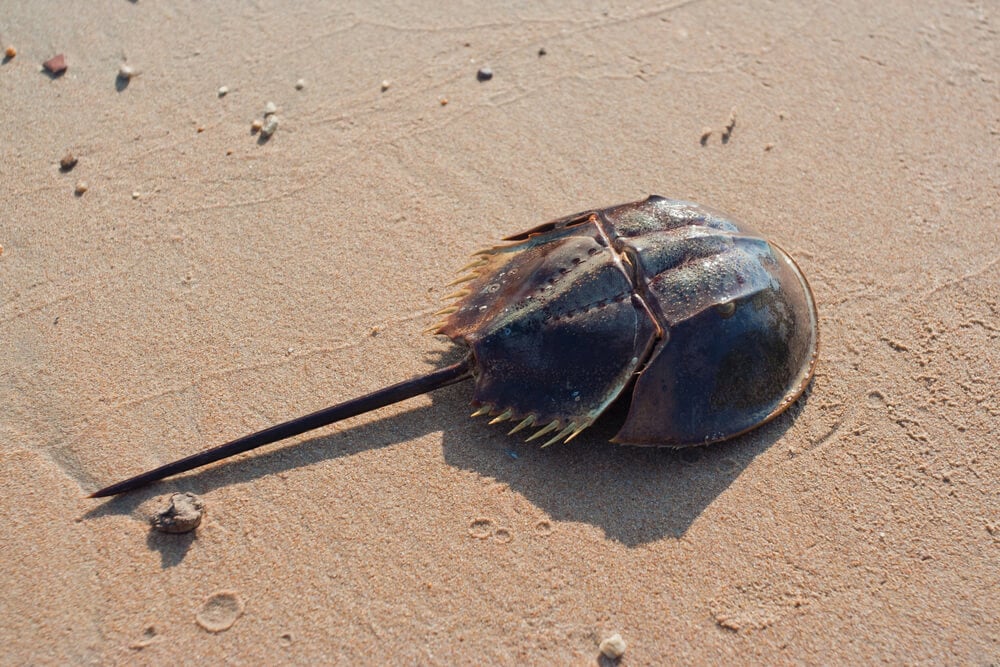
Described as a “living fossil,” the horseshoe crab’s existence largely unchanged for hundreds of millions of years astounded paleontologists. Its appearance seemed prehistoric, and the notion that it survived from the age of trilobites with minimal modification challenged assumptions about evolutionary processes.
Blobfish
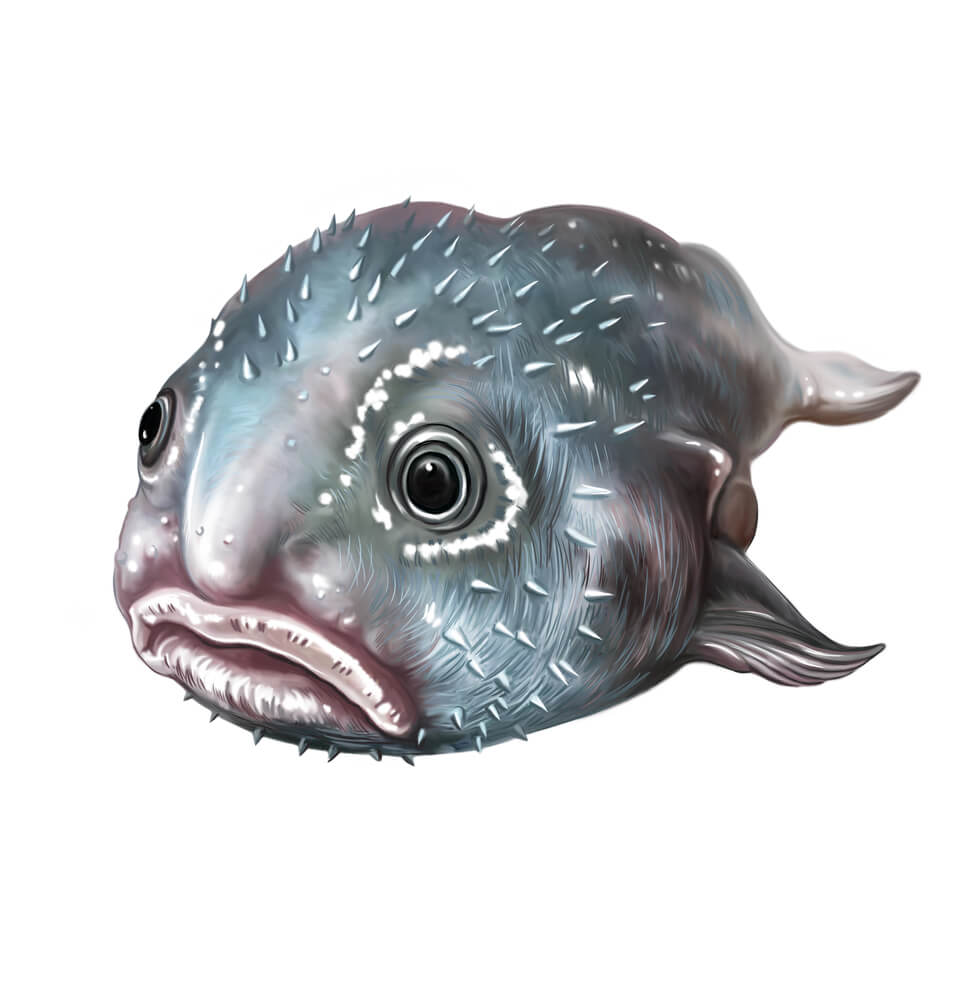
The extreme adaptations of deep-sea creatures like the blobfish seemed to early naturalists more like fantasy creations than biological reality. Its gelatinous appearance and capacity to withstand crushing pressure produced specimens that appeared almost unreal.
Anglerfish
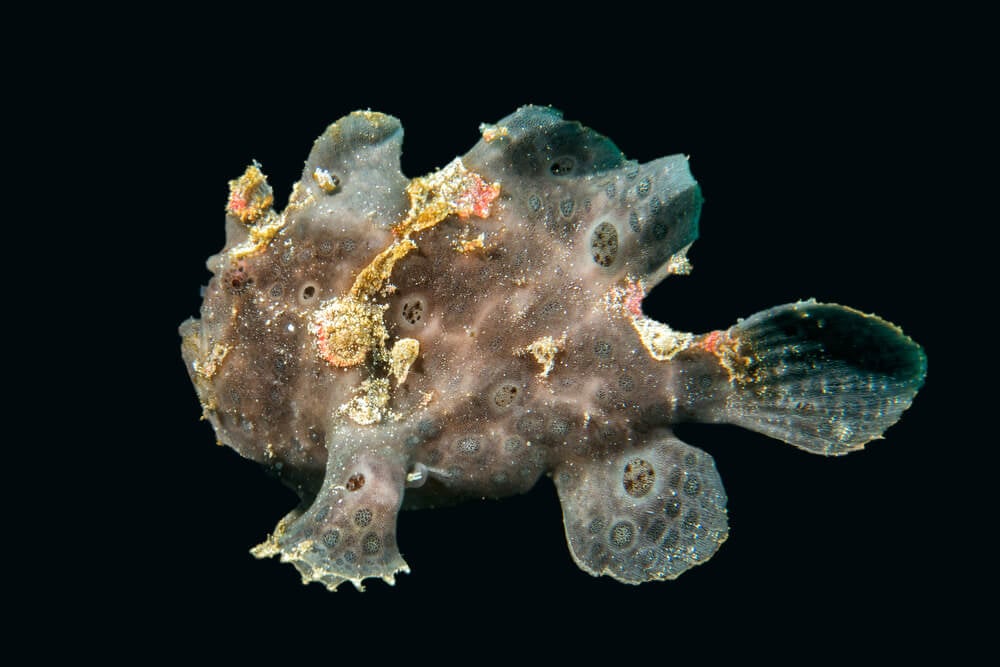
The parasitism of anglerfish, with tiny males fusing permanently to females, struck naturalists as impossible when first discovered. The creature’s appearance, combining a normal fish body with an enormous mouth and bioluminescent lure, seemed designed by imagination rather than evolution.
Babirusa
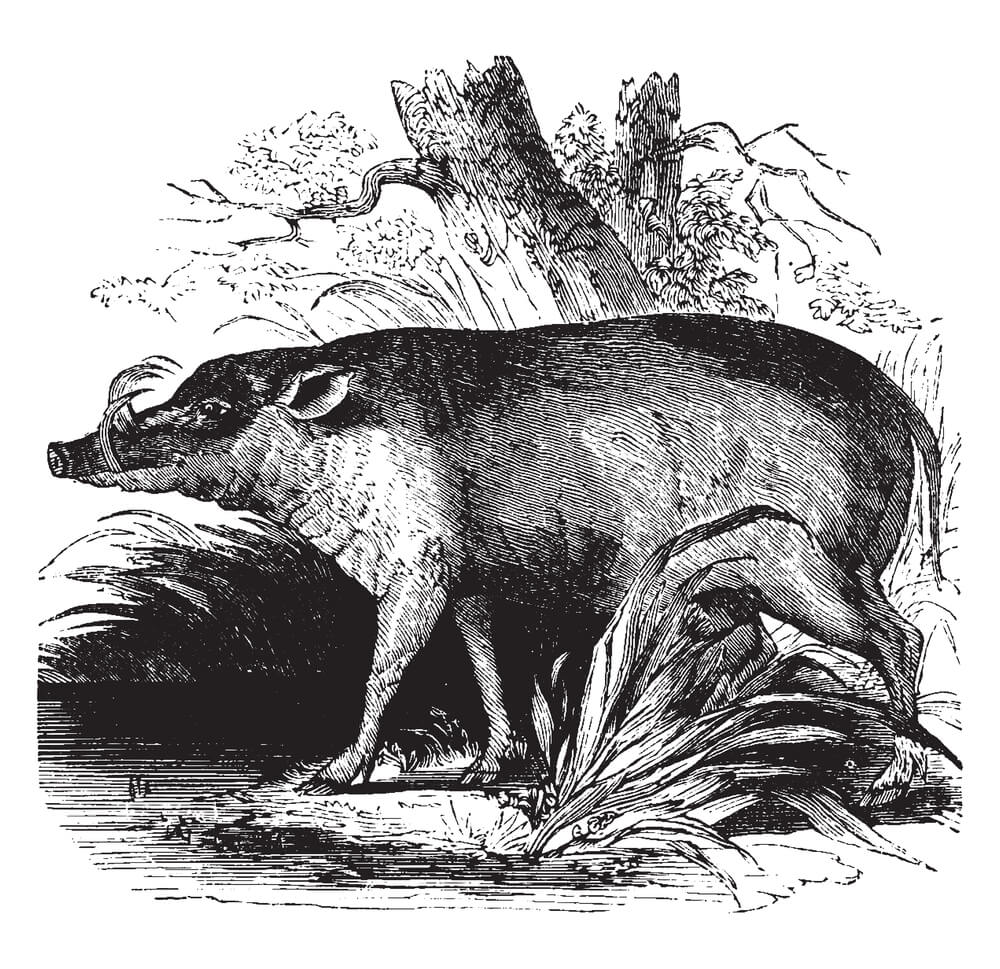
This Indonesian pig, bearing unusual tusks that curve upward through the snout, seemed to naturalists as though hunters had fabricated the description. Living specimens proved that such unusual dental arrangements did occur in nature.
Proboscis Monkey
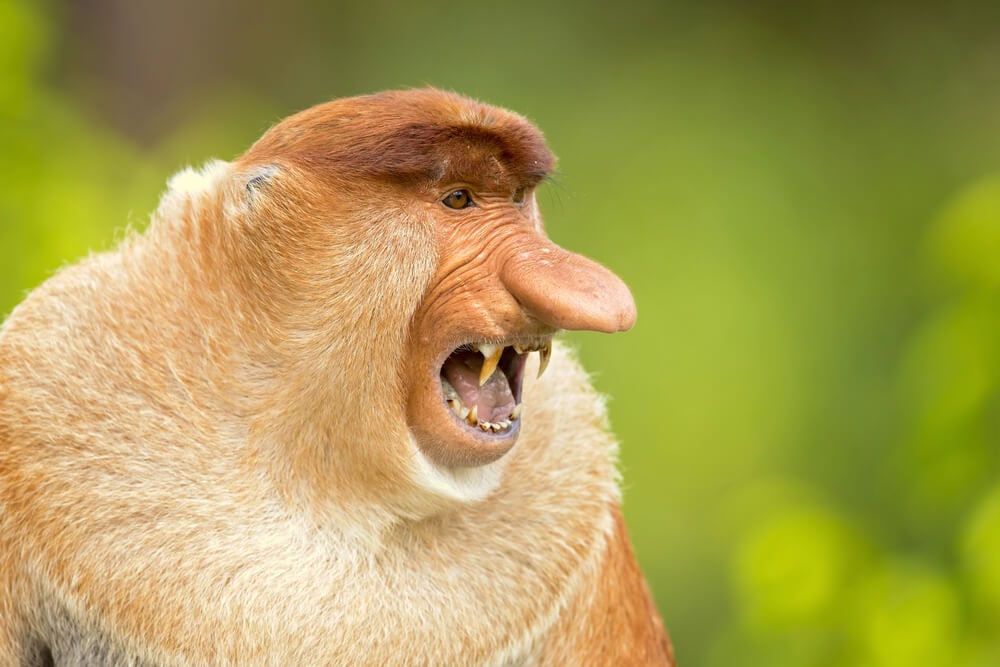
The dramatic nose of this Bornean primate seemed exaggerated in early accounts. Some naturalists suspected descriptions were inaccurate until specimens confirmed that males possessed noses of extraordinary proportions used in vocalizations and display.
Gharial
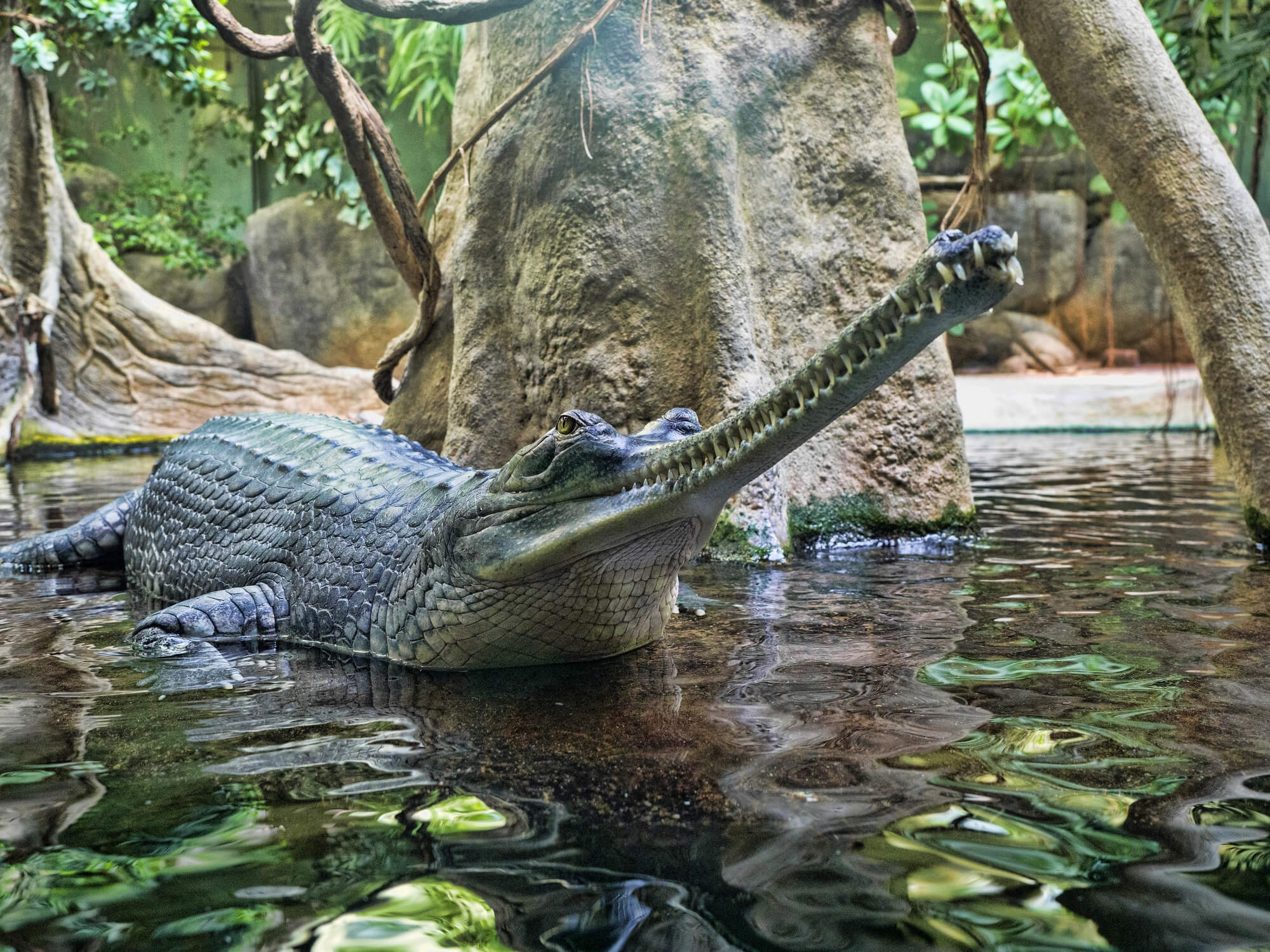
This crocodilian with an extremely elongated, narrow snout seemed so different from typical crocodiles that early naturalists questioned whether descriptions were reliable. Only with specimens did its status as a distinct and genuine crocodilian family become established.
Basilisk Lizard
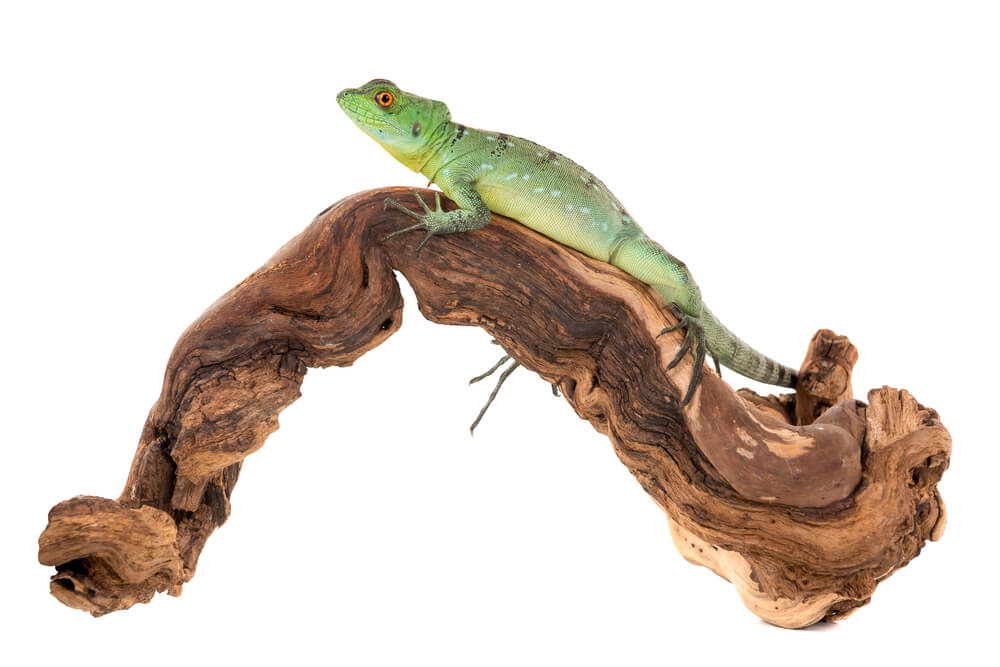
This lizard’s ability to run across water surfaces on its hind legs seemed impossible when first reported. Locals called it the Jesus Christ lizard, and accounts struck naturalists as either exaggeration or mythology.
Living specimens confirmed the remarkable behavior.
Mantis Shrimp
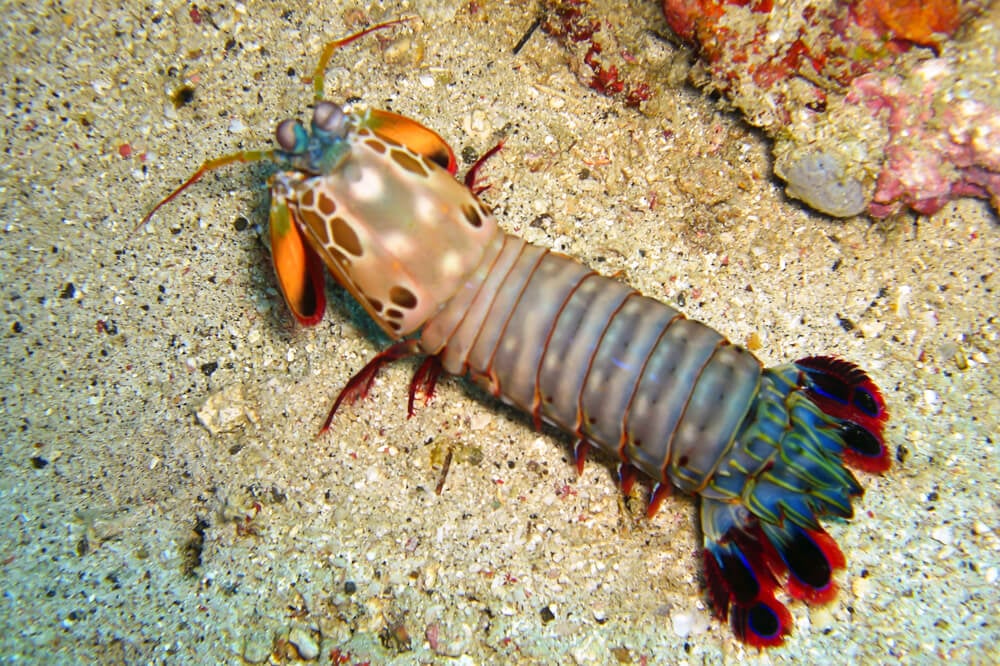
Possessing eyes with sixteen color receptors compared to humans’ three, and capable of punches generating pressure rivaling bullets, the mantis shrimp seemed like a creature from fantasy. Its combination of extreme senses and devastating physical capabilities made it seem implausible to early marine biologists.
Musk Ox
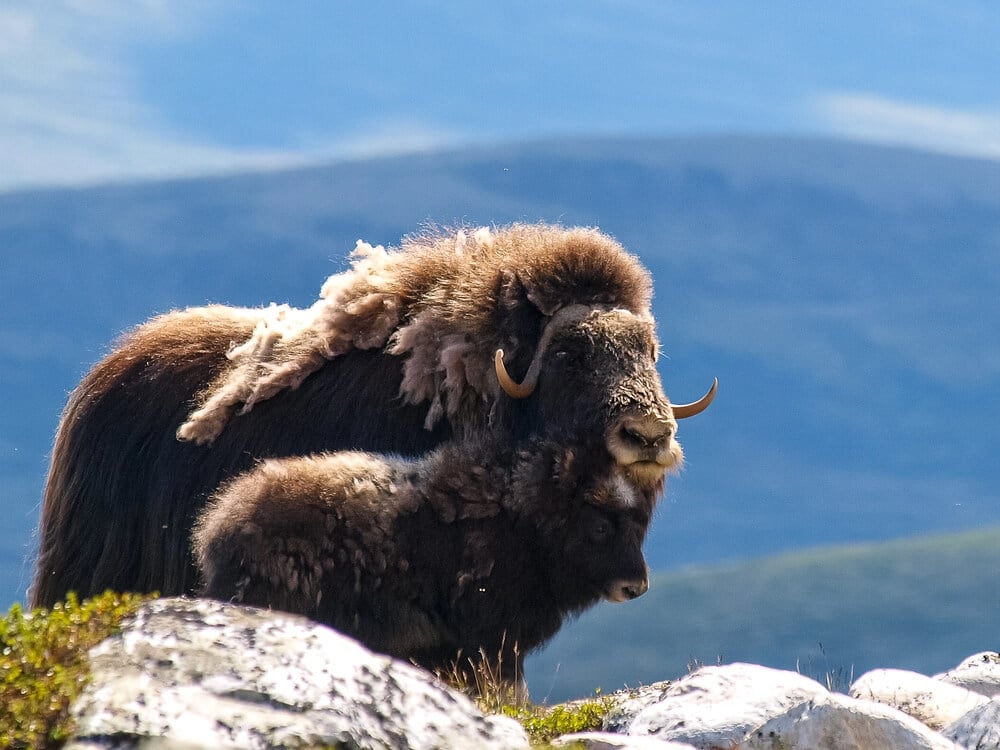
The shaggy, arctic bovine struck naturalists as unusual even compared to other cattle. Its defensive behavior and extreme adaptations to frozen environments seemed almost unlikely when first described from Arctic expeditions.
Quagga
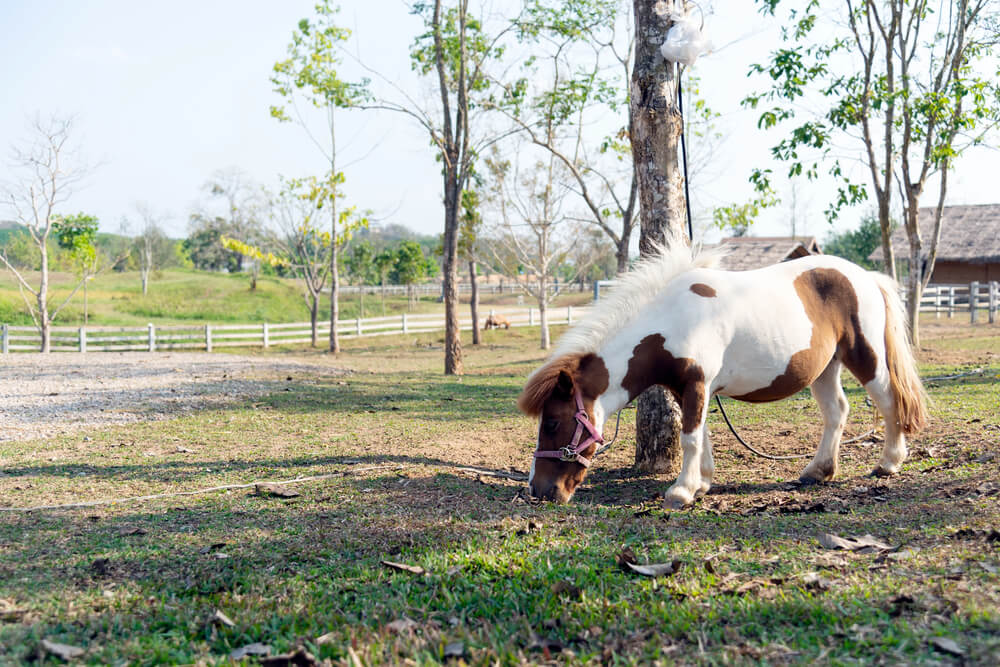
This zebra’s appearance—with markings less extensive than other zebras, lending it a somewhat horse-like look—confused naturalists about its classification. Whether it was a genuine species or an aberrant zebra generated debate until the last wild specimen was eliminated.
Giant Panda

For centuries, giant pandas were known through occasional sightings by local peoples in remote Chinese mountains. Western naturalists remained skeptical until a live specimen was secured.
Its classification as a bear rather than a raccoon relative generated decades of taxonomic debate.
Aye-Aye Continued Mystery
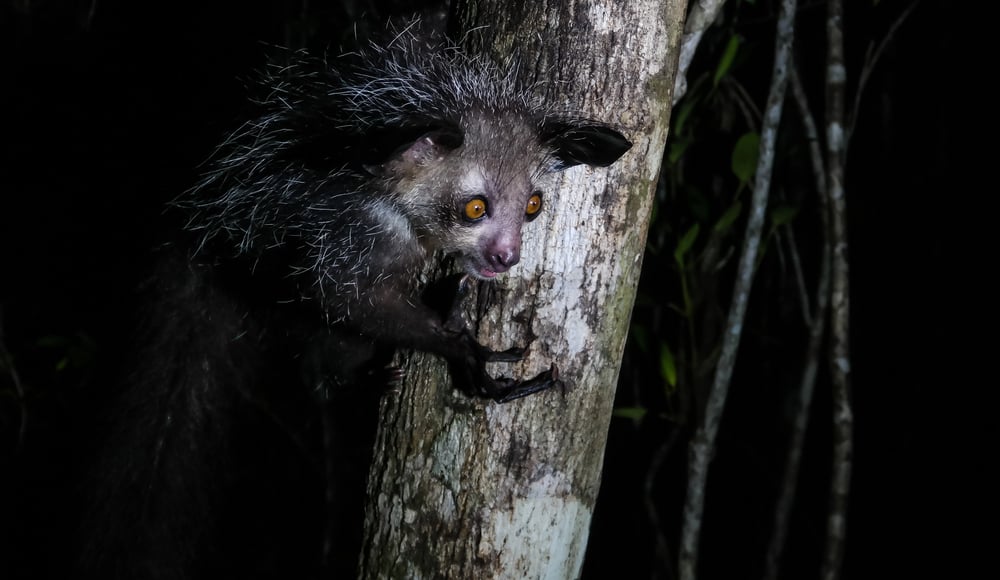
Even after scientific acceptance, the aye-aye’s unusual hand structure and feeding behavior maintained its reputation as one of nature’s strangest creatures, making it seem almost mythical despite its confirmed reality.
When Discovery Confirms the Incredible
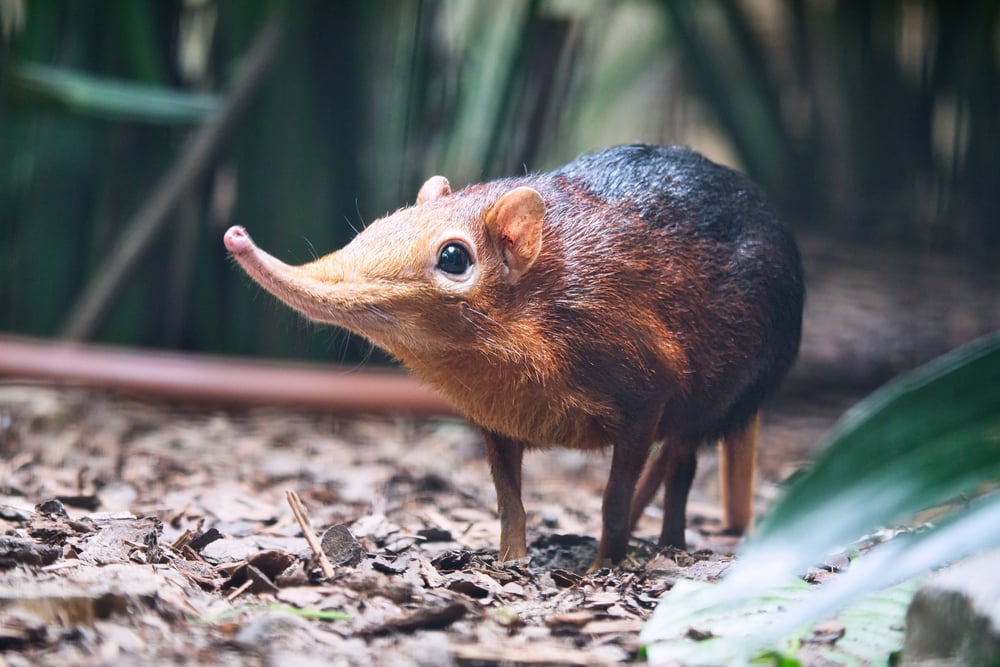
The history of these animals demonstrates that the boundary between myth and reality is permeable and that the natural world contains far more diversity than any historical period can fully comprehend. What seems impossible often merely indicates incompleteness in human understanding rather than genuine impossibility.
Each confirmation of a previously dismissed animal suggests that other creature accounts awaiting proof may turn out to be real. The rarest animals often hide in precisely the places humans have not yet looked thoroughly.
More from Go2Tutors!

- The Romanov Crown Jewels and Their Tragic Fate
- 13 Historical Mysteries That Science Still Can’t Solve
- Famous Hoaxes That Fooled the World for Years
- 15 Child Stars with Tragic Adult Lives
- 16 Famous Jewelry Pieces in History
Like Go2Tutors’s content? Follow us on MSN.



