31 Forgotten Items in Attics That Appraisers Say Are Worth Getting Professionally Checked
Most attics are exactly what they look like — storage for things nobody wanted to deal with. But professional appraisers who have spent careers evaluating what people drag out of those spaces will tell you that the boring-looking boxes are sometimes the ones worth opening.
The items that look like nothing tend to be the ones that stump people, which is exactly why so many genuinely valuable things end up at charity shops or in skips without a second glance. Condition, rarity, provenance, and current collector demand are the four factors that appraisers return to constantly.
An item that scores well on all four can be worth multiples of what the owner imagined. Getting something professionally appraised costs far less than selling a $5,000 piece for $50 because nobody thought to ask.
Old Oil Paintings With No Obvious Signature
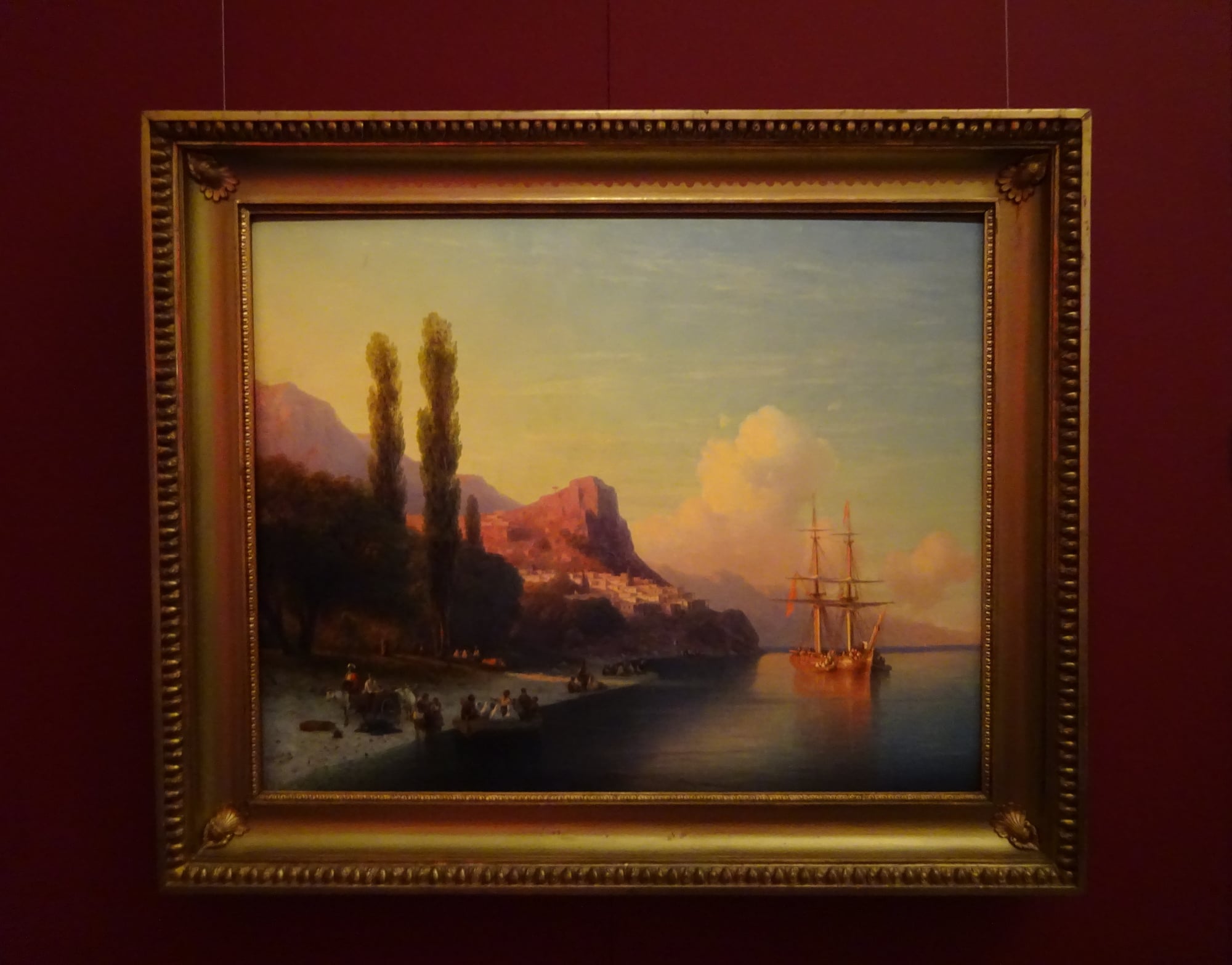
The painting that nobody liked and had forgotten about behind the piano turned out to be a six-figure find for one client of appraiser Linda Magnusson, who has spent years evaluating art for estates. The reason unsigned or obscurely signed paintings get overlooked is that most people assume no signature means no value.
Professional appraisers use provenance, canvas aging, paint composition, and style to date and potentially attribute work — and attribution of even a minor period painting to a named regional artist can change the value dramatically.
Vintage Pyrex Mixing Bowls In Rare Patterns
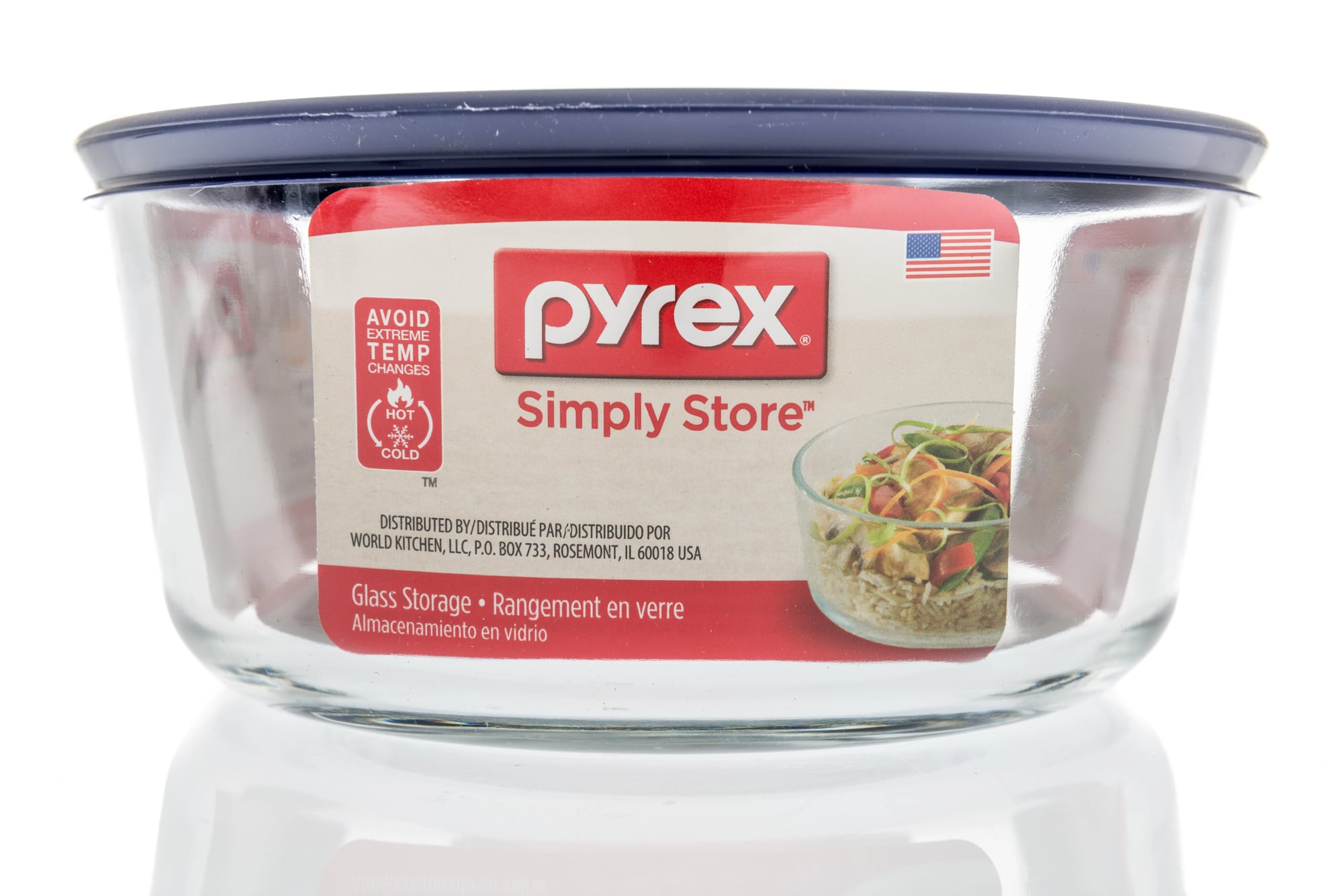
Pyrex manufactured between 1915 and 1970 has developed a collector base that most people outside the kitchenware world find baffling. A rare pattern called Lucky in Love sold at a Goodwill auction for nearly $6,000.
Most Pyrex has no meaningful value, but specific discontinued patterns from the mid-century period — the ones that were produced in small runs or regional markets — can catch serious prices in VG condition. The key is knowing which patterns matter, which is why a quick check before donating is worthwhile.
Mechanical Wristwatches And Pocket Watches
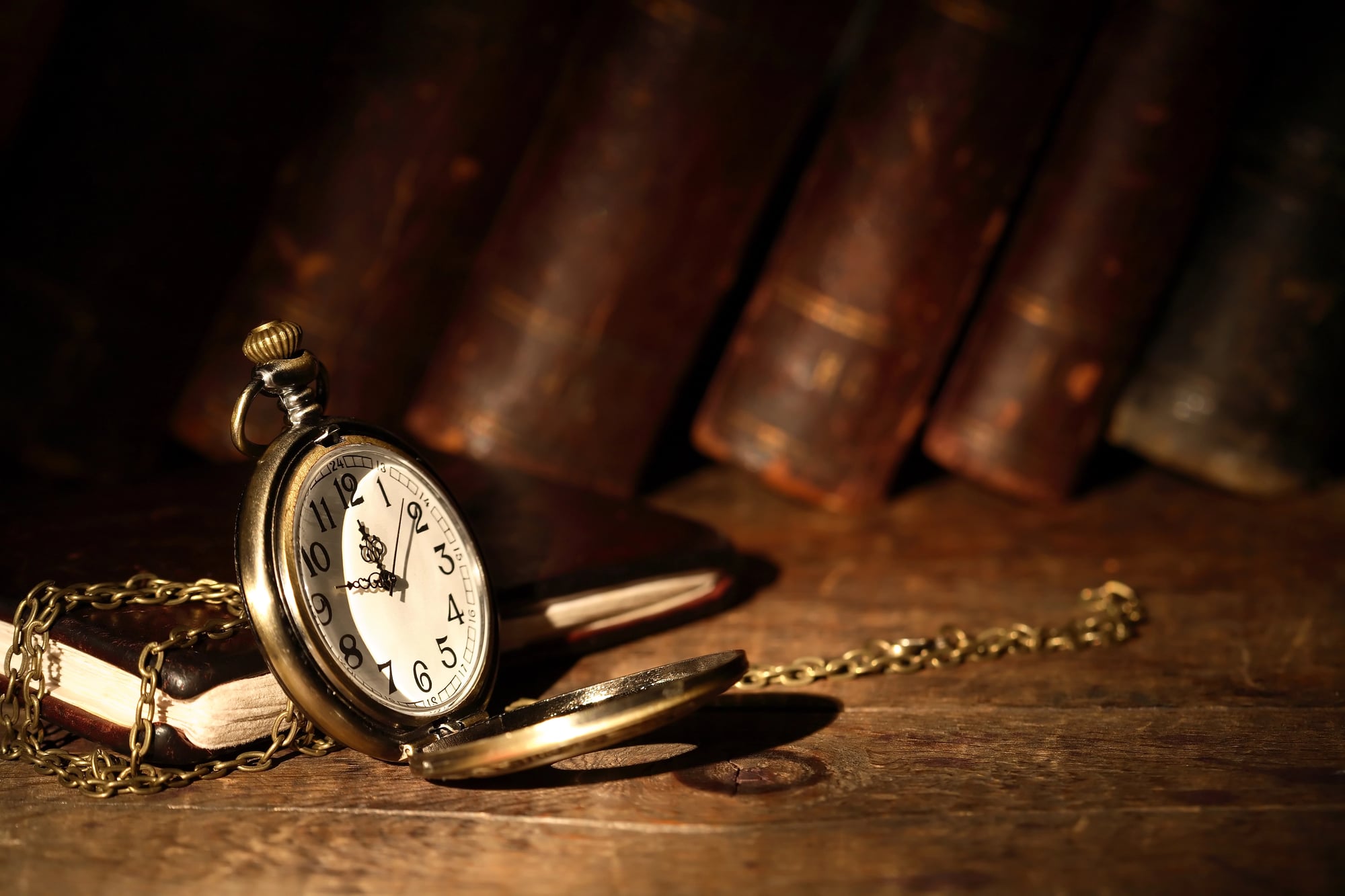
A pocket watch from a deceased relative looks like scrap metal to most heirs. On Antiques Roadshow, a pocket watch initially appraised at $250,000 was later updated to a value of between $2 million and $3 million, having been passed down through a family that had no idea what it was worth.
The combination of maker, movement complexity, case material, and condition drives watch values in ways that are genuinely hard to assess without training. Even a standard Swiss pocket watch from the early 20th century in running condition can sell for $200–$600 at auction.
Antique Tiffany Studios Lamps
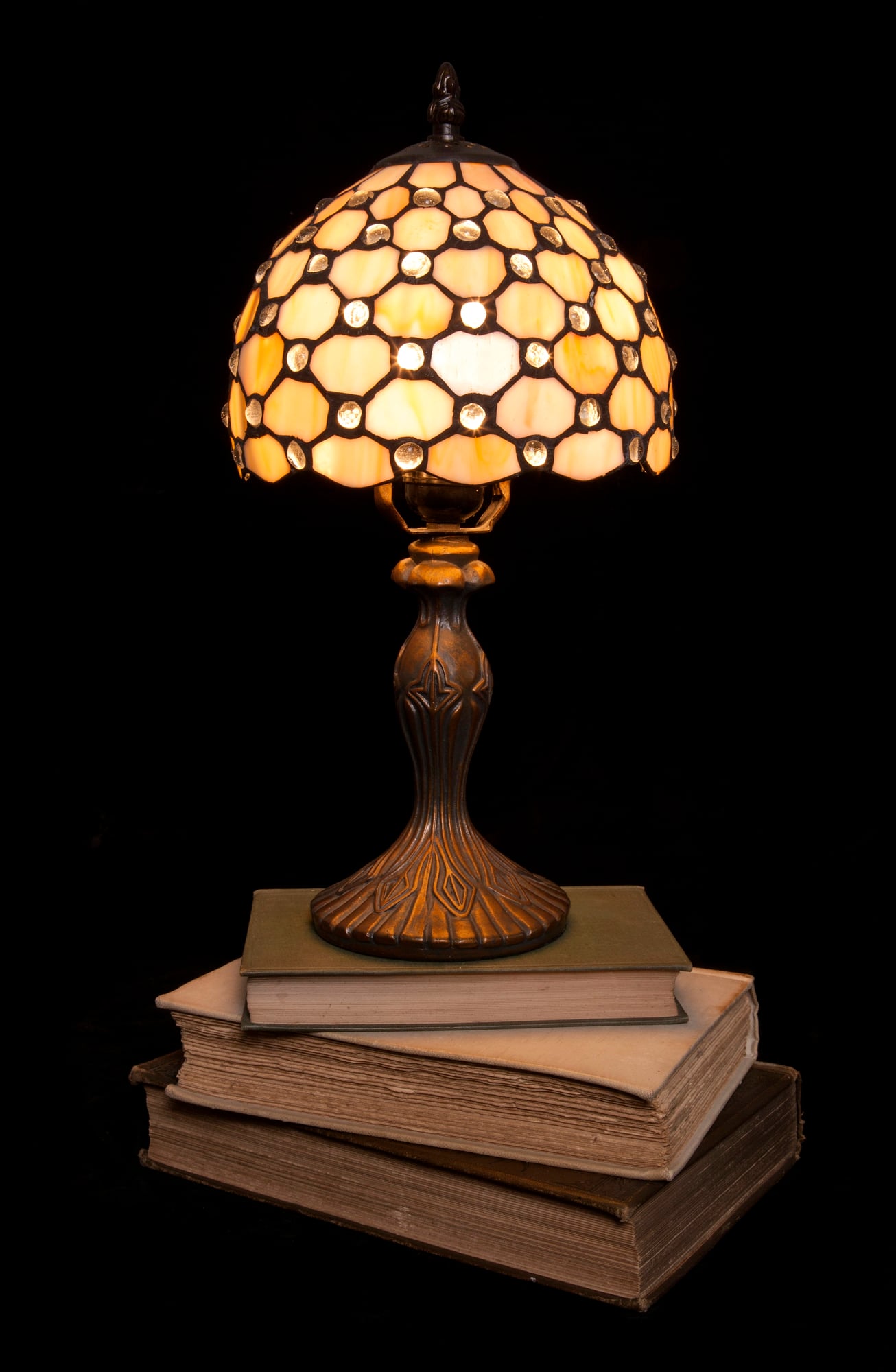
A Tiffany Studios Tulip lamp was appraised on Antiques Roadshow in 2023 at $150,000 at auction. The challenge with Tiffany is the volume of reproductions — identifying a genuine Studios piece (produced between roughly 1893 and 1933) requires examining the specific way the lead came was applied, the glass quality, and the base signature.
Most people who have a genuine one don’t know they do, because the lamp has sat in the same corner for forty years and nobody thought to look underneath the base for the Tiffany Studios stamp.
Old Baseball Cards And Sports Memorabilia
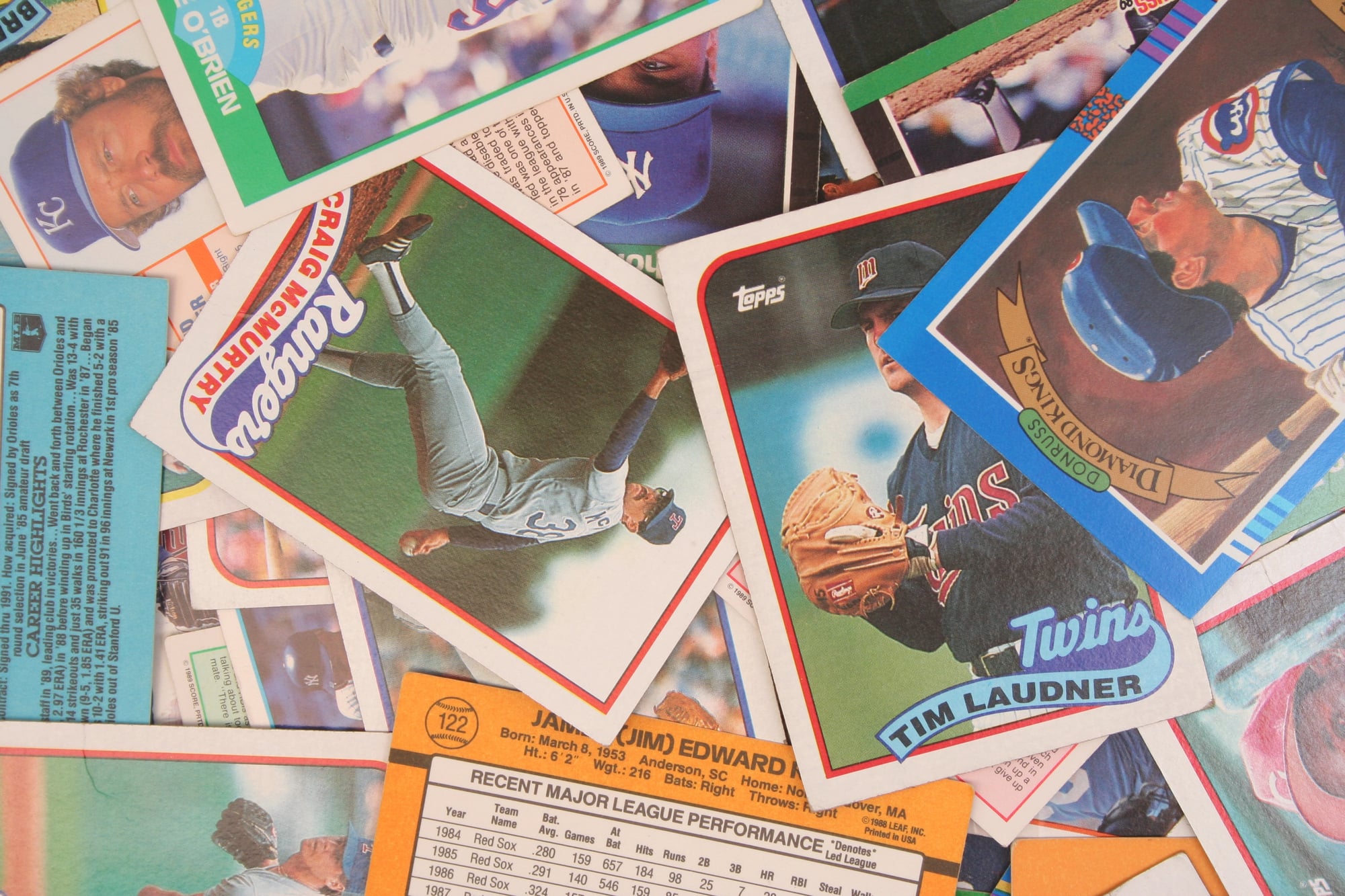
A collection of 1871–1872 Boston Red Stockings memorabilia — unearthed from a family estate — was appraised on Antiques Roadshow at $1 million, later considered one of the most dramatic attic discoveries in the show’s history. Early baseball cards produced before the 1900s and some pre-war cards from the 1930s and 1940s can reach significant values even in fair condition if the player is important.
The broader lesson is that any sports memorabilia that predates 1960 deserves at minimum a cursory check.
WWII Military Uniforms, Medals, And Documents
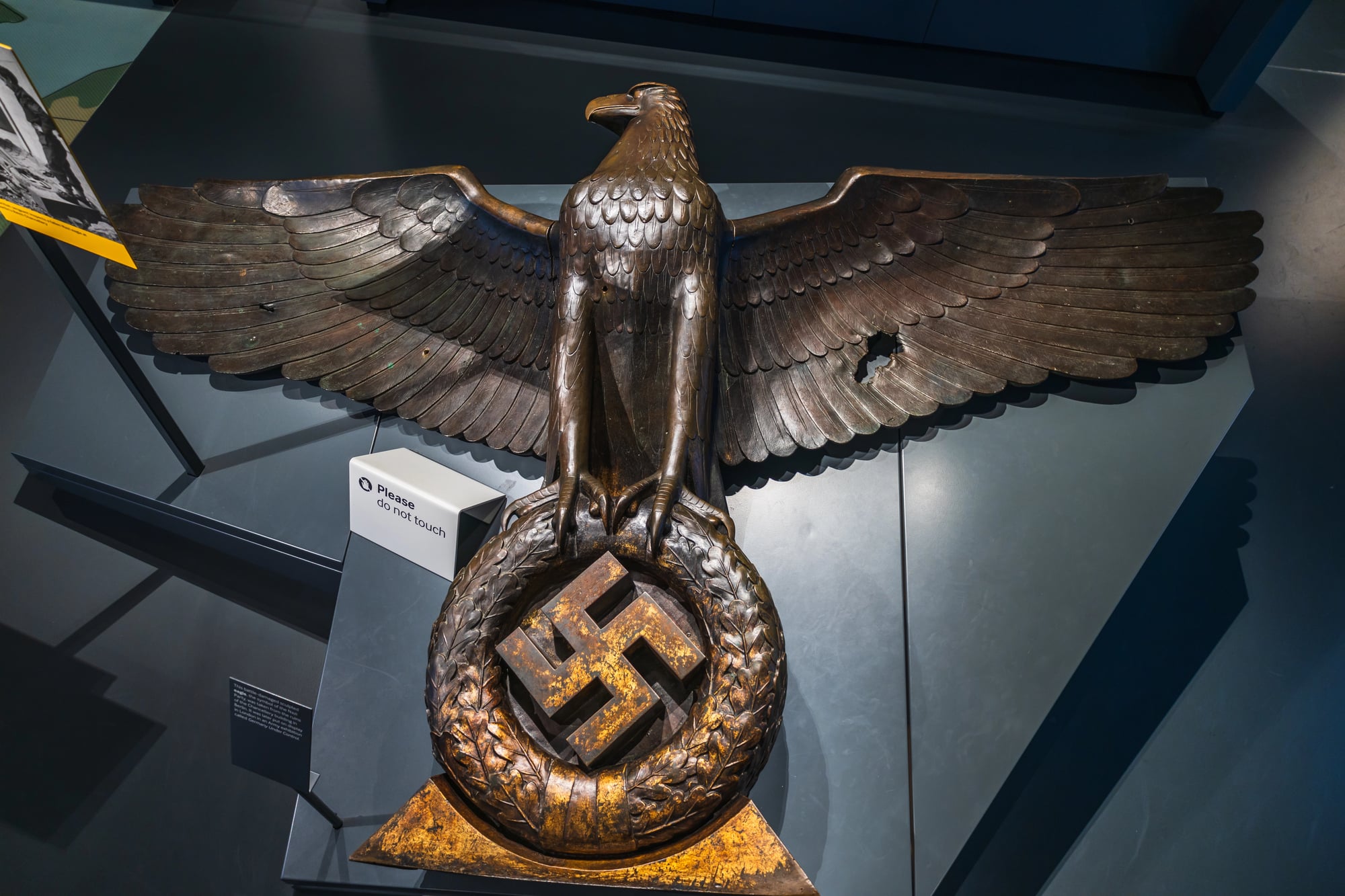
Military items from both World Wars are among the most consistently misvalued items in attics. A Named medal — meaning a medal with the recipient’s name impressed or engraved into the rim — carries significantly more value than an unnamed example of the same type.
German, American, and British WWII-era items all have active collector markets. The paperwork matters too: discharge papers, commendations, and photographs that can verify a particular service history add provenance that multiplies value beyond the physical items alone.
Old Maps, Particularly City Or Regional Maps Pre-1850
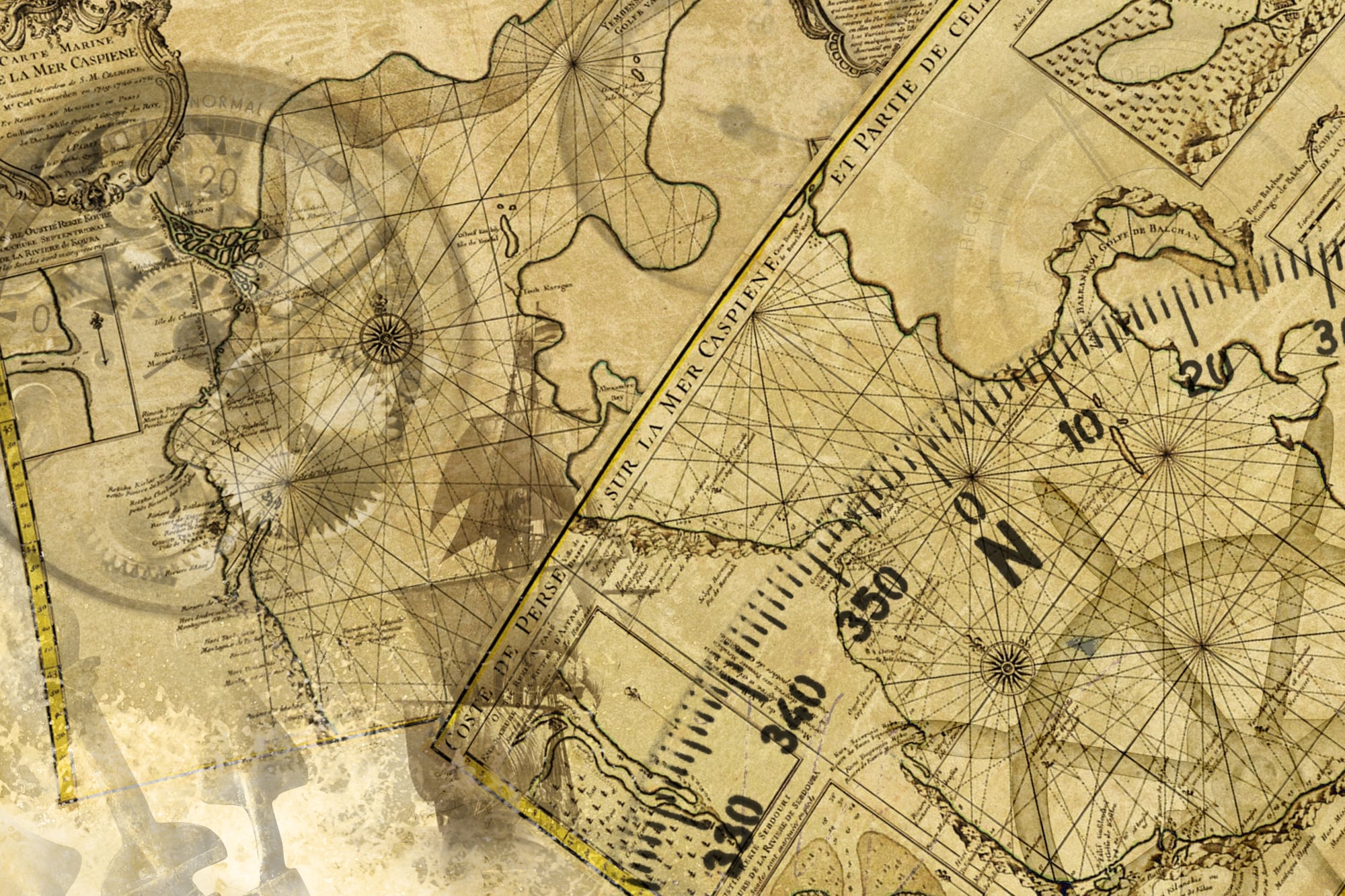
Early printed maps have a market that most people are unaware of. A hand-coloured map of an American state or European region from before 1850 in good condition can sell for $500–$5,000 depending on the cartographer, the region depicted, and the rarity of the specific edition.
Maps get stored in drawers, rolled in tubes, or tucked into atlases and forgotten. The condition of the paper and the clarity of the hand-colouring are the two biggest value factors appraisers examine first.
Vintage Cameras, Particularly Leica And Rolleiflex Models
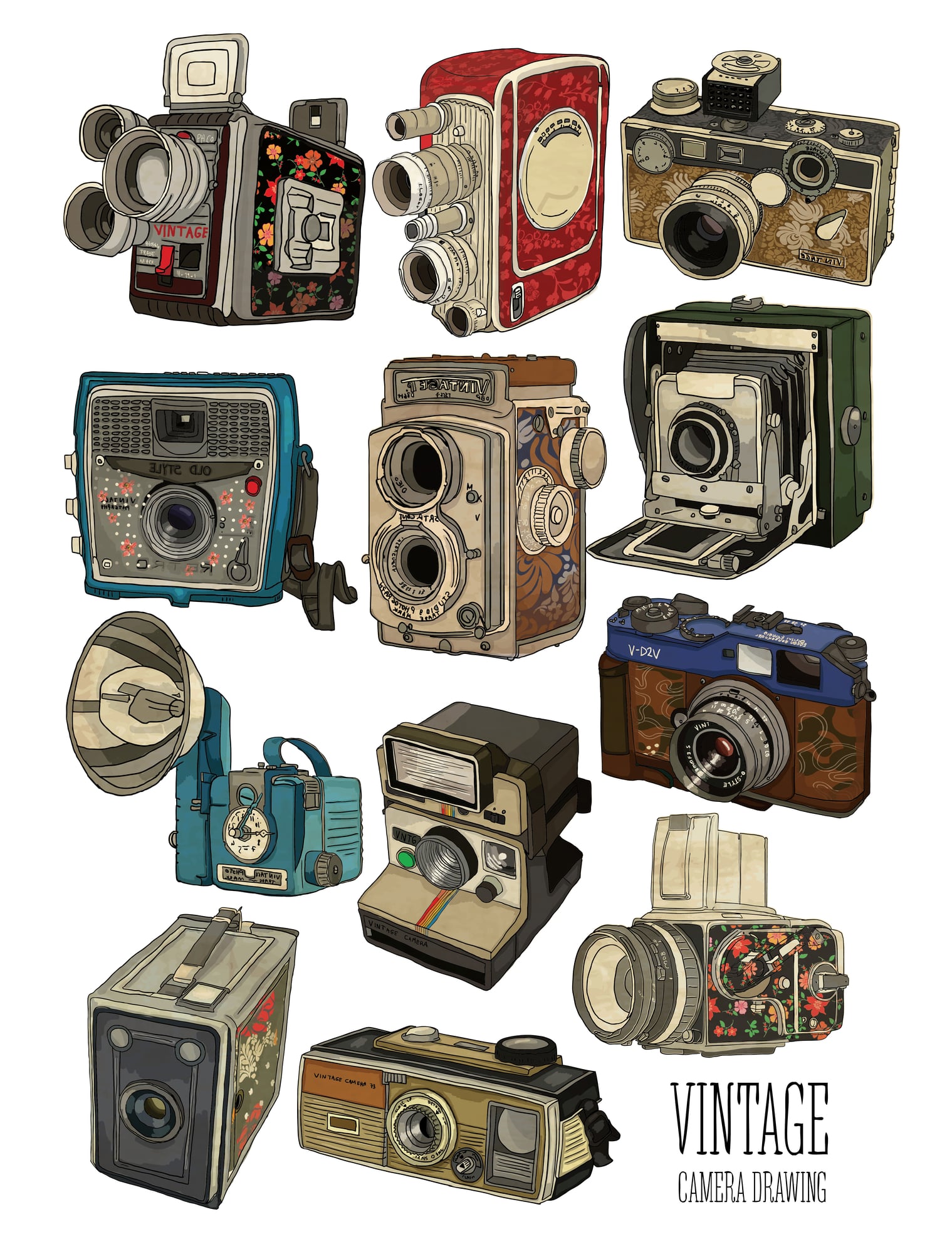
A gold-plated Leica Luxus II camera was appraised on the BBC version of Antiques Roadshow at approximately £1.7 million (around $2.1 million) in 2001. That’s an extreme example, but pre-war Leica rangefinders and Rolleiflex twin-lens reflex cameras from the 1950s and 1960s in working condition regularly sell for $300–$2,000 depending on the specific model and whether the optics are clear.
Cameras tend to end up in attic boxes because they were replaced rather than broken — which means they’re often in better condition than expected.
Antique Sterling Silver Flatware Sets
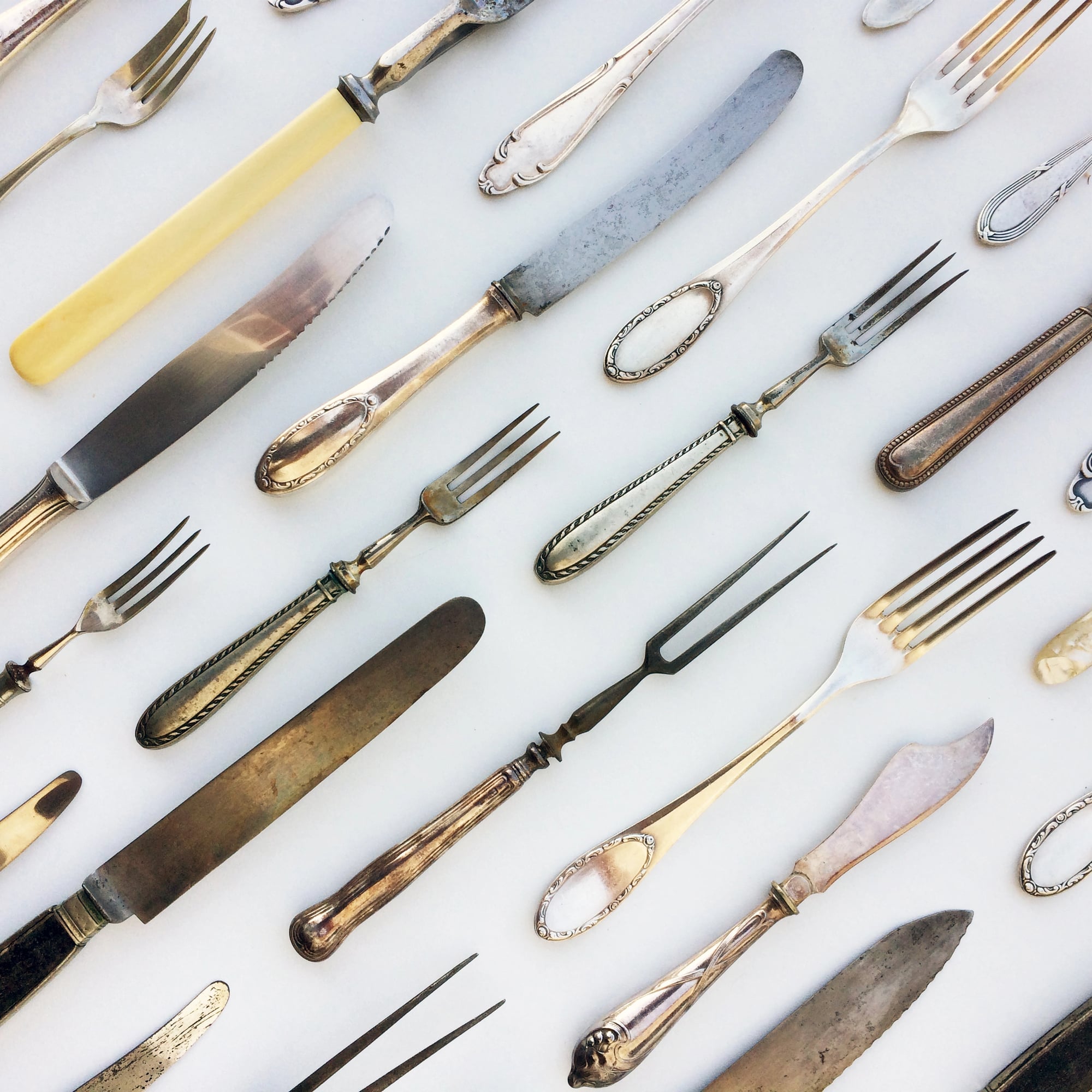
A complete sterling silver flatware set stored in its original presentation case is the kind of thing that gets inherited and then put away because nobody uses it for dinner parties anymore. Sterling silver — marked with a hallmark indicating 925 parts per thousand silver — has both melt value and collector value when the pattern is desirable.
A complete set for twelve in a well-regarded pattern can sell for $1,500–$5,000 or more depending on the maker and period. Appraisers check the hallmarks first, because plated silver and sterling look identical to the untrained eye.
Early Edition Books With Dust Jackets
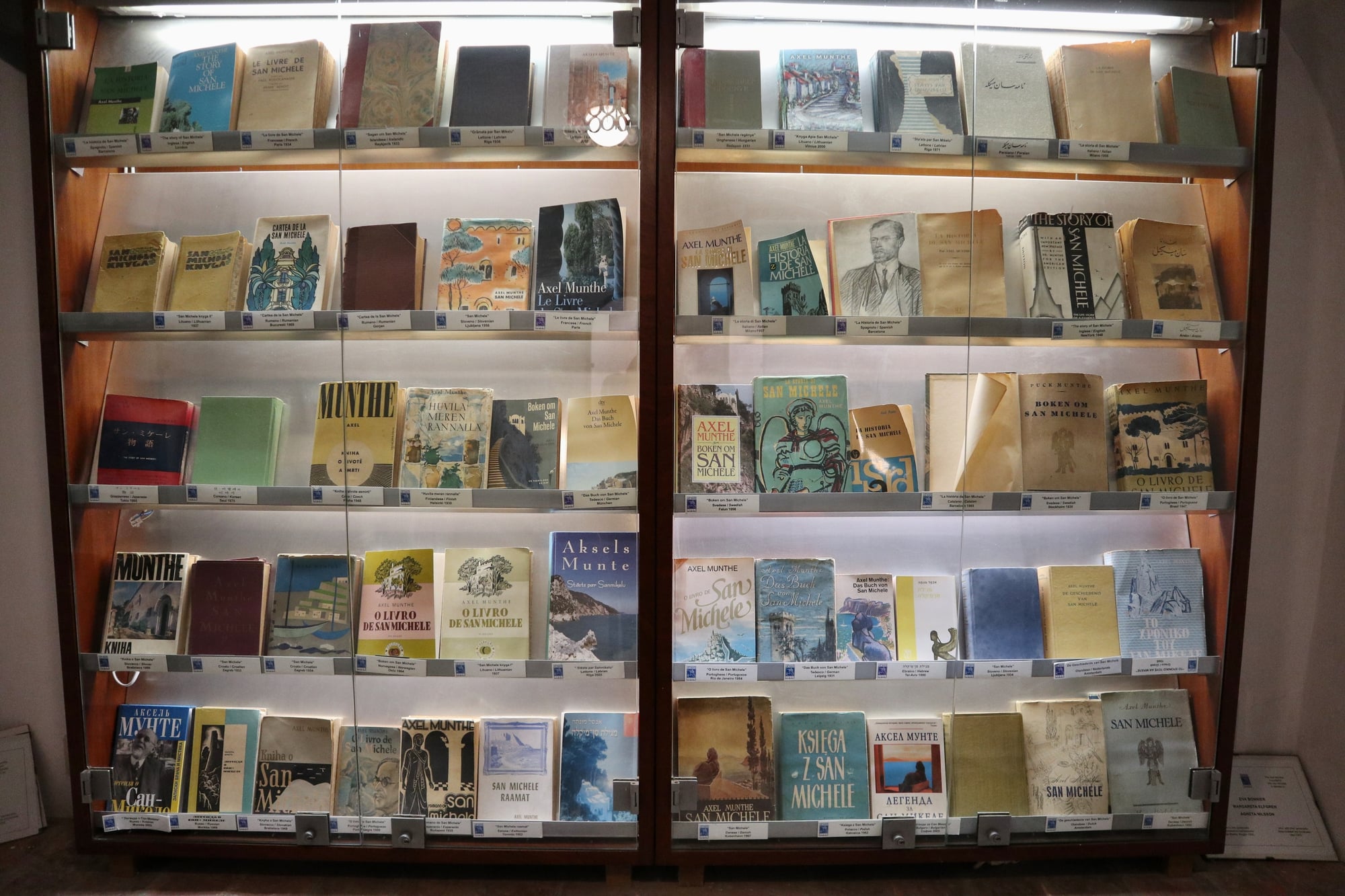
First editions of important 20th-century novels are worth far more with their original dust jackets than without them. A first edition of F. Scott Fitzgerald’s “The Great Gatsby” without its jacket sold for around $50,000 at auction — the same edition with the original jacket has sold for over $100,000.
Most people don’t know that the cardboard jacket wrapping a book they consider expendable is what makes the difference. Books found in estate boxes, particularly from the 1920s through the 1950s, deserve a close look at the copyright page before they go anywhere.
Native American Blankets And Textiles

The Navajo Ute First Phase blanket appraised on Antiques Roadshow at $350,000–$500,000 in 2001 had climbed to a retail value of $1.5–$2 million by 2021. Navajo blankets from the Classic Period (roughly 1800–1865) are among the most significant textile collectibles in existence.
They tend to travel through estates without anyone recognising what they are, and they’re sometimes used as actual blankets for decades before a family member thinks to have them examined. Any Native American textile that appears hand-woven and predates the 1900s warrants professional appraisal.
Antique Jewellery With Unidentified Stones
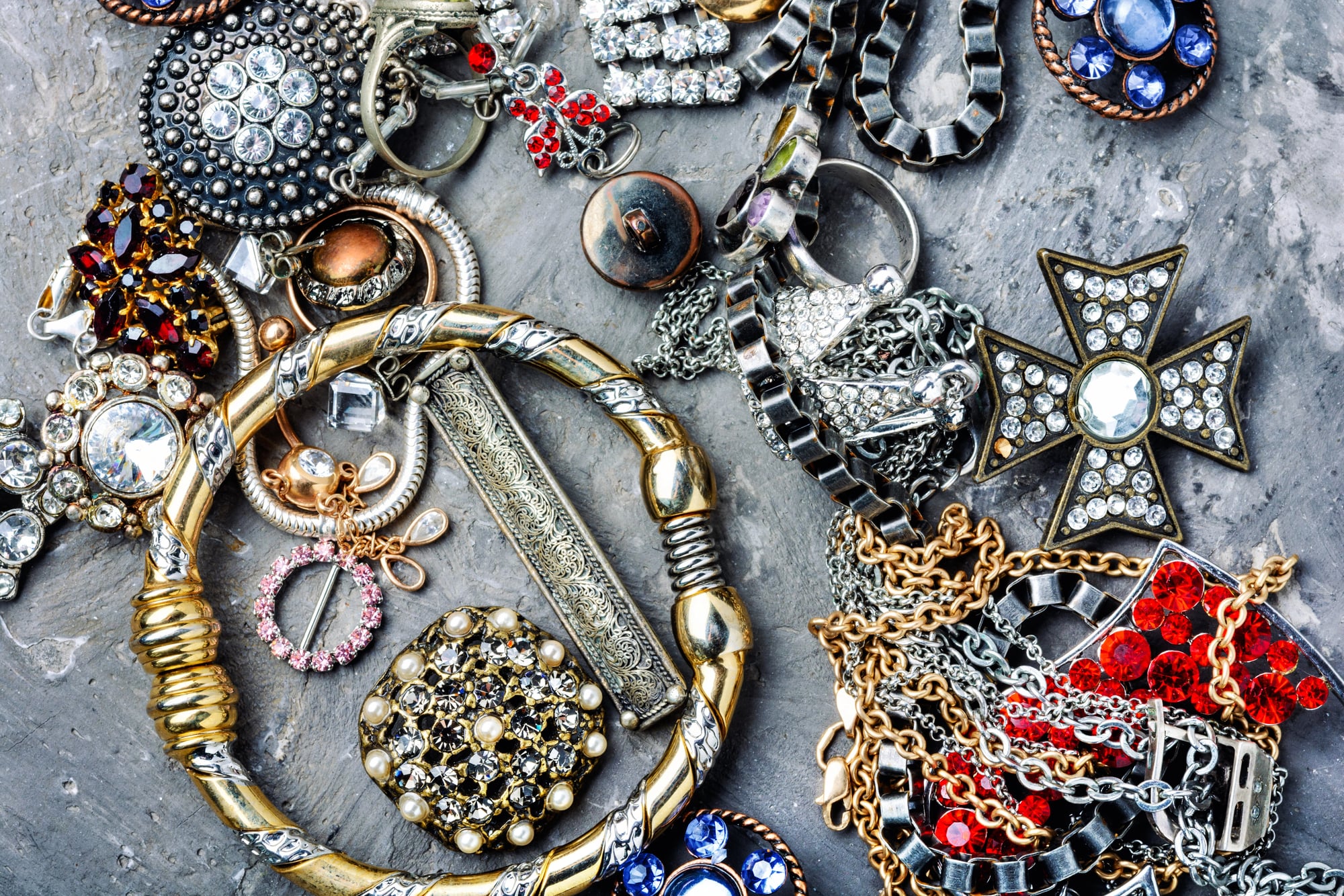
A piece of old jewellery dismissed as costume or semi-precious can turn out to contain gemstones of genuine quality once a gemologist examines it. Jewellery appraisers report regularly finding old pieces with untested stones that the family assumed were paste.
Emeralds, rubies, and sapphires from estate pieces were sometimes set in ways that make them look less valuable than they are, particularly in Victorian and Edwardian settings where the metalwork draws more attention than the stones.
Vintage Board Games In Original Boxes
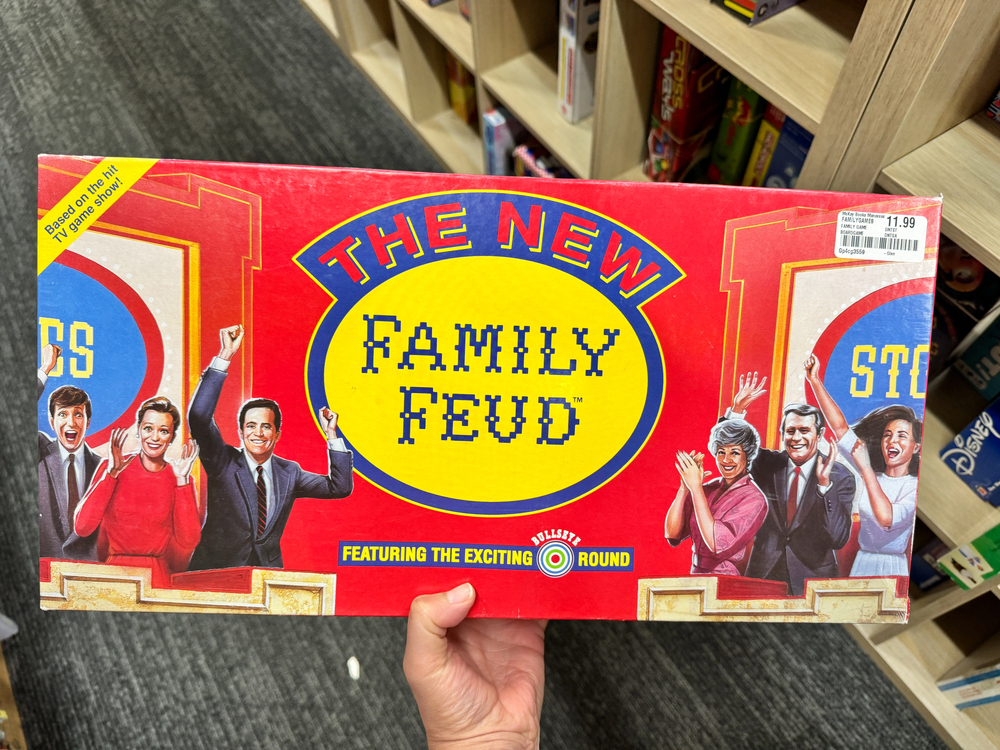
Complete vintage board games — particularly pre-1960 editions in original boxes with all pieces present — have a surprisingly active collector market. A 1930s Monopoly set in good condition can sell for $500–$1,000.
Games connected to specific historical periods, licensed characters from early radio or film, or games that were only produced for short periods are the ones worth checking. The completeness is everything: a box with missing pieces drops to a fraction of the value of a complete example.
Old Coins, Particularly Pre-Decimal Currency
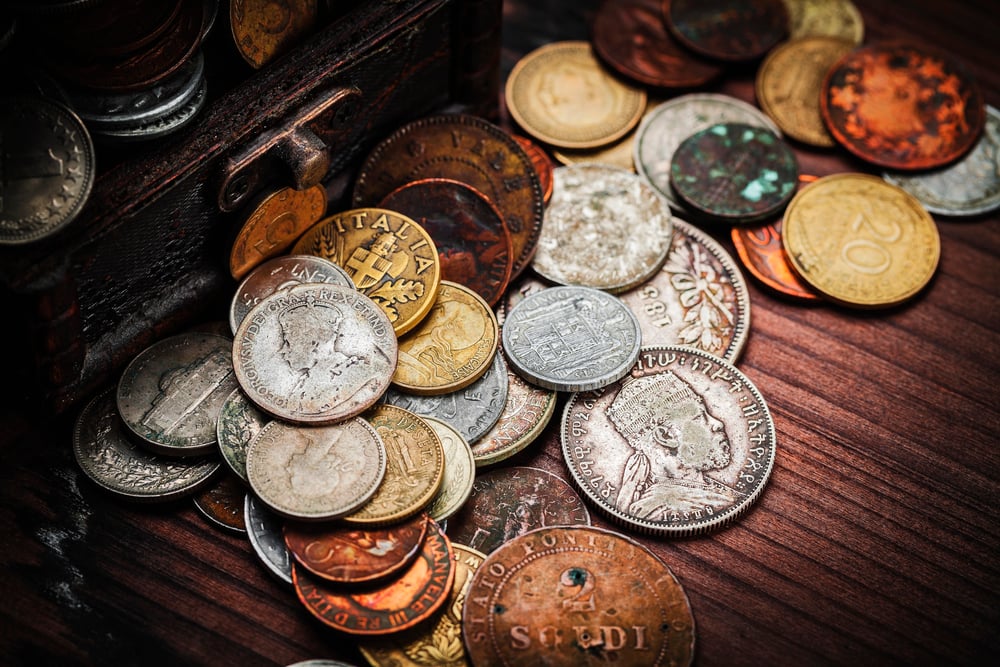
Most people know old coins can be valuable, which is why they tend to hold onto them — but they often underestimate how much condition matters. A coin worth $5 in fair condition might be worth $500 in uncirculated condition.
Appraisers also look for die errors, specific mint marks, and low-mintage years that make particular coins collectible regardless of their face denomination. A tin of old pennies found in an attic should go to a coin dealer before it goes anywhere else.
Vintage Postcards, Particularly Pre-1920
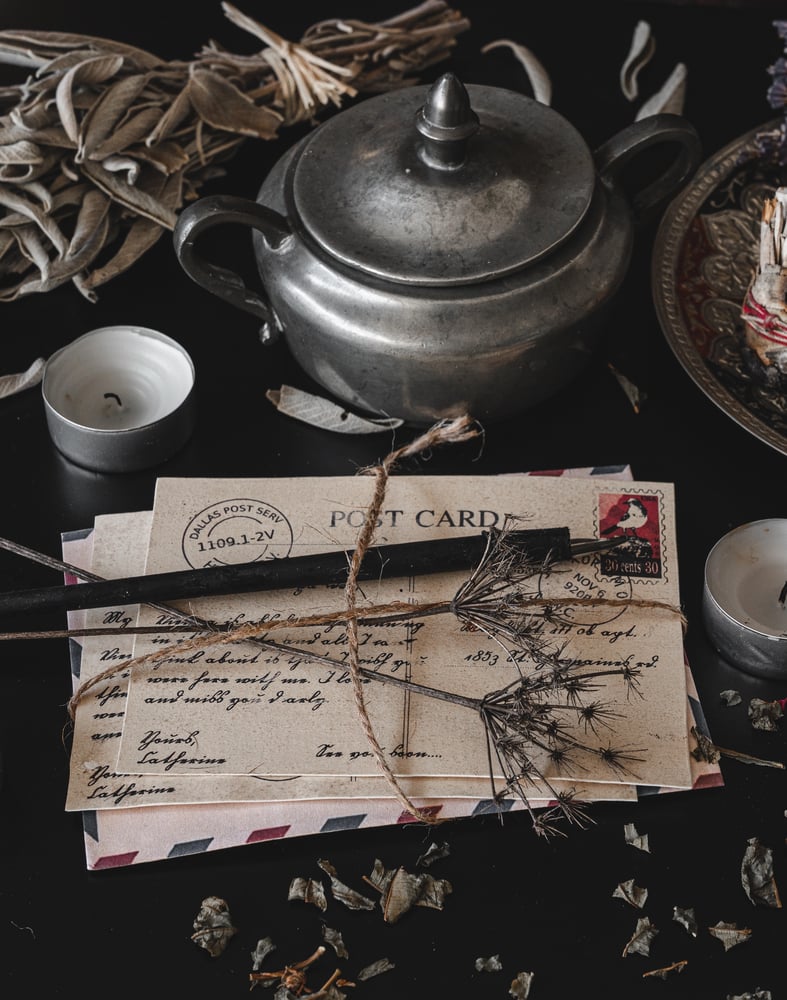
The golden age of postcard production ran from roughly 1900 to 1915, and certain categories of card from that period have real collector demand. Postcards depicting early aviation, social history, specific towns before modernisation, and artist-illustrated series by named creators can sell for $50–$500 per card in clean condition.
A shoebox of a hundred early postcards, all unused, is the kind of find that a postcard specialist can pick through and identify two or three that justify having the whole lot assessed.
Old Sewing Machines In Working Order
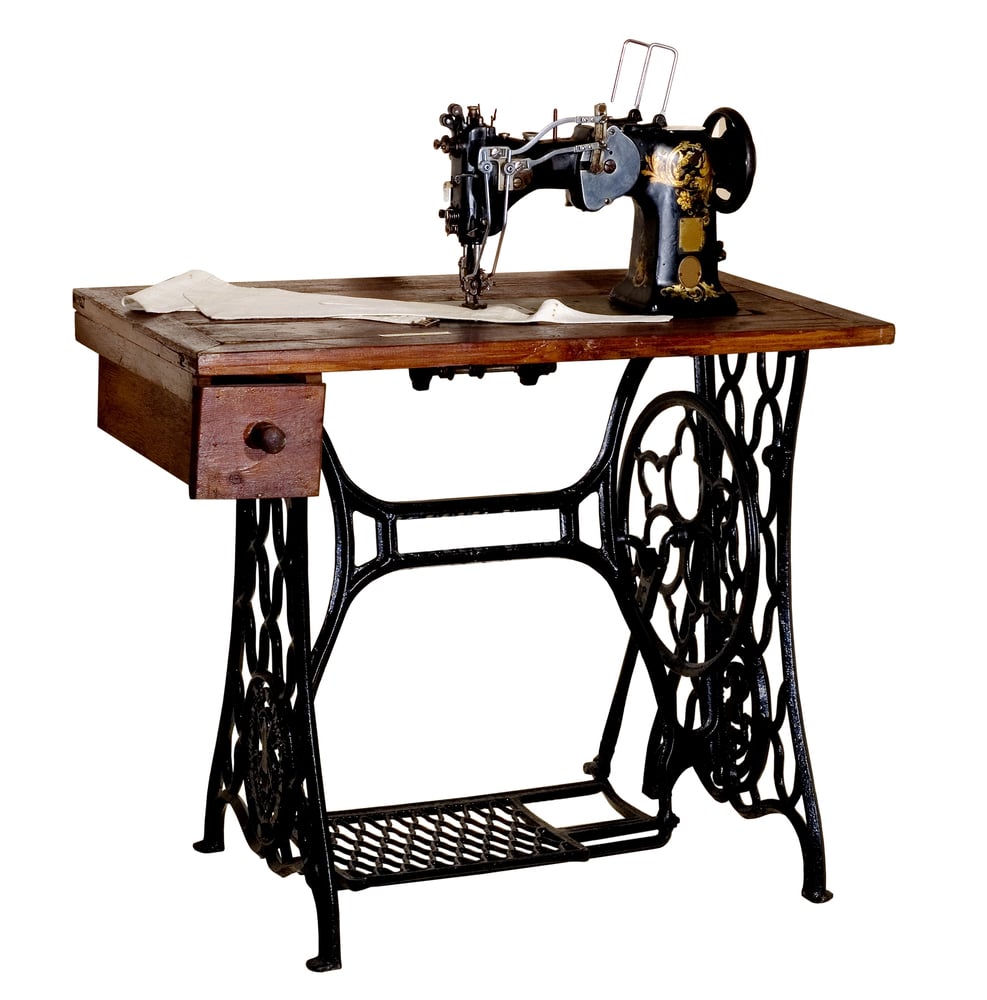
Cast-iron sewing machines, particularly early Singer models with ornate decals and original wooden cabinets, have become sought-after decorative and functional pieces. A Singer Featherweight 221 — the lightweight portable model first produced in 1933 — sells for $200–$500 in good working condition.
Treadle machines in their original cabinets can sell for $150–$400 as furniture pieces alone. Most families who have one consider it too heavy to move and too old to use, which is exactly the wrong conclusion.
Vintage Typewriters, Particularly Coloured Olivetti Models
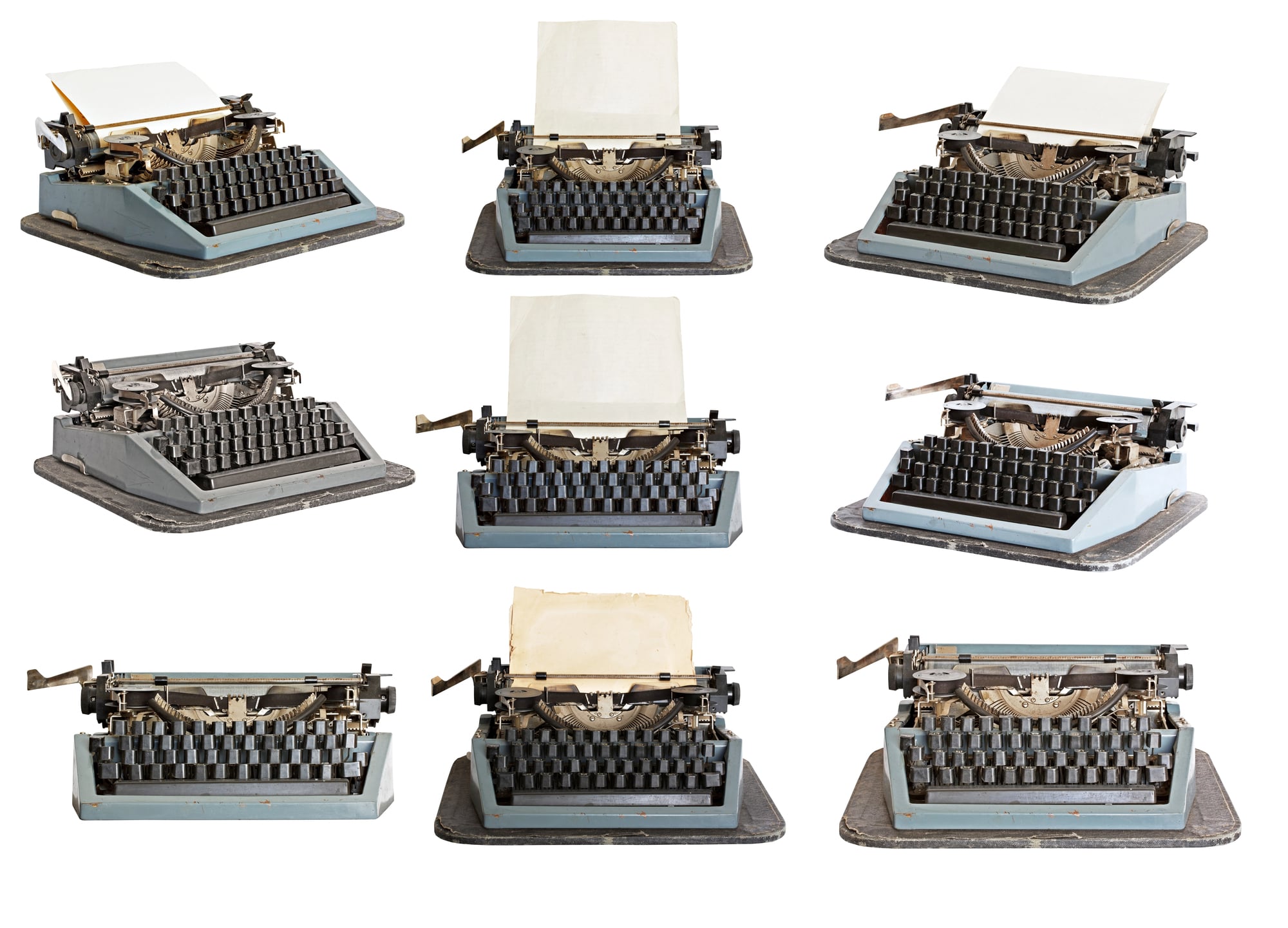
The Olivetti Valentine typewriter, designed by Ettore Sottsass and Perry King in 1969 and sold in its distinctive red carry case, is the most sought-after typewriter in the collectibles market. Working examples in original cases sell for $400–$800.
More broadly, working vintage typewriters from major manufacturers — Royal, Underwood, Olympia, and Hermes — in clean condition with functioning mechanisms sell for $100–$400 depending on model and condition. The market for working machines is far stronger than for decorative non-working examples.
Children’s Books With Original Dust Jackets, Pre-1940

Early editions of classic children’s books — Alice’s Adventures in Wonderland, The Wind in the Willows, early A.A. Milne — with original illustrations and dust jackets are a serious collector category. A first UK edition of “Winnie-the-Pooh” (1926) with its original jacket has sold for over $30,000.
Condition of the jacket matters enormously, but even a jacket with minor edge wear dramatically increases the value over a jacketed copy. Books stored in attic boxes sometimes survive better than those that were read and loved.
Vintage Advertising Tins And Enamel Signs
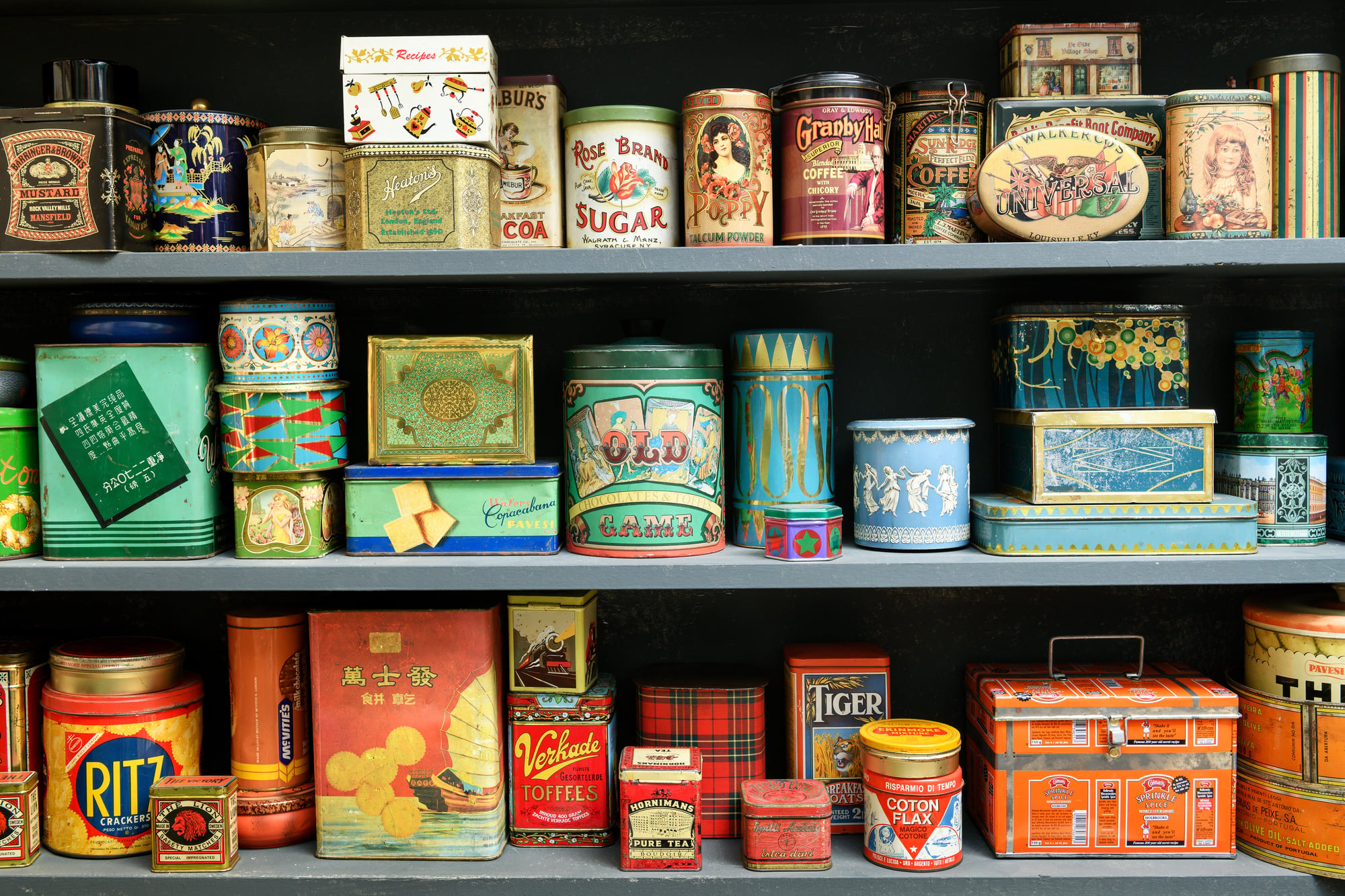
Original enamel advertising signs from the early 20th century — the kind that hung outside shops and petrol stations — have a strong collector market. A well-preserved double-sided enamel sign for a major brand from the 1920s or 1930s can sell for $500–$3,000 depending on the brand, condition, and visual impact.
Lithographed tin signs from the same era have a similar market. Storage in attics protects them from the outdoor weathering that destroys most examples, so attic-kept signs often turn up in better condition than anything found elsewhere.
Old Fountain Pens, Particularly Montblanc And Parker
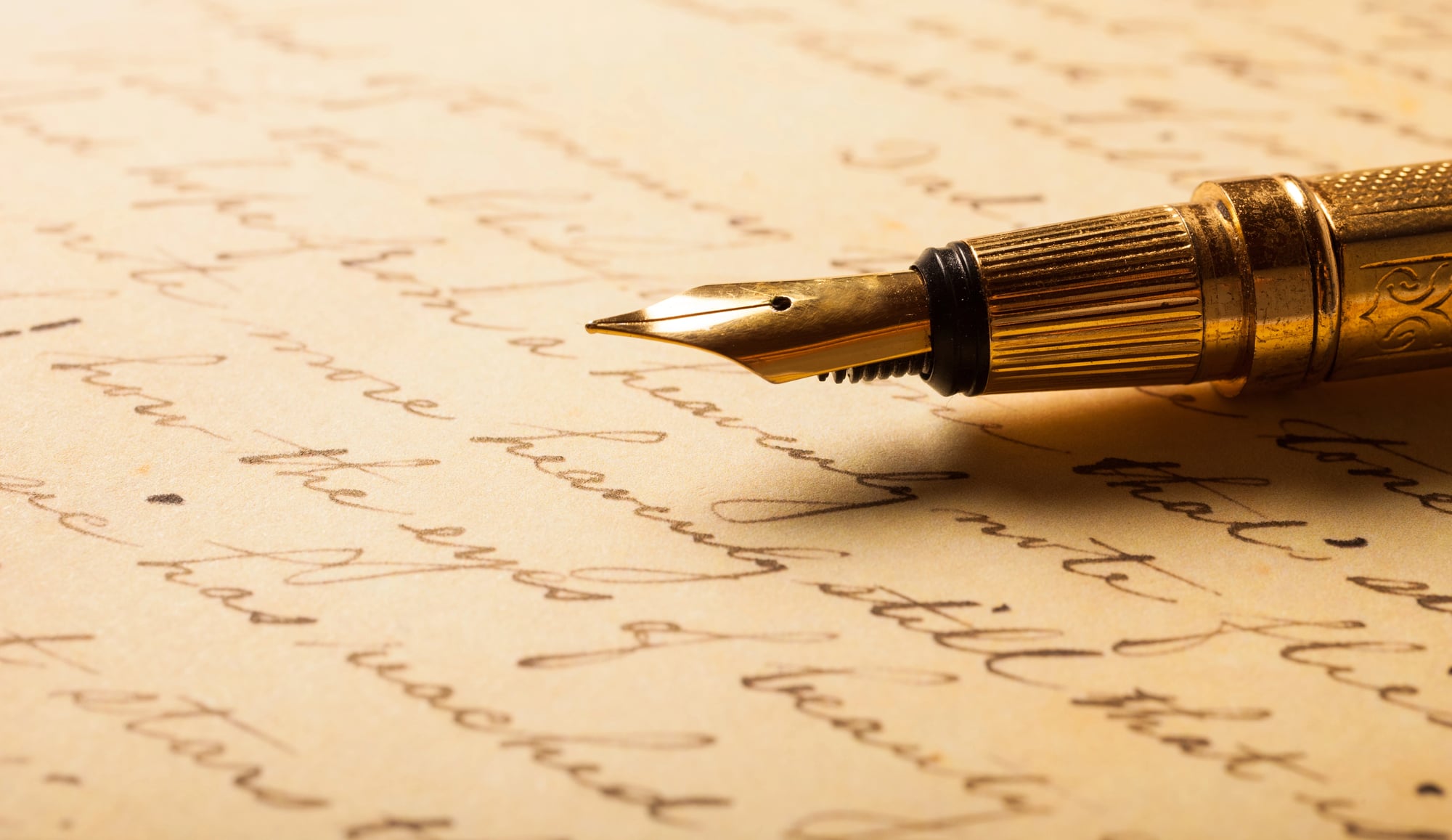
Vintage Montblanc pens — particularly the 149 “Diplomat” model introduced in 1952 and the Meisterstück 4810 — in fully functional condition sell for $200–$800 depending on the specific variant. Parker Vacumatic and Parker 51 models from the 1940s and 1950s in working order sell for $80–$400.
Fountain pens were quality items that people kept long after they stopped using them daily, which means attic finds often turn up in better condition than you’d expect. The nib condition and the filling mechanism are what appraisers examine first.
Vintage Stuffed Animals And Early Steiff Bears
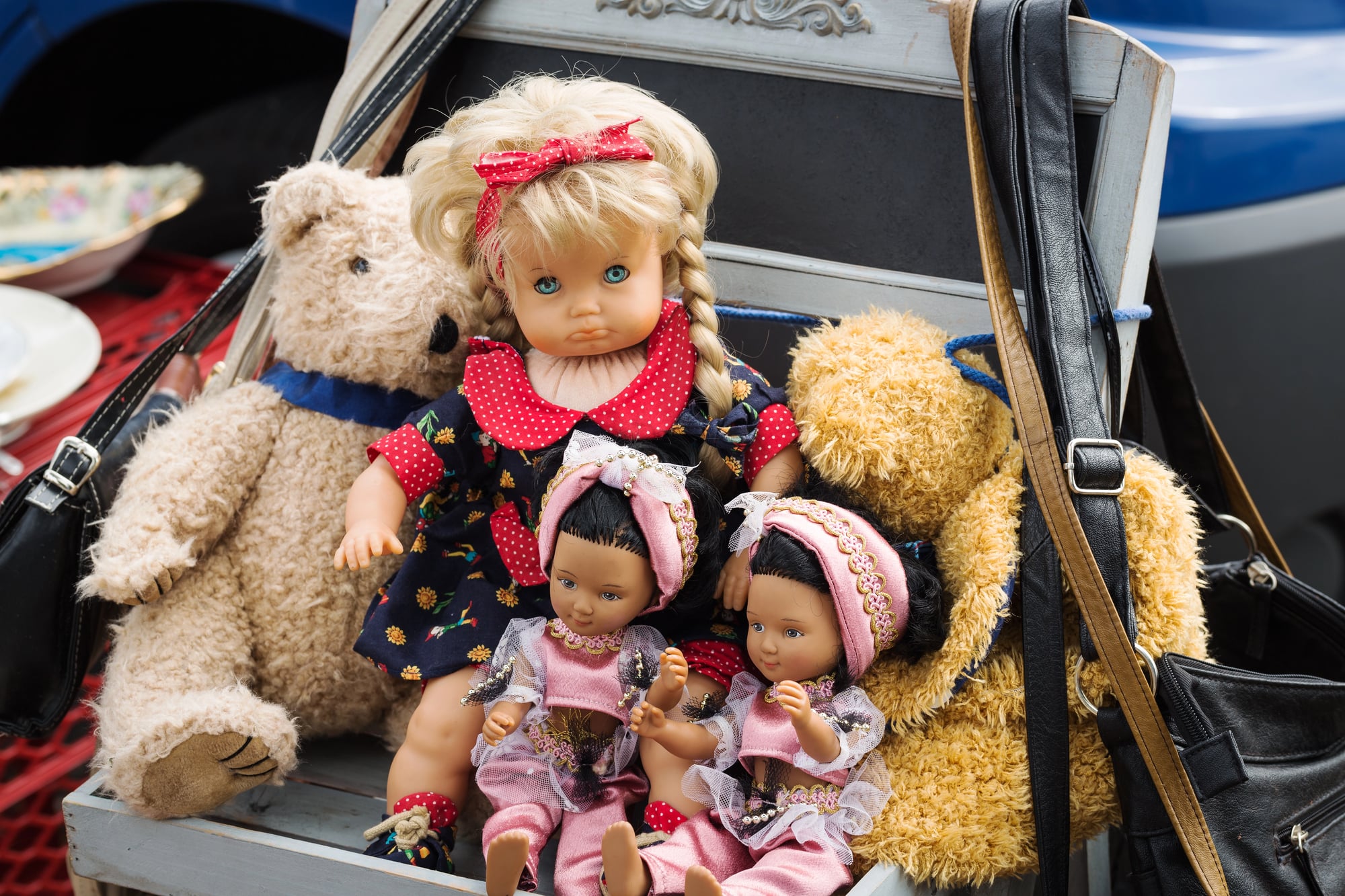
A black Steiff teddy bear made in 1912 as a memorial to Titanic victims — produced in editions of only a few hundred — reached six-figure appraisals when one surfaced on Antiques Roadshow. Standard early Steiff bears from the pre-war period in good condition are more modest but still significant, often selling for $500–$5,000 depending on size, condition, and whether the button-in-ear tag is intact.
The Steiff button is the authentication point every appraiser checks immediately.
Handwoven Rugs And Carpets, Particularly Persian
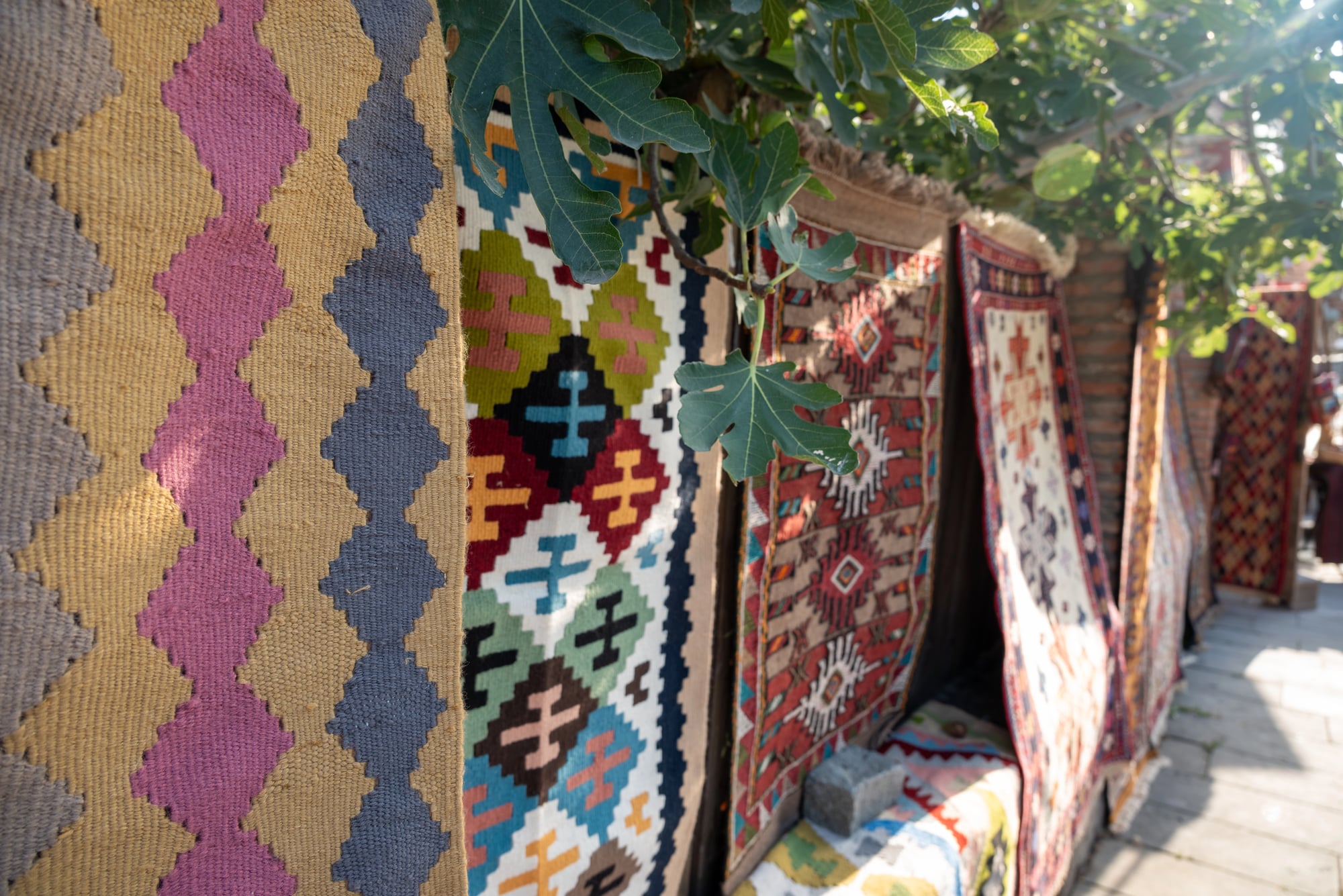
Antique hand-knotted Persian rugs from before 1930 have a collector market that most heirs are unaware of. The difference between a hand-knotted antique and a machine-made modern reproduction is visible to a trained eye within seconds — knot density, pile composition, and the way the pattern repeats on the reverse all serve as indicators.
A genuine Tabriz or Kashan carpet from the late 19th or early 20th century in good condition can sell for $2,000–$20,000 or more at auction. Rolled and stored carpets survive attics remarkably well.
Old Cameras With Unprocessed Film
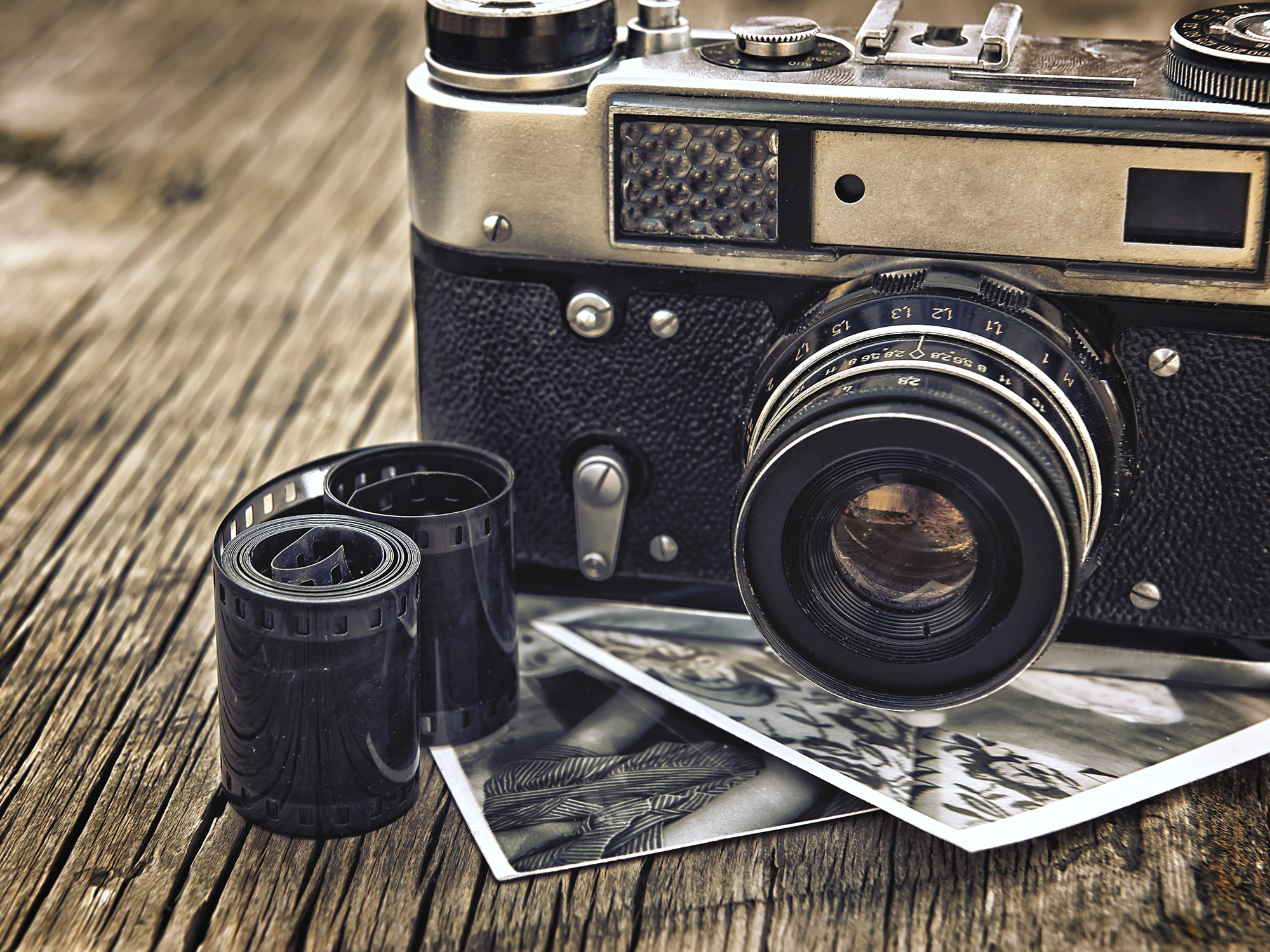
An attic camera occasionally contains unprocessed film — exposed rolls that were never developed. Photographers who specialise in historical film recovery have developed processes to extract images from film that is sixty or more years old, and the results occasionally include historically significant photographs.
The content of the images, once revealed, is impossible to predict, which makes this less a guaranteed value and more a reason to have the film professionally evaluated before it’s discarded.
Civil War-Era Daguerreotypes And Photographs
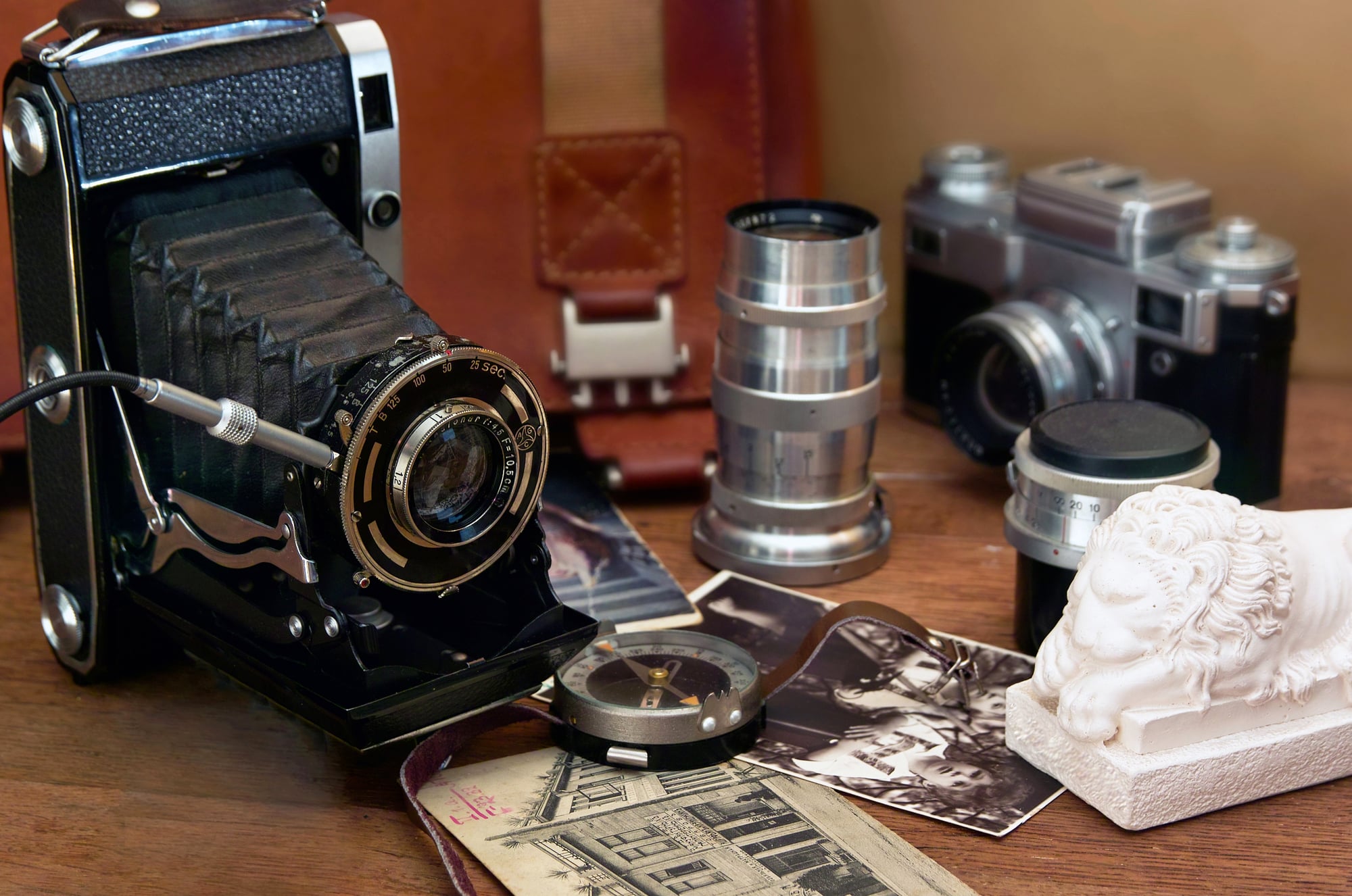
Daguerreotype portraits from the 1840s–1860s in their original leather cases are among the most consistently sought-after early photographic items. Most are worth $30–$150 for standard portraits, but images depicting soldiers in uniform, named individuals who can be identified through accompanying documents, or historically significant scenes can reach $500–$5,000.
A daguerreotype case with names or dates written inside is worth examining before it’s sold in a job lot.
Vintage Wooden Toys And Pull Toys, Pre-1940
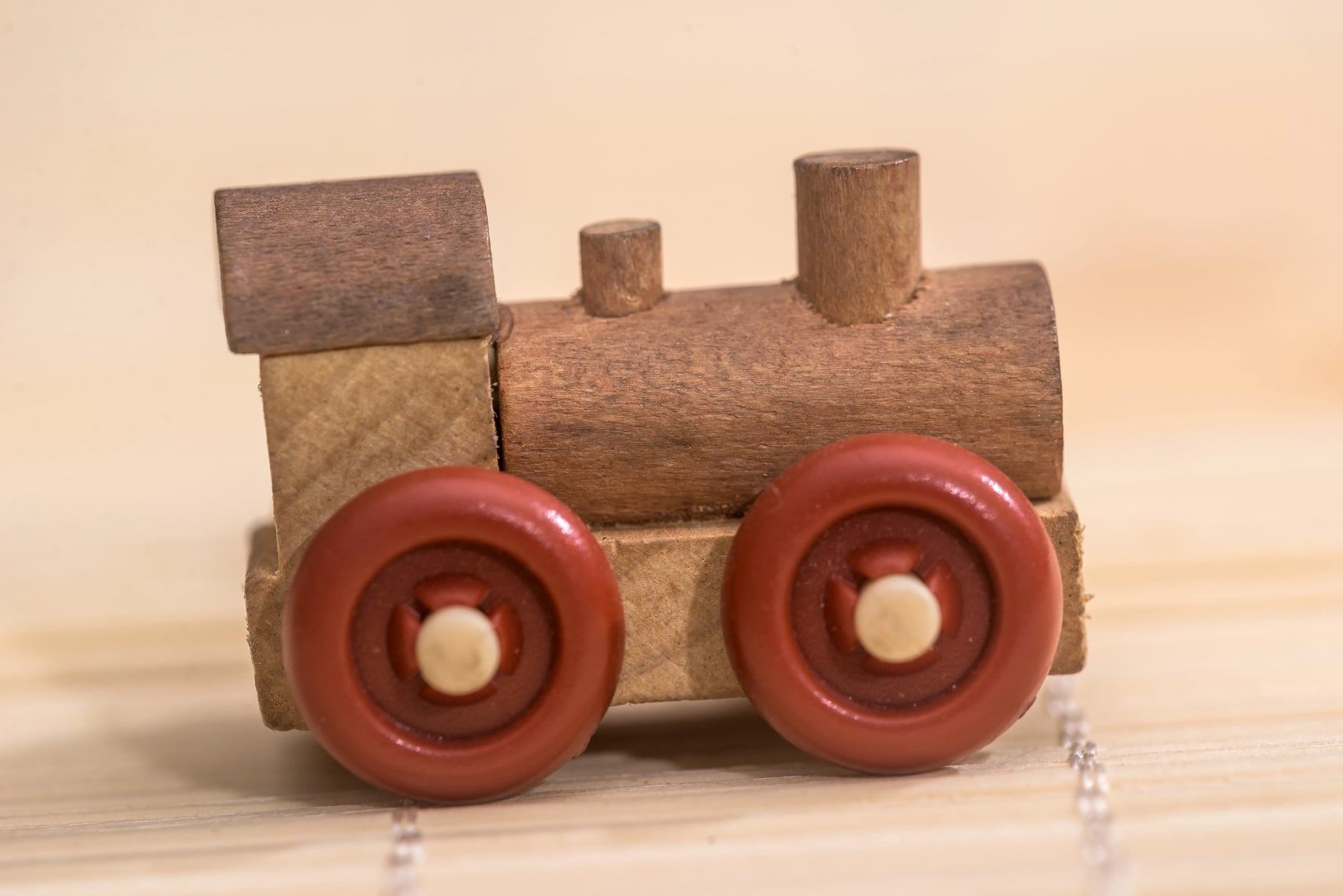
Cast-iron and wooden pull toys from before World War II have a collector base that values both craftsmanship and visual appeal. A painted wooden horse on wheels from the 1900s in original paint can sell for $200–$800.
Cast-iron horse-drawn vehicle toys from the same era in good condition reach $500–$2,000 depending on the maker, the specific vehicle type, and how much of the original paint survives. The paint condition is the primary value factor — repainted toys are worth a fraction of original-paint examples.
Opera Glasses And Lorgnettes From The Victorian Era
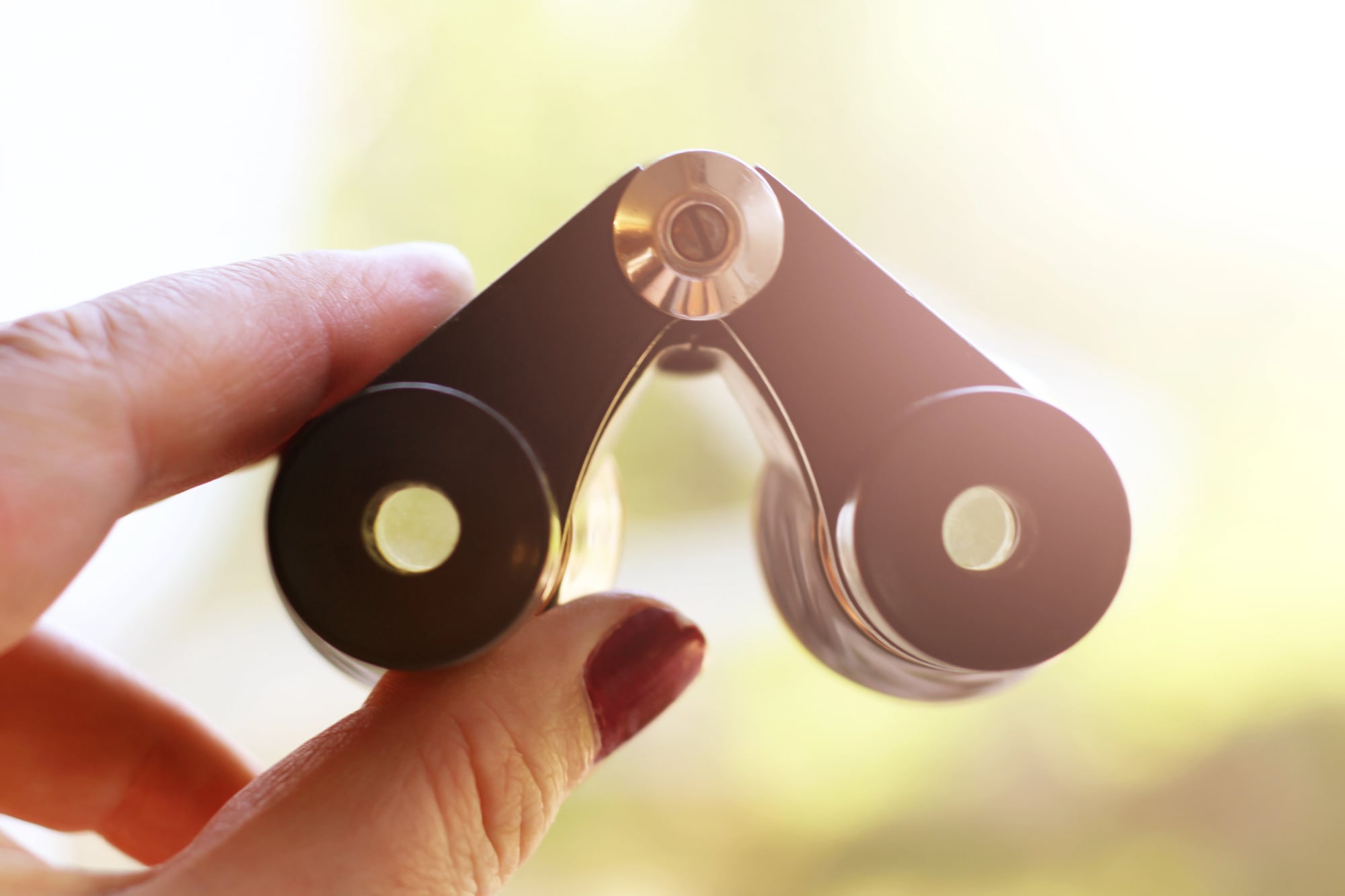
Victorian-era opera glasses in brass, silver, or tortoiseshell with functioning lenses are both useful and decorative, which makes them consistently saleable. A fine pair in a fitted case with their original ribbon can sell for $200–$600.
Silver lorgnettes with engraving or monogramming from the same period fetch $150–$400. These tend to appear in jewellery boxes and dressing table drawers rather than attics, but they’re the kind of thing that gets packed away with costume jewellery and overlooked because the real and the inexpensive look similar at a glance.
Victorian Calling Card Cases
Small card cases made from silver, tortoiseshell, papier-mâché, or ivory — used to carry the visiting cards that Victorian social custom required — are a specific collector category that most people don’t know exists. A fine silver example with engraving or enamelling can sell for $200–$500.
Sets of original calling cards still inside the case add interest. These are small enough to sit unnoticed in drawers for a century, which is why they appear in estate sales in such good condition.
Vintage Perfume Bottles, Particularly Lalique
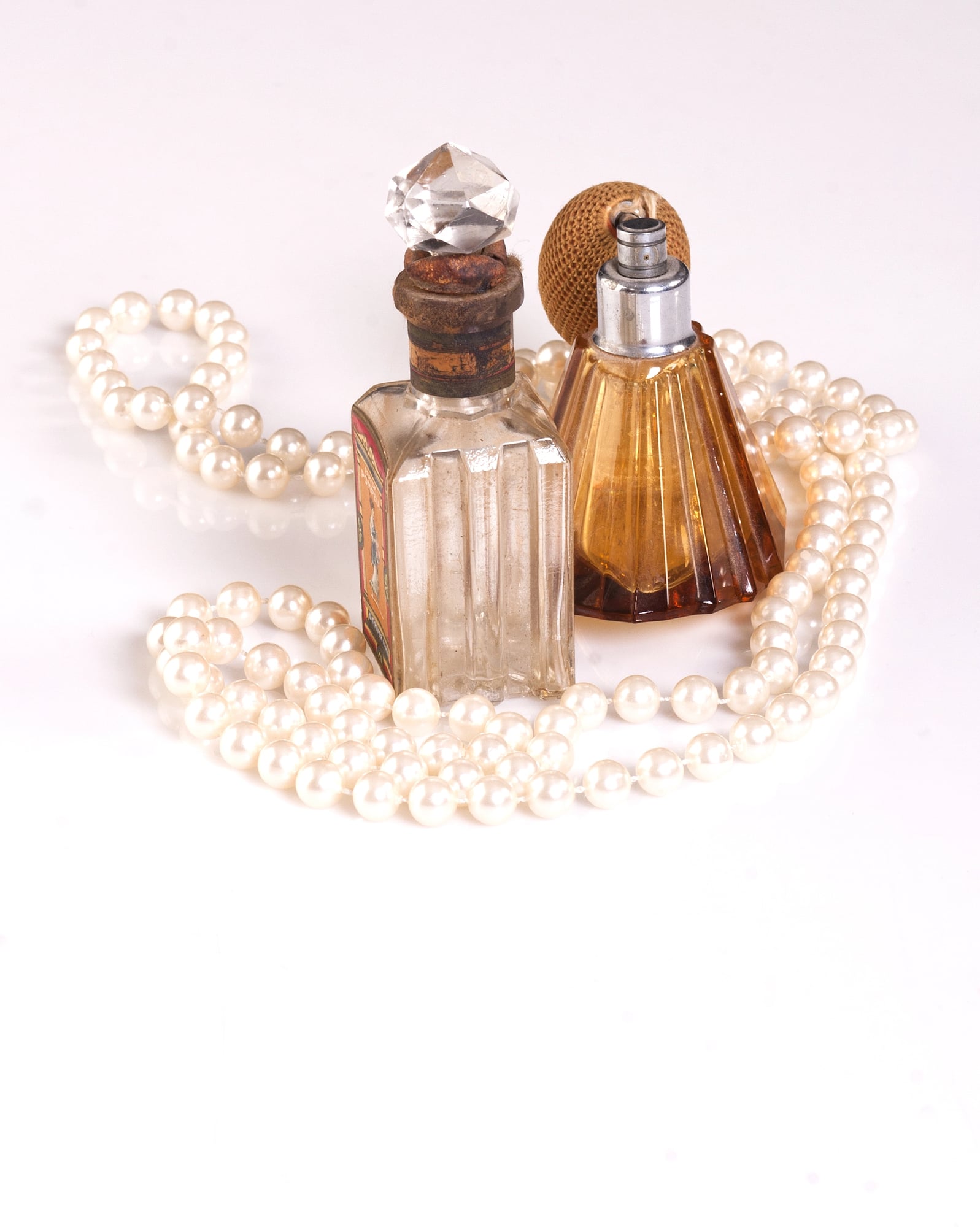
René Lalique began producing glass perfume bottles in the 1890s, and his designs — characterised by frosted and clear glass with moulded figurative detail — are a dedicated collector category. A signed Lalique bottle in perfect condition can sell for $200–$3,000 depending on the design and period.
The signature is moulded into the base, and reproductions exist in volume. Appraisers who know Lalique can identify genuine examples immediately, and the difference in value between genuine and reproduction is dramatic.
Old Sheet Music With Original Illustrated Covers
Published sheet music from the late 19th and early 20th century with illustrated chromolithograph covers is a collector category driven primarily by the visual appeal of the artwork. Titles relating to early aviation, social history, Art Nouveau illustration, and vaudeville performers with striking photographic covers all attract buyers.
Individual sheets sell for $20–$200 depending on subject and condition, but a complete collection of well-illustrated pre-1920 sheet music can be worth having assessed as a group.
Vintage Suitcases And Trunks With Original Labels
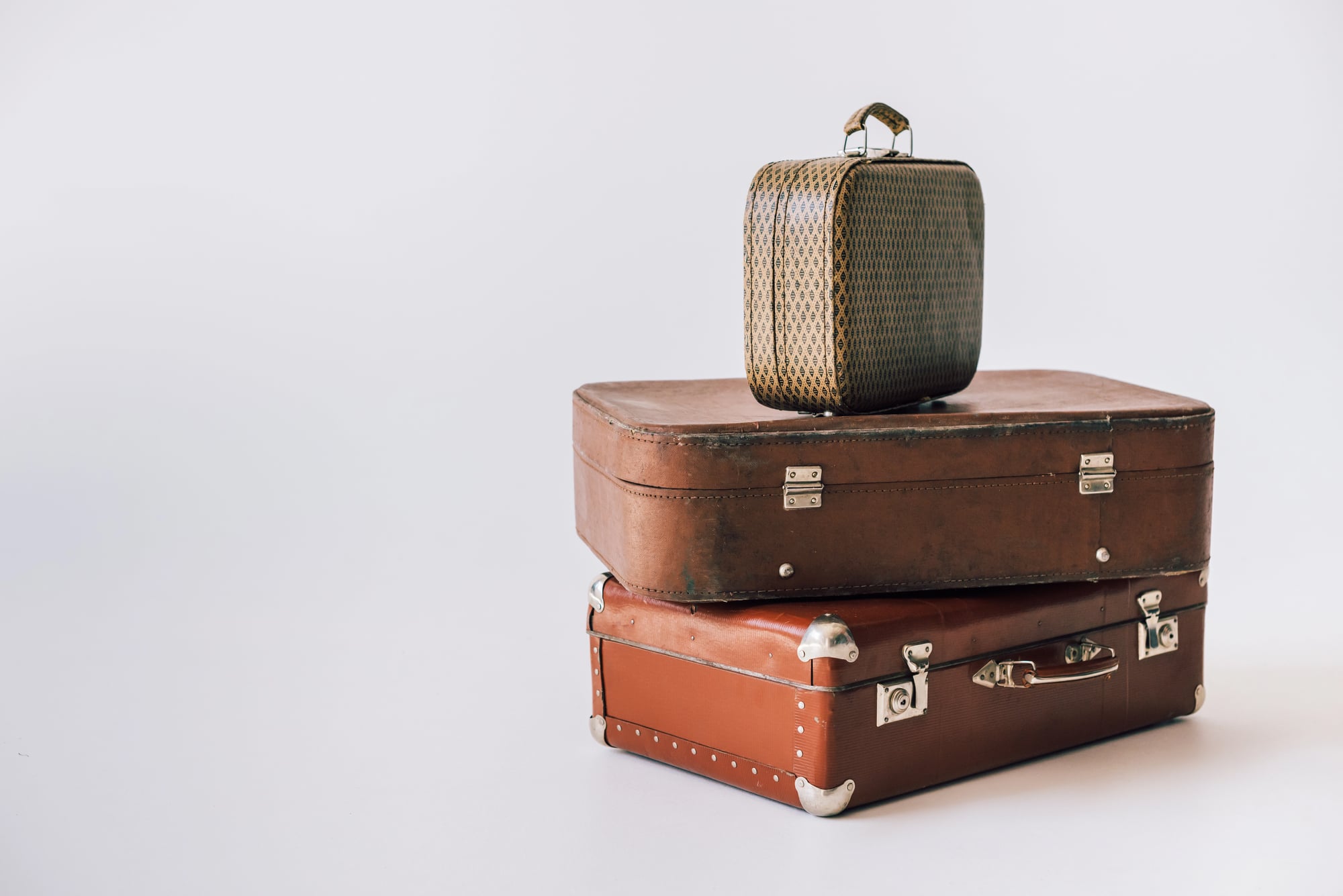
A Louis Vuitton trunk from the early 20th century in good condition — with the canvas in reasonable shape and the hardware intact — can sell for $2,000–$10,000 or more. More modestly, any vintage travel trunk with original paper luggage labels from hotels, shipping lines, and rail companies has collector appeal that increases with the number and quality of the labels.
Appraisers see these come through estate sales priced as furniture and snap them up because the seller hasn’t noticed the labels inside the lid.
Handmade Quilts Pre-Dating 1900
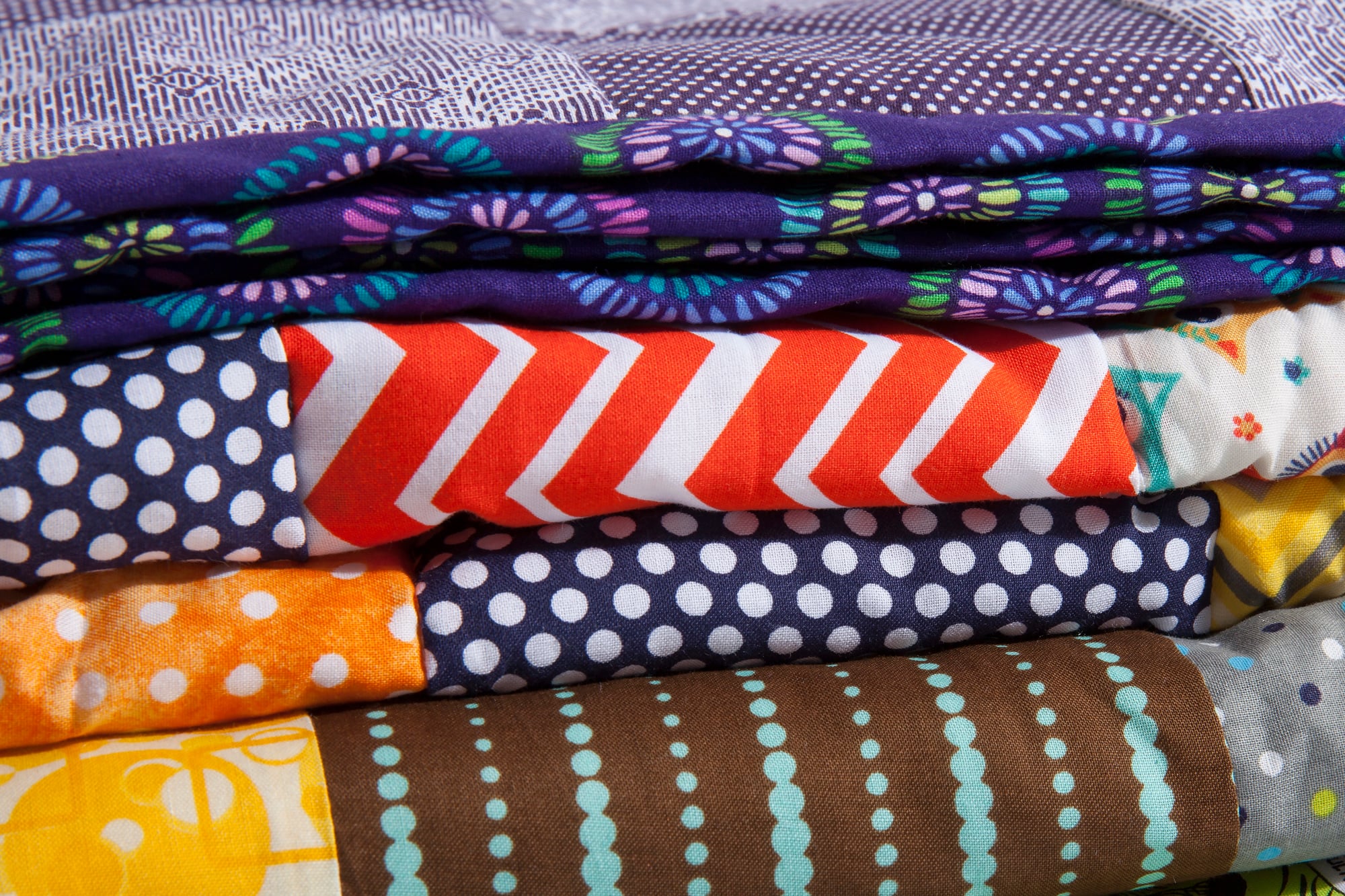
American quilts from before 1900 — particularly examples showing specific techniques like Baltimore Album, Log Cabin, or Hawaiian appliqué — are collected both as textile art and as historical documents. A complex Baltimore Album quilt in good condition from the mid-19th century can sell for $3,000–$15,000 at a textile-specialist auction.
The condition of the fabric and the complexity of the pattern drive value. Most get assessed initially as decorative items; a textile specialist is required for proper attribution.
The Cost Of Not Knowing
Professional appraisal is not the same as a dealer making an offer. An appraiser’s job is to establish what something is worth — not to buy it.
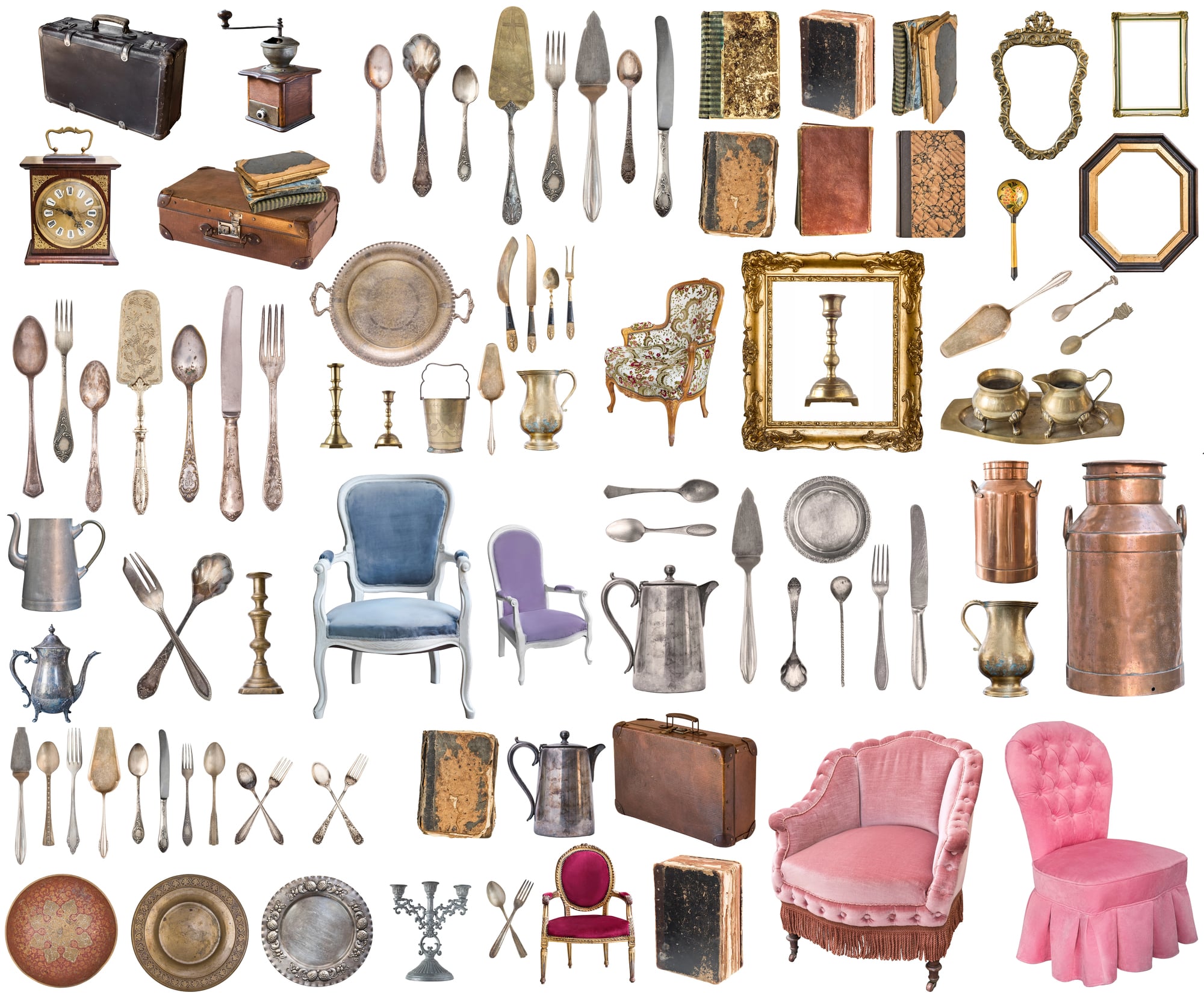
The cost of a formal appraisal for most items is $50–$300, and for anything likely to be worth over $1,000, that cost is justified without question. The items in this list share one characteristic: they look ordinary to people who don’t know what they’re looking at, and extraordinary to people who do.
The attic is a poor place to store either category without at least knowing which one you have. The smartest habit when clearing any estate or long-unused storage space is to photograph items that look old, unusual, or well-made before moving them.
A photograph sent to a specialist dealer or appraiser takes minutes and can prevent the kind of mistake that can’t be undone. Antiques Roadshow appraiser Reyne Hirsch has been making the same point for decades: spend five minutes looking something up before you throw it out.
The internet has removed almost every excuse not to.
More from Go2Tutors!

- The Romanov Crown Jewels and Their Tragic Fate
- 13 Historical Mysteries That Science Still Can’t Solve
- Famous Hoaxes That Fooled the World for Years
- 15 Child Stars with Tragic Adult Lives
- 16 Famous Jewelry Pieces in History
Like Go2Tutors’s content? Follow us on MSN.



