Artists Discovered On Social Media
A few years back, breaking into art meant facing layers of approval. Curators, studios, editors – each held keys to visibility; without them, silence.
Then platforms like Instagram began shifting things, slipping past old barriers. Now streams and updates serve as stages, where consistency meets chance, letting voices rise through raw effort instead of permission.
Easy wasn’t the new normal, yet paths opened where none existed before. Through small releases, creators found listeners one step at a time, slowly gathering speed without force.
Often, what counted wasn’t the stage but how things moved – steady creation, a distinct tone, sparks jumping past familiar faces. A fresh peek at musicians who rose fast online shows something quiet but real – how talent meets timing in today’s world.
Their stories unfold differently, yet each shares one truth: visibility often begins where algorithms wander.
Justin Bieber

Justin Bieber’s rise is often cited as one of the earliest examples of social media-driven discovery. Videos of him singing covers were uploaded to YouTube by his family, intended for friends rather than industry insiders.
Those clips circulated widely enough to catch the attention of a talent manager, setting off a chain reaction. What made the moment notable was not just the platform, but the lack of polish.
The videos felt immediate and unfiltered, allowing viewers to focus on ability rather than production. That authenticity became part of his appeal and set a template many would later follow.
Billie Eilish

Billie Eilish gained traction online through platforms that rewarded mood, intimacy, and repetition. Early tracks shared on SoundCloud spread quickly, driven by listeners who felt the music spoke directly to them rather than at them.
The sound stood apart from mainstream expectations at the time. Social media amplified that difference instead of smoothing it out.
Fans shared songs alongside personal reflections, turning listening into a communal experience. Her discovery shows how online platforms can reward atmosphere and emotional resonance, not just volume.
Lil Nas X

Lil Nas X used social media as both a distribution channel and a creative tool. He promoted his music through short-form platforms, leaning into humor, timing, and internet culture rather than traditional marketing.
The strategy was deliberate and deeply informed by how content spreads online. His breakthrough demonstrated how understanding platform mechanics can be as important as the art itself.
The music and the messaging worked together, allowing discovery to feel organic even when it was carefully engineered.
Halsey

Halsey built an audience on Tumblr long before mainstream recognition followed. The platform allowed her to share poetry, visuals, and music fragments in a way that blurred lines between mediums.
Fans connected to the voice behind the posts as much as the songs themselves. That early community became a foundation rather than a stepping stone.
When her music reached wider audiences, it arrived with a built-in sense of identity and loyalty. The discovery phase felt gradual, not sudden, which helped sustain long-term engagement.
Shawn Mendes
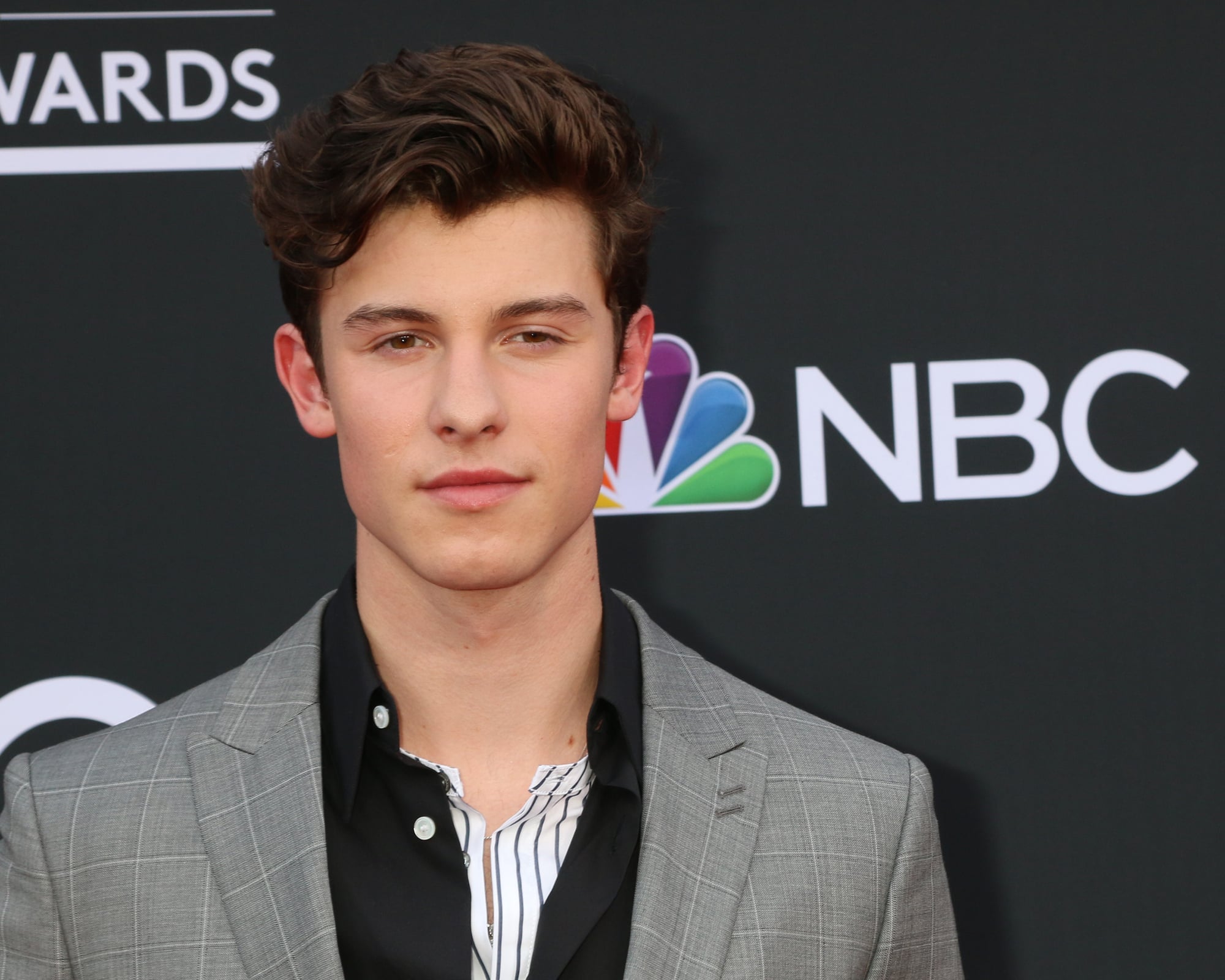
Shawn Mendes was discovered through short looping video clips that highlighted just enough of a performance to spark curiosity. Those clips spread rapidly, driven by repetition and shareability.
The format rewarded clarity and consistency over spectacle. What followed was a transition from brief moments to a broader body of work.
Social media did not replace development, but it accelerated visibility. Mendes’ path shows how platforms can compress timelines without skipping essential steps.
Doja Cat
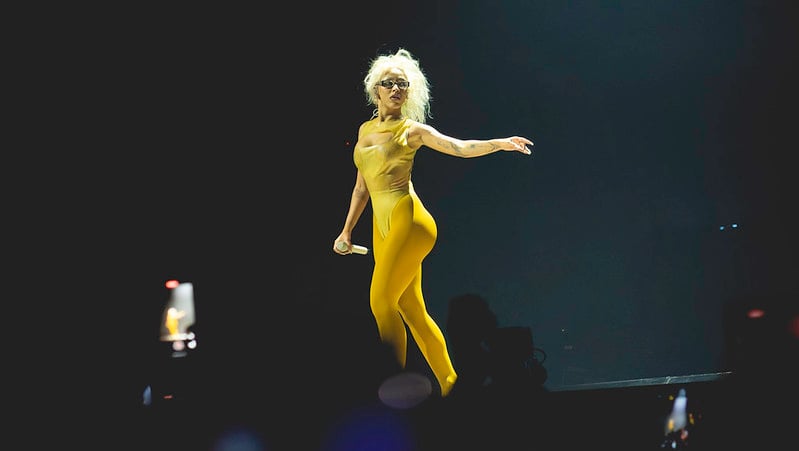
Doja Cat’s rise illustrates how internet humor and musical talent can reinforce each other. Early tracks gained attention through meme culture, where snippets were reused and reinterpreted across platforms.
The music traveled because it was flexible and playful. Rather than resisting that framing, she embraced it.
This openness allowed discovery to evolve into sustained popularity. Her case highlights how adaptability can turn fleeting attention into lasting presence.
Chance The Rapper

Chance the Rapper used online platforms to distribute music directly, bypassing traditional industry structures. His work spread through streaming and social sharing, supported by live performances that reinforced digital momentum.
The absence of early label involvement became part of the narrative. Fans felt invested in a career that appeared self-directed and community-driven.
Discovery here was not about virality, but about steady accumulation of trust and attention.
Troye Sivan

Troye Sivan began by sharing personal content and creative work on YouTube, building an audience that followed his evolution closely. Music emerged naturally from that context, rather than as a separate launch.
Because fans already understood his voice and perspective, the transition felt cohesive. Social media functioned as a long-term storytelling space, allowing discovery to unfold over years instead of weeks.
Megan Thee Stallion

Megan Thee Stallion gained visibility through clips and freestyles shared online, where confidence and presence translated instantly. Her delivery was unmistakable, even in short formats that often flatten nuance.
Social media amplified her personality as much as her music. Discovery became inseparable from identity, showing how platforms reward artists who feel fully formed even before formal recognition arrives.
Post Malone

Post Malone’s early success was fueled by tracks uploaded online that blended genres in unexpected ways. The music spread through shares and recommendations rather than structured campaigns.
What resonated was the sense that the sound did not fit neatly into existing categories. Social media made that ambiguity an advantage, allowing listeners to decide meaning collectively rather than waiting for labels to define it.
Lizzo

Lizzo’s discovery story is tied closely to visibility and persistence. She shared performances, personality-driven content, and behind-the-scenes moments long before mainstream success followed.
Social platforms allowed her to remain present even when progress felt slow. When broader recognition arrived, it felt earned rather than manufactured.
Fans had watched the journey unfold publicly, which deepened connection. Her rise underscores how long-term consistency can be just as powerful as sudden exposure.
Visual Artists Found Through Instagram
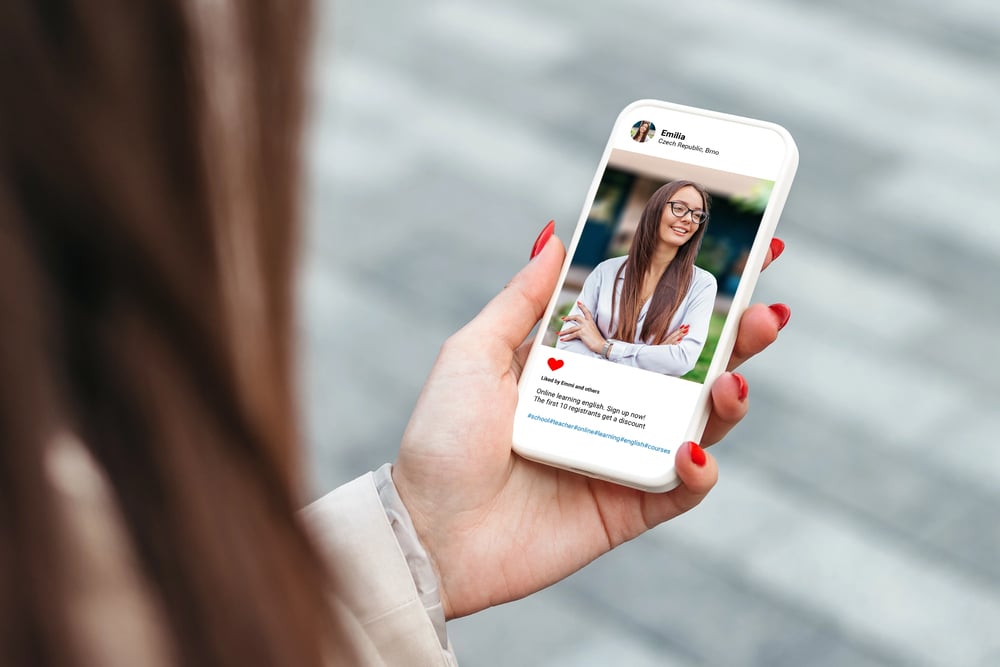
Beyond music, visual artists have used image-driven platforms to reach audiences once limited by geography. Illustrators, painters, and designers gained commissions and gallery attention after their work circulated widely online.
The discovery often came through repetition rather than virality. A consistent visual style allowed audiences to recognise work instantly in crowded feeds.
Over time, familiarity turned into opportunity, reshaping how art careers could begin.
Digital Creators Crossing Into Mainstream Spaces
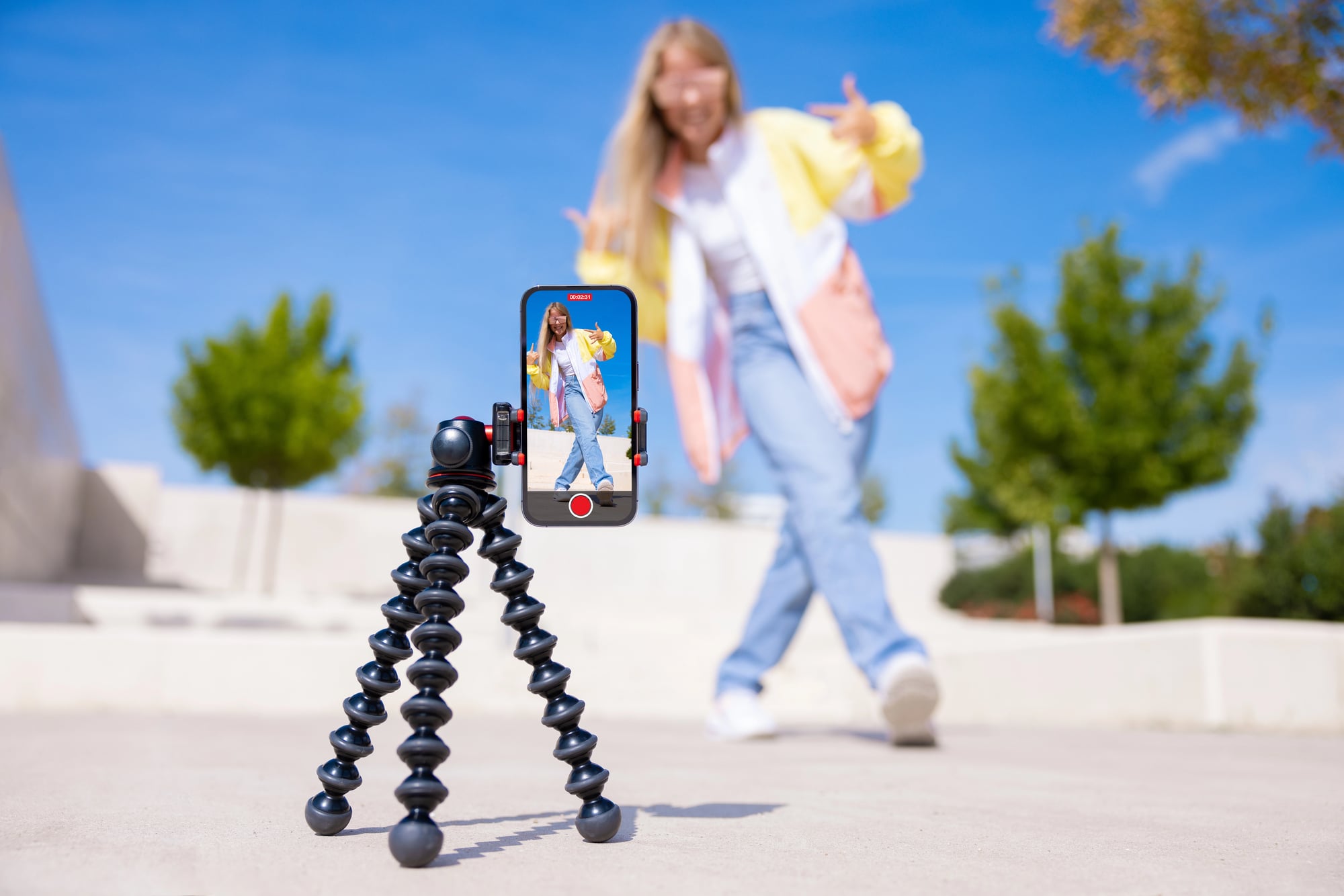
Some artists began as digital-native creators, producing work specifically for online consumption. Their discovery did not involve translation into traditional formats at first.
Instead, platforms validated the work on its own terms. As attention grew, those creators crossed into exhibitions, publishing, or large-scale collaborations.
Social media did not replace traditional spaces, but it re-ordered the path leading to them.
Why Social Media Discovery Works Differently

Social media discovery is rarely a single moment. It is usually a pattern of small signals accumulating until momentum becomes visible.
Algorithms respond to engagement, but engagement follows connection, not just exposure. Artists who thrive online tend to understand this intuitively.
They share work regularly, refine their voice publicly, and allow audiences to feel involved in the process. Discovery becomes collaborative rather than top-down.
The Limits Of Platform-Driven Success
Social media opens doors, but it does not guarantee longevity. Attention can fade quickly, and platforms evolve faster than careers.
Artists who last often treat discovery as a starting point, not a destination. They invest in craft, live performance, and long-term relationships with audiences.
Social media provides the spark, but sustainability depends on depth beyond the feed.
How Discovery Has Reshaped Creative Power
The rise of social media discovery shifted power away from traditional gatekeepers without eliminating them entirely. Artists gained leverage, options, and visibility earlier in their careers.
Audiences gained influence by amplifying what resonated with them. This shift did not flatten the industry, but it made pathways more varied.
Discovery now looks less like a straight line and more like a web of connections, built in public and shaped collectively.
Why These Stories Still Matter

What sticks? Not just exposure – effort shows up differently now.Creators found online prove imagination bends around tools at hand.
While sharing shifted drastically through digital spaces, staying power comes down to skill meeting moments.A break might spark anywhere, not just one gatekeeper’s yes.
Moments pile up, scattered across feeds and groups, small signals building into something visible.From this angle, finding new things still happens outside screens – yet clicks open more doors than before.
More from Go2Tutors!

- The Romanov Crown Jewels and Their Tragic Fate
- 13 Historical Mysteries That Science Still Can’t Solve
- Famous Hoaxes That Fooled the World for Years
- 15 Child Stars with Tragic Adult Lives
- 16 Famous Jewelry Pieces in History
Like Go2Tutors’s content? Follow us on MSN.