28 Cereal Mascots From the ’80s That Vanished Without Explanation
The 1980s belonged to cereal mascots. Saturday morning television revolved around these cartoon characters, and every box told a story—sometimes in animated shorts better produced than the cartoons that came between them.
But unlike Tony the Tiger or Lucky the Leprechaun, hundreds of mascots appeared, dominated breakfast tables for a season or two, and then simply evaporated from collective memory. Most were tied to movies or video games whose cultural moment proved finite.
Others were original creations that simply failed to stick. Their vanishing wasn’t announced or explained; they just stopped appearing.
This absence is oddly complete. A child who watched Saturday morning cartoons in 1985 could encounter a mascot repeatedly between September and May, develop genuine affection for it, and then never encounter it again for four decades.
No farewell commercial. No explanation. Just gone.
Frute Brute
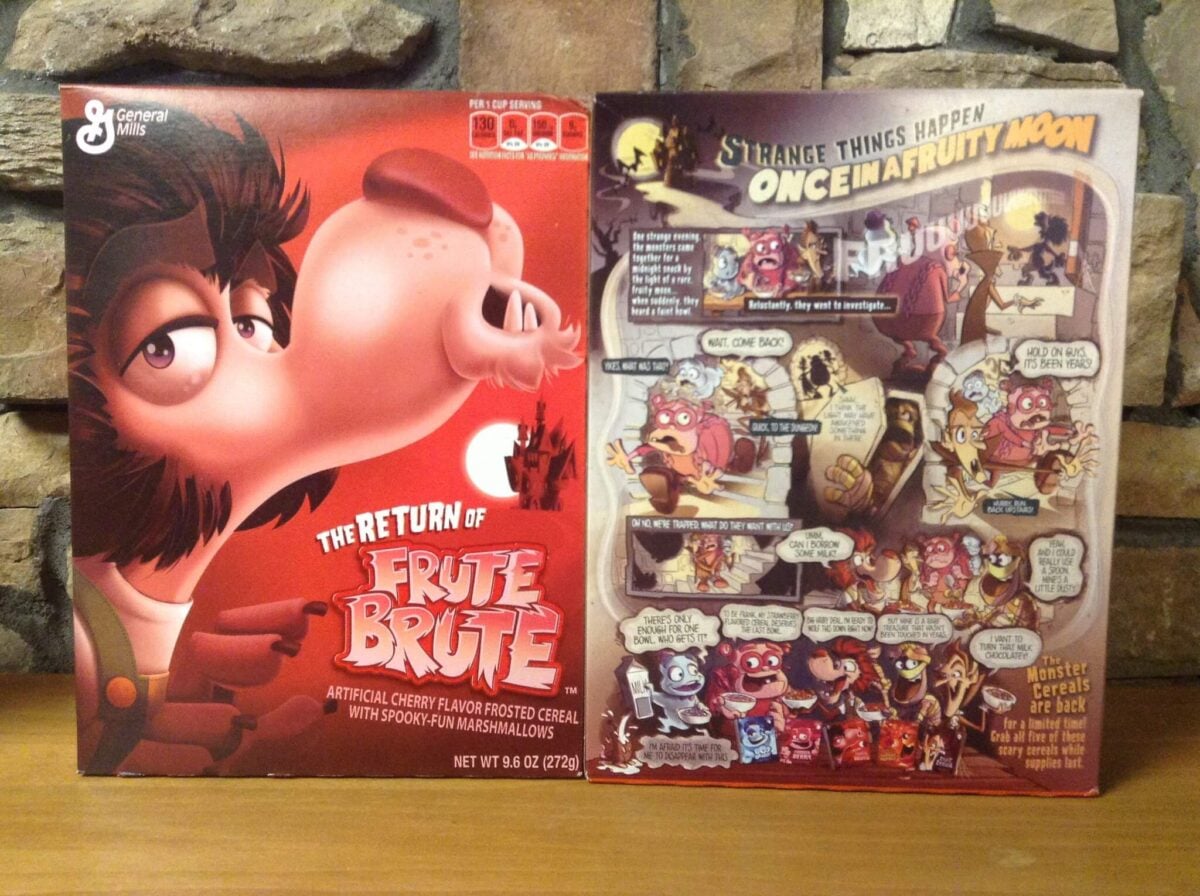
This pomegranate-flavored monster—a werewolf character launched by General Mills in 1974—survived until 1982, considerably outlasting most novelty cereals. His discontinuation remains one of the mysteries of the monster cereal era, as Count Chocula and Franken Berry thrived while he simply vanished.
The character did resurface occasionally in later Halloween-themed revivals, but original 1980s children had no way of knowing his disappearance was temporary.
Pac-Man
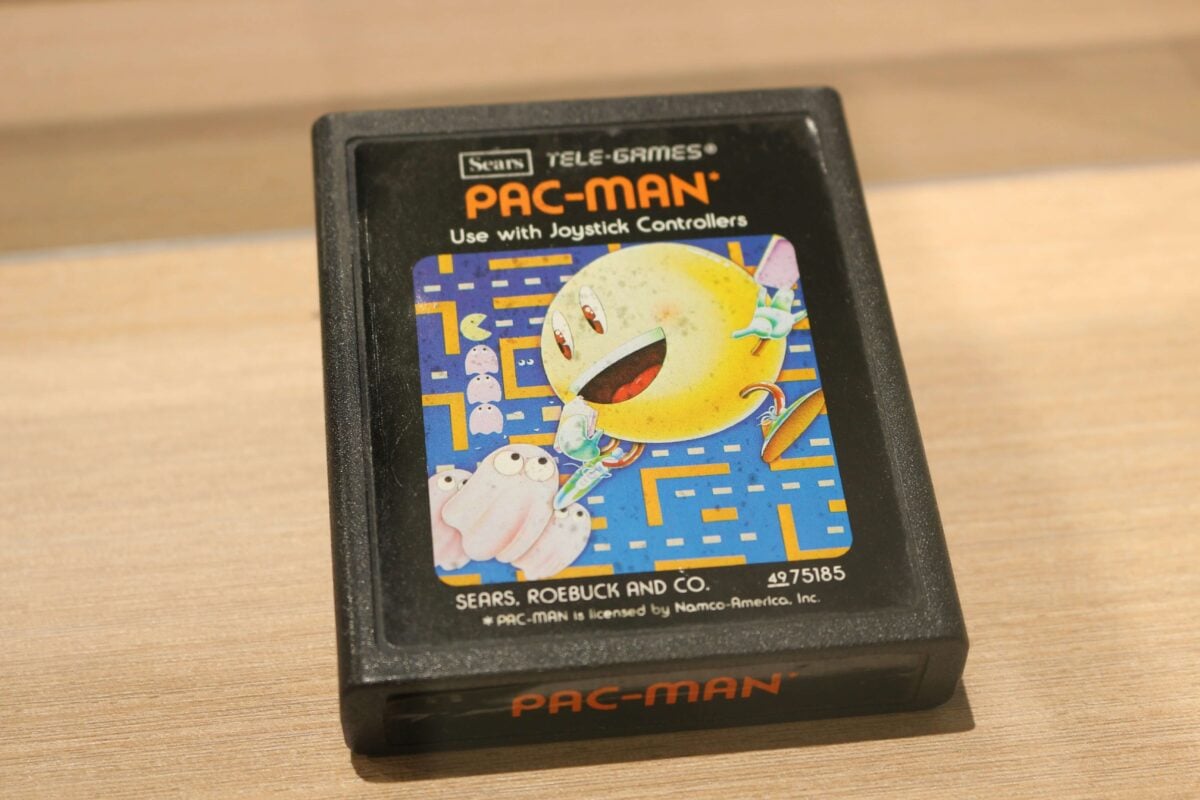
The cereal launched in 1984 at the absolute peak of the arcade game’s cultural dominance, with Pac-Man, Blinky, Pinky, and Sue depicted on the box. Commercials showed children doing a “Pac-Man dance,” snapping their teeth like the character.
Despite vigorous marketing and the game’s astronomical popularity, the cereal vanished around 1987, seemingly erased by a change in arcade licensing ownership.
E.T.
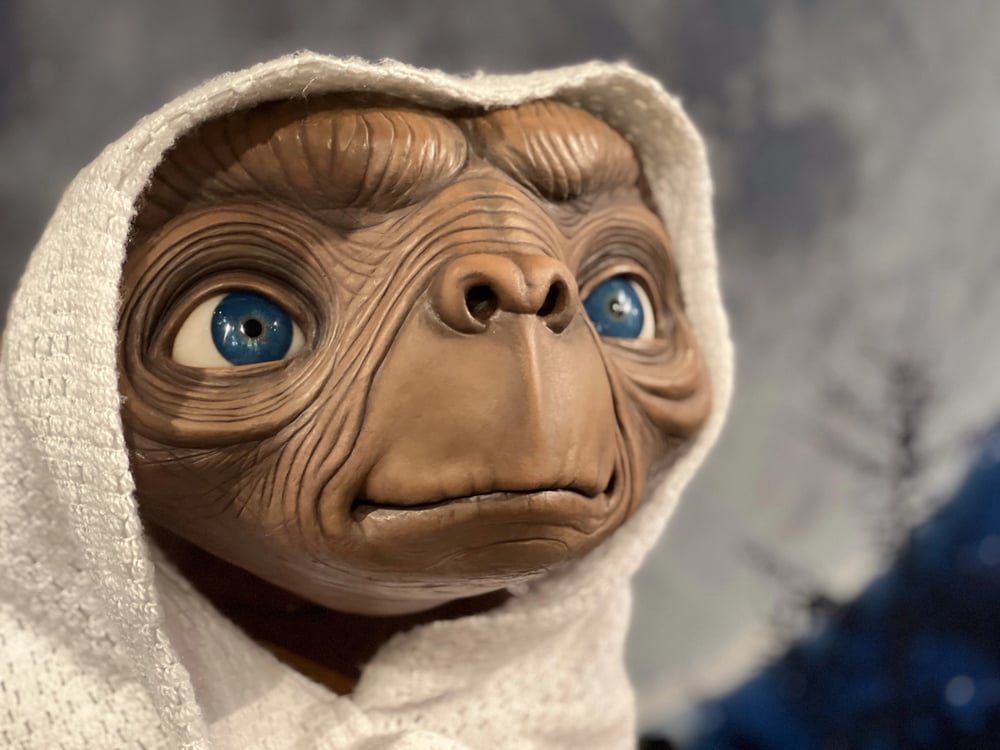
Arriving in the mid-1980s several years after the movie that inspired it, this peanut butter and chocolate cereal featured pieces shaped like little Es and Ts. The character itself never became as iconic as the film, and the cereal quietly departed shelves without the emotional weight its licensing would suggest deserved.
Mr. Tc

The A-Team star lent his name and persona to a Quaker Oats cereal in the mid-1980s, capitalizing on his status as a genuine cultural icon. Kids could eat breakfast and feel tough.
When his popularity waned in the early 1990s, the cereal followed him into obscurity, discontinuing in 1993 despite his active participation in marketing the product.
OJ Joe
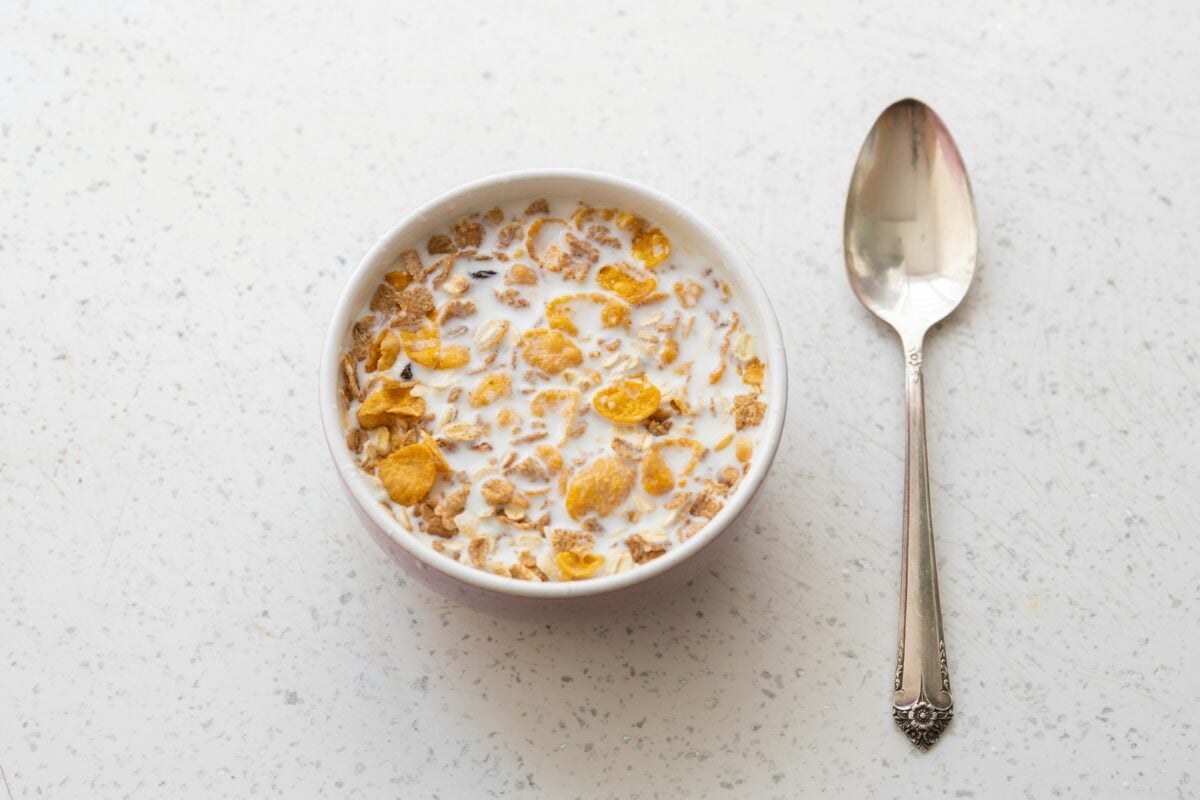
This inexplicable cowboy represented OJ’s cereal, a 1985-1986 experiment that tried to convince children that orange juice and milk belonged in the same bowl. OJ Joe rounded up oranges into a pen to be squeezed into the cereal, embodying the cowboy archetype without any of the nostalgia that kept other Western-themed mascots alive.
Cookie Crook and Cookie Cop
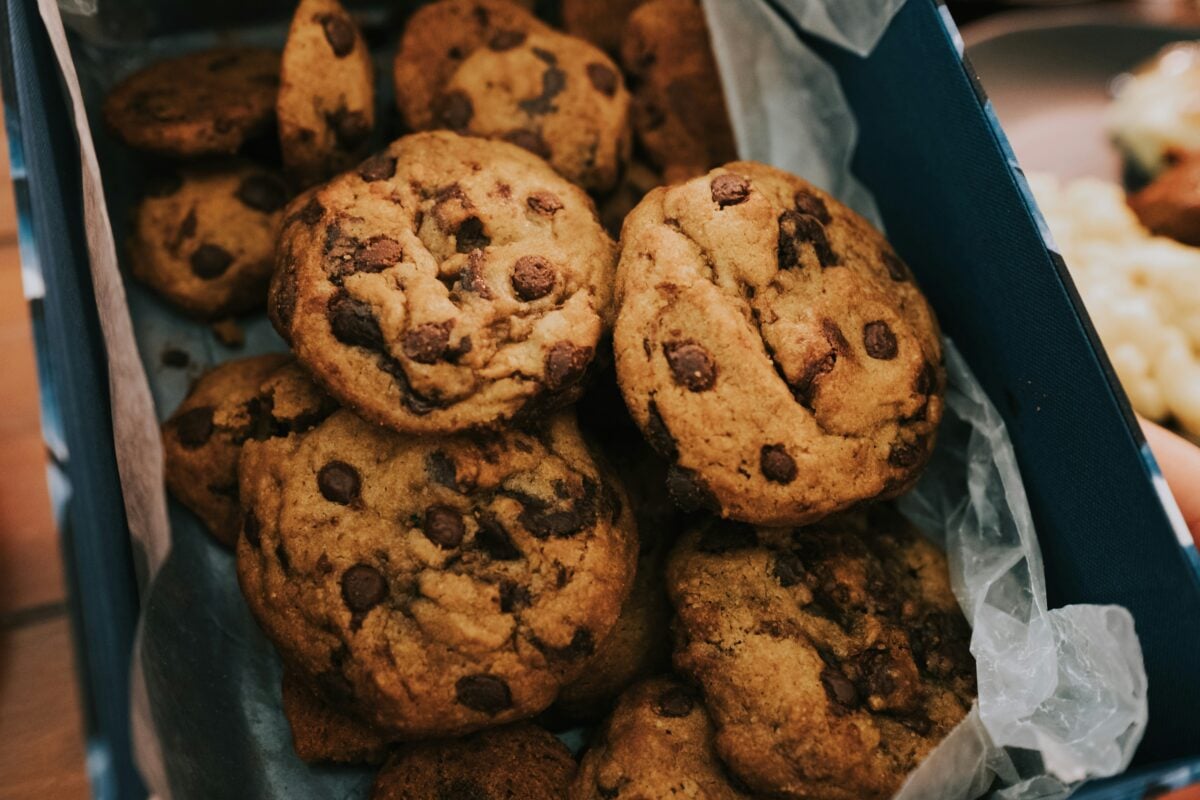
Cookie Crisp cereal featured an entire crime narrative in the 1980s, with the Cookie Crook attempting theft and the Cookie Cop foiling his schemes in full animated shorts that rivaled Saturday morning cartoons. These characters occupied entire marketing universes, yet both vanished when General Mills decided to rebrand the product entirely, replacing them with the Wolf decades later.
Wally Bear
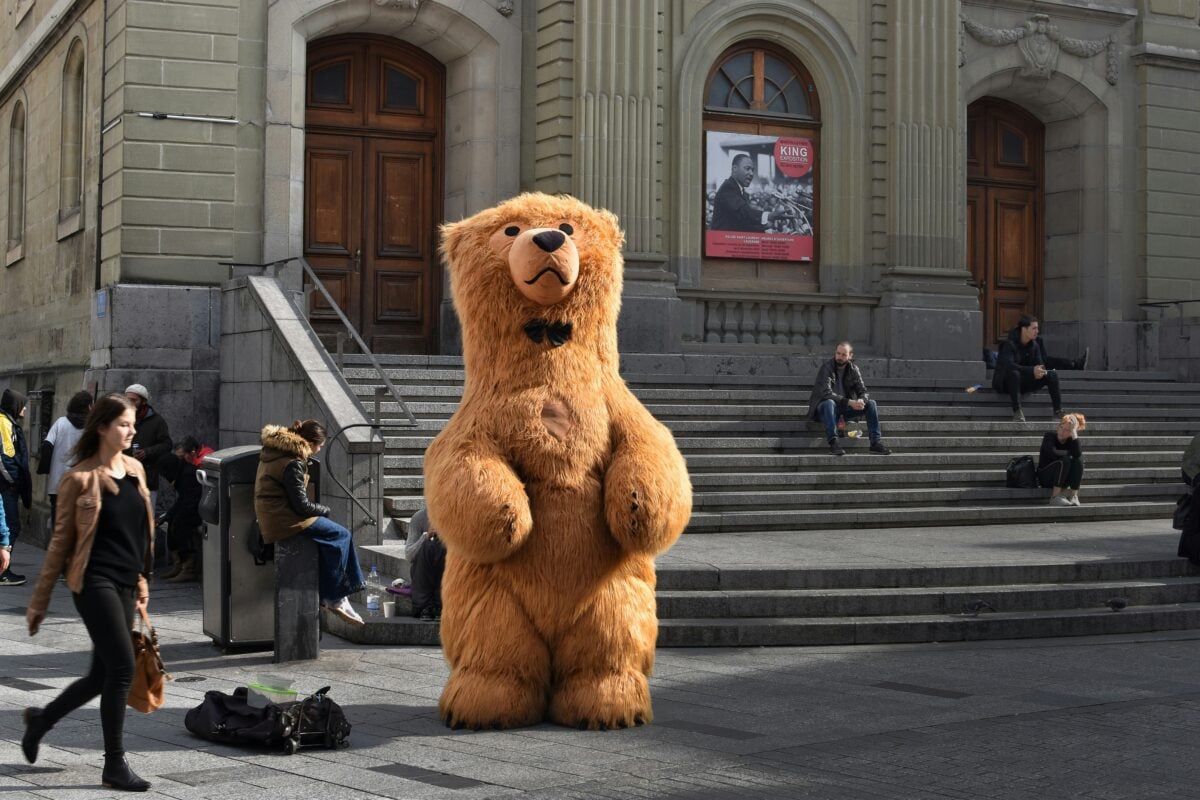
Briefly replacing Dig’Em Frog as the mascot for Honey Smacks in the early 1980s, Wally Bear was dismissed by consumers as an obvious knockoff of the Trix Rabbit. His failure was nearly immediate, and Dig’Em returned within months.
Wally never recovered from the comparison and never appeared on cereal boxes again.
Newton the Owl

Nutri-Grain’s mascot was a studious owl meant to represent healthy eating, but he lacked the charisma or memorability of competing characters. He quietly retired without fanfare as the brand shifted toward more serious health marketing, replaced by anonymous messaging that removed personality entirely from breakfast promotion.
Big Yella
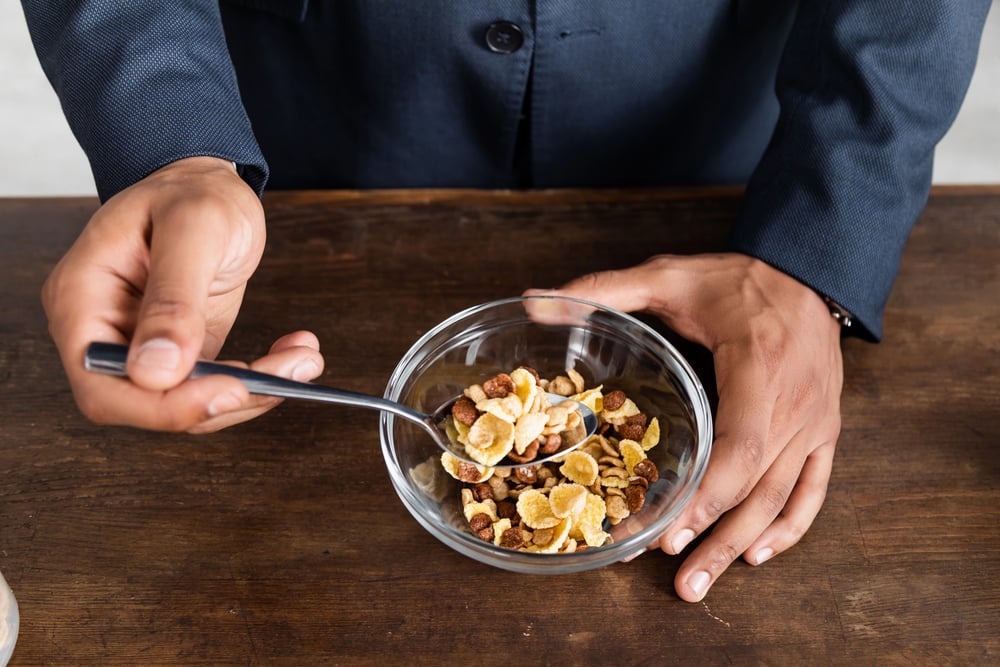
This unnamed mustard-colored character promoted a cereal of the same name in the mid-1980s. Designed to resonate with cowboys and Western imagery, Big Yella competed in a crowded market of similar characters but couldn’t carve out a distinct identity.
He vanished by the mid-1980s, remembered by almost no one.
Ice Cream Jones
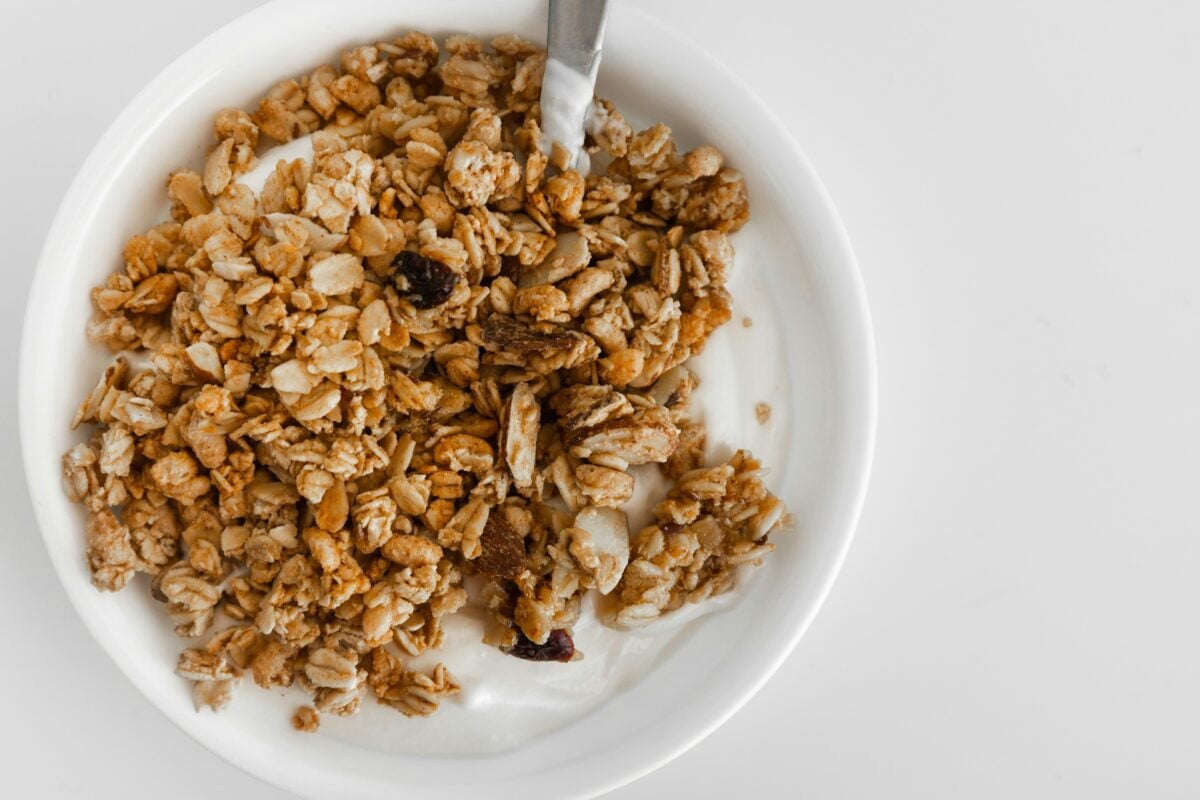
When General Mills released Ice Cream Cones cereal in 1987, the mascot was Ice Cream Jones, who promoted pieces shaped like ice cream scoops and cones. The cereal came with premium prizes, including Dairy Queen Blizzard coupons.
Yet both cereal and mascot disappeared within a few years, leaving only foggy memories among those who lived through that brief window.
Crazy Craving

The Honeycomb creature represented literal hunger as a furry, twitchy personality. He existed to demonstrate an obsessive desire for cereal, a concept that worked in the 1980s but faded as marketing evolved.
By the 1990s, Crazy Craving disappeared into obscurity, his particular neurotic energy forgotten.
The Soggies
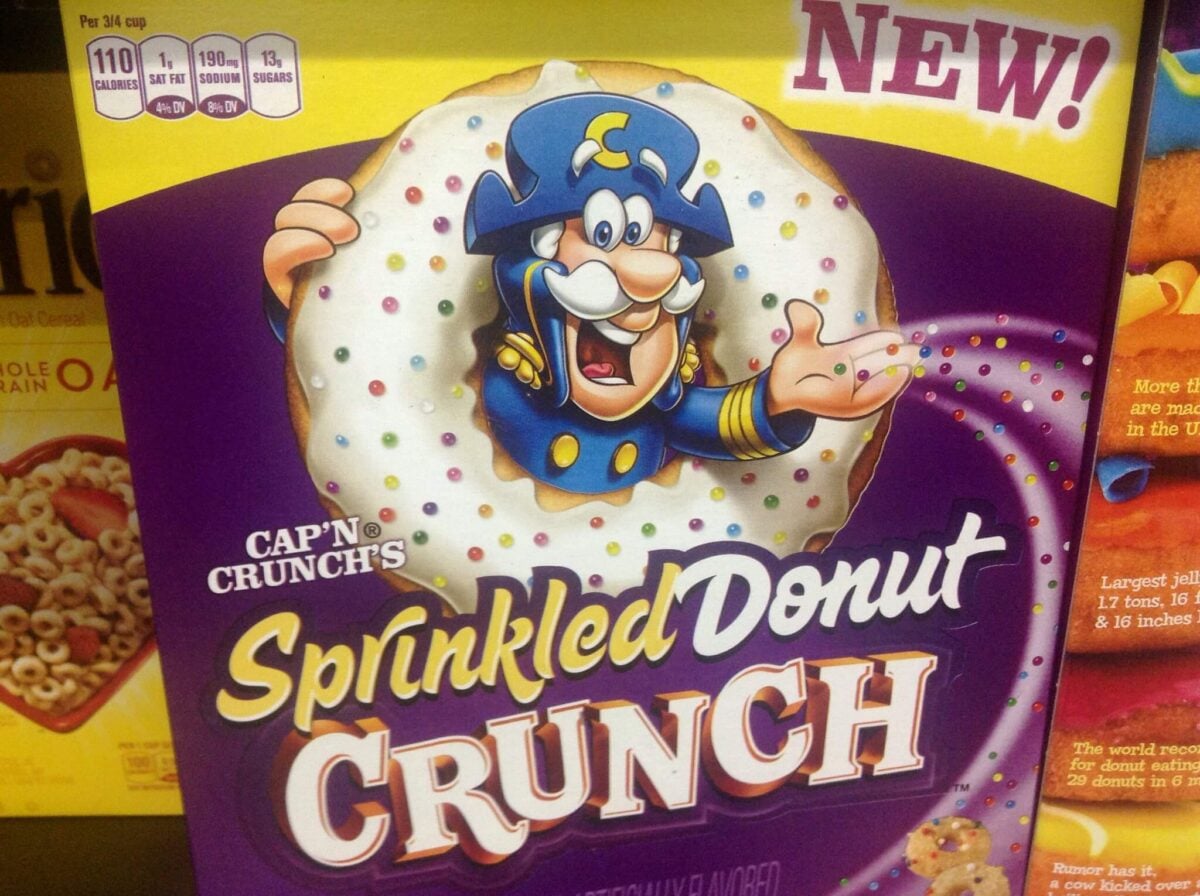
Cap’n Crunch’s primary antagonists were these blob-like creatures who threatened to make the cereal soggy. Unlike the Cap’n himself, who persists as a beloved character, The Soggies simply vanished when the brand decided it no longer needed antagonists.
They were phased out entirely, leaving no clear replacement or explanation.
Fruity Yummy Mummy
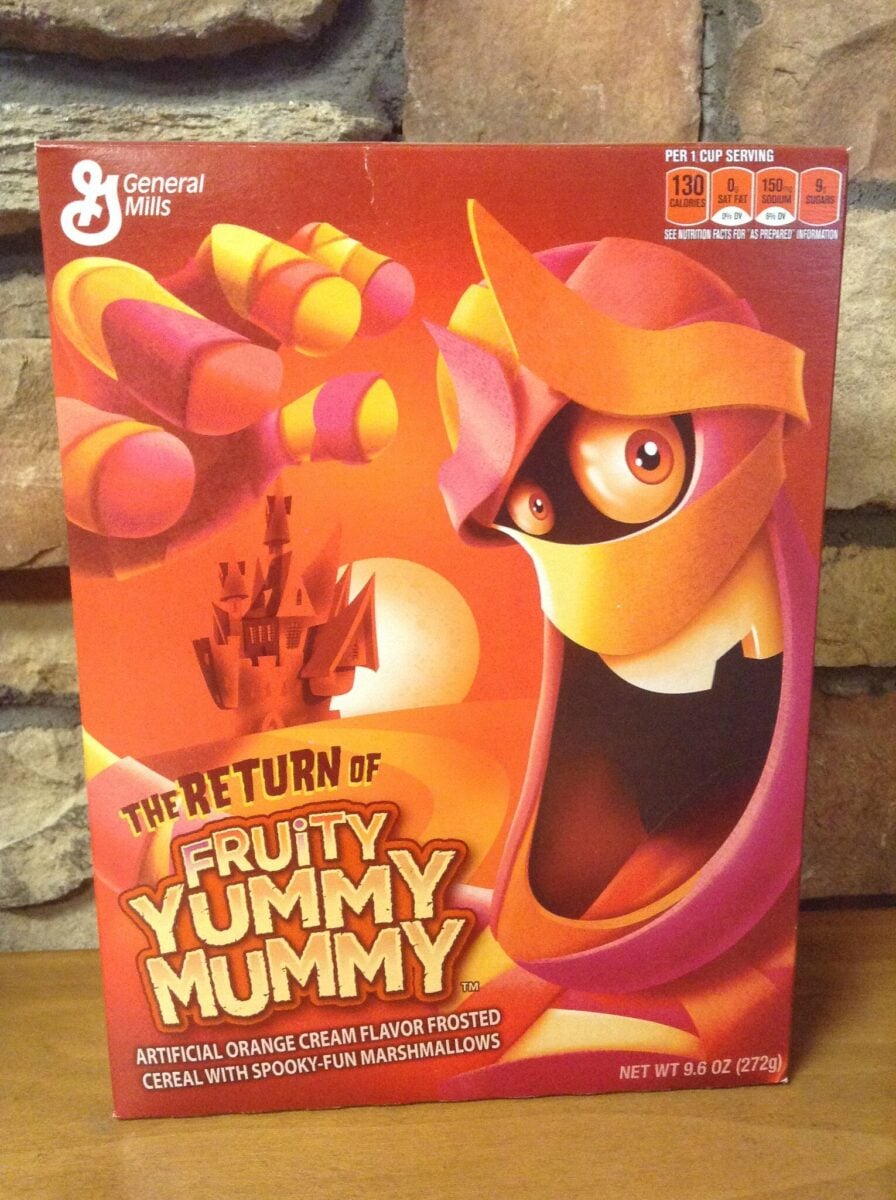
General Mills’ late-1980s attempt to add a “young” monster to their Halloween roster, Yummy Mummy arrived wrapped in colorful bandages and promoted fruit-flavored marshmallows. His design screamed 1980s aesthetic, but he lasted only until the early 1990s before vanishing completely, occasionally resurfacing in modern nostalgic revivals.
Donkey Kong

When Donkey Kong cereal launched in fall 1982, the arcade game was at its absolute cultural peak. The box featured Donkey Kong, Mario, and Pauline.
The cereal pieces were shaped like barrels. Yet despite perfect timing and vigorous marketing, the cereal vanished after only a few years, a casualty of how quickly video game tie-in products aged.
C-3PO
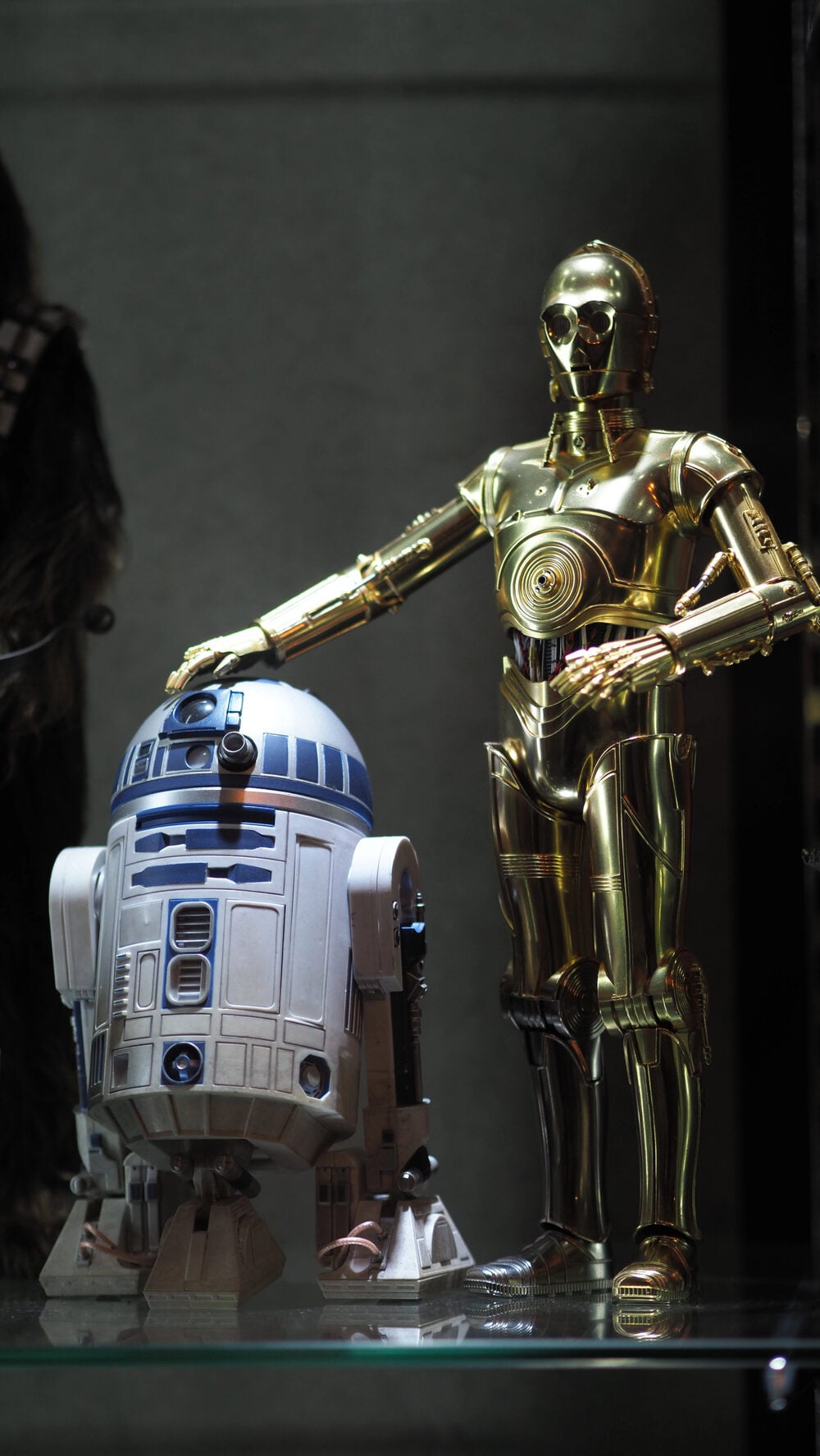
The Star Wars droid lent his name to a General Mills cereal in the 1980s, capitalizing on the original trilogy’s enduring cultural momentum. The mascot worked—it was literally the character from the films.
Yet the cereal lasted only briefly, discontinued as quickly as it appeared, leaving the character untouched in films but erased from breakfast tables.
Batman
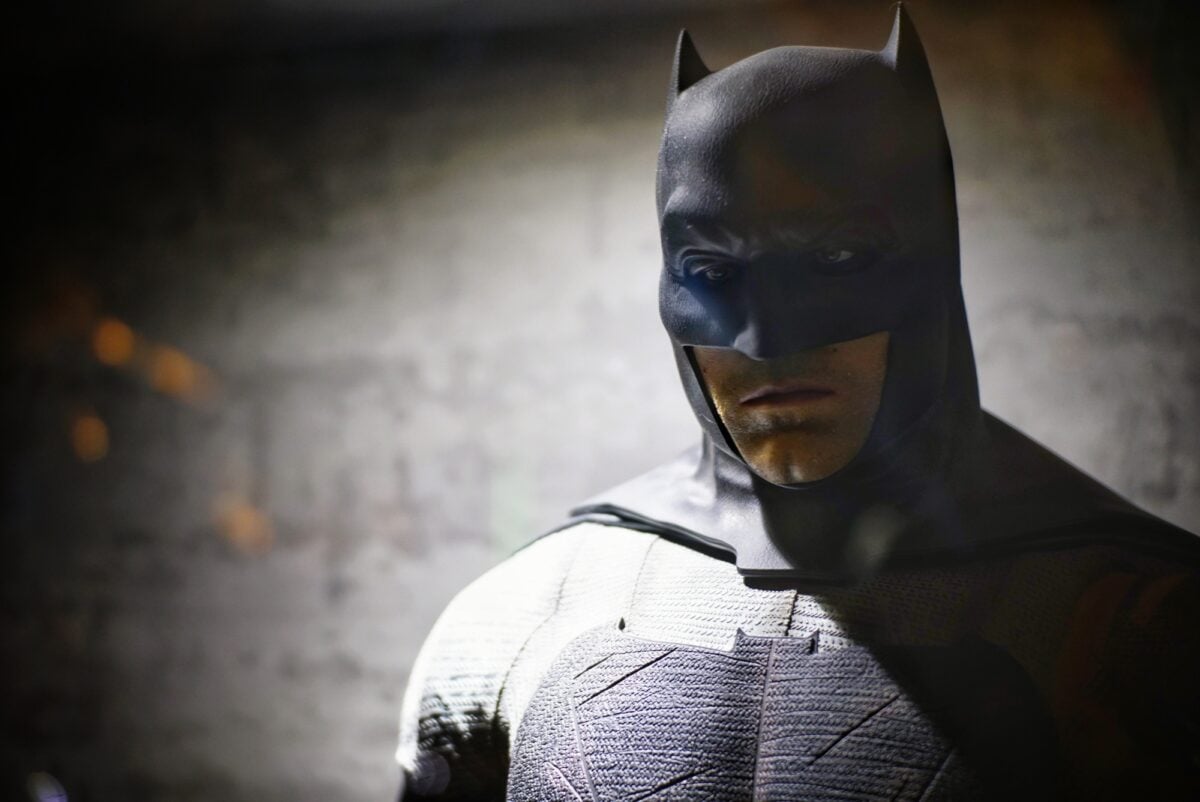
The 1989 release of Tim Burton’s Batman film coincided with a cereal tie-in from Ralston. Batman himself—Michael Keaton’s incarnation—became the mascot and face of the cereal.
When the film left theaters, the cereal followed, disappearing despite how perfectly aligned the product was with contemporary popular culture.
Gizmo

Gremlins cereal launched alongside the 1984 film, with Gizmo depicted in his cute furball phase on the box. The cereal capitalized on one of the decade’s most significant pop culture moments, yet lasted only as long as the film’s immediate theatrical and home video cycles.
Gizmo’s cereal presence evaporated entirely, untouched by subsequent Gremlins releases.
Rainbow Brite
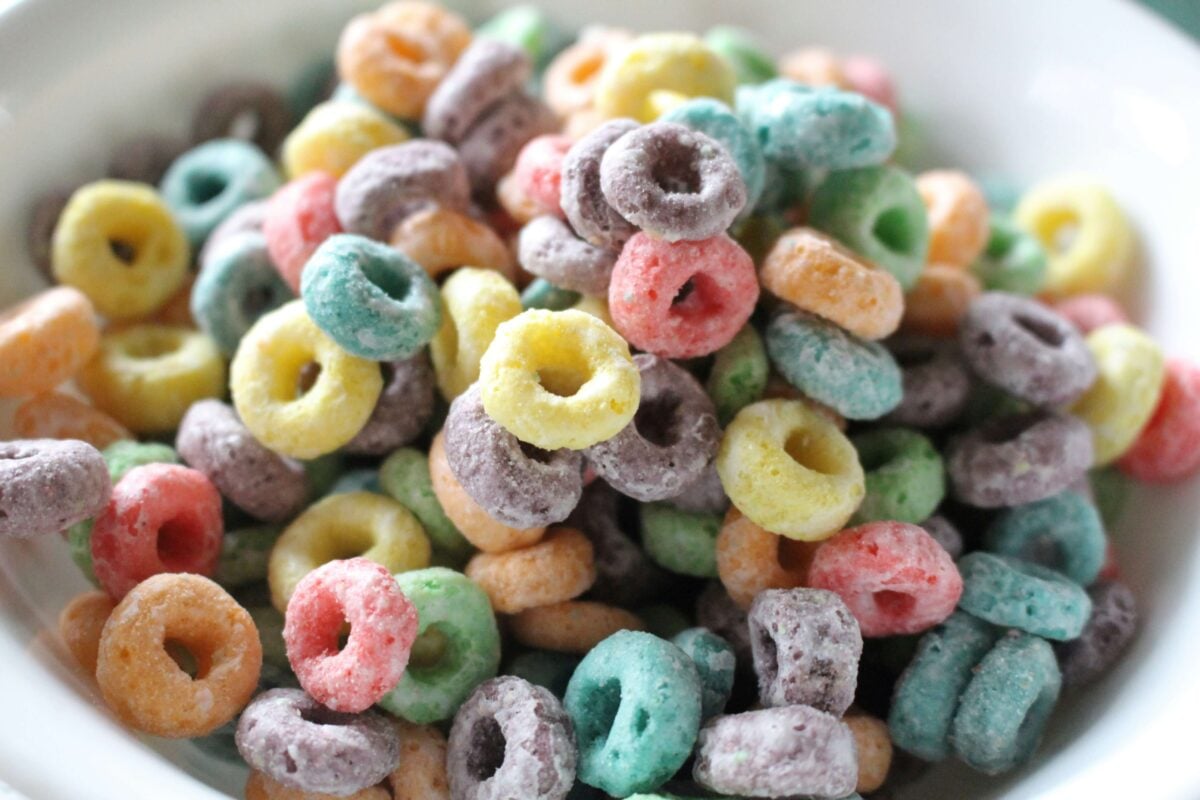
Despite Rainbow Brite’s continued popularity as dolls and merchandise, her cereal was discontinued in 1990. The character herself never vanished—she remains commercially available today.
Yet her brief appearance in the breakfast aisle happened once and never again, a licensing experiment that didn’t justify itself economically.
The Smurfs
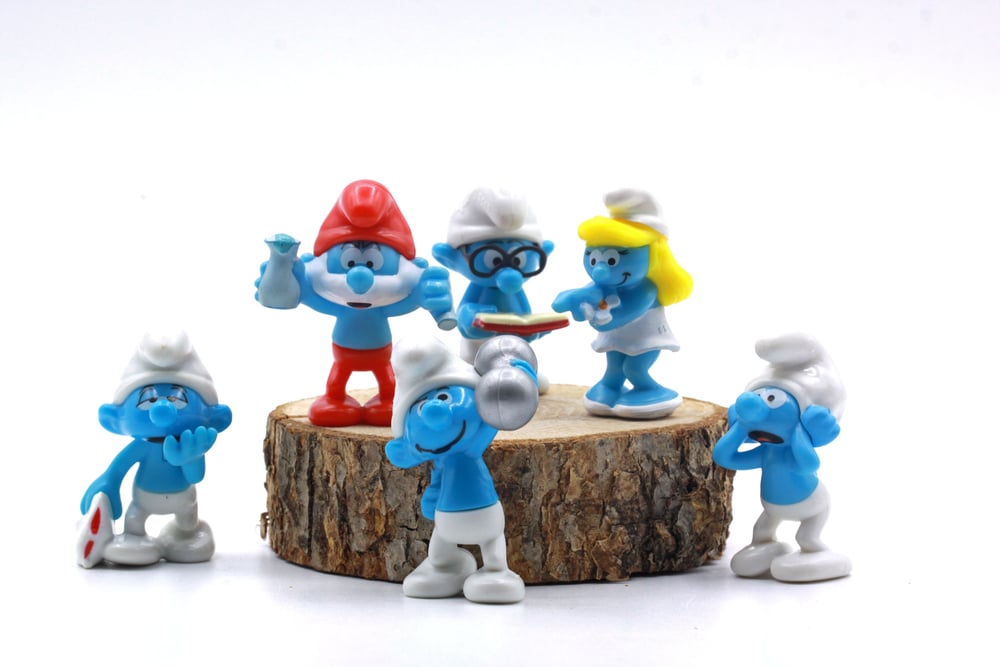
Smurf-Berry Crunch cereal existed in the 1980s, featuring blue and red pieces in a sweet combination. As The Smurfs franchise declined in popularity, so did the cereal, disappearing without the character’s broader erasure.
The Smurfs themselves are still occasionally licensed for products, but their cereal disappeared entirely.
Spider-Man
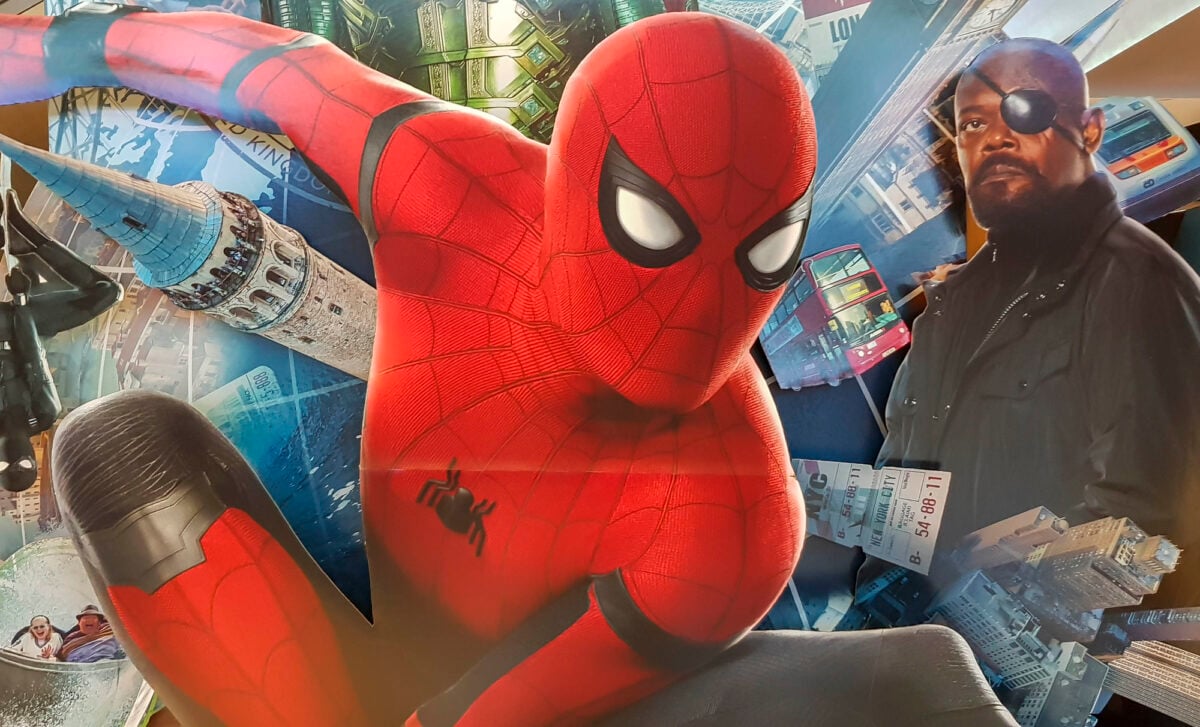
A Spider-Man branded cereal appeared in the 1980s as Ralston pushed superhero tie-ins aggressively. Spider-Man pieces were marketed as “spider webs” in a cereal that was essentially rebranded Chex.
The mascot and cereal lasted only the contractually required timeframe, then evaporated without explanation.
Bigg Mixx

Introduced by Kellogg’s in 1990, this utterly bizarre character featured the head of a rooster, moose antlers, a pig’s snout, and wolf fur—a literal “big mix” of animal parts. Within two years, he was gone, his particular brand of surreal 1990s energy apparently too strange even for the cereal market.
King Vitaman
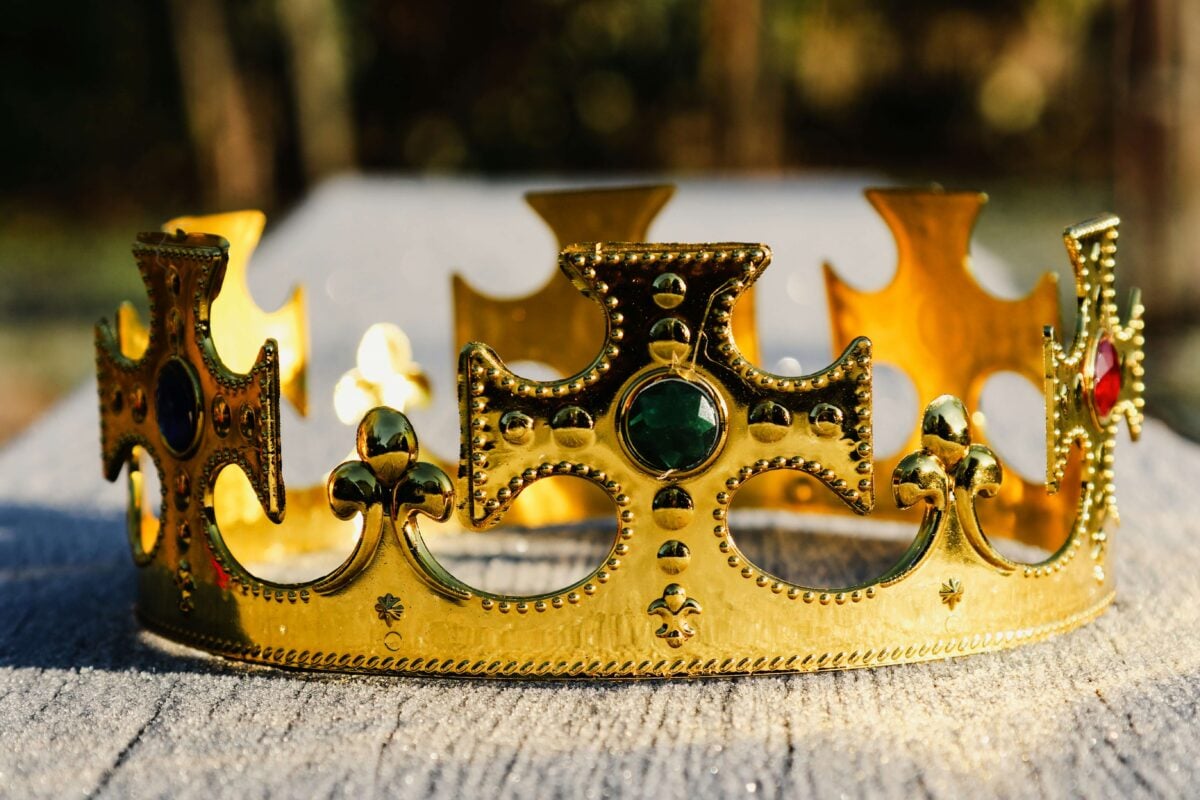
An anthropomorphic king promoted a nutrient-enriched cereal bearing his name. When marketing shifted away from gimmicks to healthier messaging, King Vitaman’s reign ended abruptly.
He was replaced by live-action actors, then abandoned entirely as the cereal focused on nutritional claims rather than personality.
Waldo the Wizard

Before Lucky the Leprechaun secured his place on Lucky Charms boxes, General Mills tested Waldo the Wizard in certain markets. Waldo existed on East Coast cereal boxes while Lucky maintained the rest of the country.
When the comparison was made, Lucky won decisively. Waldo vanished entirely, his brief competitive moment forgotten.
Toucan Stu
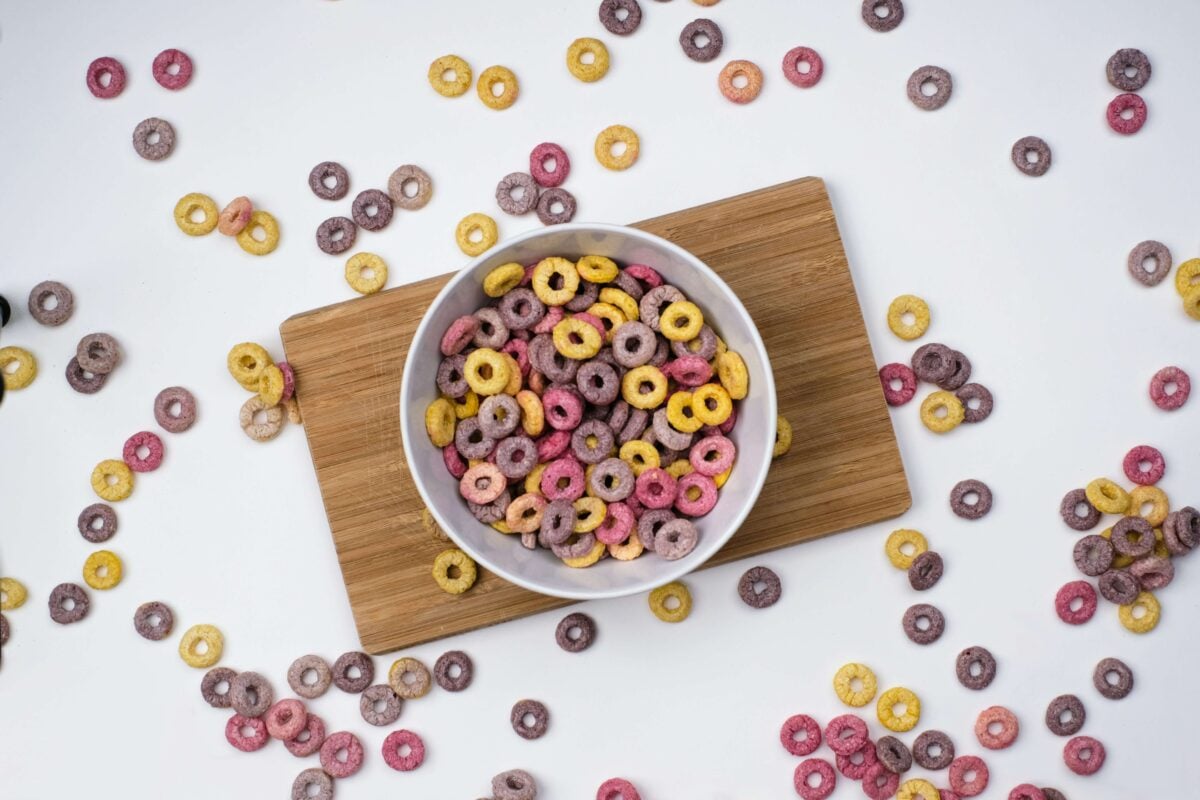
A character that appeared in Froot Loops advertising, Stu lacked the staying power or distinctive personality of Toucan Sam, who remains the official mascot.
Stu’s brief appearances in 1980s commercials were quickly overshadowed by the more iconic character.
The Craver

This personification of hunger and desire, similar to Crazy Craving, represented a marketing approach that worked temporarily in the 1980s but aged poorly. The Craver had specific commercials and box presence, then simply evaporated as advertising psychology shifted.
Dig’Em Frog (Temporarily Replaced)
— Photo by esthermm
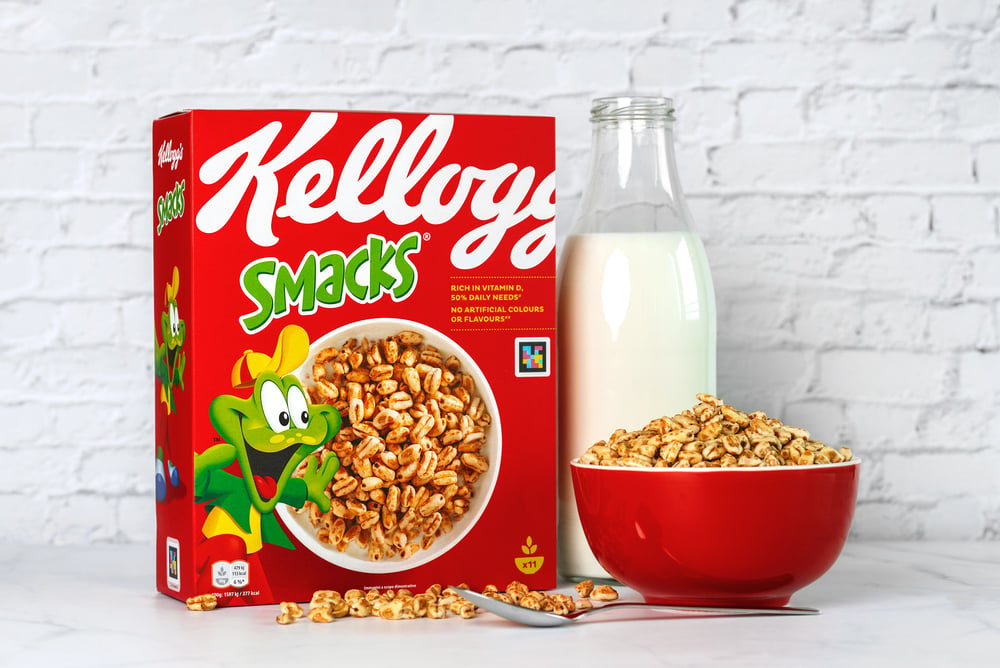
Honey Smacks’ original mascot was briefly removed from promotion in the early 1980s and replaced by Wally Bear. Though Dig’Em was eventually restored to the lineup, his temporary disappearance represents one of the few instances where a mascot was actually killed off—only to be resurrected.
Urkel-Os Steve Urkel
When Family Matters became a massive hit in the 1990s, Steve Urkel got his own cereal. The product appeared, captured a brief moment of relevance, then vanished as the show’s cultural presence declined.
Urkel never returned to cereal marketing, despite the character’s continued life in reruns.
The Mascots of Nintendo Cereal System
In 1989, General Mills released the Nintendo Cereal System, a box containing two different cereals representing different Nintendo properties. Various mascots appeared on this product and promptly disappeared when the box was discontinued.
Few people remember which specific characters represented which games.
The Golden Era’s Silent Vanishing
— Illustration by mkopka
These mascots represent a specific moment in American marketing—the 1980s—when corporate confidence suggested that any licensed character or original creation could sell breakfast cereal. What’s striking isn’t that they failed commercially, but that they vanished without narrative closure.
A child in 1985 might have loved Pac-Man cereal, never knowing he was eating a product with an expiration date. The mascots didn’t retire gracefully or receive farewell campaigns.
They simply stopped appearing on shelves, and the culture moved forward without them. That abruptness is their most defining characteristic.
More from Go2Tutors!

- The Romanov Crown Jewels and Their Tragic Fate
- 13 Historical Mysteries That Science Still Can’t Solve
- Famous Hoaxes That Fooled the World for Years
- 15 Child Stars with Tragic Adult Lives
- 16 Famous Jewelry Pieces in History
Like Go2Tutors’s content? Follow us on MSN.