25 Old Laws Struck From the Books After Sitting Unused for Years
Municipal and state legal codes accumulated obsolete statutes over centuries, laws drafted to address conditions that no longer existed, threatening punishments for conduct that society had ceased to consider criminal. Legislative codification projects eventually discovered these forgotten rules and formally repealed them—often only after local historians or journalists highlighted how absurd they had become.
The very existence of such laws demonstrated how quickly social circumstances changed, rendering legal prohibitions meaningless while still remaining technically enforceable. These statutes had been drafted in earnest by legislators addressing genuine problems of their era.
That society evolved past the need for them is not a failing of those legislators but evidence of change itself. Yet their persistence in legal code created dangerous ambiguity: were they truly repealed by social consensus, or could prosecutors revive them if they chose to enforce rules almost nobody remembered?
Laws Prohibiting Button Selling on Sundays

Multiple cities maintained statutes forbidding the sale of buttons on the Sabbath, remnants of religious observance laws that became incomprehensible to modern populations. Retailers had ignored these rules for decades before formal repeal acknowledged their futility.
Legislation Against Spitting in Public Spaces
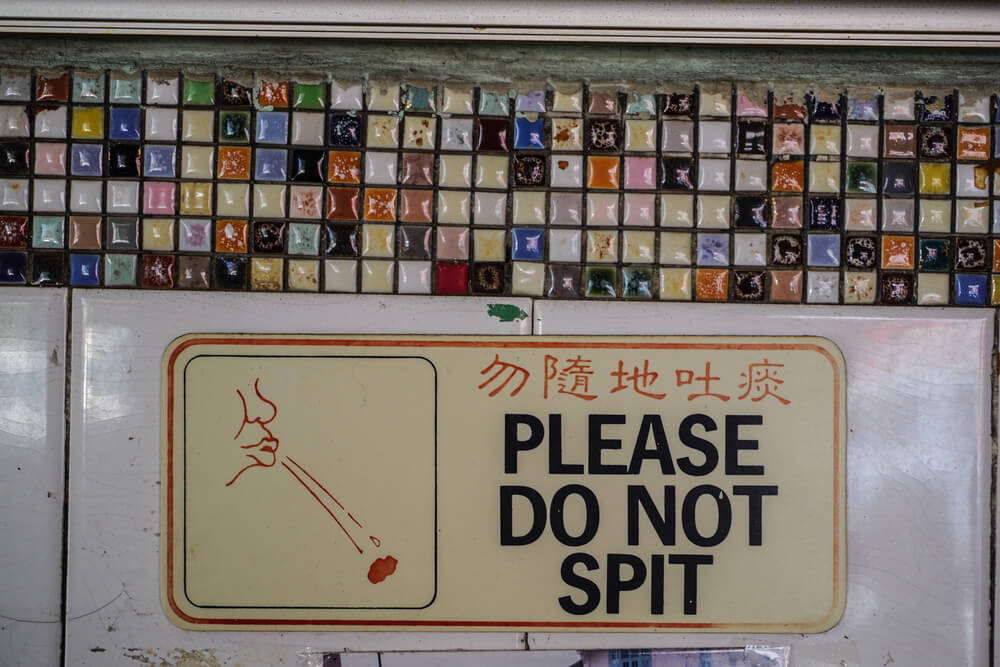
Public health crusades in the early 20th century produced numerous anti-spitting ordinances as governments fought tuberculosis transmission through airborne particles. As tuberculosis declined and social norms shifted, these laws remained on the books long after enforcement had ceased.
Statutes Requiring Horses to Wear Specific Tack and Saddles

Municipal codes contained detailed requirements about horse equipment and saddlery, regulations that made sense when horses were primary transportation but became quaint historical oddities decades after automobiles displaced them.
Laws Prohibiting Women from Wearing Trousers in Certain Cities

Several cities maintained statutes forbidding women from wearing pants, rules dating from eras of strict gender-prescribed clothing. These laws became legally dead long before formal repeal, contradicting contemporary constitutional protections.
Regulations Limiting Telephone Conversation Length

Early telephone regulations required operators to disconnect calls after specific time limits, attempting to manage network congestion. As technology improved and call volume normalized, these regulations persisted years after becoming technically and legally unenforceable.
Laws Against Singing Loudly at Night

Noise ordinances that specifically prohibited singing after dark in residential areas remained on the books decades after practical enforcement ceased. Modern courts would have struck them as violations of free speech.
Statutes Prohibiting Sale of Ice in Summer Months

Early food preservation laws were designed to prevent the sale of potentially dangerous ice harvested from contaminated sources. By the time mechanical ice production made these rules obsolete, legislation remained on the books regardless.
Regulations Governing the Length of Women’s Bathing Costumes

Municipal swimming codes contained specific requirements about how much women’s legs and arms must be covered, rules that became comical as swimwear fashion evolved. Formal repeal ultimately acknowledged these statutes violated contemporary notions of body autonomy.
Laws Against Riding Bicycles on Certain Streets

Traffic ordinances drafted when bicycles were novel contrivances contained prohibitions specific to bicycles that remained after they became standard transportation. Repealing them acknowledged how dramatically vehicle landscapes had changed.
Statutes Requiring Street Lamps to Remain Lit During Specific Hours

Early electric street lighting laws mandated lamp-lighting protocols that became obsolete once automated timers and electric systems were installed. These regulations persisted in legal code despite lack of practical application.
Laws Forbidding the Sale of Milk on Sundays
Religious observance laws that prevented dairy sales on the Sabbath existed in various jurisdictions long after most retail operated seven days weekly. Formal repeal required acknowledging that religious regulation of commerce had become unconstitutional.
Regulations Against Loud Noise During Specific Hours

Sound ordinances containing antiquated definitions of “noise” and specific prohibited hours remained on the books despite inconsistency with modern noise ordinances and free speech protections.
Statutes Prohibiting Wearing Masks in Public (Outside of Theater)

Laws designed to prevent criminal disguise existed long after theater attendance made mask-wearing common. These laws created confusion when Halloween and carnival costumes became widespread.
Regulations Governing Handkerchief Size and Material

Oddly specific sumptuary laws regulating cloth merchants’ offerings persisted as historical oddities despite complete lack of enforcement or practical application.
Laws Against Whistling in Public Spaces

Municipal statutes forbade whistling loudly in streets and parks, rules dating from eras when noise discipline was considered essential to public order. These remained despite obvious inconsistency with contemporary free speech principles.
Statutes Regulating the Color of Carriages
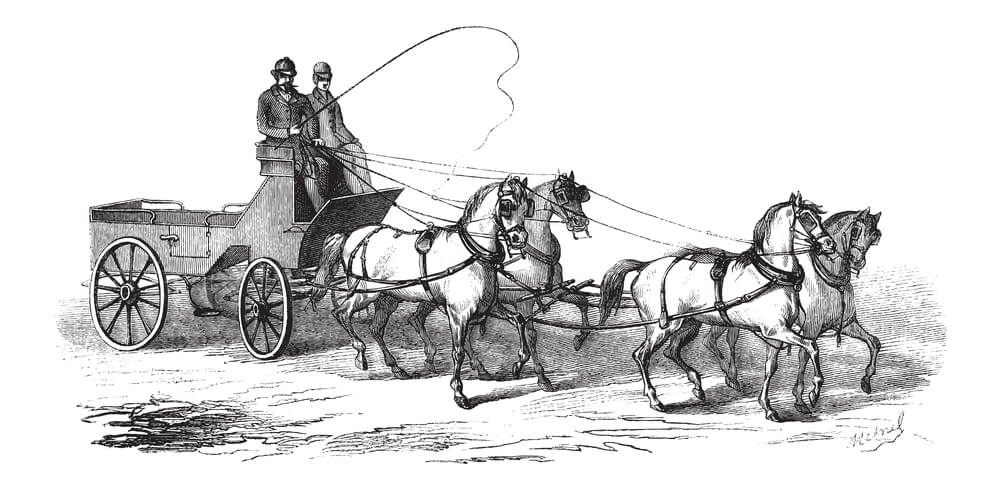
Requirements that carriages be painted specific colors or bear certain markings remained in code long after horse transportation became historical. These regulations persisted despite universal non-compliance.
Laws Against Carrying Swordsticks in Public

Victoriana-era statutes prohibiting the carrying of walking sticks with concealed blades remained on books despite the weaponry becoming essentially extinct and the laws unconstitutional if enforced.
Regulations Requiring Specific Prayers at Official Functions
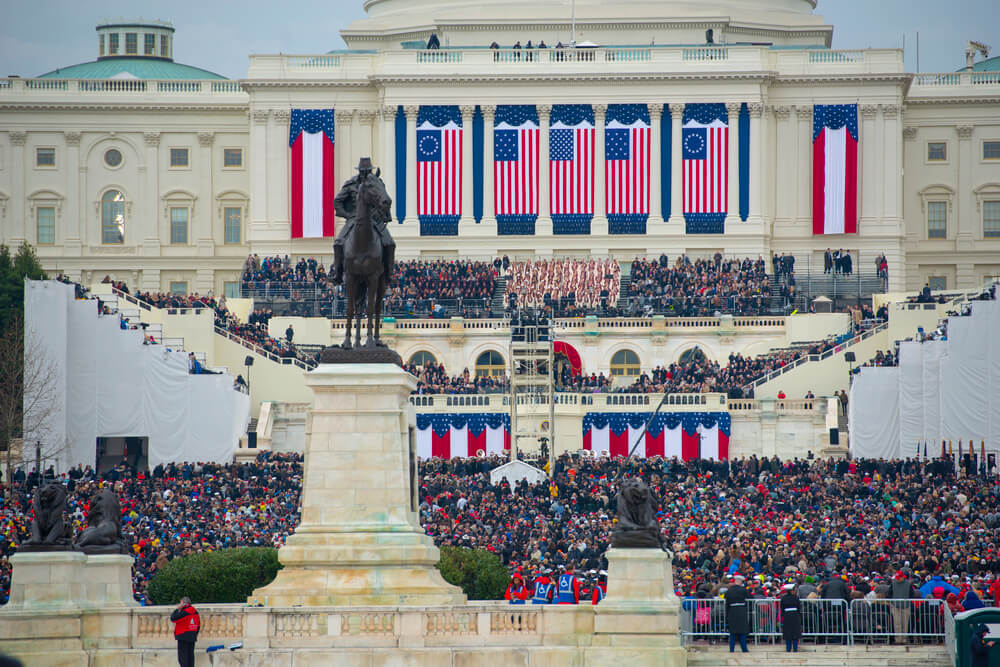
Mandatory prayer statutes for government ceremonies remained despite obvious conflict with First Amendment protections that emerged in mid-20th century constitutional law.
Laws Prohibiting the Sale of Produce on Sunday Mornings

Religious commerce restrictions limiting when farmers could sell vegetables remained decades after Sunday trading restrictions were largely abolished and subsequent legal reforms protected commercial speech.
Statutes Against Wearing Unlicensed Uniforms
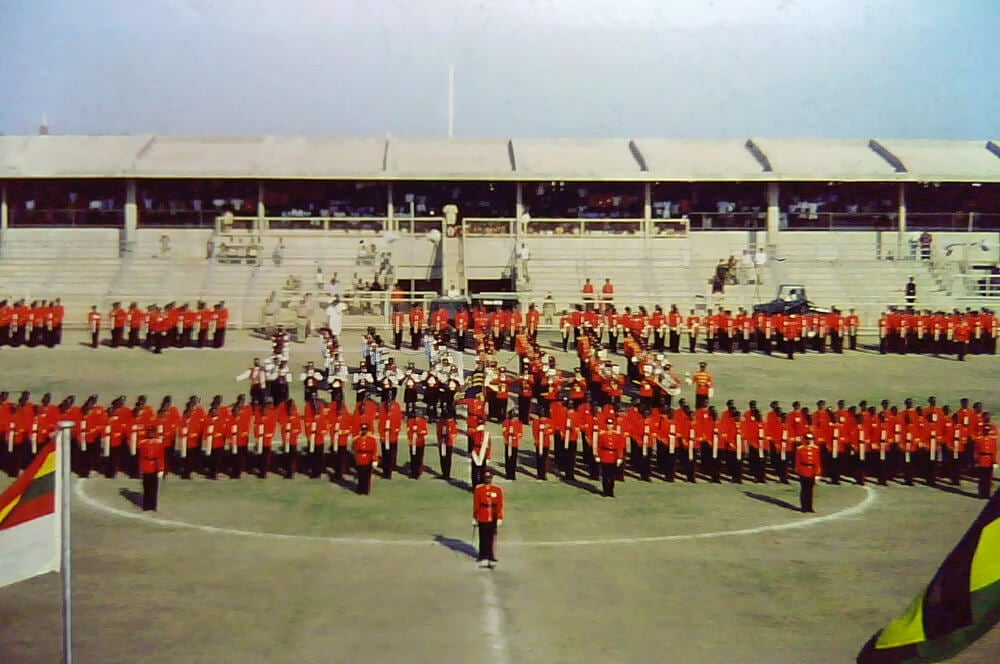
Laws prohibiting non-authorized individuals from wearing military or official uniforms persisted despite becoming anachronistic once veterans’ organizations and historical reenactors became common.
Regulations Governing Stable Cleanliness

Detailed codes regulating how frequently horse stables must be cleaned remained on the books through the entire automobile era despite complete non-applicability.
Laws Against Dyeing Animals’ Coats for Sale

Regulations against dyeing animal fur to misrepresent its quality persisted despite the rise of synthetic textiles and changing animal husbandry practices rendering the law obsolete.
Statutes Prohibiting Blind People From Leaving Home After Dark

Paternalistic disability laws forbidding blind individuals from going out at night remained in various jurisdictions despite obvious violations of contemporary disability rights and personal autonomy.
Regulations Against Selling Medicine on Credit

Early consumer protection laws limiting credit sales of medicinal compounds remained despite transformation of pharmaceutical commerce and modern credit systems.
Laws Against Unmarked Baskets in Public Markets

Market regulations requiring specific basket markings and vendor licenses persisted despite transformation of retail commerce making basket identification irrelevant. Formal repeal acknowledged how completely economic systems had changed.
The Archaeological Record of Forgotten Law

Obsolete statutes function as legal archaeology, documenting concerns that preoccupied legislators in eras now distant. That they persisted long after becoming inapplicable reflects not legislative failure but historical change itself.
Modern legislatures inherit code bloated with these forgotten rules, creating ambiguity about what remains enforceable and what has died through disuse. Formal repeals, while seemingly unnecessary, serve important functions: they eliminate dangerous ambiguity, clarify that societies have moved beyond certain regulatory schemes, and acknowledge that the problems those laws addressed no longer exist.
Each repeal represents a small historical milestone—proof that even well-intentioned regulation eventually becomes obsolete.
More from Go2Tutors!

- The Romanov Crown Jewels and Their Tragic Fate
- 13 Historical Mysteries That Science Still Can’t Solve
- Famous Hoaxes That Fooled the World for Years
- 15 Child Stars with Tragic Adult Lives
- 16 Famous Jewelry Pieces in History
Like Go2Tutors’s content? Follow us on MSN.