2000s Reality Shows That Secretly Shaped Modern TV
The 2000s didn’t just give us low-rise jeans and flip phones. That decade quietly revolutionized television in ways we’re still experiencing today.
While everyone was busy watching people eat bugs or fight over roses, the reality TV boom was building the blueprint for modern entertainment. Think about it: streaming platforms like Netflix and Hulu now invest millions in unscripted content.
Social media influencers basically live their lives like they’re starring in their own reality shows. The confessional interview style has seeped into everything from documentaries to news programming.
Here is a list of reality shows from the 2000s that laid the groundwork for the TV landscape we know today.
The Bachelor

This dating show created the template for parasocial relationships between viewers and contestants. The Bachelor’s rose ceremony format became so iconic that it’s been parodied countless times, and its seasonal structure taught networks how to milk drama across multiple episodes instead of resolving everything in one sitting.
The franchise also pioneered the social media tie-in, with fans live-tweeting episodes and contestants becoming influencers after their seasons aired, long before that was standard practice.
The Osbournes

MTV’s peek into Ozzy Osbourne’s family life essentially invented the celebrity family reality show genre. Before the Kardashians dominated our screens, The Osbournes showed that audiences were hungry for unfiltered looks at famous people doing mundane things.
The show’s success proved that celebrity didn’t need to come from traditional talent anymore; you could become famous just by being yourself on camera, a concept that would eventually birth influencer culture.
America’s Next Top Model
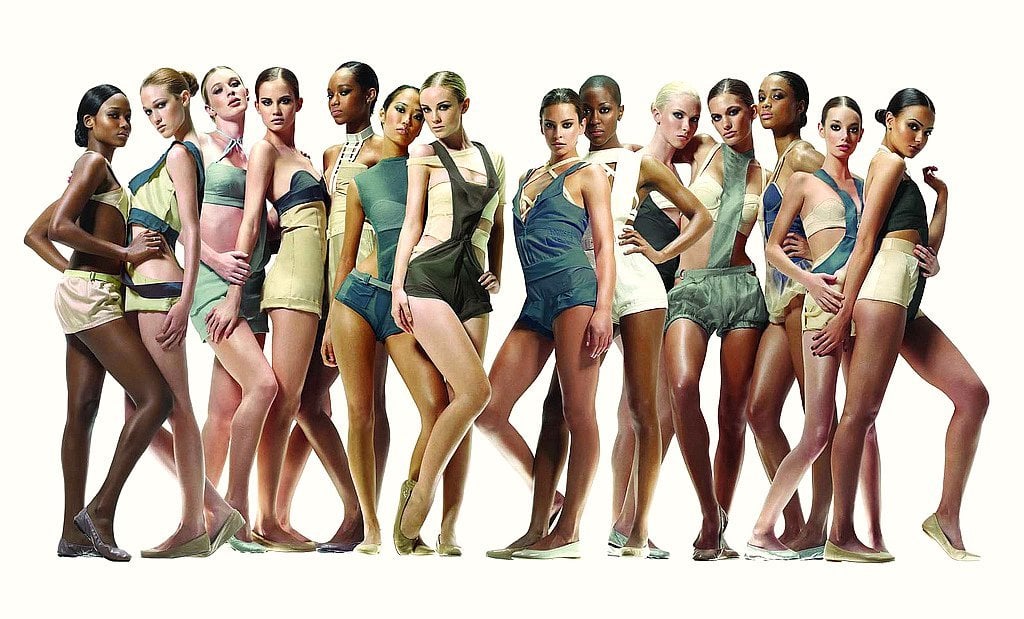
Tyra Banks created a competition show that blended makeovers, challenges, and elimination drama into a format that’s been copied endlessly. The show introduced the concept of contestants living together while competing, which intensified interpersonal drama and gave producers more content to work with.
ANTM also popularized the dramatic elimination reveal and the practice of reducing contestants to one defining trait or backstory, techniques that reality TV producers still use constantly.
The Apprentice
Donald Trump’s boardroom show introduced the high-stakes business competition format that would be replicated in shows like Shark Tank. The Apprentice’s team-based challenges and dramatic boardroom eliminations created a template that made business entertaining for general audiences.
It also demonstrated that reality TV could launch political careers, a phenomenon that would have massive real-world implications.
Project Runway
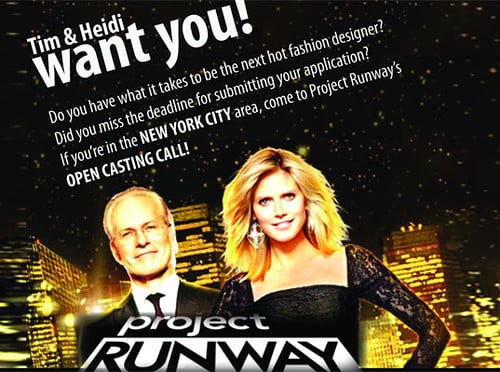
This fashion design competition elevated reality TV by treating its subject matter seriously and showcasing genuine artistic talent. Project Runway proved that competition shows didn’t need to rely solely on manufactured drama; audiences would tune in to watch skilled people actually create things.
The show’s mentor figure, Tim Gunn, became so iconic that nearly every modern competition show now includes a supportive mentor alongside the judges, from The Voice’s coaches to RuPaul on Drag Race.
Laguna Beach

MTV’s docuseries about wealthy California teenagers blurred the line between reality and scripted television. The show’s cinematic production values and narrative storytelling techniques made it feel more like a teen drama than traditional reality TV.
Laguna Beach proved that reality shows could have high production quality, influencing the polished aesthetic of modern reality programming and paving the way for its even more popular spinoff, The Hills.
The Simple Life
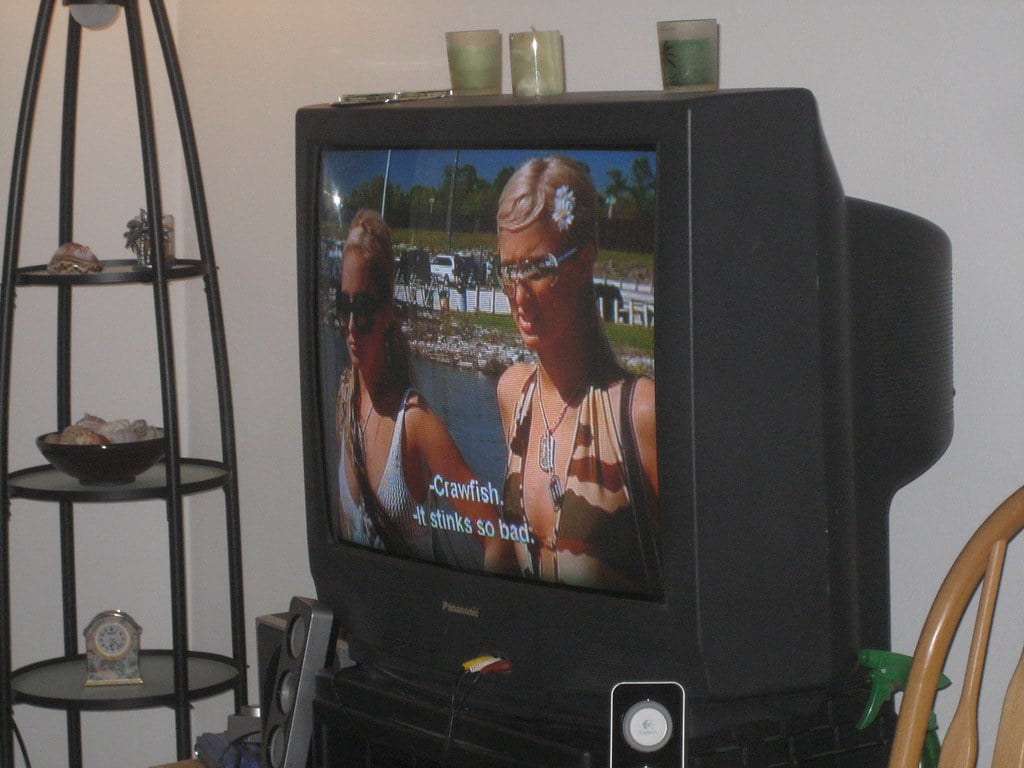
Paris Hilton and Nicole Richie’s fish-out-of-water show popularized the celebrity experiencing ‘normal life’ format. Beyond the laughs, The Simple Life demonstrated that wealthy, somewhat unlikeable people could still be entertaining television, a lesson that would inform shows like Keeping Up with the Kardashians.
The show also helped establish the concept that any situation becomes content when you put the right personalities in it.
Punk’d
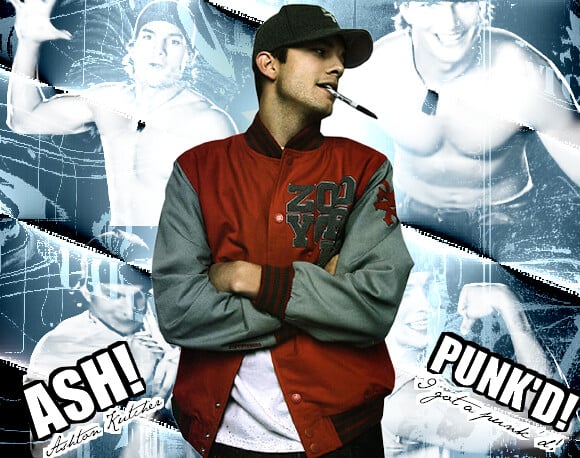
Ashton Kutcher’s hidden camera prank show modernized the old Candid Camera concept for the celebrity age. Punk’d made ‘getting punk’d’ part of the cultural vocabulary and showed that celebrities being vulnerable and embarrassed was gold for ratings.
The show influenced modern prank formats and demonstrated that behind-the-scenes footage of how pranks were executed could be as entertaining as the pranks themselves, a meta approach that reality TV now uses constantly.
Fear Factor
Joe Rogan’s extreme stunt show pushed boundaries by making contestants eat disgusting things and face their fears for cash. While the gross-out factor was the hook, Fear Factor actually established the three-round elimination format that countless competition shows now use.
It also normalized the idea that reality TV could include genuinely dangerous or uncomfortable situations, provided everyone signed extensive waivers.
The Amazing Race

This globe-trotting competition introduced the checkpoint format and team-based racing that many shows have since adopted. The Amazing Race proved that reality TV didn’t need to be confined to a studio or single location; it could be expansive and educational while still being dramatic.
The show’s emphasis on teamwork and communication under pressure created a more positive competitive atmosphere than many other reality shows, influencing family-friendly competition formats.
Top Chef

Bravo’s culinary competition took the Project Runway formula and applied it to cooking, creating a prestige reality show that actually launched successful careers. Top Chef demonstrated that reality competitions could be both entertaining and legitimate platforms for professional advancement, not just fame.
The show’s quickfire and elimination challenge structure has been replicated across countless competition formats, and it proved that audiences would tolerate not being able to taste or fully judge the work as long as the drama and creativity were compelling.
Jersey Shore

MTV’s ensemble cast show about housemates in Seaside Heights created the modern template for unscripted drama. Jersey Shore’s success showed networks that you didn’t need celebrities or competition; you just needed big personalities living together and producers willing to manufacture situations.
The show launched genuine celebrity careers for its cast, who parlayed their fame into social media influence, spinoffs, and brand deals, essentially inventing the modern reality TV to influencer pipeline.
Keeping Up with the Kardashians
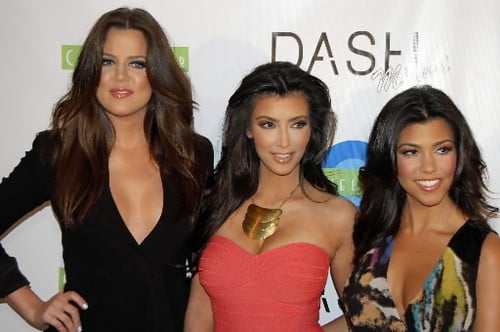
This family docuseries perfected the integration of social media and reality television. The Kardashians turned their show into a launching pad for business empires, demonstrating that reality TV could be a marketing tool rather than an end goal.
The show’s ability to stay relevant by incorporating real-time social media drama and addressing scandals directly on camera showed producers how to keep reality programming feeling current in the internet age.
From Competition to Content Creation

What started as networks looking for cheap programming alternatives during the 2000s writers’ strikes became the foundation of modern entertainment. These shows didn’t just entertain us; they taught an entire generation how to perform for cameras, created new career paths, and established formats that streaming platforms now spend millions replicating.
The influence runs deeper than most people realize: the way we consume media, interact with celebrities, and even present ourselves online all trace back to lessons learned from these reality TV pioneers. Every time you watch someone speak to a camera on Instagram or see a competition format on Netflix, you’re experiencing the legacy of the 2000s reality TV explosion.
More from Go2Tutors!

- The Romanov Crown Jewels and Their Tragic Fate
- 13 Historical Mysteries That Science Still Can’t Solve
- Famous Hoaxes That Fooled the World for Years
- 15 Child Stars with Tragic Adult Lives
- 16 Famous Jewelry Pieces in History
Like Go2Tutors’s content? Follow us on MSN.



