31 Cartoons From the ’80s and ’90s That Would Never Get Made Today
Saturday morning cartoons used to operate by different rules. Networks gave animators surprising freedom to include crude humor, disturbing imagery, dark violence, and casual stereotypes aimed squarely at children.
The combination of looser regulatory oversight and genuine artistic ambition created shows that are simply impossible to pitch now—not because they’re bad, but because they’d face immediate rejection from every major broadcaster.
What’s striking isn’t that these shows are dated. Many hold up surprisingly well.
The issue is that they embodied an era when “for kids” meant something fundamentally different than it does now. Parents, advertisers, and regulators have collectively decided that children’s entertainment should reflect different values.
Whether you think that’s progress or loss, the reality is clear: entire categories of animated comedy and storytelling have been permanently relocated to adult television.
The Ren & Stimpy Show
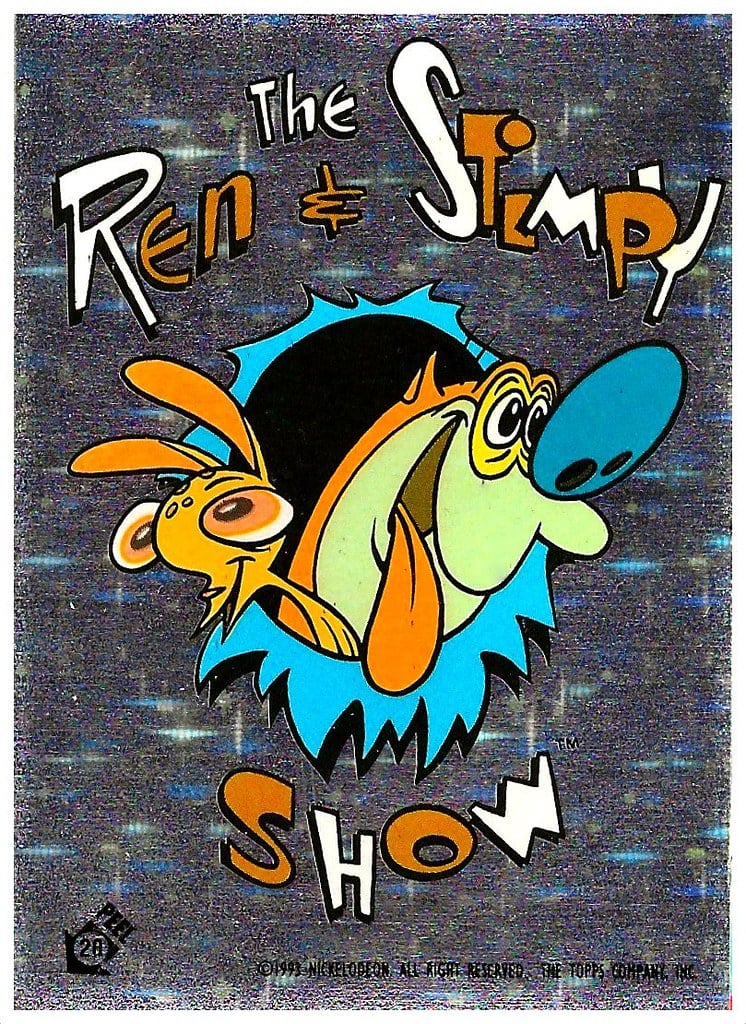
John Kricfalusi’s Nickelodeon series (1991-1996) pioneered animated gross-out humor as an art form, featuring grotesque close-ups of bodily functions, pus-filled sores, and designs that looked deliberately disgusting. The show’s humor derived from making viewers physically uncomfortable.
Stimpy’s cat head transformations into raw meat and the recurring emphasis on bodily fluids would trigger immediate content warnings today. Nickelodeon executives constantly demanded that Kricfalusi tone things down, and he constantly pushed back—a dynamic that wouldn’t survive modern content review.
Rocko’s Modern Life
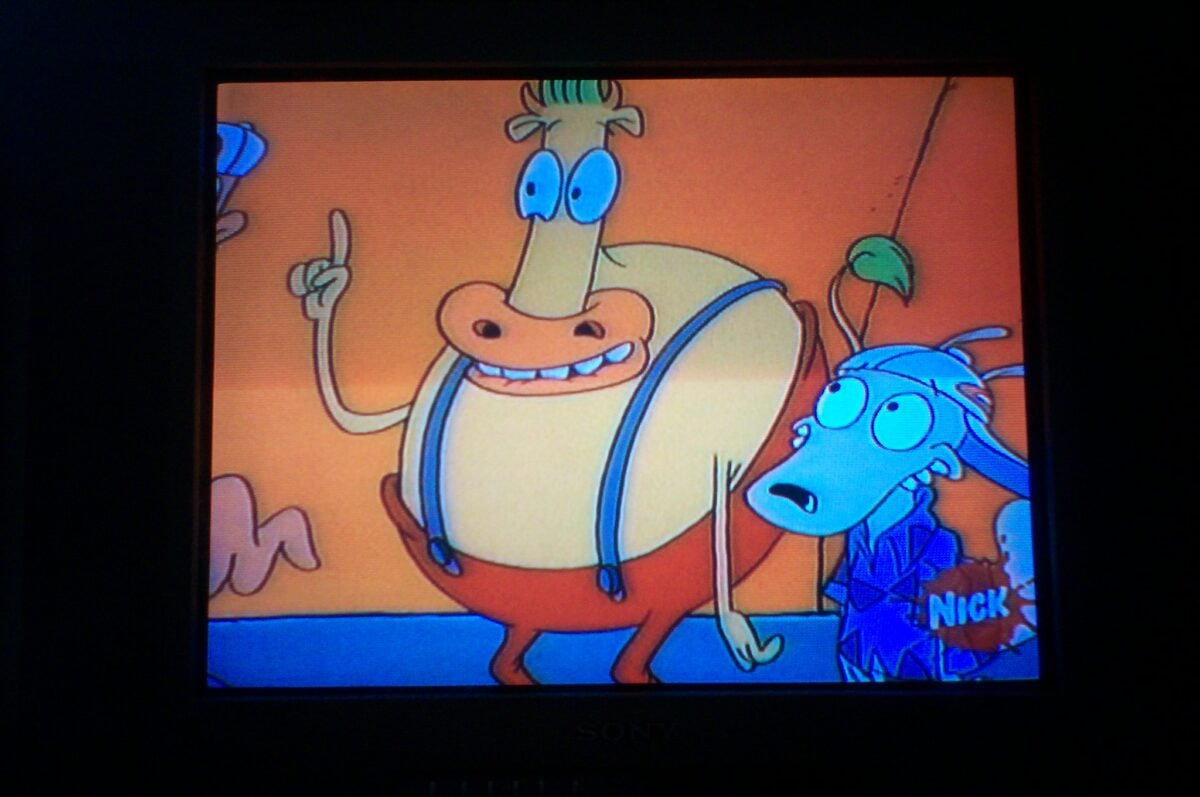
What appeared as quirky adventures of an Australian wallaby living in America actually included constant innuendos about adult situations, recurring imagery of disturbing body horror, and characters in genuinely unsettling scenarios. The show’s animation style made strange things look weirder than they would in traditional cartoons.
Episodes featured characters in situations that walked dangerously close to adult content while maintaining technical compliance with children’s standards. Modern parental watchdog organizations would flag this immediately.
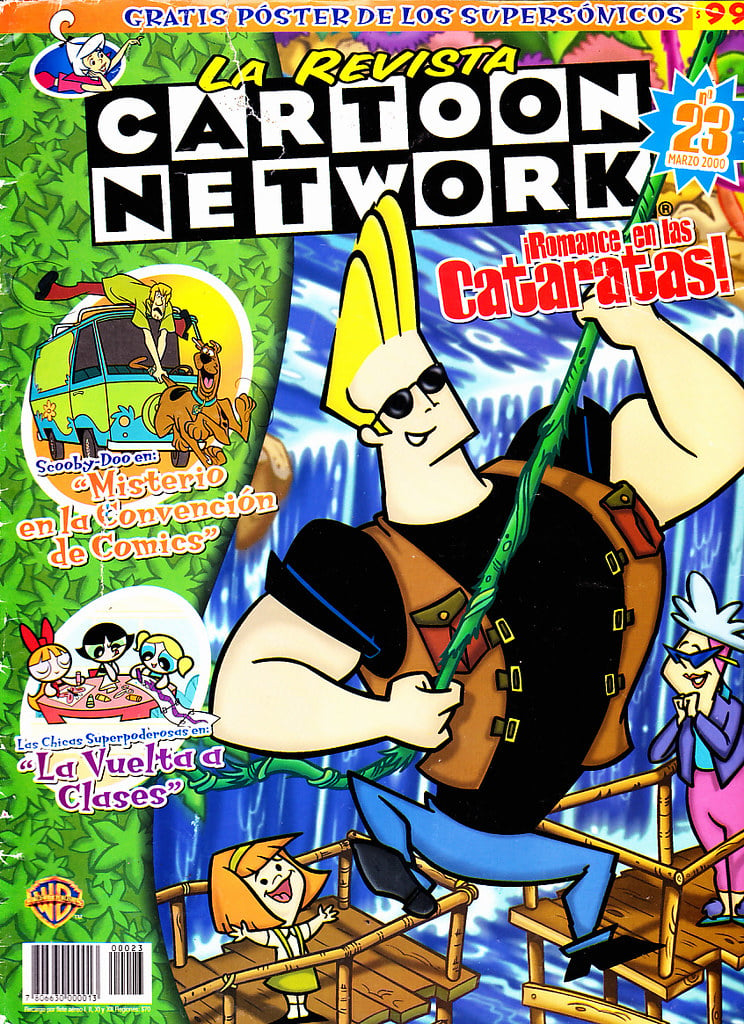
Johnny Bravo

This Cartoon Network series (1997-2004) centered on a Elvis-impersonator character whose primary behavior was relentlessly pursuing and objectifying every woman he encountered. He was always the punchline when his advances failed, but the structure of his character—a man whose defining trait was pursuit of uninterested women—reflects an approach to comedy that modern creators avoid entirely.
The normalization of this behavior as humor rather than something to critique would face serious pushback.
Mortal Kombat: Defenders of the Realm

Turning a video game infamous for graphic violence and fatalities into a Saturday morning cartoon required draining most of the game’s edge. Still, the show included combat intensity and character designs closer to R-rated material than anything contemporary children’s cartoons attempt.
The sheer implausibility of maintaining the property’s identity while respecting content standards meant the show was awkward from the start. Modern networks wouldn’t bother trying this compromise.
The Powerpuff Girls
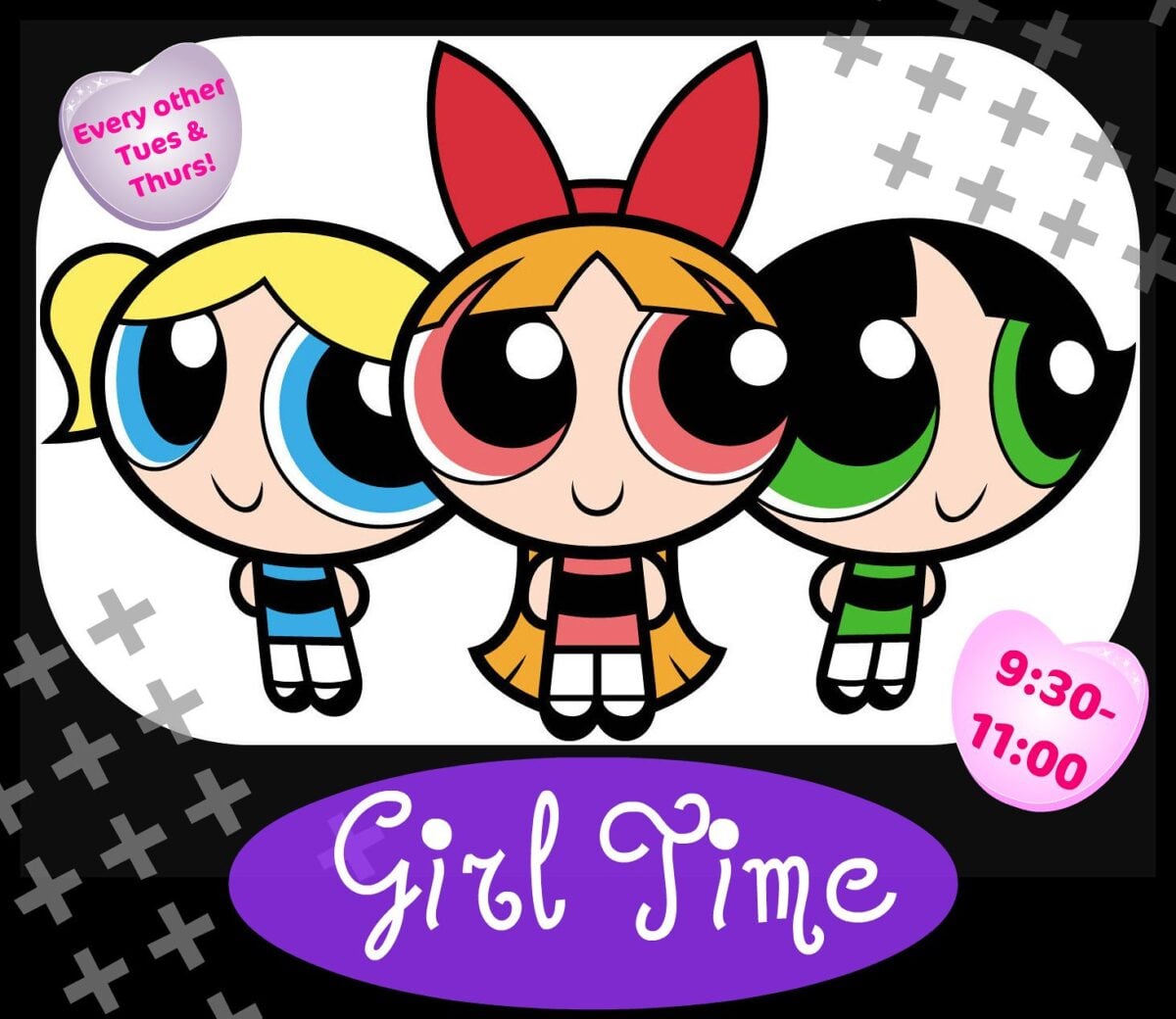
The premise itself was fine, but the execution included extreme violence directed at characters designed to look like kindergarteners. The girls regularly engaged in brutal hand-to-hand combat, explosions, and destruction that would raise serious questions about appropriateness if someone pitched the show today.
The fact that the protagonists were intentionally designed as small, cute children made the violence disconnected from any justifiable narrative context.
Tiny Toon Adventures: “One Beer”
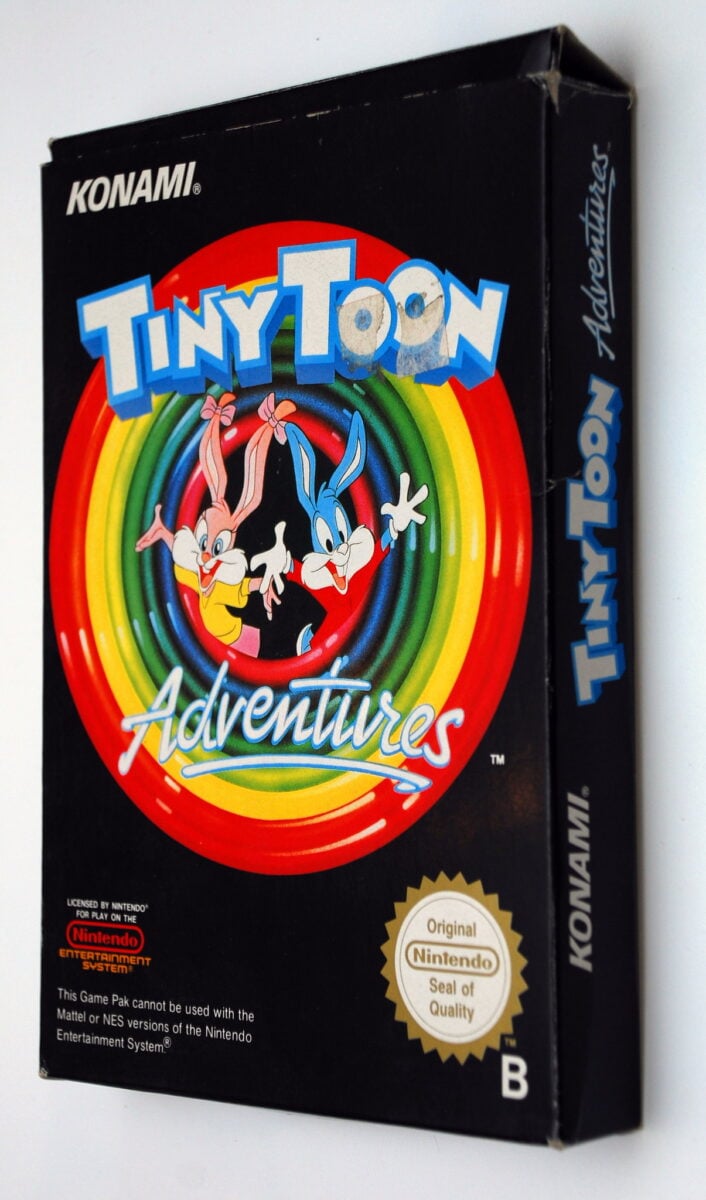
This 1992 episode was so controversial that Fox Kids banned it for decades, only allowing its release on DVD in 2013. The segment showed cartoon versions of Bugs Bunny, Daffy Duck, and Porky Pig finding a single beer, becoming intoxicated, and then dying in a drunk-driving accident.
Although the episode opened with a disclaimer about the dangers of alcohol, the execution was genuinely dark—children drinking, becoming sloppy, and being killed in a car crash. No broadcaster today would air this under any circumstances.
Cow and Chicken: “Buffalo Gals”

Cartoon Network aired this episode exactly once before pulling it permanently. The segment consisted primarily of lesbian stereotypes presented without satirical intent or comedic distance.
Characters named things like “Munch Kelly” performed crude jokes that went far beyond anything contemporary children’s networks would allow. The complete lack of any genuine satirical point made it purely offensive rather than clever.
Animaniacs
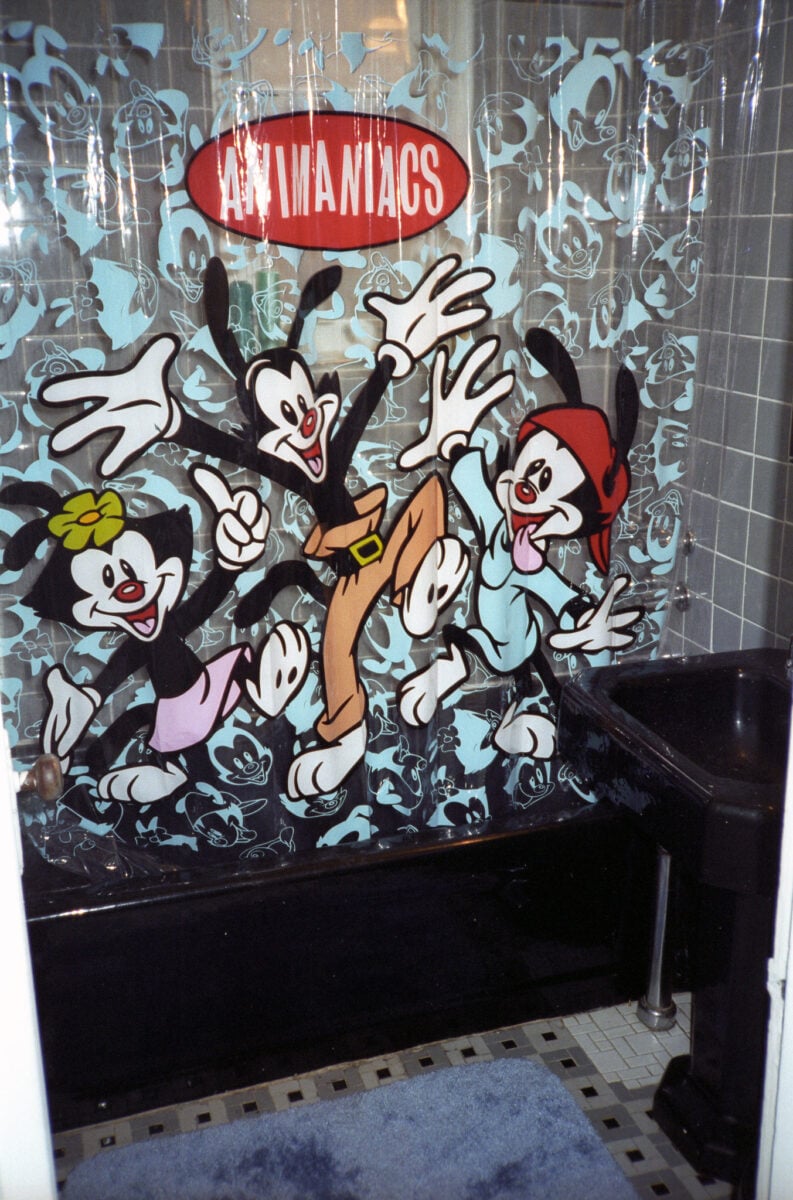
While the show had clever writing and genuine humor, it included stereotypical portrayals of Italian-American mobsters in the “Goodfeathers” segments and various jokes about race and gender that were intended to go over children’s heads but wouldn’t clear content review now. The show understood that kids wouldn’t understand certain references and played to that willfully.
Modern standards require that if something appears in a children’s show, the reasoning should hold up to scrutiny regardless of whether the target audience understands it.
Aaahh!!! Real Monsters
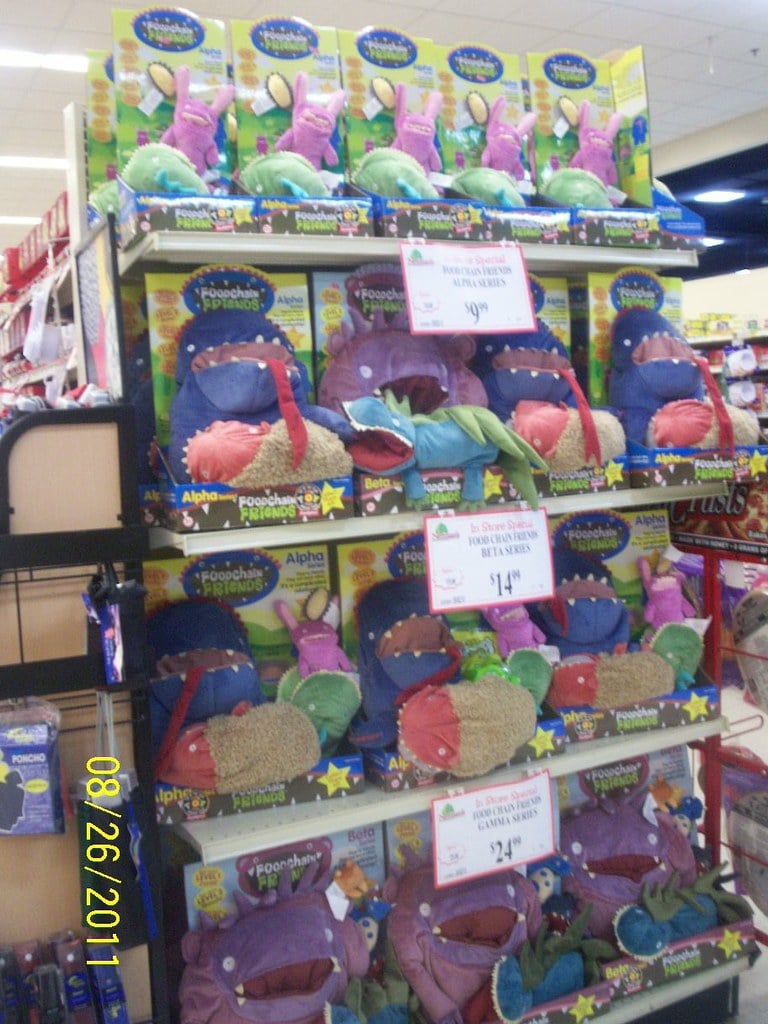
This Nickelodeon series was fundamentally about teaching monsters how to scare humans—a concept that would require significant justification to pitch today. The character designs were intentionally grotesque and disturbing, with visuals chosen specifically to be unsettling.
The show operated on the assumption that scaring children was entertainment value in itself. Modern children’s media approaches fear and horror much more cautiously.
He-Man and the Masters of the Universe
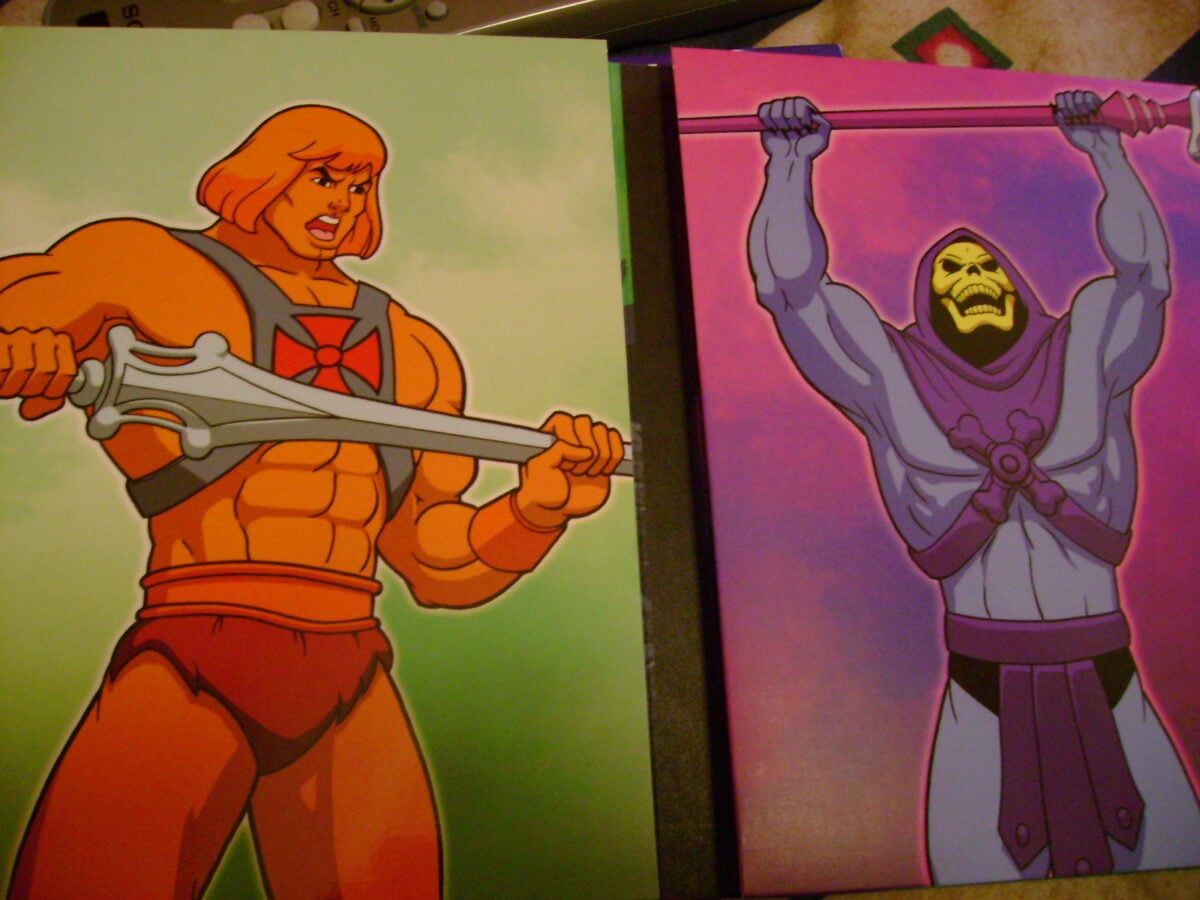
The FCC didn’t care that this 1983 series was essentially a 22-minute commercial for action figures. Each episode existed primarily to showcase the toy line, with storylines constructed around available products.
Modern regulations would require substantial distance between programming and merchandise. The show’s entire narrative engine was toy marketing, and it made no attempt to hide this.
Today’s standards demand actual storytelling that isn’t just product placement.
Transformers
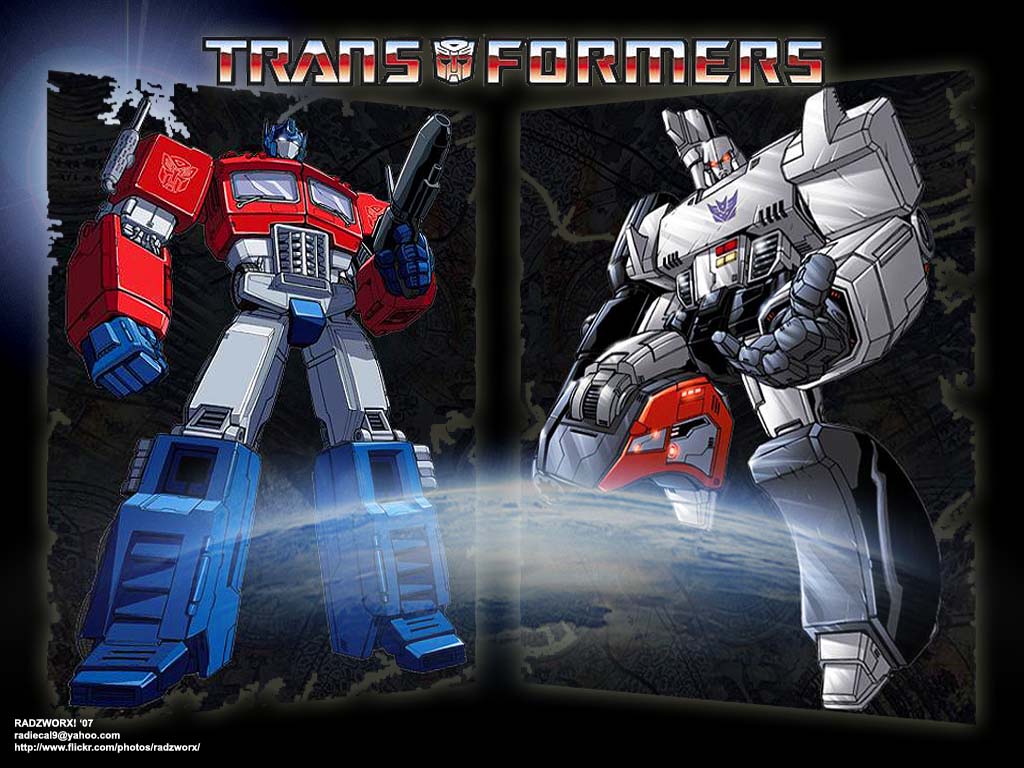
The original series was celebrated for surprisingly complex storytelling and serialization. But it also functioned as pure toy advertising, with episodes designed to introduce new characters who existed to justify new toy releases.
The violence was genuinely intense for a show aimed at young children, with fights regularly destroying cities and killing characters off permanently. That combination of hardcore merchandising and serious violence wouldn’t be pitched the same way today.
G.I. Joe: A Real American Hero
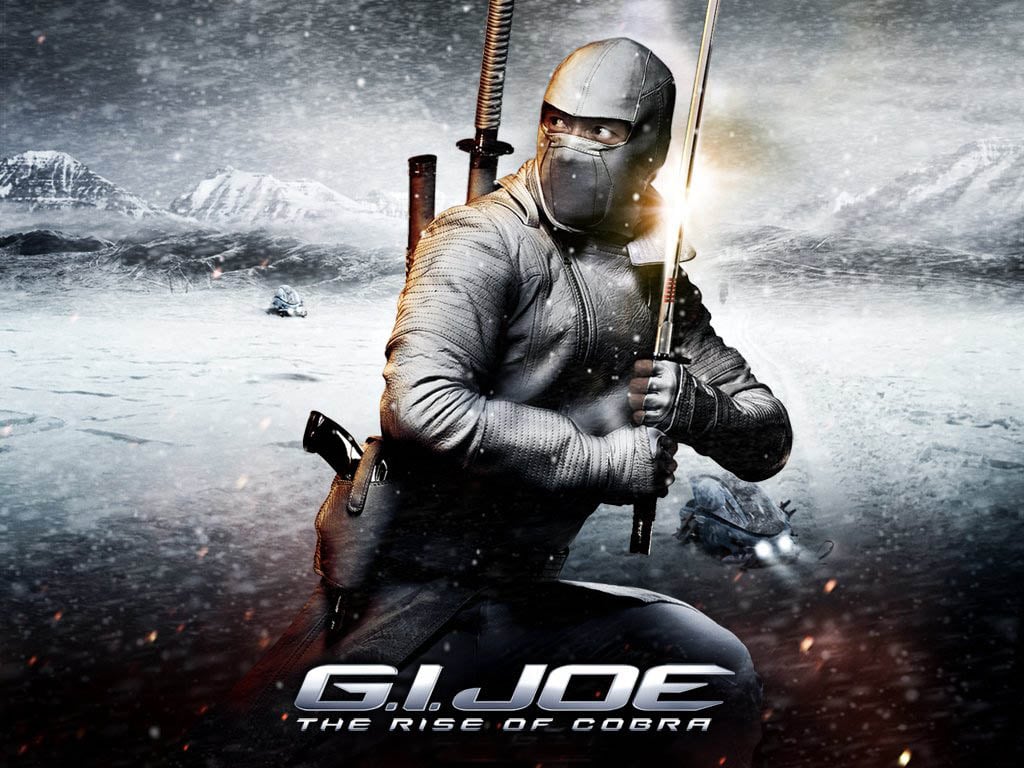
Despite educational PSAs tagged onto the end of episodes, this was essentially a militarized action show aimed at children. Characters were soldiers engaged in active warfare, and the entire framing celebrated military heroism and combat effectiveness.
The show operated during the Cold War with a clear U.S. military propaganda angle. Modern children’s programming avoids this kind of straightforward military celebration, especially after recognizing that entertainment doubled as recruitment material.
Captain Planet and the Planeteers
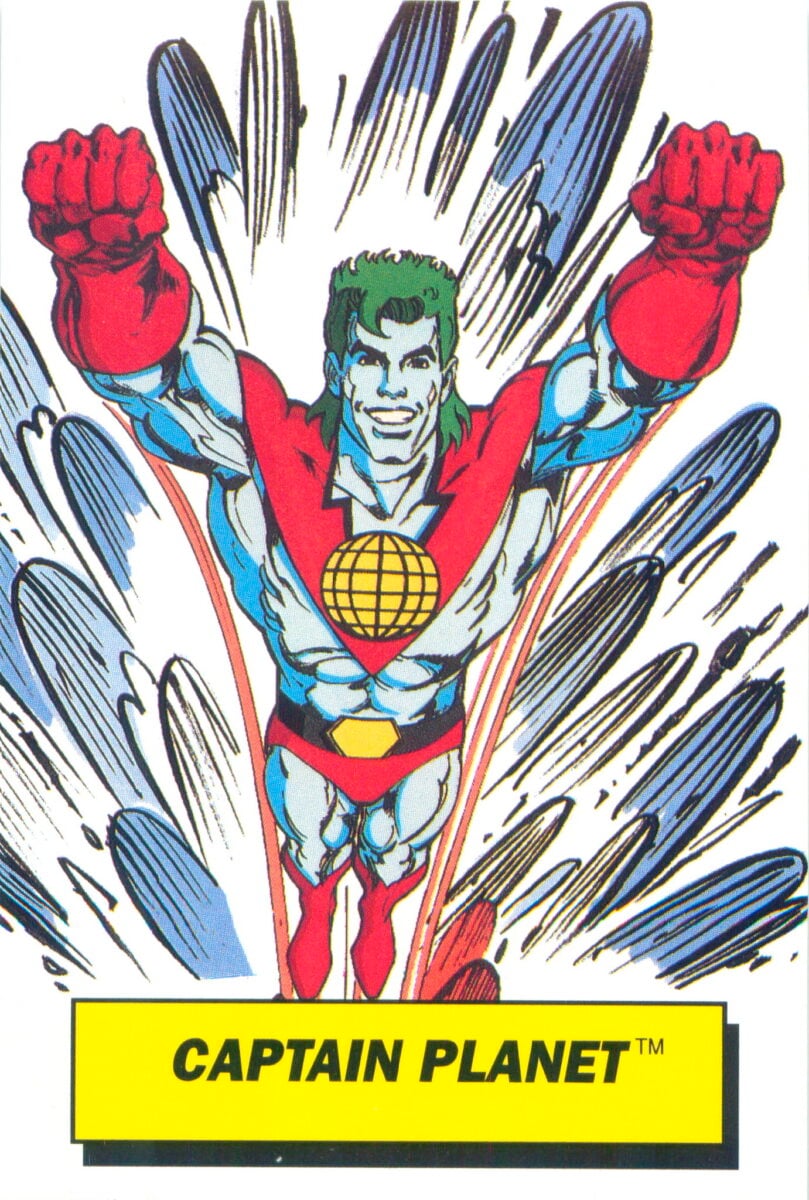
This series deployed environmental messaging with the subtlety of a sledgehammer, featuring villains whose only purpose was to embody environmental destruction. The show functioned as pure advocacy content, using children’s entertainment to push political ideology.
Modern networks are much more cautious about using children’s programming as a vehicle for message-driven content, whether environmental, political, or social.
The Wild Thornberrys
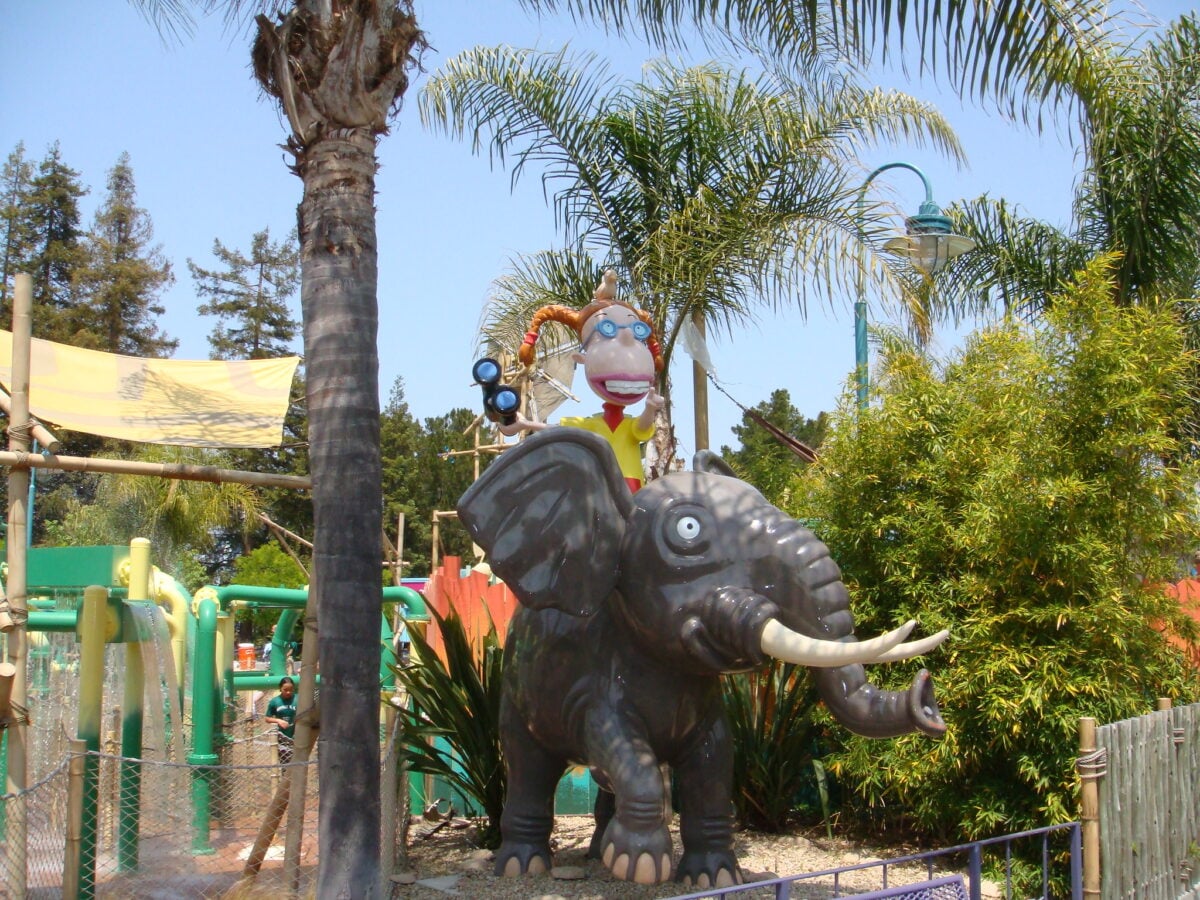
The show’s central premise—a girl with a magical ability to talk to animals, stemming from her family’s exploration lifestyle—included constant implications that her family’s choices endangered everyone around them. Episodes featured situations that would raise child welfare concerns if they occurred in live-action programs.
The show treated parental neglect through adventure framing in ways contemporary children’s programming avoids.
Recess

While beloved, the show’s core premise involved children regularly operating unsupervised in a school setting while dealing with social hierarchies, bullying, and complex peer dynamics. Modern children’s shows that feature school settings typically include more adult oversight and explicit conflict resolution.
The show trusted that children would sort out problems among themselves, a philosophy that contemporary education frameworks have substantially revised.
Biker Mice from Mars
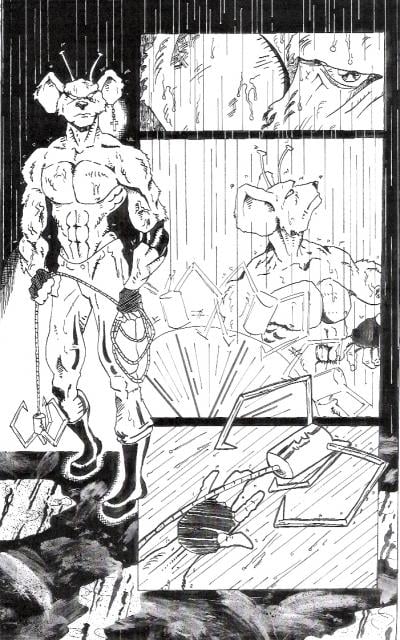
Three anthropomorphic mice who were literally muscular bikers engaged in street combat formed the core cast. The show’s ultra-masculine aesthetic, heavy emphasis on vehicle combat, and generally aggressive tone would be positioned differently today.
The series essentially applied a motorcycle gang mentality to cartoon characters. Modern children’s media diversifies aesthetic presentations and power expression.
The Flintstones (Syndication Era)
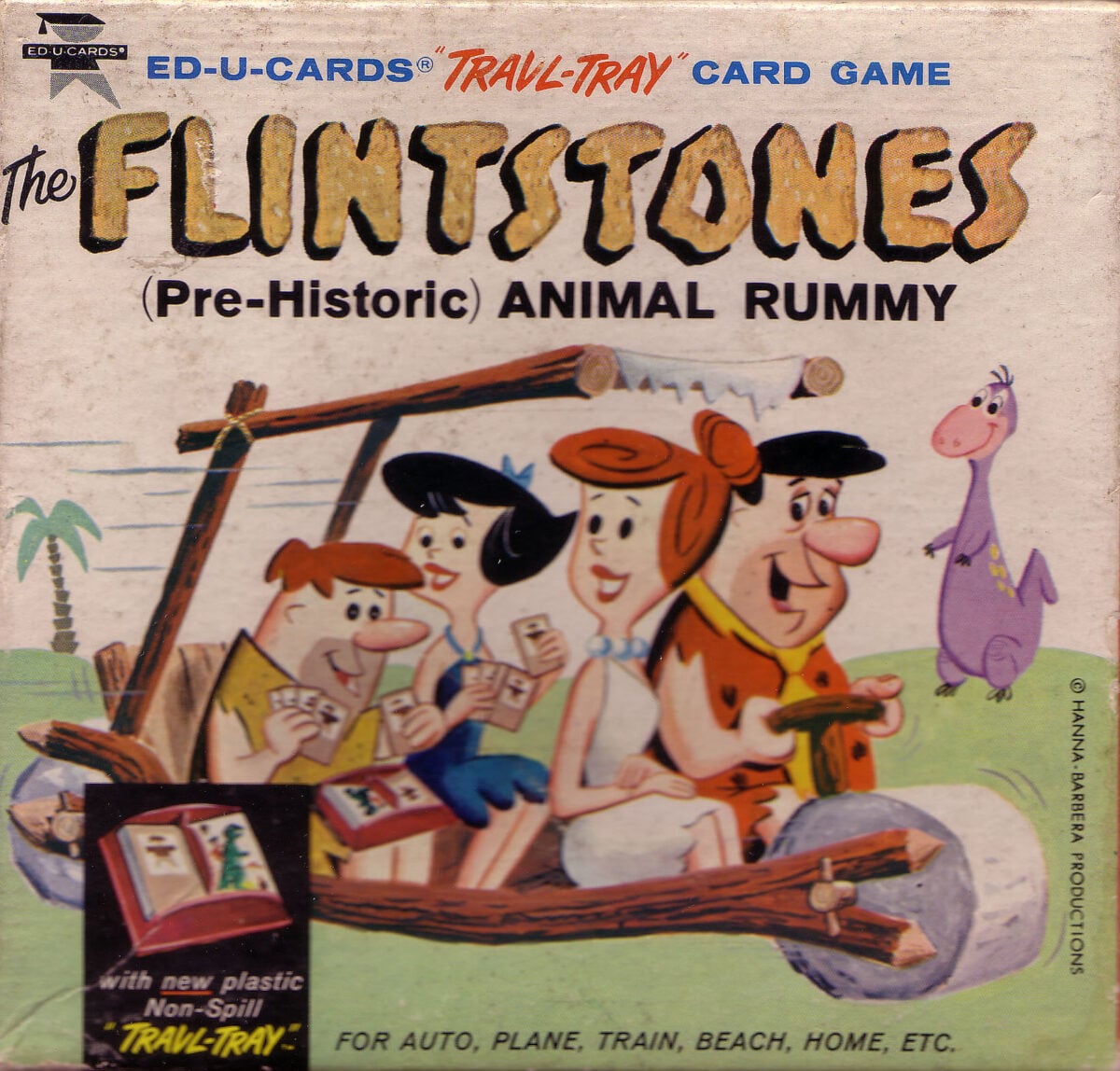
The early 1960s version was sponsored by Winston cigarettes, featuring Fred and Barney actively cig puffing and promoting the brand within the show. Even though Winston pulled sponsorship when it became clear families watched the show, it aired for years with direct cig advertising to child audiences.
No contemporary network would allow this under any legal framework.
Looney Tunes (Racist Cartoons)
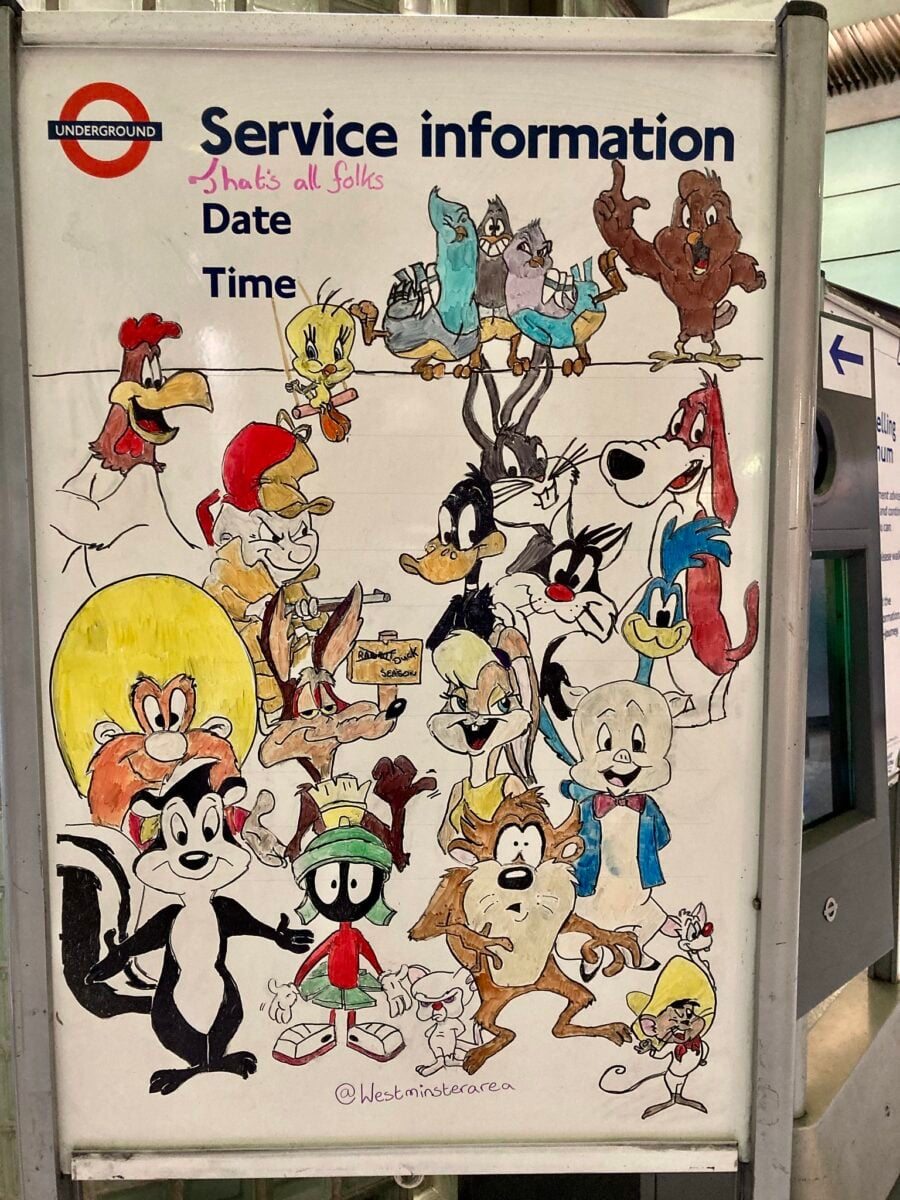
Older theatrical shorts featured deeply racist caricatures, particularly of Black characters. Cartoon Network specifically removed Speedy Gonzales from rotation in the late 1990s due to stereotyping concerns.
Modern platforms handle these cartoons by contextualizing them with statements about their historical racism rather than simply airing them as entertainment. The original production would be entirely impossible today.
Pepe Le Pew
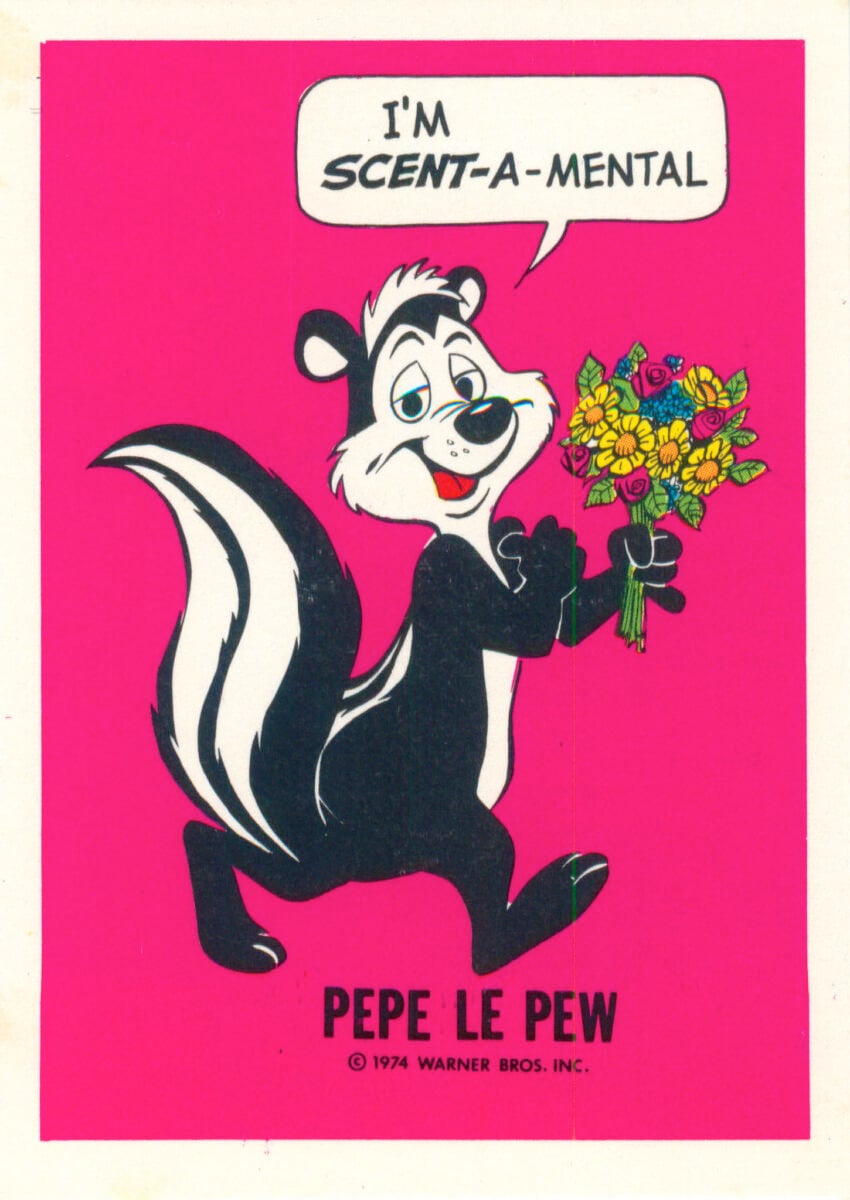
This amorous French skunk character’s entire comedic premise involved pursuing an unwilling female character across cartoons and theatrical shorts. The dynamic normalized persistent romantic pursuit despite clear rejection.
Modern audiences recognize the dynamic as depicting harassment and assault. The character has been substantially retired from contemporary media because the behavior pattern can’t be reframed as acceptable comedy.
SWAT Kats: The Radical Squadron
Photo by versageek, via Flickr, licensed under CC BY-SA 2.0
Two vigilante pilots operated a military-grade fighter jet outside any legal authority, regularly destroying city infrastructure during fights with villains. The show featured intense violence, explosions, and combat sequences that modern children’s programming reserves for action-oriented content with explicit age ratings.
The casual depiction of unsupervised vigilantism operated on different assumptions about what children should witness.
Toxic Crusaders

Based on an R-rated live-action film, this cartoon adapted extreme grotesque humor for children. The show featured characters designed to look disgusting and situations involving hazardous waste as comedy premise.
The aesthetic was intentionally abrasive. Modern children’s programming starting from R-rated properties faces immediate concerns about whether the source material is appropriate to adapt downward.
Rugrats
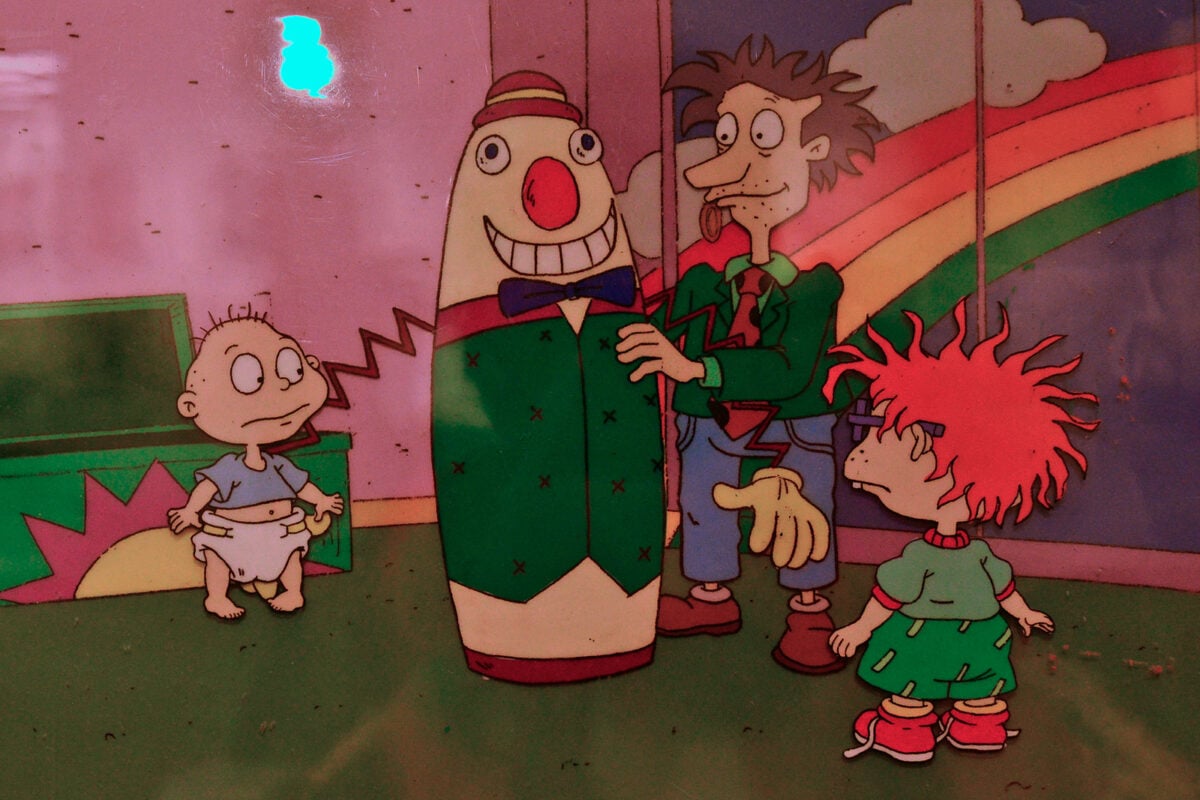
While ultimately beloved, the show was specifically designed to unsettle viewers with disturbing imagery and storylines that ventured into legitimate nightmare fuel territory. Certain episodes featured psychological horror elements more appropriate to adult programming.
The show understood that scaring children created memorable moments and leaned into that deliberately.
The Angry Beavers
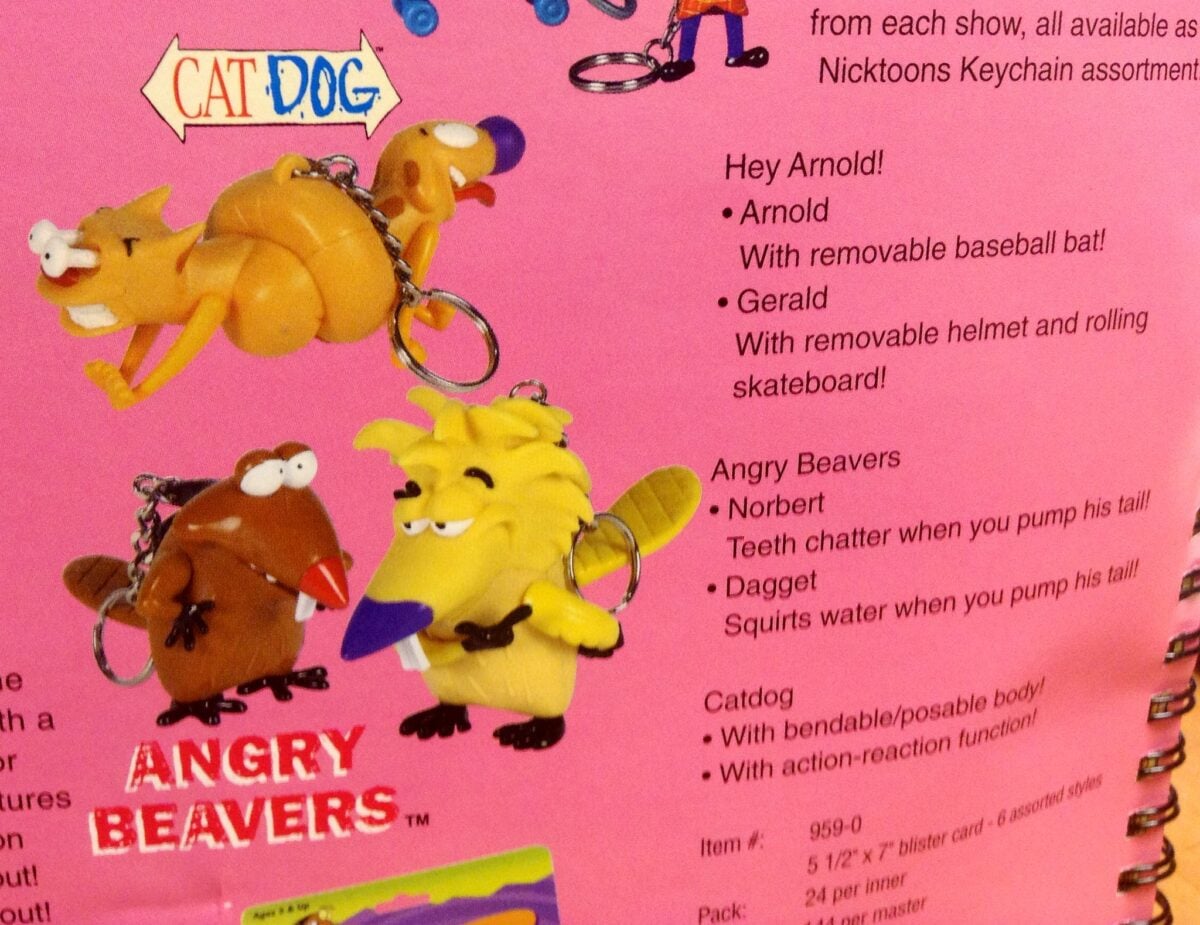
This show featured crude humor, bodily function jokes, and genuinely inappropriate situations played for comedy. The core relationship between the beaver brothers included dynamics that pushed boundaries for sibling relationships on children’s television.
The show’s humor operated at a level that required understanding of adult situations to fully appreciate, violating the principle that children’s content should be comprehensible primarily to its stated audience.
CatDog
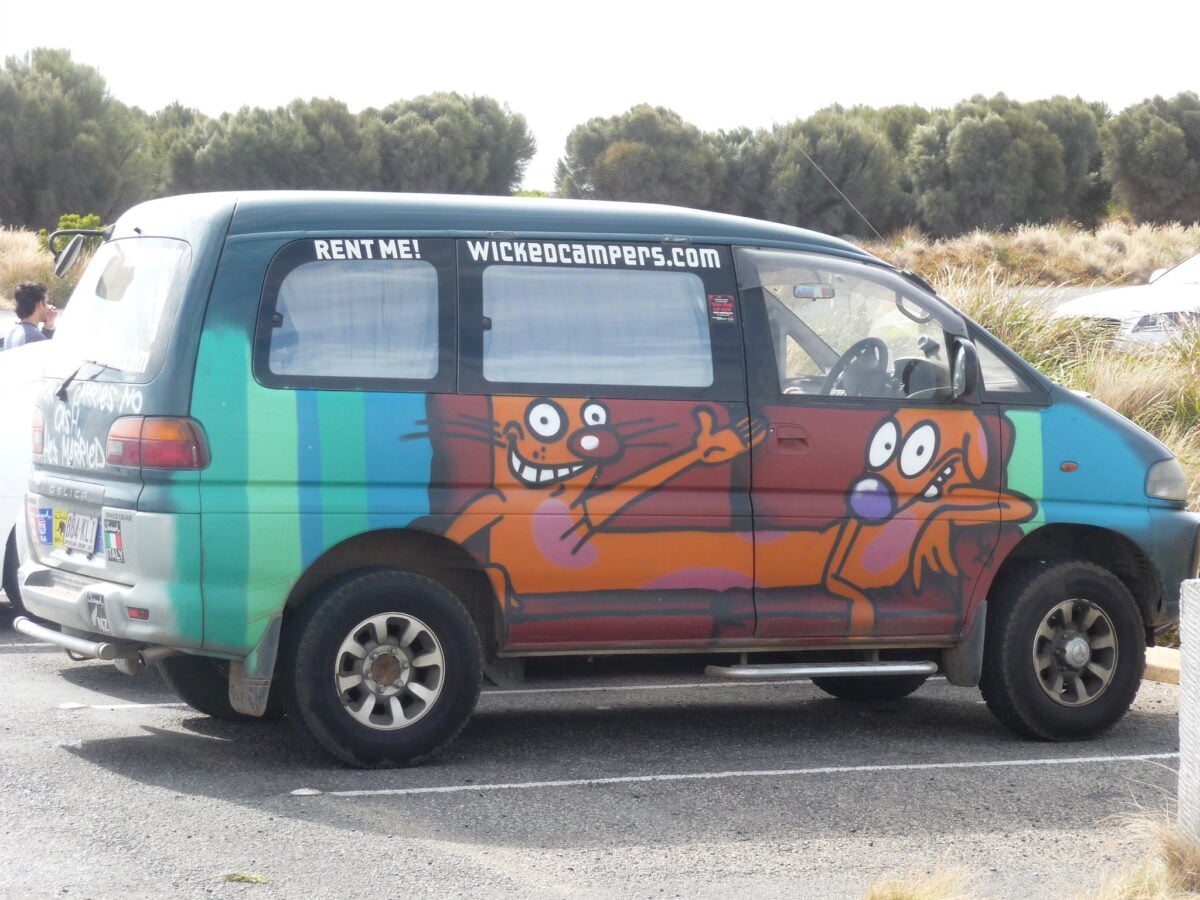
The entire premise involved a creature that was literally two animals sharing one body, creating inherent body horror as the foundation for comedy. The show’s basic concept was designed to be disturbing.
Modern children’s programming starts from different aesthetic assumptions about what should comfort rather than unsettle young viewers.
Extreme Ghostbusters
This ’90s reboot centered young characters engaging with explicit horror content. Unlike the original films, which maintained some comedic distance, this cartoon featured children directly confronting genuinely frightening supernatural entities.
The show’s premise required subjecting its audience to horror scenarios played relatively straight rather than heavily comedic.
Bobby’s World
This Howie Mandel-hosted live-action/animated hybrid featured segments of the host interacting with the animated child character. The show’s tone and humor were distinctly adult-oriented, with the animated segments offering refuge from adult concerns rather than age-appropriate storylines.
The framing treated childhood as escape from adult reality rather than as its own meaningful experience.
Inspector Gadget
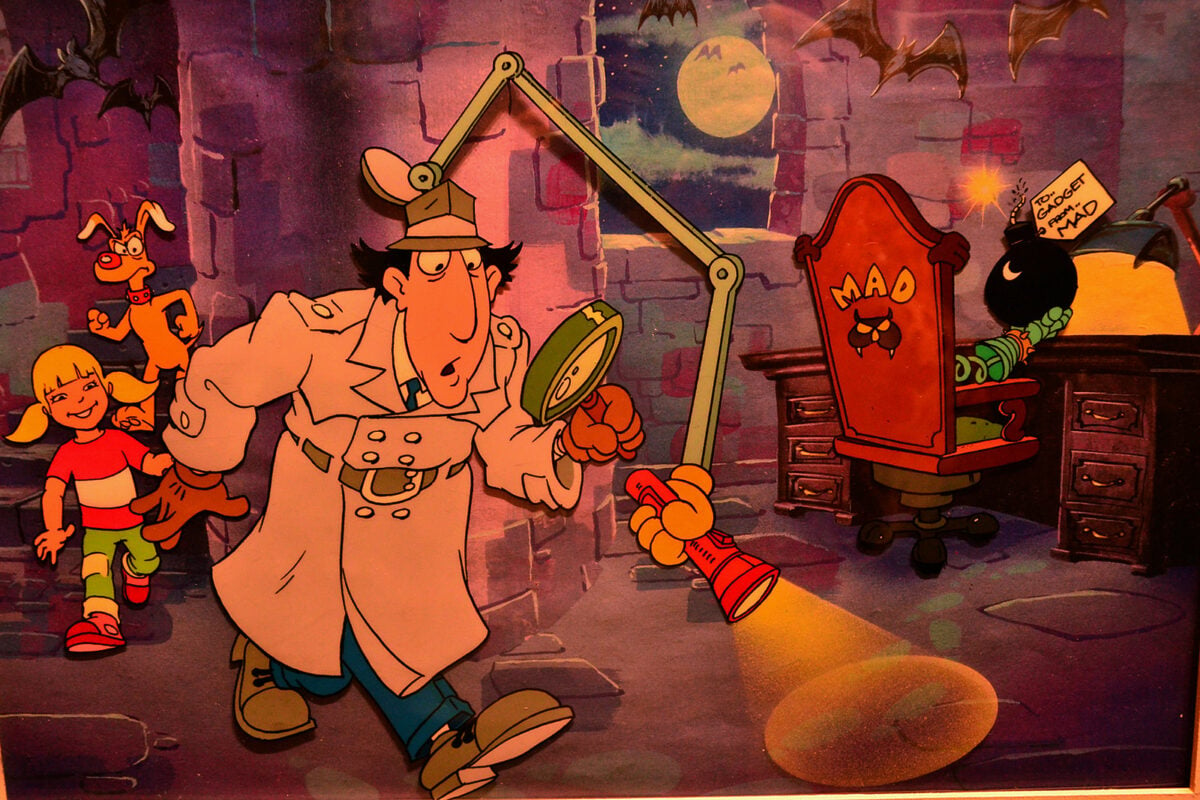
The show featured a bumbling secret agent whose incompetence regularly endangered his niece. While played comedically, the fundamental dynamic involved an adult failing to protect a child who had to repeatedly save herself and him.
The show didn’t explicitly problematize this relationship structure, treating it as comedic premise rather than concerning situation.
ThunderCats
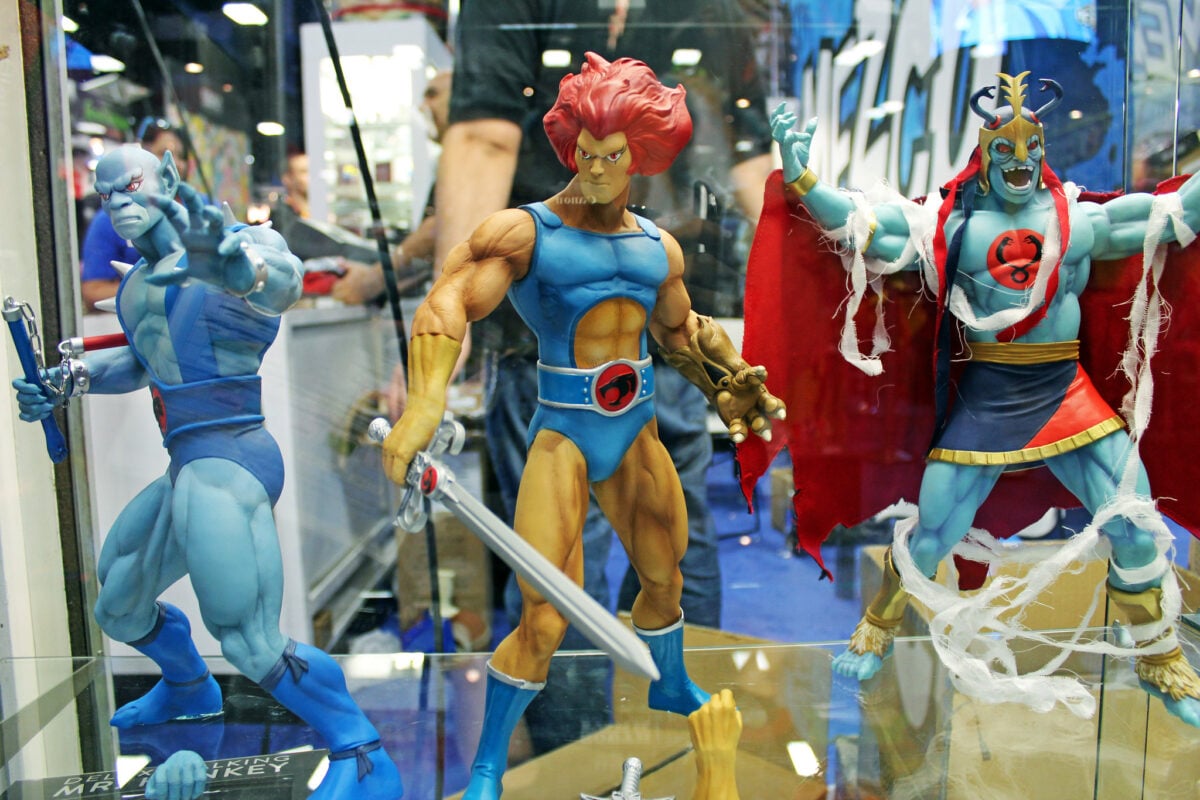
The original 1985 series featured intense violence and combat sequences that established it as genuinely action-oriented despite being technically children’s programming. The show’s visual intensity and combat focus would now be positioned as animation aimed at older children rather than general audiences.
Modern categorization would separate this from the average Saturday morning cartoon.
The Jetsons (Syndication Reruns)
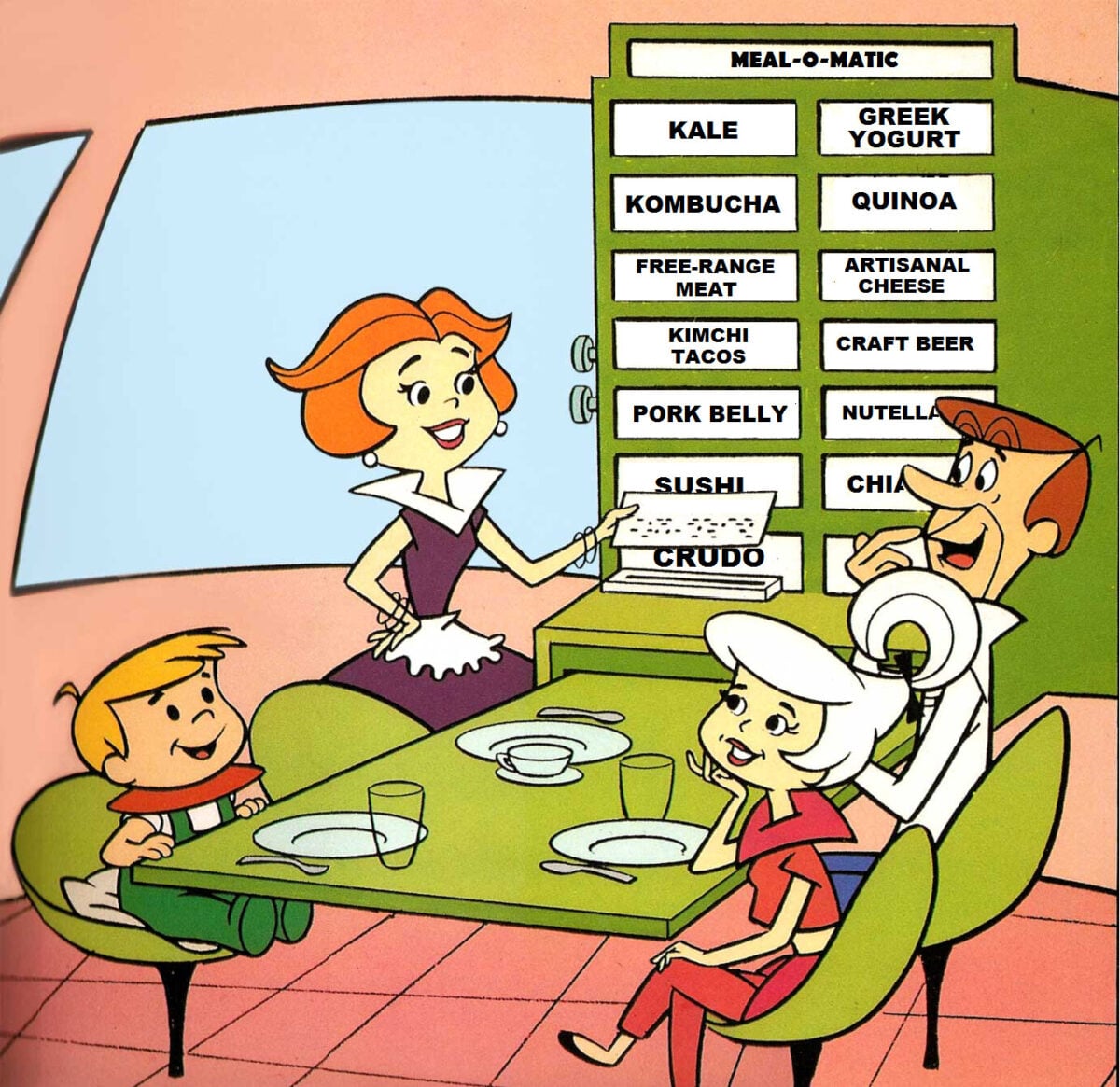
While beloved, the show featured consistent gender stereotyping in its domestic setup, with Jane existing primarily as a housewife managing an automated household. The 1960s original wasn’t made for syndication, but when reruns aired throughout the 1980s, the gender dynamics were already dated.
Modern programmers contextualize the show’s historical setting rather than presenting it as neutral entertainment.
Tales from the Crypt Keeper
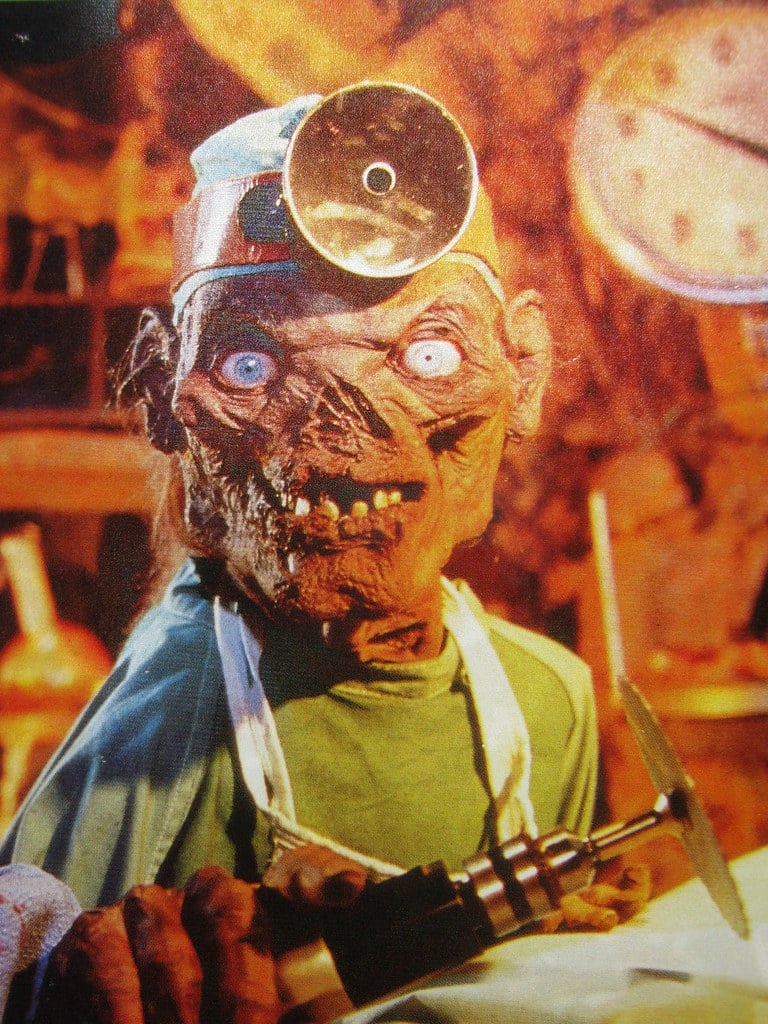
This animated adaptation of the adult horror comic featured grotesque imagery, dark humor, and horror elements designed to be genuinely unsettling. The show pushed the boundaries of what networks allowed in children’s programming by framing explicitly inappropriate content as comedic.
Modern standards around children’s horror content are stricter about tonal appropriateness.
The Incredible Hulk and Spider-Man: His Amazing Friends
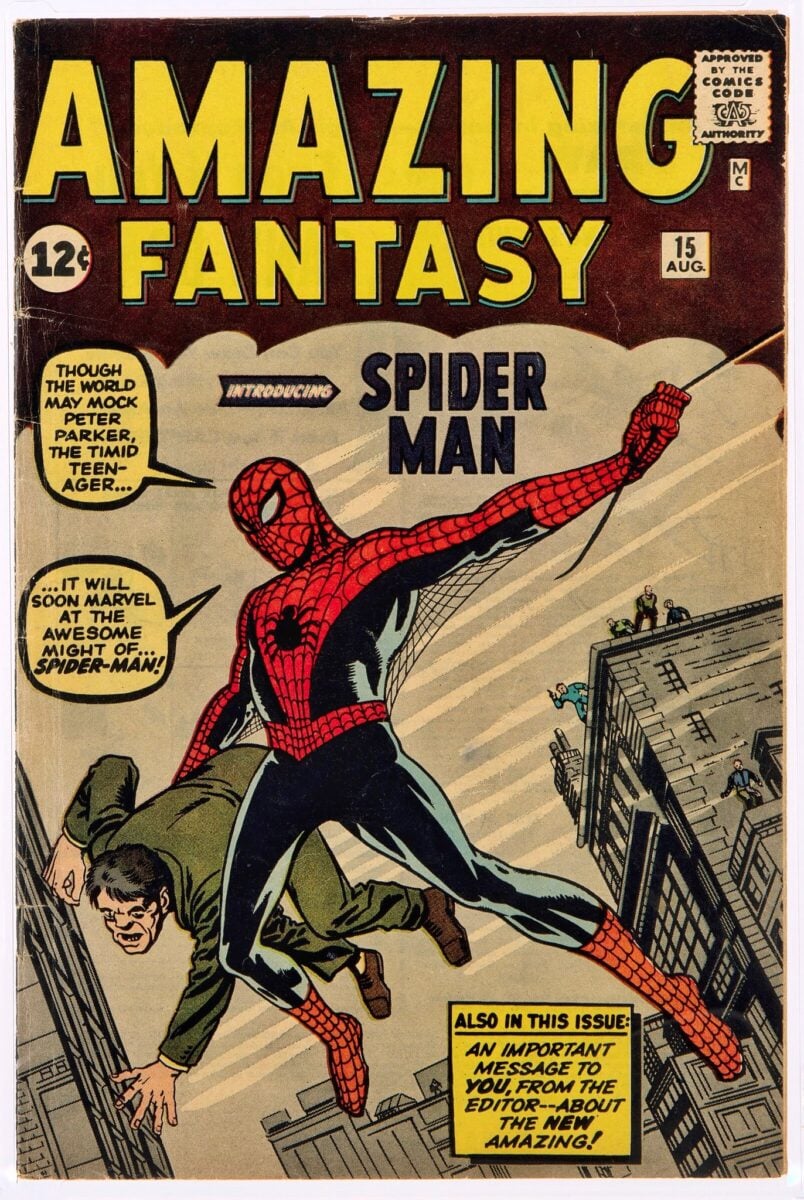
These Marvel adaptations featured superhero violence at intensity levels that modern children’s superhero animation tones down considerably. The shows included death scenes, permanent injuries, and combat consequences played relatively seriously.
Contemporary superhero animation for children prioritizes maintaining adventure tone over showing realistic violence consequences.
The Way It Was
Cartoons from this era were created under the assumption that children’s entertainment could include whatever creators wanted as long as it wasn’t explicitly targeting adult audiences. The boundary between children’s and adult content was much looser.
Regulatory bodies, parent advocacy groups, and broadcasters themselves have fundamentally reconsidered what belongs in programming designed for young viewers. Some of these shows were genuinely good television despite their problematic elements.
Others failed precisely because they didn’t know how to balance entertainment with responsibility. What’s certain is that the freedom to make them has evaporated entirely, and no network is going back.
More from Go2Tutors!

- The Romanov Crown Jewels and Their Tragic Fate
- 13 Historical Mysteries That Science Still Can’t Solve
- Famous Hoaxes That Fooled the World for Years
- 15 Child Stars with Tragic Adult Lives
- 16 Famous Jewelry Pieces in History
Like Go2Tutors’s content? Follow us on MSN.



