15 Things You Never Knew About The Masters Golf Tournament
Every April, millions of people watch the Masters Tournament, one of golf’s prestigious competitions, to see history being made at the Augusta National Golf Club. Many fans are not aware of the intriguing world of customs, eccentricities, and historical footnotes, even while casual fans are familiar with the distinctive green jacket and entryway lined with magnolias.
This list of 15 unexpected facts about The Masters demonstrates why it continues to be one of the most captivating events in sports.
The Original Name Wasn’t “The Masters”

The name “The Masters” was suggested by Clifford Roberts, a co-founder of Augusta National, but Bobby Jones rejected it because he felt it sounded arrogant. Before Jones ultimately gave in in 1939, the competition was known as the “Augusta National Invitation Tournament” for the first five years.
Despite his domination in the sport, Jones’ legendary humility is reflected in his reluctance to choose such a prestigious-sounding moniker.
The Green Jacket Wasn’t Always a Tradition

The tournament’s most iconic symbol wasn’t part of the original event. Augusta National members began wearing green jackets in 1937 so patrons could easily identify them for questions, but winners weren’t awarded jackets until 1949 when Sam Snead received the first champion’s green jacket.
The jacket must be returned to the clubhouse after one year, where it remains club property and can only be removed from the grounds by the reigning champion.
Like Go2Tutors’s content? Follow us on MSN.
Sandwiches Cost Next to Nothing

The Masters maintains remarkably low concession prices as a matter of tradition. The famous pimento cheese sandwich costs just $1.50, and you can get an egg salad sandwich for the same price.
This pricing philosophy dates back to co-founder Clifford Roberts, who wanted regular golf fans to enjoy affordable refreshments while attending the tournament—a stark contrast to the premium pricing at most major sporting events.
Caddies Were Once Required to Be Black

Until 1982, Augusta National had a policy requiring all caddies to be Black. The club’s defenders claimed this provided employment opportunities, but critics viewed it as exploitative and demeaning.
When the policy finally changed, many longtime caddies lost their positions as players began bringing their regular tour caddies.
TV Coverage Is Deliberately Limited
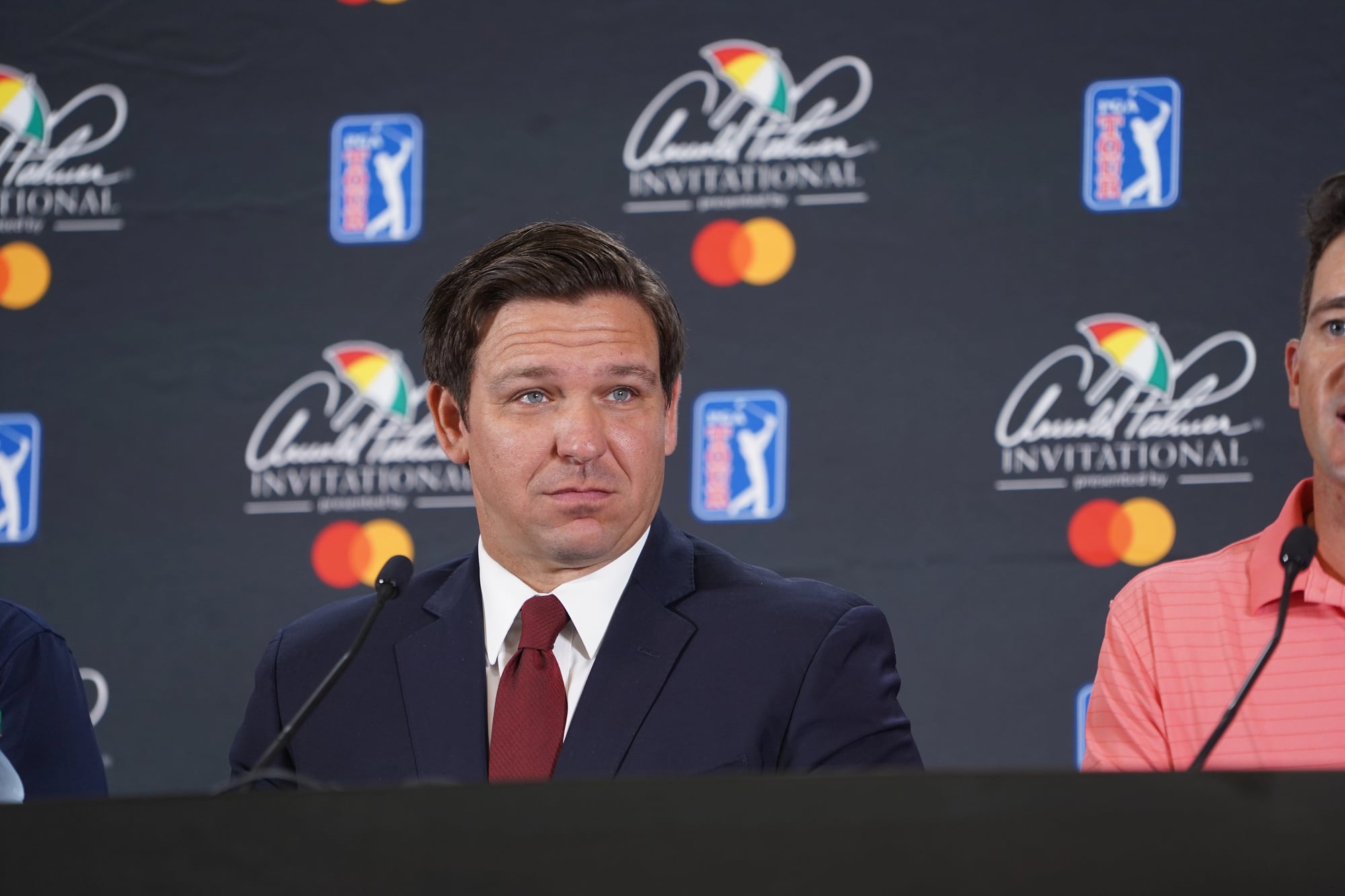
The Masters purposefully limits television coverage, in contrast to most athletic events that aim for maximum publicity. Since Augusta National takes less money in return for more control, there are fewer commercial breaks during CBS broadcasts.
In order to preserve the tournament’s unique atmosphere, commentators are supposedly required to use the word “patrons” instead of “fans” or “crowd” in broadcasts, and the competition did not permit complete coverage of all 18 holes until 2002.
Like Go2Tutors’s content? Follow us on MSN.
The Grounds Were Once a Plant Nursery
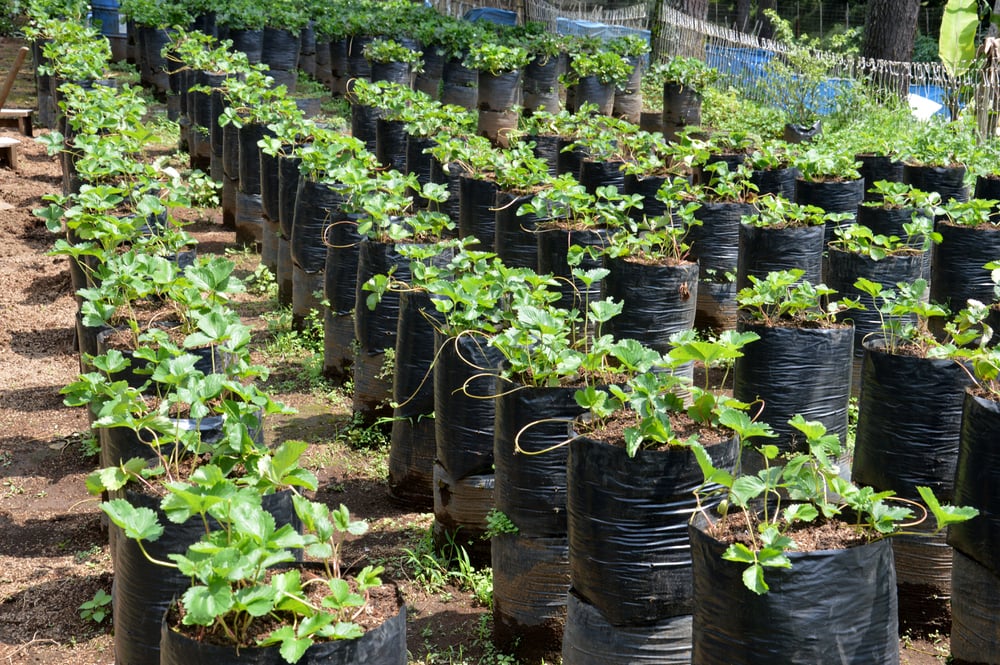
Augusta National was once a famous horticulture location called Fruitland Nursery before it became golf’s most famous course. Each hole at Augusta is named after a plant or tree, such as “Tea Olive” for the first hole and “Golden Bell” for the well-known 12th, which is explained by this tradition.
Augusta’s preoccupation with preserving ideal playing conditions can be explained by the property’s nursery history, which served as the basis for the course’s breathtaking landscaping.
There’s a Secret Entrance for Members

While most patrons enter through the main gate, Augusta National members can access the grounds via Magnolia Lane, a 330-yard driveway lined with 60 magnolia trees planted before the Civil War. This exclusive entrance represents the club’s carefully maintained exclusivity and tradition.
When players turn down this storied entryway during tournament week, many describe it as one of the most spine-tingling moments in golf.
Artificial Birds Were Once Broadcast During Coverage

In the 1990s, CBS faced accusations of playing pre-recorded bird sounds during Masters broadcasts to enhance the idyllic setting. The network eventually admitted to the practice after bird enthusiasts noticed sounds from species not native to Georgia.
This quirky controversy highlights the obsession with presenting Augusta as a perfect natural paradise—even when reality needs a little enhancement.
Like Go2Tutors’s content? Follow us on MSN.
No Cellphones Allowed on the Property

Patrons of the Masters risk instant ejection if they are found using a mobile phone, in contrast to most contemporary athletic events where fans are always taking pictures. Media members are also subject to these stringent rules, which require them to use phone centers that are separate from the course.
The restriction preserves the tournament experience’s nearly time-capsule vibe by creating a completely different ambiance where guests concentrate solely on the game rather than documentation or social media.
There’s a Par-3 Contest Curse

Since the Par-3 Contest began in 1960, no golfer has ever won both it and the actual tournament in the same year. Many players deliberately avoid winning the Wednesday event, with some going so far as to have their children or caddies put out on the final hole to disqualify themselves.
This superstition adds another layer of mystique to a tournament already rich with traditions and unwritten rules.
The Champions Dinner Menu Is Chosen by Last Year’s Winner

Each Tuesday before the tournament, previous champions gather for a dinner where the defending champion selects the menu. This has produced some memorable meals: Tiger Woods served cheeseburgers and milkshakes after his 1997 win, while Scotland’s Sandy Lyle offered haggis in 1989.
Bernhard Langer’s German fare and Angel Cabrera’s Argentine asados represent how this tradition celebrates golf’s global nature while creating one of sports’ most exclusive annual gatherings.
Like Go2Tutors’s content? Follow us on MSN.
Grounds Crew Uses Blow Dryers on the Greens

Augusta’s maintenance team has been known to use hand-held blow dryers to dry specific areas of greens before tournament play. When rain threatens to impact playing conditions, staff members have even vacuumed water from putting surfaces to maintain consistency.
This meticulous attention to detail demonstrates the extraordinary lengths taken to present a pristine playing surface regardless of weather conditions.
There’s a Mysterious Lack of Wildlife

Despite Augusta’s lush landscape, patrons notice a curious absence of squirrels, birds, and insects during tournament week. Rumors persist that the club employs wildlife management techniques or even pest control measures before the event.
While officials deny any extraordinary measures, the relative lack of animal interference during play remains one of Augusta’s many unexplained peculiarities.
Players Skip on the 16th Hole During Practice Rounds

During practice days, players engage in the beloved tradition of attempting to skip golf balls across the pond at the par-3 16th hole. Thousands of patrons gather to watch professionals try to bounce their shots across the water onto the green, with successful attempts drawing some of the week’s loudest cheers.
This playful tradition showcases the lighter side of an otherwise intensely serious competition.
Like Go2Tutors’s content? Follow us on MSN.
Augusta Has Its Own Weather System
Tournament participants often reference Augusta’s “microclimate” that creates unpredictable weather conditions. The property’s significant elevation changes and proximity to Rae’s Creek generate swirling winds that confound even the most experienced players.
What feels like a gentle breeze in one location might become a shot-altering gust just yards away, adding another layer of complexity to an already challenging course.
The Mystique of Amen Corner

The term “Amen Corner” for holes 11 through 13 was coined by sportswriter Herbert Warren Wind in 1958, drawing inspiration from an old jazz recording called “Shoutin’ in that Amen Corner.” These three holes have determined more Masters outcomes than any other stretch on the course.
The swirling winds, strategic water hazards, and extreme pressure transform this beautiful section of the course into golf’s most psychologically demanding corridor where championships are won and lost in dramatic fashion.
More from Go2Tutors!

- 18 Unexpectedly Valuable Collectibles You Might Have Lying Around
- 20 Little-Known Historical Battles That Had Huge Consequences
- 20 Historical Artifacts That Scientists Can’t Explain
- 15 Inventions That Were Immediately Banned After Being Created
- 20 Actors Who Were Almost Cast in Iconic Roles
Like Go2Tutors’s content? Follow us on MSN.



