29 Historical Figures Whose Reputations Were Rebuilt After Death
Historical reputation is not fixed. Figures condemned by their contemporaries or remembered poorly by later generations have sometimes been rehabilitated through reexamination of evidence, recontextualization of their actions, or shifts in cultural values.
Others were victims of deliberate slander or were simply misunderstood until new evidence emerged. Some reputations were rebuilt through the work of dedicated historians who challenged prevailing narratives.
Others were restored gradually as society’s moral framework shifted or new facts came to light. The rehabilitated reputations documented here show how historical judgments are subject to revision, and how a figure’s legacy can be rewritten after death by those willing to challenge established interpretations.
Richard III
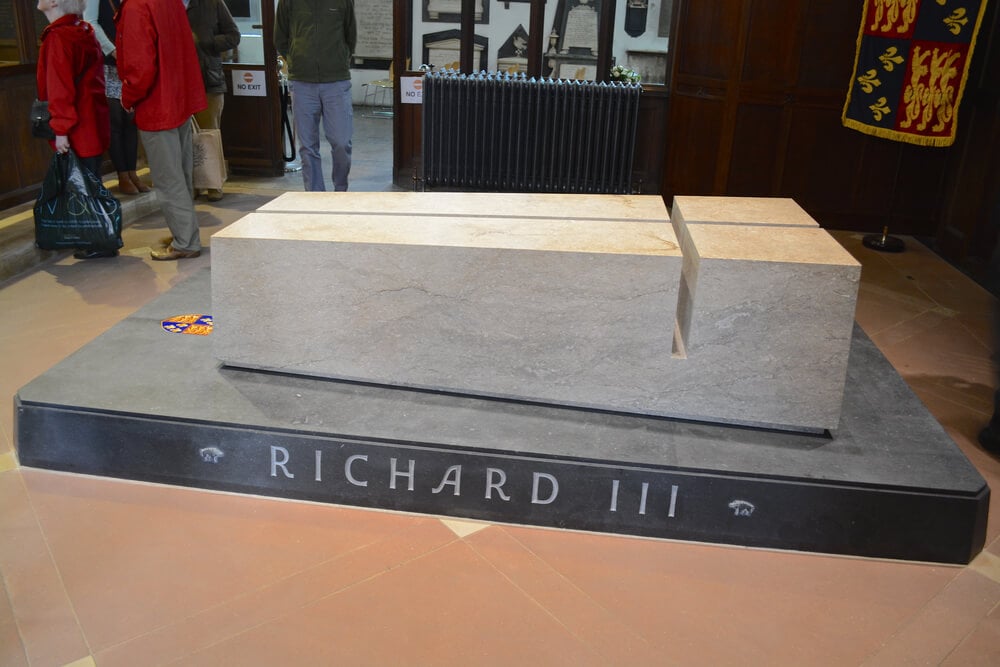
Richard III, King of England, was portrayed as a hunchbacked tyrant who murdered the Princes in the Tower. Historians have since argued that much of his negative reputation came from Tudor propaganda designed to justify the Tudor dynasty’s seizure of power.
Examination of his reign suggests he was an effective administrator. DNA evidence has not definitively proven he murdered the princes.
His reputation remains contested, but serious historians acknowledge the portrait painted by predecessors was distorted.
The Leech in Medicine

Bloodletting was medical practice for centuries. The leech was portrayed as a symbol of medical ignorance.
Modern medicine has discovered that leeches possess anticoagulant compounds in their saliva that make them useful in reconstructive surgery and for restoring blood flow to grafted tissue. Leeches have been rehabilitated from symbol of medical failure to recognized medical tool.
Galileo Galilei
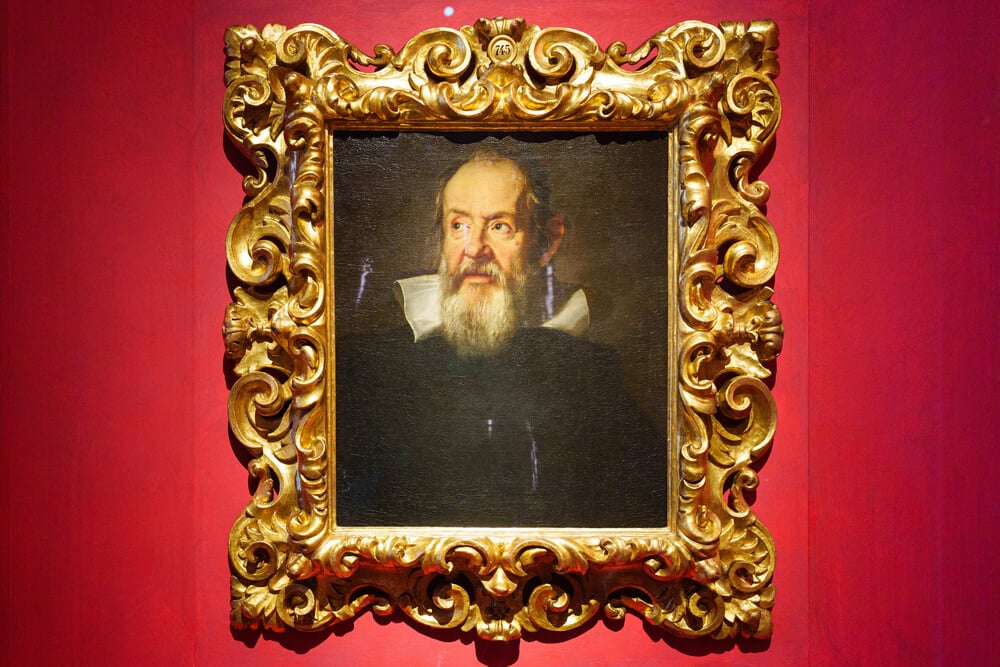
Galileo was condemned by the Church during his lifetime for supporting heliocentrism. His reputation was damaged by the conflict with religious authority.
After his death, scientific evidence vindicated his observations, and he is now recognized as a foundational figure in experimental science despite his conflicts with the Church.
John Wilkes
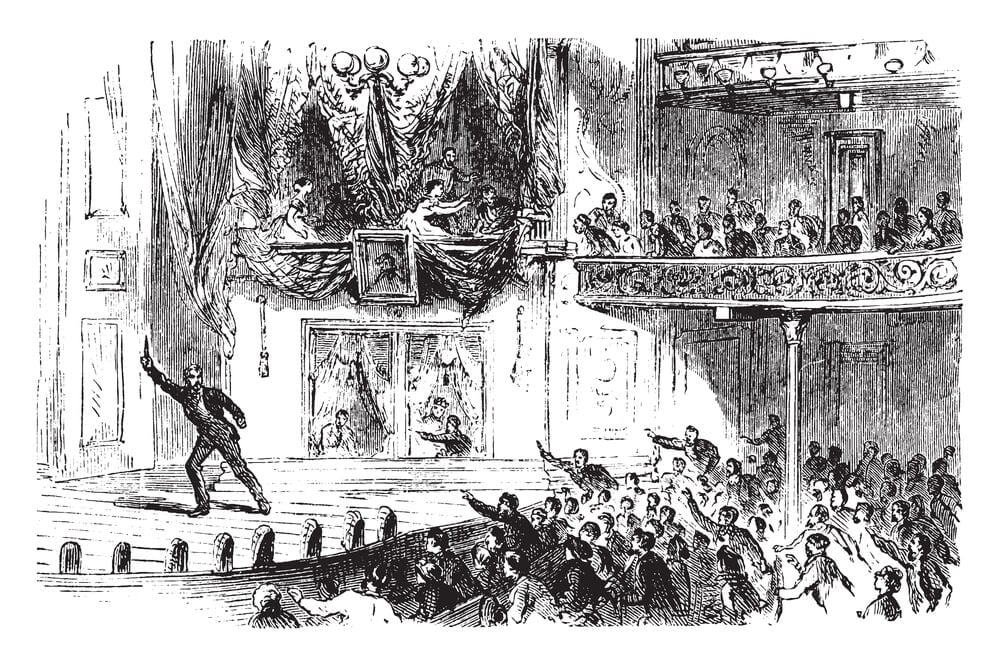
John Wilkes was a radical English political activist whose reputation was destroyed during his lifetime for his libertarian views and challenges to governmental authority. After his death, Wilkes’ defense of individual liberties and press freedom were recognized as valuable contributions to democratic thought, and his reputation was rebuilt.
Giordano Bruno
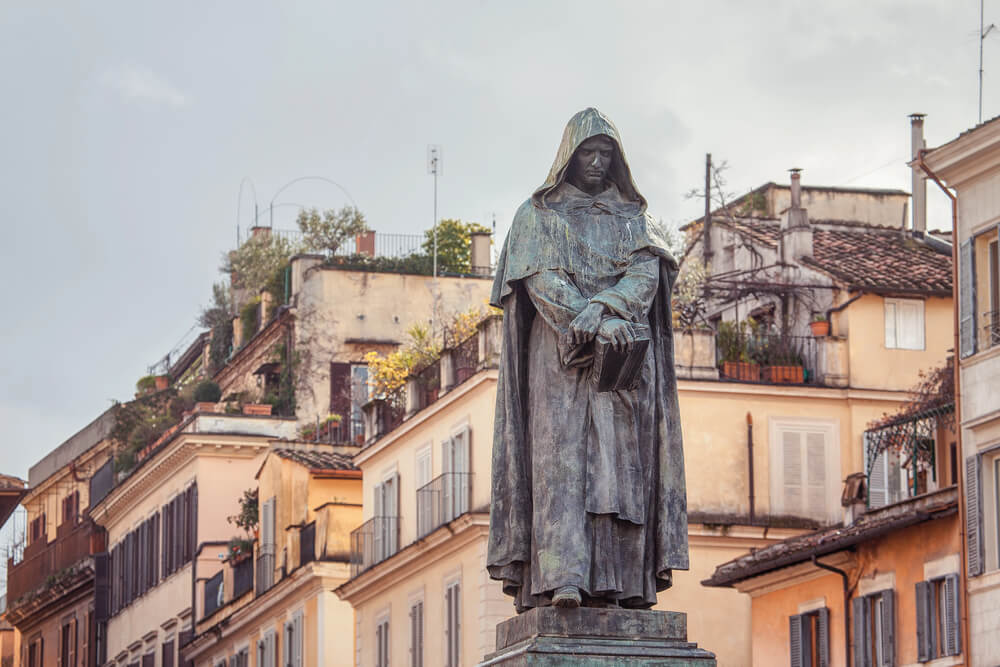
Bruno was burned at the stake in 1600 for heresy and supporting heliocentrism. Centuries later, he was recognized as a proto-martyr for scientific inquiry and individual conscience.
His reputation was gradually rebuilt by later historians and philosophers who recognized his intellectual independence.
General George Armstrong Custer
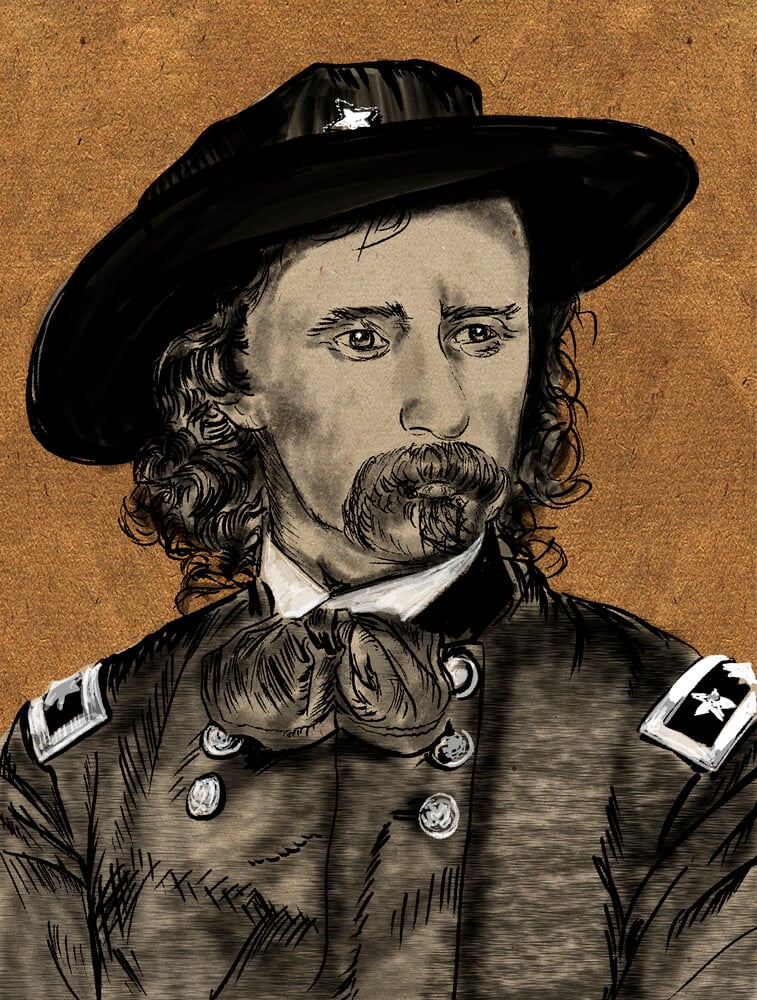
Custer died at the Little Bighorn in 1876 and was initially portrayed as a heroic martyr. Historians subsequently reexamined his aggressive tactics, his racism, and his reckless military decisions.
His reputation was revised downward. Modern historians recognize his failures, yet some Western enthusiasts have worked to rebuild a more balanced assessment of his military capabilities.
President Andrew Johnson
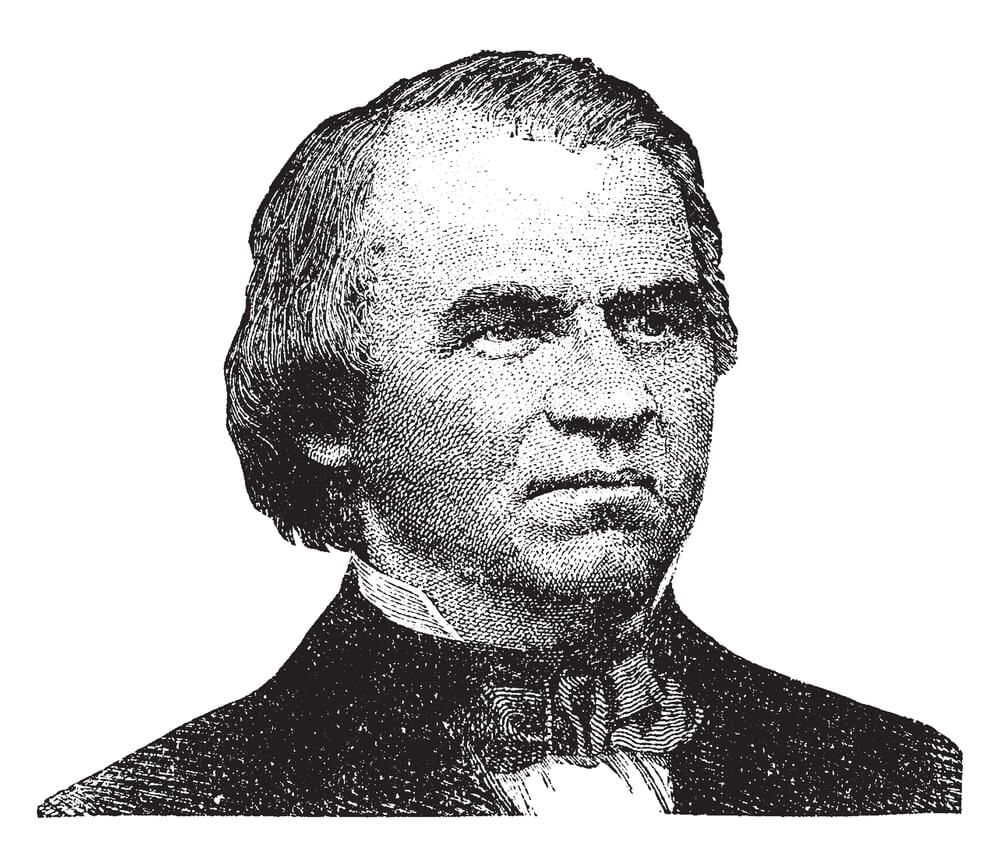
Johnson’s reputation suffered during and after his presidency for his opposition to Reconstruction and his conflicts with Congress. Historians have subsequently recognized his constitutional concerns about executive power expansion, leading to a more balanced reassessment of his positions.
Mark Twain (in Some Contexts)
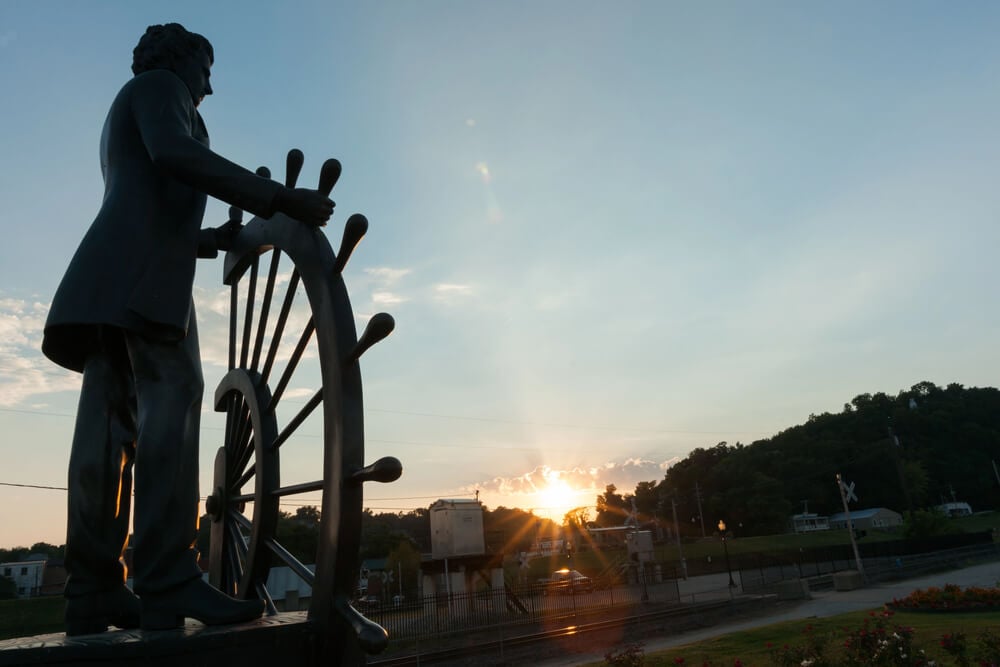
Twain was criticized by some for his harsh critiques of American imperialism and racism. As American society evolved, these same critiques were recognized as morally prescient, and his reputation was rebuilt as a more serious thinker beyond his humorous public persona.
Vincent van Gogh
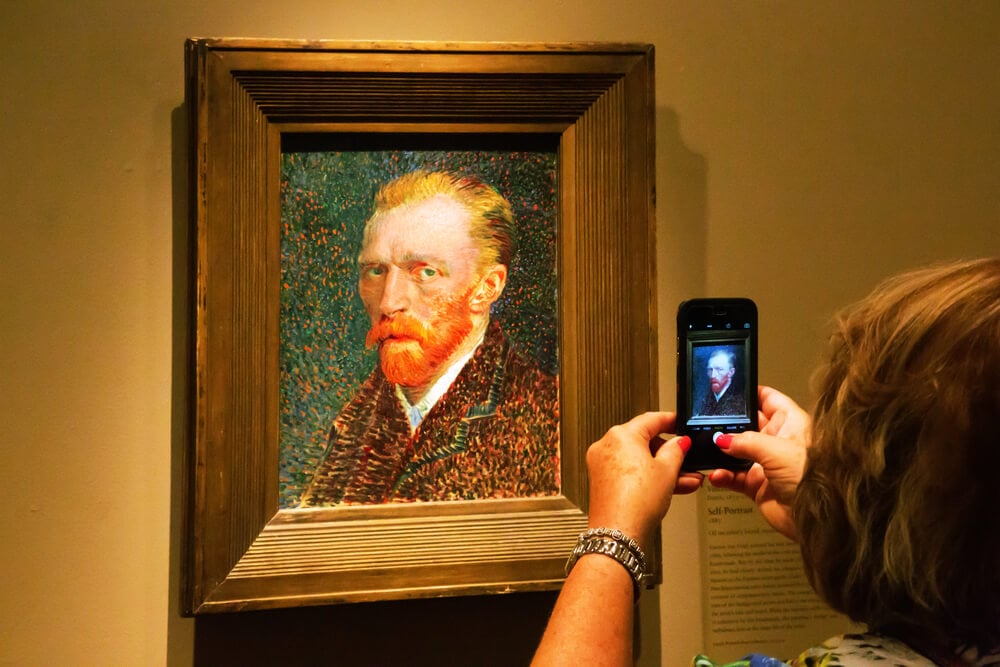
Van Gogh sold one painting during his lifetime and was regarded as a failed artist. After his death, his work was recognized as revolutionary.
His reputation was entirely rehabilitated, and he is now regarded as one of history’s greatest painters.
Emily Dickinson
During her lifetime, Dickinson was regarded as an eccentric recluse with limited literary merit. After her death, scholars recognized her innovative poetry and her challenge to 19th-century literary conventions.
Her reputation was rebuilt to recognize her as a major American poet.
Herman Melville
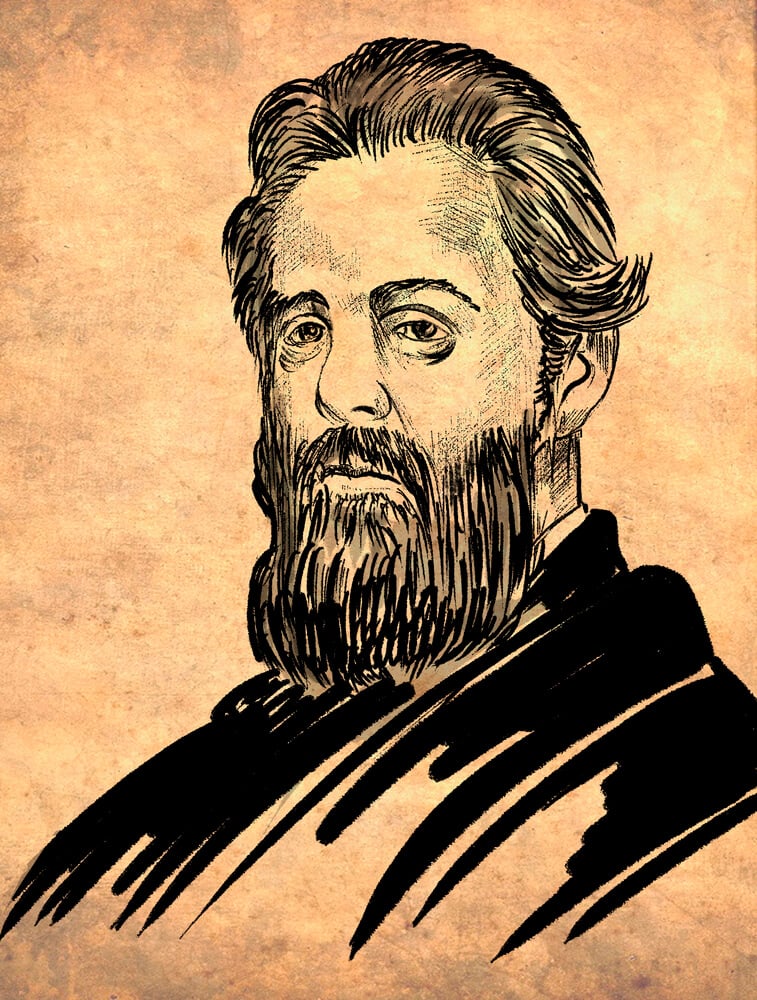
Melville’s reputation declined after his death. His novels were considered commercially unsuccessful and artistically uneven.
Twentieth-century literary scholars rediscovered his work and recognized the sophistication of his writing. His reputation was rehabilitated to recognize him as a major figure in American literature.
Calamity Jane
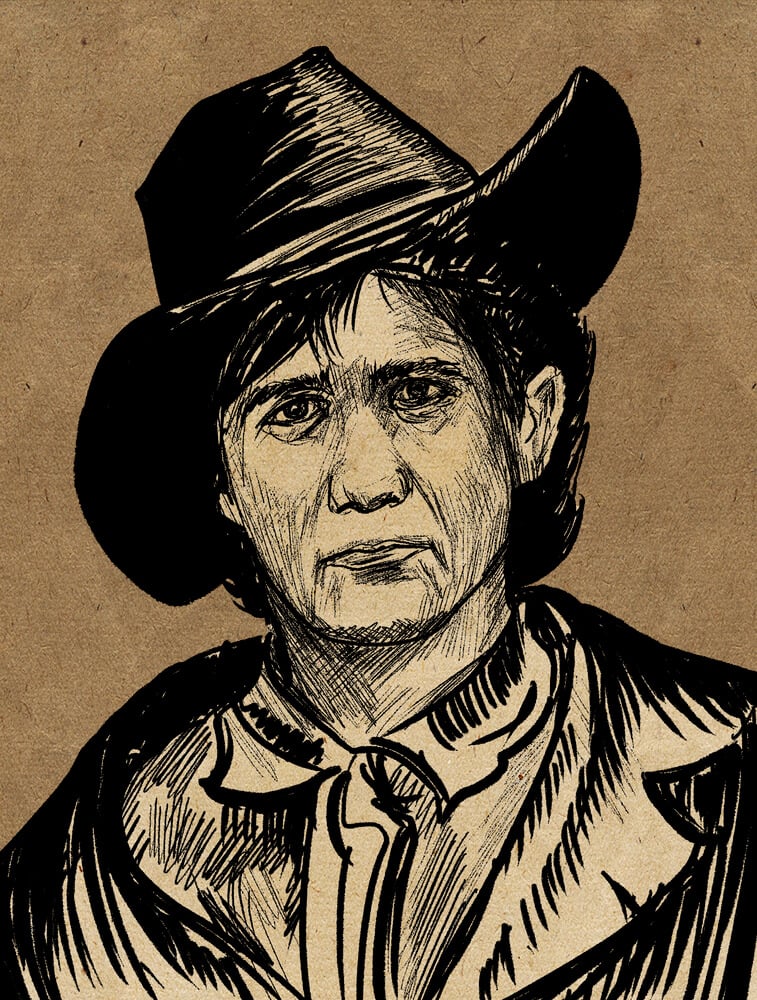
Jane Cannary (Calamity Jane) was dismissed as a drunken adventurer by many contemporary accounts. Historians have since revised this portrait, recognizing her skills as a scout and her contributions to frontier life, though accounts of her life remain contested.
Eleanor Roosevelt
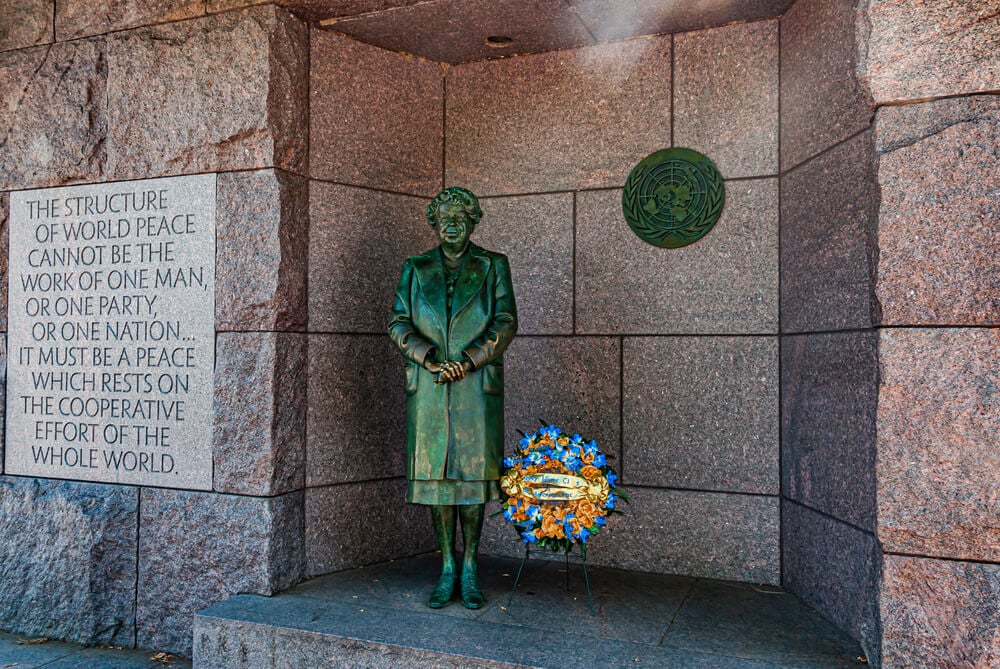
Eleanor Roosevelt was attacked during her lifetime for her advocacy on civil rights and women’s rights. After her death, society’s values shifted, and her positions were recognized as morally courageous.
Her reputation was rebuilt as an icon of human rights advocacy.
Harry Truman
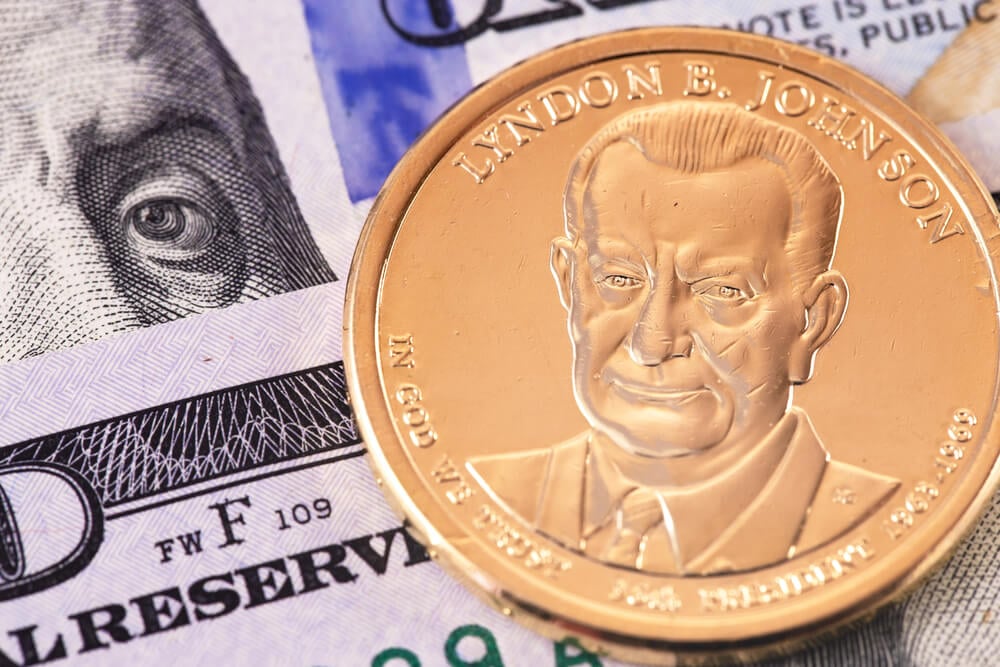
Truman’s presidency was widely unpopular at its conclusion, with critics attacking his decisions regarding Korea and atomic weapons. Historians have subsequently recognized his foreign policy decisiveness and his role in establishing post-war American strategy.
His reputation has been substantially rebuilt.
Clarence Darrow

Darrow’s reputation was damaged by his controversial defense of unpopular clients and his agnostic beliefs. After his death, he was recognized as a pioneer in civil liberties advocacy and as a brilliant lawyer who challenged unjust laws.
Roger Casement
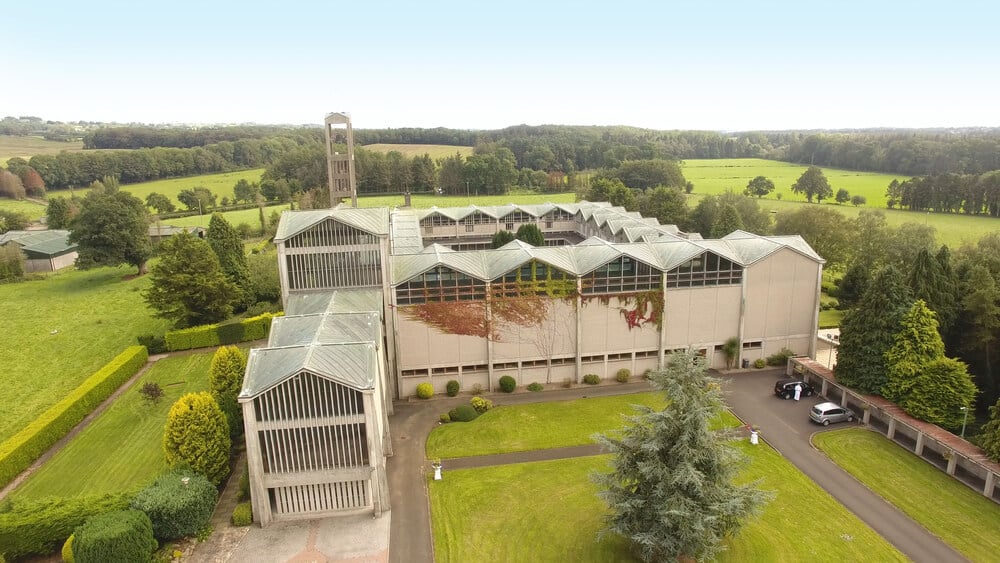
Casement was executed for treason during the Easter Rising. His reputation was damaged by revelations about his personal life.
Historians have since recognized his anti-colonial activism and his pioneering human rights advocacy. His reputation has been rebuilt as a human rights pioneer.
Thomas Jefferson’s Scientific Work
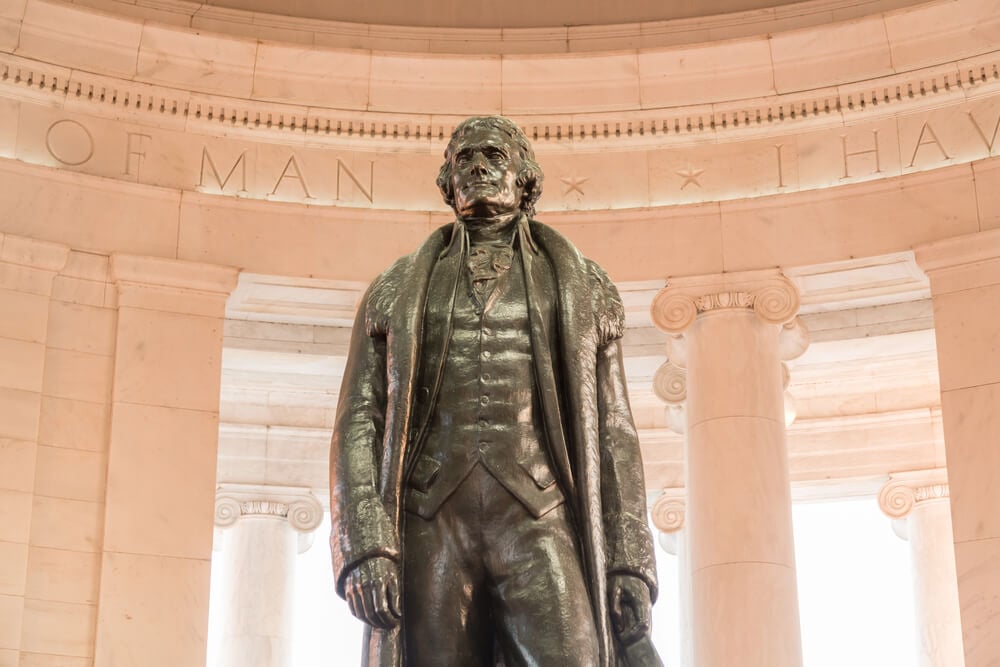
Jefferson’s reputation as a scientist was overshadowed by his role as a political figure and by his moral failures regarding slavery. Modern historians have recognized his legitimate contributions to natural sciences and paleontology, though his reputation remains complex.
Charles Babbage
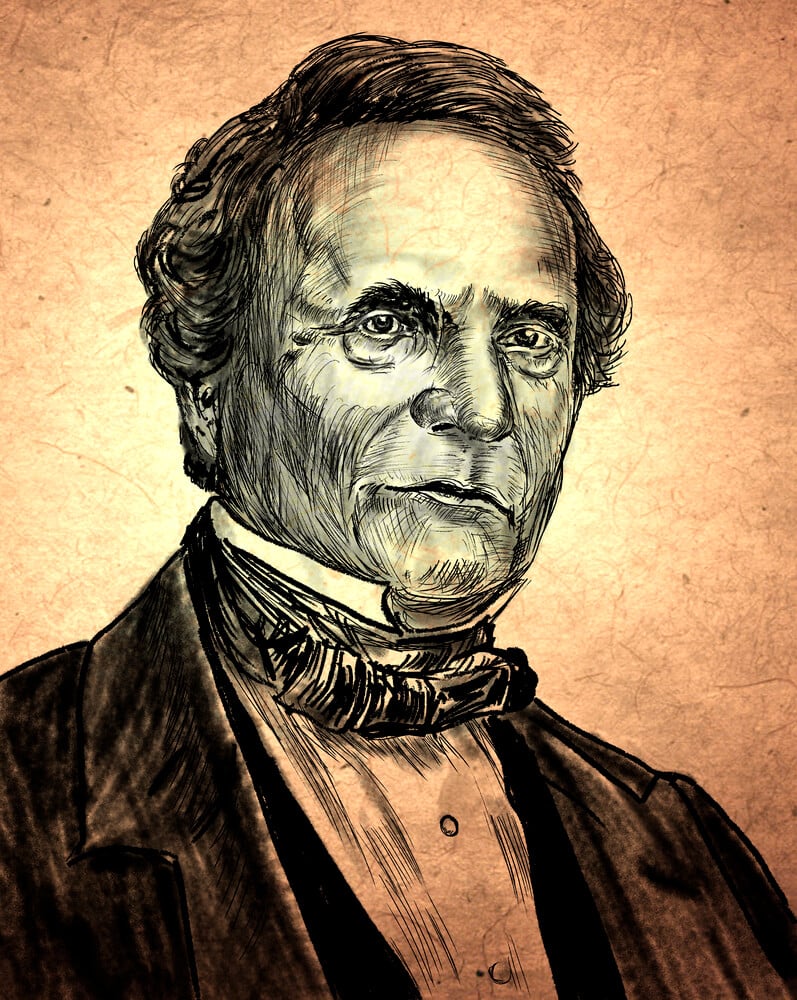
Babbage was dismissed as an impractical visionary during his lifetime. After his death, as computer science developed, his designs for mechanical calculation devices were recognized as precursors to modern computers.
His reputation was rebuilt as a computer pioneer.
Augusta Ada King (Ada Lovelace)

Ada’s contributions to early computing were overlooked for over a century after her death. Her notes on Babbage’s Analytical Engine were recognized in the 20th century as containing the first algorithm intended for machine processing.
Her reputation was rebuilt as a founder of computer science.
Gregor Mendel
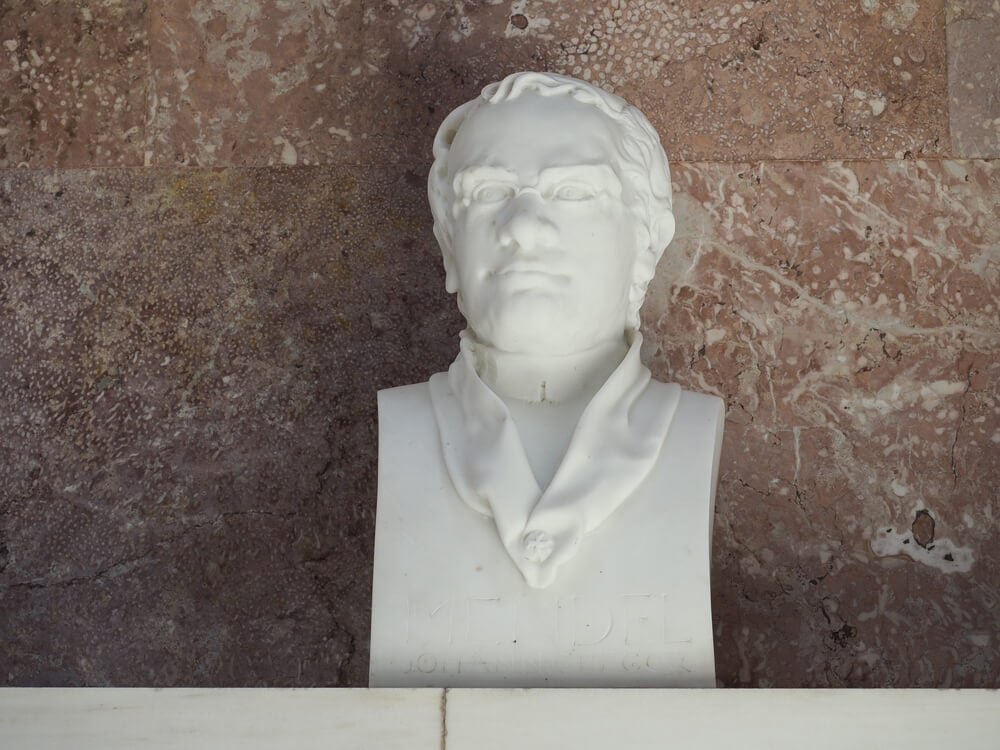
Mendel’s work on heredity was ignored during his lifetime and lost after his death. Decades later, his work was rediscovered and recognized as foundational to genetics.
His reputation was rebuilt posthumously as a founding figure in molecular biology.
Nikola Tesla
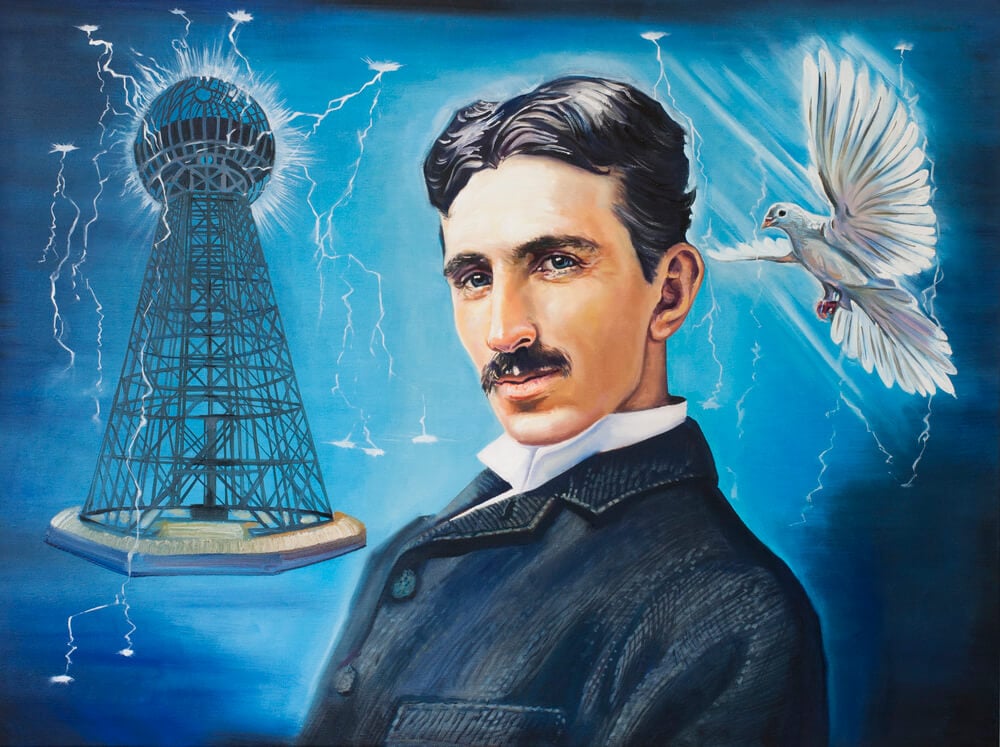
Tesla died impoverished and mentally unstable, his later work dismissed as crackpot theorizing. Historians have since separated Tesla’s legitimate contributions to electrical engineering from his later unfounded claims.
His reputation has been partially rebuilt to recognize his real innovations.
Michel de Montaigne
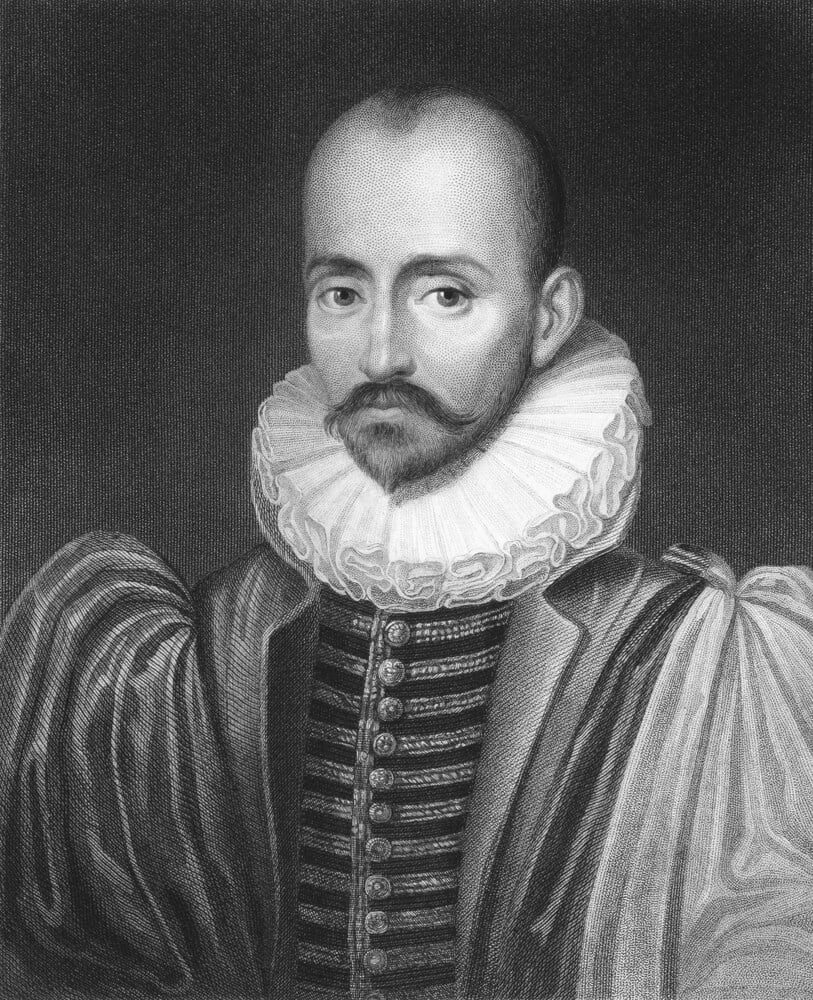
Montaigne was considered merely an essayist and storyteller during much of his afterlife. Modern philosophers have recognized the philosophical sophistication of his writing and his influence on later thinkers.
His reputation was rebuilt as a serious philosopher.
Samuel Johnson
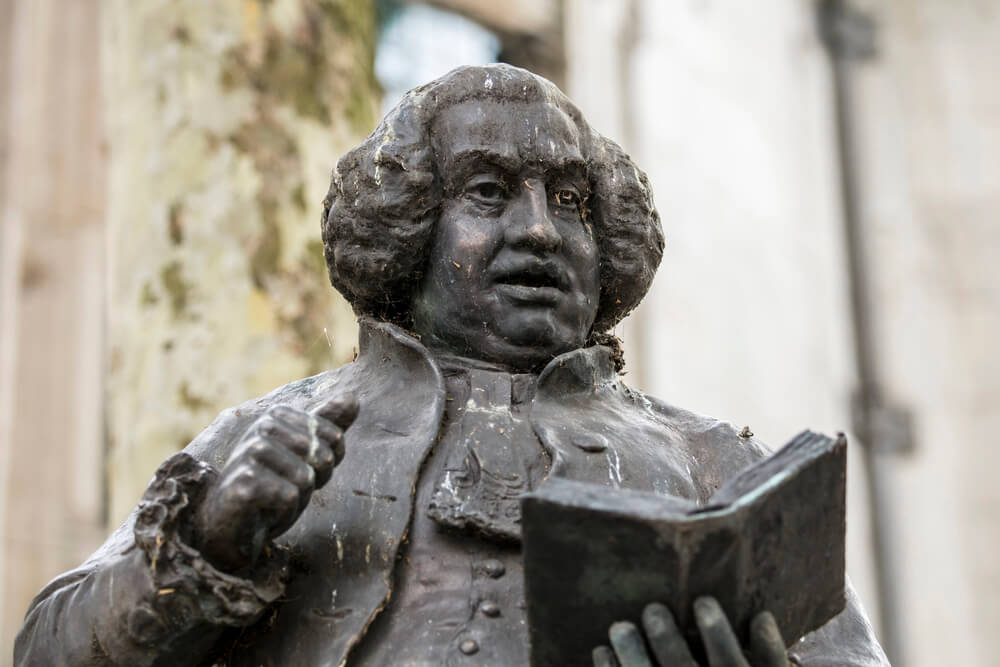
Johnson was remembered primarily for his dictionary, with his personality and his other writings sometimes overshadowed. Modern biographers have rebuilt his reputation to recognize the breadth of his intellectual contributions.
Johann Sebastian Bach
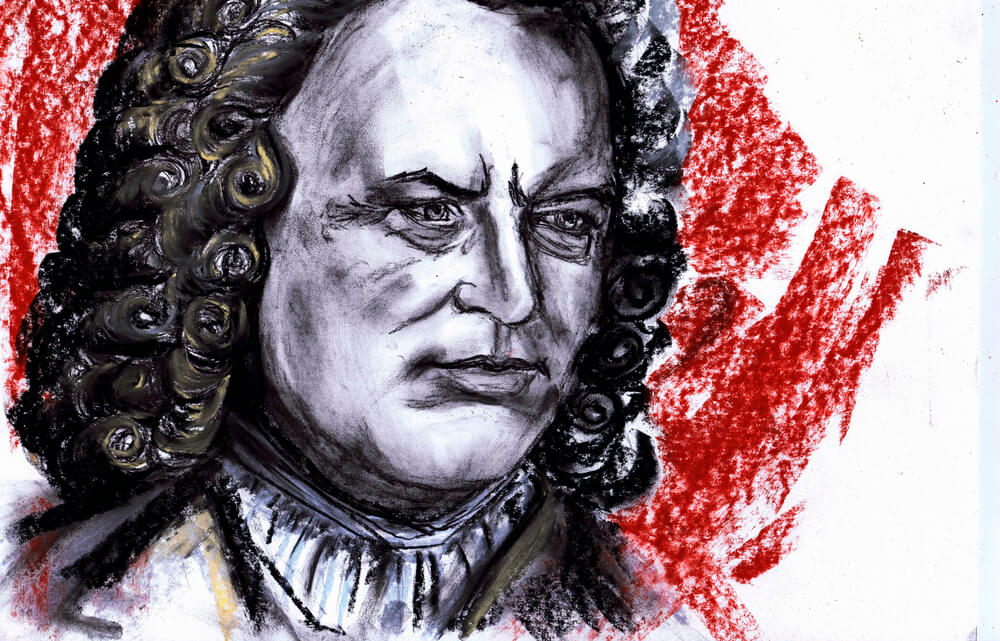
Bach was largely forgotten after his death, regarded as old-fashioned compared to contemporary composers. The 19th-century Bach revival rebuilt his reputation to recognize him as possibly the greatest composer in Western music.
Igor Stravinsky
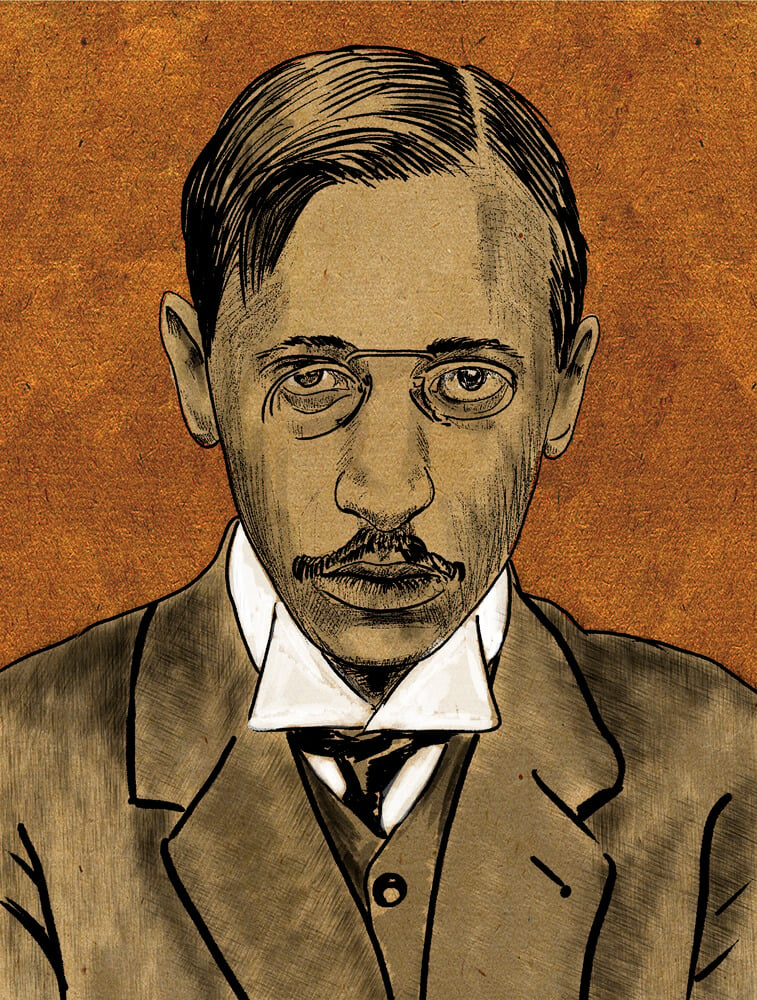
Stravinsky’s avant-garde compositions were attacked as unmusical and incomprehensible when first performed. Audiences and critics subsequently recognized their brilliance and innovation.
His reputation was rebuilt as a revolutionary composer.
Jean-Paul Sartre
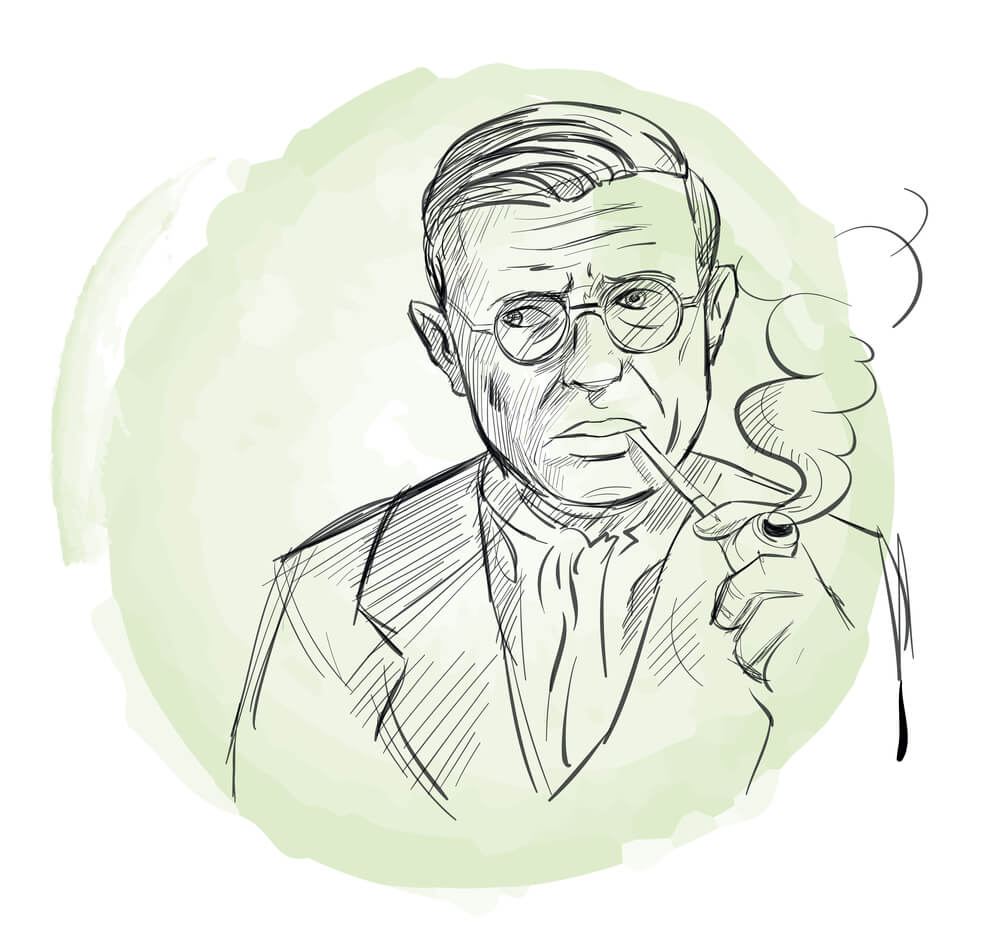
Sartre’s reputation suffered from association with communism and perceived contradictions between his philosophy and his politics. Philosophers have since recognized the coherence of his thought despite his political commitments.
His reputation has been rebuilt as a systematic thinker.
Simone de Beauvoir
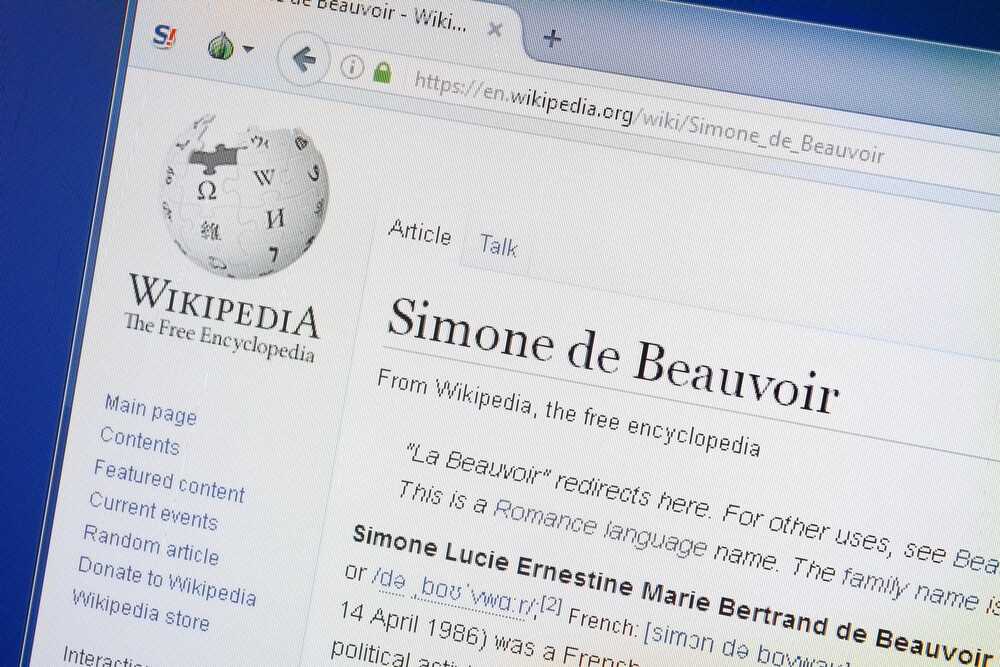
De Beauvoir’s reputation was initially overshadowed by her relationship with Sartre. Feminists have since recognized her as a foundational feminist philosopher whose work deserves independent recognition.
Her reputation was rebuilt.
Jean Genet

Genet was dismissed during his lifetime as a criminal writer producing obscene literature. After his death, literary critics recognized his sophisticated social critique and his innovative narrative techniques.
His reputation was rebuilt as a significant literary figure.
Oscar Wilde
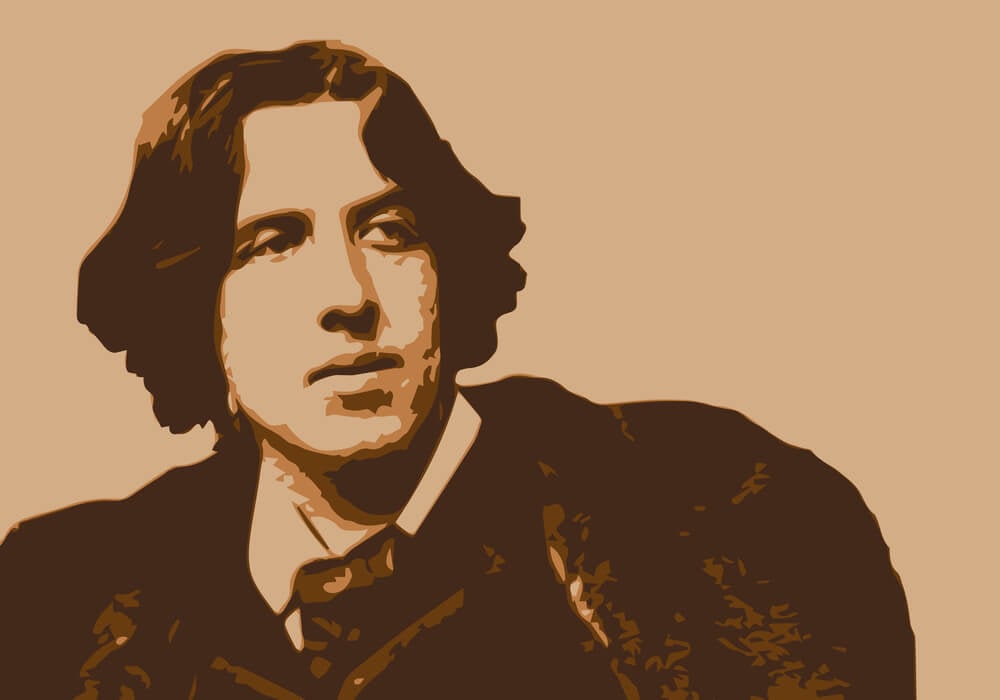
Wilde’s reputation was destroyed by his conviction for homosexuality. After his death, literary critics recognized the brilliance of his work.
His reputation was rebuilt, and he is now celebrated as a major figure in English literature despite (and sometimes because of) his transgressive positions.
The Ongoing Revision of Historical Reputation
Historical reputation remains fluid. Figures condemned by their generation may be rehabilitated by later historians who reexamine the evidence or recontextualize their actions.
Conversely, figures celebrated in their time may be reevaluated downward as new evidence emerges or as moral standards shift. The process of historical revision ensures that no reputation is permanently fixed and that history remains subject to reinterpretation as society evolves.
More from Go2Tutors!

- The Romanov Crown Jewels and Their Tragic Fate
- 13 Historical Mysteries That Science Still Can’t Solve
- Famous Hoaxes That Fooled the World for Years
- 15 Child Stars with Tragic Adult Lives
- 16 Famous Jewelry Pieces in History
Like Go2Tutors’s content? Follow us on MSN.