28 Photos of Cities Taken Before They Were Rebuilt
Some cities have undergone such complete transformations that looking at photographs from even a century ago feels like viewing a different world entirely. These images capture urban landscapes on the edge of change, frozen at the moment just before destruction or deliberate reconstruction wiped away the old.
The contrast between what was and what became is often startling. What follows are 28 cities and moments frozen in time, before rebuilding remade them forever.
Tokyo After the 1923 Earthquake
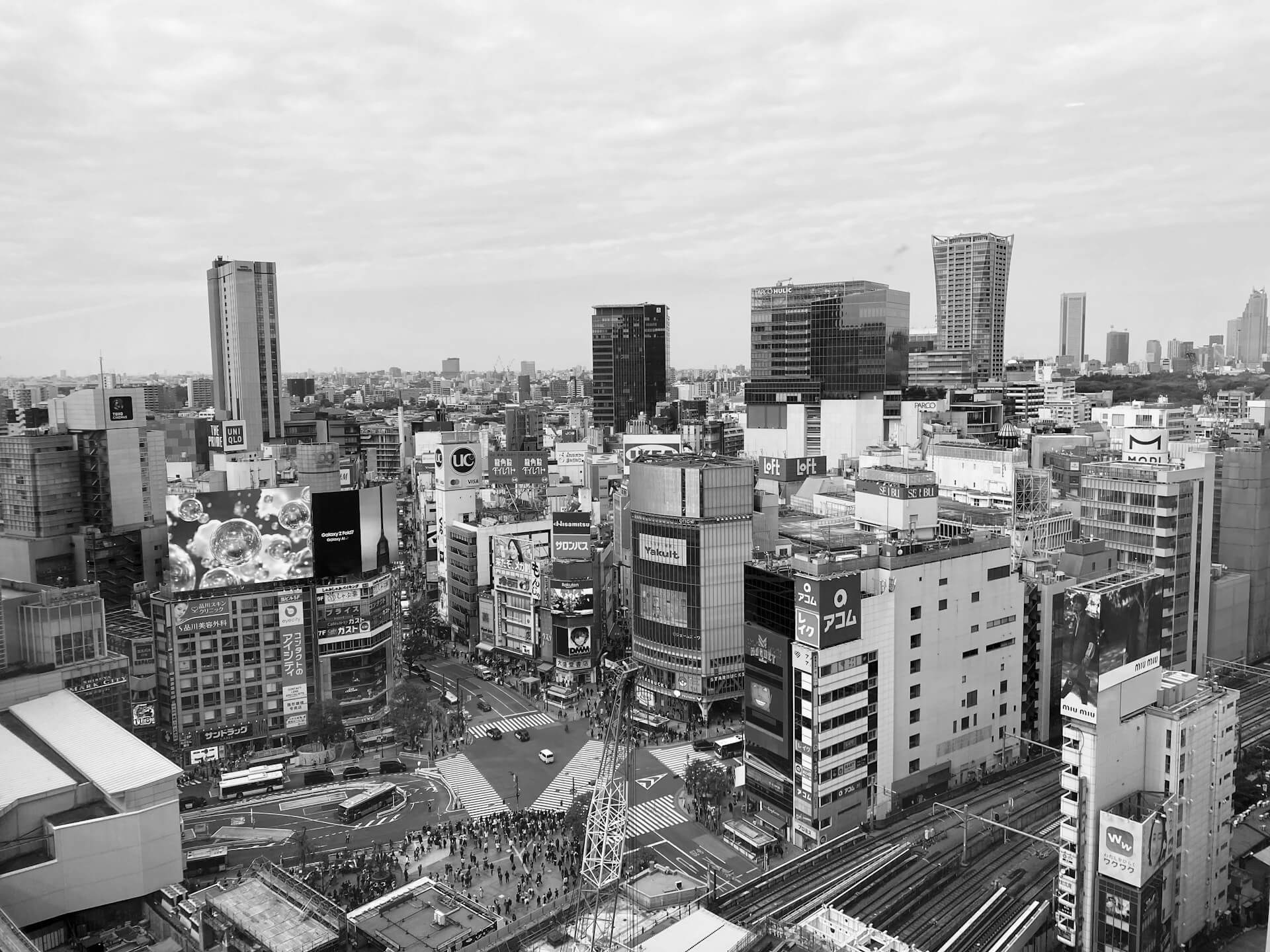
Tokyo’s 1923 earthquake struck on September 1 at 11:58 a.m., catching much of the city at midday. Photographs taken before the disaster show a dense urban center of wooden buildings packed close together, which turned out to be catastrophically vulnerable to the firestorm that followed.
The quake killed 100,000 people and destroyed nearly three-quarters of all buildings. Tokyo rebuilt itself with stricter fire codes and concrete construction, fundamentally changing the city’s character and layout.
San Francisco Before 1906
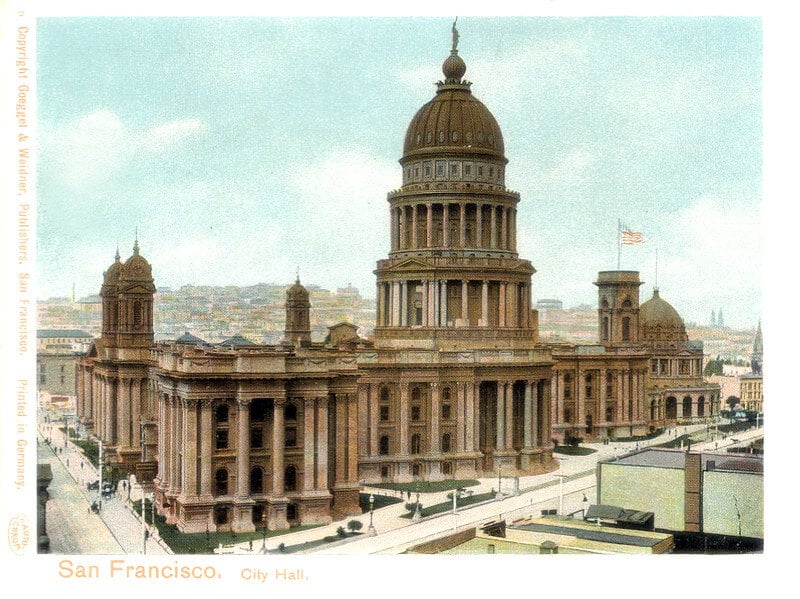
San Francisco in 1905 was a prosperous city of 400,000 people, built largely of wood and brick with narrow streets following the hilly terrain. Photographs from this era show a recognizable but vanished city—cable cars, horse-drawn carriages, and Victorian architecture defined the streetscape.
The earthquake and fires of April 18 destroyed approximately 80-85 city blocks and over 28,000 buildings. The rebuilt San Francisco emerged with steel-frame construction, wider streets, and a completely different urban design.
Lisbon Before the 1755 Earthquake
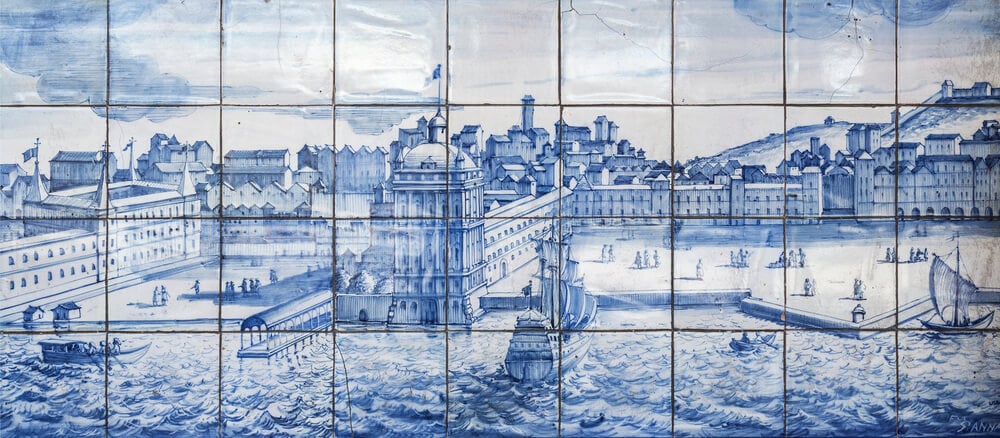
The Lisbon of 1755 was a medieval city of winding streets and closely packed buildings, immortalized in engravings and paintings before the November 1 earthquake reduced it to rubble. The disaster killed an estimated 60,000 people and destroyed roughly 85 percent of the city’s structures.
Marquis de Pombal’s reconstruction created an entirely new Lisbon with a rational grid pattern, wide avenues, and earthquake-resistant construction techniques called the Pombaline cage.
Berlin Before World War II
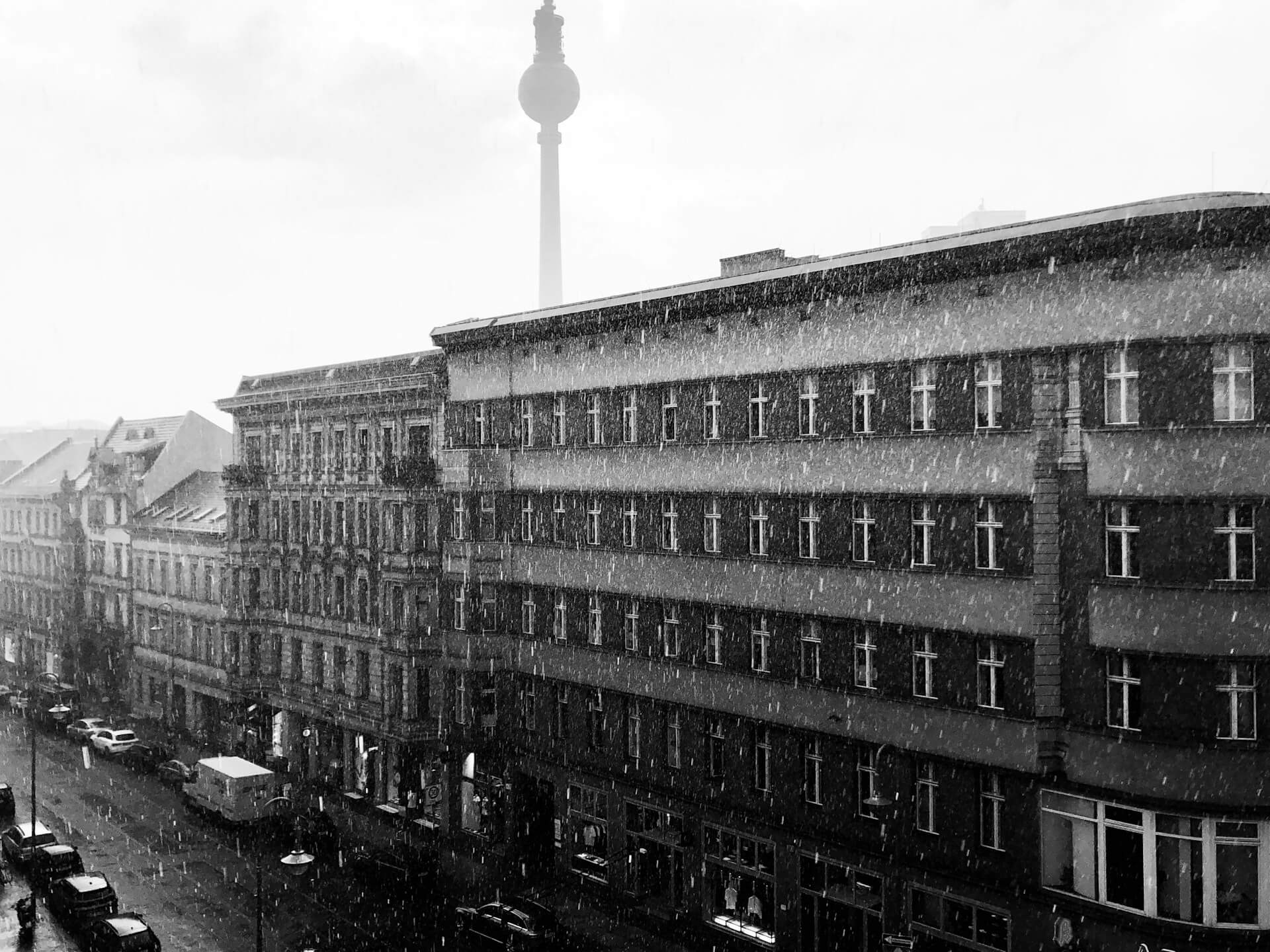
Berlin in the 1930s was a gleaming capital of grand boulevards, imperial architecture, and cultural vitality. Photographs from the era show elegant government buildings, theaters, and residential districts that had evolved over centuries.
The city was then subjected to devastating Allied bombing campaigns, which systematically destroyed much of the historic center, and Soviet artillery finished the destruction in 1945. Postwar Berlin was entirely rebuilt, split between East and West, and became two fundamentally different cities.
Warsaw’s Old Town Before 1944
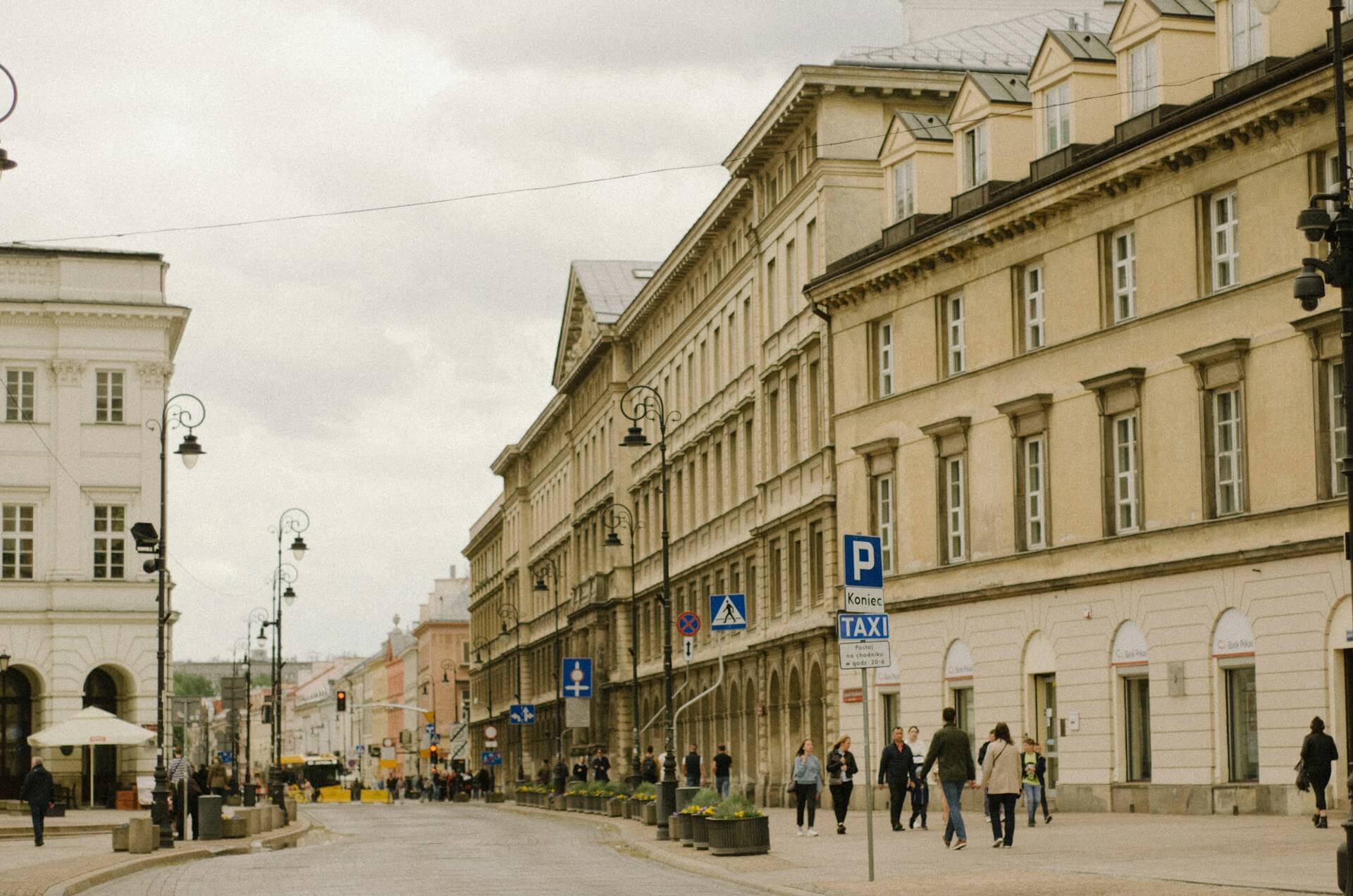
The Warsaw Old Town in 1939 still possessed its Renaissance and medieval architecture, with narrow streets and historic buildings that had survived centuries. The Nazis systematically destroyed it after the Warsaw Uprising of 1944, razed buildings to the ground, and left nothing but rubble.
The Soviet authorities then reconstructed the entire historic district from photographs and old plans, rebuilding it faithfully but as a brand-new replica of what had been lost.
Hiroshima Before August 1945
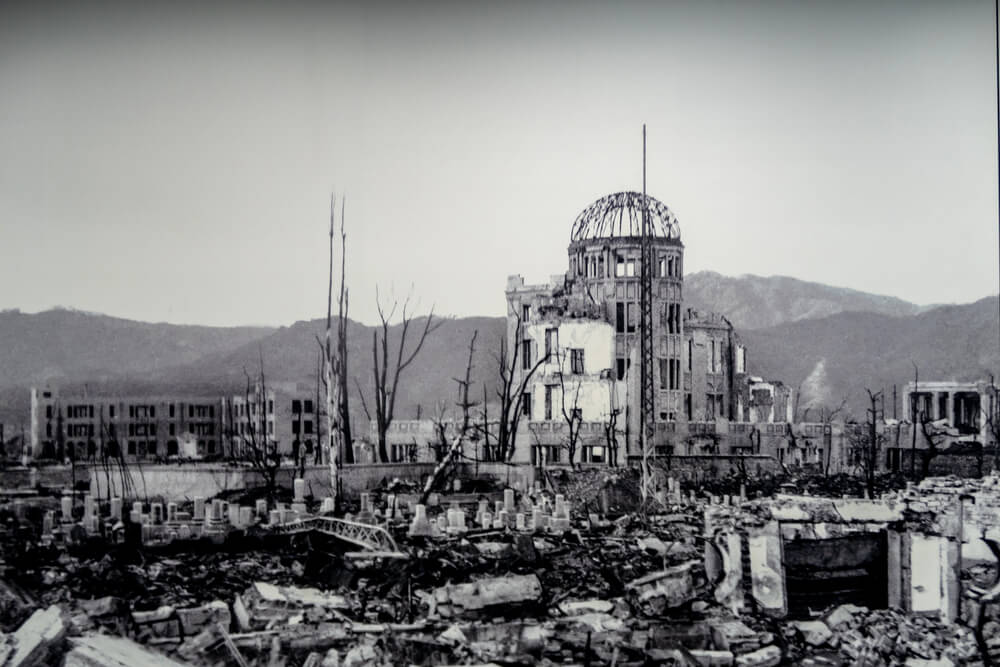
Hiroshima was a functioning Japanese city of 350,000 people before August 6, 1945. Aerial photographs taken by the U.S. military before the bombing show a dense urban center with residential neighborhoods, temples, shops, and the River Ota winding through the landscape.
The atomic bomb destroyed 60,000 buildings—two-thirds of all structures—and killed 80,000 people instantly. Modern Hiroshima was built from scratch on the same site, emerging as a symbol of peace and reconstruction.
Nagasaki Before Fat Man
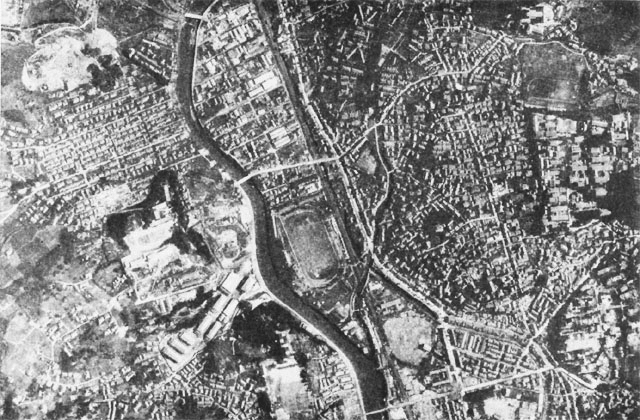
Nagasaki’s harbor city was a busy commercial port when the second atomic bomb fell on August 9, 1945. Pre-bombing photographs show a compact Japanese city with temples, residential districts climbing the hillsides, and merchant shipping in the harbor.
The bombing destroyed 14,000 buildings and killed between 60,000 and 80,000 people. The city’s reconstruction was slower than Hiroshima’s, not beginning in earnest until the passage of the Nagasaki International Culture City Reconstruction Law in 1949.
Dresden Before the Firestorm
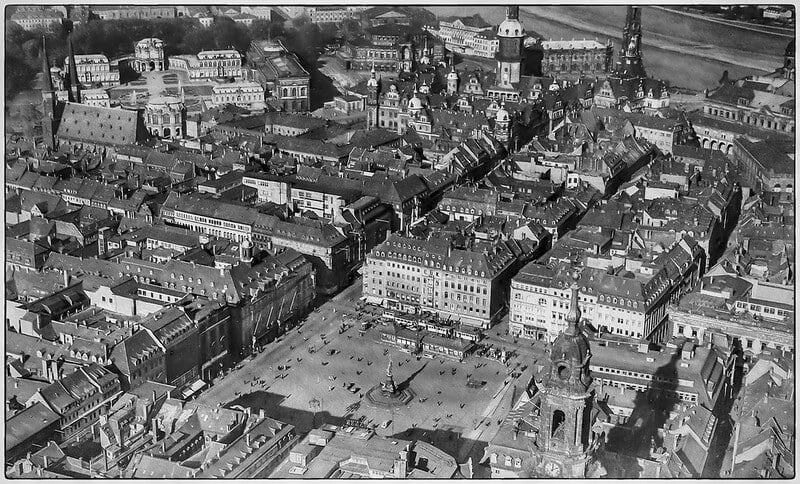
Dresden in February 1945 was considered one of Europe’s most beautiful cities, filled with baroque palaces, churches, and cultural institutions accumulated over centuries. Photographs show the elegant skyline and architecture that had made it famous.
On February 13-14, 1945, British and American bombing created a firestorm that killed 25,000 people and destroyed most of the city center. Postwar reconstruction under East German rule took decades and created a fundamentally different city.
Seattle Before the 1889 Fire
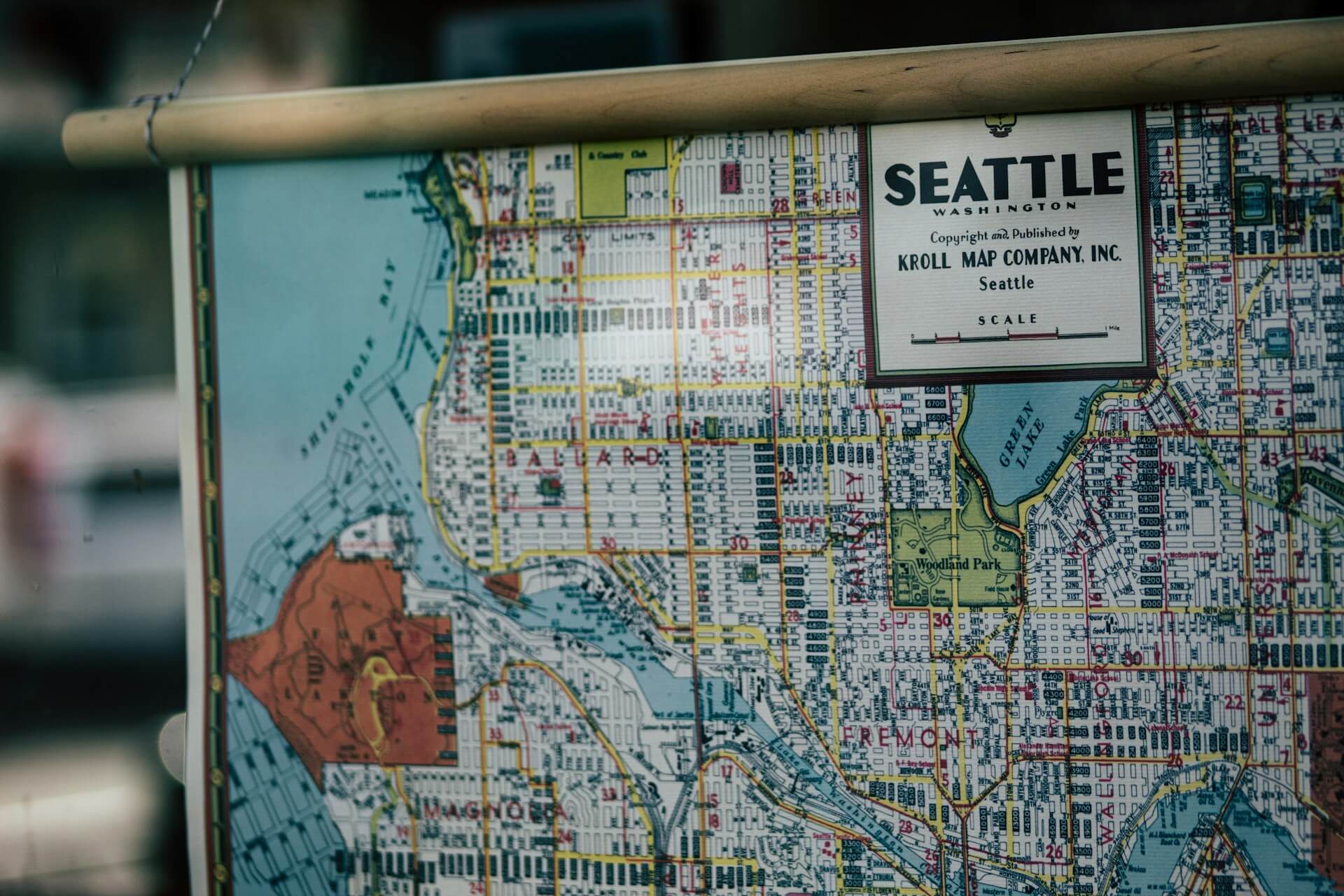
Seattle in 1889 was a wooden city built at sea level, prone to flooding, with hastily constructed buildings housing a booming gold-rush population. Photographs from the period show ramshackle wooden structures, unpaved streets, and a frontier town atmosphere.
A fire on June 6, 1889 destroyed 25 city blocks and nearly the entire downtown. The rebuilt Seattle mandated brick and stone construction, elevated streets to prevent flooding, and emerged as a more permanent, modern city.
Chicago After the Great Fire
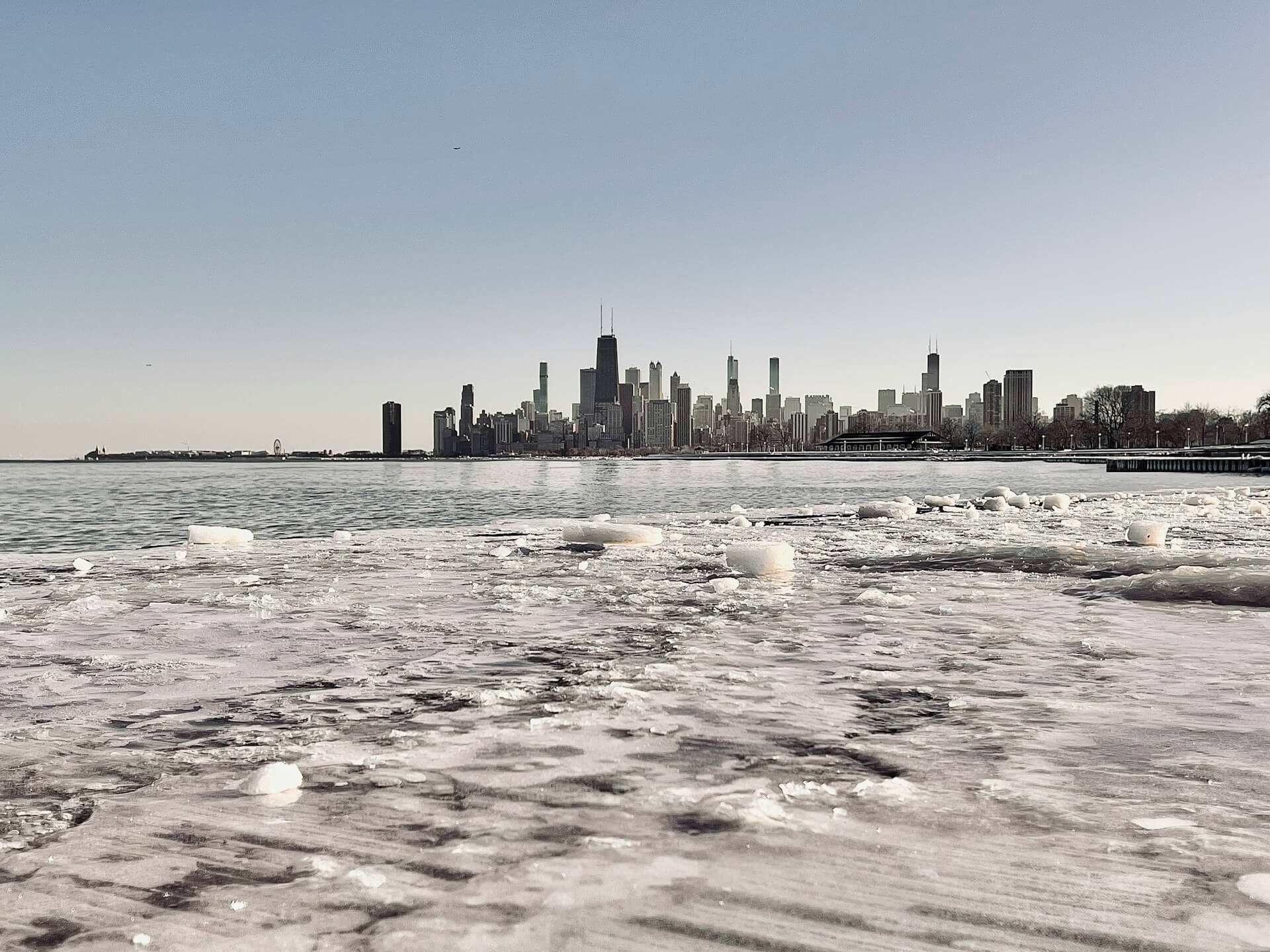
Chicago’s downtown in the years after 1871 shows a city in dramatic transformation. Photographs capture the period while reconstruction was still underway, with temporary wooden structures giving way to iron and stone buildings.
The Great Chicago Fire of October 1871 destroyed over 3 square miles of the city and killed 300 people. The rebuilt Chicago became the world’s first modern skyscraper city, with innovations in fireproofing and steel-frame construction that transformed urban architecture globally.
New York City Before Modernization
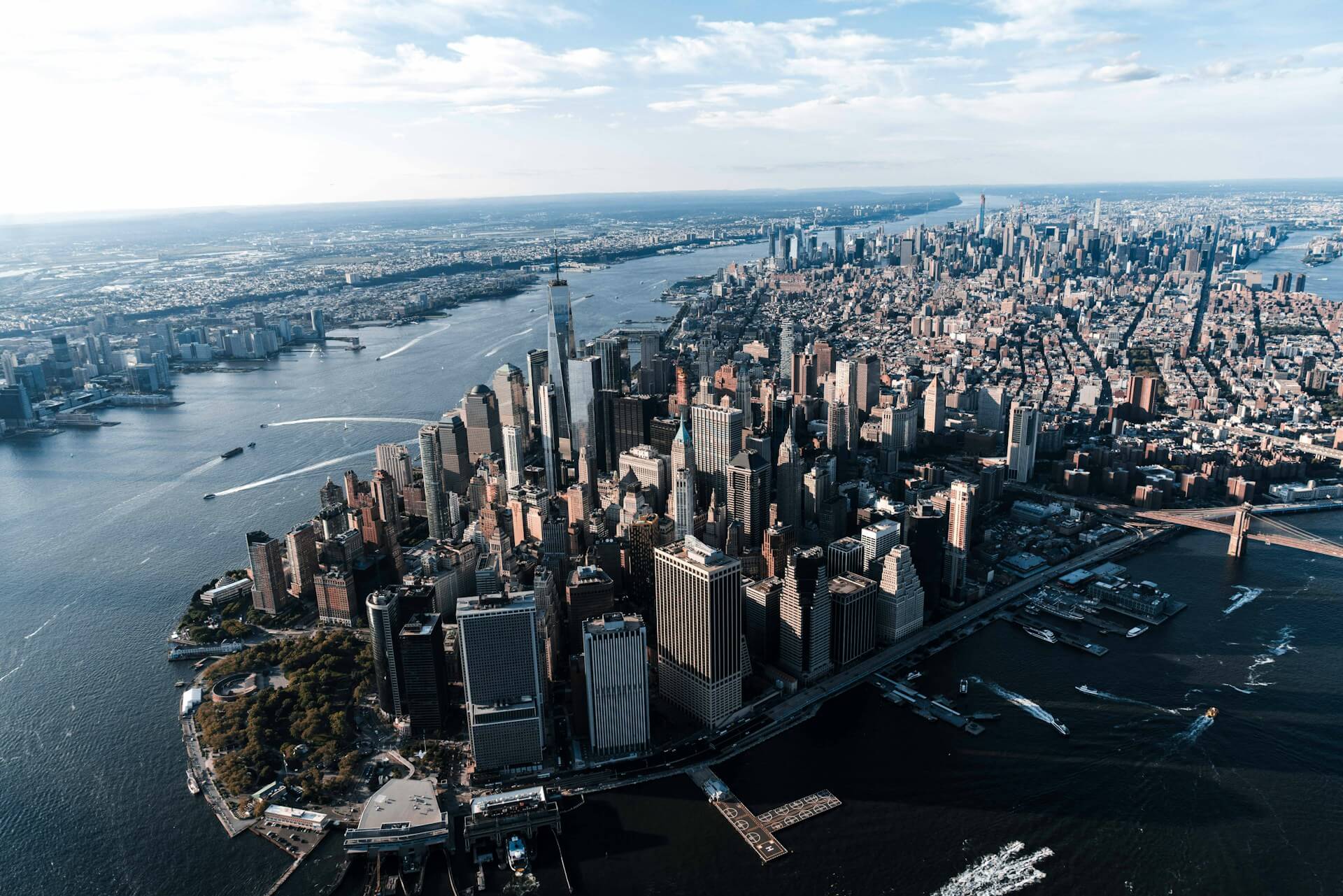
Photographs of New York from the 1860s-1880s show a city of relatively modest height, with church steeples standing out above surrounding buildings as landmarks. Broadway in 1865 was lined with stores and theaters, but the skyline was still low and the streets were dominated by horse-drawn carriages and pedestrians.
The city’s transformation into the towering metropolis of today was not driven by a single disaster but by deliberate urban redevelopment over decades.
Paris Under Haussmann’s Reconstruction
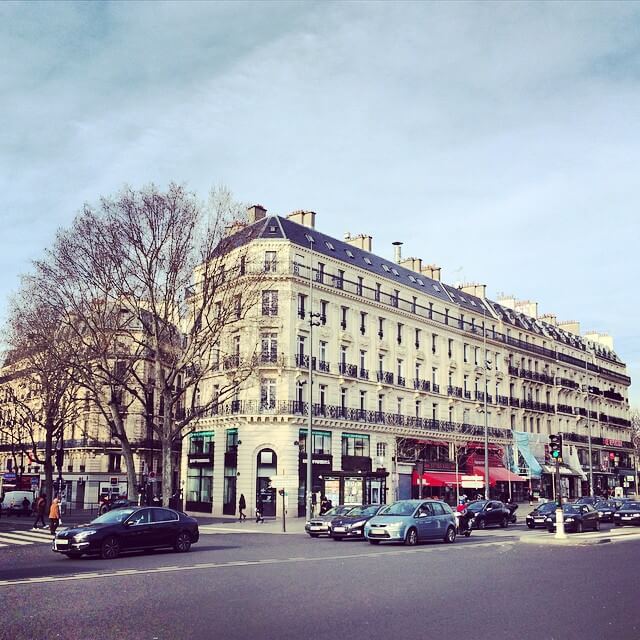
Paris before the 1850s was a medieval and Renaissance city of narrow, winding streets, crowded housing, and limited public space. Photographs by Charles Marville documented the old city before Haussmann’s massive urban renewal project began.
Between 1853 and 1870, Emperor Napoleon III and Prefect Haussmann demolished large sections of central Paris to create wide boulevards, parks, and a unified street plan. The old Paris essentially ceased to exist, replaced entirely by the grand city of today.
London Before the Blitz
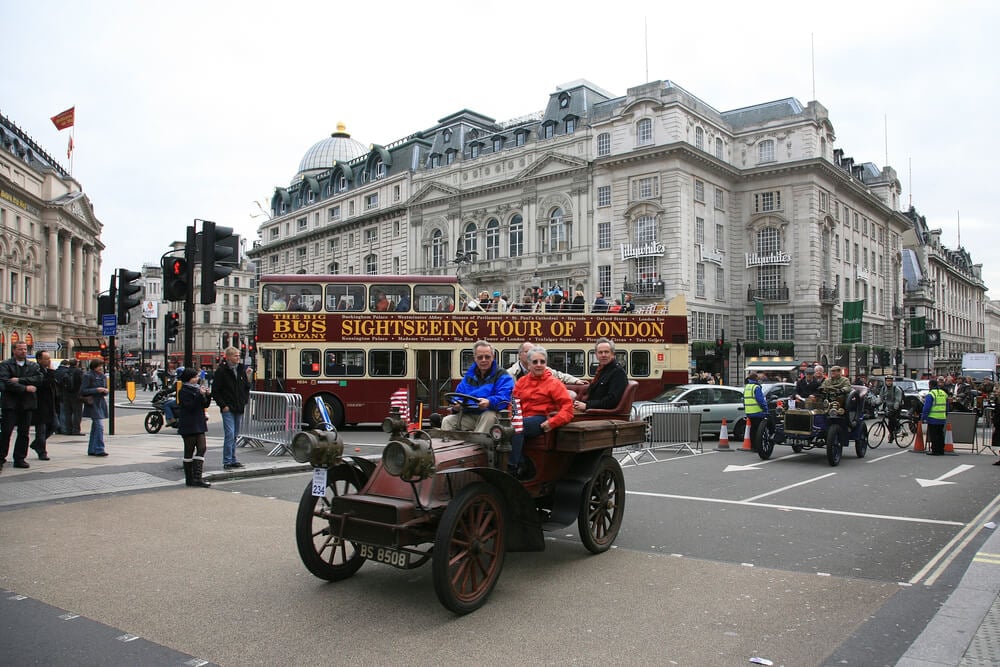
London in the years before 1940 showed a city that had stood for a thousand years with Victorian-era neighborhoods, historic parishes, and centuries of accumulated architecture. Photographs reveal a densely packed urban landscape with narrow streets, tight building clusters, and the architectural chaos of organic growth.
The German bombing campaign destroyed entire neighborhoods and killed 43,000 people. Postwar reconstruction reshaped London’s urban fabric and introduced modern planning to ancient streets.
Hamburg Before World War II
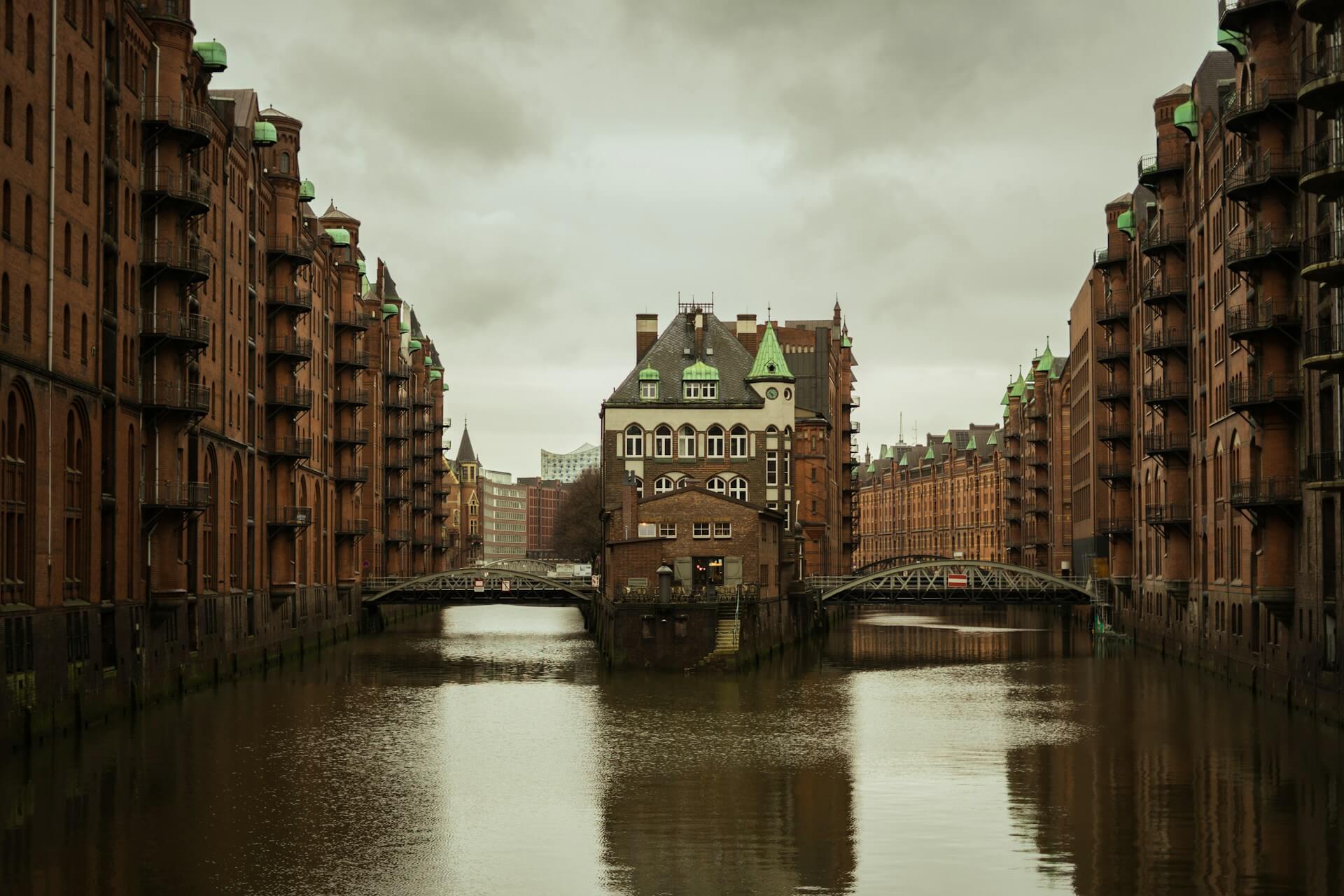
Hamburg in the 1930s was Germany’s greatest port, filled with warehouses, merchant vessels, and historic merchant houses. Photographs show a city that had grown organically for centuries along the Elbe River.
Between 1940 and 1945, Allied bombing destroyed much of the city and killed 37,000 people in a single firestorm in July 1943. The rebuilt Hamburg was planned with modern urban design and never quite recaptured the character of its predecessor.
Vienna Before Soviet Occupation
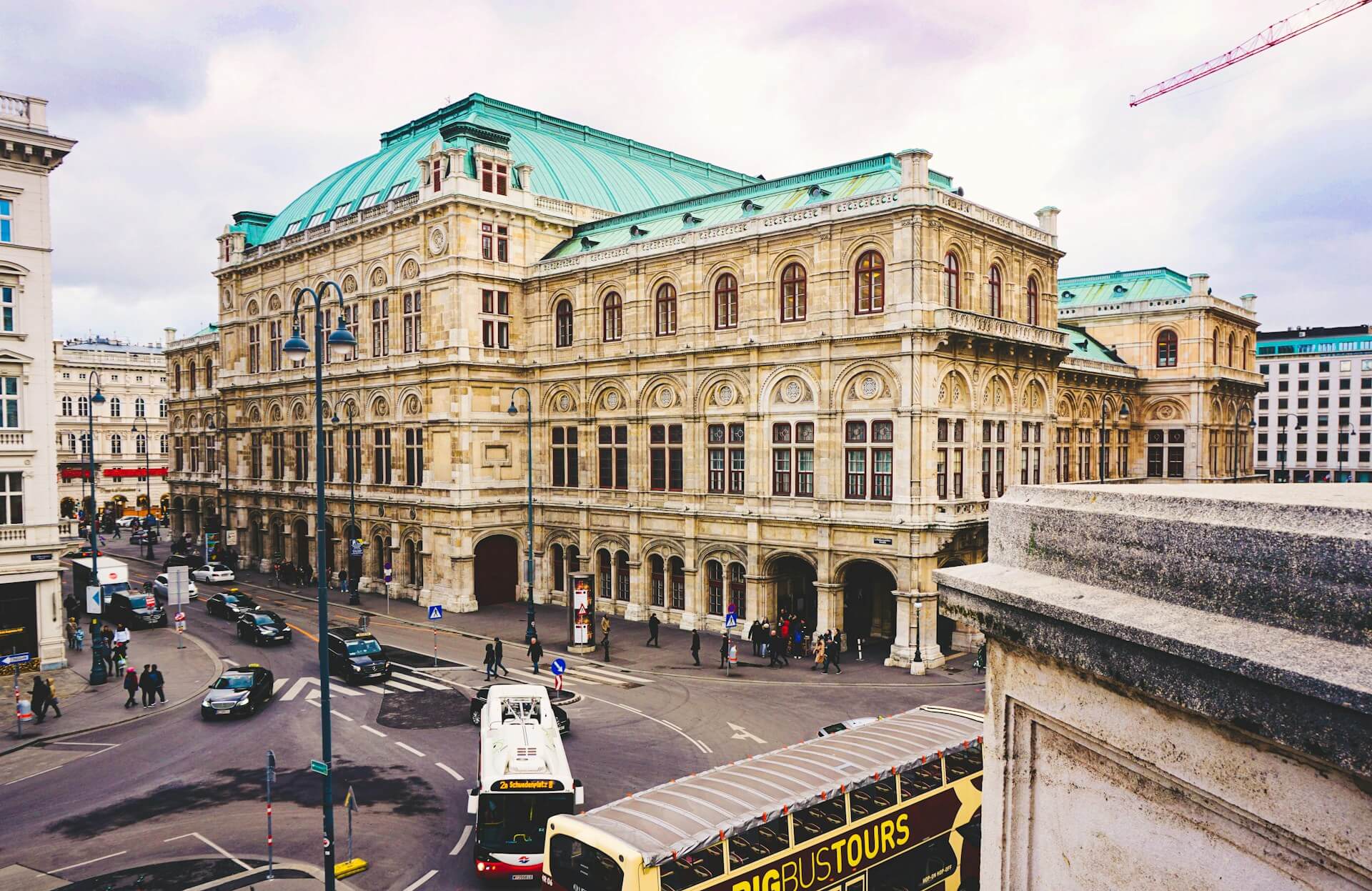
Vienna in 1945 was a historic Habsburg capital with palaces, grand cafes, opera houses, and Belle Époque architecture concentrated in a compact, walkable center. Soviet occupation and postwar reconstruction transformed the city dramatically.
Many historic neighborhoods were demolished and replaced with socialist-style housing blocks. Soviet occupation of the Austrian zone (1945-1955) meant that Vienna’s reconstruction followed a very different path than it might have otherwise taken.
Coventry Before November 1940
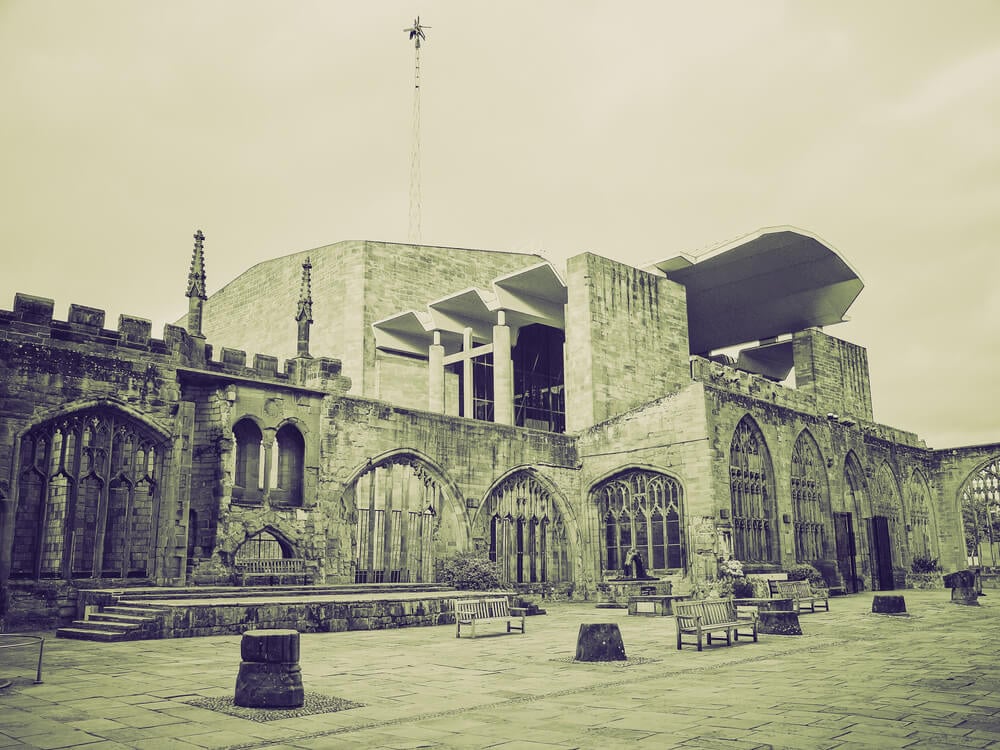
Coventry, England before the German bombing was a medieval market town that had grown into an industrial center, with a 14th-century cathedral and historic streets. Photographs show a place rooted in English history for a thousand years.
In a single night, November 14-15, 1940, German bombers destroyed 60 percent of all buildings and killed 568 people. Postwar reconstruction created a new Coventry with a modern pedestrian center and a new cathedral, the old character largely erased.
Rotterdam Before the German Invasion
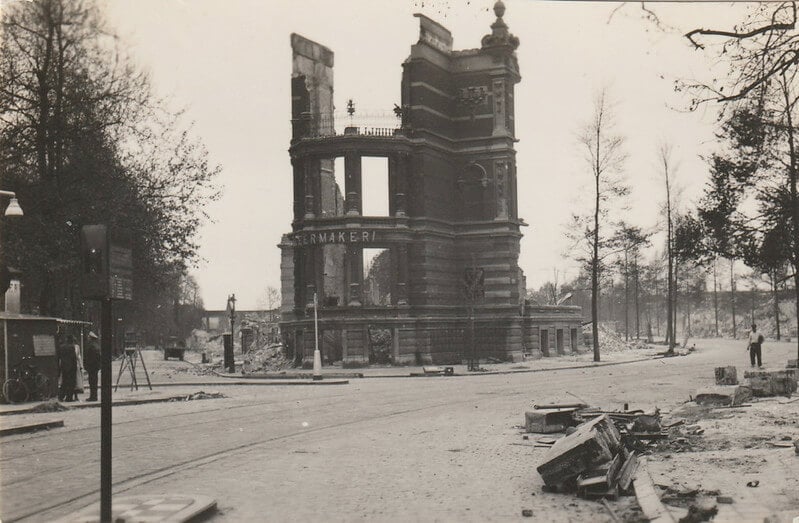
Rotterdam’s old city center in May 1940 was a medieval Dutch port with centuries-old buildings, narrow streets, and a character distinctive to the Low Countries. Photographs reveal intimate streetscapes and historic architecture.
German bombing during the invasion destroyed the city center on May 10, 1940, killing 900 people and making it clear that modern warfare would obliterate history without hesitation. The rebuilt Rotterdam became one of Europe’s most modern ports.
Minsk Before World War II
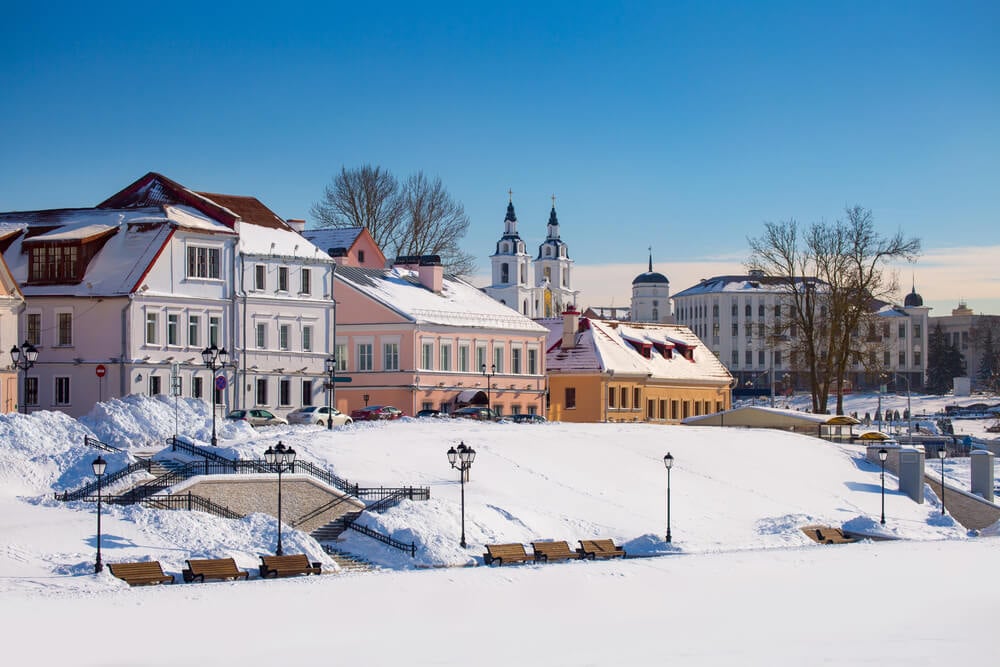
Minsk in 1941 was the capital of Soviet Belarus with Soviet-era architecture alongside older buildings from Tsarist times. The city was then completely destroyed during the German occupation and Soviet liberation campaign.
Photographs show that almost nothing remained standing. Postwar Minsk was rebuilt entirely as a Soviet city, with monumental socialist-realist architecture, wide avenues, and no attempt to restore the old city.
It remains one of the most completely rebuilt European capitals.
Manila Before World War II
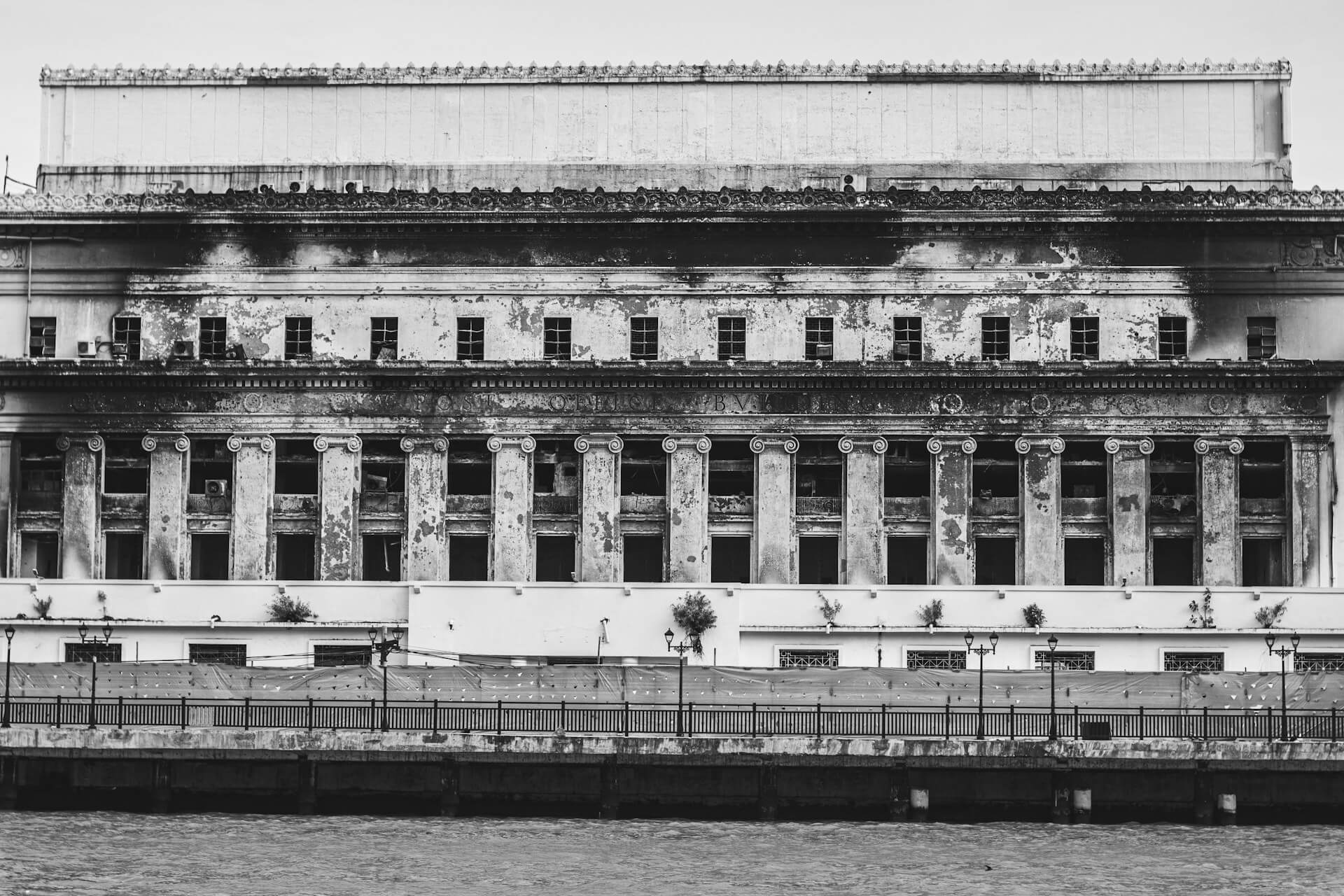
Manila in 1941 was the capital of the American colonial Philippines, with a walled Spanish city at its center and American-built institutions surrounding it. Photographs show colonial architecture, tropical vegetation, and Spanish street names that had survived 350 years of Spanish rule followed by American administration.
The city was devastated during the 1945 liberation campaign, with the battle killing 100,000 civilians and destroying the walled city almost entirely. Postwar Manila was rebuilt as a modern Asian capital with little connection to its past.
Caen, Normandy Before D-Day
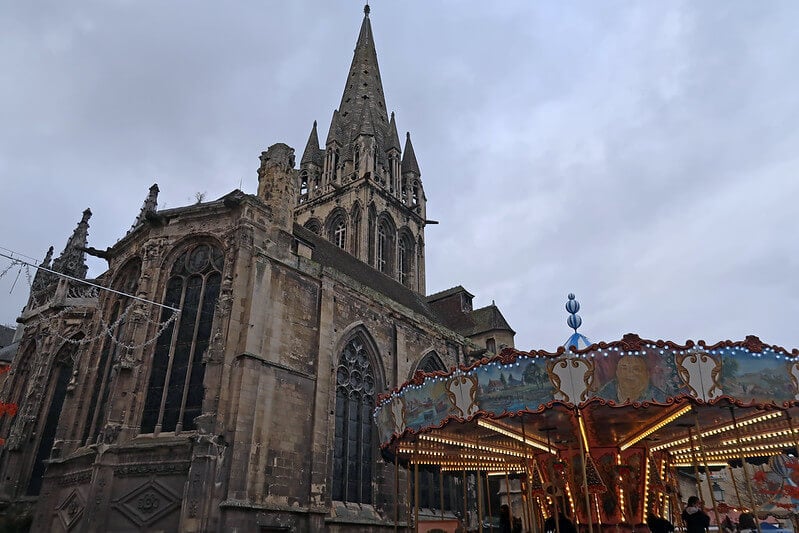
Caen in 1944 was a Norman city with a 1,000-year history, built around William the Conqueror’s castle and abbey, with medieval streets and Renaissance buildings. Photographs from before the 1944 Normandy invasion show European history layered visibly in the architecture.
The city was destroyed during the campaign to break out of the beachhead, with bombing and shelling killing 2,000 civilians and destroying much of the medieval center. The rebuilt Caen modernized the layout while attempting to preserve some historic structures.
Leningrad Under Siege
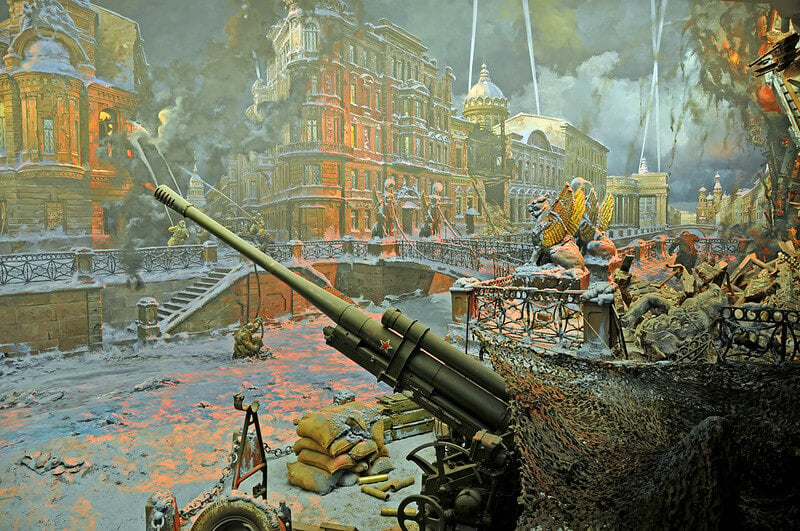
Leningrad in the years before 1941 was a great European capital with palaces, museums, and broad avenues built on Peter the Great’s design. Photographs show the grandeur of Russian imperial architecture.
The 900-day German siege starved the city and destroyed much of it through bombardment. Leningrad lost nearly one million people and was physically devastated.
The rebuilt city, renamed back to Saint Petersburg in 1991, carries the trauma of war in its architecture and the gaps where buildings once stood.
Messina Before the 1908 Earthquake
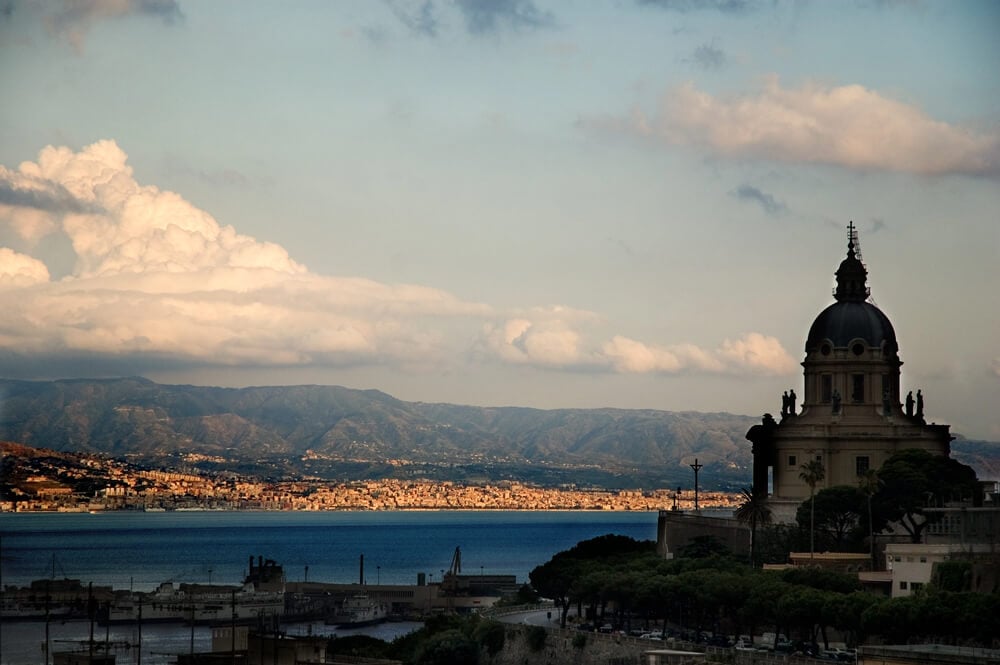
Messina, Sicily in 1908 was a historic Mediterranean port city with Norman and medieval architecture, built on the narrow strait between Sicily and Calabria. Photographs show a city rooted in European history.
The earthquake of December 28, 1908 killed 70,000 people and destroyed 90 percent of the city’s buildings in roughly 30 seconds. The rebuilt Messina was planned on a grid with wider streets and modern building codes, erasing almost all memory of the medieval city that had stood there.
Aleppo Before Civil War
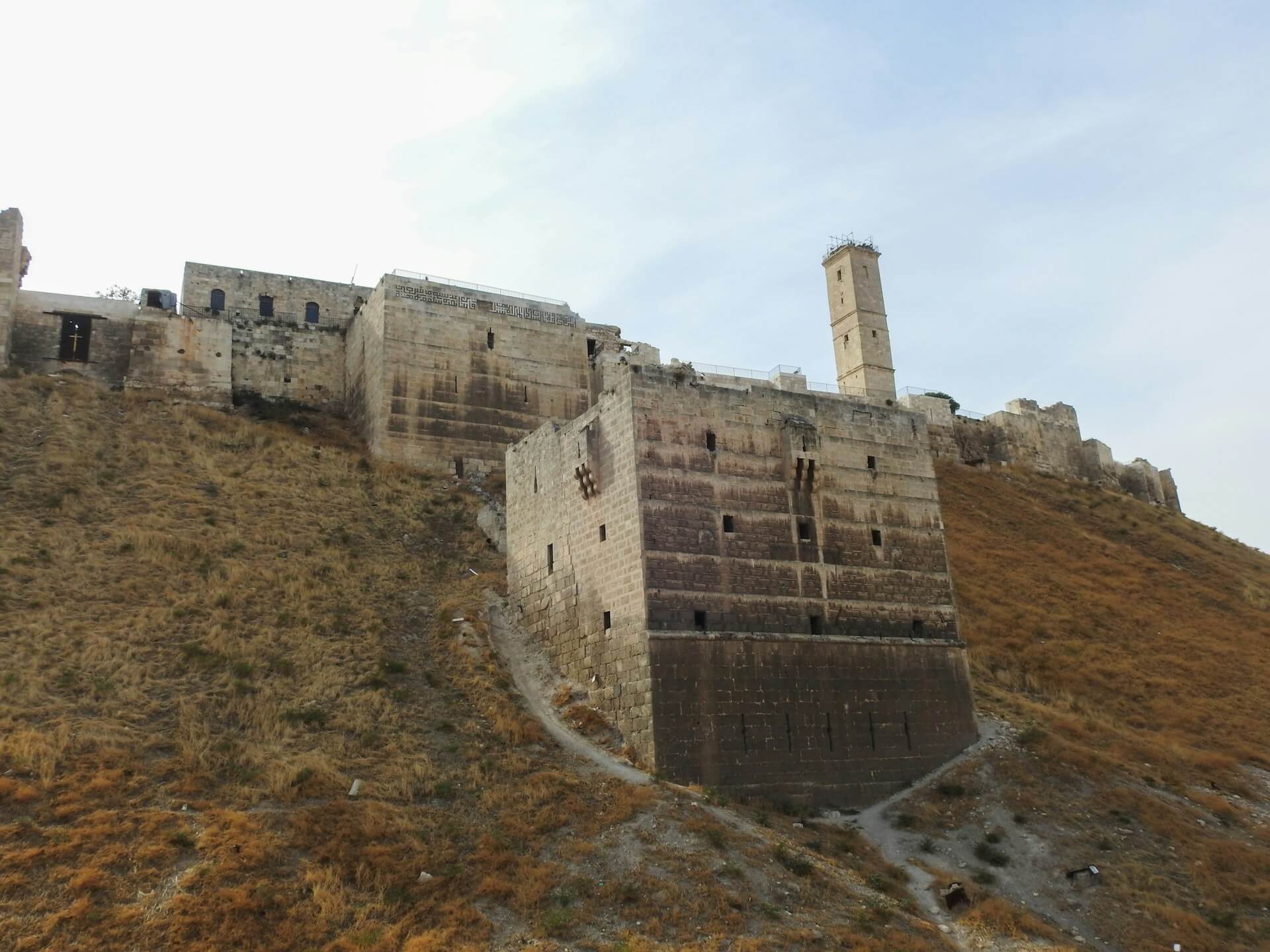
Aleppo, Syria before 2011 was one of the world’s oldest continuously inhabited cities, with a UNESCO World Heritage medina full of medieval souks, merchant houses, and mosques dating back centuries. Photographs from the early 2000s show the tightly knit Old City that had survived millennia.
The Syrian civil war brought years of intense fighting to the city starting in 2012, destroying the medina and killing thousands. The reconstruction of Aleppo remains incomplete and contested, with the future of its historic center uncertain.
Jericho’s Repeated Rebuilding
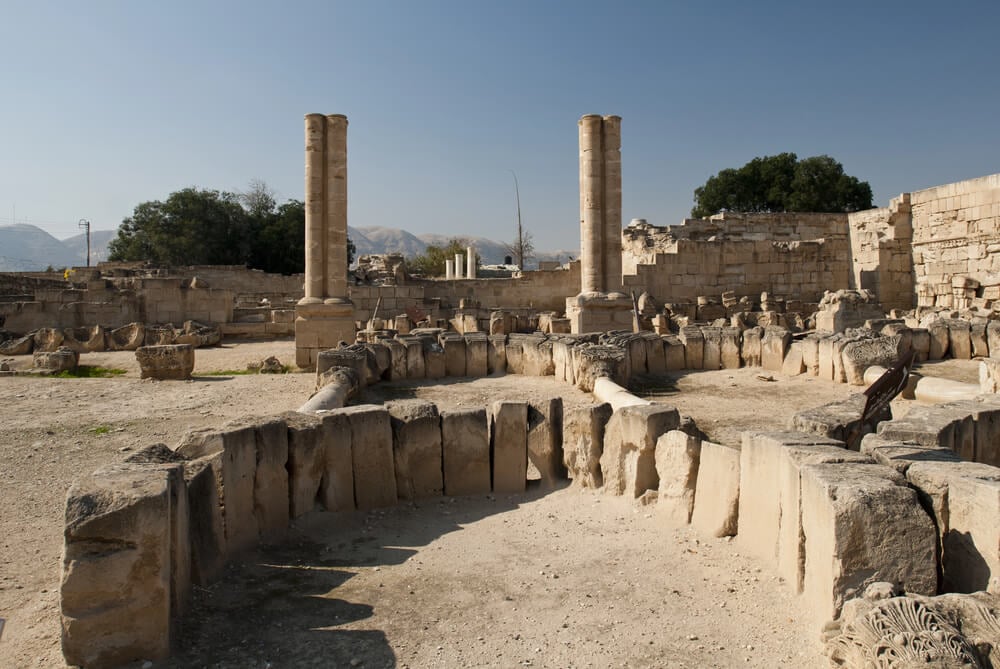
Jericho is perhaps the most reconstructed city in human history, with archaeological layers showing dozens of separate cities built and destroyed on the same site over 11,000 years. Photographs of the tell (mound) show the physical layering of human settlement and destruction.
Each layer represents a different civilization, earthquake, conquest, or abandonment. Modern Jericho stands on top of these layers, making it a literal archaeological record of how cities are built, destroyed, and rebuilt.
Pompeii Before the Modern Era
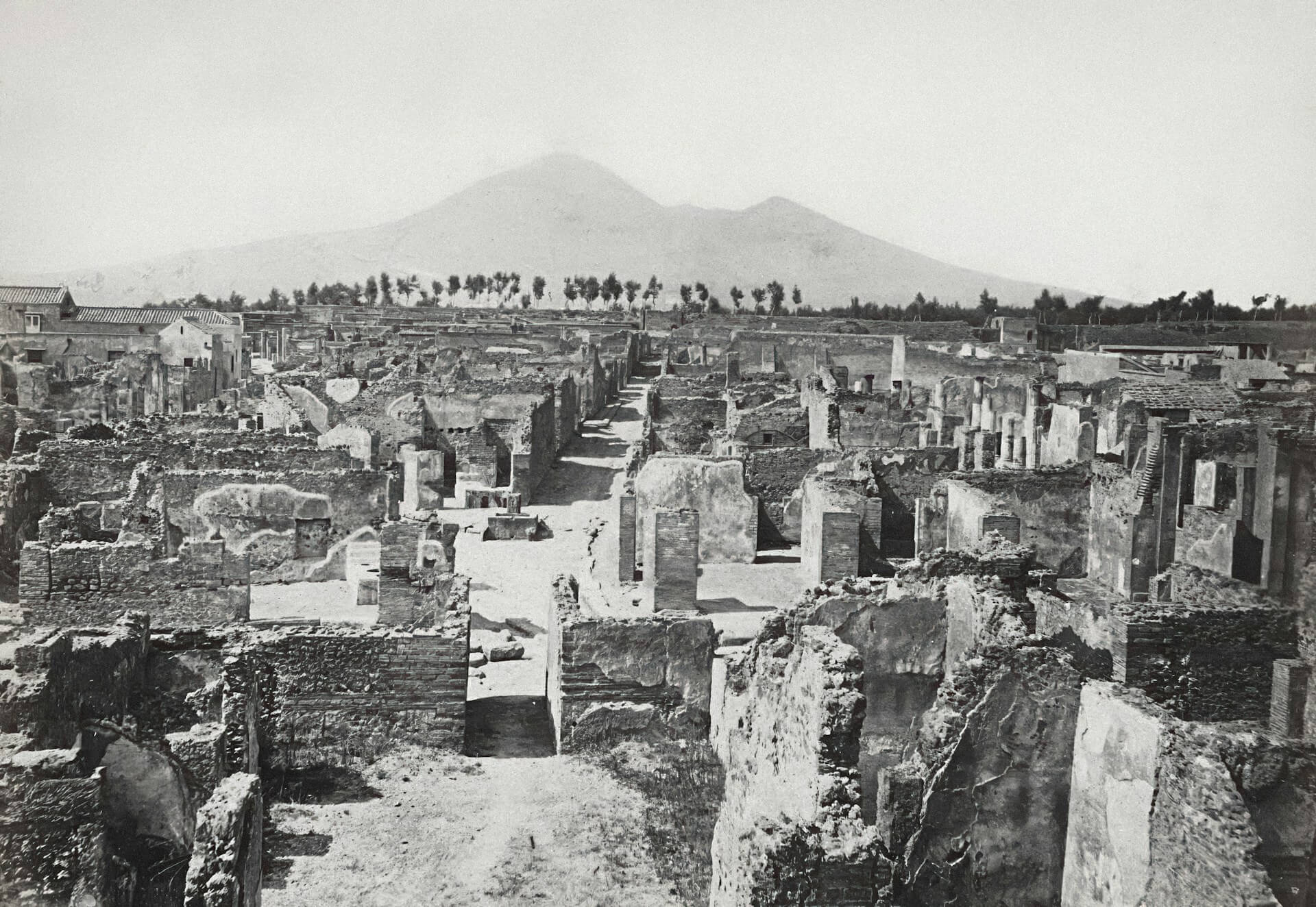
Pompeii was buried under volcanic ash on August 24, 79 AD when Mount Vesuvius erupted, preserving it perfectly but destroying it utterly. Photographs of Pompeii before excavation show only the mounded landscape above the buried city.
The systematic excavation beginning in the 18th century revealed a complete Roman city frozen in time. Pompeii was never rebuilt in its original form but instead became one of history’s most important archaeological sites, offering a window into a world that vanished in hours.
Beirut Before Civil War
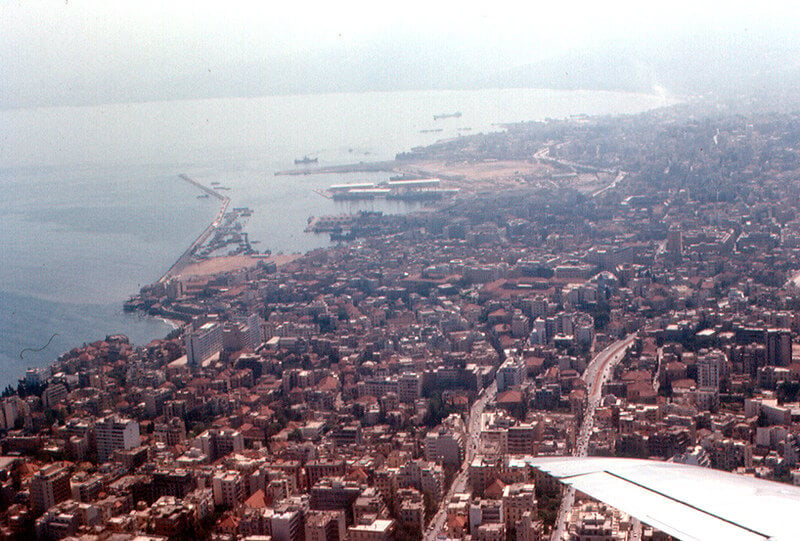
Beirut in the 1970s was the jewel of the Middle East, known as the Paris of the Levant, with belle époque architecture, modern high-rises, and thriving commerce. Photographs from this era show a prosperous, cosmopolitan city.
The Lebanese Civil War (1975-1990) destroyed much of central Beirut and killed 120,000 people. Postwar reconstruction has been incomplete and contentious, with the downtown rebuilt as a modern business district while residential neighborhoods remain scarred and contested.
Beirut’s Postcards and Memory
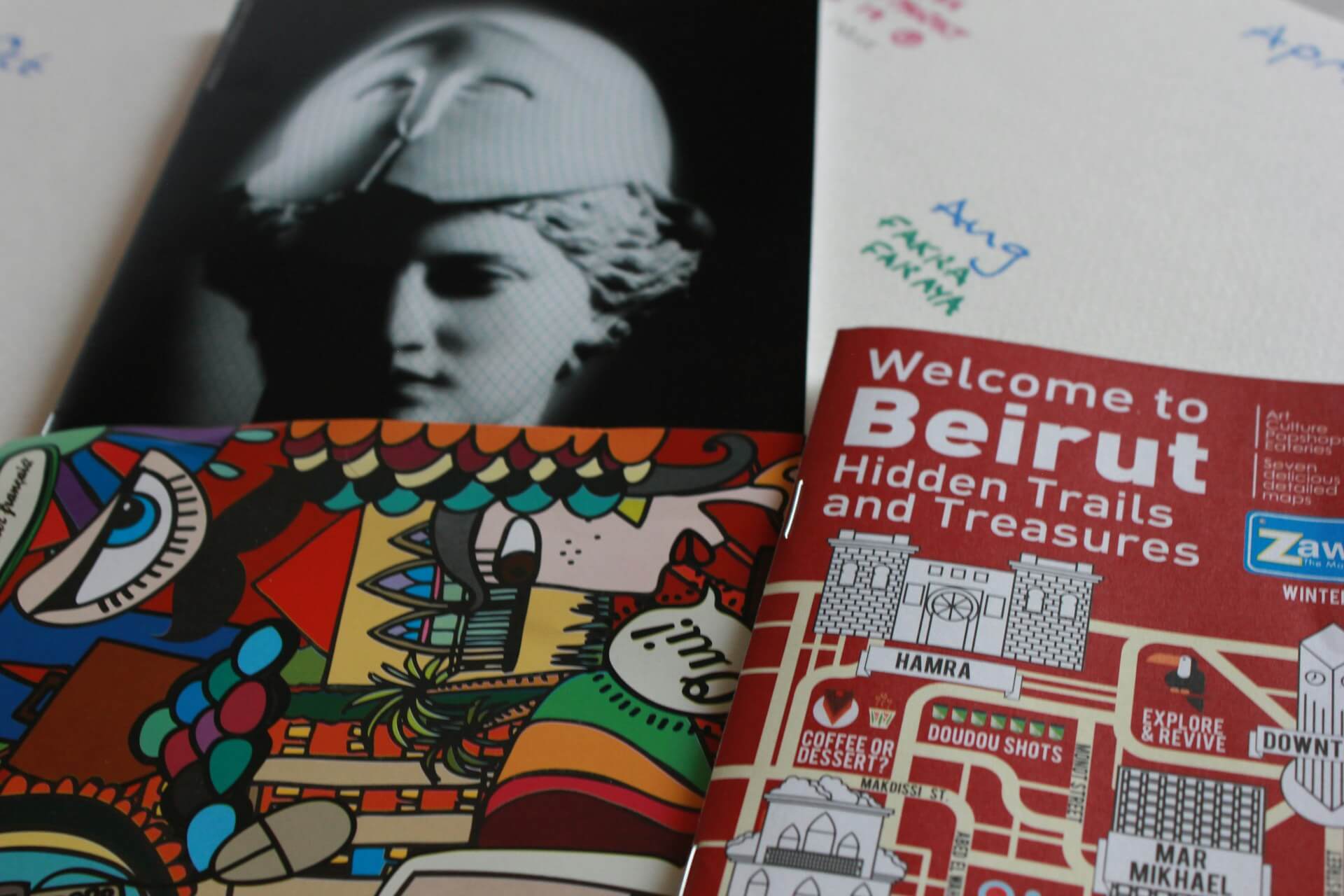
The contrast between postcards of Beirut from the 1960s and photographs from the 1980s during the civil war is visceral—the same streets reduced to rubble, luxury hotels pockmarked by bullet marks, once-beautiful neighborhoods turned into combat zones. These images circulate as evidence of what war does to human habitation.
The act of photographing before and after becomes a form of witnessing, a record of loss that no amount of reconstruction can fully erase.
The Krak des Chevaliers and Ruin Photography
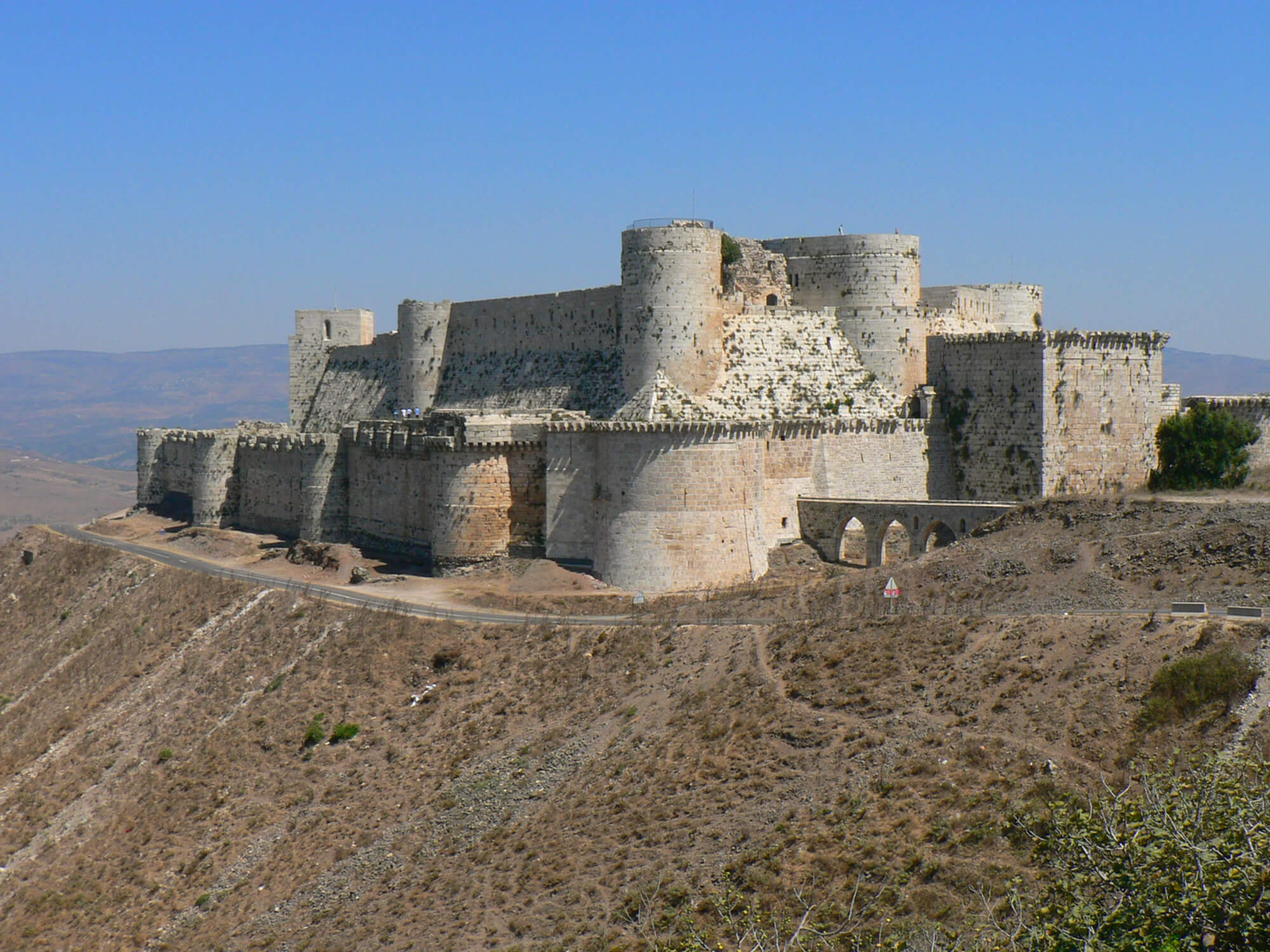
The Krak des Chevaliers in Syria is a Crusader fortress that has stood in ruins for centuries, photographed and rephotographed by travelers, soldiers, and archaeologists. Photographs over time show how ruins themselves change—damaged further by neglect, shelling, or deliberate preservation efforts.
The fortress was never rebuilt but instead preserved as a ruin, making it an exception to the pattern of destruction and reconstruction. It stands as a reminder that some cities and structures are left to deteriorate rather than rebuilt.
The Threshold Between Disaster and Memory
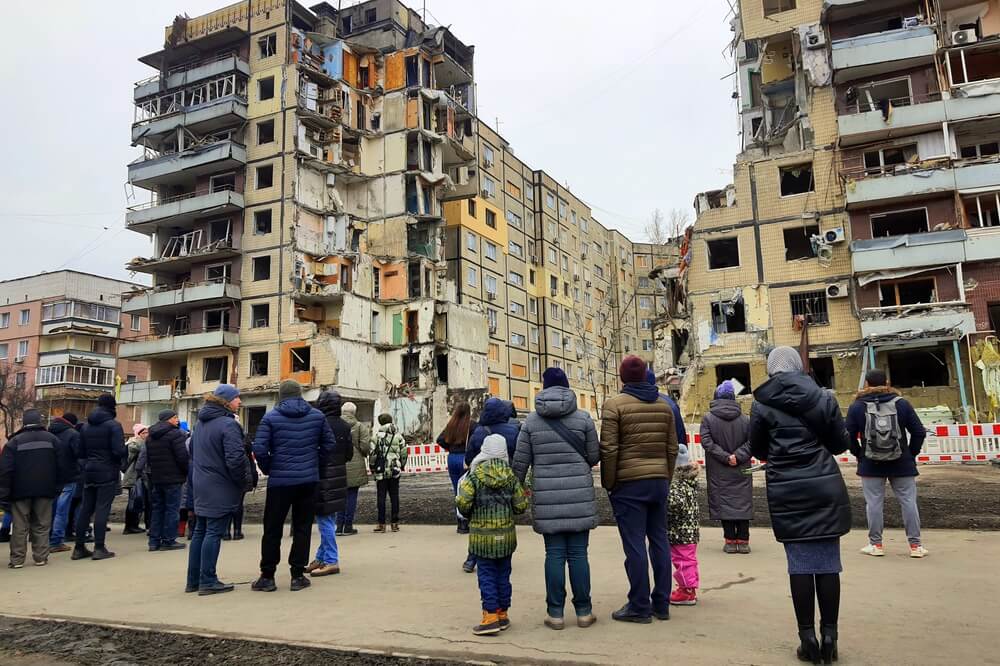
These photographs share a common quality: they show cities at a moment of innocence, unaware that destruction is imminent or that reconstruction will erase them from the earth. Looking at photographs of Tokyo or Lisbon or Coventry before their disasters creates a peculiar form of melancholy—we see what people saw, the normal streets and buildings they inhabited, knowing that nearly all of it will be gone within days or hours.
The photograph becomes a ghost of what was, proof that the city people walked through actually existed.
More from Go2Tutors!

- The Romanov Crown Jewels and Their Tragic Fate
- 13 Historical Mysteries That Science Still Can’t Solve
- Famous Hoaxes That Fooled the World for Years
- 15 Child Stars with Tragic Adult Lives
- 16 Famous Jewelry Pieces in History
Like Go2Tutors’s content? Follow us on MSN.



