14 Plants That Use Bizarre Tricks to Move Without Muscles
Rooted in place and passively absorbing sunlight, plants could appear to be the ideal stay-at-home species. But under their apparently stagnant life lurks a world of complex movement that rivals animal mobility in its inventiveness.
Lacking muscles, bones, or nerves, plants have developed amazing ways to bend, twist, snap, and even walk over their surroundings. Cunning manipulation of water pressure, specialized cells, and structural changes drives their movement, which engineers still find difficult to duplicate.
Here are 14 plants using amazing strategies to move without muscles, therefore proving that remaining in one location does not equal remaining stationary.
Venus Flytrap

This famous carnivorous plant snaps its modified leaf lobes shut in less than a second—faster than many animals can react. It uses a hydraulic system that shifts water between cell layers, flipping the trap from convex to concave almost instantly.
Sensitive Plant

Mimosa pudica, also called the “shy plant,” folds its leaves rapidly when touched. This action is powered by cells at the base of each leaflet that expel water, collapsing the leaf in seconds before slowly reopening over several minutes.
Telegraph Plant
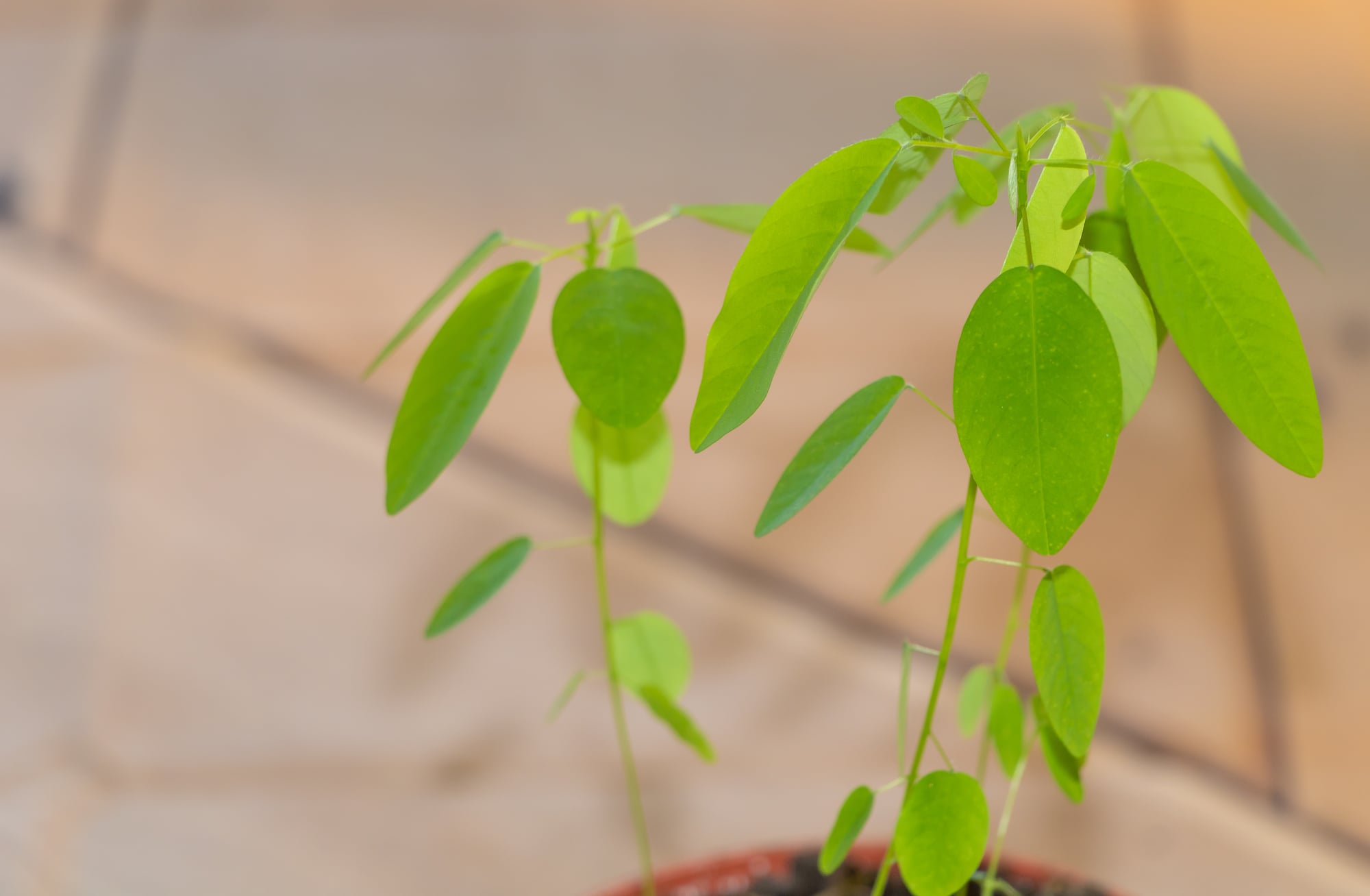
The telegraph plant’s small side leaflets move in elliptical patterns even without stimulation. These motions are driven by motor cells that swell and shrink rhythmically through ion exchange.
Exploding Cucumber

This plant builds up high internal pressure in its fruit, eventually ejecting seeds up to 40 feet away. The explosion occurs at around 27 atmospheres, violently detaching the fruit from its stem while spraying seeds and fluid.
Resurrection Fern

In drought, this fern curls up and turns brown, appearing dead while losing almost all its moisture. It can revive within hours of rainfall, thanks to cell wall properties and folding mechanisms that prevent structural damage.
Bunchberry Dogwood

Bunchberry flowers launch pollen at speeds faster than a space shuttle launch. Petals store energy like springs and release it explosively to catapult pollen upward via specialized stamens.
Walking Palm
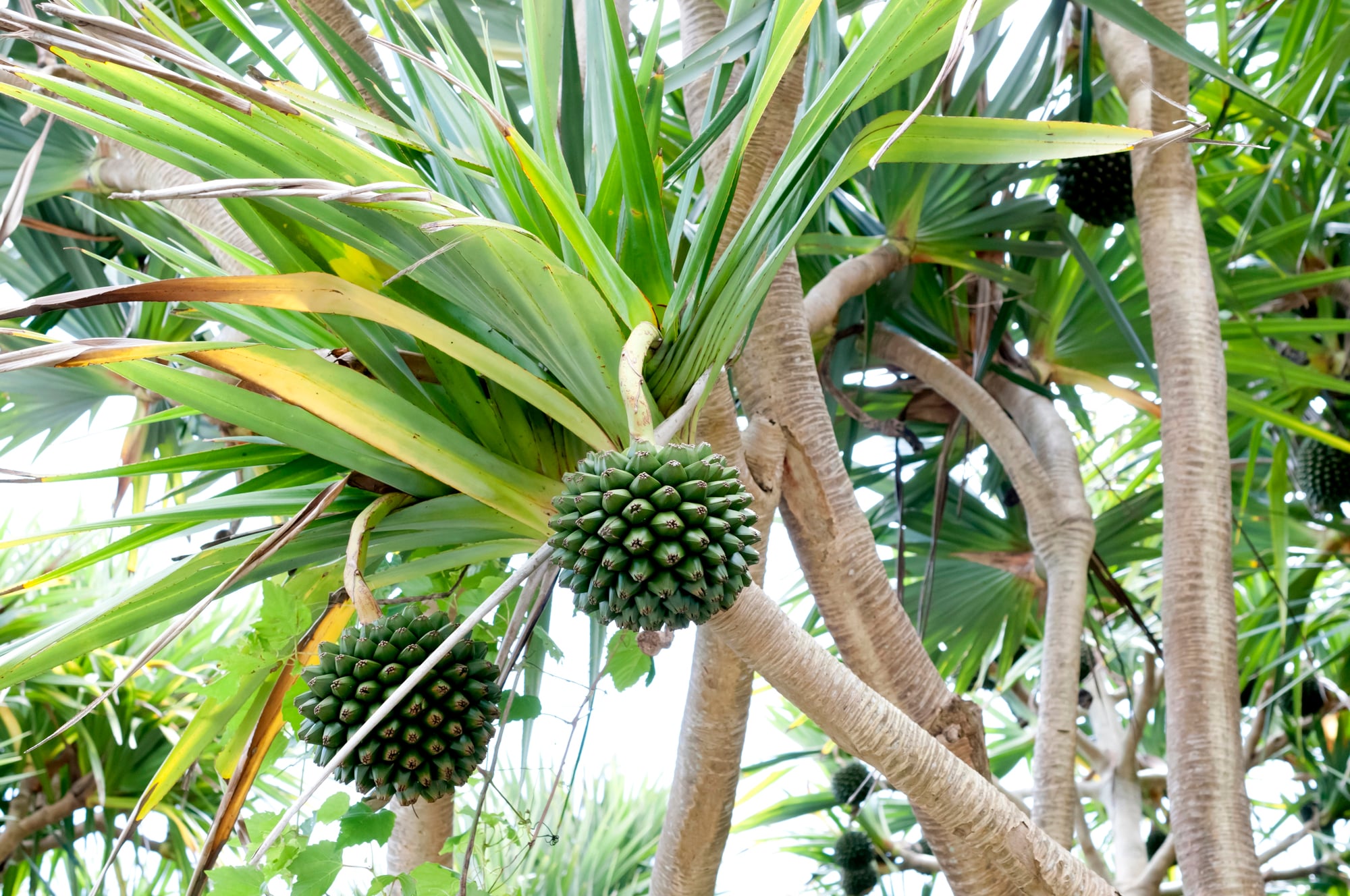
Native to Central America, this tree seems to walk by growing new stilt roots toward light and letting old ones die. Though slow, this process allows the tree to “move” toward better environmental conditions.
Wheat Awns

Grass seeds like wheat use twisting appendages to drill into the soil via humidity-driven motion. These awns coil in dry conditions and uncoil when damp, burrowing seeds deeper with each daily cycle.
Alpine Buttercup

These mountain flowers track the sun by rotating their blooms throughout the day. Rather than using stems, they rotate through differential petal growth, with shaded sides growing faster than sunlit ones.
Stinging Nettle
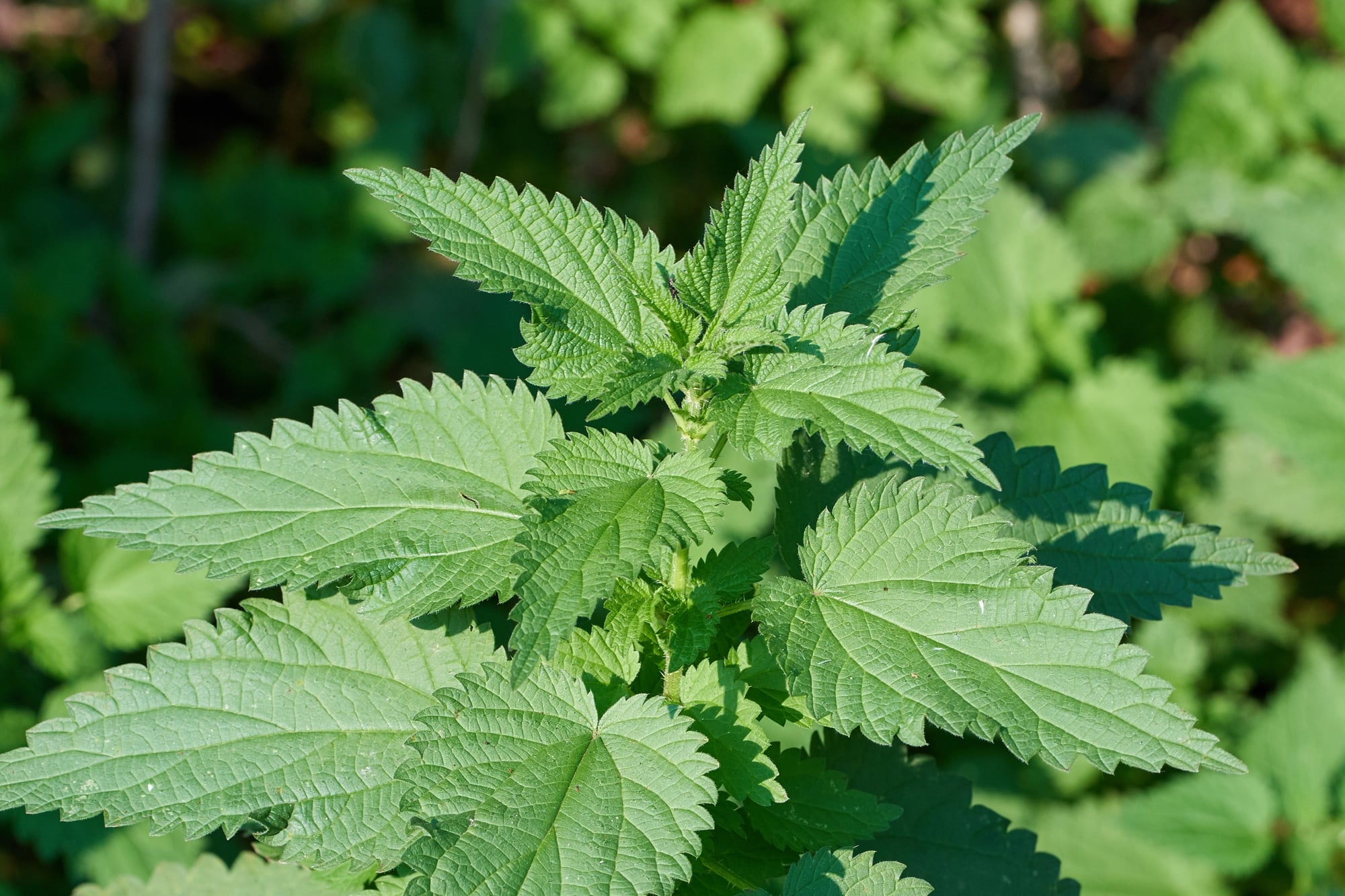
The stinging nettle defends itself using spring-loaded hairs that inject irritants on contact. Each hair acts like a microscopic hypodermic needle, delivering chemicals through mechanical force.
Drosera Sundews

These insect-eating plants use sticky, tentacled leaves to trap prey. Once an insect is caught, the tentacles bend inward over an hour using growth-based motion to envelop and digest it.
Euphorbia Obesa
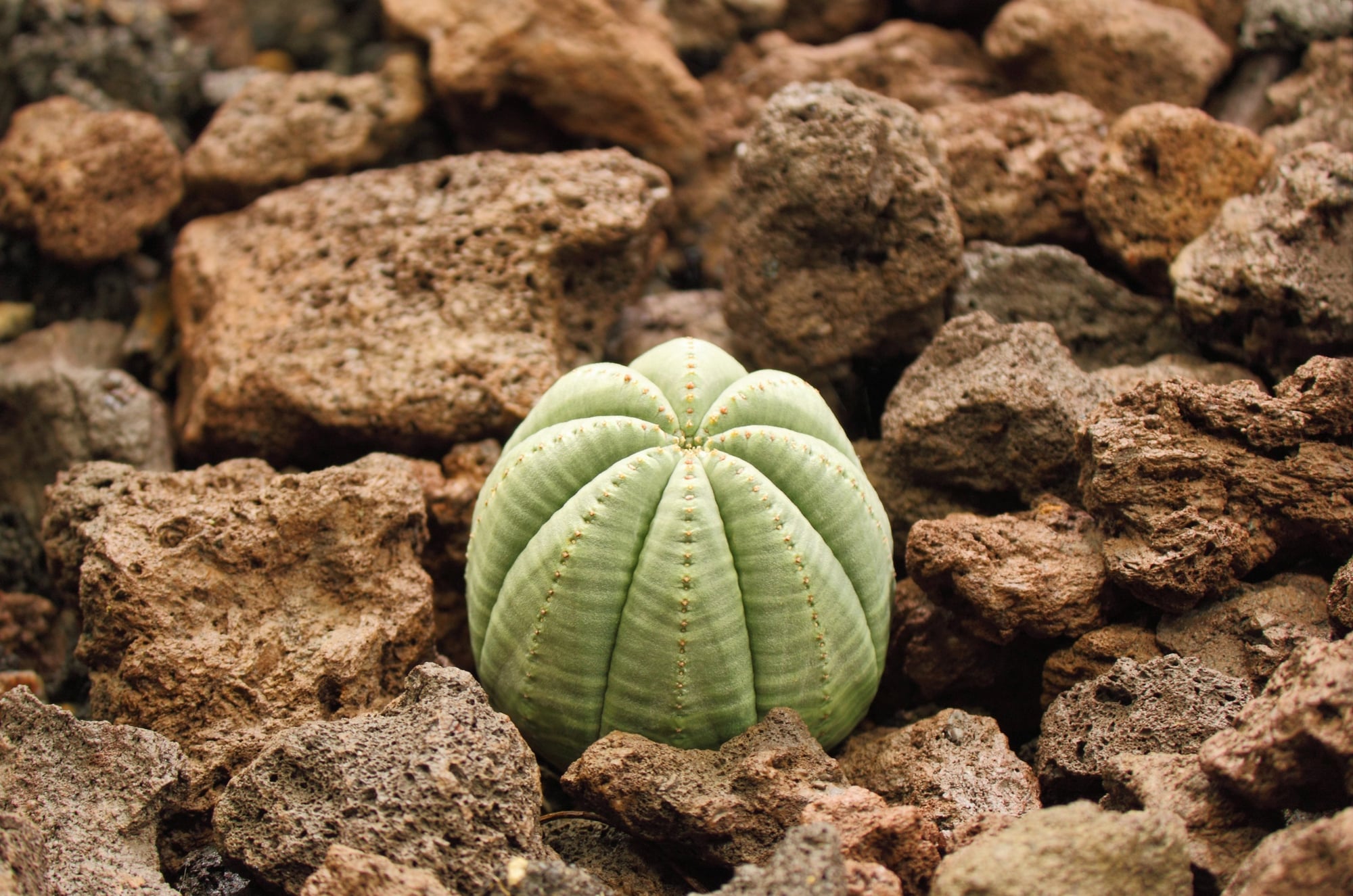
This round succulent stores water by expanding like an accordion during rainy periods. In drought, it contracts while maintaining shape, reducing surface area to limit moisture loss.
Waterwheel Plant
This aquatic carnivore traps prey underwater using snap traps similar to Venus flytraps. The traps close in just 20 milliseconds via elastic energy and hydraulic pressure changes.
Bird’s-foot Trefoil

This meadow plant creates twisting seedpods that fling seeds when ripe. As the pods dry, internal tension builds until the pod bursts open, scattering seeds several feet away.
Nature’s Engineering Marvels

Plants have evolved astonishing movement mechanisms using physics instead of muscles or nerves. Their designs often rival or surpass human inventions in efficiency and elegance.
These botanical motion systems remind us that movement doesn’t require mobility. Even rooted organisms can be masters of engineering—working slowly, silently, and brilliantly.
More from Go2Tutors!

- The Romanov Crown Jewels and Their Tragic Fate
- 13 Historical Mysteries That Science Still Can’t Solve
- Famous Hoaxes That Fooled the World for Years
- 15 Child Stars with Tragic Adult Lives
- 16 Famous Jewelry Pieces in History
Like Go2Tutors’s content? Follow us on MSN.