Mall Stores That Anchored a Whole Generation of Weekends
The shopping mall of the 1980s and 1990s was not primarily a retail destination. It was infrastructure for adolescence itself.
Suburban teenagers had few options for unsupervised social space, and parents understood the unspoken deal: drop off twenty dollars and a curfew, retrieve your child in three hours. What mattered was that the mall offered climate control, carpet, and a plausible excuse for existing in public without adult supervision.
Every mall followed the same geography: anchor department stores at each end, food court in the middle, and specialty shops along predictable corridors. Teenagers learned to navigate these spaces the way previous generations had learned to navigate small towns.
These stores weren’t just retail outlets; they were the actual architecture of youth culture.
Spencer’s Gifts
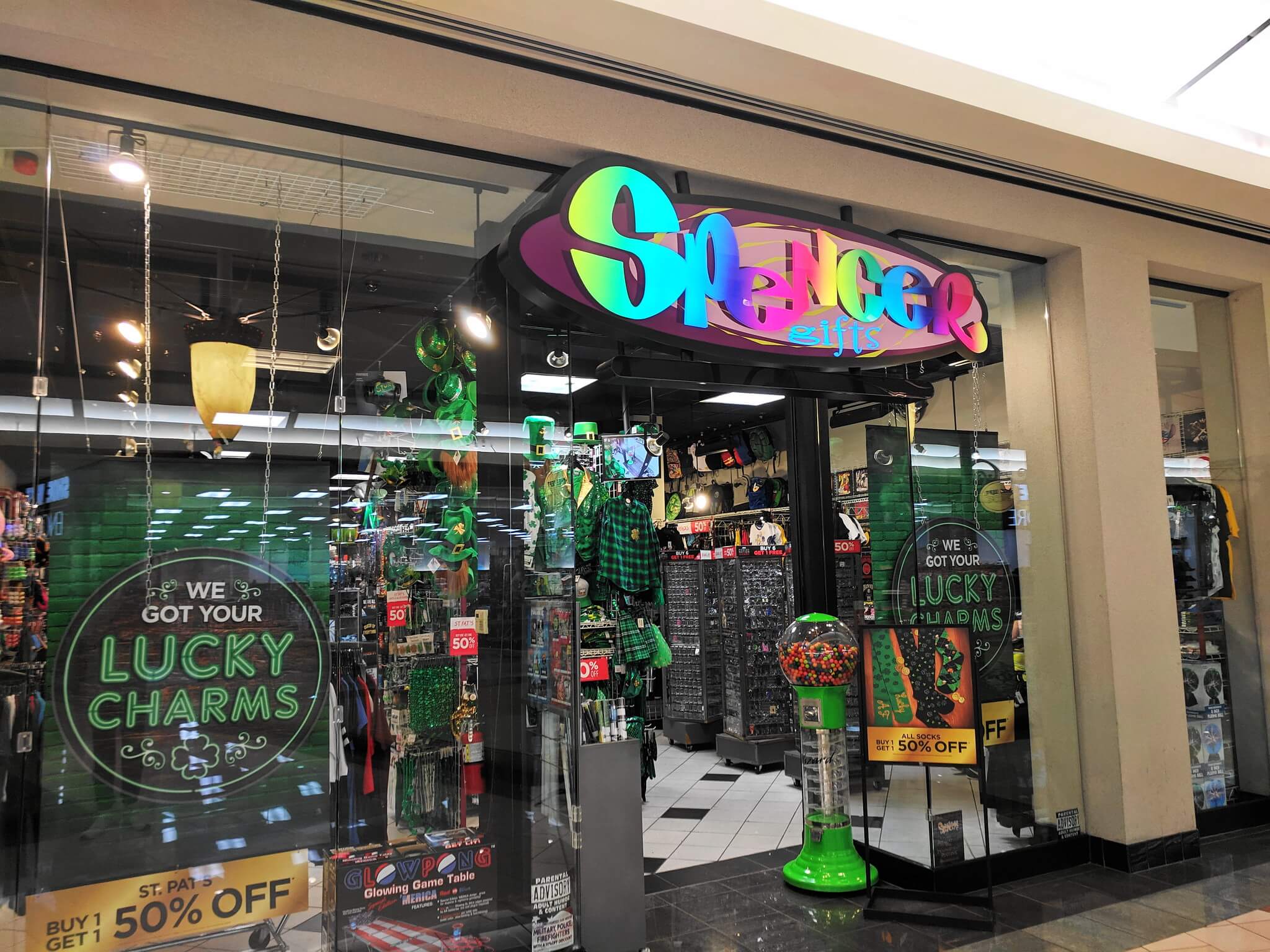
Spencer’s occupied a unique position as the store where the mall had a sense of humor. Lava lamps, novelty t-shirts, and merchandise that pushed boundaries lived here, along with items parents preferred their children never discovered.
The store’s irreverent approach to retail became essential to mall identity; you went to Spencer’s when you wanted to signal that you weren’t shopping for practical clothing.
Sam Goody
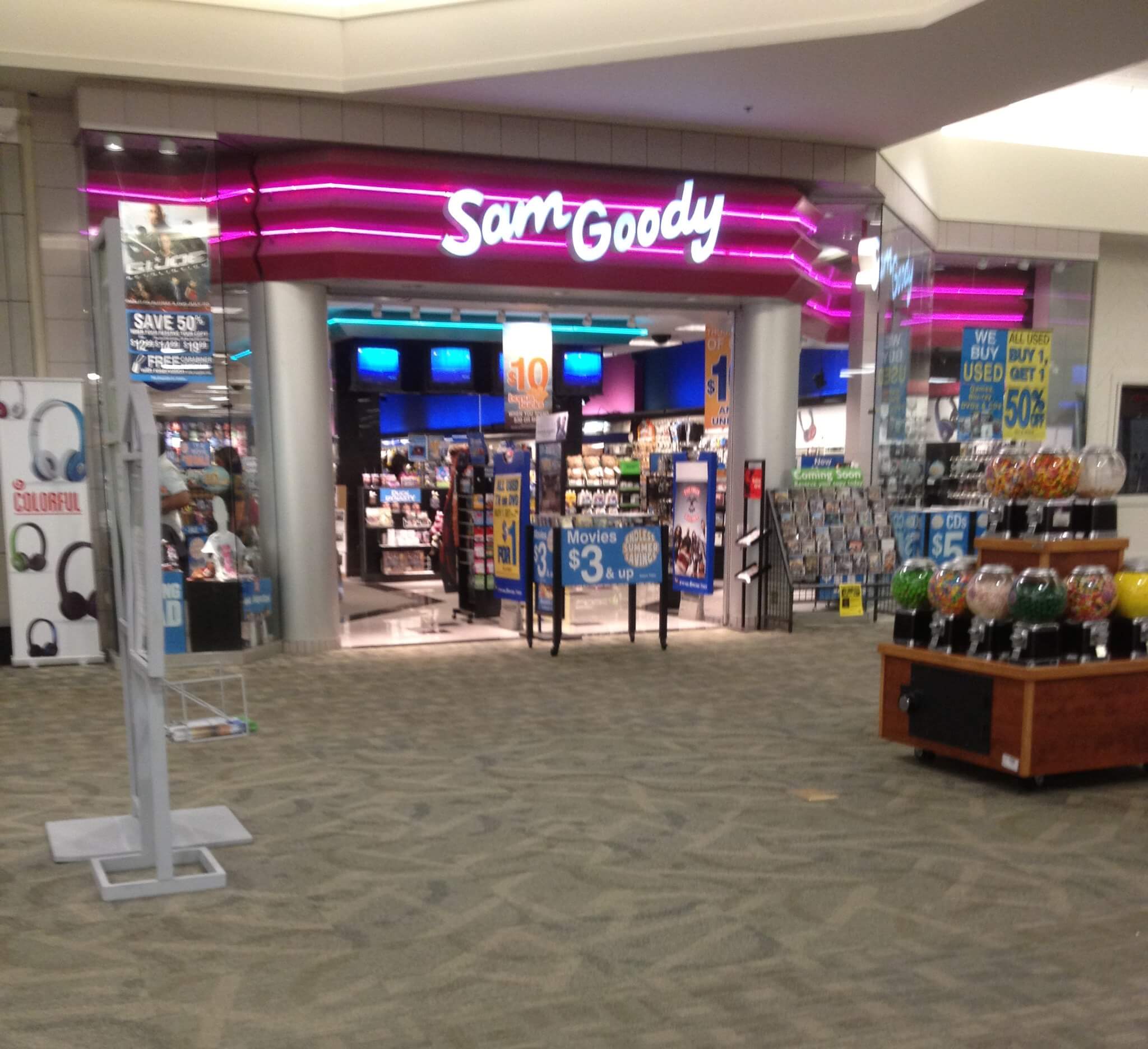
As part of the Musicland retail empire, Sam Goody was where millions of American teenagers spent allowance money on cassettes and compact discs. The store was a fixture in virtually every suburban mall, providing the soundtrack to teenage years through employee recommendations and store playlists.
Bankruptcy in 2006 marked the end of an era when music retail was a primary component of mall culture.
Tower Records
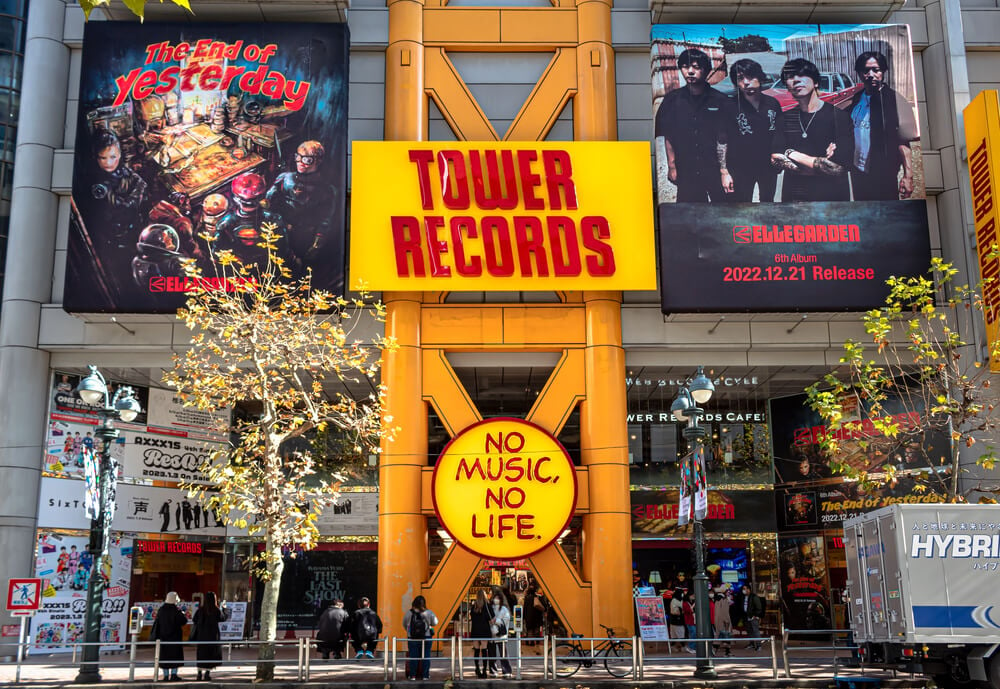
Located in select malls, Tower Records functioned as a cultural hub where younger employees provided music recommendations that shaped listening habits before internet algorithms existed. The store’s depth of inventory—every format, genre, and obscurity available—made music discovery feel like an archaeological expedition.
Tower Records closures beginning in 2006 marked another cultural threshold that few recognized at the time.
Chess King
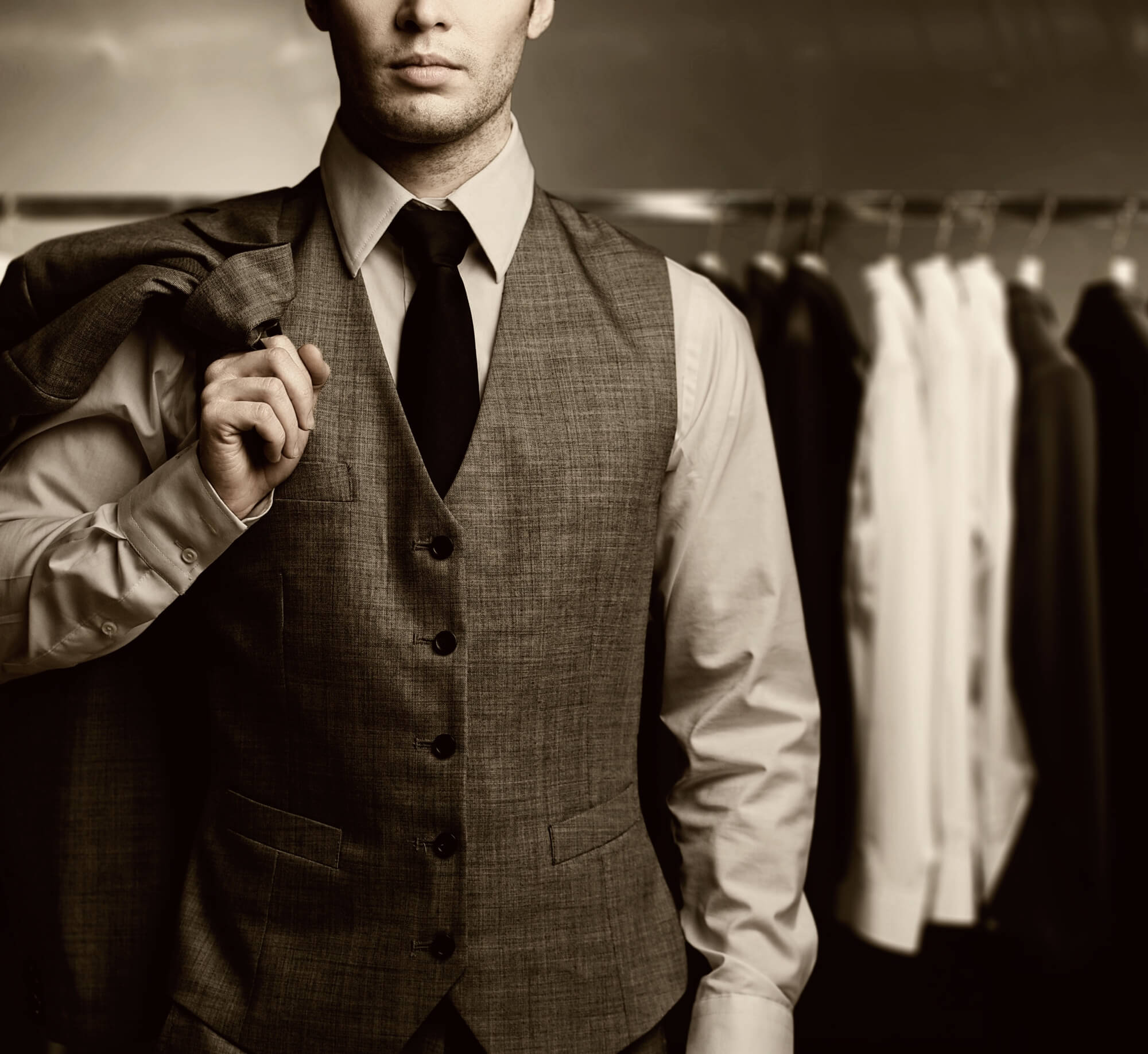
This men’s store captured the specific idiom of 1980s teenage masculinity through bold prints, patterned shirts, and clothing that communicated attitude at prices teenagers could actually afford. Chess King was where boys went when they wanted to look like they meant something, and the store’s neon aesthetic made it visually inescapable.
Merger into Merry-Go-Round Enterprises eliminated the brand by the early 1990s.
Sears
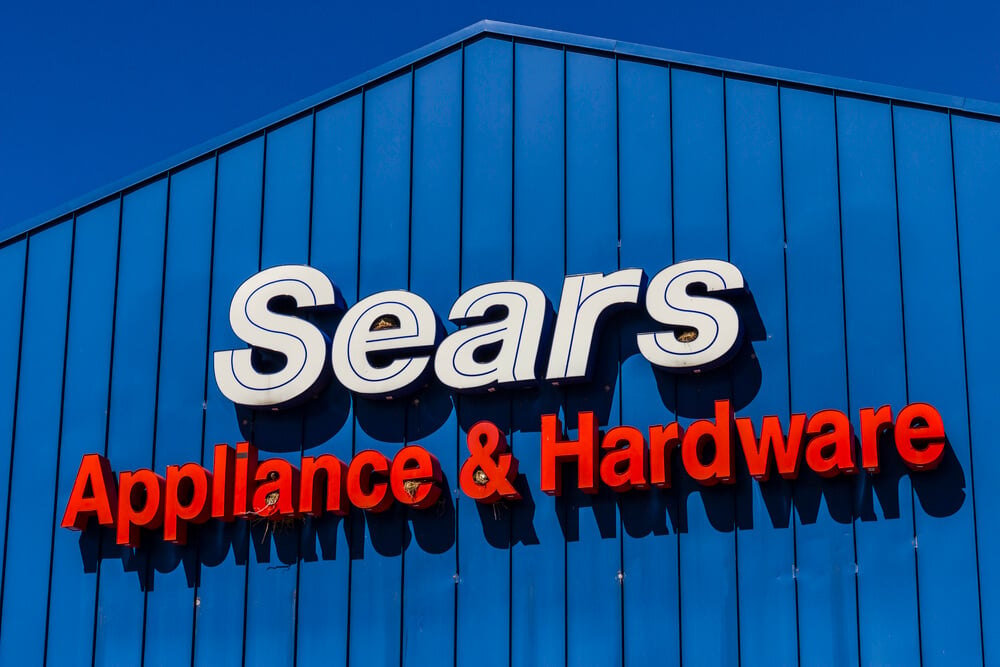
As an anchor store at one end of most American malls, Sears offered everything from clothing to tools to automotive services, making it the destination for families rather than teenagers. Its psychological gravitational pull brought foot traffic that benefited every smaller specialty retailer in between.
The decline of Sears effectively damaged the entire anchor-tenant model that malls had depended upon for structural stability.
JCPenney
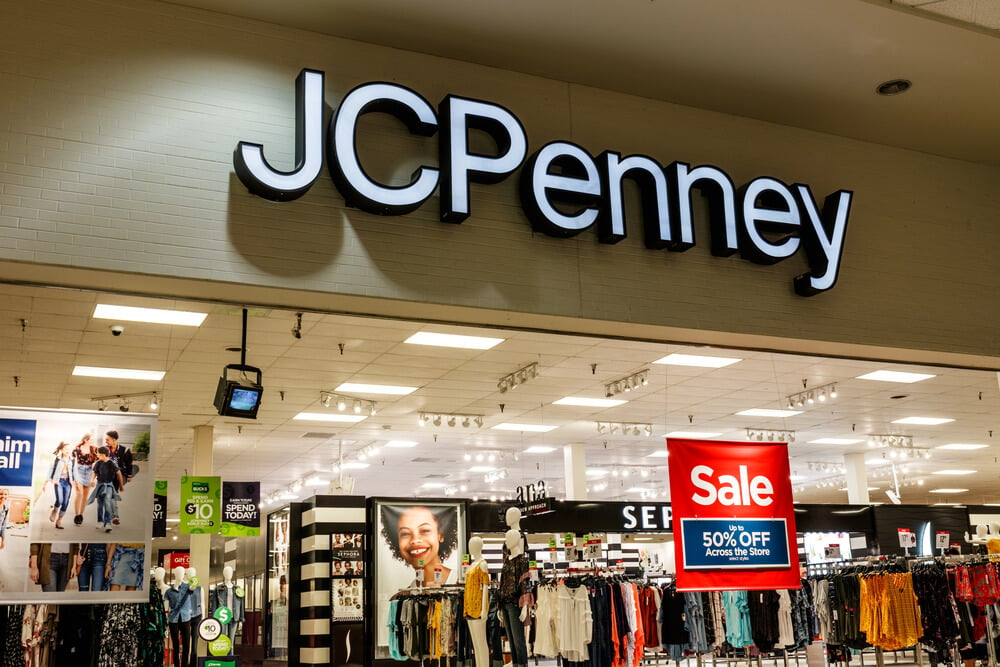
Another anchor store, JCPenney positioned itself between working-class practicality and middle-class aspiration, offering moderate-priced clothing and home goods. Its presence at mall endpoints meant teenagers had to pass through it to reach specialty shops, exposing them to catalog fashion they might not otherwise consider.
Anchor store bankruptcies destroyed the gravitational model that mall economics had relied upon.
Macy’s
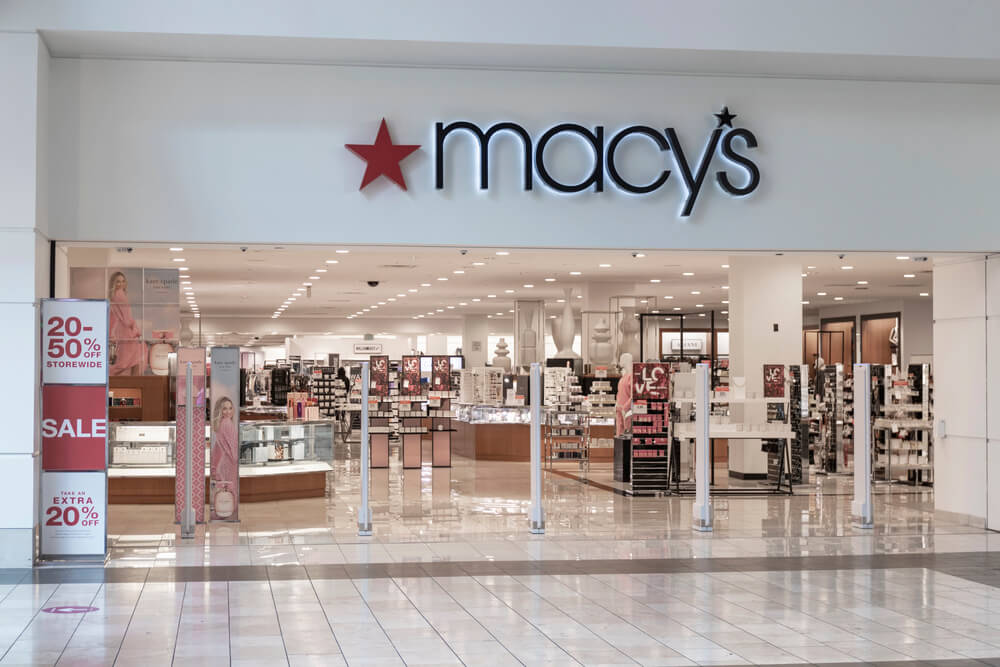
Macy’s occupied the luxury anchor position in many malls, offering designer brands and premium selections that signaled upscale shopping. The store’s prominence made it a landmark for wayfinding within larger malls.
Many Macy’s closures have left mall endpoints abandoned, collapsing the architectural integrity that once made malls functional social spaces.
The Gap
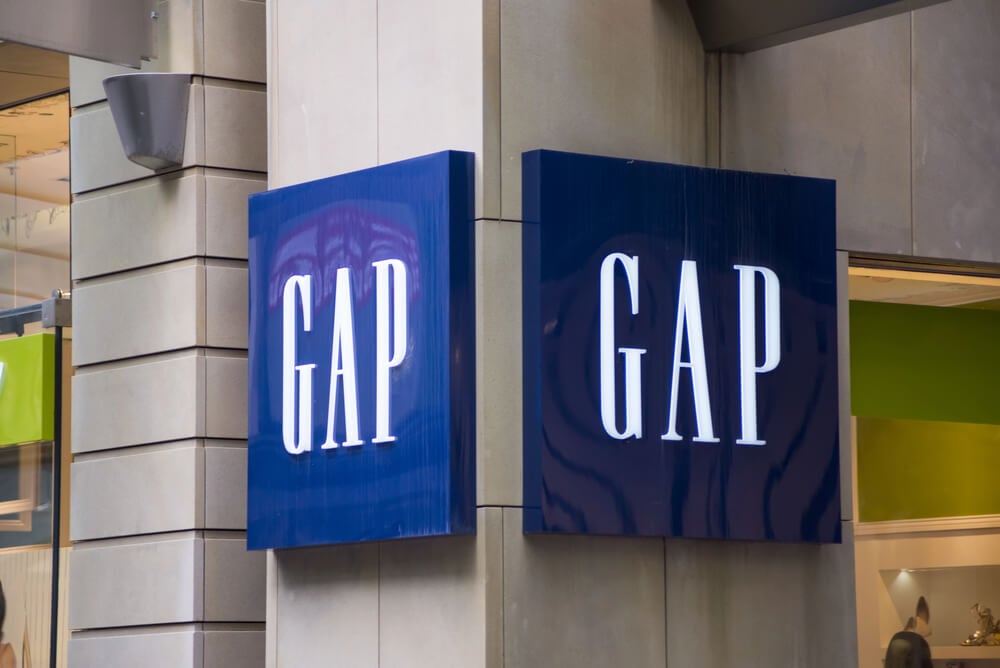
The Gap emerged as the chain store that made casual style accessible to teenagers and young adults. Its minimalist aesthetic and affordable basics became the foundation of 1990s teen fashion, from khakis to plain t-shirts.
The brand’s ability to quickly adapt to trends while maintaining consistent pricing made it a reliable destination across virtually every American mall.
Abercrombie & Fitch
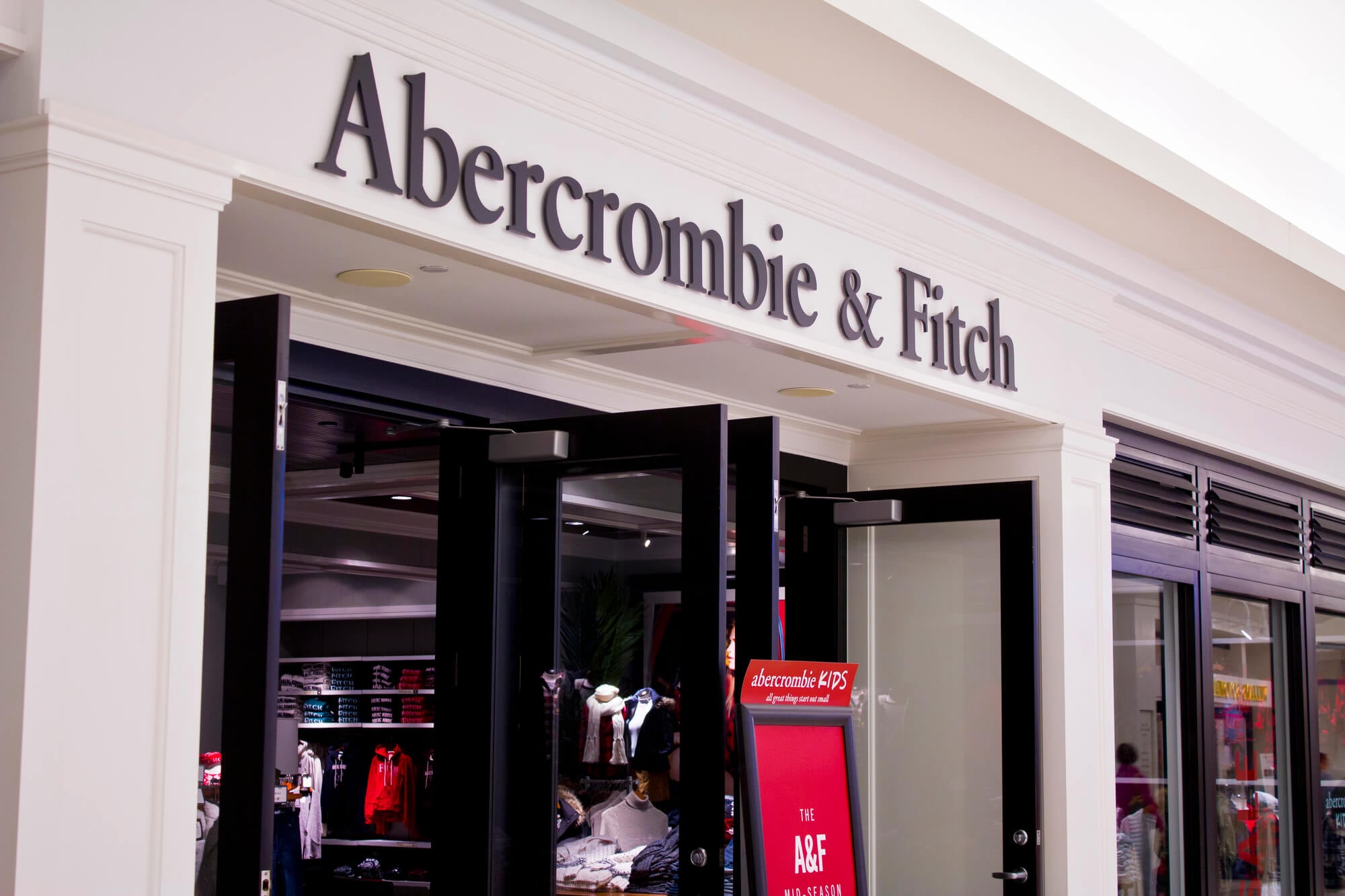
Abercrombie & Fitch epitomized the all-American teen aesthetic, marketing exclusivity through casual wear and lifestyle branding. The store’s visual presentation—muscular models, moody lighting, distinctive cologne—created an environment where clothing became about identity performance.
The brand’s massive cultural footprint throughout the 1990s and 2000s made it a necessary stop for certain demographic segments.
Victoria’s Secret
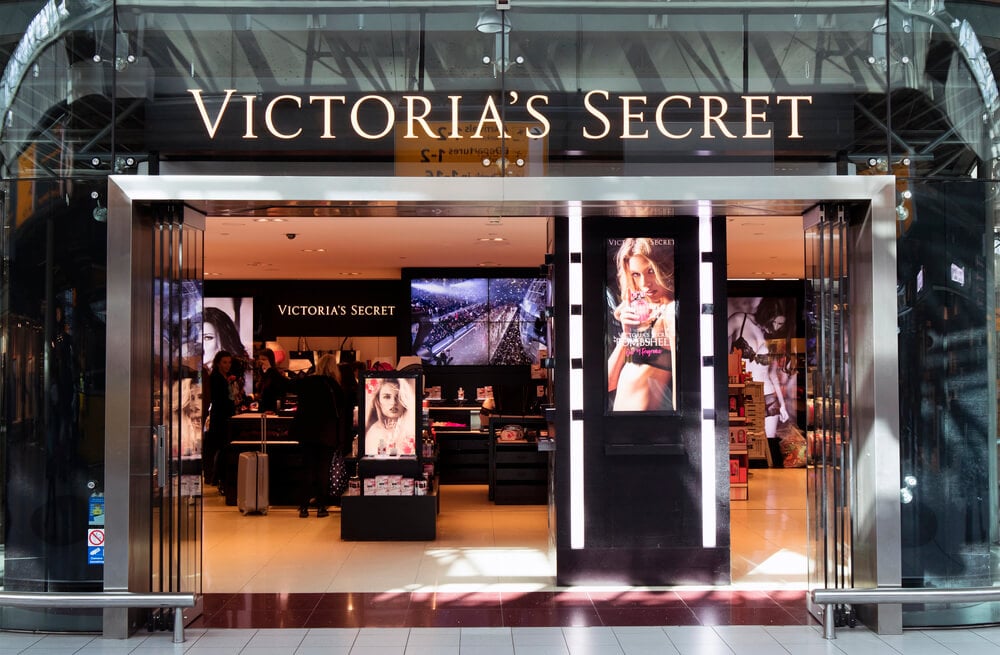
Victoria’s Secret transformed intimate apparel shopping from embarrassing necessity into fashionable leisure activity. The store’s bold window displays and brand-specific fragrance made it instantly recognizable in any mall layout.
The brand’s expansion into Pink (targeting teenagers) extended its cultural reach across generations of shoppers.
Hot Topic
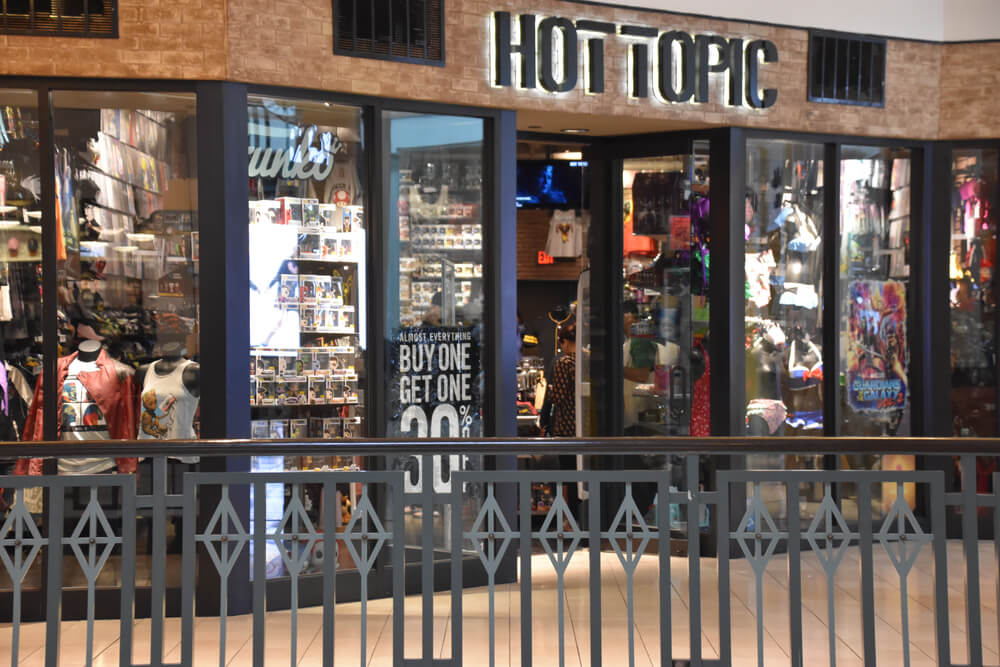
Hot Topic emerged as the sanctuary for teenagers embracing alternative cultures and counterculture aesthetics. Band t-shirts, studded belts, and pop culture merchandise adorned the walls, offering a haven for self-expression outside mainstream mall fashion.
The store’s success proved that even within corporate mall structures, subcultural identity could be packaged and sold effectively.
Gadzooks
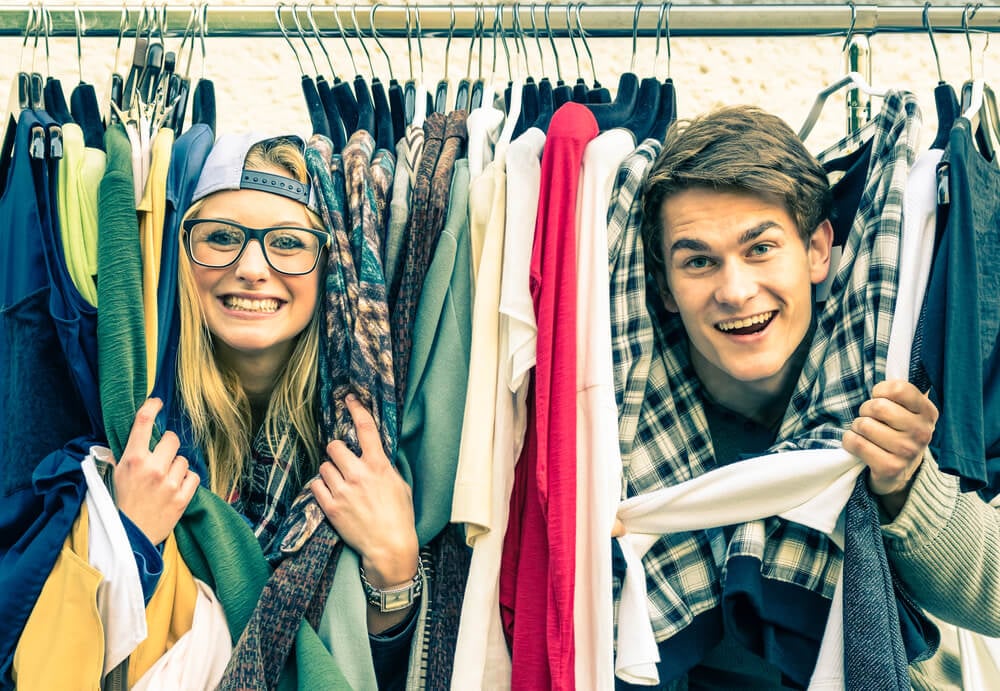
Gadzooks targeted teenagers and young adults with trendy, affordable clothing that captured contemporary fashion trends without department store prices. Known for its colorful, youthful aesthetic and rapid trend adaptation, Gadzooks positioned itself between Gap casualness and Hot Topic rebellion.
The chain’s closure in 2005 coincided with the rise of online fast fashion, making it an early casualty of digital retail disruption.
Lerner New York

Lerner New York occupied the working-woman end of mall fashion, eventually rebranding as New York & Company. Its prominence throughout the 1980s made it part of the predictable mall landscape, though it never captured teenage shopping culture the way younger-targeted brands did.
The chain’s trajectory—from mall anchor to bankruptcy—tracked the broader collapse of physical retail.
Suncoast Motion Picture Company
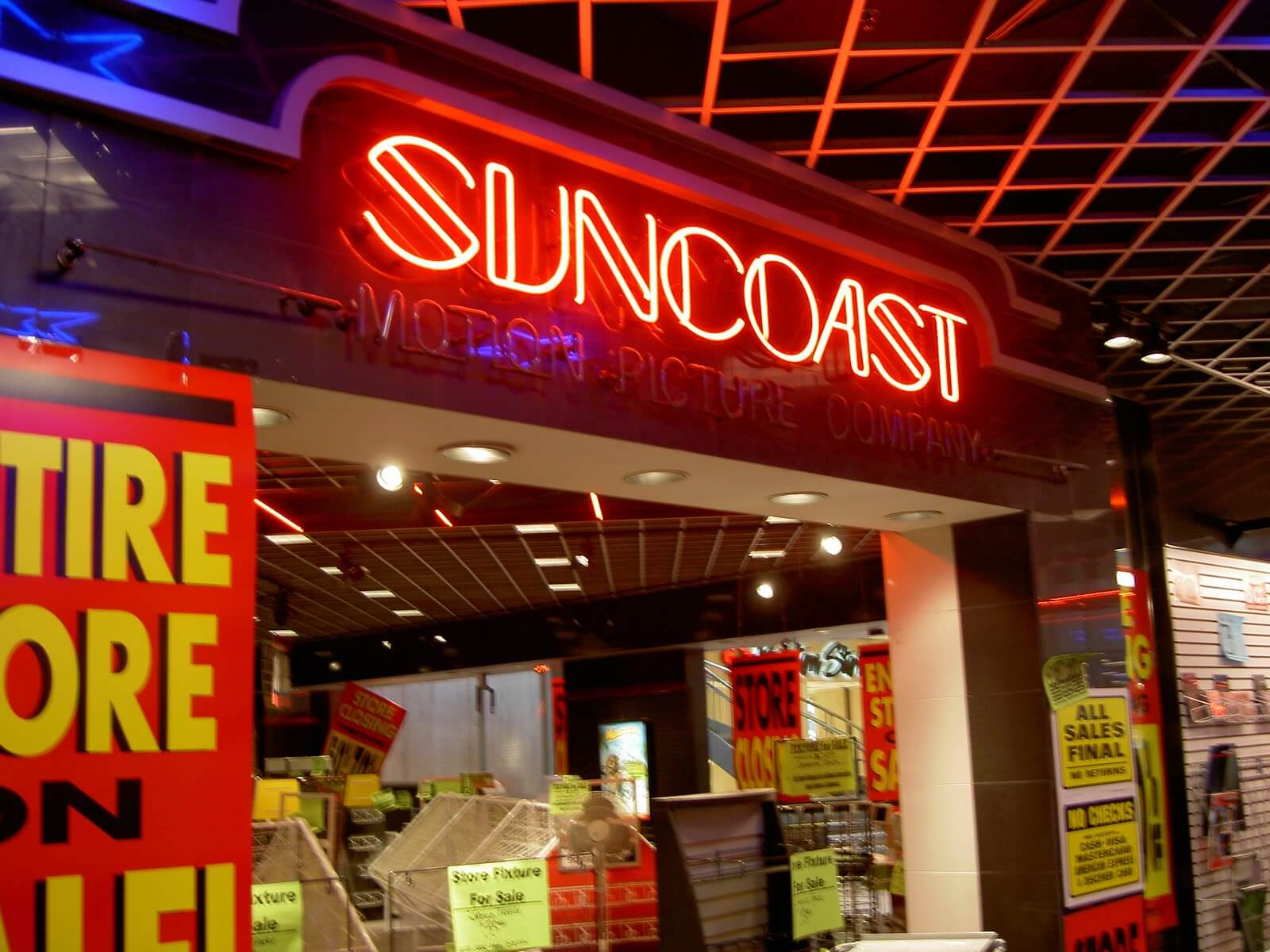
As part of Musicland operations, Suncoast specialized in movies and television merchandise, offering VHS tapes, DVDs, and celebrity posters. The store’s narrow focus on visual entertainment made it an essential stop for teenagers building their home collections.
Suncoast closures reflected the broader entertainment retail collapse that began with streaming services.
Musicland
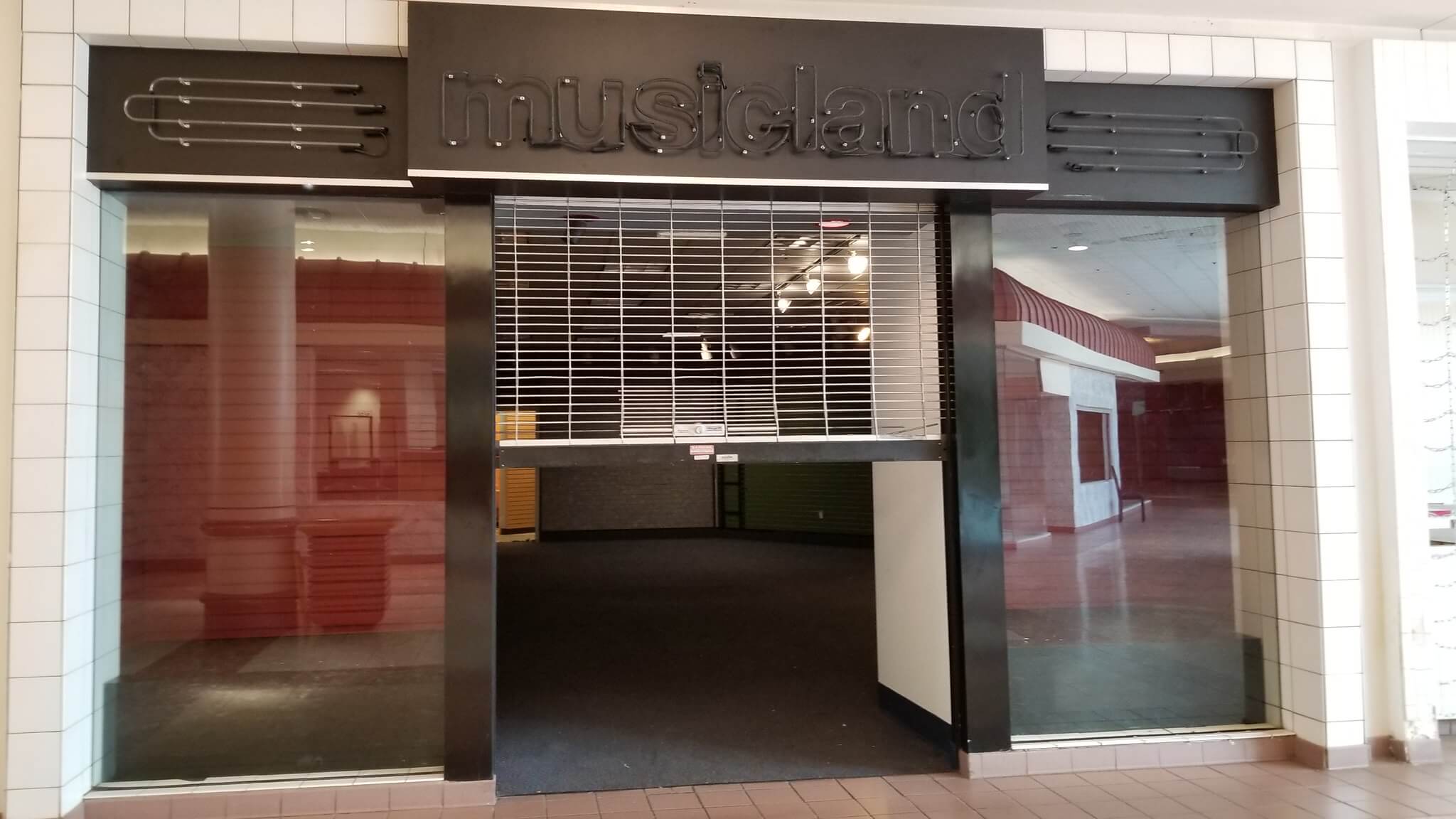
Operating through various brand names including Sam Goody and Suncoast, Musicland was one of the largest music retailers in American malls during the 1980s and 1990s. The company’s bankruptcy in 2006 marked the definitive end of an era when physical music retail was a major component of mall economics.
The stores’ disappearance coincided almost exactly with the iPod’s dominance.
Merry-Go-Round
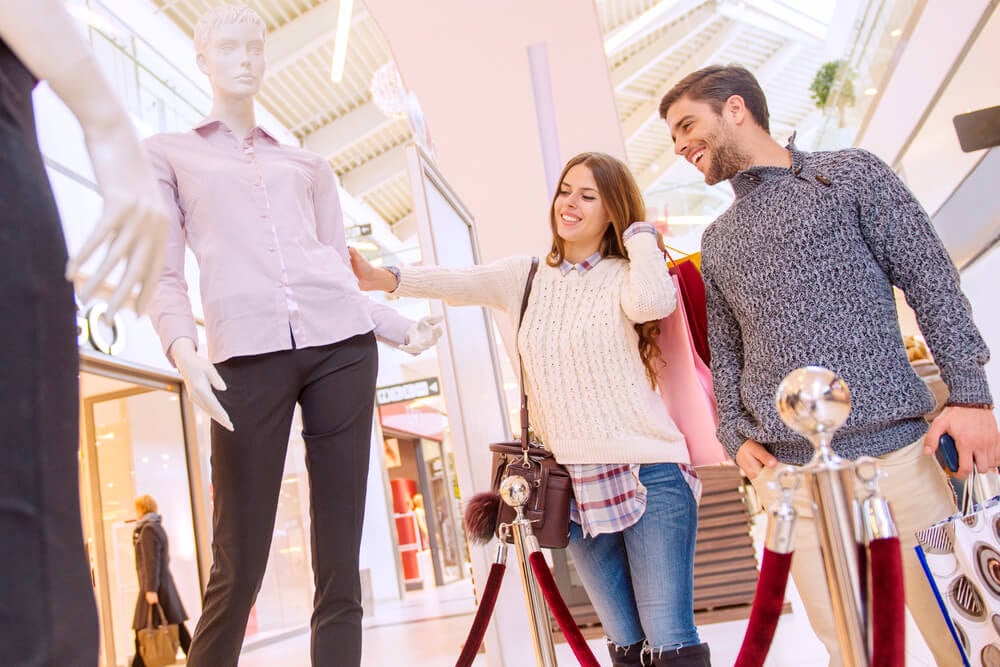
Merry-Go-Round positioned itself between specialty shops and department stores, offering trend-forward clothing at moderate prices. The company’s acquisition of Chess King brought the brands under unified corporate control briefly before bankruptcy eliminated both.
The chain existed in that liminal space between teen fashion authenticity and corporate compromise.
The Limited
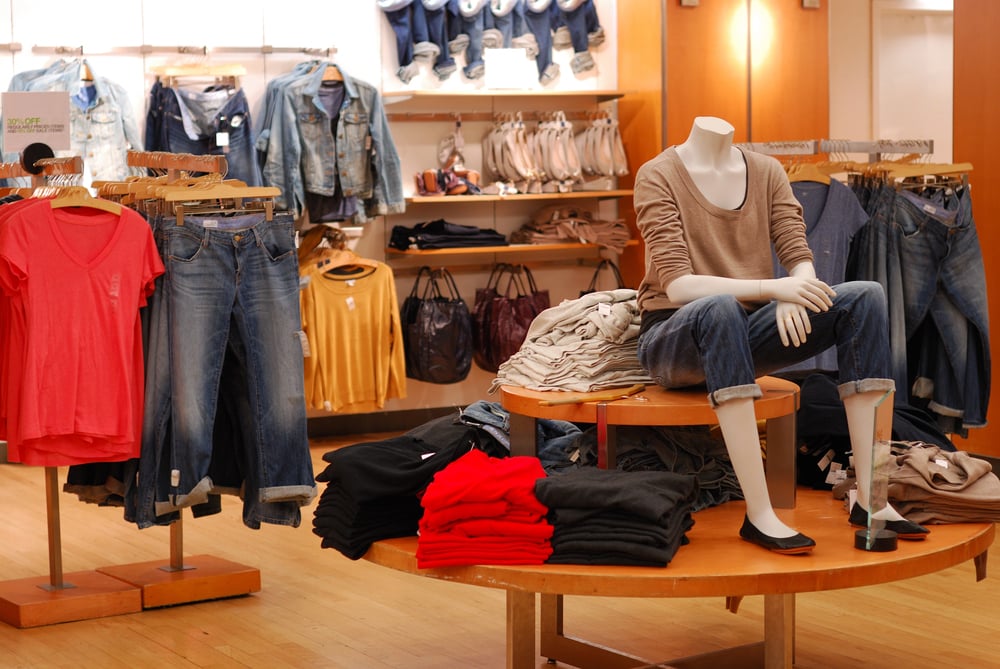
The Limited offered sophisticated casual wear aimed at young adult women, presenting itself as a step up from teen-oriented brands. Locations in virtually every mall made it a default stop for women’s clothing shopping.
The brand’s eventual focus on activewear and athleisure reflected broader fashion industry shifts away from casual dressy clothing.
Express
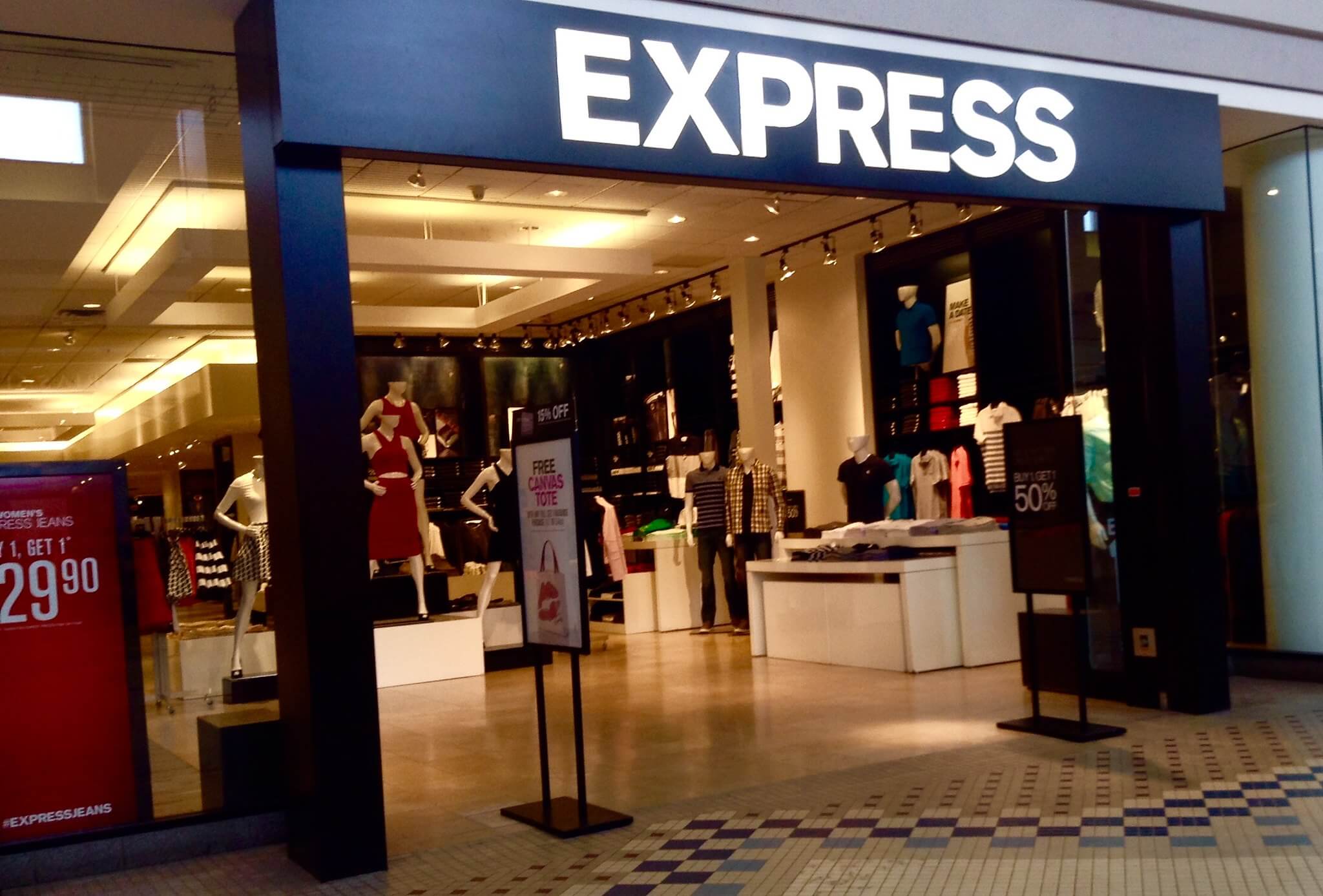
Express branded itself as contemporary casual wear for young professionals and ambitious teenagers, occupying the intersection of work and youth culture. The store’s visual presentation emphasized sophistication slightly beyond what The Gap offered.
Express’s persistence in malls outlasted most competitors, though with significantly fewer locations.
Waldenbooks
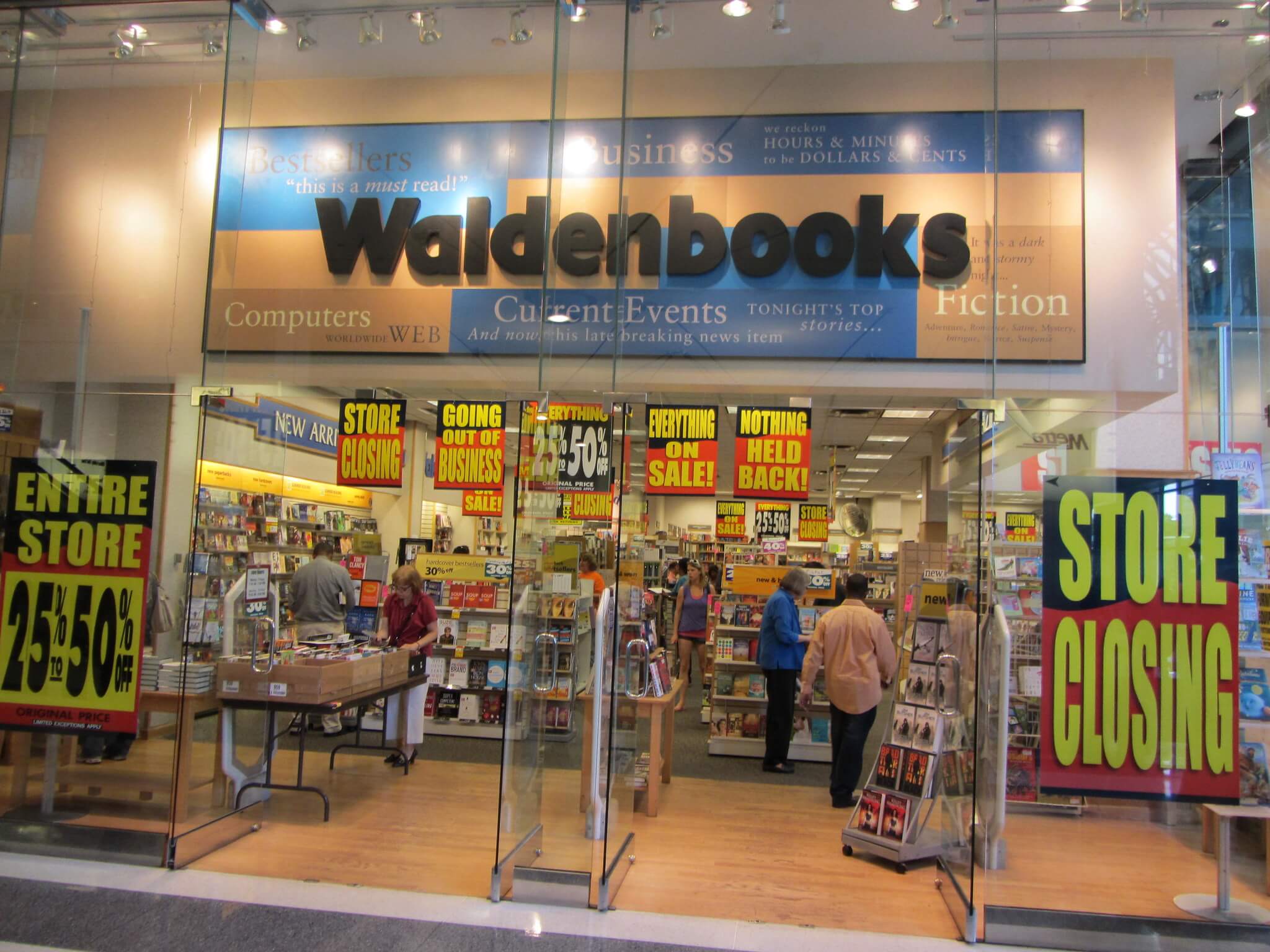
Waldenbooks occupied a unique position as the mall’s intellectual outpost, offering books, magazines, and literary merchandise. The store’s selection reflected mainstream publishing rather than underground literature, but it functioned as cultural education for teenagers without sophisticated library access.
Waldenbooks decline reflected both digital reading adoption and the consolidation of book retail around superstores like Barnes & Noble.
Software Etc.
— Photo by m4risel
Software Etc. captured a specific moment when video games transitioned from arcade experiences to home ownership. Teenage gamers treated the store as a temple of software abundance, browsing through cases of cartridges and discs.
The store’s obsolescence arrived almost overnight once digital distribution eliminated the need for physical retail game storage.
The Sharper Image
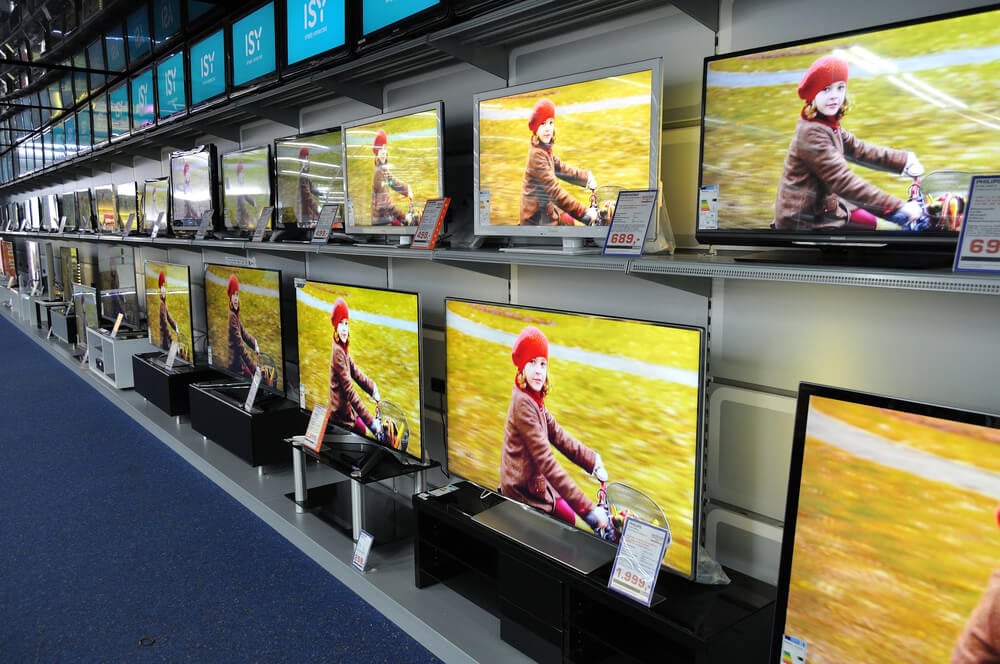
The Sharper Image represented mall luxury through high-end gadgets, electronics, and lifestyle products aimed at affluent consumers. Massage chairs, electronic gadgets, and premium tech created an aspirational shopping experience.
The store’s premium positioning meant bankruptcy arrived quickly when general economic contraction reduced luxury shopping demand.
Brookstone
Similar to The Sharper Image, Brookstone offered travel accessories, gadgets, and innovative products that weren’t quite mainstream. The store’s niche positioning in every major mall provided consistent revenue through novelty merchandise.
Brookstone’s survival in reduced form reflects changing consumer attitudes toward gadget ownership.
Food Court (The Destination)
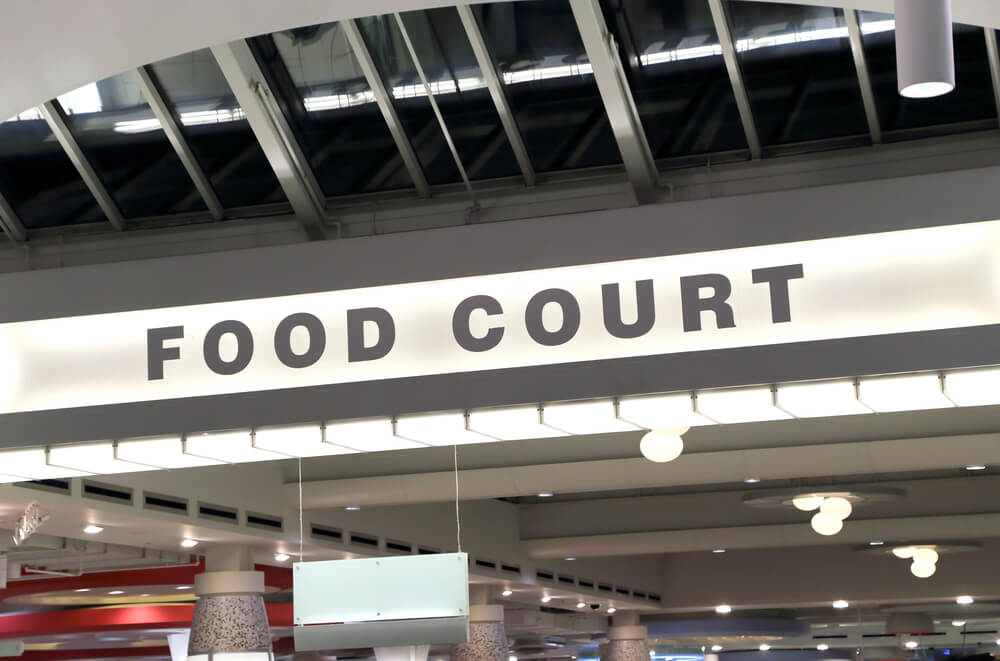
While technically not a single store, the food court functioned as the gravitational center of mall culture. Consolidated dining options with shared seating transformed malls from quick shopping destinations into all-day social gathering spaces.
The food court’s emergence as a distinct space represented an innovation that kept consumers in buildings for extended periods, increasing total spending.
The Pretzel Stand and Cinnamon Roll Kiosk
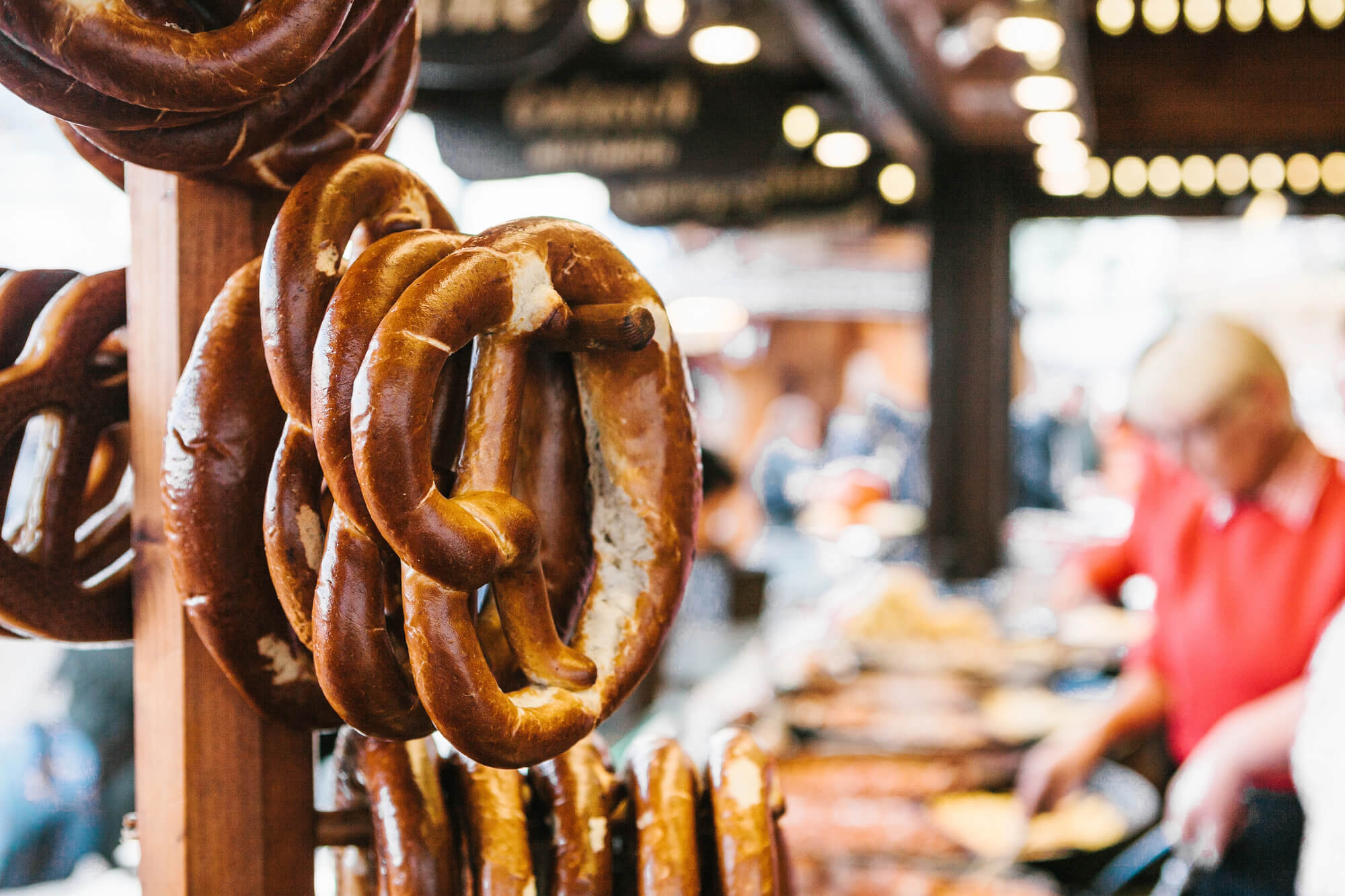
Standalone food vendors occupied prime real estate in mall corridors, creating the distinctive aromatic experience that defined mall navigation. The smell of pretzels and cinnamon rolls became inextricably associated with mall culture itself.
These simple stands proved more durable than many anchor stores, surviving through changing retail landscapes.
Why the Mall Worked as a System

The mall’s power derived not from individual stores but from their collective geography. Anchor department stores created necessity; specialty retailers created desire; food courts created endurance.
Teenagers learned to navigate these layers of commerce as social infrastructure. The mall was where you developed consumer taste, social identity, and consumer behavior simultaneously.
These stores collectively represented a brief historical moment when physical retail dominated youth culture and suburban teenagers depended upon malls for social existence. The decline of mall stores marks the disappearance of public spaces designed specifically for adolescent gathering.
Today’s teenagers navigate consumer identity through digital storefronts rather than floor plans, a fundamental shift that rendered entire generations of mall-based social experience culturally obsolete almost overnight.
More from Go2Tutors!

- The Romanov Crown Jewels and Their Tragic Fate
- 13 Historical Mysteries That Science Still Can’t Solve
- Famous Hoaxes That Fooled the World for Years
- 15 Child Stars with Tragic Adult Lives
- 16 Famous Jewelry Pieces in History
Like Go2Tutors’s content? Follow us on MSN.