Magazines We Bought Just for the Posters
Before smartphones and Pinterest boards, teenagers decorated their walls with posters pulled from magazines. The actual articles rarely mattered.
What counted was that centerfold featuring a favorite band, actor, or heartthrob that would look perfect above the bed. Magazine racks at grocery stores and bookstores became treasure hunts, with eager fans flipping through issues to check if the posters inside were worth the purchase price.
Scotch tape and thumbtacks turned bedroom walls into personal galleries that broadcast identity, obsessions, and dreams to anyone who visited. Some magazines understood this completely and built their entire business model around it.
Others accidentally stumbled into the poster game and rode that wave for all it was worth.
Tiger Beat

Tiger Beat reigned supreme as the ultimate teen magazine for poster content from the 1960s through the 1990s. Every issue is packed in multiple pull-out posters featuring the hottest young stars of the moment.
The magazine knew exactly what teenage girls wanted: giant glossy images of their favorite celebrities looking directly into the camera with perfect smiles. Reading the articles about these stars felt secondary to the main event of carefully removing those posters without tearing them.
Tiger Beat covered everyone from the Monkees and David Cassidy in the early days to New Kids on the Block and Leonardo DiCaprio in later years.
16 Magazine

The competition to Tiger Beat came from 16 Magazine, which took its name from the target age but appealed to anyone obsessed with teen idols. This magazine saturated its pages with posters, sometimes including six or more pull-outs in a single issue.
The editorial content leaned heavily toward dream date scenarios and personality quizzes, but readers really showed up for those centerfolds. 16 Magazine featured the same rotating cast of heartthrobs as Tiger Beat, creating a rivalry between the publications.
The magazine lasted from 1957 until 2008, adapting its poster subjects through each generation of teen stars.
Bop

Bop arrived in 1983 and immediately understood the assignment. Bright colors, giant headlines, and most importantly, tons of posters made this magazine a staple of teenage bedrooms.
The publication covered pop stars, actors, and anyone else who could make a teenage heart skip. Bop posters had a particular style with bold colors and dramatic poses that stood out on walls.
The magazine stayed relevant by constantly updating its roster of featured celebrities, moving from Corey Haim and River Phoenix to the Backstreet Boys and Britney Spears as decades changed.
Teen Beat
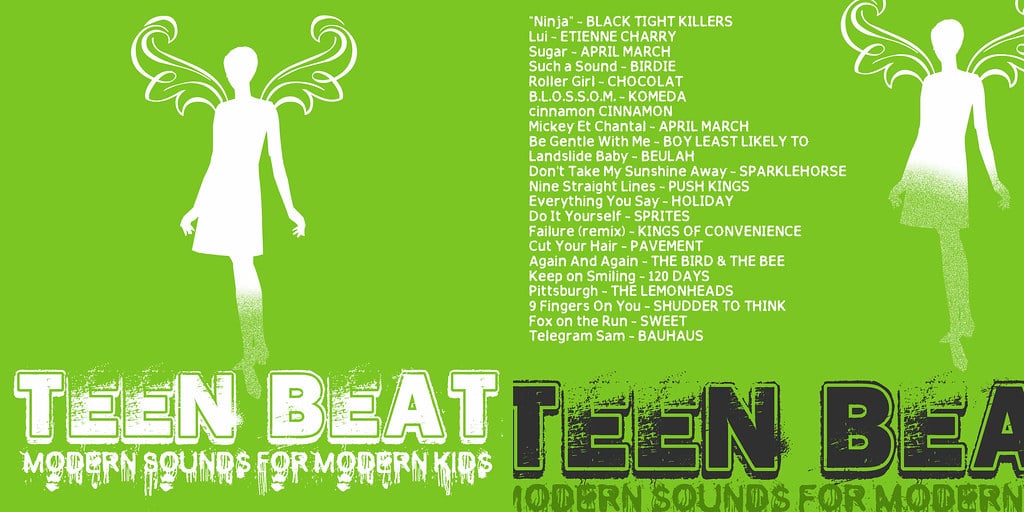
Teen Beat joined the poster magazine market in 1967 and became another heavy hitter in the space. This publication understood that different readers had different tastes, so each issue typically featured a variety of stars across music, television, and film.
The posters came in different sizes, with some taking up entire pages while others were smaller door or locker decorations. Teen Beat articles often felt like extended photo captions, giving readers just enough information about their favorite stars while keeping the focus on visual content.
The magazine adapted through multiple decades by constantly refreshing its celebrity coverage.
Smash Hits

British teens had Smash Hits, which started in 1978 as a music magazine with song lyrics but evolved into a poster powerhouse. The magazine featured primarily British and European pop stars, though it covered American artists who crossed over internationally.
Smash Hits posters had a distinct style that reflected the UK music scene’s aesthetic, with more artistic photography and creative layouts than American counterparts. The publication became so influential that appearing in Smash Hits could launch a music career in Europe.
By the 1990s, the magazine fully embraced its role as a poster provider, sometimes including eight or more pull-outs per issue.
Big Bopper

Big Bopper came from the UK and catered to slightly younger teens and preteens during the 1970s and 1980s. The magazine featured a mix of pop stars, TV personalities, and even cartoon characters on its posters.
Big Bopper used bright colors and playful designs that appealed to its demographic. The publication included other elements like comic strips and stories, but the posters remained the main draw.
Kids treated Big Bopper as their entry point into teen magazine culture before graduating to more sophisticated publications.
Metal Edge

Metal Edge served the headbanger demographic starting in 1985, providing posters of rock and metal bands that other teen magazines ignored. The posters featured groups like Mötley Crüe, Guns N’ Roses, and Metallica in all their leather and spandex glory.
Metal Edge understood its audience wanted different content than pop music fans, so the photography emphasized attitude, rebellion, and rock and roll lifestyle. The magazine also included interviews and tour information, but those giant posters of favorite bands dominated the appeal.
Metal Edge stayed in publication until 2009, outlasting many of its pop-focused competitors.
J-14

J-14 launched in 1999 and carried the teen poster magazine tradition into the new millennium. The name came from combining the target ages of its readers, roughly 10 to 14 years old.
J-14 featured boy bands, pop stars, and young actors from popular TV shows and movies. The magazine adapted its poster content for the internet age by including website URLs and social media information alongside traditional biographical details.
J-14 posters covered everyone from *NSYNC and Aaron Carter to the Jonas Brothers and One Direction as new generations of teen idols emerged.
Popstar!

Popstar! magazine joined the crowded field in the early 2000s and competed directly with J-14 and similar publications. The magazine packed each issue with posters, quizzes, and celebrity gossip aimed at preteen and young teen readers.
Popstar! covered the Disney Channel stars, pop singers, and young Hollywood actors who dominated that era’s teen culture. The posters used bright colors and included pull-out features like door hangers and locker decorations beyond traditional wall posters.
The magazine folded in 2011 as digital media changed how young people consumed celebrity content.
Seventeen

Seventeen operated differently than poster-focused magazines, positioning itself as a more mature publication for older teens. However, it regularly included posters as special features, particularly in the 1970s and 1980s.
These posters tended to be more sophisticated than Tiger Beat offerings, with artistic photography and less obviously teenage aesthetic. Seventeen posters might feature actors from serious films or musicians with critical credibility alongside more mainstream teen idols.
The magazine balanced actual editorial content about fashion, relationships, and life issues with enough poster content to justify a purchase.
Creem

Creem billed itself as ‘America’s Only Rock ‘n’ Roll Magazine’ and took music seriously, but it also included posters that appealed to rock fans. Starting in 1969, Creem covered everyone from Detroit rock bands to punk and new wave artists.
The posters reflected the magazine’s edgier sensibility, featuring artists like Iggy Pop, Blondie, and The Ramones rather than safe teen idols. Creem posters became collector’s items among music fans who wanted something more authentic than mainstream teen magazine offerings.
The publication’s influence extended beyond its poster content, but those pull-outs helped fund the magazine’s serious music journalism.
TeenSet

TeenSet operated during the late 1960s and early 1970s, covering the transition from early rock and roll to the counterculture era. The magazine included posters of bands like The Beatles, The Rolling Stones, and other British Invasion acts.
TeenSet tried to balance teen appeal with the changing music scene, sometimes featuring more mature or controversial artists than competing publications. The posters had a particular late 1960s aesthetic with psychedelic colors and artistic photography.
TeenSet folded by the mid-1970s but represented an important bridge between earlier teen magazines and the more diverse publications that followed.
Flip

Flip magazine launched in 1964 and continued until 1975, covering the peak years of Beatlemania through the early days of disco. The publication featured extensive poster content alongside articles and photo features.
Flip specialized in color posters during an era when many publications still used black and white photography for cost reasons. The magazine covered teen idols like Bobby Sherman and David Cassidy but also included more serious musical artists.
Flip readers collected issues for the posters but also appreciated the magazine’s actual reporting on the music and entertainment industry.
Pop
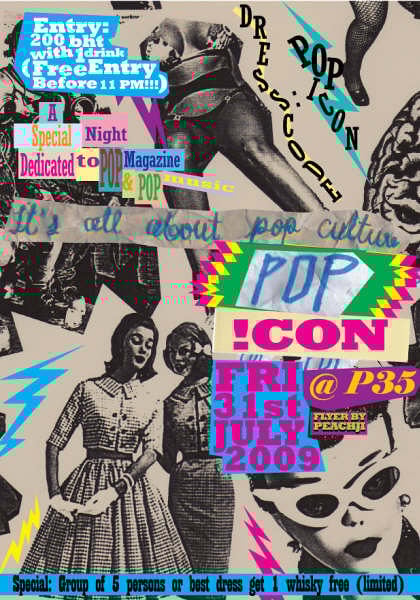
That magazine called Pop – different from others sharing its name – aimed at teenagers across Britain during the seventies, packing pages full of posters. While mostly spotlighting homegrown talent, it still made room for US bands catching fire over there.
Posters came ready to tear out, cut just right for fitting above beds or inside school cabinets. Up against rivals such as Smash Hits, it stood apart through fresh faces and a unique visual rhythm.
As the scene tightened up, with fewer outlets surviving, Pop joined forces with fellow titles before fading into that shift.
Word Up
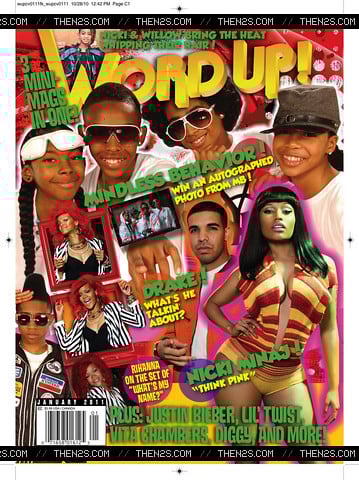
Back in eighty-six, a new voice popped up – Word Up! It spoke straight to fans of hip hop and R&B when few others did.
Instead of just songs, it gave teens something they could hang on walls: bold images tied to beats they loved. Names like Run-DMC lit the pages early on, then later Tupac, Aaliyah, and LL Cool J stepped into the spotlight.
These weren’t only photos – they carried swagger, style, how you wore your cap, how you stood. Teen rooms turned into galleries thanks to those centerfolds.
It didn’t pretend to be neutral – it mirrored who readers were. Through boom years, shifts in sound, even silence between issues, one thing stayed – the poster at the core.
By two thousand twelve, the run ended, but not before leaving marks across generations.
Walls that told stories
Back then, magazines gave kids a way to show who they were long before online profiles showed up. Walls filled with cut-out images turned rooms into private galleries of passion and dreams.
Each poster went up with care – peeling it off slowly, choosing just the right spot, swapping it later when feelings changed. Time passed through these paper relics, quietly tracking growth.
Grown-ups scoffed at stars taped everywhere, missing how much those faces meant to someone finding their place. Stuck to bedroom walls with tape or thumbtacks, those magazine prints held weight beyond ink on paper.
Who knew longing could be sold by the page? Glowing devices flash faces faster now – endless, quick – but nothing sticks like a creased poster weathering time.
Teenage dreams once clung to glossy pages torn free at checkout lines. Months passed.
The edges curled. Still it hung there, quiet, watching back.
More from Go2Tutors!

- The Romanov Crown Jewels and Their Tragic Fate
- 13 Historical Mysteries That Science Still Can’t Solve
- Famous Hoaxes That Fooled the World for Years
- 15 Child Stars with Tragic Adult Lives
- 16 Famous Jewelry Pieces in History
Like Go2Tutors’s content? Follow us on MSN.