28 Ancient Sites Found Entirely by Accident
Archaeology’s greatest discoveries often emerge through serendipity rather than systematic excavation, when construction workers, farmers, shepherds, and treasure hunters stumble upon buried civilizations while pursuing unrelated activities. These accidental discoveries transform routine work into historical revelation, unearthing artifacts that revolutionize archaeological understanding of ancient societies.
The accessibility of ancient remains through chance discovery demonstrates how archaeological truth often lies near the surface, waiting for circumstances to align with someone’s presence at precisely the right moment. These accidental finds challenge archaeological narratives predicated on systematic research, revealing how much history remains hidden beneath everyday landscapes.
Pompeii’s Initial Discovery (1748)
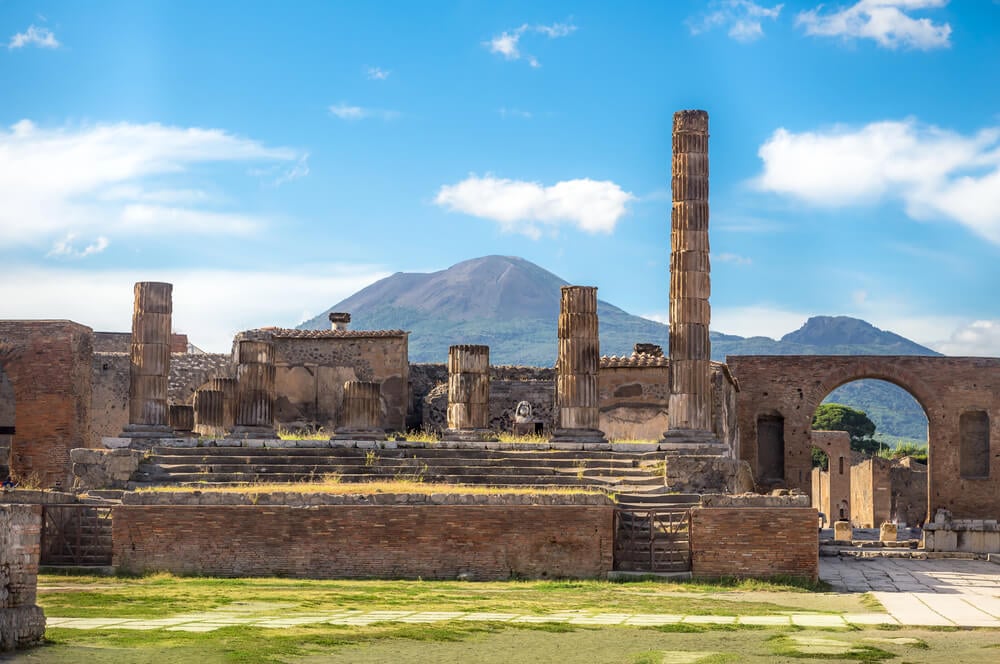
Construction workers excavating a well and aqueduct in the volcanic ash near Mount Vesuvius in the mid-18th century discovered preserved Roman buildings and artifacts that initiated systematic Pompeii excavation. The discovery transformed chance construction work into one of archaeology’s most significant ongoing projects, revealing Roman daily life frozen in the 79 CE eruption.
While systematic excavation followed, the initial recognition of Pompeii’s preservation emerged entirely through accidental construction discovery rather than archaeological prospecting.
Lascaux Cave Paintings (1940)
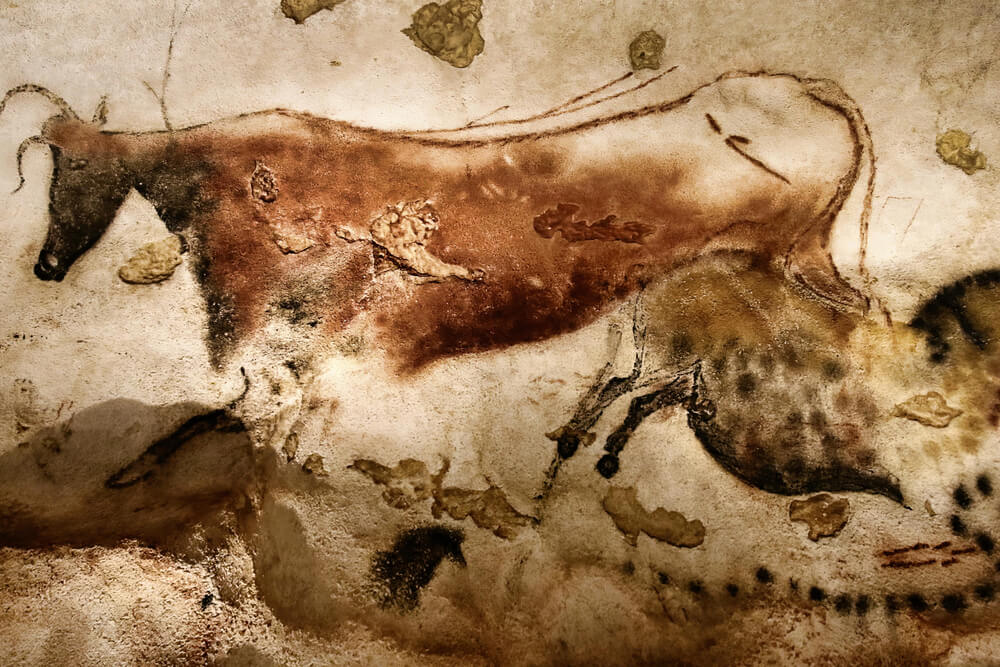
Four French teenagers—Marcel Ravidat, Jaques Marsal, and others—followed a dog into a cave opening on September 12, 1940 near Montignac in southern France, discovering 17,000-year-old Paleolithic paintings on the cave walls. The paintings’ artistic sophistication and naturalistic animal depictions revolutionized understanding of prehistoric artistic capability.
The teenagers’ accidental cave exploration revealed Paleolithic art that fundamentally altered archaeological understanding of human cognitive and artistic development.
The Dead Sea Scrolls (1946)
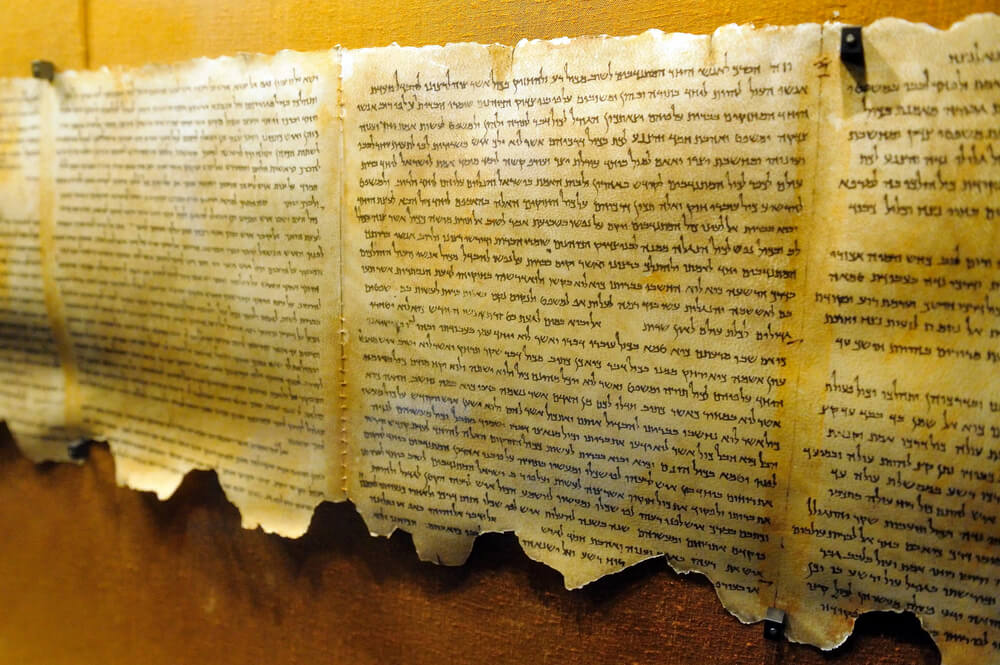
A Bedouin shepherd searching for a lost goat in the Dead Sea region discovered a cave containing ancient jars filled with papyrus scrolls near the archaeological site of Khirbet Qumran. The shepherd, unaware of the scrolls’ historical significance, initially sold them for minimal payment to a Bethlehem antiquities dealer before archaeologists recognized their profound biblical and historical importance.
The scrolls’ accidental discovery by a shepherd searching for livestock transformed biblical studies and ancient Judaism understanding.
The Rosetta Stone (1799)
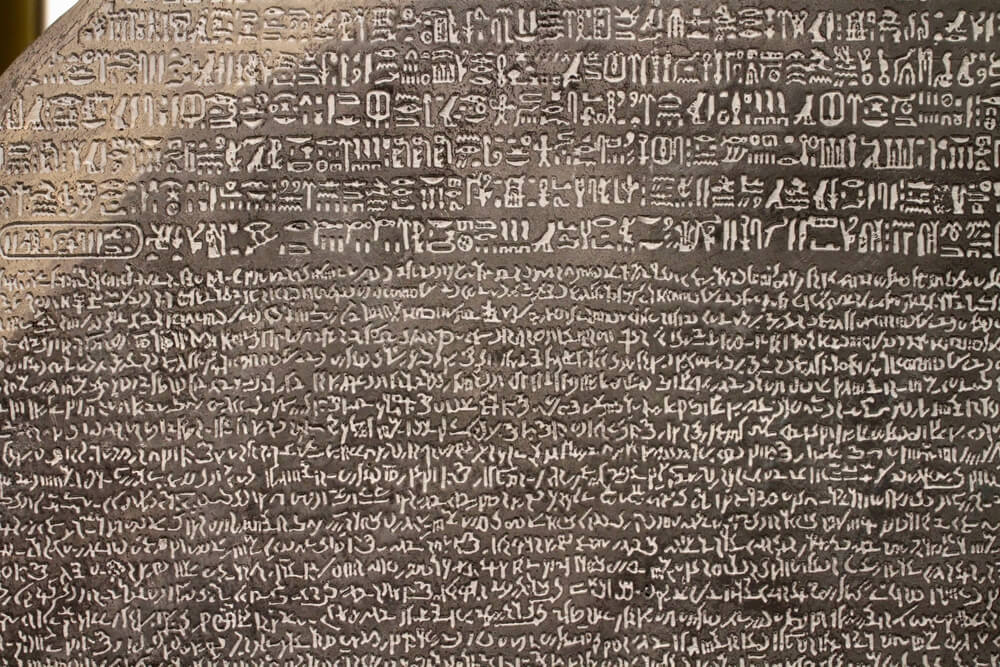
French soldiers excavating a fort foundation in 1799 Rosetta, Egypt discovered a stone slab inscribed with the same text in Greek, Egyptian hieroglyphics, and Egyptian demotic, providing the key to deciphering hieroglyphics. The stone’s serendipitous discovery during military construction work initiated the decipherment process that unlocked Egyptian written language and historical documentation.
Without the Rosetta Stone’s accidental discovery, Egyptian hieroglyphics might have remained indecipherable for decades longer.
The Terracotta Army (1974)
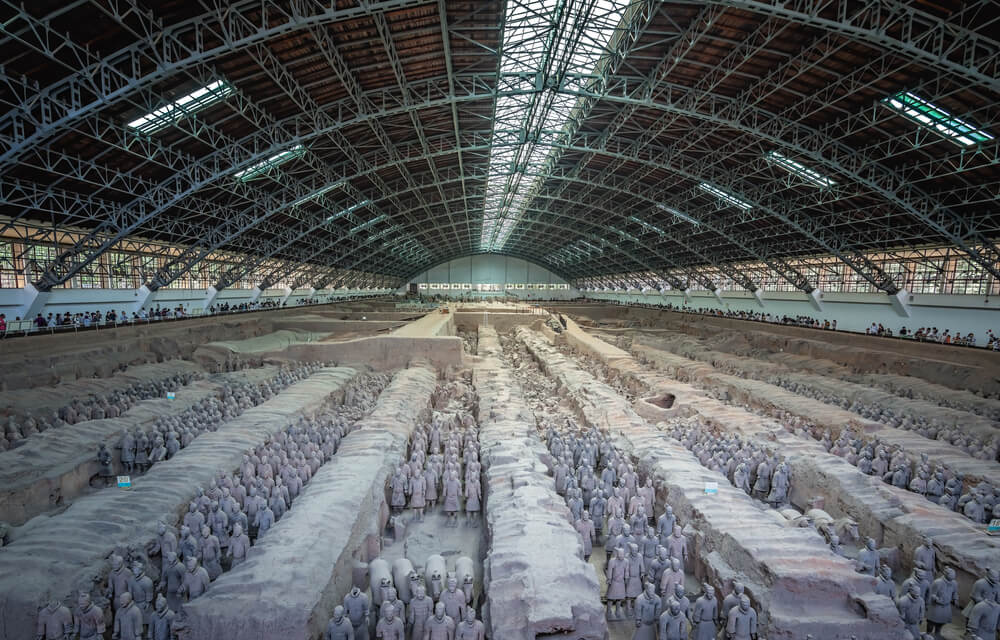
Chinese farmers digging a well near Xi’an discovered fragments of terracotta warrior statues in 1974, leading to the systematic excavation of thousands of life-sized ceramic soldiers guarding China’s first emperor’s tomb. The warriors’ individual facial expressions and variable armor configurations revealed sophisticated sculptural achievement and burial practice complexity.
The accidental discovery through agricultural work transformed understanding of ancient Chinese craftsmanship and imperial funerary practice.
The Cave of the Thousand Buddhas (1900)
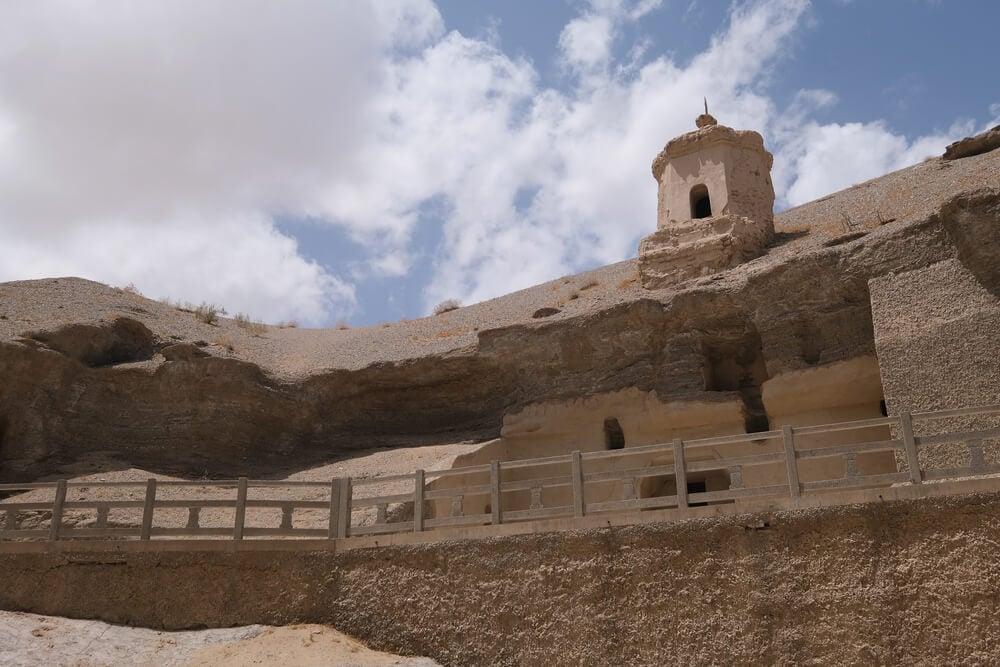
A Chinese monk discovered a sealed chamber at the Mogao Caves near Dunhuang containing thousands of Buddhist manuscripts and scrolls dating from the 4th-11th centuries CE. The sealed chamber had been forgotten for centuries until the monk’s accidental discovery during routine temple activities revealed the repository.
The manuscripts’ accidental preservation in the sealed cave revolutionized understanding of Buddhism’s intellectual history and Silk Road cultural exchange.
The Newgrange Passage Tomb (Irish Neolithic)

Construction workers excavating near the Newgrange site in Ireland accidentally rediscovered the prehistoric passage tomb structure containing spiral carvings and precisely aligned solstice corridors. The structure’s accidental rediscovery and systematic study revealed Neolithic Ireland’s astronomical and architectural sophistication predating similar European developments by centuries.
The tomb’s accidental recognition during construction work transformed understanding of prehistoric Irish civilization.
The Nimrud Treasure (1989)
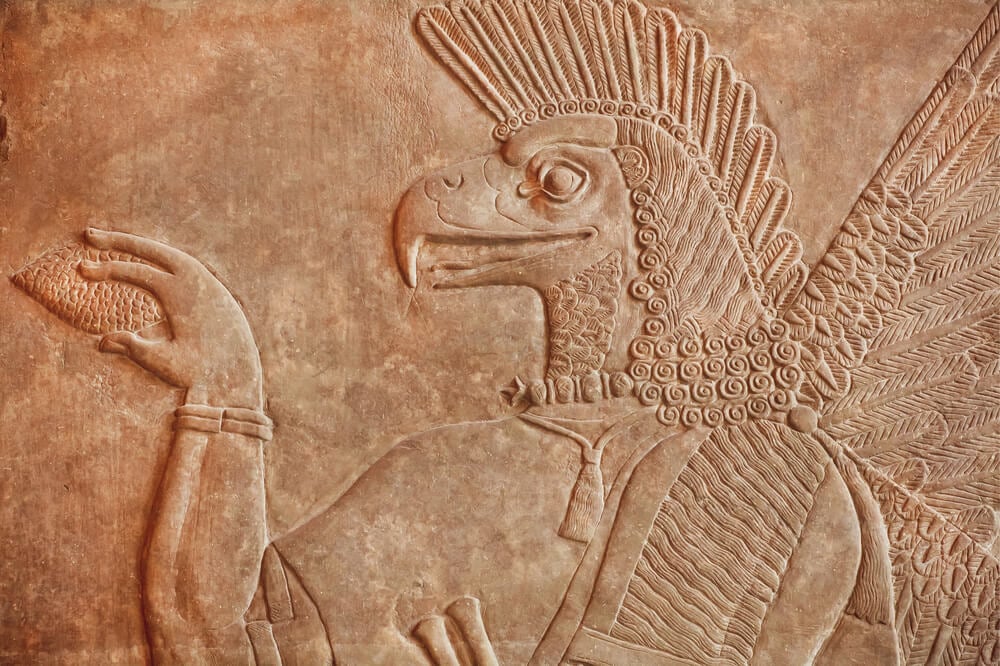
The Nimrud Treasure—a collection of Assyrian royal jewelry and decorative objects—was discovered accidentally by archaeologists during routine excavation work in 1989 Iraq, buried as ancient Assyrian rulers fled invading armies. The treasure’s chance discovery near the ancient city of Nimrud revealed Assyrian court craftsmanship and wealth.
The accidental discovery occurred amid ongoing excavations, demonstrating how even systematic work sometimes yields unexpected treasures.
The Antikythera Mechanism (1900)
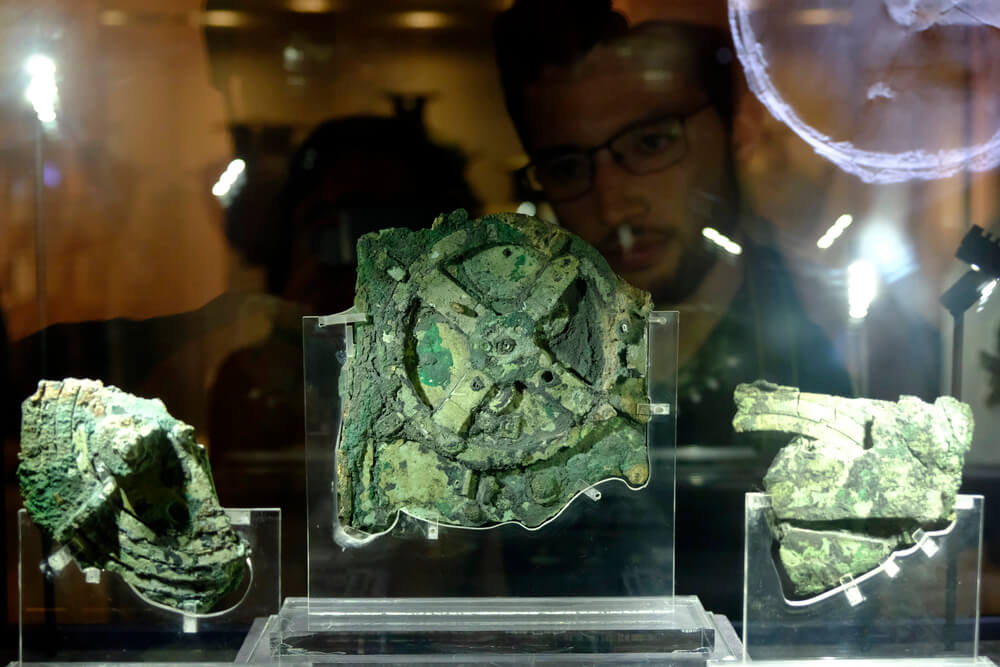
Greek sponge divers in 1900 accidentally discovered an ancient Greek shipwreck near Antikythera containing a sophisticated mechanical device containing complex gears and astronomical functions. The Antikythera Mechanism’s accidental discovery revealed ancient Greek mechanical sophistication previously unknown to archaeology.
The mechanism’s purpose and function remained mysterious for a century until modern analysis revealed its role as an ancient astronomical calculator.
The Nag Hammadi Library (1945)
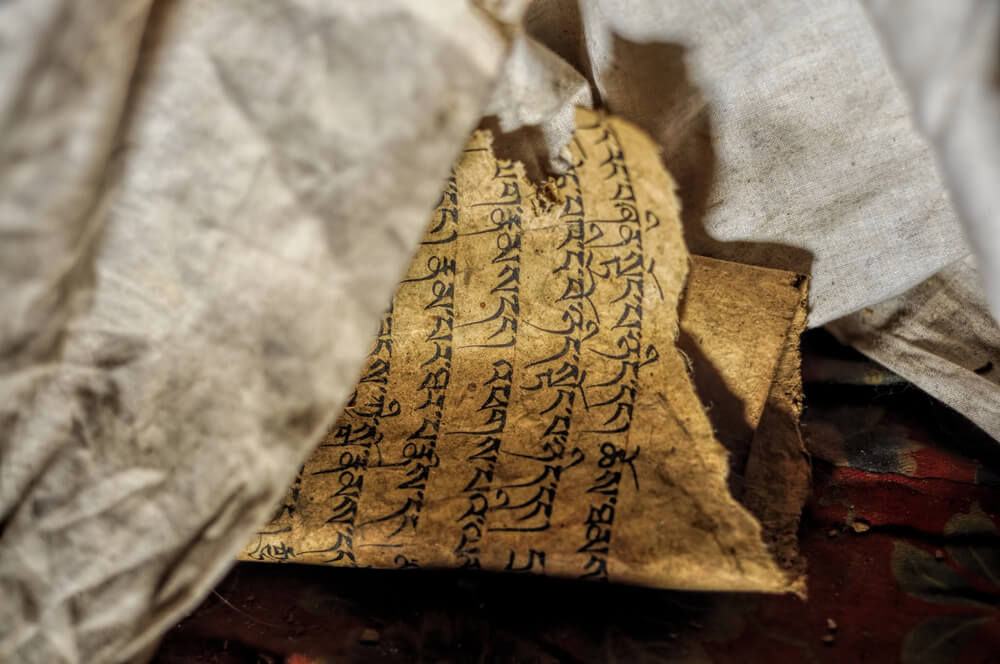
Egyptian peasants digging for sabakh (ancient soil-based fertilizer) accidentally discovered sealed jars containing ancient manuscripts including early Christian gnostic texts near Nag Hammadi. The texts’ accidental discovery through agricultural soil-mining revealed diverse early Christian theological perspectives subsequently marginalized by mainstream Christianity.
The texts’ accidental preservation transformed understanding of early Christian doctrinal diversity.
The Dead Sea Scrolls Caves (Multiple Discoveries, 1946-1956)
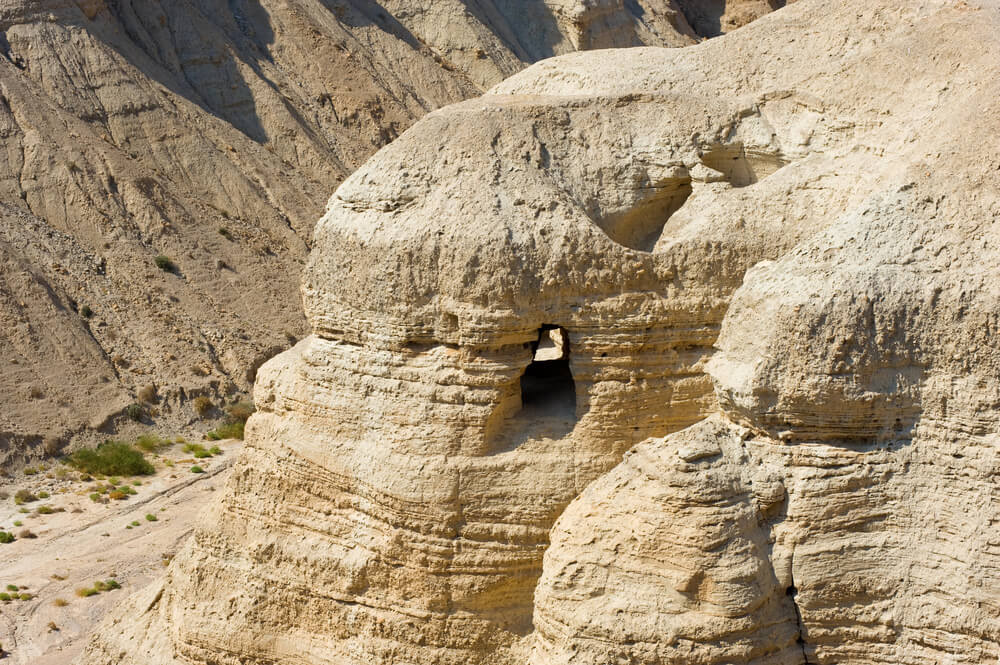
Following the initial 1946 scroll discovery, systematic surveying revealed multiple caves near Qumran containing additional scroll fragments and complete manuscripts. While systematic excavation occurred after initial accidental discovery, the caves’ subsequent identification depended on the shepherd’s initial accidental find directing attention to the region.
The cascade of discoveries from a single accidental finding expanded Dead Sea Scrolls scholarship exponentially.
Angkor Wat’s Rediscovery (19th Century)

French explorers rediscovered the massive Khmer temple complex Angkor Wat in Cambodia during the 1800s, finding the structure largely overgrown and abandoned after centuries of obscurity. The temple’s accidental rediscovery through European exploration and reconnaissance revealed Khmer civilization’s architectural and engineering sophistication.
The rediscovery was accidental from Khmer perspective but intentional from European exploration perspective.
The Orkney Neolithic Settlement (1999)
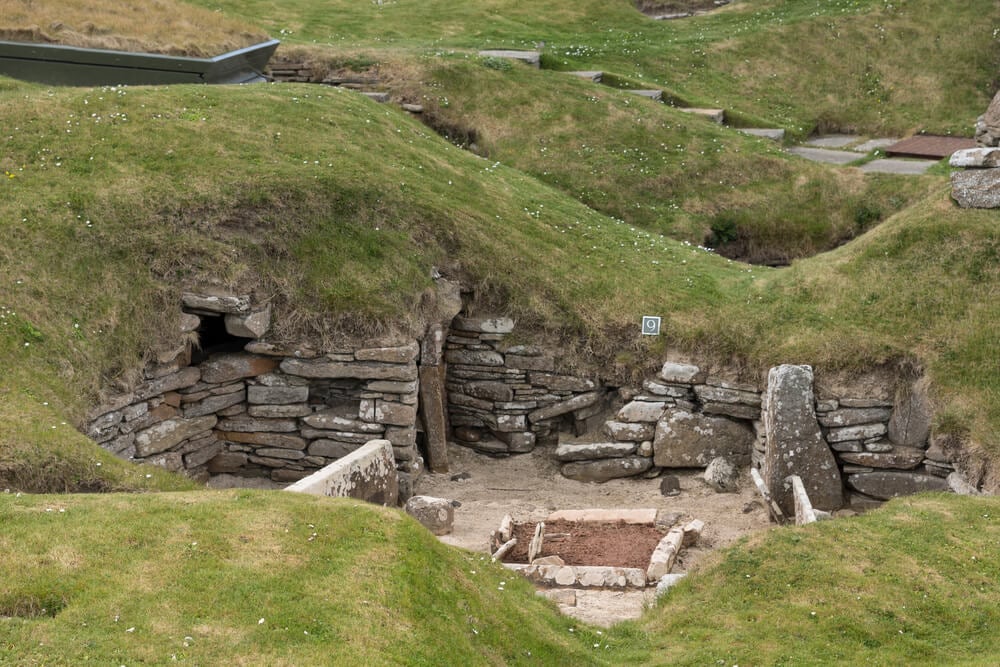
A severe winter storm in 1999 eroded sand dunes covering the remains of Neolithic Orkney structures, revealing preserved stone houses and artifacts to researchers surveying storm damage. The accidental erosion-induced discovery revealed some of Scotland’s oldest domestic structures with unprecedented preservation.
The accident of erosion uncovered archaeology that decades of excavation might never have identified.
The Viking Ship at Gjellestad (2018)
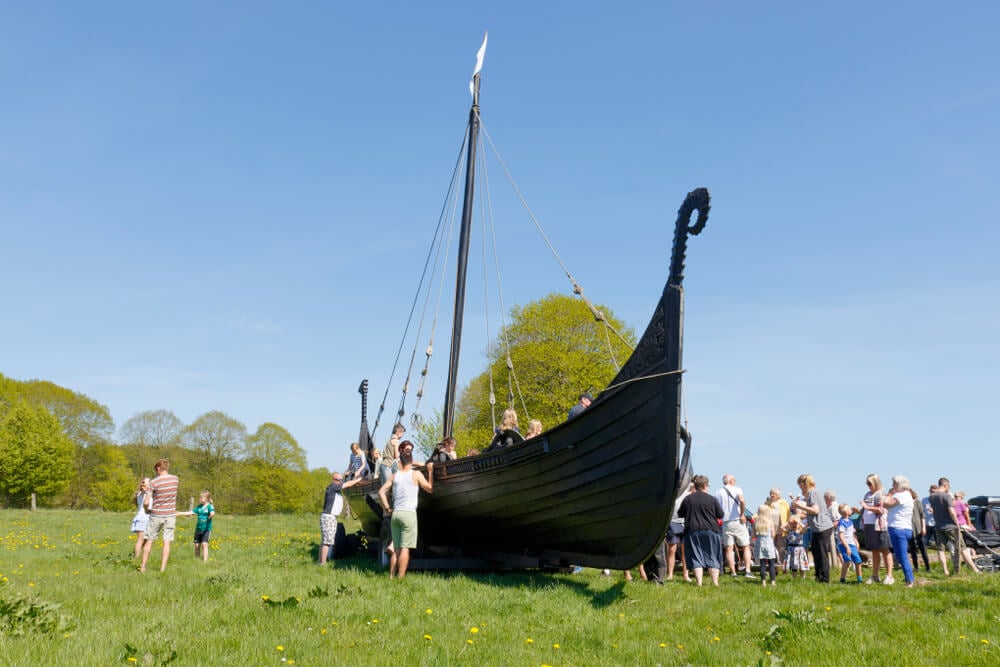
Aerial thermal imaging conducted for research purposes accidentally revealed a Viking ship burial beneath Norwegian soil, unveiling preserved remains without excavation. The technological accident of thermal imaging revealing subsurface structures demonstrated how modern accidents can reveal ancient remains.
The discovery revealed a Viking ship with grave goods previously unknown to archaeology.
The Catal Hoyuk Accidental Exposures
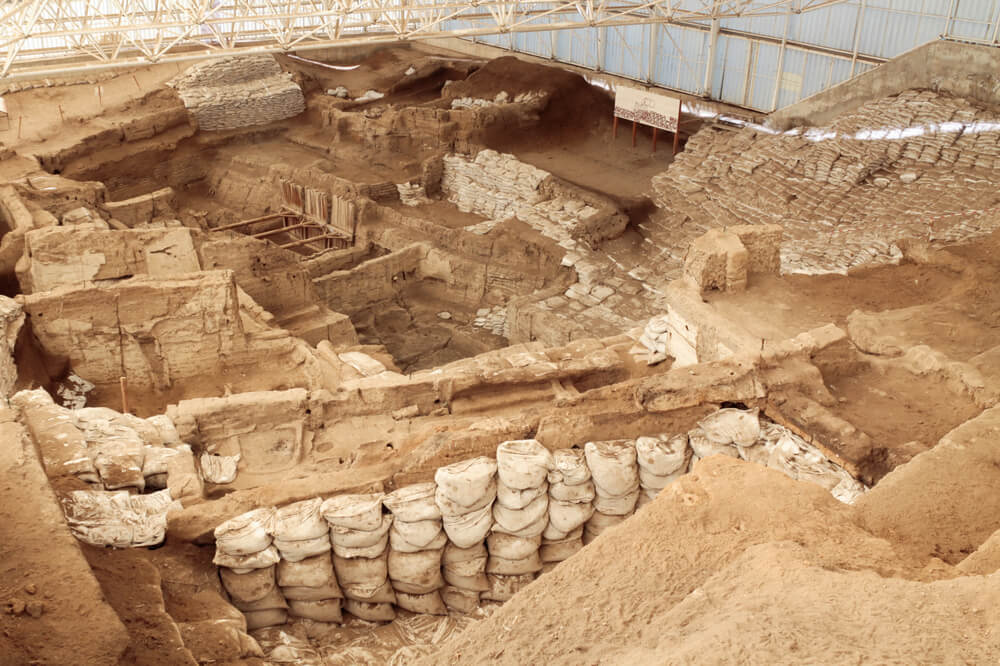
At Turkey’s Catal Hoyuk settlement, researchers’ archaeological excavations repeatedly exposed Neolithic structures through careful systematic work, yet accidental erosion and seasonal weathering frequently exposed additional features. The site’s continuous habitation and reoccupation created deep stratigraphic layers whose accidental exposure through erosion sometimes preceded formal excavation.
Accident and systematic work intertwined at the site throughout its excavation history.
The Aksum Obelisk’s Foundation Discovery
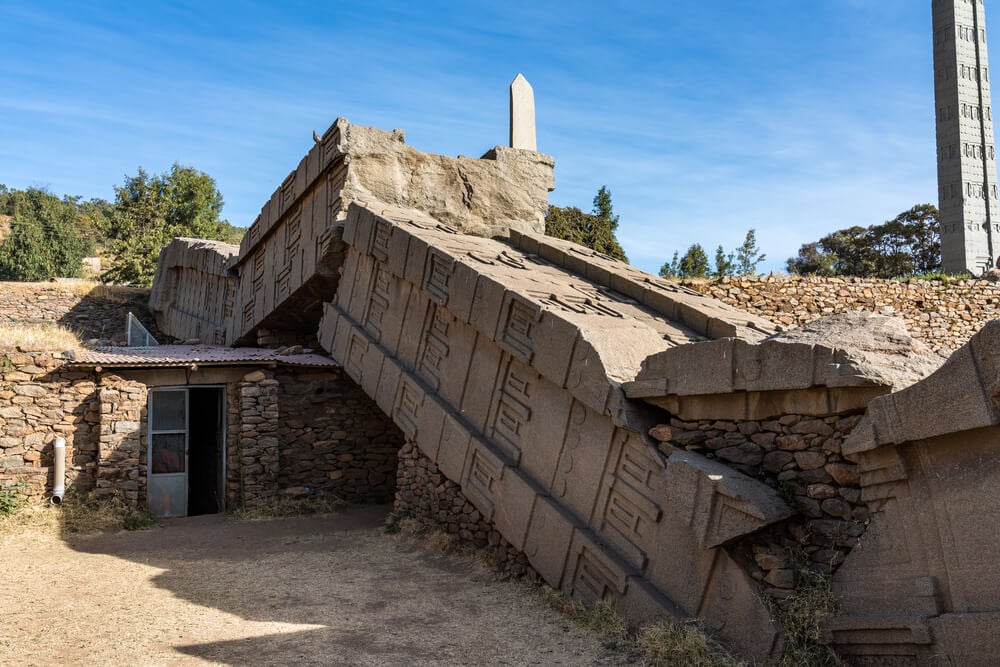
During the 2000s repatriation of Aksum’s obelisk from Italy to Ethiopia, excavations revealing the obelisk’s foundation accidentally discovered additional royal Aksumite monuments and artifacts. The accidental foundation discovery expanded understanding of Aksumite royal burials and monumental architecture.
Artifact recovery work intended for one purpose accidentally revealed additional historical remains.
The Underground Chambers of Petra (Ongoing Discoveries)
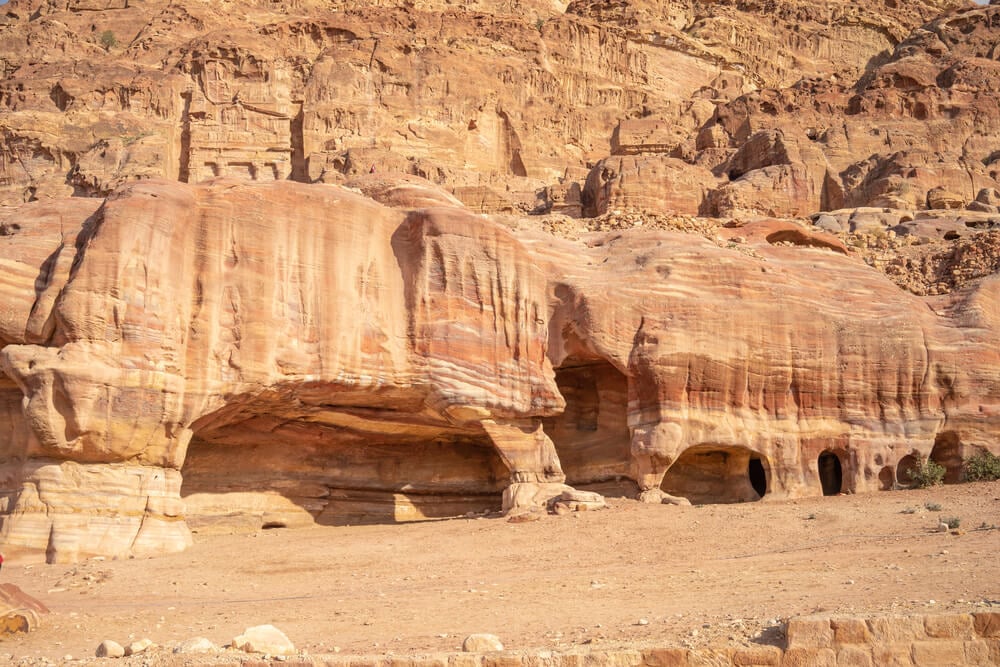
As excavation and restoration work continues at Petra, workers occasionally discover previously unknown carved chambers and passages hidden within the rock-cut city. The accidental discoveries demonstrate how Petra’s full extent remains incompletely explored despite centuries of European familiarity.
Construction and restoration work continuously generates accidental archaeological discoveries at the site.
The Hohle Fels Flute (2008)

German archaeologists excavating the Hohle Fels cave in 2008 discovered a 40,000-year-old bone flute, the world’s oldest known musical instrument, preserved in precarious circumstances requiring immediate stabilization. The flute’s fragile preservation meant only excavation’s careful technique and timing allowed its discovery and recovery.
The accidental discovery of music during archaeological excavation revealed prehistoric artistic expression previously unknown.
The Stone Circle Beneath Stonehenge

Archaeologists using ground-penetrating radar during routine Stonehenge research accidentally discovered a massive stone circle beneath the soil, revealing that Stonehenge stands atop an earlier monumental structure. The accidental discovery through technological means revealed Stonehenge’s deeper archaeological complexity.
The subsurface monument’s detection transformed Stonehenge’s archaeological significance.
The Library of Alexandria’s Potential Remains
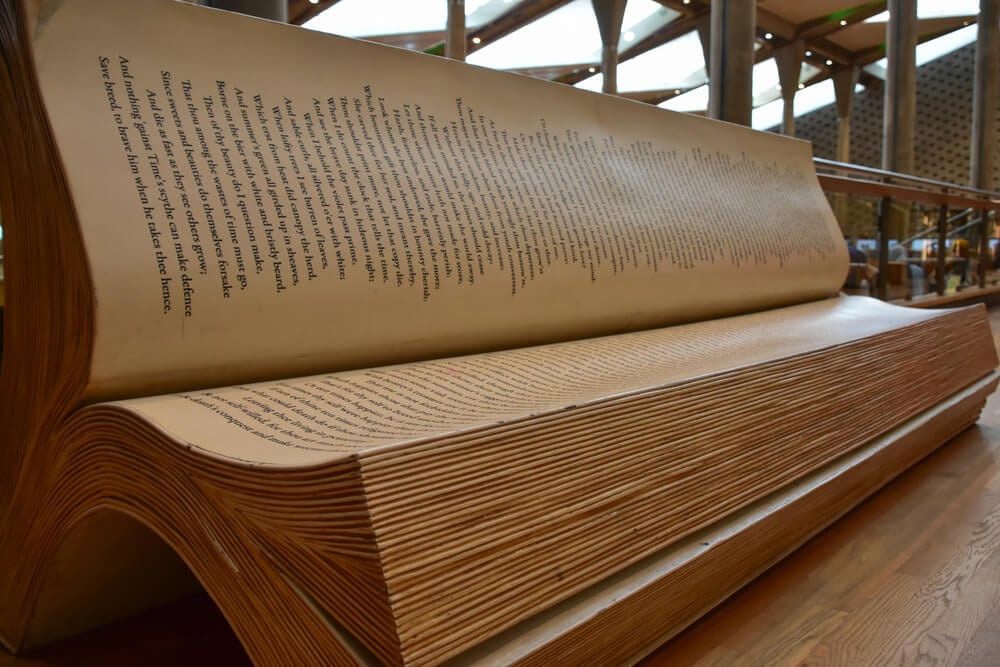
Accidental discoveries of scattered papyri fragments in Alexandria occasionally surface during construction and excavation, potentially revealing portions of the famous ancient library’s collections. The accidental recovery of papyri fragments demonstrates how library remains persist beneath the city despite systematic destruction.
Chance archaeological discoveries might eventually validate theories about Alexandria’s library preservation.
The British Museum’s Storeroom Discoveries
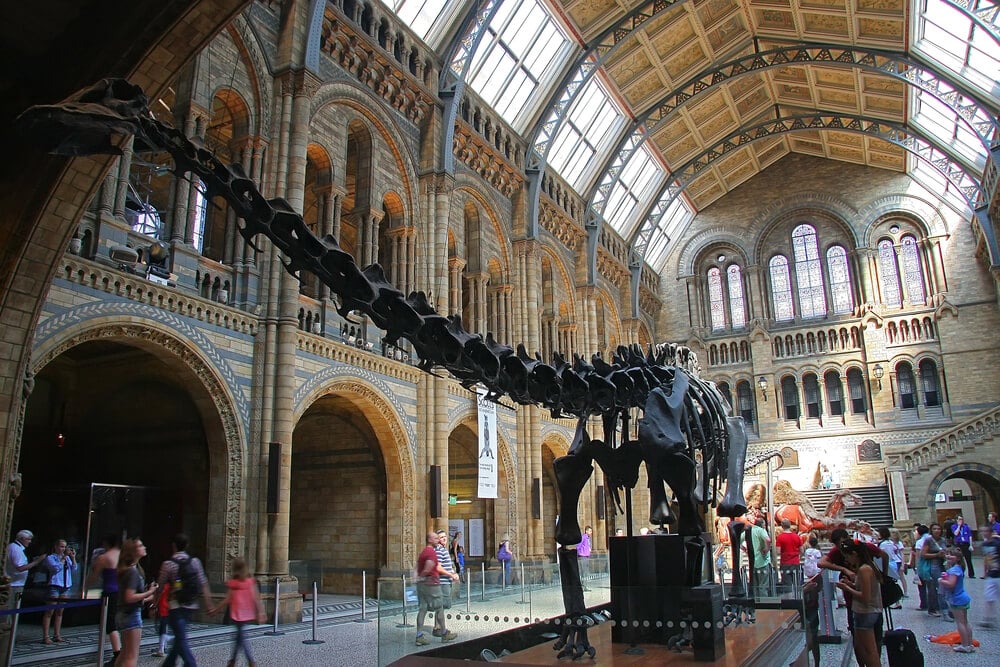
Museums occasionally discover uncatalogued or misidentified artifacts in storage areas, revealing that historical objects were acquired but never properly studied or displayed. These accidental storeroom discoveries demonstrate how archaeological material remains incompletely studied for decades.
Museum accidents of rediscovery reveal incomplete historical knowledge within established institutions.
The Sudbury Mine’s Meteorite Impact Crater
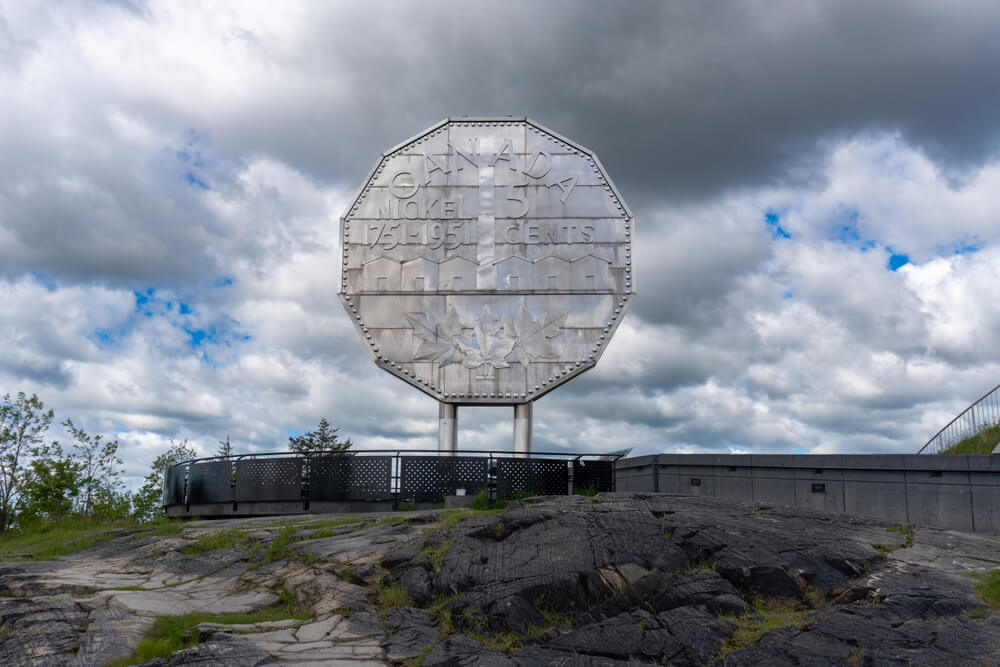
Canadian miners working the Sudbury nickel mines accidentally discovered evidence that their mining site occupied an ancient meteorite impact crater, revealing a 1.8-billion-year-old geological event preserved in mineral deposits. The accidental discovery through mining operations revealed Earth’s ancient impact history otherwise invisible in the rock record.
Industrial accident revealed planetary history preserved in mineral form.
The Cahokia Mounds’ Accidental Recognition
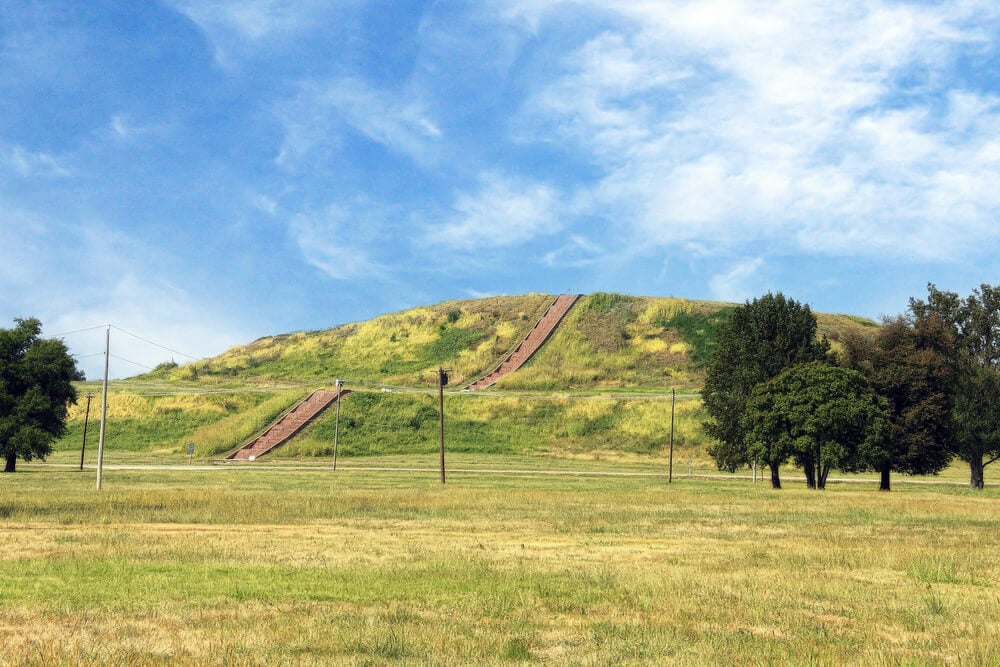
American archaeologists and historians gradually recognized the Cahokia Mounds near St. Louis as remains of a massive pre-Columbian city only after centuries of European presence and repeated accidents of recognition and forgetting. The mounds’ true significance remained occluded by European ignorance of pre-Columbian civilizations until systematic archaeological research established their importance.
The accidental discovery emerged from gradually accumulating evidence rather than dramatic single moment.
The Ozette Village’s Mudslide Preservation

A 1700 mudslide buried the Makah village of Ozette, perfectly preserving Tlingit and Makah structures and household materials in anaerobic conditions. The village’s accidental preservation through disaster created an archaeological time capsule that 1960s-1970s excavation revealed with extraordinary preservation.
Natural disasters accidental preservation created archaeological opportunities.
The Skara Brae Accidental Exposure
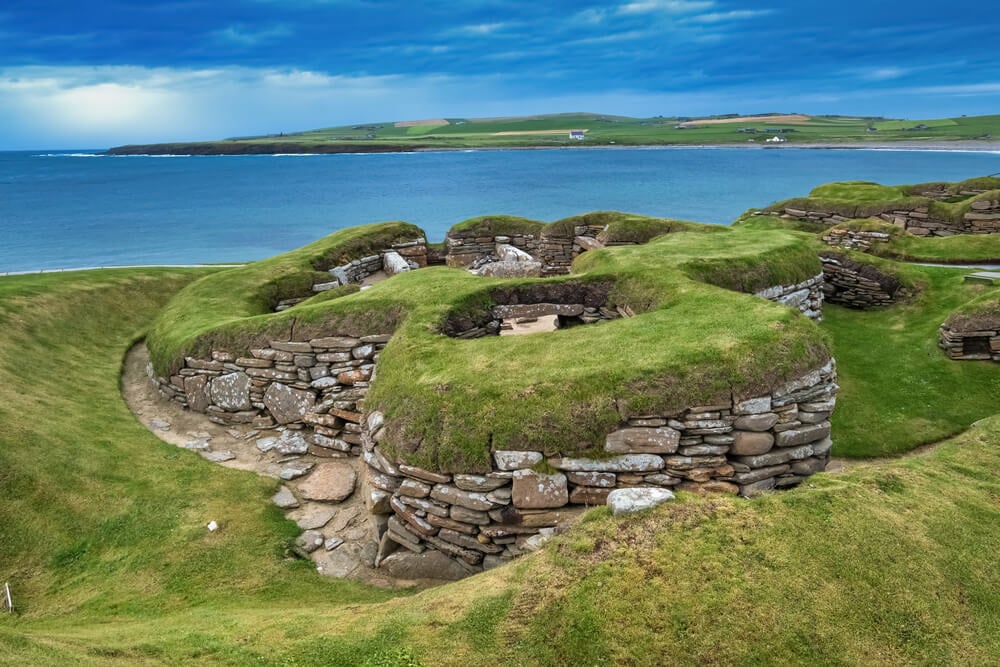
Scottish villagers accidentally discovered the Neolithic settlement of Skara Brae when winter storms stripped sand covering the structures in the 19th century. The accidental exposure through coastal erosion revealed some of Northern Europe’s oldest domestic structures with unprecedented preservation.
Natural erosion accidents revealed archaeology requiring centuries to excavate properly.
The Çatalhöyük’s Deep Stratigraphy Accidents
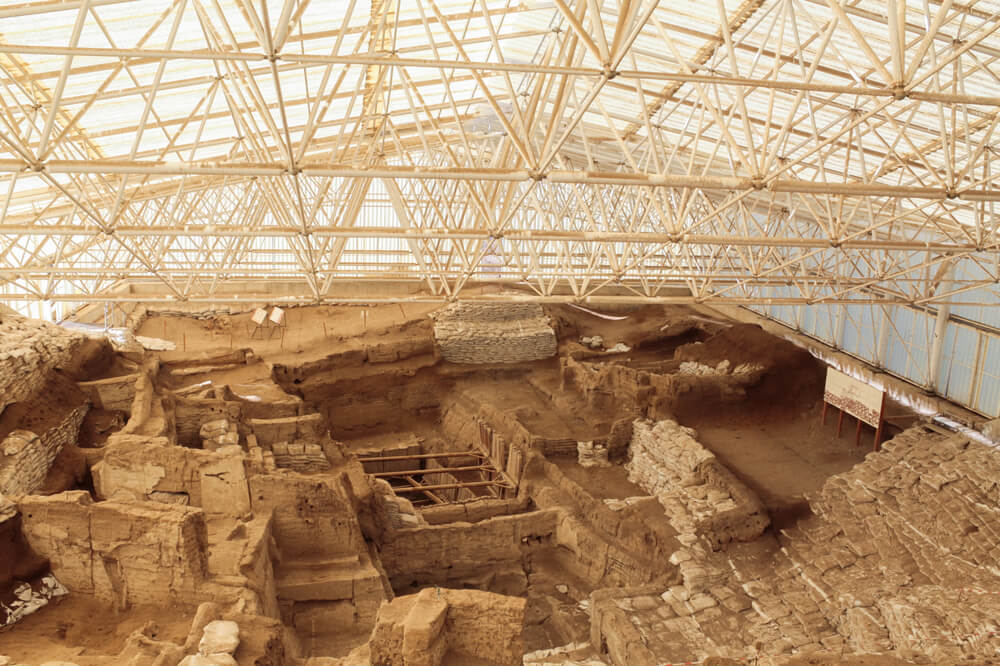
Systematic excavation of Çatalhöyük repeatedly discovers archaeological features accidentally during excavation of deeper levels, revealing the site’s extraordinary complexity and continuous reoccupation. The deep stratigraphy means that planned excavation regularly encounters unexpected finds requiring modification of excavation strategy.
Systematic work continuously generates accidental discoveries through stratigraphic accidents.
The Shroud of Turin’s Accidental Documentation
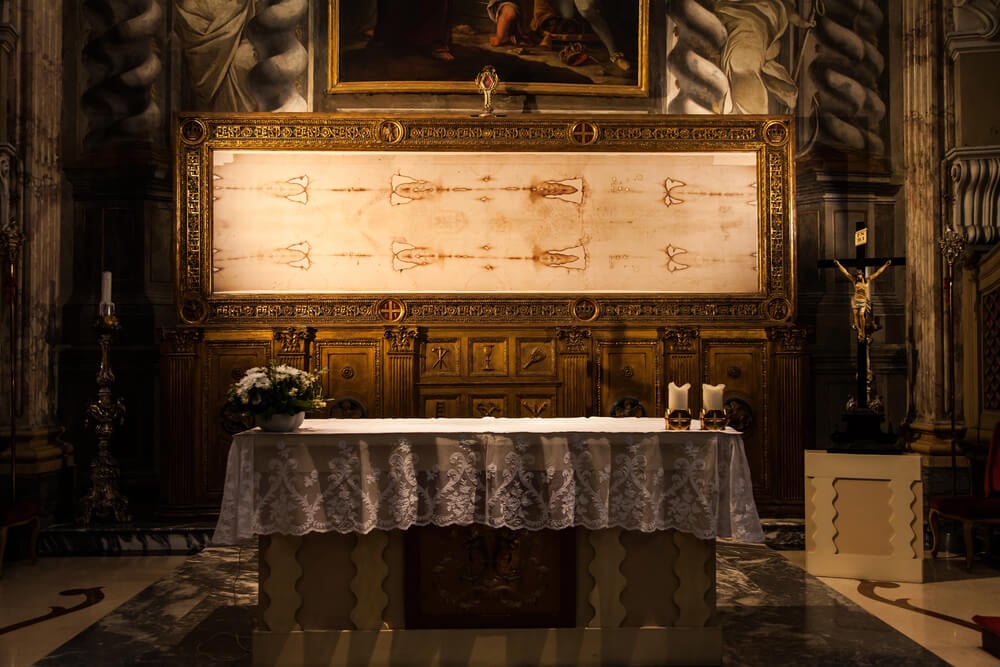
The Shroud of Turin emerged into European awareness through accidental medieval discovery, suggesting it preserved the image of Jesus’ burial. The accidental discovery of the shroud in Turin transformed Christian relics’ understanding despite authenticity controversies.
The accidental preservation and discovery of religious material created centuries of theological and scientific debate.
The Gorilla’s Fossilized Footprint (Laetoli Tracks, 1978)
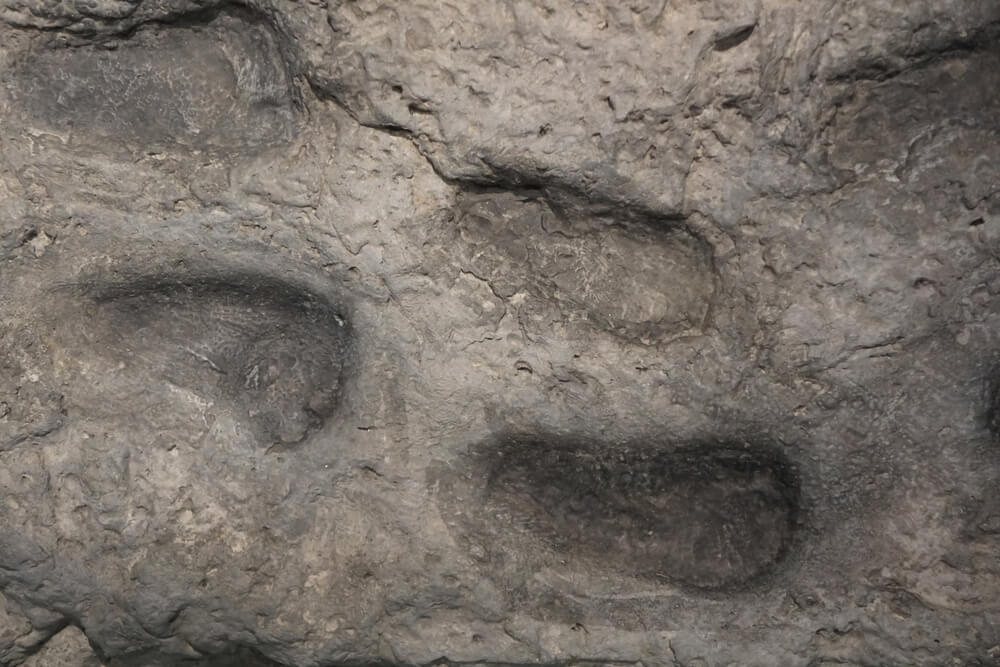
Paleontologist Mary Leakey’s team excavating the Laetoli site in Tanzania in 1978 accidentally discovered fossilized hominid footprints preserved in volcanic ash 3.7 million years old, accidentally revealing early human bipedal locomotion. The footprints’ accidental discovery through excavation revealed human evolutionary development through direct physical evidence.
The accident of ash preservation and excavation timing revealed human history at Earth’s surface.
When Accidents Rewrote History
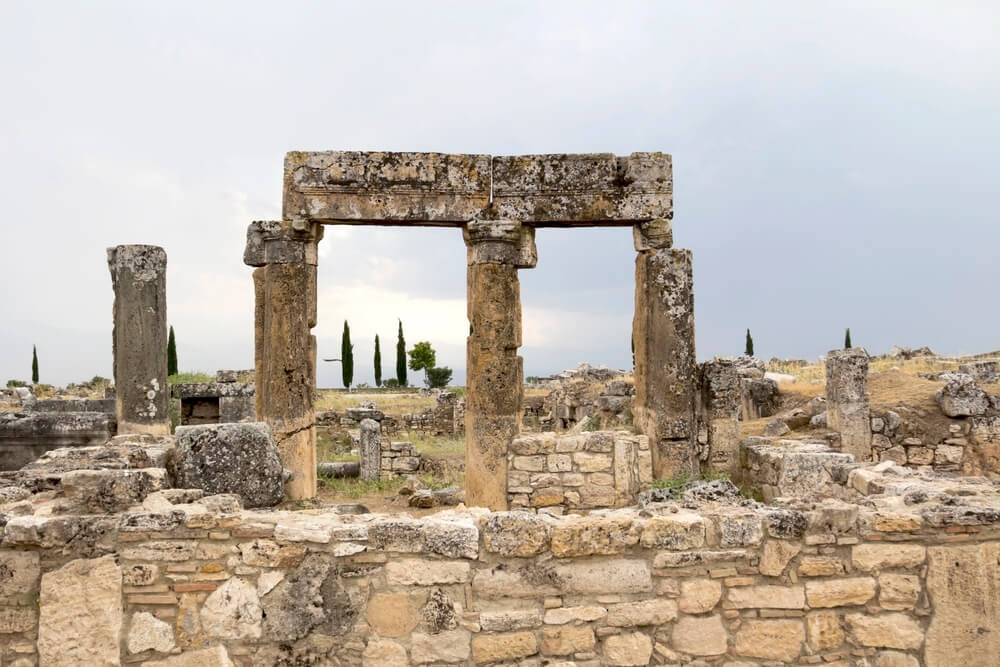
Archaeology demonstrates that civilization’s remains often lie tantalizingly near the surface, waiting for accidental discovery to transform private knowledge into public history. The pattern of accidental discovery throughout archaeology reveals that systematic excavation sometimes succeeds through luck rather than planning, and that many sites remain unknown awaiting the precise moment when accident and human presence converge.
These accidental discoveries remind historians that much human knowledge emerges through serendipity as much as systematic effort, and that historical understanding remains perpetually incomplete awaiting future accidents to transform hidden remains into documented history.
More from Go2Tutors!

- The Romanov Crown Jewels and Their Tragic Fate
- 13 Historical Mysteries That Science Still Can’t Solve
- Famous Hoaxes That Fooled the World for Years
- 15 Child Stars with Tragic Adult Lives
- 16 Famous Jewelry Pieces in History
Like Go2Tutors’s content? Follow us on MSN.