Most Dangerous Jobs In America During The 70s
The 1970s were a different time for American workers. Safety regulations were looser, protective equipment was primitive, and workplace fatalities were shockingly common.
OSHA had just been established in 1970, but its impact was still being felt gradually across industries that had operated with minimal oversight for decades.
Workers in certain fields faced dangers that would be unthinkable today. Industrial accidents weren’t just statistics—they were a brutal reality that touched nearly every blue-collar family.
These jobs didn’t just threaten your paycheck if you messed up. They threatened your life.
Coal Mining
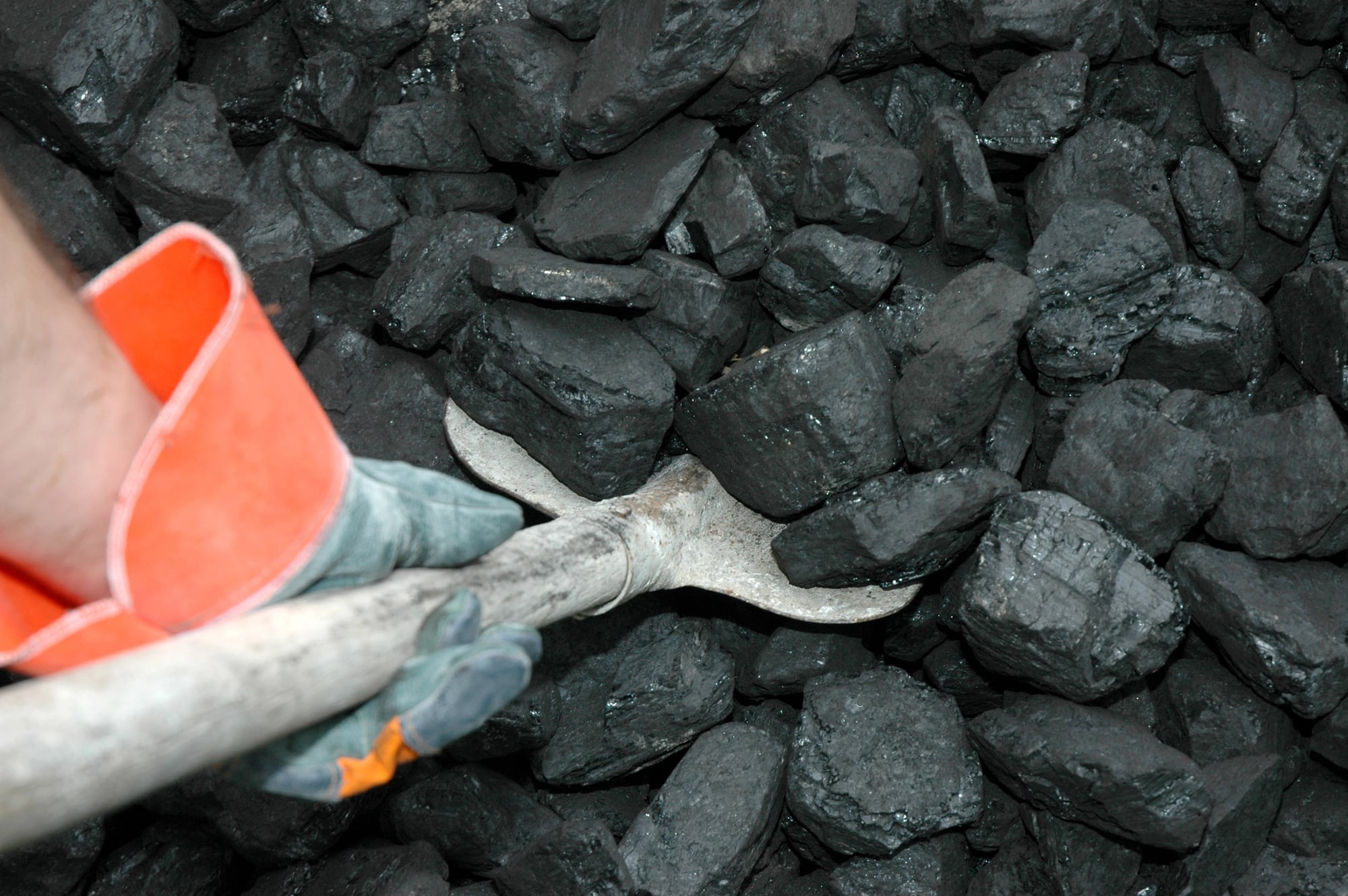
Underground coal mining was a death sentence waiting to happen. Cave-ins, gas explosions, and black lung disease killed miners regularly.
The odds weren’t in your favor.
Steel Mill Work
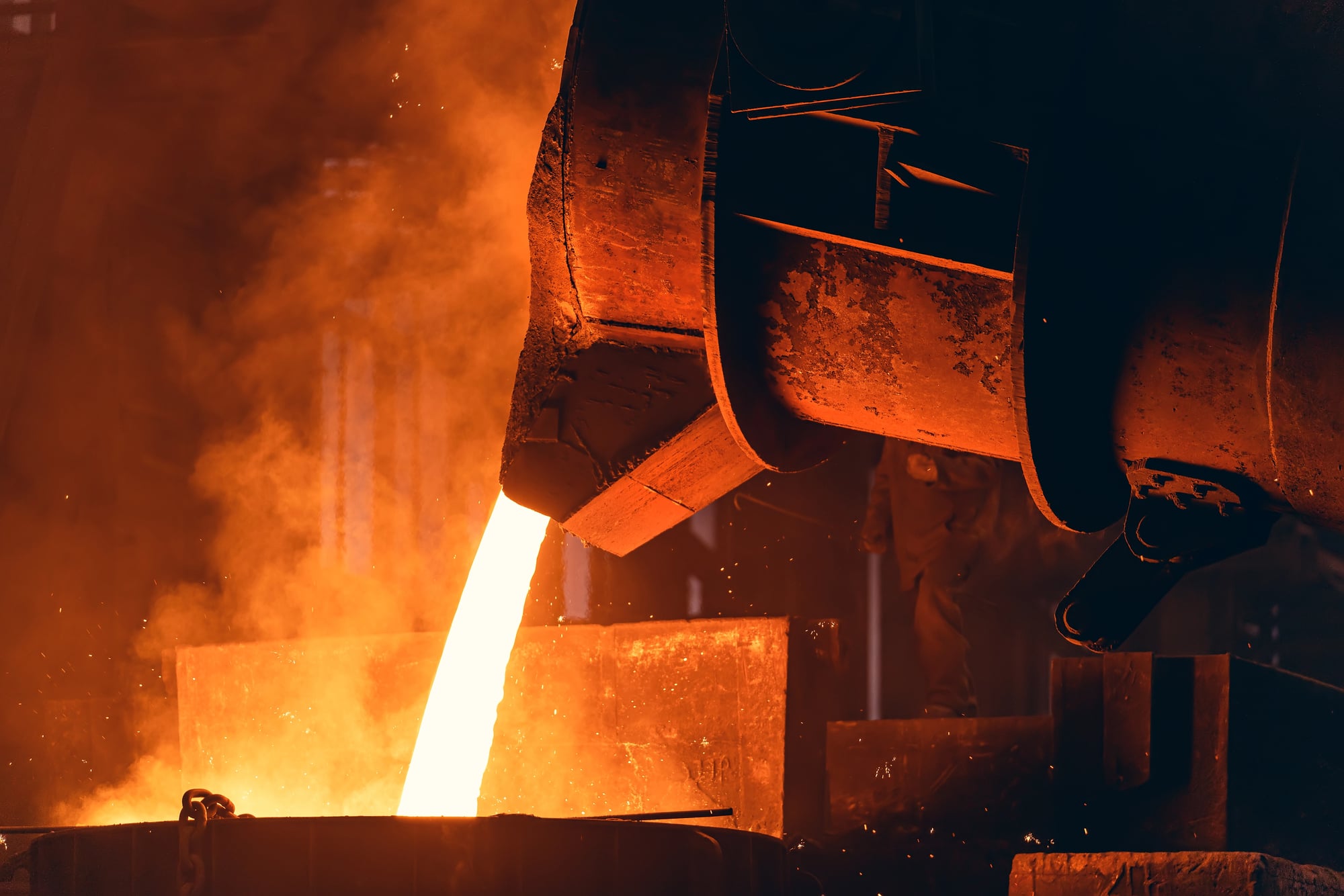
Picture this: molten metal flowing like rivers of fire while workers dance around it with equipment that belonged in a museum.
Steel mills in the 1970s were cathedrals of heat and danger, where the air itself could burn your lungs and a single misstep meant the difference between going home and going to the hospital (if you were lucky enough to make it that far).
The furnaces ran so hot that protective gear felt like a cruel joke, and workers developed an almost supernatural awareness of their surroundings—because the alternative was becoming part of the steel they were making.
So when people talk about the “good old days” of manufacturing, they’re forgetting that those days came with a body count that nobody bothered to publicize.
Construction Work
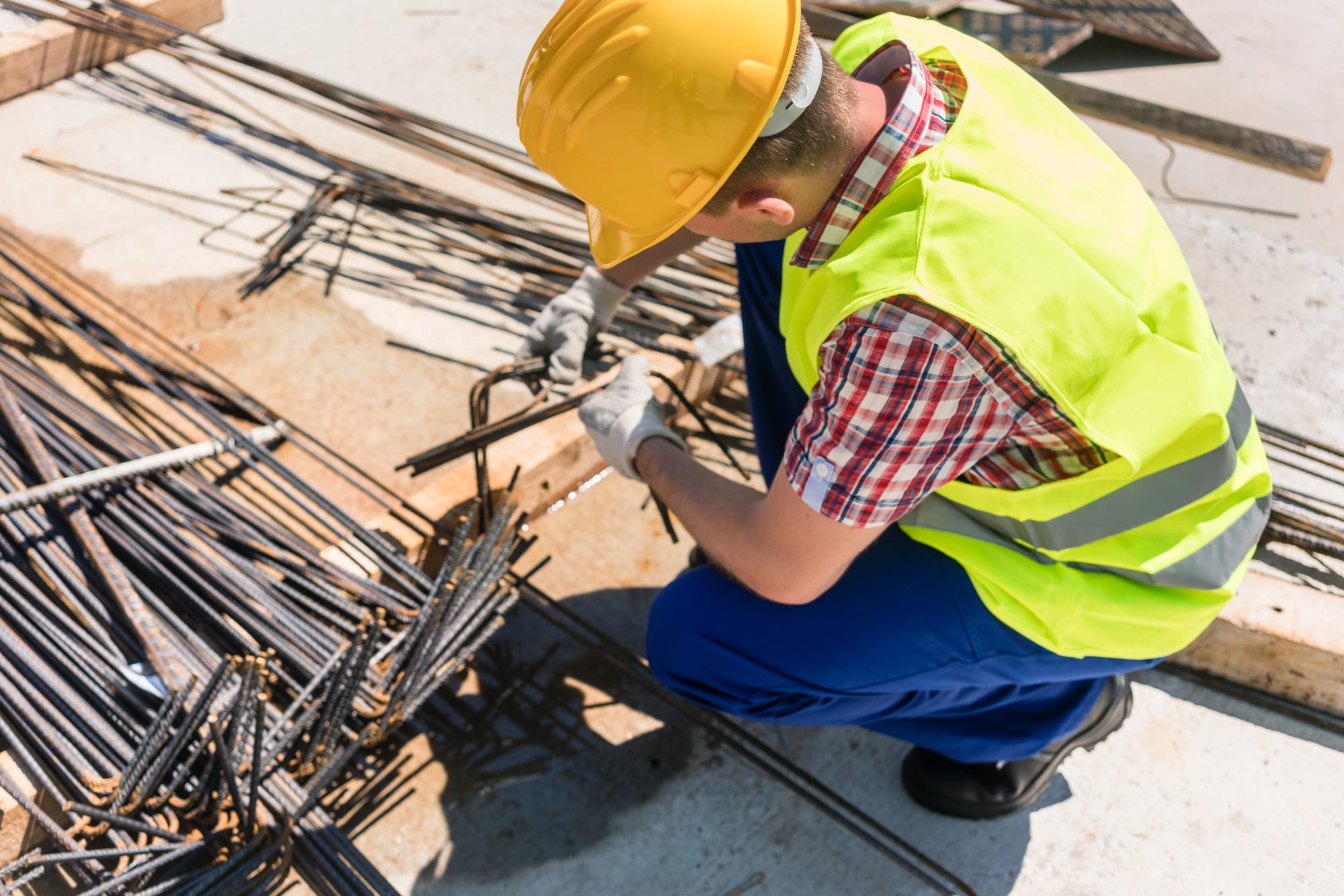
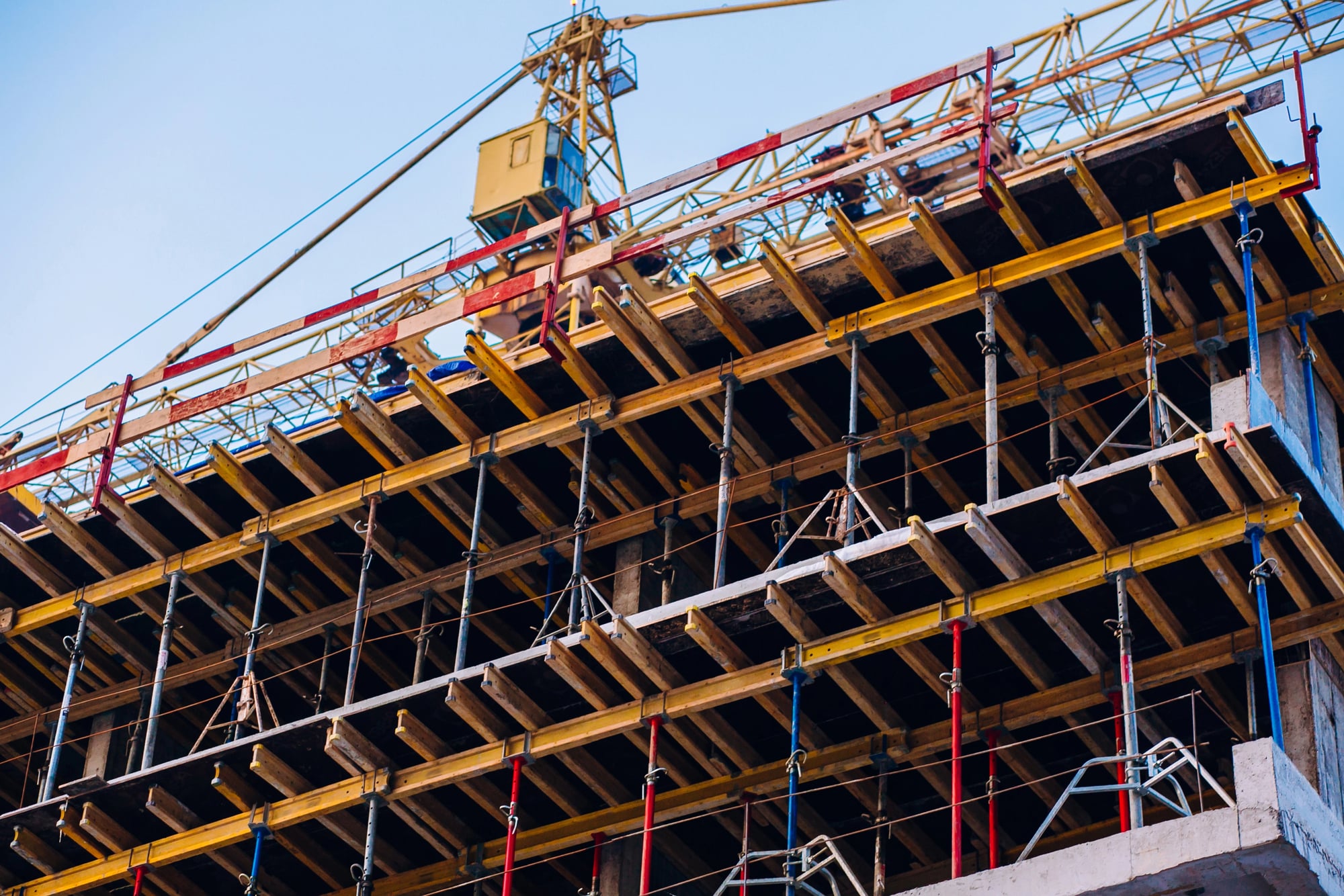
Construction sites operated like the Wild West. No hard hats were mandatory everywhere, safety harnesses were suggestions, and scaffolding was built with a “good enough” mentality that aged poorly in high winds.
Logging
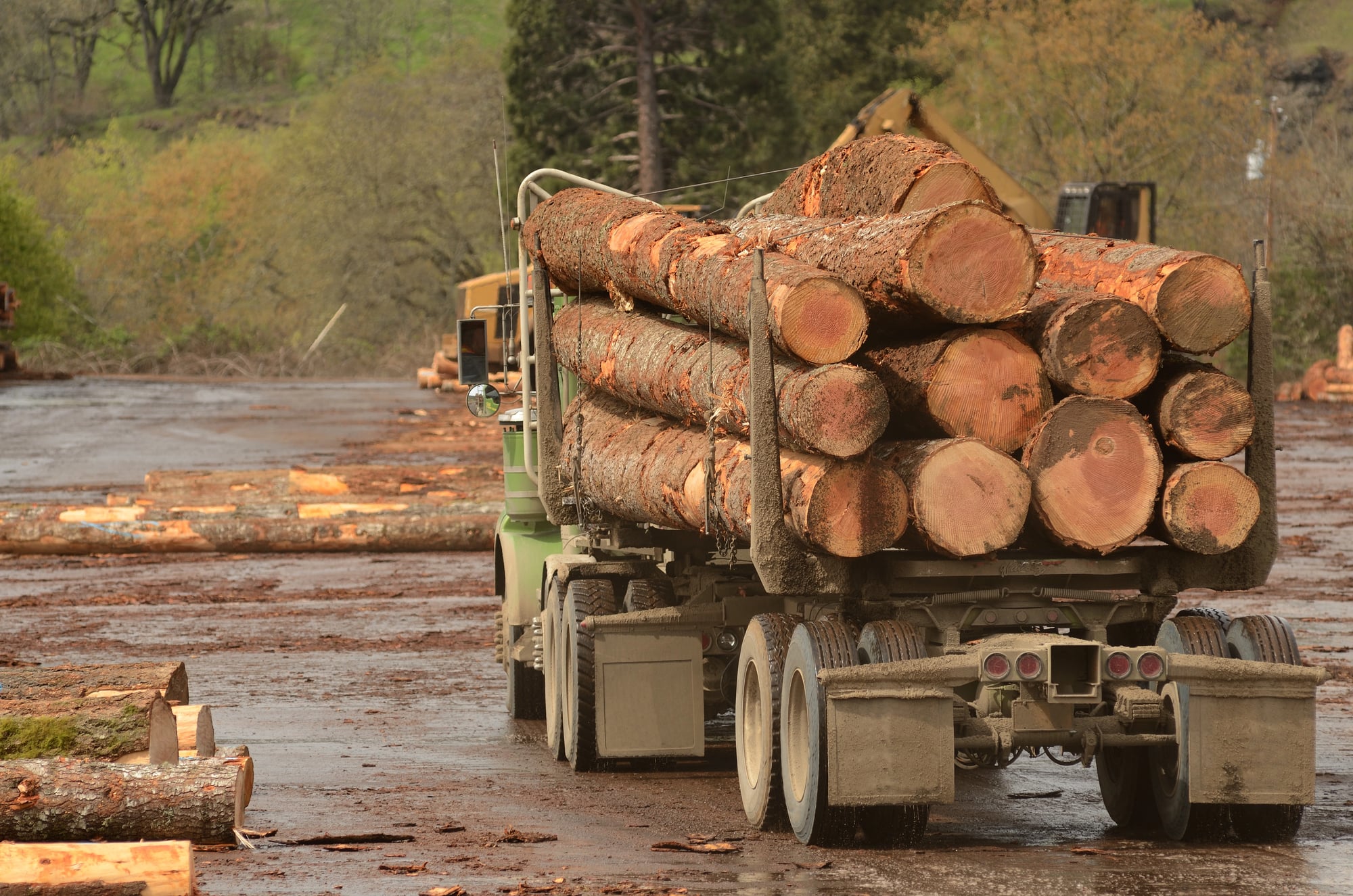
Trees don’t care about your mortgage payments or your kids’ college fund. They fall where physics and chainsaws direct them, and in the 1970s, loggers were working with equipment that had roughly the same safety features as a lawn mower—which is to say, almost none.
A falling tree weighs several tons and moves faster than you can run, and back then, the safety protocol was mostly “pay attention and hope for the best.” The work attracted men who were either fearless or had simply made peace with the fact that every day on the job was a calculated gamble with forces that could crush them without even slowing down.
And yet the work had to be done: America needed its lumber, and someone had to go into the forests and get it, even if that someone might not come back out.
Commercial Fishing
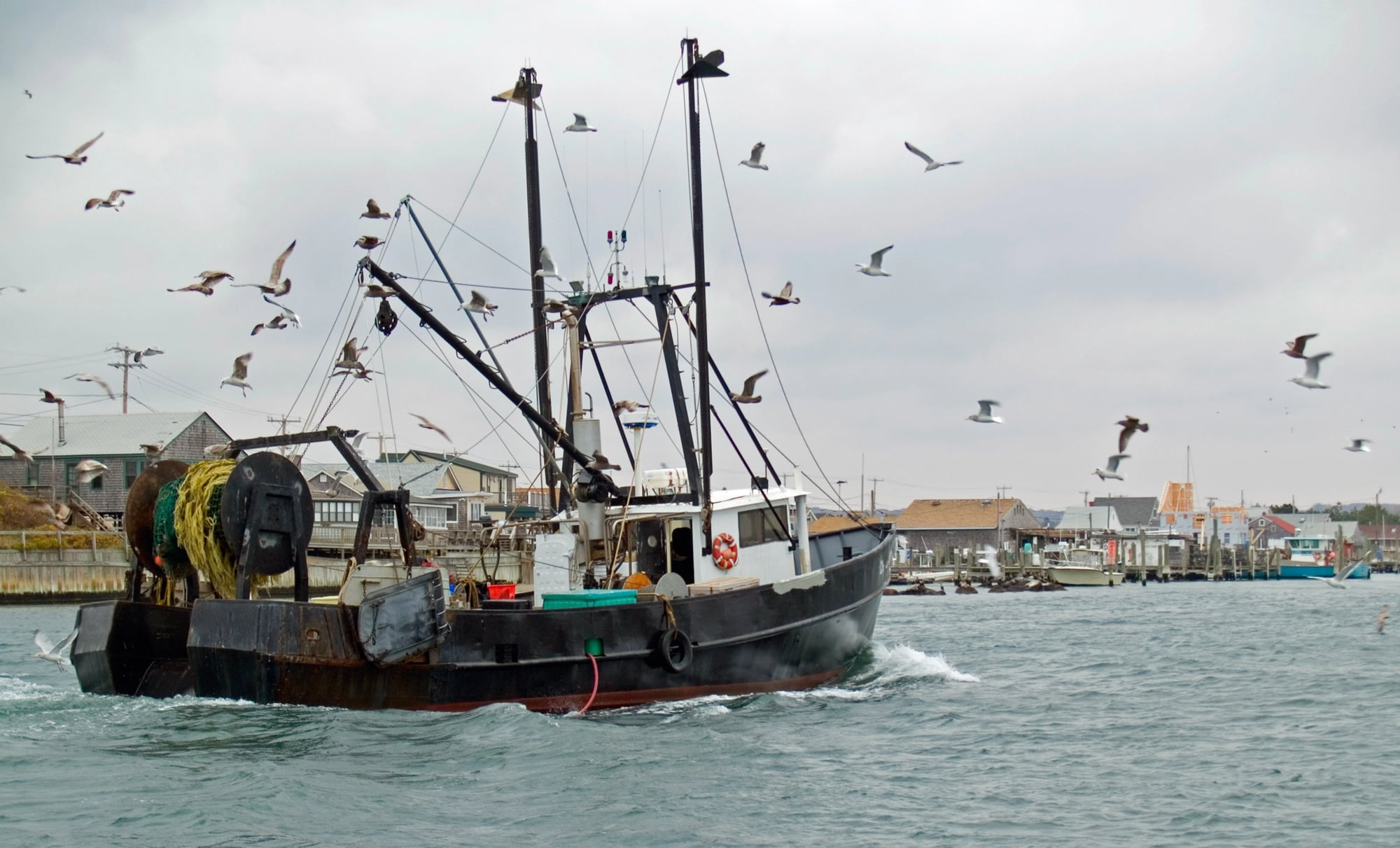
The ocean has no patience for human error. Fishing vessels in the 1970s were smaller, less equipped, and operated by crews who understood that every trip might be their last.
Weather forecasting was primitive, and rescue operations were often too little, too late.
Oil Rig Work
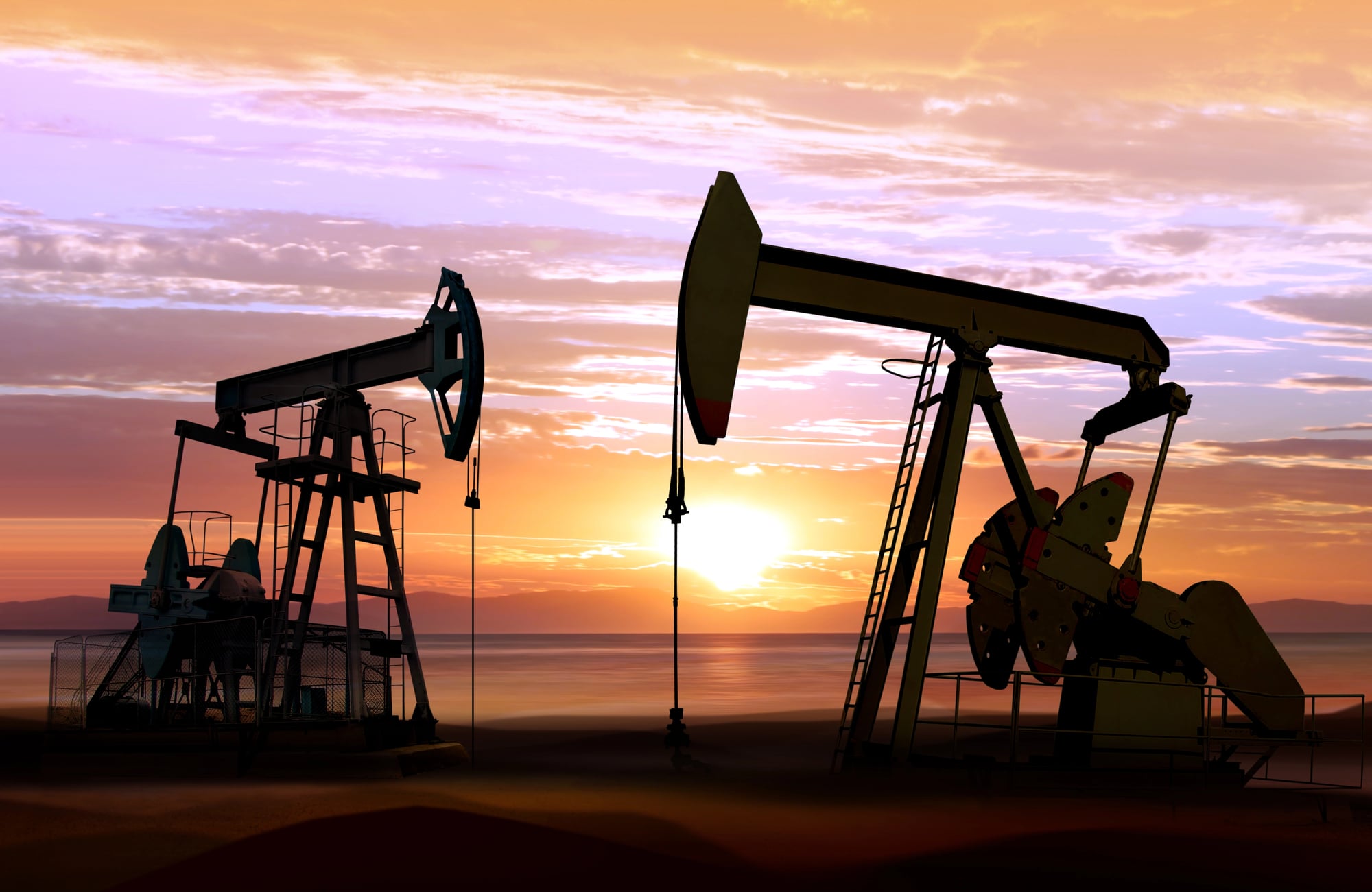
Offshore drilling platforms were isolated metal islands surrounded by water and filled with explosive materials under tremendous pressure.
Workers spent weeks at sea on structures that could catch fire, explode, or simply collapse into the ocean—and all three happened with disturbing regularity during the decade.
The work was brutal: twelve-hour shifts handling equipment that could easily remove fingers, arms, or heads if you weren’t paying attention every single second.
But the money was good enough to make men overlook the fact that they were essentially living on top of a controlled explosion that occasionally became uncontrolled.
The isolation meant that when things went wrong, help was hours or days away, assuming anyone even knew something had gone wrong in the first place.
Trucking
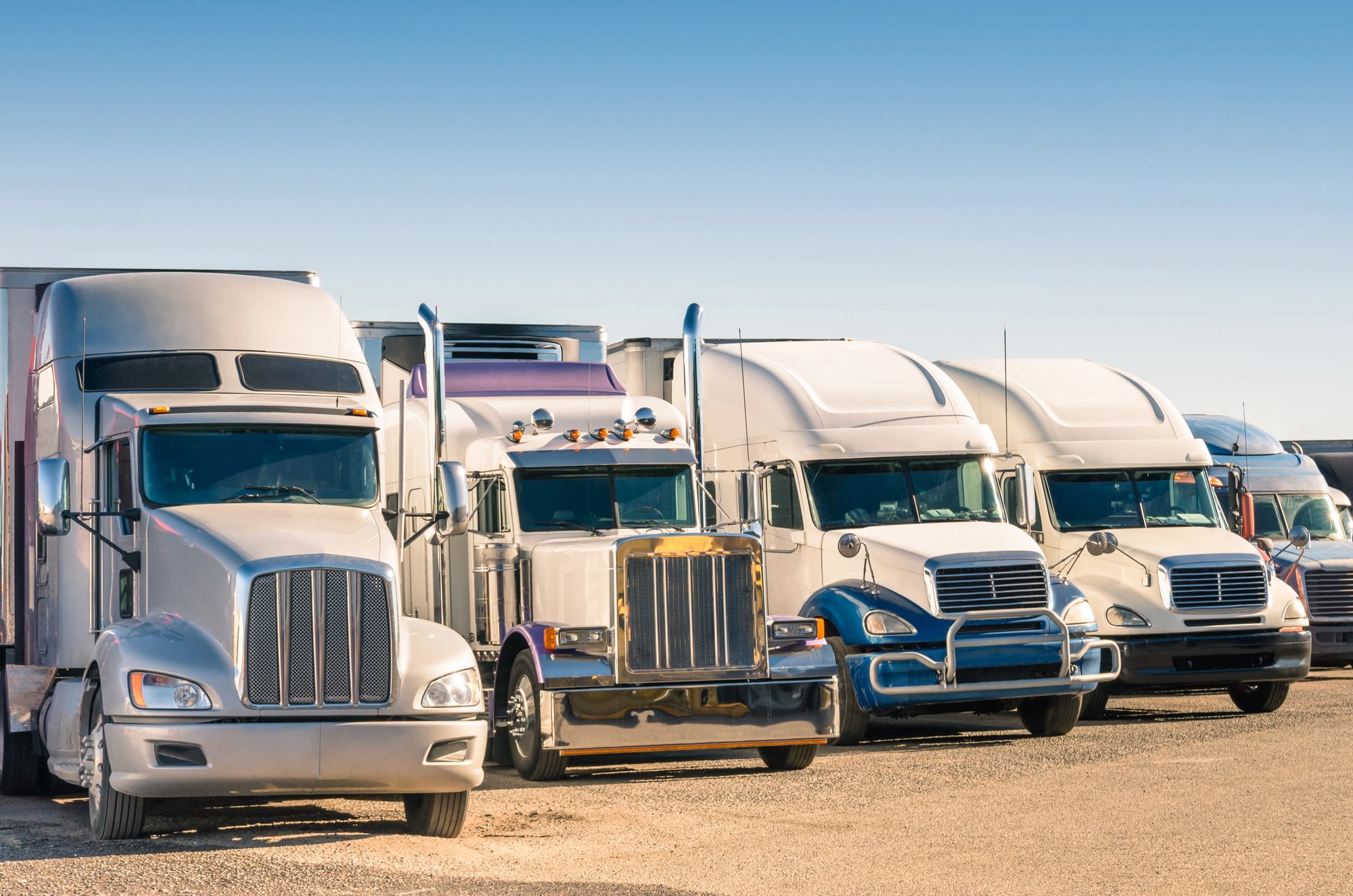
Truckers drove longer hours with less sleep and more stimulants than anyone should. Interstate highways were newer, truck maintenance was hit-or-miss, and rest stops were wherever exhaustion finally won the battle.
Farming
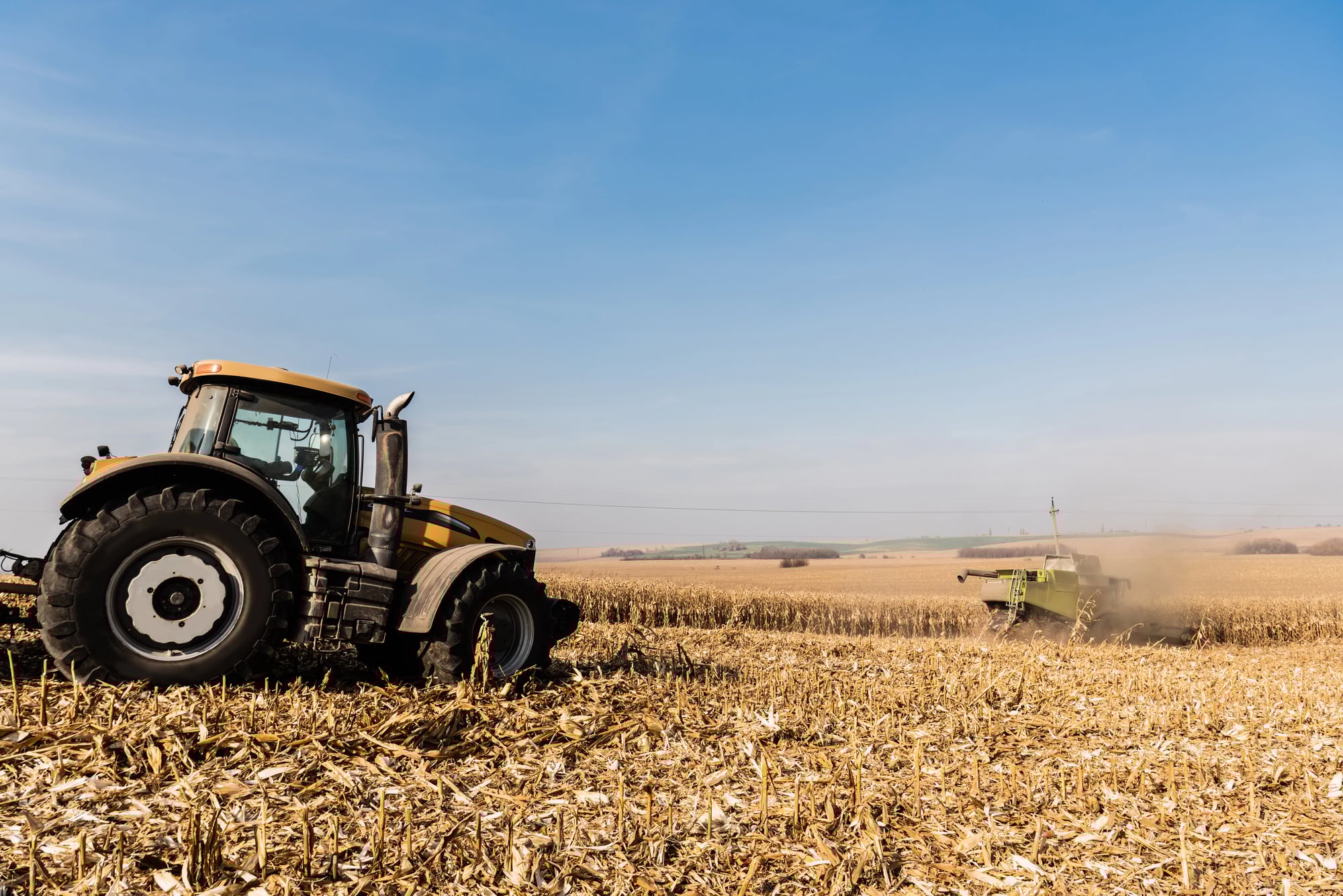
Tractors rolled over and crushed operators. Grain silos became death traps that suffocated workers in seconds.
Heavy machinery operated without the safety guards that would later become standard, and farmers—working alone on isolated properties—often discovered that accidents in rural areas meant dying alone, too far from help and too proud to admit they needed it until it was too late.
The work demanded that you get close to animals that could kick, bite, or trample you, and handle chemicals that could poison you if you mixed them wrong or breathed them in.
So farming wasn’t just about working with the land; it was about accepting that the land could kill you in a dozen different ways before lunch.
Ironwork And High-Rise Construction
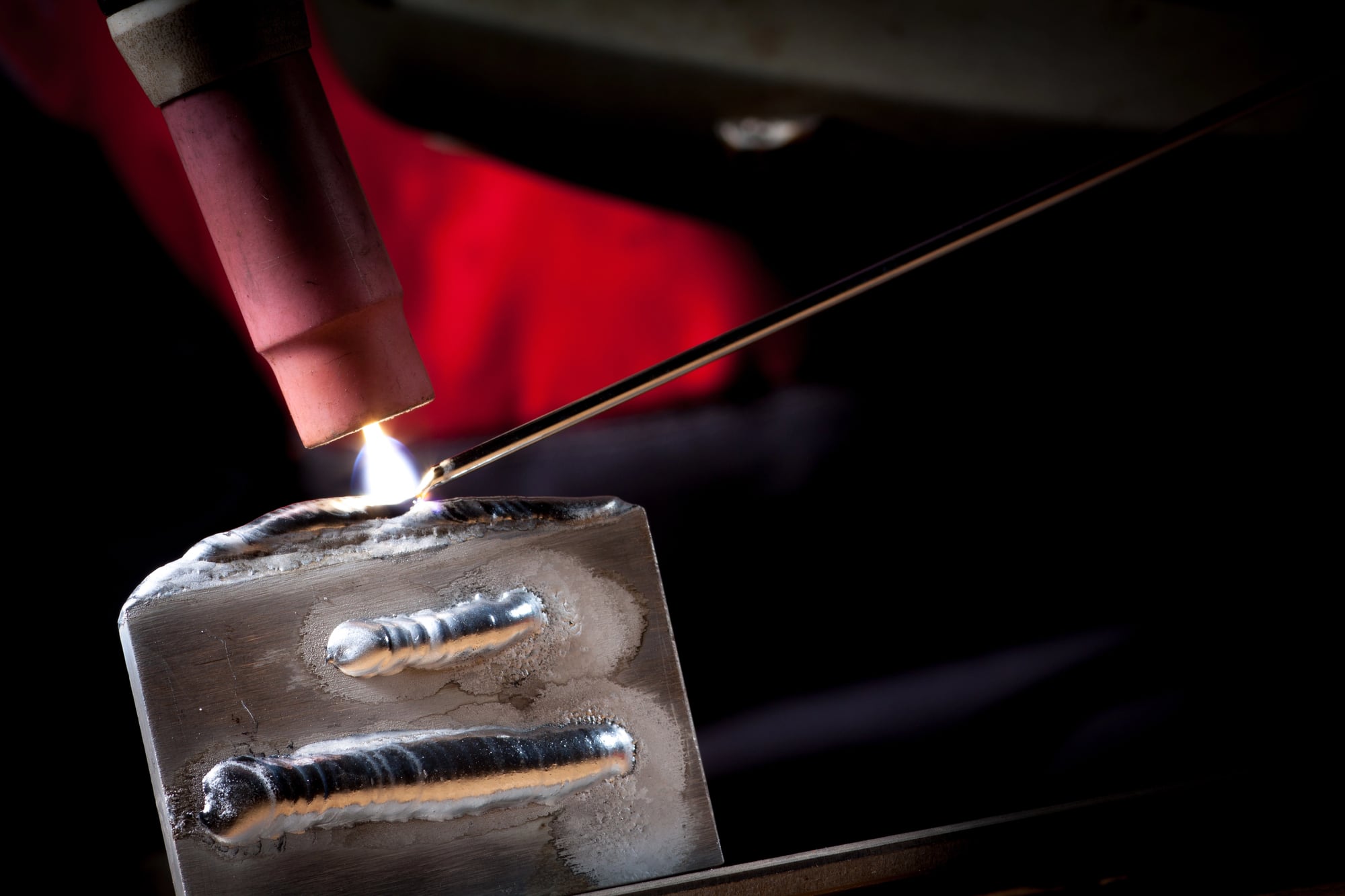
Walking on steel beams hundreds of feet above the ground requires a particular kind of confidence that borders on madness.
Ironworkers built America’s skylines during the 1970s construction boom, and they did it without safety nets, reliable harnesses, or much in the way of fall protection.
The wind at those heights could knock you sideways, and a single moment of lost balance meant a fall that would end before you hit the ground.
These were men who ate lunch sitting on beams with their legs dangling over empty air, not because they were showing off, but because that’s just where lunch happened to be when the whistle blew.
Chemical Plant Operations
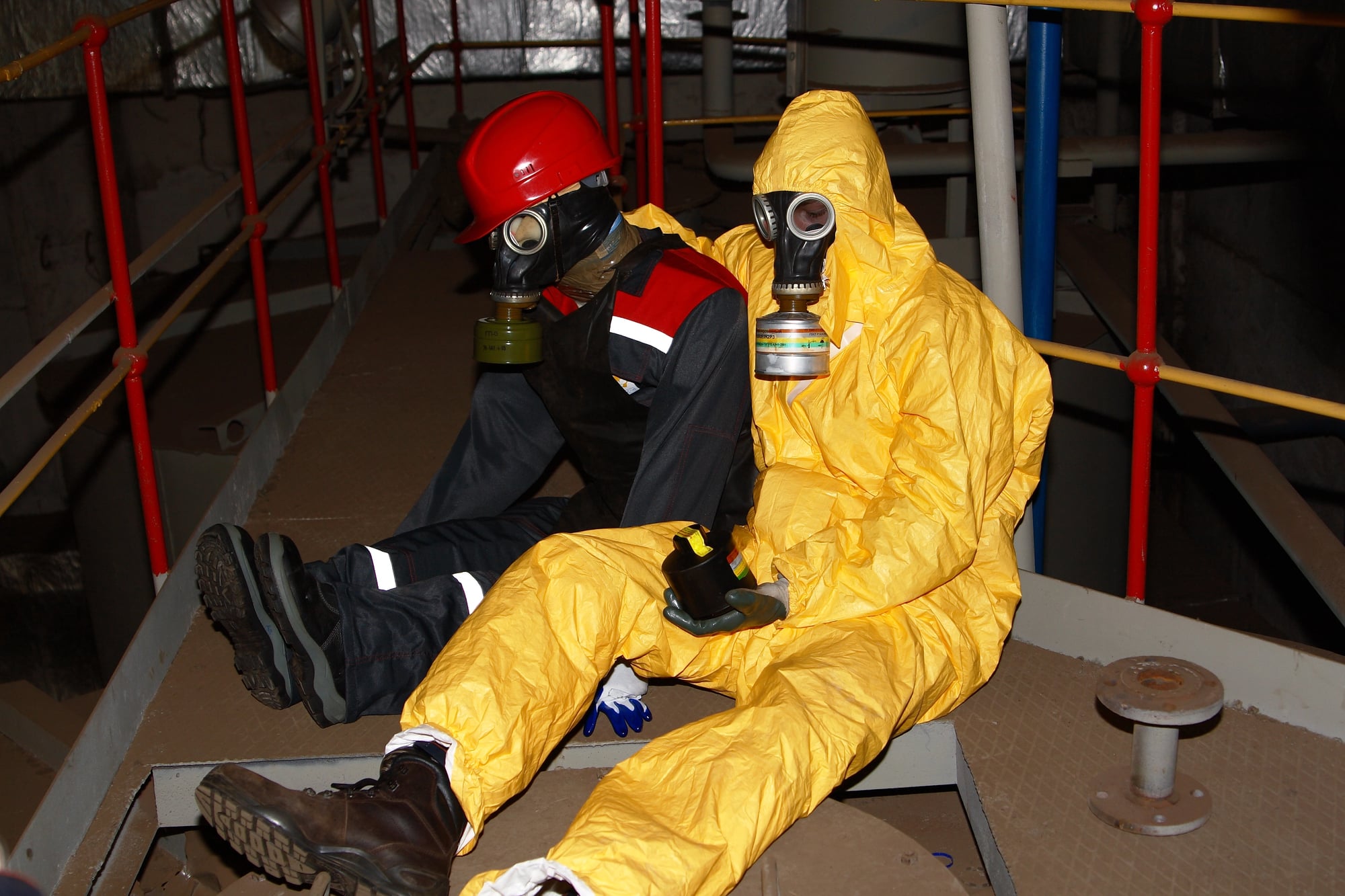
Chemical plants in the 1970s were essentially giant chemistry experiments with minimal oversight and maximum consequences for getting the formula wrong.
Workers handled substances that could burn through skin, cause cancer, or kill you instantly if you breathed them in—and the safety protocols were often just “try not to spill it.”
Protective equipment was basic at best, and many workers didn’t even know what they were being exposed to because companies weren’t required to disclose the health risks of every chemical they used.
Explosions weren’t rare, and neither were slow poisonings that took years to manifest as serious illnesses that would eventually kill workers long after they’d retired.
Demolition Work
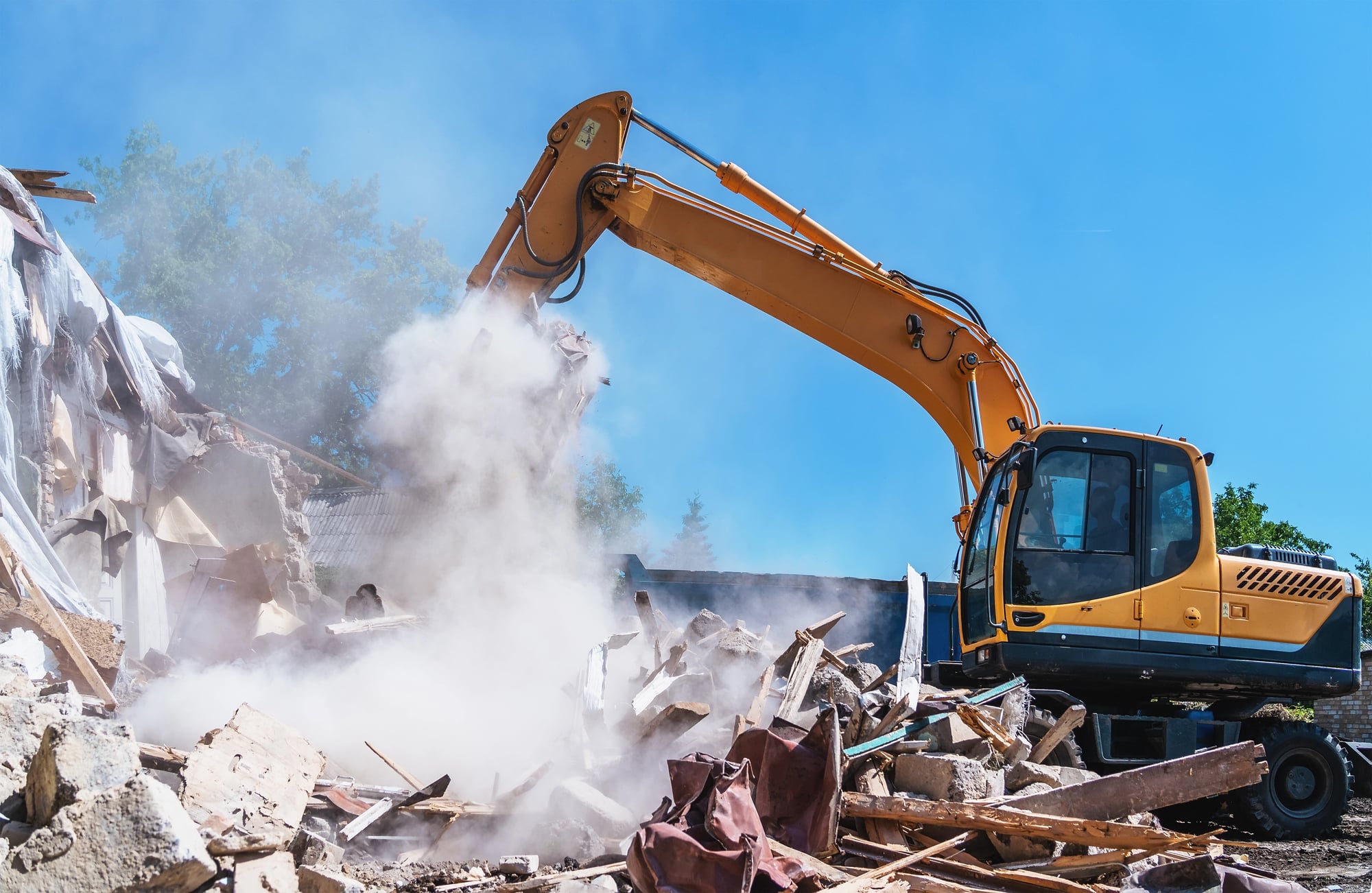
Bringing down buildings is controlled chaos at best. In the 1970s, it was often just chaos.
Explosives, asbestos dust, and unstable structures made demolition work a gamble where the house always had the advantage.
Firefighting
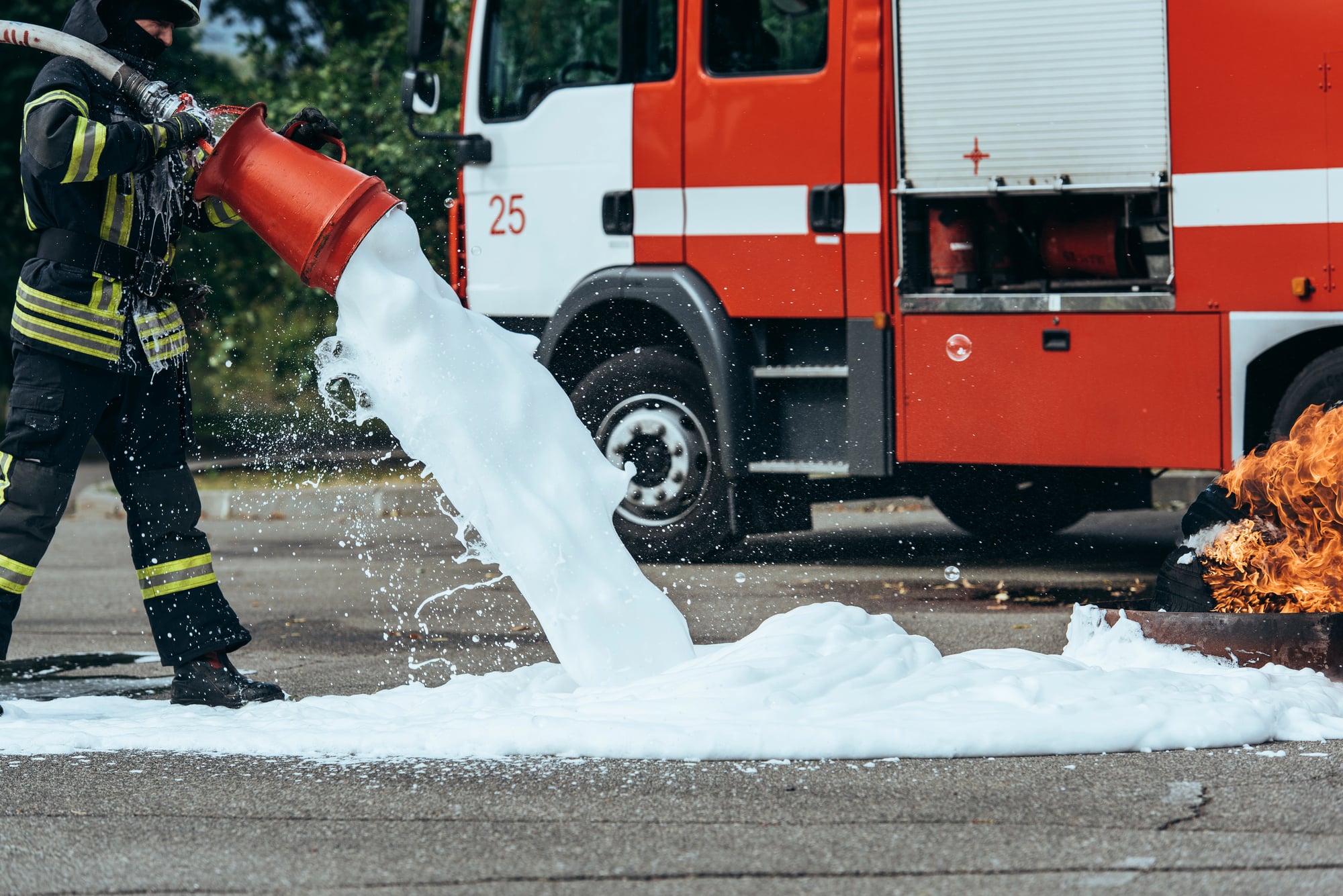
Urban fires burned hotter and spread faster in the 1970s because building materials were different and fire suppression systems were primitive by today’s standards.
Firefighters entered burning buildings with equipment that was heavier, less effective, and more likely to fail when you needed it most—which, in firefighting, is every single time you use it.
The protective gear couldn’t handle the extreme temperatures, and communication systems were unreliable, meaning firefighters often lost contact with their teams while inside structures that were actively trying to kill them.
So they went in anyway, because that was the job, and someone had to do it even when the odds of coming back out were roughly equivalent to a coin flip.
The Weight Of Dangerous Work
These jobs built America, but they also buried a generation of workers who never lived to see the fruits of their labor.
The 1970s taught us that progress comes with a price, and too often, that price was paid in blood by people who simply showed up to work and tried to make an honest living.
More from Go2Tutors!

- The Romanov Crown Jewels and Their Tragic Fate
- 13 Historical Mysteries That Science Still Can’t Solve
- Famous Hoaxes That Fooled the World for Years
- 15 Child Stars with Tragic Adult Lives
- 16 Famous Jewelry Pieces in History
Like Go2Tutors’s content? Follow us on MSN