26 Bridges Engineered So Well They Outlasted Their Replacements
Engineers in the 19th and early 20th centuries built bridges intended to last centuries. Many did, outliving replacement structures built decades later with supposedly superior materials and techniques.
Historic bridges continue carrying traffic while the bridges built to replace them require rehabilitation or are demolished, creating the paradox of progress: sometimes newer means frailer.
The Brooklyn Bridge
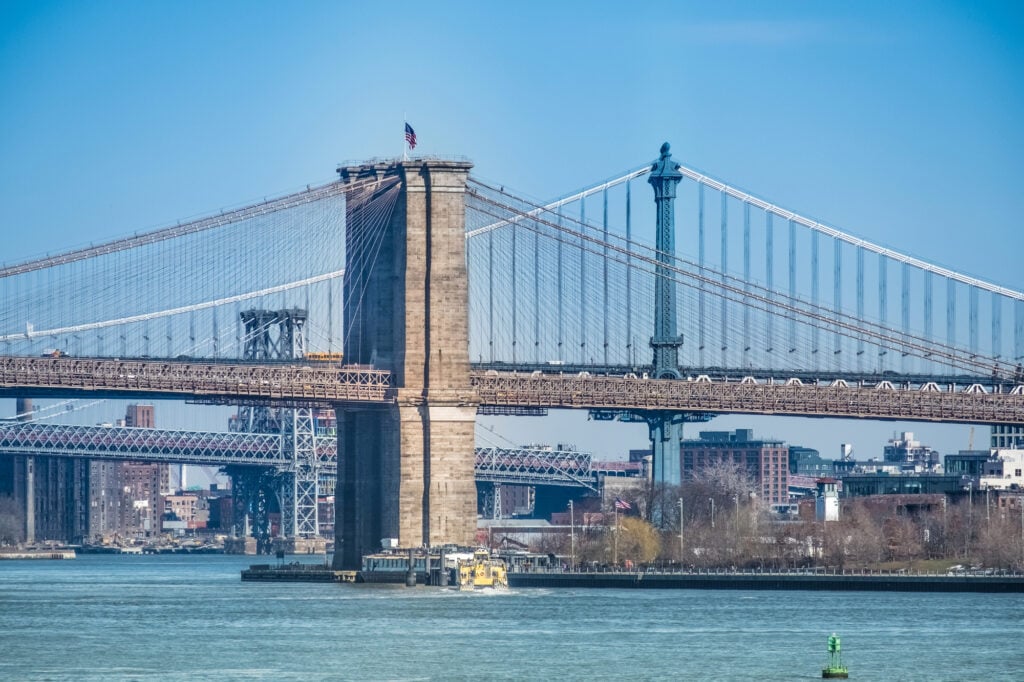
Completed in 1883, the Brooklyn Bridge still carries more traffic than its designers imagined possible. Replacement bridges built nearby in subsequent decades have required major rehabilitation while the “obsolete” suspension bridge continues serving as both a vital transportation link and architectural icon.
The Golden Gate Bridge
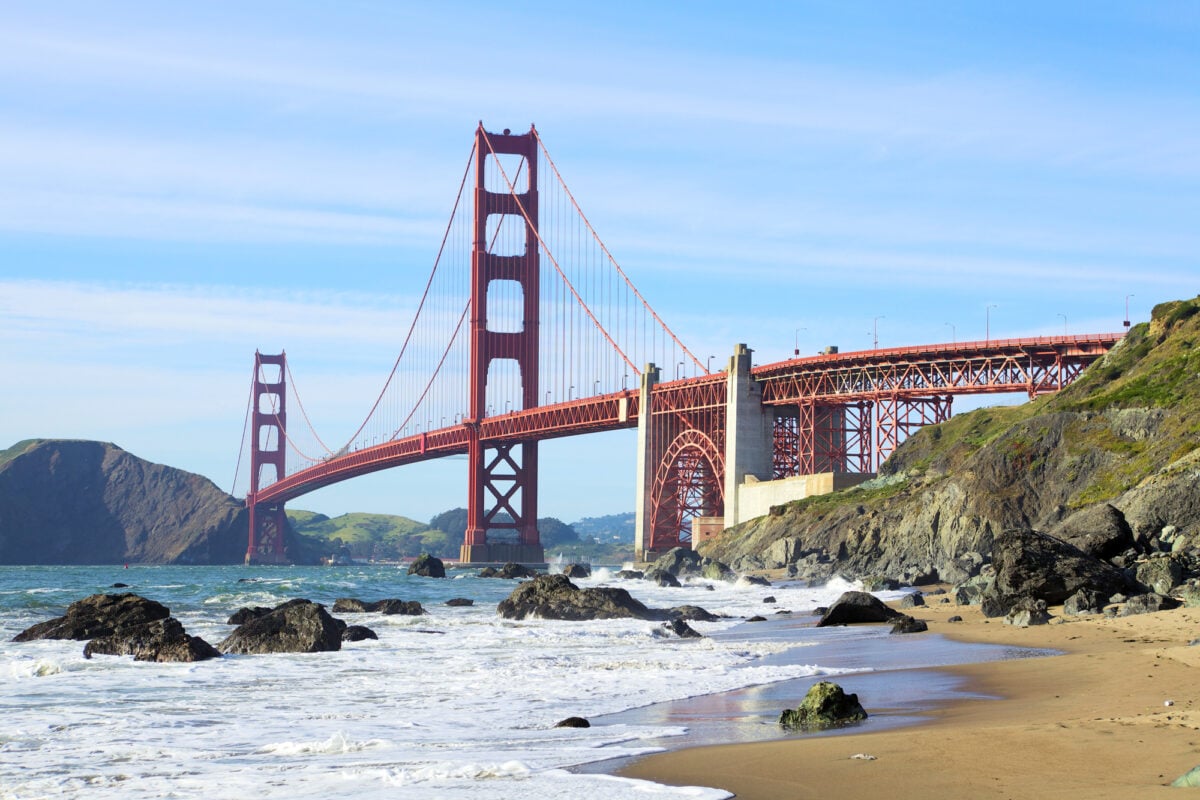
The 1937 bridge was built to last 50 years, yet engineers continue rehabilitating it for another 50 years of service rather than replacement. Its engineering proved so robust that retrofitting for modern seismic standards is more practical than replacement.
The Forth Bridge
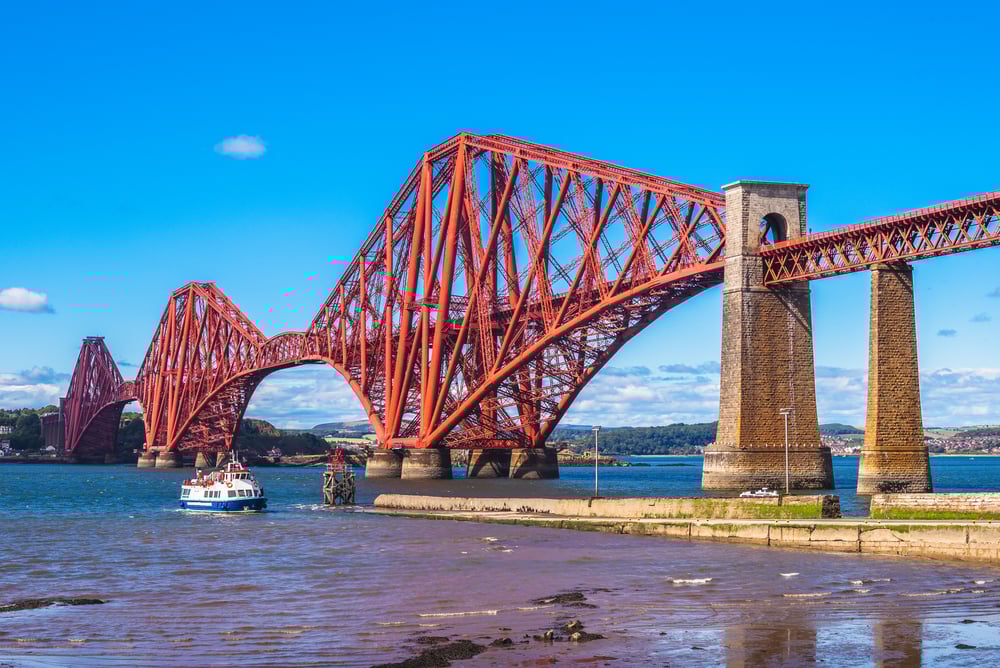
Built in 1890 in Scotland, the Forth Bridge continues carrying trains at a capacity its Victorian designers could not have predicted. Trains cross it now at weights and speeds far exceeding original specifications, proving the design margins built in by engineers anticipating future demands.
Stone Arch Bridges
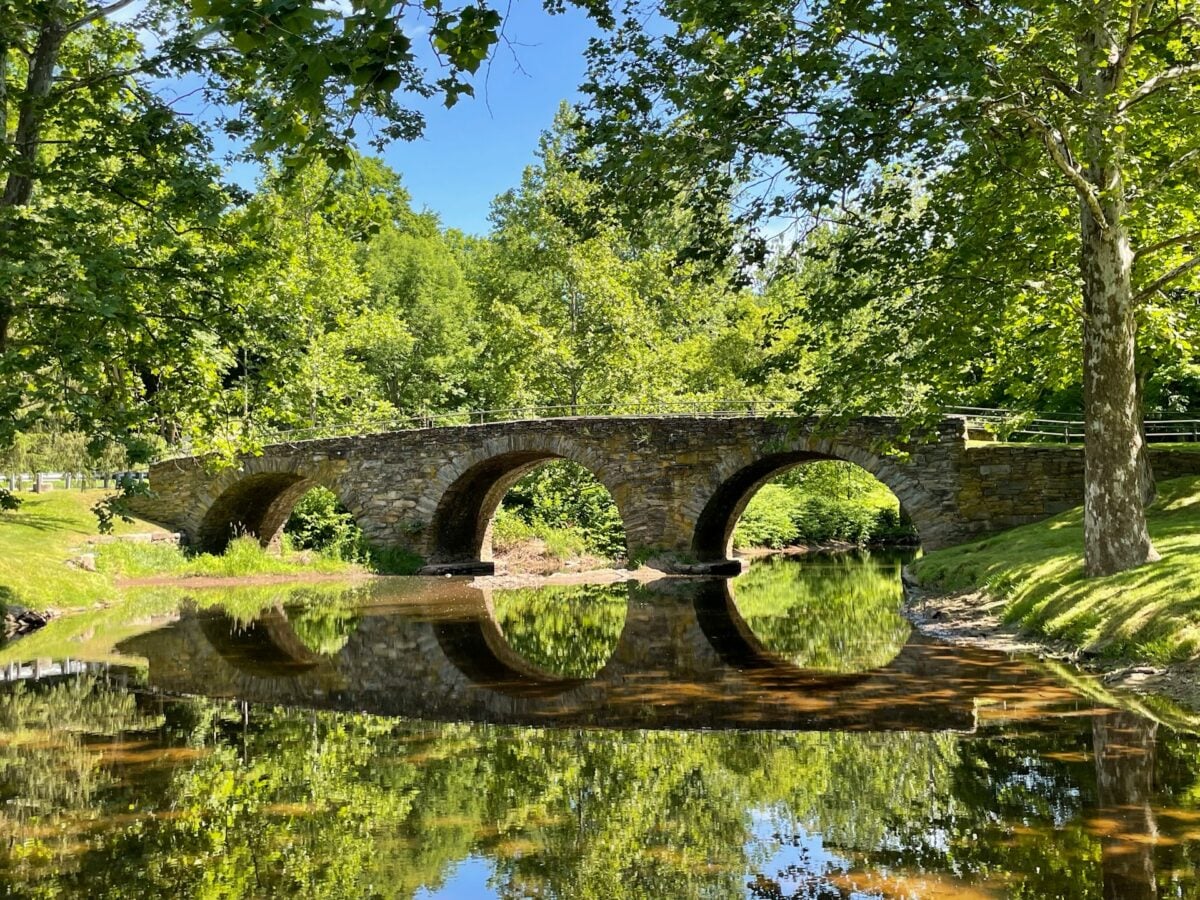
Countless stone arch bridges built in the 1800s still carry automobile traffic that was unimaginable at construction. Many replacement bridges built in the 20th century with reinforced concrete have required major repairs while the older stone structures remain sound.
Roman Aqueducts
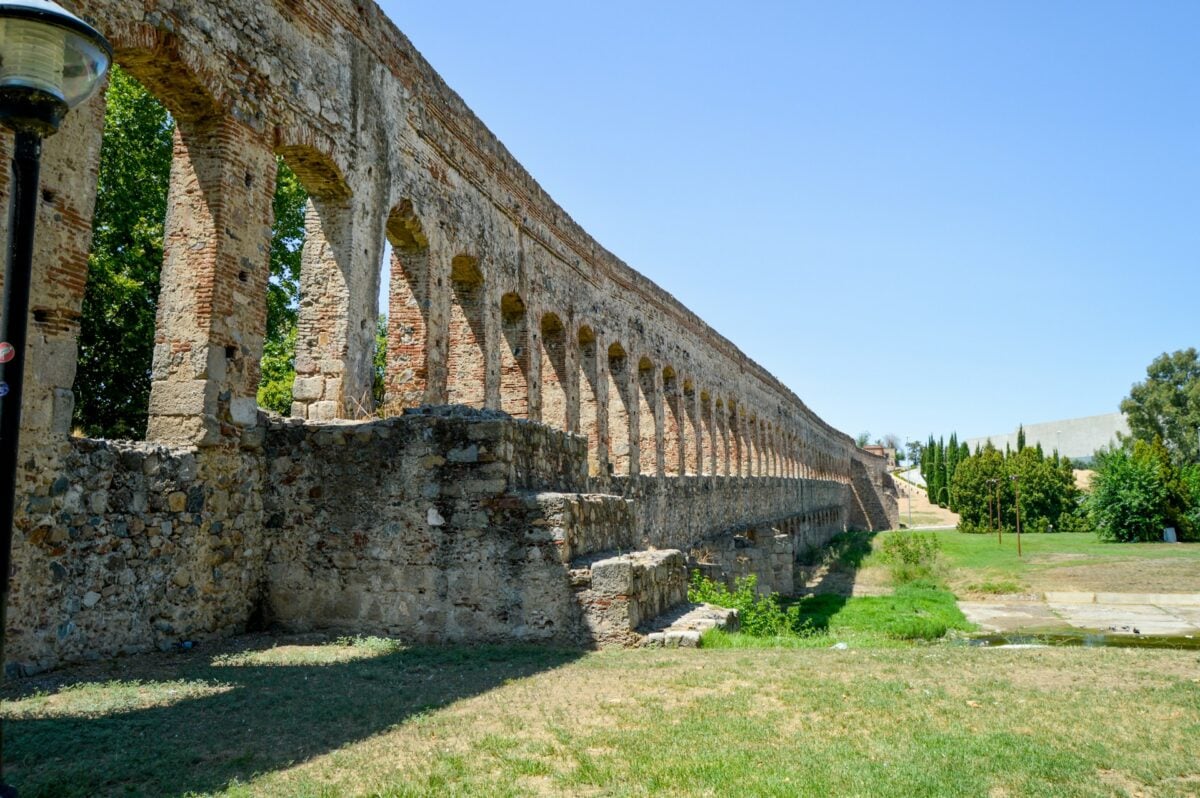
Some Roman aqueducts built 2,000 years ago still function partially or fully, having outlasted dozens of replacement water systems built with modern materials. The engineering principle of simplicity and massive margins of safety proved superior to later efficiency-focused designs.
Victorian Railway Bridges
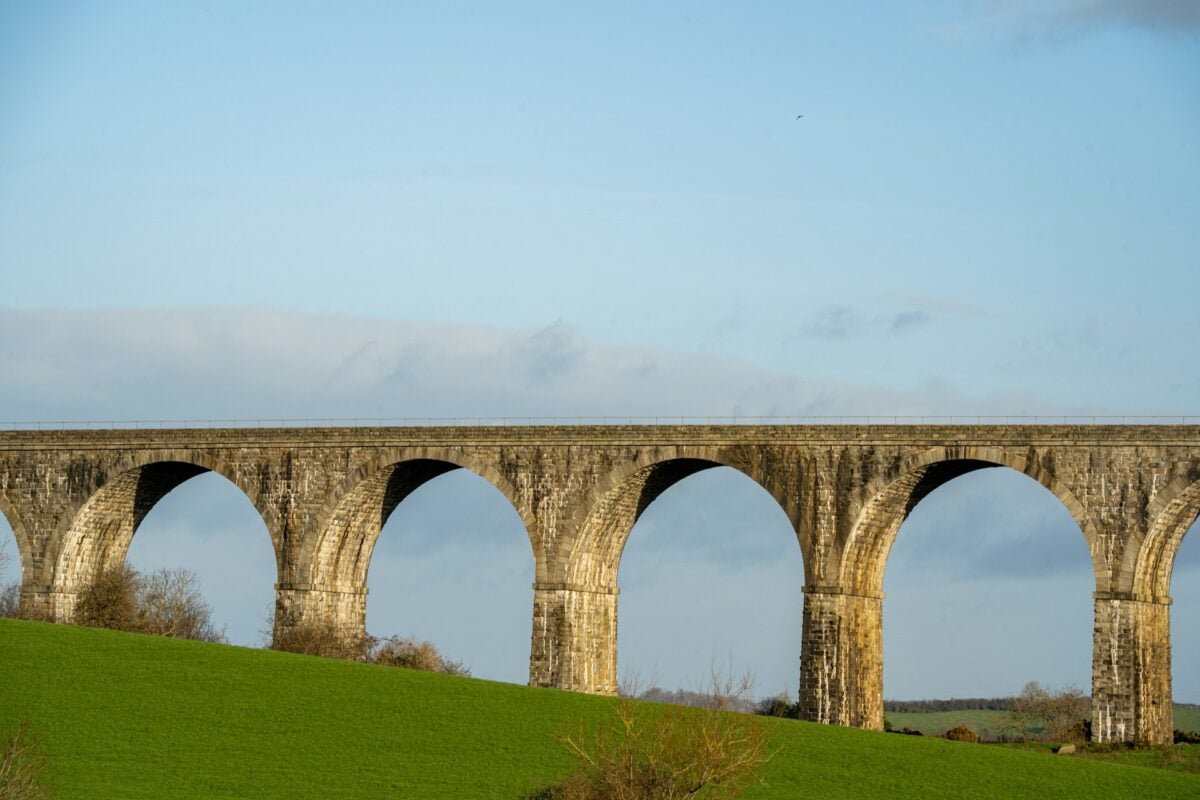
Railway bridges built in the Victorian era were designed with such enormous safety margins that many remain in service despite being engineered for steam locomotives. Modern trains far heavier than steam engines traverse bridges deemed “obsolete” in the 1950s.
The Ponte Vecchio
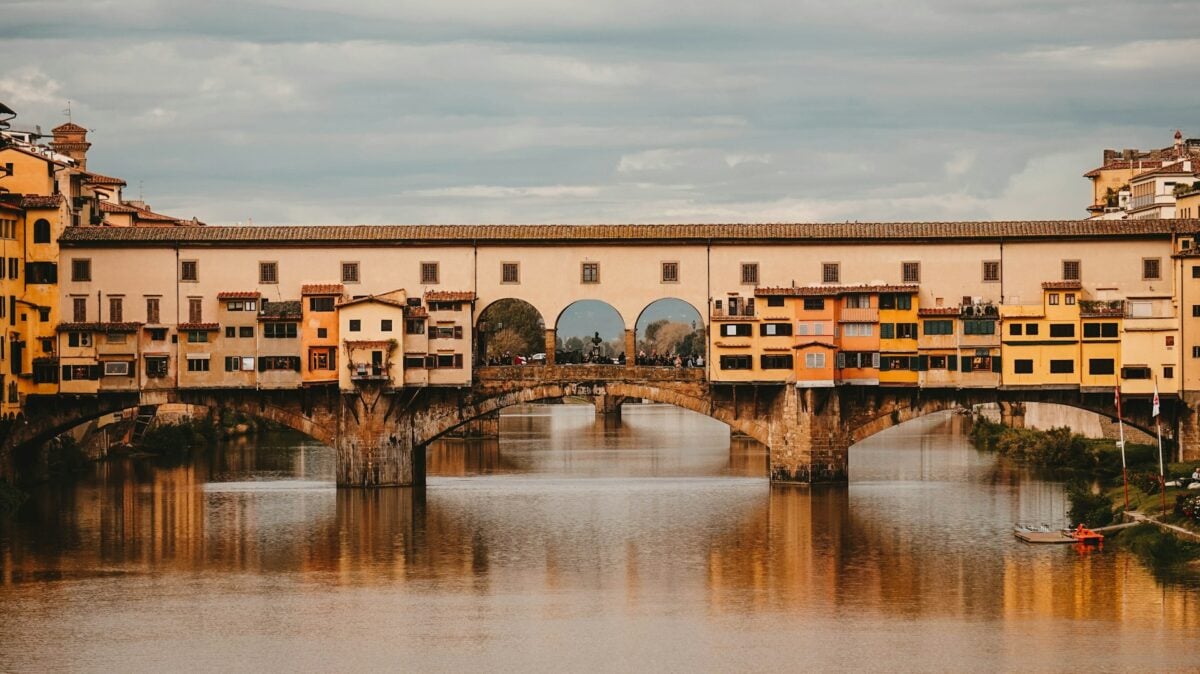
Florence’s medieval bridge, built in 1345, survived Napoleon’s armies, World War II bombing campaigns, and centuries of floods. More modern bridges built nearby have required major reconstruction while the “ancient” bridge endures.
Suspension Bridges from the 1880s
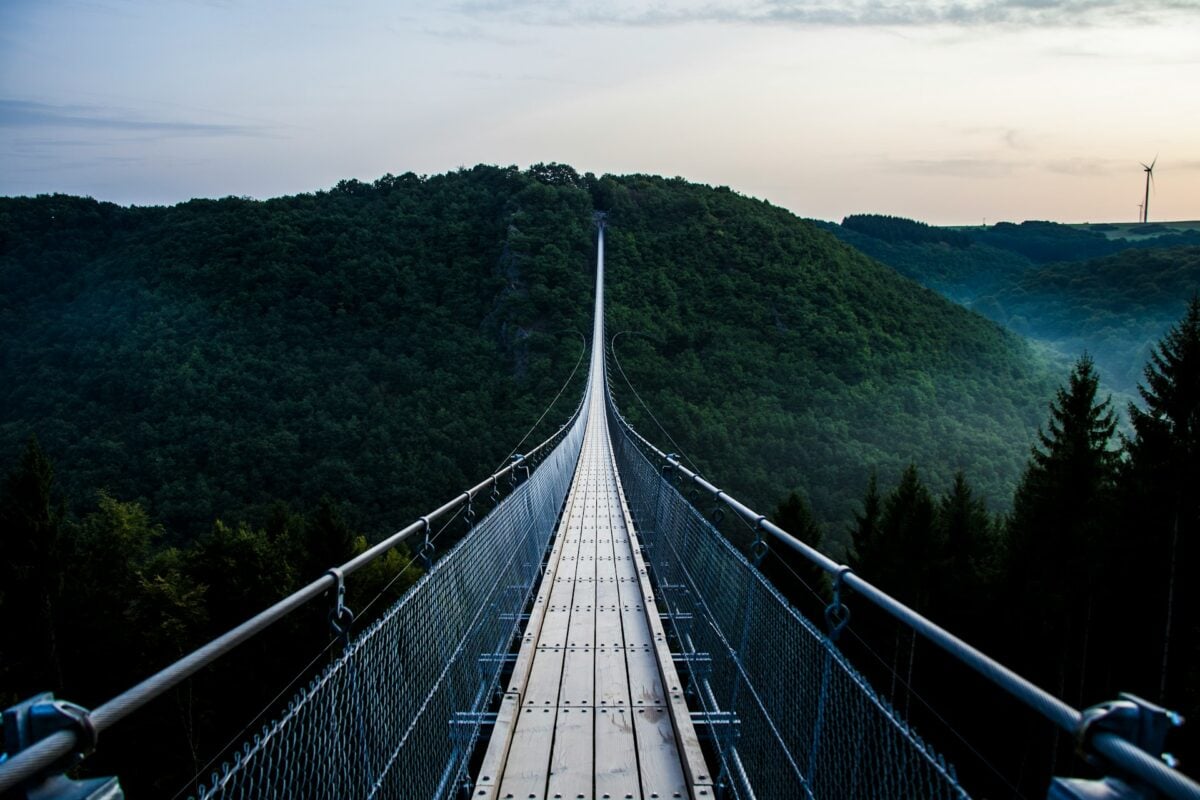
Early suspension bridge designs incorporated redundancy and massive cable systems. Later engineers, confident in modern materials, reduced cable sizes in proportional designs—only to find the older bridges safer than their successors.
The Clifton Suspension Bridge
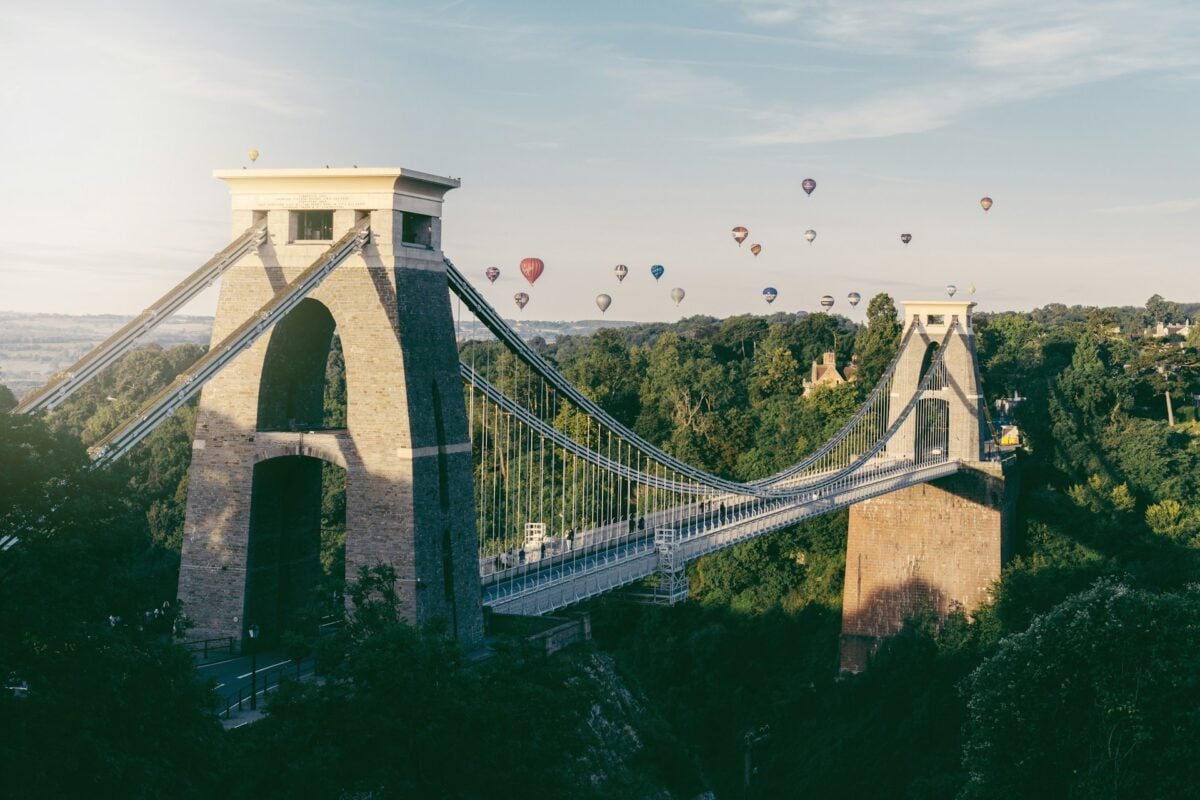
Brunel’s 1864 suspension bridge in Bristol was designed with such care that it remains safe despite carrying traffic 50 times heavier than originally anticipated. Modern bridges built with computer-optimized designs often require retrofitting within decades.
Iron Truss Bridges
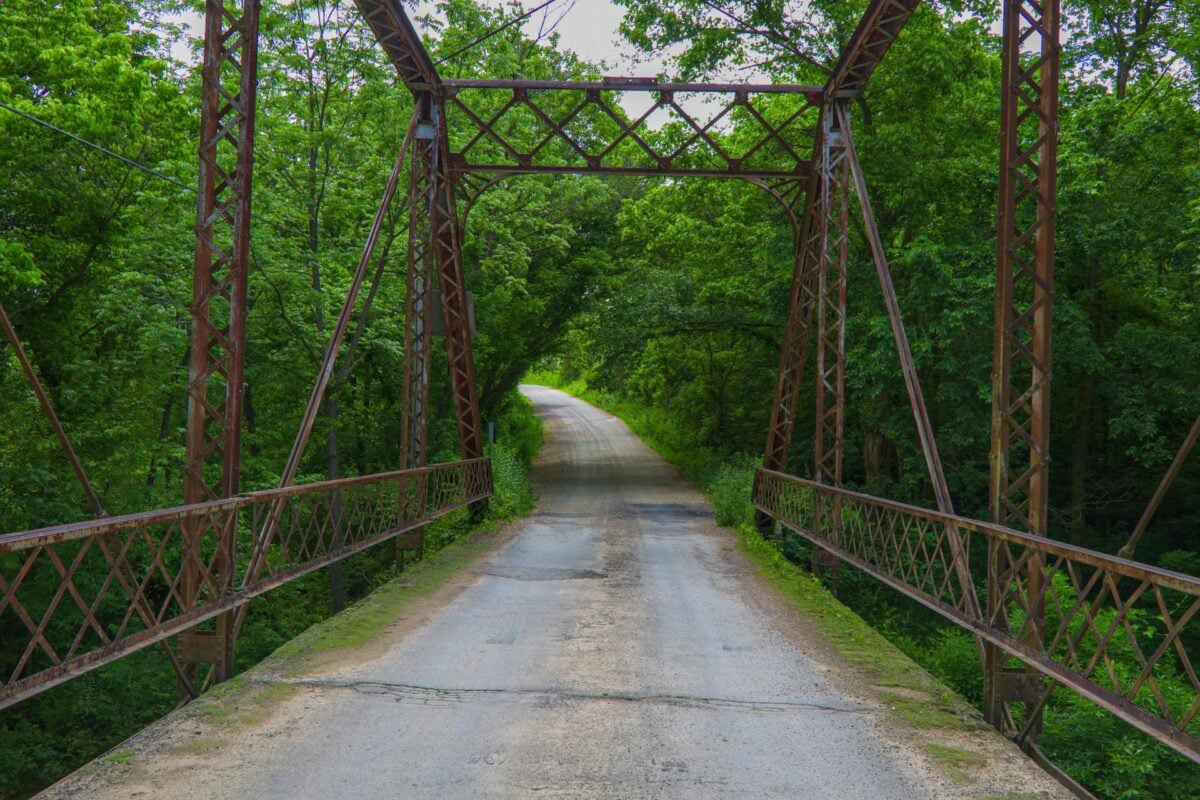
Wrought iron truss bridges built in the late 1800s, dismissed as obsolete when steel became available, continue serving after replacement bridges built with “superior” materials have been demolished. The iron’s flexibility proved advantageous.
Manchester’s Barton Aqueduct
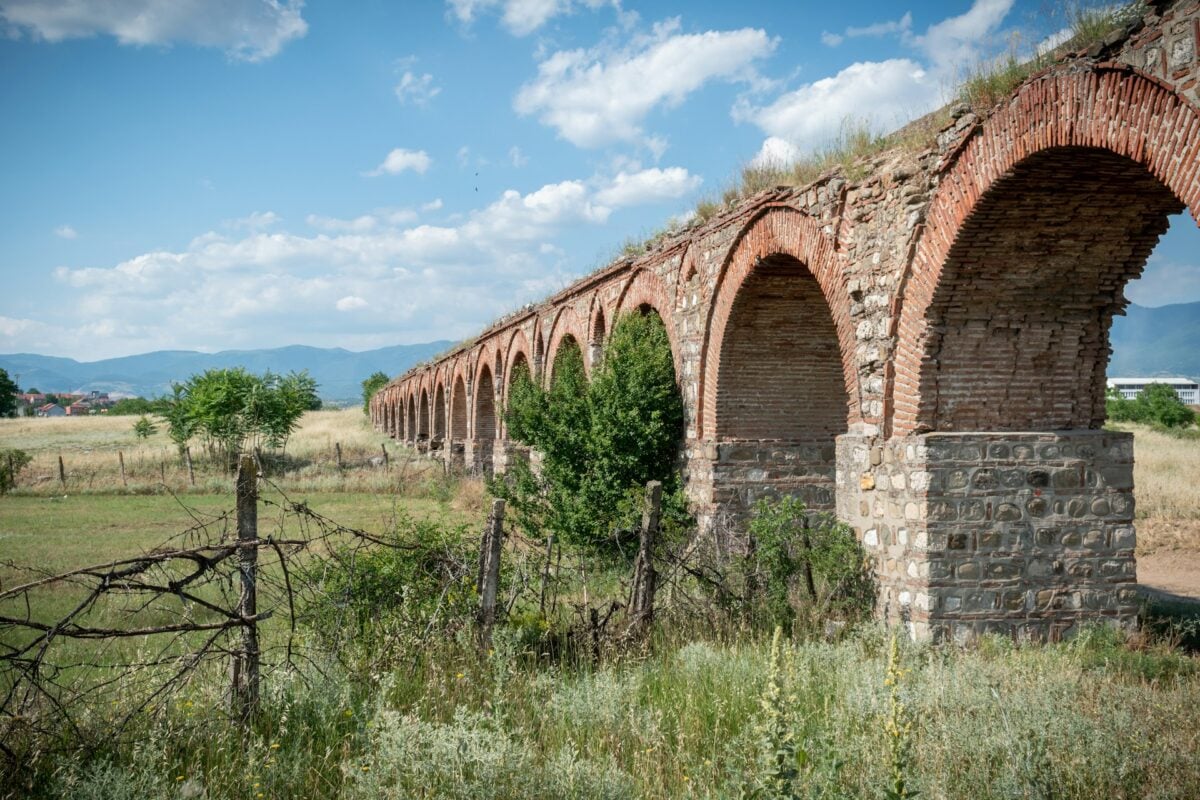
Built in 1761 to carry canals over rivers, this structure was replaced by a modern bridge in the 1990s for vehicular traffic, yet the 260-year-old structure remains intact and is now preserved as a historic monument while its replacement requires maintenance.
London Bridge

Medieval London Bridge, completed in 1209, remained in service until 1831 and lasted longer than several of its replacements. The current bridge, built in 1973, required major rehabilitation within decades.
Canal Lock Gates
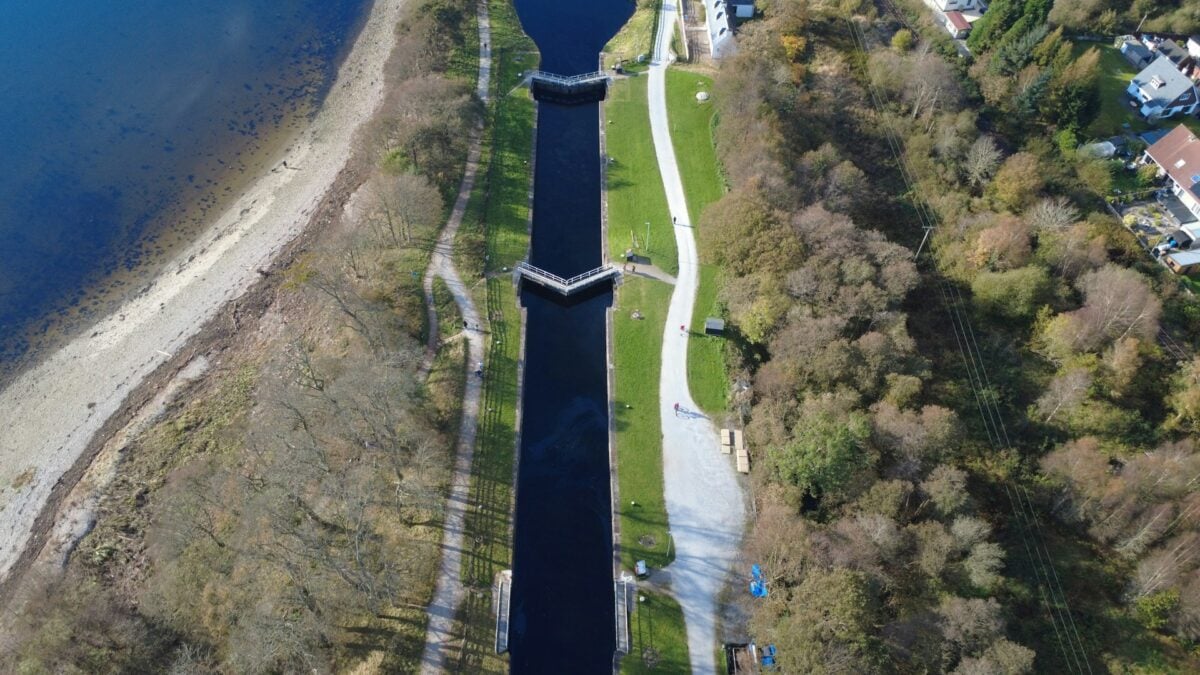
Historic lock gates built of wood and iron in the 1800s continue functioning after replacement gates built with modern materials have been replaced again. The original designs’ simplicity and margin for error proved more durable.
Hadrian’s Bridge in Newcastle
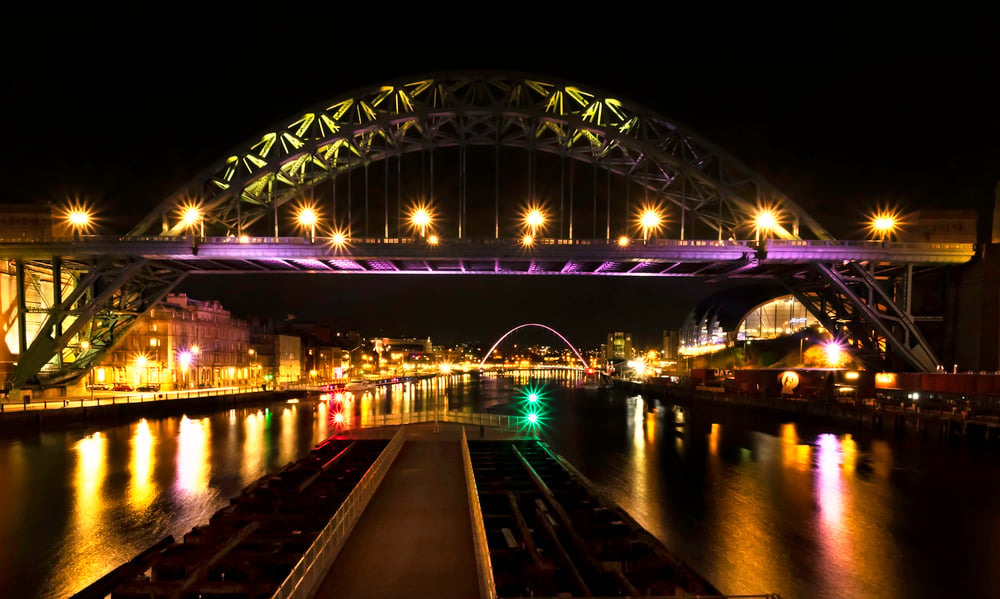
Built in 1849, this railway bridge was designed with such redundancy that it remains in service after bridges built 100 years later require reconstruction. Modern designs, optimized for cost, built less robust structures.
The Viaducts of the London and North Western Railway
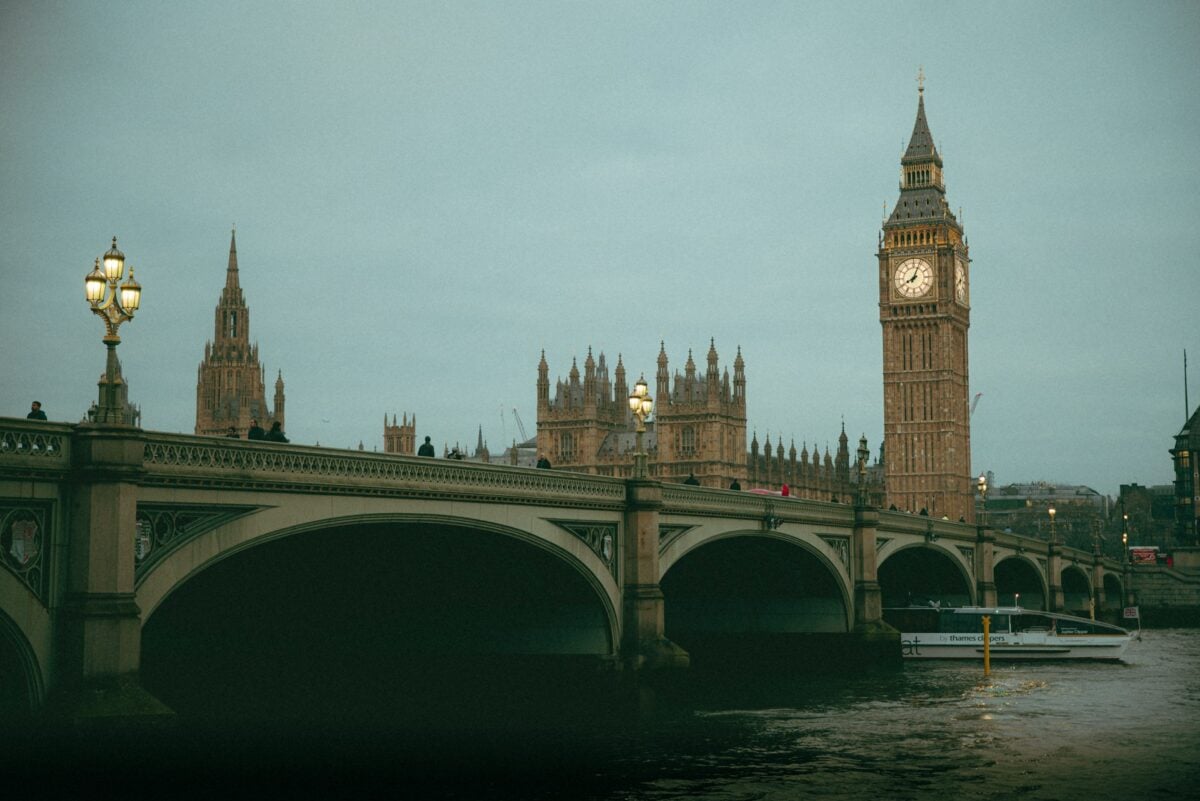
Victorian-era railway viaducts, built with stone and brick arches, remain in service after metal viaducts built later were demolished. The conservative design philosophy of 19th-century engineers proved superior to 20th-century efficiency optimization.
Multiple Spans and Redundancy

Older bridges typically incorporated extra supports and multiple load paths. Modern bridges, computer-optimized for a single load case, sometimes fail when loads deviate from assumptions. The “wasteful” redundancy of older designs proved wise.
The Medina Bridges
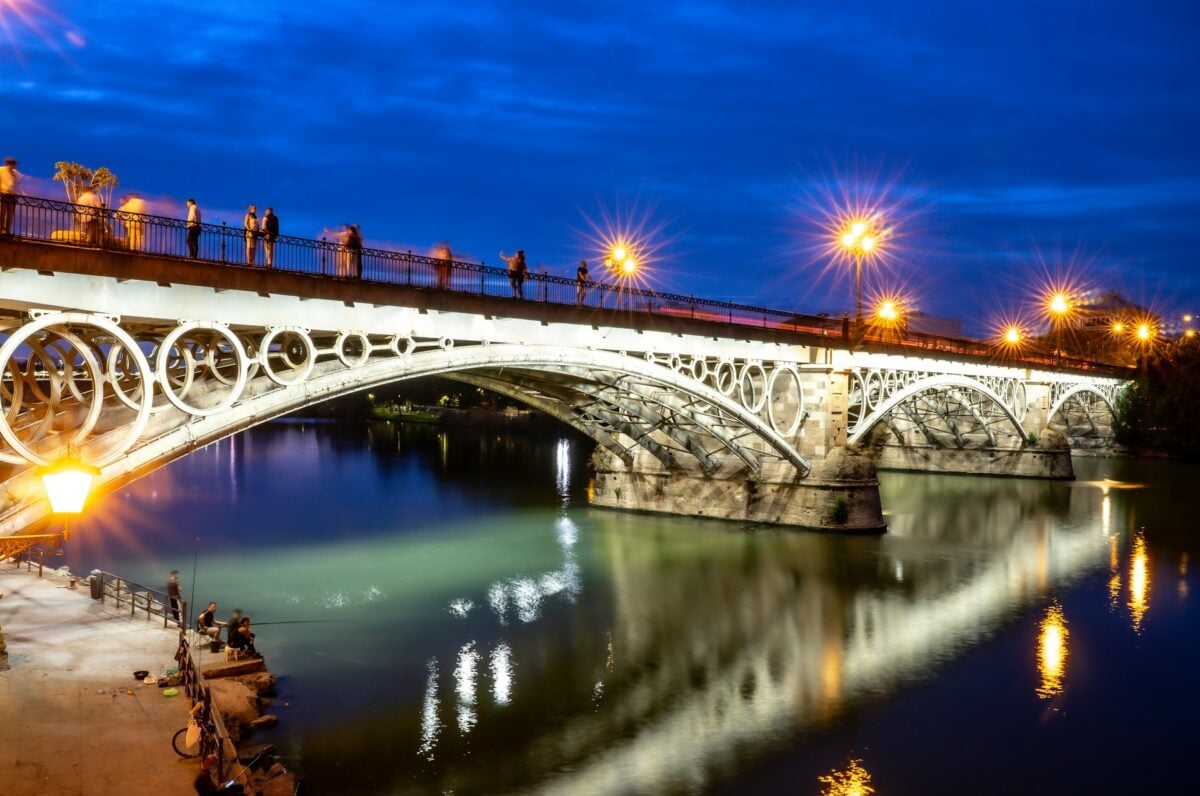
Seville’s bridges include medieval structures still functional while 20th-century replacements required rehabilitation. The medieval engineers’ conservative safety factors protected against unforeseen loads.
Cast Iron Bridge Designs
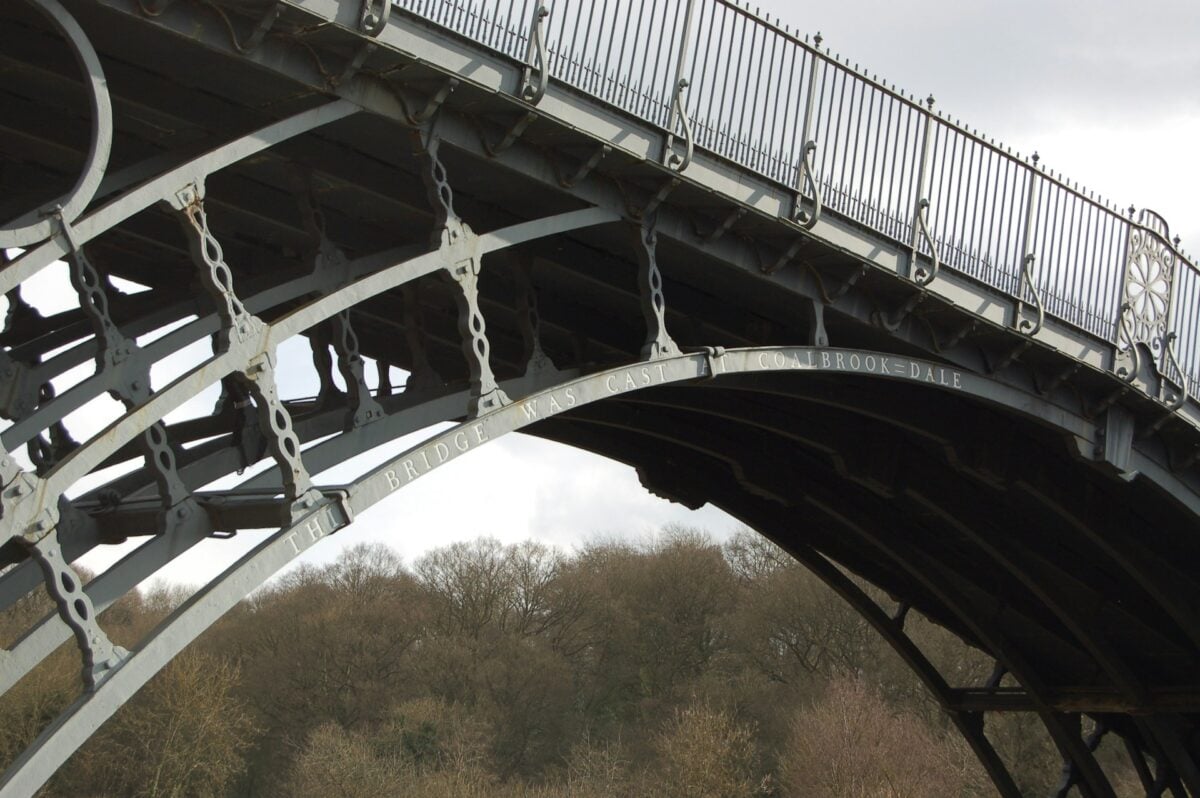
Cast iron bridges built in the 1850s and 1860s, dismissed as inferior to steel, continue functioning after steel bridges built later with less margin for error required major repairs or replacement.
Masonry Arch Viaducts
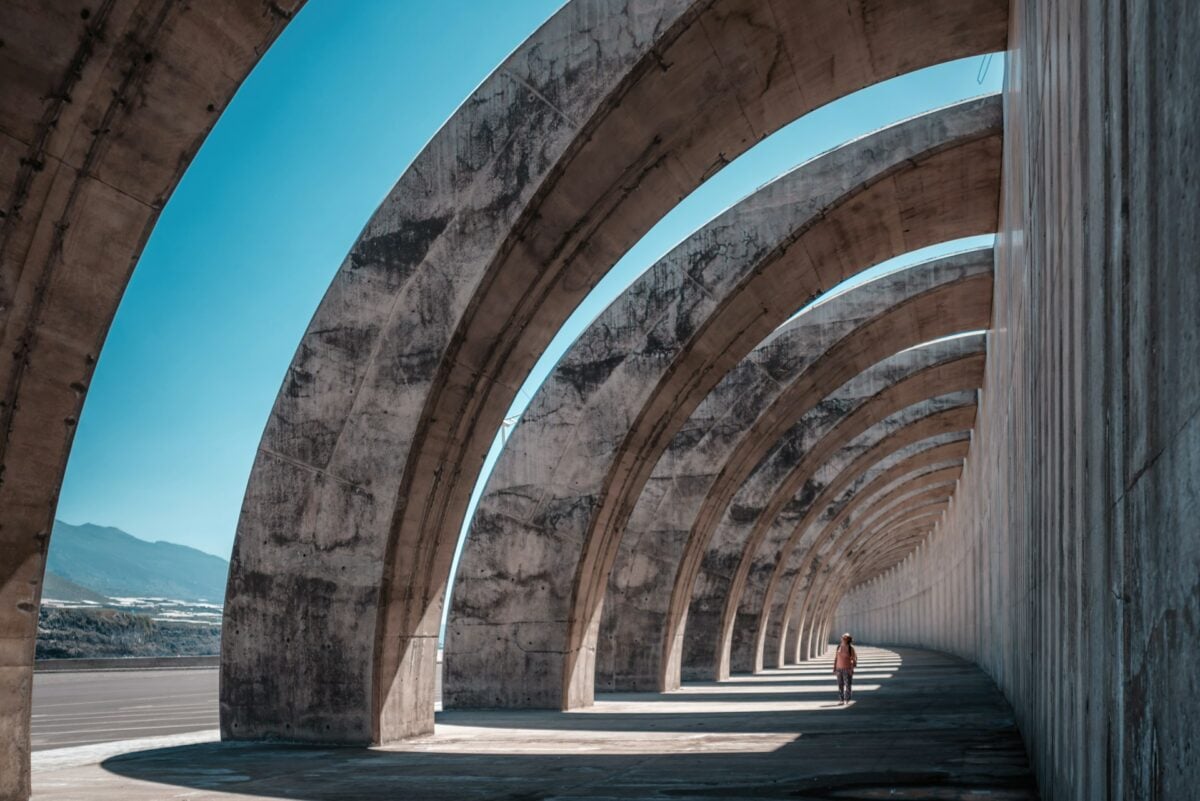
Railway viaducts built with stone and brick arches in the 1800s continue carrying trains heavier than originally designed for, while concrete viaducts built 100 years later sometimes require replacement within 50 years.
Historic Toll Bridges
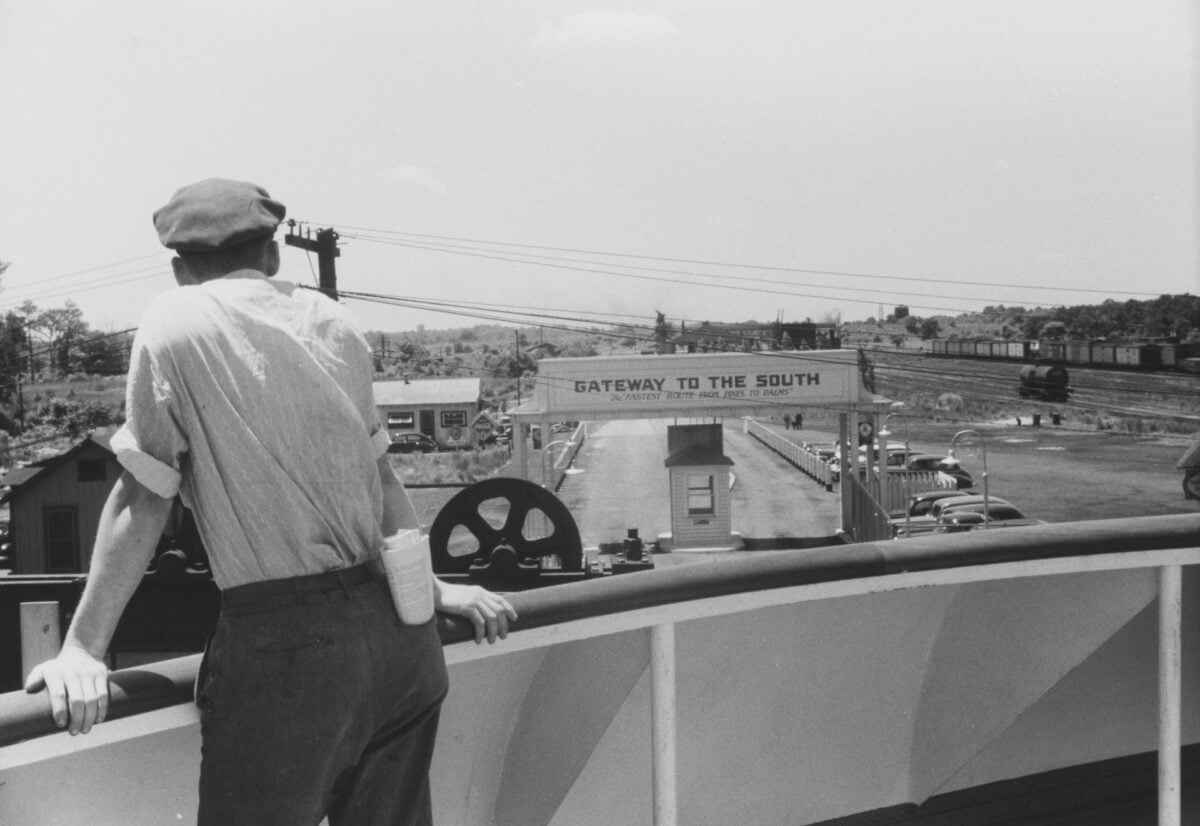
Privately maintained toll bridges from the 1800s often remain structurally superior to publicly maintained bridges built decades later. Smaller scale, redundant design, and careful stewardship extended lifespans beyond expectations.
The Menai Strait Suspension Bridge
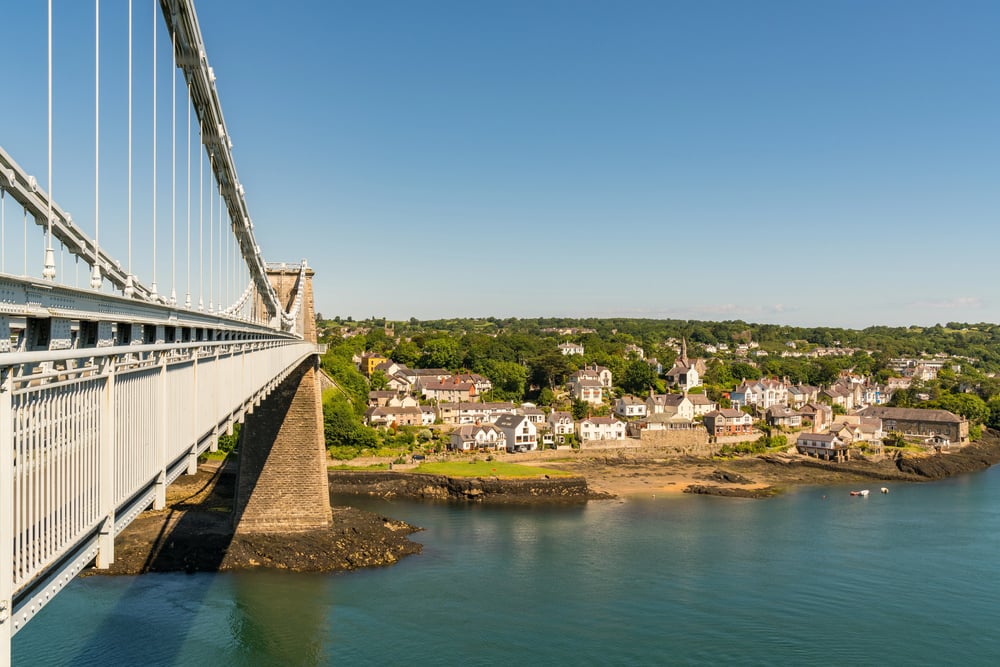
Thomas Telford’s 1826 design for the Menai Bridge incorporated such generous safety factors that it remains in service while its replacements—built with “modern” materials—require major rehabilitation.
Medieval London Bridges
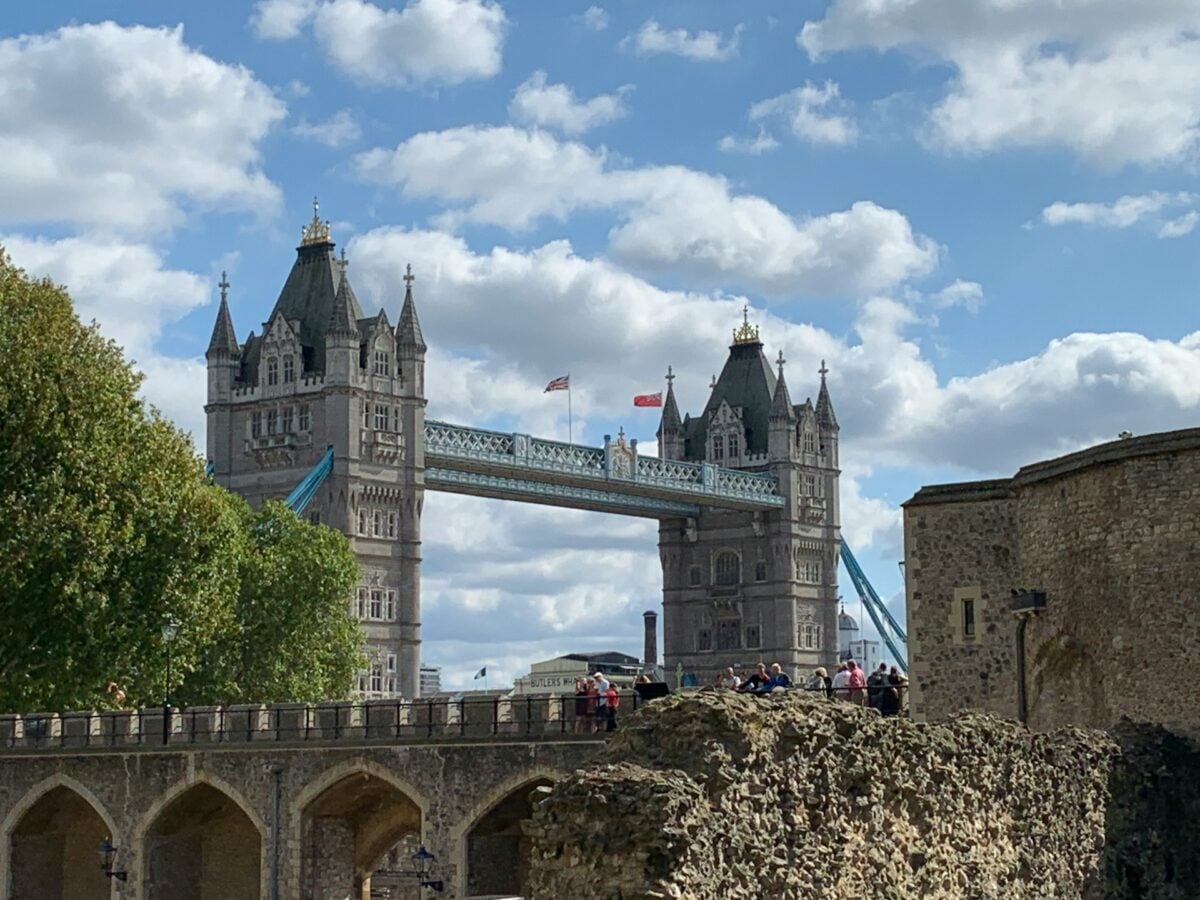
Several medieval London bridge structures were rebuilt multiple times, yet some original stone components remain in place after multiple “modern” reconstructions, suggesting the original engineering was sounder than the replacements.
Early Concrete Bridges
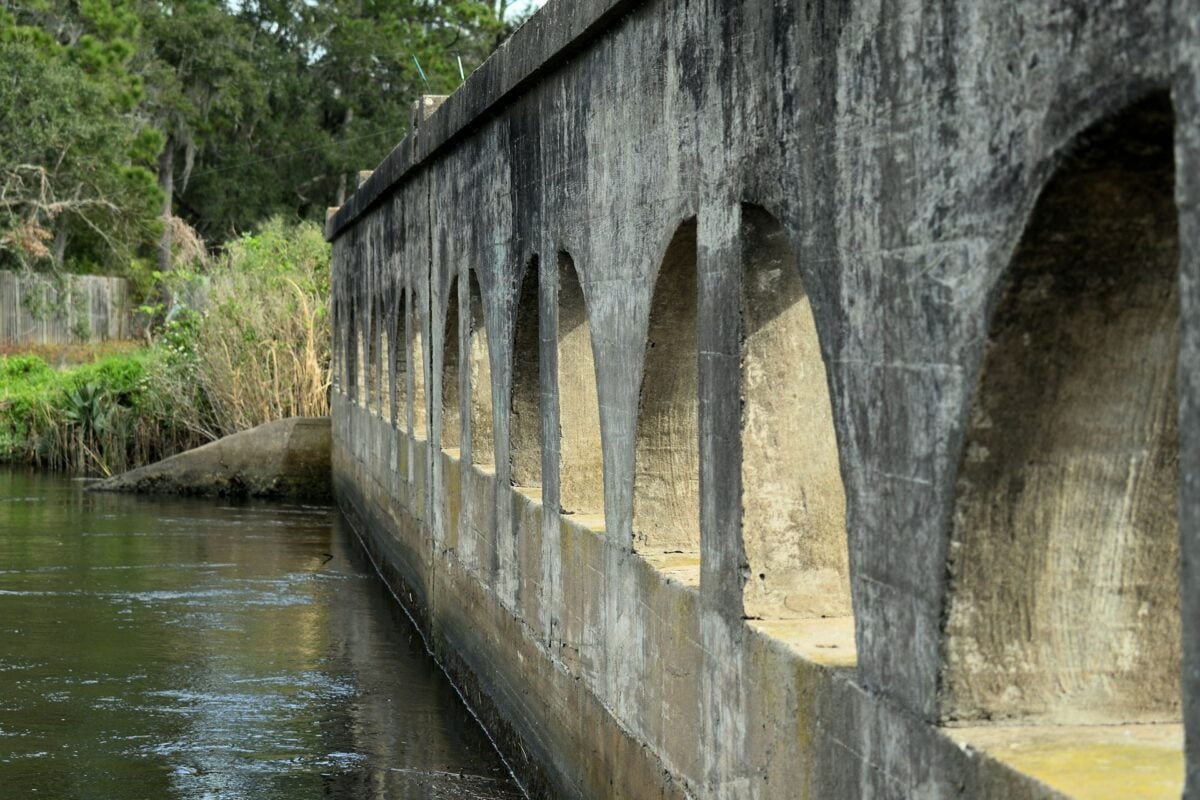
Some early reinforced concrete bridges from the 1920s and 1930s, built before engineers fully understood concrete behavior, continue functioning while steel bridges built concurrently with allegedly superior materials have been replaced.
The Condition Assessment Paradox
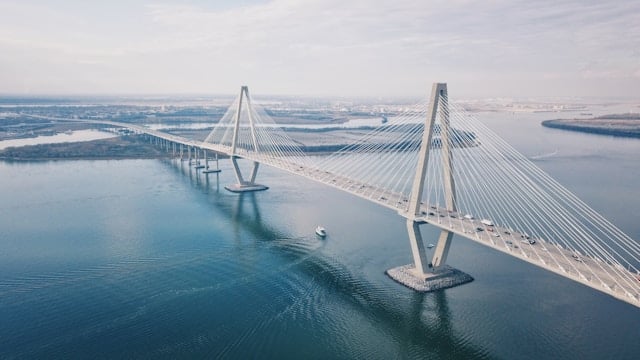
Modern bridge inspections often rate 100-year-old bridges as sound while 50-year-old bridges require major rehabilitation. Engineers who built for permanence rather than efficiency created structures that still serve, while optimized modern designs fail within their design lifetime.
Cable-Stayed Bridge Innovations
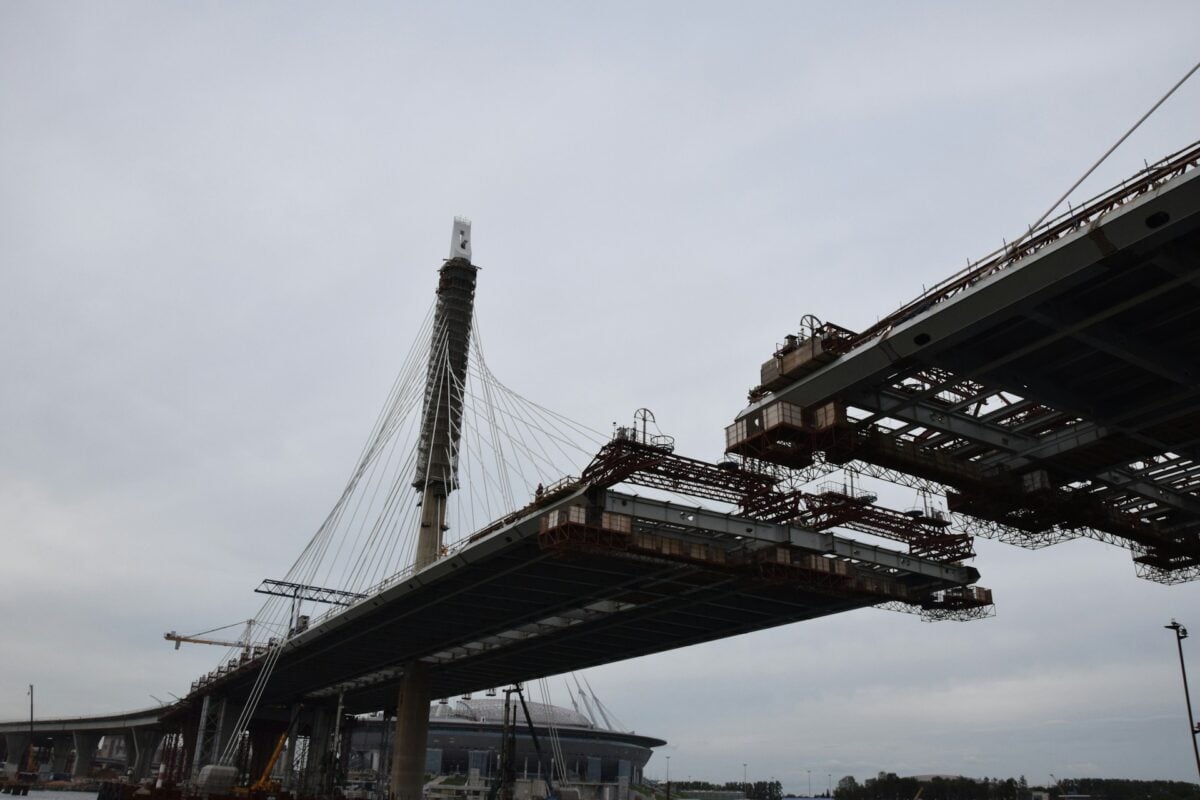
Early cable-stayed designs incorporated more cables and thicker materials than later designs. The older bridges, “inefficient” by modern standards, remain serviceable while supposedly superior later designs require extensive repairs.
Shared Span Technology
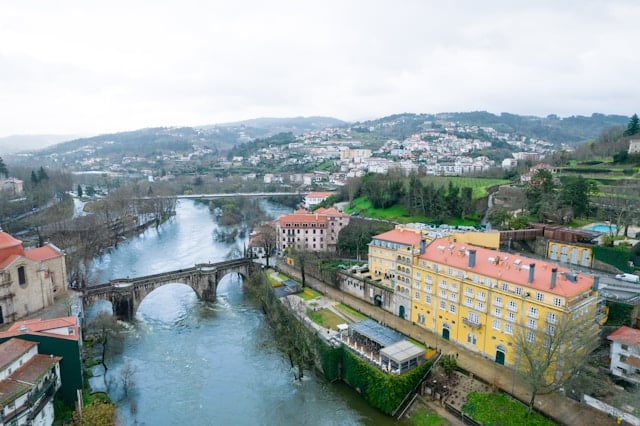
Historic bridges built to carry multiple types of traffic—canal boats, carriages, pedestrians—adapted to automobiles because of inherent design flexibility. Single-purpose modern bridges can’t adapt when demands change.
The Conclusion: Built to Last

The paradox of bridge engineering is that structures built when materials were less predictable often outlast those designed after computer analysis supposedly enabled optimization. Engineers who designed for permanence and safety rather than minimum cost and standardized loads created structures that still serve.
The bridges that were built to last 300 years do. The bridges designed for 50 years, built 50 years ago, are failing.
More from Go2Tutors!

- The Romanov Crown Jewels and Their Tragic Fate
- 13 Historical Mysteries That Science Still Can’t Solve
- Famous Hoaxes That Fooled the World for Years
- 15 Child Stars with Tragic Adult Lives
- 16 Famous Jewelry Pieces in History
Like Go2Tutors’s content? Follow us on MSN.