New Year’s Eve Traditions With Unexpected Origins
New Year’s Eve Traditions With Unexpected Origins
Every December 31st, people around the world gather to celebrate the end of one year and the start of another. The parties, countdowns, and strange customs seem like they’ve been around forever.
But most New Year’s Eve traditions have stories behind them that would surprise anyone who stopped to ask where they came from. Here are some of the most common ways people celebrate, along with the weird and wonderful histories that explain why we do them.
Kissing at midnight came from ancient Rome

The tradition of smooching someone when the clock strikes twelve traces back to ancient Roman festivals. Romans believed that the first person you encountered in the new year would set the tone for the months ahead.
Sharing a kiss was supposed to strengthen bonds and ensure those relationships stayed solid throughout the coming year. English and German communities picked up similar customs during their winter celebrations.
Today’s midnight kiss blends these old beliefs with a romantic twist that makes it feel special.
Champagne became the official drink by accident

French winemakers in the Champagne region spent centuries trying to prevent bubbles from forming in their wine because they considered it a flaw. A monk named Dom Pérignon actually worked hard to remove the fizz that kept appearing in bottles.
By the 1700s, people started enjoying the bubbly texture and it became trendy among French nobility. The association with luxury and celebration made champagne the go-to drink for special occasions. New Year’s Eve simply adopted what was already the fanciest beverage available.
Fireworks were meant to scare away evil spirits

Ancient Chinese communities set off bamboo stalks in fires to create loud popping sounds during their New Year celebrations. They believed the noise frightened away evil spirits and bad luck before the new year began.
When the Chinese invented actual gunpowder fireworks around 1,000 years ago, the displays became even more impressive. European traders brought fireworks back to their countries, where they caught on for all kinds of celebrations.
The bright colors and loud booms still serve the same purpose of marking important moments with excitement.
Making resolutions started with Babylonian farmers

The ancient Babylonians made promises to their gods at the start of each year, which began in mid-March during planting season. They pledged to return borrowed farming equipment and pay off debts to stay in good standing with the deities.
Romans later moved their new year to January and made similar promises to Janus, the two-faced god of beginnings and endings. The religious aspect faded over time, but the habit of committing to self-improvement stuck around.
Modern resolutions focus more on personal goals than divine favor.
Watching the Times Square orb drop was a workaround

New York City banned fireworks displays in 1907 due to safety concerns, which left Times Square without its usual New Year’s celebration. The owners of One Times Square needed a replacement spectacle to draw crowds to their building.
They designed a 700-pound iron and wood sphere covered in light bulbs that would descend from the roof at midnight. The first orb drop happened on December 31, 1907, and became an instant hit with spectators. Television broadcasts starting in the 1950s turned this local event into a national tradition.
Eating 12 grapes at midnight is a Spanish marketing ploy
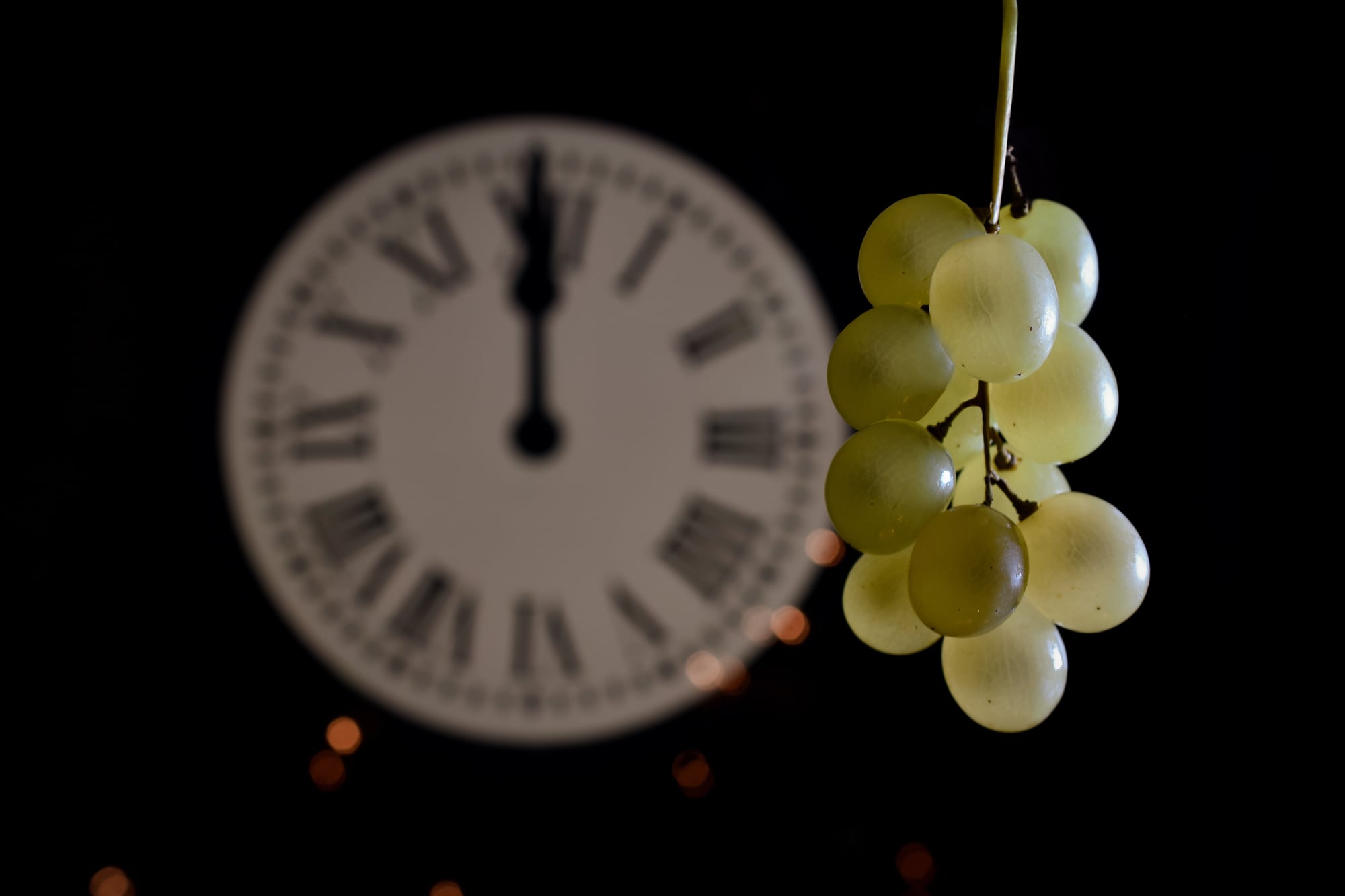
Spanish grape growers had a massive surplus harvest in the early 1900s and needed a way to sell their extra fruit. Someone came up with the clever idea of promoting a tradition where people ate one grape for each chime of the clock at midnight.
The campaign worked brilliantly, and Spaniards started racing to eat all 12 grapes before the last bell stopped ringing. Each grape supposedly brings good luck for one month of the coming year. Countries throughout Latin America adopted this practice, keeping grape farmers happy for over a century.
Singing Auld Lang Syne happened because of a TV show

Scottish poet Robert Burns published the song ‘Auld Lang Syne’ in 1788, but it remained relatively unknown outside Scotland for generations. Guy Lombardo and his Royal Canadians band started playing the tune at their New Year’s Eve performances in the 1920s and 1930s.
When their concerts were broadcast on radio and later television, millions of Americans heard the song during their celebrations. The melody and lyrics about remembering old friends resonated with people saying goodbye to another year.
Now it plays in almost every English-speaking country when midnight arrives.
Wearing white in Brazil connects to ocean worship

Brazilian New Year’s celebrations center around beach gatherings where people dress entirely in white clothing. This tradition honors Yemanja, a deity from Afro-Brazilian religions who rules over the ocean and is considered the mother of all living things.
Celebrants throw flowers and offerings into the waves while making wishes for the coming year. The white outfits represent peace, purity, and new beginnings. Rio de Janeiro’s Copacabana Beach hosts one of the world’s largest New Year’s parties with millions wearing white and watching fireworks over the water.
Dropping things besides the Times Square orb started as mockery

Towns across America began dropping unusual objects at midnight as a playful response to the famous New York tradition. Key West, Florida drops a giant red high-heeled shoe with a drag queen inside.
A town in Pennsylvania lowers a massive peach, and another community in Idaho drops a giant potato made from lights and wire. These quirky alternatives started as jokes but became beloved local traditions that draw tourists. Each town picks an object that represents something important to their community or economy.
First-footing in Scotland requires specific visitors

Scottish tradition states that the first person to enter a home after midnight determines the household’s luck for the entire year. The ideal ‘first-footer’ should be a tall, dark-haired man carrying symbolic gifts like coal, salt, or whisky.
Fair-haired visitors were considered bad luck because they might be invading Vikings. Families would wait anxiously after midnight for the right person to knock on their door. Some people still arrange for appropriate friends to visit right after the countdown ends.
Smashing plates in Denmark shows affection
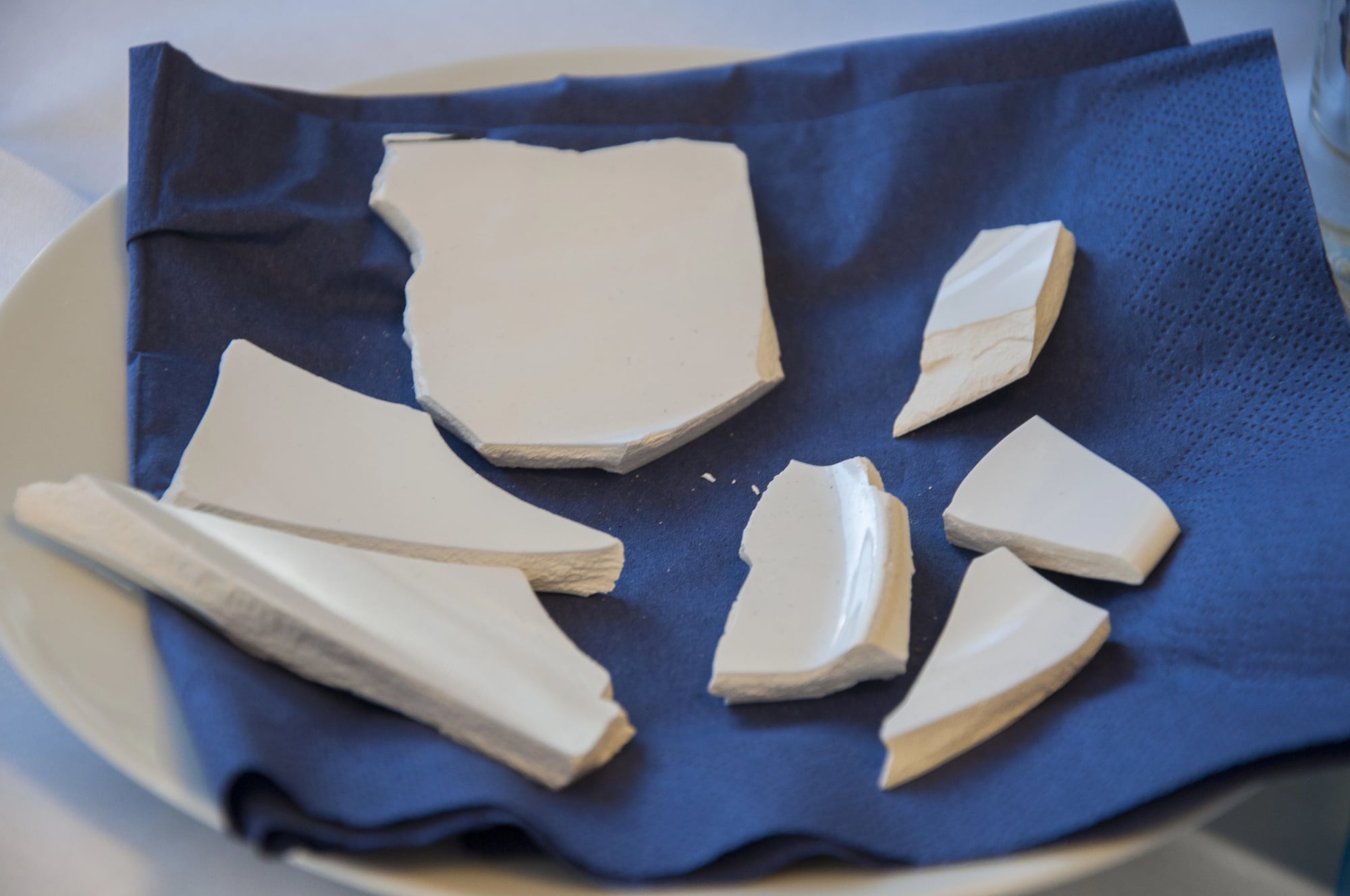
Danish people save their chipped or cracked dishes throughout the year to throw at friends’ front doors on New Year’s Eve. The bigger the pile of broken pottery outside your home, the more popular and well-liked you are in the community.
This destructive tradition supposedly brings good luck and wards off bad spirits. Homeowners wake up on January 1st to assess their broken dish count. The custom has gotten less common in modern times, but some Danish families still keep it alive.
Eating black-eyed peas in the South relates to the Civil War

Southern United States tradition considers black-eyed peas essential for New Year’s Day meals, but the custom has dark roots. During the Civil War, Union troops took most food supplies but left behind black-eyed peas because they were considered animal feed.
Southerners surviving on these humble legumes felt lucky to have any food at all. The association between black-eyed peas and good fortune stuck around after the war ended. Many Southern families still cook them with collard greens and cornbread on January 1st.
Putting on polka dot patterns there stands for money

Filipinos wear dotted clothing during New Year’s – it’s believed the spots look like coins, bringing wealth. Bigger dots, or lots of them, mean stronger luck with money next year.
When clocks strike twelve, kids leap up, hoping it’ll make them grow an inch. Round fruits pop up on dinner tables, arranged neatly by families. Everything ties back to circular shapes standing for cash and full pockets.
Burning scarecrows in Ecuador represents fresh starts

Ecuadorians make big dolls named ‘años viejos’ – figures showing what the last year was like, problems included. Instead of just any design, they usually resemble famous people, leaders, or animated figures you’d see on TV.
People keep these dolls outdoors most of the final day of the year. When clocks hit twelve, they torch them, which means letting go of tough moments from before. Alongside the flames, some towns toss in notes listing things they wish had gone differently.
Cracking open windows or doors late at night ties back to traditions from Puerto Rico

Puerto Ricans fling every door and window wide when the clock hits twelve. Supposedly, this chases off bad vibes plus lets positivity rush in.
A few households toss a pail of water through the glass to clear out last year’s junk. The place remains unlocked awhile as folks cheer outdoors. Folks nearby usually sync it – everyone does their thing together.
Putting on tinted underpants across Italy shapes how fortune treats you

Italians think your New Year’s undies can shape the year to come. Red is said to spark romance and energy, whereas yellow or gold pulls in cash and wins.
Peace and balance go with white, but green? That’s for hope and staying strong. Every December, shops fill up with bright underwear setups just for this. Started kinda recently, this habit blew up in the ’60s – then jumped borders into nearby parts of Europe.
Eating donut-like snacks in the Netherlands ties into a sense of full cycles

Dutch New Year parties include round snacks such as donuts and oliebollen since circular shapes stand for a year looping back on itself. This form stands for wholeness, also how time never really stops.
Relatives cook these goodies at home or grab them from pop-up stalls seen just around this festive period. A few folks down over twelve pieces in a single night. Doing so reminds everyone that when something finishes, it opens the door to what comes next.
These traditions keep evolving – shifting little by little, yet always moving forward
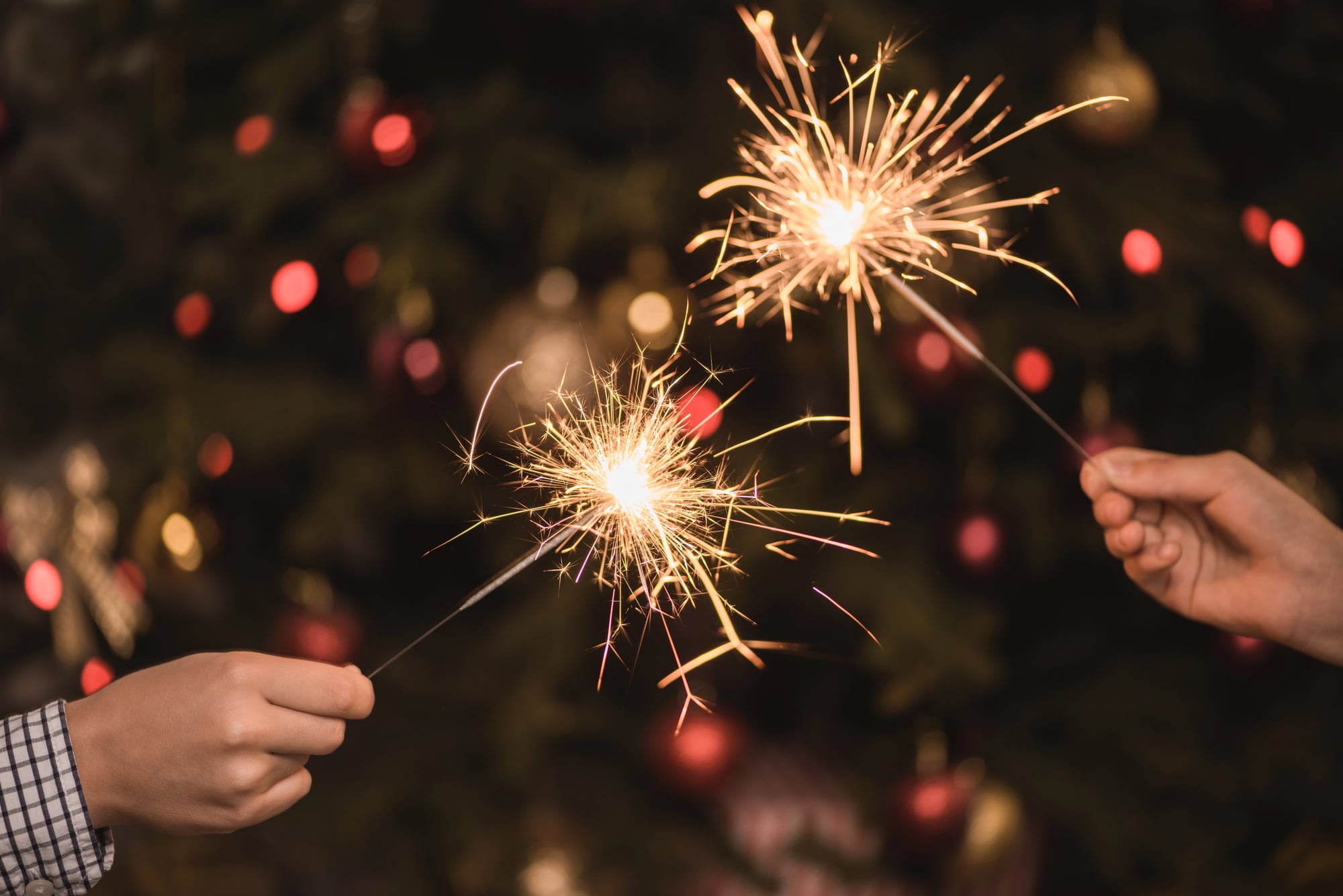
New Year’s Eve habits shift when different cultures mix, bringing fresh ideas into old routines. Things that began as rituals or fixes now turn into fun quirks folks enjoy every winter.
Old ways sometimes disappear, whereas newer ones pop up – showing what people care about at the moment. No matter how wild they seem, these acts share a simple urge: noticing change and wishing for brighter days. Each weird habit or funny belief shows someone reaching for influence over tomorrow, even if only in spirit.
More from Go2Tutors!

- The Romanov Crown Jewels and Their Tragic Fate
- 13 Historical Mysteries That Science Still Can’t Solve
- Famous Hoaxes That Fooled the World for Years
- 15 Child Stars with Tragic Adult Lives
- 16 Famous Jewelry Pieces in History
Like Go2Tutors’s content? Follow us on MSN.



