33 TV Dinners Freezers Once Stocked
Decision needed: None; formatting only.
The foil peeled back, steam rolled out, and the mashed potatoes were somehow both scalding and frozen in the middle. Nobody complained.
Dinner had taken twenty-five minutes, dirtied nothing, and arrived in its own plate.
For about forty years the frozen dinner aisle told the story of how American households were changing, one compartment at a time. Some of these brands still exist in altered form.
Most have vanished along with the aluminum trays they came in.
Maxson Strato-Plates

The frozen dinner began in the air. In the mid-1940s the W. L. Maxson Company of New York froze complete meals of meat, potato, and vegetable on a three-part plate and sold them to the military and then to airlines, along with a purpose-built oven that reheated them in flight.
Passengers on long hauls ate hot food for the first time. William Maxson died in 1947 before he could bring the idea to grocery stores.
Every divided tray that followed borrowed his basic layout.
Frigi-Dinner
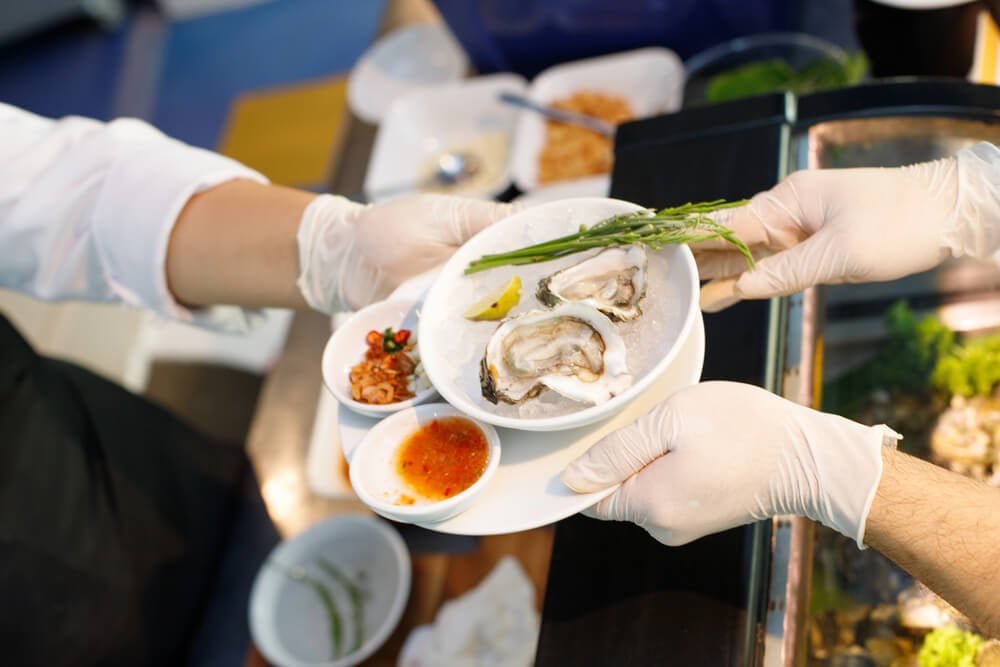
Jack Fisher’s Philadelphia company brought frozen plated meals to the ground in the late 1940s, selling first to bars and taverns that wanted to serve food without hiring a cook. The menu read like a diner chalkboard, with beef stew alongside corn and peas, veal goulash with potatoes, and chicken chow mein with egg rolls and fried rice.
Frigi-Dinner never had national reach or a memorable slogan. It proved that ordinary customers would eat a reheated meal from an aluminum tray, a finding the bigger companies noted carefully.
One-Eyed Eskimo Dinners

Albert and Meyer Bernstein of Pittsburgh formed Frozen Dinners Incorporated in 1949 and sold oven-ready meals on aluminum trays under the One-Eyed Eskimo label. They moved about four hundred thousand in their first year or so.
In 1952 the brothers reorganized as the Quaker State Food Corporation and pushed distribution across the eastern states, reaching more than two and a half million dinners by 1954. They had the product right and the region covered.
They lacked a national brand name and an advertising budget, and Swanson had both.
Swanson Turkey Dinner
C. A. Swanson and Sons of Omaha put its first TV Brand Frozen Dinner on sale in the fall of 1953. It held sliced turkey over cornbread dressing, sweet potatoes, and buttered peas, sold for ninety-eight cents, and came in a carton printed to look like a television set.
The company cautiously ordered five thousand. It sold more than ten million in 1954, the first full year.
Who deserves credit for the idea remains disputed among former employees and the Swanson family. The original tray entered the Smithsonian collection in 1987.
Swanson Fried Chicken Dinner
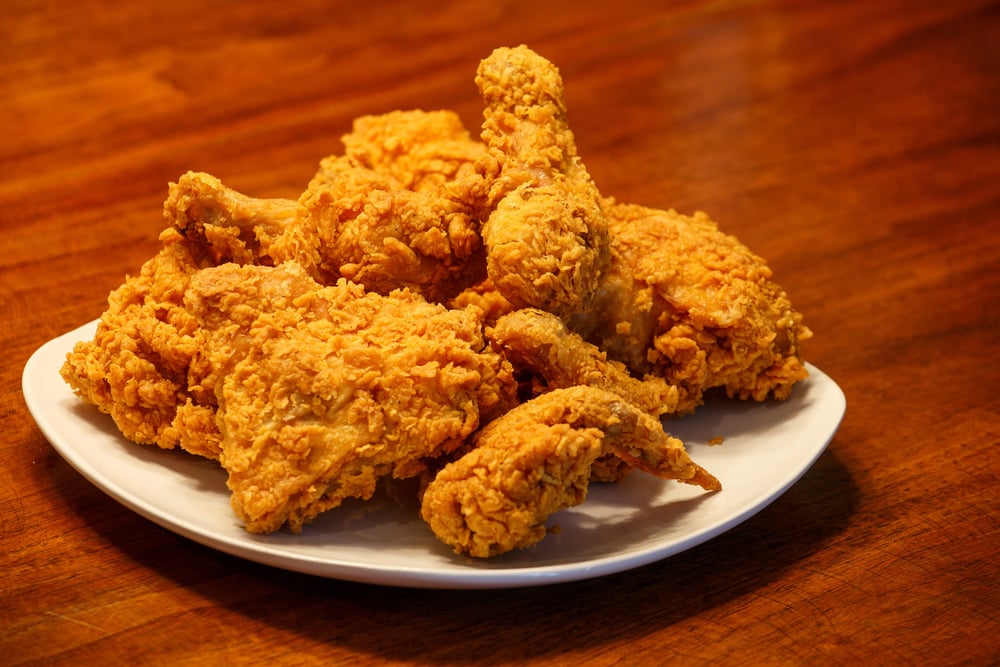
Fried chicken followed the turkey within a couple of years and became the company’s bestseller for long stretches. The chicken came out of the oven with a crust that was better than it had any right to be, provided the foil was folded back for the last few minutes as the box instructed.
In 1960 Swanson added a fourth compartment for dessert. The apple cobbler that came with the chicken reached a temperature close to molten and has its own following among people who grew up burning their tongues on it.
Swanson Salisbury Steak
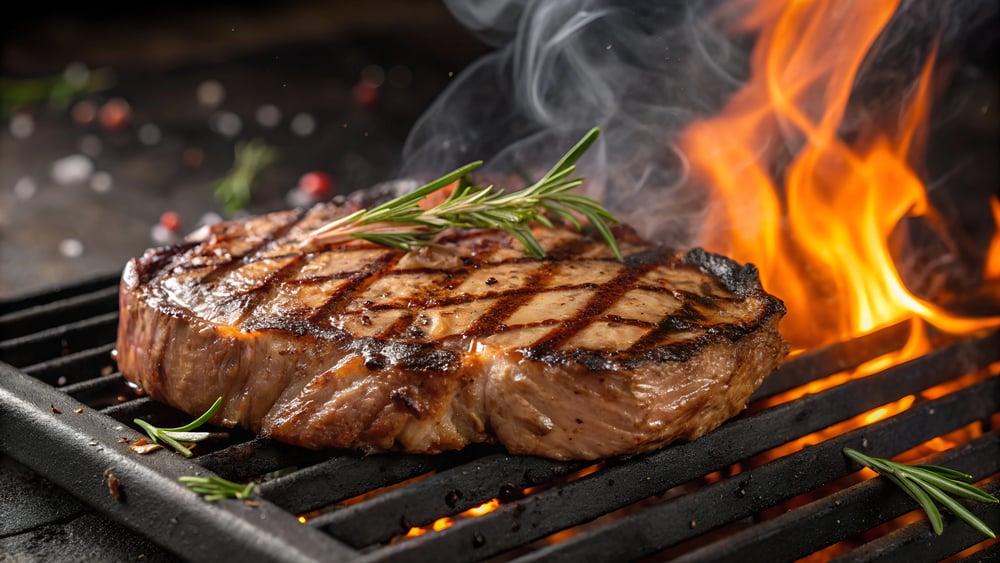
The Salisbury steak takes its name from James Salisbury, a nineteenth-century American physician who prescribed minced beef patties as a health food. The frozen version was a seasoned ground beef oval in brown gravy, partnered with mashed potatoes and corn or peas.
It was the most forgiving item in the freezer, because gravy hides a great deal. It was also cheap to produce, which kept it in every brand’s lineup for decades.
For many households it defined the category more than the turkey ever did.
Beans and Franks
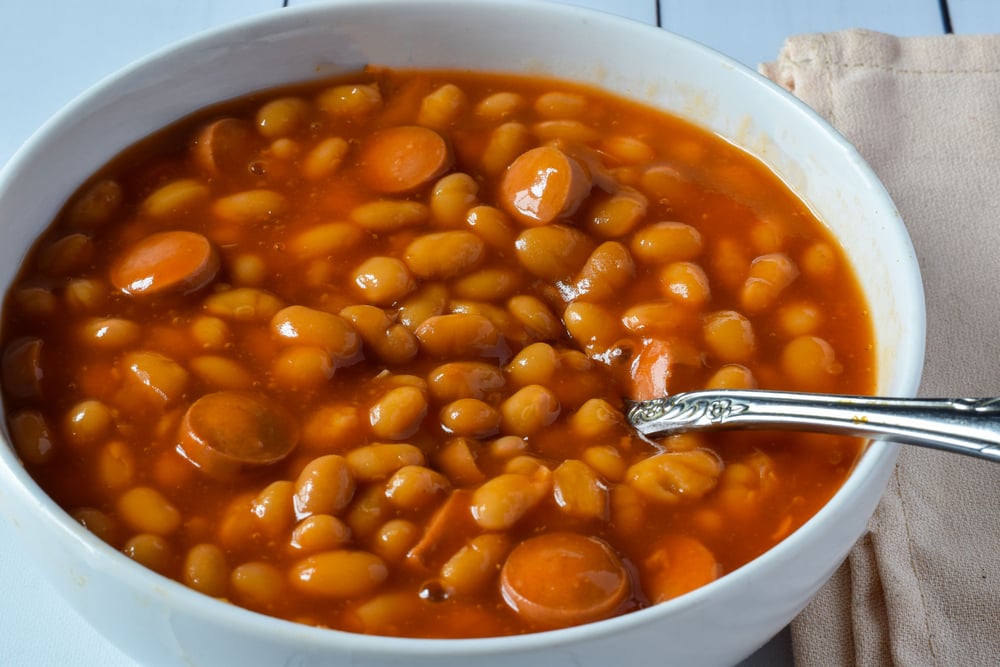
This was the dinner children asked for by name. Sliced frankfurters sat in a compartment of sweet baked beans, usually with a square of cornbread or a portion of apple dessert alongside.
It cost less than the meat dinners and reheated evenly, since nothing in it could dry out. Parents regarded it as barely a meal.
It showed the company something useful, though, because it sold to a buyer who was not doing the shopping, and a later generation of products was built entirely around that child.
The Meat Loaf Dinner
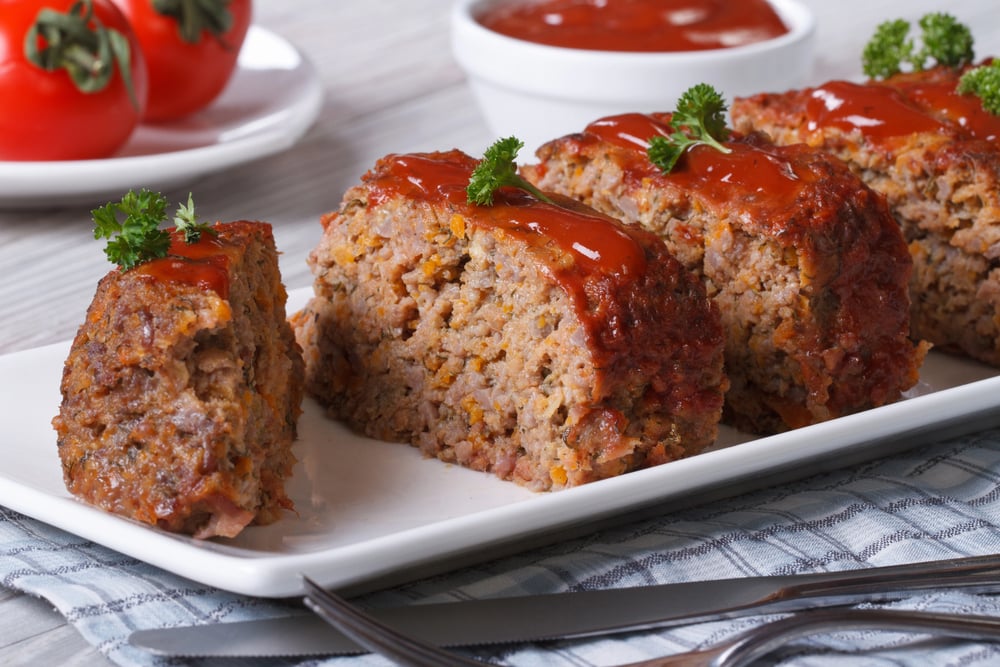
Meat loaf in tomato sauce, mashed potatoes with a pat of butter frozen on top, and a green vegetable made up one of Swanson’s steadiest sellers through the 1960s and 1970s. The appeal was familiarity.
It resembled what many families already ate on a Tuesday, only faster. The loaf was sliced by machine into identical rectangles, and the uniformity became part of the look.
Swanson dropped the words TV Dinner from its cartons in 1962, worried the name limited sales to evenings, but customers never stopped using the phrase.
International Dinners in Five Styles
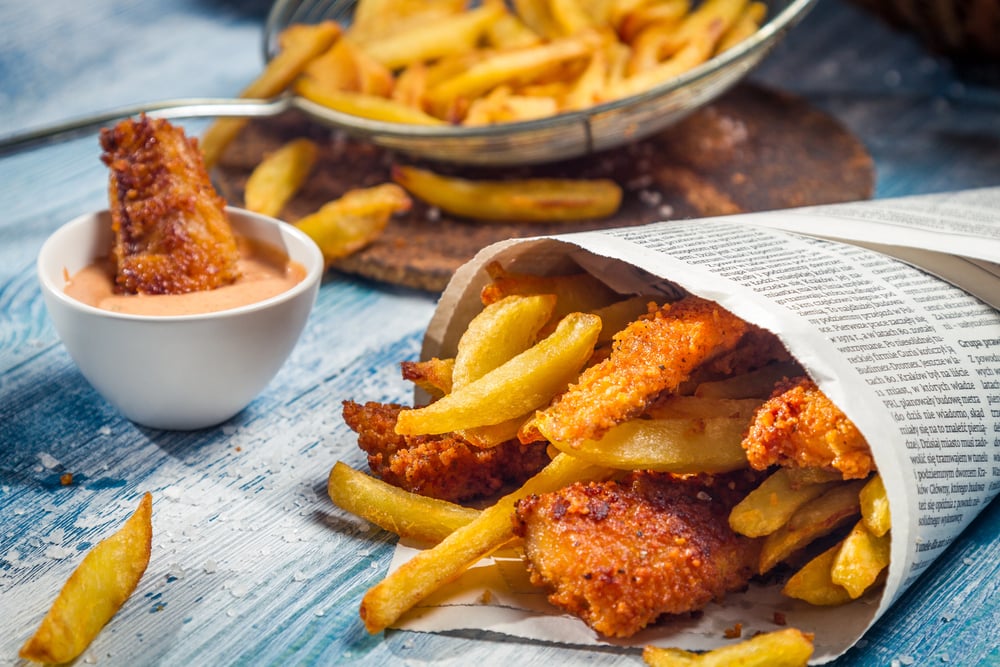
In the late 1960s Swanson sent its trays abroad, at least in theory. The International line included a German style dinner, a Chinese style dinner, an Italian style dinner, a Mexican style dinner, and an English style plate of fish and chips.
The word style did considerable work on those boxes. The meals reflected what American cooks of the period understood those cuisines to be, which was not much.
They remain a favorite of collectors of vintage packaging, largely for the illustrations of windmills, pagodas, and sombreros.
Three-Course Dinners With Soup
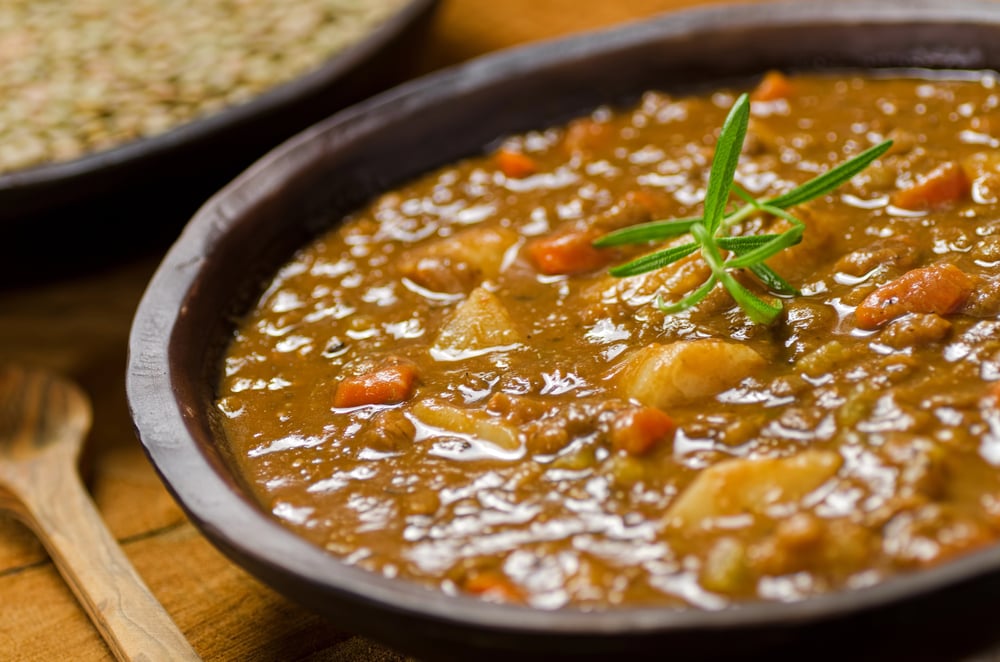
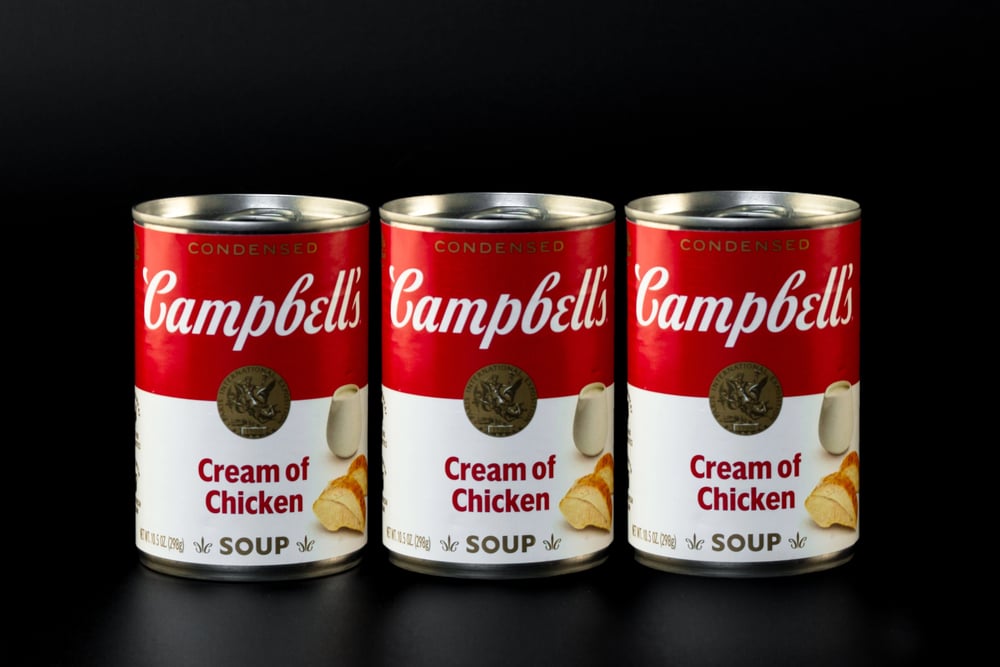
Swanson stretched the tray further in the 1960s with a three-course line. A compartment of condensed soup heated alongside the entree, and a dessert finished the meal, so a single foil tray delivered a soup course, a main course, and a sweet.
Getting soup, meat, and cake to finish at the same moment in the same oven was an engineering problem the company never fully solved. The soup tended to boil over while the entree caught up.
The line ran into the 1970s before quietly giving way to larger portions.
Pancakes and Sausage for Breakfast
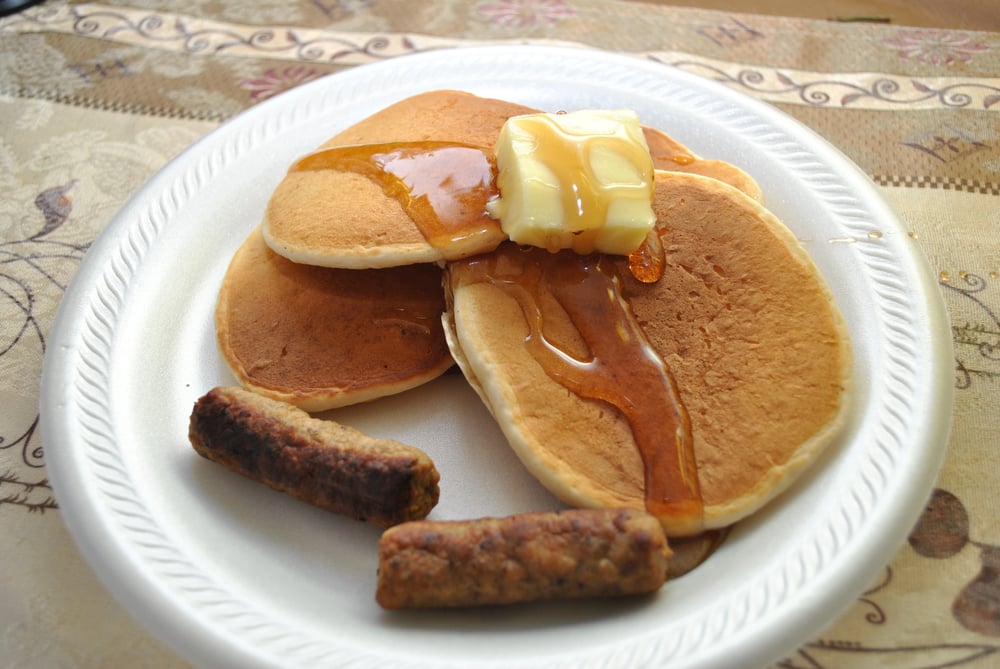
Swanson moved into mornings in 1969 with frozen breakfasts, led by pancakes with sausage links and a compartment of scrambled eggs with fried potatoes. It was a logical step for a company whose dinner name had begun to feel confining.
The pancakes reheated reasonably well, the eggs less so. Breakfast trays found their audience among commuters and teenagers, and the microwave later made them more practical.
The line lasted for decades under a name that changed several times as the brand passed between owners.
Hungry-Man
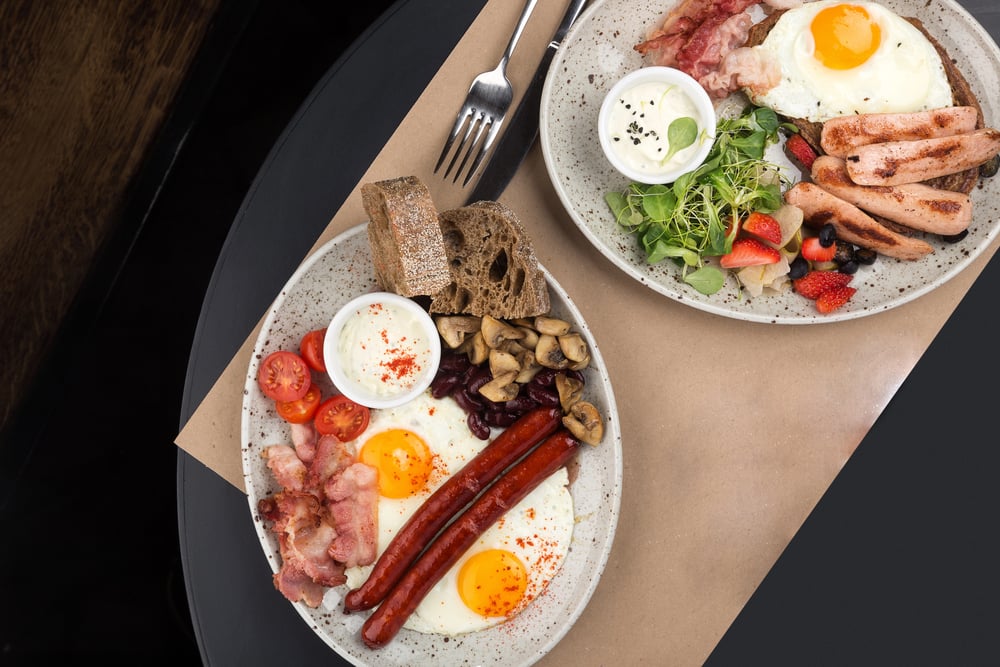
By the early 1970s the standard dinner looked small, and Swanson answered in 1973 with Hungry-Man. The portions ran to a pound or more, with extra meat and a bigger dessert, and the advertising featured large professional athletes, most memorably Pittsburgh defensive lineman Joe Greene.
It was aimed directly at men who felt a regular tray was not a meal. The line outlived nearly everything else Swanson made.
It is still sold today under different ownership, long after the parent name faded from American dinner cartons.
Swanson Chicken Pot Pie
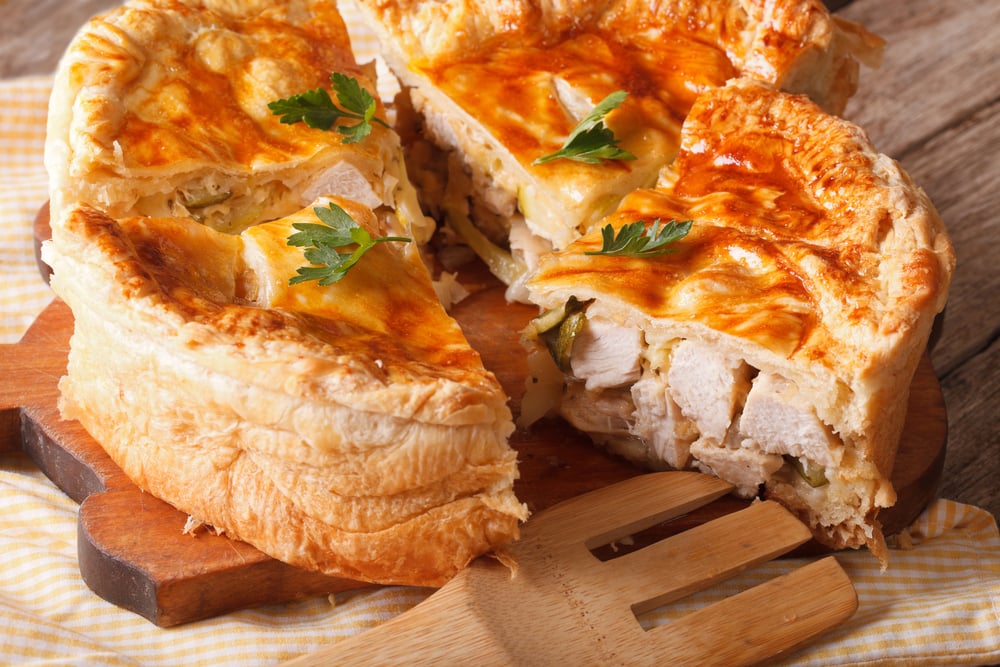
The pot pie reached freezers in 1951, two years ahead of the TV dinner, and it helped finance what came next. A small foil pan held chicken, peas, carrots, and gravy under a pastry lid, and it needed the better part of an hour in a conventional oven.
Campbell Soup bought the Swanson company in 1955, in part for products like this one. The crust browned unevenly and the filling stayed dangerously hot.
Generations of latchkey children learned patience, or failed to, waiting for one to cool.
Fun Feast
Swanson came late to the children’s market, launching Fun Feast in 1992, two years after its competitors. The boxes were loud, the entrees ran to chicken nuggets, pizza, and macaroni, and each tray included a dessert in the corner compartment.
By then the line had to fight for shelf space against two established rivals with cartoon mascots. It sold through the 1990s and then disappeared.
It is remembered mainly by the narrow band of people who were exactly eight years old at the right time.
Banquet Fried Chicken Dinner
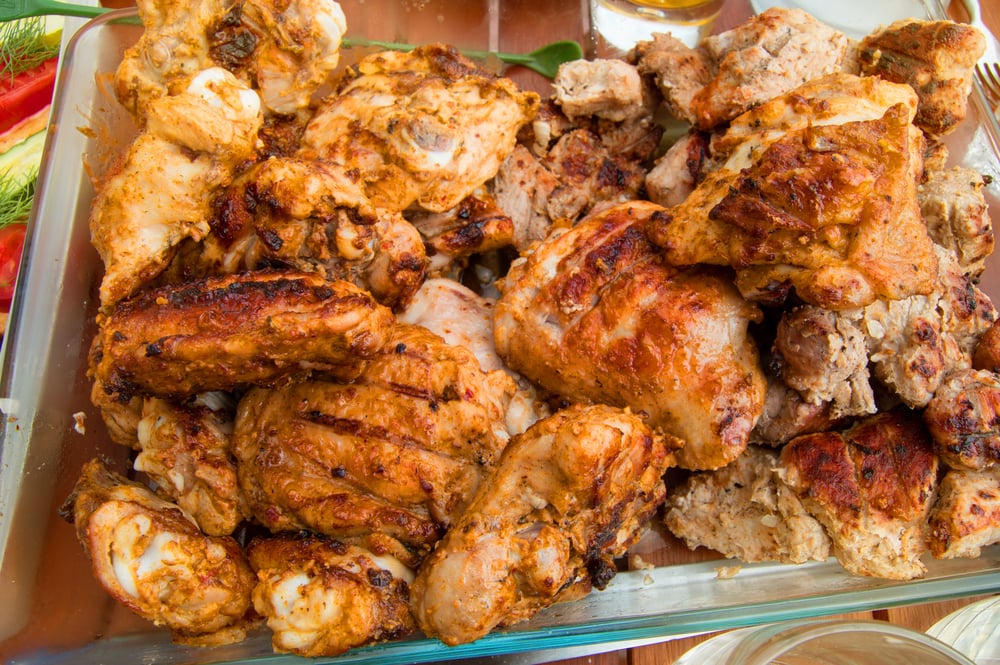
Banquet grew out of the F. M. Stamper Company of Missouri and built its business on price. Its fried chicken dinner undercut Swanson by a meaningful margin and came with mashed potatoes and corn in a plain foil tray.
The chicken was smaller and the breading heavier, and budget-minded families bought it by the stack. Banquet also sold the chicken alone in a large box, which became a freezer fixture in its own right.
The brand survives under ConAgra, still positioned as the least expensive option in the case.
Banquet Cookin’ Bags
These were single servings of sliced meat and gravy sealed in a plastic pouch, heated by dropping the bag into a pot of boiling water. Sliced turkey, sliced beef, Salisbury steak, and chicken a la king were the mainstays.
The contents were usually poured over toast or instant mashed potatoes. They cost very little and took up almost no room in the freezer.
College students and night shift workers ate them for years. The microwave ended the appeal of boiling a bag, and the product faded from stores.
Banquet Buffet Suppers
Banquet also sold two-pound family trays, designed to feed four from a single foil pan. Gravy with sliced turkey and gravy with sliced beef were the leaders, and the ratio of gravy to meat was a standing joke in households that relied on them.
Served over bread or potatoes, one tray made an entire supper for a couple of dollars. The format anticipated the family-size lasagnas that took over the freezer case in the 1990s.
It was one of the earliest signs that the single tray had limits.
Banquet Man Pleaser
In 1973, the same year Swanson introduced Hungry-Man, Banquet launched its own oversized line under the name Man Pleaser. The concept was identical, with bigger portions of the usual fried chicken, turkey, and Salisbury steak for customers who found the regular tray inadequate.
The name was very much of its moment. The line lasted several years before Banquet folded the larger sizes into other products.
The timing shows how closely these companies watched each other, often arriving at the same idea in the same season.
Morton Twinkie Supper
Morton Frozen Foods belonged to the same corporate parent as Hostess for a time, and somebody saw an opportunity. The Twinkie Supper put a wrapped snack cake in the dessert compartment of a children’s dinner, next to a beef patty with fries and corn or a serving of spaghetti.
Twinkie the Kid appeared on the box. The cake had to be removed before the tray went into the oven, a step that was presumably skipped at least once in every household.
It remains the most cited oddity of the frozen aisle.
Morton Ham Dinner With Raisin Sauce
Morton traced its roots to a Kentucky food business of the 1930s and was best known for pot pies, honey buns, and small frozen doughnuts. Its dinner line ran a little sweeter than the competition.
The ham dinner paired sliced ham with a raisin sauce, sweet potatoes, and a vegetable, a combination borrowed directly from Sunday tables. Morton passed through several owners and landed with ConAgra in 1984 along with Patio and Chun King.
The brand was retired around 2000, to the lasting regret of people who loved the honey buns.
Libbyland Dinners
Libby’s launched these in 1971 for children, and the packaging was the product. Each box unfolded into a pop-up scene with games and puzzles printed inside.
The meals had names like Safari Supper, Pirate Picnic, and Sea Diver’s Dinner, and the trays held kid-friendly items such as fried chicken, hot dogs, and tater puffs, plus a packet of flavored crystals to stir into milk. Libby’s discontinued the line in 1976.
Empty boxes now sell to collectors for many times the original price, with condition and completeness setting the value.
Kid Cuisine
ConAgra launched Kid Cuisine in 1990 with a penguin mascot and a tray designed around what children would eat without negotiation. Chicken nuggets, macaroni and cheese, and small pizzas were the core, with corn and a dessert such as a brownie or pudding.
The dessert compartment was the selling point. Children who grew up with the brand can describe the pudding’s scalded skin in detail.
Unlike nearly everything else from its era, Kid Cuisine is still sold, although the lineup is much smaller than it was at its peak.
Looney Tunes Meals
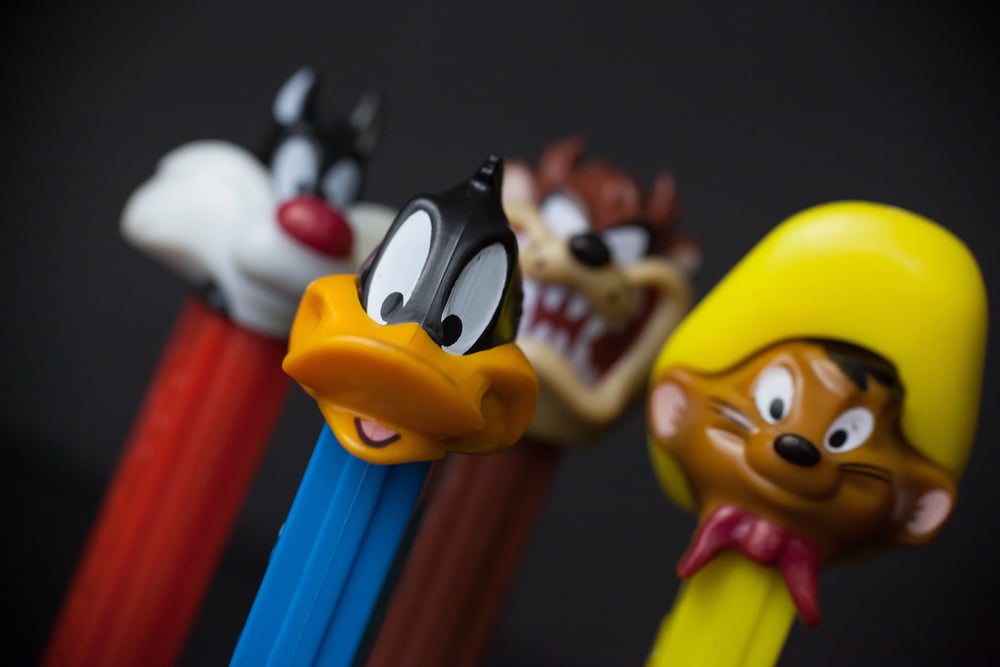
Tyson entered the children’s freezer case in 1990 with meals named for Warner Brothers cartoon characters and backed the launch with a reported fifteen million dollars in advertising. Each box featured a different character, from Bugs Bunny to Tweety and the Road Runner.
Reviews from children were mixed, and nutrition groups criticized the fat and salt content at a time when the boxes implied a balanced meal. Sales slipped, and Tyson ended the line in 1993.
Three years is a short run for a product with Bugs Bunny on the front.
Patio Mexican Dinner
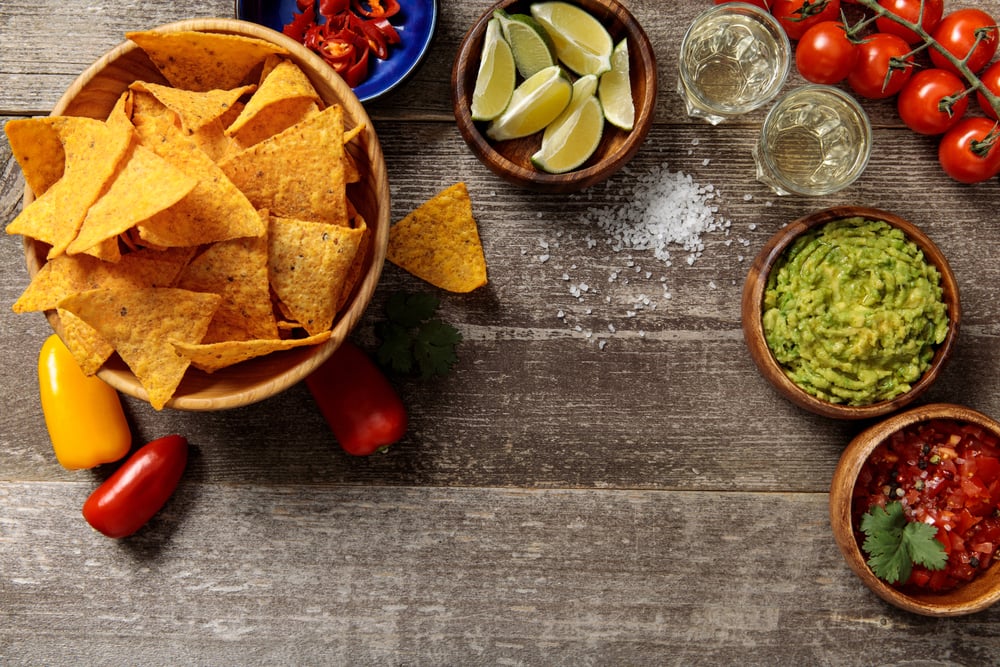
For much of the country, the Patio dinner was the first Mexican food in the house. The Texas brand packed cheese enchiladas in chili gravy, a beef tamale, refried beans, and Spanish rice into a foil tray, and it sold for less than the meat and potato dinners.
It was mild, heavy, and extremely popular. Patio changed hands several times and joined ConAgra in 1984.
The combination dinner lingered for years afterward. Frozen burritos under the same name eventually took over, and the tray with its orange sauce slipped away.
Chun King Chinese Dinners
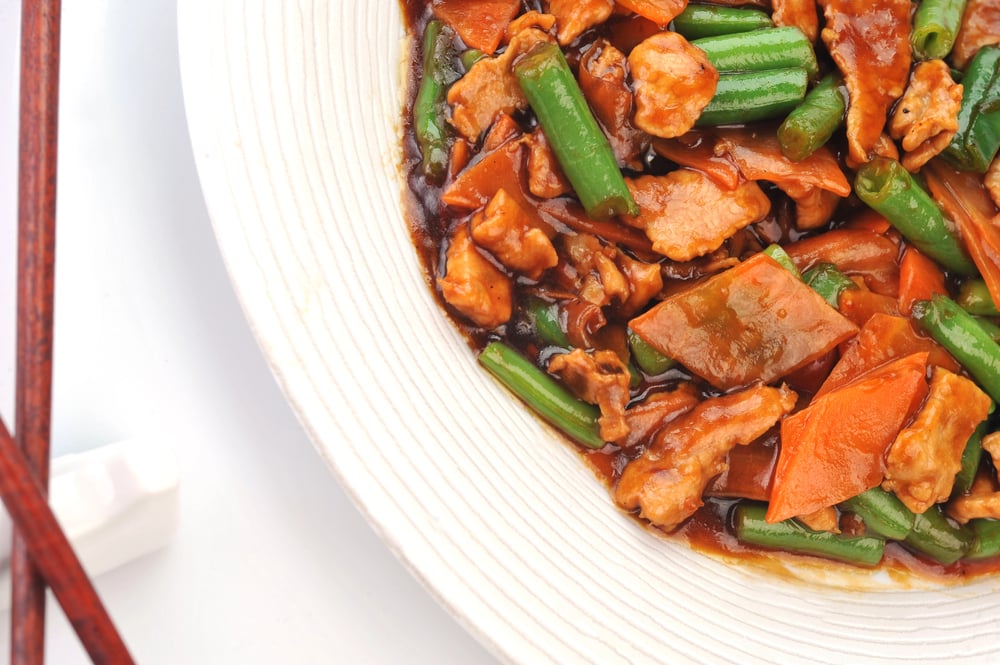
Jeno Paulucci founded Chun King in Duluth, Minnesota, in 1947 and sold it to the R. J. Reynolds company in 1966 for sixty-three million dollars. The business was built on canned chow mein, and the frozen dinners extended it, with chicken chow mein, fried rice, and an egg roll in a divided tray.
It bore only a passing resemblance to anything cooked in China. Paulucci later launched Jeno’s pizza rolls and, in 1990, the Michelina’s line of inexpensive entrees.
Few people left more fingerprints on the American freezer.
Stouffer’s Restaurant Entrees
Stouffer’s came at frozen food from the opposite direction. The company ran restaurants in Cleveland, and in the 1940s customers began asking to take dishes home, so the kitchens froze them.
A dedicated frozen food plant followed in the 1950s. The product was a single entree in a foil pan with no compartments, such as macaroni and cheese, spinach souffle, or lasagna.
It cost more than a TV dinner and tasted like it. Nestle bought the company in 1973, and the red box is one of the few true survivors.
Lean Cuisine
Stouffer’s launched Lean Cuisine in 1981 with about ten entrees, each under three hundred calories. Earlier diet dinners had been small and joyless.
These looked like regular Stouffer’s dishes in white boxes, with zucchini lasagna and glazed chicken among the first offerings. Demand outran supply almost immediately, and the company spent much of the first year allocating shipments among grocers who wanted more.
The line reshaped the frozen aisle for a decade. Every competitor rushed out a lighter range, and calorie counts moved to the front of the box.
Weight Watchers Frozen Entrees
Weight Watchers began as Jean Nidetch’s support group in Queens in 1963 and had become a licensing business by the 1970s. Frozen entrees carrying its name were on sale well before the H. J. Heinz Company bought the organization in 1978.
The meals were built to fit the program’s exchange system, so members could log a dinner without weighing anything. Early versions were plain.
Heinz upgraded them through the 1980s as competition grew, and in 1992 the line was reworked and renamed Smart Ones.
Armour Dinner Classics
Armour introduced Dinner Classics in 1980 and aimed it at adults who would have been embarrassed to serve a foil tray. The entrees had restaurant names such as chicken fricassee, sirloin tips, and seafood Newburg, and the packaging used dark colors and photographs of china and silverware.
It was the first serious attempt at a premium tier. The line sold well through the middle of the decade and passed to ConAgra with the rest of Armour’s food business.
Newer brands built on the same premise eventually crowded it out.
Le Menu
Campbell Soup introduced Le Menu in the early 1980s, and the plate was the breakthrough. Instead of a foil tray it used a round plastic dish with a domed lid, which could go into the microwave oven that households were buying in large numbers.
The entrees included chicken cordon bleu, beef sirloin tips, and pepper steak, arranged to look like a restaurant serving. It was a major success for several years.
Rivals copied the plate, shoppers drifted to lighter meals, and Campbell let the brand go in the 1990s.
Budget Gourmet
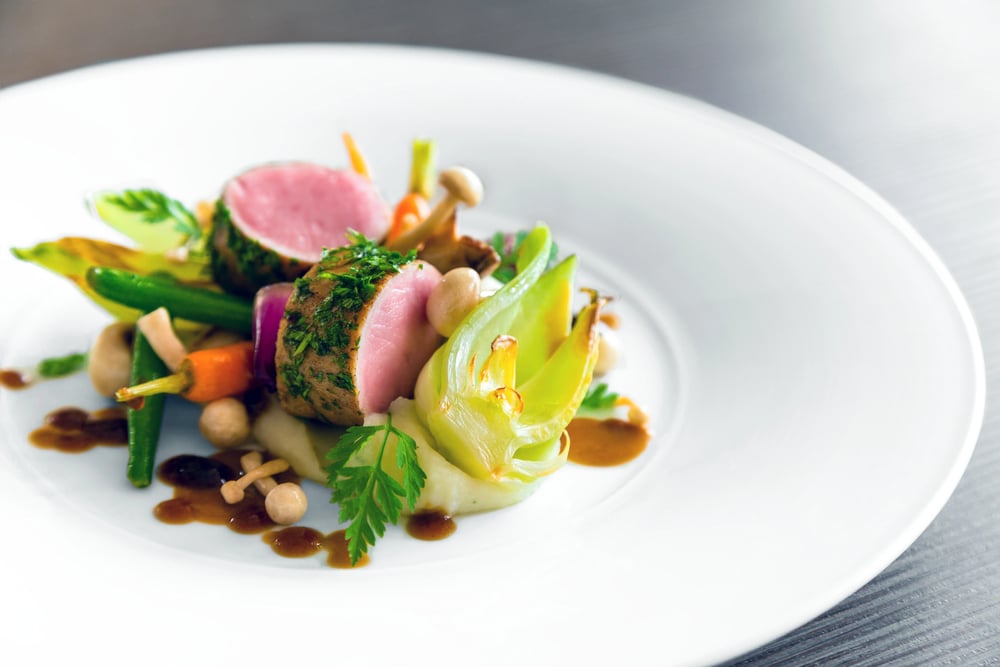
All American Gourmet launched Budget Gourmet in 1986, and the name was the entire pitch. The entrees came in a slim paperboard tray that worked in either a microwave or a conventional oven, with dishes such as pepper steak with rice and linguini with shrimp at a price well under the premium lines.
It caught the moment when microwaves had reached most kitchens. The brand grew quickly and was sold more than once.
It lingered at the bottom of freezer cases for years as a value label before fading out.
Healthy Choice
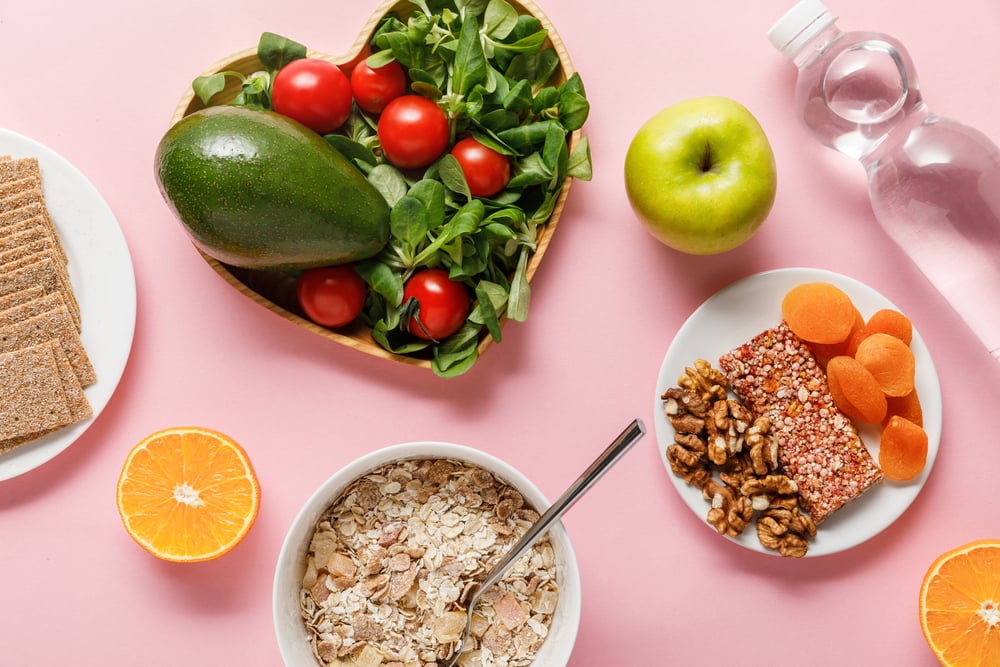
ConAgra chairman Mike Harper suffered a heart attack in 1985, changed his diet, and found the frozen aisle had little he was allowed to eat. He pushed the company to develop dinners low in fat and sodium, and Healthy Choice reached stores in 1989.
The green boxes stood out in a case full of red and blue. The line was an immediate hit and grew into soups, deli meats, and ice cream.
It remains on sale. It also marked the end of an era in which no one asked what was in the gravy.
Freezer Queen
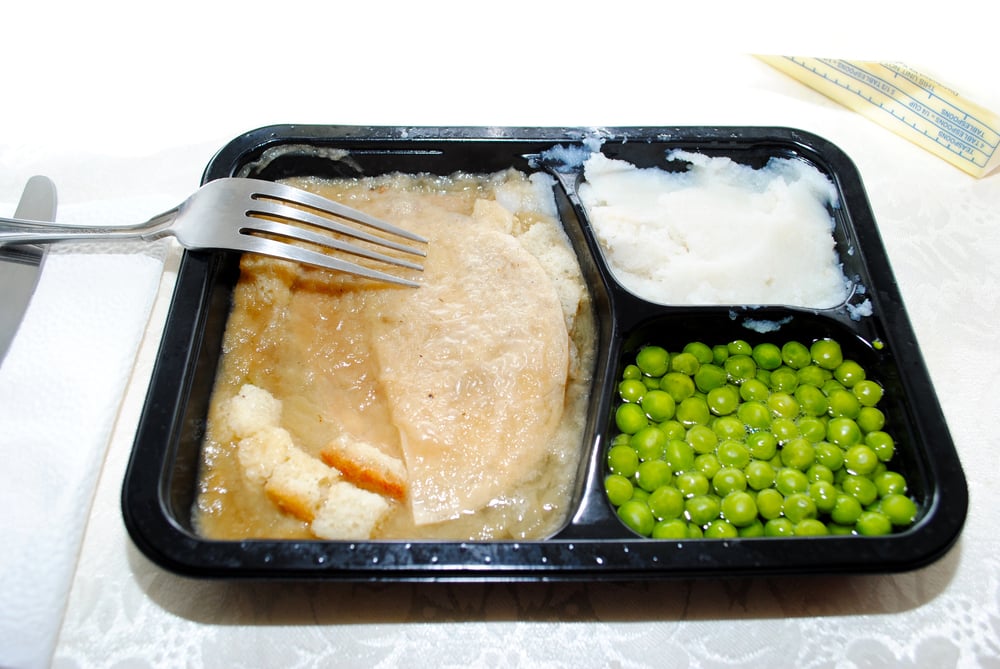
Freezer Queen was founded in Buffalo, New York, in the late 1950s and specialized in the family-size tray. Its gravy and sliced turkey, gravy and sliced beef, and Salisbury steaks in two-pound foil pans were freezer standards across the Northeast, and the company also sold boil-in-bag entrees.
The lakefront plant was a major local employer for decades. It closed in the mid-2000s after a failed inspection and an ownership already in difficulty.
The building stood empty on the Buffalo waterfront for years as a very large reminder.
Supper at 425 Degrees
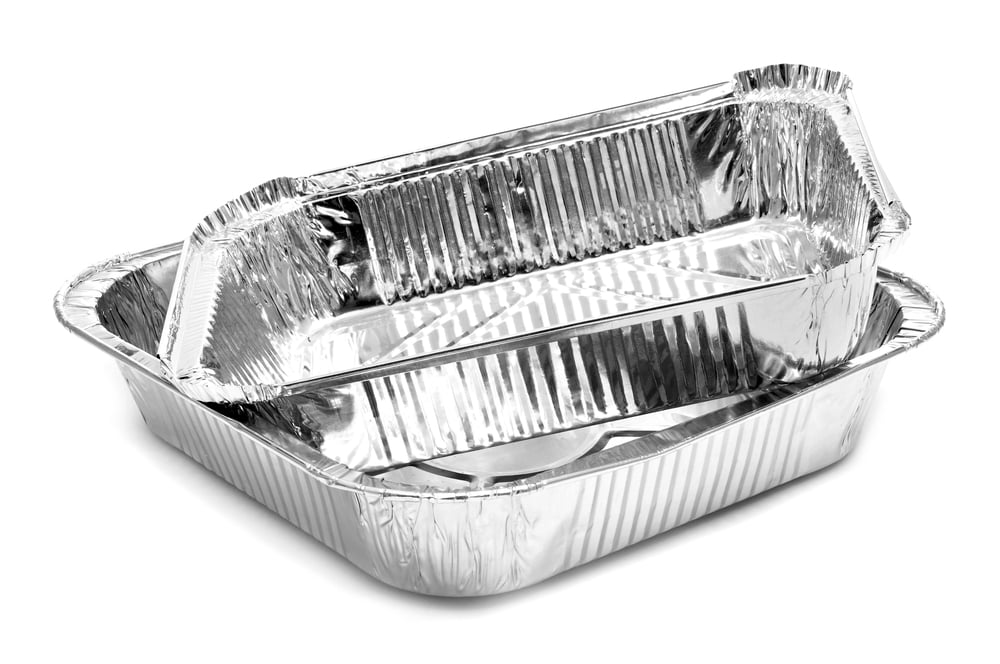
The aluminum tray lasted until 1986, when Swanson switched to plastic that could survive a microwave. That change ended more than a package.
A dinner that took twenty-five minutes in the oven had required someone to plan ahead, if only slightly, and the household waited together while it heated.
The microwave cut the wait to five minutes and made it possible for everyone to eat something different at a different time. The shared table had already been losing ground to the television.
The frozen dinner did not cause that shift, but for four decades it kept pace with it.
More from Go2Tutors!

- The Romanov Crown Jewels and Their Tragic Fate
- 13 Historical Mysteries That Science Still Can’t Solve
- Famous Hoaxes That Fooled the World for Years
- 15 Child Stars with Tragic Adult Lives
- 16 Famous Jewelry Pieces in History
Like Go2Tutors’s content? Follow us on MSN.



