Beaches With Sand Colors You Won’t Believe
Sand comes in beige. That’s what most people expect.
Every vacation photo shows the same tan stretches meeting blue water. But geology doesn’t always cooperate with expectations.
Around the world, beaches display colors that look photoshopped until you dig your toes into them yourself. These unusual shores exist because of specific minerals, volcanic activity, coral breakdowns, or strange biological processes.
The colors reveal what’s happening beneath the surface and what happened millions of years ago. Each beach tells a story written in its grains.
Elafonisi Turns Pink in Greece

Crete’s southwestern coast contains a beach where the sand shifts from white to coral pink depending on the light. The color comes from crushed shells of tiny organisms called foraminifera.
These single-celled creatures build red and pink shells that wash ashore and break down over time. The shallow lagoon that separates the beach from a small island enhances the color.
Water barely covers the sandbar at high tide. You can wade across easily.
The pink intensifies where the shells concentrate most thickly. Some patches look almost salmon-colored while others show just a blush against white sand.
Greek tourists pack this beach during summer, but the shoulder seasons offer better viewing. Fewer footprints disturb the sand patterns.
The pink shows more clearly without thousands of people walking through it daily.
Punalu’u Shows Hawaii’s Volcanic Side

This Big Island beach appears completely black from shore to waterline. Fresh lava from Kilauea volcano creates the sand.
When molten rock hits ocean water, it shatters into tiny fragments. Waves grind these fragments down over time, producing jet-black sand that gets hot enough to burn bare feet by midday.
Green sea turtles rest on this beach regularly. Their shells stand out dramatically against the dark sand.
The contrast makes photography easy. But the sand itself presents challenges.
It absorbs heat intensely. Walking across it barefoot during afternoon hours proves painful.
The black color also appears at several other Hawaiian beaches. Each formed the same way. Recent volcanic activity created the coastline you see today.
Some of these beaches won’t exist in a hundred years. Wave action will scatter the sand or new lava flows will bury them.
Papakolea Requires Effort for Green

Hawaii’s Papakolea Beach takes at least an hour to reach on foot. No roads lead there.
You park at the South Point and hike across rough terrain. The effort matters because this beach contains one of only four green sand beaches on Earth.
Olivine crystals create the color. This semi-precious stone erodes from nearby volcanic cinder cones.
The crystals are heavier than regular sand particles, so they don’t wash away easily. They accumulate in the small cove while lighter materials drift elsewhere.
The green doesn’t jump out like you might expect. It looks olive or sage rather than bright lime. Wet sand shows the color better than dry.
You need to get close to really appreciate it. From a distance, the beach just looks dark.
Red Sand Hides in Maui

Kaihalulu Beach sits tucked behind a cinder cone on Maui’s eastern coast. The bay’s isolation keeps crowds manageable.
The trail to reach it crosses private property and requires scrambling over roots and rocks. Many tourists skip it because of the difficult access.
The sand glows rust-red from iron-rich volcanic rock. The cinder cone behind the beach constantly erodes, releasing more red particles.
This keeps replenishing the color. Gray and black sand mix in, creating a marbled effect in places.
High surf makes this beach dangerous for most of the year. The rocky points that create the bay also funnel waves directly into the small beach.
Locals know when conditions allow safe entry. Visitors should watch the water carefully and avoid going in if waves crash against the shore walls.
Purple Appears in California

Pfeiffer Beach in Big Sur displays purple sand mixed with white and tan. Manganese garnet deposits in the nearby cliffs wash down during storms.
The mineral contains high concentrations of manganese, which produces the purple color. The purple concentrates in streaks rather than covering the entire beach.
Some areas show almost no color while others look distinctly lavender. Recent storms increase the purple content by eroding more cliff material.
Dry seasons allow regular tan sand to dominate. Photographers flock here during golden hour.
The purple intensifies in angled light. The famous keyhole rock at the north end of the beach adds to the scenery.
But the sand itself provides enough interest to justify the visit even without perfect timing.
Iceland’s Black Beaches Stretch for Miles

Reynisfjara near Vik displays black sand on a scale that surpasses Hawaiian examples. The beach extends far in both directions.
Basalt columns rise behind it like massive pipe organs. The black sand contrasts sharply with the white foam from the waves.
This beach kills tourists regularly. Sneaker waves appear without warning and sweep people into frigid water.
The undertow makes survival nearly impossible even for strong swimmers. Warning signs cover the parking area.
Rangers patrol constantly. Yet every year, someone ignores the danger and gets caught.
The sand itself came from volcanic eruptions over thousands of years. Iceland sits on the Mid-Atlantic Ridge where tectonic plates pull apart.
Constant volcanic activity feeds beaches all along the southern coast. The black sand becomes Iceland’s trademark, appearing in countless travel photos.
Hyams Beach Claims the Whitest Sand
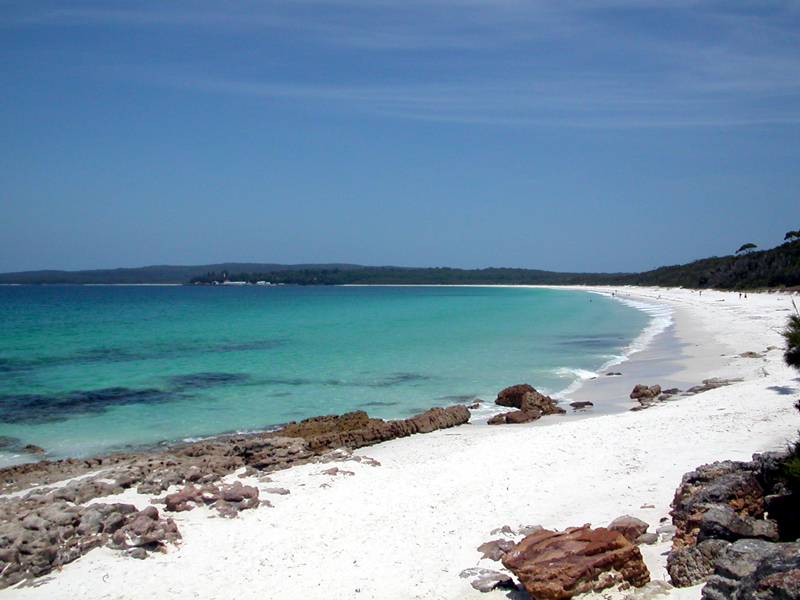
This Australian beach in New South Wales holds a Guinness World Record for the whitest sand on Earth. The grains consist of pure quartz, worn down to fine powder over millions of years.
The whiteness reflects so much sunlight that you need sunglasses even on overcast days. The sand squeaks when you walk on it.
Round quartz grains rub together creating audible friction. Kids love this effect.
They run back and forth just to hear the sound. The sand also stays relatively cool compared to darker beaches because it reflects rather than absorbs heat.
Jervis Bay contains several beaches with similar sand, but Hyams Beach received the official recognition. The whiteness creates turquoise water colors offshore.
Light penetrates deeply through the clear water and reflects off the white bottom, producing that tropical appearance despite the temperate location.
Pink Returns in the Bahamas

Harbour Island features three miles of pink sand along its eastern shore. The color comes from red coral and shells of foraminifera, similar to Greece’s pink beaches but more intense.
The pink shows clearly even to casual observers. Hurricane damage can change the color temporarily.
Strong storms strip away the pink layer, exposing white sand underneath. But normal wave action restores the pink within a few months as new shell material washes in.
The beach essentially renews itself continuously. Luxury resorts line this beach, making it less accessible than wild beaches elsewhere. But day visitors can still enjoy it.
The pink intensifies at sunset when the light angle matches the sand color. Early morning provides a softer, more pastel appearance.
Glass Beach Sparkles in California

Fort Bragg’s Glass Beach was formed by accident. The area served as a garbage dump for decades.
Residents threw their trash directly onto the beach. Glass bottles and containers broke against rocks.
The ocean spent fifty years grinding the sharp edges smooth. Now the beach glitters with millions of colored glass pebbles.
Green, brown, and clear glass appear most commonly since those colors dominate bottles. Blue, red, and aqua show up occasionally.
Collectors take pieces illegally despite regulations protecting the beach. The glass content decreases every year.
No new material gets added, but visitors remove pebbles constantly. Park rangers estimate the beach will look ordinary again within a generation.
The colors that took fifty years to create may disappear in twenty more.
Chandipur Beach Vanishes Twice Daily

India’s Chandipur Beach reveals red and brown sand during low tide. But that’s not the unusual part.
The tide recedes up to three miles here, exposing seafloor that stays underwater at other beaches. You can walk for an hour straight across wet sand before reaching water.
The gradual slope of the seafloor creates this extreme tidal range. The red color comes from iron oxide in the sand.
Wet sand appears darker and redder. Dry sand looks more brown.
During the monsoon season, fresh river sediment changes color temporarily. Local fishermen time their work to these extreme tides.
They harvest crabs, fish, and other sea life from the exposed seafloor. Tourists find the vanishing beach fascinating, but locals view it as a practical resource.
Orange Sand Glows in Malta

Ramla Bay in Gozo displays orange sand that looks artificial in photos. The color comes from iron oxide mixed with calcium carbonate from limestone cliffs.
The combination produces a distinctive orange-red shade unlike beaches elsewhere. The bay sits between two limestone headlands that protect it from wind.
This keeps the sand in place and prevents mixing with other beach materials. The orange intensifies when wet.
After the rain, the beach looks almost terracotta. Roman ruins sit nearby, suggesting people valued this location for thousands of years.
The unusual sand color probably made it a landmark for sailors. Today it serves as Gozo’s most photographed natural feature.
Maldives Harbors Glowing Blue Shores

Vaadhoo Island’s beach glows electric blue at night. The color comes from bioluminescent phytoplankton called dinoflagellates.
When disturbed by movement, these organisms emit light. Waves, footsteps, and swimming all trigger the effect. The glowing happens seasonally, peaking during warmer months.
Cloudy nights without moonlight provide the best viewing. Each footstep leaves a glowing print that fades within seconds.
The effect looks magical but results from a simple chemical reaction within single-celled organisms. Several other beaches worldwide display similar bioluminescence.
But Maldives beaches show it most reliably. The warm Indian Ocean waters support massive populations of these organisms.
Visit during peak season and you’ll likely see the glow.
Shell Beach Crunches Underfoot

Western Australia’s Shell Beach contains no sand at all. Tiny white shells called cockles cover the beach to depths of thirty feet.
The shells extend underwater for miles. Walking on them feels like walking on gravel.
Only cockles live here because the water is too salty for predators. Without fish or crabs eating them, the cockles reproduce freely.
Dead shells accumulate faster than wave action can remove them. This has continued for thousands of years, creating the massive shell deposit.
The shells compress into limestone below the surface. Ancient Shell Beach deposits now form solid rock formations inland.
You’re watching geology happen in real-time. The beach today will become tomorrow’s sedimentary rock.
Where Earth Paints Its Shores

These colored beaches break the monotony of standard coastlines. They prove that geology creates diversity everywhere, even in something as simple as sand.
The colors reveal chemical compositions, volcanic history, and biological processes that shape our planet constantly. You can visit several of these beaches during a single trip to Hawaii.
Others require dedicated journeys to remote locations. Some will disappear within your lifetime due to erosion, rising seas, or human interference.
The unusual colors make them fragile. They exist only because specific conditions align perfectly.
Next time you walk a regular beige beach, remember these colored shores. Think about what conditions would need to change for that familiar sand to turn pink or black or green.
The answer involves violence and time—volcanic eruptions, millions of years of erosion, and specific mineral deposits. Nature doesn’t create these colors casually.
Every unusual beach required exceptional circumstances. That makes them worth seeing while they last.
More from Go2Tutors!

- The Romanov Crown Jewels and Their Tragic Fate
- 13 Historical Mysteries That Science Still Can’t Solve
- Famous Hoaxes That Fooled the World for Years
- 15 Child Stars with Tragic Adult Lives
- 16 Famous Jewelry Pieces in History
Like Go2Tutors’s content? Follow us on MSN.



