24 Postal Practices That Disappeared When Zip Codes Arrived
The introduction of ZIP codes in 1963 revolutionized postal delivery by replacing a complex system of local addresses, routing protocols, and human knowledge with a numerical system for machines. Entire professions, practices, and systems that had evolved over centuries vanished almost overnight as automation replaced human judgment.
Route Memorization by Postal Carriers
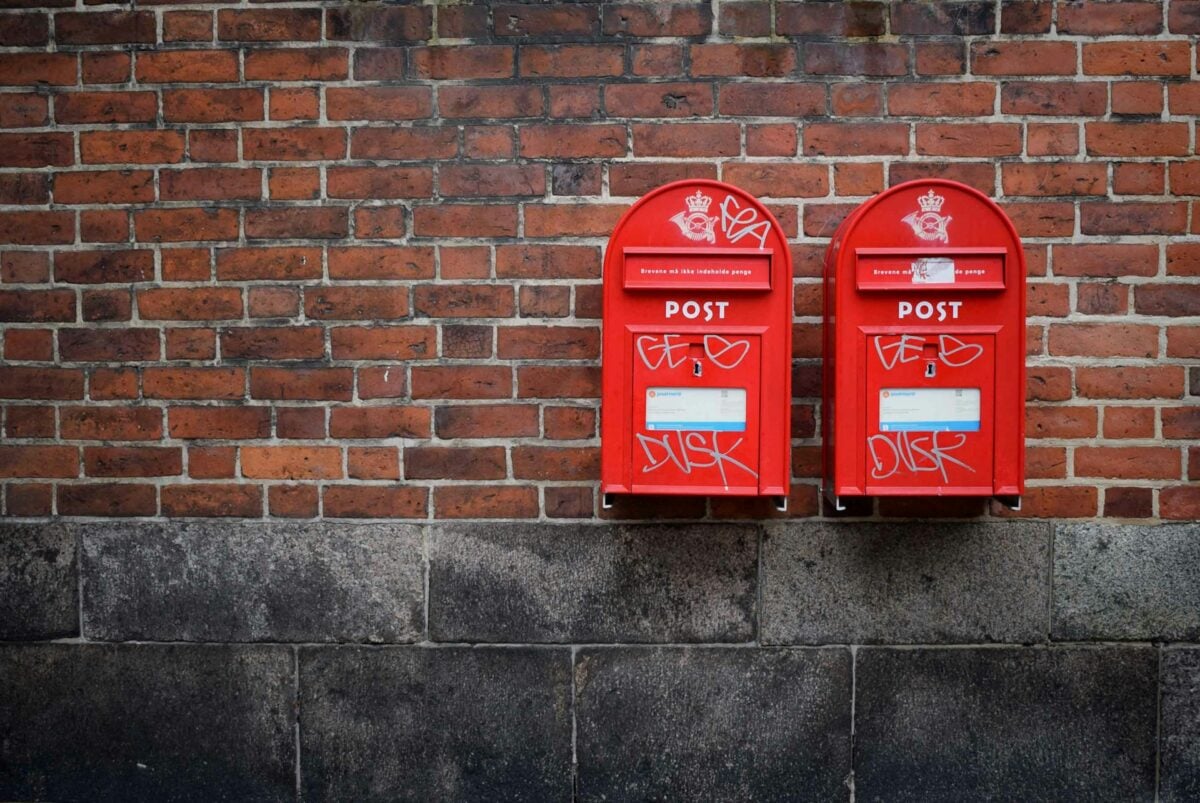
Before ZIP codes, postal carriers memorized every address on their route through repetition and local knowledge. This deep familiarity with streets, house locations, and delivery sequences made substitutes impossible—carriers were irreplaceable.
ZIP codes reduced carriers to machine-like operators following numerical sequences.
Postal Clerks Sorting by Neighborhood Knowledge
Experienced postal clerks manually sorted mail by understanding local neighborhood geography, street patterns, and delivery logic. They recognized anomalies and corrected obvious errors.
ZIP codes rendered this expertise worthless, replacing human judgment with machine-readable sequences.
Party Postal Delivery Addresses
Before ZIP codes, postal addresses often omitted street numbers entirely, instead referring to delivery sequences like “third house past the corner,” or to business landmarks. ZIP codes required complete standardization, eliminating folklore-based addressing.
Rural Route Numbering Systems
Rural mail delivery used route numbers without ZIP codes, directing carriers along established sequences to farmhouses by description and local knowledge. ZIP code implementation forced rural addresses into uniform geographic grids.
Named Delivery Areas Within Cities
City neighborhoods were known by traditional names (The Bowery, Hell’s Kitchen) and postal districts had names reflecting local history. ZIP codes replaced these with numerical sequences that erased established identities.
Box Numbering of Unaddressed Properties
Rural and undeveloped areas with unaddressed properties received mail through numbered boxes established by carriers and known locally. ZIP codes required formal addresses, eliminating countless numbered systems.
Postal Stations as Community Hubs
Local post offices served as neighborhood centers where clerks knew residents, their mail patterns, and their circumstances. ZIP codes and centralized sorting reduced local stations to pickup points rather than community institutions.
Letter Carrier Social Status
Individual postal carriers were neighborhood figures recognized by residents, earning social status through years of service. ZIP codes and automated sorting reduced carriers to interchangeable workers, diminishing their community standing.
Specialized Routing for Business Districts
Urban postal clerks maintained specialized knowledge of business delivery sequences, elevator building access, and office building protocols. ZIP codes standardized delivery to mechanical sequences regardless of building layout.
Return Address Analysis for Unknown Addresses

Postal clerks read return addresses to deduce proper delivery location for pieces with unclear addresses. ZIP code sorting made partial addresses unsortable, requiring addressees to provide complete information.
Mail Forwarding Through Personal Networks
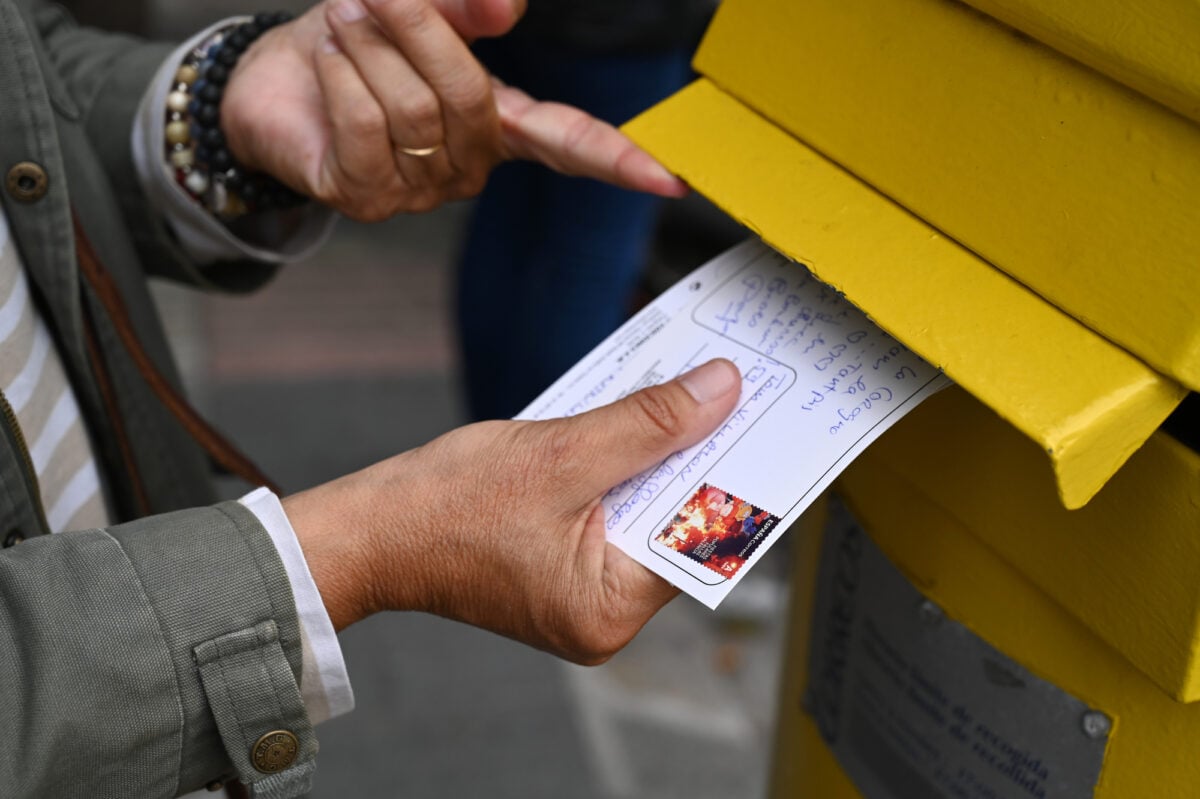
Postal carriers and clerks informally forwarded misaddressed mail through personal knowledge of residents’ movements and connections. ZIP codes prevented this informal network from functioning at scale.
Downtown/Uptown Delivery Designations
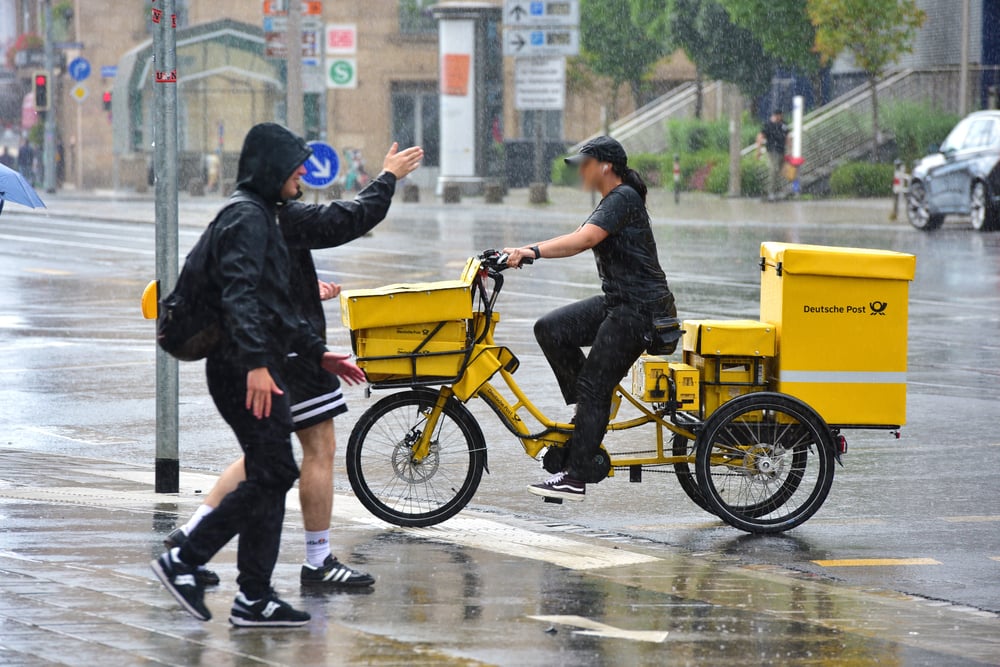
Addresses simply designated “Downtown” or “Uptown” without street names in some areas, relying on postal knowledge. ZIP codes required precise street addresses, eliminating geographic vagueness.
Postal Clerk Apprenticeships
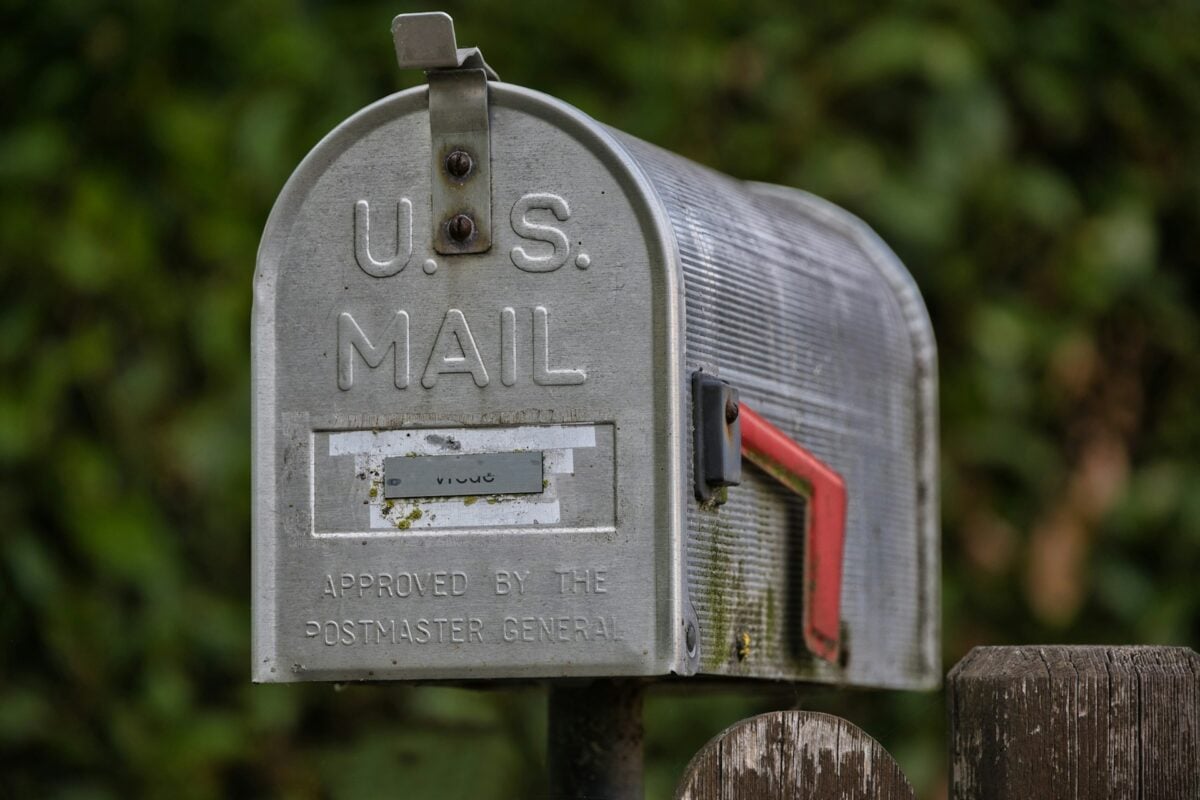
Becoming a postal clerk required years of apprenticeship learning geographic routing, address patterns, and mail prioritization. ZIP code automation reduced the job to following numerical sequences, eliminating the apprenticeship profession.
Department Store Mail Services
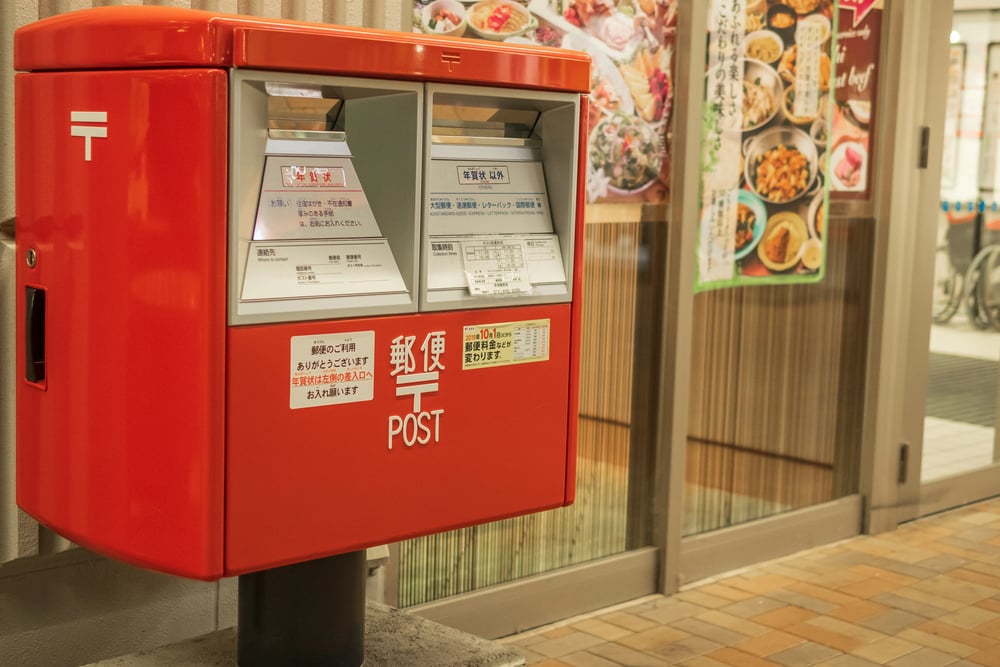
Major department stores offered postal services themselves, maintaining parallel delivery systems for their districts. ZIP code centralization eliminated many department store post offices.
Company-Based Postal Stations

Large factories and corporations maintained in-house post offices with company postal employees. ZIP codes and centralized sorting made these redundant.
Regional Postal Dialects
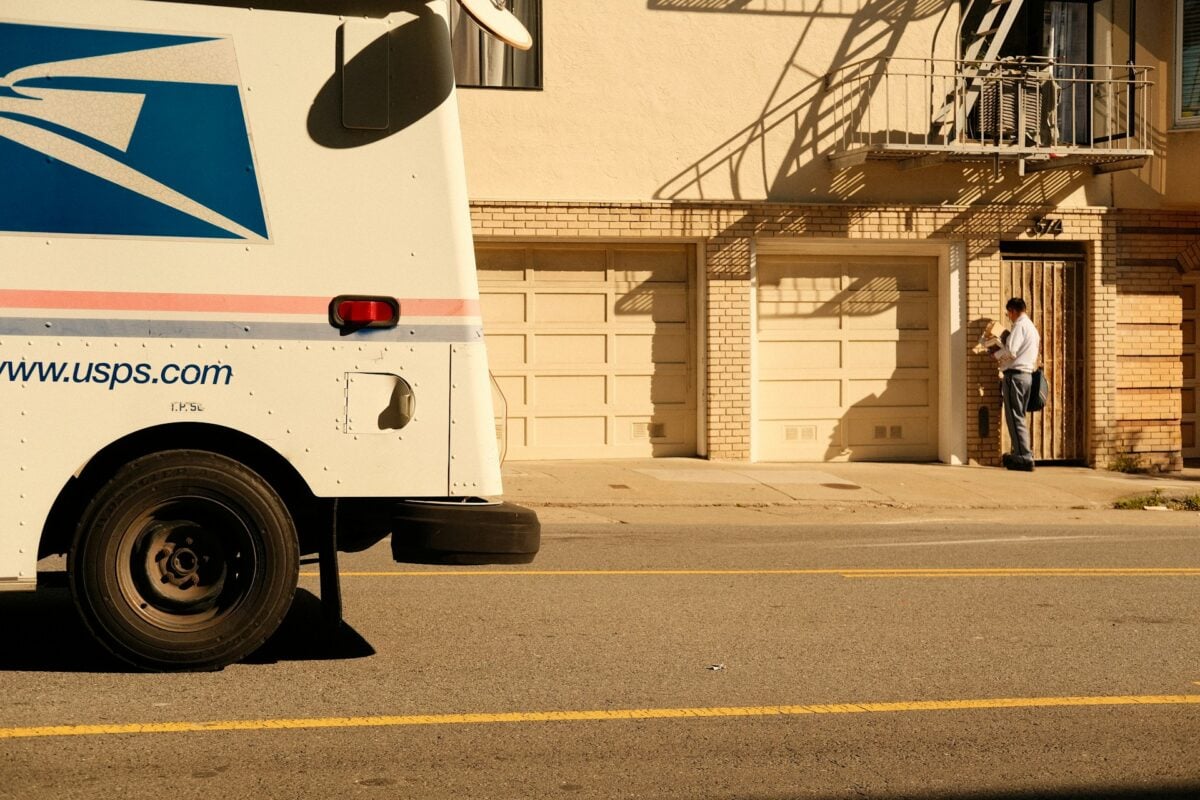
Different postal regions had developed distinct addressing conventions and routing practices over decades. ZIP codes eliminated regional variations, replacing them with a universal system.
Multi-Stage Sorting Expertise

Postal facilities required multiple stages of human sorting, with different specialists identifying and routing pieces. ZIP code technology eliminated many sorting stages, reducing the need for sorting expertise.
Handwritten Address Interpretation

Postal clerks were expert readers of handwriting, decoding illegible addresses through context and pattern recognition. ZIP codes made unreadable addresses undeliverable since machines cannot interpret.
Pennant Systems for Address Organization

Postal facilities used color-coded pennants and flags to mark and organize mail for different routes. ZIP code sorting by machine eliminated these manual organizational tools.
Dead Letter Analysis

Dead letter offices employed specialists who investigated undeliverable mail to determine proper address. ZIP codes made many pieces unsortable if addresses were incomplete, increasing the dead letter load.
Seasonal Address Updates

Postal systems maintained extensive knowledge of seasonal migrations, winter/summer addresses, and temporary relocations. ZIP codes required permanent formal addresses, eliminating flexibility.
Personal Letter Carriers’ Authority

Individual carriers had authority to make judgment calls on ambiguous deliveries based on neighborhood knowledge. ZIP code systems placed all decisions with machines, removing carrier discretion.
Custom Routing for New Subdivisions
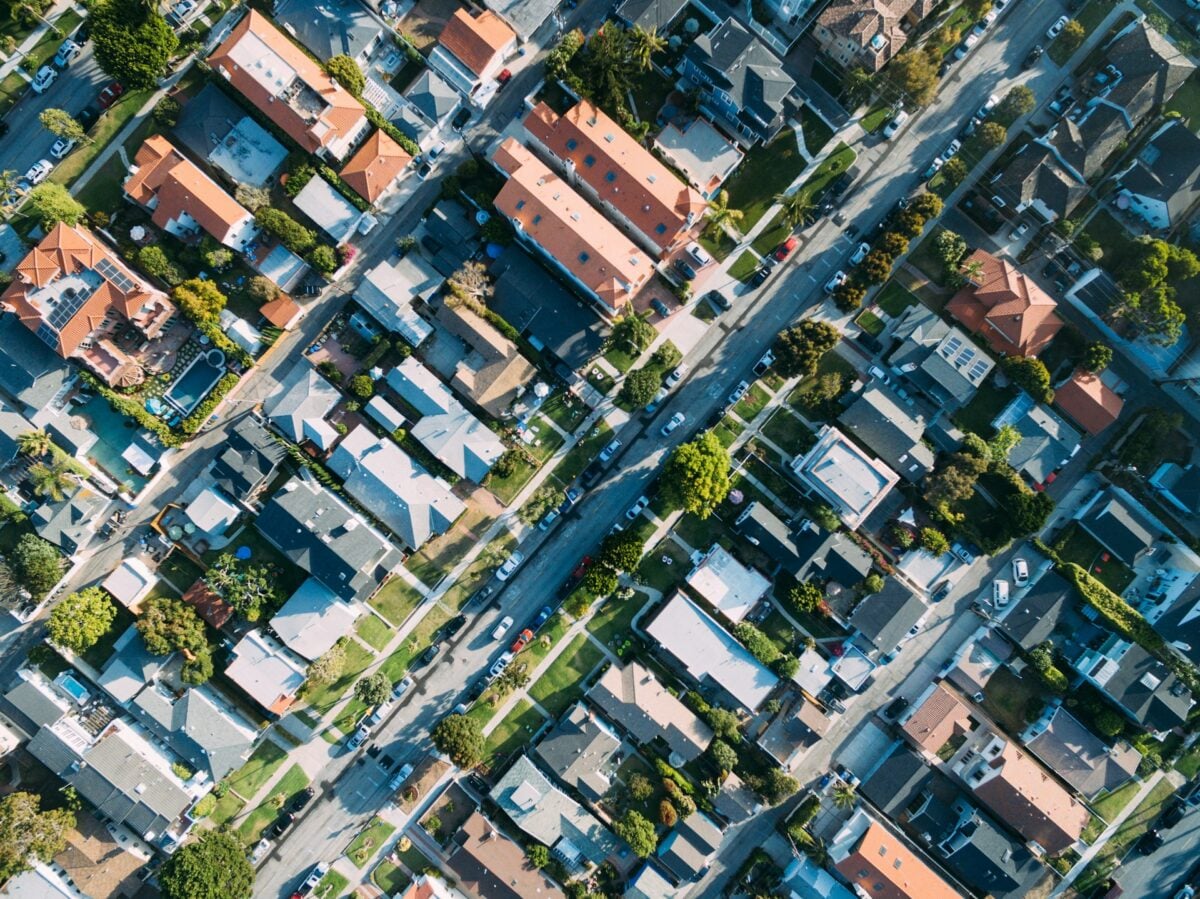
When new housing developments opened, postal clerks custom-designed delivery routes based on geographic knowledge. ZIP codes used predetermined boundaries regardless of development patterns.
Addressing by Occupation

Some addresses identified recipients by profession rather than location (“The Doctor’s House” or “The Blacksmith’s Property”). ZIP codes eliminated these landmark-based addresses.
The Conclusion: The Loss of Geographic Knowledge

ZIP codes unified American postal delivery into an automated system, eliminating dozens of professions, skills, and practices that had evolved over centuries. The convenience of machine sorting came at the cost of erasing human expertise, community knowledge, and the intricate local understanding that had made postal delivery a skilled profession.
More from Go2Tutors!

- The Romanov Crown Jewels and Their Tragic Fate
- 13 Historical Mysteries That Science Still Can’t Solve
- Famous Hoaxes That Fooled the World for Years
- 15 Child Stars with Tragic Adult Lives
- 16 Famous Jewelry Pieces in History
Like Go2Tutors’s content? Follow us on MSN.



