Strange Details About the Tower of London
The Tower of London stands as one of the most recognizable landmarks in Britain, but behind its ancient stone walls lies a collection of facts that might surprise even history buffs. This nearly 1,000-year-old fortress has witnessed everything from royal pageantry to daring heists, and its stories are far stranger than most people realize.
Here is a list of strange details about the Tower of London that reveal just how bizarre and fascinating this historic site really is.
It Was Never Meant to Be a Prison

William the Conqueror built the Tower in 1066 as a fortress and royal palace, not a place to lock people up. The imposing structure was designed to intimidate Londoners who resented their new Norman rulers and to protect the king from potential rebellions.
It wasn’t until 1100 that someone had the bright idea to start imprisoning people there, probably because if it kept enemies out, it could certainly keep prisoners in.
A Royal Zoo Operated Here for Six Centuries

King John started a menagerie at the Tower in the early 1200s to house exotic animals given as diplomatic gifts from other monarchs. Londoners could pay admission to see lions, a polar bear that was regularly taken to the Thames to hunt fish, elephants, tigers, kangaroos, and even ostriches.
The zoo finally closed in 1835 when the Duke of Wellington decided it was time to move the animals to the newly established London Zoo in Regent’s Park, making it one of the longest-running tourist attractions in history.
Ravens Guard the Kingdom

Legend claims that if the Tower’s resident ravens ever leave, the Crown will fall and Britain will collapse. At least six ravens must always remain at the fortress, though the Tower keeps extras as backup.
Charles II supposedly ordered the birds protected after being warned by an advisor that losing them would doom the kingdom, although historians now suspect this tale might be Victorian folklore. Either way, the Tower takes no chances and currently maintains eight ravens, each with their own name and personality.
The Infamous Crown Jewels Heist Nearly Succeeded

In 1671, an Irish rogue named Thomas Blood disguised himself as a clergyman and befriended the elderly keeper of the Crown Jewels, Talbot Edwards. After weeks of building trust, Blood and his gang attacked Edwards, beat him with a mallet, stabbed him, and stuffed the crown down a bag after flattening it.
They almost made it out too, but Edwards’ son returned from military service at exactly the wrong moment and raised the alarm. Blood was caught at the Iron Gate with the battered crown still in his possession.
Blood Was Pardoned and Rewarded

Instead of being executed for his audacious theft, Thomas Blood somehow convinced King Charles II to pardon him completely. The king actually seemed amused by Blood’s boldness, especially when Blood claimed the Crown Jewels were only worth about 6,000 pounds rather than their official valuation of 100,000 pounds.
Charles not only let him go free but gave him Irish lands worth 500 pounds a year, while poor Edwards, who had been beaten and stabbed, received less than 300 pounds and never got the full amount.
Prisoner Graffiti Covers the Walls

Centuries of imprisoned nobles carved elaborate inscriptions into the Tower’s stone walls, creating what amounts to a permanent record of their suffering and beliefs. The Beauchamp Tower contains some of the most intricate examples, including detailed zodiac wheels, family crests with symbolic plants, and religious messages.
One prisoner named Thomas Salmon carved his coat of arms and noted he was a ‘close prisoner’ for exactly 32 weeks, 224 days, and 5,376 hours, suggesting he had plenty of time on his hands.
The Moat Became a Victory Garden

During World War II, the Tower’s dry moat was transformed into an allotment for growing vegetables as part of the ‘Dig for Victory’ campaign. Yeoman Warders planted fruits and vegetables in the sunny south moat to help feed Tower residents during food rationing.
Long before that, the moat had been used for growing produce since the 1890s, and livestock grazed there to keep the grass trimmed, making it one of London’s most fortified farms.
Only 22 Executions Happened Inside

Despite its reputation as a brutal execution site, only 22 people were actually executed within the Tower’s walls between 1066 and 1941. Most condemned prisoners were executed publicly on nearby Tower Hill where crowds could watch, but high-ranking individuals like Anne Boleyn and Lady Jane Grey received the ‘privilege’ of private executions on Tower Green.
The last execution was a German spy named Josef Jakobs, who faced a firing squad in 1941.
There’s an Official Ravenmaster

One Yeoman Warder at the Tower holds the special title of Ravenmaster and is responsible for the care and feeding of the resident ravens. The current Ravenmaster, Michael ‘Barney’ Chandler, leads a team that maintains the birds’ enclosures and feeds them a diet of raw meat and blood-soaked biscuits.
The position was only created officially in 1968, though ravens have supposedly been at the Tower for over 300 years.
Ravens Get Fired for Misconduct

Just like soldiers, the Tower’s ravens can be dismissed for bad behavior. One raven named George was sacked for eating television aerials, while another called Grog disappeared and was last seen outside a pub called the Rose and Punchbowl in 1981, apparently deciding that 21 years at the Tower was quite enough.
The ravens’ wings are trimmed to discourage them from flying away, though this doesn’t always stop the more adventurous birds from wandering off.
Three Queens Lost Their Heads Here
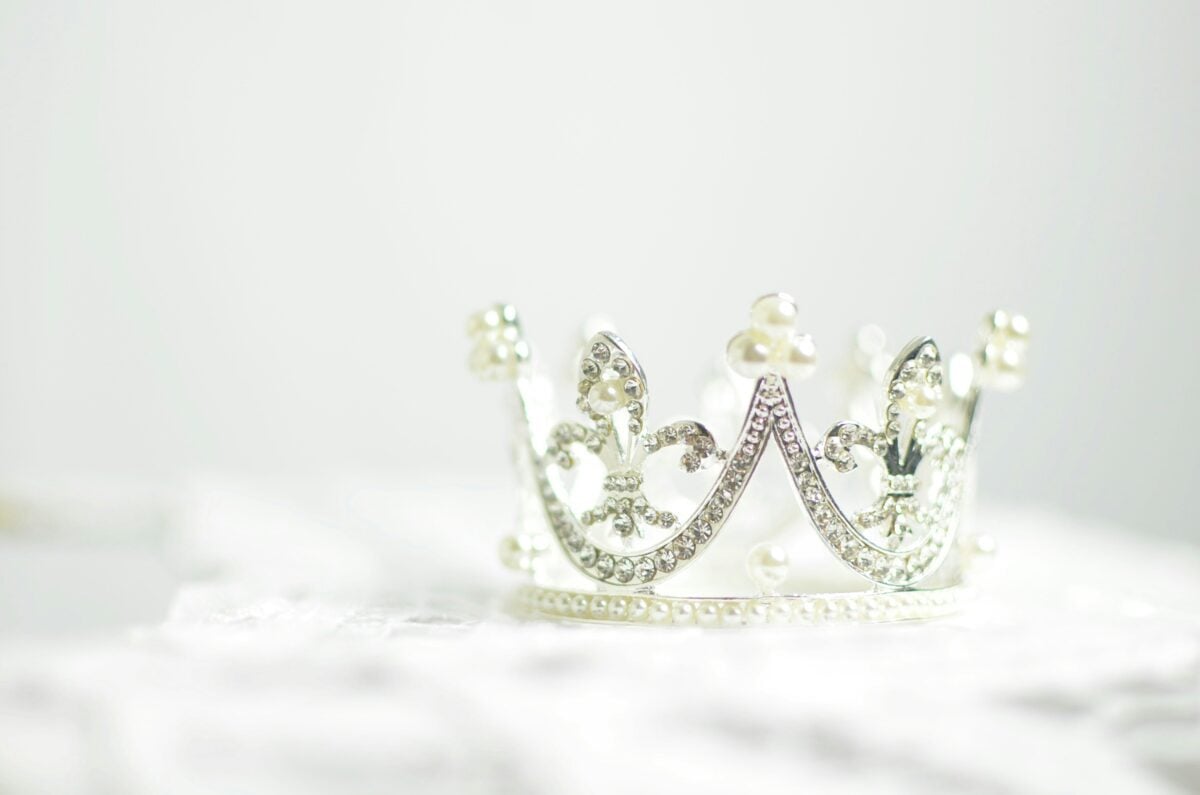
Anne Boleyn, Catherine Howard, and Lady Jane Grey were all beheaded at the Tower in the 16th century. Anne Boleyn, Henry VIII’s second wife, was executed in 1536 when her daughter Elizabeth was just two years old.
Henry later married and executed Catherine Howard as well. Lady Jane Grey, known as the ‘Nine Days Queen,’ was only 16 or 17 when she fumbled blindfolded to find the execution block and quoted Jesus’ last words before losing her head.
A Prisoner Escaped with Rope Hidden in Wine

The Tower’s first prisoner, Ranulf Flambard, Bishop of Durham, also became its first successful escapee in 1100. He cleverly had accomplices smuggle a long rope to him hidden inside a barrel of wine, then threw a feast for his guards and got them thoroughly drunk.
While they were passed out, he used the rope to climb down from his cell window and fled to France, where he supported King Henry I’s rival brother.
The Crown Jewels Are Essentially Priceless

The collection kept at the Tower is estimated to be worth somewhere between 3 and 5 billion pounds, though their actual value is considered priceless due to their historical significance and connection to the monarchy. The Imperial State Crown alone contains 2,868 diamonds, 17 sapphires, 11 emeralds, 269 pearls, and 4 rubies.
Over 30 million people have visited the Tower specifically to see these glittering treasures behind their reinforced glass.
The Ceremony of the Keys Never Stopped

Every night for over 700 years, the Tower has been locked up in a military ceremony called the Ceremony of the Keys. At precisely 9:53 PM, the Chief Yeoman Warder and an armed escort secure all the gates using the Queen’s Keys while carrying a lantern.
This ritual continued without fail through the Great Fire of London, the plague, both World Wars, and everything else history threw at it, making it one of the oldest military ceremonies in the world.
The White Tower Required French Stone

When William the Conqueror decided to build his fortress, he didn’t trust English materials or workers to get it right. Masons arrived from Normandy and brought limestone from Caen in France specifically for the project.
The White Tower took about 20 years to complete and became the first Norman stone fortress in England, towering over medieval London as a stark reminder of who was now in charge.
Visitor Graffiti Is Still a Problem
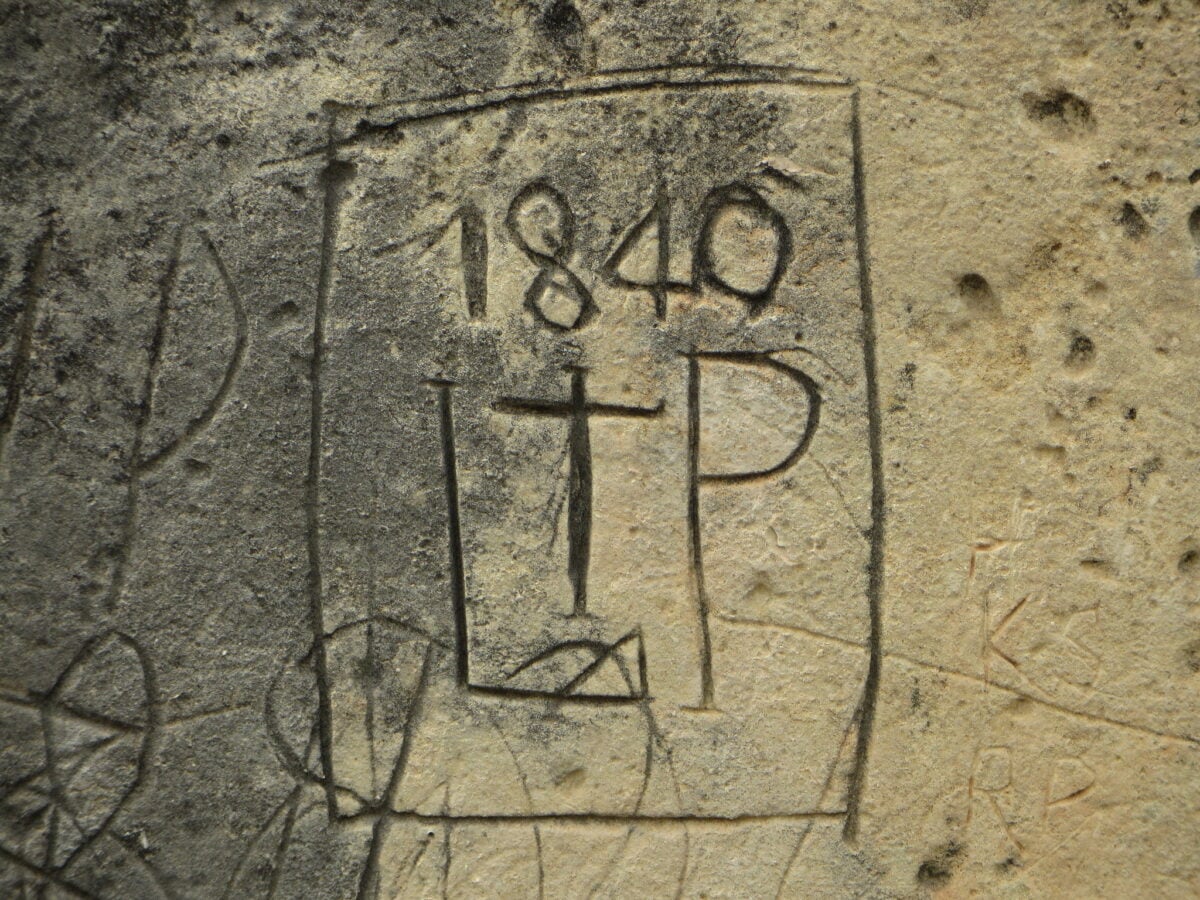
Despite housing some of the world’s most significant historical graffiti, modern tourists continue to damage the Tower by adding their own marks. Recent surveys using advanced technology like laser scanning and raking light have revealed 354 instances of historical graffiti in just the Salt Tower alone, far more than the 79 previously documented.
Researchers now have to clean off modern pen and pencil marks that damage the ancient stone, though once it gets into the porous surface, it becomes nearly impossible to remove completely.
Echoes in Stone

The Tower of London has survived nearly a millennium by adapting to whatever role Britain needed it to play, from fortress to palace, prison to zoo, and finally to one of the world’s most visited heritage sites. Its strange collection of stories reminds us that history rarely unfolds as neatly as we imagine it should.
These ancient walls have witnessed humanity at its most brutal and most absurd, and somehow both aspects feel essential to understanding what this fortress really represents.
More from Go2Tutors!

- The Romanov Crown Jewels and Their Tragic Fate
- 13 Historical Mysteries That Science Still Can’t Solve
- Famous Hoaxes That Fooled the World for Years
- 15 Child Stars with Tragic Adult Lives
- 16 Famous Jewelry Pieces in History
Like Go2Tutors’s content? Follow us on MSN.



