25 Photos Of Life Before Smartphones
Remember when people actually looked up while walking down the street? When concerts meant watching the stage instead of recording it through a screen?
The world looked different before smartphones became extensions of our hands. These photos capture moments from a time when life moved at a different pace, when boredom was something you just sat with, and when being unreachable for a few hours wasn’t a crisis.
Maps Spread Across the Dashboard

The glove compartment stuffed with folded maps told you everything about someone’s travel history.
Refold marks showed which routes got used most. Highlighting and scribbled notes marked gas stations and rest stops.
Getting lost meant pulling over to study creased paper under a dome light, tracing highways with your finger while your passenger held a flashlight.
Film Canisters in Every Drawer
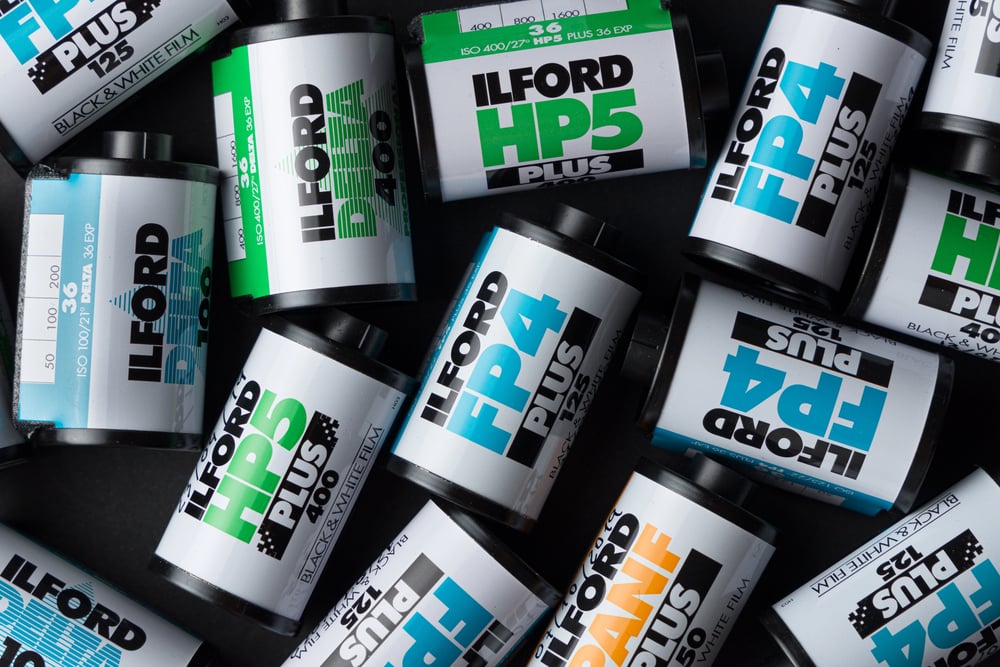
Those little black and yellow containers piled up everywhere. You never threw them away because they held spare change, paper clips, safety pins, or nothing at all.
The satisfying pop when you opened one. The chemical smell that clung to the plastic.
Taking photos meant counting your shots and making each one matter.
Pay Phones With Actual Lines
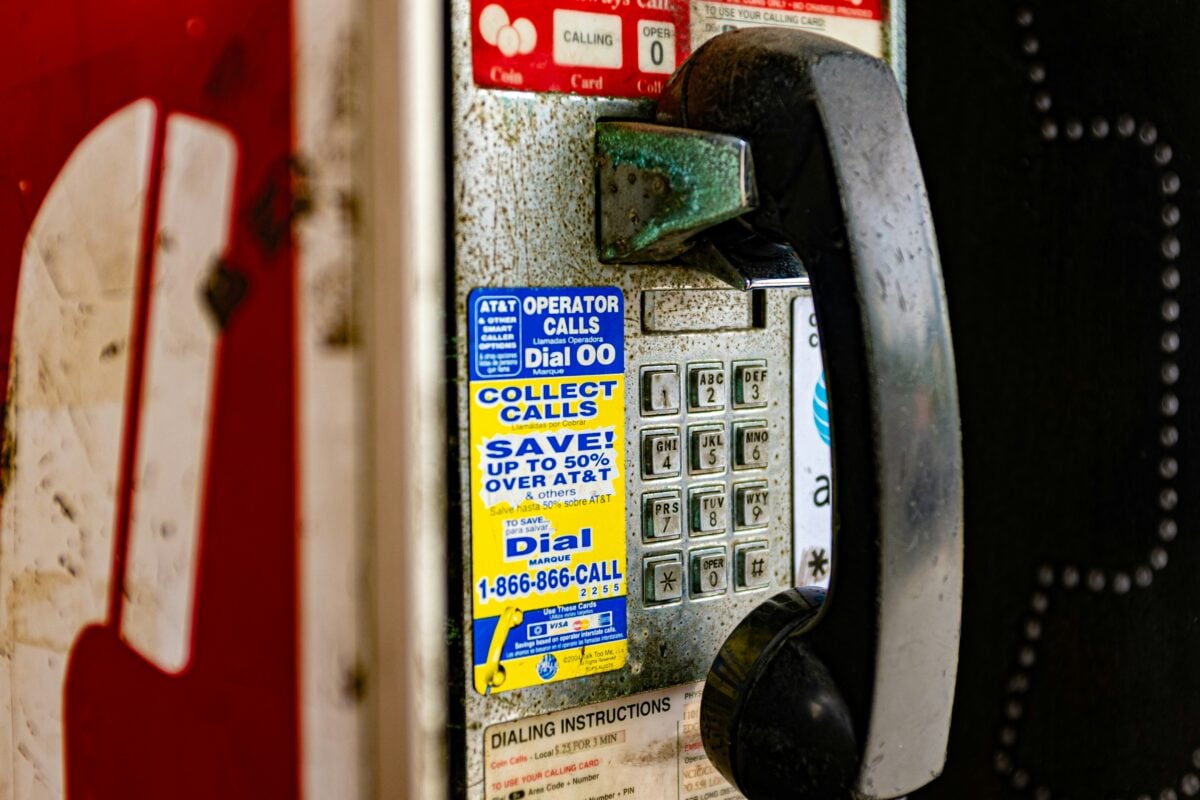
People stood in actual lines waiting to use pay phones. You saw them outside gas stations, in mall corridors, at airports.
Someone would be mid-conversation while three others shifted their weight, checking their watches. You memorized important phone numbers because you had no choice.
Calling collect meant speaking your name really fast when the operator asked.
TV Guides Circled in Pen
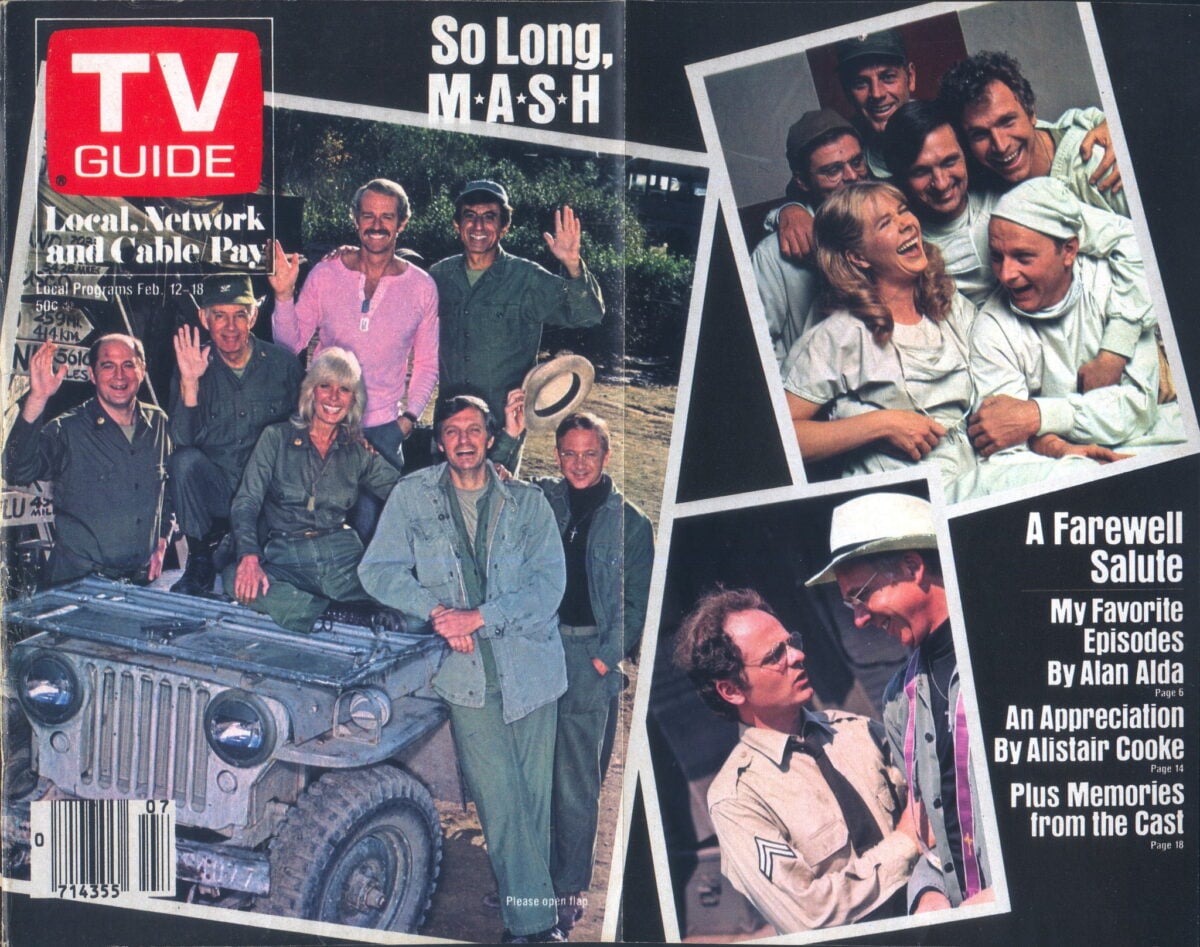
Thursday night’s TV Guide sat on the coffee table, pages dog-eared and marked up. You planned your whole week around show times.
Miss an episode and you waited months for reruns, or just never saw it again. Setting the VCR meant programming a device that seemed designed to confuse you.
Disposable Cameras at Every Event

Weddings, birthday parties, graduations—someone always brought a disposable camera. You took 27 pictures and hoped at least a few turned out.
Then you waited days or weeks to see what you actually captured. Half the photos came back overexposed or with someone’s thumb in the corner.
But the ones that worked felt like small victories.
Handwritten Directions on Napkins
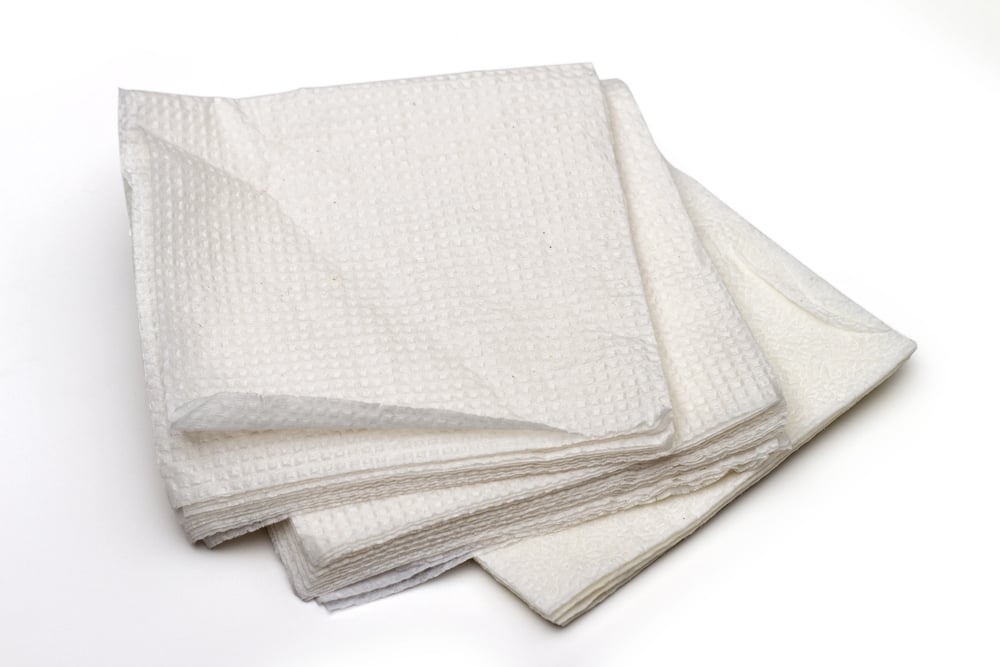
“Turn left at the big oak tree. Go about two miles. If you see a red barn, you’ve gone too far.”
People drew little maps on whatever paper they could find. Restaurant napkins.
Receipt backs. Margins of newspapers.
You kept these treasures on your passenger seat, glancing down at crude sketches while driving.
Encyclopedias Taking Up Shelf Space
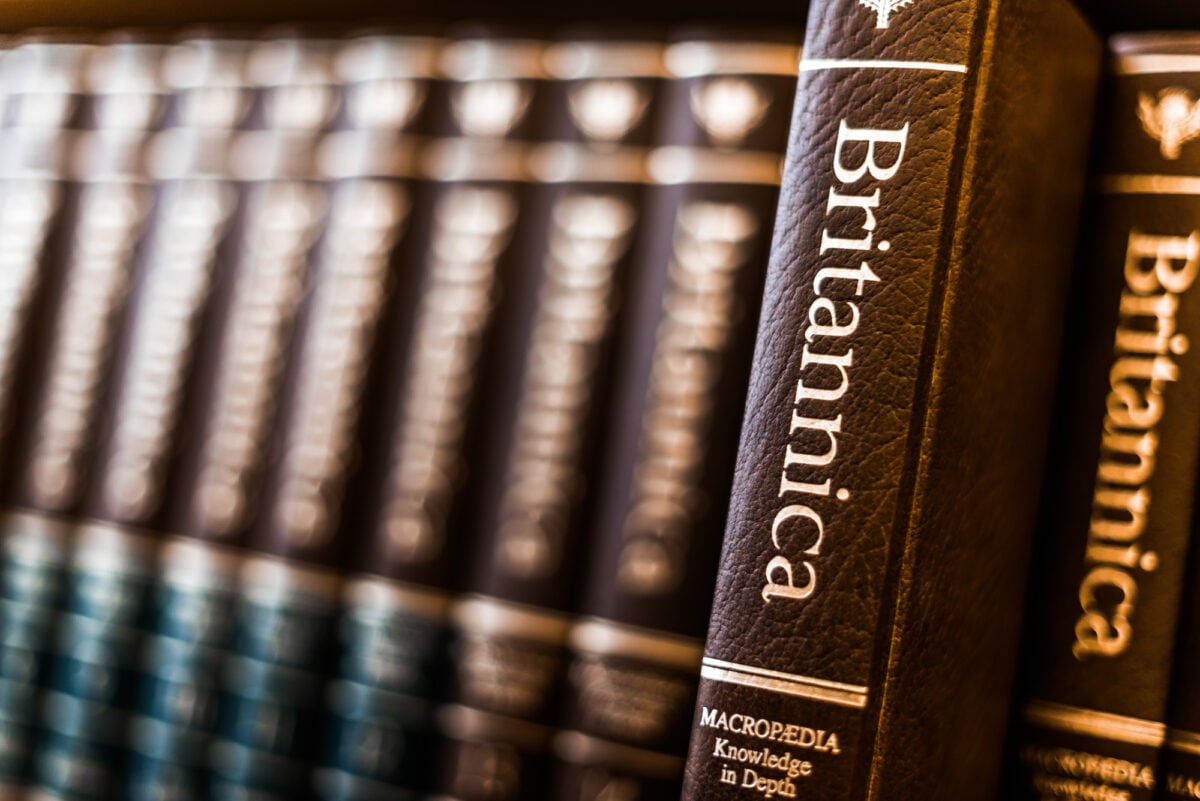
Twenty-four volumes of Britannica lined the wall in family rooms everywhere. Settling an argument meant getting up, pulling out the right book, and thumbing through pages.
Research for school reports happened at library tables or in your own house, surrounded by open volumes. The books smelled like knowledge and dust.
Alarm Clocks That Actually Worked
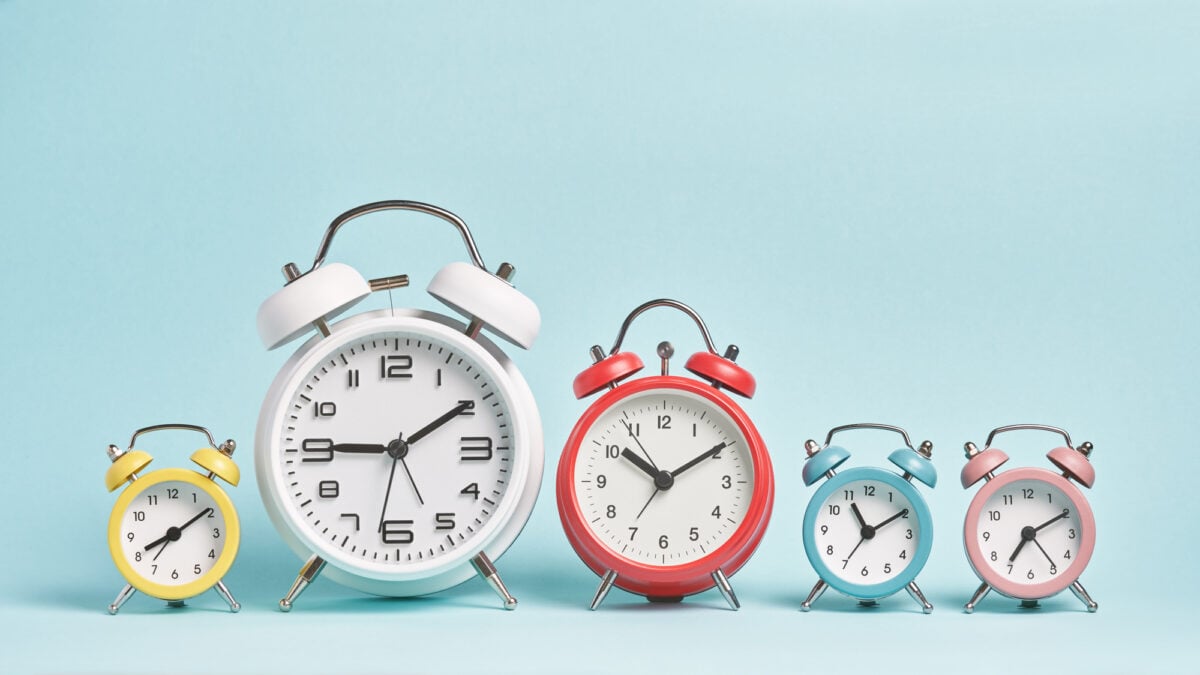
That red digital display glowing in the dark. The loud beeping that jolted you awake.
You had to physically get up and press a button to stop it—no snooze from across the room. Clock radios combined the torture of waking up with whatever song happened to be playing at 6:30 AM.
Actual Photo Albums

Thick books with plastic sleeves held every important memory. You physically picked which photos made it into the album and which ones stayed in the envelope.
Sitting down to look through albums was an event. You turned pages slowly, pointing at pictures, telling stories.
Digital albums on a screen never felt the same.
People Reading on Buses
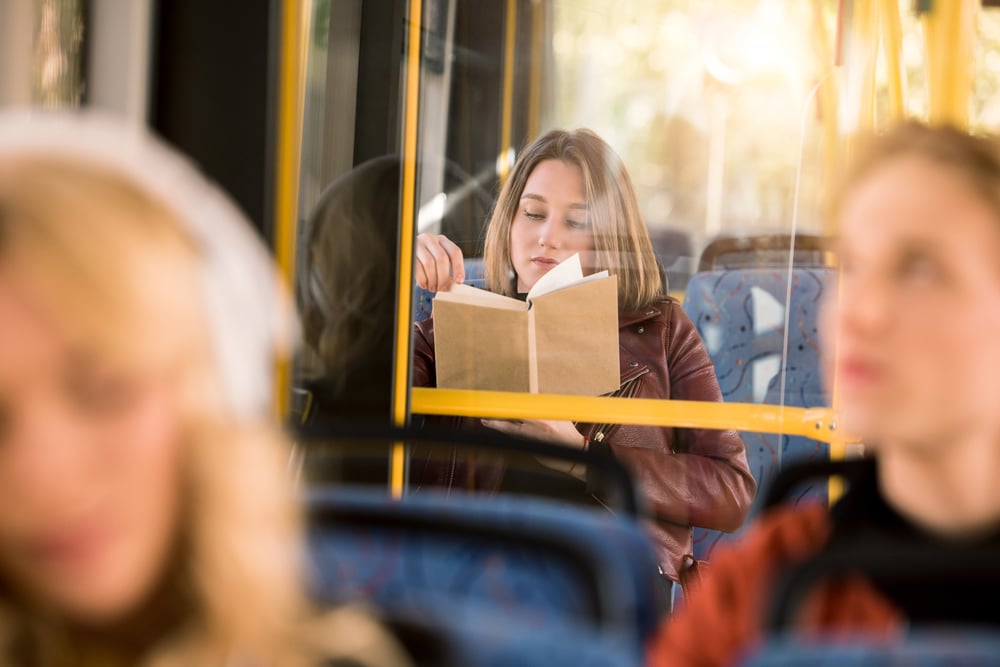
Paperbacks everywhere. Commuters held books, magazines, newspapers—actual paper you could fold and stuff in a bag.
You saw what people were reading. Sometimes you struck up conversations about books. Pages got worn and corners folded.
Coffee stains marked good reading spots.
Boredom That Just Existed

Waiting rooms meant staring at walls or flipping through old magazines. Long car rides meant looking out the window for hours.
Standing in line meant standing in line. You didn’t pull out a device to fill every quiet moment.
Sometimes you just exist in that space, thinking about nothing in particular or everything at once.
Phone Books the Size of Bricks
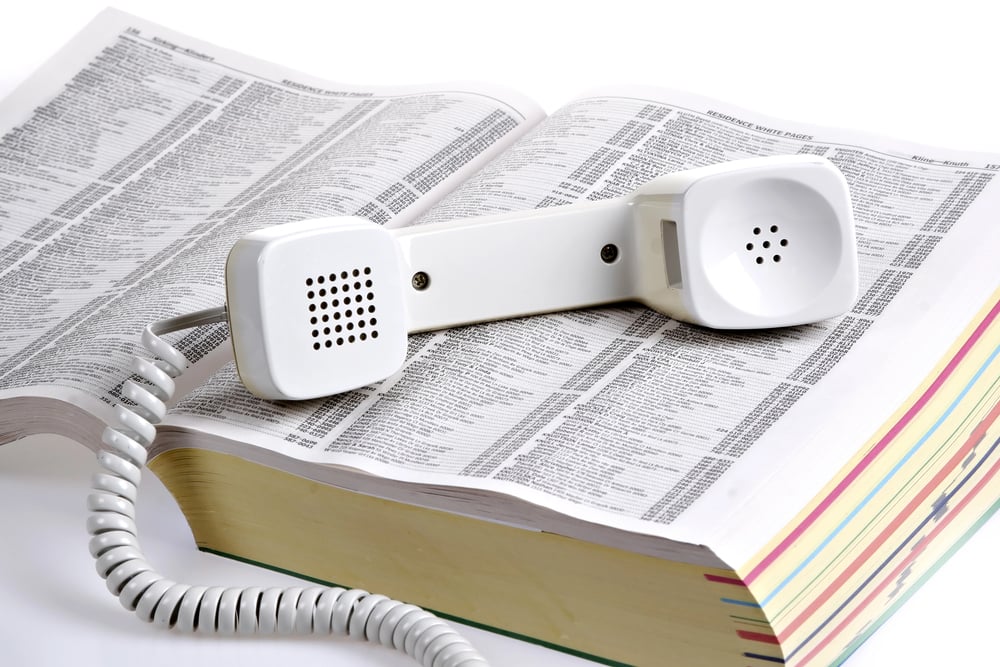
Yellow Pages and White Pages sat by every home phone. You used them constantly—looking up businesses, finding addresses, settling bets about whether someone’s name was spelled with an “i” or a “y.”
The books doubled as booster seats for kids at dinner tables. When new ones arrived, the old ones went straight to recycling.
Friends Actually Showing Up

Making plans meant committing. No text saying “running late.”
No last-minute cancellations. You said you’d meet at the movie theater at 7:15, so you showed up at 7:15.
If someone didn’t appear, you waited and wondered, checking your watch, hoping they were okay.
Desktop Computers With Dial-Up

That screaming, crackling sound of a modem connecting. Waiting several minutes for a single page to load.
Someone picking up the phone would boot you offline mid-session. The internet was a destination you went to, not something that followed you everywhere.
You checked email once a day if that.
Mix Tapes Made With Care
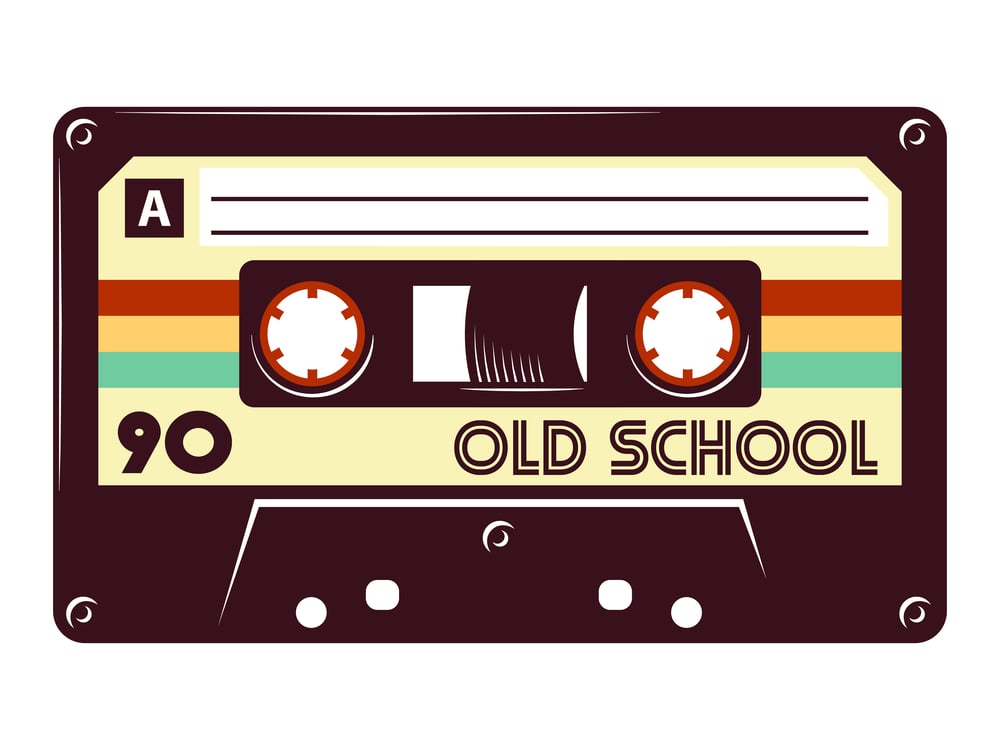
Recording songs off the radio required perfect timing. You sat with your finger on the record button, waiting for the DJ to stop talking.
Making a mix tape for someone took hours. The order mattered.
You wrote the track list in your best handwriting on the insert card. Getting a mix tape from someone meant something.
Conversations Without Fact-Checking

Debates lasted because nobody could immediately look up the answer. You argued about movie release dates, song lyrics, historical facts.
Sometimes the argument was more interesting than the answer would’ve been. You agreed to disagree or made bets you’d settle next time you were near an encyclopedia.
Ticket Stubs as Souvenirs
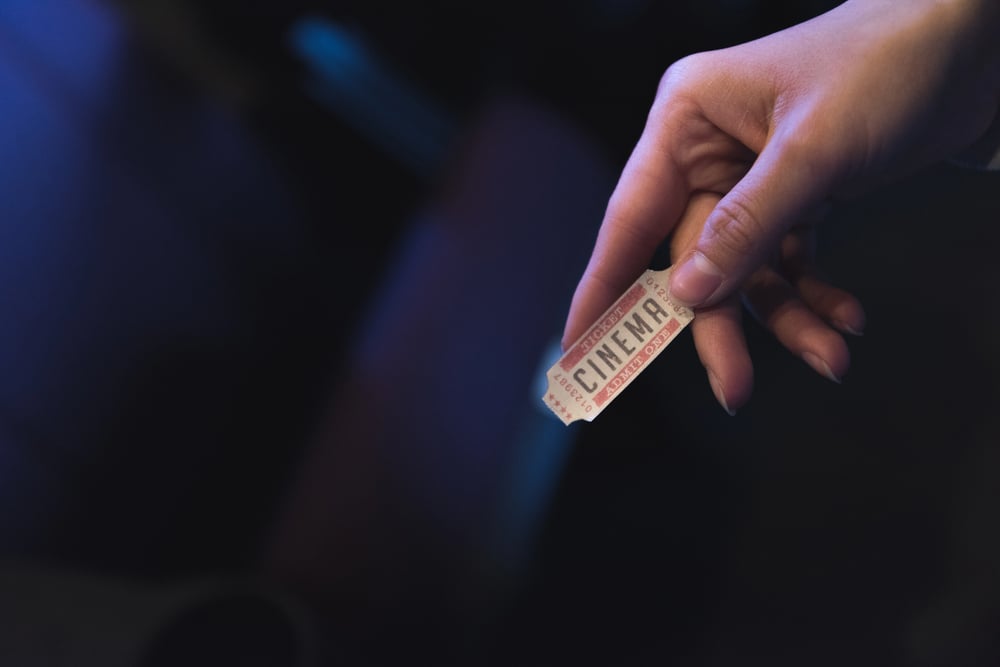
Movie tickets, concert tickets, plane tickets—you kept them all in shoe boxes or stuck them on bulletin boards. Each stub told a story.
The creases showed which ones you’d carried in your wallet for weeks. Looking through old stubs was like reading a diary of where you’d been and what mattered.
Answering Machines With Cassette Tapes
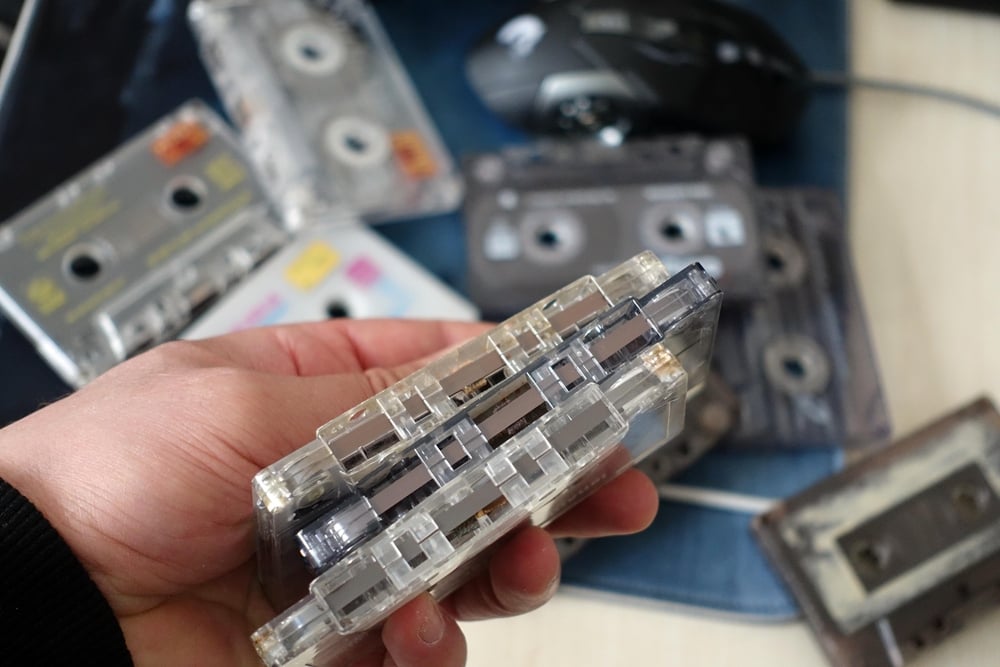
That tiny cassette tape recorded messages when you weren’t home. You rewound it to hear messages again.
The tape would wear out eventually, making voices sound warped and distant. Coming home meant pressing “play” to see who called.
Sometimes you save special messages for months.
Letter Writing That Took Time
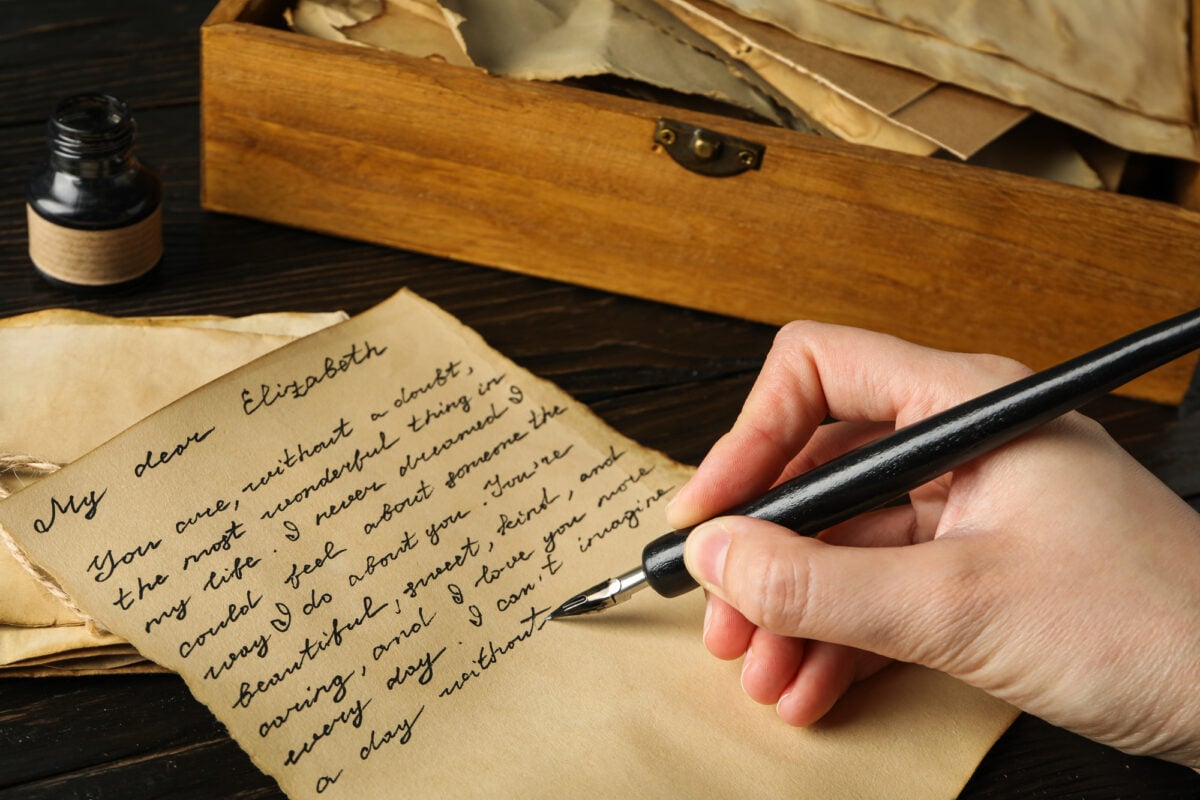
Sitting down with paper and pen meant something. You thought about what you wanted to say.
Crossed things out. Started over.
The physical act of writing slowed everything down. Mailing the letter meant it would arrive days or weeks later.
Responses took even longer. But getting mail—real mail with handwriting on the envelope—felt magical.
Walkmans and Discmans in Every Pocket
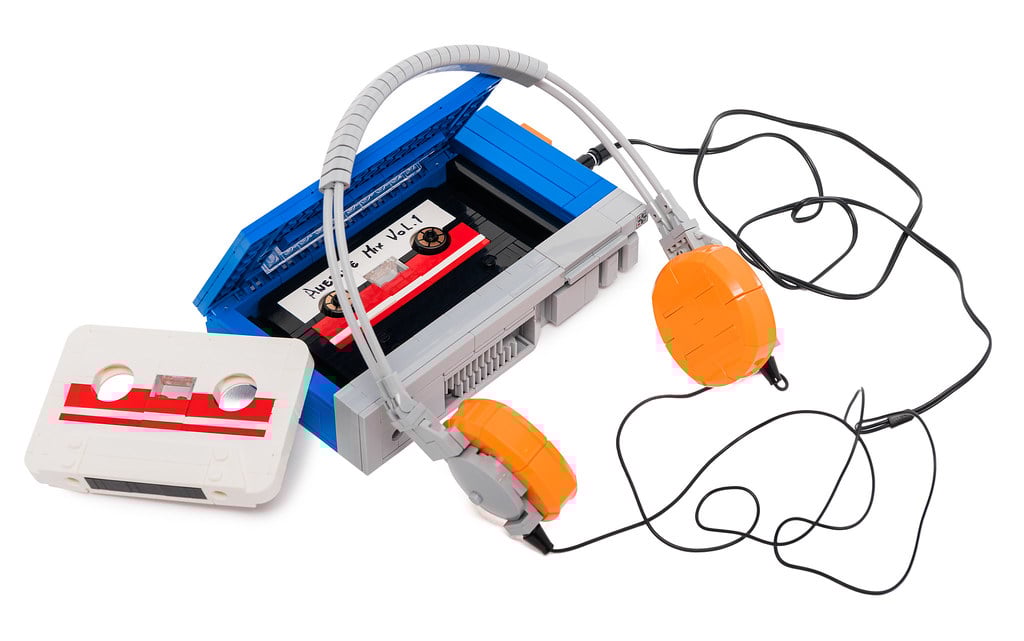
Portable music meant carrying a device and physical media. Skip protection on Discmans never quite worked—they’d jump if you moved too much.
Walkmans ate batteries and occasionally ate tapes. But having your own soundtrack to life felt revolutionary anyway.
Landline Calls With Stretched Cords

That coiled phone cord stretched across the kitchen while you talked. You’d pace back and forth, wrapping the cord around your finger.
No privacy—everyone in the house could hear your side of the conversation. Calling long distance costs money, so you watch the clock, making every minute count.
Kids Playing Outside Until Dark

Neighborhoods filled with kids on bikes, playing until streetlights came on. Nobody could reach you while you were out.
Your parents just trusted you’d come home when you said you would. Games happened in real time, in real spaces.
Getting hurt meant walking it off or going home, not documenting it online.
Cash and Checks for Everything
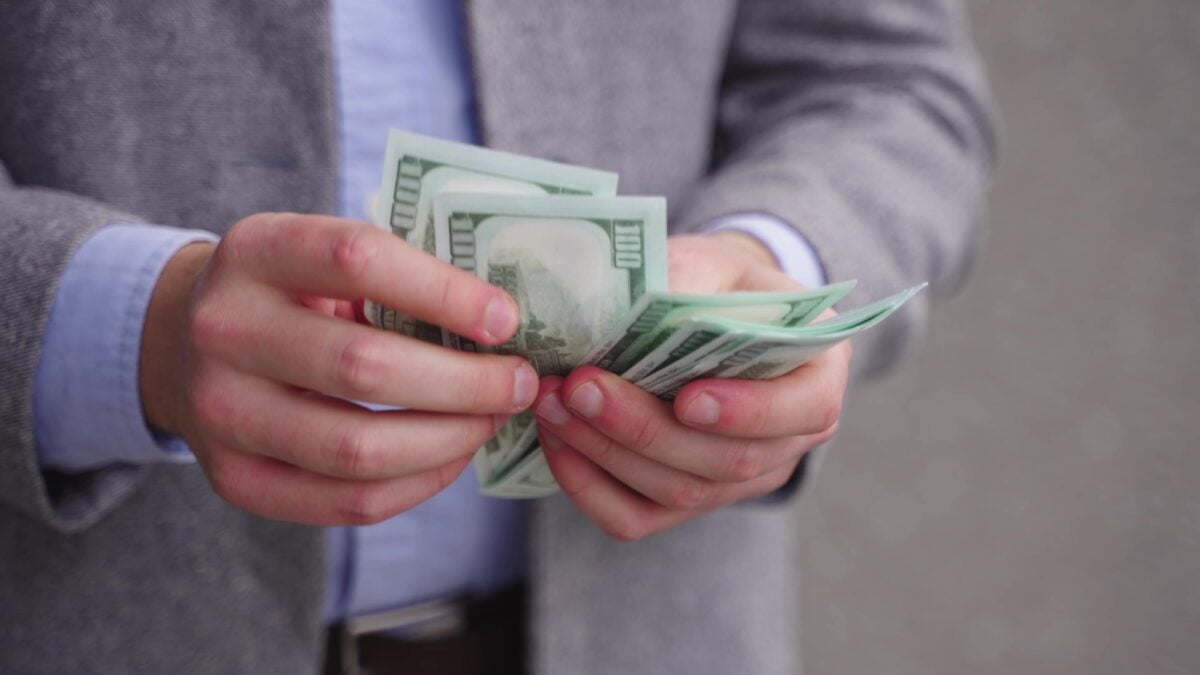
Money came from machines that gave paper bills. That cash stayed in your pocket until you used it.
When it was gone, you needed to visit a bank while they were open. Paying part of a meal meant figuring numbers by hand.
Transferring funds between friends did not happen back then. Having cash or not decided if you could pay.
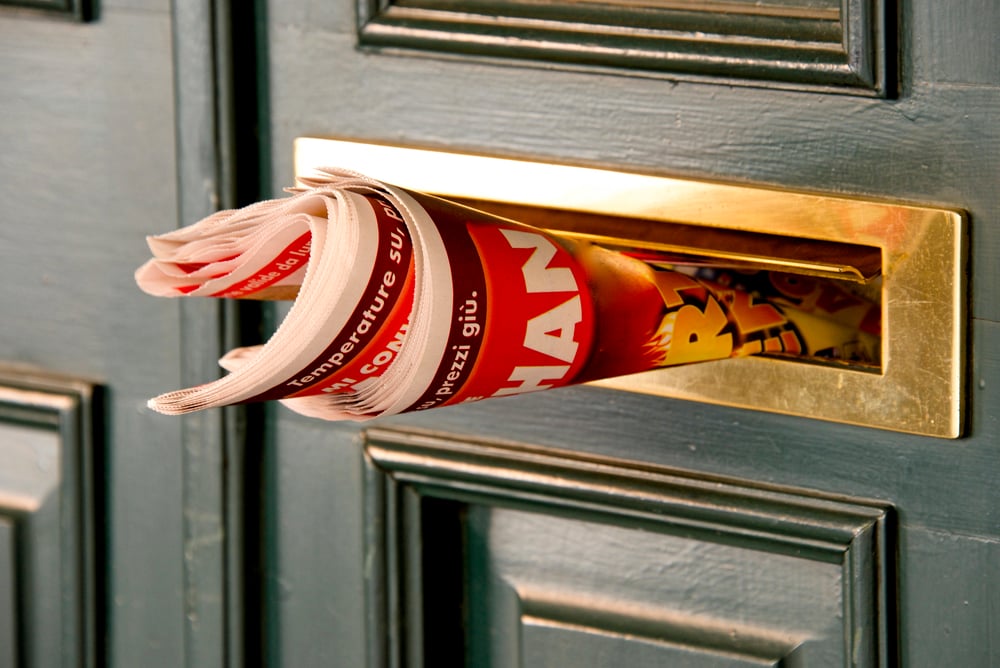
Newspapers Arrive at Homes
— Photo by bimka1
A newspaper landed on the porch with a soft bump. Morning coffee came along with pages full of headlines.
Whole stories got finished since nothing else was at hand. Fingers picked up gray smudges from printed words.
Fresh stacks arrived while you were away. Morning papers on weekends stretched so long they filled hours.
Meeting Spots That Mattered

That fountain near the mall was our meeting point. The rear door – that is where I will stand.
Our regular corner, yes, that one, we always ended up there. Specific spots got chosen, then followed without change.
When a person did not appear, patience became the move. Reaching out during the moment? That never happened.
Group messages tracking each step? Not part of it. Showing up right where promised – that was simply what took place.
The Quiet Moments We Forgot
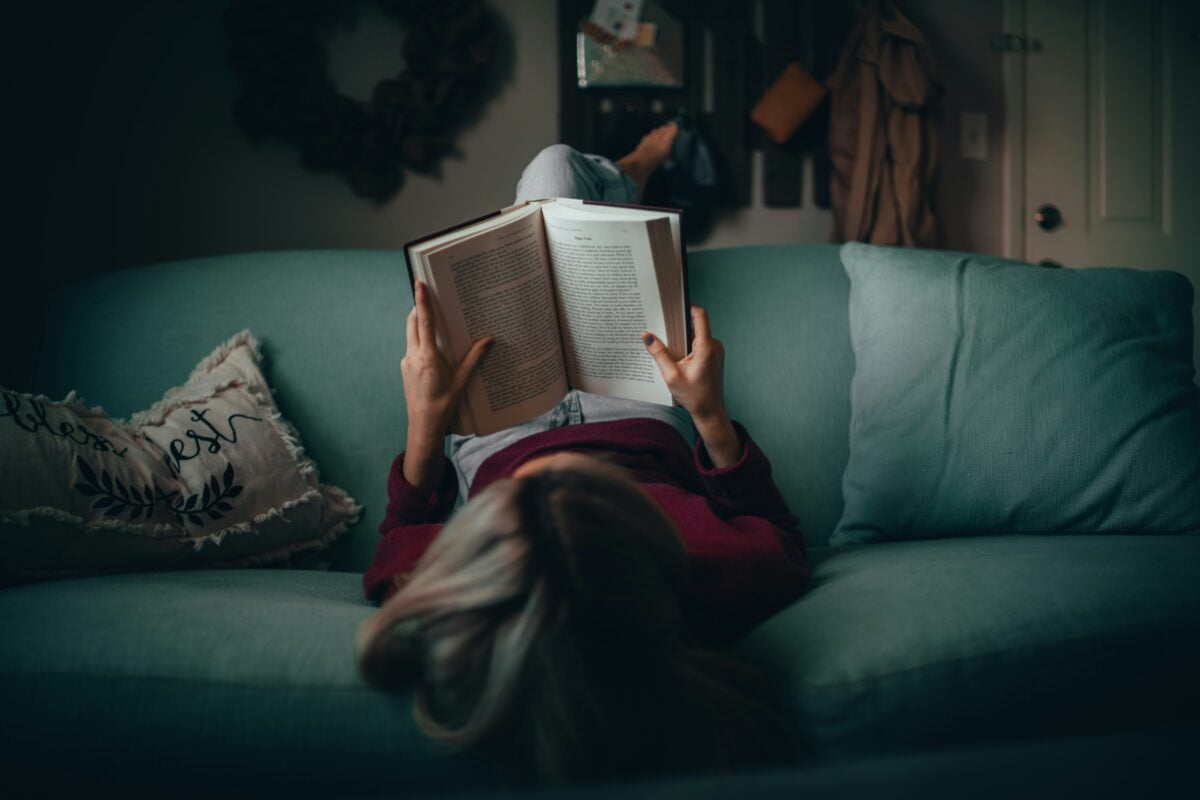
Back then, quiet was ordinary. A pause while waiting your turn, stillness inside a parked vehicle.
Instead of noise, just breathing. Like standing at an intersection, eyes following strangers.
Those empty spaces between actions? They guided reflection. Thought needed room.
Without rush, minds wandered deeper. Lost moments stay lost.
Yet pictures prove they happened – showing how folks filled entire lifetimes watching only what stood nearby.
More from Go2Tutors!

- The Romanov Crown Jewels and Their Tragic Fate
- 13 Historical Mysteries That Science Still Can’t Solve
- Famous Hoaxes That Fooled the World for Years
- 15 Child Stars with Tragic Adult Lives
- 16 Famous Jewelry Pieces in History
Like Go2Tutors’s content? Follow us on MSN.



