30 School Supplies No Classroom Uses Anymore
Schools have evolved dramatically, and many supplies that seemed essential to education have vanished from classroom life. Some became obsolete through technology; others were phased out for safety or pedagogical reasons.
These items represent a specific era when certain tools were absolutely necessary for learning. Today’s students often wouldn’t recognize many of them, let alone understand why they were ever considered classroom staples.
Carbon Paper
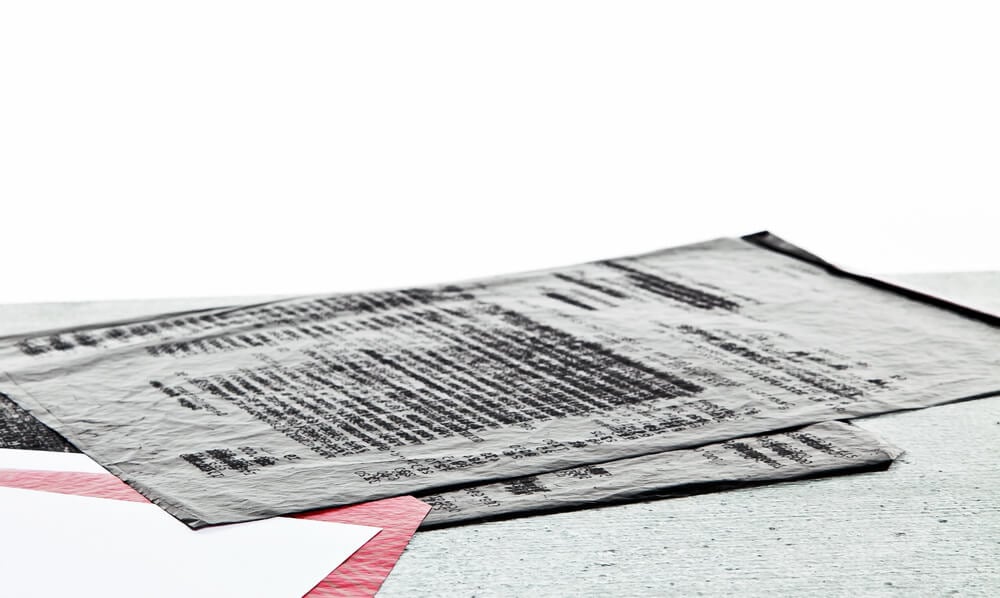
Used to make duplicate copies of documents without machines, carbon paper created instant copies by transferring ink when pressure was applied. Before photocopiers became affordable, carbon paper was essential for creating test copies and distributing handouts.
Every classroom had stacks of it, and the distinctive dark stains on fingers were badges of classroom engagement.
Mimeograph Machines
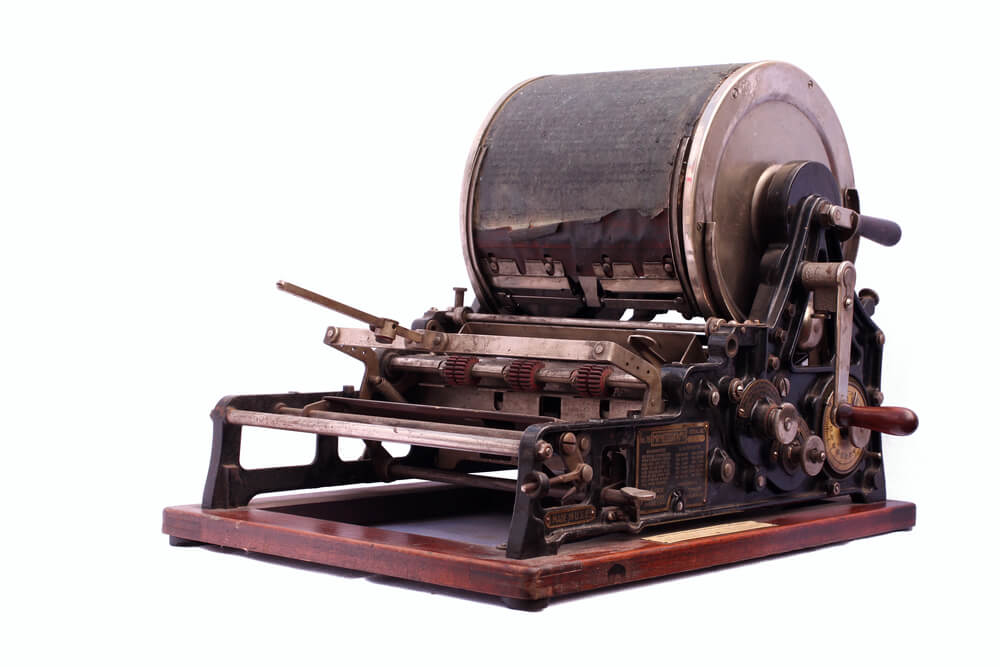
These hand-crank duplicating machines produced dozens of pages by forcing ink through a wax stencil. The distinctive purple smell of freshly mimeographed pages meant a worksheet was coming.
Teachers assembled stacks of slightly smudged copies while the purple ink slowly dried. When photocopiers arrived, mimeographs disappeared almost overnight.
Ditto Machines
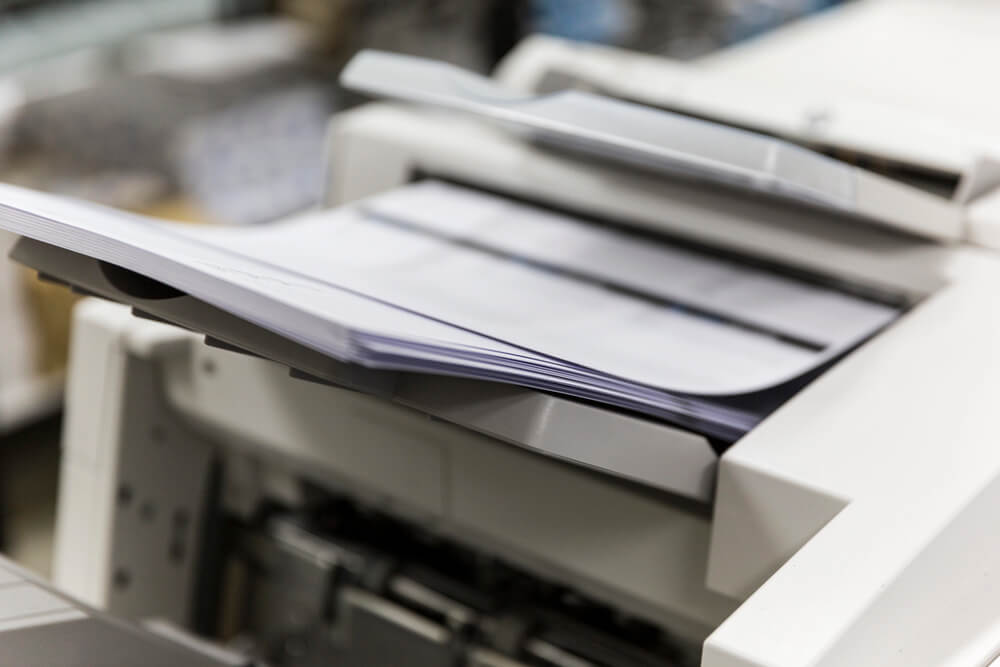
Similar to mimeographs but using alcohol-based solutions, ditto machines created lighter purple copies. The sweet chemical smell was unmistakable, and students actually looked forward to getting “ditto sheets” because they seemed different from normal worksheets.
The machines are gone, but the nostalgic aroma lingers in generational memory.
Pencil Sharpeners (Mounted)
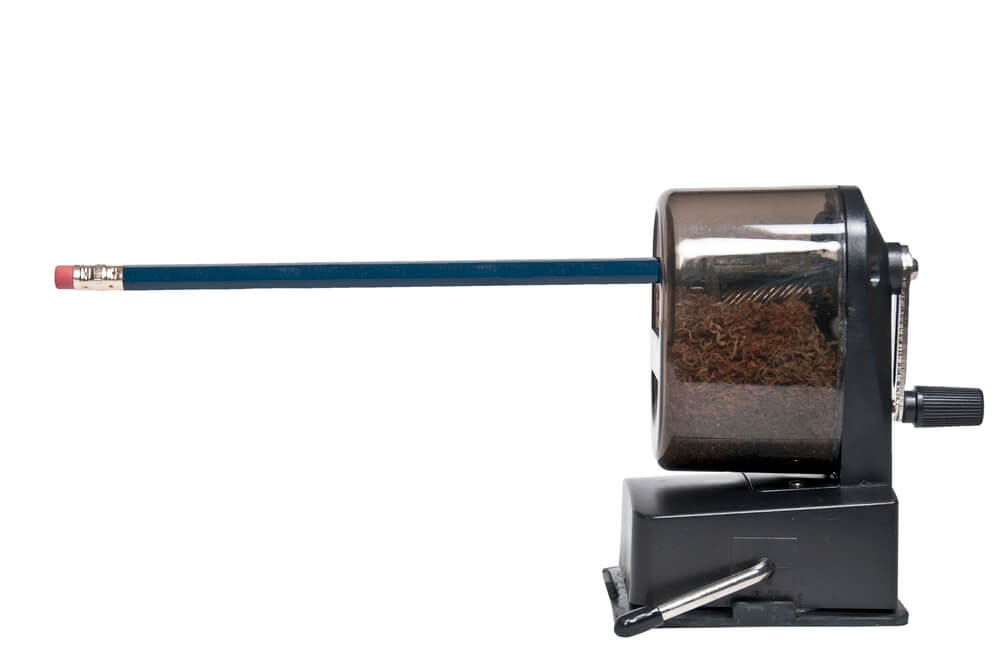
Before automatic sharpeners existed, every classroom had a mounted sharpener bolted to the wall or desk. The rhythmic sound of hand-cranking a pencil sharpener while the wooden shavings filled a compartment was auditory background to classroom life.
Modern electric sharpeners are so common that wall-mounted versions have become rare.
Report Card Carbon Sets

Report cards came as carbon-duplicate sets where writing on one sheet automatically transferred to a copy underneath. Handwritten report cards with carbon copies represented hours of teacher labor before computerized reporting systems.
The distinctive thin paper and difficulty erasing without tearing made permanent records truly permanent.
Overhead Projectors
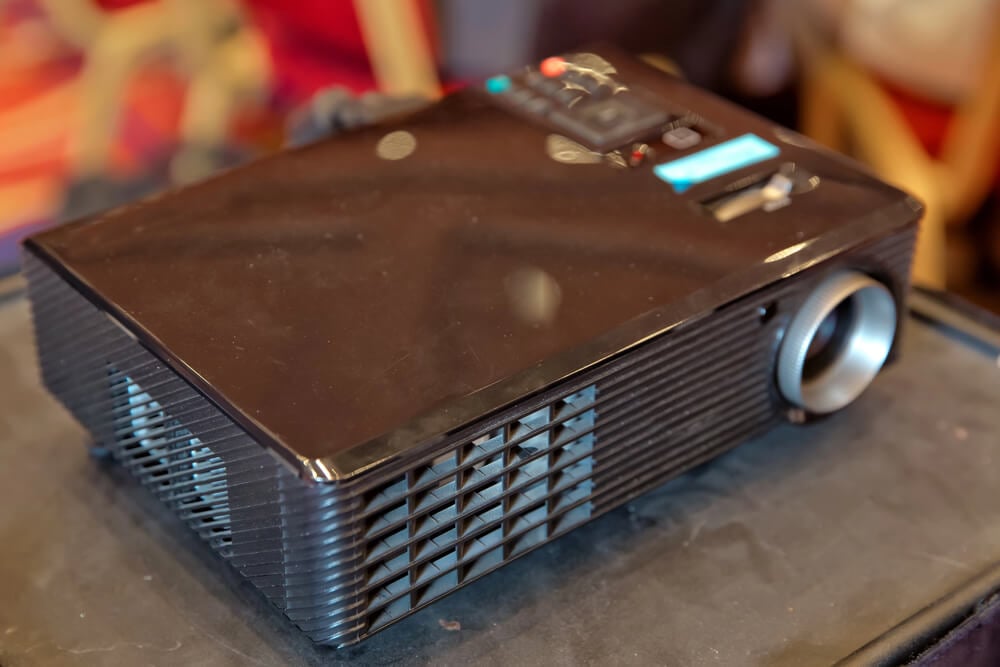
Placing transparent plastic sheets on a heated glass surface projected them onto classroom walls, allowing teachers to write notes in real-time during lessons. The technology defined decades of teaching before PowerPoint and interactive displays replaced them.
The distinctive warm glow and occasional burned fingers remain iconic classroom memories.
Opaque Projectors
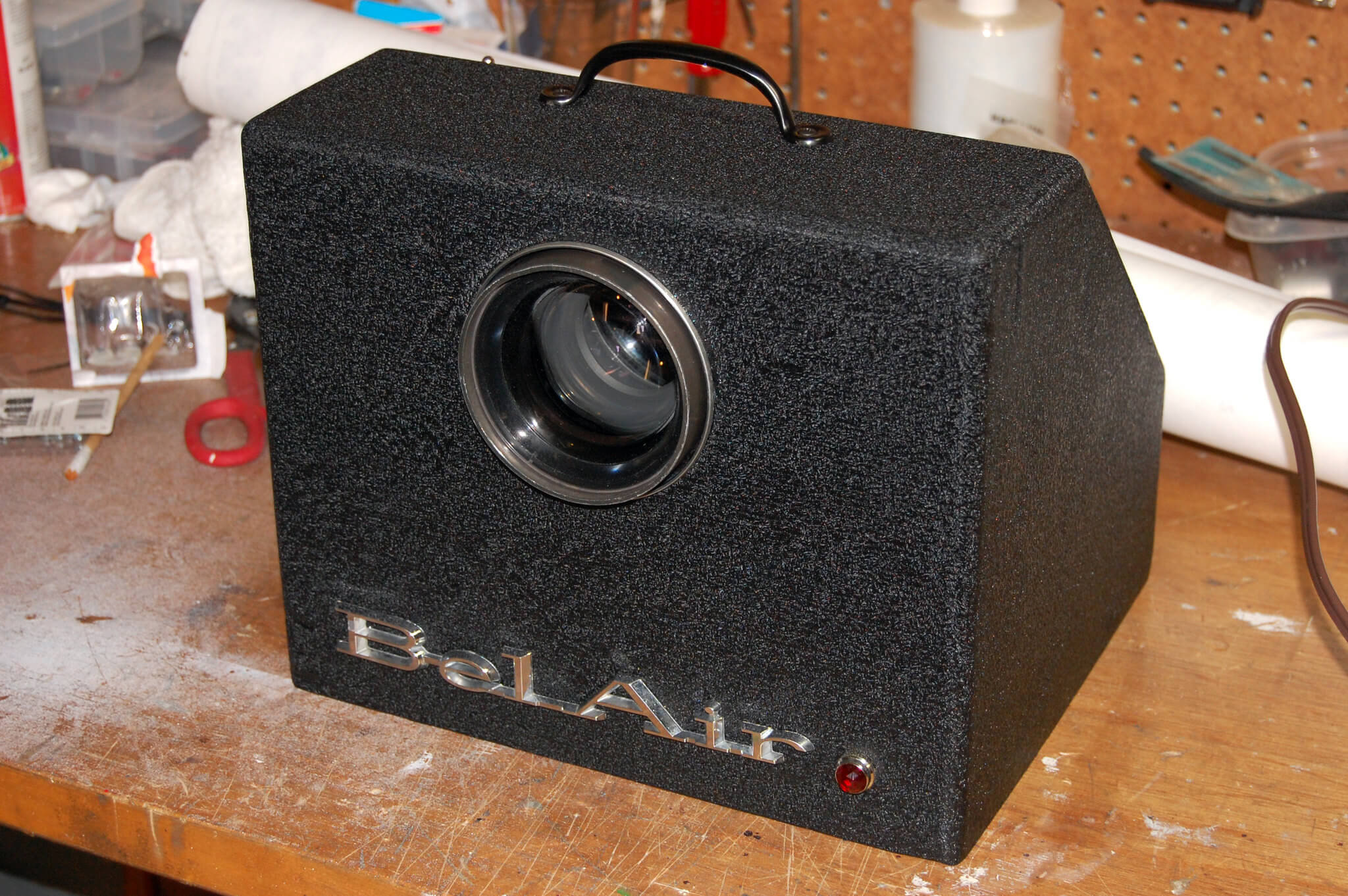
These devices projected solid images (pictures, pages from books, objects) onto walls without requiring transparency. Teachers could magnify textbook illustrations for class discussion.
The projectors were bulky and generated significant heat, but they solved the problem of showing visual materials to entire classrooms.
Film Strips
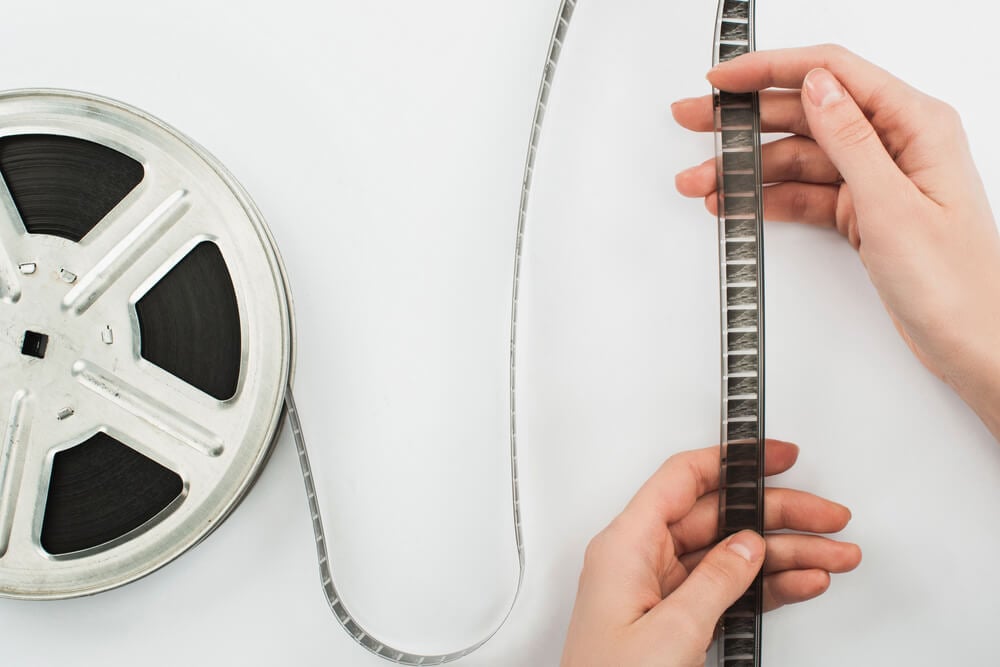
These pre-made sequences of images printed on long film strips played through mechanical projectors to deliver structured educational content. Teachers would advance the film frame-by-frame, syncing with accompanying audio cassettes.
The format represented educational technology for decades before video made them obsolete.
Pencil Cases Filled With Specific Items
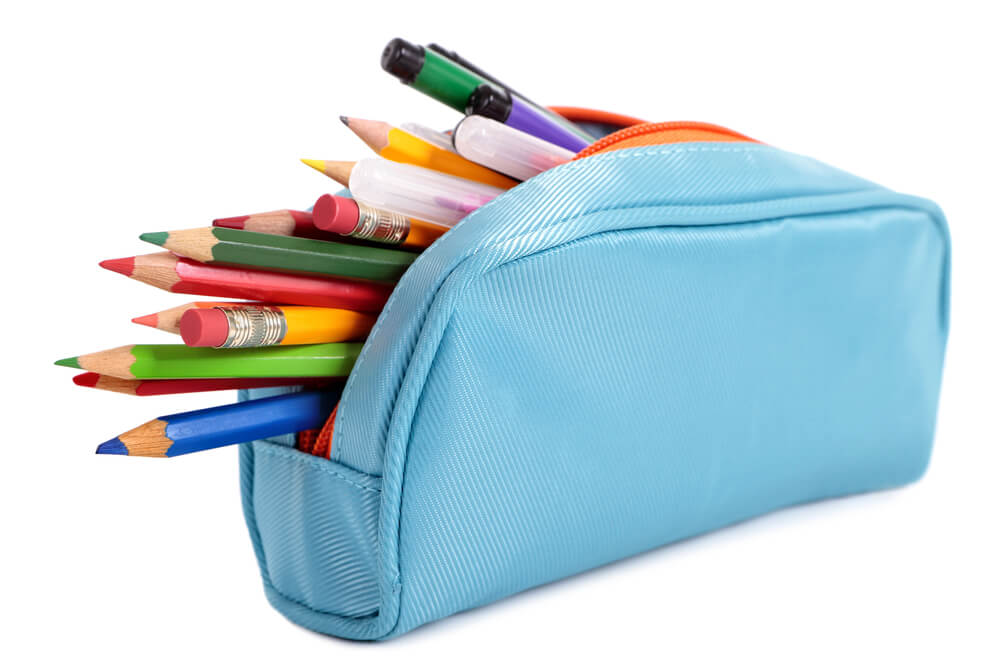
Classroom lists required students to have precise sets of pencils (typically two), erasers, sharpeners, and rulers. These rigid requirements meant standardized pencil cases with compartments.
Modern supplies are far more varied and flexible, making uniform pencil cases less necessary.
Tissue Boxes Kept at Teacher’s Desk

Teachers controlled tissue distribution during classroom time, making students request permission to retrieve one. Boxes of tissues were kept at the front of the room, and students approaching the teacher’s desk felt ceremonial.
Modern classrooms sometimes allow individual tissue boxes, eliminating the formal request process.
Perforators and Multi-Punches
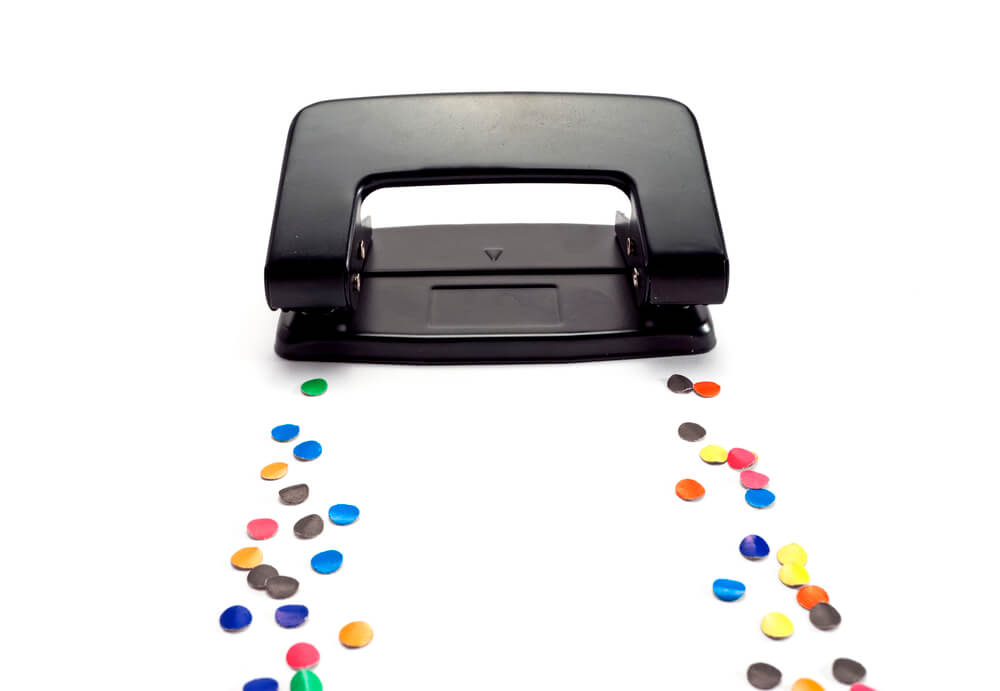
Different formats required specific round patterns, and classrooms needed dedicated perforators matching different filing systems. The heavy metal punches created neat rounds in papers, and students enjoyed the physical act of punching.
Digital documents have made physical pore-punching systems largely unnecessary.
Ink Cartridges for Fountain Pens
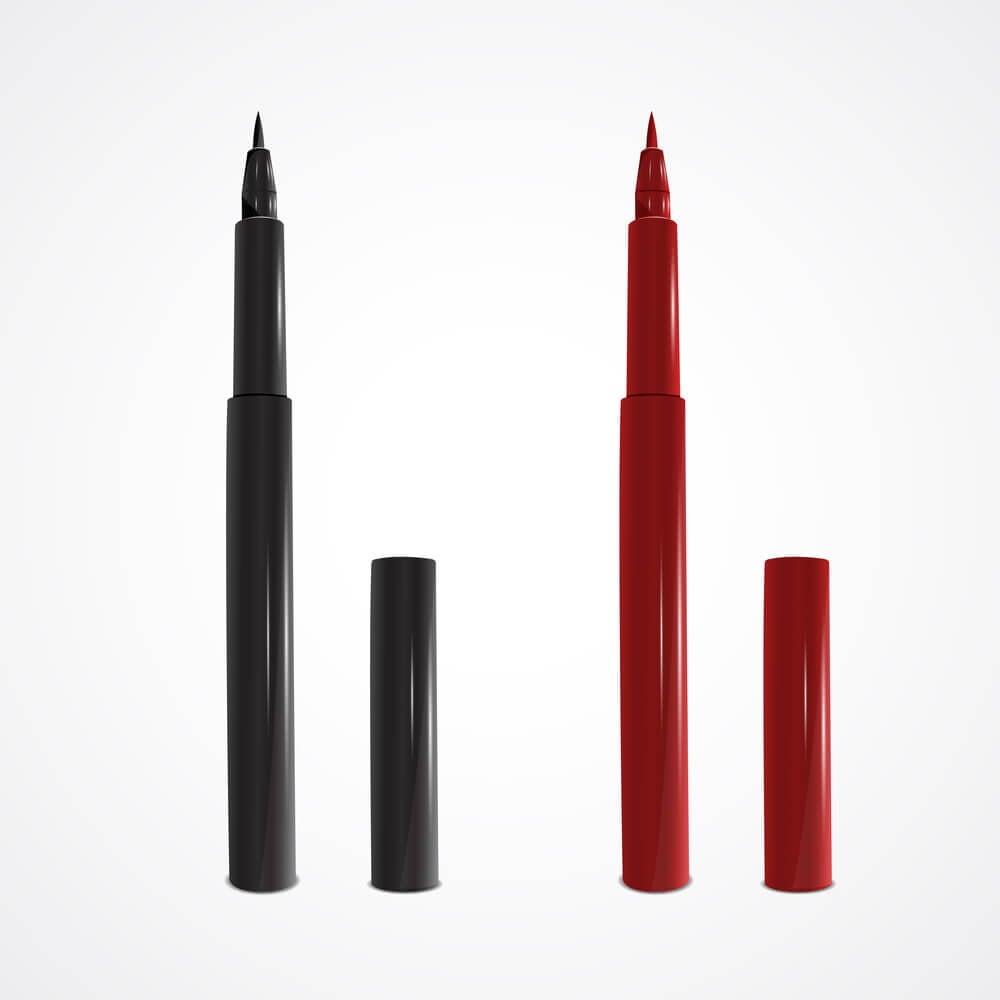
When fountain pens were standard classroom writing instruments, ink cartridges and bottles were common classroom supplies. Teachers preferred fountain pens for grading, and students used them for formal writing assignments.
The shift to ballpoint pens eliminated the need for these specialty supplies.
Correction Tape
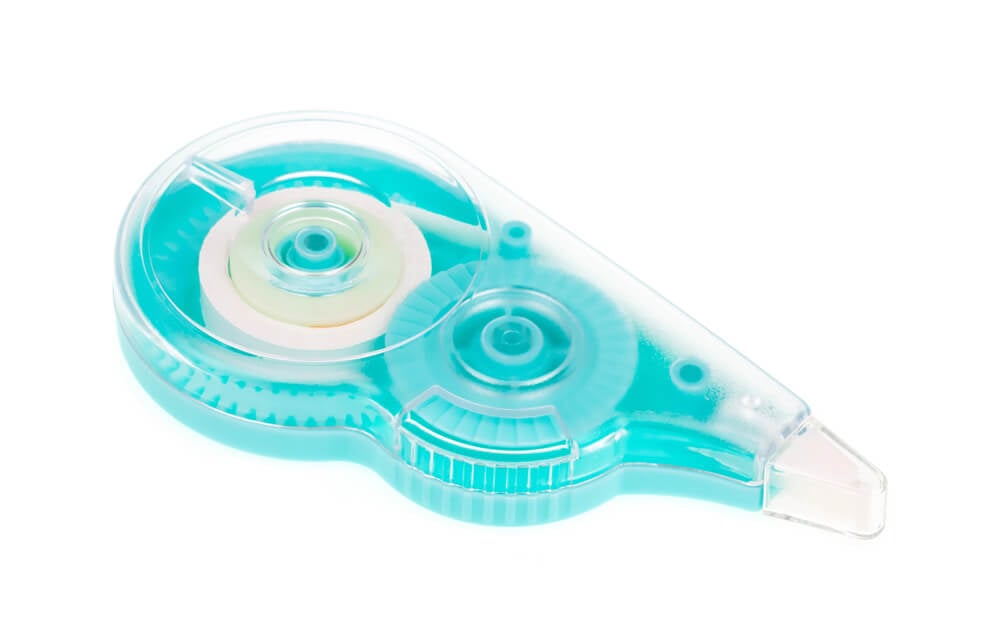
Before liquid correction fluid was invented, paper tape that could cover typewriter errors was the preferred correction method. The rigid tape required careful application and wasn’t truly erasable.
Correction fluid later replaced tape, which has now largely been replaced by digital editing.
Liquid Correction Fluid
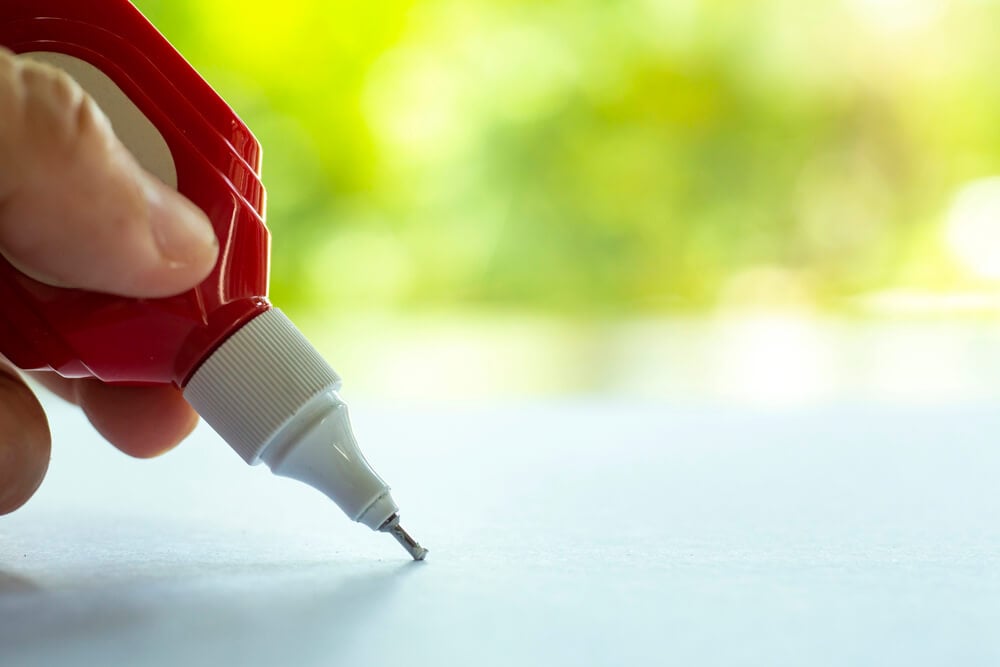
Widely used before digital documents, liquid paper and similar products allowed students to white out typing errors. The chemical smell and the method of applying tiny brushes were standard classroom experiences.
Digital word processors eliminated the need for this imperfect correction method.
Ditto Carbon Pencils
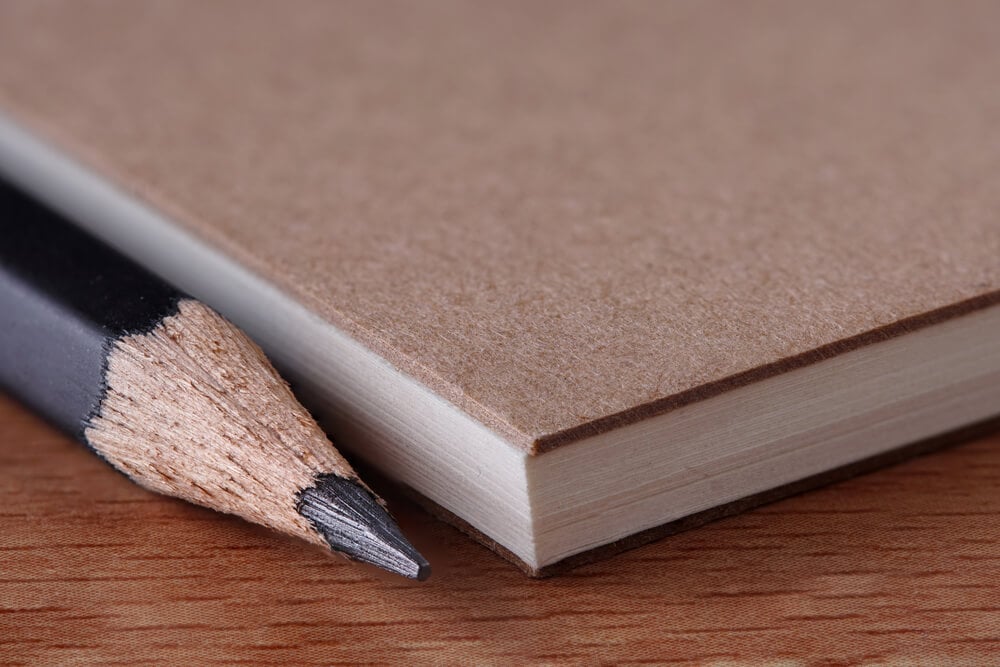
These special pencils created copies when pressed through carbon-backed paper. Used for practice tests and worksheet duplication before machines were available, they represented the pre-machine era of classroom reproduction.
The copies were often faint and difficult to read.
Typewriter Correction Tape
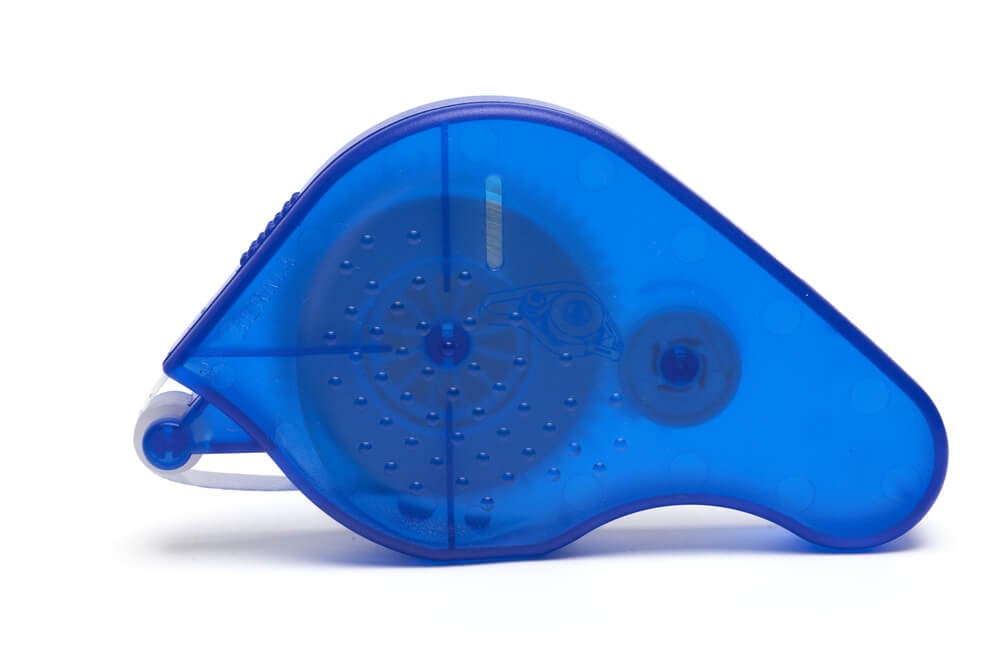
Typewriters required special correction tape that would remove typed characters using heat and friction. The thin ribbon and careful repositioning were frequent classroom frustrations.
The shift to computers eliminated the need for this error correction method entirely.
Stencil Cutting Tools
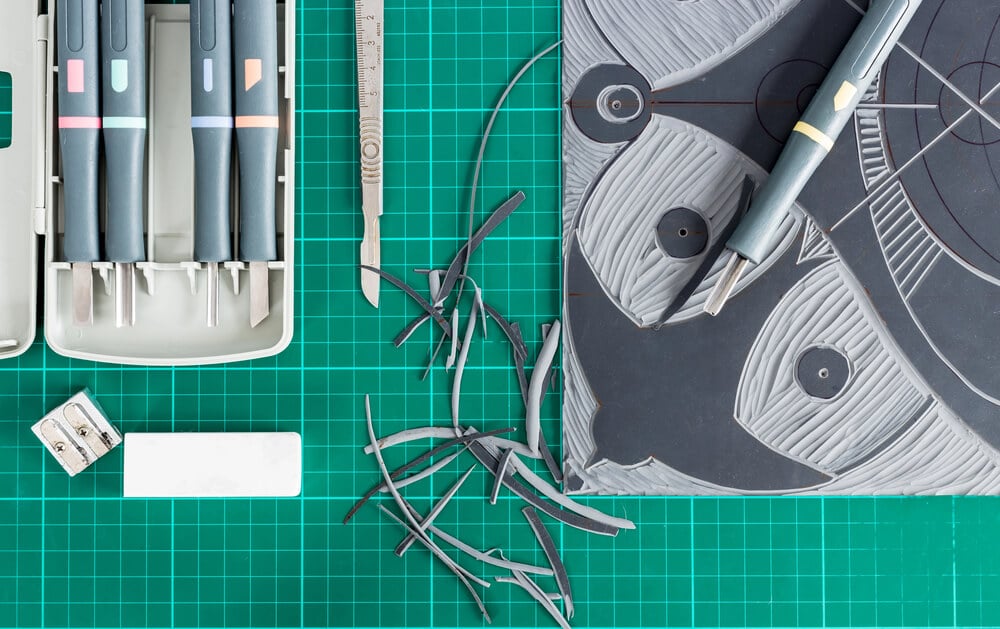
Teachers would cut wax stencils for mimeograph machines using special styluses and cutting tools. The process was time-consuming and required steady hands, but it was the only way to produce classroom materials in bulk.
Modern printing makes hand-cut stencils obsolete.
Ditto Fluid And Cartridges
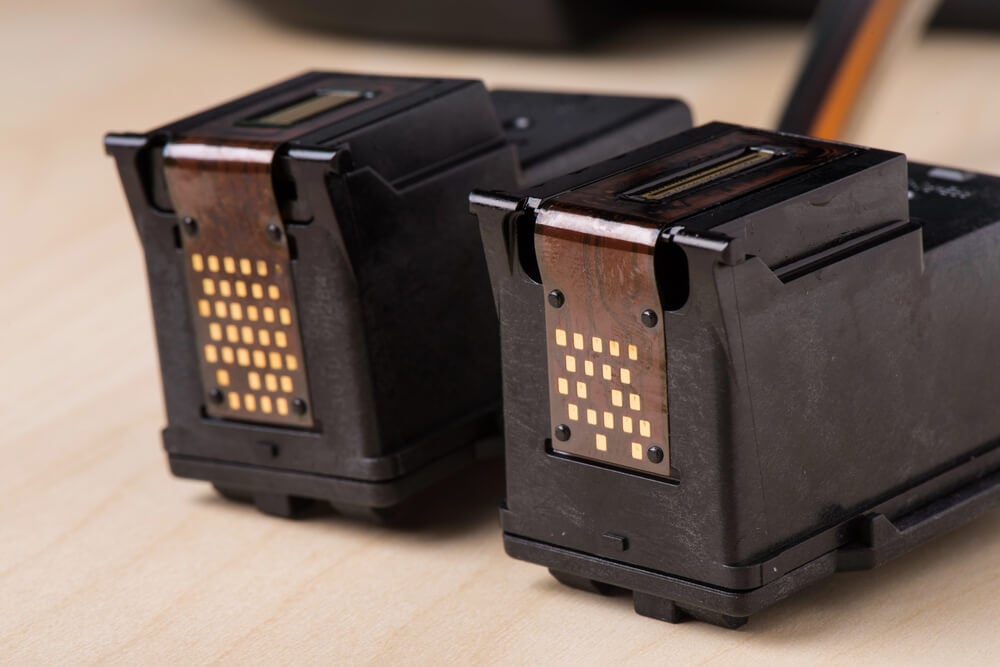
Ditto machines required specific fluid cartridges that produced that distinctive purple chemical aroma. Changing cartridges was a routine classroom maintenance task.
Digital printing eliminated the need for this specialty chemical supply.
Handwriting Instruction Templates
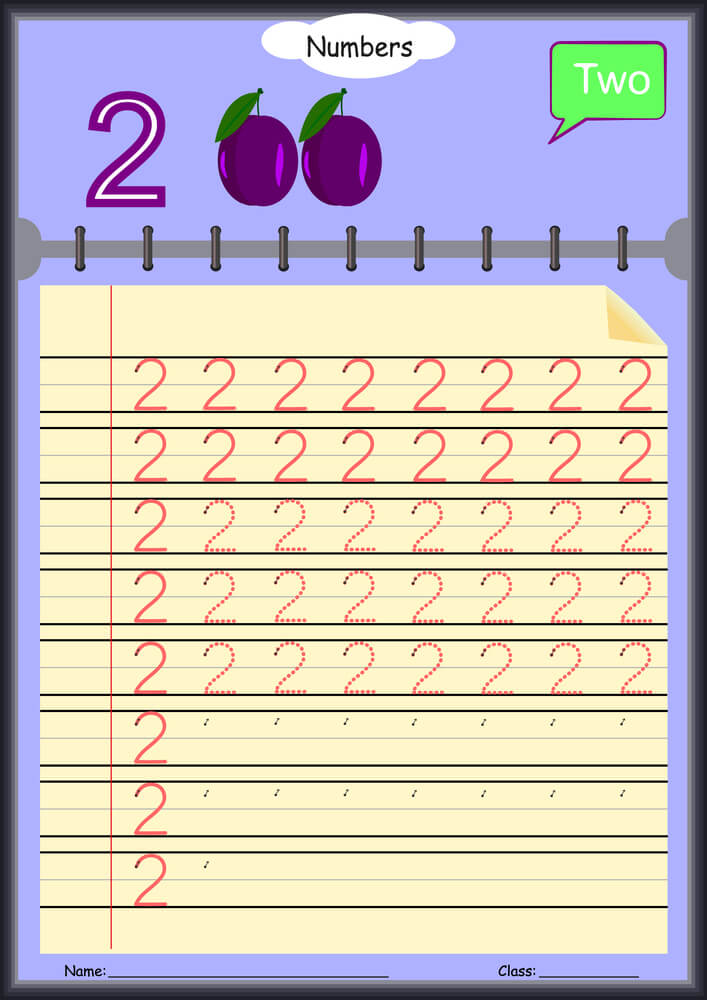
Specialized paper with faint lines and embedded letters guided student handwriting development. Different grades used different templates matching handwriting development stages.
Digital typing has reduced handwriting instruction emphasis, making these templates less common.
Blue Books For Exams

The standardized blue exam booklets weren’t actually necessary for testing but became traditional. Every exam meant getting new blue books from the teacher.
Digital testing and proctored computer exams have made physical blue books less essential.
Tracing Paper Pads
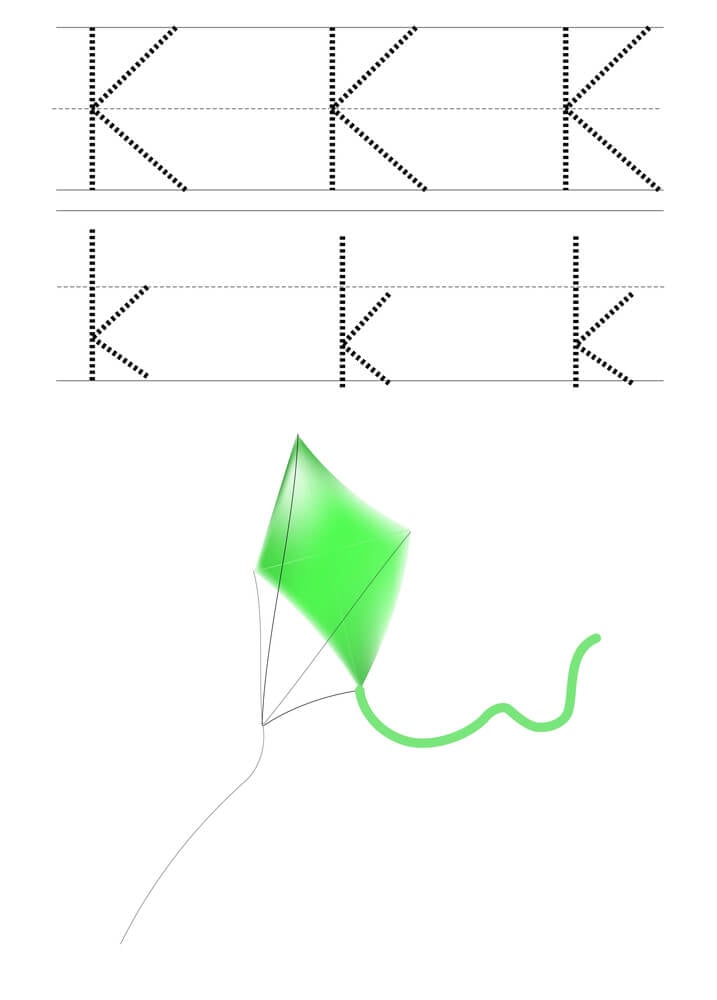
Used for art classes and geometry instruction, thin tracing paper allowed students to transfer images by rubbing. The paper was used for basic design work and copying technical drawings.
While still available, they’re used far less frequently than in previous decades.
Pantograph Tools

These mechanical devices allowed students to enlarge or reduce drawings by scaling them proportionally. Though simple and clever, they’re unnecessary now that digital tools can instantly scale images.
Few students even know what a pantograph is.
Pressure-Sensitive Labels
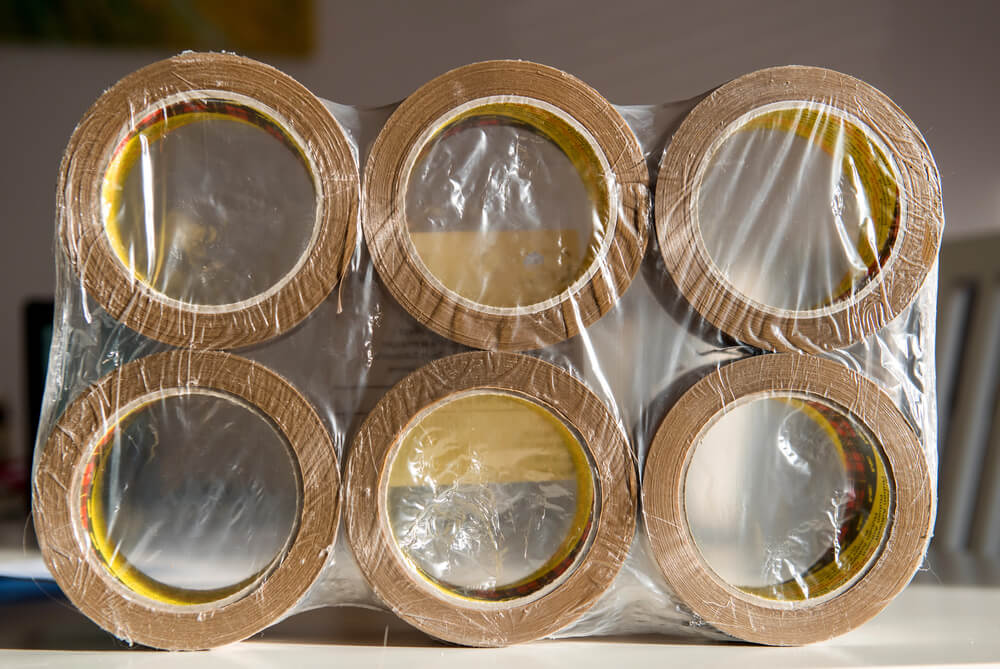
Before computers could generate custom labels, pressure-sensitive label sheets were cut by hand. Students would meticulously create library labels, folder labels, and assignment tags by cutting printed sheets.
Inkjet label production made this labor-intensive process obsolete.
File Folders in Every Color
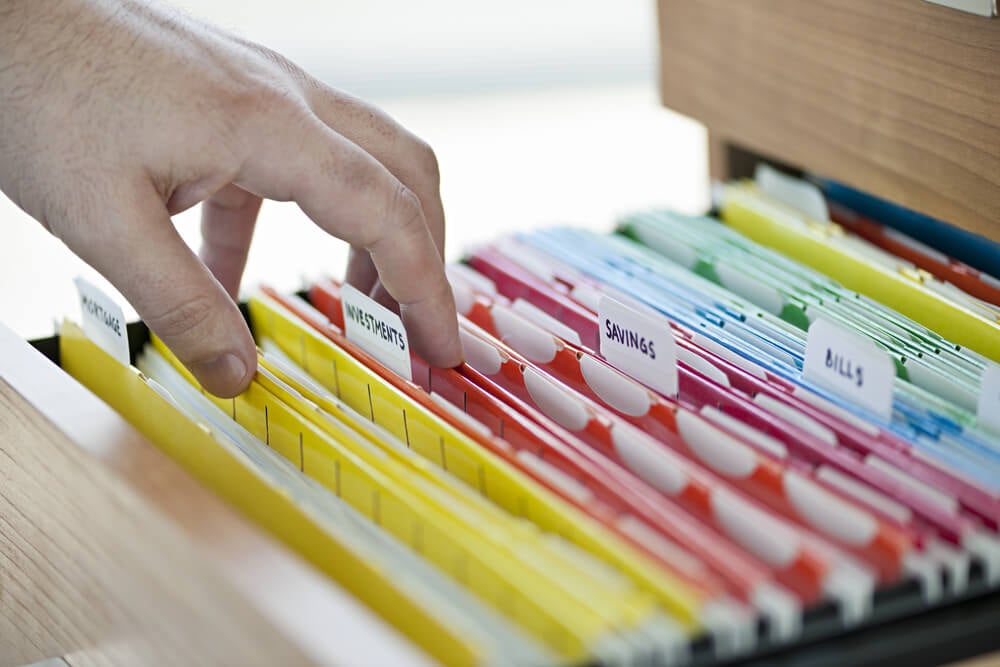
Organizing systems required many colored folders, and matching a color-coded system was essential. Every classroom had rainbow stacks of folders in specific organizational patterns.
Digital folders and cloud storage have made physical color systems less necessary.
Divider Tabs For Binders
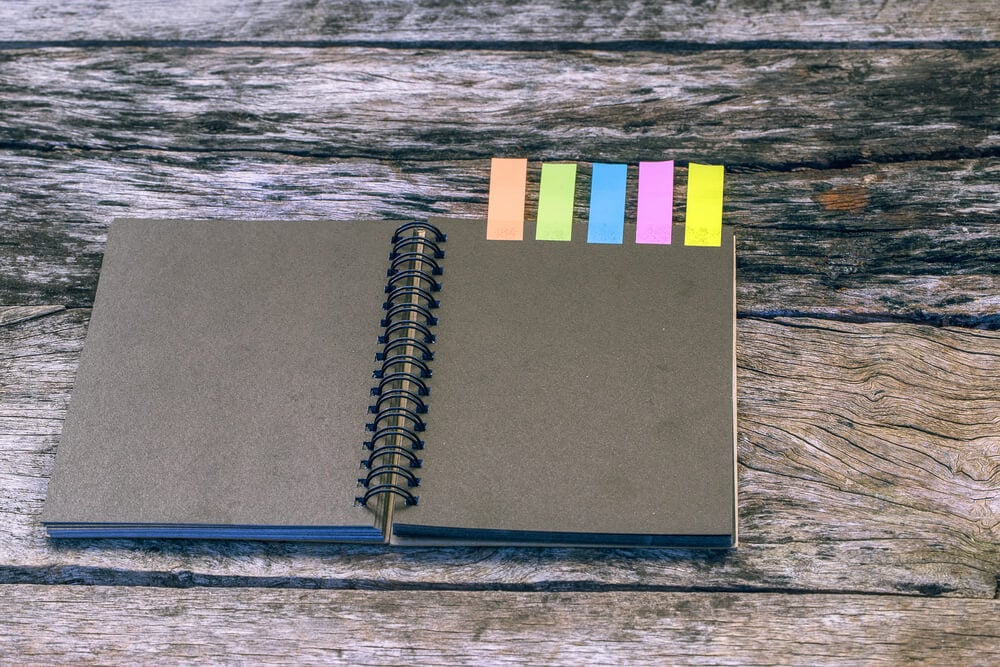
Plastic or cardstock dividers with tabs allowed organizing binder sections by subject. Every student needed specific divider sets, and losing dividers during the year was a genuine problem.
Digital organization has reduced reliance on physical divider systems.
Brass Fasteners And Brads
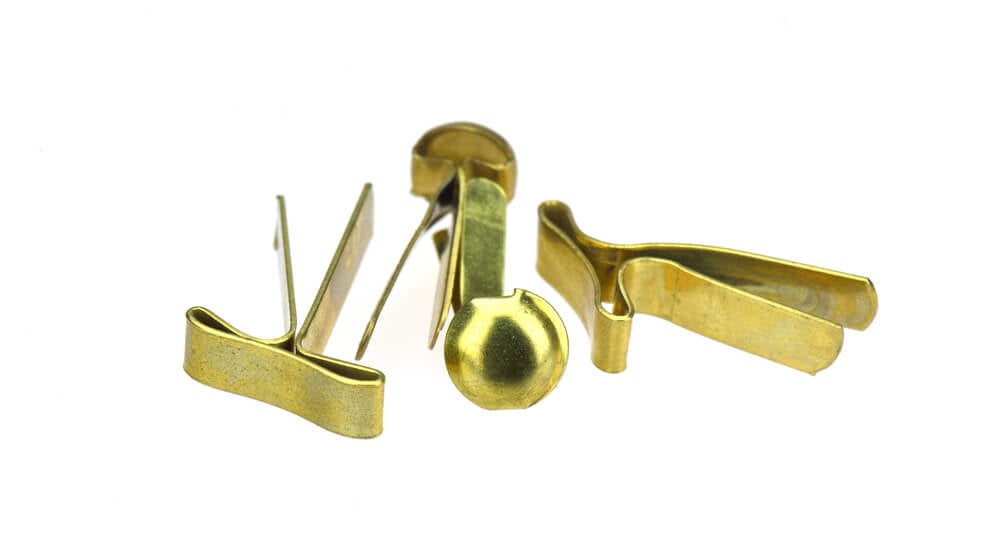
Used to fasten papers together and create moving parts in classroom projects, these metal pieces were essential supplies. Every classroom had boxes of various sizes.
While still available, they’re used far less frequently than in traditional paper-based learning.
Manila Folders And Envelopes
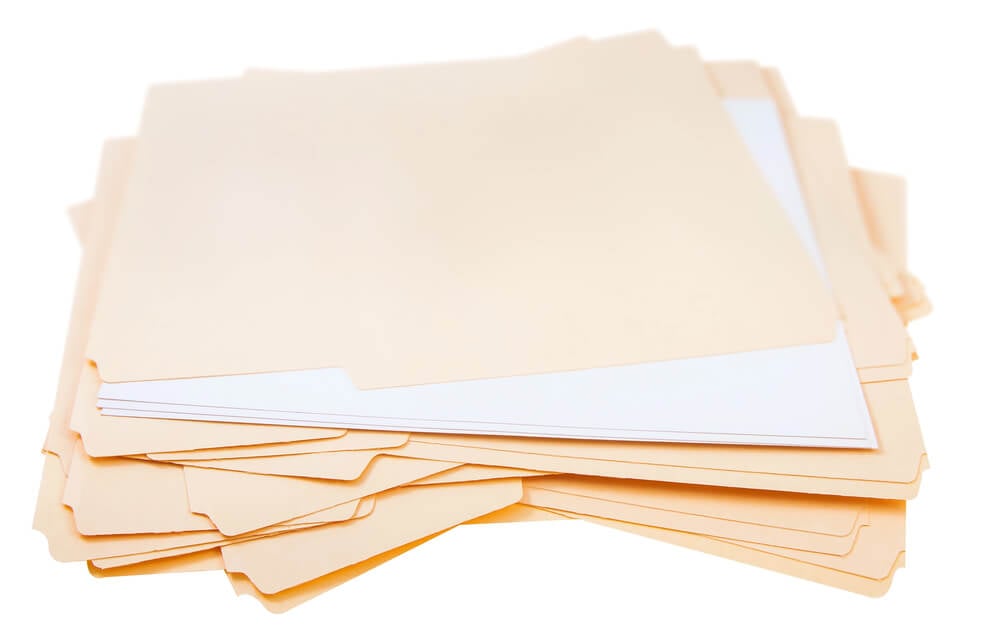
Large manila envelopes and folders were standard for organizing student work and filing documents. Schools went through bulk quantities of these paper products.
Digital document systems have reduced dependence on physical filing.
Metal And Plastic Rulers
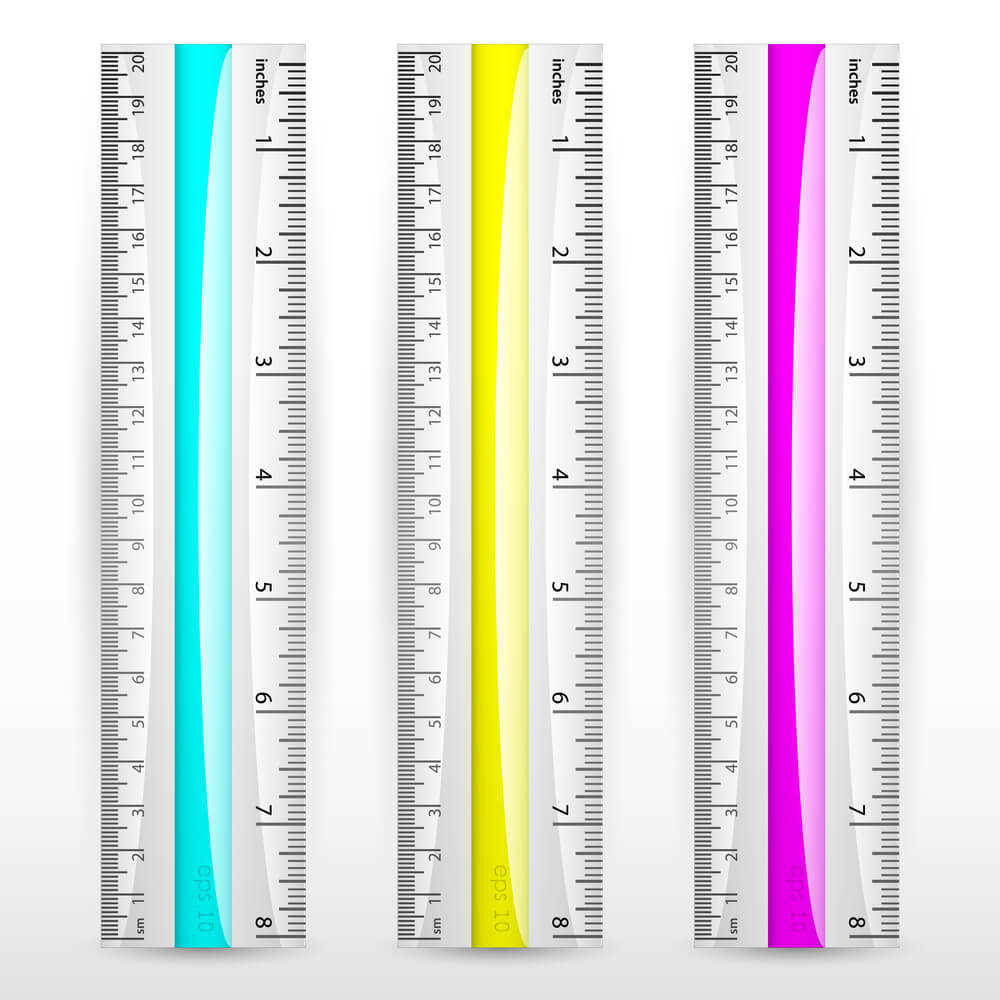
Precise measurements required dedicated rulers, often supplied by schools or students. Marking exact measurements on papers was foundational to mathematics and technical instruction.
Digital measurement tools haven’t completely replaced physical rulers, but their classroom use has declined.
Rubber Cement
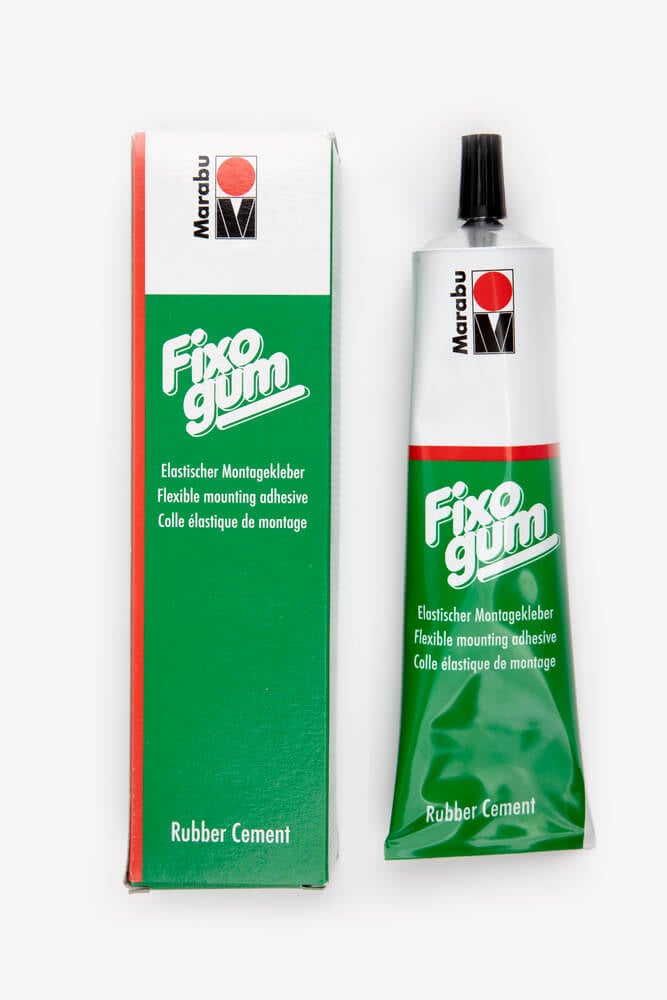
This adhesive stuck paper without wrinkles and could be removed without tearing. It was ubiquitous in classrooms and art projects.
While still available, hot glue guns and digital design have reduced dependence on rubber cement.
Index Card File Boxes
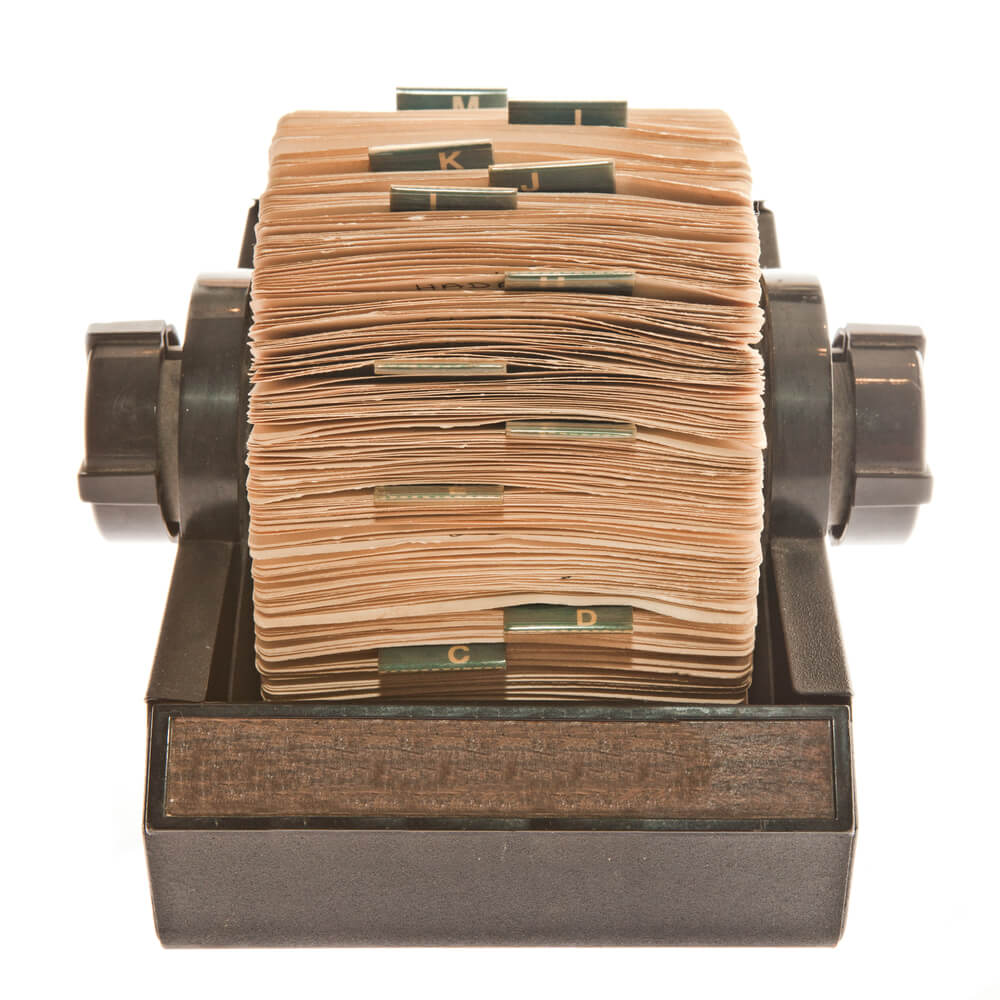
Teachers maintained card catalogs of vocabulary, science facts, and study materials in organized index card boxes. Students created flashcard boxes for study.
Digital flashcard apps have made physical card filing systems largely obsolete for most learners.
The Evolution of Classroom Tools

These items represent an era when teaching required specific physical tools and when material distribution was a primary classroom responsibility. Modern learning environments rely far more on digital tools, requiring less physical manipulation and storage of supplies.
Yet something was lost—the tactile experience of using these tools created embodied learning that screen-based equivalents don’t quite replicate. Nostalgia for these supplies often reflects longing for a simpler era when teaching and learning felt more concrete and intentional.
More from Go2Tutors!

- The Romanov Crown Jewels and Their Tragic Fate
- 13 Historical Mysteries That Science Still Can’t Solve
- Famous Hoaxes That Fooled the World for Years
- 15 Child Stars with Tragic Adult Lives
- 16 Famous Jewelry Pieces in History
Like Go2Tutors’s content? Follow us on MSN.