Old Films Considered Lost That Turned Up Again
The earliest films were often considered expendable. Reels were reused, melted down, or simply thrown away.
Prints were not preserved systematically. By the 1970s, roughly 80 percent of all silent films made in America had been lost entirely.
Yet every few years, a film thought permanently vanished resurfaces in an attic, a basement, a monastery, or a film vault in another country. The discovery of a lost film is like recovering a ghost—the material suddenly exists again in the world.
The following films represent this miraculous recovery process.
Metropolis, Complete Version Found 2008

Fritz Lang’s Metropolis was thought to exist only in severely truncated form for decades. In 2008, a complete version of the film was discovered in a cinema’s storage in Buenos Aires, Argentina.
The 1927 silent film had been preserved unintentionally by being left in a South American archive where few people knew to look for it.
Nosferatu, Multiple Prints Recovered
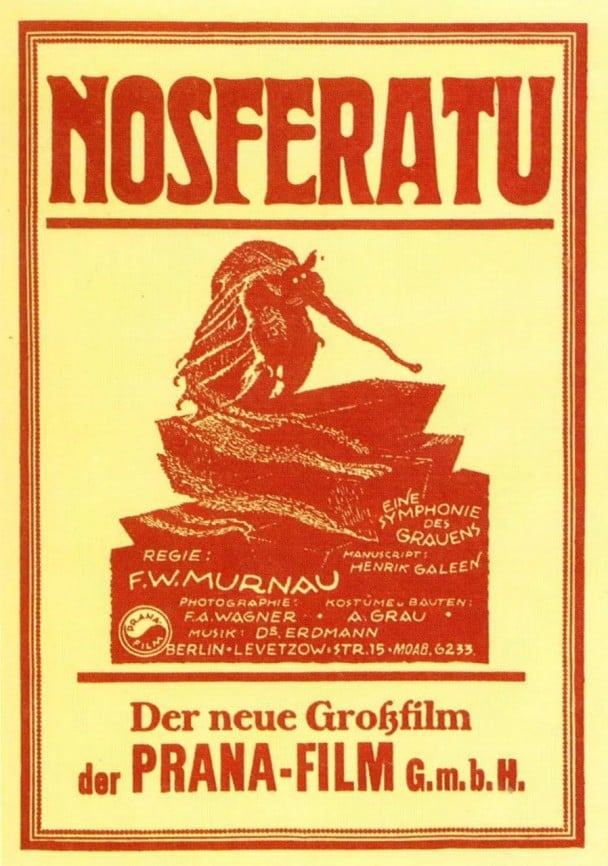
F.W. Murnau’s Nosferatu was thought to be almost completely lost. Prints were discovered in various archives—some complete, some partial.
Each discovery recovered more footage. The resurrection of the film was gradual, with different versions emerging from different locations.
Wings, Complete Print Found 1974

William A. Wellman’s Wings, the first film to win the Academy Award for Outstanding Picture, was found in incomplete form. A complete print was discovered in 1974 in a film archive.
The film had been fragmentary in film history for decades.
The Phantom Carriage, Swedish Version Located

Seastrom’s The Phantom Carriage was available for many years only in truncated European prints. The complete Swedish version was later located, restoring footage that was thought lost.
The discovery transformed understanding of the film’s original vision.
The Thief of Bagdad, Multiple Versions Recovered
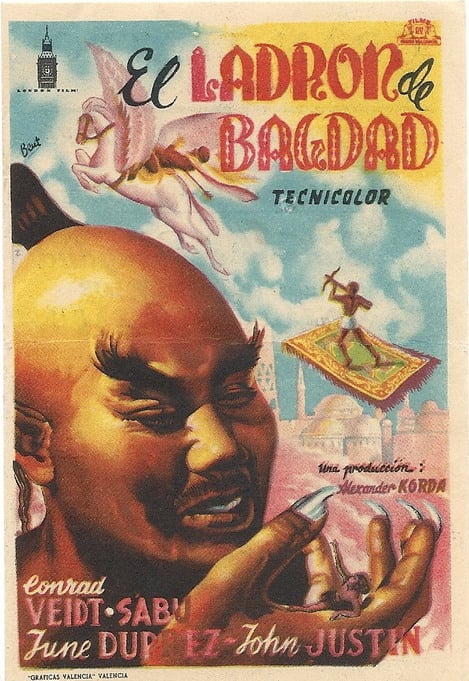
Douglas Fairbanks’s The Thief of Bagdad existed in different versions internationally. Complete prints were gradually recovered from various archives and private collections.
The restoration revealed the film’s original scale.
Intolerance, Various Prints Recovered

D.W. Griffith’s Intolerance had multiple versions distributed internationally. Complete prints and additional footage have been recovered over decades.
The film’s history involves gradual recovery of different versions.
Sunrise, Complete Print Located

F.W. Murnau’s Sunrise: A Song of Two Humans was found in degraded form. A better print was located in an archive, allowing restoration of Murnau’s work to near its original condition.
Battleship Potemkin, Russian Prints Located

Eisenstein’s Battleship Potemkin was preserved in the Soviet Union in ways not known to Western archives. When Russian archives became accessible, additional prints and information about the film surfaced.
October: Ten Days That Shook the World, Restoration

Eisenstein’s October was preserved in incomplete form. Later discoveries and restoration efforts recovered more complete versions of the film.
The restoration revealed Eisenstein’s original vision more clearly.
The Lodger, British Print Found

The Hitchcock thriller The Lodger existed in degraded form. A better print was later discovered, allowing restoration.
For decades, the film was known only in damaged condition.
Greed, Complete 42-Reel Version Reconstructed

Erich von Stroheim’s Greed was drastically cut from its original 42-reel length to 10 reels. Recovery of surviving footage from different sources allowed reconstruction of the longer version.
The recovery process took decades and involved multiple film archives.
Napoleon, Abel Gance’s Incomplete Works

Abel Gance’s Napoleon was severely truncated after its original release. Restoration efforts in the 1980s and beyond recovered additional footage and restored the film to closer to Gance’s original vision.
The recovery was gradual and ongoing.
L’Argent, Complete Print Recovered

Louis Feuillade’s crime series L’Argent was thought lost or existing only in fragments. Complete prints were later located in archives.
The discovery restored an entire chapter of French film history.
Les Vampires, Serial Film Recovery
Louis Feuillade’s serial Les Vampires was discovered in more complete form than had been available. Various prints and fragments were recovered, allowing restoration of more complete episodes.
A Trip to the Moon, Better Print Located
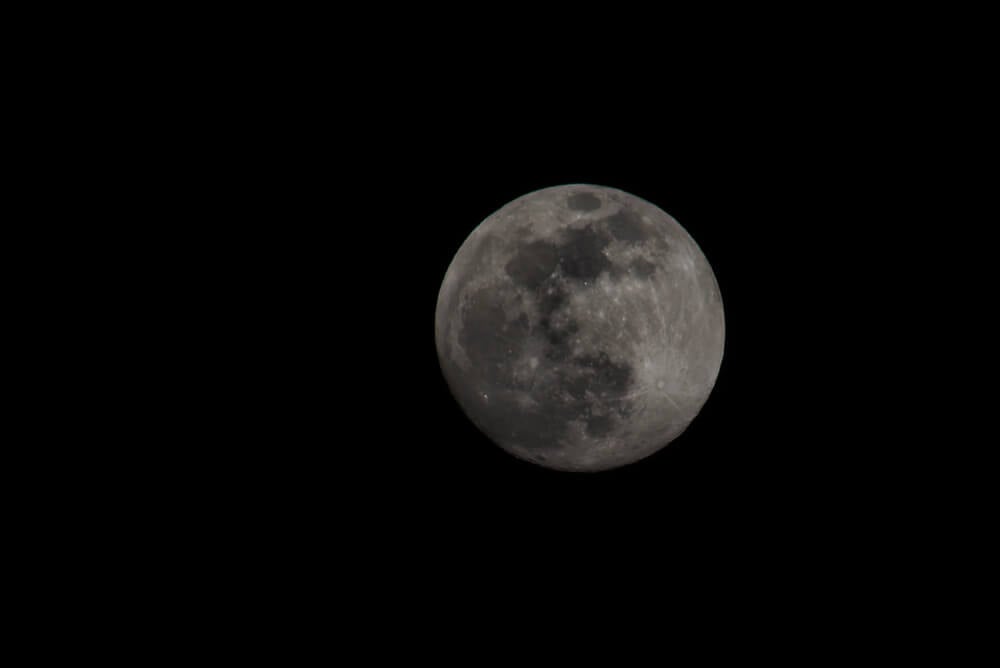
Méliès’s A Trip to the Moon was hand-colored in versions that were thought lost. A particularly well-preserved hand-colored print was discovered, allowing restoration to color that revealed Méliès’s original vision.
The Golem, Complete Print Found

The German expressionist film The Golem was discovered in more complete form. The recovery of additional footage restored scenes that had been lost from circulation.
The Student of Prague, Multiple Versions Located

The film The Student of Prague had multiple versions filmed in different countries. Recovery of prints from various archives revealed how different versions told slightly different stories.
Haxan, Complete Version Recovered

Haxan was known in truncated form. A more complete version was later discovered in Scandinavian archives.
The recovery restored footage that explained the film’s narrative more clearly.
The Cabinet of Dr. Caligari, Best Print Located
Caligari was found in various conditions internationally. Prints of better quality than had been previously available were located, allowing restoration closer to the original vision.
Variety, Restored Version Located

Bela Balazs’s Variety existed in incomplete form. Recovery of additional film allowed restoration to closer to the original length.
The discovery of preserved footage explained narrative elements that had been unclear.
Shadow of a Doubt, Restored Cut Located

Hitchcock’s Shadow of a Doubt was found to have footage not in standard release versions. The discovery of additional cuts and versions allowed creation of a more complete version.
I Am Cuba, Restoration and Recovery
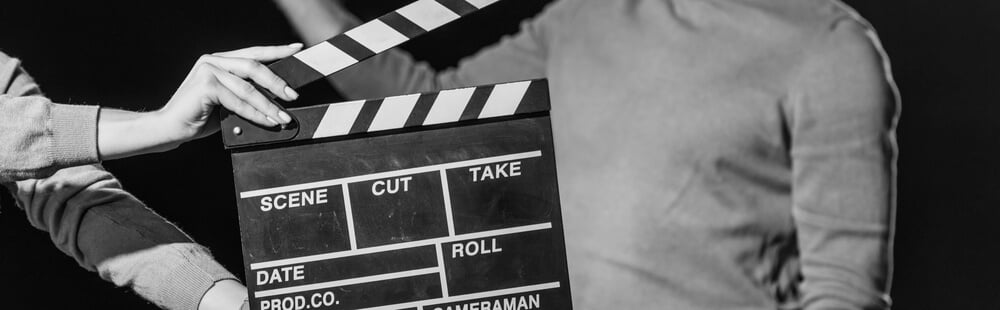
I Am Cuba was nearly lost due to deterioration. The film’s recovery and restoration proved technically difficult but possible, recovering a masterwork that had nearly vanished.
The Image of a Disappearing Movie

The recovery of lost films represents a kind of temporal miracle. Film preserved in storage for decades or more suddenly re-enters human experience.
The physical reels contain light captured decades ago, and when projected, they restore moments that seemed permanently erased from existence. Every time a lost film resurfaces, film history expands and changes.
Archive Discoveries Continue

Film archives around the world continue discovering films thought permanently lost. Every decade, prints in vaults, attics, and private collections are recovered.
The work of preserving cinema’s past is ongoing, and the recovery of lost films reminds us that the past is never entirely erased—it simply waits to be found.
Digital Recovery Makes Lost Films Researchable
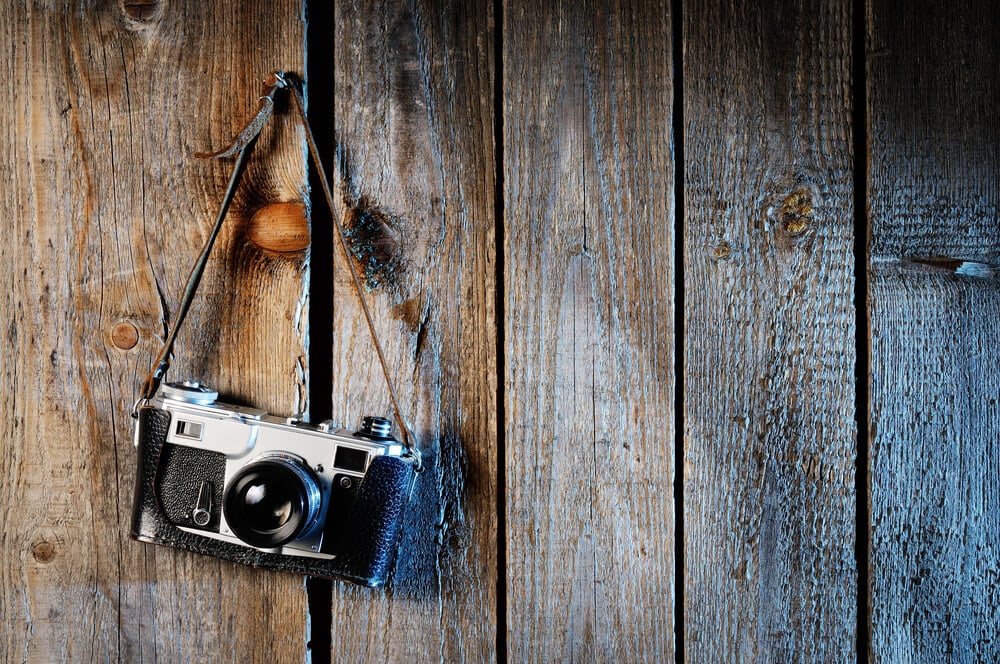
Modern digital scanning and restoration technology allows films to survive in digital form even if the original reels are too degraded to project. This means that films can survive longer, can be recovered from worse condition, and can be studied even without perfect original prints.
The digital future of cinema makes the recovery of lost films more possible, not less.
More from Go2Tutors!

- The Romanov Crown Jewels and Their Tragic Fate
- 13 Historical Mysteries That Science Still Can’t Solve
- Famous Hoaxes That Fooled the World for Years
- 15 Child Stars with Tragic Adult Lives
- 16 Famous Jewelry Pieces in History
Like Go2Tutors’s content? Follow us on MSN.