Bizarre Farming Techniques Used in Early History
Farming has always demanded creativity, but early agricultural methods often crossed the line into the genuinely strange. Before modern machinery and scientific understanding transformed agriculture, farmers relied on techniques that would raise eyebrows today.
Some involved unusual animal partnerships, others required elaborate rituals, and many seemed to defy common sense entirely. Yet these methods sustained civilizations for thousands of years, proving that effectiveness doesn’t always follow conventional logic.
Three Sisters Planting
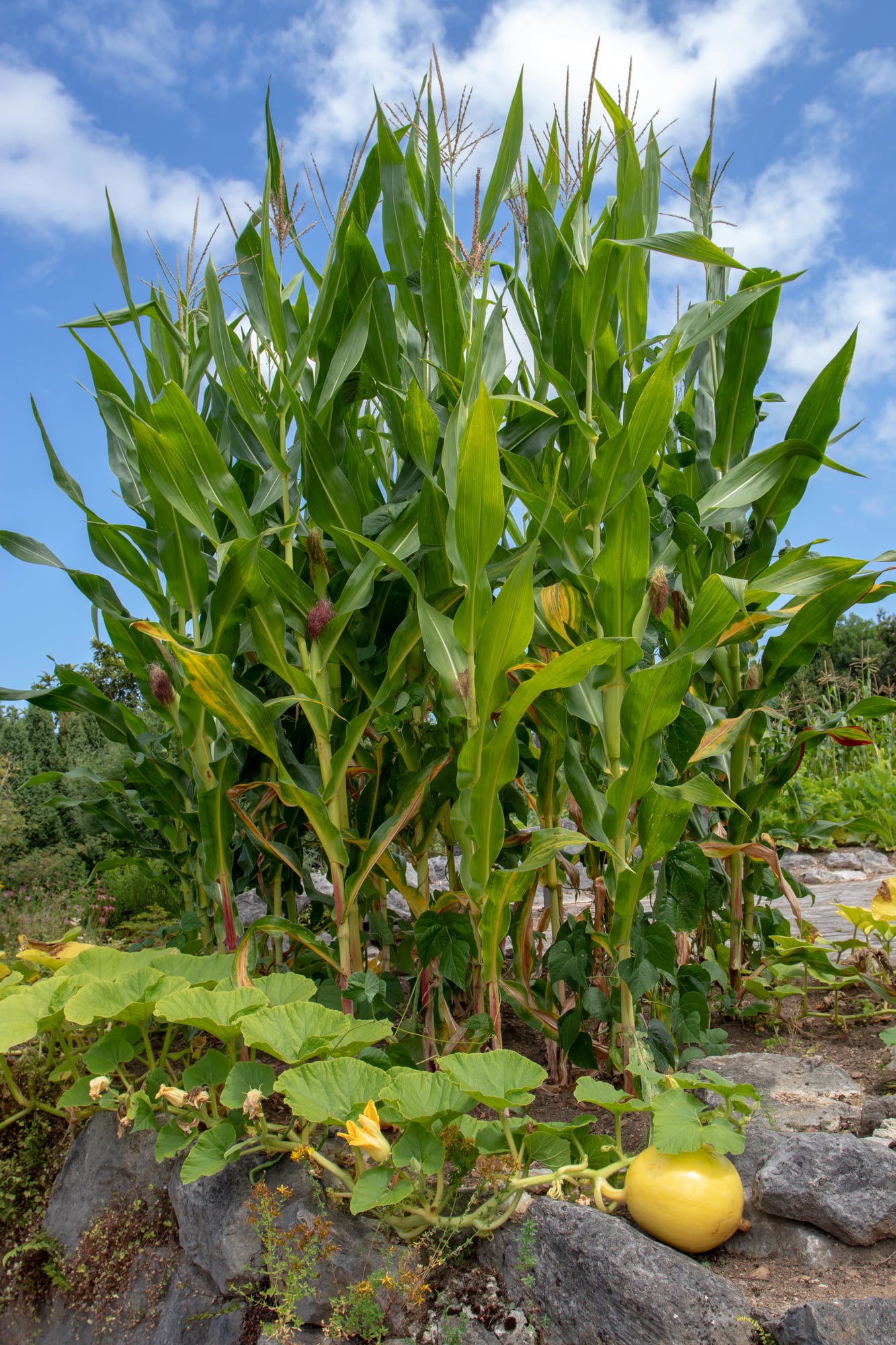
Corn, beans, and squash don’t just grow well together. They create their own agricultural ecosystem.
The corn provides a natural trellis for climbing beans, while the beans fix nitrogen in the soil to feed all three crops. Squash spreads across the ground, its broad leaves shading the soil and deterring weeds with their prickly stems.
Floating Gardens of Aztec Agriculture
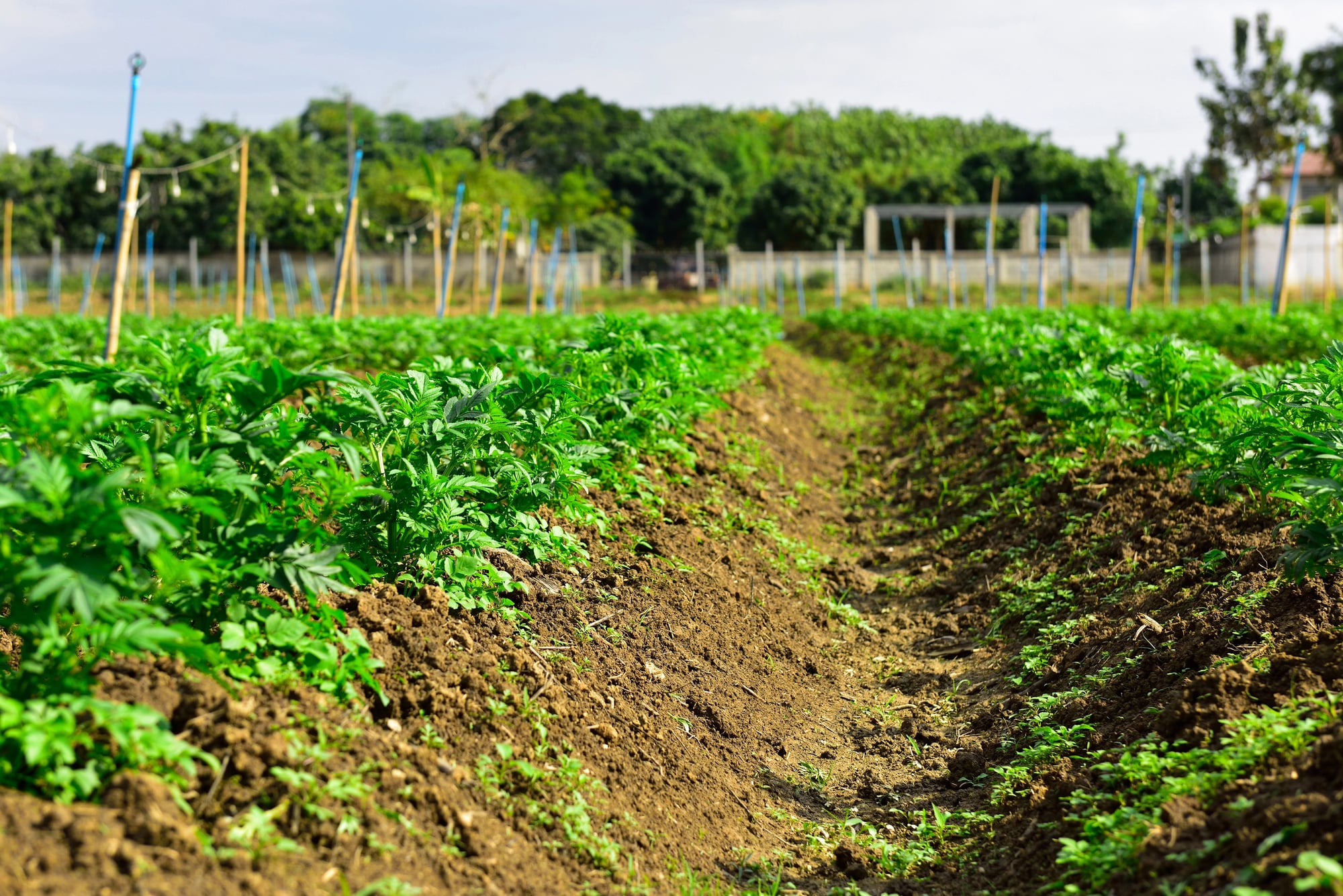
The Aztecs built farms on water. These chinampas floated on shallow lake beds, constructed from woven reeds filled with mud and organic matter.
Farmers poled between their plots in canoes, tending crops that seemed to grow directly from the lake surface. These floating gardens weren’t just functional—they were incredibly productive.
The constant moisture and rich organic matter created ideal growing conditions (and the Aztecs knew exactly how to maintain them), supporting a population density that impressed even Spanish conquistadors. So the technique that looked impossible actually outperformed traditional land-based farming.
Human Waste as Premium Fertilizer

Medieval European farmers discovered something that modern sensibilities find revolting: human waste makes exceptional fertilizer. Night soil collectors became essential workers, gathering household waste and selling it to farmers who understood its value.
The practice wasn’t just accepted—it was systematically organized. Towns developed elaborate collection systems.
Some regions treated human waste like a commodity, with quality grades and market prices that fluctuated based on diet and health of the source population. Which is saying something about how seriously they took soil fertility.
Fish Head Field Preparation

Imagine walking through freshly planted fields and finding decomposing fish heads scattered between crop rows—not the aftermath of some maritime disaster, but deliberate agricultural strategy. Native American tribes in coastal regions buried whole fish or fish parts directly in planting pits, creating individual fertilizer deposits that fed crops throughout the growing season.
The fish didn’t just provide nutrients; they created small ecosystems beneath the soil. As they decomposed, they attracted beneficial bacteria and created pockets of rich, dark earth that held moisture longer than surrounding soil.
Corn planted this way grew taller and stronger, each stalk rooted in what was essentially a tiny compost grave.
Sacred Plowing with Temple Bulls
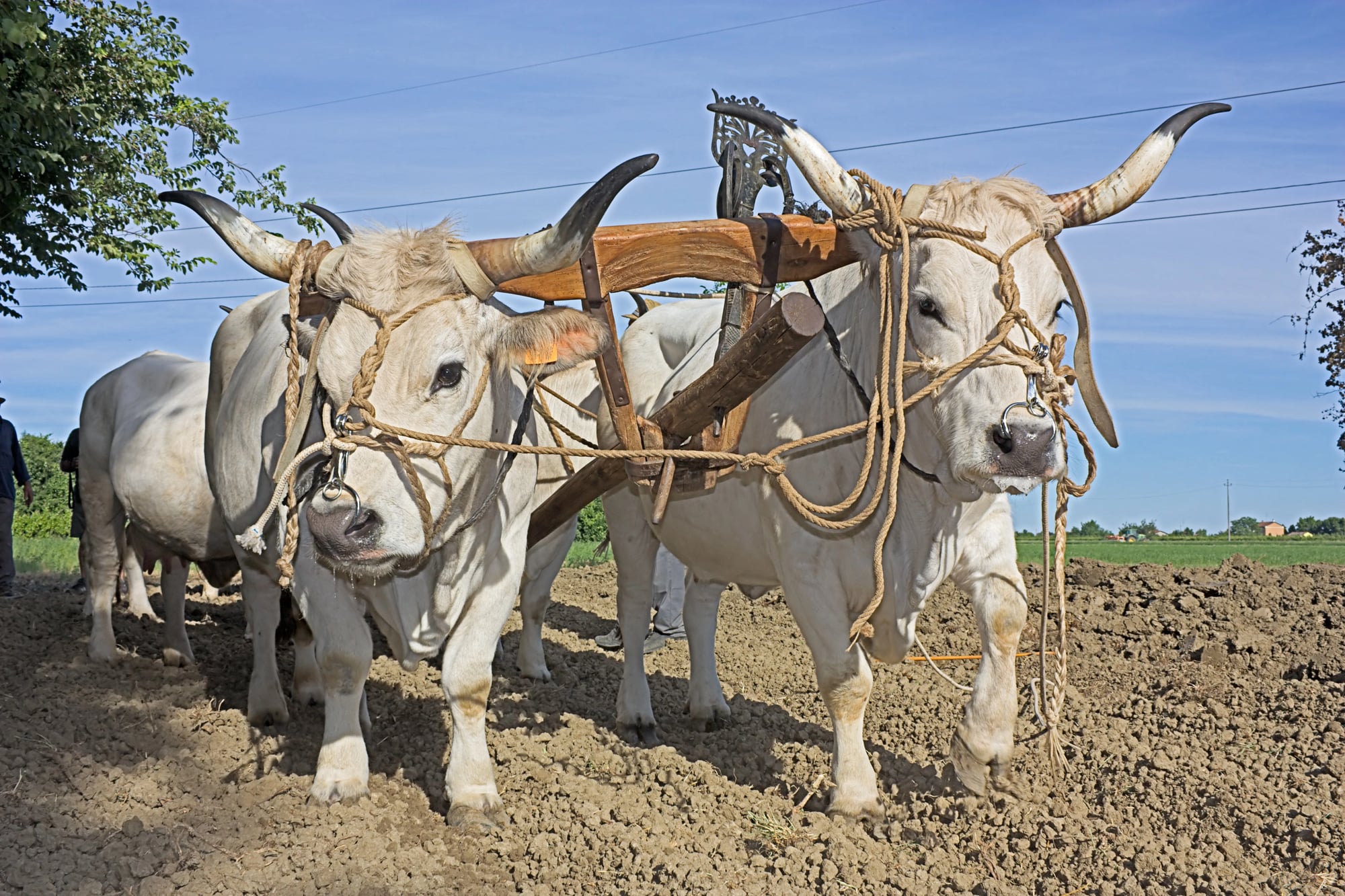
Egyptian farmers used oxen to plow their fields, and separately, Egypt maintained sacred bulls in temples—animals like the Apis bull that received daily offerings and were considered divine intermediaries between the people and the gods. While sacred bulls held religious significance, they were temple animals rather than working agricultural tools.
The practice made perfect sense within Egyptian religious logic. Farming success depended entirely on the Nile’s annual flood, which no earthly technique could control or predict.
Sacred bulls brought divine favor to the fields they worked.
Terraced Mountain Agriculture
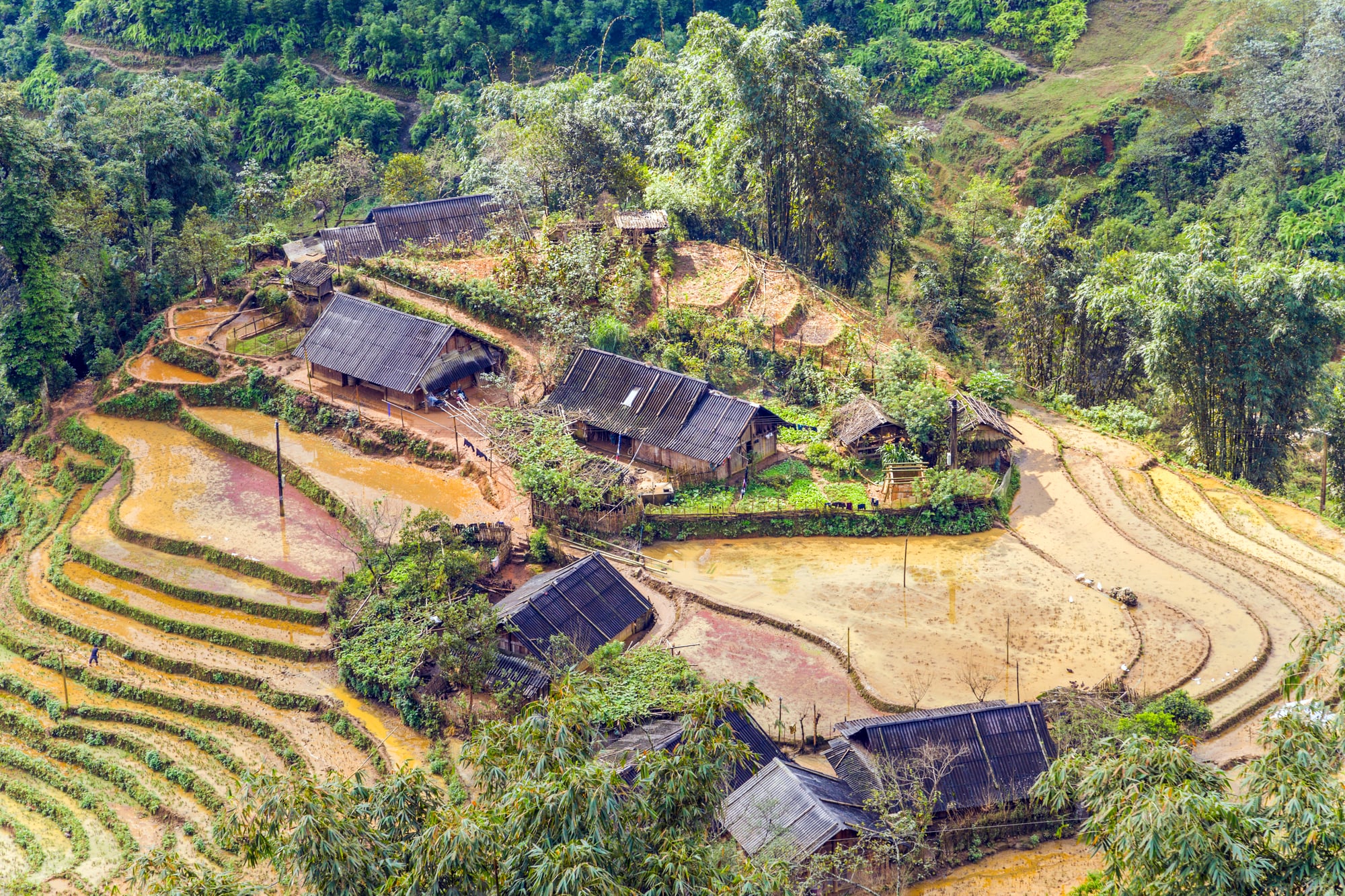
Early farmers looked at steep mountainsides and saw potential farmland—they just had to rebuild the mountain first. Cultures from Peru to China carved elaborate terrace systems into slopes, creating hundreds of narrow, level planting areas where none had existed before.
The engineering involved was staggering (though they had no engineering degrees to guide them), requiring precise calculations of water flow, soil retention, and structural stability. And yet entire civilizations depended on these artificial landscapes, some of which still function perfectly after a thousand years.
But the visual effect was surreal: mountains that looked like massive green staircases stretching toward the sky.
Burning Fields for Renewal
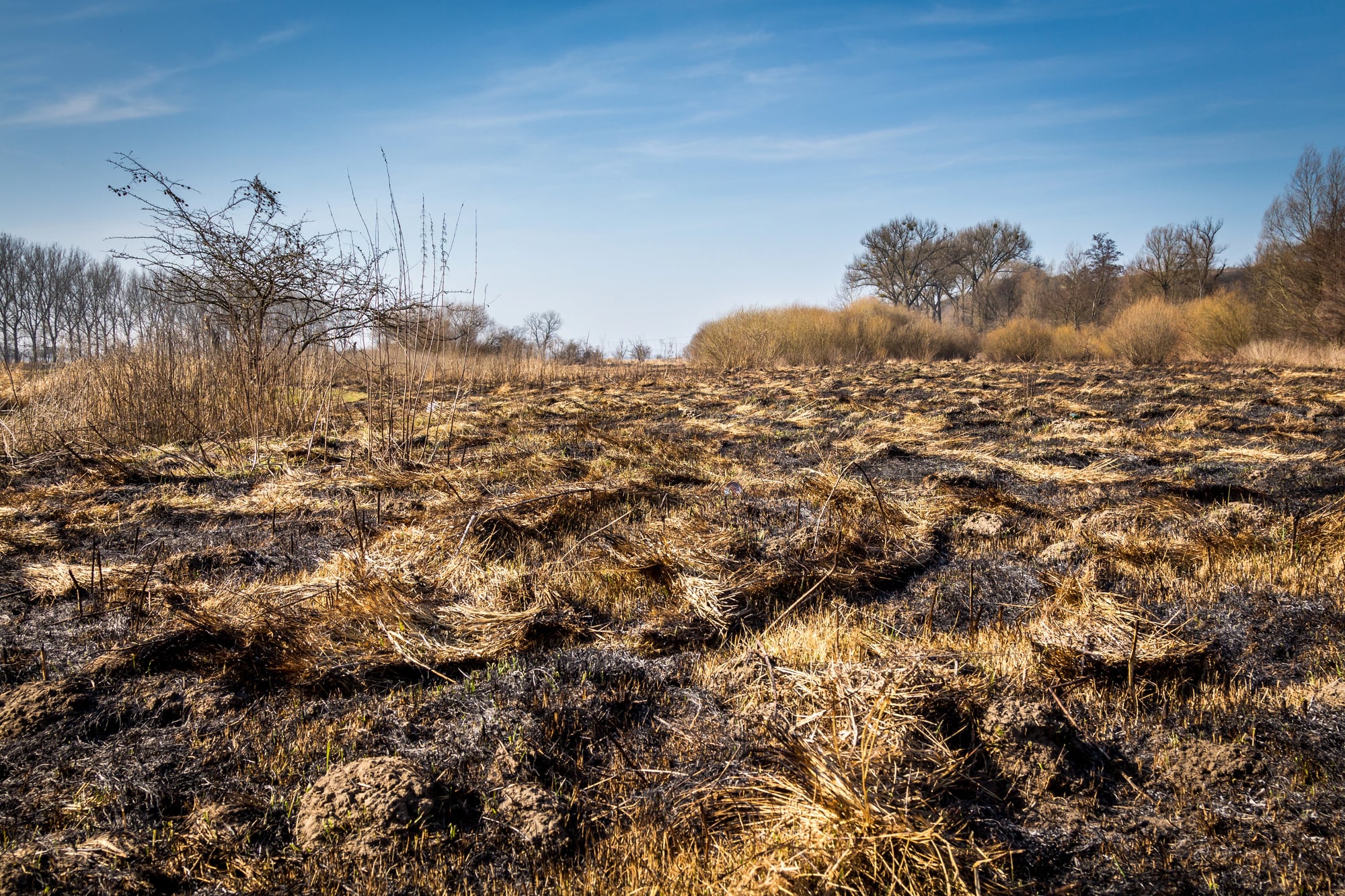
Slash-and-burn agriculture involves deliberately setting your farmland on fire. Farmers would clear forest areas, burn everything, plant crops in the ash-enriched soil, then move on after a few seasons to repeat the process elsewhere.
The technique looks destructive but follows sound ecological principles. Fire releases nutrients locked in plant matter, eliminates pests and diseases, and creates the open conditions many food crops require.
Early farmers understood forest succession better than they understood reading.
Salt-Resistant Crop Cultivation

Ancient Mesopotamian farmers faced a problem that would have defeated lesser agriculturalists: their irrigation systems deposited salt in the soil, eventually poisoning the very fields that fed their civilization. Instead of abandoning these areas, they developed salt-tolerant crops and specialized growing techniques.
They learned to plant at precise depths where salt concentration was lowest, time their watering to flush salt away from root zones, and select crop varieties that thrived in conditions that killed ordinary plants. The fields looked normal, but they represented generations of careful observation and experimentation (not to mention countless failed harvests), creating agriculture that succeeded where it should have been impossible.
So they turned their biggest limitation into a specialized advantage.
Companion Animal Integration

Early farmers integrated animals into crop production in ways that seem chaotic by modern standards. Pigs rooted through harvested grain fields, eating fallen seeds and pest insects while fertilizing the soil.
Ducks paddled through flooded rice paddies, controlling weeds and insects while their droppings fed the crop. Goats grazed in orchards, keeping grass down while their waste enriched fruit trees.
These weren’t accidental arrangements but carefully managed systems where every animal served multiple agricultural functions. The timing had to be perfect—animals introduced too early damaged crops, too late missed their beneficial effects.
Moon Phase Planting Calendars

Ancient farmers planned their entire agricultural year around lunar cycles, believing moon phases directly influenced plant growth. Root crops were planted during the new moon, leafy vegetables during the waxing moon, and fruit during the full moon.
Harvesting, weeding, and even soil preparation followed strict lunar schedules. Modern science has found some validity in these practices—lunar cycles do affect soil moisture and pest activity patterns.
But early farmers took the concept to extremes that bordered on astronomical obsession (and their record-keeping was more detailed than some modern farmers manage), treating the moon as a farming partner rather than just a light source.
Underground Storage Cities
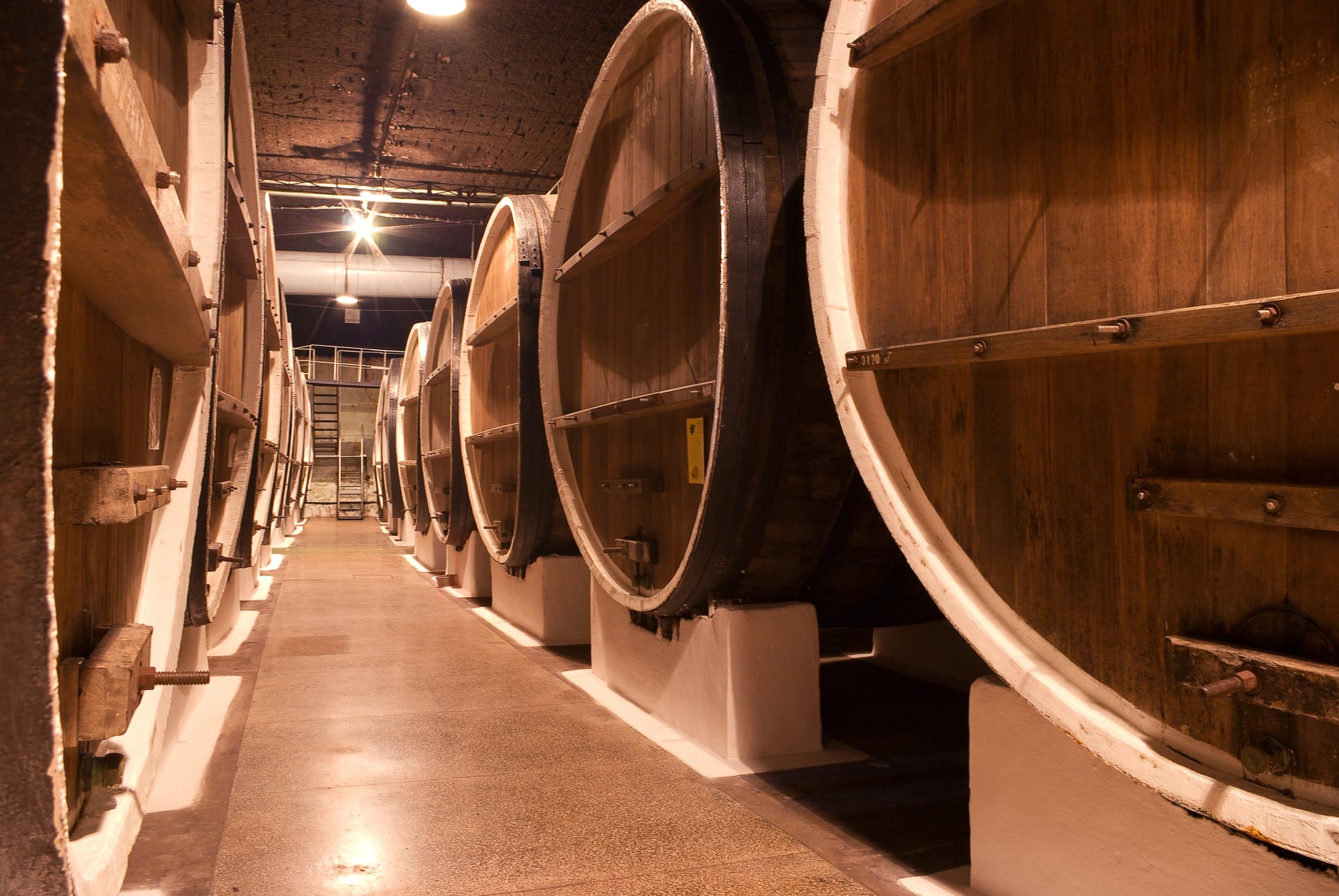
Some early agricultural societies built elaborate underground storage systems that resembled subterranean cities. These weren’t simple root cellars but complex networks of chambers, tunnels, and air shafts designed to preserve harvests for years.
The construction required precise understanding of temperature, humidity, and airflow—knowledge gained through generations of trial and error. Crops were stored in specific chambers based on their preservation requirements, with some areas staying naturally refrigerated year-round.
Flood-Synchronized Farming
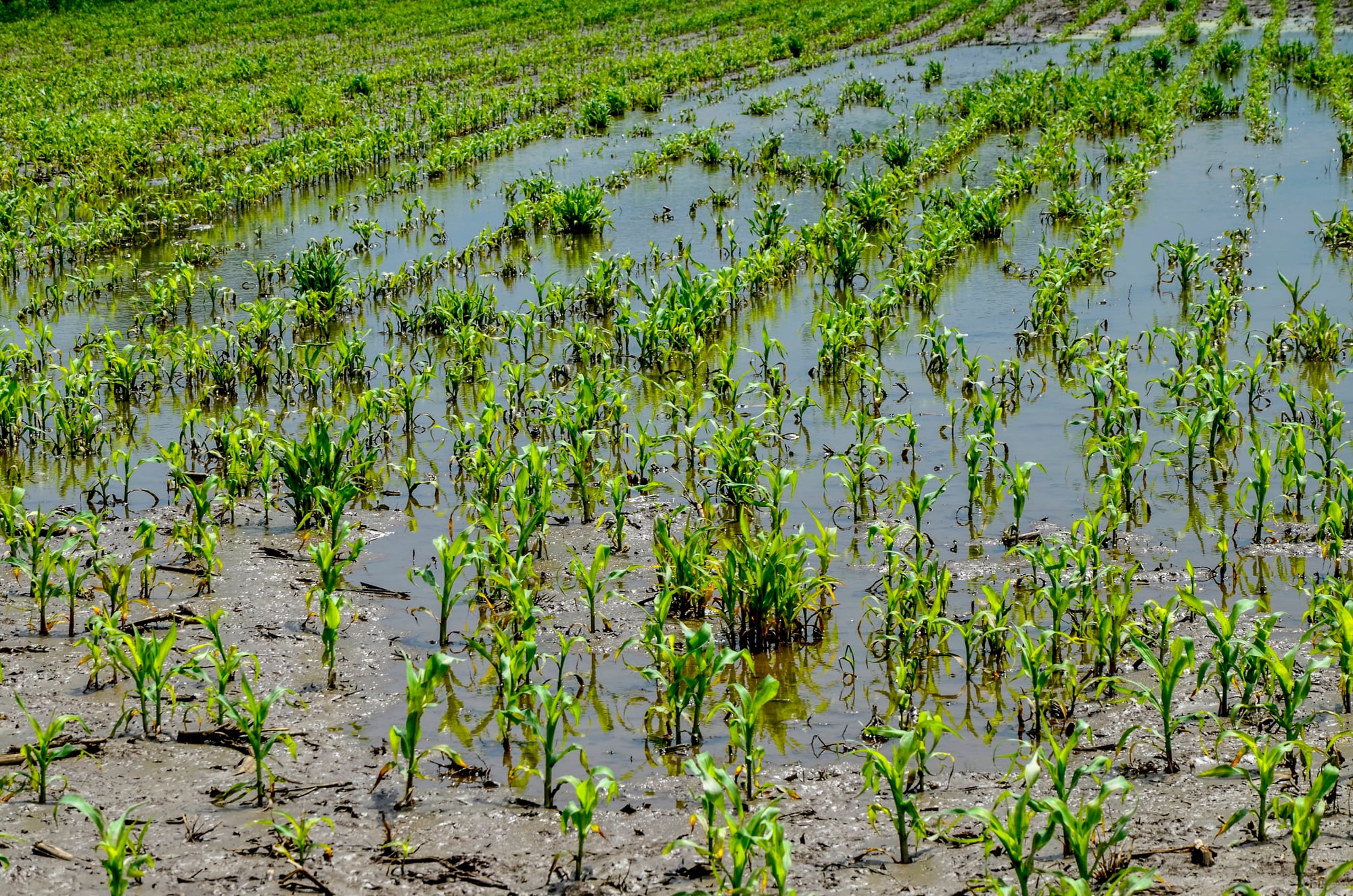
Egyptian farmers developed their entire agricultural calendar around the Nile’s annual flood, but they took this dependence to remarkable extremes. They didn’t just wait for floods—they built elaborate systems to measure, predict, and distribute floodwater with mathematical precision.
Nilometers measured water levels to determine tax rates for the coming year. Canal systems directed floodwater to specific fields in predetermined sequences.
Farmers planted different crops based on flood height predictions made months in advance. The entire civilization operated on flood schedules that turned natural disaster into agricultural advantage.
Symbiotic Pest Management

Early farmers created complex ecological relationships to control pests without understanding the science behind their methods. They planted specific flower varieties to attract beneficial insects, maintained habitat strips for pest-eating birds, and encouraged certain weeds that hosted predators of crop-damaging insects.
These polyculture systems looked messy compared to modern monoculture fields, but they were incredibly sophisticated. Every plant served a purpose in a web of relationships that kept pest populations in check naturally.
The farmers couldn’t explain why these methods worked, but they observed results and refined techniques across generations.
When Necessity Bred Ingenuity
Early farmers faced challenges that would overwhelm modern agriculture—no machinery, no chemical fertilizers, no scientific research to guide their decisions. Yet they fed growing civilizations using techniques that seem bizarre today but represented sophisticated solutions to agricultural problems.
Their methods remind us that effective farming has always required creativity, careful observation, and the willingness to try approaches that conventional wisdom might reject. These ancient techniques succeeded not despite their strangeness, but because early farmers understood that survival sometimes demands unconventional thinking.
More from Go2Tutors!

- The Romanov Crown Jewels and Their Tragic Fate
- 13 Historical Mysteries That Science Still Can’t Solve
- Famous Hoaxes That Fooled the World for Years
- 15 Child Stars with Tragic Adult Lives
- 16 Famous Jewelry Pieces in History
Like Go2Tutors’s content? Follow us on MSN.