15 Facts About SpaceX Rocket Development
SpaceX has completely changed how people think about space travel. Elon Musk’s company started in a tiny warehouse and grew into a rocket-building powerhouse that makes NASA jealous.
Their rockets land themselves, carry people to space stations, and cost way less than anyone thought possible. Get ready for some mind-blowing facts about rocket science.
These stories show how one company turned science fiction into everyday reality.
Falcon 1 exploded three times before success
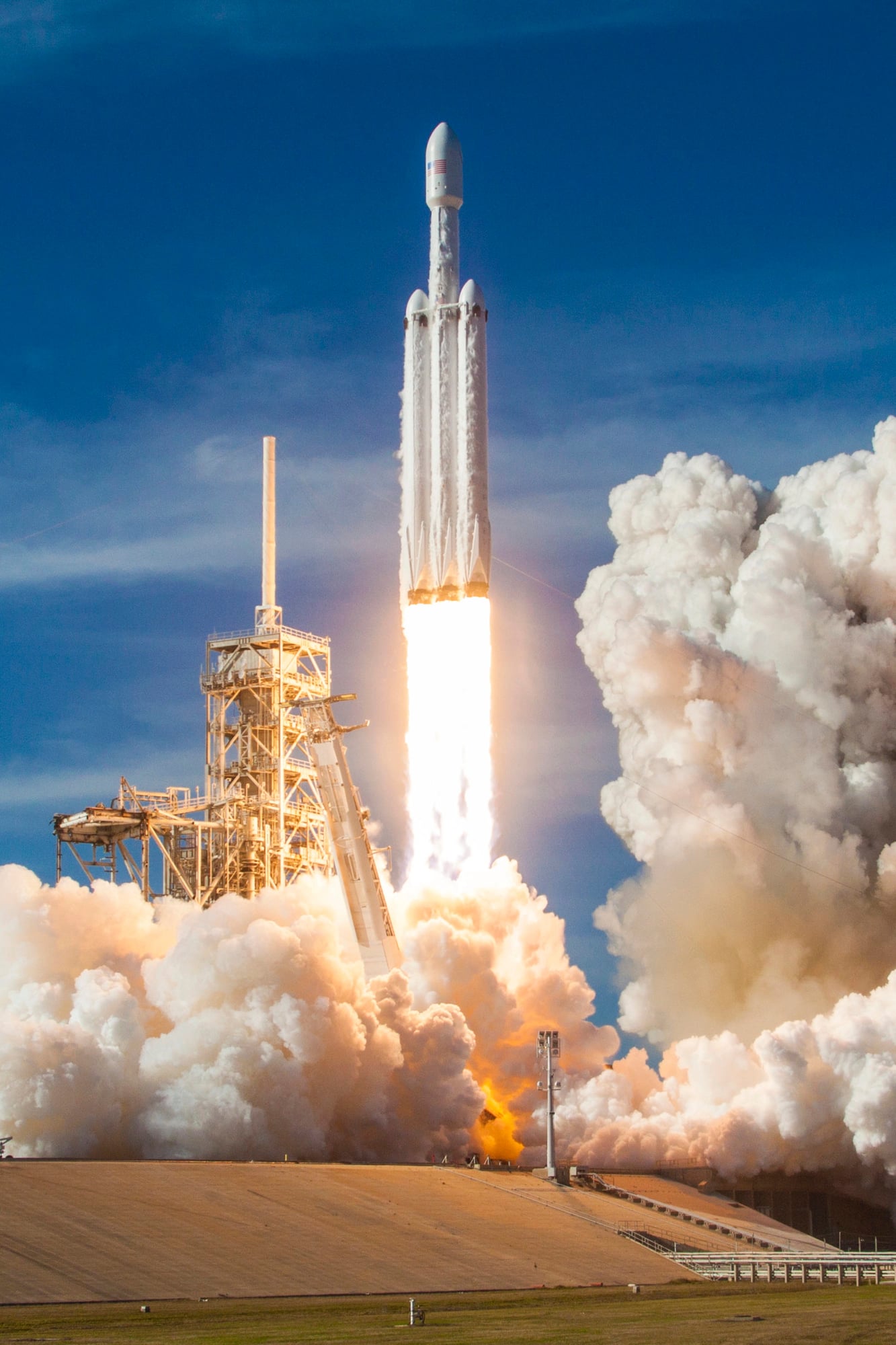
SpaceX’s first rocket failed spectacularly on its first three attempts between 2006 and 2008. Each explosion cost millions of dollars and nearly bankrupted the young company.
The fourth launch in September 2008 finally worked, making Falcon 1 the first privately-developed rocket to reach orbit. That single success saved SpaceX from closing down and proved that private companies could build rockets just as well as governments.
Falcon Heavy launched Elon Musk’s personal car into space
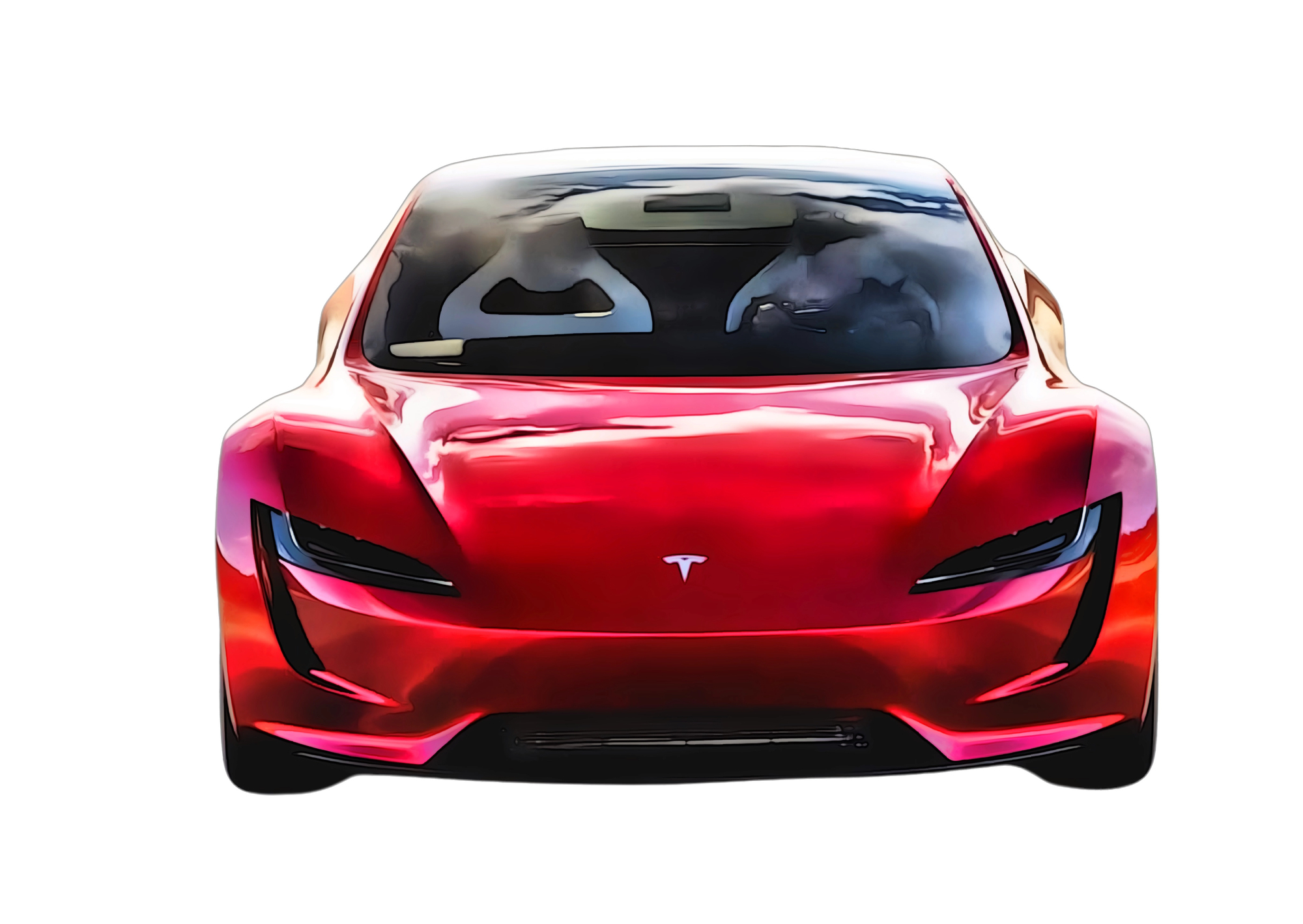
In February 2018, SpaceX needed something heavy to test their most powerful rocket. Instead of boring concrete blocks, Musk decided to launch his cherry red Tesla Roadster into space.
The car is now floating somewhere between Earth and Mars with a spacesuit-wearing dummy named Starman in the driver’s seat. This crazy publicity stunt got more people excited about space than any traditional rocket test ever could.
Like Go2Tutors’s content? Follow us on MSN.
SpaceX rockets land themselves using computer guidance
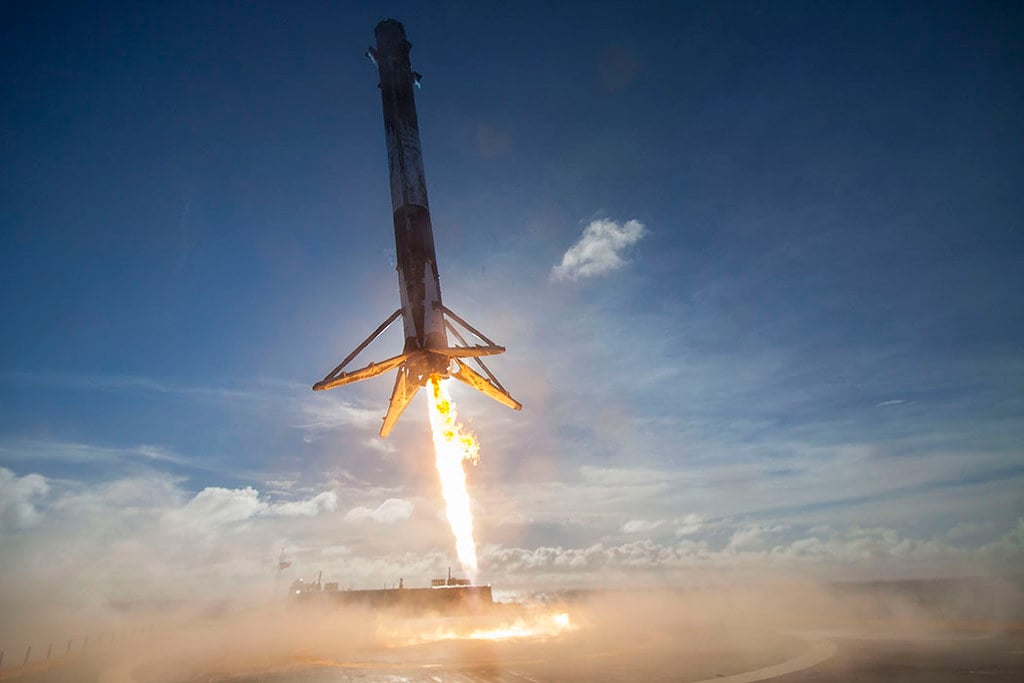
Traditional rockets crash into the ocean after launching, making them completely useless for future flights. SpaceX figured out how to make their rockets turn around, fly back down, and land upright on floating platforms or concrete pads.
The computer systems controlling these landings process thousands of calculations per second to adjust engine thrust and steering fins. Watching a 200-foot rocket gently touch down looks like something straight out of a science fiction movie.
The company started in a converted warehouse in Los Angeles
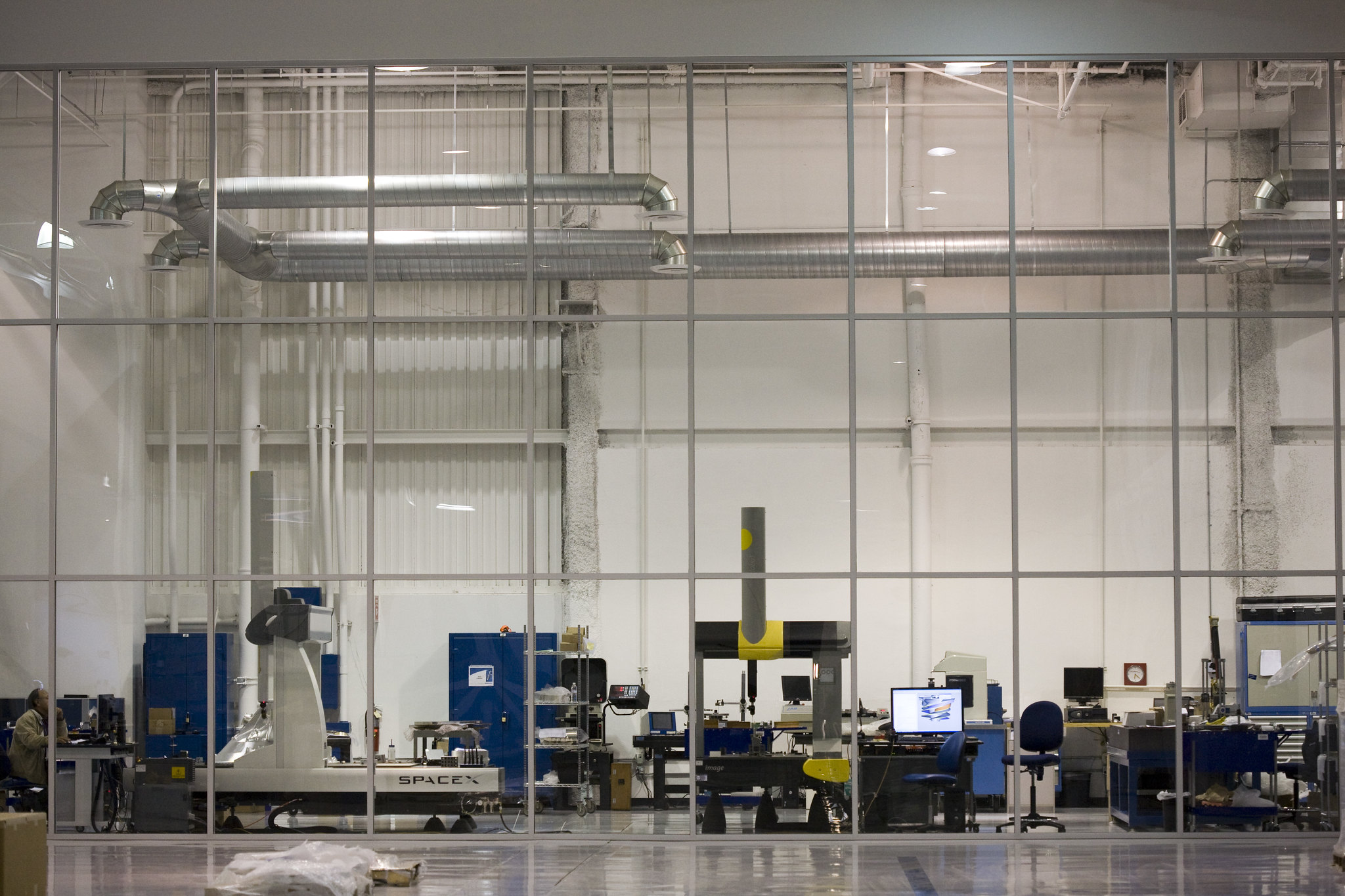
Elon Musk founded SpaceX in 2002 using a cramped warehouse space in El Segundo, California. The early employees built rocket engines by hand using basic tools and lots of trial and error.
Most aerospace companies use fancy facilities with clean rooms and expensive equipment, but SpaceX proved that innovation matters more than fancy buildings. The warehouse approach allowed them to move fast and try new ideas without worrying about corporate bureaucracy.
Falcon 9 rockets can fly up to 20 times each
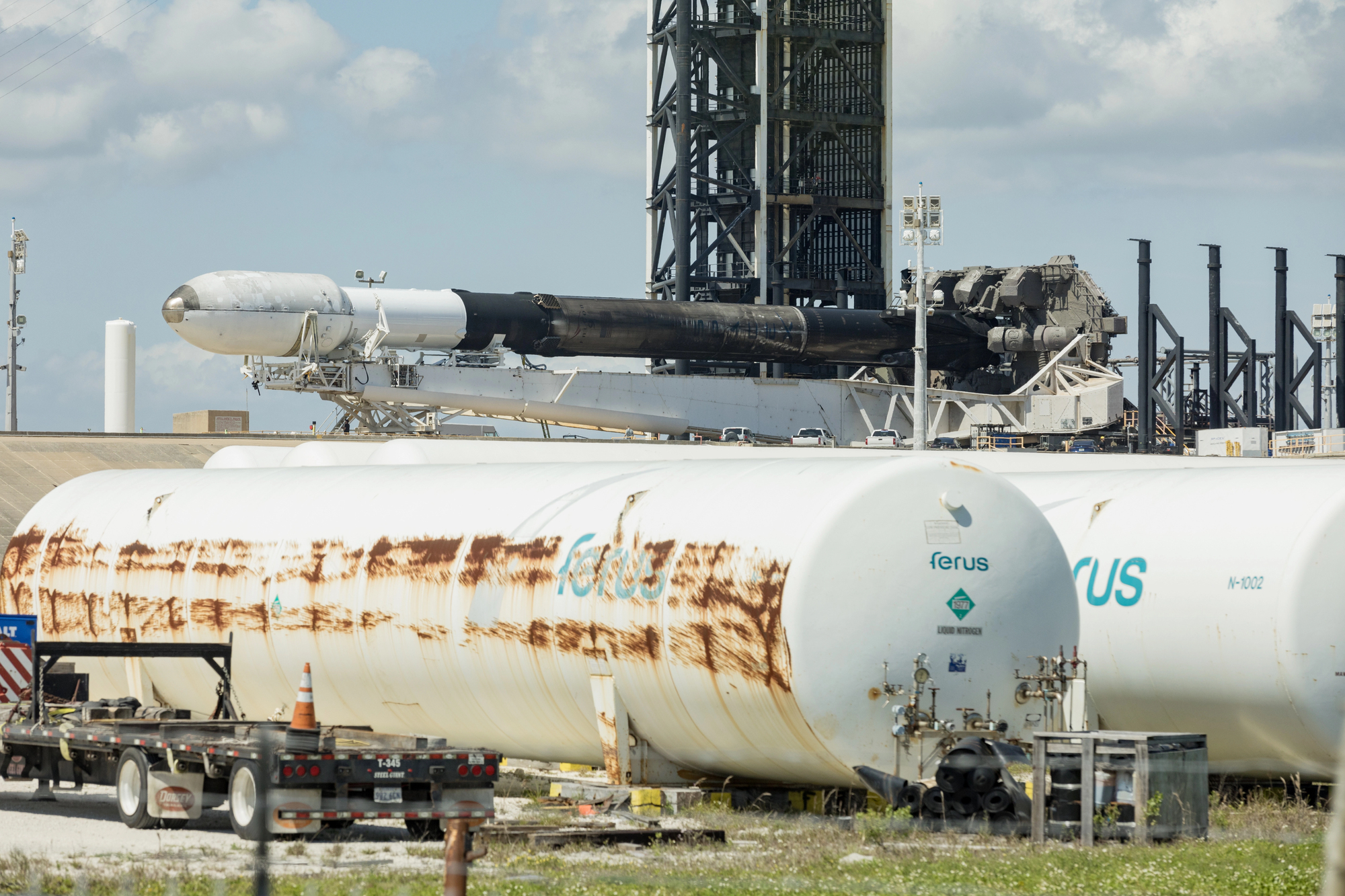
NASA’s Space Shuttle could only fly about 135 missions total across the entire program. A single Falcon 9 rocket can launch, land, get refurbished, and fly again up to 20 times before retirement.
This reusability cuts launch costs by over 90% compared to traditional disposable rockets. SpaceX has already reflown some rockets more than 15 times, proving that space travel doesn’t have to be insanely expensive.
Like Go2Tutors’s content? Follow us on MSN.
Raptor engines burn methane instead of traditional rocket fuel
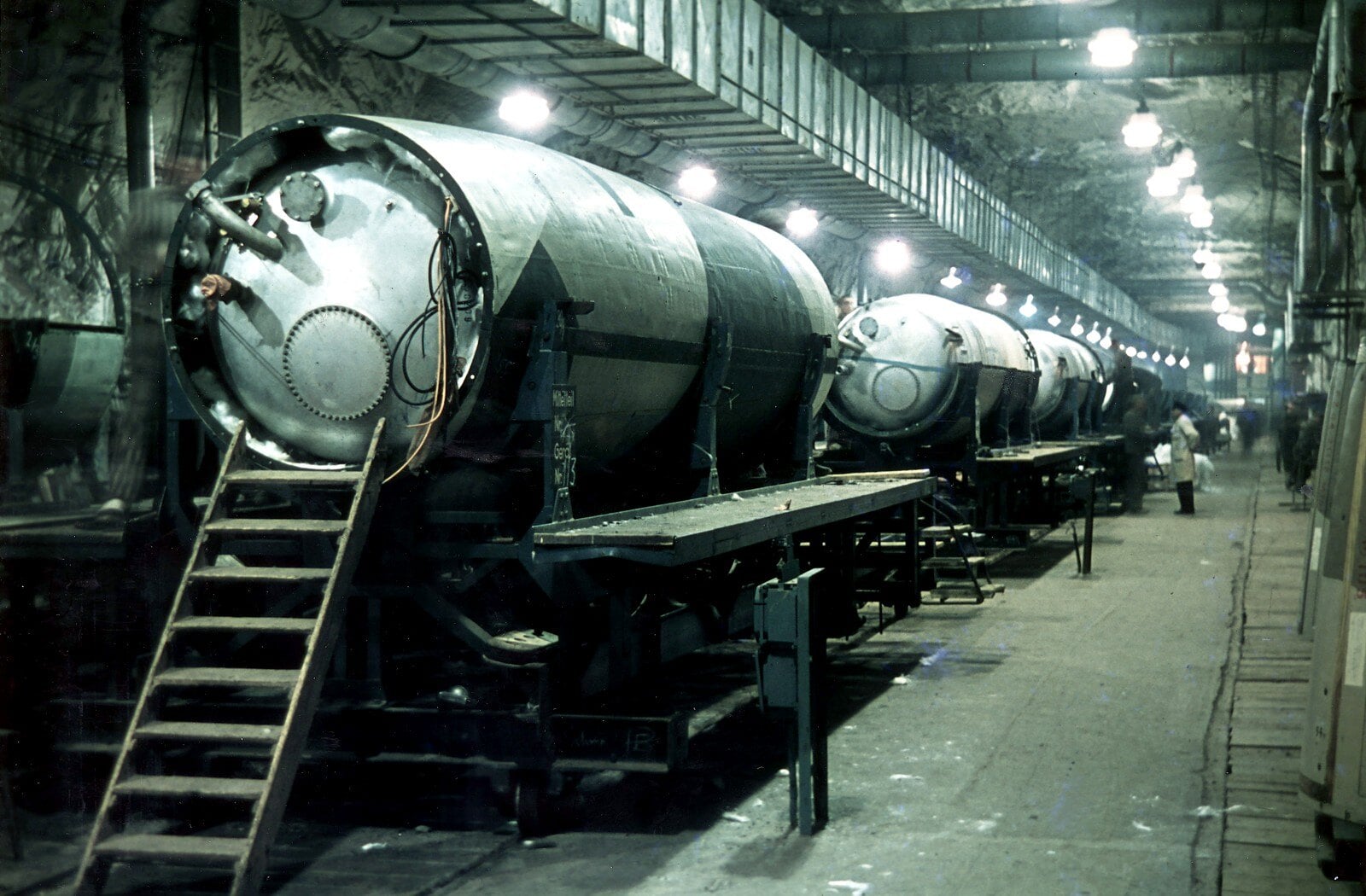
Most rockets use kerosene or hydrogen as fuel, but SpaceX’s newest engines run on liquid methane and oxygen. Methane burns cleaner than other fuels and can potentially be produced on Mars using the planet’s atmosphere.
The Raptor engine produces more thrust per pound than almost any rocket engine ever built. This fuel choice could make it possible for rockets to refuel on other planets and return to Earth.
Starship is designed to carry 100 people to Mars

SpaceX’s biggest rocket under development stands nearly 400 feet tall when fully assembled. Starship can theoretically carry 100 passengers plus cargo on trips to Mars that would take about six months each way.
The spacecraft includes living quarters, life support systems, and enough fuel capacity for the return journey. Musk wants to use these rockets to build a permanent human settlement on Mars within the next 20 years.
SpaceX builds most rocket parts in-house instead of buying them
Traditional aerospace companies buy engines, electronics, and other components from dozens of different suppliers. SpaceX manufactures about 80% of their rocket parts at their own facilities using their own workers.
This vertical integration gives them complete control over quality, timing, and costs. Building everything themselves also means they can make changes quickly without waiting for outside contractors to approve modifications.
Like Go2Tutors’s content? Follow us on MSN.
Dragon capsules dock automatically with the International Space Station
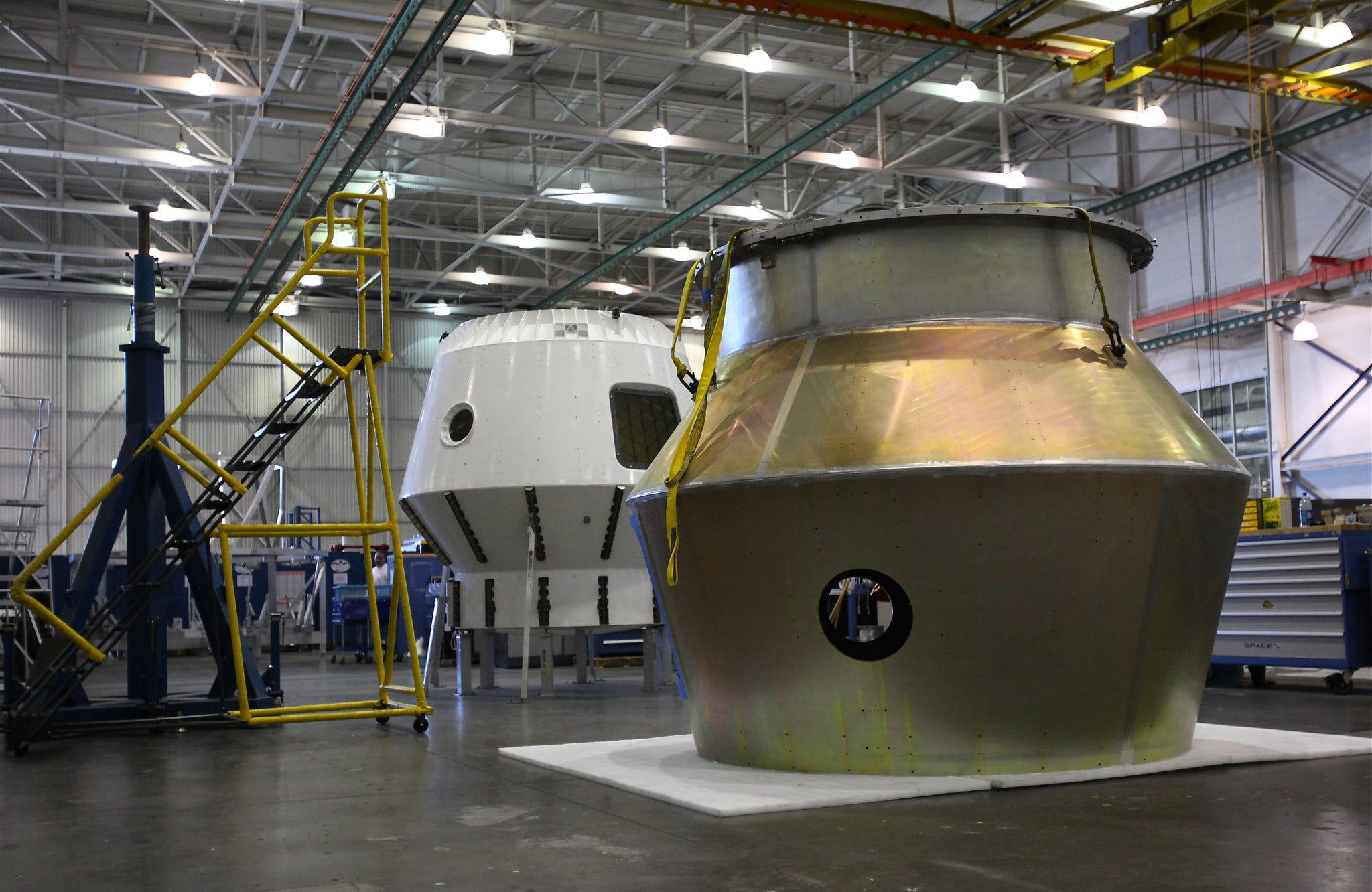
SpaceX’s crew capsules use advanced computer systems to find and connect with the space station without human pilots taking control. The Dragon spacecraft approaches slowly and lines up perfectly with docking ports using cameras and sensors.
Astronauts inside can take over manually if needed, but the automatic system works so well that they rarely need to intervene. This technology makes space travel safer and reduces the workload on already busy astronauts.
The company has launched over 5,000 Starlink satellites
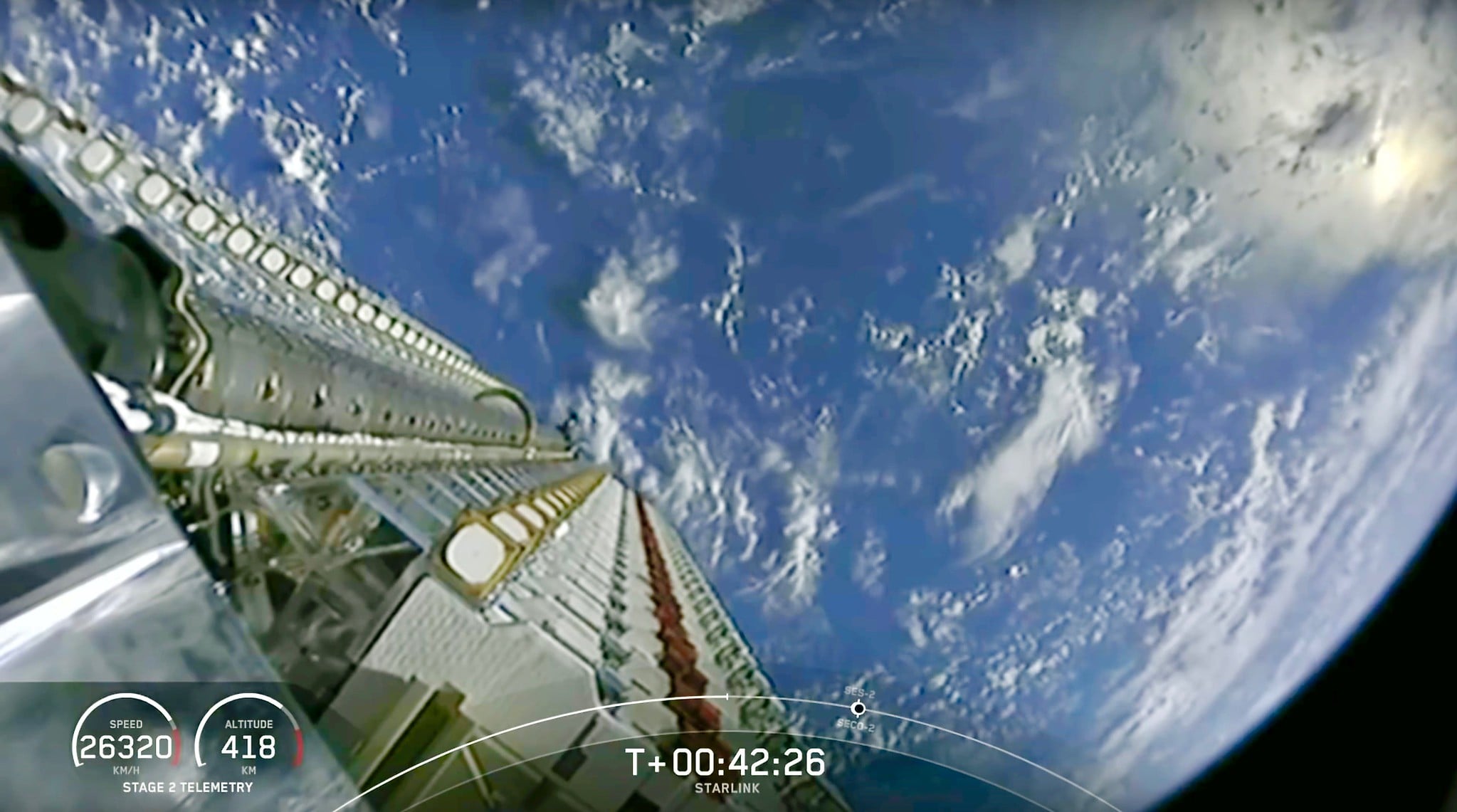
SpaceX isn’t just about getting people to Mars – they’re also building the world’s largest satellite internet network. Starlink satellites provide high-speed internet to remote areas where traditional cable and fiber connections don’t reach.
The company launches dozens of these small satellites on each Falcon 9 mission, steadily building a constellation that covers the entire planet. Rural communities and ships at sea can now get internet speeds that rival city connections.
Merlin engines use a pintle injector design from the 1960s
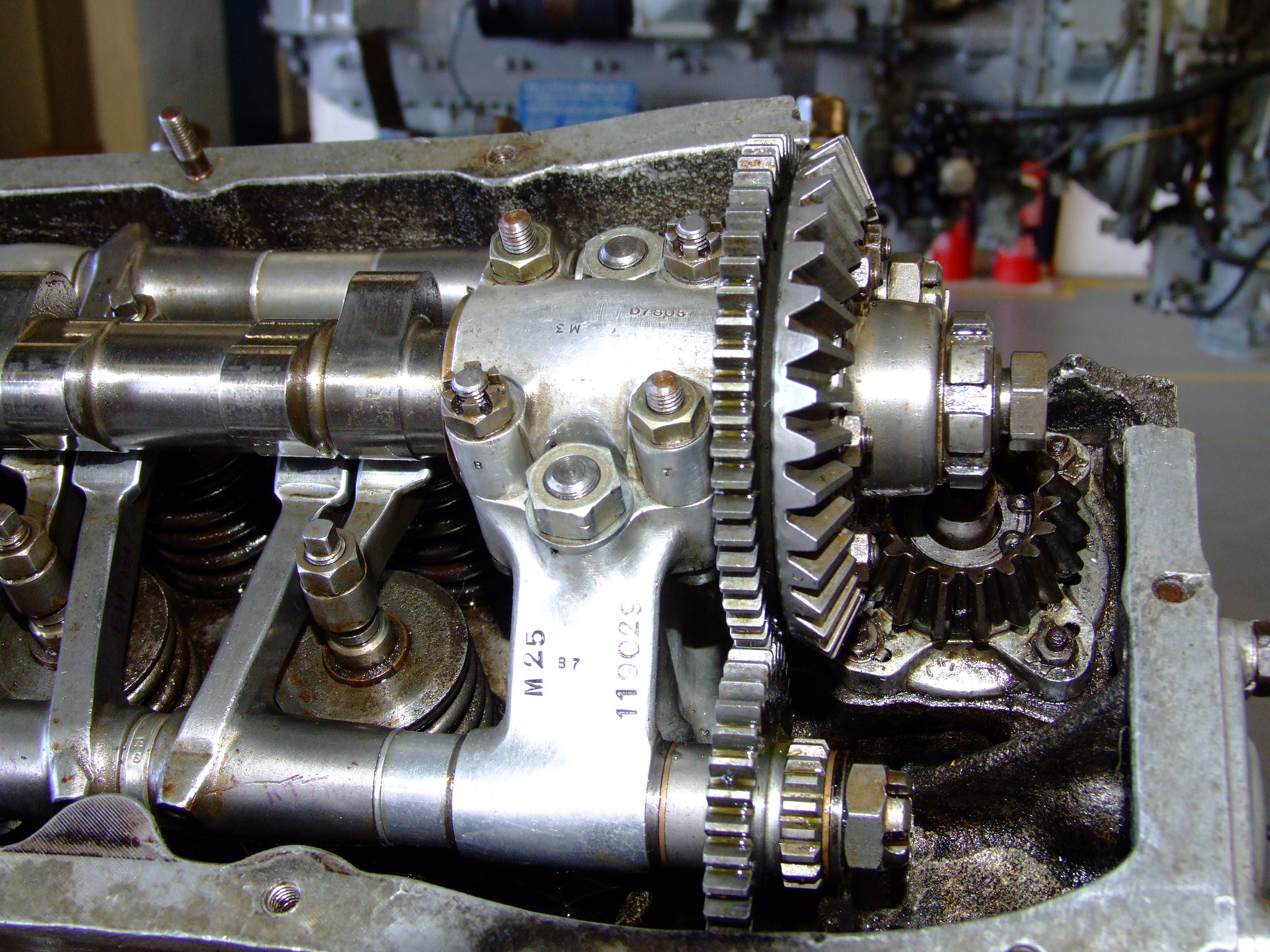
SpaceX took an old NASA engine design and made it work better than anyone thought possible. Pintle injectors were invented for the Apollo lunar lander but never used on large rockets because they seemed too simple.
The Merlin engine proves that sometimes the best solutions come from revisiting old ideas with modern materials and manufacturing techniques. Each Falcon 9 rocket uses nine Merlin engines working together to provide enough thrust for orbital missions.
Like Go2Tutors’s content? Follow us on MSN.
Super Heavy booster will have 33 engines firing simultaneously
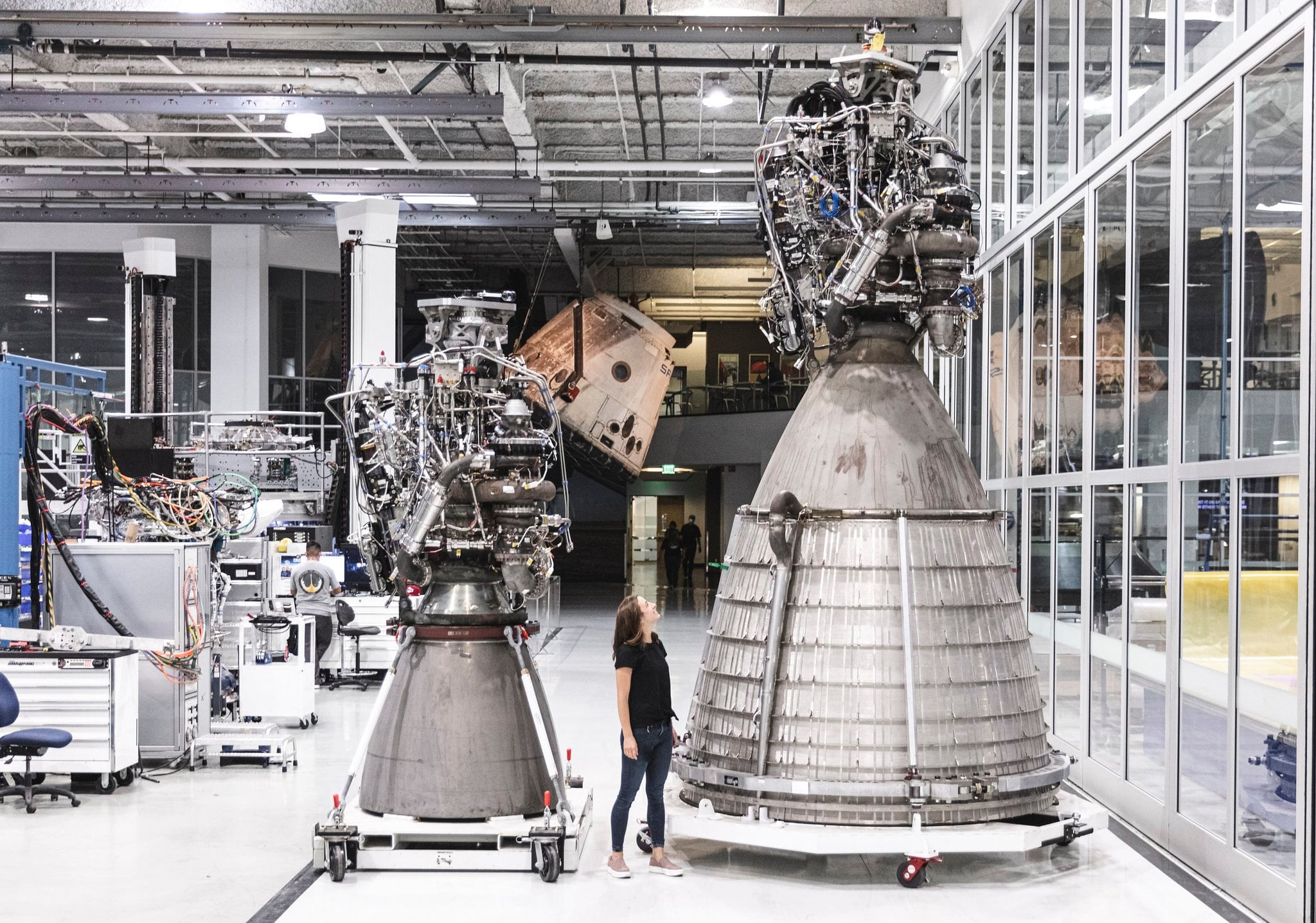
The bottom part of Starship, called Super Heavy, will use 33 Raptor engines clustered together for maximum power. Controlling that many engines at once requires incredibly sophisticated computer systems to prevent vibrations and uneven thrust.
The Soviet N1 rocket tried a similar approach in the 1960s but failed because the technology wasn’t advanced enough yet. SpaceX believes modern computers and sensors can finally make this cluster design work reliably.
Crew Dragon has an emergency escape system for the entire flight
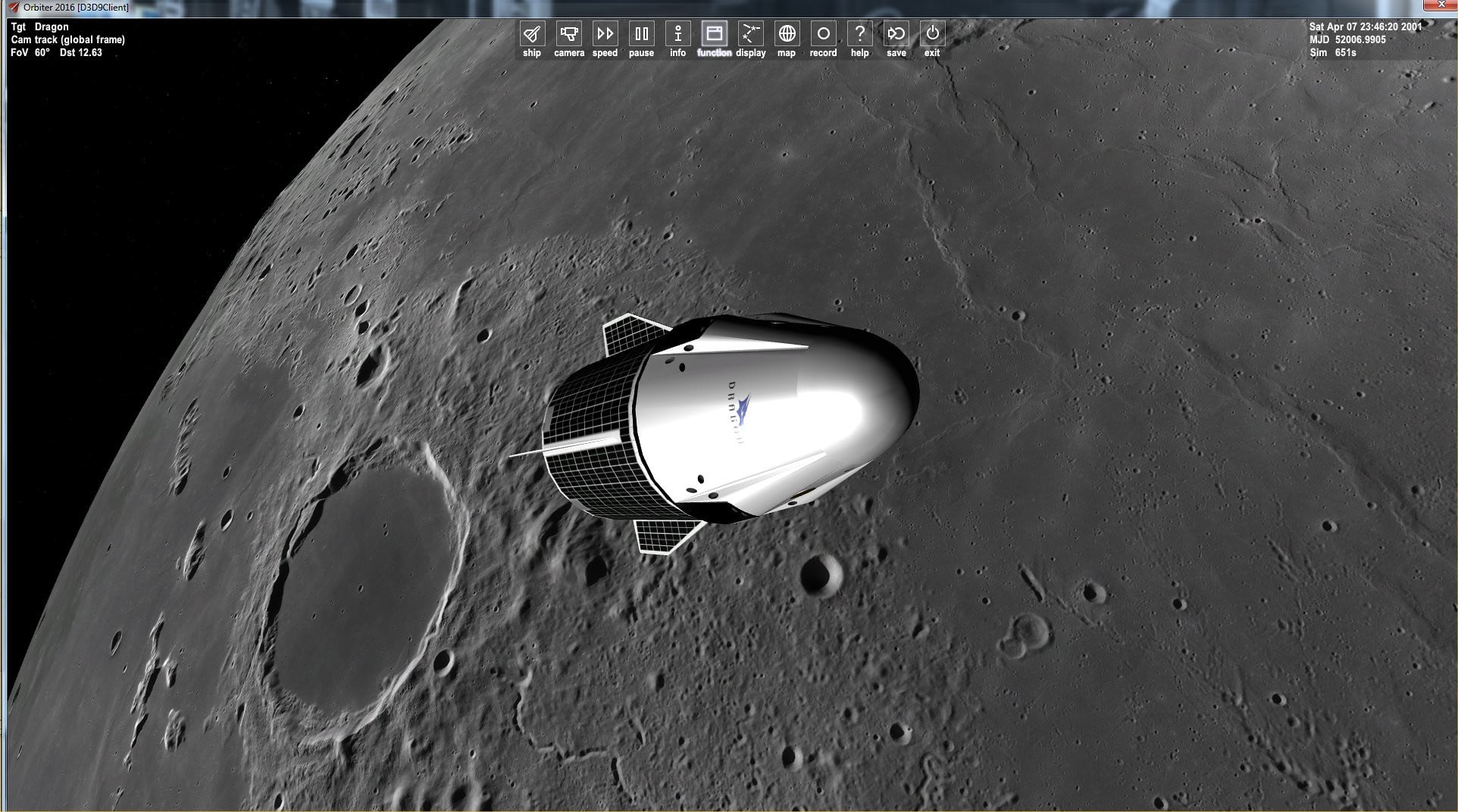
If something goes wrong during launch, Crew Dragon can fire eight powerful thrusters and pull away from the rocket in less than two seconds. This SuperDraco system works from the launch pad all the way to orbit, giving astronauts a way to escape danger at any point.
Traditional capsules only had escape systems that worked during the first few minutes of flight. SpaceX tested this system by deliberately destroying a Falcon 9 rocket during flight to prove the capsule could save its crew.
The Boring Company tunnel system could launch rockets underground
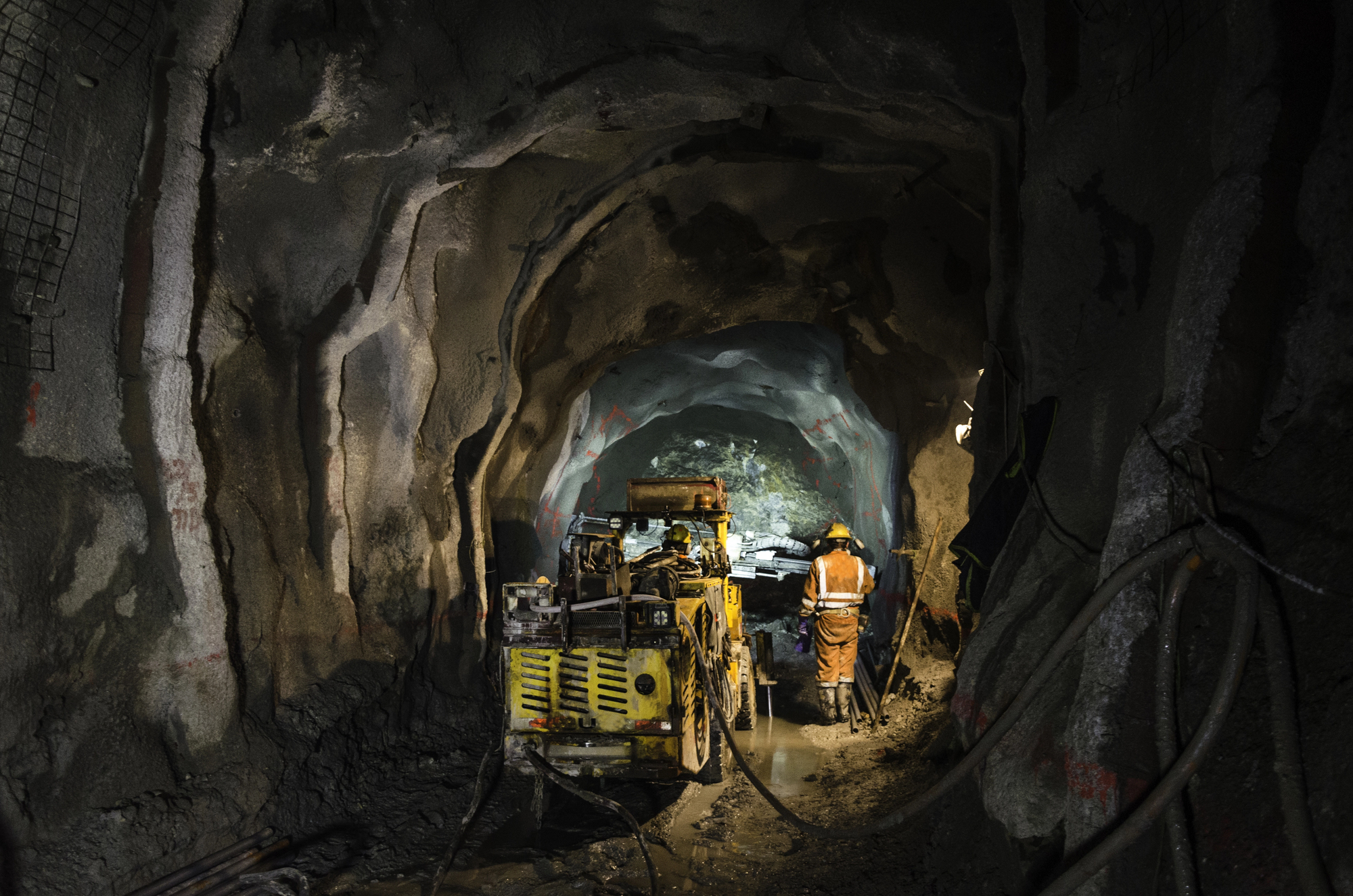
Elon Musk’s tunnel-digging company might eventually build underground rocket launch facilities for SpaceX. Launching from tunnels would protect rockets from weather and provide more security than open launch pads.
The concept could also reduce noise for nearby communities and allow launches from locations that couldn’t support traditional rocket facilities. This idea is still experimental, but SpaceX has already tested moving rockets through tunnels on wheeled platforms.
Like Go2Tutors’s content? Follow us on MSN.
SpaceX rockets use grid fins made from titanium
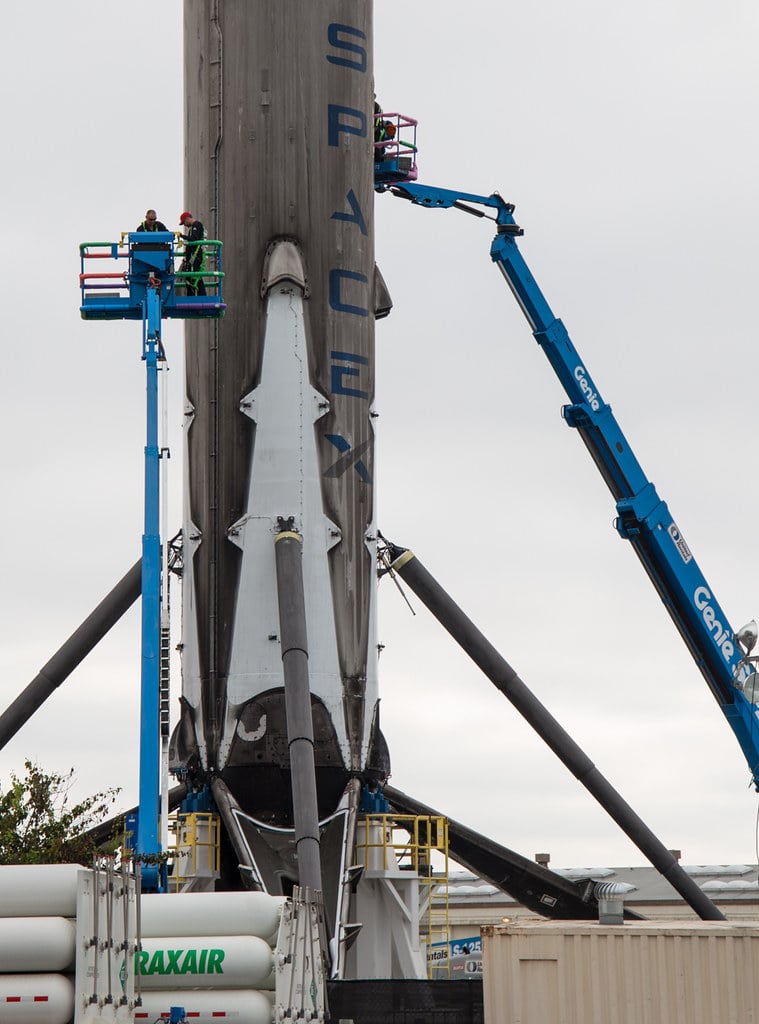
Those square wing-like structures that pop out during rocket landings are called grid fins, and they steer the rocket like rudders on a ship. Early versions were made from aluminum, but the intense heat during reentry kept destroying them after just one flight.
SpaceX switched to titanium grid fins that can survive multiple trips through the atmosphere without replacement. The fins fold flat against the rocket during launch and deploy automatically when it’s time to land.
From garage startup to space giant
These fifteen facts show how quickly one company transformed an entire industry through bold thinking and relentless testing. SpaceX went from exploding rockets to routine space missions in less than two decades, proving that innovation can happen faster than anyone expects.
Their success forced other aerospace companies to rethink everything they knew about rocket design and manufacturing costs. Today’s space race looks completely different because SpaceX dared to try ideas that everyone else thought were impossible or too risky to attempt.
More from Go2Tutors!

- 16 Historical Figures Who Were Nothing Like You Think
- 12 Things Sold in the 80s That Are Now Illegal
- 15 VHS Tapes That Could Be Worth Thousands
- 17 Historical “What Ifs” That Would Have Changed Everything
- 18 TV Shows That Vanished Without a Finale
Like Go2Tutors’s content? Follow us on MSN.