30 Vintage Advertising Signs People Find in Garages
Garages are where old things go to be forgotten, and that’s exactly where valuable advertising signs spend decades accumulating dust on walls and beams. These metal and porcelain signs once hung at gas stations, diners, and service centers, commanding attention with bold graphics and bright colors.
When they end up in a garage sale or estate cleanout, many people have no idea they’re holding collectibles worth hundreds or thousands of dollars—especially if the original installation has left them intact, if the paint remains vibrant, and if the material is authentic to its era.
Coca-Cola Porcelain Signs
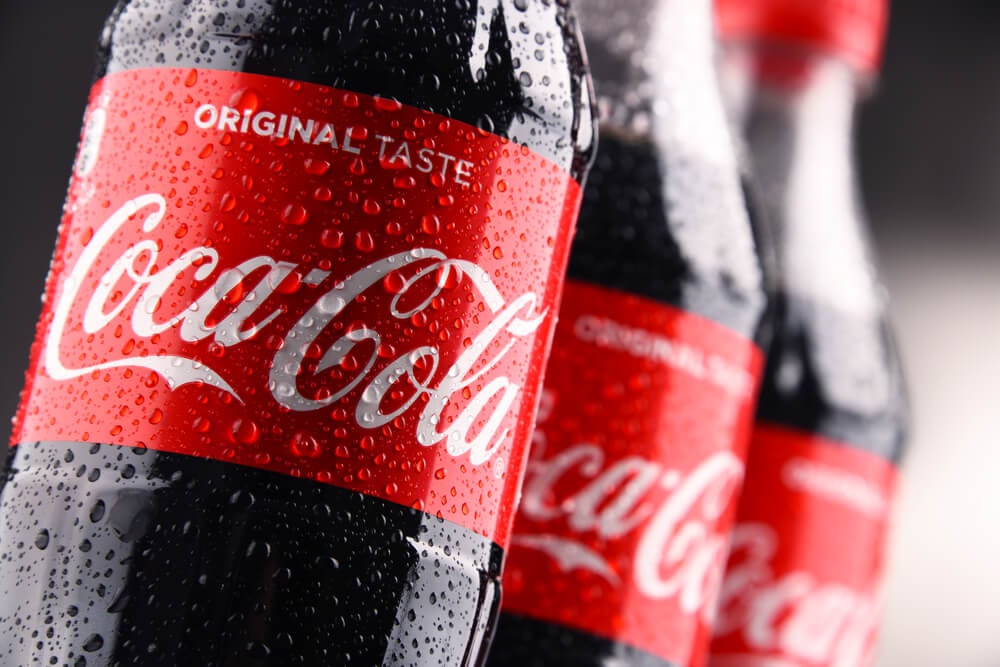
Coca-Cola signs from the 1940s and 1950s, particularly those made from porcelain, routinely sell for $150 to $600 in good condition, with exceptional examples reaching $2,500 or more. The company’s advertising was ubiquitous during this era, and many signs ended up in garages after businesses closed or renovated.
Look for the classic red and white color scheme and check that the porcelain is enamel-coated metal rather than reproduction plastic. A sign’s condition—whether it has rust, fading, or chips—significantly affects its value, with pristine examples commanding premium prices.
Texaco Star Signs
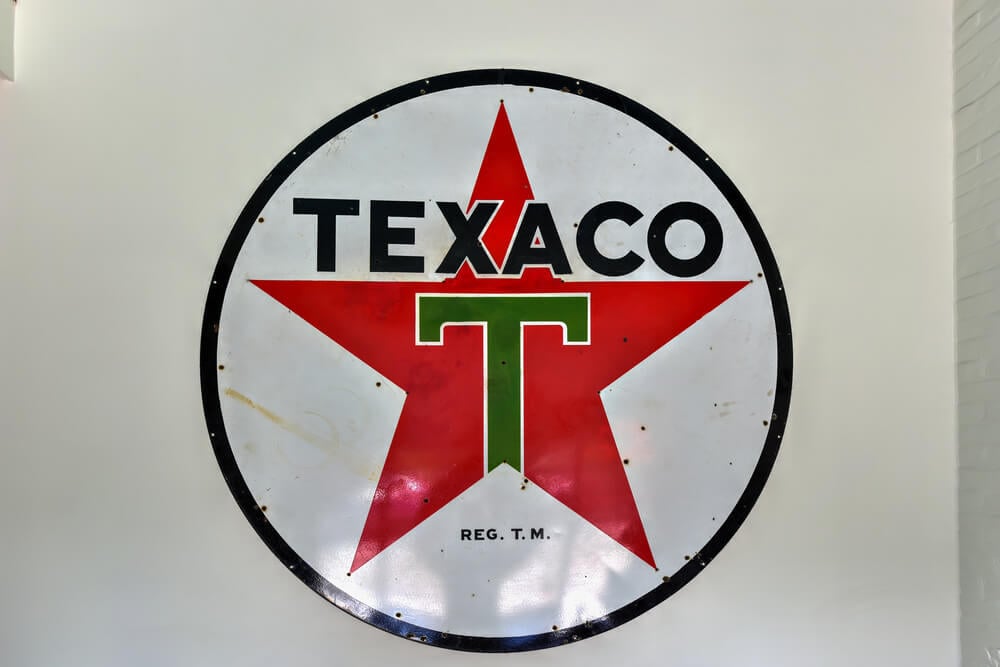
The iconic Texaco star appeared on porcelain signs ranging from fifteen to seventy-two inches in diameter, and original examples from the 1930s through 1950s can be worth $950 to $5,000 depending on size and condition. These signs were manufactured for gas stations and motor oil retailers across the country, meaning many survived in garages and storage buildings.
Double-sided signs, particularly those from the late 1940s and early 1950s, are especially sought after by automotive and petroleum memorabilia collectors. Authentic signs always feature the distinctive red star with the green T, and the presence of manufacturing stamps on the back helps verify authenticity.
Shell Oil Porcelain Signs
Shell’s yellow and red branding appears on enamel-on-metal signs from the 1930s onward, with prices ranging from $195 for flat porcelain versions to thousands for embossed or three-dimensional examples. These signs were designed to withstand outdoor weather conditions, which means many survived decades in garages with their color and detail intact.
The yellow shell motif is distinctive and immediately recognizable, making these signs popular with both oil memorabilia collectors and retro design enthusiasts.
Mobil Gas Porcelain Signs
Mobil’s red pegasus logo appears on porcelain signs from various eras, with vintage examples commanding $700 to $850 and higher depending on size, design variation, and condition. These signs often feature script lettering that reads “Mobilgas” or “Mobil Socony Vacuum,” the corporate predecessor to modern Mobil.
Original 1950s examples are particularly valuable, and signs with visible patina indicating genuine age are more sought after than those appearing artificially worn.
Gulf Oil Lighthouse Signs
Gulf’s distinctive lighthouse imagery appeared on porcelain signs, with one example selling for $700 despite featuring a vintage Packard car advertisement. The combination of Gulf’s recognizable branding with the graphic lighthouse design makes these signs visually striking and historically significant.
These signs show up in garages at old gas station properties or former businesses, and their specific visual appeal to automotive enthusiasts makes them consistently valuable.
Campbell’s Soup Tin Signs
Campbell’s soup advertising signs from the 1950s featuring the iconic label design can sell for close to $100 in good condition, with exceptional examples reaching $2,700. These tin signs were designed with vibrant imagery and clean typography characteristic of mid-century advertising.
The visual appeal transcends their commercial origin, making them attractive to people who collect advertising memorabilia purely for aesthetic reasons.
Budweiser Beer Signs
Budweiser neon and tin signs conjure nostalgic memories of local establishments, and vintage examples—particularly those in working condition—command substantial prices. The recognizable red and white branding and the association with American culture make these signs appealing to diverse collectors.
Non-neon tin versions may cost less than neon examples, but they require less maintenance and are easier to display.
Blatz Beer Neon Signs
Blatz beer, brewed since 1846, maintains a strong following particularly in the Midwest, and a 1950s neon Blatz sign can sell for around $500. Genuine signs will have Blatz imprinted on the power blocks, and the neon tubing itself adds to the value if it’s intact and functional.
Blatz memorabilia appeals to regional collectors and brewery enthusiasts.
Harley-Davidson Porcelain Signs
Harley-Davidson signs are cherished by motorcycle enthusiasts, and their appeal spans beyond just motorcycle culture into retro Americana collecting. A porcelain neon Harley sign sold for $86,250, though most examples without neon components sell for considerably less.
Even finding a vintage Harley sign in a garage represents a potentially significant discovery.
Chevrolet Chevy Boy Signs
The playful “Chevy Boy” neon signs featuring a boy driving a Chevrolet developed a cult following among classic car enthusiasts. These signs exemplify mid-century advertising design and appeal to collectors of both automotive memorabilia and vintage neon.
Chevy signs generally hold their value well because the Chevrolet brand maintains strong collector interest.
John Deere Farm Equipment Signs
John Deere’s green and yellow branding appears on numerous vintage signs that originally advertised farm equipment and supplies. These signs appeal to collectors of farm memorabilia and to people restoring historic properties, making them consistently valuable.
The Deere name carries prestige in agricultural communities, which supports collector demand.
Lucky Strike Cig Pump Signs
Porcelain cig advertisements from gas station pumps represent a specific historical category, with Lucky Strike examples selling for around $195 even with some damage. These signs served a practical purpose—advertising products at the point of sale—and their utility and ubiquity made them vulnerable to discard.
Finding one intact and in original condition adds to its collectible value.
Sinclair Dinosaur Gas Signs
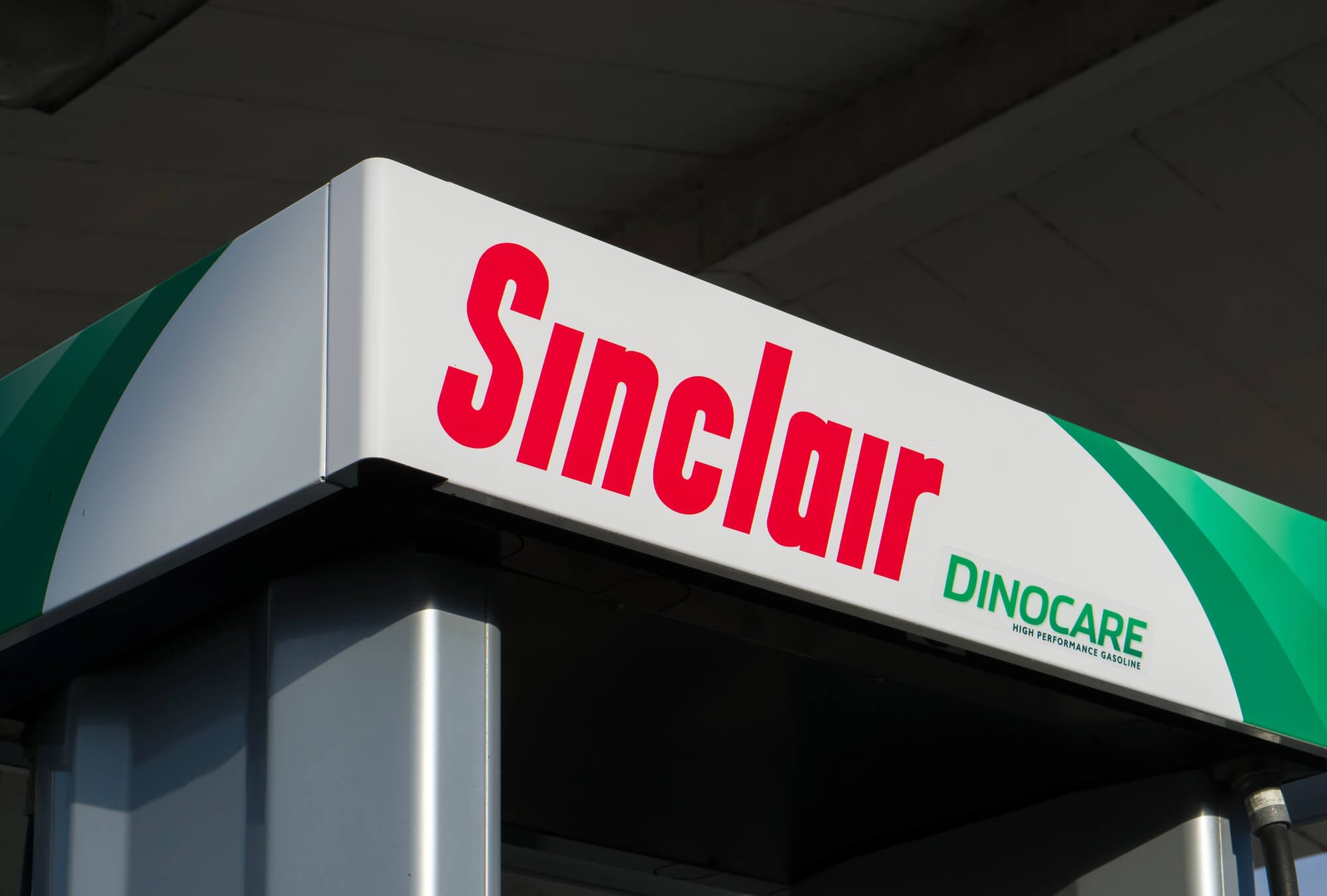
Sinclair’s green dinosaur mascot appeared on porcelain signs that are instantly recognizable and highly sought after by collectors. The whimsical design and strong brand recognition make these signs appealing to both oil company memorabilia collectors and people drawn to the distinctive aesthetic.
Sinclair signs often appear at estate sales and garage cleanouts because the company had widespread distribution.
Ford Automobile Dealer Signs
Porcelain Ford dealer signs from the mid-twentieth century represent a specific commercial history and are valuable to automotive collectors. These signs advertised dealerships and new car availability, and surviving examples demonstrate the dealership’s branding approach during a particular era.
Size and condition significantly affect value, with larger signs commanding higher prices.
Pontiac Factory Engineered Parts Signs
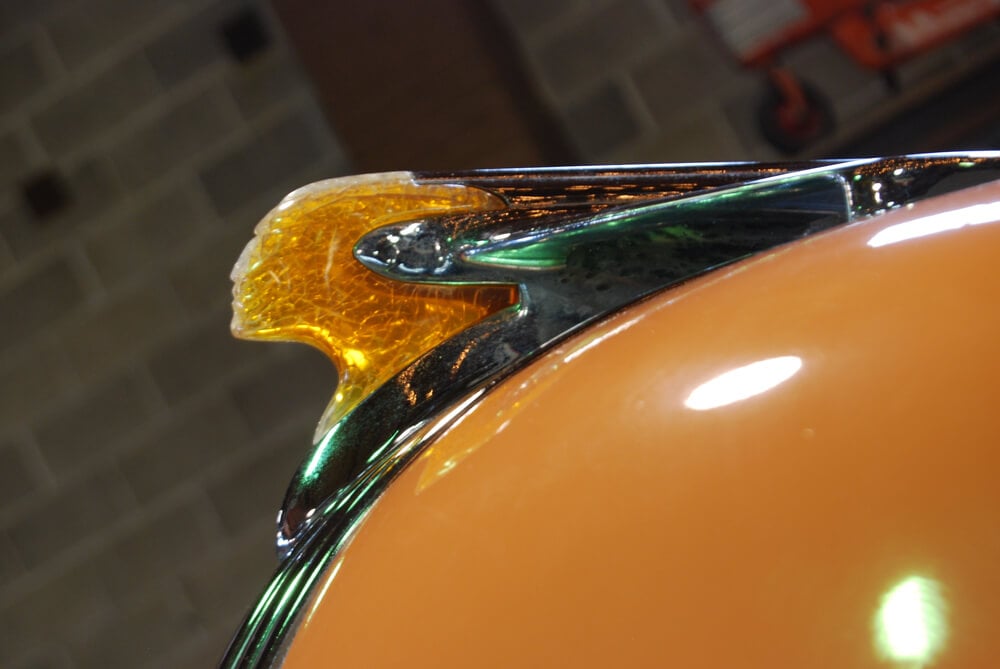
Original Pontiac Factory Engineered Parts signs made by Walker and Company sold for over $5,800, demonstrating how specific automotive advertising signs can be highly valuable. These represent the dealership and parts distribution network of a major American automobile manufacturer.
Collectors of Pontiac memorabilia actively seek these signs.
Chevrolet Dealer Porcelain Signs
Chevrolet dealer signs from various eras command strong prices, with a Chevrolet Porcelain Neon Dealer sign selling for $5,000. These signs bore the dealership’s name and location and represent the historical presence of automotive retailers in American towns.
Neon versions are worth more than non-neon examples, but even porcelain-only signs hold value.
Pyrrofax Gas Two-Sided Lighted Signs
Pyrrofax gas signs from the 1930s with original lighting mechanisms sold for $750, representing a category of utility company advertising that appeals to collectors interested in vintage lighting technology. These signs served both advertising and illumination purposes, and working versions are particularly valuable because they demonstrate functional vintage technology.
Mobilgas Script Gas Station Signs
Mobilgas porcelain signs featuring distinctive script lettering represent a specific era of gas station branding. These signs were manufactured for actual gas stations, meaning many survived decades in use.
Original Mobilgas examples featuring the script design can sell for $700 to $850.
Campbell’s Soup Porcelain Signs
Campbell’s soup porcelain signs, distinct from their tin counterparts, represent a different manufacturing approach and often have different visual treatments. These signs were durable enough to remain outdoors for decades, and their survival rate tends to be higher than that of tin examples.
Values depend heavily on design variation and condition.
Spur Cola Signs
Spur Cola signs became popular partly due to the brand’s limited run compared to Coca-Cola and Pepsi. Before rebranding as Canada Dry, Spur Cola had regional distribution, which means signs appear in specific geographic areas.
Collectors of regional soda memorabilia actively seek these signs, making them more valuable than their scarcity might suggest.
Bazooka Bubble Gum Neon Signs
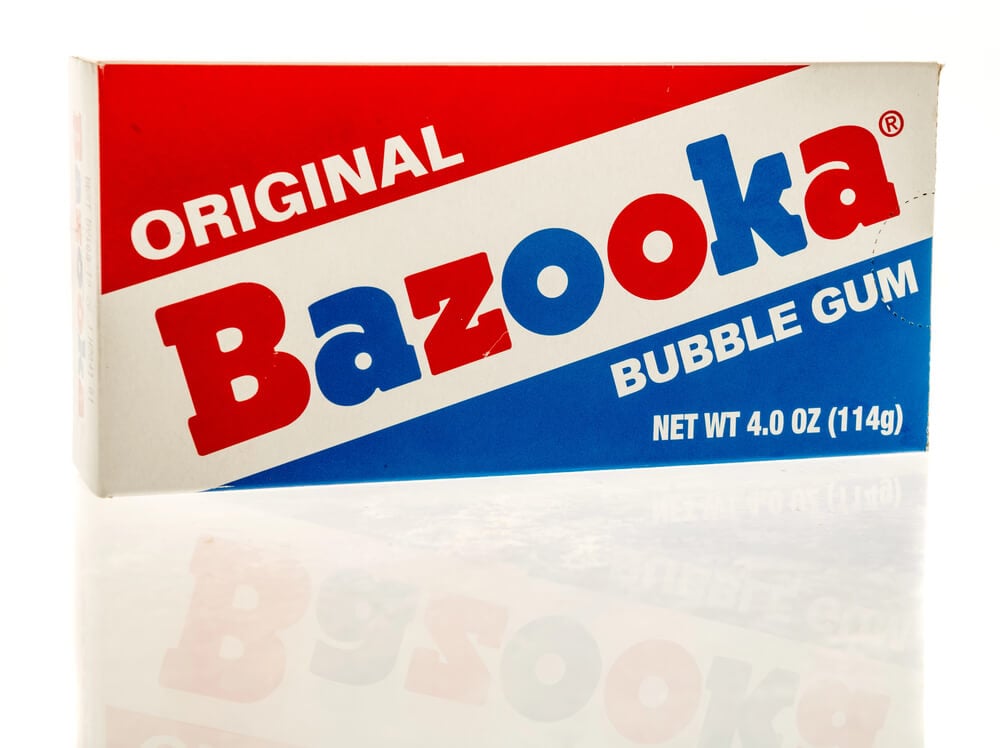
An original vintage one-cent Bazooka bubble gum neon store sign sold for $6,100, representing the premium that working neon commands. These signs are rare because most were replaced or discarded as the product’s marketing changed.
Finding a working neon Bazooka sign in a garage represents an extraordinary discovery.
Coca-Cola Fountain Service Porcelain Signs
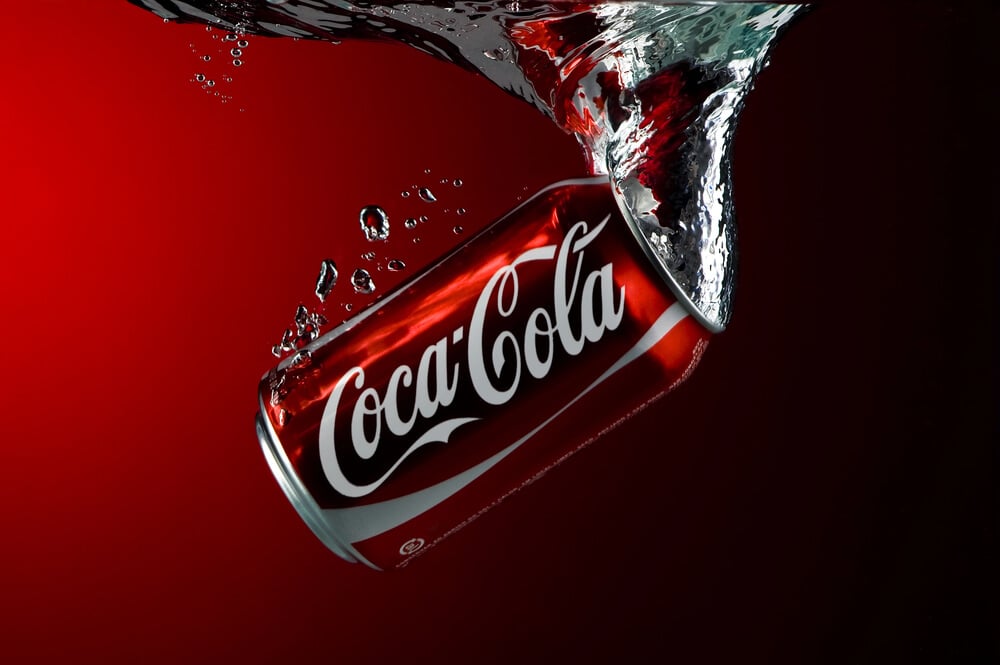
A Coca-Cola porcelain fountain service sign sold for $5,560, representing signs designed to advertise Coca-Cola fountain operations at diners, ice cream shops, and restaurants. These signs are distinct from general Coca-Cola advertising and appeal to both soda memorabilia collectors and people interested in restaurant history.
Fountain service signs often featured different imagery than retail signs.
Washington Baltimore Porcelain Bus Ticket Office Signs

A rare double-sided 1930s porcelain bus ticket office sign from Washington-Baltimore sold for $6,500, representing a niche category of transportation memorabilia. These signs are extremely scarce because they were designed for specific locations, and few survived decades of use and discarding.
Finding one represents a significant discovery for transportation history collectors.
Chrysler Plymouth Automobile Dealer Signs
An old Chrysler Plymouth auto dealer porcelain sign sold for $850, representing mid-twentieth century automotive retail advertising. These signs bore dealership information and promoted new vehicle models, and their survival often depends on how the dealership property was handled over decades.
Collector interest in Chrysler and Plymouth memorabilia supports the value of these signs.
Gulf Motor Oil Porcelain Signs
Gulf motor oil signs, particularly double-sided examples, can sell for $850 or more depending on size, condition, and design specificity. These signs were designed for gas stations and auto service centers, and their durability meant many survived in garages attached to service buildings.
The Gulf branding remains recognizable and appeals to petroleum history collectors.
Drink Coca-Cola Porcelain Fountain Advertising Signs
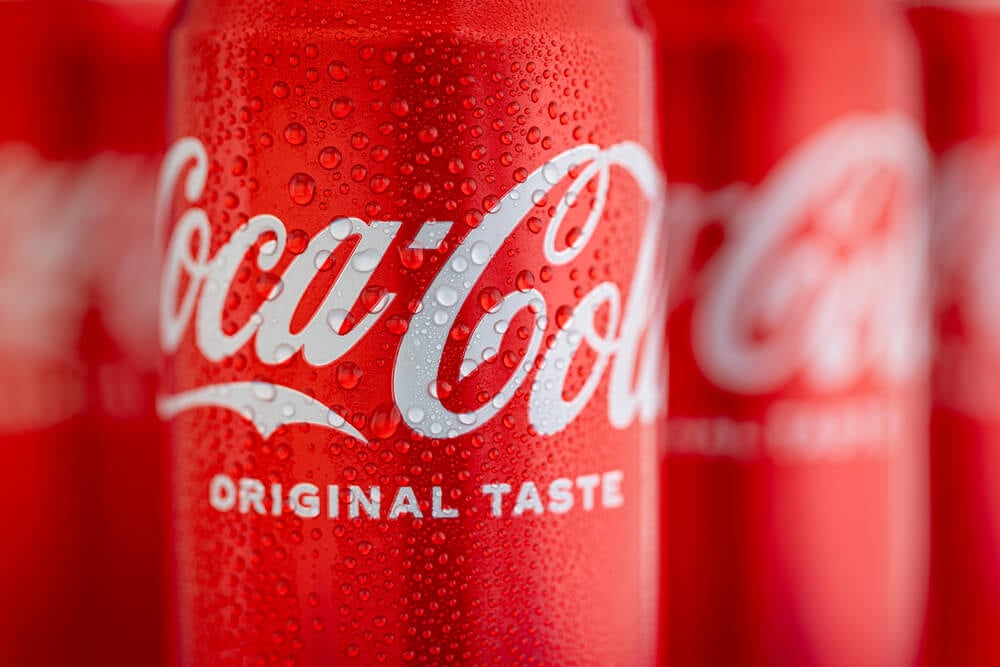
Coca-Cola fountain advertising signs represent a specific type within Coca-Cola advertising, with values reaching the $5,000 range for pristine examples. These signs directed customers to Coca-Cola fountain service inside establishments, and their survival often depends on how the building was handled after the business closed.
Fountain-specific signs often feature different designs than retail bottle signs.
Pre-1920 Cig Tin Signs
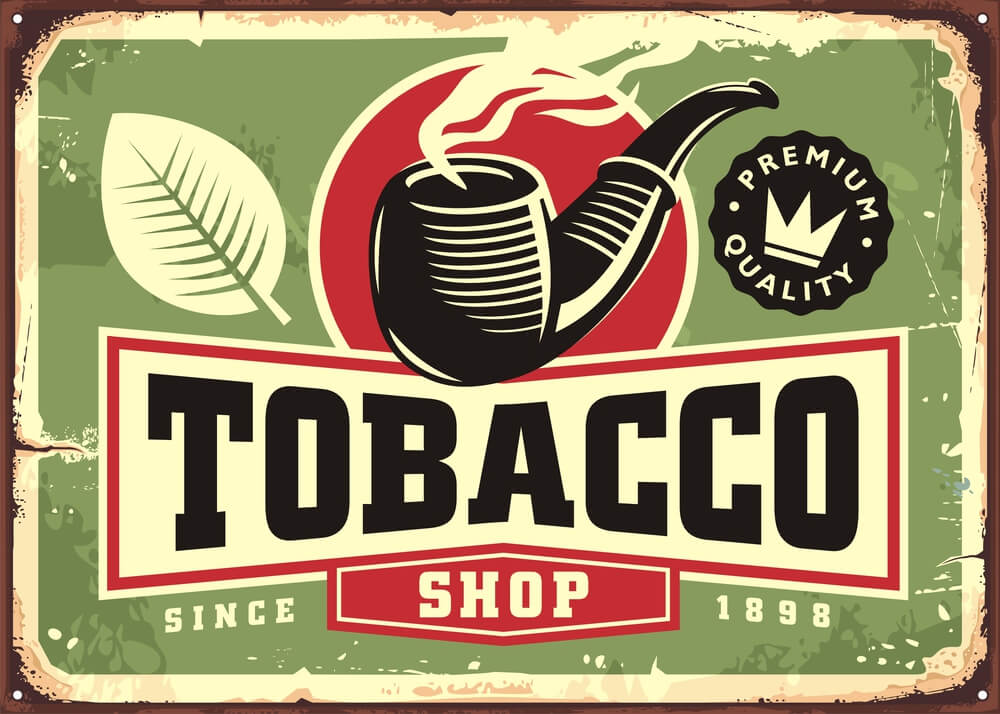
Pre-1920 cig tin signs in good condition frequently sell for $200 to $800, with extremely rare designs commanding over $2,000. These signs represent America’s cig advertising history and are collectible despite—or perhaps because of—the controversial nature of the product they advertised.
The age of these signs and the quality of their graphics make them valuable to advertising memorabilia collectors.
Embossed Porcelain Shell Signs
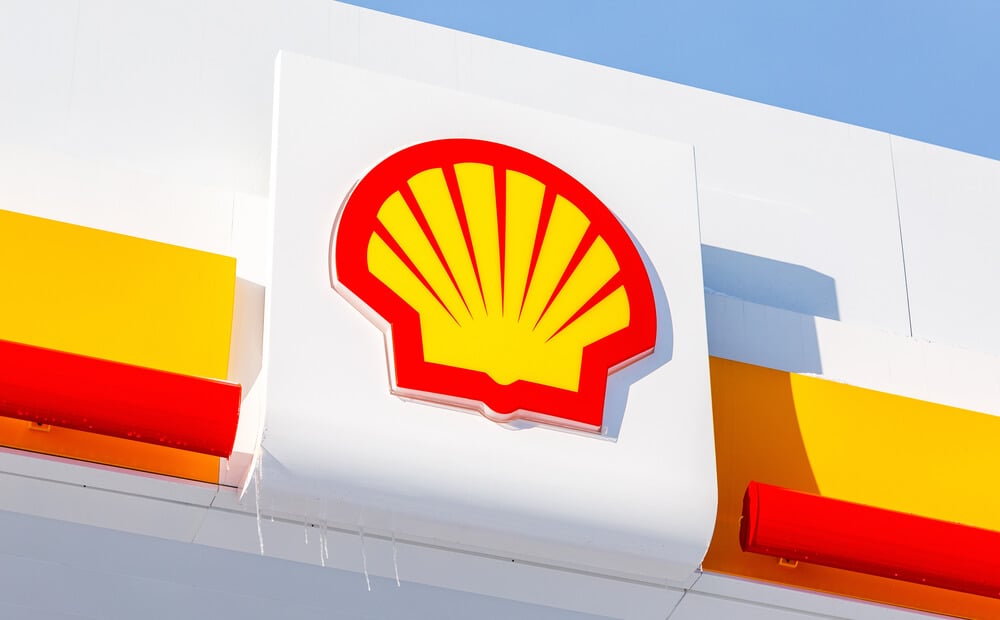
Shell signs with embossed designs rather than flat surfaces command higher prices, making the manufacturing technique an important factor in valuation. Embossed signs required more expensive manufacturing and were produced in smaller quantities, which adds to their rarity.
Finding an embossed Shell sign in good condition represents a more valuable discovery than a flat equivalent.
Self-Framing Tin Signs from 1900-1940
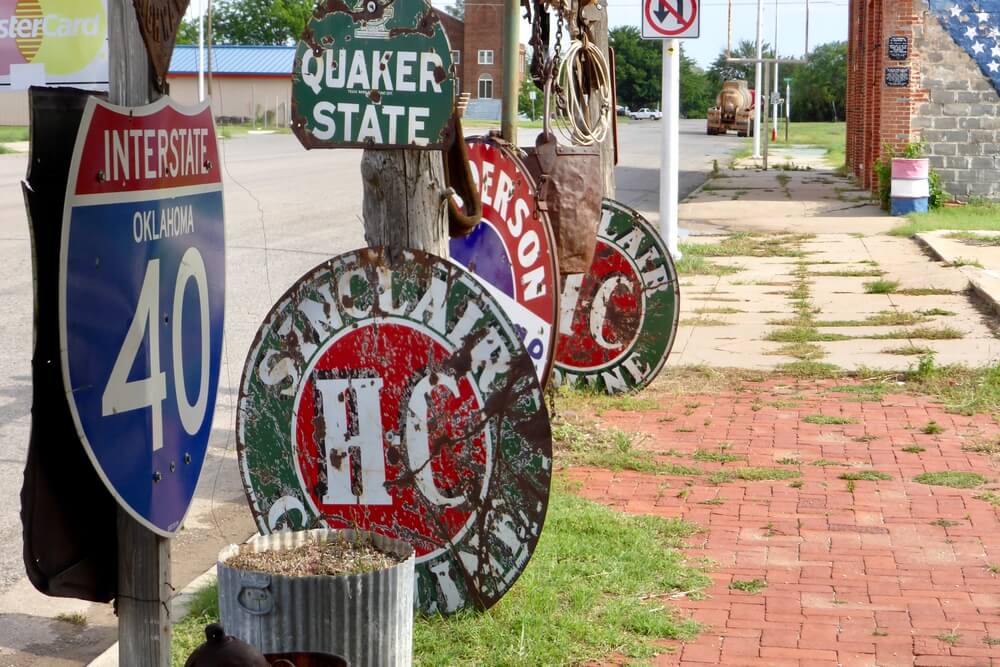
Tin signs with self-framing edges—a rolled or folded outer edge that creates a built-in frame—add a modest premium to their value compared to flat-edge signs. This distinctive construction was used primarily during the 1900s through 1940s era and indicates high-quality, long-run advertising programs.
Signs with self-framing edges from this period are more valuable than later flat-edge examples.
Automotive-Related Gasoline Station Advertising Signs
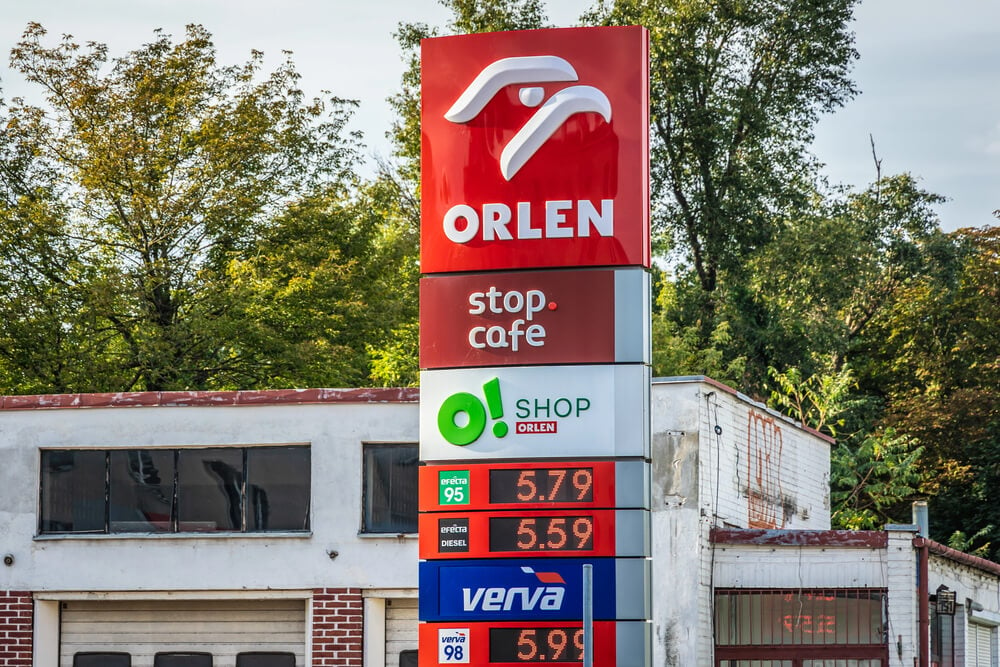
Various automotive-related signs that advertised gasoline, oil products, and maintenance services represent a broad category of collectible advertising. These signs were manufactured for practical commercial purposes and survived because they were bolted to buildings or structures that were themselves preserved.
Their collectible value depends on brand strength, condition, and visual appeal.
The Value Hidden in Plain Sight

Most vintage advertising signs discovered in garages have been there so long that property owners forgot they existed—signs left behind after businesses closed, removed from walls when buildings were renovated, or inherited from older relatives who couldn’t bear to discard them. The value of these signs doesn’t depend on being rare in the absolute sense; it depends on their condition after decades of garage storage, exposure to temperature changes, dust accumulation, and occasional disturbance.
A sign that appeared worthless last year when discovered behind boxes of old papers can now be sold online to buyers worldwide who actively seek these specific pieces. The garage, which seemed like the worst possible place for a vintage sign to end up, turns out to be one of the best places to find them—preserved from weather and environmental damage, waiting for someone to finally recognize what they are.
More from Go2Tutors!

- The Romanov Crown Jewels and Their Tragic Fate
- 13 Historical Mysteries That Science Still Can’t Solve
- Famous Hoaxes That Fooled the World for Years
- 15 Child Stars with Tragic Adult Lives
- 16 Famous Jewelry Pieces in History
Like Go2Tutors’s content? Follow us on MSN.



