15 Battlefields That Are Now Peaceful Tourist Spots — With a Dark History
One of the most tragic ironies in history is the transformation of bloody battlefields into tranquil tourist sites. These locations, which once saw the worst of humanity, are now serene monuments where people may connect with the past while reflecting on the price of war.
Here is a list of 15 former battlegrounds that have maintained their intricate historical relevance while becoming well-liked tourist attractions.
Gettysburg

Over a million people visit Pennsylvania’s rolling hills, the site of the fiercest battle of the Civil War, each year. It’s hard to fathom the three days in 1863 when over 50,000 troops were killed when strolling across these peaceful pastures now.
Over 1,300 monuments and memorials may be seen on the painstakingly conserved battlefield, and park rangers provide informative tours that vividly depict the strategic maneuvers of the war.
Normandy Beaches

The calm shorelines of northern France bear little resemblance to the chaos of June 6, 1944. Today, families spread picnic blankets on the same sands where Allied forces launched the largest seaborne invasion in history.
The American Cemetery overlooking Omaha Beach contains nearly 10,000 perfectly aligned white crosses and Stars of David, creating a powerful visual reminder of D-Day’s human cost.
Hiroshima

The modern, vibrant city of Hiroshima stands as a testament to human resilience and hope. The preserved atomic dome skeleton at ground zero serves as the centerpiece of Peace Memorial Park, where the contrast between the bustling metropolitan surroundings and this stark reminder of nuclear devastation creates a powerful contemplative space.
Japanese schoolchildren regularly visit to fold paper cranes, continuing the tradition inspired by Sadako Sasaki’s story.
Waterloo

Napoleon’s imperial aspirations came to a stop in the Belgian countryside, where a unique lion’s mound monument overlooks tranquil fields. To get the same panoramic perspective commanders formerly used to guide soldiers across the battlefield, visitors ascend 226 steps.
Against the backdrop of contemporary agricultural fields, historical reenactors dressed in period attire bring 1815 to life throughout the summer months by demonstrating military exercises and camp life.
Gallipoli

The rugged Turkish peninsula where ANZAC forces faced devastating losses during World War I has been transformed into a site of reconciliation. Crystal-clear waters lap against shores once contested in bloody amphibious landings.
Turkish families and Australian and New Zealand visitors alike come to honor the fallen, with dawn services held annually on April 25th creating a powerful atmosphere of international remembrance.
Antietam

Maryland’s picturesque Antietam Creek valley belies its status as the site of America’s single bloodiest day. The sunken road, now peacefully called ‘Bloody Lane,’ offers a haunting experience as visitors walk the same path where over 5,000 soldiers fell in just three hours of fighting.
The beautifully maintained farm buildings and split-rail fences create a pastoral scene that contrasts sharply with the battlefield’s violent history.
Culloden Moor
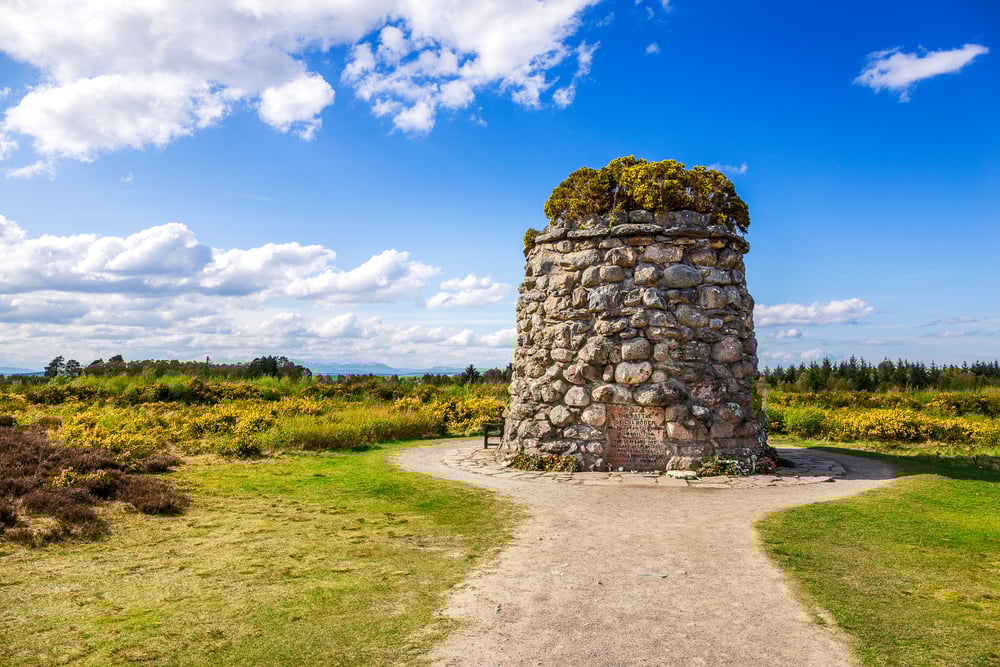
The windswept Scottish highlands where Jacobite hopes died in 1746 now draw visitors seeking connection to both history and popular culture. Stone markers indicate where different clans stood before charging across ground now covered in purple heather.
The visitor center uses immersive technology to put tourists in the middle of the battle, with opposing viewpoints presented equally to provide understanding of this pivotal moment in Scottish history.
Ypres
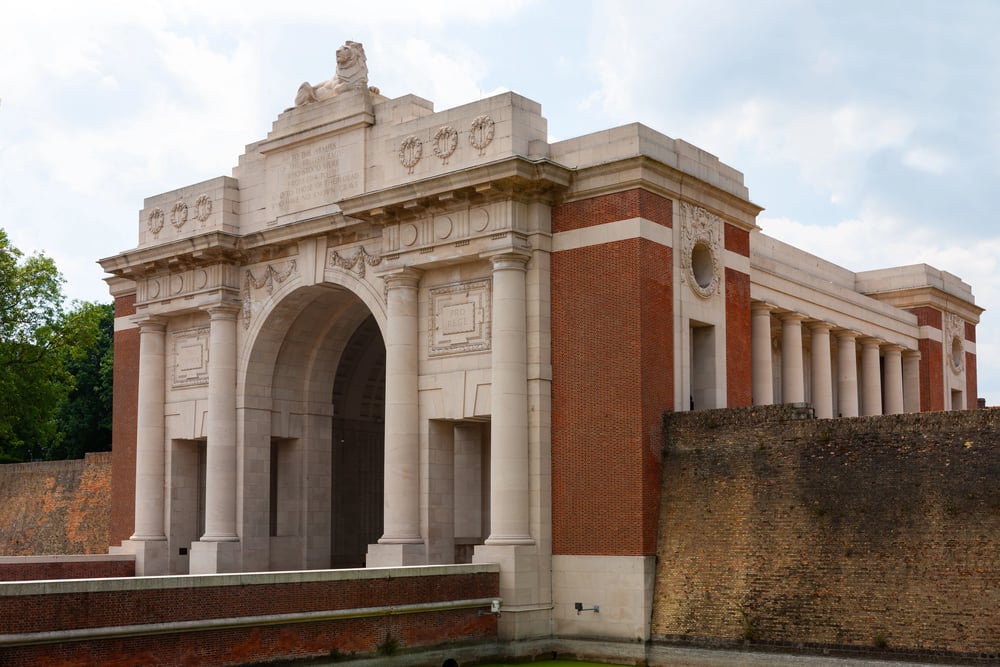
The medieval Belgian town completely destroyed during World War I has been meticulously rebuilt to its pre-war appearance. The Menin Gate memorial, where the Last Post ceremony has been performed nightly since 1928 (with the exception of the German occupation), creates an emotional touchstone for visitors.
Surrounding farm fields still occasionally yield unexploded ordnance and artifacts, a sobering reminder of the Western Front’s intensity.
Pearl Harbor

The Hawaiian naval base, which was attacked on December 7, 1941, seamlessly blends active military operations with historical tourism. Oil still seeps from the sunken USS Arizona, creating rainbow-colored slicks on the harbor’s surface that visitors observe from the memorial straddling the wreck.
The contrast between tropical paradise surroundings and the somber underwater tomb creates a uniquely American place of pilgrimage and reflection.
Vimy Ridge

The preserved Canadian battlefield in northern France features reconstructed trenches and tunnels allowing visitors to experience the claustrophobic conditions soldiers endured. Remarkably, certain areas remain off-limits due to unexploded munitions, emphasizing the lingering physical danger of war.
The striking limestone monument with its grieving figures stands in stark contrast to the surrounding farmland that has reclaimed most signs of violence.
Little Bighorn

The Montana grasslands where Custer’s 7th Cavalry met defeat have become a site of cross-cultural understanding. White marble markers indicate where soldiers fell, while red granite markers honor Native American warriors, reflecting evolving perspectives on this controversial battle.
Rangers from both Native American and military backgrounds offer complementary narratives that provide visitors with multiple viewpoints on this pivotal moment in American western expansion.
Borodino

The Russian countryside where Napoleon’s Grande Armée faced Russian forces in 1812 remains remarkably preserved. Annual reenactments featuring thousands of participants create living history on an impressive scale against a backdrop that has changed little in two centuries.
Local farmers still occasionally unearth military artifacts while plowing fields, connecting modern agricultural life directly to the historical events that unfolded here.
Hastings

The English field where William the Conqueror changed British history forever in 1066 now features an abbey built to commemorate the battle. The battlefield audio tour allows visitors to stand where King Harold reportedly took an arrow to the eye while looking across the same rolling landscape his Saxon forces defended.
The juxtaposition of ancient conflict with modern English countryside creates a tangible connection across nearly a millennium of history.
Thermopylae

The Greek mountain pass where 300 Spartans made their famous last stand against Persian forces has been significantly altered by natural geological processes. Modern highways cut through areas once narrow enough for just a few warriors to stand abreast, requiring some historical imagination from visitors.
The bronze statue of King Leonidas stands defiant against the mountain backdrop, still channeling the spirit of resistance that has inspired military underdogs for centuries.
Verdun
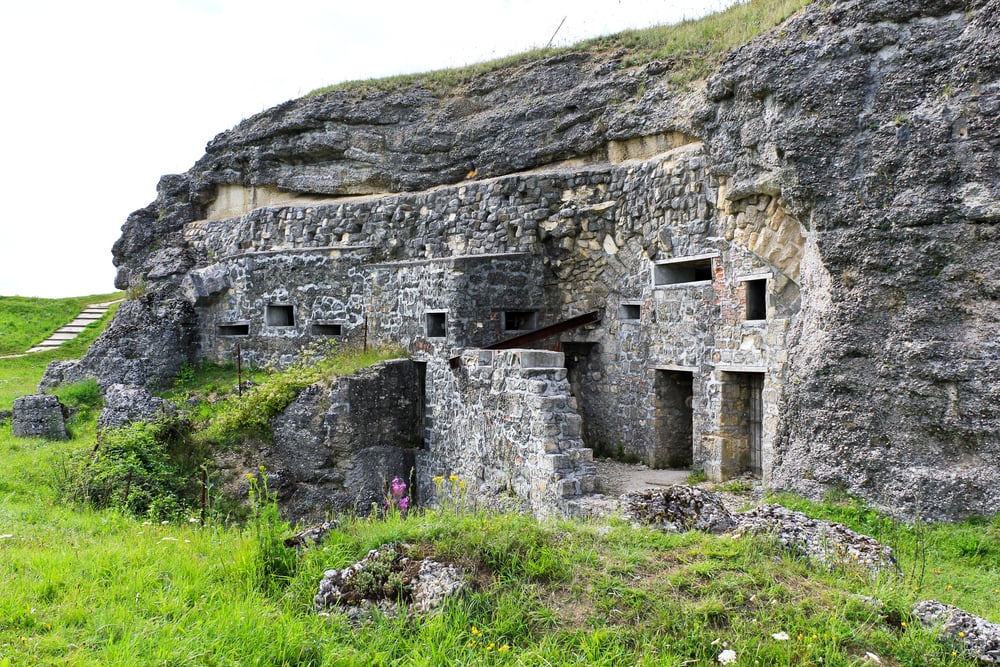
The heavily forested French battlefield bears permanent scars from World War I’s most devastating artillery bombardment. The landscape remains pockmarked with shell craters now filled with rainwater, creating an otherworldly terrain unlike any natural formation.
The massive ossuary containing the remains of unidentified soldiers from both sides serves as a stark reminder of industrialized warfare’s brutal efficiency and dehumanizing scale.
Echoes Across Time
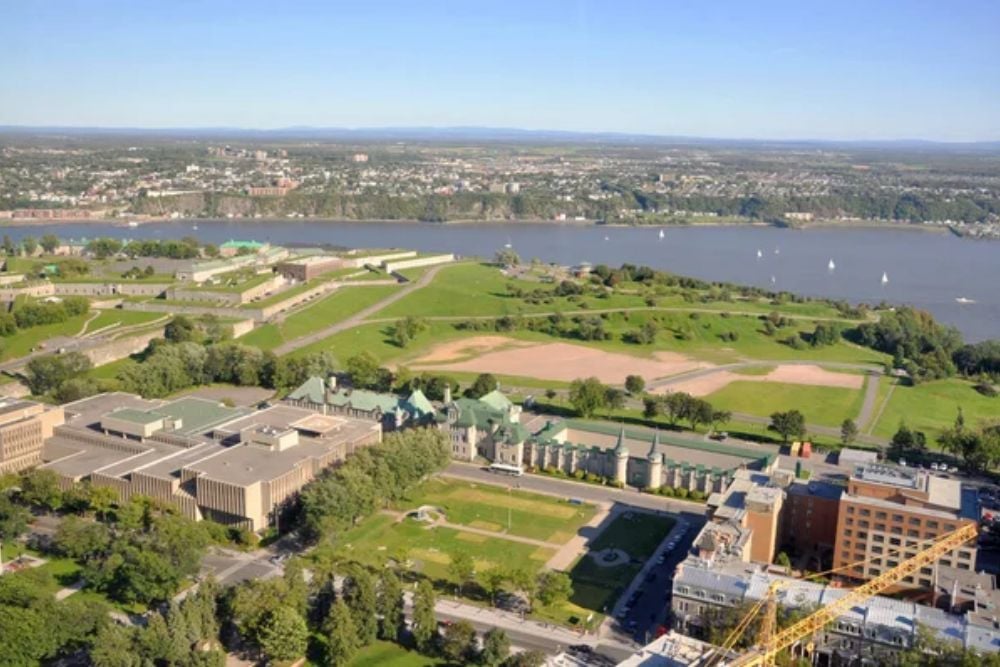
These repurposed battlegrounds provide as potent links between the past and now, enabling contemporary tourists to essentially follow in the footsteps of the past. Our complicated relationship with conflict is illustrated by their transformation from locations of humanity’s darkest events to centers of learning, commemoration, and even scenic beauty.
By protecting these locations, we make room for both tourism and the vital task of comprehending our common past and its effects.
More from Go2Tutors!

- The Romanov Crown Jewels and Their Tragic Fate
- 13 Historical Mysteries That Science Still Can’t Solve
- Famous Hoaxes That Fooled the World for Years
- 15 Child Stars with Tragic Adult Lives
- 16 Famous Jewelry Pieces in History
Like Go2Tutors’s content? Follow us on MSN.