Ancient Jewelry With Deep Cultural Meaning
Jewelry has been part of human life for thousands of years. Long before shopping malls and designer brands existed, ancient people crafted beautiful pieces from gold, silver, stones, and shells.
These weren’t just pretty accessories people wore to look good at parties. They carried serious meaning and served important purposes that went far beyond fashion.
Now, let’s look at some of the most fascinating ancient jewelry pieces that shaped how entire cultures thought about life, death, power, and protection.
Egyptian scarab amulets for rebirth
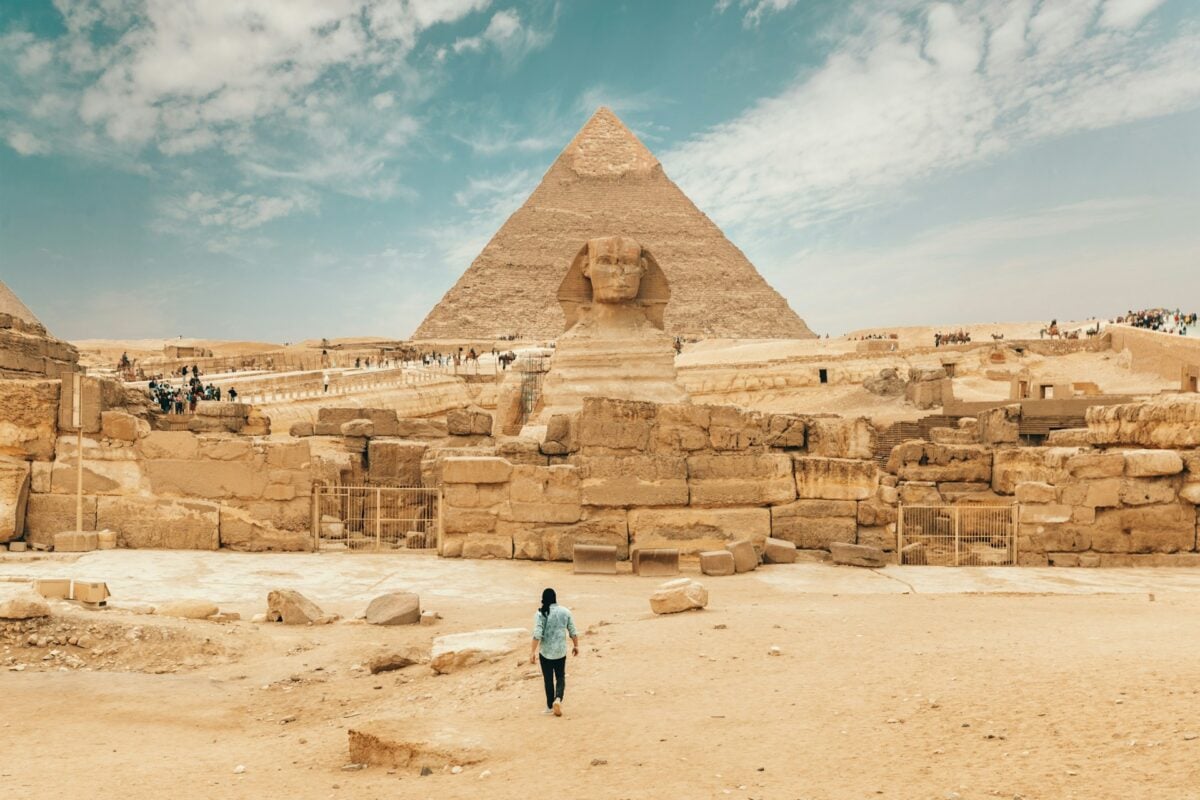
The ancient Egyptians loved their scarab amulets more than almost any other jewelry piece. These small beetles weren’t just random bugs they decided to copy.
Scarabs symbolized the sun god Ra rolling the sun across the sky, just like dung beetles roll their precious cargo across the desert. People believed wearing a scarab amulet would help them be reborn in the afterlife.
They also thought it brought good luck during their earthly life. Many scarabs were carved with the owner’s name or a special prayer.
Roman bulla pendants for child protection
Roman parents gave their children special round pendants called bullae when they were just babies. These protective charms were worn around the neck to guard against evil spirits and bad luck.
Boys wore their bulla until they became men at age sixteen. Girls kept theirs until they got married.
The wealthy made bullae from gold, while poorer families used leather or bronze. Inside each bulla was a special charm or amulet that parents believed would keep their child safe.
Like Go2Tutors’s content? Follow us on MSN.
Celtic torcs as symbols of divine power

Celtic warriors and nobles wore thick metal neck rings called torcs. These weren’t delicate pieces of jewelry.
Torcs were heavy, twisted bands of gold, silver, or bronze that showed everyone who wore them had serious status. The Celts believed torcs connected the wearer to the gods.
Many Celtic deities are shown in art wearing torcs. Warriors thought their torcs made them stronger and braver in battle.
Some torcs were so valuable they became currency for major trades.
Greek eye amulets against evil glances
Ancient Greeks feared the evil eye more than almost anything else. They believed jealous or angry people could curse them just by looking at them wrong.
To protect themselves, Greeks wore special eye-shaped amulets and attached charms to their animals. These amulets were usually blue and white, colors they thought blocked harmful energy.
People wore them as rings, necklaces, and bracelets. Even wealthy Greeks who owned lots of jewelry never left home without their evil eye protection.
Viking arm rings for oaths and wealth

Vikings used twisted metal arm rings for more than decoration. These heavy bands served as portable banks and sacred promise-makers.
When Vikings made important agreements, they swore oaths over their arm rings. Breaking such an oath meant losing honor forever.
The rings were made from hack silver, which could be cut into smaller pieces for trade. Many arm rings were buried with their owners so they’d have wealth in the afterlife.
The more rings a Viking wore, the richer and more powerful others knew they were.
Like Go2Tutors’s content? Follow us on MSN.
Mesopotamian cylinder seals for identity

People in ancient Mesopotamia created the world’s first personal identification system using tiny carved cylinders. These seals rolled across wet clay to create unique patterns that worked like ancient signatures.
Many were worn as jewelry on necklaces or bracelets. These seals carried spiritual meanings, stars, and floral designs and were often offered to the gods.
Rich merchants had elaborate seals carved from precious stones. Ordinary people made theirs from simple clay or stone.
Chinese jade ornaments for immortality
The Chinese have treasured jade for over 8,000 years, believing it held powers beyond any other stone. They thought jade could make people live longer and healthier lives.
Wealthy Chinese were buried with entire suits made of jade pieces sewn together with gold wire. They believed this jade armor would preserve their bodies forever.
Living people wore jade pendants, rings, and hairpins to stay healthy. Chinese culture still considers jade one of the most important and lucky stones anyone can wear.
Indian nose rings for marriage protection

In ancient India, nose rings called naths became essential wedding jewelry for brides. These weren’t tiny studs like modern piercings.
Traditional naths were large, ornate pieces that sometimes covered half the nose. People believed they protected married women from evil spirits who might try to harm their families.
The size and decoration of a woman’s nath showed her family’s wealth and status. Many were connected to ear jewelry with delicate chains.
Some naths were so heavy they needed special support threads.
Like Go2Tutors’s content? Follow us on MSN.
Aztec obsidian mirrors for seeing truth

Aztec priests and nobles used polished obsidian mirrors for much more than checking their appearance. These black volcanic glass pieces were believed to reveal hidden truths and connect the wearer to the spirit world.
The Aztecs thought obsidian had divine power because it came from the earth’s fire. Priests wore obsidian jewelry during important ceremonies to help them see the future.
Warriors carried obsidian amulets for protection in battle. The stone was so sacred that only the most important people could own large pieces.
Persian turquoise talismans for travelers
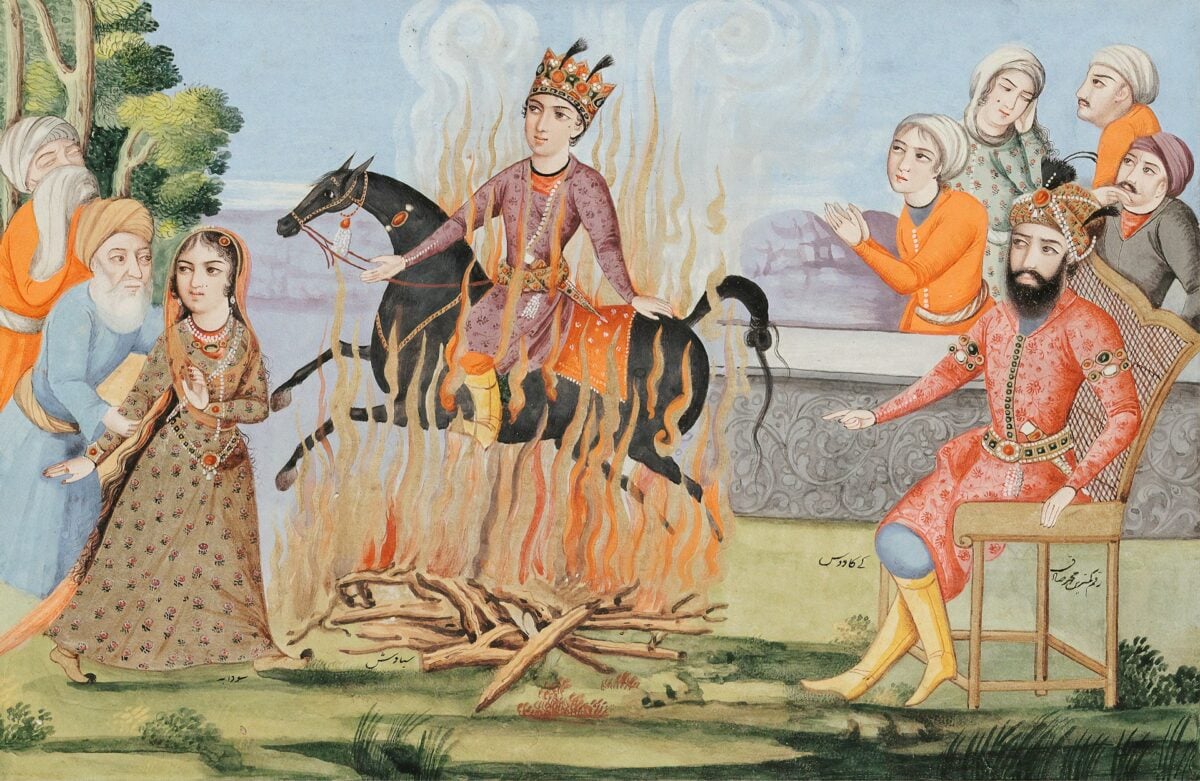
Ancient Persians considered turquoise the ultimate protection stone for anyone traveling far from home. Merchants, soldiers, and diplomats never left on long journeys without turquoise jewelry.
They believed the stone would guard them against accidents, thieves, and getting lost. Persian turquoise was often set in silver and worn as rings, bracelets, and pendants.
The brighter and more blue the stone, the stronger its protective power was thought to be. Many Persian turquoise pieces included prayers carved in tiny script around the edges.
Native American medicine wheels for balance

Native American tribes created intricate circular pendants and brooches called medicine wheels. These weren’t random pretty patterns.
Each section of the wheel represented different aspects of life, seasons, or spiritual directions. People wore them to stay balanced and connected to nature.
The wheels often included special stones, feathers, or beads that held meaning for the wearer’s tribe. Medicine wheels were passed down through families and became more powerful with age.
Warriors and healers especially valued these pieces for their spiritual strength.
Like Go2Tutors’s content? Follow us on MSN.
Where ancient wisdom meets today’s style

These ancient jewelry traditions remind us that humans have always needed more than just food and shelter. We’ve always wanted to feel connected to something bigger than ourselves, whether that’s gods, nature, or our communities.
Today’s jewelry might look different from ancient scarabs and torcs, but it serves many of the same emotional and social purposes. People still choose jewelry to express their beliefs, show their status, and feel protected or empowered.
The materials and techniques have changed dramatically, but the human need to wear meaningful objects remains exactly the same across thousands of years of history.
More from Go2Tutors!

- 16 Historical Figures Who Were Nothing Like You Think
- 12 Things Sold in the 80s That Are Now Illegal
- 15 VHS Tapes That Could Be Worth Thousands
- 17 Historical “What Ifs” That Would Have Changed Everything
- 18 TV Shows That Vanished Without a Finale
Like Go2Tutors’s content? Follow us on MSN.



