27 Inventions Created by Accident
Some of humanity’s most essential innovations weren’t the result of intentional research or careful planning—they emerged from mistakes, happy accidents, and unexpected consequences of failed experiments. These accidental discoveries transformed industries, saved lives, and became so integral to daily life that we forget they were never meant to exist.
The story of human innovation isn’t always one of brilliant foresight but often of serendipitous miscalculation.
Post-it Notes

Spencer Silver’s 1968 failed attempt to create a strong adhesive at 3M resulted instead in a weak, reusable glue that no one wanted—until Art Fry envisioned using it on removable bookmarks for his church choir book. The accidental adhesive became one of the office world’s most essential products, generating billions in revenue from what was initially considered a laboratory failure.
Penicillin
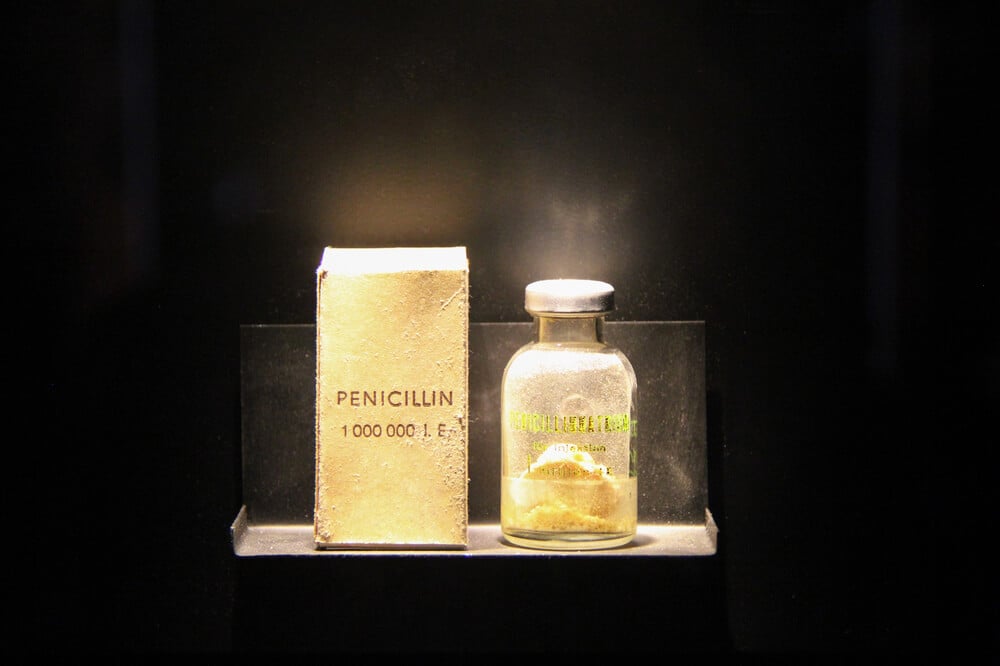
Alexander Fleming left his laboratory cultures unattended during a summer vacation in 1928, returning to discover mold contaminating his bacterial samples and killing the surrounding bacteria. Rather than discarding the ruined culture, Fleming recognized the potential of this accidental mold growth, leading to the discovery of the first widely used antibiotic and saving millions of lives.
Pacemaker
Wilson Greatbatch accidentally grabbed the wrong electronic component while building an audio oscillator in 1956, discovering that the component produced electrical pulses when powered. Recognizing the rhythmic pulse resembled a heartbeat, he conceptualized the electronic pacemaker that would regulate irregular heart rhythms in patients.
Viagra
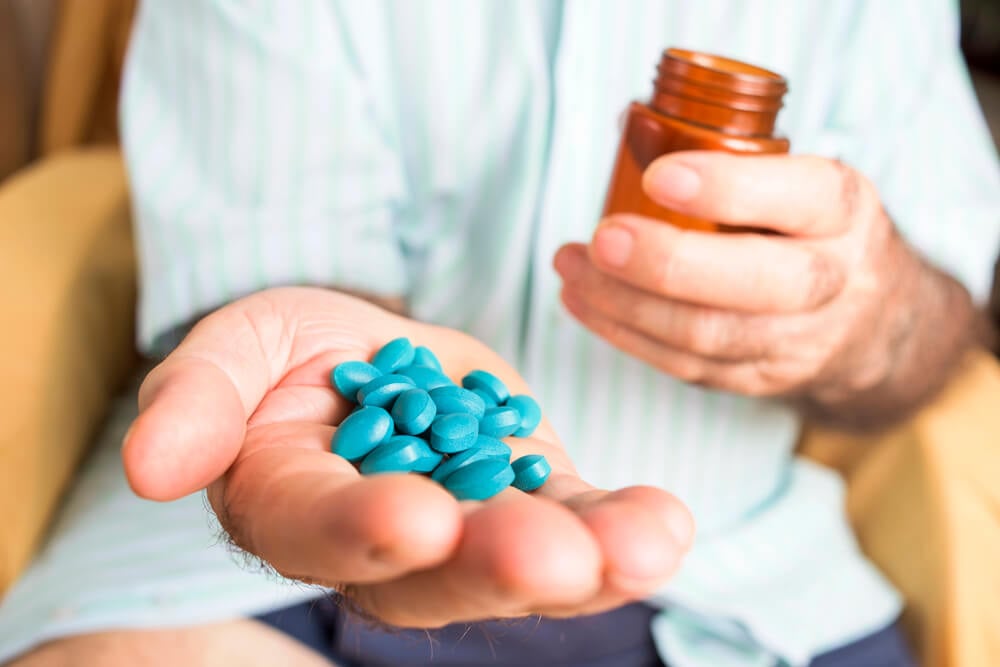
Pfizer researchers studying compounds to treat angina and hypertension in 1992 noticed an unexpected side effect in their male test subjects during clinical trials. What was meant to address cardiovascular issues became an entirely different pharmaceutical phenomenon that transformed the company’s market value.
Saccharin
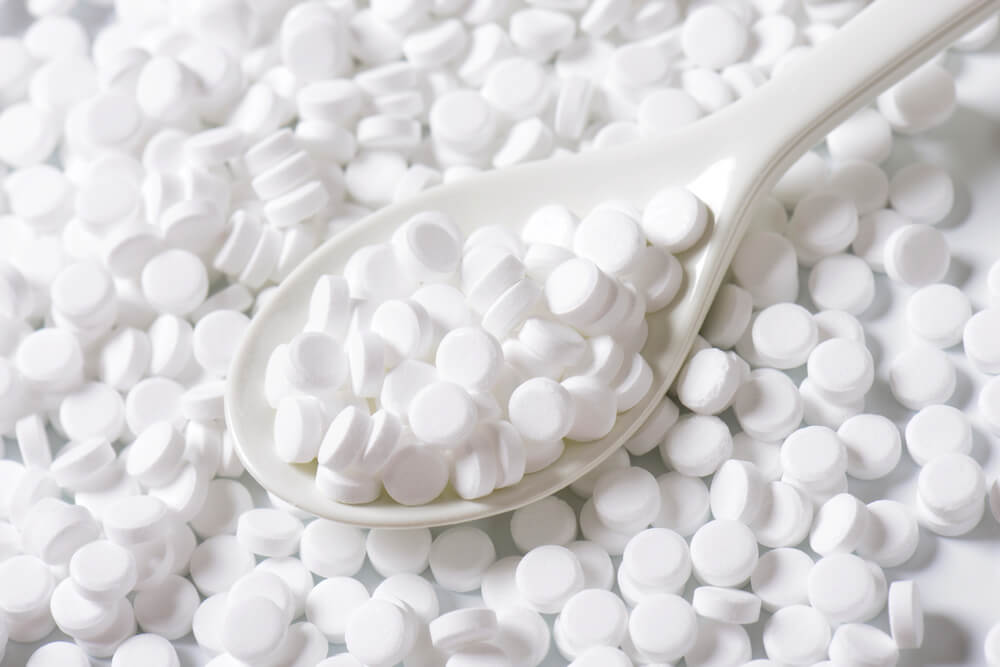
Constantin Fahlberg, a graduate student working in a coal tar laboratory at Johns Hopkins in 1878, accidentally contaminated his dinner with coal tar compounds. Tasting the sweet residue on his hands, he discovered saccharin—the first synthetic sweetener—entirely through laboratory carelessness.
Silly Putty
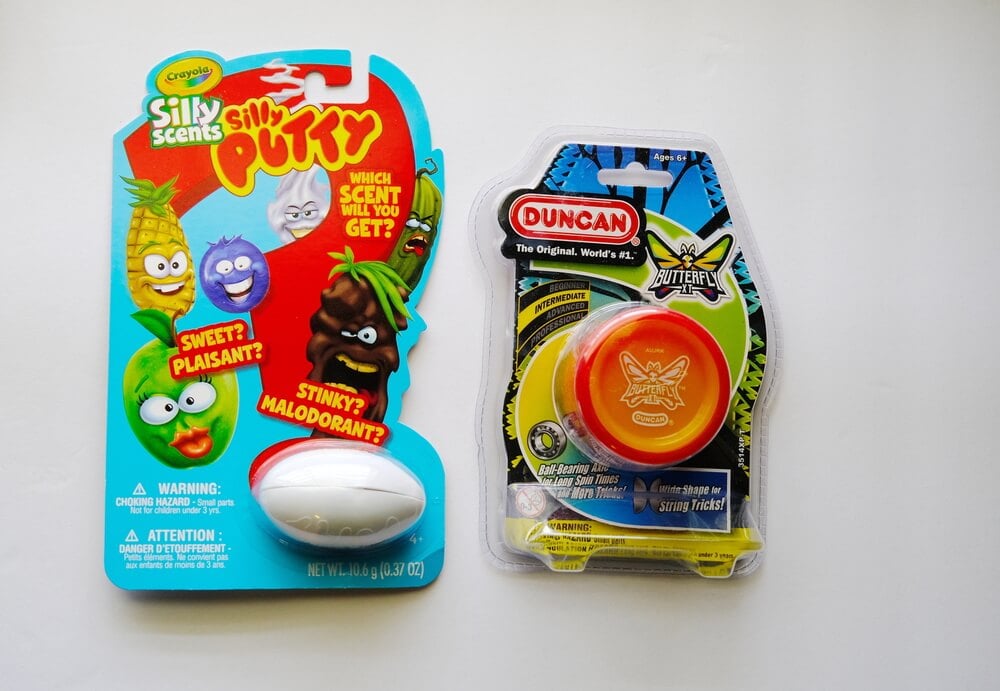
James Wright, a General Electric chemist in 1943, attempted to synthesize a rubber substitute using boric acid and silicone oil. The resulting gooey substance was useless for his intended purpose but possessed remarkable properties—it could bounce, stretch, and was oddly entertaining.
Microwave Oven
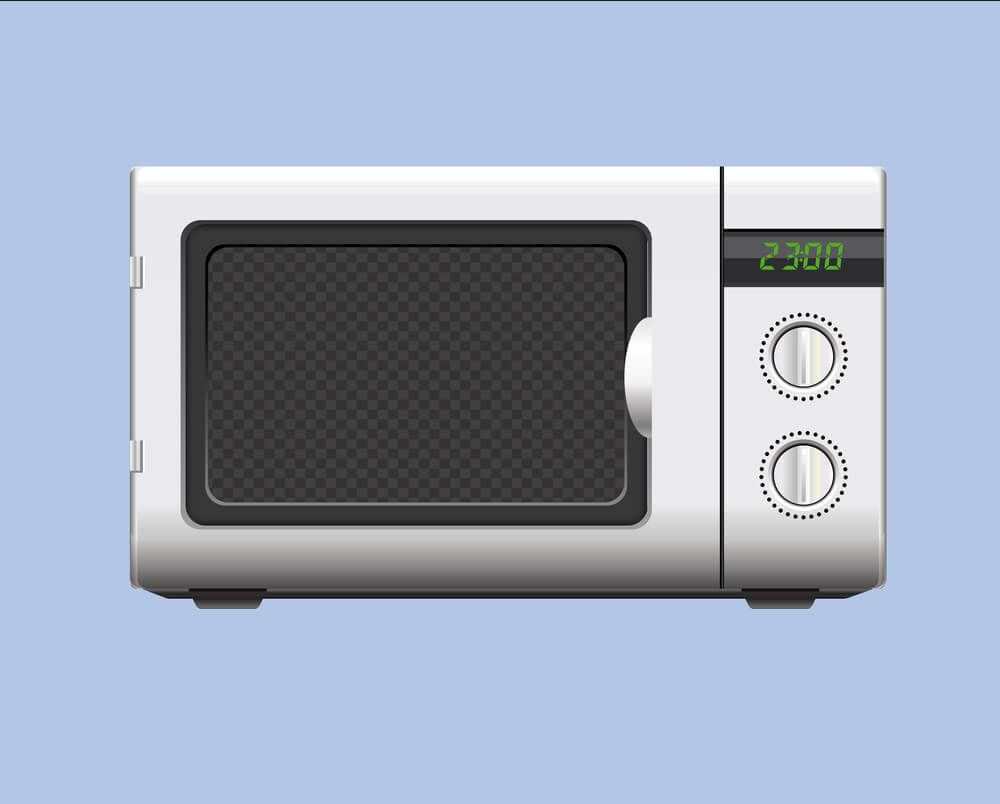
Percy Spencer, a Raytheon engineer testing a magnetron in 1945, noticed that a chocolate bar in his pocket had melted from the microwave radiation. Rather than viewing this as a problem, Spencer recognized the potential for cooking food with microwave energy, leading to the development of the first commercial microwave oven.
Play-Doh
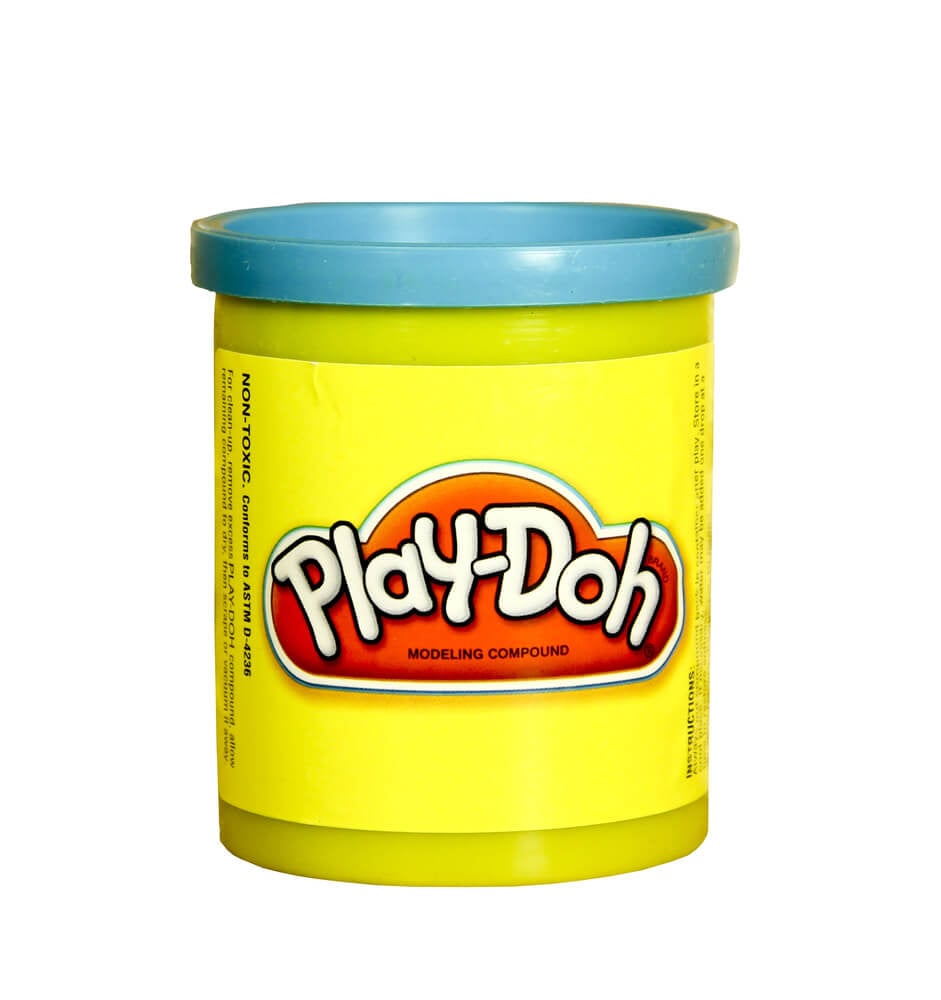
Play-Doh originated as a wallpaper cleaner created by Kutol Chemical Company in the 1920s, designed to remove carbon marks from wallpaper without damaging the surface. When vinyl wallpaper became popular and made the product obsolete, the company pivoted to selling it as a children’s modeling compound.
Bubble Wrap
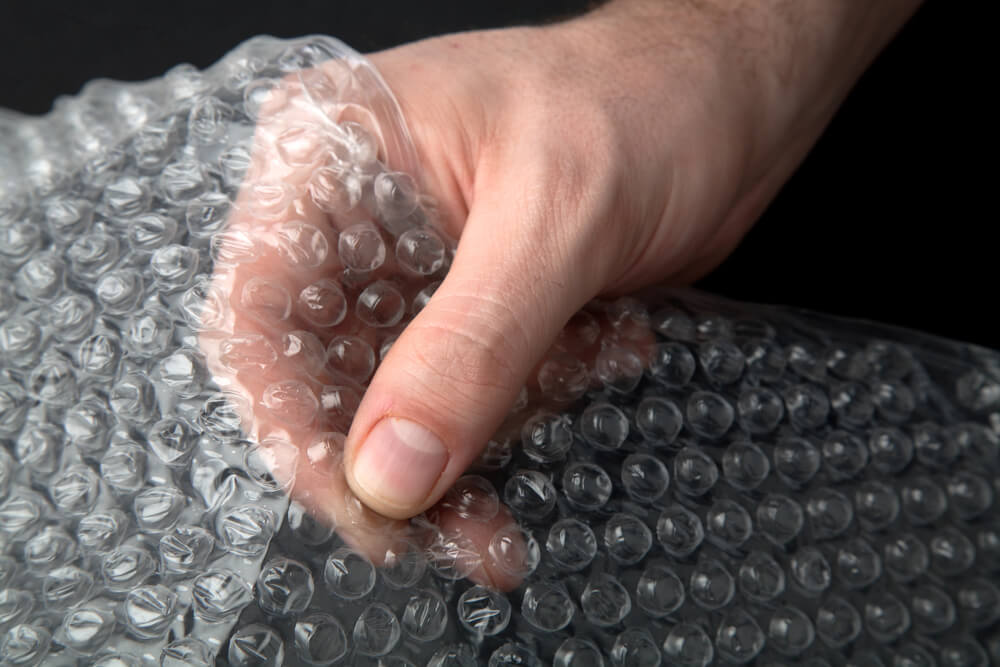
Alfred Fielding and Marc Chavannes attempted to create a textured wallpaper using two plastic shower curtains and a heat sealing process in 1957. When their wallpaper concept failed commercially, they discovered their invention’s exceptional value as protective packaging material for shipping.
Cornflakes

John Kellogg and his brother Will left cooked wheat unattended in 1894, and it went stale. Rather than discarding it, they pressed the hardened wheat and accidentally created flakes that became the breakfast cereal revolutionizing morning eating in America.
X-ray

Wilhelm Röntgen’s 1895 discovery of X-rays emerged from his accidental observation that a cathode ray tube was causing fluorescent paper nearby to glow without direct exposure. His unplanned experiment while investigating cathode rays fundamentally changed medical diagnostics and physics.
Vulcanized Rubber
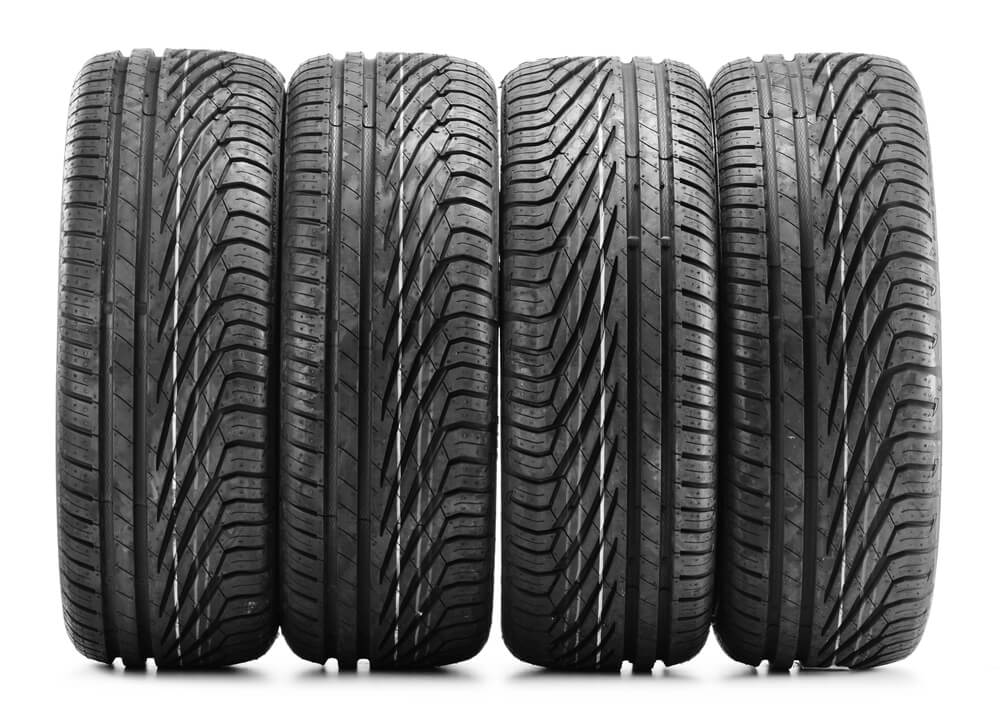
Charles Goodyear accidentally dropped rubber mixed with sulfur on a hot stove in 1844, discovering that the combination created a material that was both elastic and heat-resistant. This accidental chemical reaction transformed rubber from a useless, temperature-sensitive substance into a practical industrial material.
Plastic
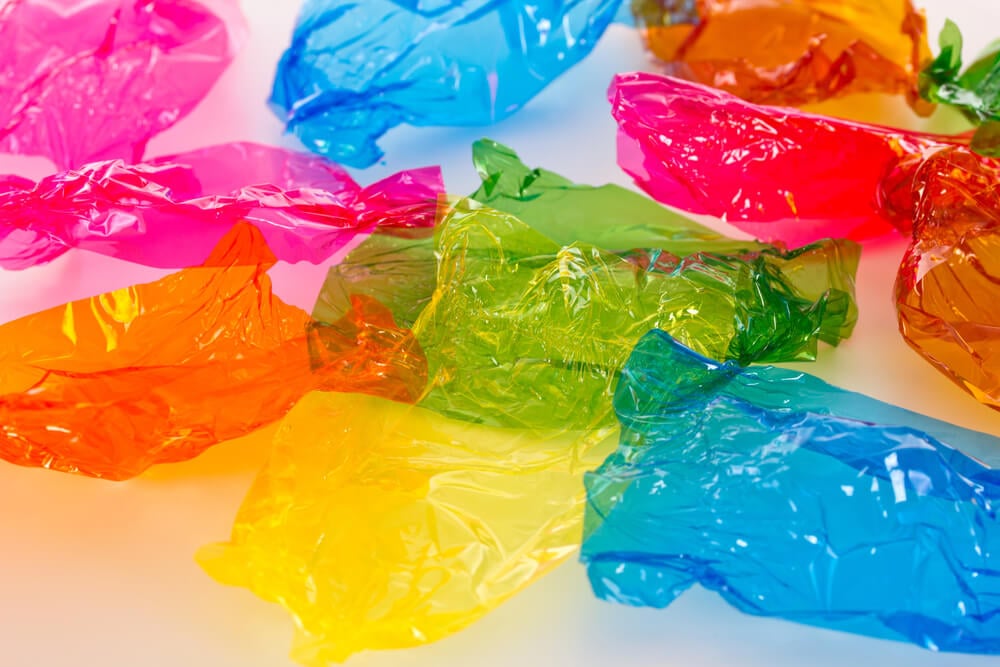
Leo Baekeland’s 1907 accidental discovery while experimenting with phenol and formaldehyde created Bakelite—the first fully synthetic plastic. The material wasn’t his intended goal, but the accident produced the compound that launched the entire modern plastics industry.
Dynamite
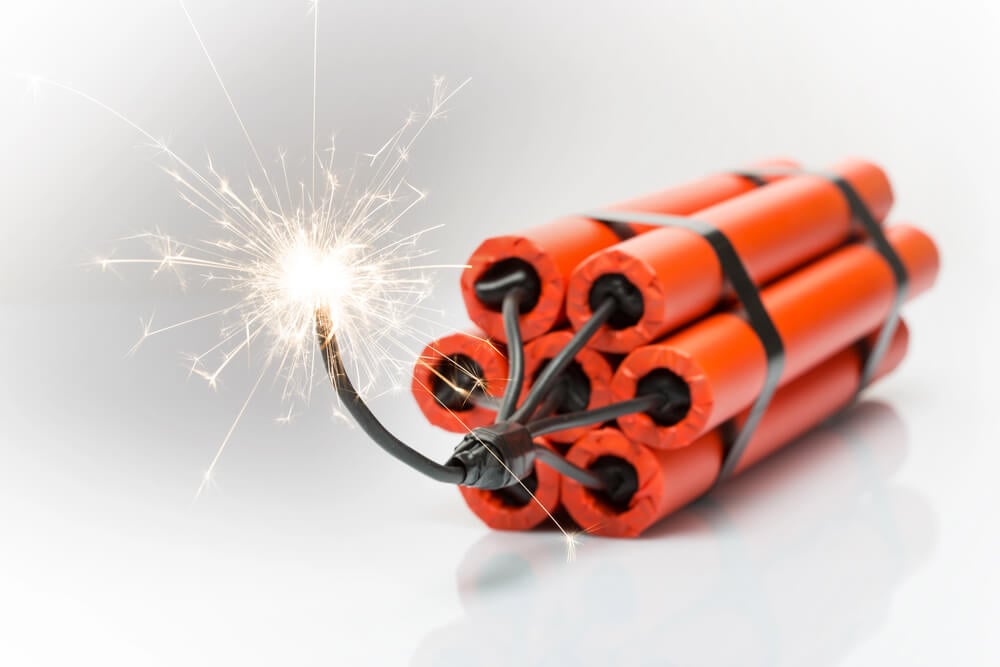
Alfred Nobel’s brother Emil died in a laboratory explosion while working with unstable nitroglycerin. Nobel, seeking to stabilize the volatile liquid, accidentally discovered that mixing nitroglycerin with diatomaceous earth created a stable, manageable paste—inventing the explosive that would define his life’s work and fortune.
Rubber Bands
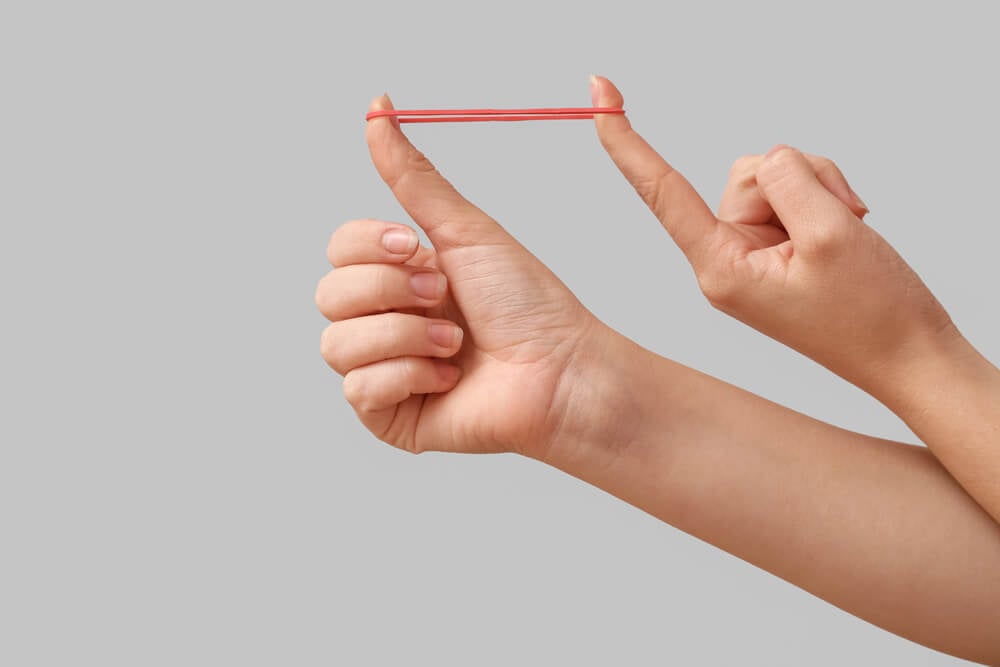
Stephen Perry invented the rubber band in 1845 specifically for holding papers together, but he discovered the elastic property entirely through accident when experimenting with rubber’s natural elasticity. The simple innovation became indispensable in offices, households, and industries worldwide.
Nylon
Wallace Carothers and his DuPont research team were investigating polyamide compounds in 1935 when they accidentally created a strong, flexible synthetic fiber. The accidental material became nylon—transforming textiles, hosiery, and countless industrial applications.
Teflon
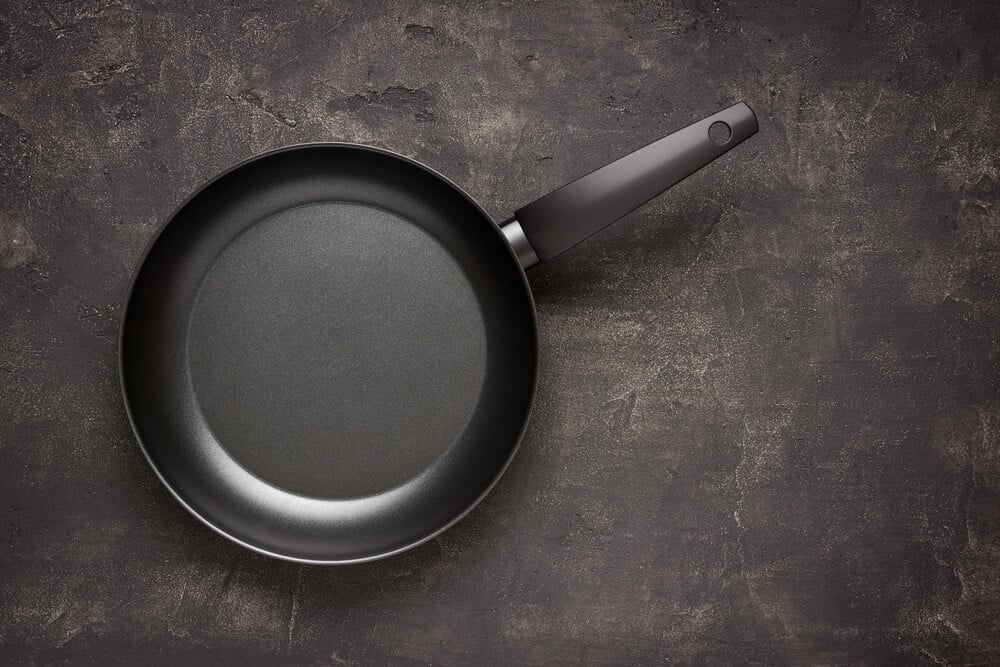
Roy Plunkett, a DuPont researcher in 1938, discovered polytetrafluoroethylene (Teflon) when a pressurized cylinder of tetrafluoroethylene gas unexpectedly reacted. The accident produced a slippery, heat-resistant substance that would become essential in non-stick cookware and industrial applications.
LSD

Albert Hofmann, a Swiss chemist synthesizing ergot compounds in 1938, accidentally discovered lysergic acid diethylamide when he inhaled or absorbed the compound through his skin. His accidental discovery created a substance that would profoundly impact neuroscience research and culture.
Velcro
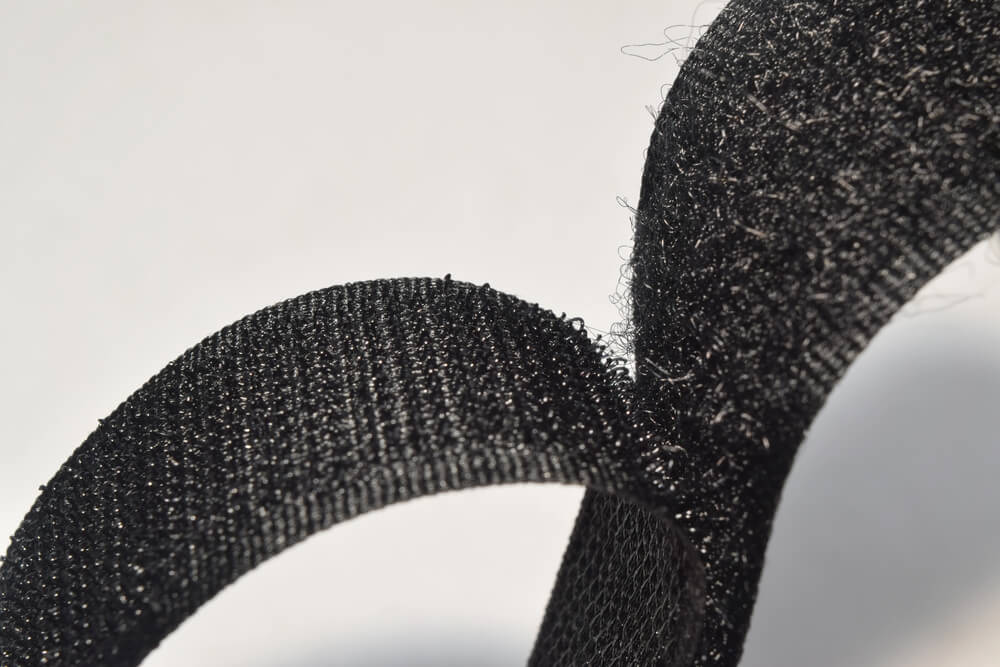
George de Mestral returned from a hunting trip in 1941 covered in burrs from burdock plants and examined them under a microscope. His accidental observation of the burrs’ hook-like structure inspired him to create a synthetic version—inventing Velcro through botanical curiosity.
Chocolate Chip Cookies
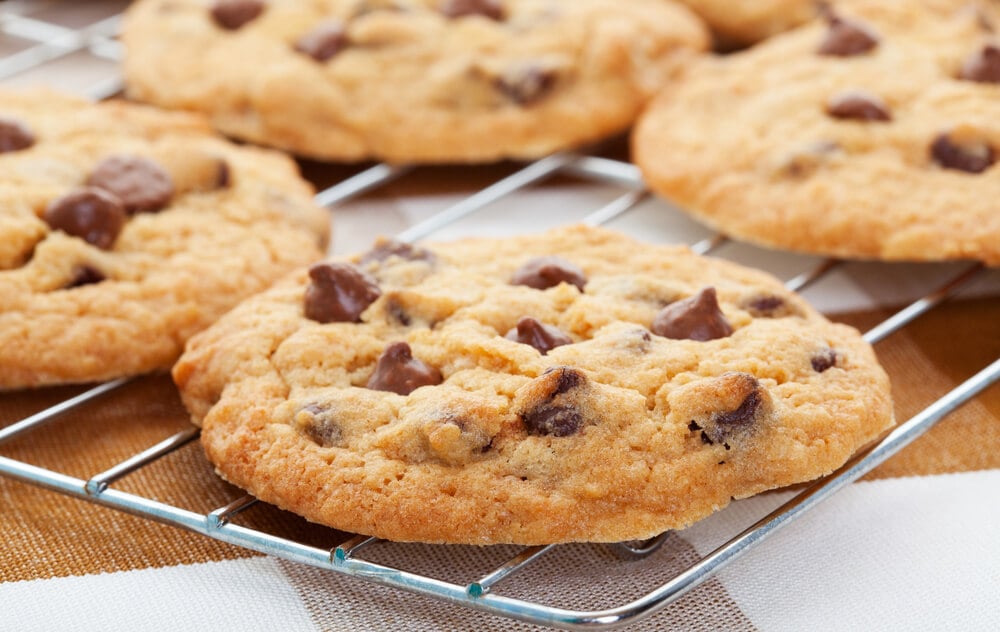
Ruth Graves Wakefield, searching for a shortcut to make chocolate desserts in 1938, chopped up a Nestlé semi-sweet chocolate bar and added it to her butter cookie dough, expecting it to melt. Instead, the chocolate pieces held their shape, accidentally creating the chocolate chip cookie.
Antihistamines

During research into antihistamines in the 1920s, scientists accidentally discovered compounds that produced drowsiness as a side effect. Rather than discarding these “failed” compounds, researchers recognized their potential as sleep aids and allergy medications.
Sunscreen

Benjamin Green, a pharmacist in Miami Beach, accidentally created a sunscreen in the 1940s while attempting to develop a waterproof protective paste. His accidental formula became the foundation for modern sunscreen technology.
Photographs
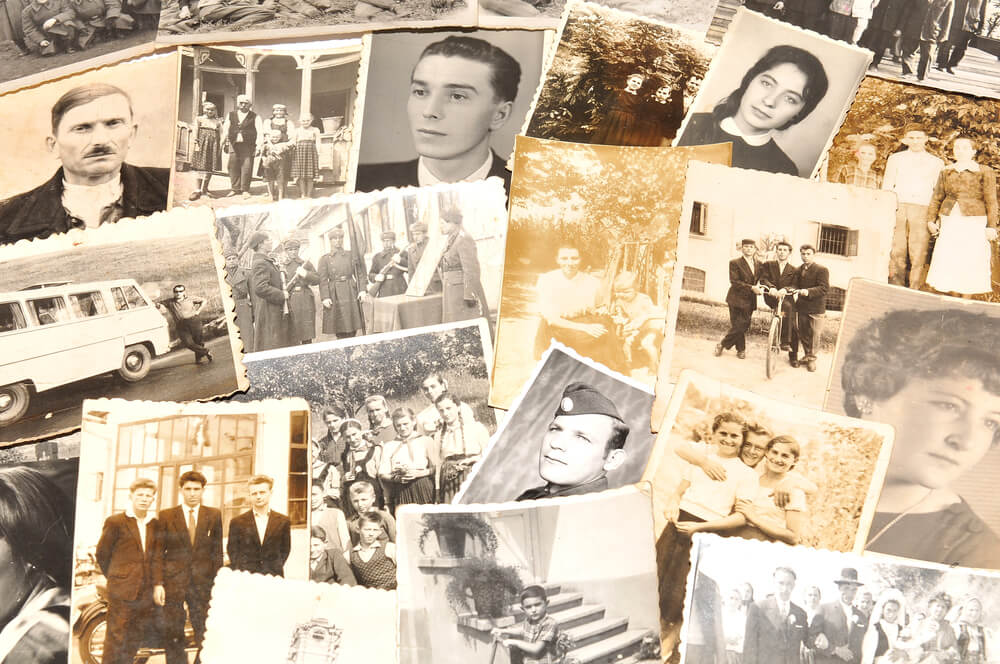
William Henry Fox Talbot accidentally exposed photographic paper to light in his darkened room, creating the first deliberate photographic negative in 1835. His accidental insight established the negative-positive process fundamental to photography for over a century.
Synthetic Caffeine
Hermann Emil Fischer synthesized synthetic caffeine in 1881 through accidental chemical reactions while researching purine compounds. The accidental synthesis created a manufacturing method that would eventually supply caffeine to industries worldwide.
Thiamine Deficiency Discovery

Scientists attempting to cure beriberi disease in the early 1900s accidentally discovered that a heat-sensitive substance in unpolished rice grains protected against the disease. This accident led to the discovery of thiamine (Vitamin B1) and revolutionized nutrition science.
Potato Chips
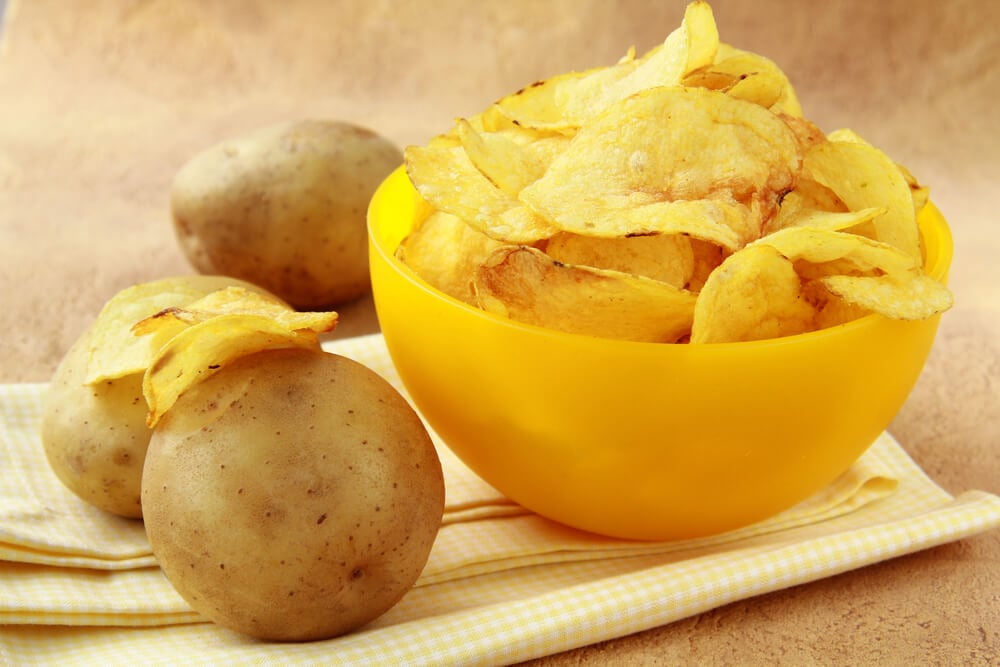
George Crum, a chef at Moon Lake House, created potato chips in 1853 by accident while trying to perfect french fries for a demanding customer. His frustrated over-slicing and over-salting accidentally created the crispy fried potato snack.
Barbed Wire

Joseph Farwell Glidden invented barbed wire in 1873 while experimenting with wire configurations to prevent cattle from crossing fences. His accidental combination of twisted wires with barbs created the fencing material that transformed American ranching and western settlement.
When Mistakes Create Miracles
These accidental innovations reveal that some of humanity’s greatest achievements emerged not from careful planning but from observation, flexibility, and the willingness to recognize value in unexpected outcomes. The history of invention reminds us that failed experiments often contain the seeds of revolutionary discoveries.
More from Go2Tutors!

- The Romanov Crown Jewels and Their Tragic Fate
- 13 Historical Mysteries That Science Still Can’t Solve
- Famous Hoaxes That Fooled the World for Years
- 15 Child Stars with Tragic Adult Lives
- 16 Famous Jewelry Pieces in History
Like Go2Tutors’s content? Follow us on MSN.