26 After-School Routines That No Longer Exist
The hours between the final bell and dinner used to run on a fixed set of rules, most of them invisible until they vanished. A landline, a television with three or four channels, and a house key on a string did more to structure a childhood afternoon than any app has since.
None of this was designed. It accumulated, one appliance and one broadcast schedule at a time, and it disappeared the same way: quietly, appliance by appliance, until the routine nobody had named was simply gone.
The Landline Check-In Call

Coming home to an empty house meant one call, made from the kitchen phone before a coat came off, confirming arrival to a parent still at work. The rule was rarely written down but was absolute, and a missed check-in call could end an afternoon of freedom fast.
Cell phones did not just add convenience to this ritual; they erased the specific tension of a landline that might already be busy with someone else in the house trying to reach out at the same moment.
The Latchkey on a Shoestring
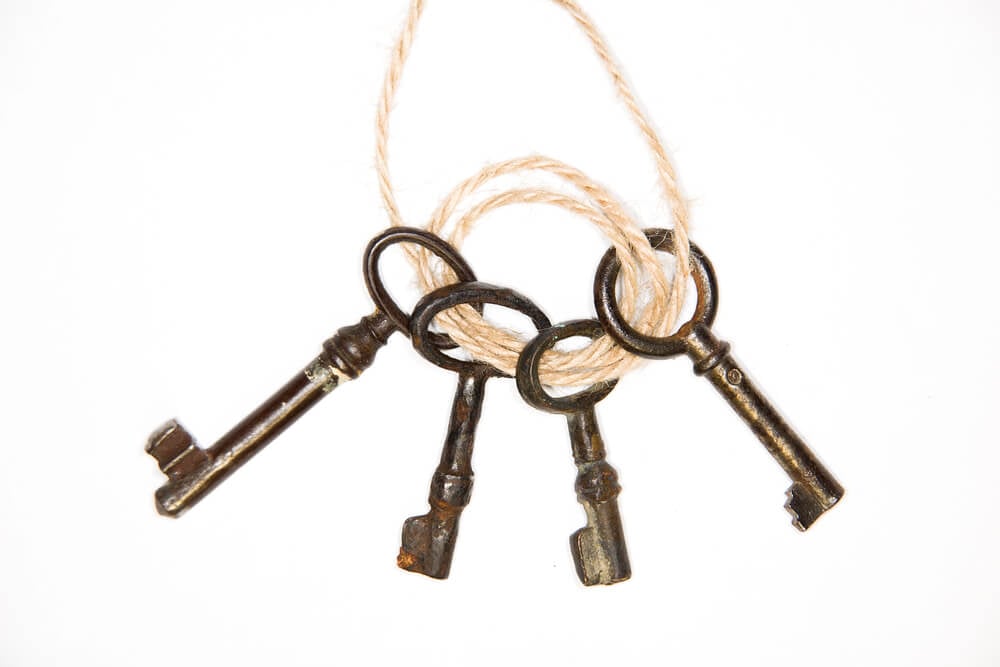
A house key worn on a shoestring or a length of yarn around the neck, tucked under a shirt, was the visible marker of a child who let themselves in every afternoon. The term latchkey kid became common enough in the 1980s that news magazines ran cover stories on it, treating a working household as a social phenomenon rather than an ordinary fact of life.
The key itself, warm from being worn all day, was often the only proof a lock actually needed a person on the other side.
Syndicated Cartoon Reruns at Three O’Clock
Local UHF and independent stations filled the four o’clock hour with syndicated packages of older animation, often decades removed from their original network run, bought in bulk and slotted into whatever half hour a station manager needed to fill. A kid coming home from school could count on the same handful of characters appearing at the same time every weekday, an appointment kept by the station rather than the viewer.
Streaming removed the appointment entirely, along with the specific commercial breaks that marked the hour.
The ABC Afterschool Special
From 1972 to 1997, ABC ran an anthology of hour-long dramas aimed squarely at kids coming home from school, tackling subjects like substance misuse, learning differences, and family upheaval in a format closer to a small television movie than a cartoon. The series won more than fifty Daytime Emmy Awards over its run and gave early roles to actors who later became famous, but its real function was scheduling: it gave an entire generation a fixed slot of serious television wedged between cartoons and dinner.
No streaming category has ever tried to recreate that specific mid-afternoon tone.
The Homework Help Line

Many school districts and local libraries ran a dial-in homework hotline, staffed by a teacher or a volunteer during set evening hours, where a student stuck on long division could get a live person on the other end. The number was printed on a bookmark or a magnet sent home at the opening of the school year, and using it required both the patience to get through a busy line and the nerve to say a problem out loud to a stranger.
Search engines and tutoring apps replaced both the function and the specific awkwardness of asking.
Highlights and Weekly Reader in the Mailbox

A subscription magazine timed to arrive around the school year gave kids their own mail, something addressed to them personally rather than to a household. The hidden-picture puzzle and the Goofus and Gallant strip became familiar enough that many households read every issue cover to cover before it migrated to a waiting room somewhere.
The specific pleasure was as much about the mail carrier stopping at the box as it was about the content inside.
The Trapper Keeper Ritual
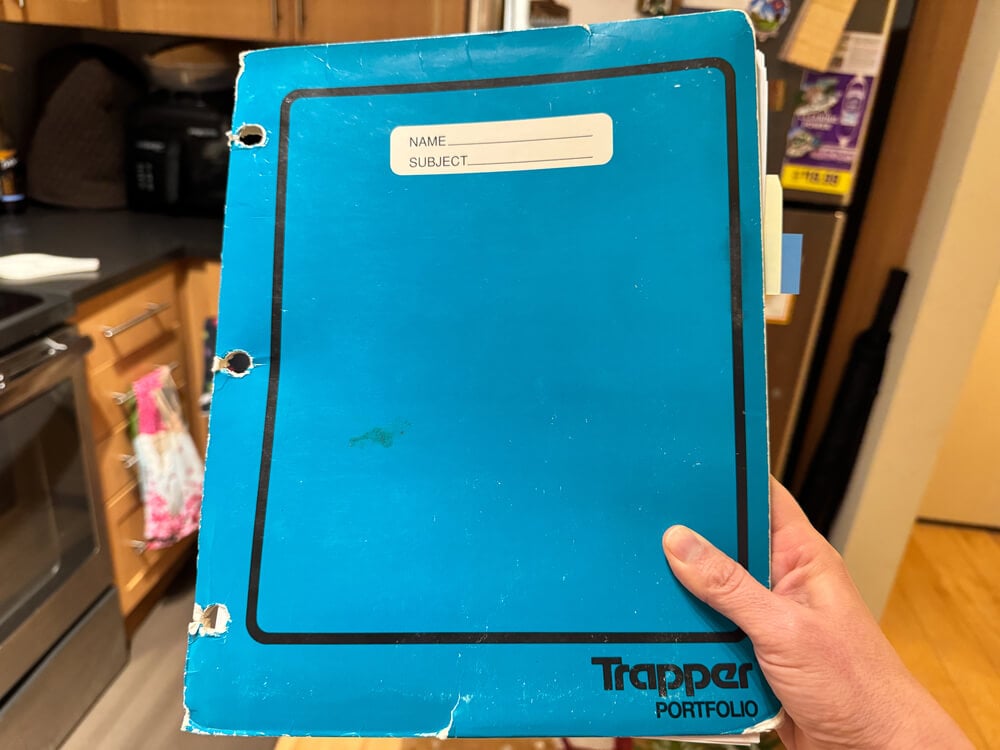
Mead introduced the Trapper Keeper in 1978, a three-ring binder with a hook-and-loop flap that held vertical-pocket folders called Trappers, and by 1988 the company had launched a designer line with vivid, sometimes psychedelic patterns, including a licensing deal with the illustrator Lisa Frank. Choosing which one to carry into a new school year was a genuine social decision, and the specific rip of the closure opening was a sound every classroom in the country knew.
Backpacks now hold laptops instead, and the binder itself has become a novelty item rather than a requirement.
Encyclopedia Research at the Kitchen Table

A bound encyclopedia set, often bought volume by volume from a door-to-door salesperson or a grocery store promotion, sat on a shelf specifically for the after-school hour when a report was due. Finding the right entry meant knowing the alphabet well enough to skip straight to the correct volume, and the information inside was frozen at the moment of printing, sometimes years out of date by the time a kid used it.
A search engine now returns in seconds what once required a specific volume pulled off a specific shelf.
Walking Home in a Pack
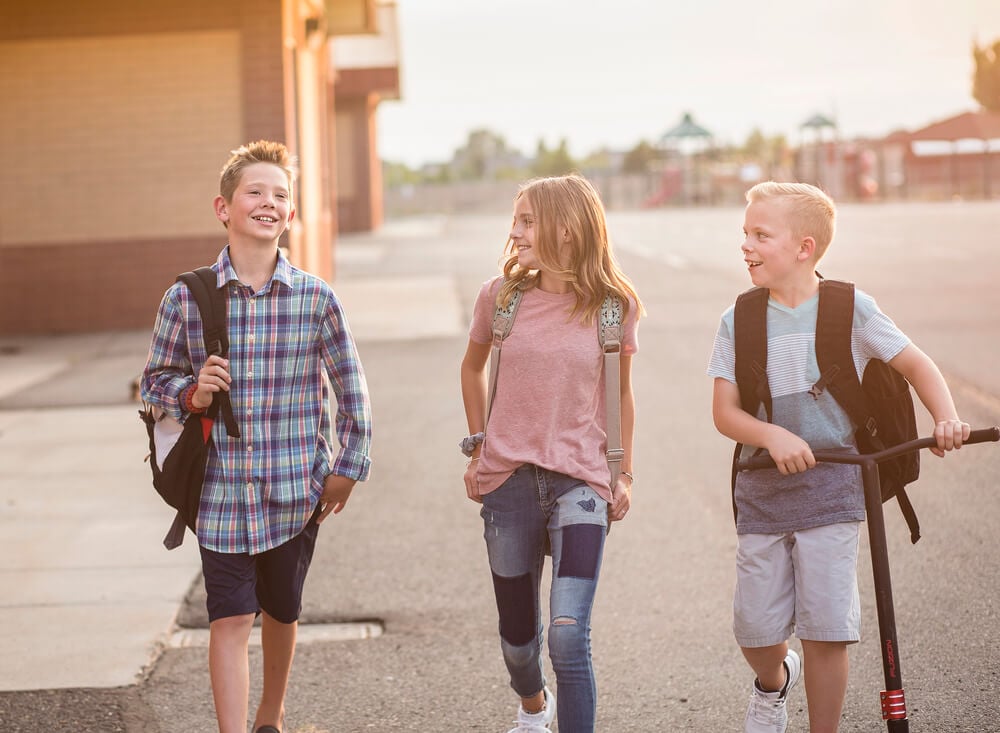
Groups of neighborhood kids, spanning several grades, used to walk or ride bicycles home together along a route that had been informally agreed upon for years, splitting off house by house as the group thinned. The oldest kids in the group functioned as unofficial supervision, a responsibility nobody assigned them directly but that everyone understood.
Staggered school schedules, bus consolidation, and a general shift toward being picked up by car have made the informal walking pack rare in most suburban and urban neighborhoods now.
The Message Pad by the Phone
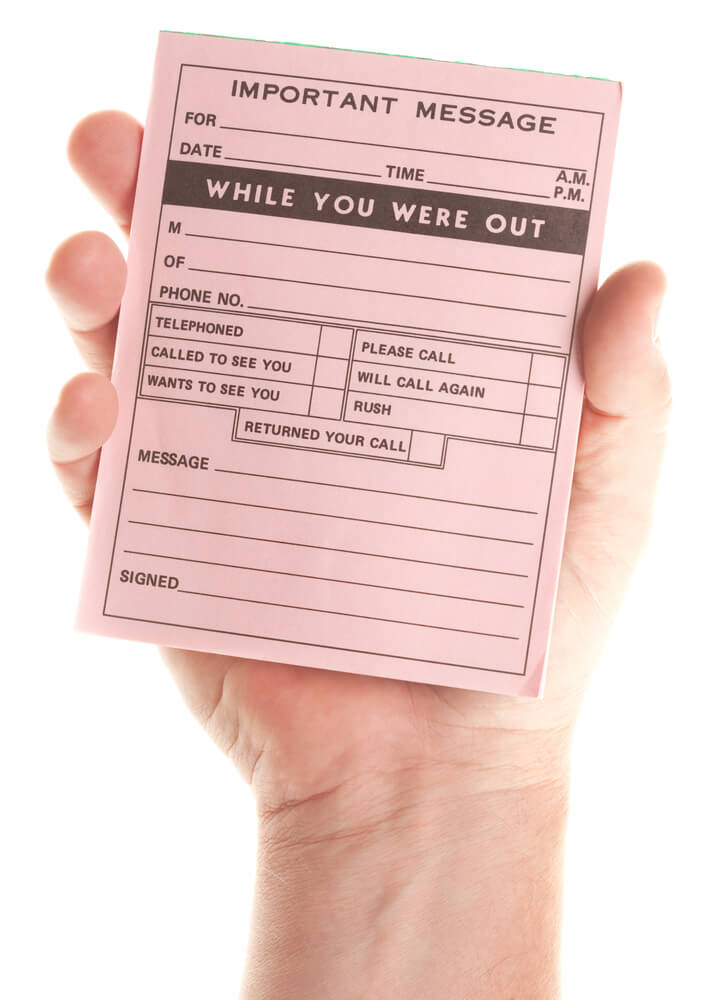
A small notepad and a pen sat next to the household’s one phone specifically to record who called while someone was out, complete with a time and sometimes a note about tone of voice. Reading through a stack of these slips after school was often the only way to learn who had tried to reach the house that day.
Voicemail, and later text messages, made the physical slip of paper unnecessary, along with the specific handwriting that made each note recognizable.
Planning the Week With TV Guide

A weekly digest-sized magazine laid out every channel’s schedule in half-hour blocks, and planning an after-school viewing week meant sitting down with it, sometimes circling shows in pen, to know exactly when a favorite program would air. Missing the listed time meant missing the episode entirely, since no on-demand option existed as a backup.
The magazine’s page count and cultural relevance both shrank once networks began publishing their own schedules online.
The Recreation Center Punch Card
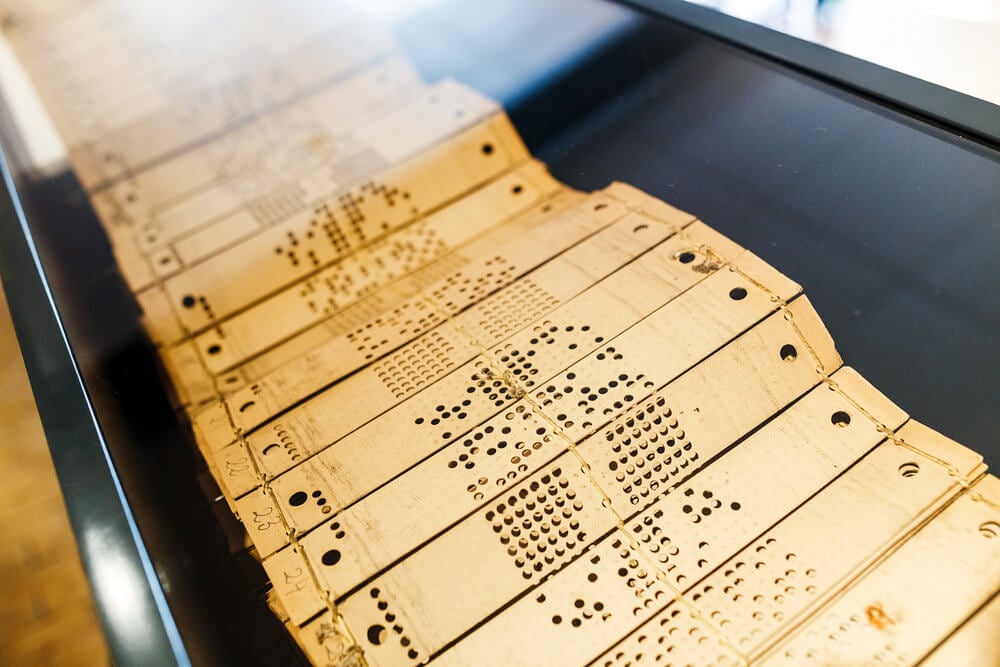
Many community and city recreation centers issued small cardboard punch cards, stamped or hole-punched at the front desk each visit, that tracked attendance for a season of after-school programming at a reduced rate. Losing the card meant paying full price again or arguing with a desk attendant who may or may not remember a face from the week before.
Digital membership scans and key fobs have replaced the card, along with the specific ritual of checking a pocket for it before leaving the house.
The Cassette Answering Machine

A standalone answering machine, separate from the phone itself, used a small cassette tape to record outgoing greetings and incoming messages, and the tape’s mechanical click and whir became a familiar background sound in households that owned one. Coming home to a blinking light meant rewinding to the beginning of the tape to hear every message in order, with no way to skip ahead to the one that mattered.
Digital voicemail eliminated both the tape and the specific sound of a machine picking up mid-ring.
Taping Songs Off the Radio

Building a personal tape of favorite songs meant sitting by a radio with a cassette recorder, finger on the button, waiting for a requested song to come on so it could be captured before the deejay talked over the ending. The resulting tape carried the specific imperfections of that capture: a clipped intro, a fragment of commentary, a station identification cut short.
Digital downloads and playlists removed both the wait and the specific skill of anticipating a song’s opening notes.
The After-School Paper Route
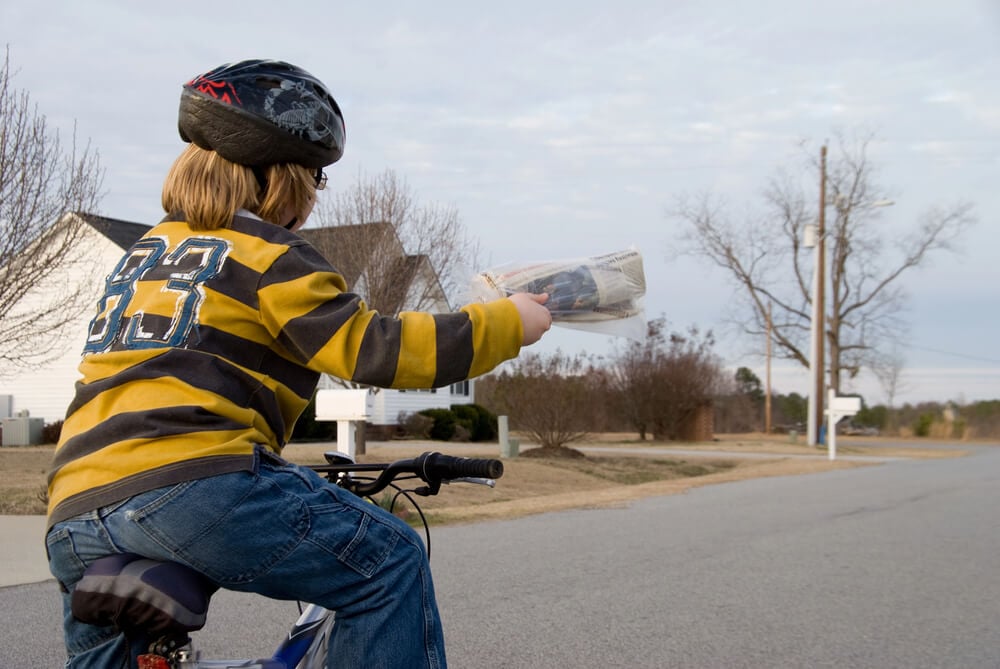
Many kids ran a newspaper delivery route on foot or by bicycle after school, folding papers into a bag before heading out along a fixed set of addresses, and collecting subscription payments in person at the door on a set day each month. The route came with real responsibility, including a schedule that did not bend for weather, and it was often a kid’s first paid job.
Home delivery volume has fallen enough in most markets that youth carrier routes have largely disappeared, replaced by adult drivers covering wider territory by car.
The Video Rental Stop
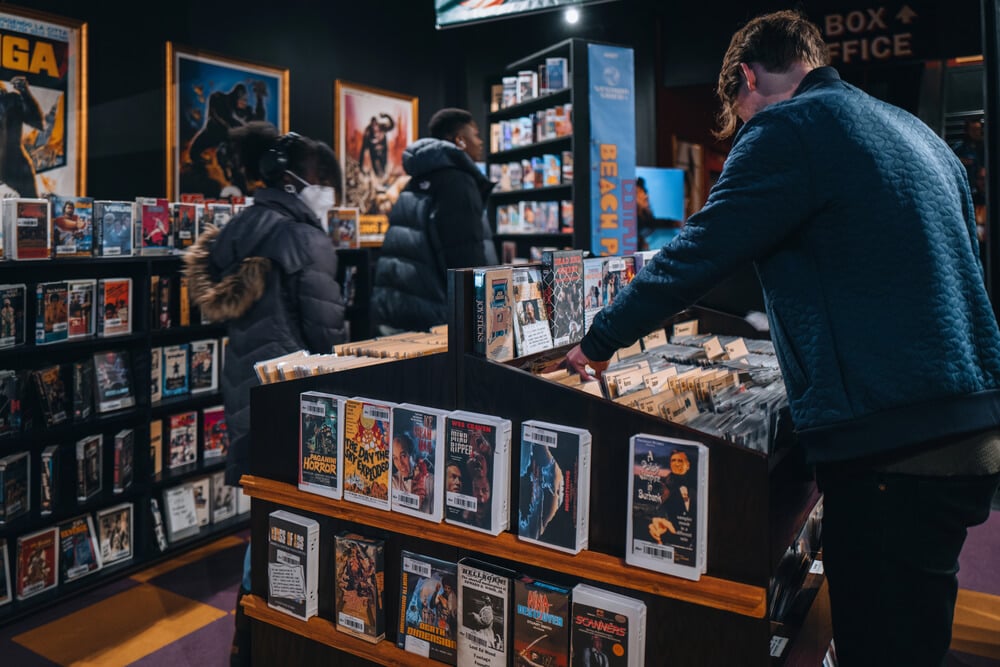
A stop at a video rental store on the way home, to pick a movie for the evening from shelves organized by genre, was a regular after-school errand in households with a membership card. Late fees were a real financial consequence, tracked on a paper receipt, and a popular new release could be sold out entirely by late afternoon on a Friday.
Streaming removed both the errand and the specific anxiety of returning a tape on time.
Chalk Games Until the Streetlights Came On
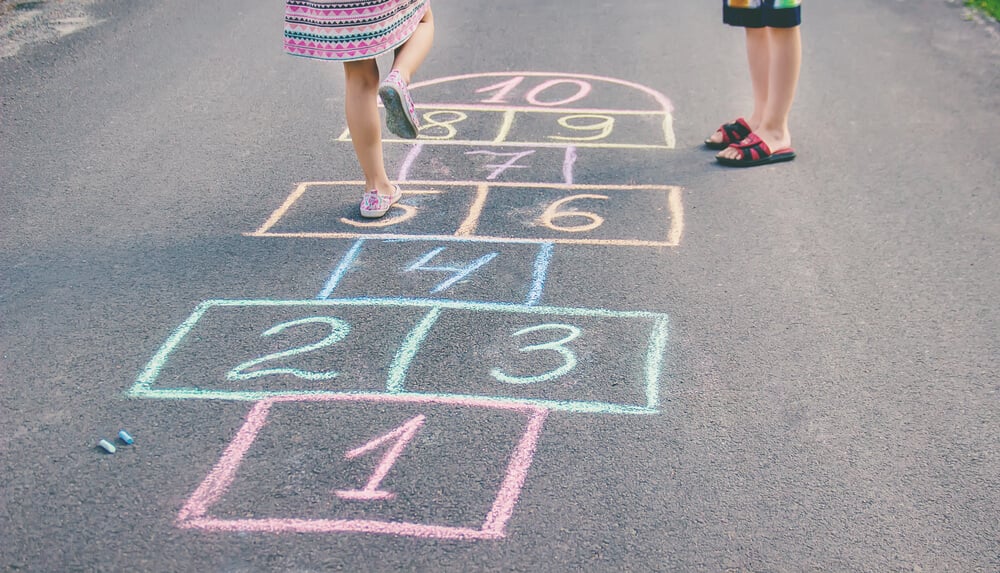
Sidewalk chalk games, hopscotch grids and elaborate drawings that spanned a driveway, filled unstructured outdoor time with no adult supervision and no scheduled activity attached. The unofficial curfew in many neighborhoods was simply the streetlights turning on, a signal every kid on the block recognized without needing a watch.
Increased scheduling of after-school time, along with a general decline in unsupervised outdoor play, has made this specific kind of open-ended afternoon rarer.
Waiting by the Phone for a Friend’s Call
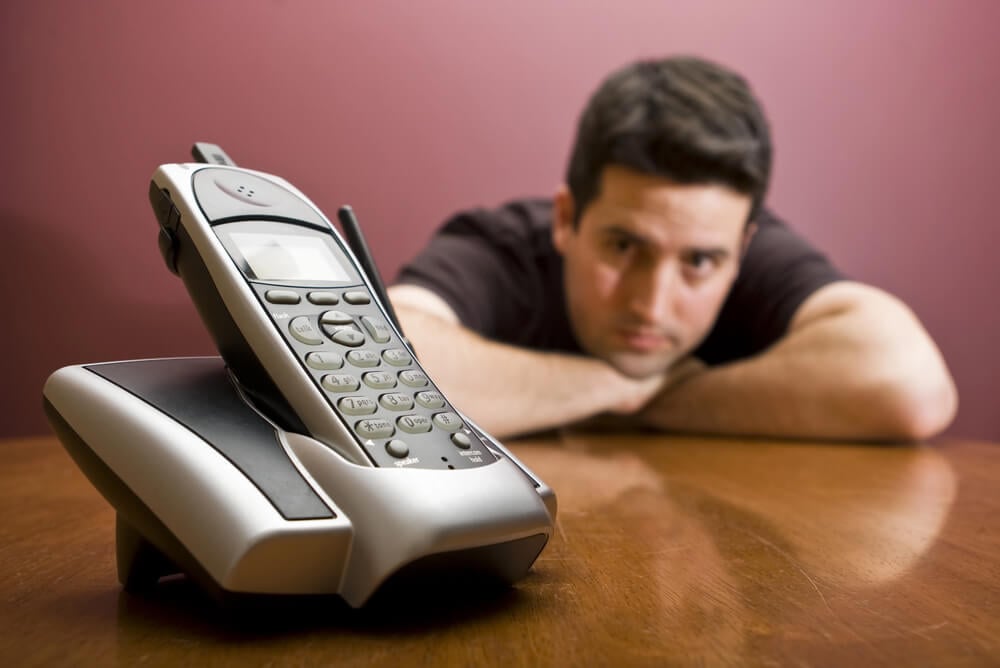
With one shared line per house, arranging to talk to a friend after school meant agreeing on an approximate time and then staying near the phone so a parent or sibling did not answer first or tie up the line. A busy signal meant trying again in a few minutes, with no way to know if the other person was also trying to call in.
Cell phones and instant messaging removed the specific coordination this required, along with the tension of a line staying busy for an entire evening.
The Scholastic Book Fair Order Form
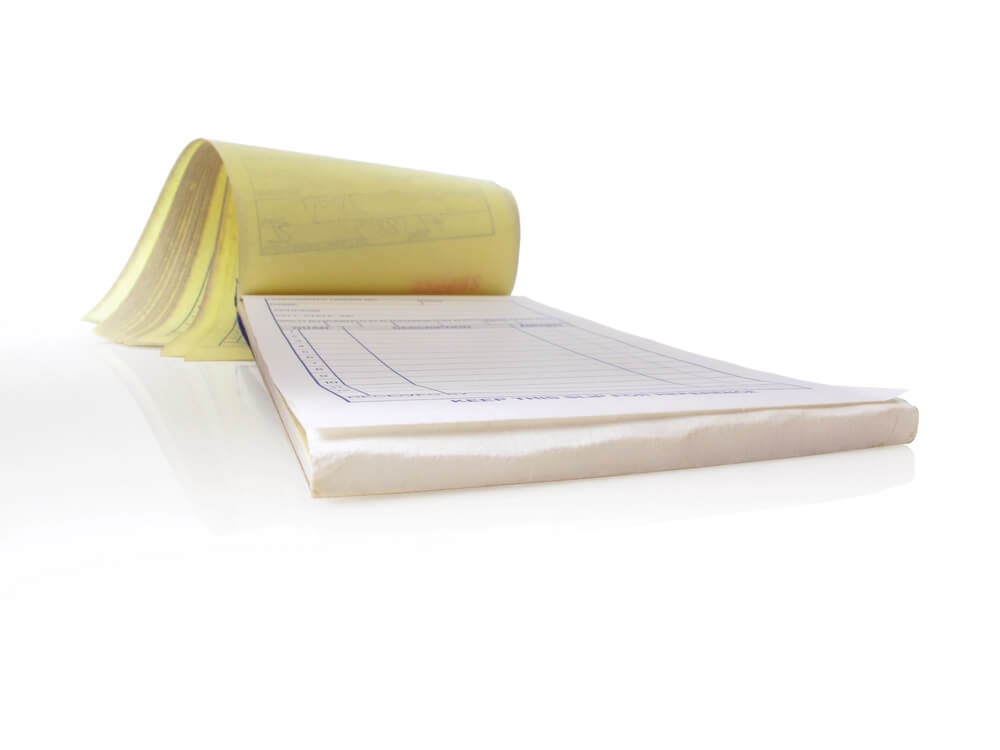
A paper order form, sent home with a catalog of titles a few weeks before a school book fair, let kids circle what they wanted and hand the form back with cash or a check enclosed in an envelope. The fair itself, often set up in a school library or gymnasium for a few days, turned book shopping into a supervised field trip during the school day or right after it let out.
Digital ordering through school portals has replaced the paper form in many districts, along with the specific excitement of an envelope arriving back with a receipt inside.
The Summer Reading Log Stamp

A public library summer reading program often used a paper log, filled in book by book and brought back to the front desk for a librarian to stamp or initial, working toward a small prize at a set number of books read. The log itself became a tangible record of an entire summer’s worth of afternoon reading, kept on a refrigerator or in a drawer long after the prize was collected.
Many library systems have moved the entire program onto an app, removing both the paper log and the specific interaction with a librarian checking it.
Nintendo Power for the Secrets
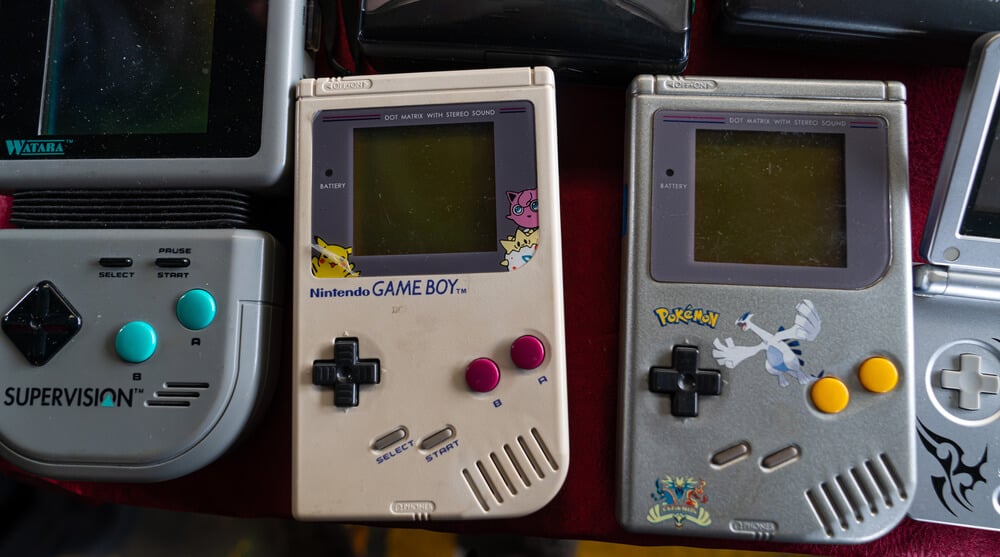
Nintendo’s official magazine launched with its first issue in July 1988, mailed to registered console owners, and became the primary source for strategy tips, secret codes, and upcoming game previews in an era before online guides existed. A kid stuck on a difficult level had genuinely limited options: keep trying, ask a friend who owned the same issue, or wait for the next month’s mail delivery.
Online walkthroughs and video guides made the entire category of a printed strategy magazine unnecessary within a decade.
The Roller Rink Afternoon
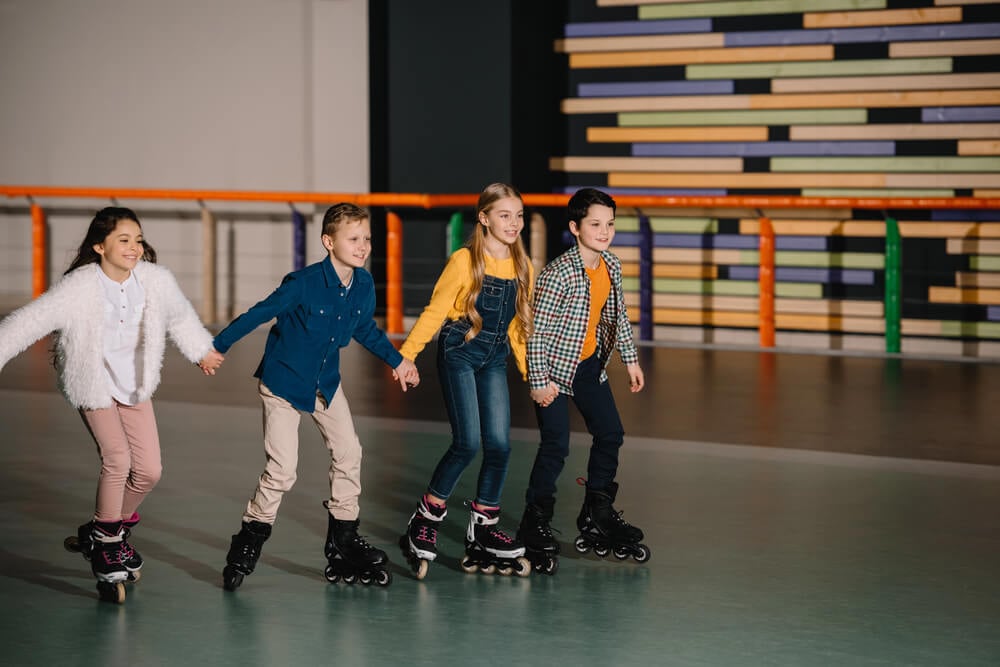
Many towns had a roller rink that ran discounted after-school sessions on weekday afternoons, complete with rental skates, a snack counter, and music piped over a public address system that every regular could sing along to. The rink functioned as one of the few indoor social spaces available to kids without a car, and a session there was often the only unstructured social time in a week otherwise filled with school and homework.
Many local rinks closed as suburban entertainment options expanded, and the after-school session in particular has become uncommon even where a rink survives.
The Dial-Up Modem Screech
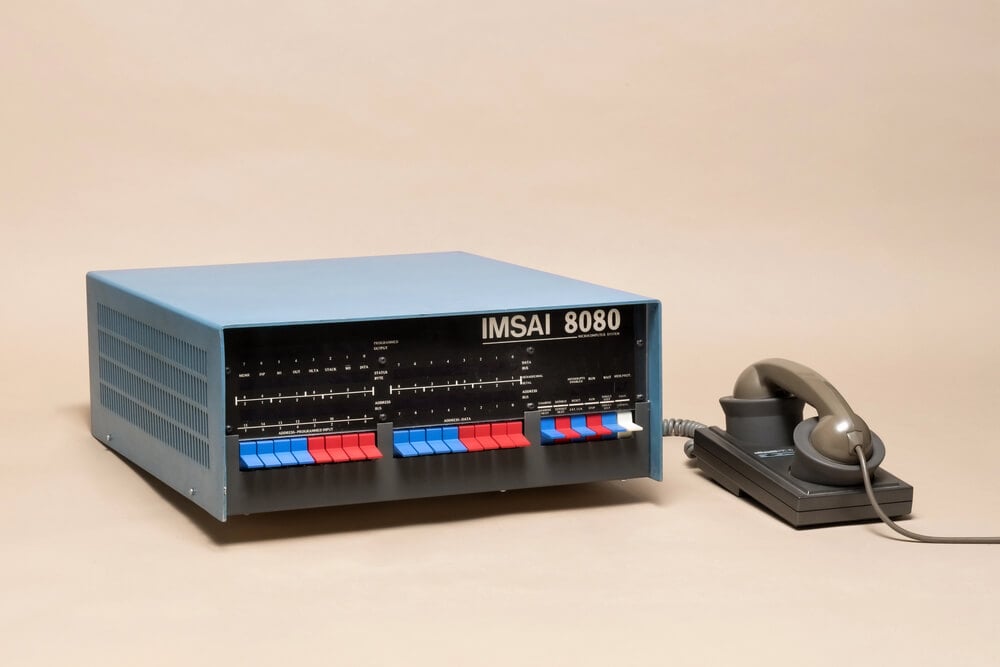
Getting online for homework research meant listening to a dial-up modem work through its handshake sequence, a specific sequence of tones and static that took anywhere from twenty seconds to over a minute, and meant nobody else in the house could use the phone line at the same time. A parent picking up an extension mid-connection could knock the entire household offline instantly, ending a research session without warning.
Broadband made the sound, and the household negotiation it required, disappear within a few years.
Trading Mix Tapes
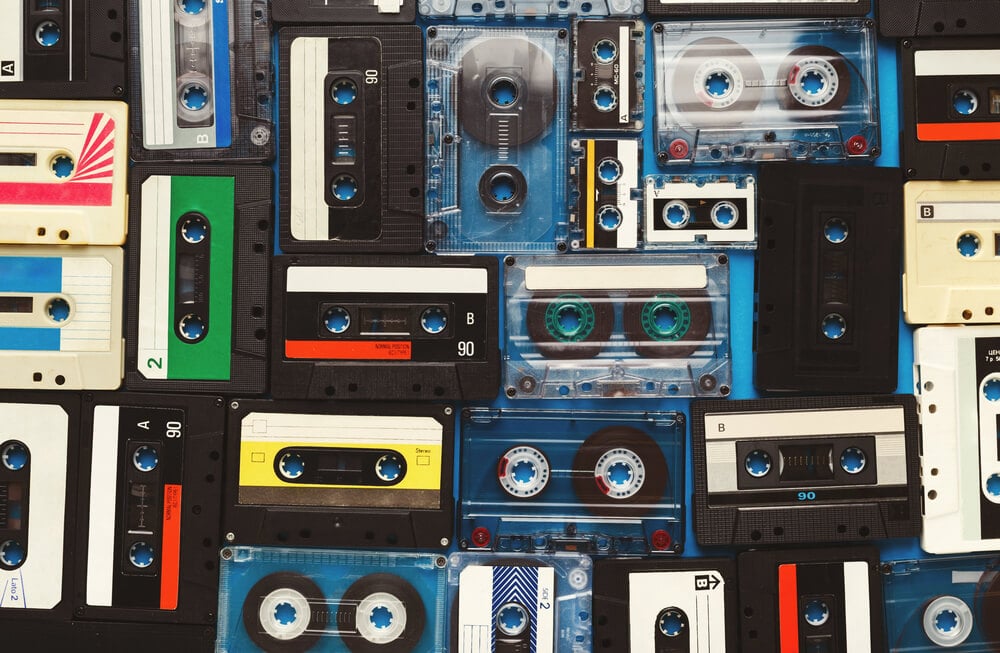
Making a mix tape for a friend meant recording songs in a specific order from a personal collection onto a blank cassette, often with a hand-labeled cover and a title that meant something only to the two people involved. Trading these tapes after school was a way of communicating taste and attention that a shared playlist link has never quite replicated, since the physical object required real time to make.
The format itself, along with the deliberate sequencing it demanded, mostly ended when digital music made copying instantaneous.
The Door-to-Door Encyclopedia Pitch

Encyclopedia companies once employed traveling sales agents who visited households directly, often timing calls for the early evening when both parents were likely home, to pitch a multi-volume set as an investment in a child’s education. The pitch relied heavily on a sample volume left behind for a few days, meant to demonstrate the set’s usefulness before a payment plan was signed.
The entire sales model collapsed once digital reference tools made a printed set’s core value proposition obsolete.
The Piano Lesson Across Town
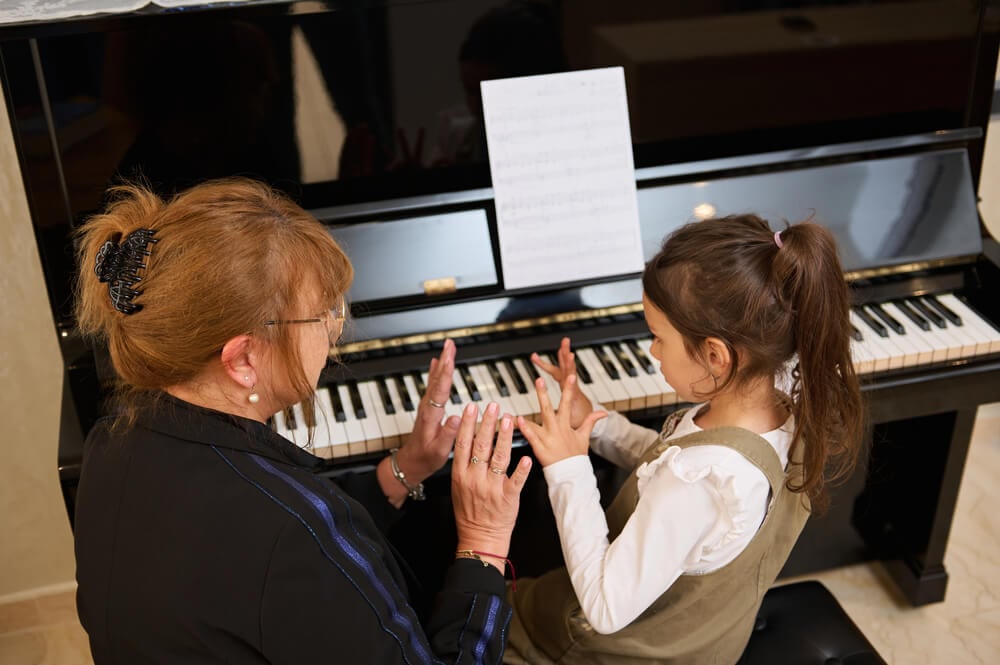
A weekly piano or instrument lesson, often at a teacher’s home rather than a dedicated studio, meant a set after-school time slot, a specific practice book carried back and forth, and a lesson book with a teacher’s handwritten notes in the margins. Getting there frequently meant a parent leaving work early or a kid walking or biking across a familiar route on a fixed schedule every week.
Lessons still exist, but the specific version held in a teacher’s living room, with a metronome ticking on top of an upright, has become less common as studios and group programs have grown.
The Ordinary Hours That Got Filled In
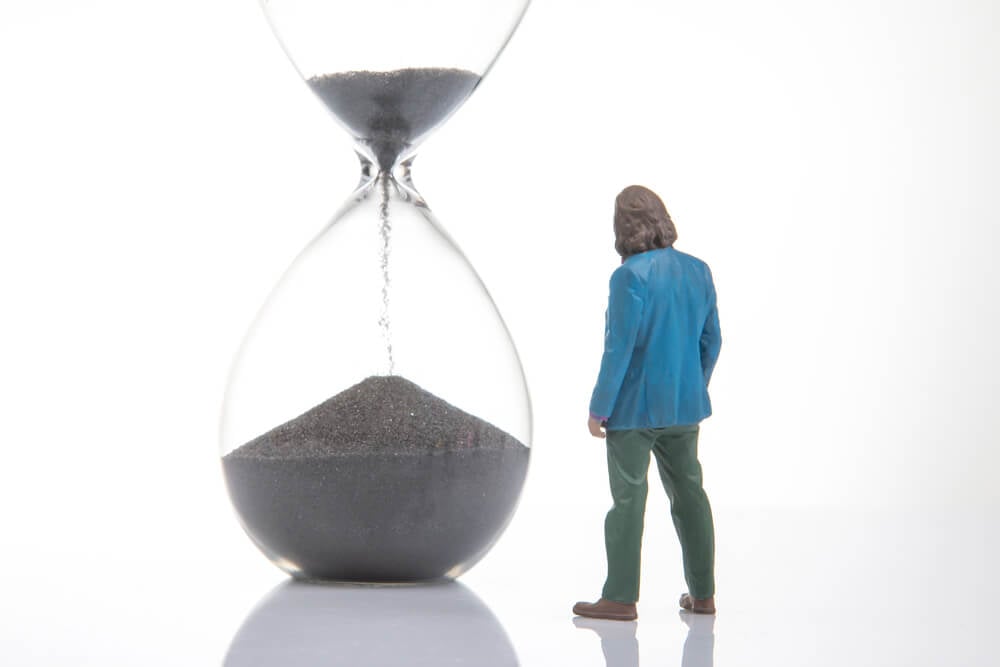
None of these routines were built to be remembered. They were logistics, solutions to the specific problem of what a kid does between school and dinner when the adults are not there yet, and they disappeared for the most unremarkable reason possible: something more efficient replaced each one, appliance by appliance, until the gap they filled closed over.
What is left behind is not the routines themselves but the shape of the time they used to occupy, an unstructured stretch of the day that used to belong to a kid alone with a landline, a key on a string, and whatever the television happened to be showing.
More from Go2Tutors!

- The Romanov Crown Jewels and Their Tragic Fate
- 13 Historical Mysteries That Science Still Can’t Solve
- Famous Hoaxes That Fooled the World for Years
- 15 Child Stars with Tragic Adult Lives
- 16 Famous Jewelry Pieces in History
Like Go2Tutors’s content? Follow us on MSN.