Words That Mean Something Completely Different in Other English-Speaking Countries
The first time you ask for a rubber in a British classroom, the giggles make perfect sense. What sounds like a request for something inappropriate is just a student needing an eraser.
English might be the common thread connecting countries like the United States, United Kingdom, Australia, and Canada, but that thread gets tangled in some pretty amusing ways. The same words carry completely different meanings depending on which side of the Atlantic (or Pacific) you’re on, creating moments that range from mildly embarrassing to downright confusing.
These linguistic differences aren’t just quirky footnotes in travel guides. They’re reminders that language evolves differently in different places, shaped by culture, history, and sometimes just the stubborn refusal to call things by their “proper” names.
Some words have drifted so far from their original meanings that using them incorrectly can completely derail a conversation.
Rubber

Ask for a rubber in America and expect some very confused (and possibly concerned) looks. In British English, a rubber is simply an eraser.
Nothing scandalous about it.
This particular word causes more awkward moments than almost any other. American students studying abroad learn this lesson quickly, usually after their first trip to a British stationery shop.
Fanny
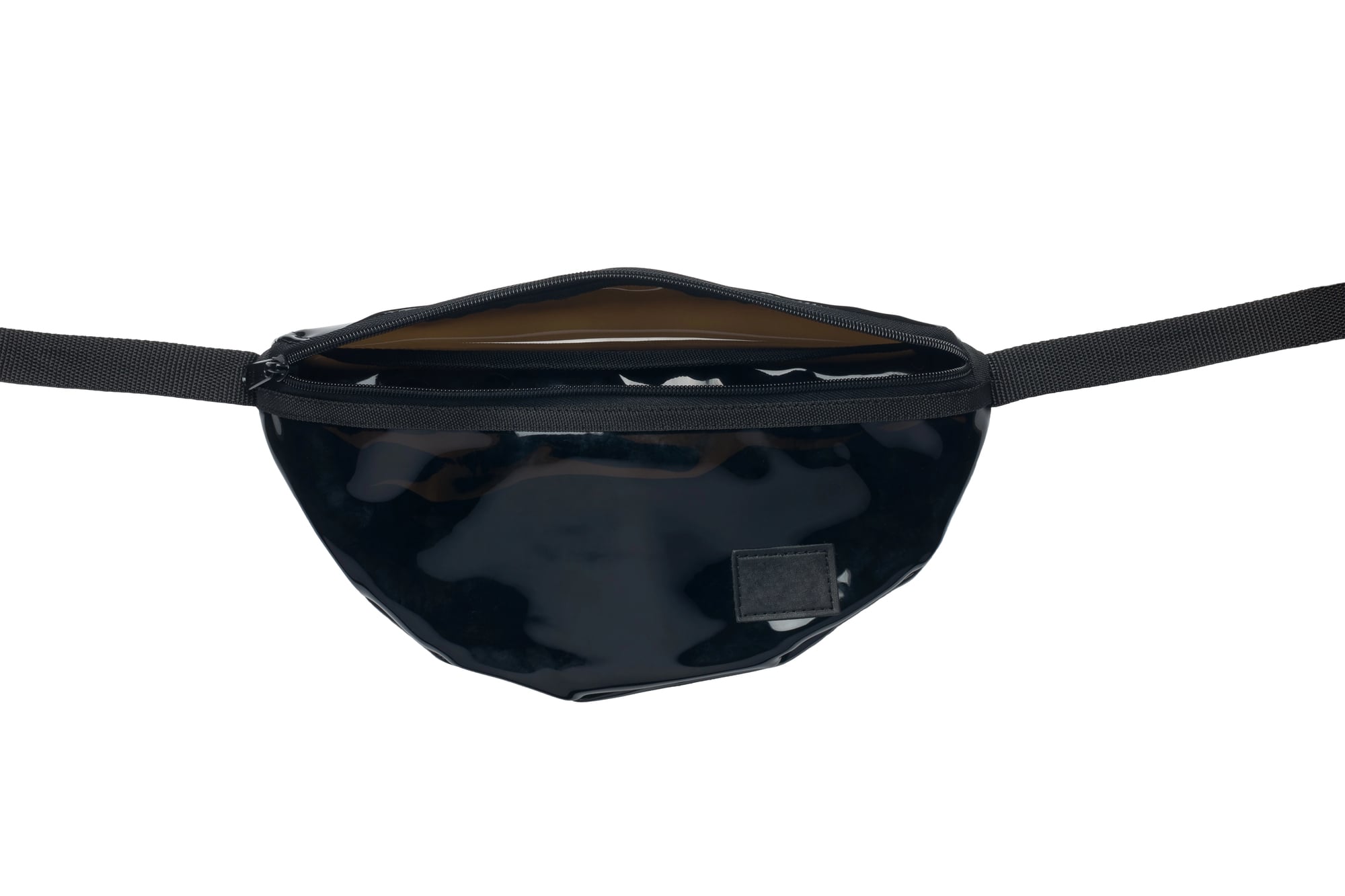
The innocent-sounding word “fanny” creates opposite problems depending on your location. Americans use it as a mild, almost childish term for buttocks.
In British English, it refers to female genitalia and is considered quite vulgar.
This creates particularly awkward situations when American parents tell their children to “sit on your fanny” within earshot of British speakers. The cultural cringe is real.
Thong
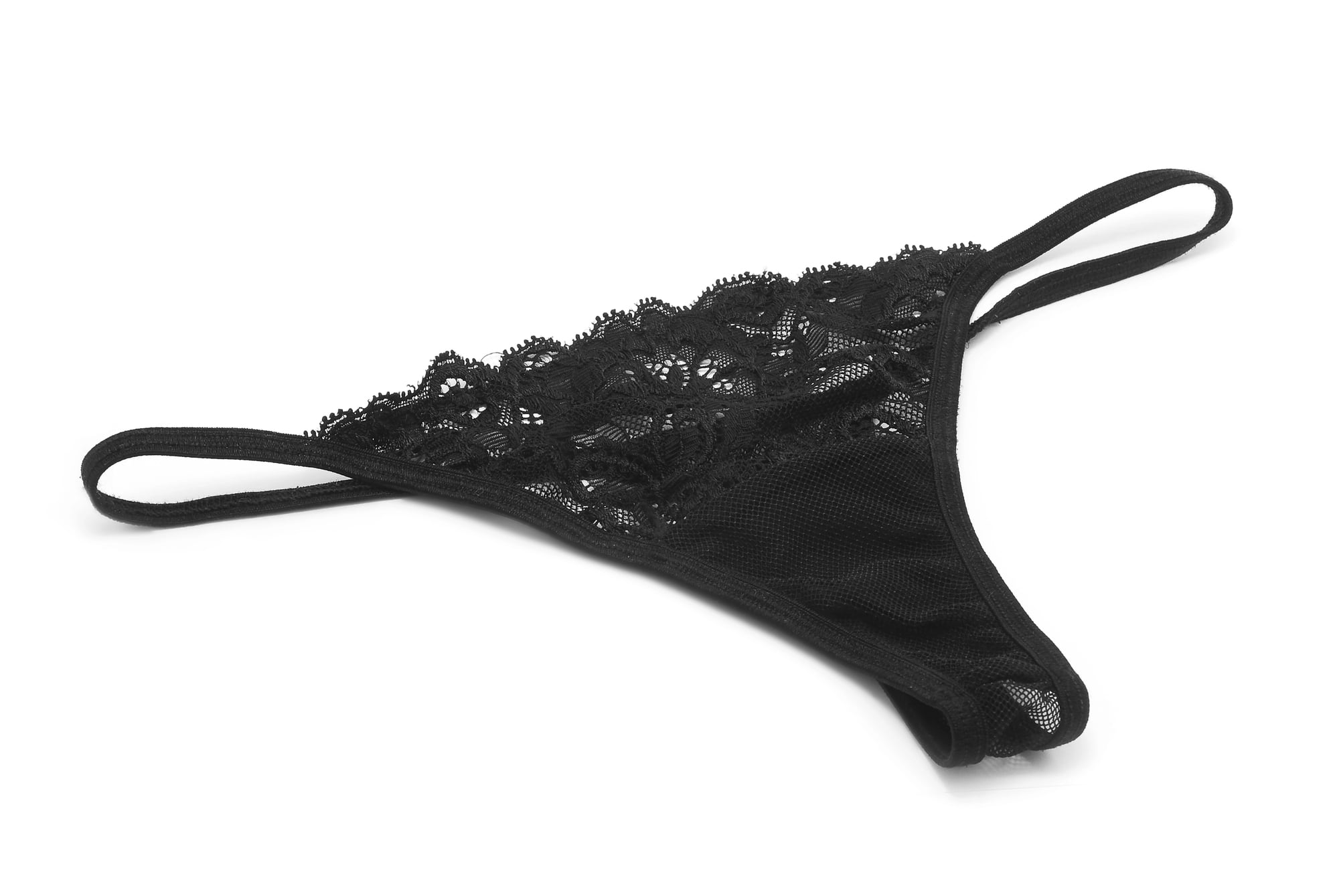
In Australia, thongs are what Americans call flip-flops (and what the British call flip-flops, because sometimes everyone agrees to be sensible). The skimpy underwear Americans associate with the word doesn’t enter the conversation.
So when an Australian mentions grabbing their thongs before heading to the beach, they’re talking about practical footwear, not making an overshare about their undergarment choices.
The distinction matters, particularly in mixed company where assumptions can lead to some truly spectacular misunderstandings.
Spunk

This word sits like a linguistic landmine between American and British English. Americans use “spunk” to describe someone with spirit, determination, or feistiness — particularly when talking about a scrappy underdog showing courage.
It’s entirely positive and wholesome.
British speakers, however, use “spunk” as slang for semen. The difference creates moments of profound awkwardness.
Fanny Pack Vs Bum Bag
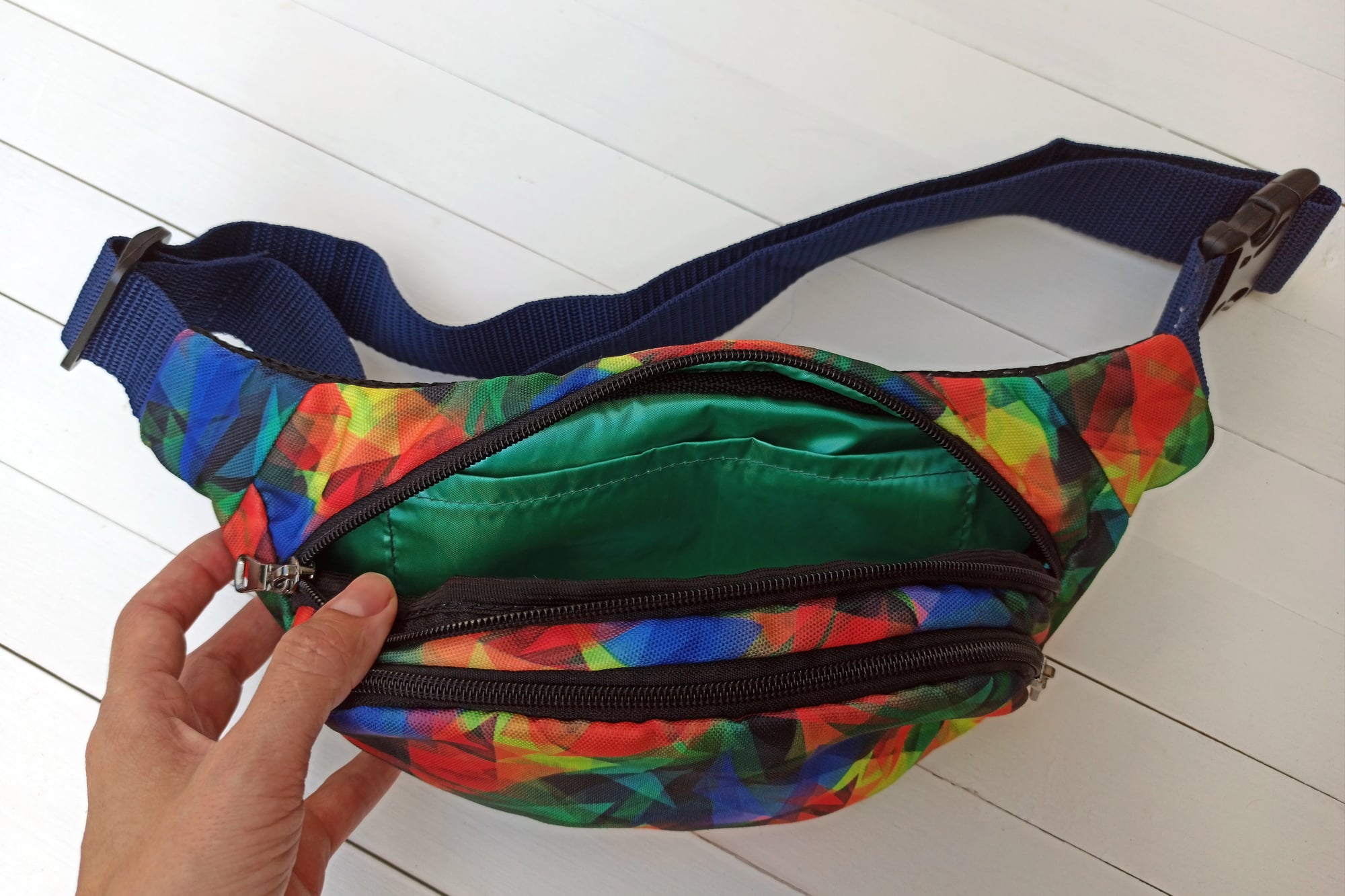
Americans strap on fanny packs. Brits wear bum bags.
Both refer to the same small bag worn around the waist, but given what “fanny” means in British English, you can see why they opted for different terminology.
Neither country seems particularly eager to adopt the other’s version, probably because both terms sound equally ridiculous to the opposing culture.
Pants

This word flips completely across the Atlantic. Americans wear pants on their legs — what the British call trousers.
In British English, pants are underwear.
Telling someone in Britain that you like their pants is essentially commenting on their undergarments, which explains why the compliment might not land as intended. The confusion works both ways: British speakers talking about someone’s “lovely trousers” sound oddly formal to American ears.
Rubber Johnny

While we’re on the subject of rubber meaning different things, “rubber johnny” in British slang refers to a condom. Americans would be completely lost by this phrase, possibly picturing some sort of inflatable toy.
The British talent for euphemism reaches its peak with phrases like this one. It sounds innocent enough that you might not realize you’re discussing contraception.
Fud
In Scotland, calling someone a “fud” is distinctly insulting — it’s vulgar slang for female genitalia used as an insult. Americans encountering this word might not realize they’re hearing something offensive.
Scottish slang operates on its own level, often leaving both Americans and even other British speakers scrambling to decode meaning.
Rubber Boot Vs Wellington Boot

Americans wear rubber boots when it rains. The British wear wellington boots (or “wellies”).
Same waterproof footwear, different names entirely.
This difference is purely practical — no hidden meanings or awkward misunderstandings. Sometimes the variations in English are just about regional preferences rather than potential embarrassment.
Jonny Vs John

In British slang, “jonny” (sometimes “johnny”) can refer to a condom. Americans use “john” to refer to a toilet or, in certain contexts, a client of a prostitute.
Neither country uses the other’s slang in this context, which probably prevents confusion, but it demonstrates how the same basic name can develop completely different colloquial meanings.
Tap Vs Faucet

Americans turn on the faucet. Brits turn on the tap.
Both control water flow, but the terminology splits cleanly along geographical lines.
This represents one of those benign differences that doesn’t cause embarrassment, just mild confusion about what exactly someone is referring to when they mention plumbing.
Biscuit Vs Cookie

This difference goes deeper than just vocabulary. American biscuits are fluffy, savory bread items served with meals.
British biscuits are what Americans call cookies — sweet treats often dunked in tea.
The confusion extends to context: offering someone biscuits with dinner means something completely different depending on your location. Americans might expect something served with gravy.
Torch Vs Flashlight

Brits carry torches when they need portable light. Americans carry flashlights.
The British usage sounds medieval to American ears, while “flashlight” strikes Brits as unnecessarily descriptive.
Both terms make perfect sense within their own context, but neither country seems inclined to switch terminology for the sake of clarity.
Boot Vs Trunk

This automotive difference trips up travelers regularly. Americans store luggage in the trunk of their car.
Brits use the boot.
The practical implications matter when you’re trying to communicate with mechanics, rental car agents, or anyone helping you load luggage. Knowing both terms prevents the confused pause that follows asking about the wrong part of the car.
Jumper Vs Sweater
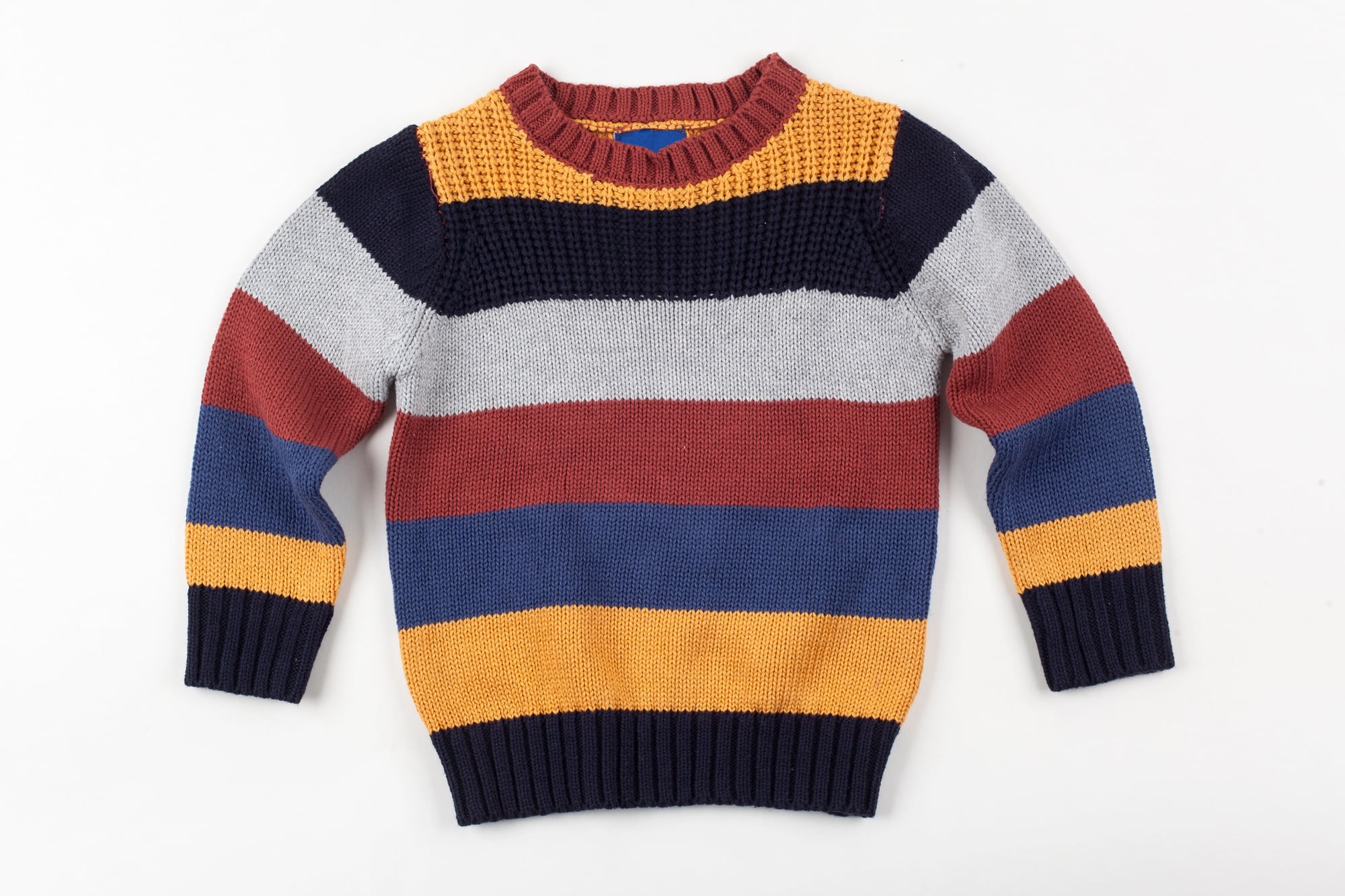
Americans wear sweaters when it’s cold. Brits wear jumpers.
The same knitted garment, different names.
“Jumper” sounds like athletic wear to American ears, while “sweater” strikes Brits as oddly literal — though both terms describe the same cozy piece of clothing you put on when the temperature drops.
The Beauty of Linguistic Confusion

These differences prove that English isn’t really one language — it’s several languages wearing the same name tag. Each country has shaped the language to fit its own cultural needs, creating words that sound familiar but mean something completely different.
The confusion can be embarrassing, amusing, or just mildly inconvenient, but it’s also a reminder that language stays alive by changing. What started as one version of English has become several, each with its own personality and quirks.
More from Go2Tutors!

- The Romanov Crown Jewels and Their Tragic Fate
- 13 Historical Mysteries That Science Still Can’t Solve
- Famous Hoaxes That Fooled the World for Years
- 15 Child Stars with Tragic Adult Lives
- 16 Famous Jewelry Pieces in History
Like Go2Tutors’s content? Follow us on MSN.