14 Engine-Free Journeys That Set World Records
Human-powered adventures have always captured our imagination, from ancient explorers crossing oceans with nothing but wind and determination to modern adventurers pushing the limits of what’s possible without engines. These journeys represent the ultimate test of human endurance, ingenuity, and the raw power of natural forces.
Throughout history, countless individuals have embarked on extraordinary expeditions using only their strength, the wind, or gravity to propel them forward. Here’s a list of 14 engine-free journeys that not only achieved their ambitious goals but also set world records that continue to inspire adventurers today.
Thor Heyerdahl’s Kon-Tiki Expedition
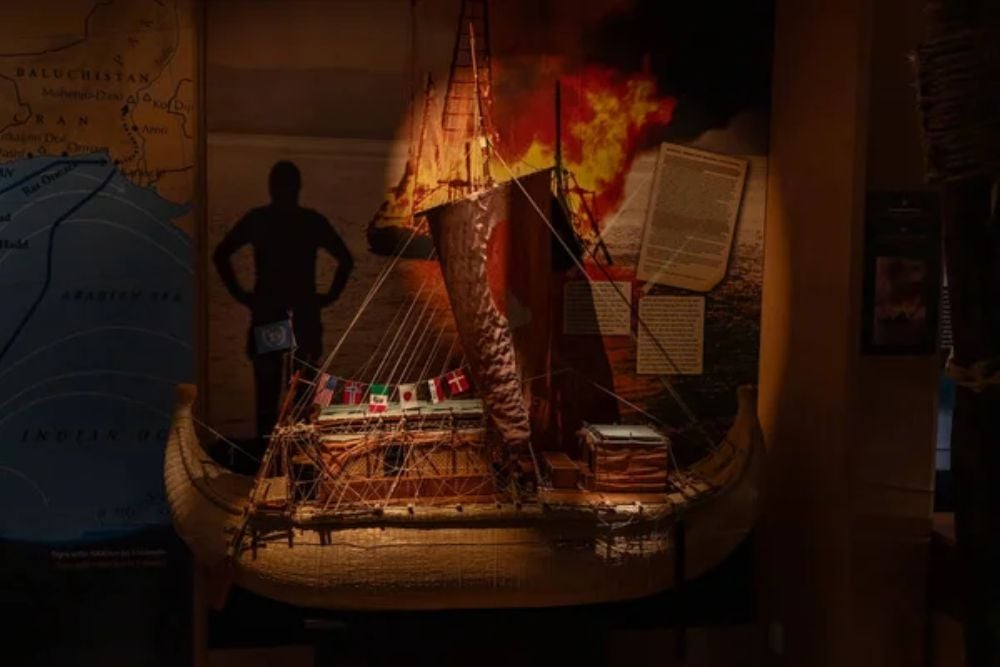
Norwegian explorer Thor Heyerdahl had a wild theory back in 1947 — ancient peoples could’ve traveled between South America and Polynesia using nothing more than traditional balsa wood rafts. His journey from Peru to the Tuamotu Islands covered 4,300 nautical miles over 101 days, relying entirely on ocean currents and trade winds.
The expedition didn’t just prove his point; it fundamentally changed how we understand ancient migration patterns between continents.
Ben Lecomte’s Pacific Ocean Swim
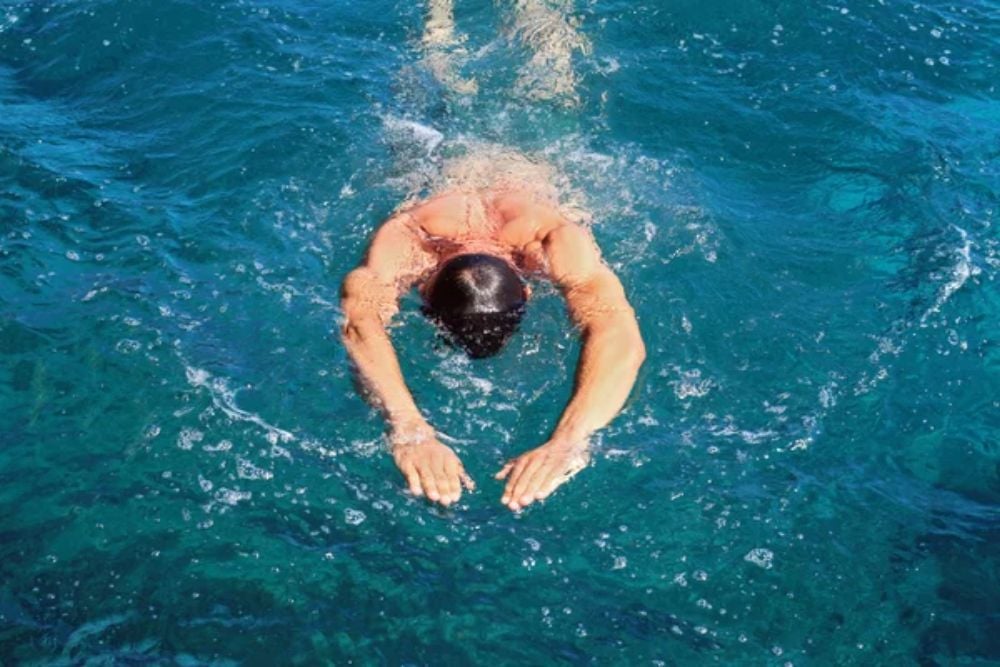
French swimmer Ben Lecomte achieved something that sounds absolutely insane — becoming the first person to swim across the Pacific Ocean without a kickboard in 2018. He covered approximately 2,800 miles from Japan toward California over 159 days, swimming roughly 8 hours daily while dodging jellyfish, sharks, and massive waves.
Though weather conditions prevented him from reaching the California coast, Lecomte’s achievement redefined what’s humanly possible in long-distance ocean swimming.
Roz Savage’s Solo Atlantic Rowing
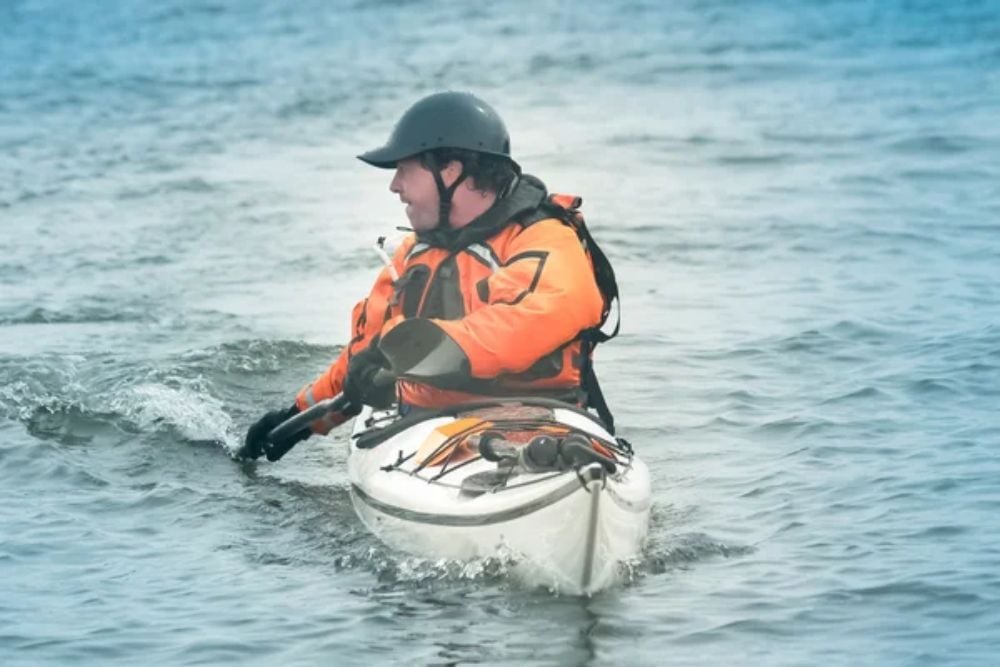
British ocean rower Roz Savage became the first woman to row solo across the Atlantic from both directions — her east-to-west crossing in 2005 took 103 grueling days. She later tackled the route from the Canary Islands to Antigua, covering 3,000 miles through treacherous waters while dealing with equipment failures and extreme weather.
Her journey inspired a whole new generation of female ocean adventurers, proving the mental fortitude required for solo ocean crossings.
The Voyage of the Ra II
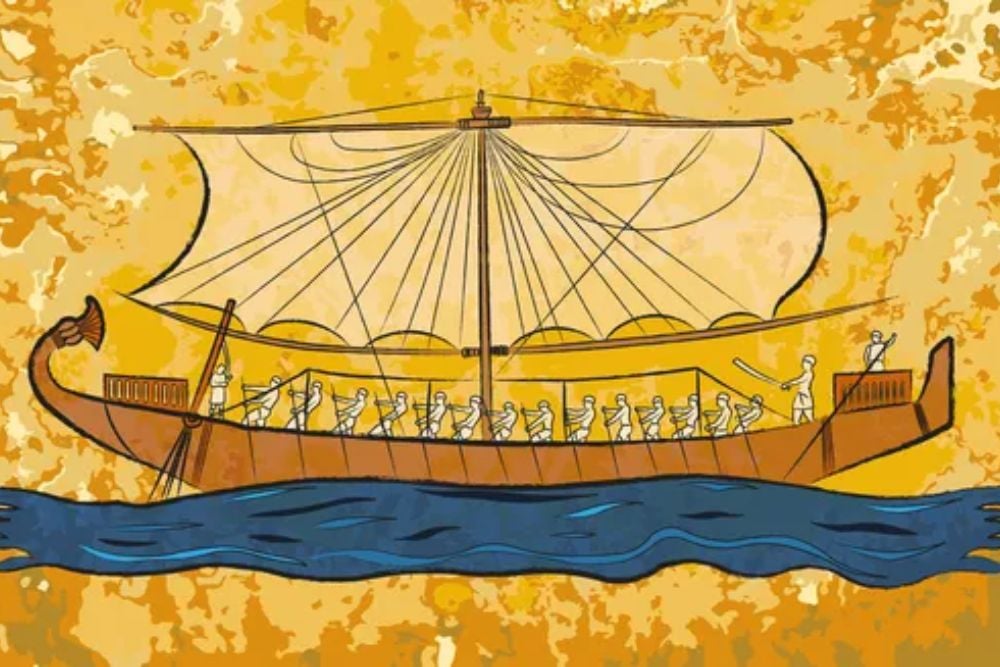
Following his Kon-Tiki success, Thor Heyerdahl built Ra II — a papyrus reed boat based on ancient Egyptian designs — to prove that African civilizations could have reached the Americas. In 1970, his international crew sailed 3,270 miles from Morocco to Barbados in 57 days, using only ancient navigation techniques and materials.
This expedition provided compelling evidence for pre-Columbian trans-Atlantic contact while showcasing the incredible seaworthiness of ancient boat designs.
Jason Lewis’s Human-Powered Circumnavigation
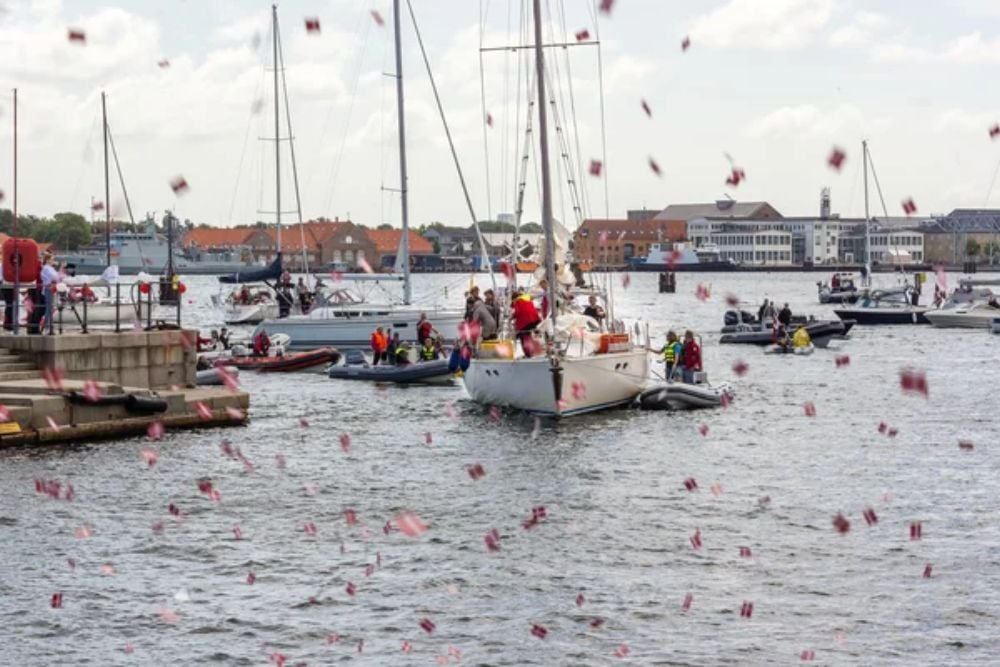
British adventurer Jason Lewis pulled off something that seems impossible — the first human-powered circumnavigation of Earth in 2007, taking 13 years to cover 46,505 miles. He used only pedal power, rowing, walking, and inline skating throughout his journey.
Lewis pedaled a specially designed boat across both the Pacific and Atlantic Oceans, survived getting hit by a drunk driver in Colorado, and endured countless mechanical failures along the way.
Jessica Watson’s Solo Sailing Circumnavigation
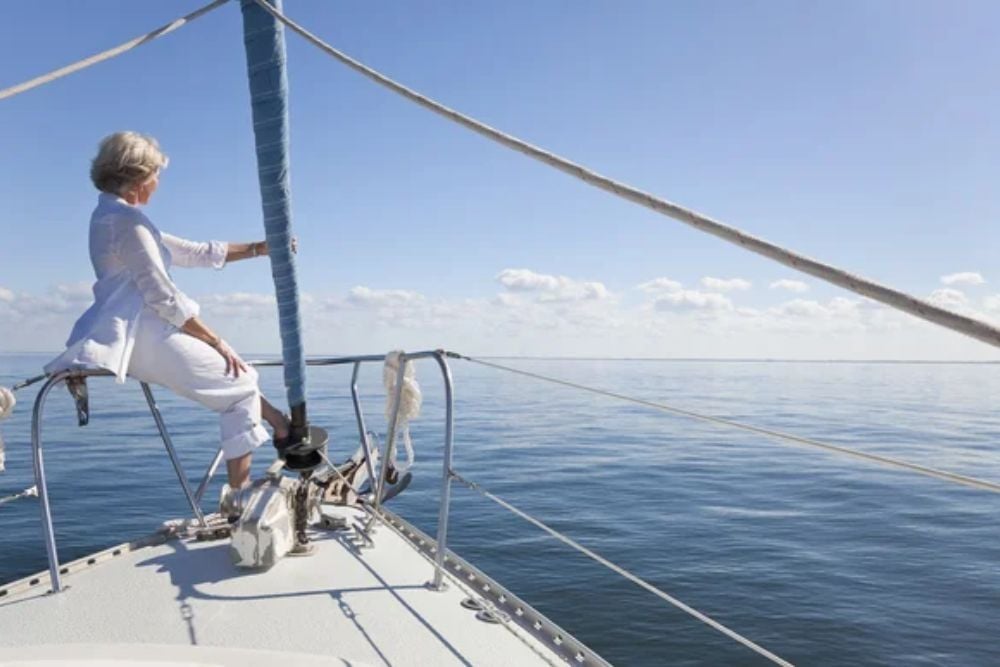
At just 16 years old, Australian sailor Jessica Watson became the youngest person to sail solo, non-stop, and unassisted around the world in 2010. Her 210-day journey covered 23,000 nautical miles aboard her 34-foot yacht Ella’s Pink Lady — battling 40-foot waves and hurricane-force winds throughout.
Watson’s achievement shattered age barriers in extreme sailing while demonstrating that sheer determination could overcome physical limitations.
The Tangaroa Expedition
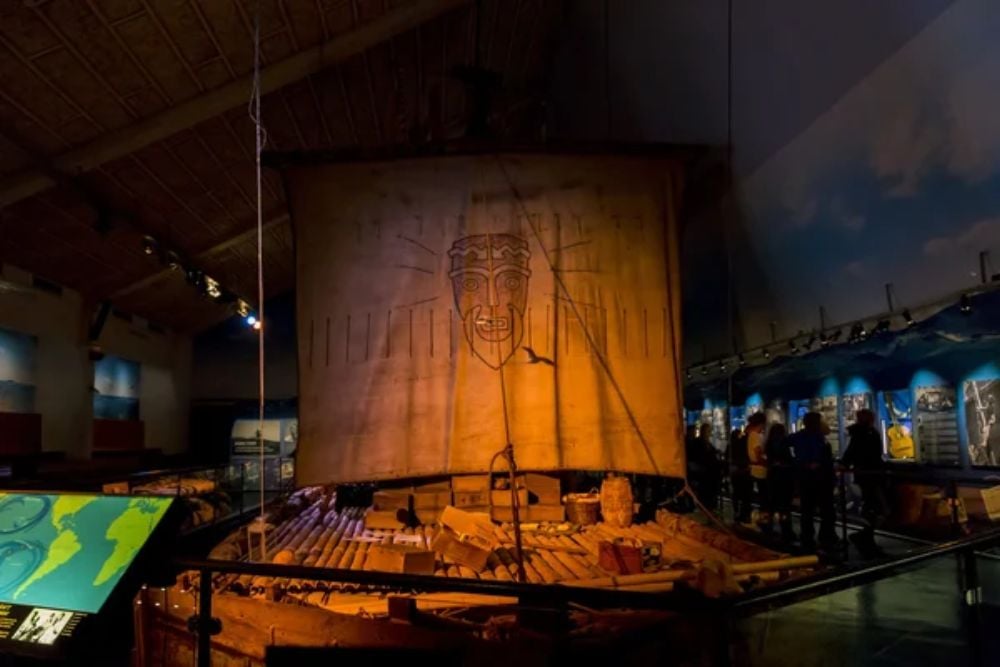
In 2006, a six-man crew decided to recreate Heyerdahl’s Kon-Tiki voyage using an even more authentic balsa wood raft called Tangaroa. The expedition covered 4,900 miles from Peru to Polynesia in 70 days — proving that the original journey wasn’t just a lucky fluke.
This modern recreation validated Heyerdahl’s theories while using contemporary scientific methods to document ocean currents and marine life patterns.
Colin O’Brady’s Antarctica Solo Crossing
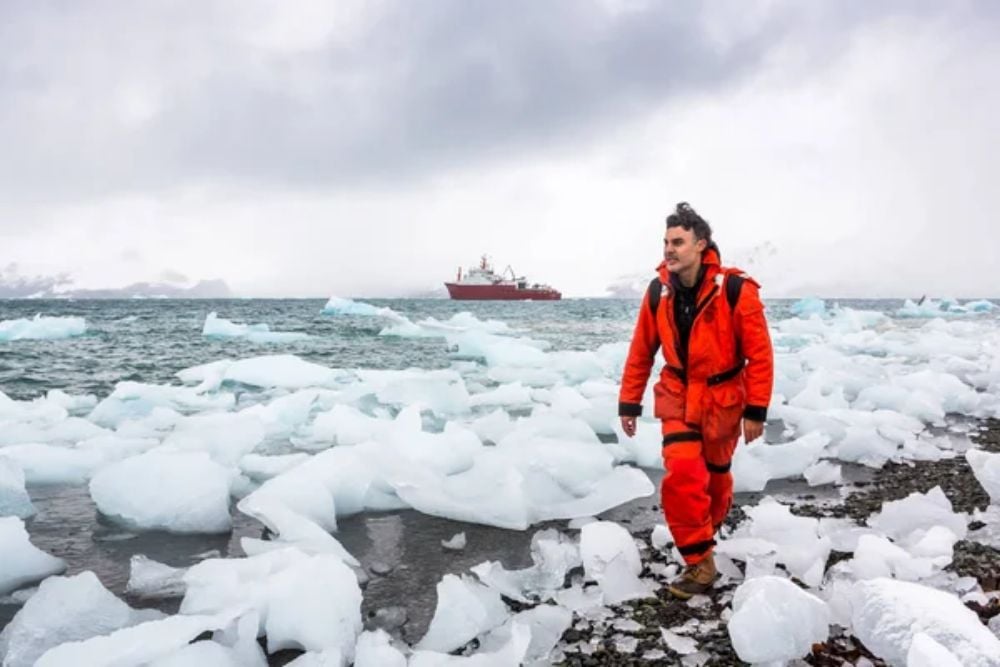
American endurance athlete Colin O’Brady became the first person to cross Antarctica solo, unsupported, and completely human-powered in 2018. His 54-day journey covered 932 miles while pulling a 375-pound sled across the continent’s most treacherous terrain — including the massive Transantarctic Mountains.
O’Brady’s achievement redefined polar exploration, proving that modern equipment and training could overcome Antarctica’s deadliest challenges.
Sarah Outen’s London2London Journey
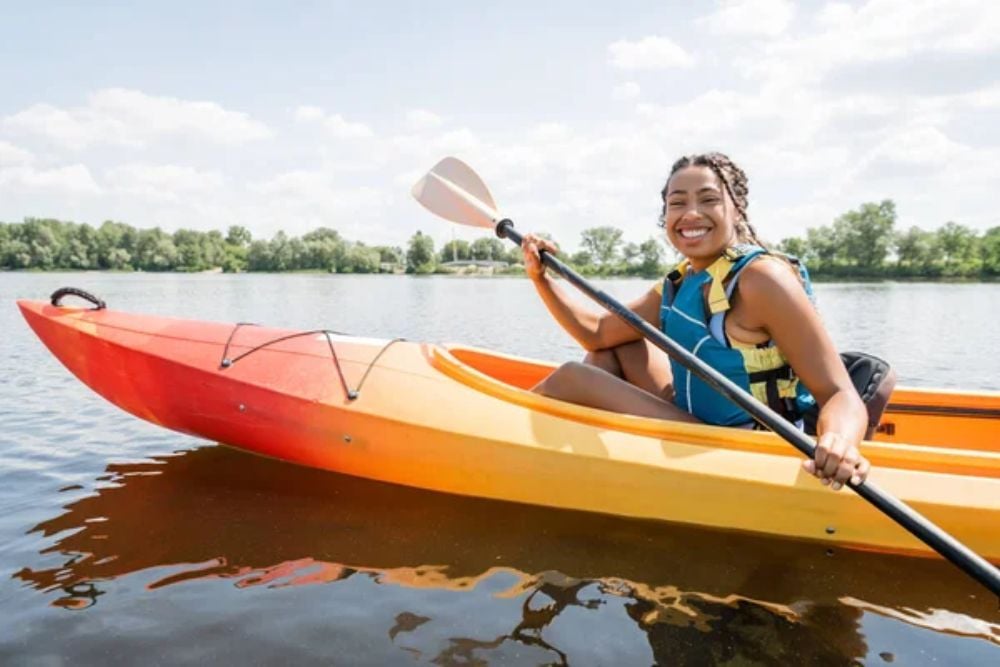
British adventurer Sarah Outen completed an extraordinary loop around the northern hemisphere using only human power, traveling 25,000 miles by kayak, bike, and rowing boat from 2011 to 2015. Her journey took her from London across Russia by bike — then by kayak and rowing boat across the Pacific to Alaska — before cycling and kayaking back to London.
Outen’s expedition showcased the interconnectedness of our planet while proving that human-powered travel could conquer vast continental distances.
The Atlantic Rowing Race Record
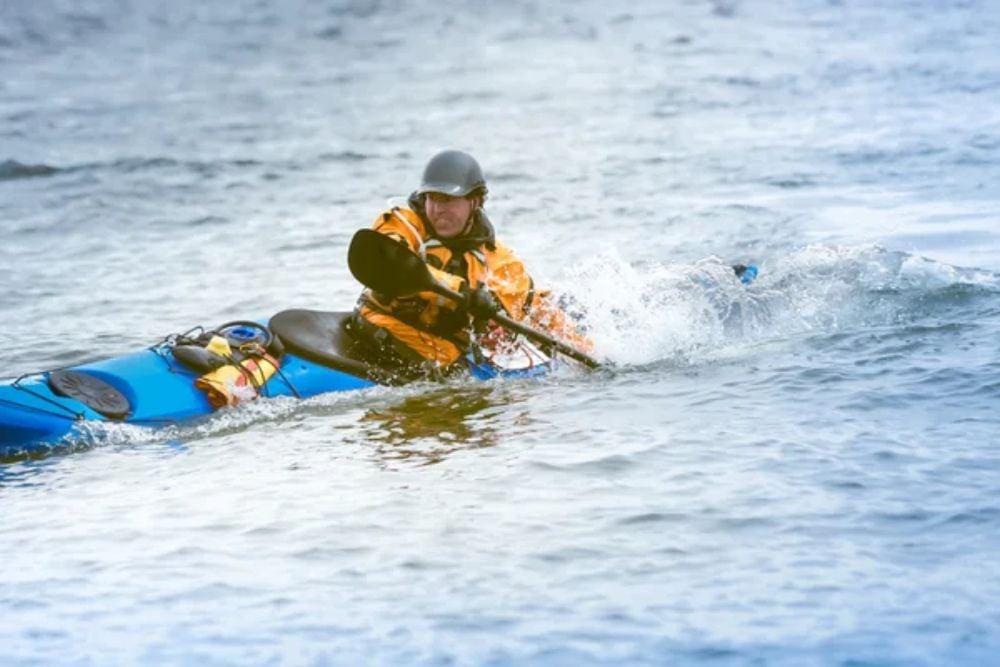
British rowers Rob Hamill and Phil Stubbs set the pairs record for rowing across the Atlantic Ocean in 1997 — completing the 2,550-mile journey from the Canary Islands to Barbados in just 41 days. Their achievement required rowing in shifts around the clock while battling 30-foot waves, equipment failures, and extreme physical exhaustion.
This record demonstrated the peak performance possible in ocean rowing, inspiring the creation of organized Atlantic rowing races.
Steve Fossett’s Solo Balloon Circumnavigation

American adventurer Steve Fossett became the first person to fly solo around the world in a balloon in 2002, completing his journey in 13 days and covering 20,626 miles. His specially designed balloon Spirit of Freedom relied entirely on wind currents and Fossett’s expert understanding of global weather patterns to navigate around the globe.
This achievement represented the pinnacle of balloon aviation, demonstrating mastery of atmospheric dynamics.
The First Windsurfing Crossing of the Atlantic
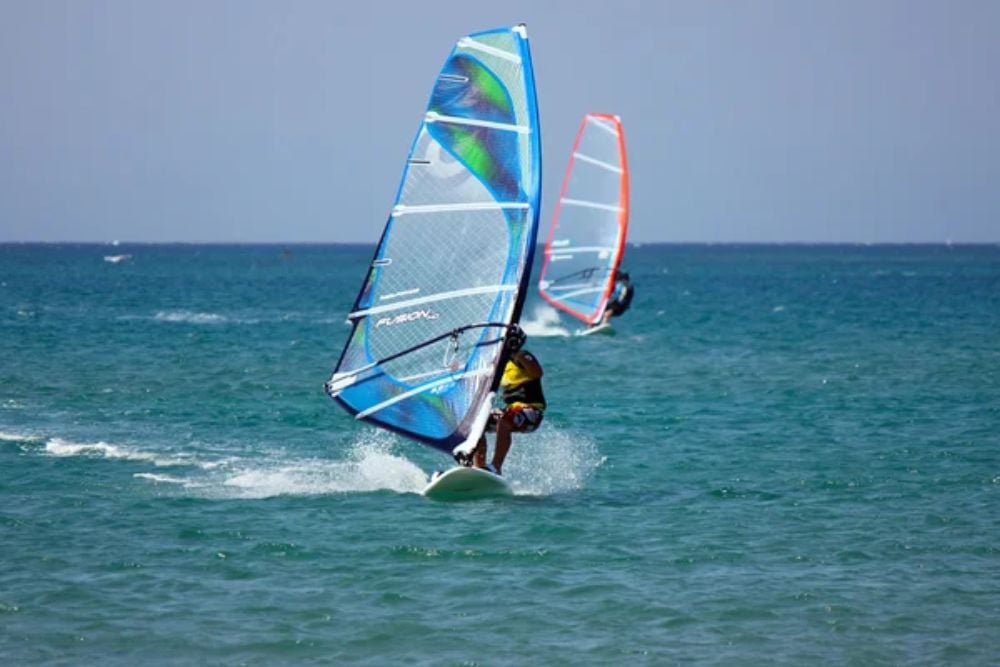
French windsurfer Arnaud de Rosnay completed the first windsurf crossing of the Atlantic Ocean in 1982, covering 2,400 miles from Africa to the Caribbean in 24 days. His journey required incredible physical endurance and precise weather forecasting, as he relied entirely on wind power while standing on a board for most of each day.
De Rosnay’s expedition opened up new possibilities for wind-powered ocean crossings, inspiring extreme windsurfing adventures worldwide.
Tom McClean’s Solo Atlantic Rowing
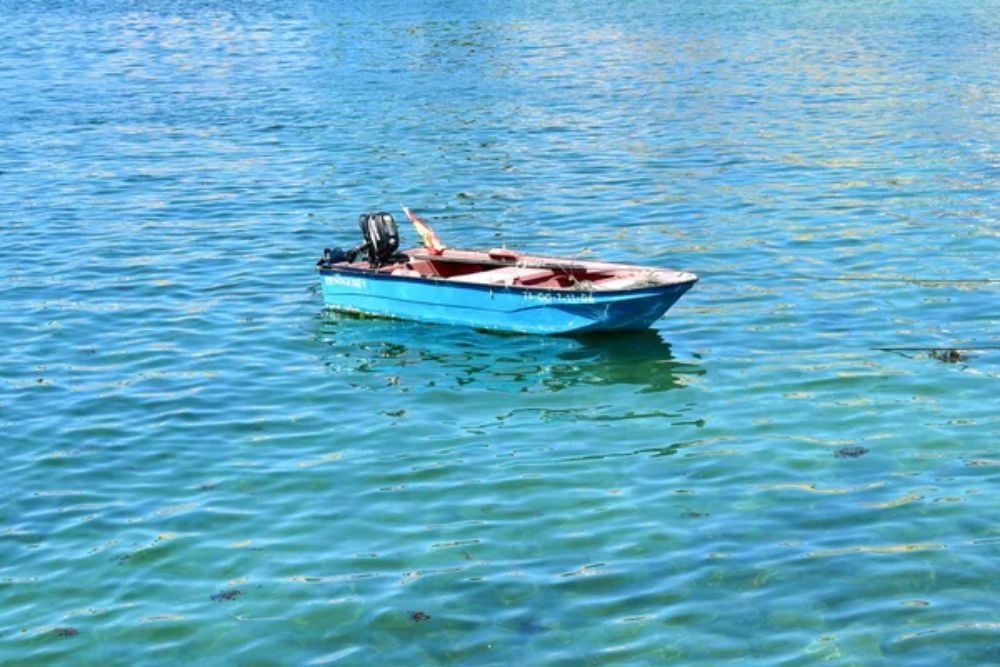
British paratrooper Tom McClean became one of the early pioneers of solo Atlantic rowing, completing his crossing from Newfoundland to Ireland in 1982 in 54 days. His journey proved that military training and mental toughness could overcome the psychological challenges of solo ocean crossings, paving the way for future solo rowing expeditions.
McClean’s achievement demonstrated that the Atlantic Ocean could be conquered by human power alone, inspiring countless imitators.
Ben Saunders’s Antarctic Solo Expedition
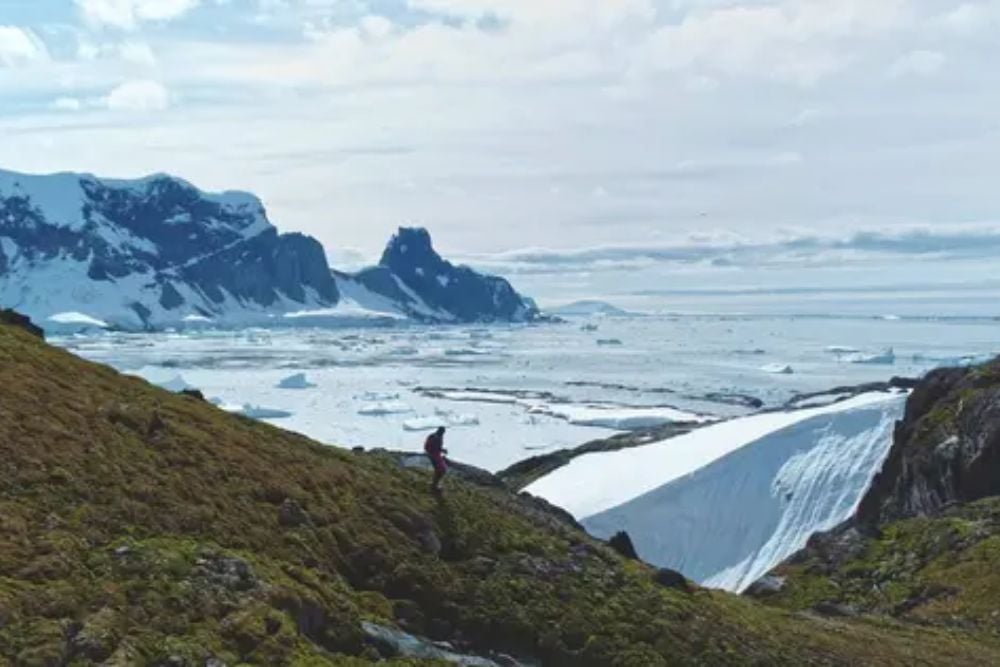
British polar explorer Ben Saunders completed the longest solo polar journey in history in 2013-2014, covering 1,795 miles across Antarctica in 105 days while pulling his own supplies. His expedition followed the route of Robert Falcon Scott’s ill-fated Terra Nova expedition, proving that Scott’s planned return journey was physically possible with modern equipment and training.
Saunders’s achievement represented the evolution of polar exploration from the heroic age to the modern era of solo human-powered adventures.
Adventures That Changed Everything
These remarkable journeys prove that human determination combined with natural forces can achieve what seems impossible, setting records that inspire new generations of adventurers. Each expedition pushed the boundaries of human endurance while demonstrating our species’ incredible ability to adapt and overcome seemingly insurmountable challenges.
From ancient reed boats crossing oceans to modern athletes conquering the polar regions, these engine-free adventures remind us that the most meaningful journeys often rely on the oldest forms of power: human will, natural forces, and the courage to venture into the unknown. The legacy of these record-setters continues to influence modern exploration, proving that sometimes the most advanced technology is simply the human spirit refusing to give up.
More from Go2Tutors!

- The Romanov Crown Jewels and Their Tragic Fate
- 13 Historical Mysteries That Science Still Can’t Solve
- Famous Hoaxes That Fooled the World for Years
- 15 Child Stars with Tragic Adult Lives
- 16 Famous Jewelry Pieces in History
Like Go2Tutors’s content? Follow us on MSN.