23 Coins People Spend Without Looking
The most valuable coins often hide in plain sight—loose change overlooked during pocket-cleaning or inherited collections misunderstood as worthless pocket change. Numismatists systematically check dates and mint marks because a single coin can represent five figures in value.
Condition matters, but rarity—determined by mintage and circulation—determines whether a coin is worth face value or thousands.
1794 Flowing Hair Dollar First US Silver Dollar
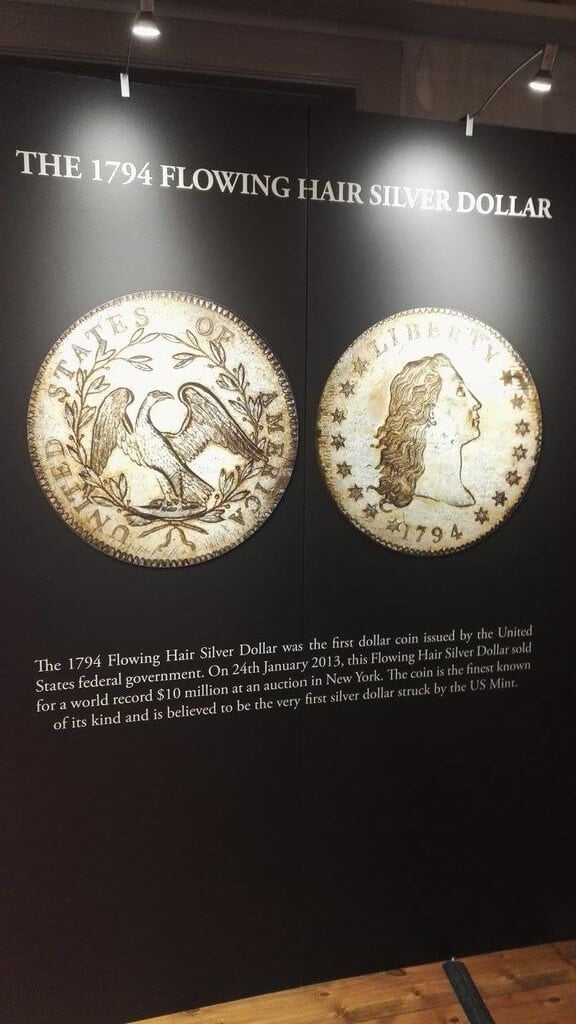
The Flowing Hair Dollar represents the first official silver dollar struck by the US Mint, with legendary historical significance driving value. Fewer than 2,000 examples are believed to survive, with authenticated specimens selling for $10,000 to $2,000,000 depending on condition.
A specimen sold for more than $10 million in 2013, establishing it as one of the most valuable US coins ever.
1804 Draped Bust Dollar Proof
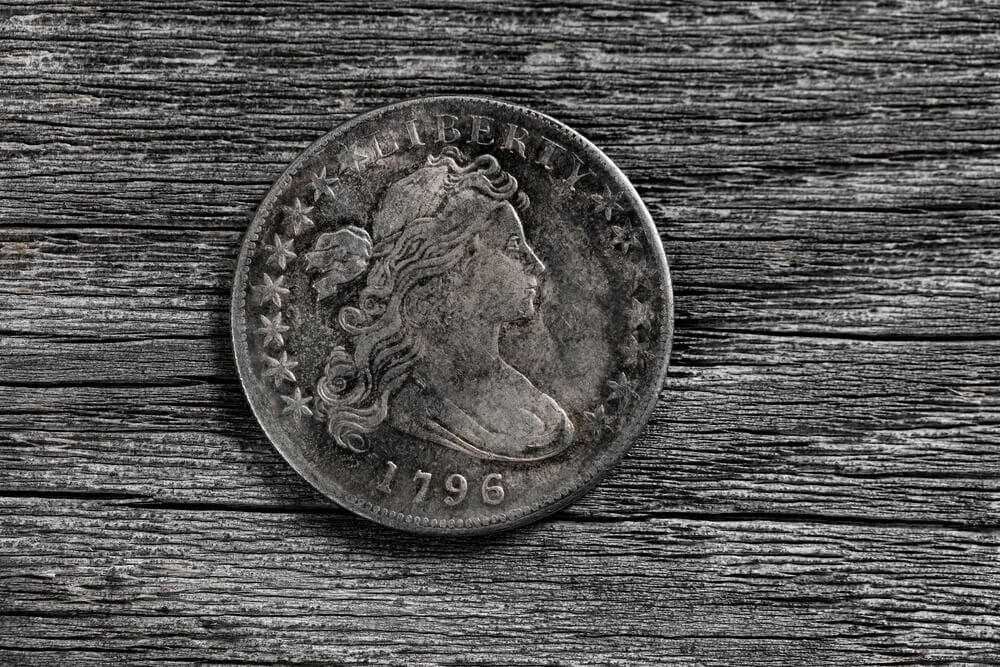
Only 15 examples of this 1804-dated coin are known to exist, making it among the rarest US coins in collectors’ hands. A specimen sold for over $7.6 million at auction, establishing its status as a legendary numismatic treasure.
Even the possibility of finding one makes collectors scrutinize older dollar collections carefully.
1933 Double Eagle Gold Coin Twenty Dollars
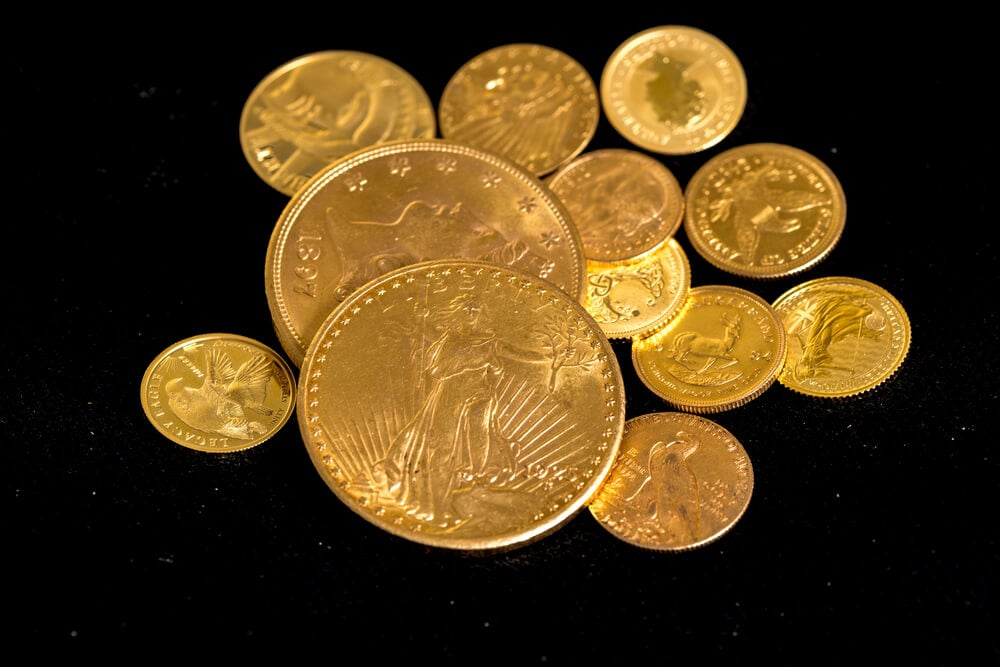
The last gold coin legally produced for American circulation was halted in 1933, making any legally possessed example extraordinarily valuable. A specimen sold for approximately $7.59 million in 2021, though legal ownership complicates transactions.
Most collectors view examples as museum-quality rarities rather than practical acquisitions.
1909-S VDB Lincoln Penny Key Date
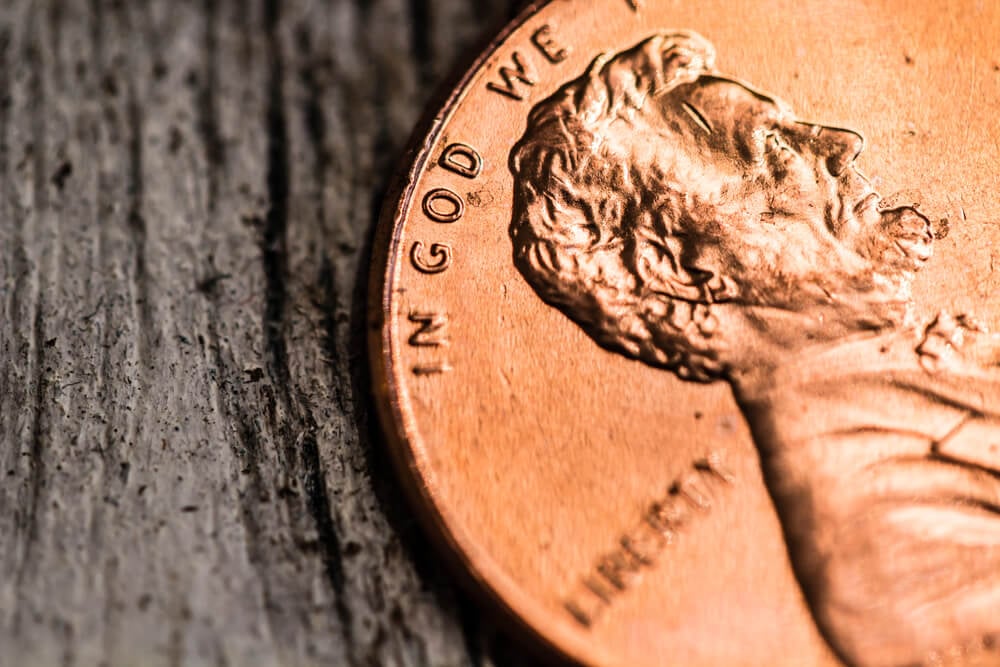
The rare 1909-S Victor David Brenner penny with the designer’s initials commands prices many times face value. Only 484,000 were minted, making this among the most pursued common-era pennies.
A specimen in near-perfect condition can fetch $1,000 to $5,000 depending on grade.
1955 Doubled Die Obverse Lincoln Penny
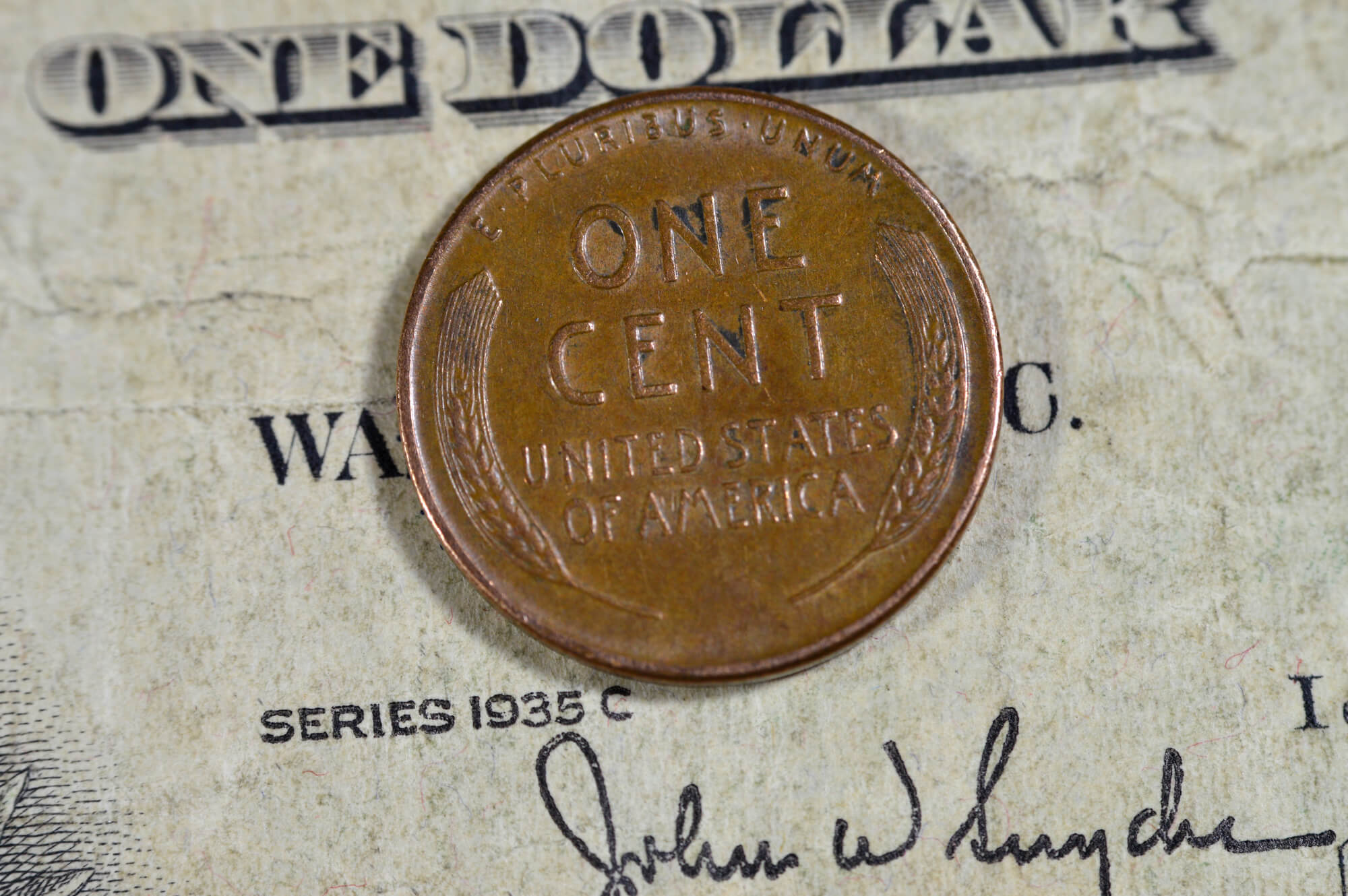
A dramatic minting error created doubling on the date and “LIBERTY” that produces coins worth $500 to $2,500 depending on condition. The 1955 Doubled Die Obverse, one of the most famous modern error cents, is rarely found in circulation.
Fewer than 100 examples are known, with fewer than 40 authenticated.
1913 Liberty Head Nickel Pattern Coin
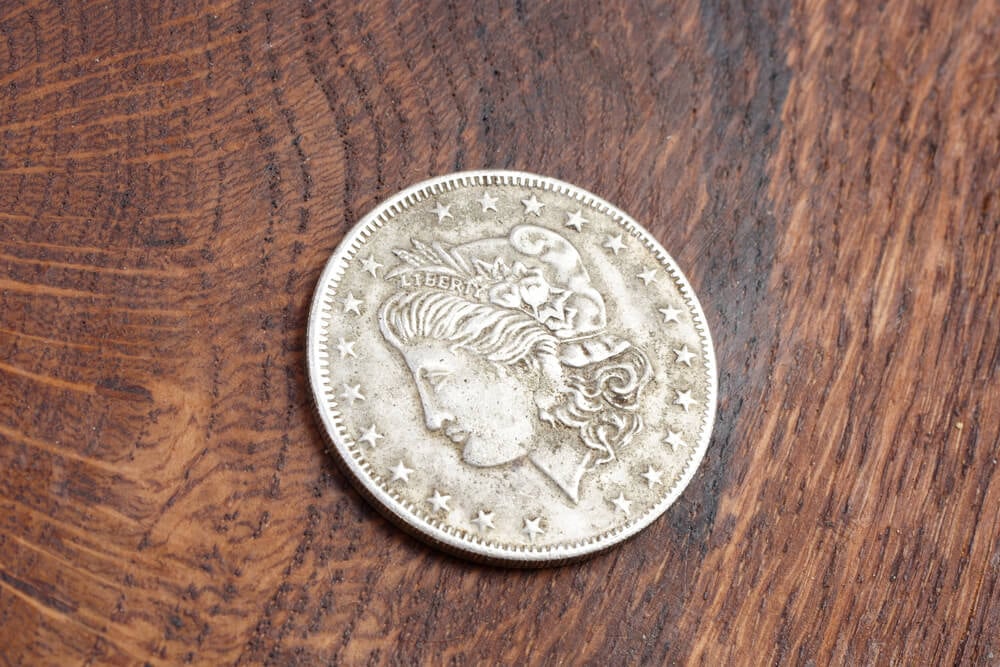
The holy grail of numismatic collecting, only five 1913 Liberty Head Nickels are known to exist, created without official Mint authorization. A specimen sold for over $4.1 million at auction in 2018, establishing it as one of the most valuable US coins ever produced.
Their legendary status makes them instantly recognizable to serious collectors.
1964 Denver Jefferson Nickel High Grade
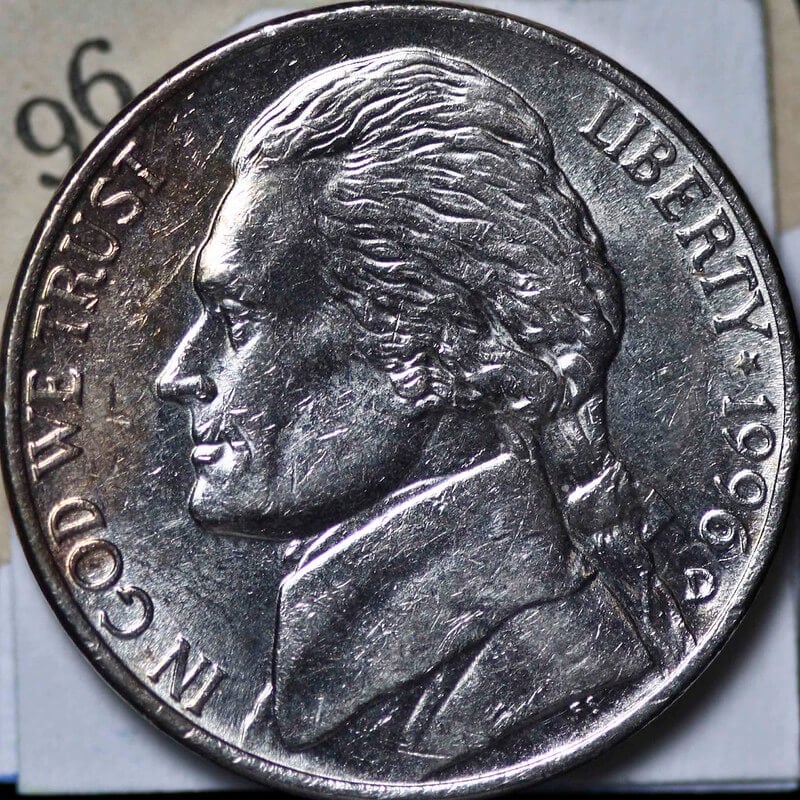
Entry-level rare coins like the 1964-D Jefferson Nickel offer accessible collectibility for modest investment. These common nickels cost marginally more than face value, making them perfect for beginning collectors.
Specific date and mint mark combinations create affordable rarity for budget-conscious numismatists.
Wheat Penny Series Key Dates 1909-1958
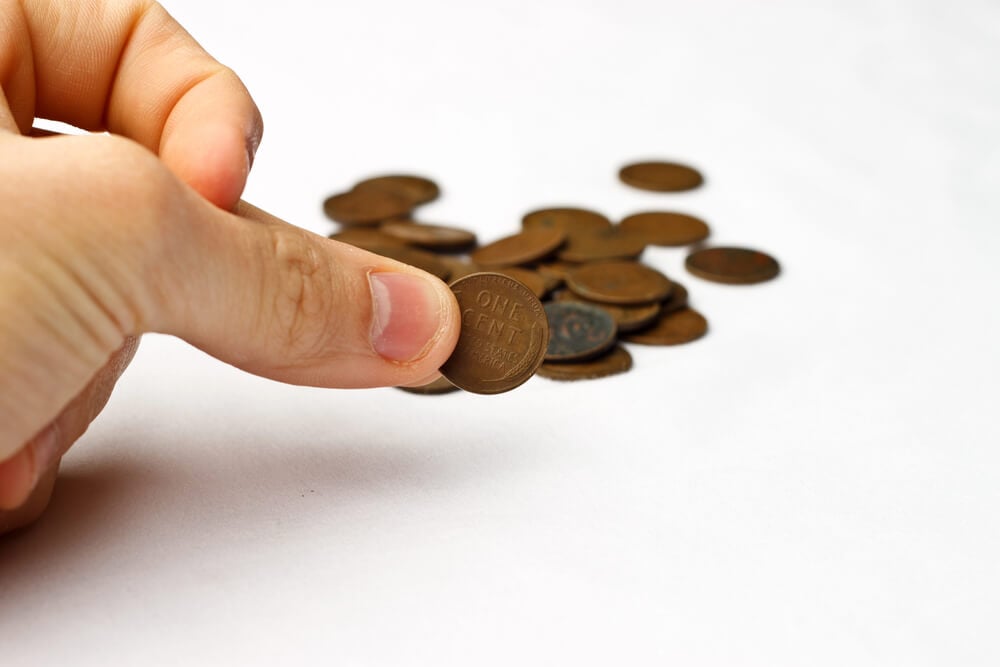
The Wheat Penny series ran from 1909 to 1958 with hundreds of millions minted, yet key dates like 1914-D remain eagerly pursued. These accessible entry-level collectibles range from $1 to $500 depending on date, mint mark, and condition.
Complete Wheat Penny collections appeal to beginning collectors pursuing completeness.
1870-S Seated Liberty Dollar Rare Date
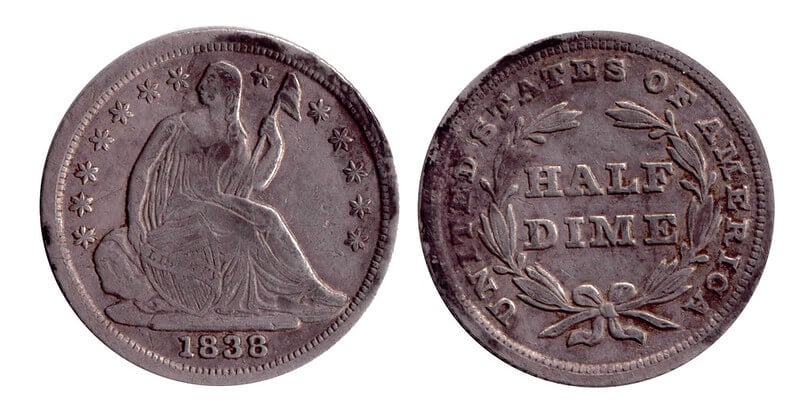
West Coast minting of the Seated Liberty dollar created low-mintage specimens eagerly pursued by collectors. An 1870-S in fine condition typically commands $1,000 to $3,000.
The specific date-mint combination creates demand within broader Liberty dollar collecting communities.
Pre-1933 Gold Coins Dollar to Twenty Dollar Pieces
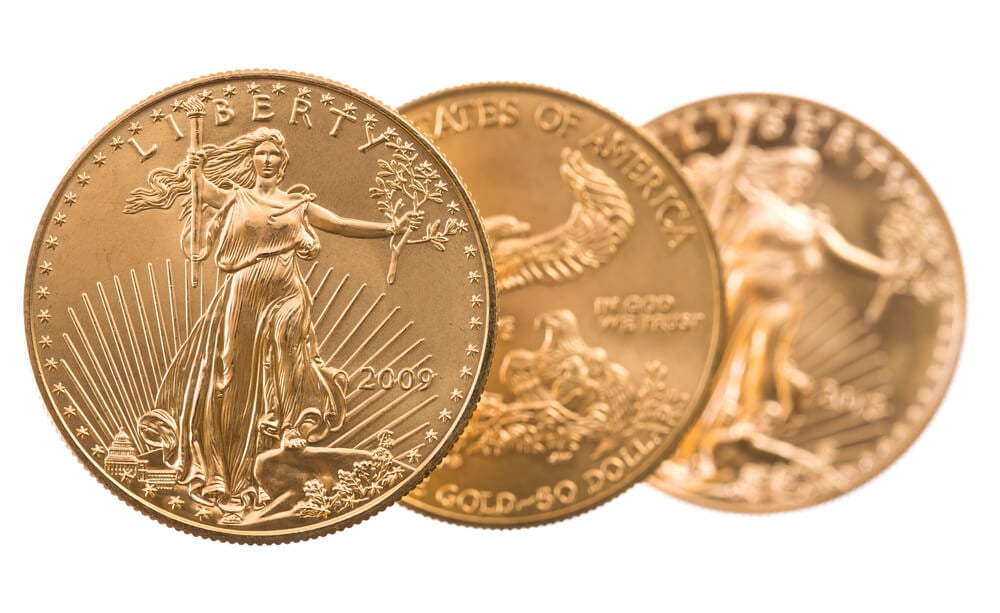
Gold coins minted prior to 1933 ceased production by law, making all pre-1933 US gold coins inherently collectible. Ninety percent pure gold content combined with numismatic premiums means these coins fetch 50 to 500 percent over spot gold prices.
Their status as historical artifacts ensures consistent collector interest.
1876-CC Carson City Morgan Dollar Rare Mint
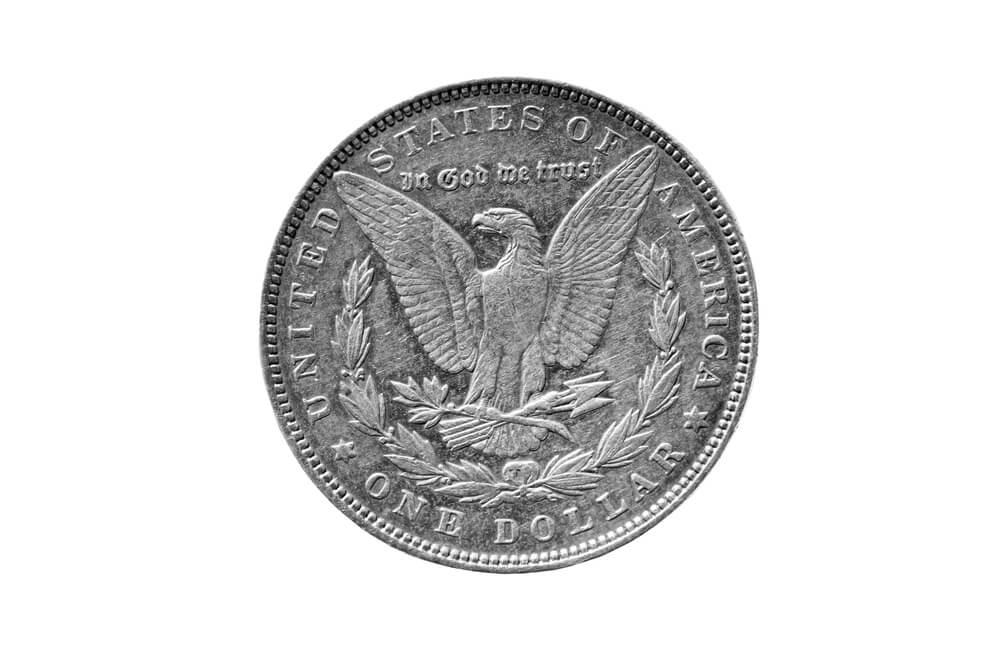
The Carson City Mint operated intermittently, creating scarce Morgan dollars highly pursued by collectors. An 1876-CC in good condition commands $2,000 to $6,000 depending on grade.
The specific mint history appeals to regional collectors and Morgan dollar specialists.
1895-O Morgan Dollar Rare New Orleans Minting
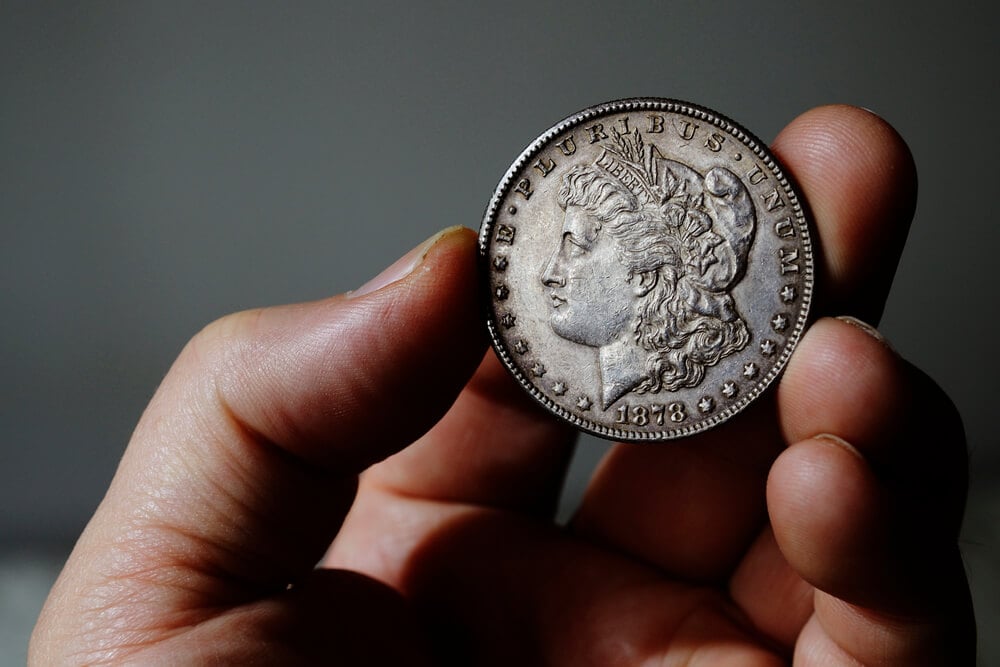
The 1895-O represents an exceptionally low-mintage New Orleans dollar, with only 450,000 coins produced. An example in fine condition typically commands $3,000 to $8,000.
The rarity of production makes this specific date eagerly pursued within Morgan dollar collections.
Buffalo Nickel Series Key Dates 1913-1938
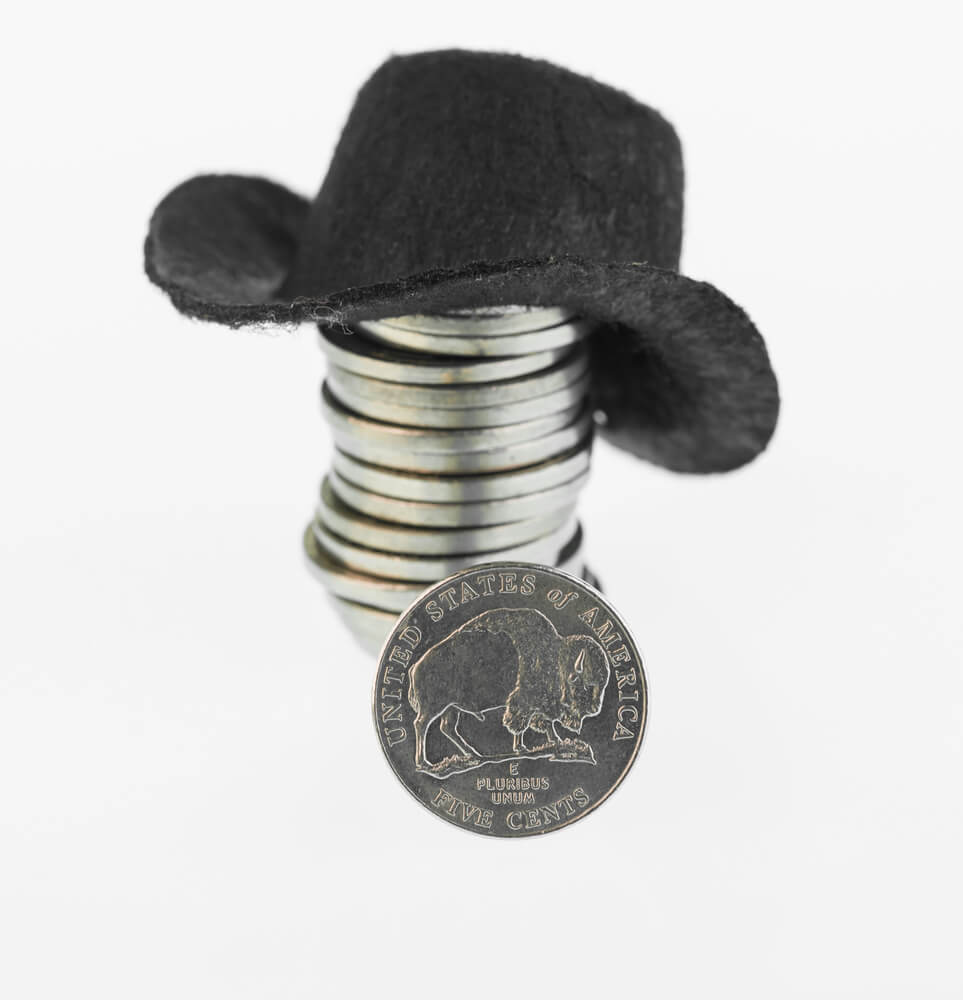
The Buffalo Nickel series, minted from 1913 to 1938, includes several scarce dates commanding collector premiums. Rare dates like 1918-S and 1937-D in high grades sell for $300 to $2,000.
Collectors pursue complete Buffalo Nickel sets as intermediate-level numismatic projects.
Standing Liberty Quarter Rare Dates and Varieties
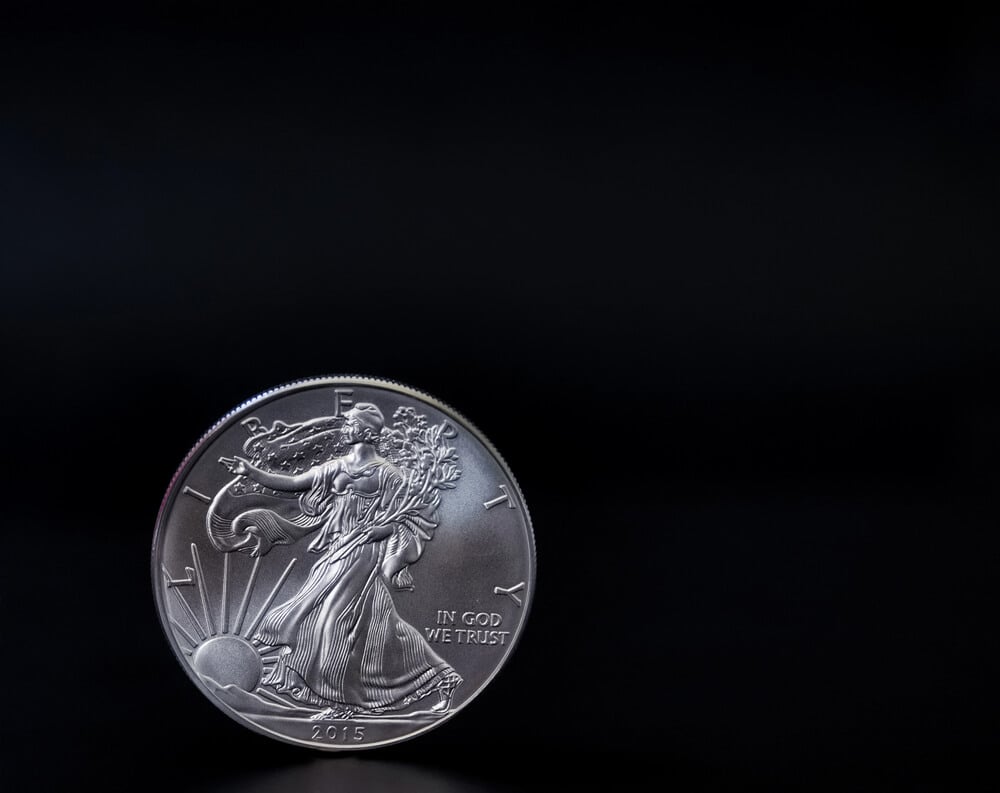
The Standing Liberty Quarter series produced from 1916 to 1930 includes numerous date-mint combinations appealing to specialty collectors. Rare dates in high grades command $500 to $3,000 depending on condition.
These coins attract serious collectors pursuing specialized Liberty series collections.
Peace Dollar Silver Dollars 1921-1935
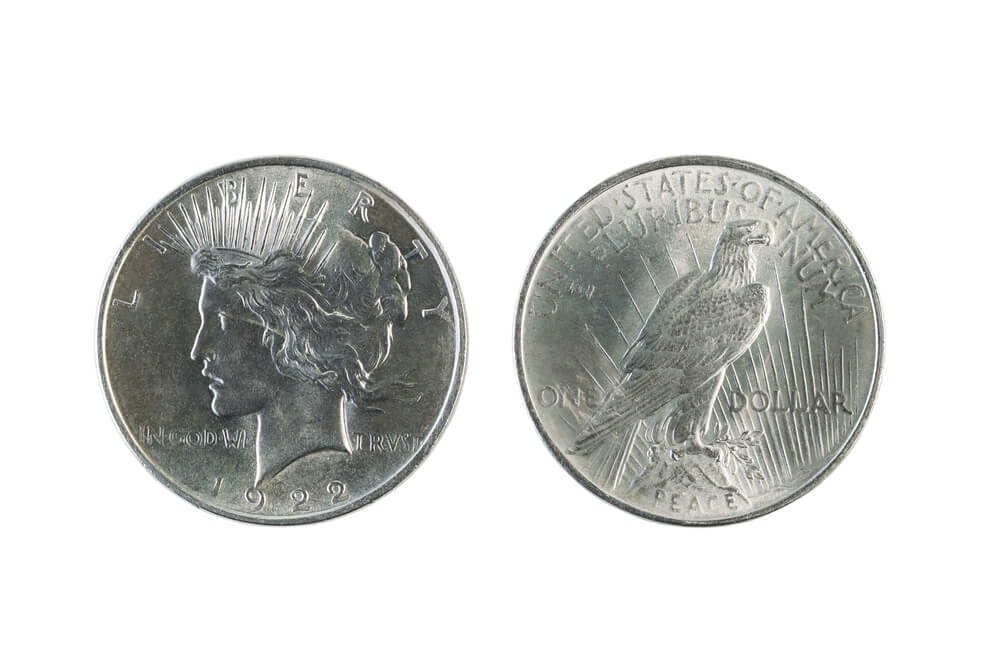
The Peace Dollar series commemorated the end of World War I with mintages varying from abundant to extremely rare. Specific dates like 1922-D command only modest premiums, while scarce dates like 1934-S fetch $500 to $2,000 in quality grades.
Complete Peace Dollar sets appeal to collectors seeking accessible silver dollar collections.
Mercury Dime Key Dates 1916-D and Others
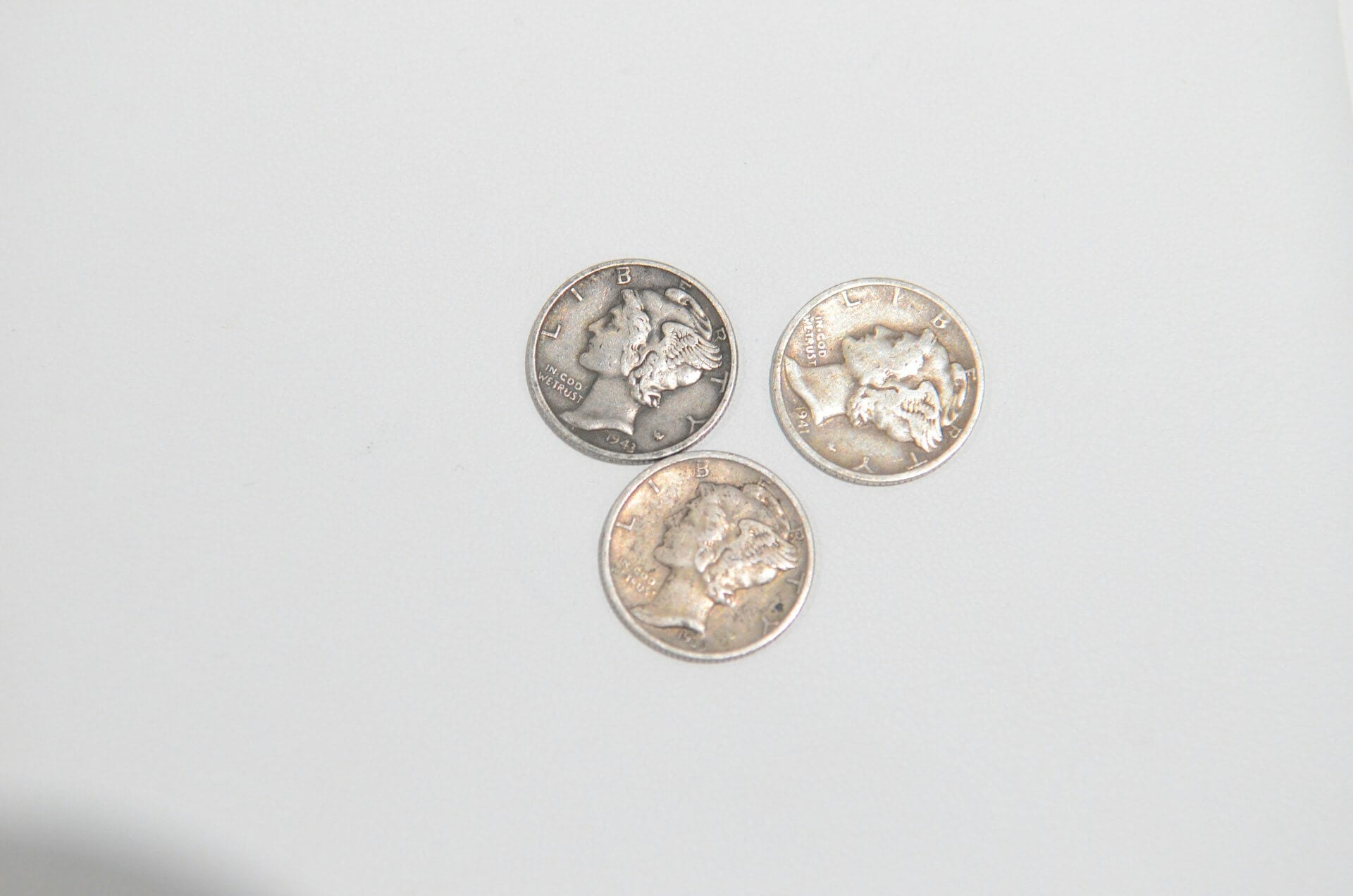
The Mercury Dime series includes numerous scarce dates commanding premium prices among dime collectors. The 1916-D dime represents the lowest-mintage date in the series, commanding $3,000 to $10,000 in high condition.
Key dates transform common dimes into serious numismatic acquisitions.
Indian Head Penny Rare Dates and High Grades
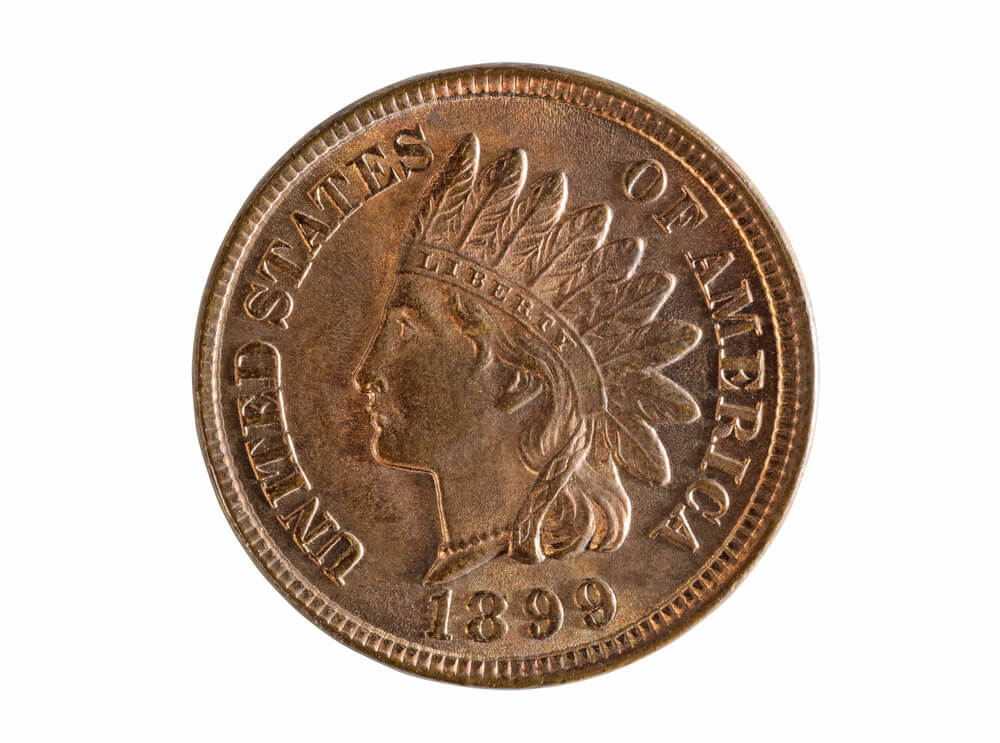
Indian Head Pennies minted from 1859 to 1909 include numerous dates and mint marks appealing to penny specialists. Specific key dates in high grades command $500 to $3,000 depending on rarity.
Complete Indian Head Penny sets represent significant collector achievements for intermediate enthusiasts.
US Mint Error Coins Doubled Dies and Strikes
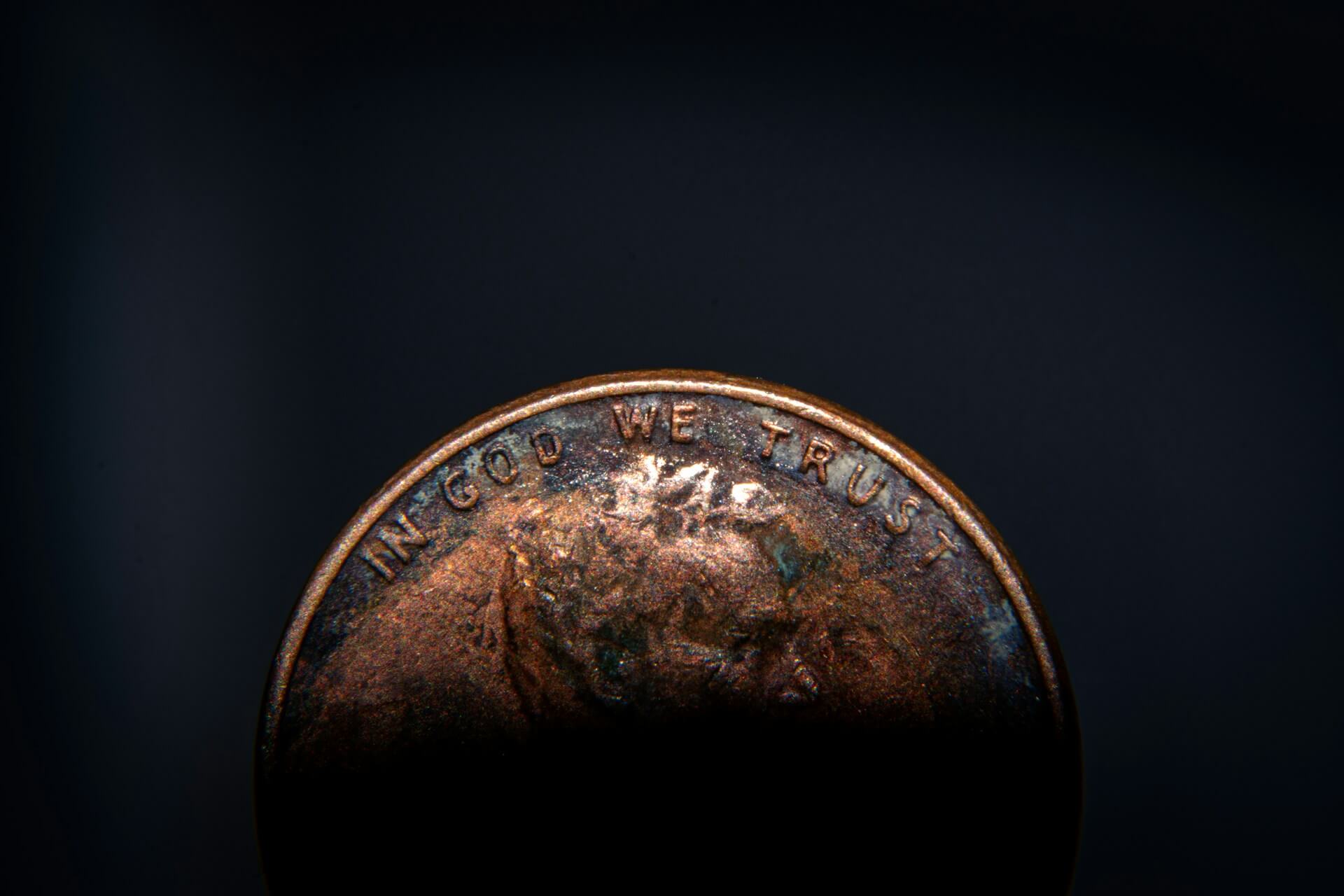
Minting errors create unique coins instantly recognizable within error-collecting communities. A 1988-D “Double Die” Lincoln Penny commands hundreds of dollars despite recent mintage.
Off-center strikes, die breaks, and planchet errors appeal to specialized collectors seeking mechanical oddities.
Morgan Dollar Proofs from Philadelphia Mint
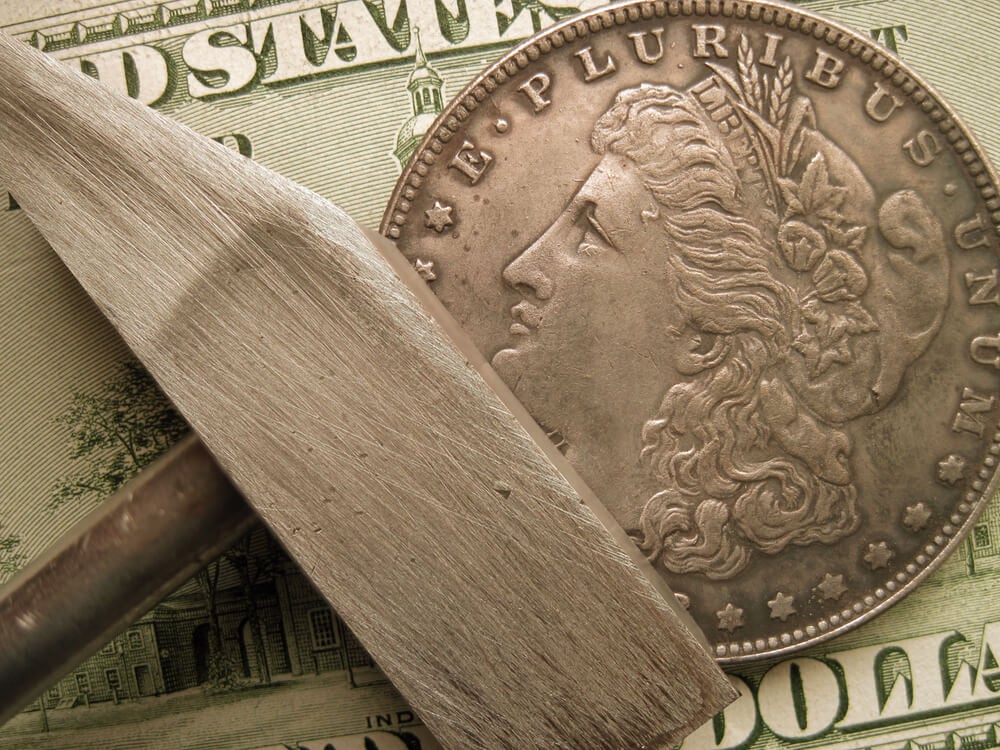
Philadelphia Mint Proof Morgan Dollars from the early 1880s represent exceptionally scarce specimens commanding premium auction prices. A Proof Morgan from 1882 in top condition can fetch $20,000 to $50,000 at auction.
Their limited production and pristine condition justify extraordinary price premiums.
Susan B. Anthony Dollar Rare Varieties
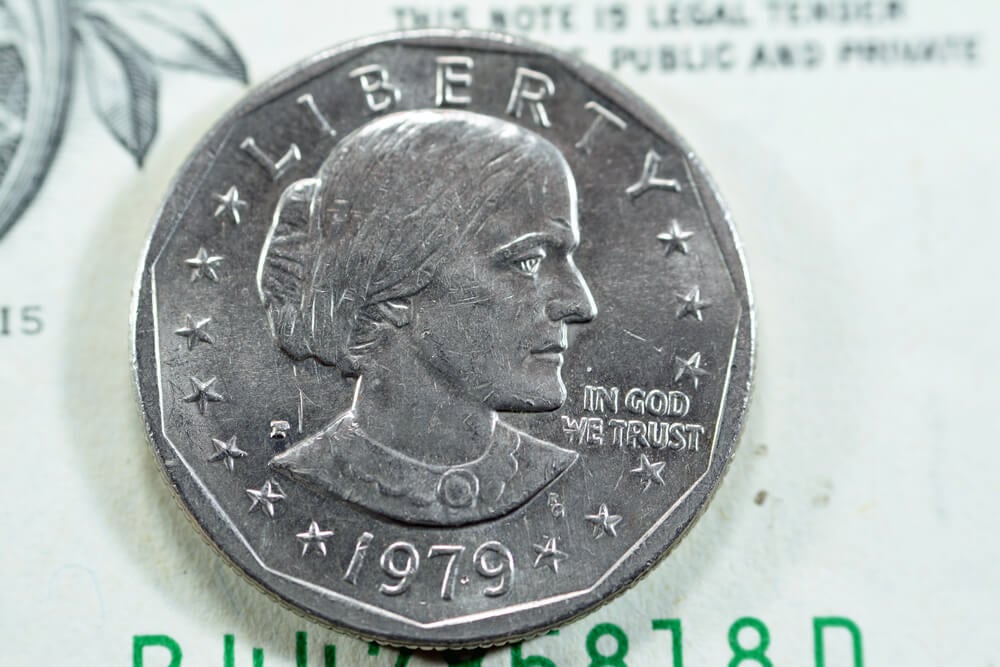
Though generally common, specific mintage variations of the Susan B. Anthony dollar attract modern error collectors. Certain 1979-S varieties command $300 to $800 depending on striking characteristics.
These affordable modern coins appeal to budget-conscious error collectors.
Presidential Dollar Rare Mint Marks and Varieties
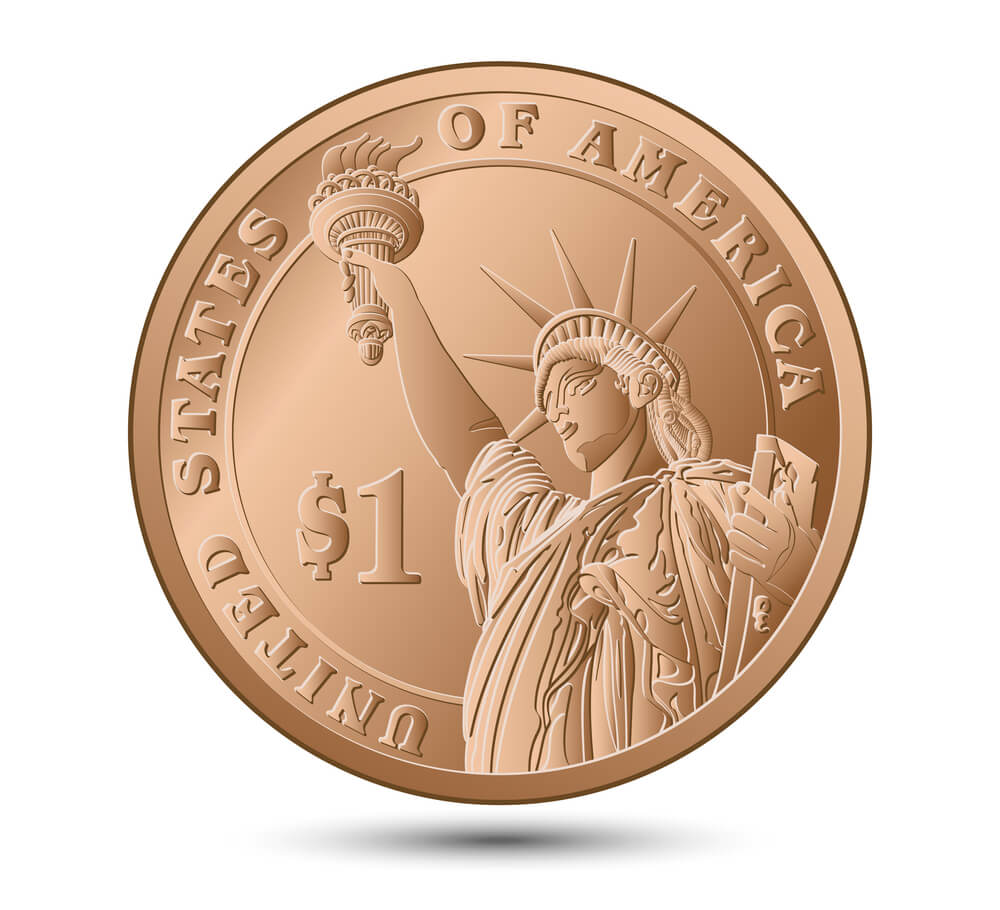
Presidential Dollars from 2007-2016 include scarce mint mark combinations appealing to modern collectors. Specific error varieties command $50 to $300 from collectors pursuing completeness.
These accessible modern coins attract beginning collectors building comprehensive presidential sets.
Eisenhower Dollar Silver Versions 1971-1976
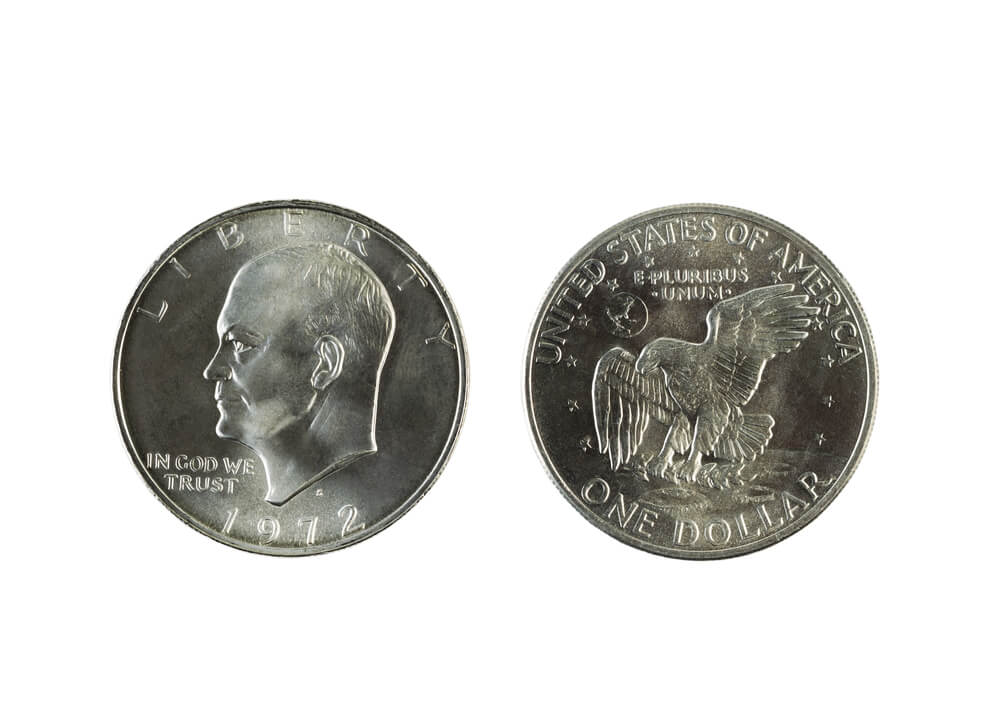
The silver Eisenhower Dollars contain 40 percent pure silver, commanding premiums over copper-nickel versions. Complete silver Eisenhower sets command $200 to $400.
Collectors value these both for silver content and as middle-era commemorative pieces.
Ancient Roman Coins Denarius and Gold Aurei
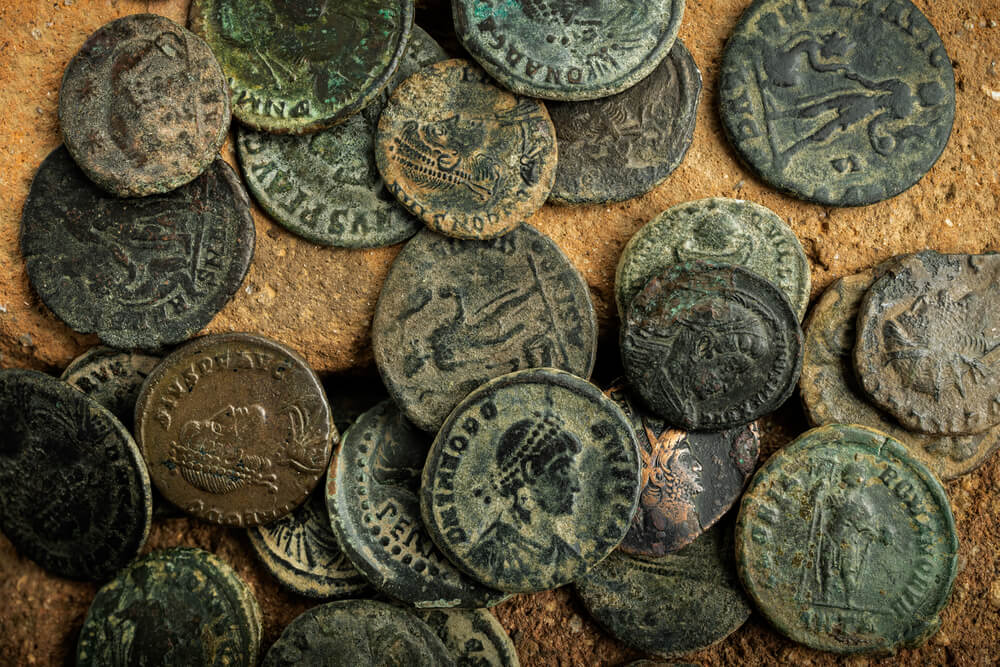
Genuine ancient Roman coins appeal to history collectors and classical enthusiasts despite extreme age and rarity. An average Roman denarius in fair condition typically costs $50 to $200.
Rare emperors or precious metal versions command significantly higher prices from history collectors.
Mintage Determines Value More Than Age Alone
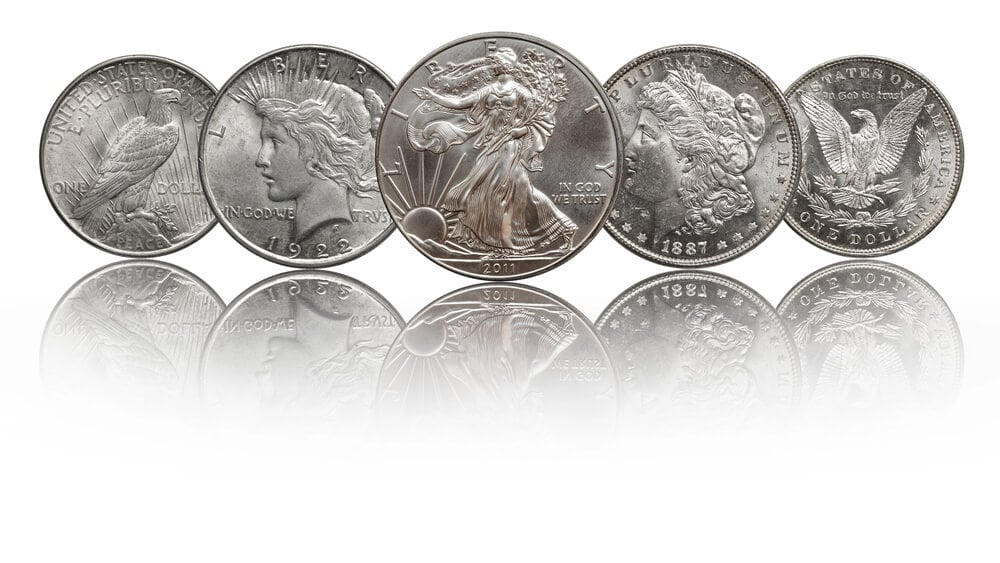
A coin from 1800 is not automatically more valuable than a coin from 1950—mintage and rarity drive value. The 1964 Denver Jefferson Nickel, minted millions of times, costs barely more than face value, while the ultra-rare 1909-S penny commands thousands.
Collectors systematically check mint marks and dates because a single rare coin hiding in ordinary change can represent retirement-level money.
More from Go2Tutors!

- The Romanov Crown Jewels and Their Tragic Fate
- 13 Historical Mysteries That Science Still Can’t Solve
- Famous Hoaxes That Fooled the World for Years
- 15 Child Stars with Tragic Adult Lives
- 16 Famous Jewelry Pieces in History
Like Go2Tutors’s content? Follow us on MSN.