1 Places That Got Their Names From Misunderstood Words
Language barriers have shaped our maps in unexpected ways throughout history. Explorers tramping across unfamiliar terrain often butchered local pronunciations, while colonial officials scribbled down what they thought they heard – creating place names that stuck around for centuries despite their mistaken origins.
These linguistic mix-ups aren’t just amusing footnotes; they’re windows into the messy, complicated process of cultural contact. Here is a list of 15 places whose names originated from fascinating misunderstandings.
Yucatan
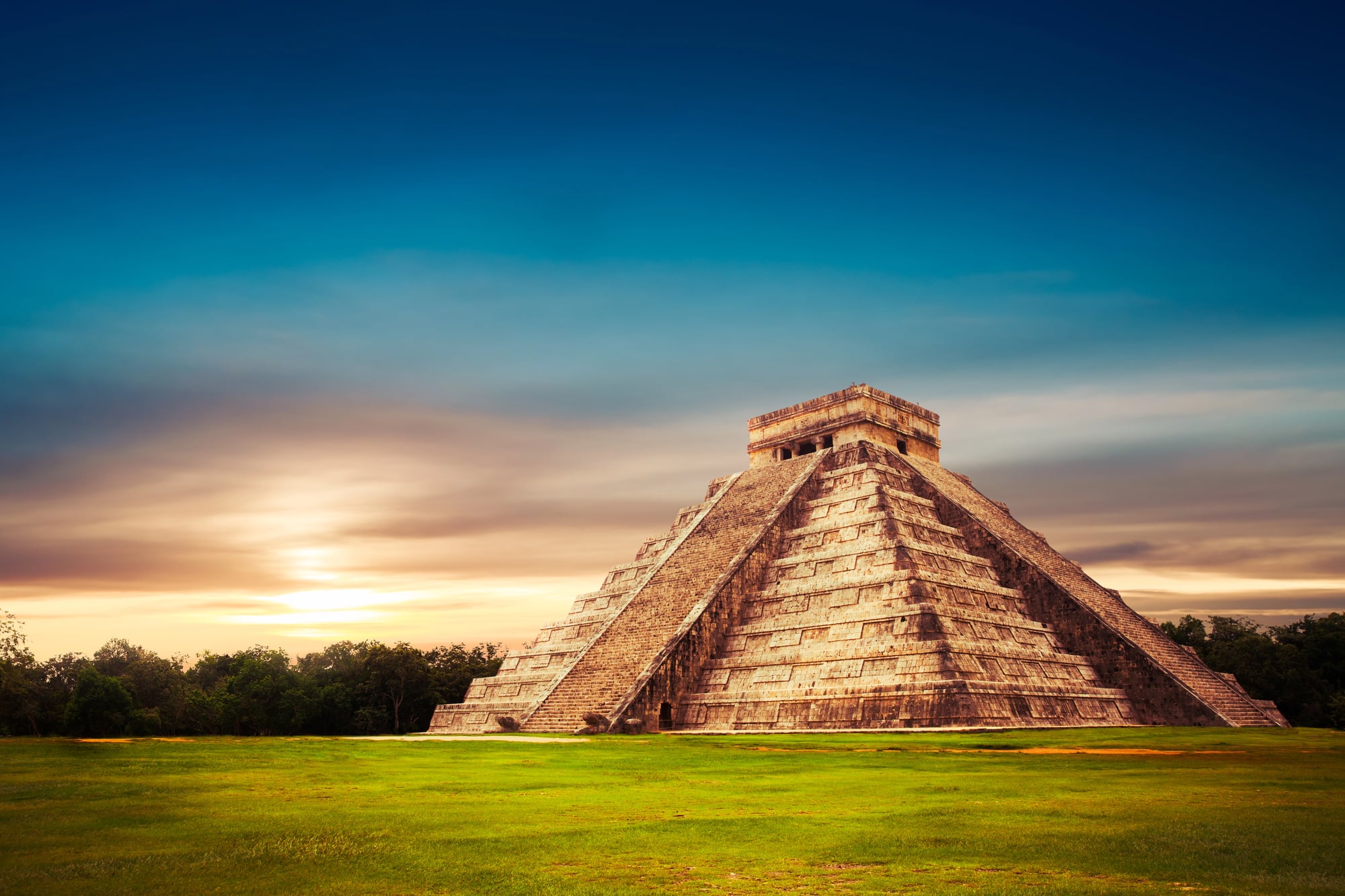
The Yucatan Peninsula earned its name through a classic case of cross-cultural confusion. When Spanish conquistadors landed and asked what they should call this new territory, the local Maya reportedly answered “Yucatan”—which scholars believe actually meant “I don’t understand you” or possibly “What are you saying?”
The Spanish, oblivious to the irony, dutifully recorded this response as the region’s official name. This linguistic stumble permanently branded an entire Mexican peninsula with what amounts to a prehistoric version of “huh?”
Kangaroo

Australia’s Kangaroo Island wasn’t named for resembling the animal’s shape—the truth is far more amusing. British explorer Matthew Flinders pointed at the strange hopping creatures and asked Indigenous Australians what they were called.
Their response, which sounded like “kangaroo” to European ears, actually translated roughly to “I don’t know” or “I don’t understand the question.” The misheard phrase stuck, giving us both the animal’s common name and the island where Europeans first documented them—all because someone couldn’t grasp a basic question.
Like Go2Tutors’s content? Follow us on MSN.
Canada

Our northern neighbor got its name from a spectacular misinterpretation. Jacques Cartier, while exploring the St. Lawrence River in 1535, heard local Iroquoians use the word “kanata”—simply meaning “village” or “settlement” in their language.
Cartier, however, assumed they were naming the entire region. This modest linguistic slip-up eventually became the official name of the second-largest country on Earth—a bit like naming a nation “Town” or “Neighborhood.”
Barbados

This Caribbean island owes its identity to Portuguese sailors who couldn’t properly identify trees. When they spotted the island’s fig trees with their distinctive hanging aerial roots, they called the place “Os Barbados”—meaning “the bearded ones” in Portuguese.
They thought the dangling roots looked like facial hair. Though Portugal never colonized the island, subsequent English settlers kept the name, unwittingly preserving a botanical misidentification for centuries.
Coromandel

New Zealand’s stunning Coromandel Peninsula carries its name due to a multi-generational game of telephone. Originally “Cholamandalam”—meaning “realm of the Cholas” (a Tamil dynasty)—British traders couldn’t wrap their tongues around the proper pronunciation.
They shortened it to “Coromandel” for their trading ship, which later lent its name to the New Zealand coastline. Today’s beachgoers probably don’t realize they’re sunbathing on shores named after a mangled version of an ancient Indian kingdom.
Like Go2Tutors’s content? Follow us on MSN.
Antelope Valley
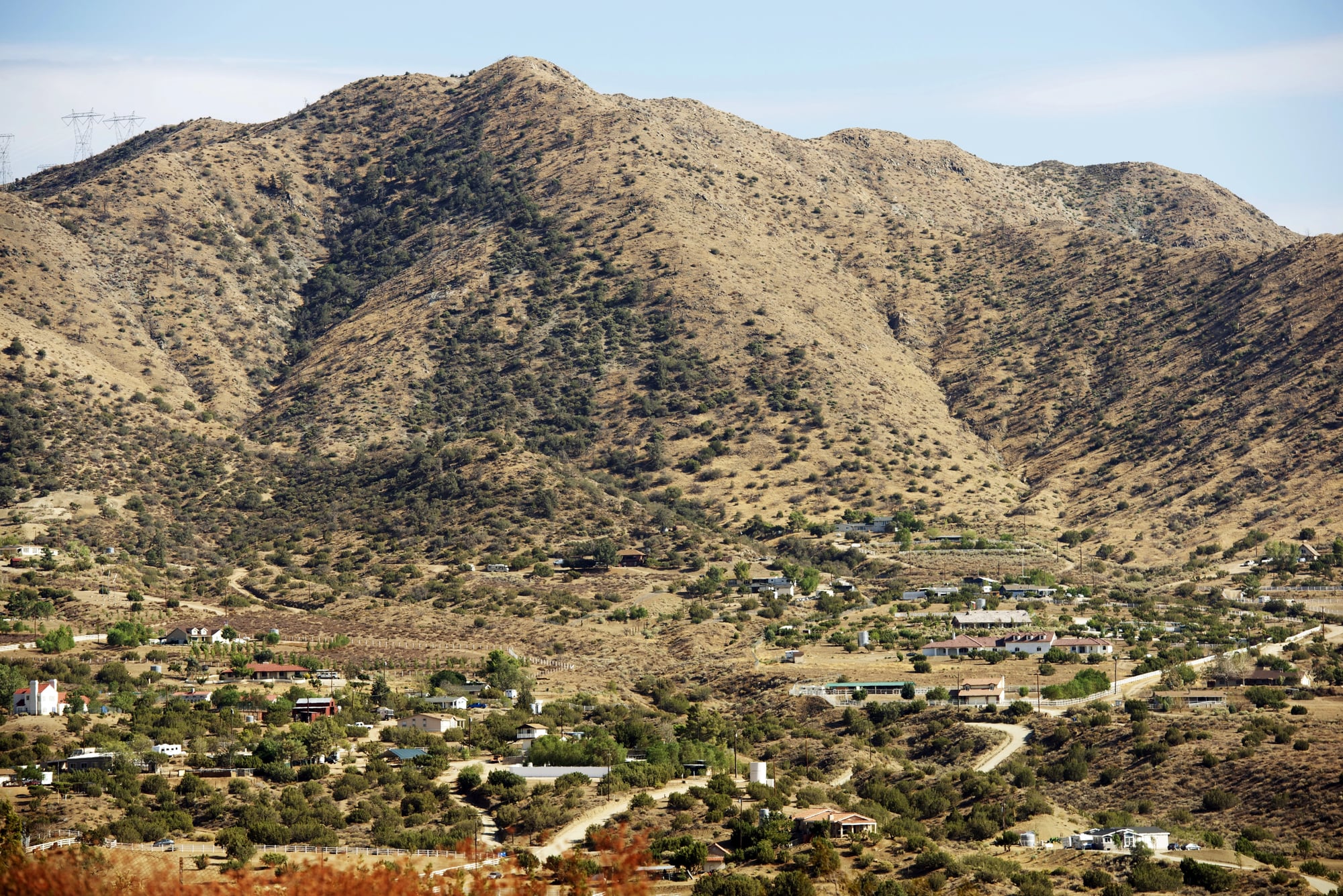
This sprawling California location showcases how translation errors become permanent features on maps. Spanish explorers spotted pronghorns bouncing across the landscape and called them “berrendo.”
Later American settlers—unfamiliar with Spanish fauna terminology—mistranslated this as “antelope,” despite pronghorns being entirely different animals. The valley now commemorates a creature that doesn’t even exist in North America—taxonomic accuracy sacrificed for linguistic convenience.
El Dorado

The legendary city of gold began as a simple misunderstanding of a tribal ceremony. Spanish conquistadors heard tales of a tribal chief who covered himself in gold dust for religious rituals—referred to as “el dorado” (the gilded one).
The Spanish mistook this description of a person and practice for the name of a place. This confusion launched countless deadly expeditions across South America searching for a golden city that never existed—changing the course of colonization through a basic failure to comprehend ritual descriptions.
Shanghai

China’s largest metropolis has a name that’s geographically misleading. In Mandarin, “Shang” means “upon” and “hai” means “sea,” suggesting a coastal location.
Yet Shanghai actually sits about 25 miles inland along the Yangtze River delta. The name reflects medieval Chinese perception of the area’s maritime importance rather than literal geography. It’d be like calling Denver “Oceanside” despite being a thousand miles from any coast.
Like Go2Tutors’s content? Follow us on MSN.
Chicago
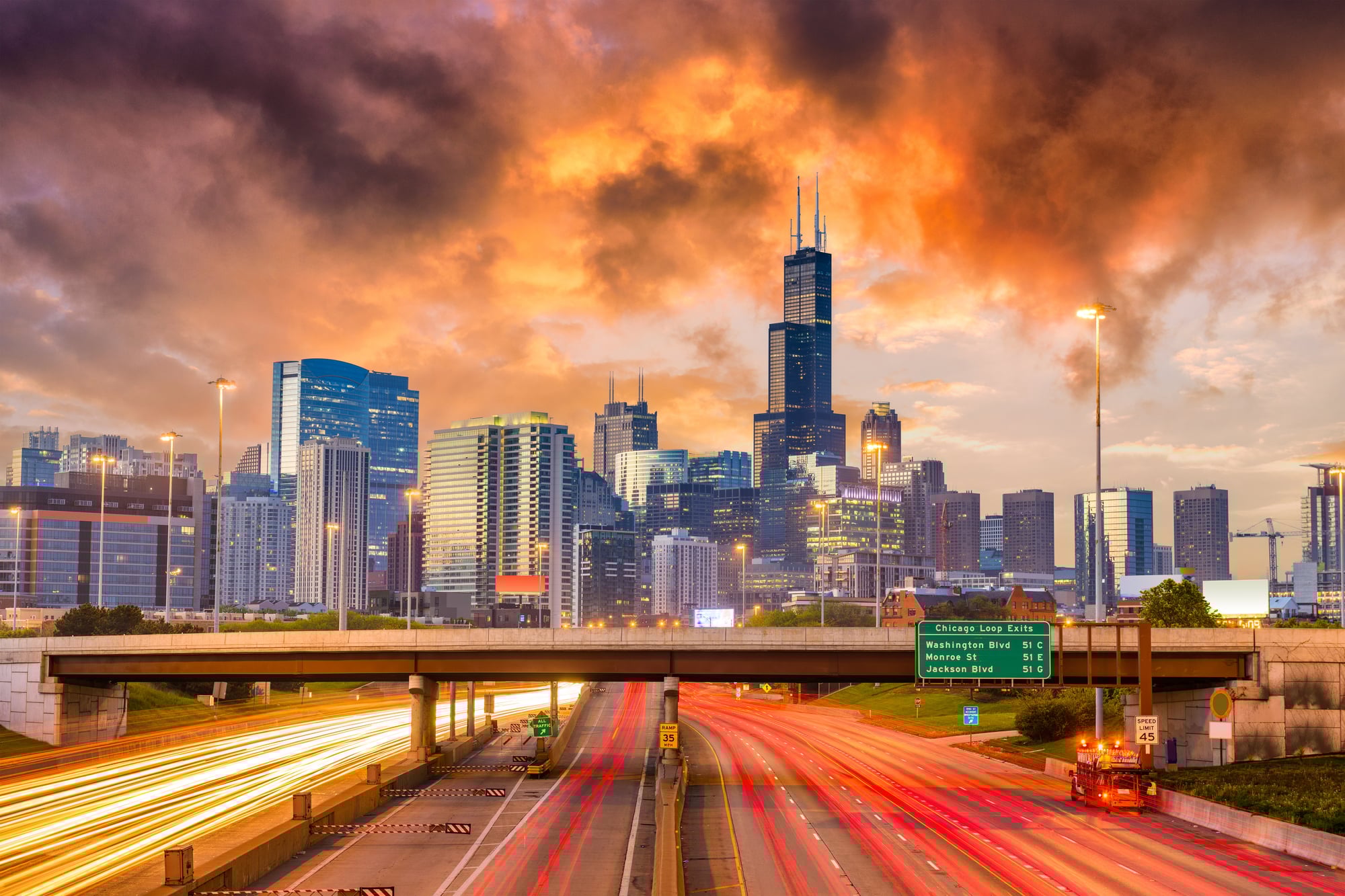
The bustling metropolis of Chicago carries a name that’s essentially a vegetable reference. French explorers documented the local Miami-Illinois term “shikaakwa,” which referred to wild onions or garlic growing abundantly in the area.
They transformed this plant descriptor into a place name without realizing the implications. Today’s massive global city essentially bears the name “Wild Onion Place”—though most residents and visitors remain blissfully unaware they’re living in or visiting a city named after a pungent plant.
Malibu
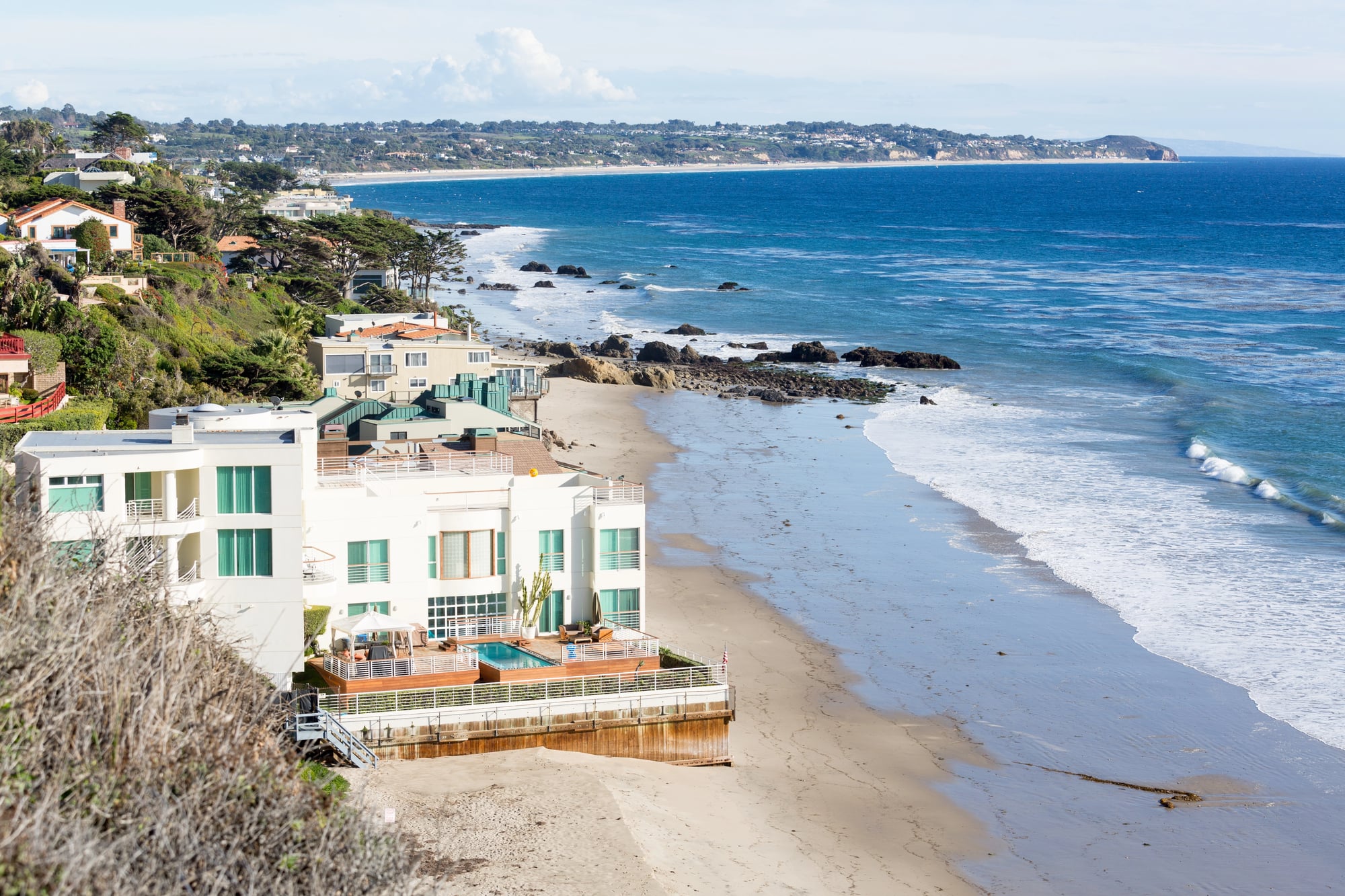
This iconic California beach destination received its name through colonial mishearing. The Chumash Indigenous people called their settlement “Humaliwo,” meaning “where the surf sounds loudly”—a perfectly apt description.
Spanish colonizers couldn’t properly pronounce this, recording it as “Malibu” instead. The error actually worked out well from a marketing perspective; the simplified name sounds as smooth and appealing as the beach itself, helping transform the area into a worldwide symbol of coastal luxury.
Elk River
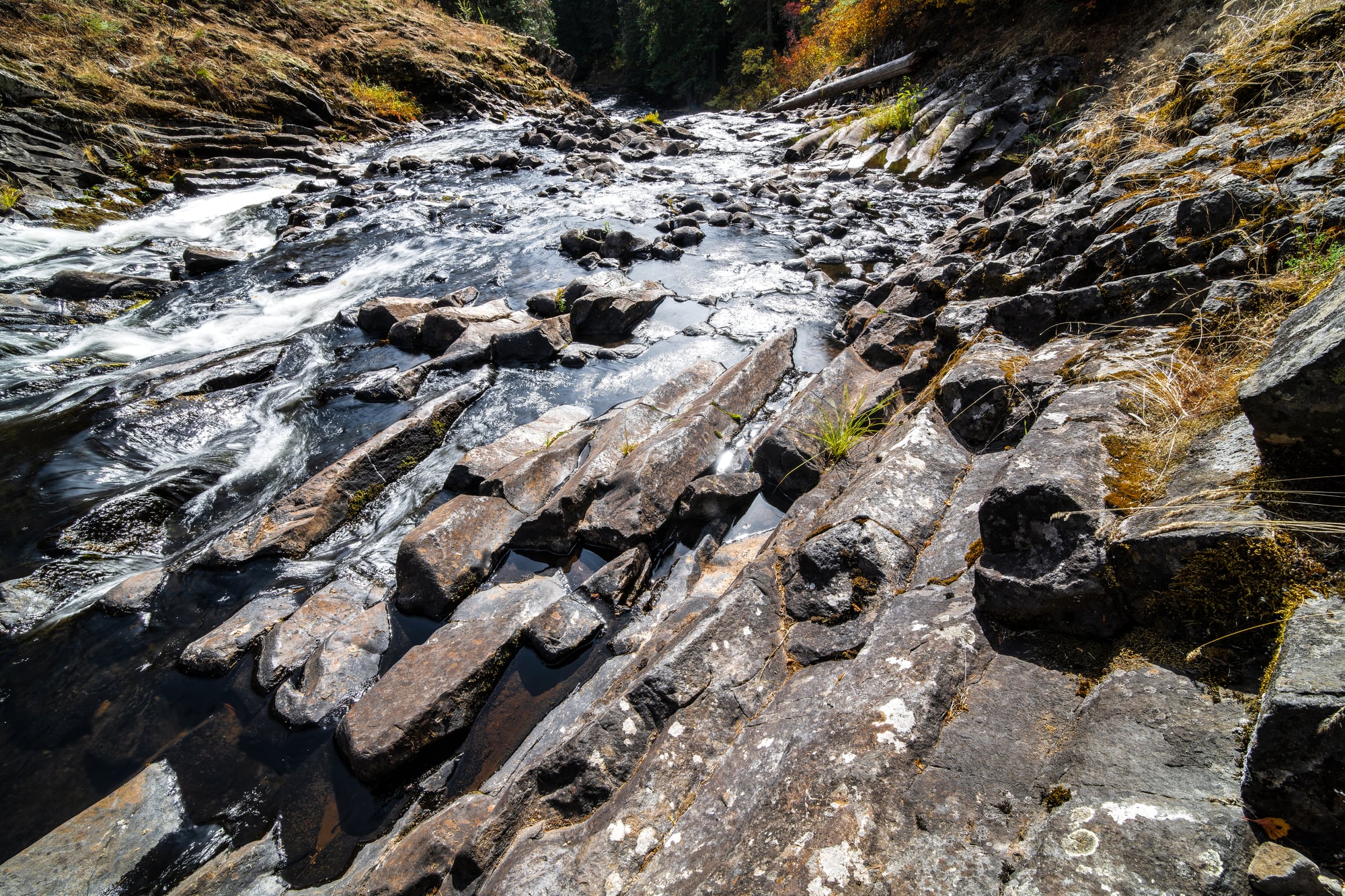
Several North American towns named “Elk River” actually commemorate cases of mistaken animal identity. Early European settlers frequently conflated moose, caribou, or white-tailed deer with the European elk they knew from home.
These “Elk Rivers” were named before settlers fully understood the continent’s distinct wildlife species. Modern zoological knowledge reveals these place names as fossilized evidence of frontier-era confusion about North American fauna.
Like Go2Tutors’s content? Follow us on MSN.
Pemaquid
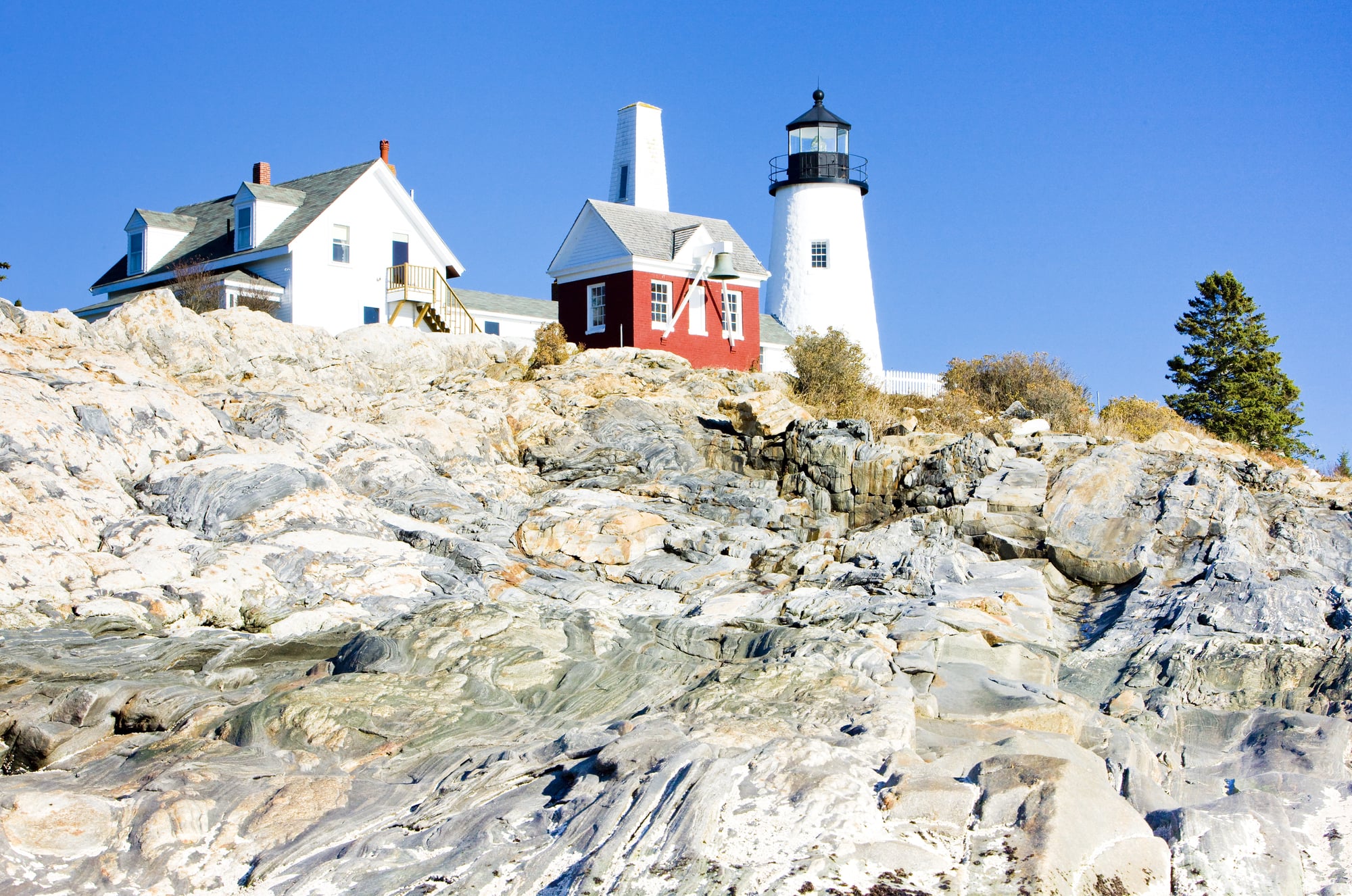
This picturesque Maine coastal location carries a name distorted through colonial misunderstanding. The original Abenaki Indigenous term meant “situated far out,” accurately describing the peninsula’s geography.
English colonists couldn’t pronounce it correctly, garbling it to “Pemaquid” and altering both its sound and meaning. The name has persisted unchanged for over four centuries, serving as a linguistic artifact of early European–Native American encounters along the northeastern seaboard.
Gotham
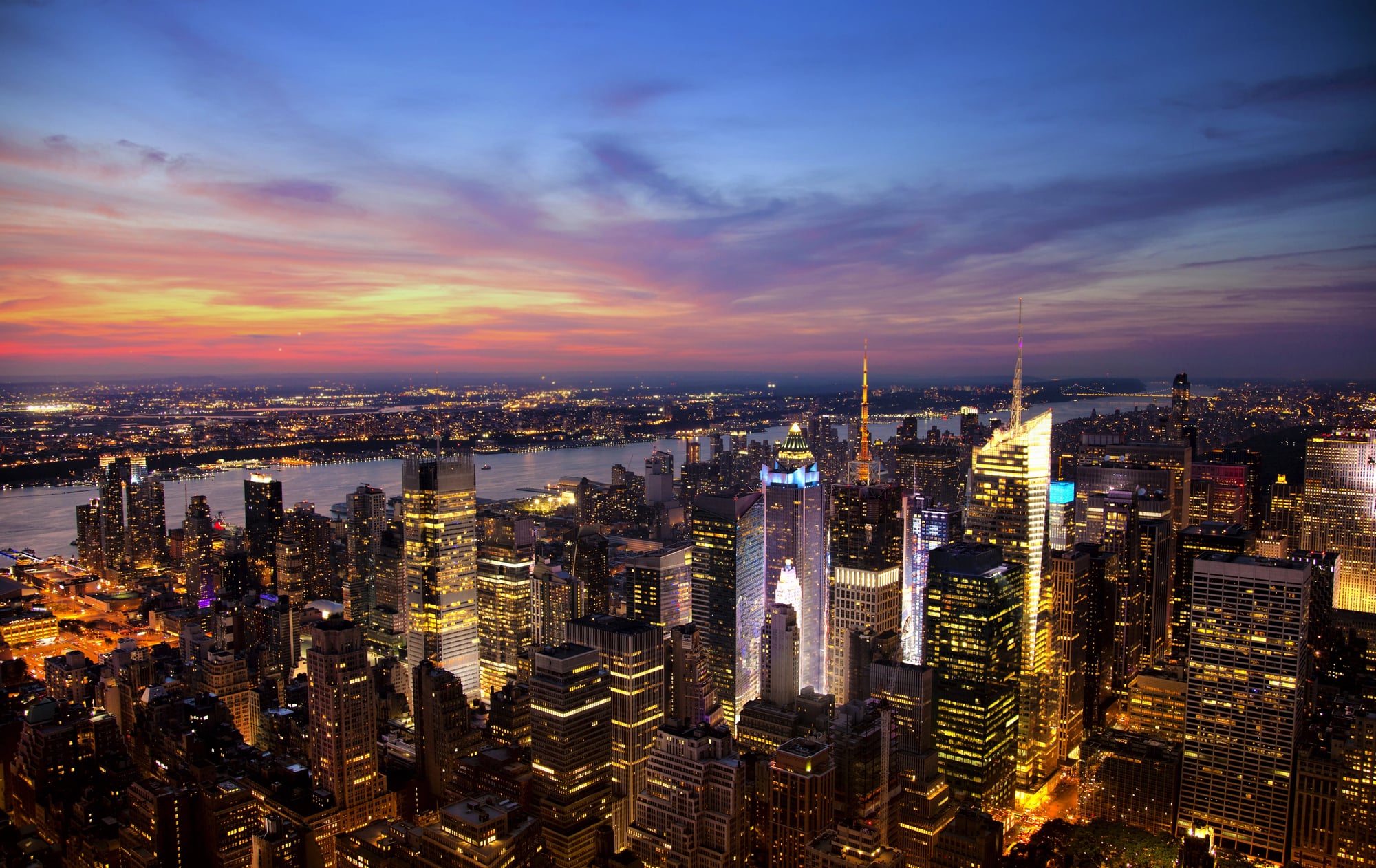
New York City’s famous nickname contains multiple layers of misunderstanding. Washington Irving borrowed the name from an English village called Gotham, whose residents were legendary for feigning madness.
Irving didn’t realize “Gotham” originally meant “goat home” in Old English, having nothing to do with insanity. This double misinterpretation gave America’s largest metropolis a nickname based on a medieval English goat pasture. Batman’s fictional city would later adopt this same name, adding another layer of geographical confusion.
Names That Transcend Their Mistaken Origins
These linguistic fossils reveal the haphazard nature of how humans label their surroundings. What began as simple miscommunications between explorers and locals became permanent fixtures on maps, outlasting both the people who made these errors and those who tried to correct them.
Place names function as accidental time capsules, preserving moments when different languages collided and comprehension failed.
Next time you visit these locations, consider the convoluted journeys their names took before landing on modern maps. Behind each familiar name lies a story of human interaction—often flawed and frequently comical, yet ultimately binding us to geography through shared misunderstandings that somehow became official.
Like Go2Tutors’s content? Follow us on MSN.
More from Go2Tutors!

- 18 Unexpectedly Valuable Collectibles You Might Have Lying Around
- 20 Little-Known Historical Battles That Had Huge Consequences
- 20 Historical Artifacts That Scientists Can’t Explain
- 15 Inventions That Were Immediately Banned After Being Created
- 20 Actors Who Were Almost Cast in Iconic Roles
Like Go2Tutors’s content? Follow us on MSN.