23 Old Cameras That Hold Their Value
Film photography’s resurgence among younger generations has revived the vintage camera market, creating dual demand from collectors and functional users. A camera’s value depends not on age alone but on brand prestige, functionality, optical quality, and condition.
The 1950s-1970s represent the golden age for collectible film cameras, when Japanese and German competition drove innovation at accessible price points.
Leica 0-Series Prototype Cameras 1923
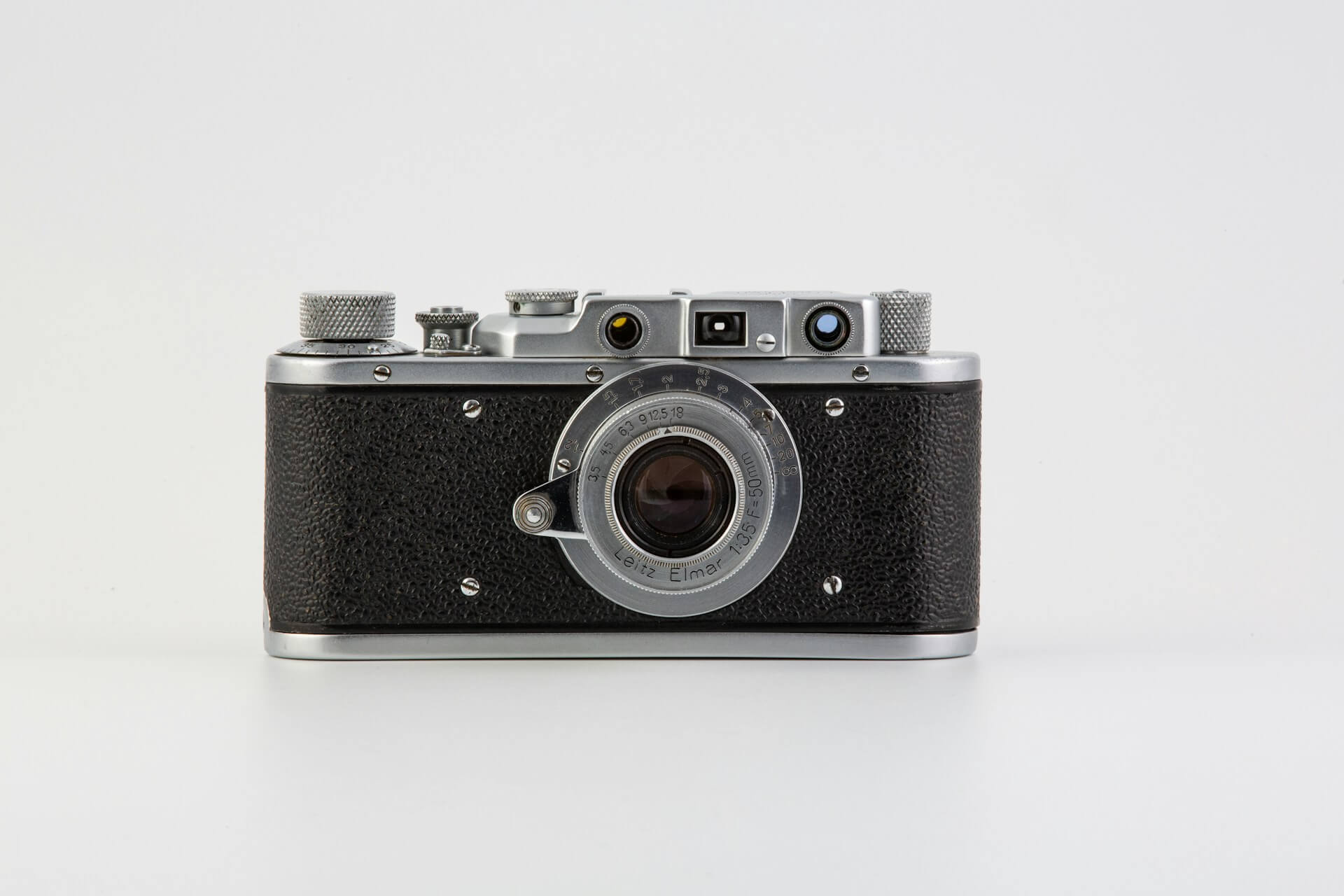
The ultra-rare Leica 0-Series prototypes represent the pinnacle of camera collectibility, with only 25 manufactured before commercial production. One example fetched $2.95 million at auction in 2018, establishing this as one of the most valuable cameras ever sold.
Ownership of a genuine 0-Series represents a legendary collecting achievement.
Leica M3 Rangefinder from 1954
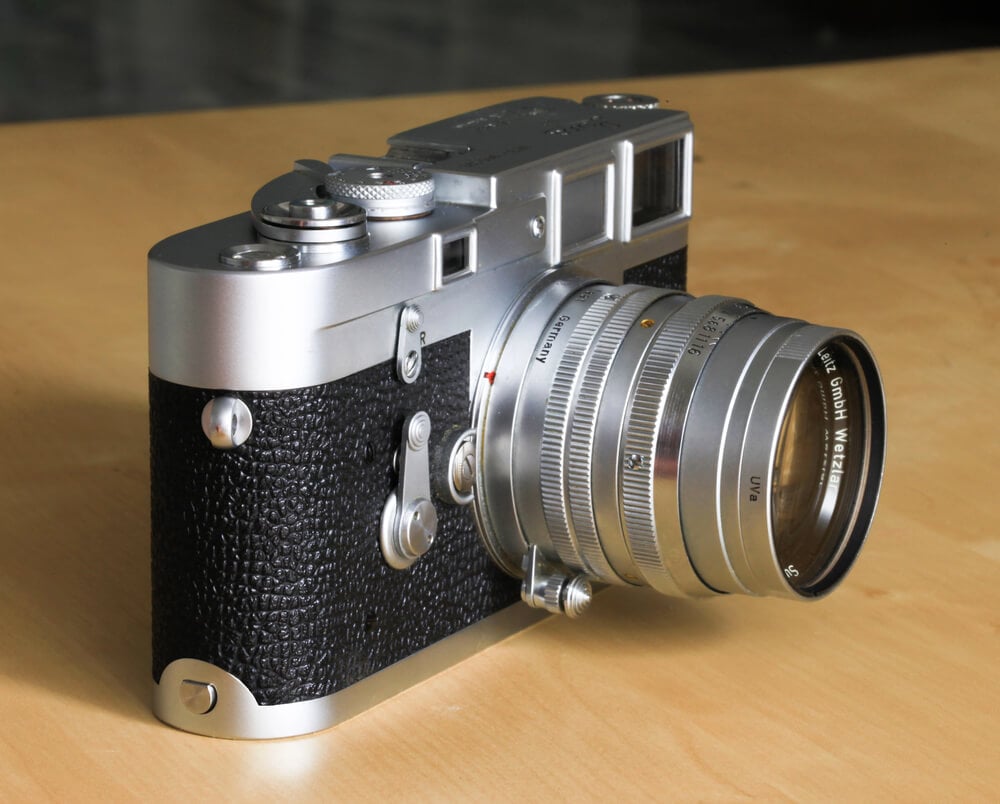
The iconic Leica M3 represents the gold standard of 35mm rangefinder photography, with prices reflecting its legendary status. A specimen in excellent condition can fetch $1,500 to $3,000 despite common production numbers.
Photographers and collectors alike prize the mechanical simplicity and optical excellence.
Nikon S2 Rangefinder from 1950s
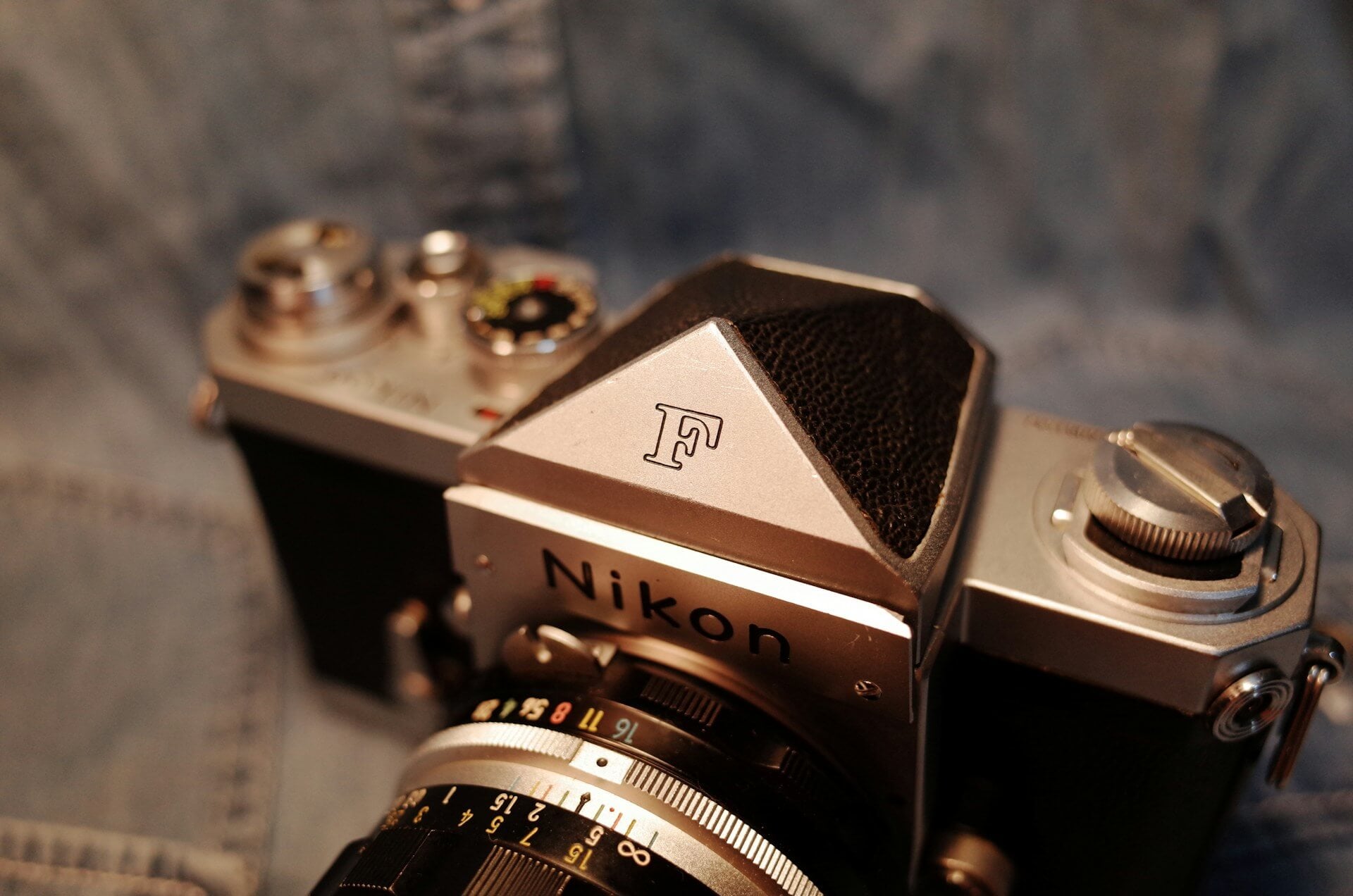
The Nikon S2 rangefinder represents Japanese optical excellence entering the market against German dominance. A specimen in excellent condition commands $1,000 to $2,000 from both collectors and photographers.
The mechanical precision appeals to users seeking functional tools rather than display pieces.
Hasselblad 500C/M Medium Format Camera
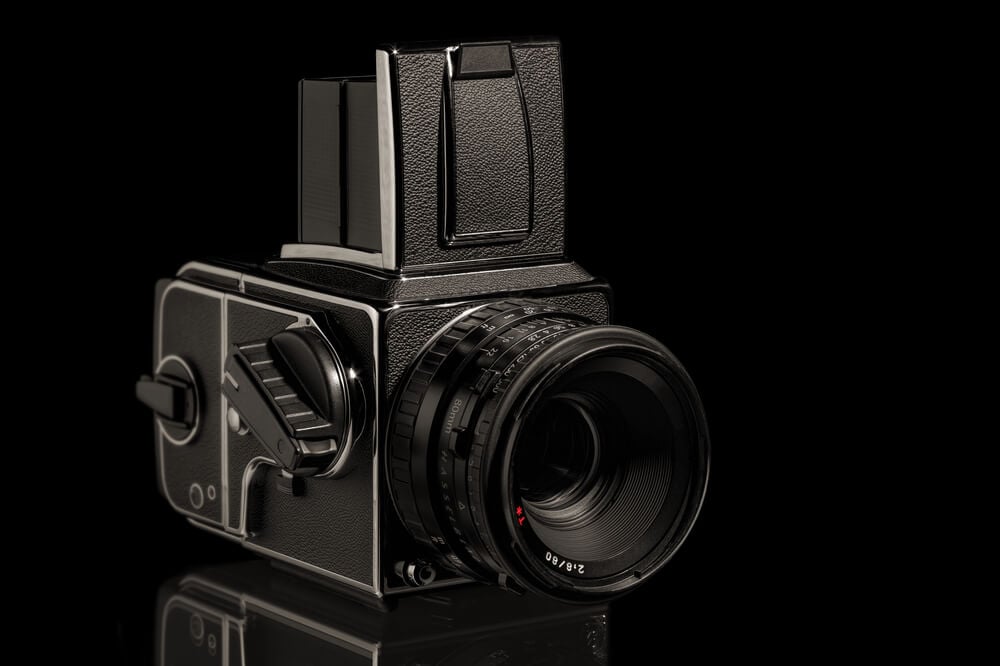
The Hasselblad represents the standard-bearer of medium format photography, commanding premium prices even in used condition. A working 500C/M with quality lens typically fetches $800 to $2,000.
The professional reputation ensures consistent demand from photographers.
Rolleiflex Twin Lens Reflex Cameras
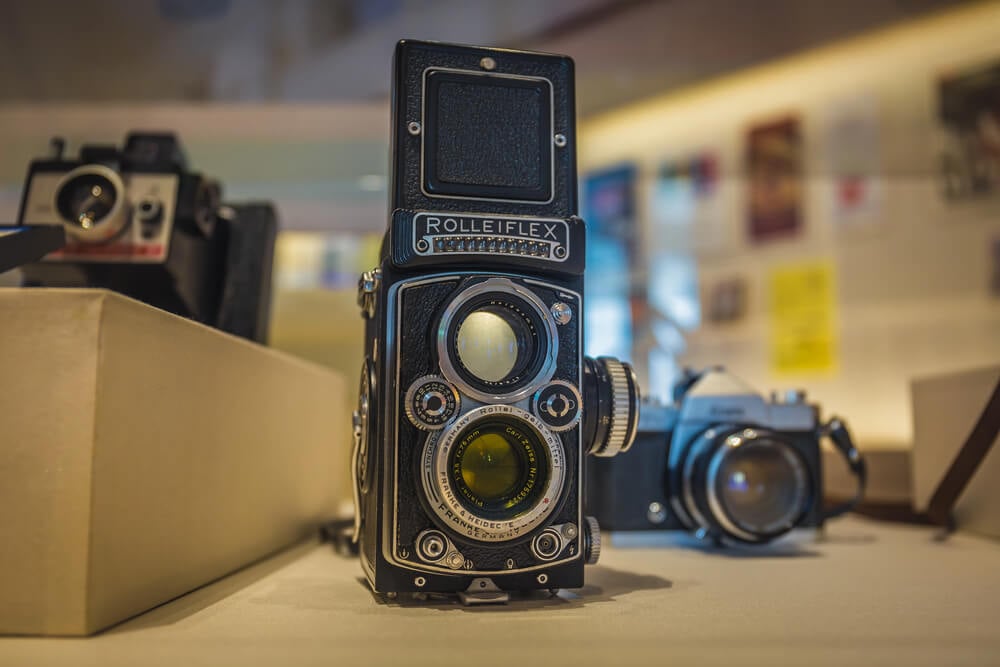
The Rolleiflex TLR dominated twin-lens reflex photography for decades, with models from the 1950s-1980s remaining highly sought. A Rolleiflex 2.8 GX in good condition commands $400 to $1,200.
The mechanical engineering and optical quality appeal to serious photographers.
Canon FTb Professional SLR from 1971
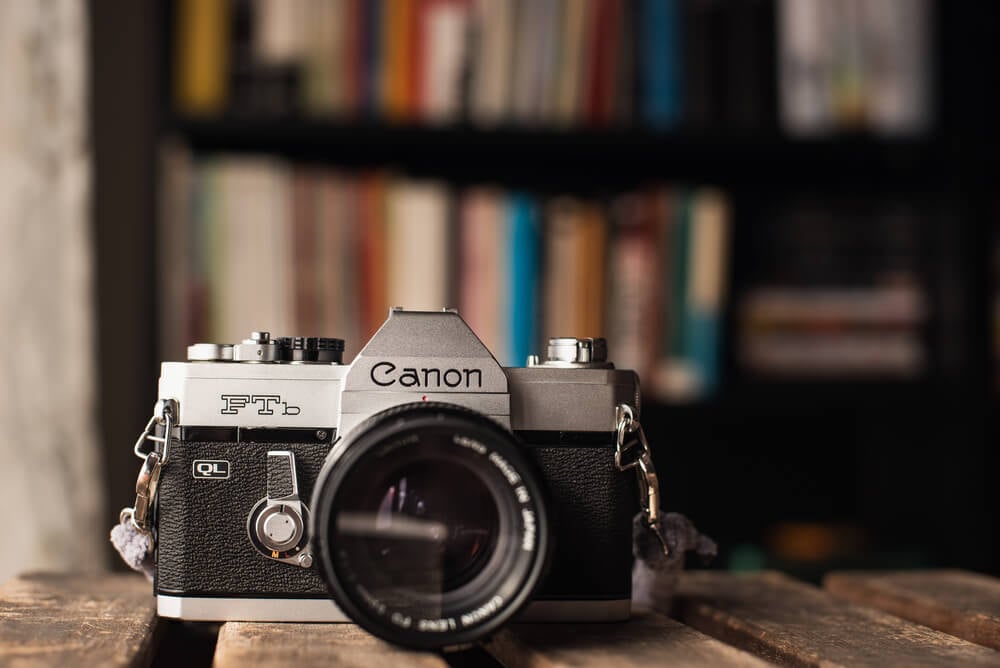
Canon’s professional SLR represented mid-century Japanese optical innovation at accessible prices. A working FTb with quality lens typically sells for $200 to $500.
The affordability combined with optical quality makes these popular with entry-level film photographers.
Pentax K1000 Student Camera from 1976
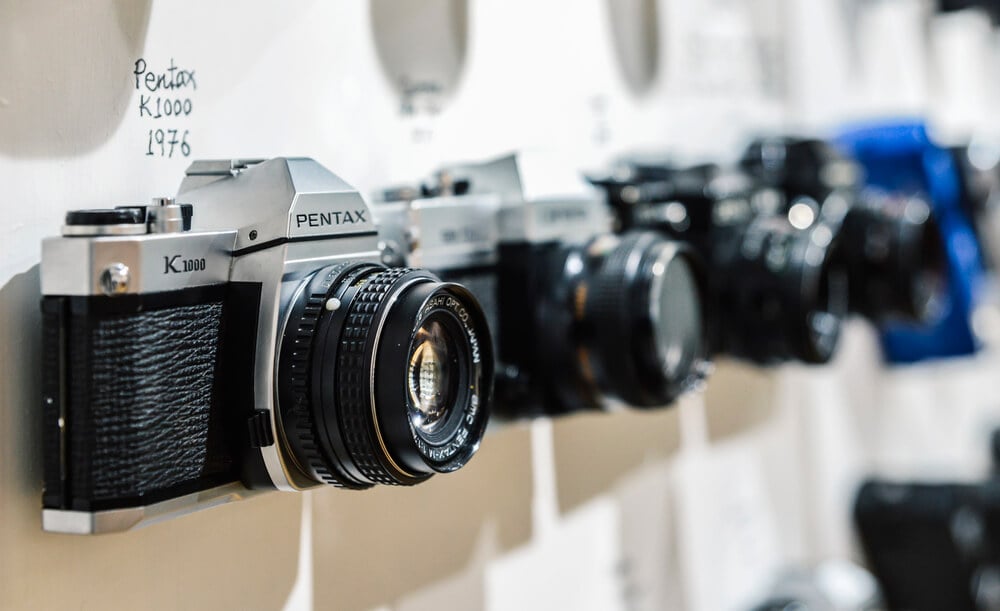
The legendary K1000 represented the standard teaching camera for generations of photography students. A working example now commands $100 to $300 based on the resurgence of film photography among younger photographers.
The simplicity and durability ensure consistent user demand.
Yashica Mat-124G Twin Lens Reflex
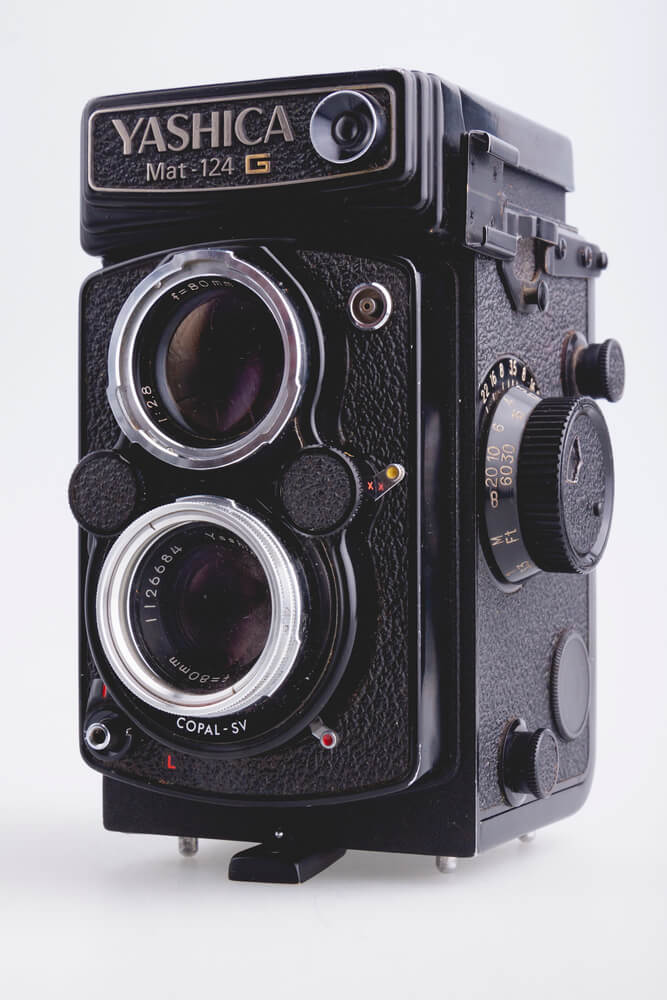
Created in the 1970s, the Yashica Mat-124G produces exceptional image quality with its 80mm f/3.5 lens. A specimen in decent condition commands around $250 from contemporary film photographers.
The affordability combined with optical excellence creates user demand beyond collector interest.
Polaroid SX-70 Instant SLR Camera
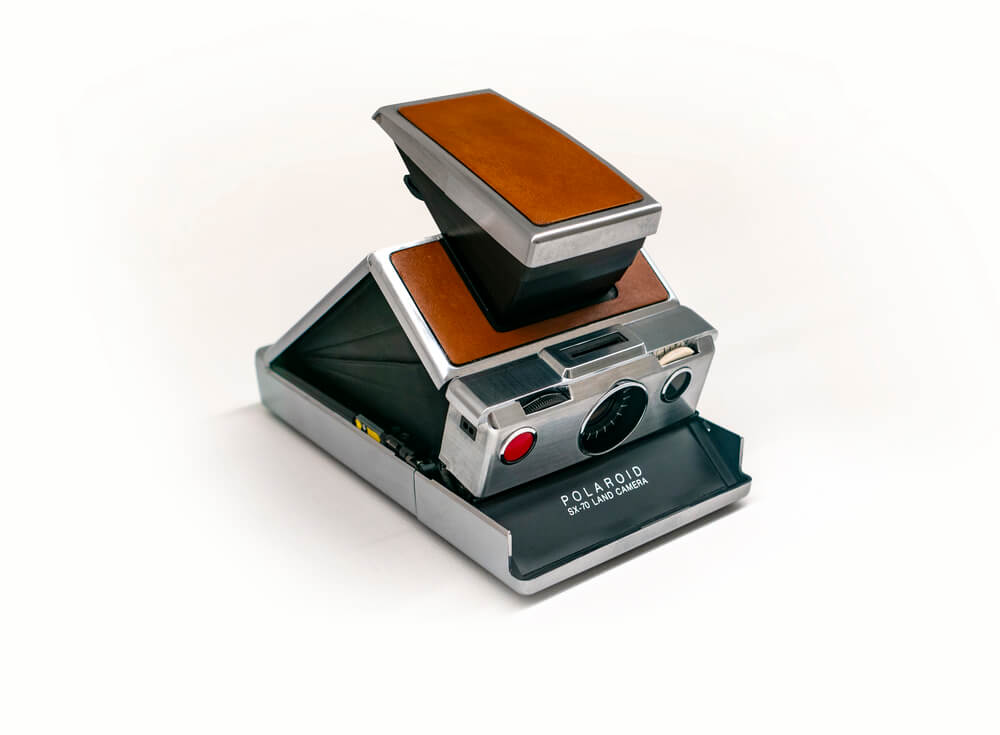
The groundbreaking first instant SLR camera from the early 1970s holds dual collector and user appeal. A working example in mint condition with original packaging commands $3,000 to $5,000.
The historical significance as photography innovation justifies premium collector pricing.
Polaroid 600 Series from 1950s-1960s
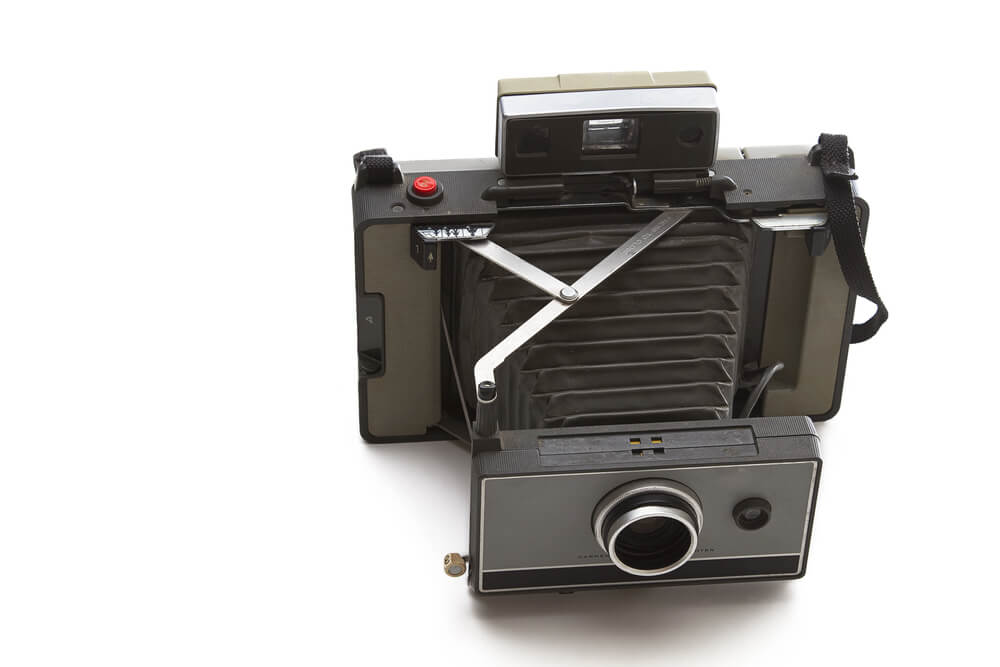
Older Polaroid models with bellows from the 1950s-1960s command modest premiums as collector items. A functioning model from this era typically sells for $50 to $100.
The nostalgic appeal and film availability limit value compared to earlier technical innovations.
Kiev Soviet Camera Medium Format System
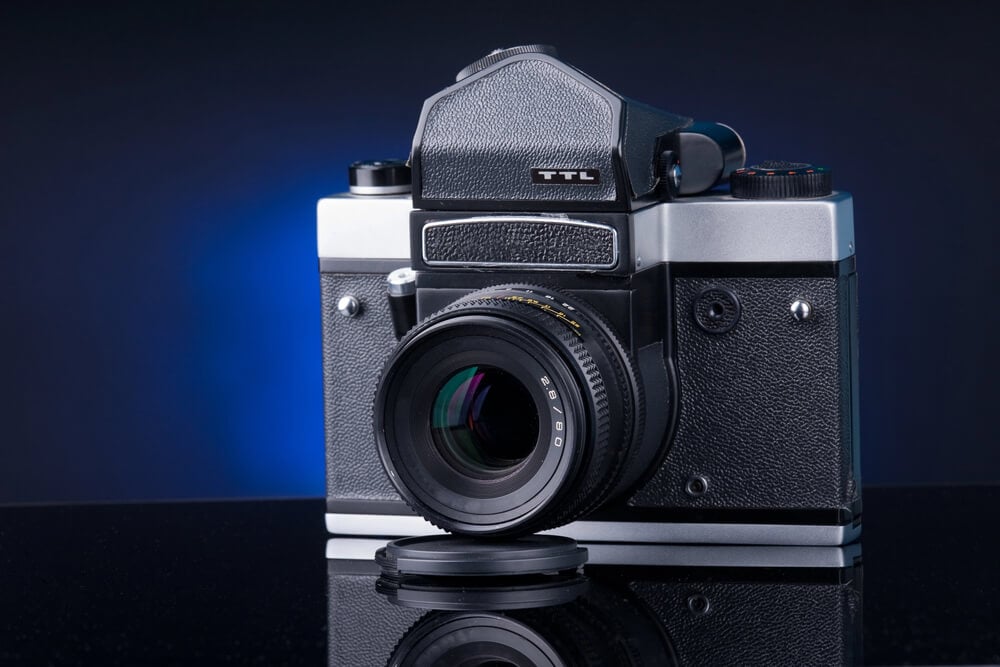
The Kiev represents Cold War-era Soviet optical engineering, attracting collectors interested in political history and mechanical devices. A functioning Kiev typically sells for $75 to $200 depending on condition.
The distinctive mechanical design appeals to technology historians.
Pentax Spotmatic from 1964
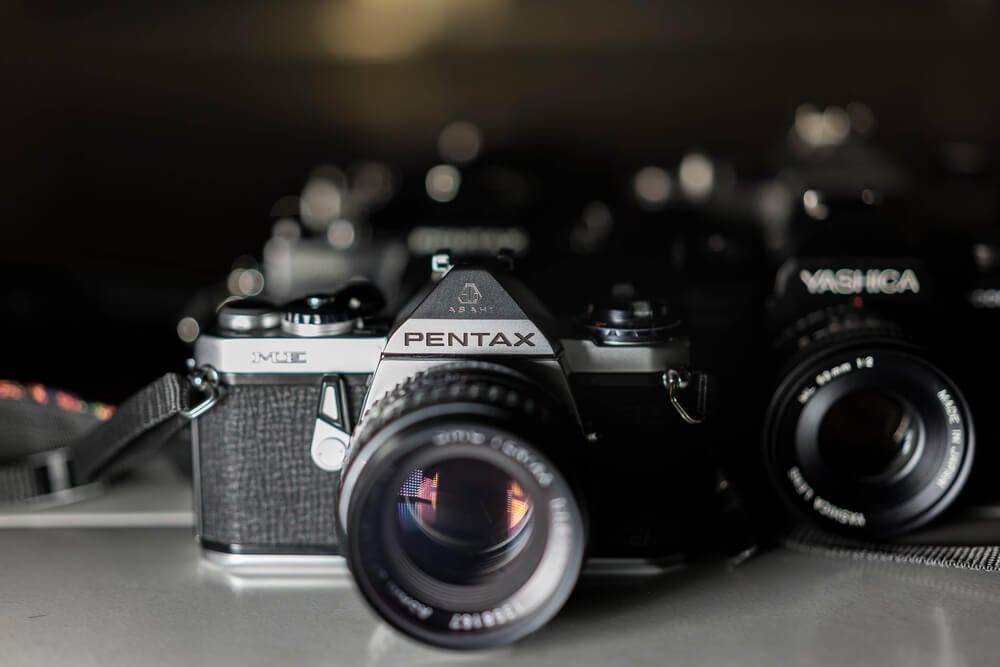
The Pentax Spotmatic pioneered light-metering in professional SLRs and maintains strong appeal among photographers. A working example with quality lens typically sells for $150 to $400.
The optical reliability ensures steady demand from film photographers.
Mamiya RB67 Professional Medium Format
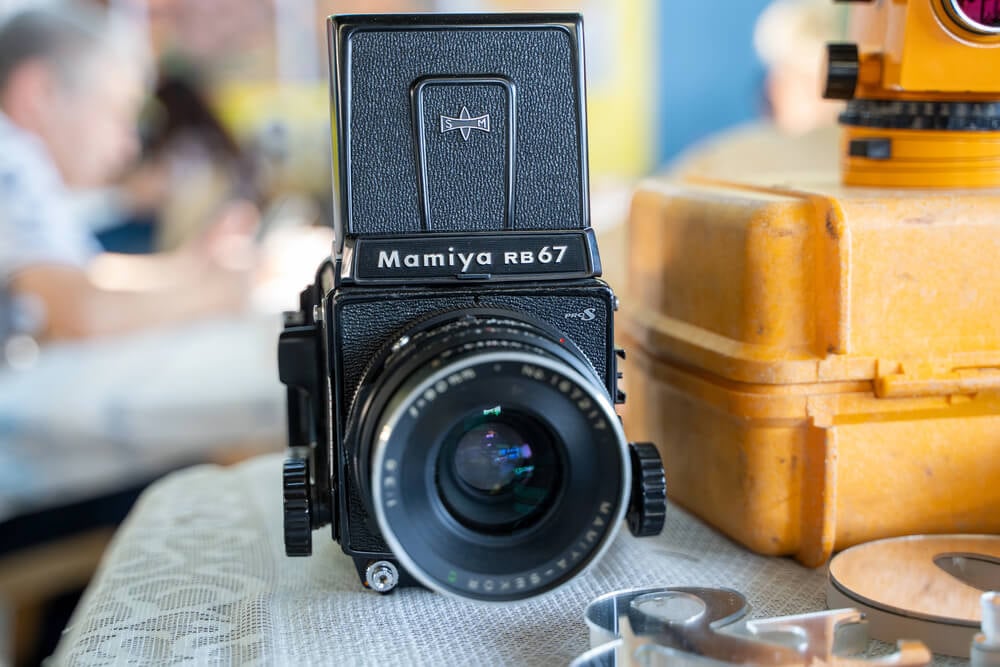
The Mamiya RB67 represents the pinnacle of professional medium format engineering, maintaining value among photographers. A working system with back and lens typically commands $500 to $1,200.
Professional photographers seeking functional tools rather than display pieces drive consistent demand.
Minolta X-700 SLR from 1981
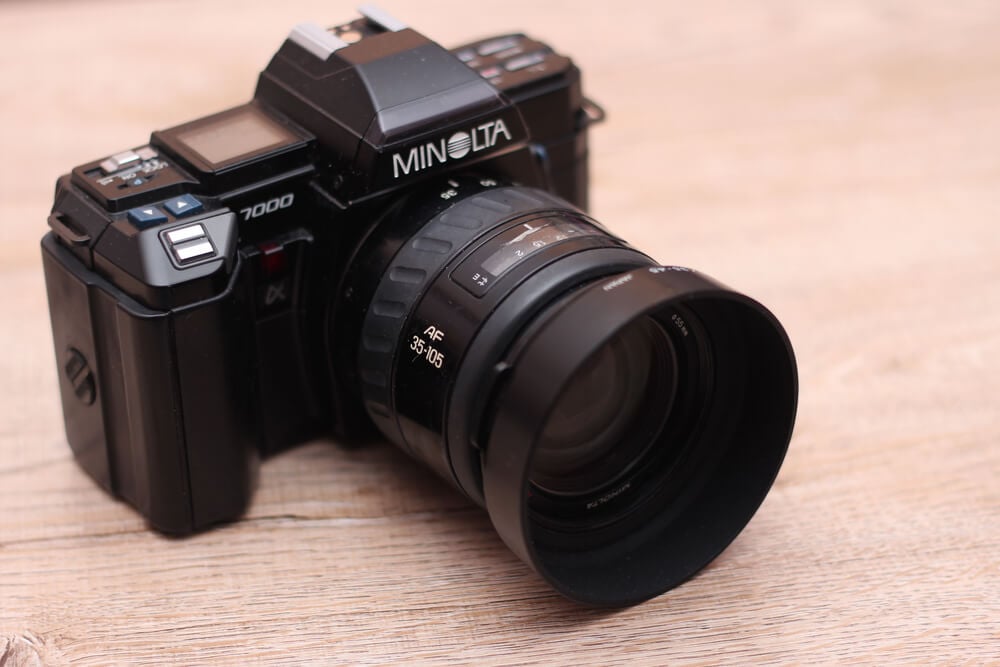
The compact Minolta X-700 combined mechanical reliability with automatic exposure metering, attracting amateur photographers. A working example typically sells for $75 to $200.
The affordability combined with functionality creates appeal among beginning film photographers.
Olympus OM-series Rangefinder Cameras
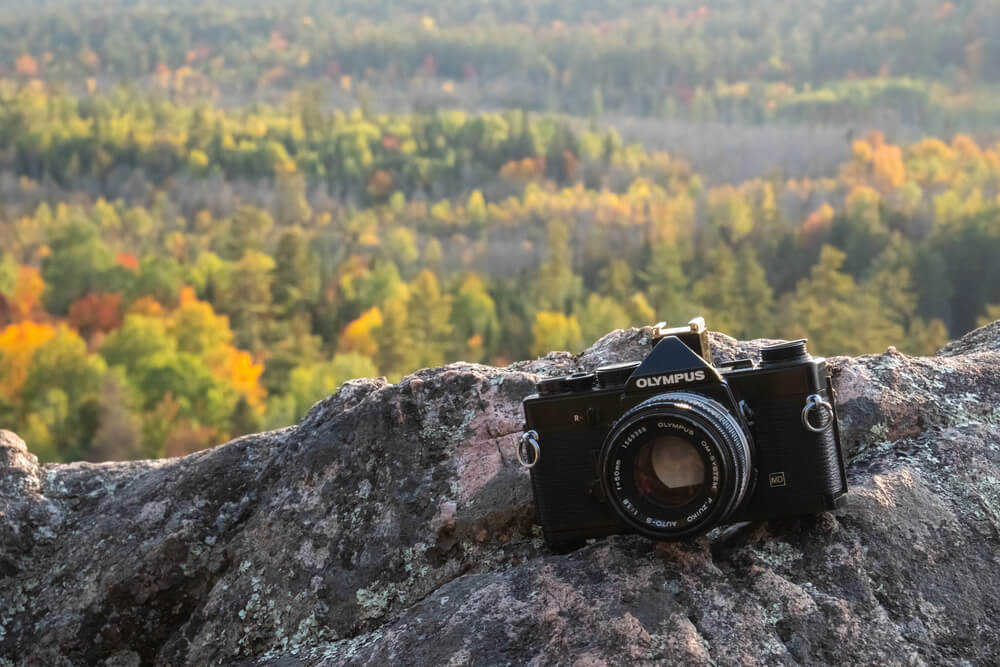
The compact Olympus OM system represented Japanese optimization of 35mm rangefinder photography. A working OM-1 or OM-2 typically commands $150 to $400.
The mechanical simplicity and optical quality appeal to photographers seeking portable options.
Mamiya 645 Professional Medium Format
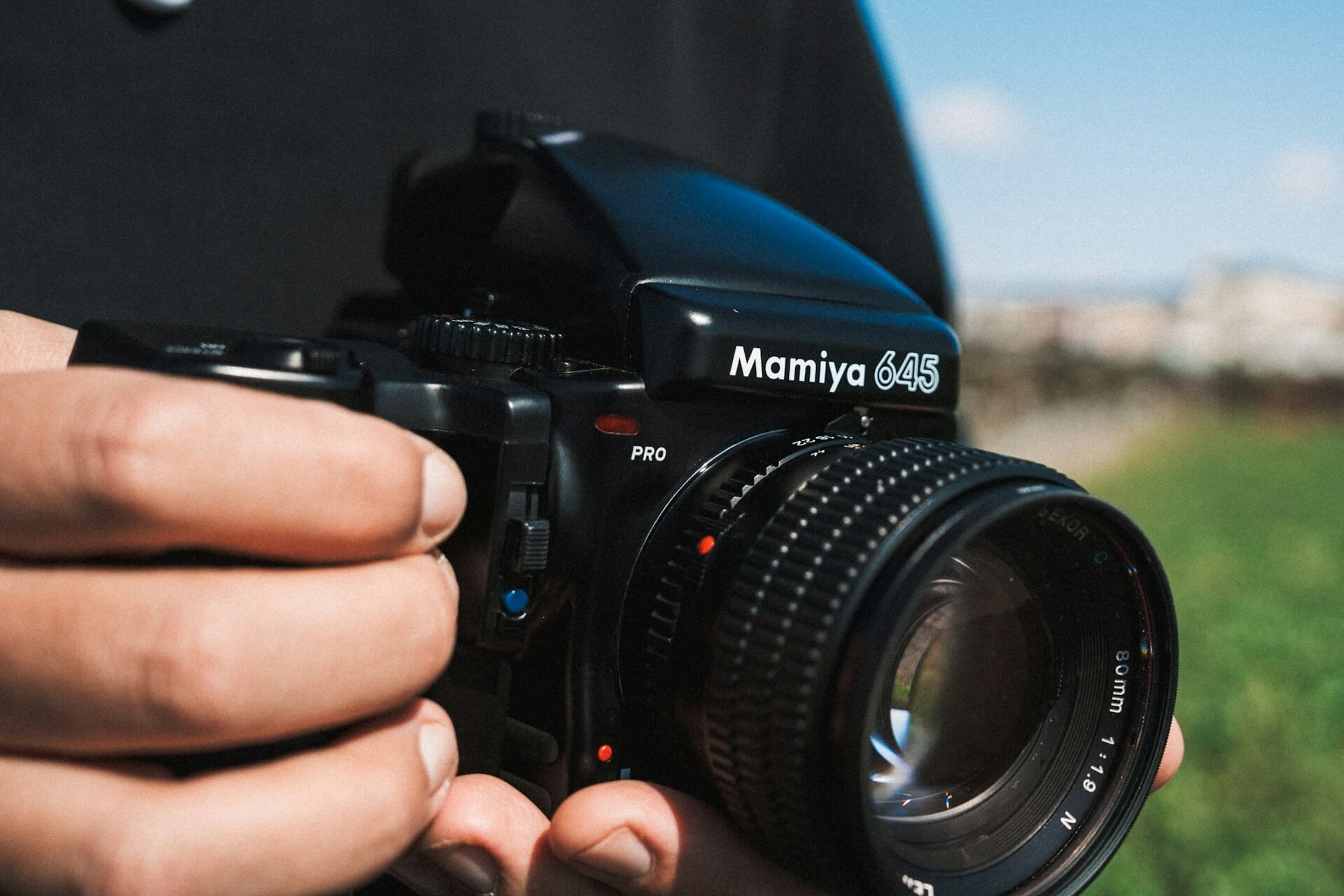
The Mamiya 645 represented professional medium format at more accessible prices than Hasselblad alternatives. A working system typically commands $600 to $1,200.
Photographers value the lower cost-per-frame compared to larger format options.
Konica Autoreflex Professional SLR
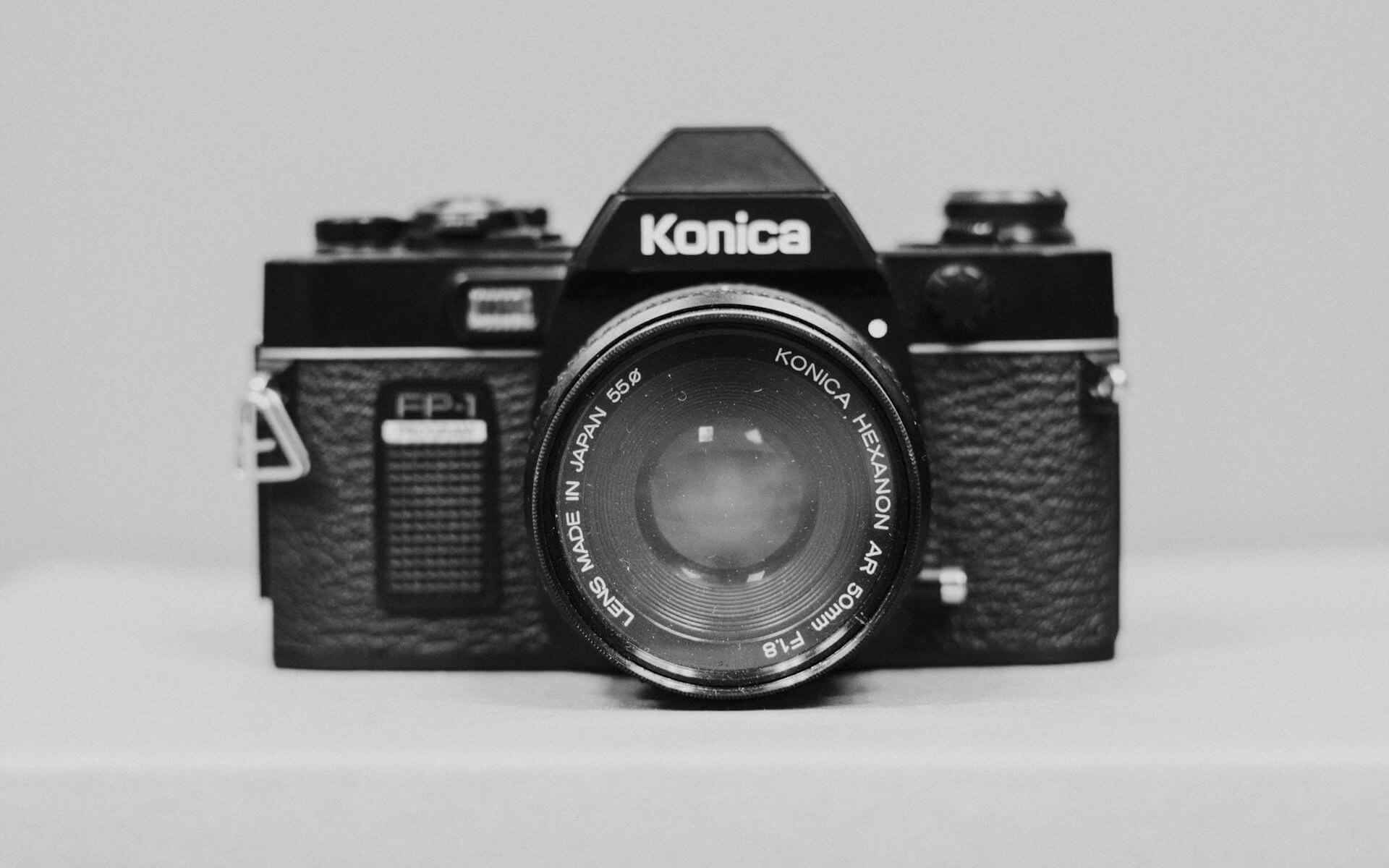
The Konica Autoreflex pioneered automatic exposure in professional SLRs before Pentax dominated the category. A working example typically sells for $100 to $300.
The mechanical innovation appeals to photographers interested in technical history.
Bronica SQ Twin Lens System
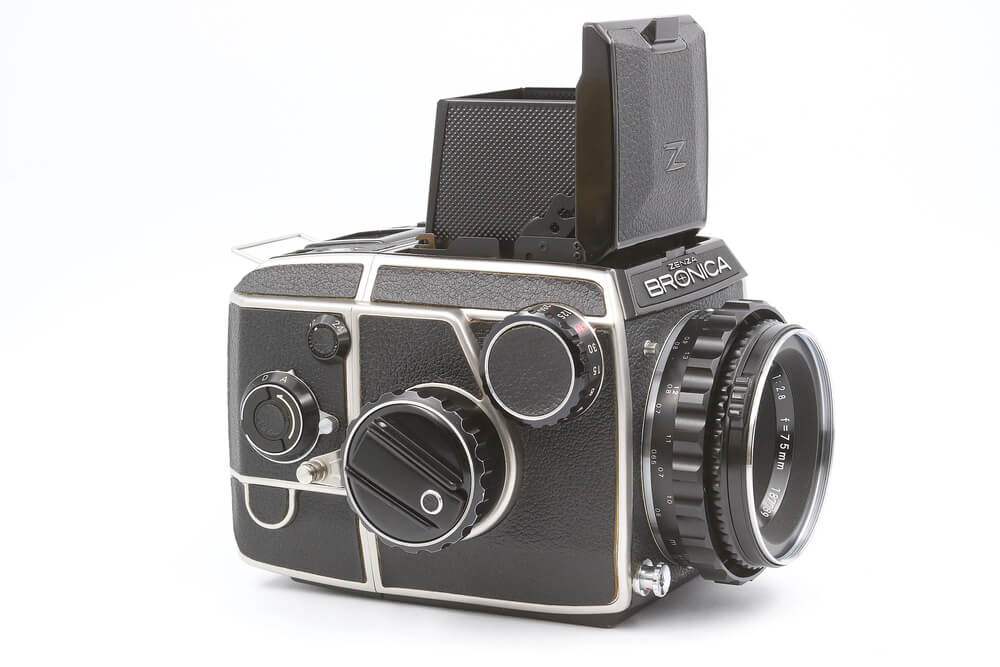
The Bronica represented accessible medium format photography for photographers unable to afford Hasselblad or Mamiya. A working system typically commands $400 to $800.
The affordability combined with quality creates appeal among contemporary film photographers.
Minolta CLE Rangefinder from 1973
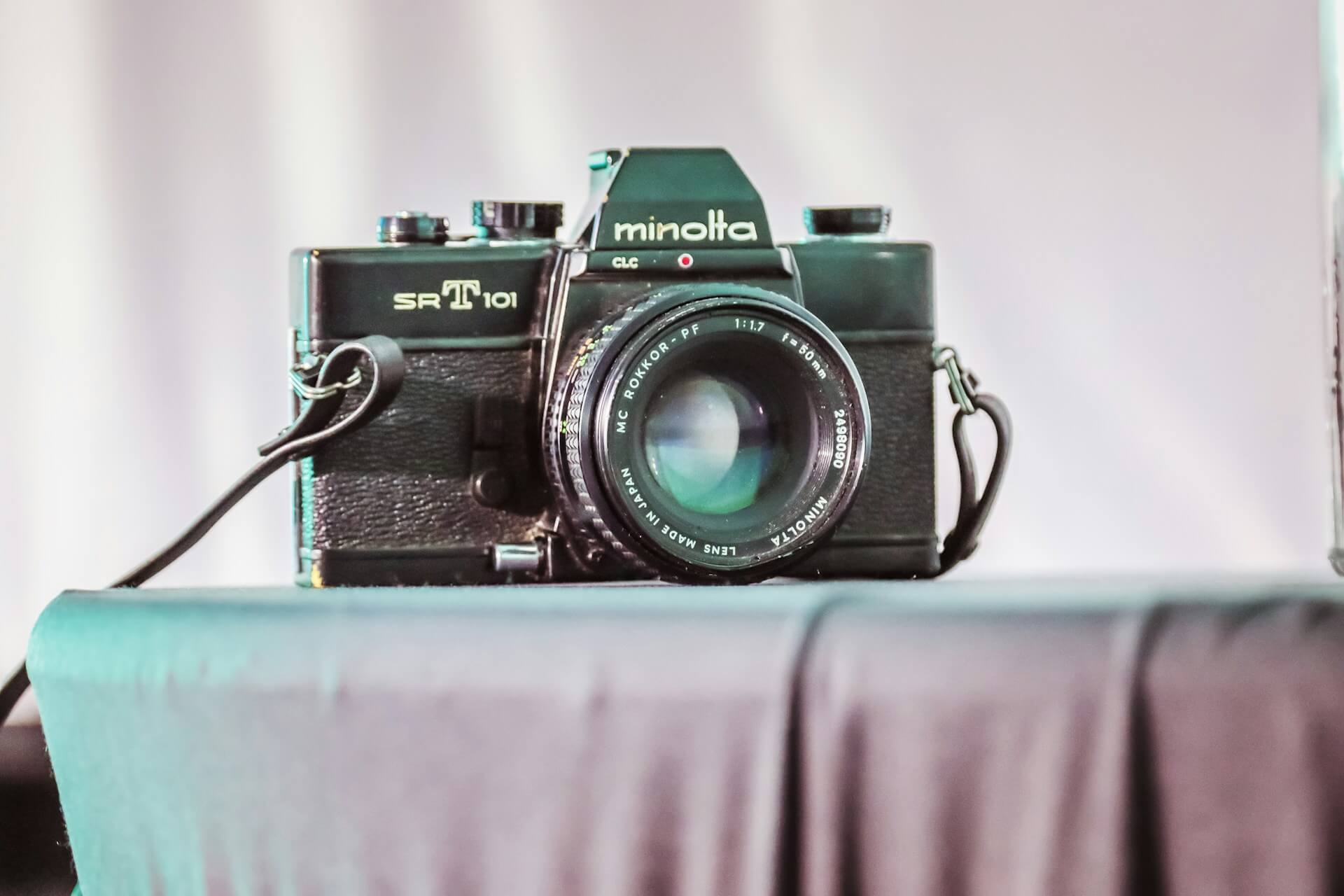
The Minolta CLE represented Japanese competence in 35mm rangefinders at the tail end of the film era. A working example in good condition typically sells for $200 to $500.
The mechanical quality appeals to photographers seeking portable film tools.
Contax RII Rangefinder from Soviet Era
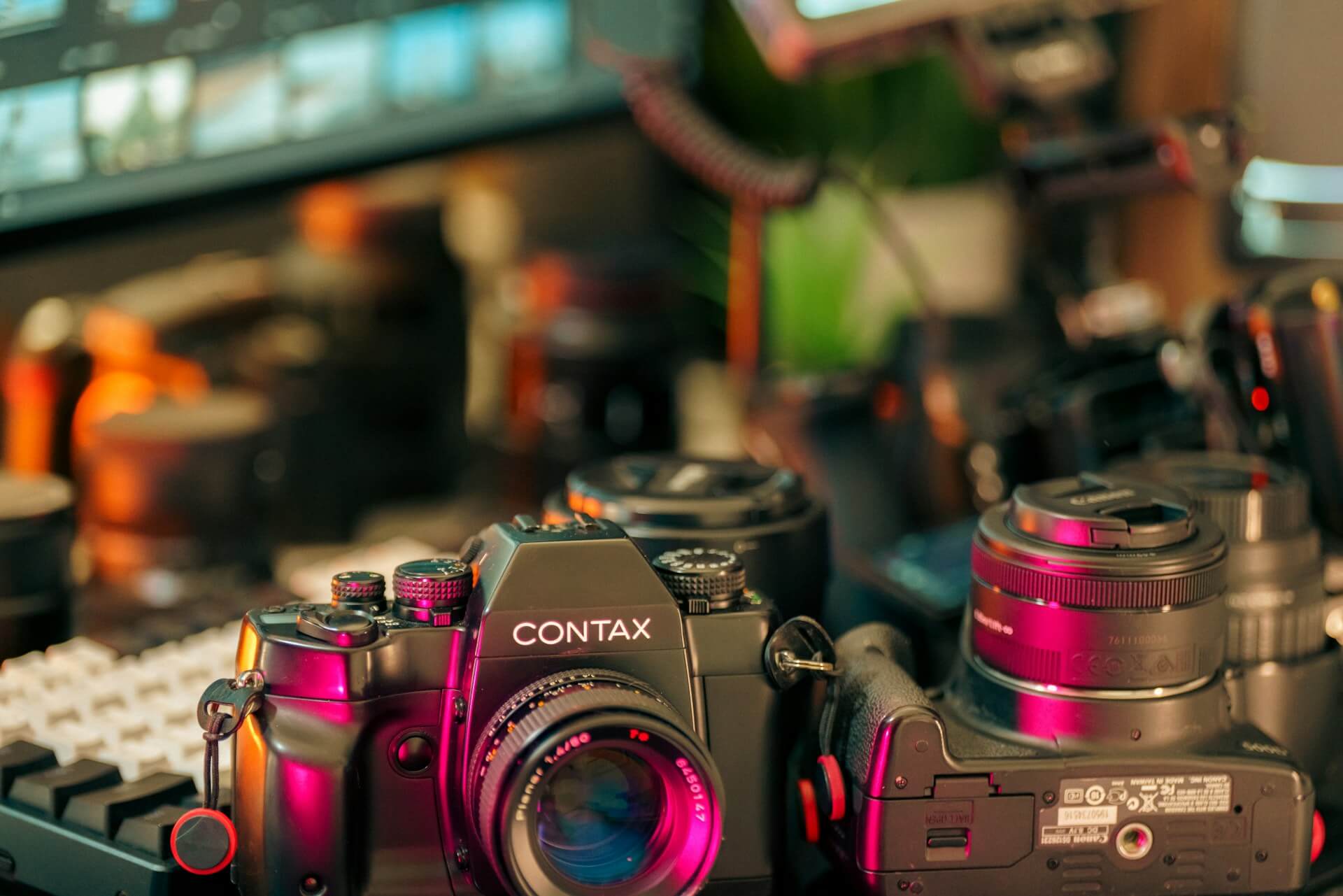
The Soviet Contax represents Cold War optical engineering now valued by collectors interested in alternative camera history. A functioning example typically sells for $150 to $400.
The distinctive mechanical design creates appeal among mechanical enthusiasts.
Voigtländer Prominent Rangefinder German Classic
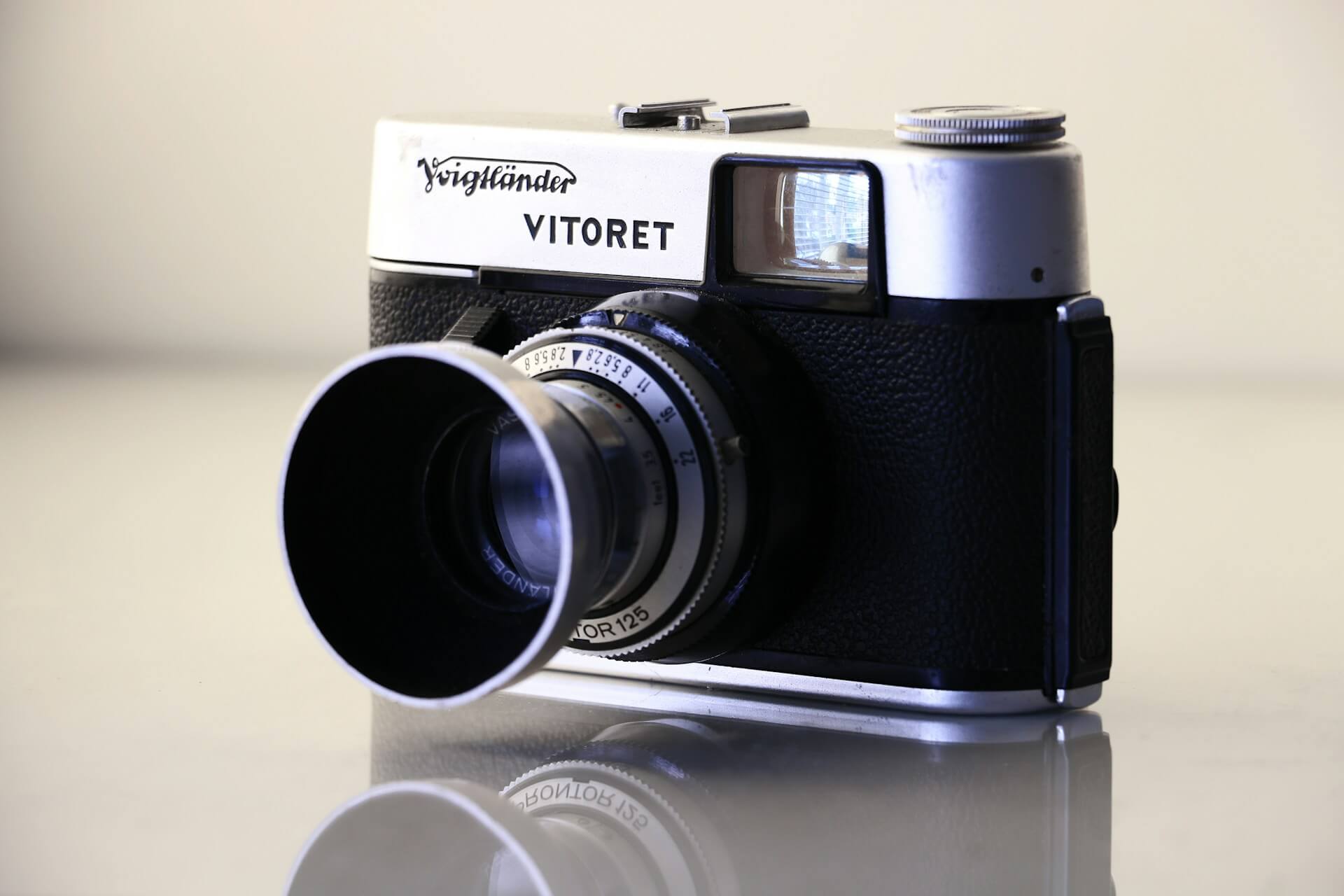
The German Voigtländer represented European optical tradition competing against Japanese innovation. A working example in good condition typically commands $200 to $500.
The craftsmanship appeals to photographers interested in European engineering.
Fed Soviet Rangefinder Copy
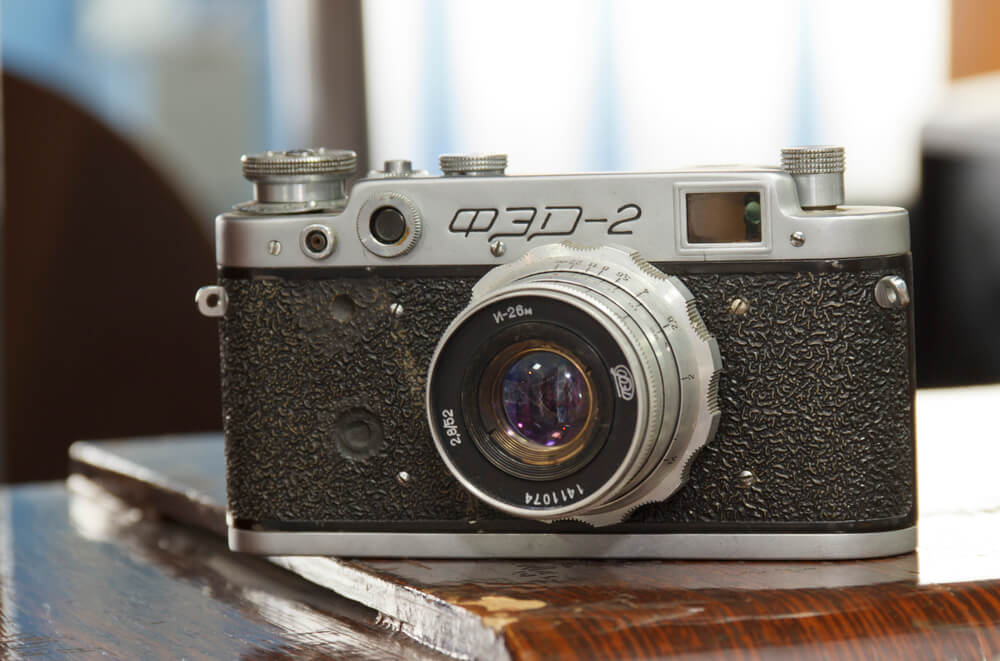
The Soviet Fed represented budget-conscious reproductions of German rangefinder design, attracting budget collectors. A functioning Fed typically sells for $50 to $150.
The historical significance of Soviet-era copies appeals to political history collectors.
Zorki Soviet Rangefinder 1950s Production
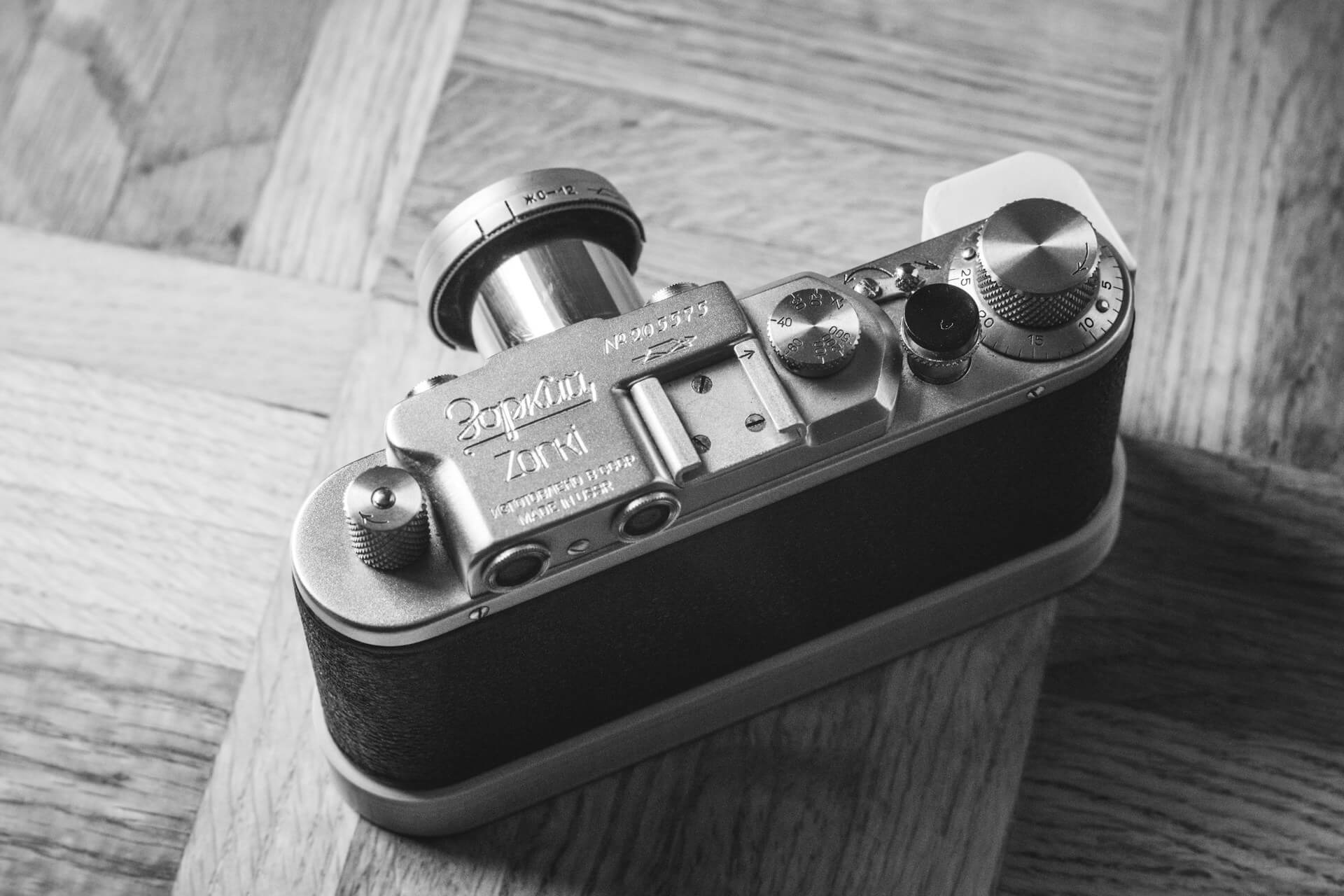
Soviet Zorki cameras represented affordable alternatives to Western rangefinders, attracting budget photographers. A working Zorki typically sells for $50 to $150.
The mechanical functionality despite budget origins creates interest among pragmatic photographers.
Condition and Functionality Drive Modern Pricing
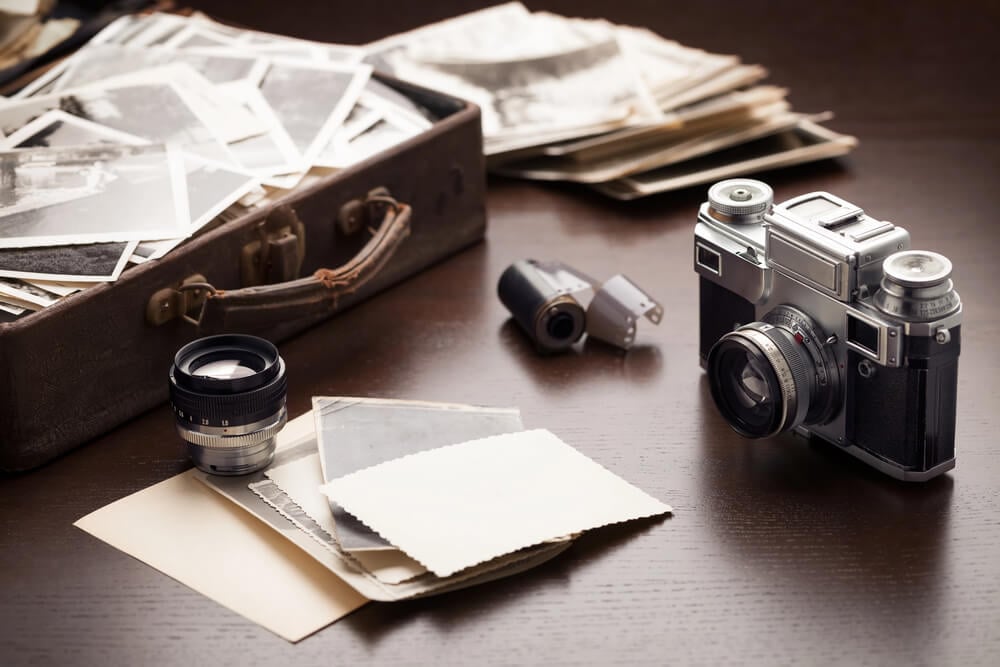
The resurgence of film photography has fundamentally changed vintage camera valuations—working examples command premiums while non-functional cameras become decorative objects. A 1960 Pentax with a functioning shutter and clear lens appeals to contemporary photographers willing to pay premiums for usable tools.
This two-tiered market means collectors of working equipment pay 50 to 100 percent more than decorative-only buyers, creating differentiated value based on actual functionality rather than cosmetic condition alone.
More from Go2Tutors!

- The Romanov Crown Jewels and Their Tragic Fate
- 13 Historical Mysteries That Science Still Can’t Solve
- Famous Hoaxes That Fooled the World for Years
- 15 Child Stars with Tragic Adult Lives
- 16 Famous Jewelry Pieces in History
Like Go2Tutors’s content? Follow us on MSN.