Shipwrecks of the Outer Banks: America’s Graveyard of the Atlantic
The Outer Banks of North Carolina stretch like a protective arm into the Atlantic Ocean, but this barrier island chain has earned a much darker reputation. With over 5,000 documented shipwrecks scattered across its 300-mile coastline, this treacherous stretch of water has become known as the ‘Graveyard of the Atlantic.’ The collision of the cold Labrador Current with the warm Gulf Stream creates unpredictable weather patterns, while shifting sandbars and dangerous shoals have claimed vessels for centuries.
From colonial trading ships to modern fishing boats, the waters off Cape Hatteras tell stories of tragedy, heroism, and maritime history. The name ‘Graveyard of the Atlantic’ was coined by Outer Banks historian David Stick, and it perfectly captures the deadly reputation these waters have earned over the centuries.
Here’s a list of 15 fascinating shipwrecks that rest beneath the waves of America’s most notorious maritime graveyard.
USS Monitor
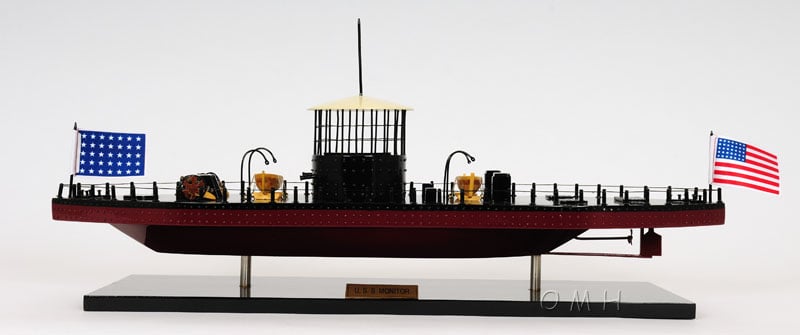
The USS Monitor revolutionized naval warfare when it launched in 1862, featuring the first rotating gun turret on an ironclad warship. This Civil War vessel became famous for its historic battle with the Confederate ironclad CSS Virginia at Hampton Roads. The Monitor sank during a storm off Cape Hatteras in December 1862, taking 16 sailors to their watery graves. That’s pretty deep. The wreck lies in 230 feet of water about 16 miles offshore, making it one of the more challenging sites to access for all but the most experienced technical divers.
USS Huron

On November 24, 1877, the USS Huron ran aground near Nags Head during a routine survey expedition. What followed was one of the most devastating shipwrecks in Outer Banks history. Of the 131 men aboard, 98 perished in the frigid November waters, and the tragedy occurred just two miles from a lifesaving station that had already closed for the season. Today, the wreck lies in about 20 feet of water roughly 200 yards offshore near Milepost 11 in Nags Head, making it accessible to recreational divers and swimmers.
Metropolis
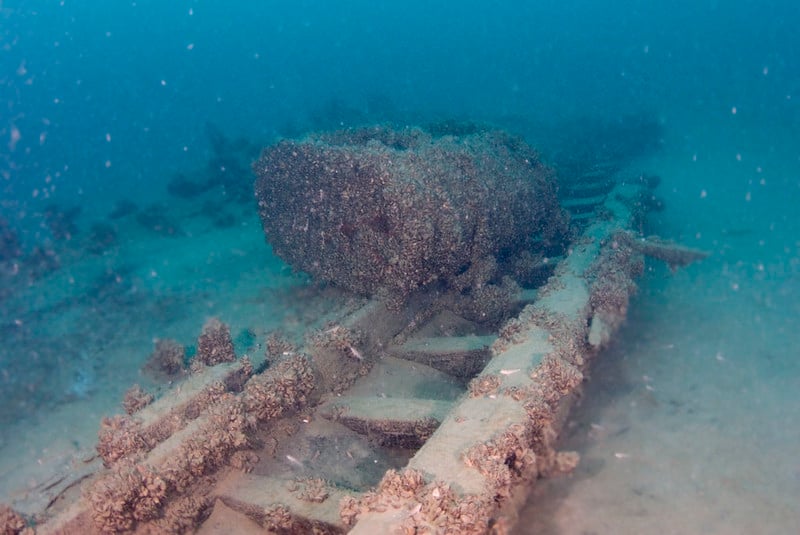
Two months after the Huron disaster, the steamship Metropolis ran aground near Currituck Beach in January 1878, claiming 85 more lives. This former Civil War vessel had been poorly maintained and should never have left port, but greed overruled safety as usual. The ship was overloaded with 500 tons of steel rails and 215 passengers bound for Brazil. The twin tragedies of the Huron and Metropolis prompted Congress to fully fund the U.S. Life-Saving Service, transforming maritime rescue operations along the coast.
Queen Anne’s Revenge
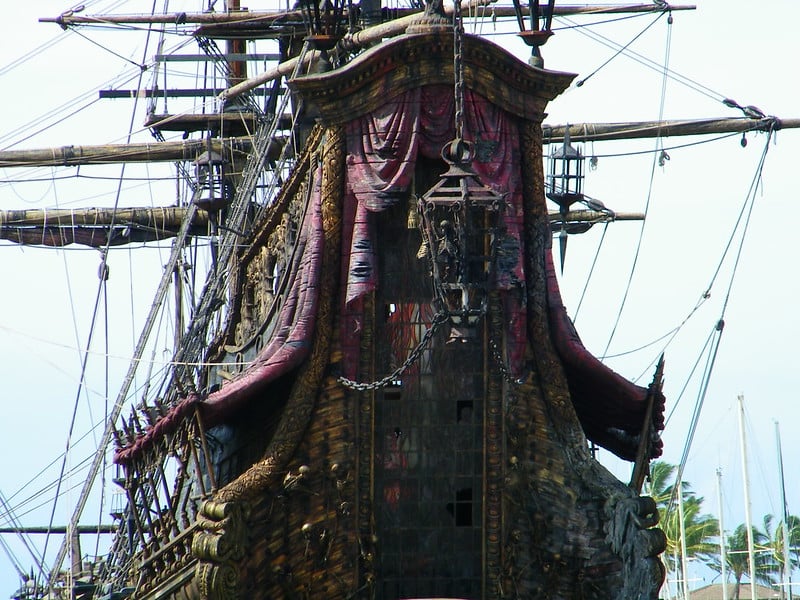
Blackbeard’s flagship began life as La Concorde, a French slave ship built around 1710, before the notorious pirate captured it in November 1717. When Blackbeard seized the vessel, it was carrying 455 enslaved Africans, highlighting the ship’s tragic history before its pirate days. The pirate increased the ship’s armament from 14 to 40 cannons and used it to blockade Charleston, South Carolina, for nearly a week in May 1718. Blackbeard deliberately ran the ship aground at Beaufort Inlet in June 1718, possibly to reduce his crew size before seeking a royal pardon — though that plan didn’t exactly work out for him.
Carroll A. Deering
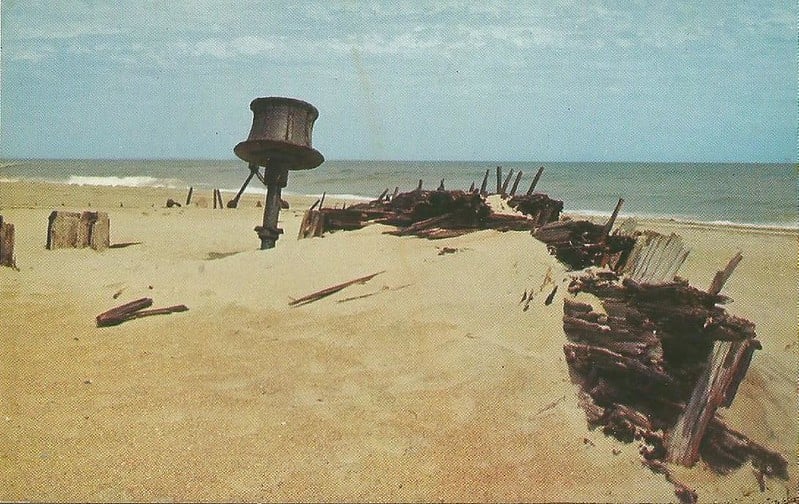
The Carroll A. Deering, a five-masted commercial schooner, ran aground on Diamond Shoals off Cape Hatteras in 1921 under mysterious circumstances. When rescuers reached the vessel, they discovered the entire crew had vanished without a trace, leaving behind a perfectly seaworthy ship. The captain’s personal belongings, navigation equipment, and lifeboats were all missing, sparking theories ranging from piracy to mutiny to alien abduction (okay, maybe not that last one, but you get the idea). Today, only the bow and stern sections remain visible, making this one of the most intriguing maritime mysteries in American history.
Laura A. Barnes

The Laura A. Barnes, a 120-foot four-masted schooner, wrecked near Coquina Beach in 1921 during a nor’easter that brought dense fog to the area. The vessel was traveling from New York to South Carolina when it ran aground ironically close to the Bodie Island Lighthouse. Unlike many Outer Banks wrecks, substantial remains of the Laura A. Barnes can still be seen at low tide. Perfect for beach visitors who want to explore maritime history without getting their feet wet.
German U-85

The German submarine U-85 holds the distinction of being the first U-boat sunk by the U.S. Navy off the East Coast during World War II. During the war, German submarines positioned themselves off the Outer Banks to prey on merchant vessels silhouetted against coastal lights, creating what became known as ‘Torpedo Alley.’ The U-85 met its end in April 1942 when the USS Roper depth-charged it off Kill Devil Hills. All 46 German crew members perished, and the submarine now rests in 100 feet of water as a popular advanced diving site.
Oriental
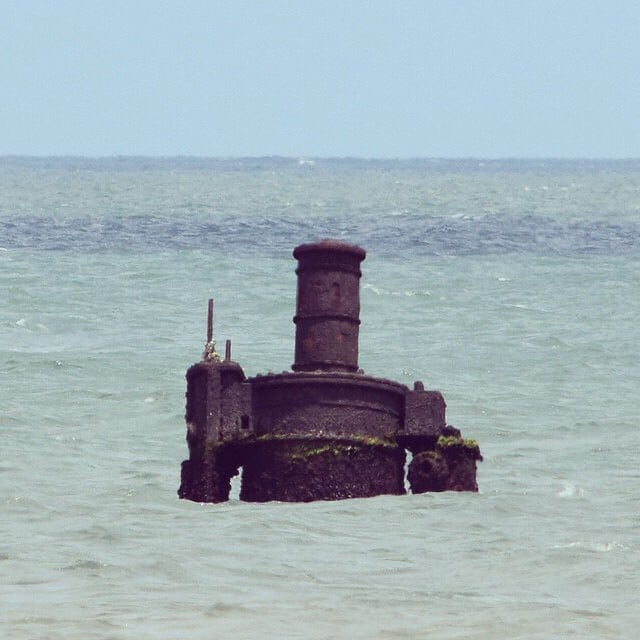
The Oriental, a Civil War-era federal transport steamer, sank on May 16, 1862, and now rests three miles south of the Oregon Inlet bridge. Also known as ‘The Boiler Wreck,’ the Oriental’s steam engine protrudes from the water about 100 yards offshore, creating a distinctive landmark visible from the beach. The 210-foot vessel sits in 15-20 feet of water perpendicular to the shore, with its bow pointing toward land, almost like it’s still trying to reach safety after all these years. Strong currents around the wreck make it challenging but rewarding for experienced divers and snorkelers.
Pocahontas
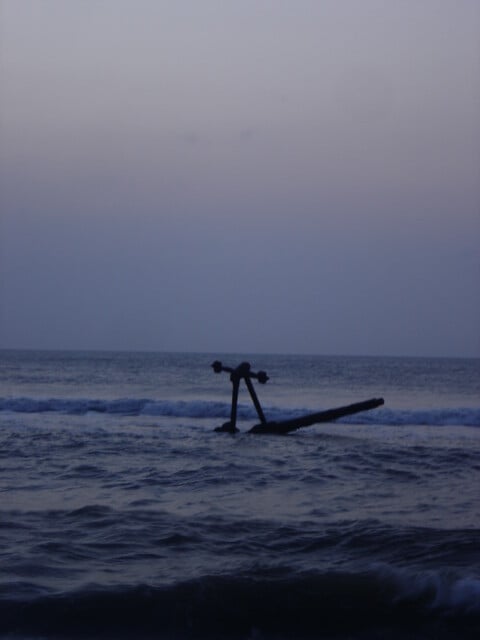
The Pocahontas served as a Confederate blockade runner during the Civil War before sinking in 1862 off Ocracoke Island. Located off Sand Street in Salvo, this wreck is sometimes called ‘The Richmond,’ and its paddle-wheel shaft can often be seen emerging from the water. The vessel represents the daring efforts of Confederate ships to break through Union naval blockades and deliver crucial supplies to Southern ports. The wreck is popular with experienced divers due to the strong currents that surround it, but these same currents also help preserve the remains.
San Delfino

The British tanker San Delfino fell victim to German U-boat warfare in 1942 when it was torpedoed off Cape Hatteras. This attack was part of Operation Drumbeat, Germany’s submarine offensive against American shipping during the early months of World War II. The sinking of vessels like the San Delfino brought the war directly to American shores, with residents sometimes witnessing the orange glow of burning ships on the horizon. Talk about bringing the war home. The wreck serves as a sobering reminder of how close the Battle of the Atlantic came to the American coastline.
Lancing

The British steamship Lancing met its fate in May 1918 when German submarine U-151 torpedoed it off Cape Hatteras. The attack occurred during World War I when German U-boats first began operating in American waters, foreshadowing the more intensive submarine warfare of World War II. The Lancing was carrying a cargo of steel and general merchandise when the torpedo struck, sending the vessel to the bottom in minutes. Fortunately, most of the crew managed to escape in lifeboats and were rescued by nearby vessels.
Kyzikes

The Kyzikes ranks among the notable shipwrecks mentioned in historical accounts of the Graveyard of the Atlantic, representing the countless merchant vessels that fell victim to the treacherous waters. This Greek freighter was traveling the busy shipping lanes that pass through Outer Banks waters when it encountered the region’s notorious hazards. Like many vessels of its era, the Kyzikes was likely carrying cargo between American ports when disaster struck, adding another name to the long list of ships claimed by these unforgiving waters.
Carl Gerhard
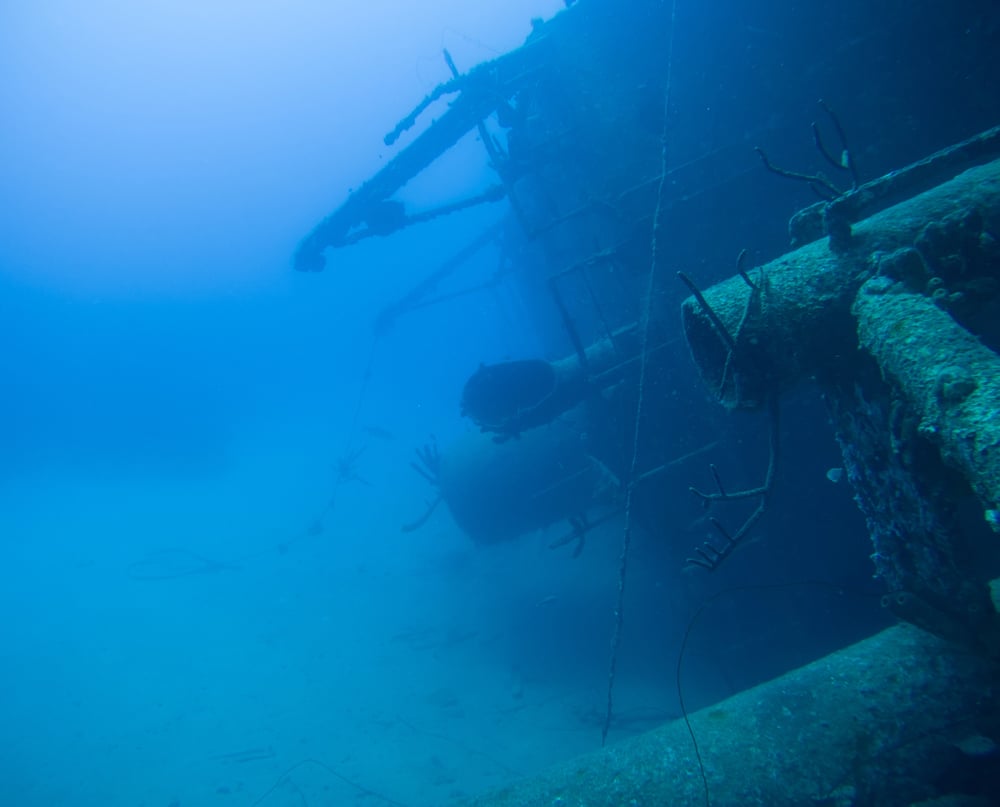
The Carl Gerhard appears in historical records as one of the significant wrecks in the Graveyard of the Atlantic, though specific details about its sinking have been lost to time like many vessels from earlier eras. The ship’s fate illustrates how routine voyages along this coast could quickly turn deadly when crews encountered the combination of unpredictable weather, shifting shoals, and powerful currents that make the Outer Banks so dangerous. The wreck contributes to the rich underwater archaeological heritage that makes this region unique.
Nuestra Señora de Guadalupe

The Nuestra Señora de Guadalupe represents the Spanish colonial maritime traffic that once plied these waters, linking the New World with Europe during the height of the Spanish Empire. This vessel likely carried precious cargo from Spanish colonies in the Caribbean or South America when it met its fate in the treacherous waters off the Outer Banks. The ship’s Spanish name reflects the international nature of shipping that has passed through these waters for centuries. From colonial treasure fleets to modern container ships, these waters have seen it all.
Triangle Wrecks

The Triangle Wrecks in Kill Devil Hills rest just 200 yards offshore, making them some of the most accessible shipwrecks for recreational exploration. These three vessels create an underwater archaeological site that attracts divers, snorkelers, and even kayakers who want to explore maritime history firsthand. The proximity to shore makes the Triangle Wrecks perfect for beginning underwater explorers, while the historical significance provides educational value for visitors learning about the region’s maritime heritage. The wrecks demonstrate how the Outer Banks’ shallow waters can preserve shipwrecks in relatively good condition.
G.A. Kohler

The G.A. Kohler occasionally becomes visible when shifting sands expose portions of the wreck, providing beachcombers with unexpected glimpses of maritime history. This phenomenon occurs regularly along the Outer Banks as storms and currents constantly reshape the coastline, alternately burying and revealing shipwreck remains. The G.A. Kohler represents the dynamic nature of this underwater archaeological landscape, where the ocean itself determines which stories from the past will surface for modern visitors to discover.
When Steel Meets Sand
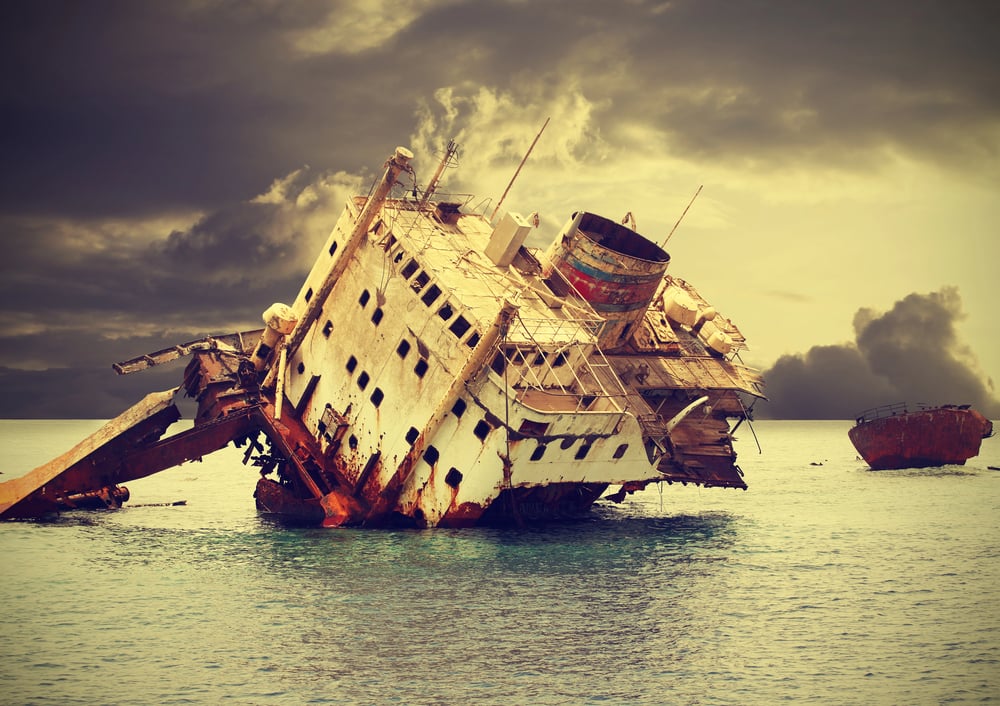
The shipwrecks of the Outer Banks continue to shape both the underwater landscape and the cultural identity of this unique region. Modern technology hasn’t eliminated the dangers, as evidenced by recent wrecks like the tall ship Bounty, which sank during Hurricane Sandy in 2012. These underwater time capsules now serve as artificial reefs supporting marine life while preserving maritime history for future generations. As maritime archaeologist Tane Casserley notes, ‘There’s nowhere else in the coastal United States where you’re going to get wrecks from all these different time periods so close together and so close to shore.’ The Graveyard of the Atlantic remains a testament to human ambition, natural forces, and the eternal struggle between sailors and the sea.
More from Go2Tutors!

- 16 Historical Figures Who Were Nothing Like You Think
- 12 Things Sold in the 80s That Are Now Illegal
- 15 VHS Tapes That Could Be Worth Thousands
- 17 Historical “What Ifs” That Would Have Changed Everything
- 18 TV Shows That Vanished Without a Finale
Like Go2Tutors’s content? Follow us on MSN.



