26 Endangered Natural Landmarks That Could Disappear Within a Generation
The Earth’s most iconic landscapes are under siege. Rising seas, climate change, tourism, and development are eroding the natural wonders that have stood for millions of years.
These 26 landmarks face genuine extinction—not just degradation, but complete disappearance—within decades if current trends continue.
The Great Barrier Reef
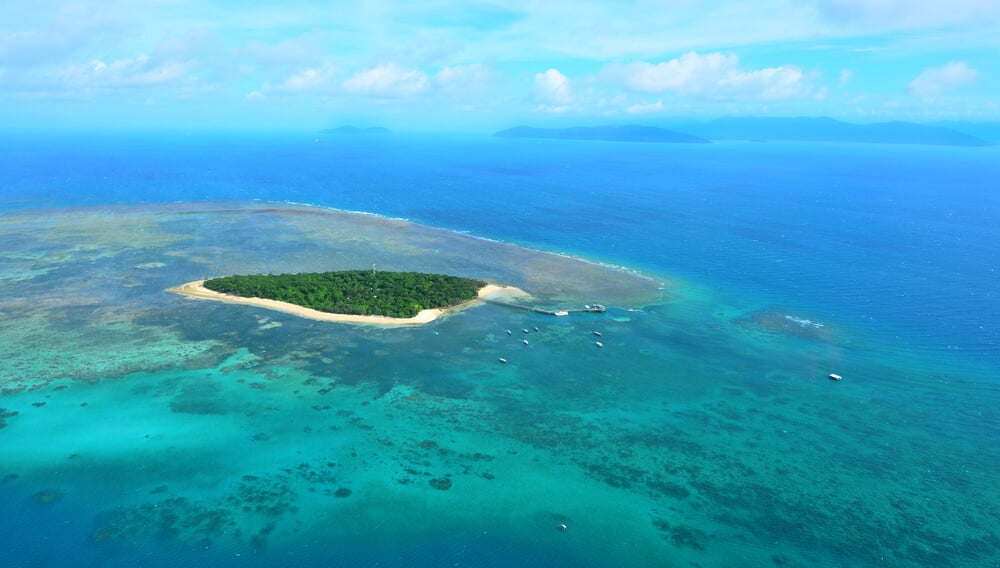
Coral bleaching events have already destroyed roughly 50% of the reef’s coral cover since 2016. Scientists estimate the remaining reef could face total systemic collapse by 2050 if ocean temperatures continue rising at current rates.
Venice’s Lagoon
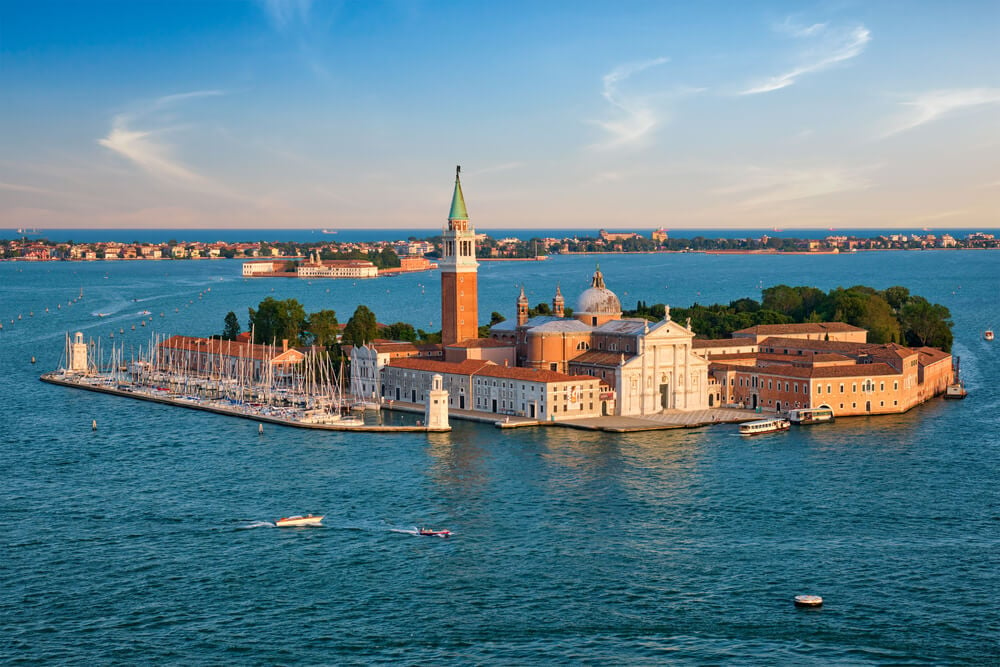
Venice is sinking at approximately 1-2 millimeters per year while sea levels rise, creating a dual threat that will render the city permanently uninhabitable within 100 years. Acqua alta (high water) floods now occur dozens of times annually, compared to once or twice in the 1960s.
Patagonia’s Perito Moreno Glacier
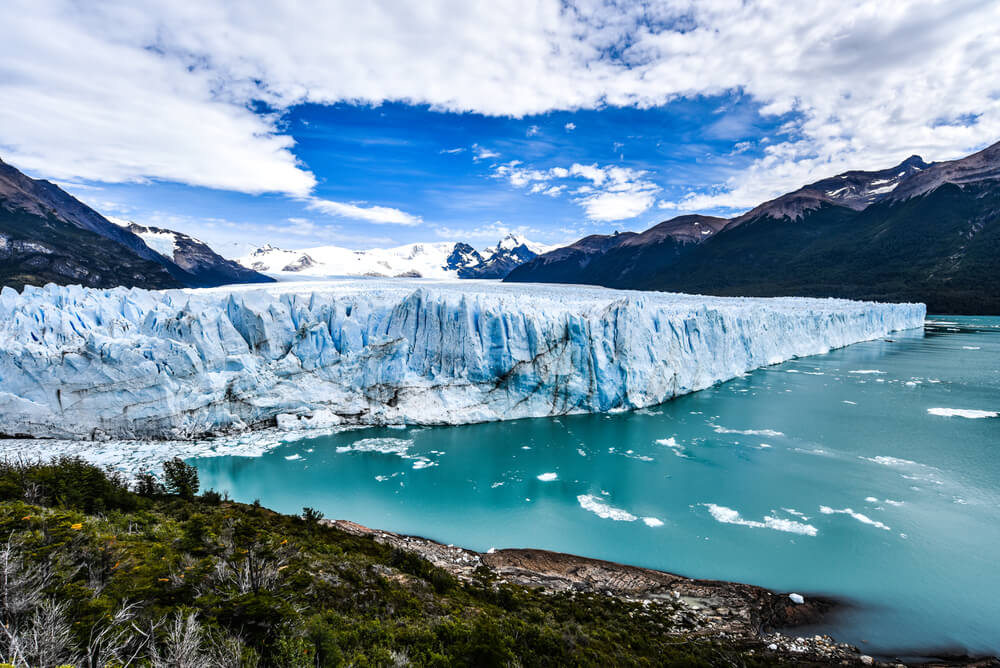
This iconic glacier has retreated dramatically since 2000, losing roughly 200 meters of ice thickness in some sections. If warming continues, the glacier could disappear entirely within 50-75 years.
The Dead Sea
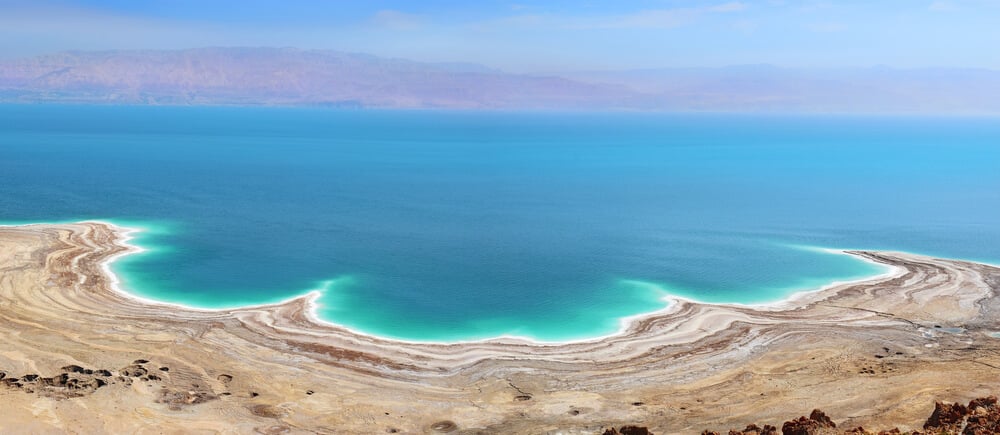
The Dead Sea is the lowest point on Earth and dropping roughly 30 centimeters annually due to water extraction upstream. At this rate, it will be gone in approximately 100-150 years.
Madagascar’s Rainforests
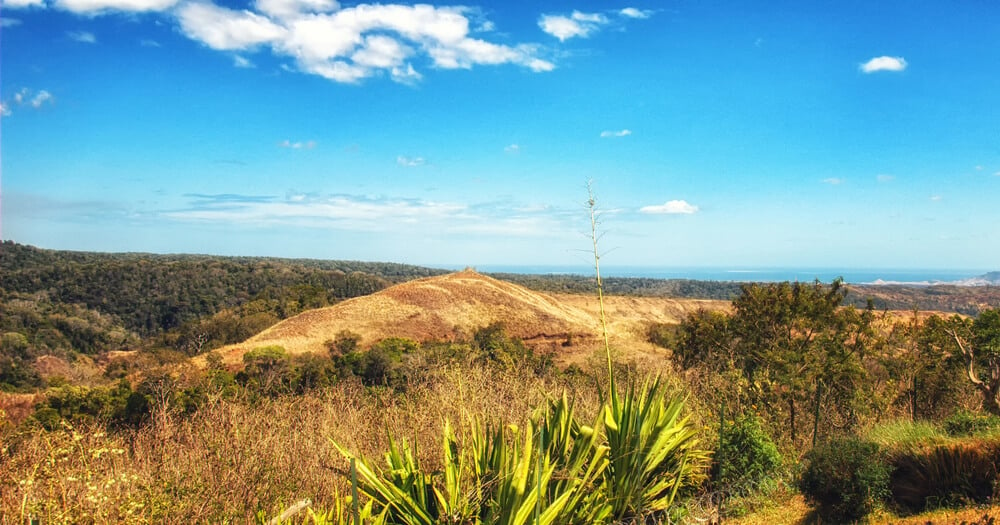
Madagascar has lost 90% of its original forest cover, and the remaining 10% continues to shrink at a rate of 1-2% annually. Unique species found nowhere else on Earth are going extinct as their habitat disappears.
The Amazon Rainforest
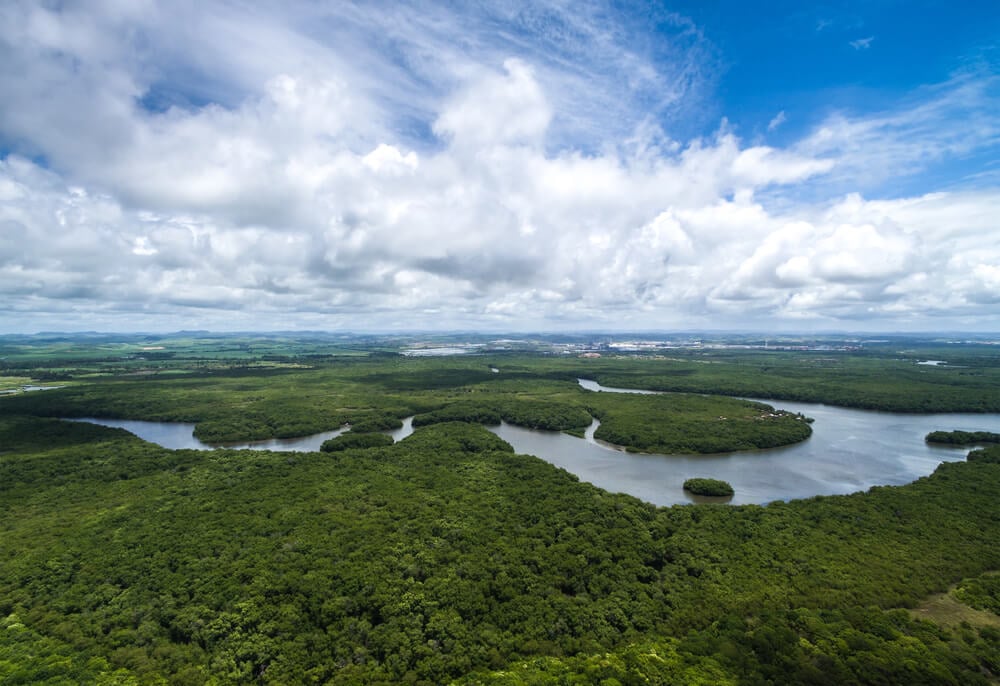
Scientists warn the Amazon is approaching a tipping point where deforestation will trigger irreversible dieback, transforming it from rainforest to savanna within decades. This would be catastrophic for global climate and biodiversity.
Sumatra’s Orangutan Habitat
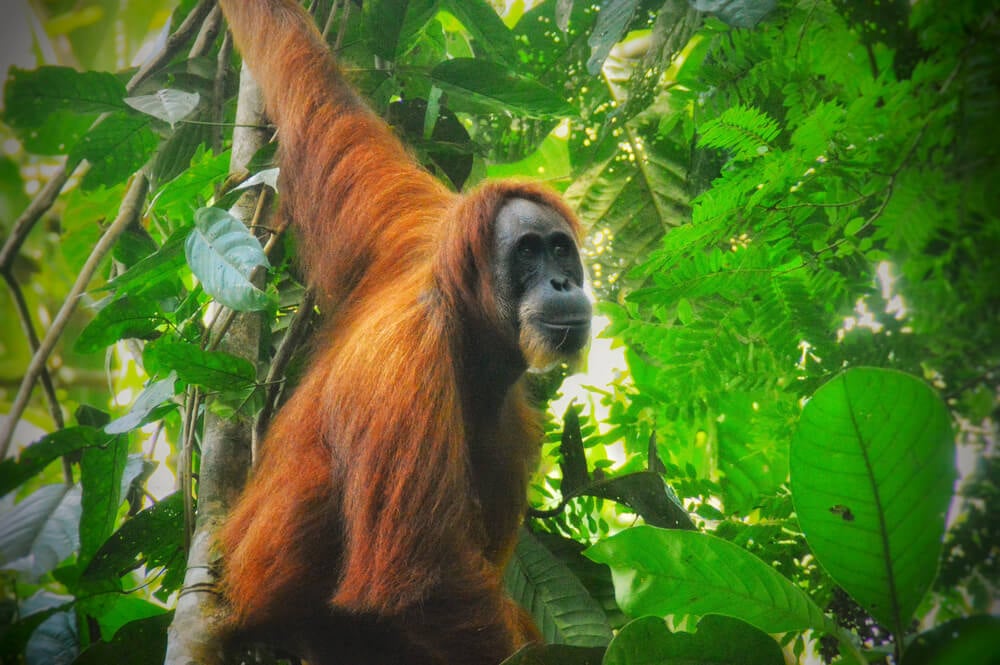
Indonesian and Malaysian rainforests where orangutans live are being clear-cut for palm oil plantations at an accelerating rate. The species could be functionally extinct in the wild within 20 years if deforestation continues.
The Atacama’s Salt Flats
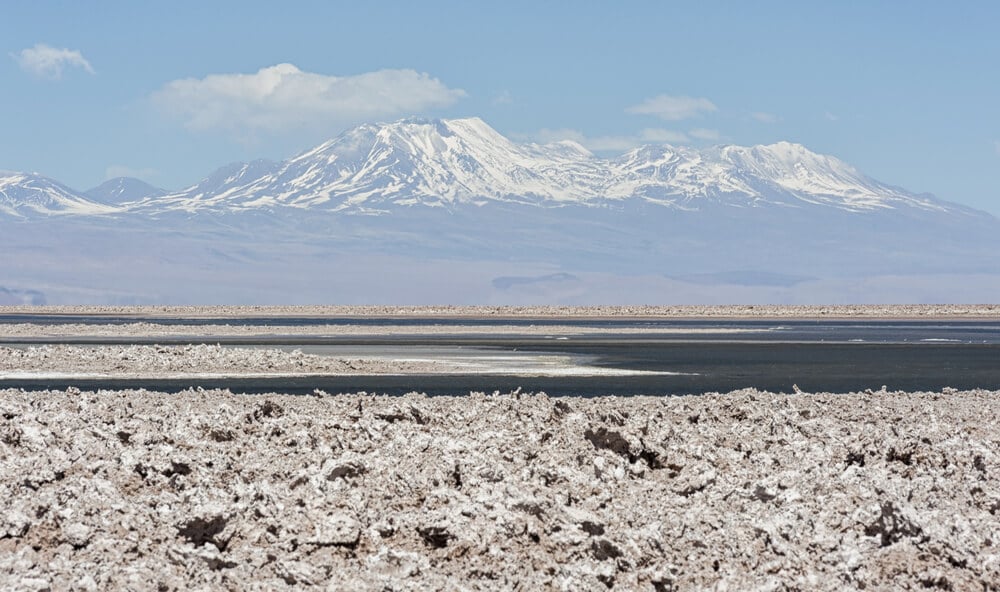
Mining operations are depleting the aquifers beneath the Atacama’s famous white salt flats, causing the landscape to crack and degrade. The visual and ecological integrity of the landscape could be lost within a generation.
Tuvalu’s Entire Nation
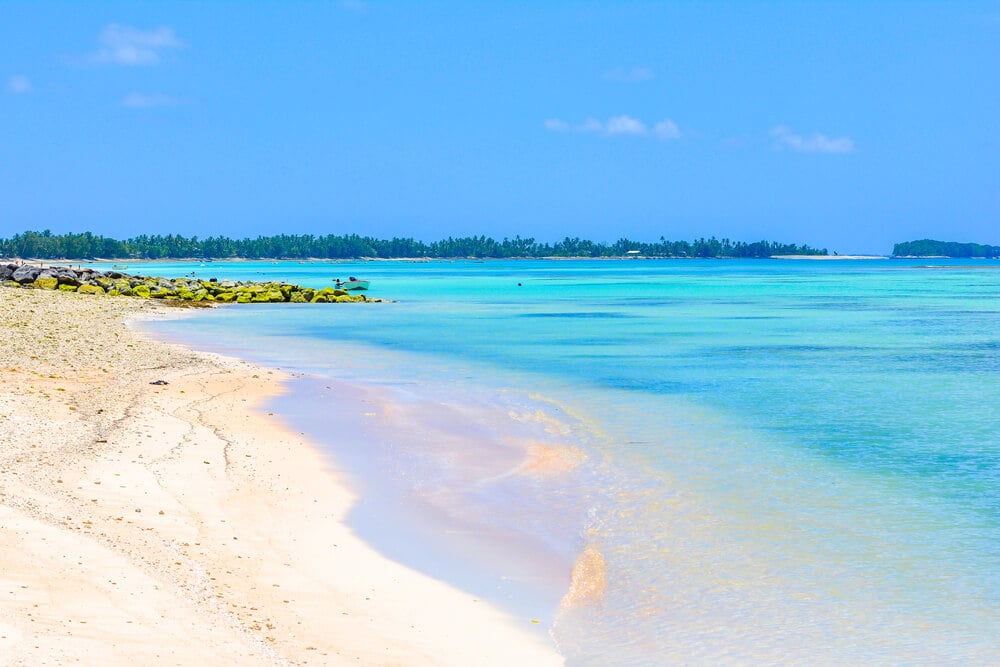
Tuvalu, a Pacific island nation, is literally disappearing beneath rising seas due to climate change. Parts of the country are already submerged, and the entire nation could be uninhabitable within 50 years.
The Maldives
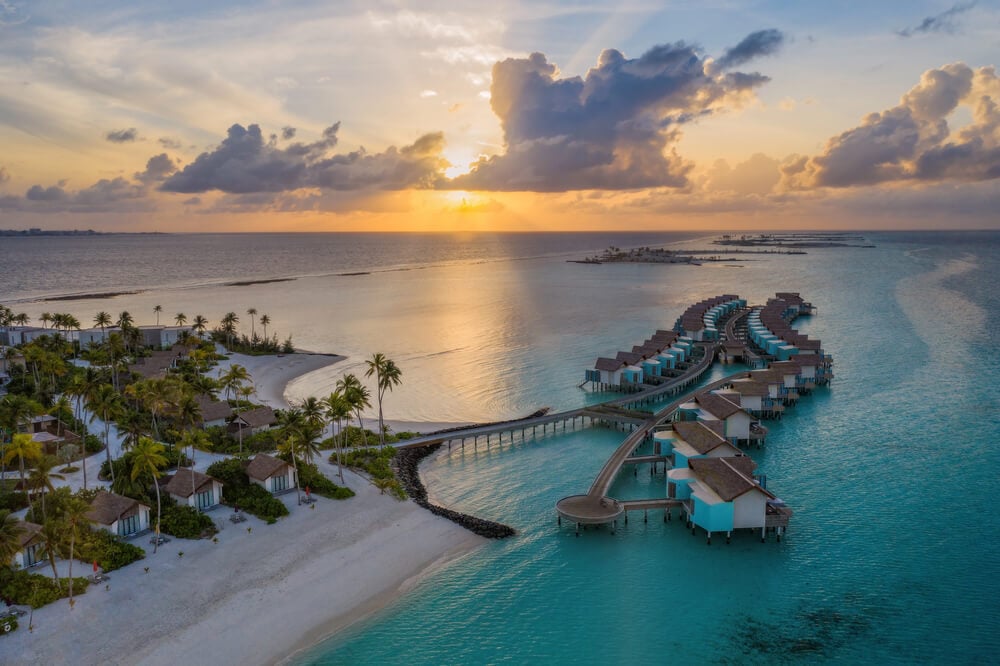
Like Tuvalu, the Maldives consists of atolls barely above sea level and facing permanent inundation from rising oceans. The government has purchased land in other countries as a potential “backup homeland.”
Komodo Island’s Komodo Dragons
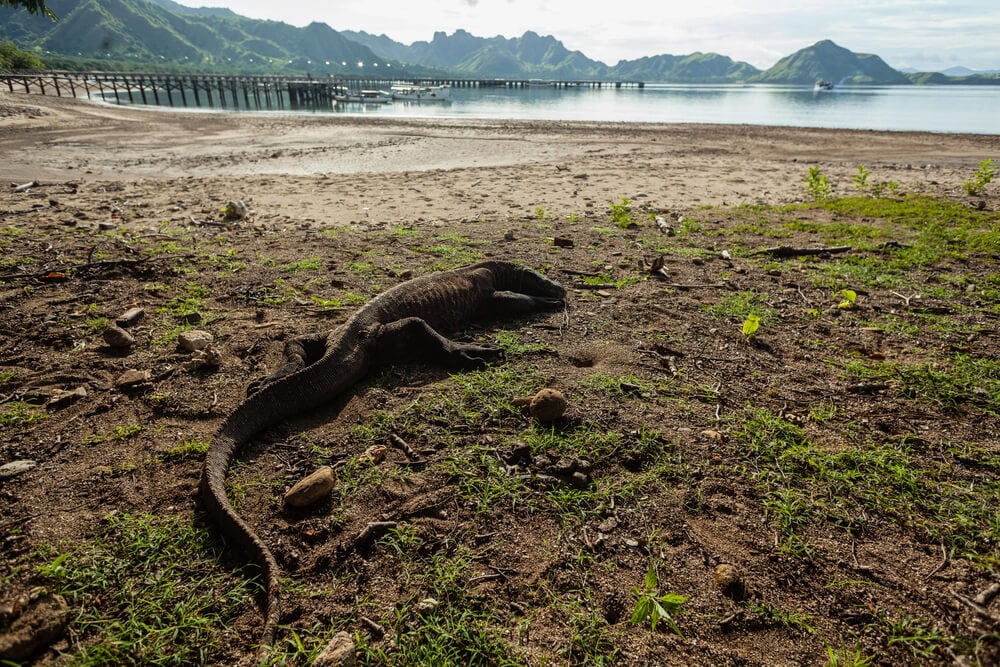
Habitat degradation, invasive species, and climate change threaten the Komodo dragon population, which exists nowhere else on Earth. Scientists estimate fewer than 5,000 individuals remain.
Glacier National Park
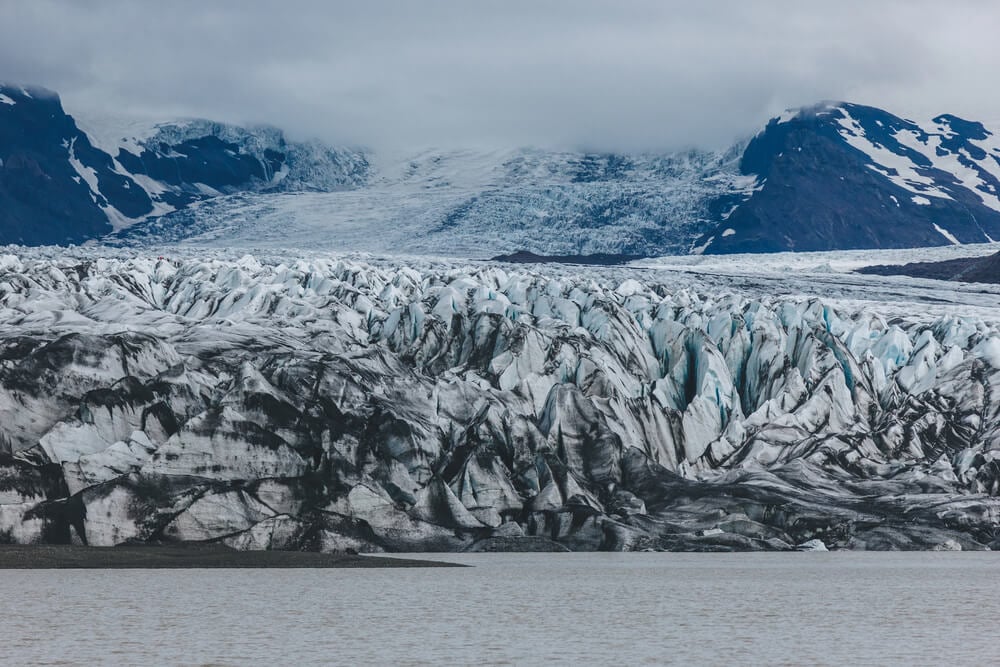
When the park was established in 1910, it contained roughly 150 glaciers. Today, only about 25 remain, and projections suggest most will disappear within 50-100 years, though some glaciers at higher elevations may persist longer.
The Arctic Permafrost
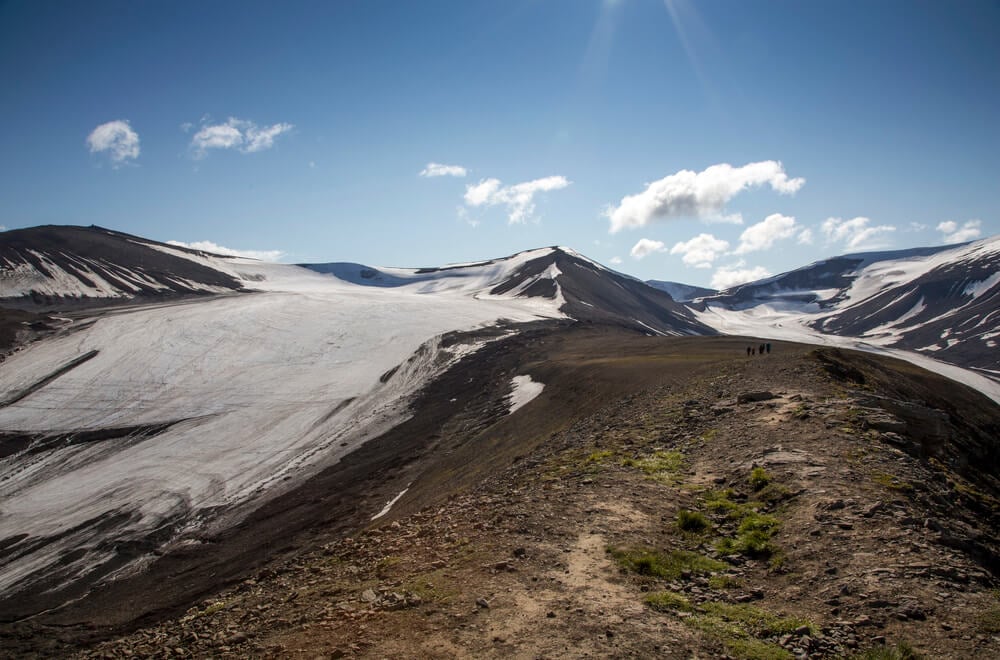
Permafrost is thawing at an accelerating rate, releasing methane and carbon that accelerates warming further. Once this feedback loop reaches critical mass, the permafrost layer could disappear entirely within 50 years.
Tasmania’s Unique Rainforests
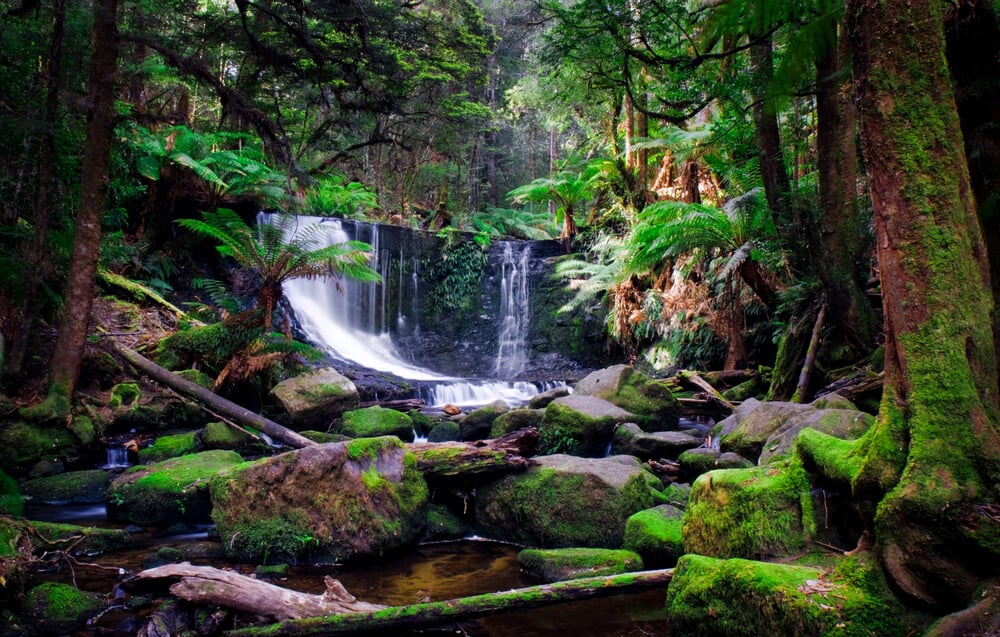
Tasmania’s temperate rainforests are among the most biodiverse ecosystems on Earth, but logging operations continue to fragment and reduce habitat. Complete loss of old-growth forest is projected within 30-40 years.
The Galapagos Marine Ecosystem
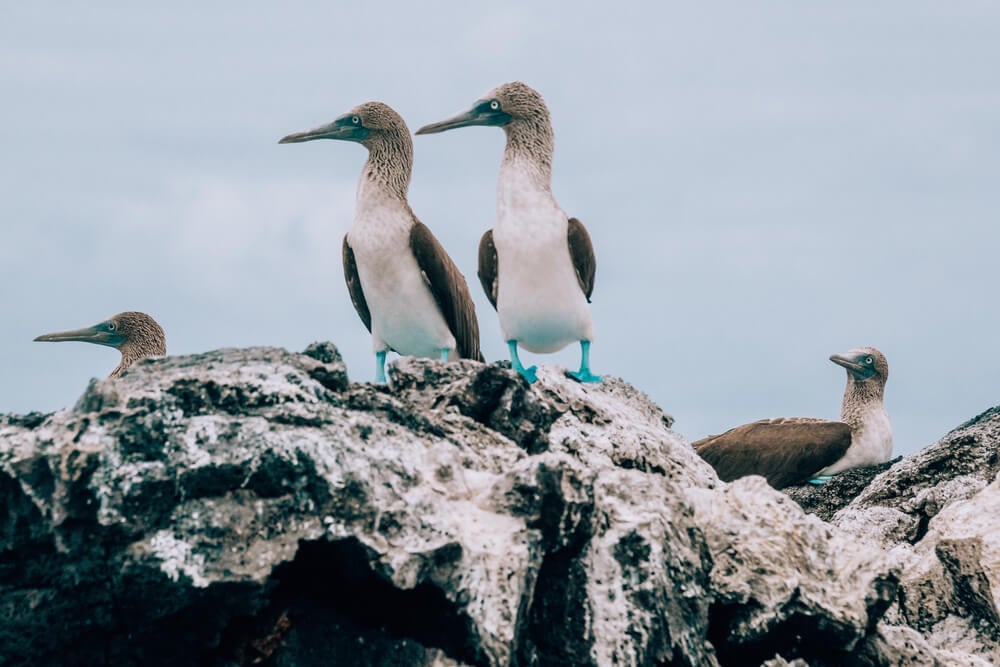
Overfishing, warming ocean temperatures, and invasive species are degrading the marine ecosystem that inspired Darwin’s theory of evolution. Several endemic species face imminent extinction.
New Zealand’s Alpine Areas
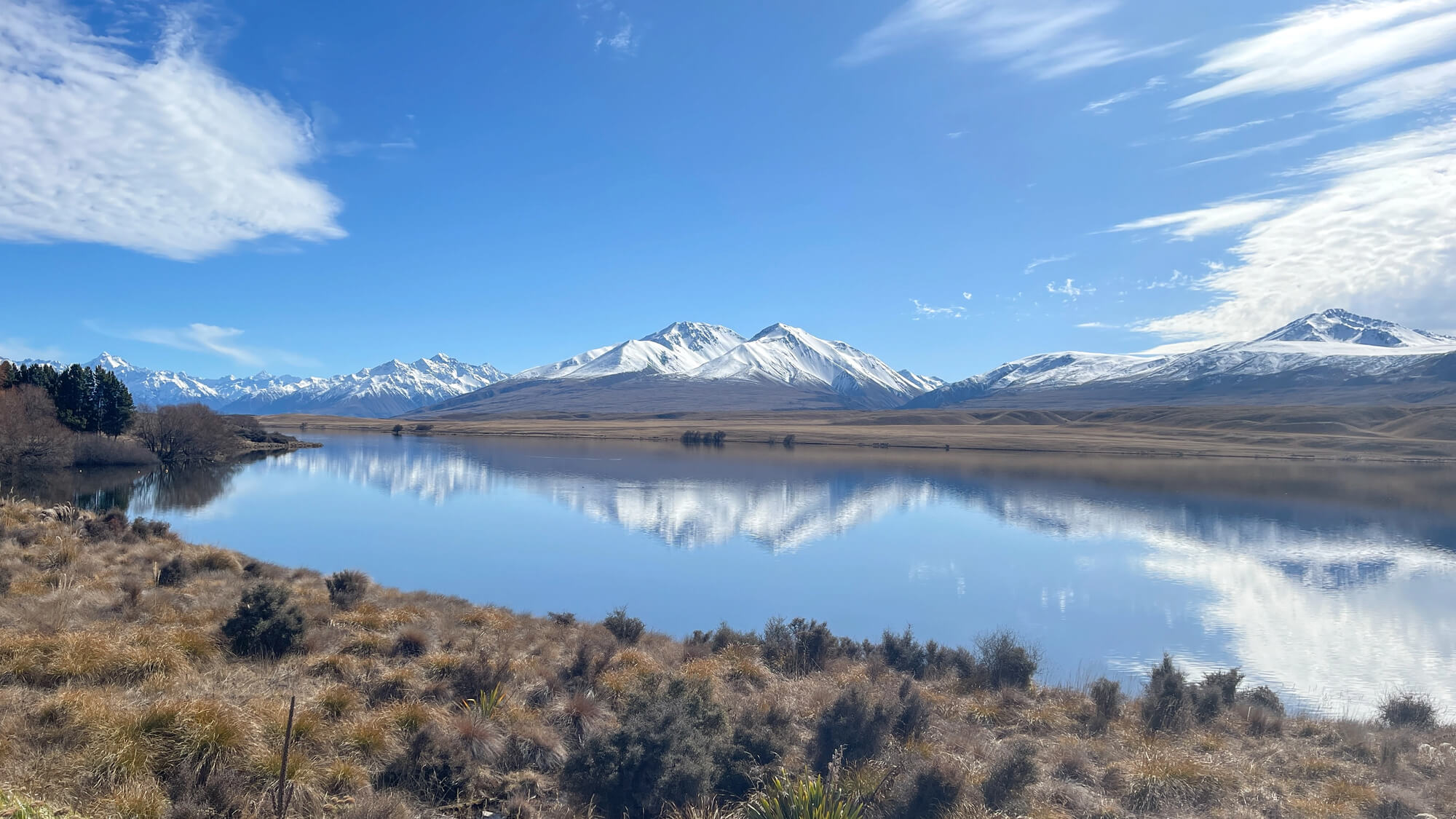
Climate change is causing rapid snowmelt and glacial retreat, threatening high-altitude ecosystems unique to New Zealand. Some alpine species exist in such small populations they could vanish from a single weather event.
The Norwegian Fjords’ Glaciers
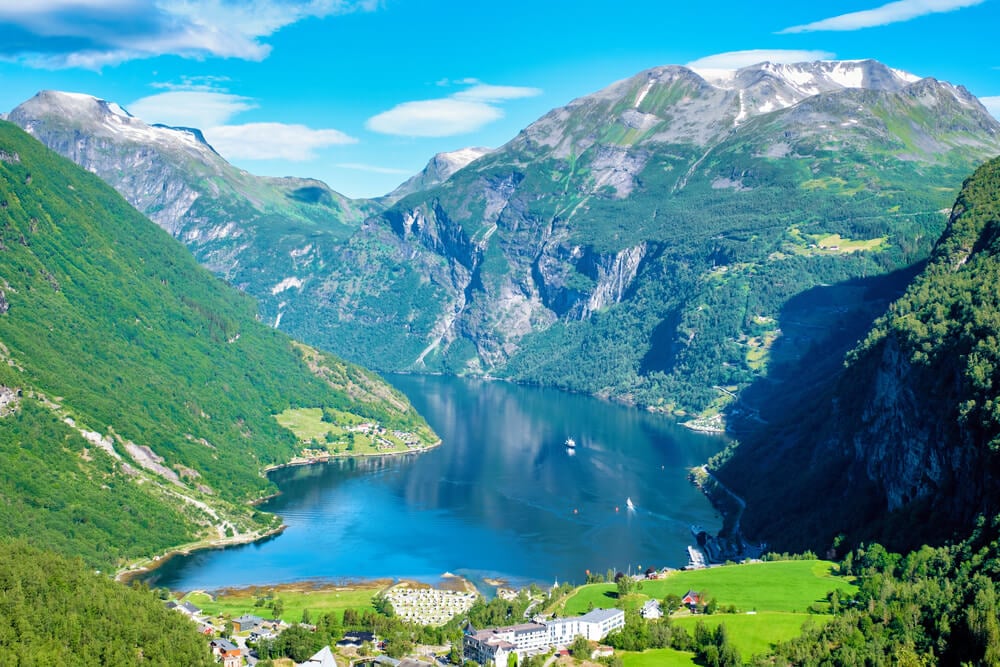
Norway’s iconic fjord glaciers are retreating so rapidly that some waterfalls that fed from them are drying up entirely. Entire fjord ecosystems depend on glacial melt and could collapse as glaciers vanish.
Africa’s Okavango Delta
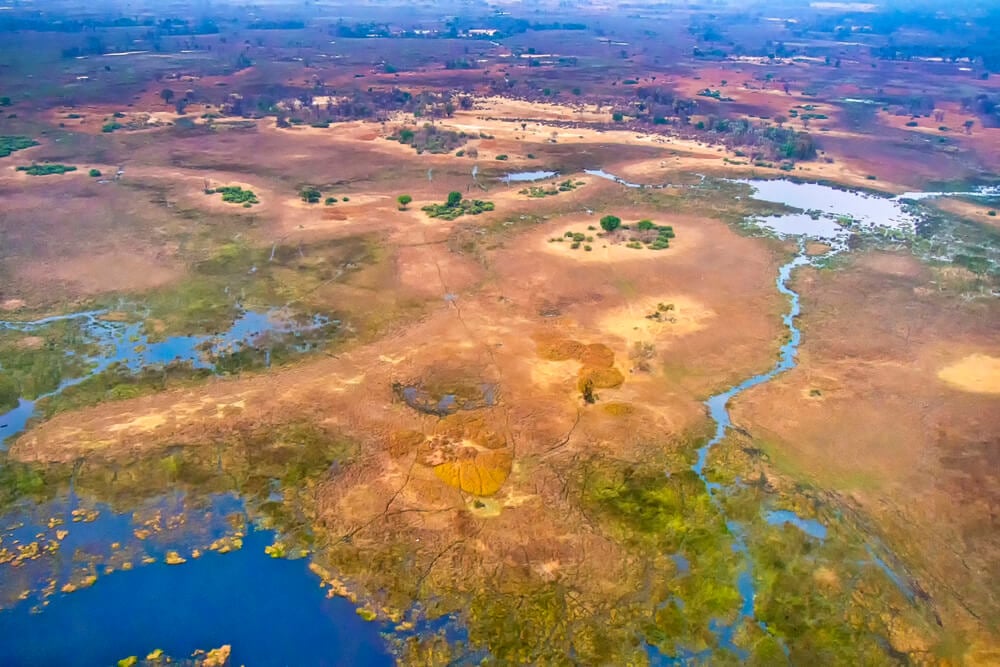
The Okavango Delta, one of the world’s largest inland deltas and a wildlife sanctuary, faces multiple threats: upstream dam projects, climate change reducing rainfall, and overexploitation of water resources. The delta could shrivel dramatically within 20-30 years.
The Borneo Rainforest
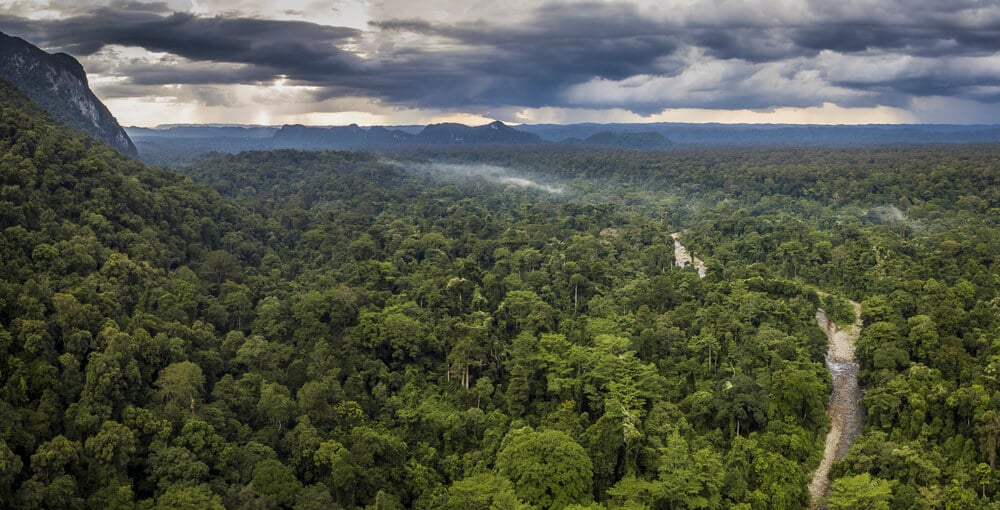
Borneo’s rainforests have lost roughly 50% of their original coverage, and the remaining forest continues to shrink for palm oil, timber, and agriculture. The orangutan, pygmy elephant, and dozens of endemic species face extinction with it.
Iceland’s Glaciers
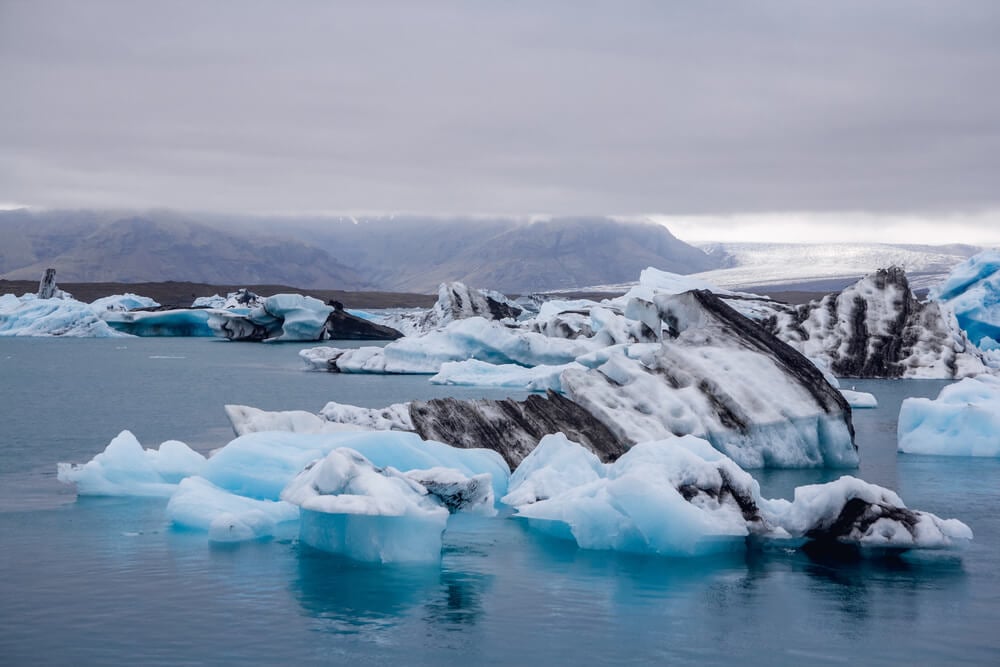
Iceland has lost roughly 11% of its glacier ice volume since measurements began in 1995, with the rate of melting accelerating. Some glaciers are projected to disappear entirely within 15 years.
The Sundarbans Mangrove Forest
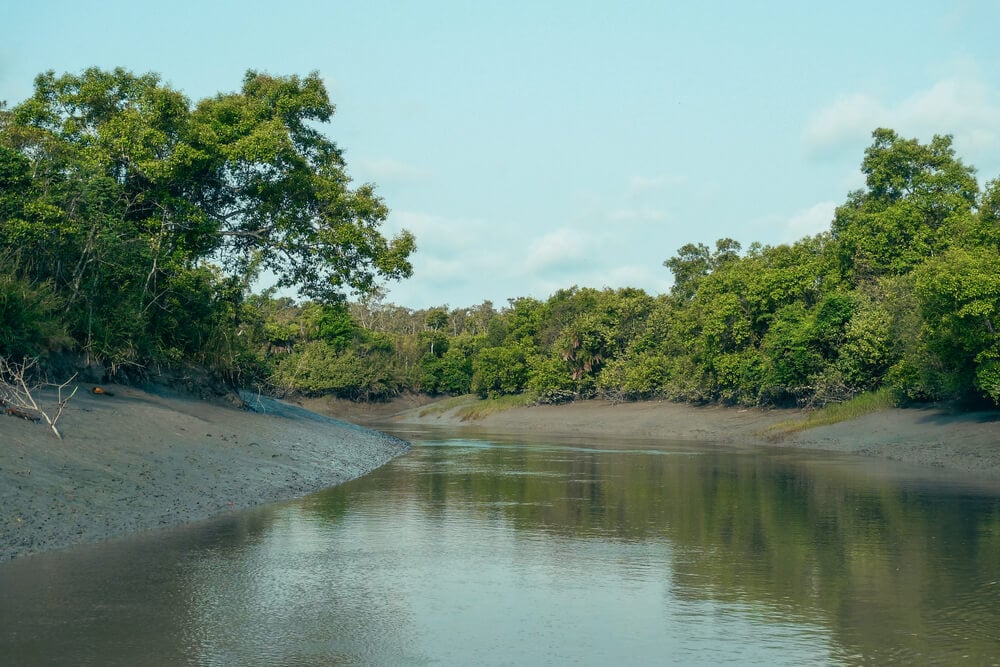
The Sundarbans, a UNESCO World Heritage site spanning Bangladesh and India, is eroding into the sea at a rate of dozens of acres annually due to sea-level rise and subsidence. The Bengal tiger population living there faces displacement within a generation.
Mozambique’s Elephant Populations and Habitat
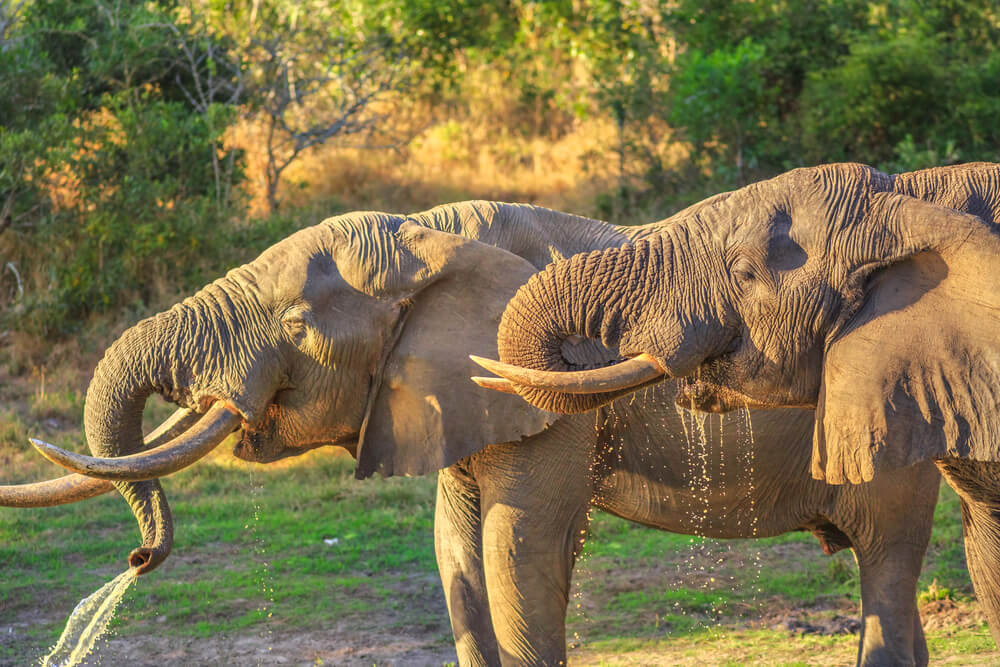
Poaching has devastated elephant populations, and habitat degradation from climate change threatens the remaining wildlife. Some conservation areas have lost 90% of their elephants since 2000.
The Brazilian Atlantic Rainforest
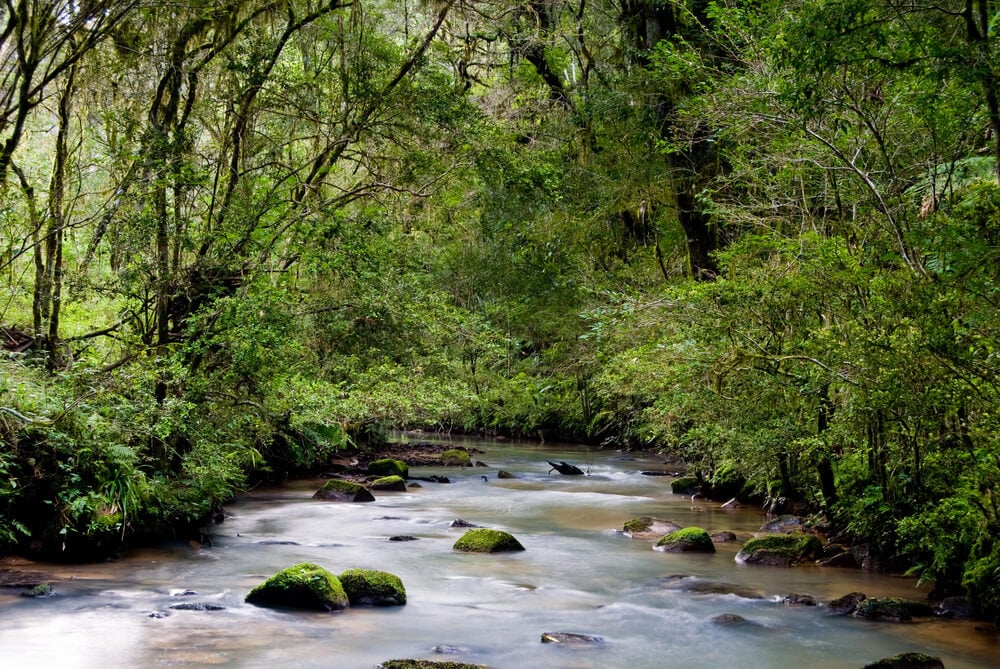
The Atlantic Rainforest has been reduced to less than 12% of its original extent, and the remaining patches continue to be cleared. Species endemic to this forest face imminent extinction.
Papua New Guinea’s Rainforests
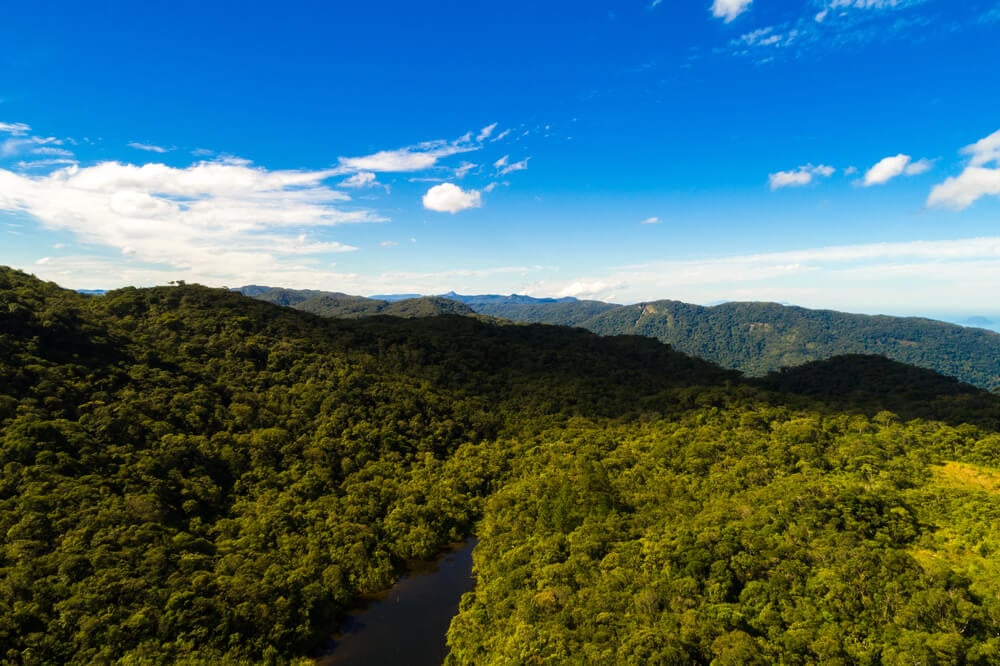
PNG contains some of the world’s most biodiverse rainforests, but logging concessions are being granted at an accelerating pace. Scientists estimate the forests could be 90% logged within 20 years at current rates.
The Seychelles’ Coral Reefs
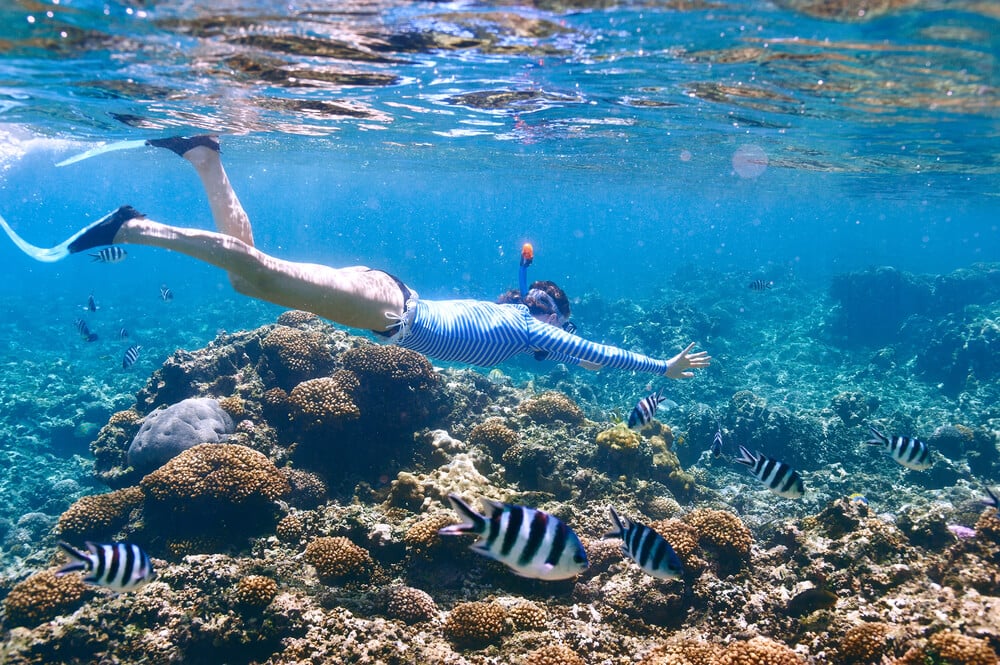
The 2016 coral bleaching event destroyed roughly 90% of the Seychelles’ coral reefs in a matter of months. Recovery is uncertain, and future bleaching events could eliminate the remaining reefs entirely.
The Siberian Larch Forests
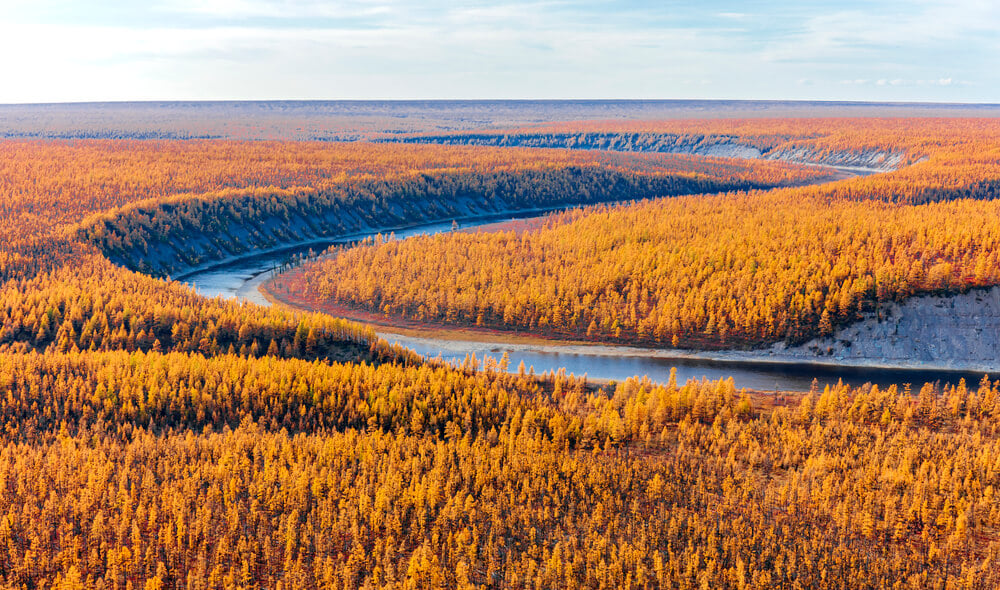
The boreal larch forests of Siberia are experiencing unprecedented wildfires due to warming, thawing permafrost, and increased human activity. Entire regions could shift to open tundra within decades.
The Irreversible Point Approaches
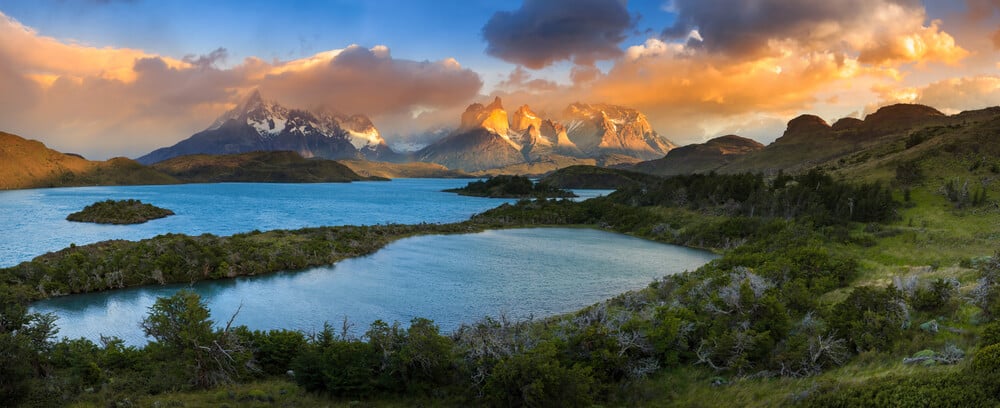
What makes these 26 landmarks uniquely threatened is not that they face damage—ecosystems have always changed and adapted. What makes them endangered is that they approach irreversibility.
Ecosystems and landscapes have tipping points beyond which natural recovery becomes impossible. The coral reefs that bleach too many times do not regenerate; the glaciers that melt away do not return; the species pushed below critical population numbers do not recover.
These landmarks represent some of the final strongholds of irreplaceable natural wonders. Their loss would mean the permanent impoverishment of Earth’s remaining wild beauty and ecological diversity.
More from Go2Tutors!

- The Romanov Crown Jewels and Their Tragic Fate
- 13 Historical Mysteries That Science Still Can’t Solve
- Famous Hoaxes That Fooled the World for Years
- 15 Child Stars with Tragic Adult Lives
- 16 Famous Jewelry Pieces in History
Like Go2Tutors’s content? Follow us on MSN.