15 Best Streaming Series With Cult Followings
Some shows just get under your skin. Not necessarily the ones winning every award or dominating Monday morning conversations, but the ones that make you feel like you’ve stumbled onto something a little secret — something that belongs to the people who found it.
Cult shows earn their audiences the hard way. They ask more of you, reward patience, and tend to stick around in your head long after the credits roll.
These 15 streaming series have done exactly that.
Twin Peaks: The Return — Showtime/Paramount+
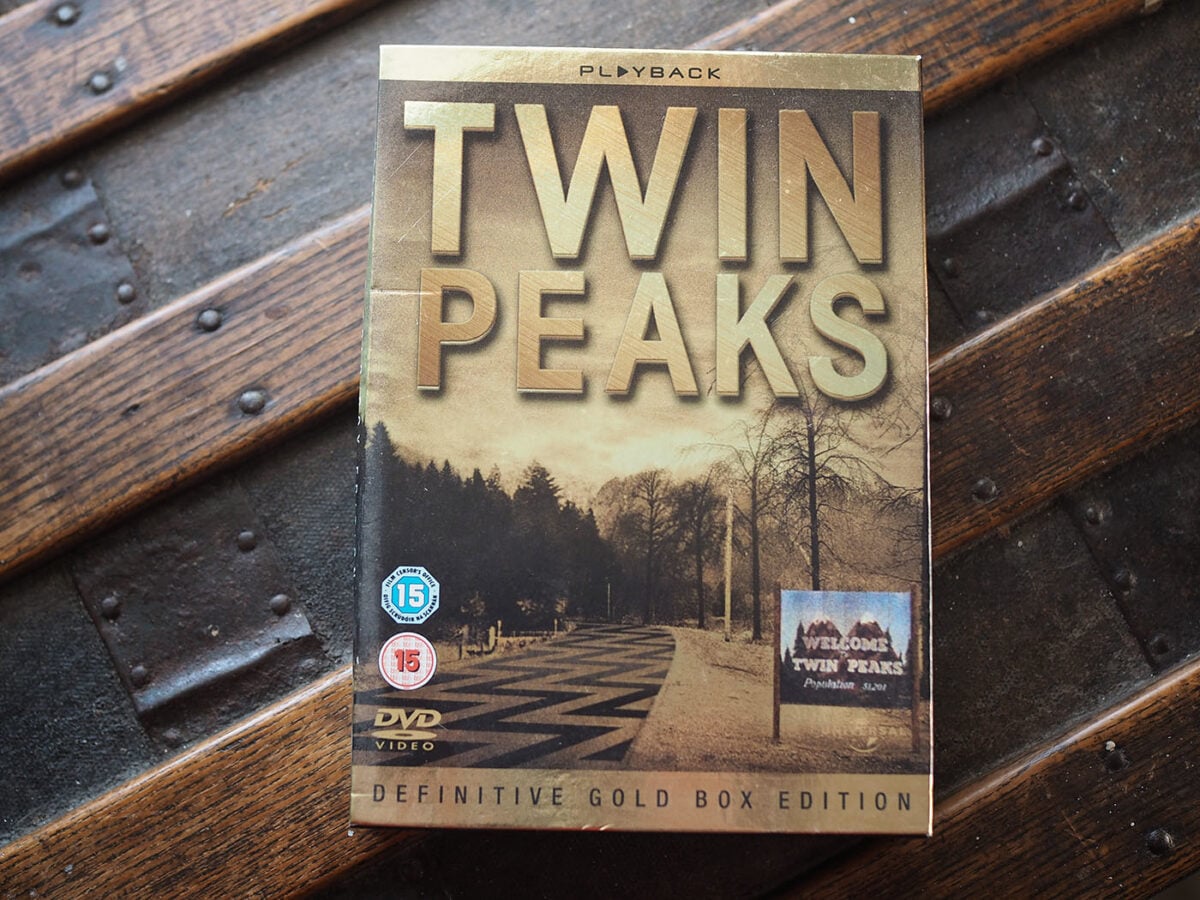
David Lynch’s 2017 continuation of his original 1990 series isn’t just a comeback — it’s one of the strangest, most ambitious things ever put on television. Eighteen hours of dream logic, long silences, Las Vegas side plots, and that unforgettable Part 8, which still gets discussed in hushed, baffled tones years later.
If you’ve never watched it, go back and start with the original first. Then prepare yourself. The fan community around Twin Peaks has existed for decades, producing podcasts, books, and fan theories that fill entire corners of the internet.
Lynch gave them plenty to work with.
Firefly — Hulu/Disney+
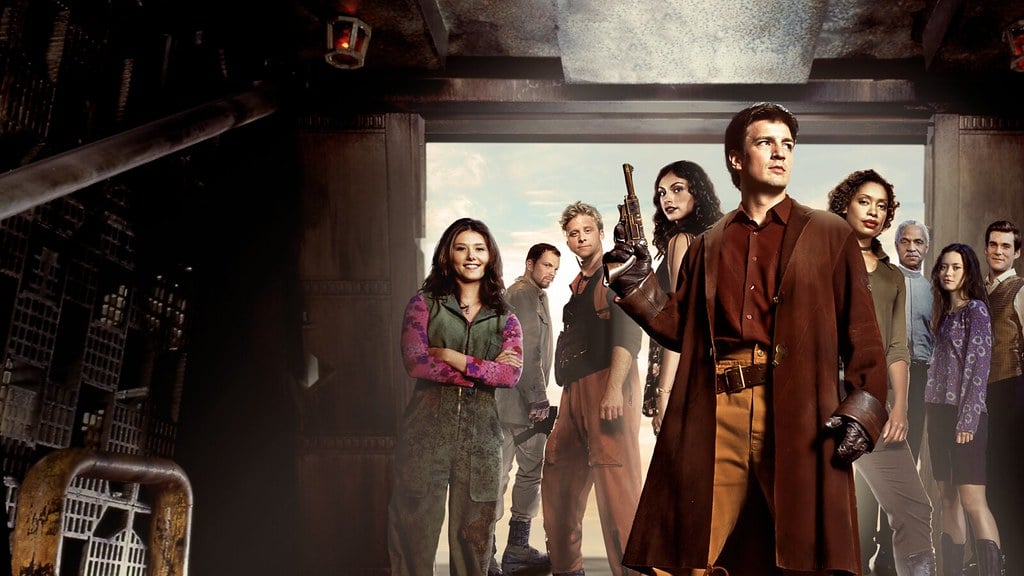
It ran for one season in 2002. Fox aired the episodes out of order. It got cancelled before the finale could air. And yet, more than twenty years later, Firefly fans — called Browncoats — are still loud, still organized, and still furious about what was taken from them.
The show blended Western and space opera in a way that felt genuinely original. Joss Whedon built a crew of misfits on a beat-up spaceship, and audiences fell hard for all of them.
The 2005 film Serenity gave the story some closure, but the wound hasn’t fully healed.
The OA — Netflix
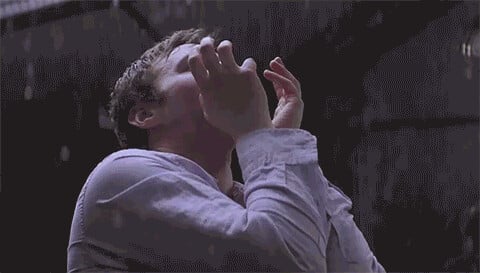
When Netflix cancelled The OA after two seasons, fans staged a sit-in outside Netflix’s headquarters. That kind of reaction tells you everything you need to know about this show’s hold on its audience.
The OA is hard to describe without spoiling it, and spoiling it would be a crime. What starts as a story about a blind woman who returns home after years of disappearance becomes something far harder to categorize.
It’s part mystery, part spiritual drama, part science fiction. It demands trust. Most people who give it that trust end up obsessed.
Dark — Netflix
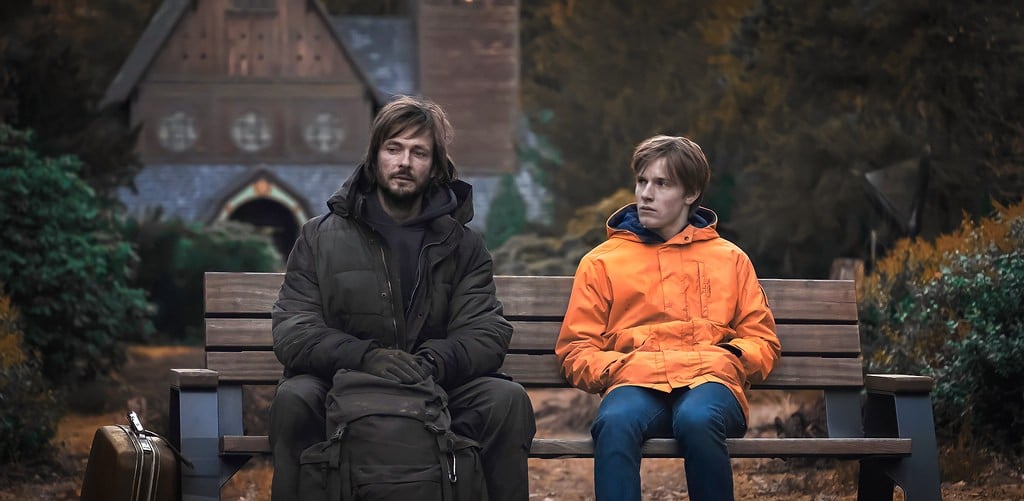
Germany’s first Netflix original series is also one of the best time-travel stories ever told on screen. Dark spans multiple generations of four interconnected families in a small town, and it builds a mythology so intricate that fans built dedicated wikis and flowcharts just to keep track of it all.
Three seasons. A prequel story.
A genuinely satisfying ending. Dark is one of those rare shows that knew exactly what it wanted to be and delivered on every promise it made.
Hannibal — Peacock
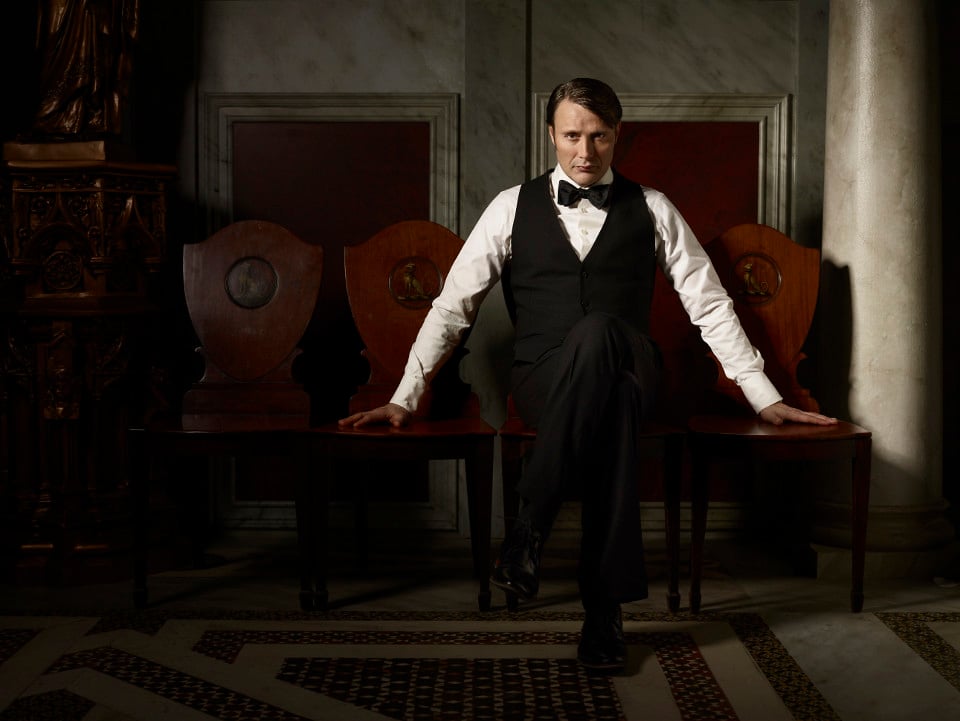
Three seasons of television so visually beautiful it sometimes felt wrong to call it a crime show. Bryan Fuller’s Hannibal took the familiar story of Hannibal Lecter and Will Graham and turned it into something closer to a psychological love story — lavishly shot, philosophically dense, and deeply strange.
NBC cancelled it in 2015, and the fan community has been campaigning for a fourth season ever since. The show’s supporters, who call themselves the Fannibal fandom, are among the most organized and passionate in streaming.
Fuller has hinted at a continuation more than once, which keeps the hope alive.
Severance — Apple TV+
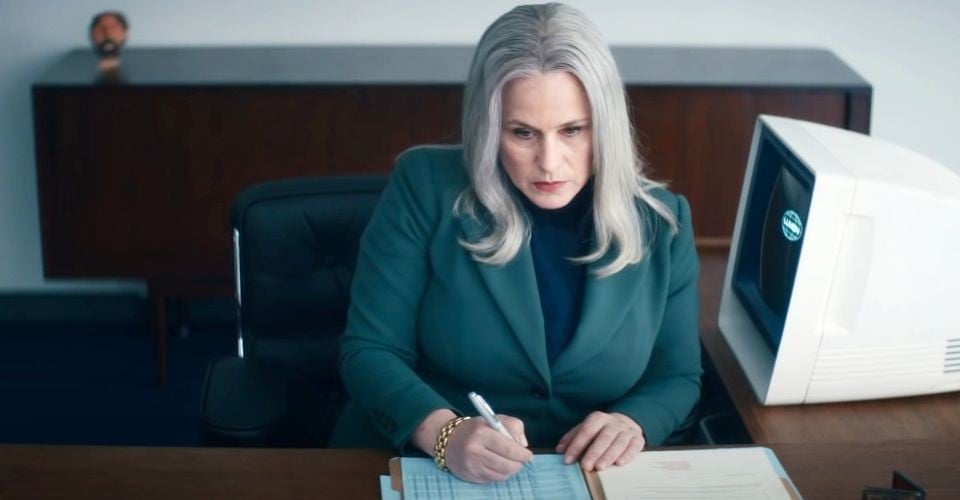
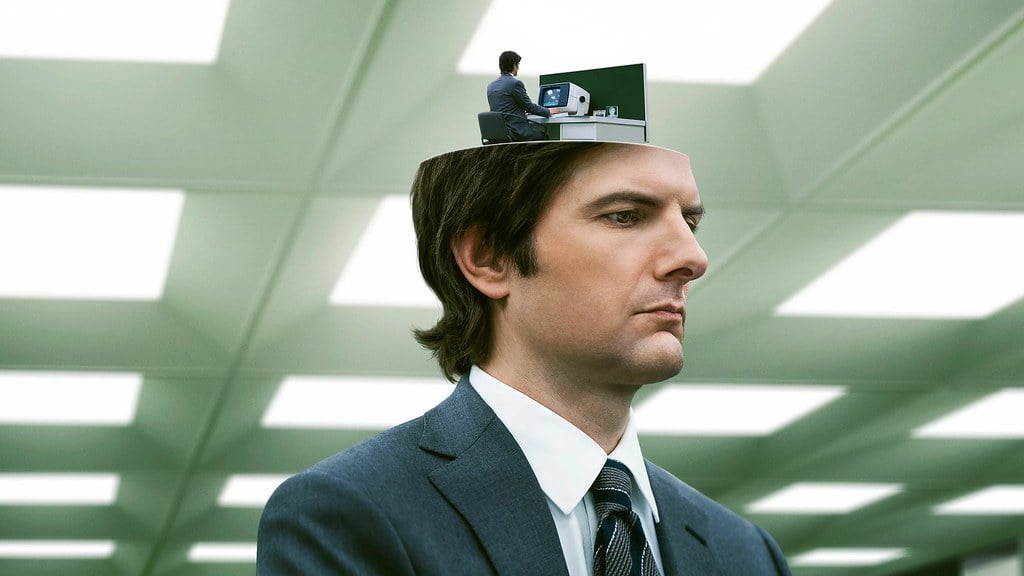
The premise alone is enough to hook you: employees at a mysterious company undergo a procedure that splits their work and personal memories into completely separate identities. The person who goes to work has no memory of home.
The person at home has no idea what happens at the office. Severance turned this concept into a slow-burn corporate horror show with one of the most devoted fan bases on Apple TV+.
Season one ended on a cliffhanger so brutal it felt almost cruel. Theories about what’s really happening at Lumon Industries filled Reddit for two years before Season 2 arrived.
Arrested Development — Netflix
The original three seasons aired on Fox from 2003 to 2006. They were cancelled due to low ratings despite being considered some of the best-written television of that era.
Netflix revived the show in 2013 with a fourth season, and again in 2018 with a fifth — an unusual arc for any series, let alone one built on such dense, layered comedy. Arrested Development rewards rewatching in a way few comedies do.
Jokes are planted episodes in advance. Background gags become punchlines.
It’s the kind of show that makes you feel clever for catching things, which is exactly why its audience never left.
Halt and Catch Fire — AMC+
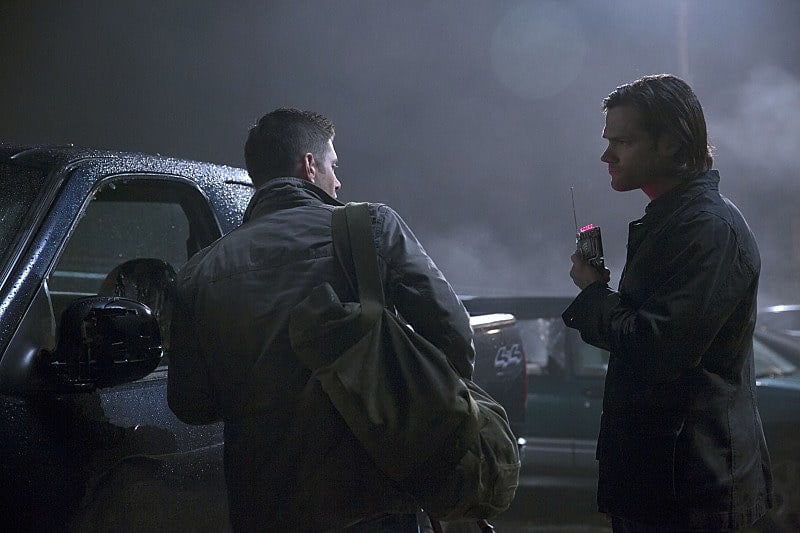
One of the most quietly devastating dramas of the 2010s, and probably the most underseen. Set during the early days of the personal computer revolution, it started as a story about ambition and technology and gradually became one of the best examinations of creative partnership and personal reinvention ever put on screen.
The show improved season by season, and by its final run, it had developed a small but ferociously devoted audience. Those viewers tend to talk about it the way people talk about books that changed them — carefully, like it’s still fragile.
The Leftovers — Max
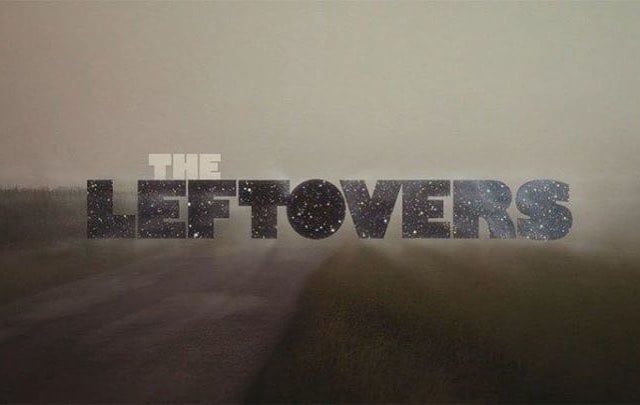
Two percent of the world’s population vanished simultaneously and without explanation. The Leftovers isn’t interested in why. It’s interested in what happens to the people left behind — how grief warps identity, how communities fracture and re-form, how people keep finding reasons to go on.
Damon Lindelof’s show ran three seasons on HBO and ended with one of the most emotionally precise finales in television history. Its audience is small but evangelical.
Ask someone who loves The Leftovers about it and clear your schedule.
Mindhunter — Netflix
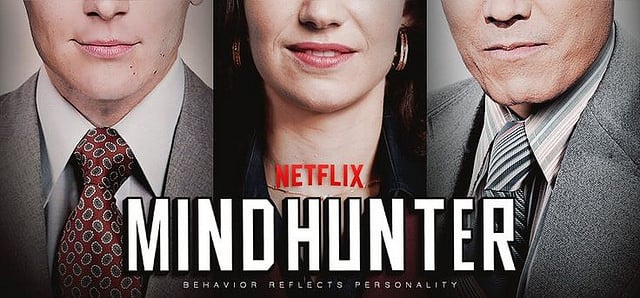
Based on FBI agent John Douglas’s memoir, Mindhunter follows the early days of criminal profiling in the late 1970s. Two agents travel the country interviewing imprisoned serial killers, trying to understand how violent criminal minds work before there was language for any of it.
David Fincher directed several episodes and the show carried his fingerprints in every frame — cold, precise, deeply unsettling. Netflix put the show on indefinite hold after Season 2, and the lack of closure has kept the fan conversation going for years.
It sits unfinished in a way that feels genuinely maddening.
Barry — Max
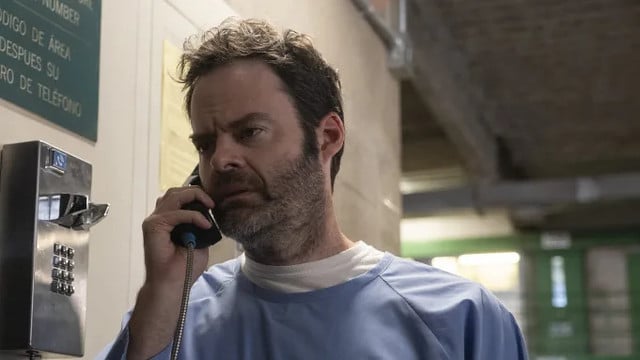
Bill Hader plays a hitman who stumbles into an acting class and decides he wants to change his life. Barry sounds like a dark comedy pitch, and it is — but it kept evolving, and by Season 3 it had become something harder and stranger than anyone expected from its premise.
The show’s tonal range is extraordinary. It could be genuinely funny and genuinely horrifying in the same scene.
Hader directed most of it himself, and the craft shows. Its ending divided some viewers and cemented the devotion of others.
What We Do in the Shadows — Hulu

The mockumentary format has been done to death, but this show — based on Taika Waititi and Jemaine Clement’s 2014 film — found a way to make it feel fresh by following a group of ancient vampires living as roommates in Staten Island.
It’s absurdist, warm, frequently brilliant, and just weird enough to keep a certain kind of viewer completely hooked. The cast and writing room built something that rewards long-term viewing in ways the premise doesn’t initially promise.
It ran five seasons and earned every fan it picked up.
The Boys — Prime Video
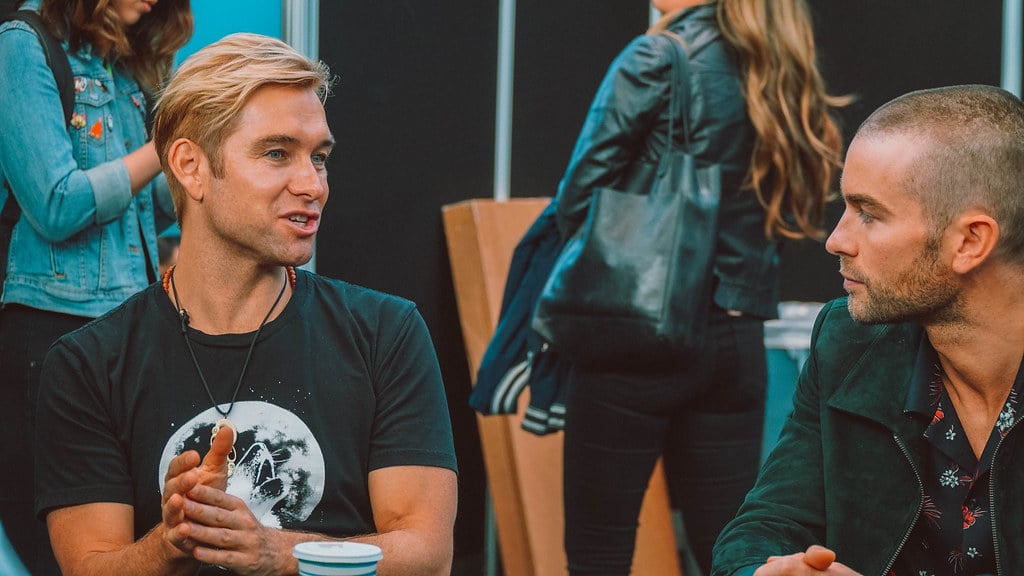
It really ought to fall apart, a spoof on heroes this furious and this sharp. Yet somehow it clicks. Instead of noble saviors, we get caped sellouts shaped by boardrooms – smug, broken, laced with cruelty.
Hidden behind fame and power lies something rotten. A scattered bunch of regular folks digs into the mess, chasing truth through smoke and blood.
Right now, few shows grip audiences like Amazon’s top series does. Each episode sparks a world of reactions, almost like a movement on its own.
Spin-offs pop up because of it. So do endless products fans collect.
Week after week, people argue about scenes the way they once did when dragons ruled TV screens. Most popular shows play it safe.
This one doesn’t. Beneath the flash and noise hides something quietly rebellious.
Fleabag on Prime Video
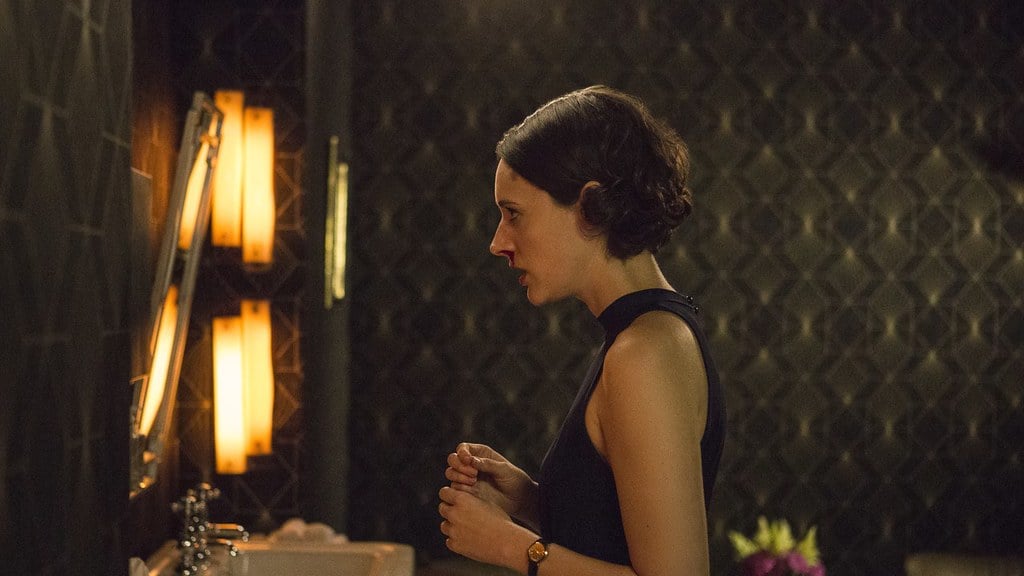
Fleabag crept into view like that – quiet at first, then impossible to ignore. Phoebe Waller-Bridge shaped every word, stepping into the role as both creator and lead across two seasons split between BBC and Amazon.
People finished it fast, then called it their favorite in ages without hesitation. Sadness hums beneath everything, mixed with isolation and choices she keeps making worse.
Yet laughter carries most of it, sharp and sudden, slipping truth past your guard before you even notice. Blink, then it hits – those moments breaking the wall start off feeling clever, yet shift into raw emotional punches.
What makes season two stick is how tightly built it feels, like every scene pulls weight. Brief.
Exactly right. Leaves you hollow.
Patriot on Prime Video
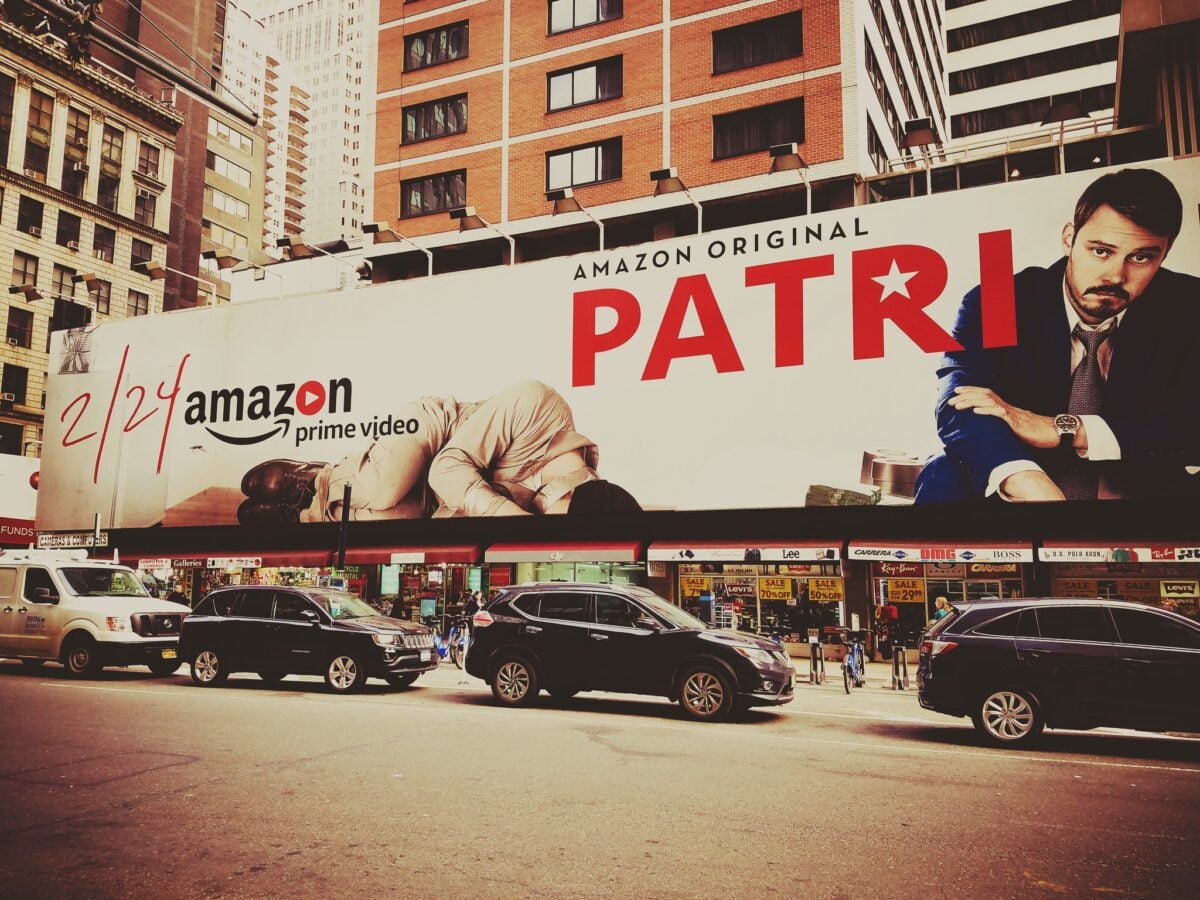
A quiet standout hiding near the bottom of the list – this one might just warrant more eyes than it gets. An intelligence operative lands a covert assignment in Luxembourg, all while wrestling with emotional scars left by years undercover.
Music becomes his outlet; he pens raw, personal folk tunes, then steps onto dimly lit stages to share them when the week unwinds. Funny how it lands, yet somehow heavier once you sit with it.
Storytelling takes its time, sidestepping straight lines, pulling focus without shouting. Rewards arrive late, but when they do – sharp and clear.
There were two runs of episodes. Viewers? A handful.
Those who stuck around won’t stop talking like it left a mark.
The Shows That Sink Their Teeth In

These fifteen shows have nothing to do with category or where they stream. What ties them?
A quiet bond shaped by time, not instant payoff. You’re expected to stay even when things feel uncertain, unsettled, heavy.
Answers never come neatly wrapped. Meaning grows slowly, partly because of what you add along the way.
It’s the feeling you were exactly who they had in mind. Ratings don’t decide it, nor do reruns or how odd the plot seems at first glance – even if those things often play a part.
A certain fit between watcher and world matters most. Should you be hunting something to lose yourself in, these picks might just hold what you’re after.
More from Go2Tutors!

- The Romanov Crown Jewels and Their Tragic Fate
- 13 Historical Mysteries That Science Still Can’t Solve
- Famous Hoaxes That Fooled the World for Years
- 15 Child Stars with Tragic Adult Lives
- 16 Famous Jewelry Pieces in History
Like Go2Tutors’s content? Follow us on MSN.



