27 Historic Sites Closed to the Public
Some places are too fragile, too sacred, too dangerous, or too historically sensitive for public access. Preservation, security, religious significance, and scientific research create barriers between visitors and locations that shaped history.
A medieval vault holds secrets that archaeologists dare not unlock; a volcanic island remains off-limits to all but scientists; a plague-quarantine island sits abandoned with its ghosts. These restricted sites exist in the public consciousness not as places we can visit, but as mysteries we cannot solve.
Their closure paradoxically makes them more powerful—places whose significance exceeds what open access could allow.
The Qin Dynasty Mausoleum (China, Unopened Burial Chamber, 210 BCE)
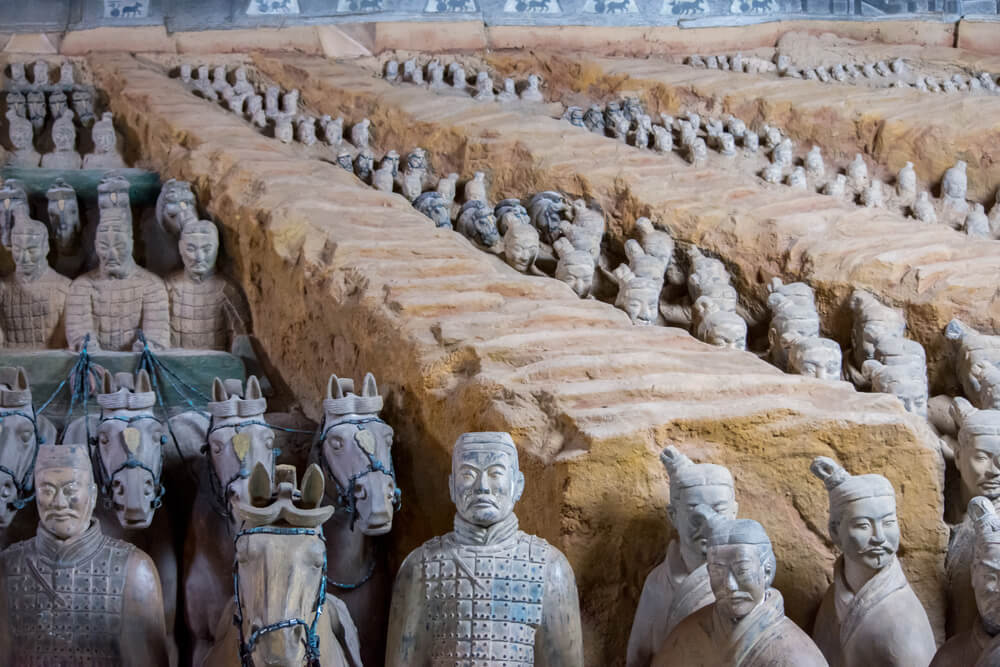
The mausoleum of China’s first emperor contains a burial chamber that remains unopened. Ancient texts claim the emperor’s tomb features a complete map of China rendered in rivers of flowing mercury—a technological marvel if true.
Archaeologists remain terrified to enter because current preservation technology cannot guarantee artifacts’ survival once exposed to air. The unopened tomb, sealed for over 2,000 years, represents knowledge scientists choose to keep buried rather than risk destroying.
Lascaux Caves (France, 1963 Closure, Prehistoric Art)
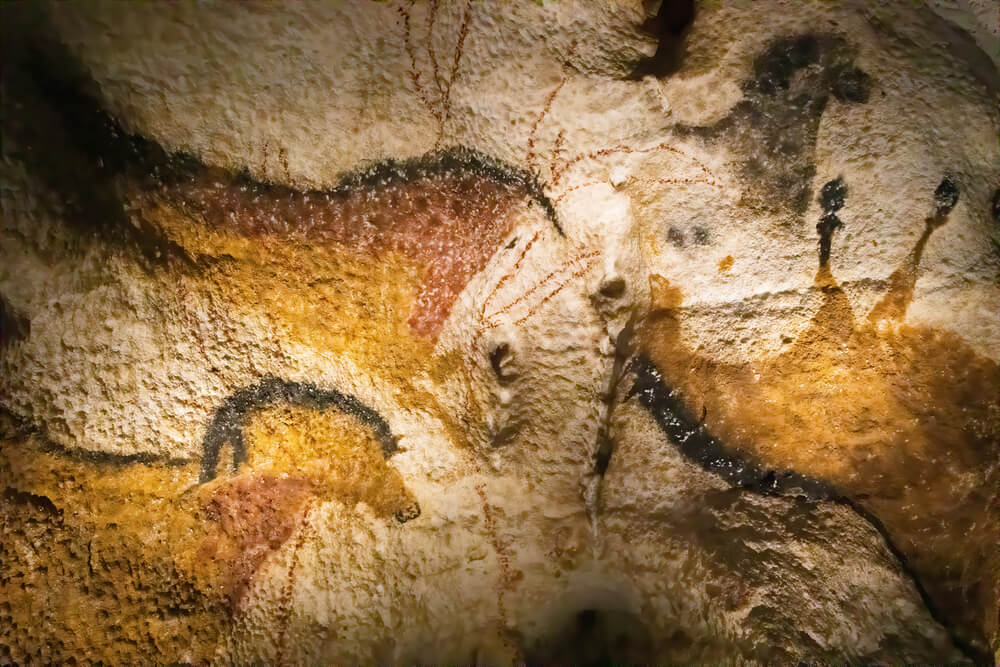
The Lascaux Caves in southwestern France house prehistoric cave paintings over 17,000 years old—evidence of early human creativity. Closed to the public since 1963, the caves remain inaccessible to tourists to protect delicate pigments from humidity, bacteria, and human interference.
Visitors can only explore an accurate replica nearby, designed to simulate the original experience. The authentic site remains off-limits except to specialized researchers, preserving irreplaceable human heritage.
The Vatican Secret Archives (Manuscript Collection, Centuries of Secrets)
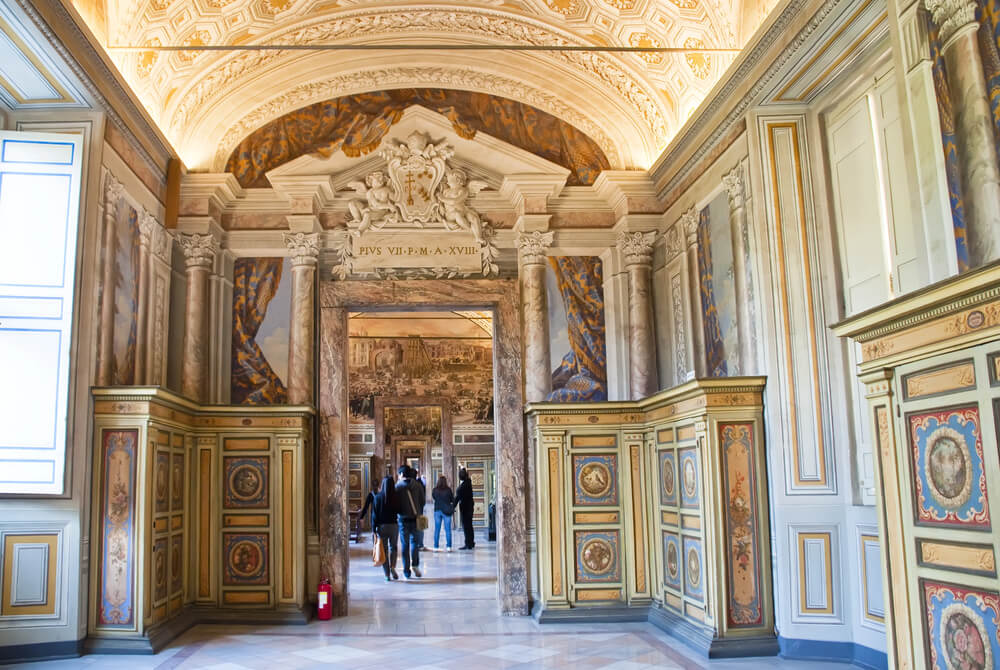
The Vatican Secret Archives contain centuries of priceless documents, manuscripts, and artifacts, accessible only to qualified scholars with specific research purposes. Ordinary tourists cannot enter.
While the Vatican Museums are open for public visits, the secret archives remain one of the most exclusive destinations in the world. The restricted documents include materials that could reshape understanding of religious history—yet access remains tightly controlled.
Surtsey Island, Iceland (1963 Formation, Scientific Laboratory)
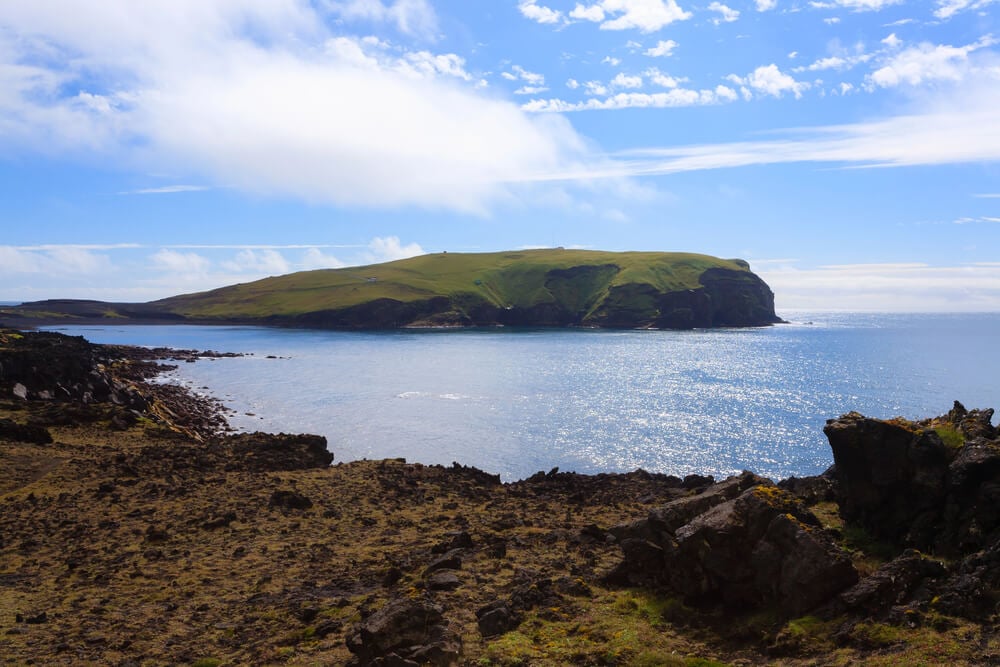
Formed during a volcanic eruption in 1963, Surtsey is one of Earth’s youngest islands. Located south of Iceland, it represents an untouched laboratory for studying ecological succession—how life colonizes new land.
Since its birth, only scientists have been allowed ashore; all other visitors are banned to prevent contamination. The island’s pristine state requires absolute isolation, making it a scientific preserve rather than a tourist destination.
North Sentinel Island (Uncontacted Tribe Protection)
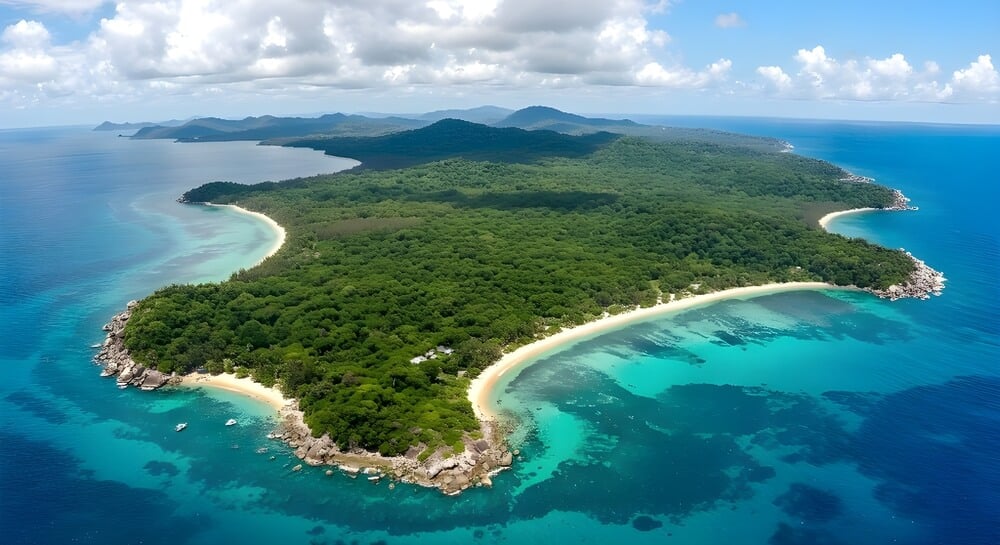
Home to the Sentinelese, one of the last truly uncontacted tribes on Earth, North Sentinel Island is protected to preserve its inhabitants’ isolation and unique way of life. The Indian government has enforced a buffer zone that keeps visitors and researchers away.
The island remains inaccessible to all but the Sentinelese themselves, a living museum of pre-contact human society.
Mezhgorye, Russia (Closed Mountain Town, Mount Yamantau)
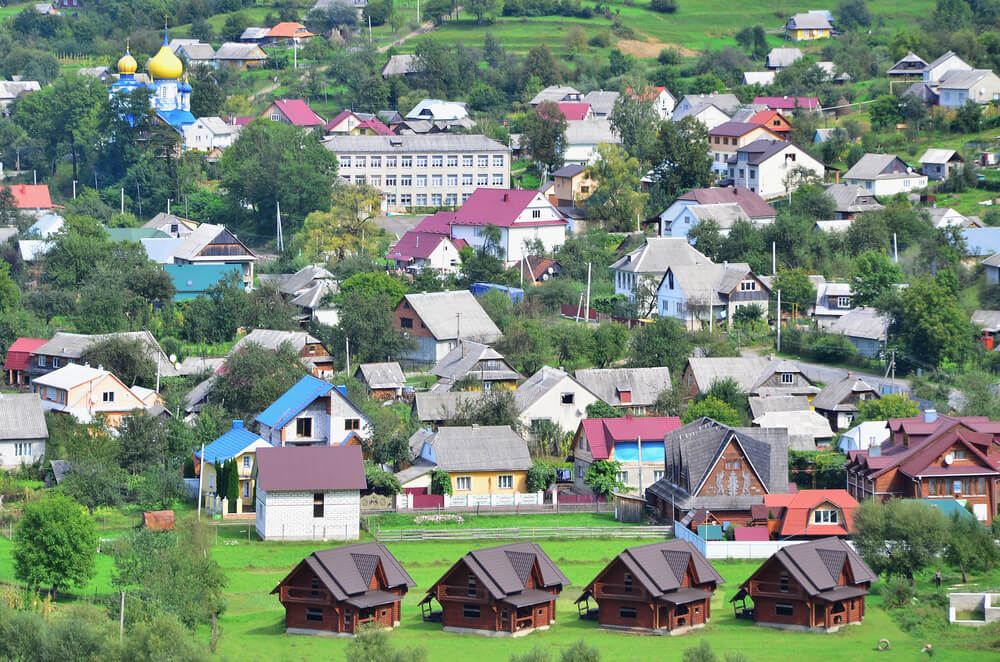
Deep in the Ural Mountains lies Mezhgorye, a closed Russian town believed to support operations around Mount Yamantau. Established during the Soviet era, it remains heavily guarded, and entry is restricted to government personnel.
The town’s purpose remains classified, and civilians face complete prohibition from visiting.
Fort Knox Bullion Depository (United States, Gold Reserves)
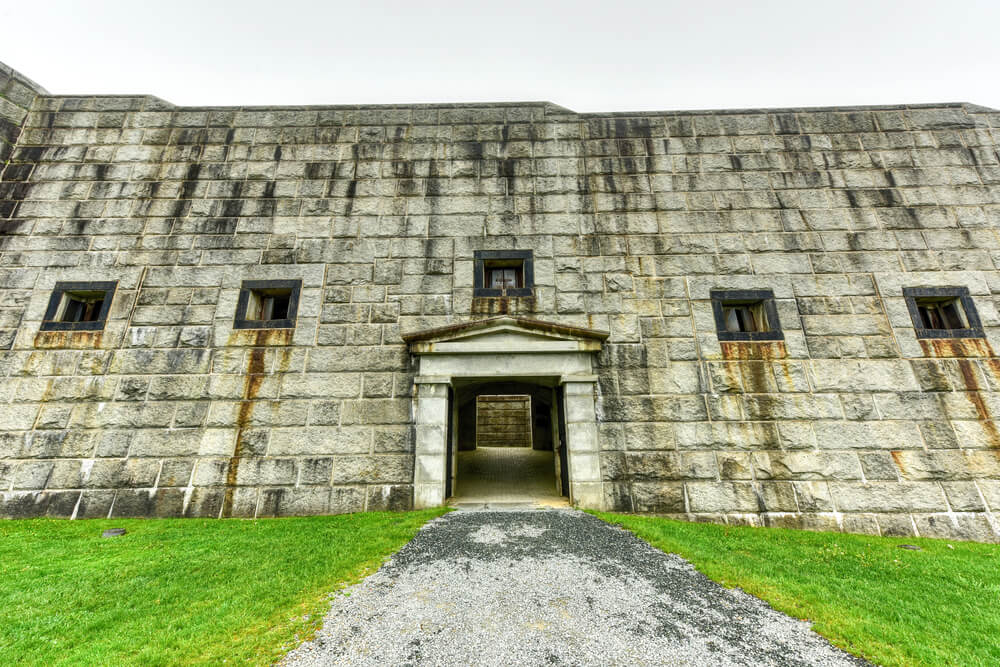
Located in Fort Knox, Kentucky, the United States Bullion Depository keeps a large portion of the country’s gold reserves behind reinforced security. The facility is equipped with underground bunkers and its own power grid.
Even aerial photography is restricted, making the site both functional and shrouded in mystery. No civilian has entered the inner vault in decades.
Coca-Cola Headquarters Vault (Atlanta, Georgia, Proprietary Formula)
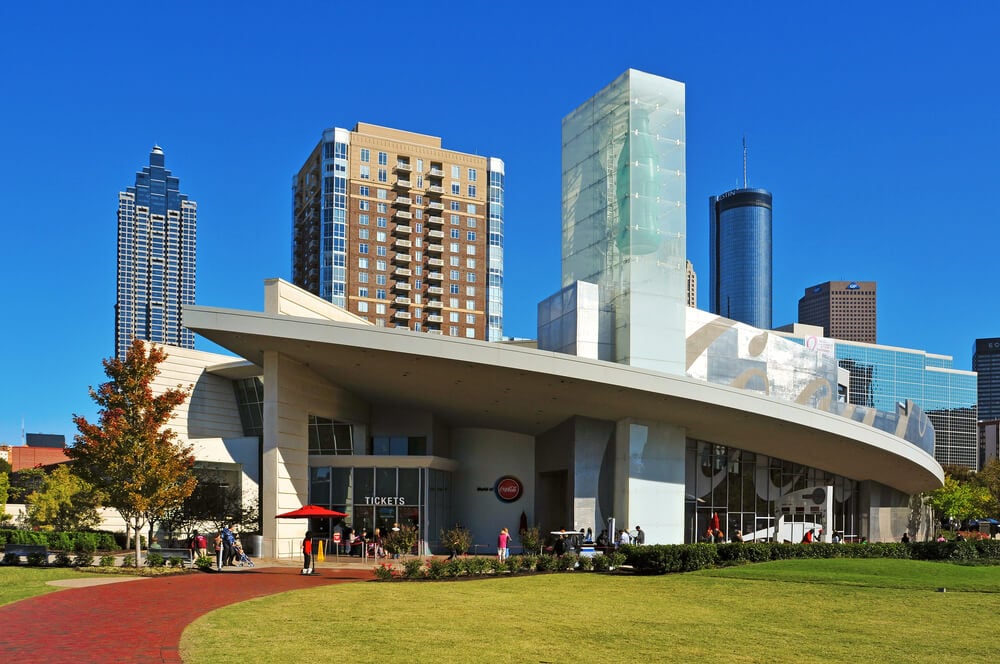
Behind reinforced doors in Atlanta sits a corporate secret: Coca-Cola’s original formula. Only a few executives know the complete recipe, and the vault is strictly off-limits.
While tourists can view the vault’s exterior, entry is completely barred. The company guards its formula as intellectual property of immense value, creating one of the world’s most famous off-limits locations.
Ise Grand Shrine (Japan, Sacred Site, Rebuilt Every 20 Years)
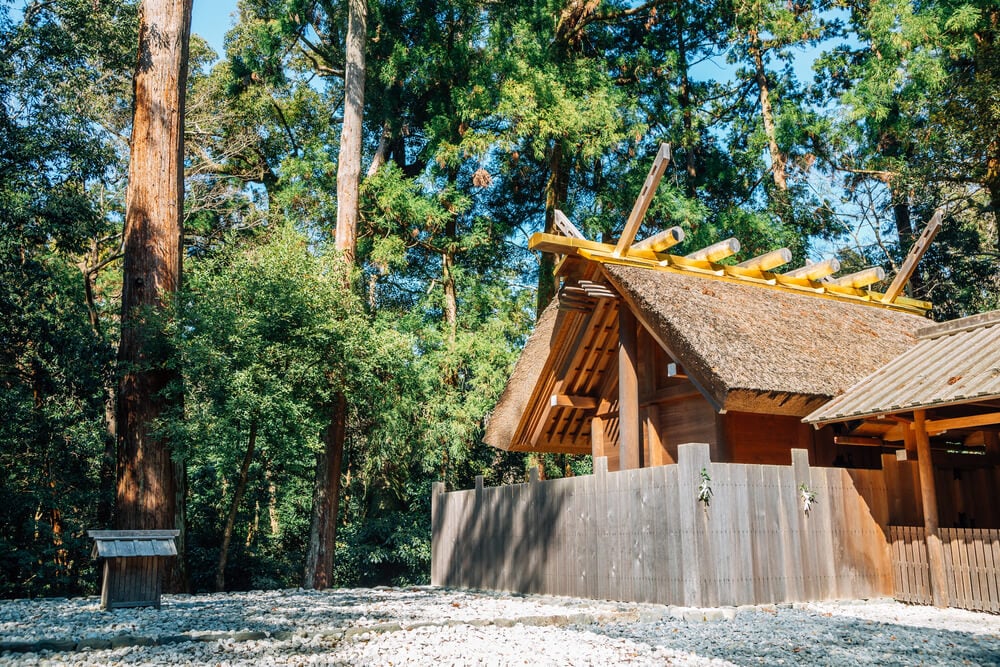
This sacred Shinto site is rebuilt every 20 years as part of spiritual practice, with only high-ranking priests and imperial family members permitted inside. The restriction protects the site’s spiritual sanctity through limited access.
The rebuilt shrine remains one of Japan’s most sacred—and restricted—locations.
Ilha da Queimada Grande, Brazil (Snake Island, Golden Lancehead Vipers)
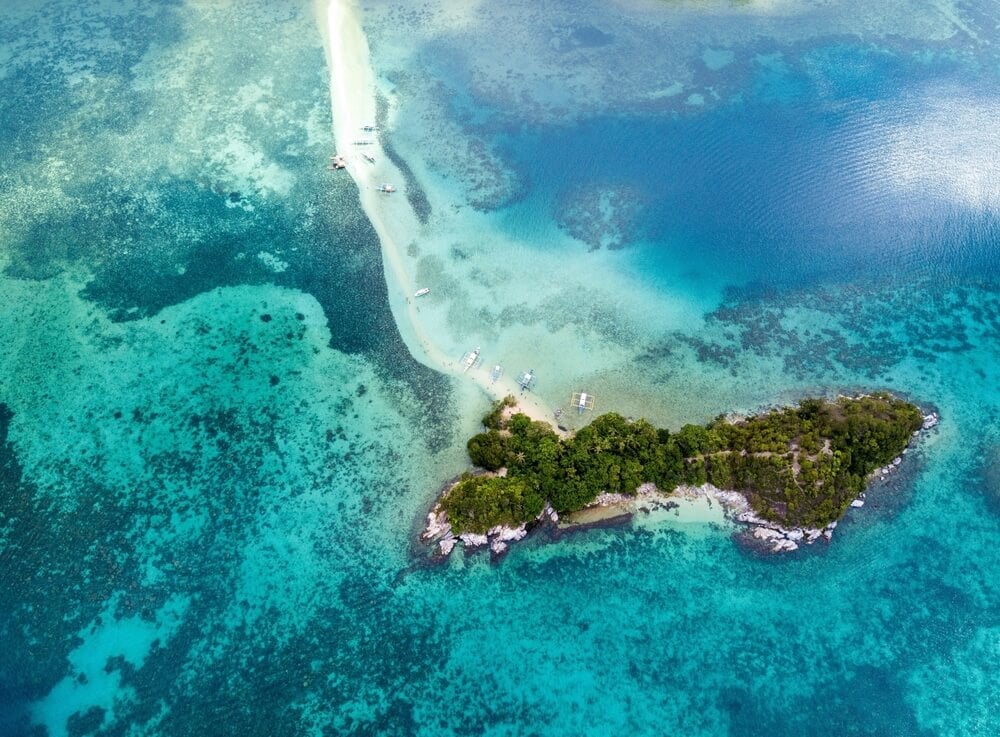
Access to this Brazilian island is forbidden not by military decree but by necessity—it’s overrun with golden lancehead vipers, some of the world’s most dangerous snakes. Even biologists require special government permits to land.
The island remains a no-go zone for public access, protected partly from human interference in the snakes’ habitat.
Plum Island, New York (Animal Disease Center, Former Typhoid Quarantine)
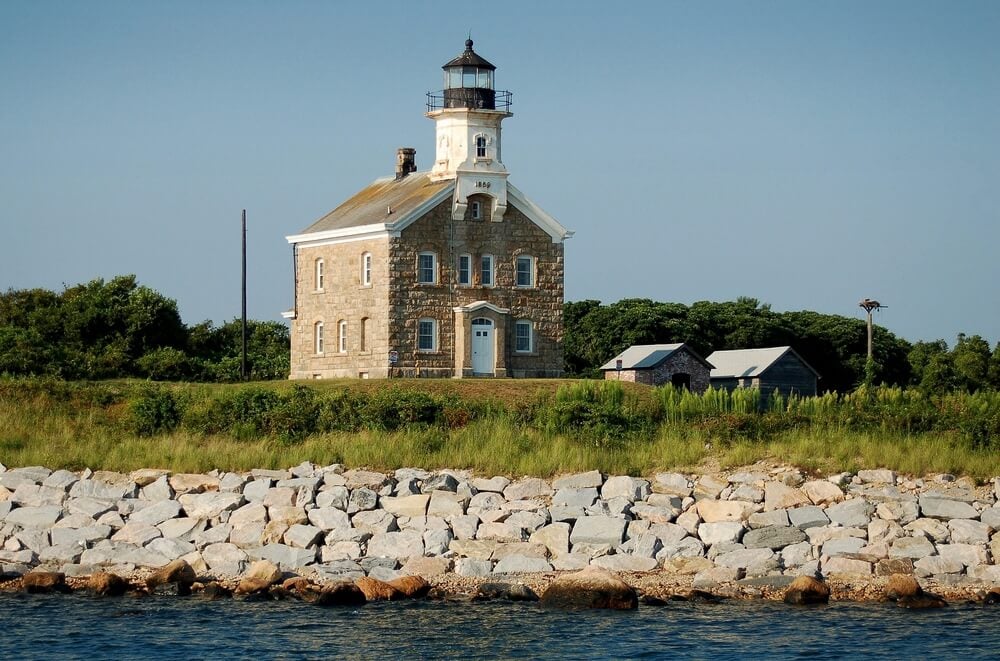
Located in New York’s East River, this island once quarantined typhoid patients, including “Typhoid Mary.” Today, it’s a protected bird sanctuary, closed to preserve the nesting grounds of black-crowned night herons.
The crumbling buildings are unsafe, and city laws prohibit access without special research permits. The island’s dark history as a plague quarantine makes its closure historically significant.
Mount Weather (Virginia, FEMA Emergency Operations Center)
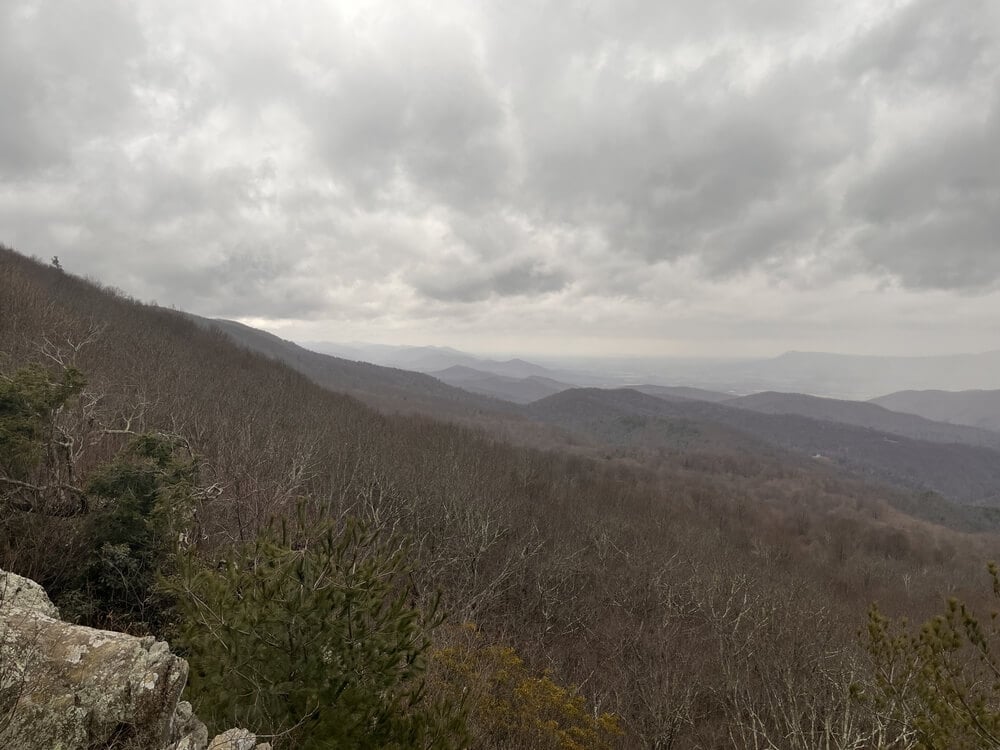
While Mount Weather still operates as a FEMA site, its original 1960s bunker section is sealed off, outdated, and classified. Access is restricted for security purposes, making the facility off-limits to civilians.
The secret bunker was designed to house government leadership during nuclear war—a secret now declassified but still inaccessible.
The Chernobyl Exclusion Zone (Partial Access, Highly Restricted)
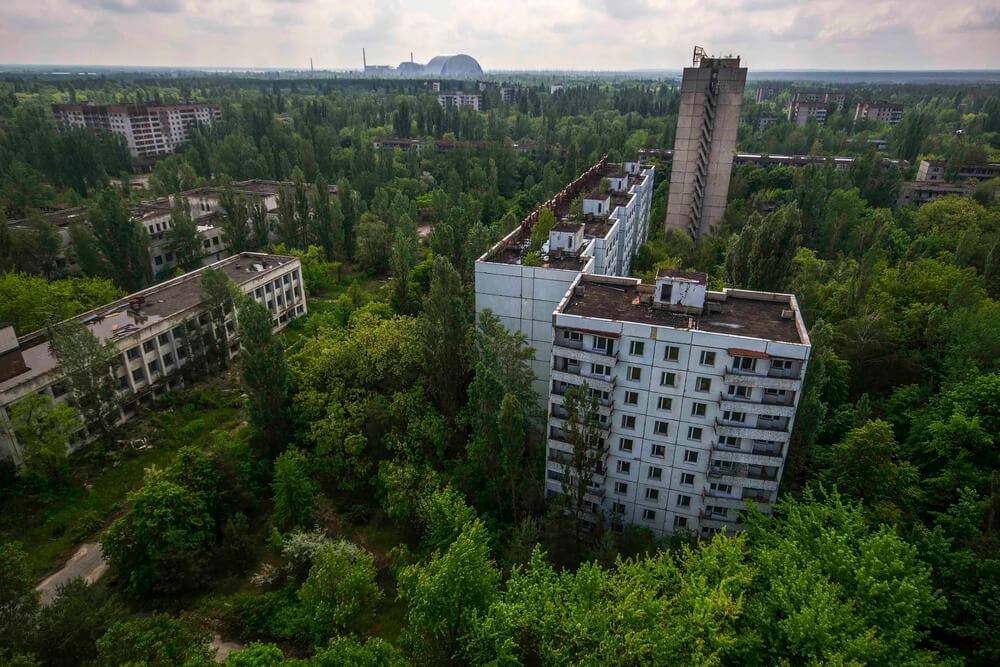
The 1,000-square-mile exclusion zone around Chernobyl remains largely inaccessible. While limited guided tours now exist, vast portions remain completely off-limits due to radiation levels and danger to human health.
The zone represents the most extensively restricted area created by industrial disaster.
Area 51, Nevada (Military Testing Facility, UFO Myths)
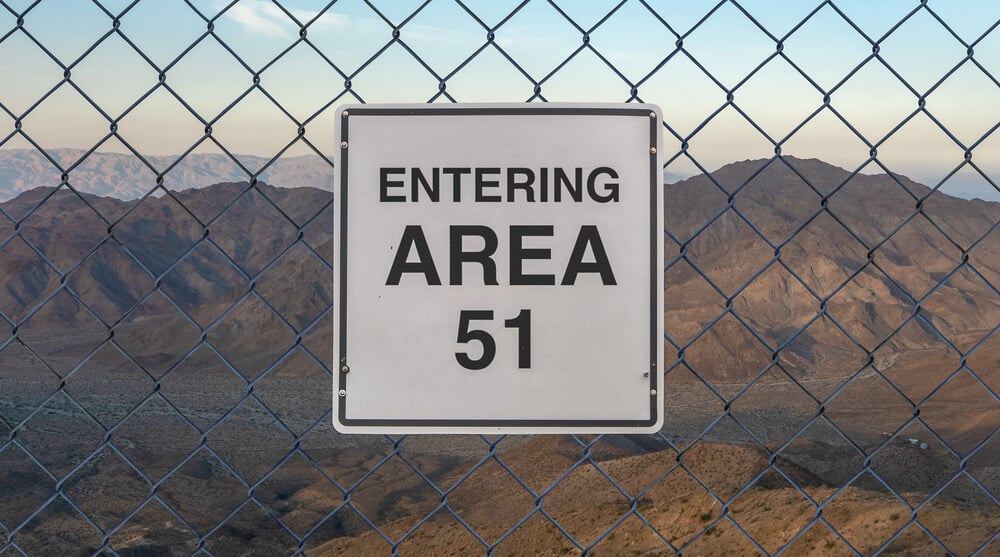
The restricted military testing facility Area 51 is closed to all public access. Located within the Nevada Test and Training Range, the facility remains inaccessible to civilians.
Its secrecy has fueled decades of UFO speculation, making it perhaps the world’s most famous restricted military site.
The Mariana Trench Research Zones (Ocean Floor, Extreme Depth)
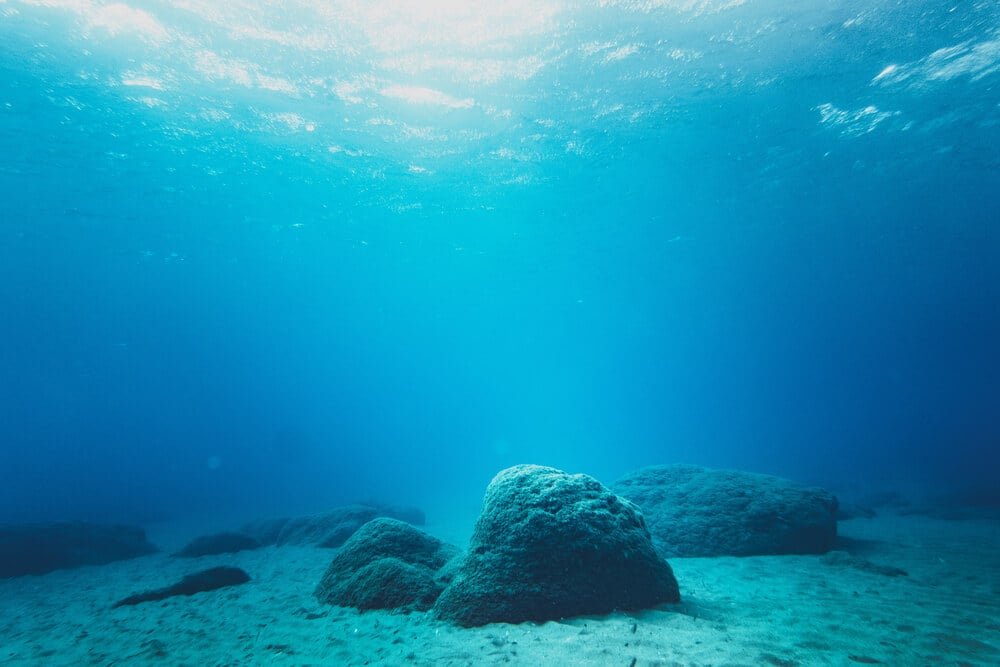
While not strictly “off-limits,” the deepest portions of the Mariana Trench remain accessible only to specialized research expeditions with extraordinary equipment. The extreme depths restrict ordinary diving or exploration.
Scientists studying the trench require specialized submersibles that few institutions possess.
Centralia, Pennsylvania (Ghost Town, Mine Fires, Ongoing Danger)
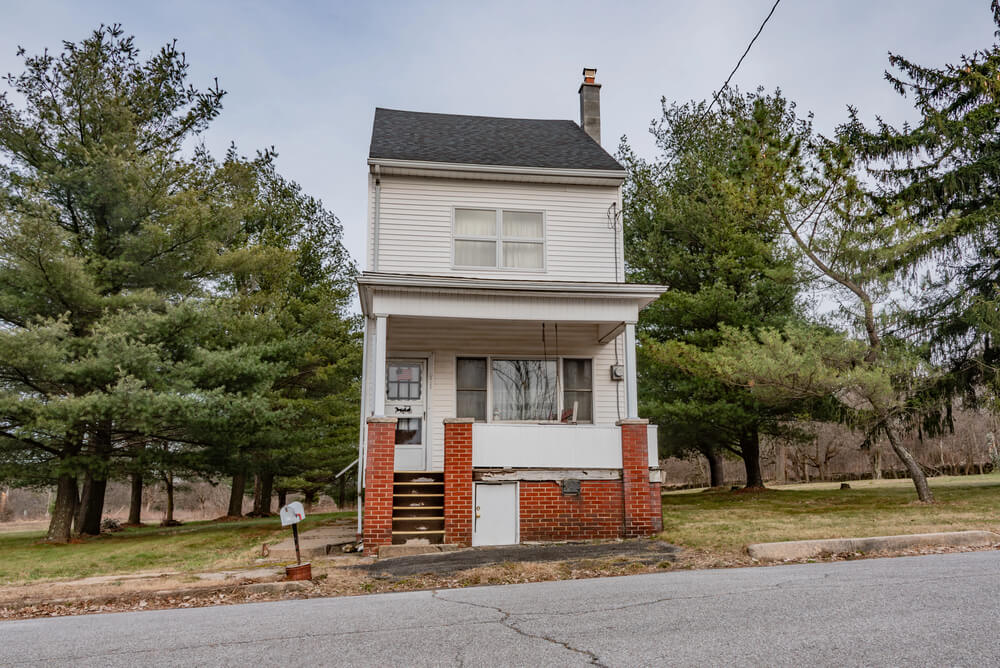
The town of Centralia has been nearly abandoned since coal seam fires began in 1962. The fires persist underground, making the town’s atmosphere dangerous.
Most residents were relocated decades ago, and the town remains largely off-limits to visitors due to ongoing subsidence and gas dangers. The ghost town persists as a restricted industrial ruin.
The Tomás de Berlanga Secret Research Station (Galapagos)
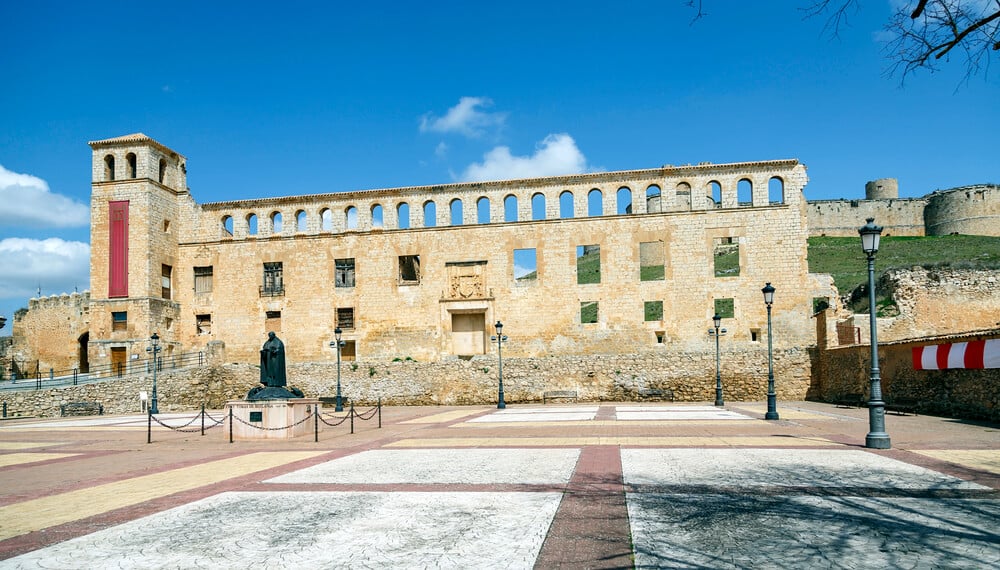
Certain research facilities within the Galapagos Islands remain off-limits to tourists to protect both wildlife and scientific research. The islands’ unique ecosystems require restricted access zones.
Researchers conducting long-term ecological studies must maintain isolation from tourism impacts.
Runit Island, Marshall Islands (Atomic Bomb Crater, Radioactive Waste Dome)
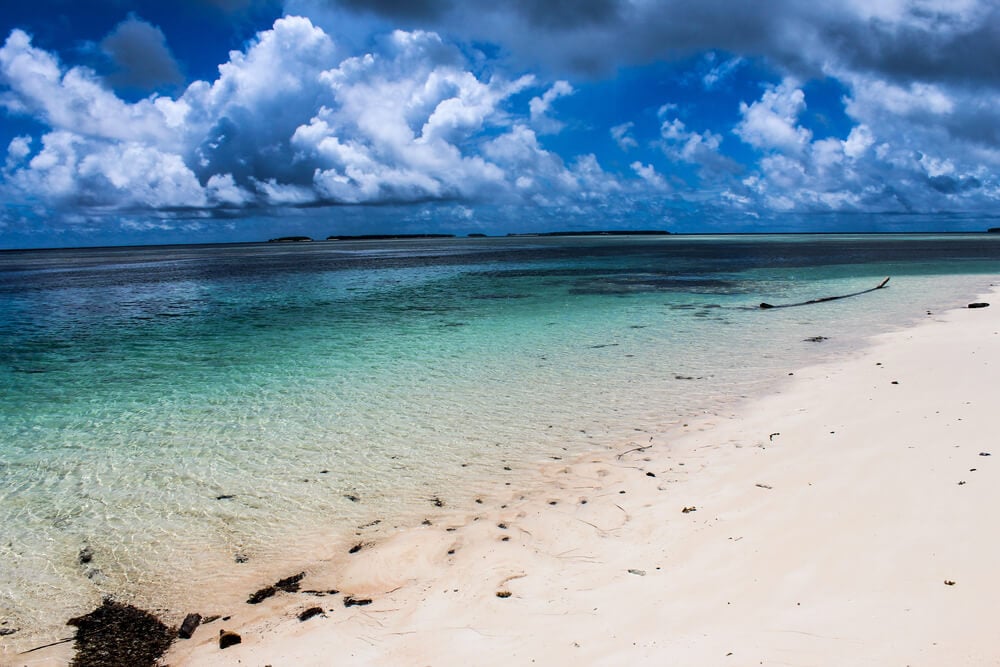
The crater from a nuclear test on Runit Island contains a concrete dome covering radioactive waste from testing. The dome, constructed in the 1970s, covers thousands of tons of radioactive materials.
The island remains largely off-limits due to radiation dangers, creating one of the world’s most toxic restricted zones.
Russian Arctic Research Stations (Climate Research, Remote Isolation)
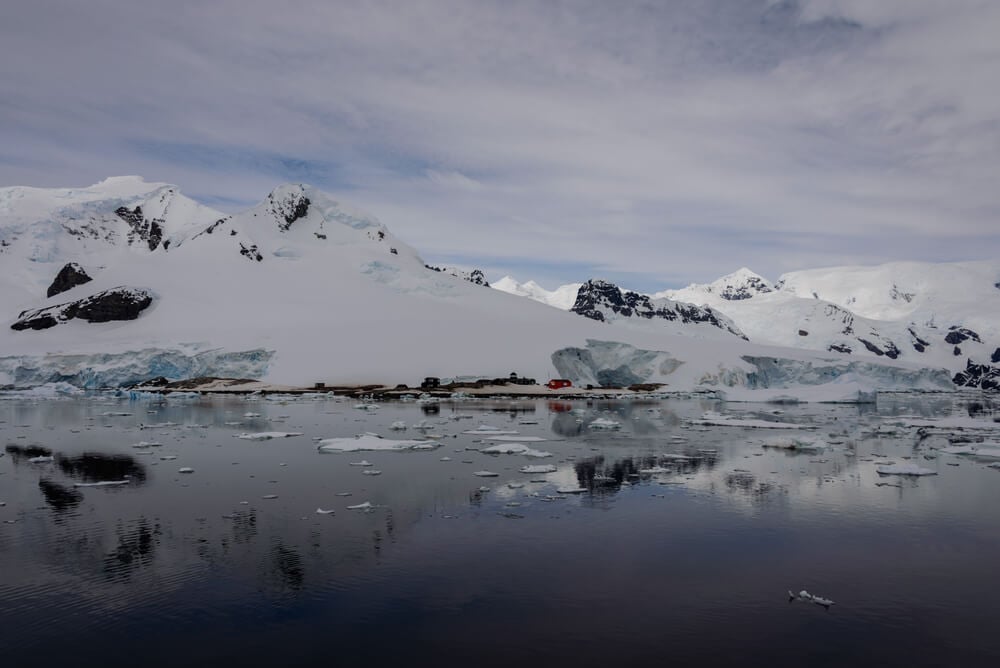
Remote research stations in the Russian Arctic remain restricted to scientific personnel due to the extreme environment and specialized research being conducted. The isolation necessary for climate research requires complete closure to public visitation.
The Aum Shinrikyo Compounds (Japan, Post-Cult Restrictions)
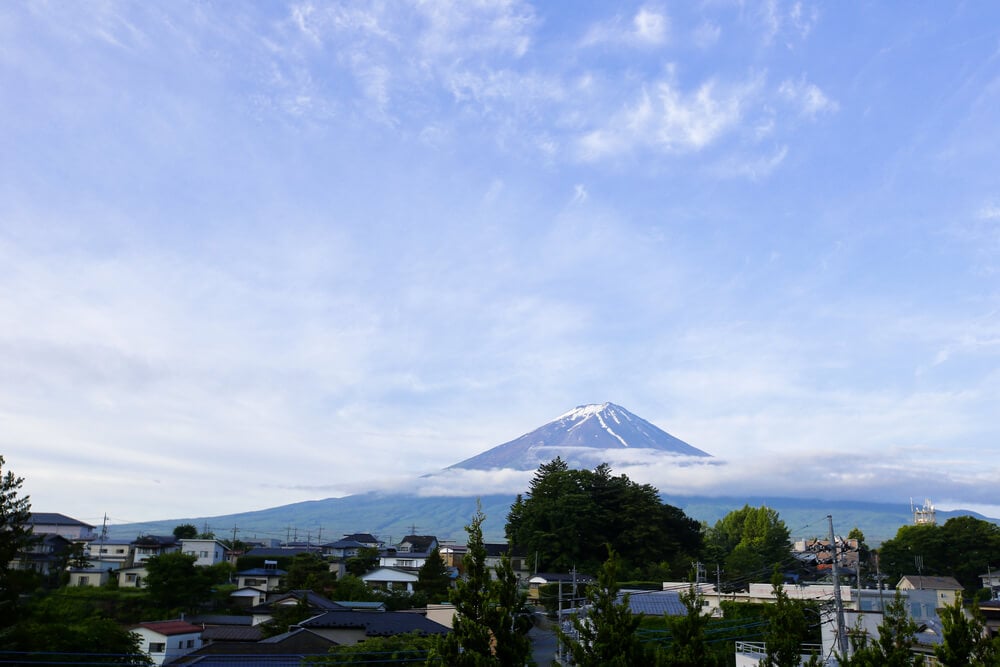
Buildings associated with the Aum Shinrikyo cult (responsible for the 1995 Tokyo subway sarin attack) remain restricted or demolished. The Japanese government has implemented restrictions on cult-associated properties to prevent cultist activity and protect public safety.
Tuol Sleng Genocide Museum (Cambodia, Sensitive Documentation)
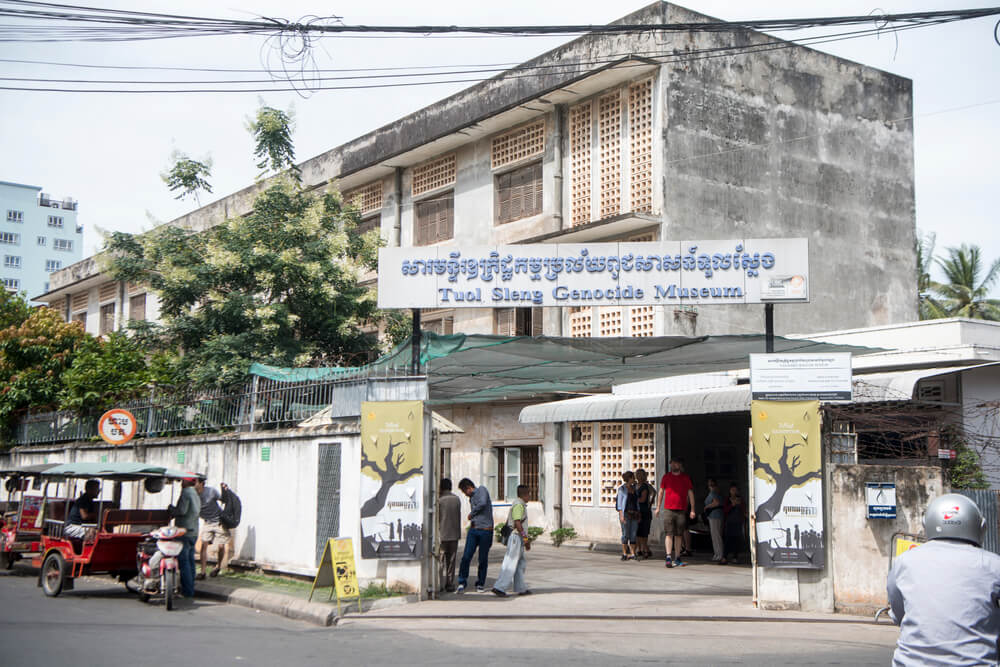
While technically accessible to the public, certain restricted sections of this genocide documentation center remain closed to protect sensitive material and out of respect for victims. The museum balances public access with historical sensitivity.
Pripyat, Ukraine (Chernobyl Ghost City, Partial Access Only)
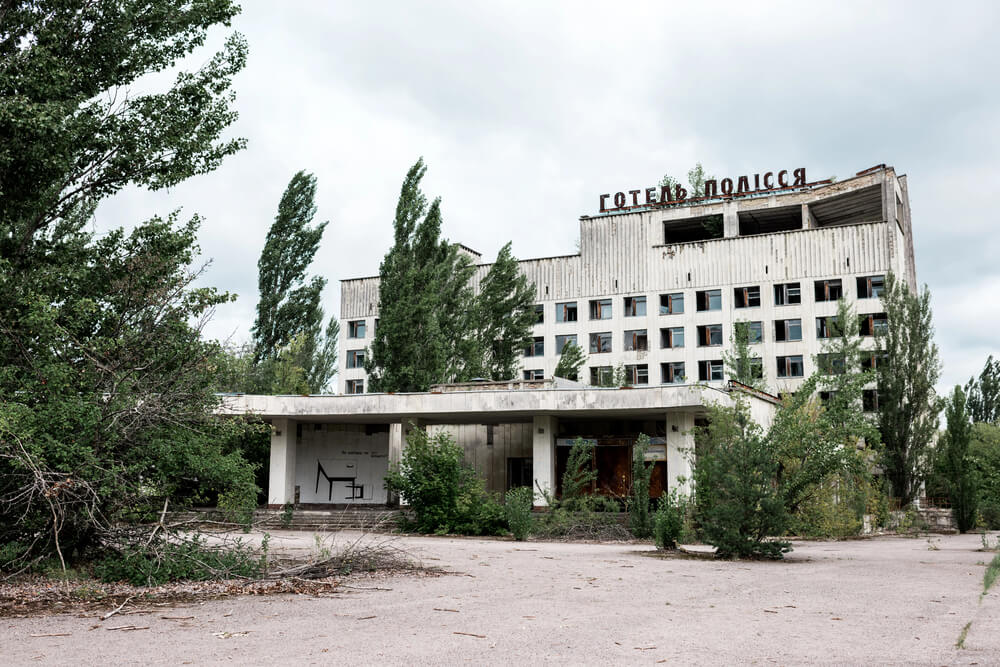
The city of Pripyat, evacuated after Chernobyl, remains largely restricted. Limited guided tours visit specific areas, but vast portions remain off-limits due to radiation and structural danger.
The frozen-in-time city represents the most extensive urban restriction due to industrial disaster.
The Bohemian Grove (Private Retreat, Restricted Membership)
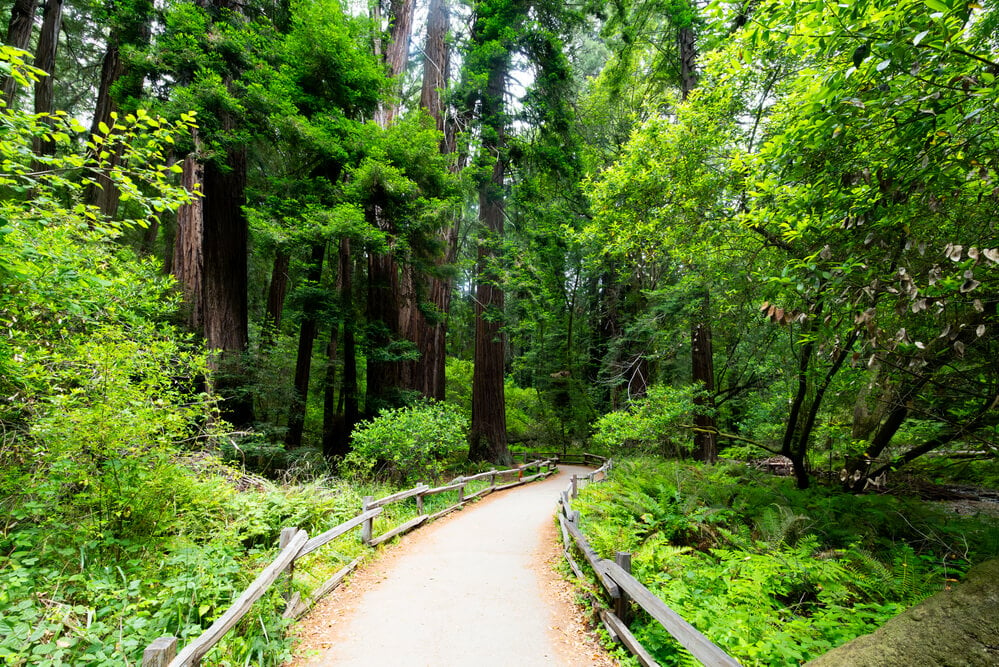
California’s Bohemian Grove, a retreat for political and business leaders, remains completely restricted to its members. The site’s restricted nature fuels conspiracy theories, though its actual purpose is that of a private club.
Membership rules and secrecy create one of America’s most exclusive—and controversial—restricted sites.
The Church of the Holy Sepulcher’s Hidden Chambers (Jerusalem, Restricted Access)
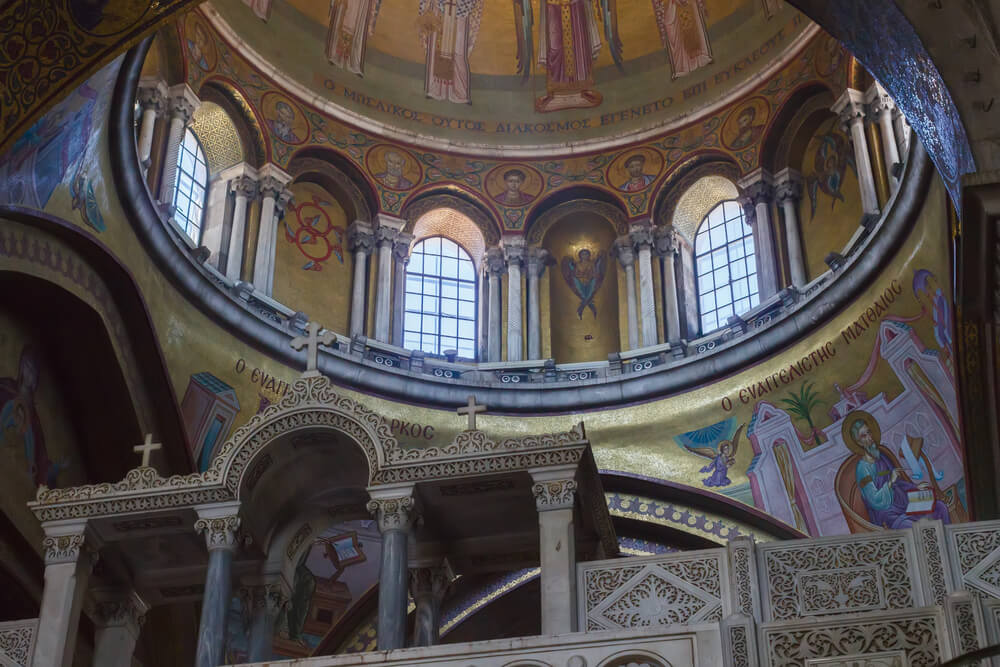
Certain chambers and crypts beneath or within the Church of the Holy Sepulcher remain restricted or off-limits to all but select clergy. The church’s complex history and multiple denominational control create access restrictions in areas of significant religious and archaeological importance.
The Tule Lake “Segregation Camp” Buildings (California, Japanese-American Internment)
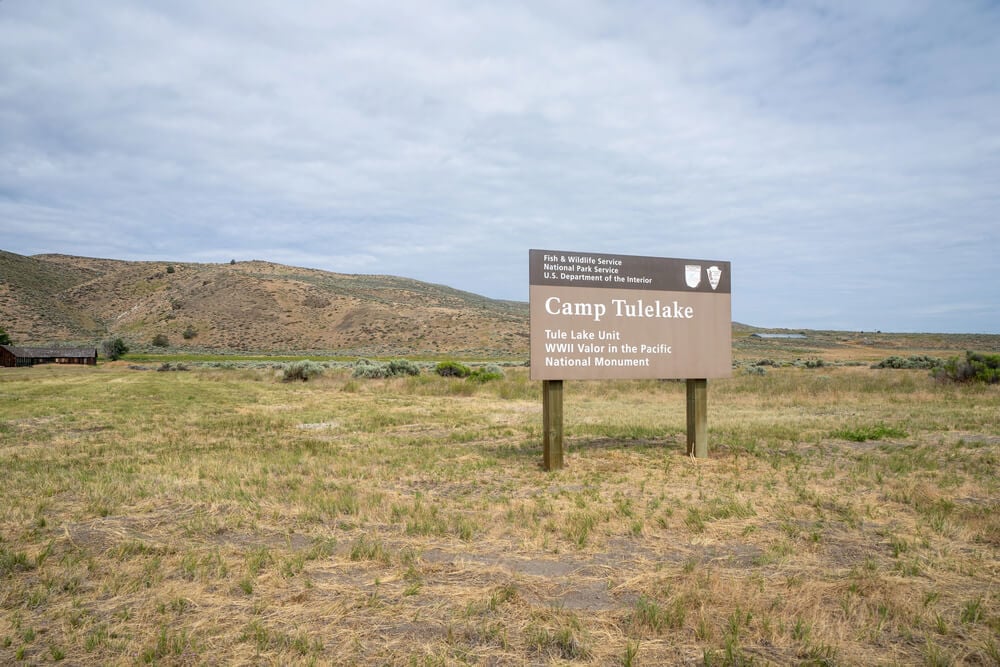
Certain buildings from the Tule Lake Japanese-American internment camp remain restricted or are undergoing sensitive restoration. The site’s traumatic history requires careful management of public access and sensitive documentation.
The Tower of London’s White Tower (Periodic Closures for Security)
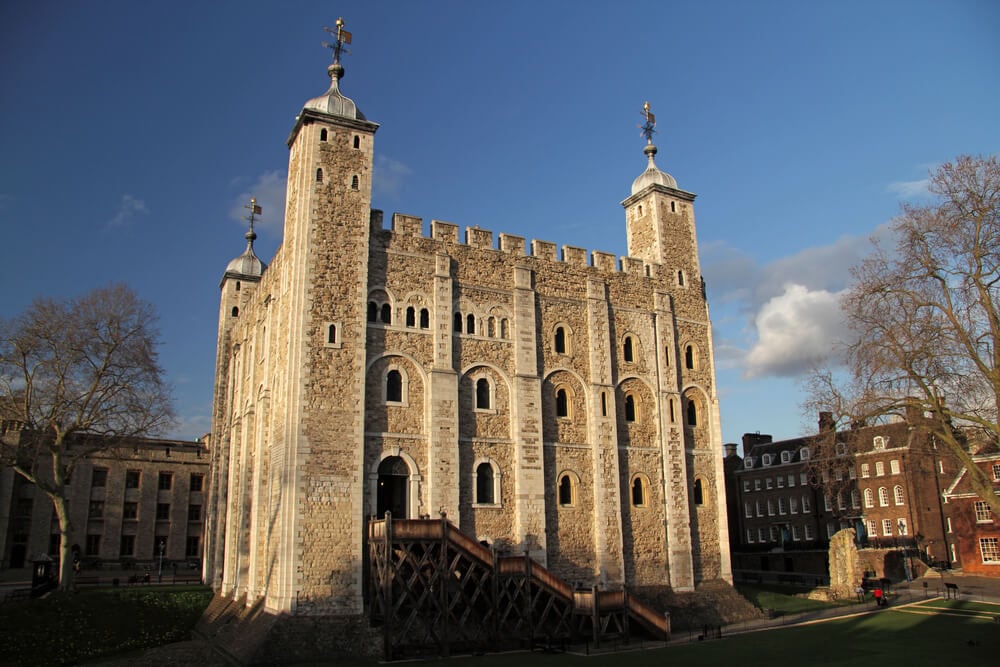
While generally open to the public, the White Tower within the Tower of London complex occasionally closes for security reasons. As one of England’s most historically significant structures, security concerns sometimes require temporary restriction of access.
The Library’s Most Restricted Collections (Various Institutions, Fragile Materials)
Major libraries maintain restricted collections of fragile, valuable, or sensitive materials that are inaccessible to the general public. Researchers with credentials may access materials under controlled conditions, but the general public cannot enter these restricted stacks.
The Secrets They Keep
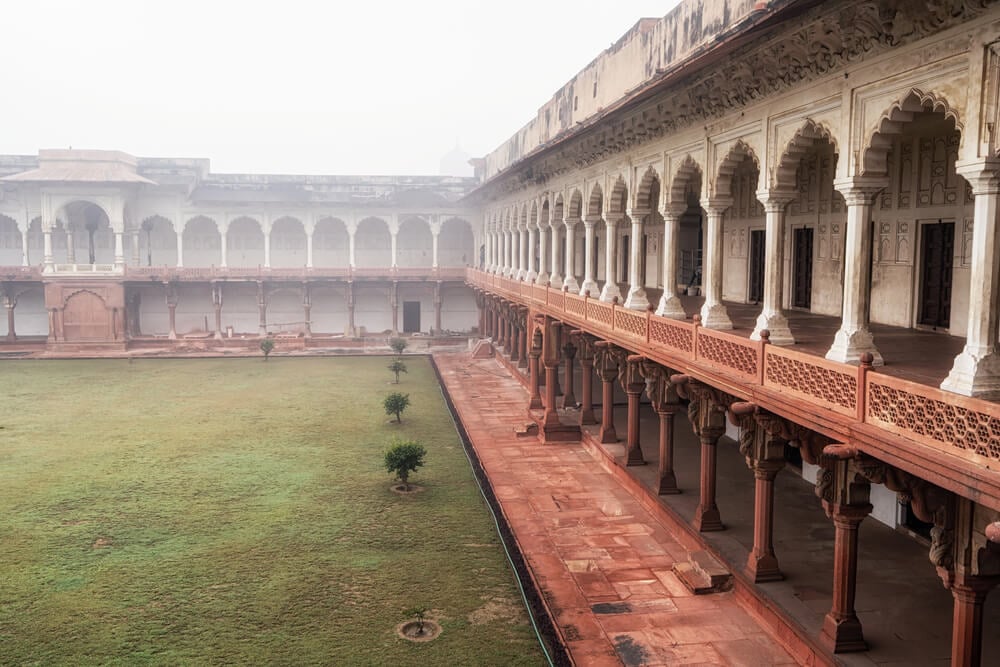
The places closed to the public remind us that some things possess more value when kept intact than when opened to view. A fresco survives longer when humans cannot touch it; an unexcavated tomb preserves knowledge better than an exposed one; a pristine island’s ecology remains pure only through complete isolation.
These restrictions are not failures of public access—they are triumphs of preservation. The history encased in these off-limits locations belongs not to any single generation of visitors, but to the indefinite future.
By keeping these sites closed, we acknowledge that sometimes the most important thing a society can do is wait.
More from Go2Tutors!

- 16 Historical Figures Who Were Nothing Like You Think
- 12 Things Sold in the 80s That Are Now Illegal
- 15 VHS Tapes That Could Be Worth Thousands
- 17 Historical “What Ifs” That Would Have Changed Everything
- 18 TV Shows That Vanished Without a Finale
Like Go2Tutors’s content? Follow us on MSN.