15 Celebrities Who Left the Industry and Came Back
The entertainment industry can be unforgiving. The pressure, constant scrutiny, and relentless pace eventually wear down even the most successful stars.
Some walk away entirely—stepping back from the spotlight to find themselves again, pursue other dreams, or simply live a normal life for a while. But Hollywood has a way of calling people back.
Whether it’s the creative itch that never really goes away, financial necessity, or just missing the craft they once loved, many celebrities find their way back to the industry that made them famous. These return stories are often more compelling than their original rise to fame, marked by hard-won wisdom and a different kind of authenticity.
Rick Moranis

Rick Moranis didn’t just take a break—he made a choice that put family before fame, which is rarer in Hollywood than it should be. After his wife died of breast cancer in 1991, Moranis walked away from his thriving comedy career to raise his two young children as a single father.
For nearly three decades, he turned down project after project (including a cameo in the 2016 “Ghostbusters” reboot that fans desperately wanted). But in 2020, something shifted.
Moranis agreed to appear in a commercial for Mint Mobile alongside Ryan Reynolds, and later signed on for “Shrunk,” a sequel to “Honey, I Shrunk the Kids.” The man who once made shrinking and growing people hilarious was finally ready to expand his world again.
His return isn’t about reclaiming past glory—it’s about a father whose kids are grown, finally having space for the work he once loved.
Cameron Diaz
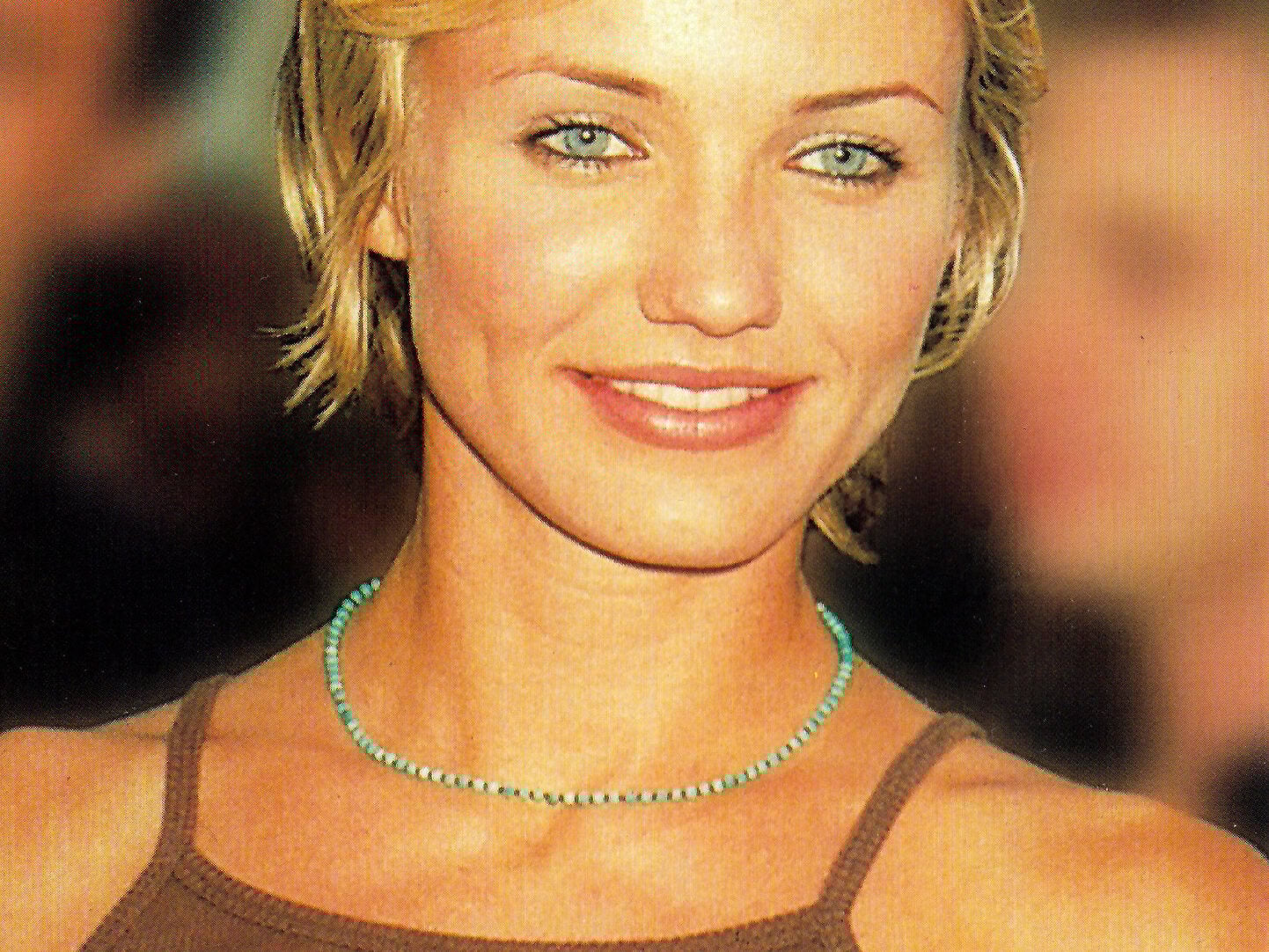
The thing about stepping away from acting when everyone expects you to keep going is that it requires the kind of certainty most people never find—the knowledge that what you’re walking away from (even if it’s millions of dollars and global fame) isn’t what you need anymore. Cameron Diaz seemed to understand this instinctively when she quietly retired from acting after 2014’s “Annie,” though she didn’t officially announce her retirement until years later.
And the reasons she gave (wanting to focus on her personal life, feeling like she’d lost herself in the celebrity machine) had the ring of someone who’d thought about this decision for a long time, not someone making an impulsive choice.
But here’s what’s interesting about creative people: they can convince themselves they’re done, build entire new identities around not being the thing they used to be, and then discover that the urge to perform—to inhabit someone else’s story for a while—never really leaves. Diaz spent her time away from Hollywood writing health books, launching a wine company, getting married, and becoming a mother.
So when she agreed to come out of retirement for a Netflix film with Jamie Foxx, it wasn’t desperation or boredom driving her back. It was someone who’d lived enough life outside the industry to remember why she’d enjoyed being inside it in the first place.
Dave Chappelle
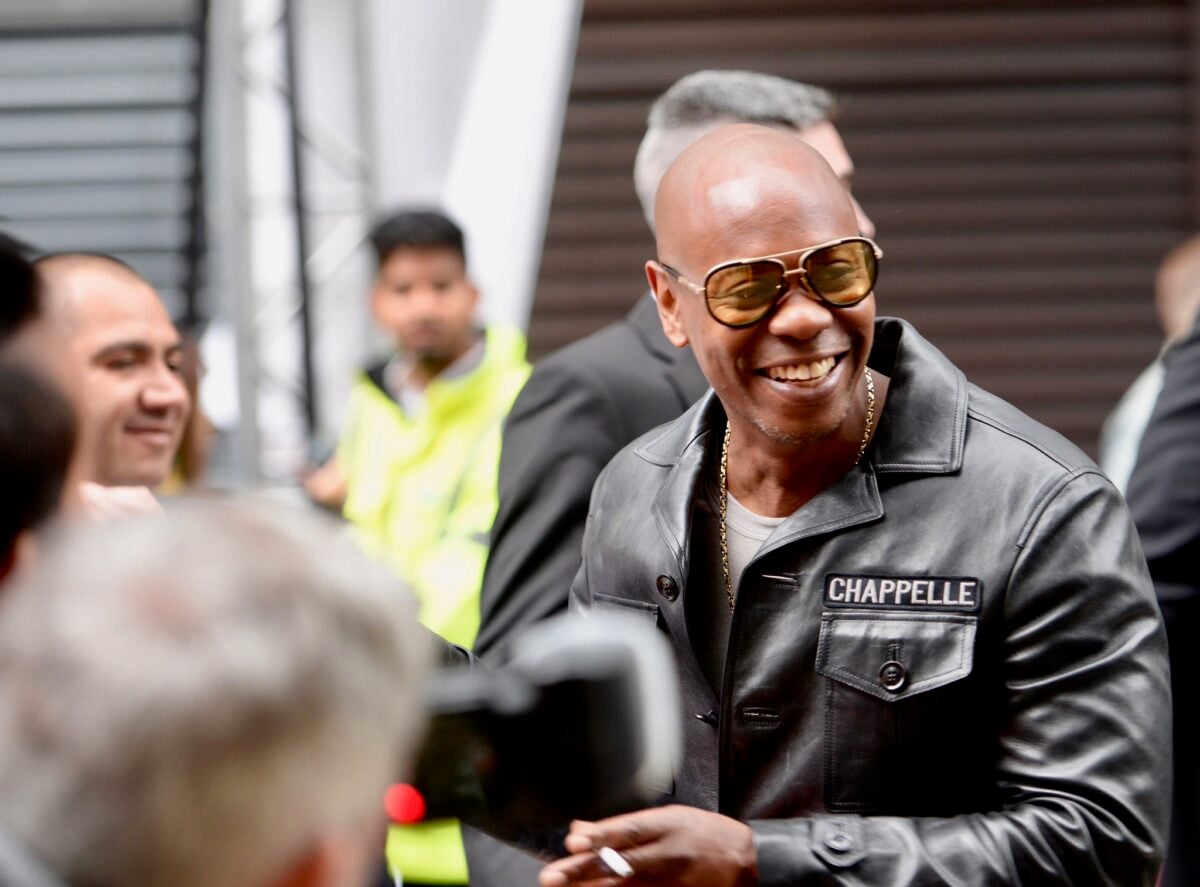
Chappelle walked away from $50 million and a hit show at the peak of his career. The entertainment industry doesn’t understand that kind of decision because money and success are supposed to be the point.
He spent years doing small club shows and living in Ohio, essentially rebuilding his relationship with comedy from the ground up. When he returned with his Netflix specials, he wasn’t just funnier—he was angrier, more thoughtful, and completely uninterested in playing by anyone else’s rules.
His comeback wasn’t about returning to where he left off. It was about proving he could leave on his own terms and come back the same way.
Phoebe Cates
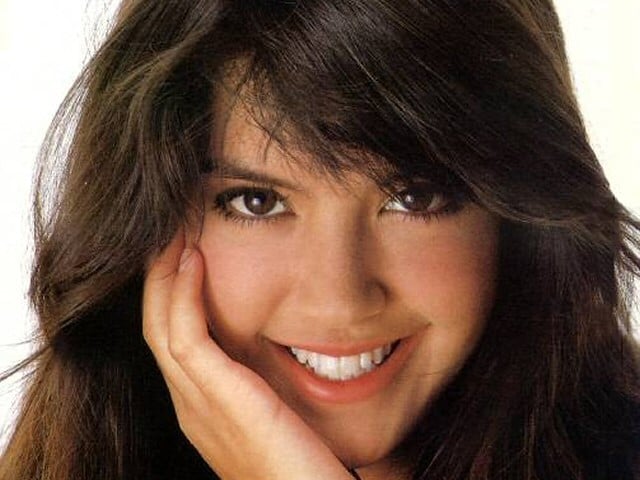
Picture this: you’re at the height of your career, starring in beloved films like “Fast Times at Ridgemont High” and “Gremlins,” and you decide to walk away from it all for something as ordinary and extraordinary as raising your children. That’s exactly what Phoebe Cates did in the 1990s, choosing family over the film industry when most actors would have doubled down on their success.
Her absence stretched for years—long enough for a generation to grow up barely knowing her name, even though their parents could quote her movies. But retirement from Hollywood doesn’t always mean retirement from creativity.
Cates opened a boutique in New York, channeling her artistic instincts into curating beautiful objects instead of creating characters. When she finally returned to acting with small roles here and there, it felt less like a comeback and more like someone dipping their toe back into familiar waters, testing whether the old magic still worked.
Brendan Fraser
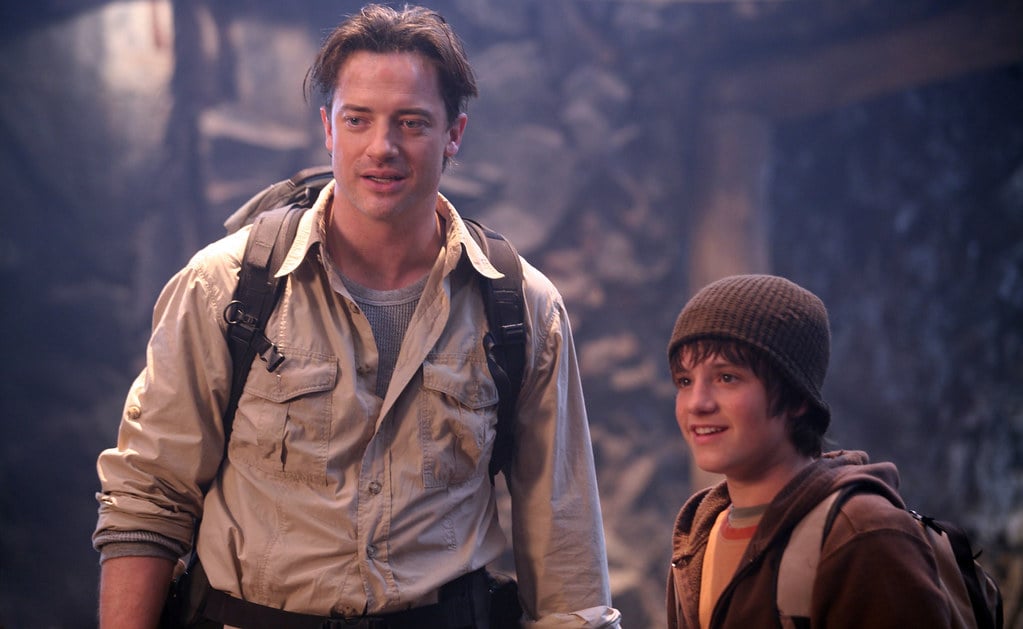
Fraser’s career didn’t just slow down—it crashed in a way that felt almost mythic, like watching a beloved character written out of his own story. The physical toll of doing his own stunts, a messy divorce, depression, and industry politics conspired to push him out of leading man roles and into near-obscurity.
For years, Fraser seemed like a relic from a different era of blockbuster filmmaking, when action heroes could be genuinely sweet and self-deprecating. Then “The Whale” happened.
His performance as a reclusive writing instructor struggling with obesity was raw, vulnerable, and completely different from anything he’d done before. The standing ovations and critical accolades that followed weren’t just recognition of great acting—they were Hollywood acknowledging that it had overlooked someone who’d been capable of this kind of work all along.
Joaquin Phoenix
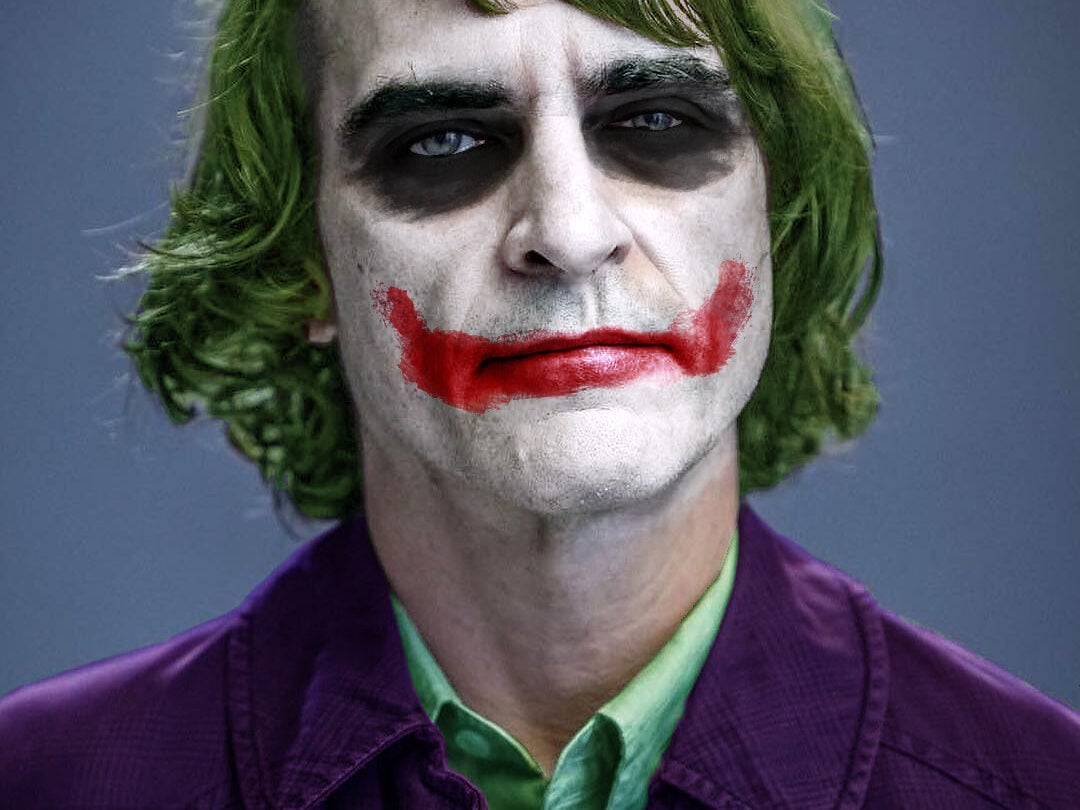
Phoenix announced his retirement from acting in 2008 to pursue a career as a rapper, which sounded exactly as strange as it was. He showed up to talk shows with a scraggly beard, mumbled incoherently, and seemed to be having some kind of public breakdown.
Turns out it was all an elaborate performance art piece for the mockumentary “I’m Still Here.” But the fake retirement revealed something real about Phoenix’s relationship with fame—he’s genuinely uncomfortable with the celebrity side of acting.
His return to “serious” acting with films like “Her” and “Joker” showed an actor who’d figured out how to disappear completely into roles without disappearing from the industry entirely.
The retirement stunt was weird, but it worked. Phoenix came back as someone who could be taken seriously as an artist rather than just another Hollywood eccentric.
Gene Hackman
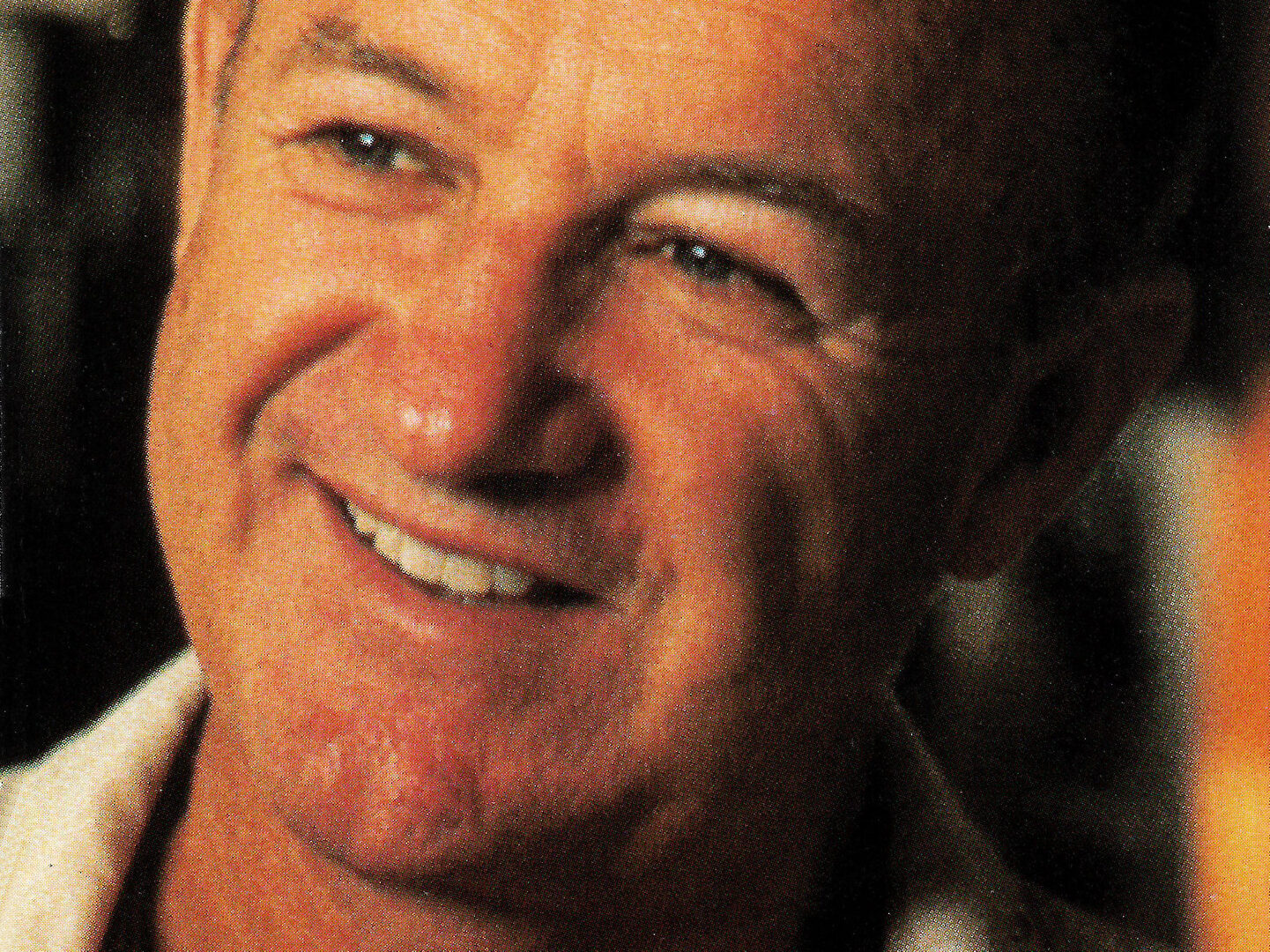
There’s something quietly powerful about an actor who decides they’re done and actually means it—no farewell tours, no “one last project,” just a clean exit when the work stops feeling necessary. Gene Hackman retired from acting in 2004 after “Welcome to Mooseport,” trading Hollywood for a quieter life writing Western novels in Santa Fe, and for years it seemed like he’d mastered the art of staying retired (which is harder than it sounds when you’re a two-time Oscar winner and everyone keeps offering you money to come back).
But Hackman’s “comeback” isn’t what most people would expect: instead of returning to film, he’s found his way back into the public eye through his writing, publishing several novels that showcase the same attention to character and storytelling that made his acting so compelling. And occasionally—very occasionally—he’ll voice a character in a documentary or make a brief appearance that reminds everyone that retirement doesn’t mean disappearing entirely. It means choosing when and how you want to be seen.
Meg Ryan
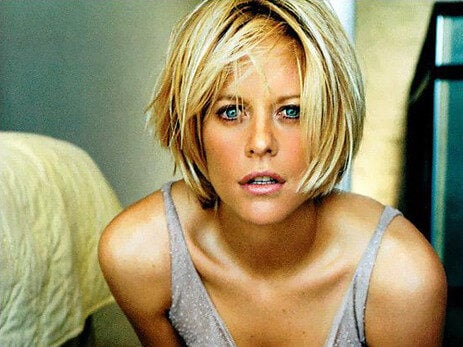
Ryan dominated romantic comedies in the ’90s and then seemed to vanish just as suddenly as she’d appeared. Her attempts to transition into more serious dramatic roles didn’t land the way she hoped, and the whole industry seemed to move on without her.
She spent years directing, producing, and living life away from the spotlight that had made her famous. When she returned to romantic comedies with recent projects, it wasn’t about recapturing past glory—it was about an actor who’d learned enough about filmmaking to approach her old genre with new skills. Ryan’s comeback is proof that sometimes you have to leave something completely to understand what you brought to it in the first place.
John Travolta
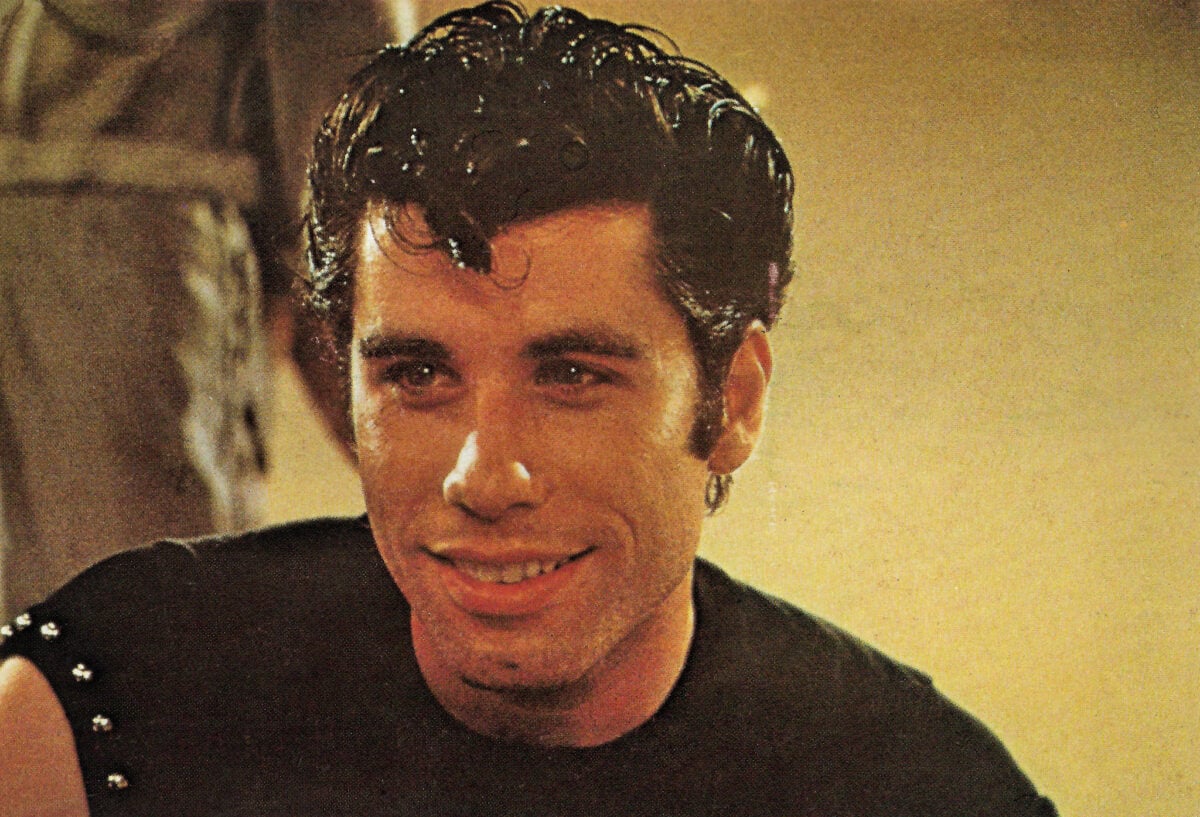
The arc of Travolta’s career reads like a Hollywood fable—massive early success with “Saturday Night Fever” and “Grease,” followed by a string of forgettable films that nearly ended his career entirely. By the early 1990s, he was box office poison, the kind of actor whose name on a poster actively drove audiences away.
Then Quentin Tarantino offered him the role of Vincent Vega in “Pulp Fiction,” and everything changed. Travolta’s performance wasn’t just a return to form—it was a revelation of depths that his earlier work had only hinted at.
The comeback was so complete that it spawned its own term: getting “Tarantino’d.” But the real lesson of Travolta’s return isn’t about finding the right director.
It’s about an actor who never stopped working, even when the work wasn’t very good, until someone finally saw what he was capable of.
Mickey Rourke
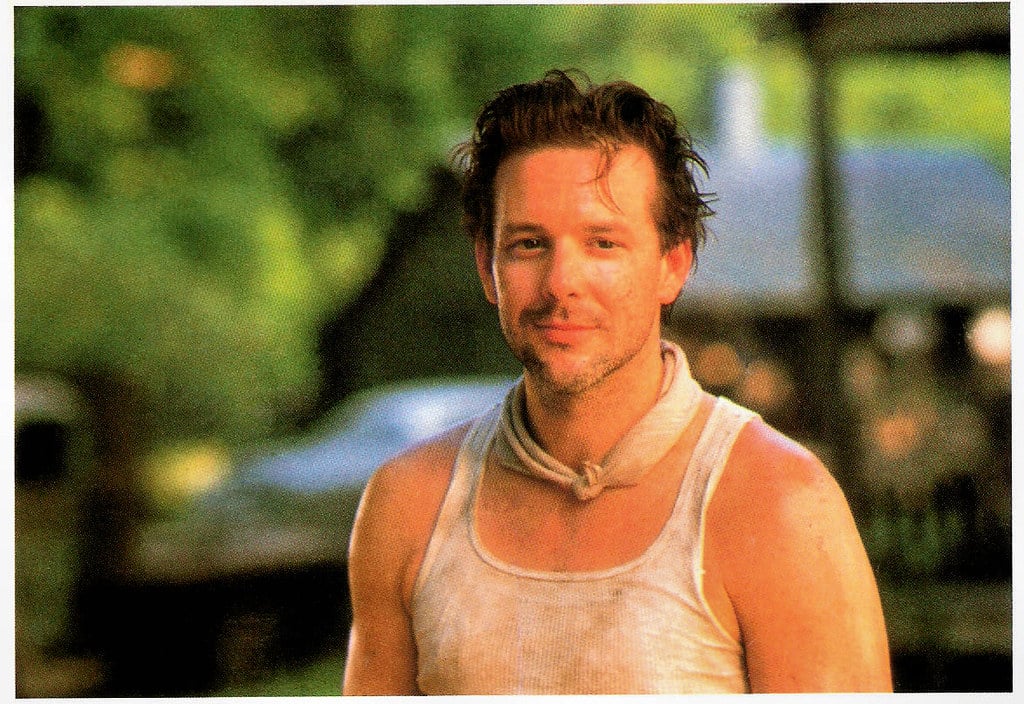
Rourke left acting for professional boxing, which sounds like the setup to a joke until you remember that he was serious enough about it to take real damage. His face, once considered classically handsome, bore the marks of his time in the ring when he finally returned to films.
The boxing detour could have been the end of his career, but instead it became the thing that saved it. When he returned to acting with “The Wrestler,” the physical and emotional scars he carried made his performance feel impossibly authentic.
Rourke hadn’t just taken a break from acting—he’d lived a completely different life and brought all of that experience back with him. His comeback wasn’t about returning to who he used to be.
It was about becoming someone new entirely.
Greta Garbo
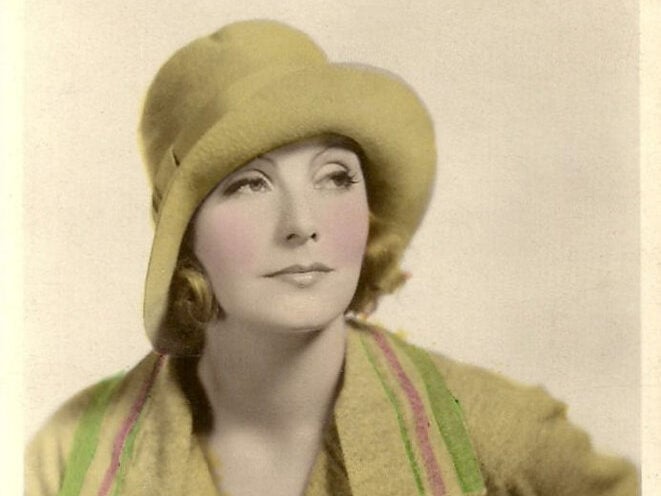
Garbo’s retirement was as legendary as her career—walking away from Hollywood at age 35, at the height of her fame, with the simple declaration that she wanted to be alone. For nearly five decades, she kept that promise, living quietly in New York and turning down every offer to return to films.
Her “comeback” never involved acting again, but her mystique only grew during her absence. Garbo understood something that most celebrities never figure out: that leaving at the right moment can be more powerful than staying too long.
She never returned to the screen, but she never really left the public imagination either. Sometimes the most successful comeback is the one that never happens.
Bridget Fonda
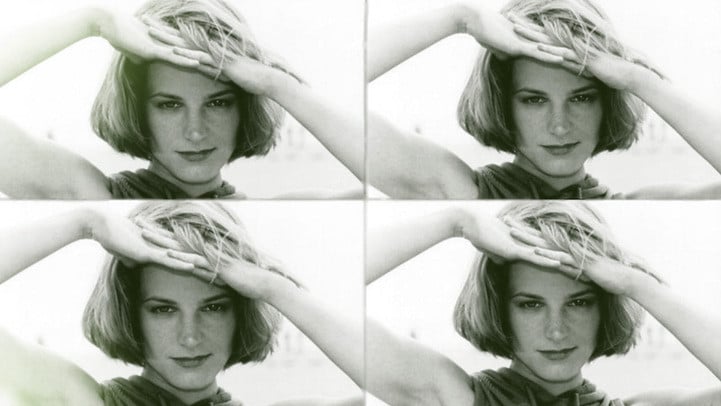
Fonda walked away from acting in the early 2000s after a successful run in films like “Single White Female” and “Jackie Brown.” Unlike some celebrity retirements that feel temporary, hers seemed definitive—she married composer Danny Elfman and disappeared from public view almost completely.
For nearly two decades, Fonda stayed retired, raising her family and living life away from the entertainment industry that had made her famous. Recent paparazzi photos showing her living a quiet suburban life sparked endless speculation about a potential return, but the real story might be simpler: sometimes talented people choose ordinary happiness over extraordinary careers, and that choice deserves respect rather than constant comeback rumors.
Matthew McConaughey
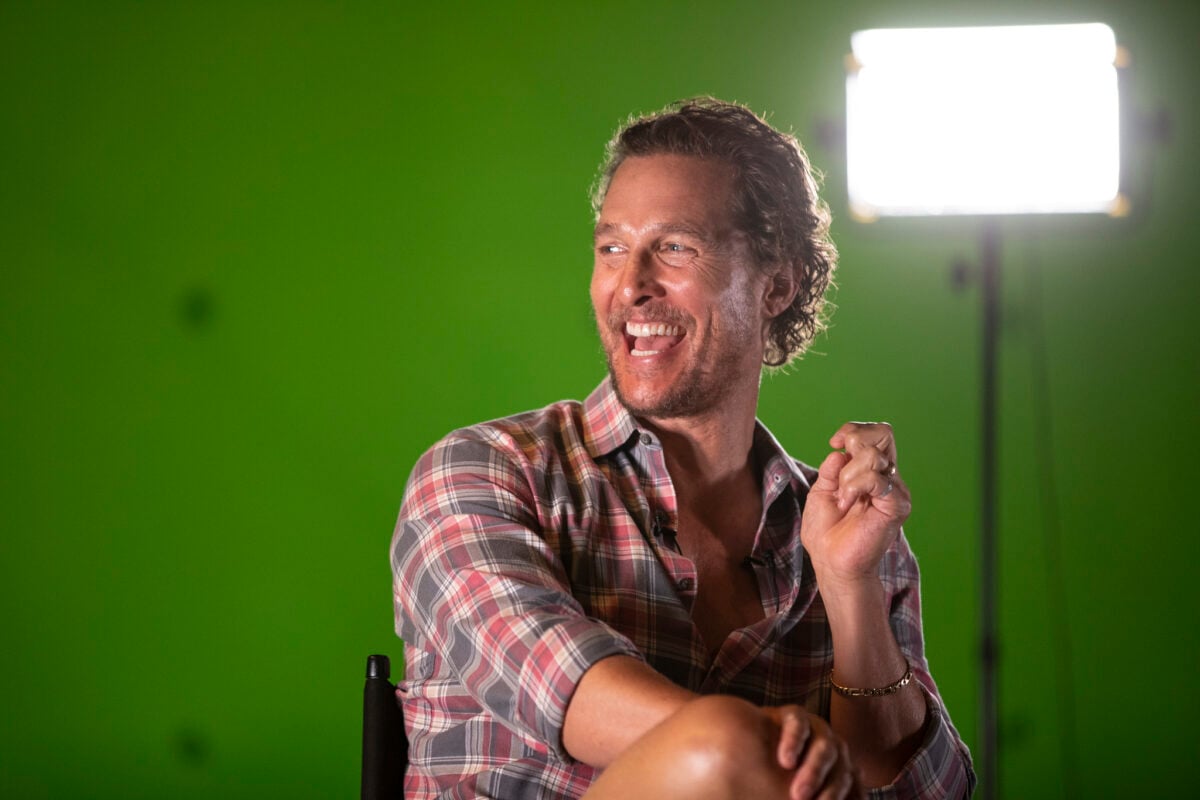
McConaughey spent years trapped in romantic comedies, charming but seemingly incapable of serious dramatic work. He was Hollywood’s go-to guy for shirtless beach scenes and predictable happy endings, which paid well but left him creatively frustrated.
His solution was radical: he stopped taking those roles entirely, even when they were the only offers coming in. The “McConaissance” that followed—dramatic turns in “Dallas Buyers Club,” “True Detective,” and “Interstellar”—proved that his earlier work hadn’t shown his full range.
McConaughey didn’t just come back from career limbo. He demonstrated that sometimes the best way to change how people see you is to refuse to keep showing them the same thing.
Daniel Day-Lewis
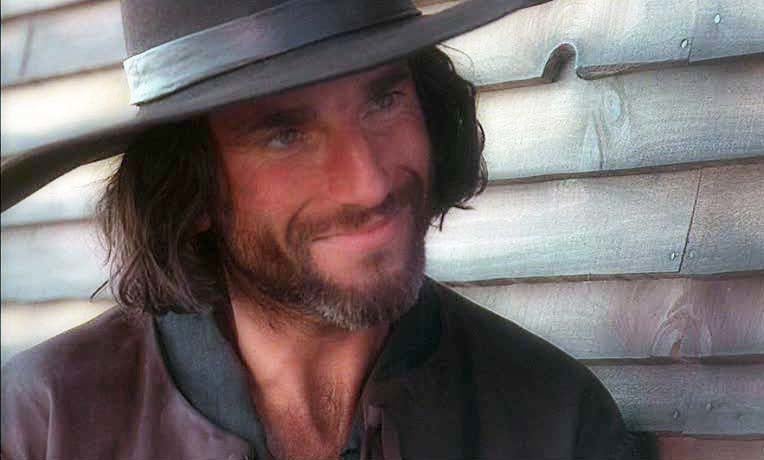
Day-Lewis has retired from acting multiple times, each retirement seemingly more final than the last. His pattern is to throw himself completely into a role, disappear for years, and then return with a performance that reminds everyone why he’s considered one of the greatest actors alive.
His final retirement, announced after “Phantom Thread,” feels different—more definitive and peaceful. But Day-Lewis has trained audiences to never quite believe he’s done for good. His comebacks have always been worth the wait, featuring performances that feel less like acting and more like complete transformation.
If he never acts again, his legacy is secure.
If he returns one more time, it’ll be the most anticipated comeback in film history.
Doris Day
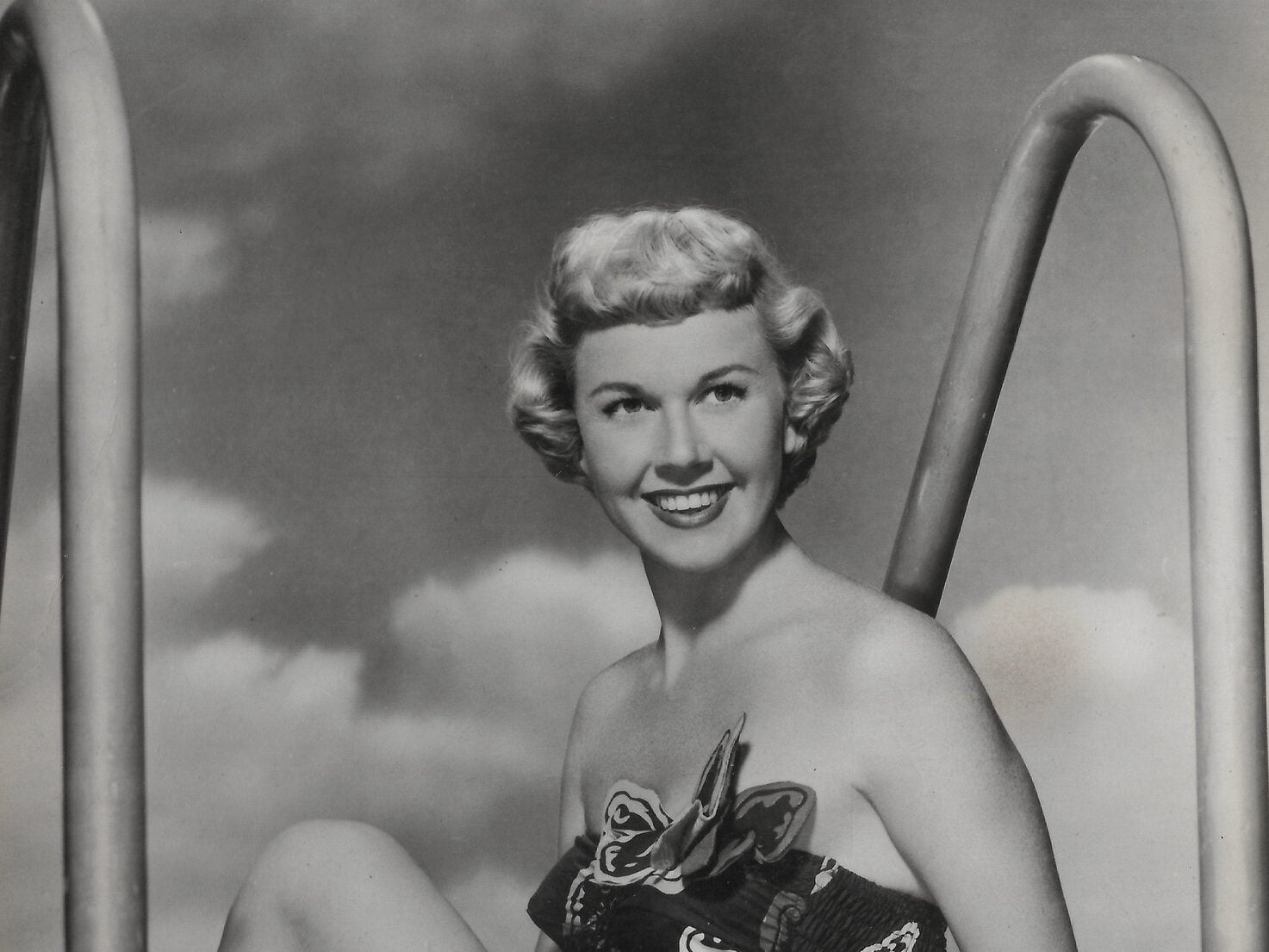
Day stepped away from films in the late 1960s to focus on television and, later, animal welfare activism. For decades, she lived quietly in California, running an animal rescue organization and staying completely out of the Hollywood spotlight.
Her “comeback” was more spiritual than professional—a renewed appreciation for her contributions to film and music that grew stronger the longer she stayed away. Day never returned to making movies, but her influence on popular culture never really faded.
Sometimes the most lasting comebacks happen in the audience’s memory rather than on screen.
The Art of Leaving and Returning
There’s something beautifully human about needing to walk away from the thing that defines you, just to remember who you are underneath it all. These celebrity departures and returns remind us that success doesn’t have to be a straight line, and that sometimes the most interesting chapter of a career begins after someone thinks it’s over.
The best comeback stories aren’t about reclaiming past glory—they’re about people who learned something essential during their time away and brought that wisdom back with them. Whether they stayed gone for months or decades, each return carried the weight of experience that couldn’t have been gained any other way.
More from Go2Tutors!

- The Romanov Crown Jewels and Their Tragic Fate
- 13 Historical Mysteries That Science Still Can’t Solve
- Famous Hoaxes That Fooled the World for Years
- 15 Child Stars with Tragic Adult Lives
- 16 Famous Jewelry Pieces in History
Like Go2Tutors’s content? Follow us on MSN.