24 Discoveries Made Entirely by Accident
Progress doesn’t always follow the path science intends. Some of humanity’s most transformative breakthroughs emerged from mistakes, contaminated experiments, or serendipitous observations that researchers almost discarded.
A scientist leaves culture dishes unwashed; a engineer notices a melted chocolate bar; a chemist forgets to wash before lunch. These small oversights became gateways to discoveries that would save millions of lives, transform daily routines, and reshape human capability.
The pattern is consistent: someone recognizes something unexpected and decides to investigate rather than dismiss it as failure.
Penicillin
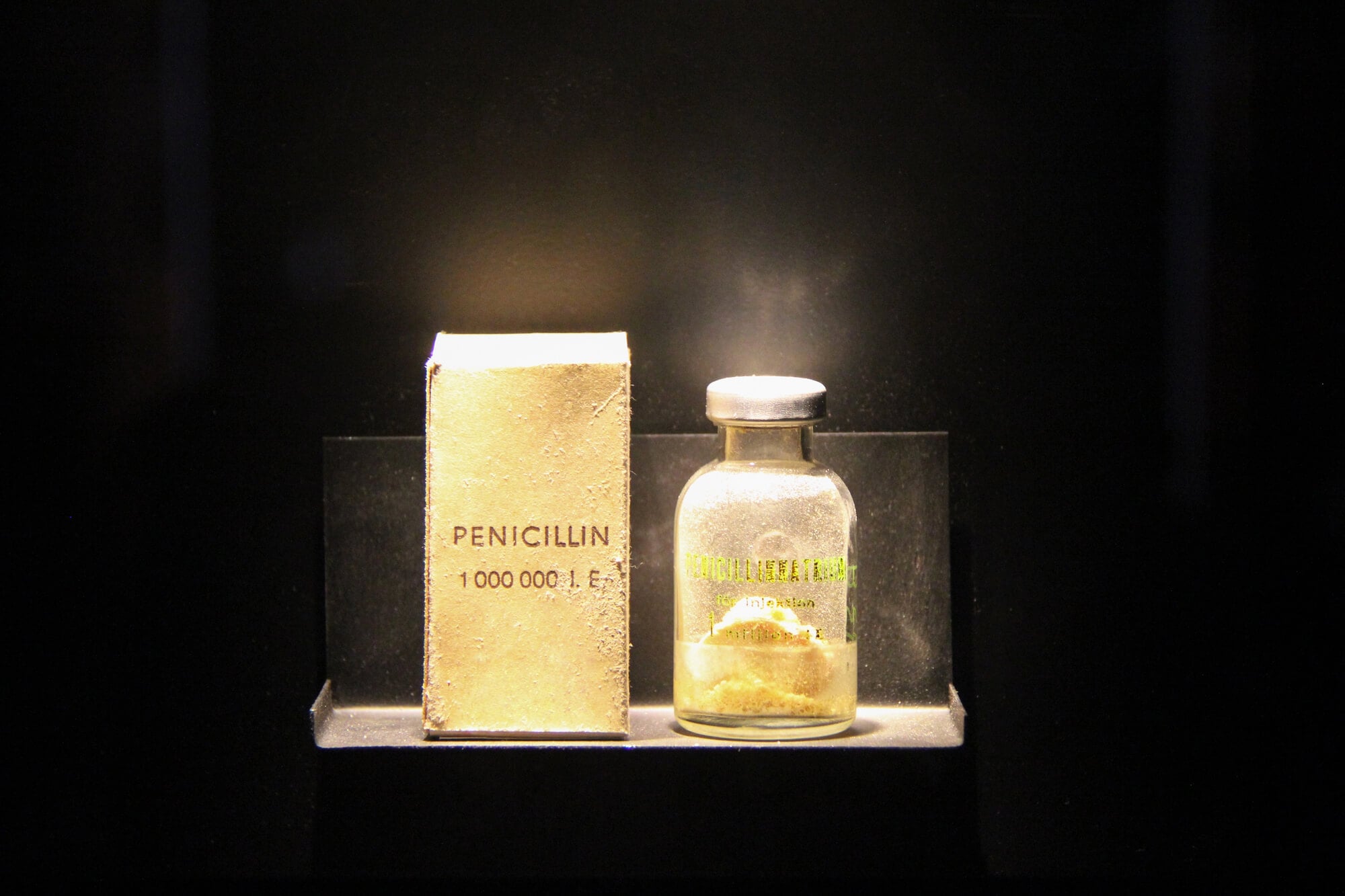
Discovered by Alexander Fleming in 1928, penicillin laid the foundation for modern antibiotics and is estimated to have saved over 200 million lives—more than any other medical intervention in history. Fleming returned from vacation to find a mold-contaminated petri dish and, instead of discarding it, examined the surrounding bacteria that had been killed by the mold.
Microwave Oven
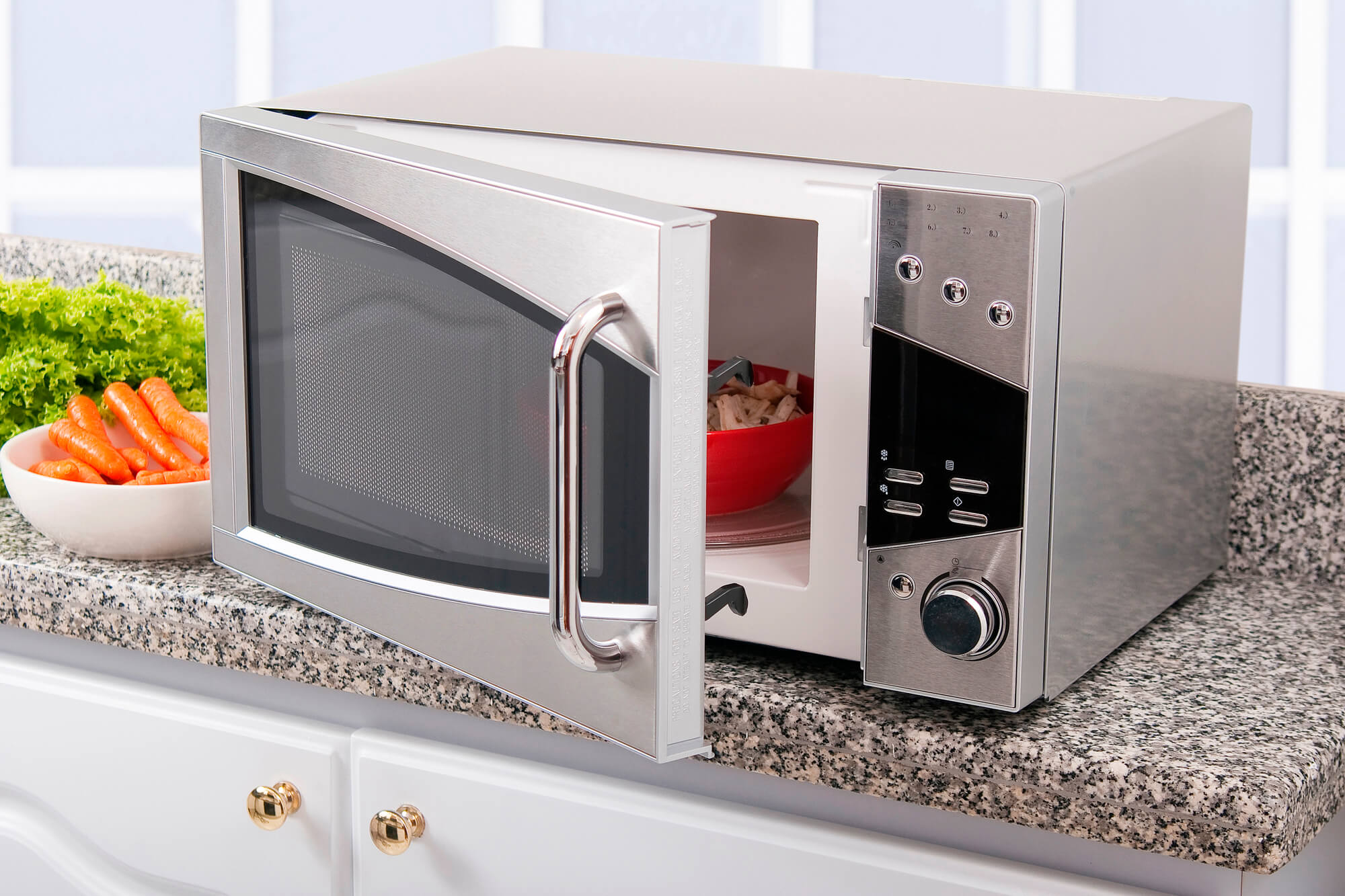
Engineer Percy Spencer was working with radar technology at Raytheon Corporation when he noticed that a chocolate bar in his pocket had melted near a magnetron, and after placing popcorn kernels near the magnetron and watching them pop, he led development of the first microwave oven.
X-Rays
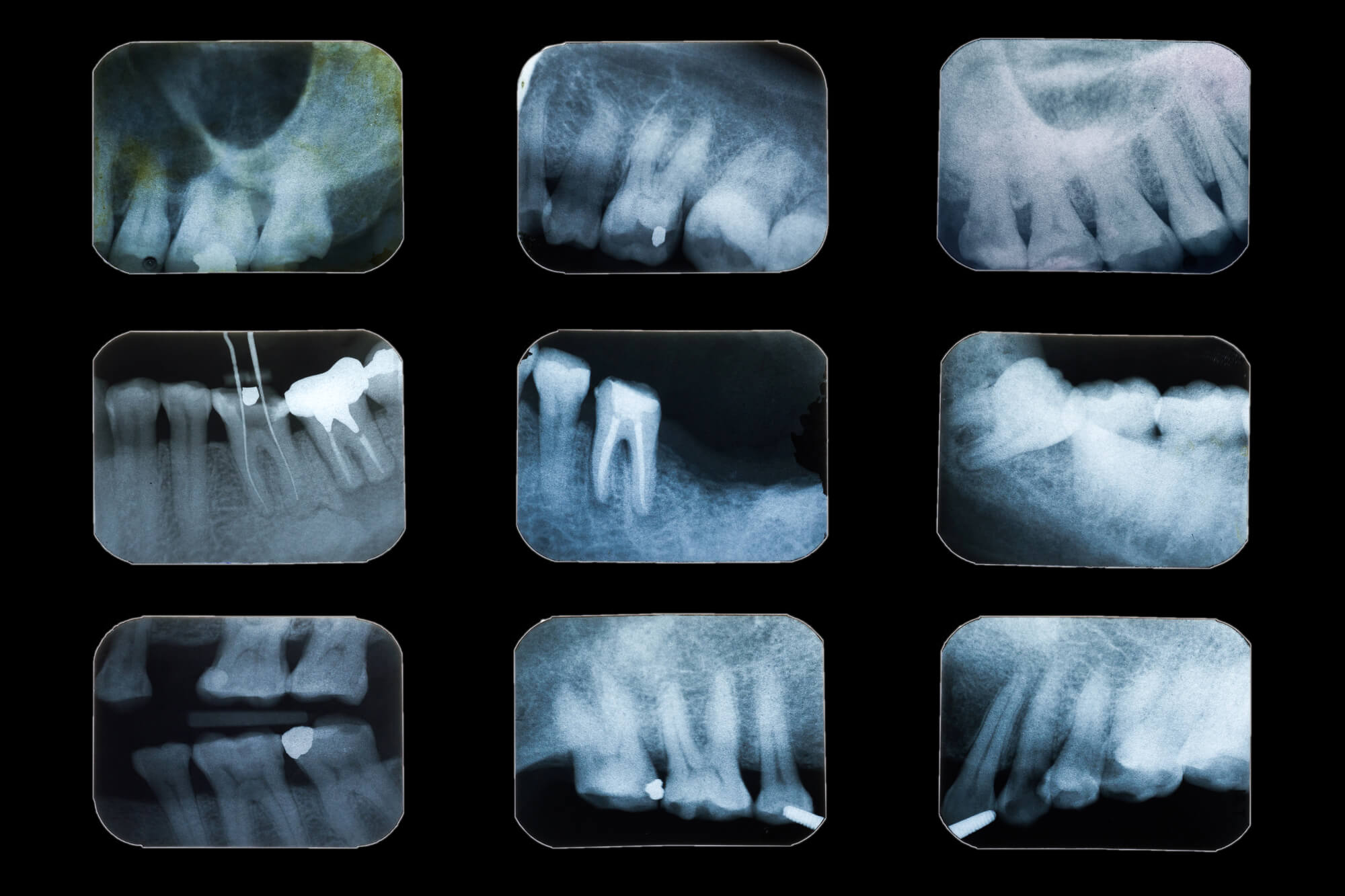
Wilhelm Conrad Rontgen, the German scientist who discovered X-rays in 1895, was experimenting with cathode-ray tubes to study their properties when he noticed that when placed inside a cardboard box, the cathode tubes continued to emit light, even when the cardboard should have blocked it.
Popsicles
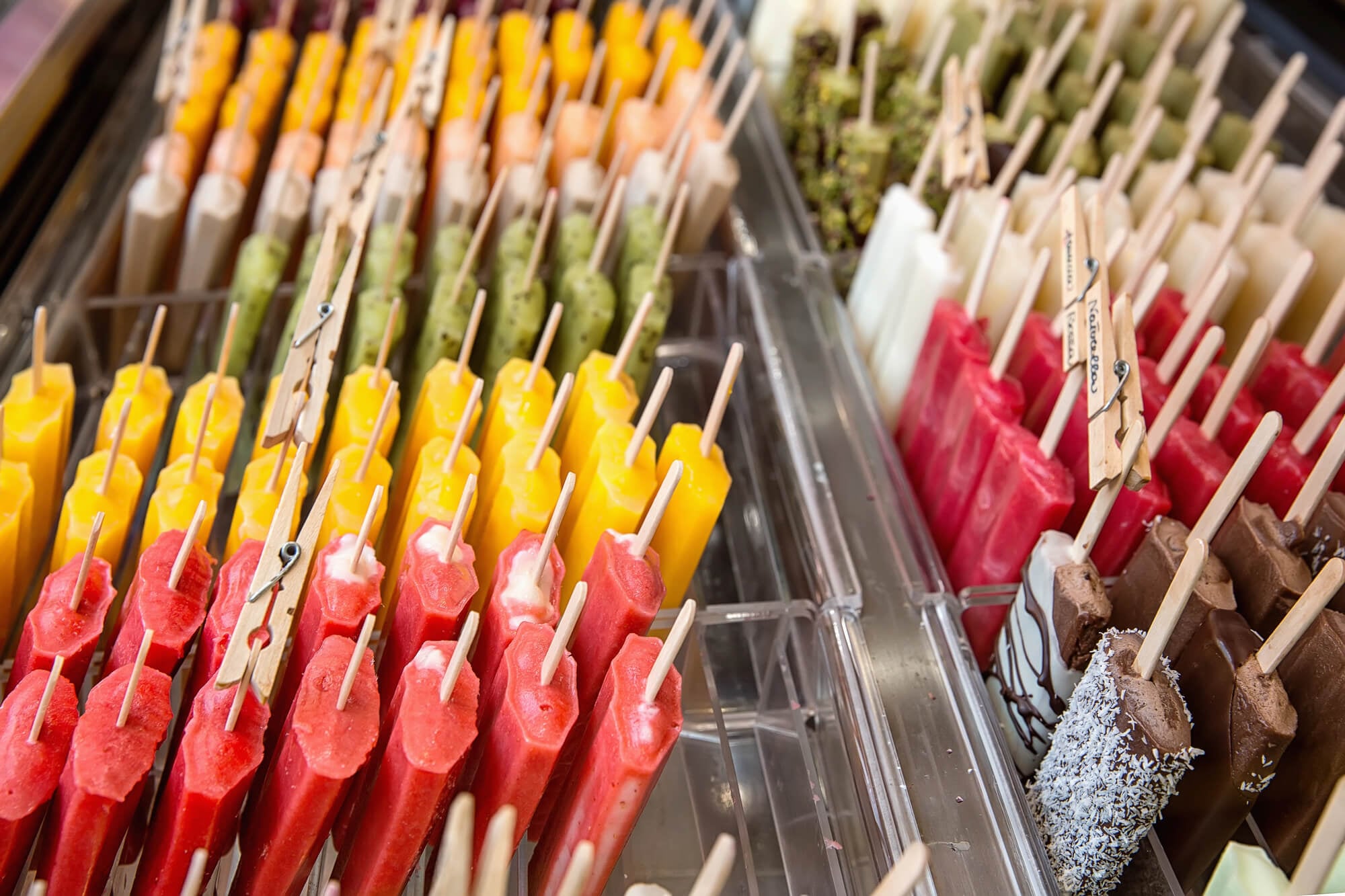
The popsicle was actually invented by an 11-year-old boy named Frank Epperson in 1905 when he mixed sugary soda powder with water and left it outside overnight, resulting in a frozen concoction that could be eaten off its wooden stirring stick.
Vulcanized Rubber
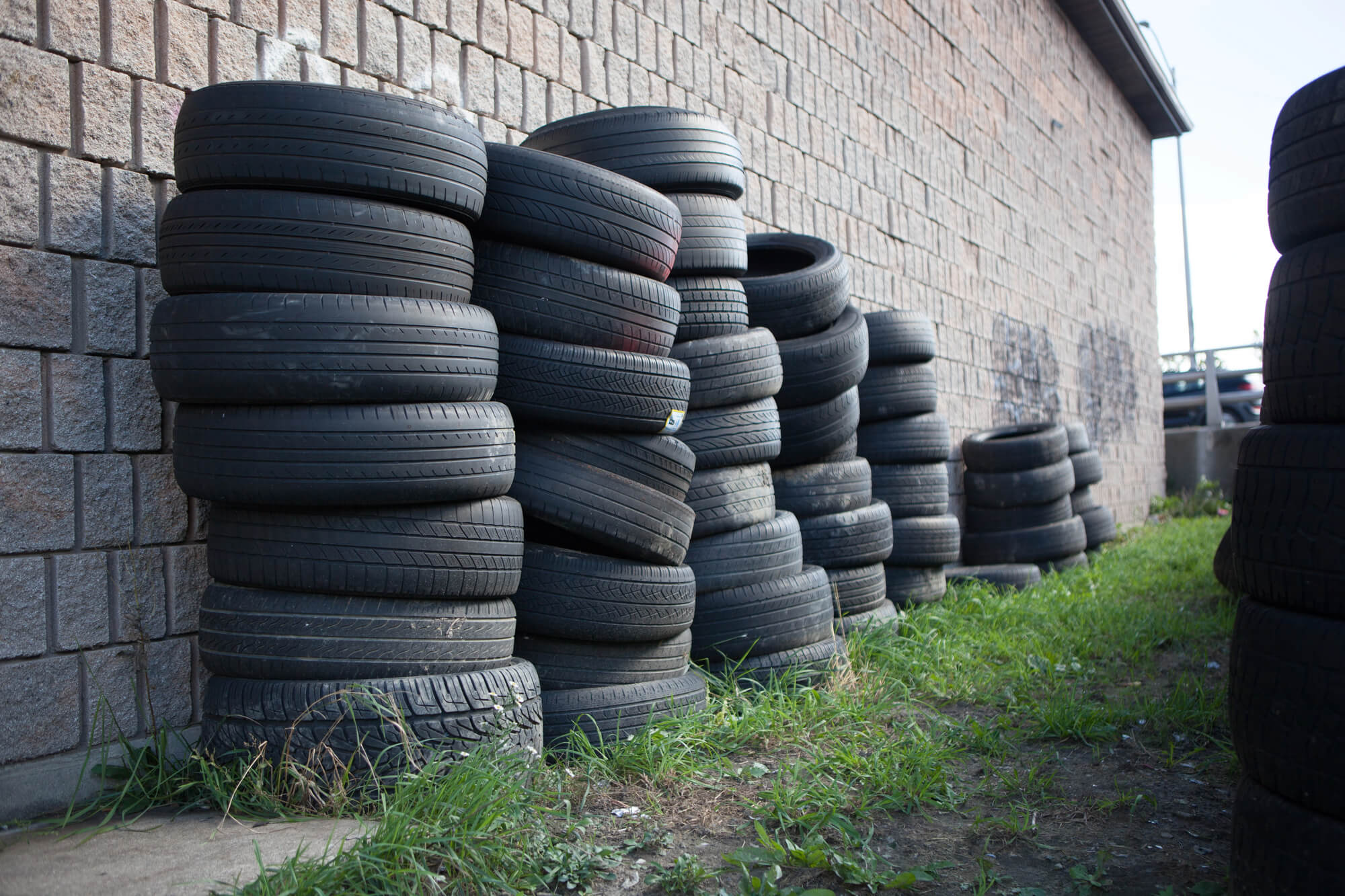
Charles Goodyear accidentally dropped rubber mixed with sulfur on a hot stove in 1839, creating vulcanized rubber, which is more durable and elastic. This discovery transformed rubber from a material that degraded in heat into a stable, practical substance used in everything from tires to seals.
Teflon
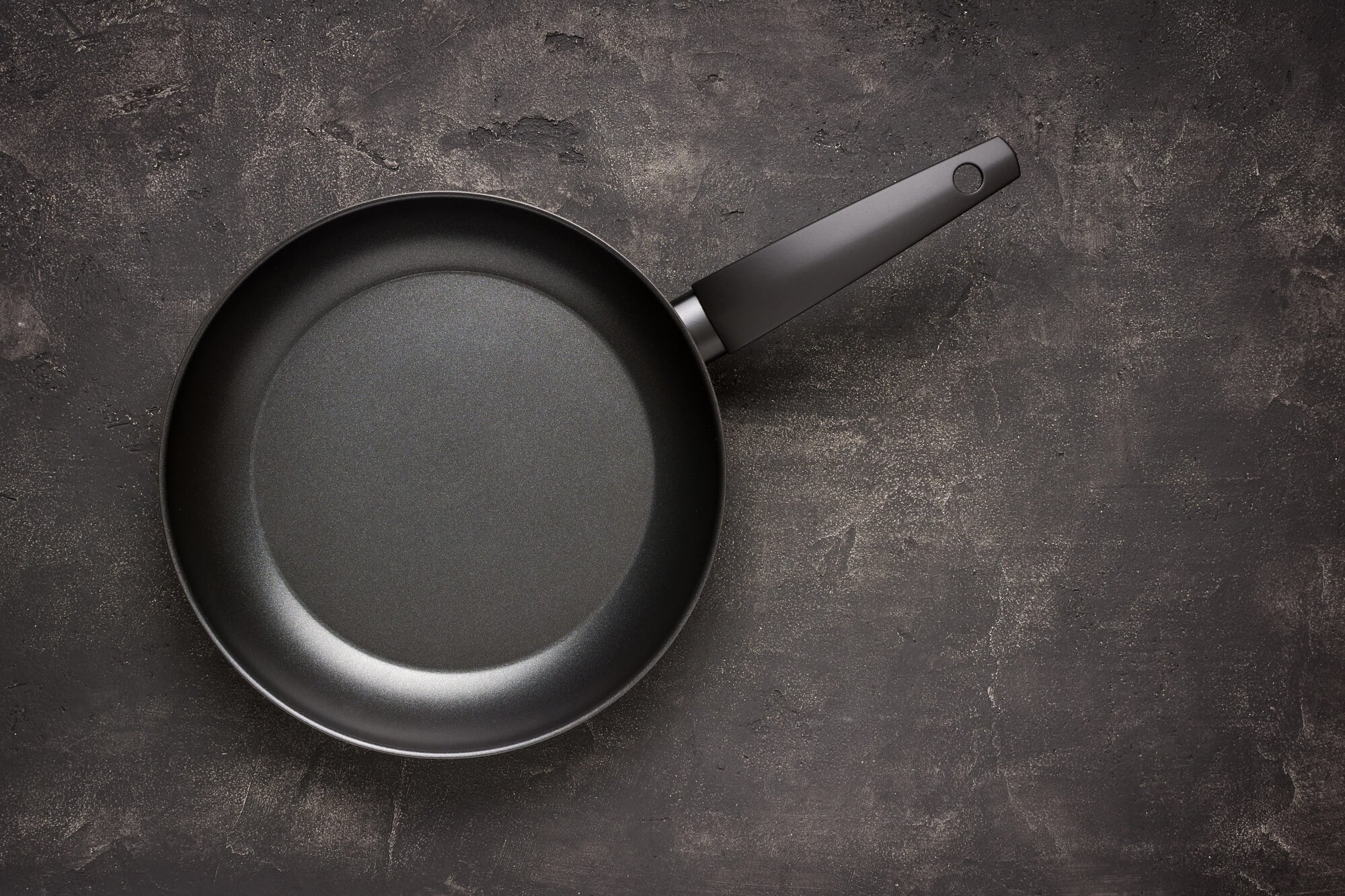
Roy Plunkett discovered Teflon in 1938 when a gas he was experimenting with turned into a white, slippery powder, and Teflon is now used in non-stick cookware. The accidental creation of one of the slipperiest substances known has become fundamental to modern kitchenware and industrial applications.
Potato Chips
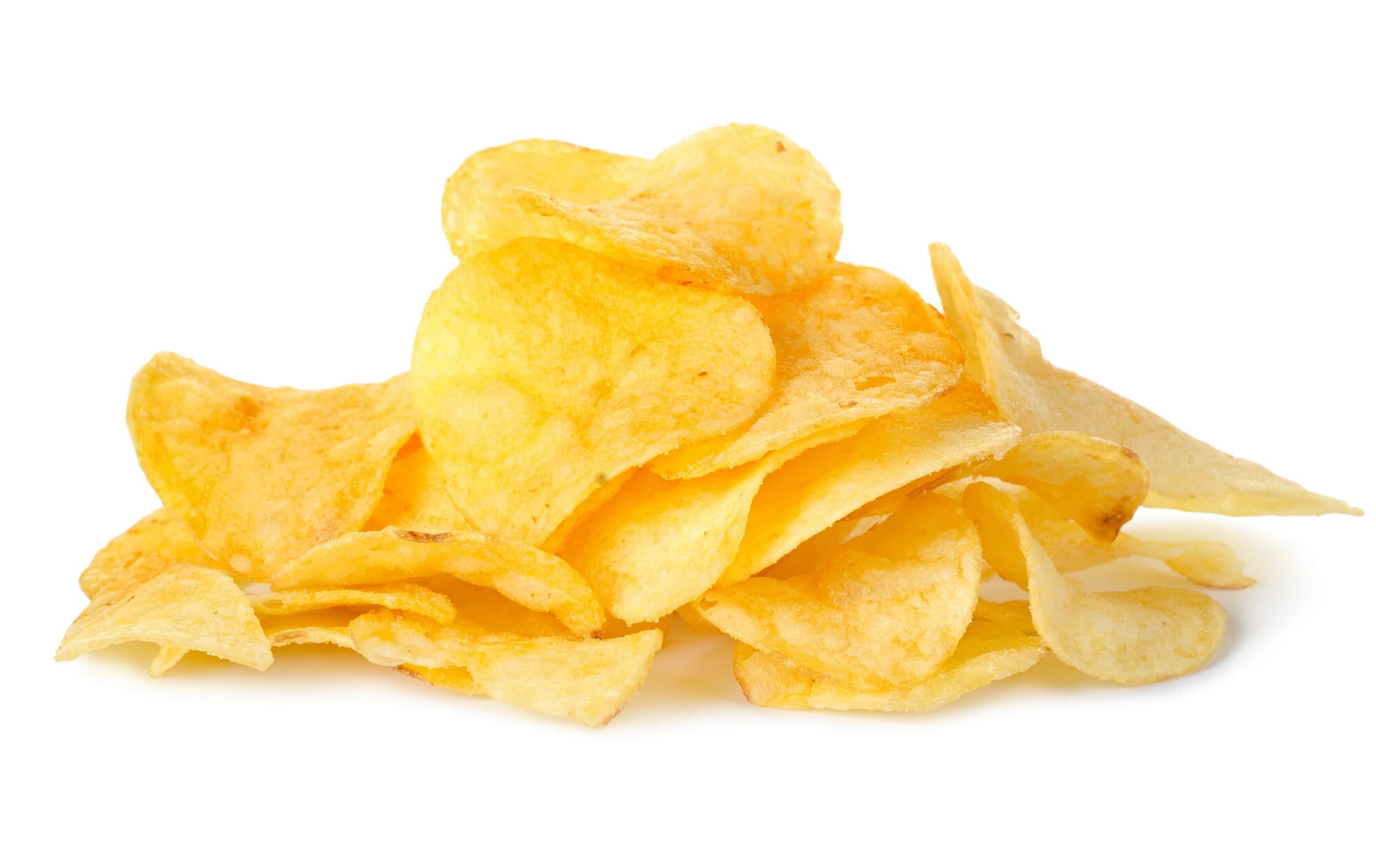
George Crum invented potato chips in 1853 when a customer complained about thick fries, so Crum sliced potatoes thinly, fried them, and created a new snack. What began as frustration with a customer complaint became one of the world’s most popular foods.
Chocolate Chip Cookies
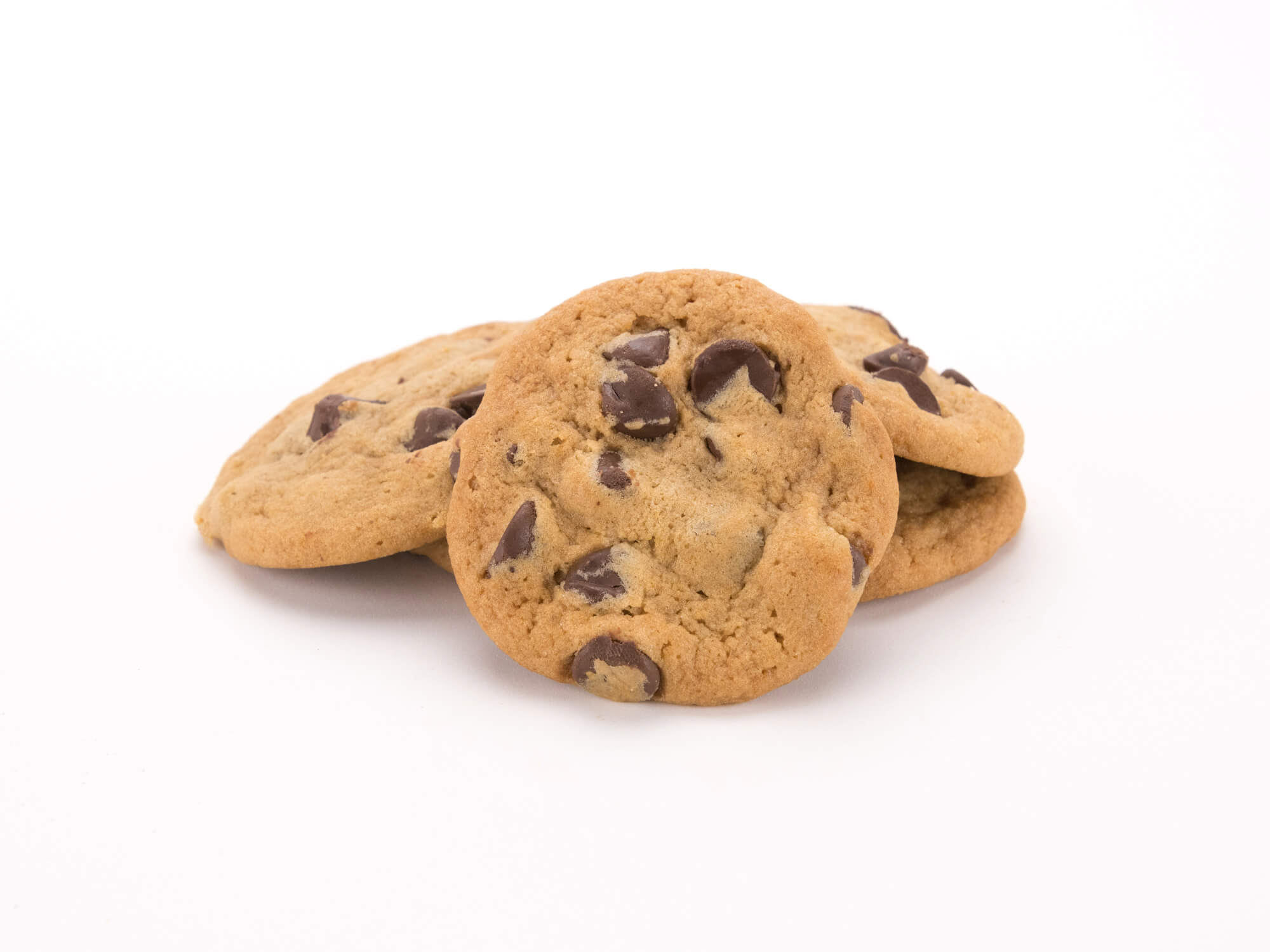
It’s hard to imagine a world without chocolate chip cookies, but the delectable dessert wasn’t actually invented until 1930. A baker ran out of cocoa and substituted chopped chocolate bars, expecting them to melt into uniform chocolate cake—instead, they held their shape, creating an entirely new category of cookie.
Saccharin
A chemist forgot to wash his hands before lunch and accidentally discovered saccharin when residue on his fingers tasted sweet, leading to the first artificial sweetener and revolutionizing the sugar-free food industry.
Post-It Notes

Post-it notes are among the serendipitous discoveries that arose from unforeseen circumstances. A 3M researcher was trying to develop a super-strong adhesive when the experiment failed, creating instead a barely-sticky substance that seemed useless—until someone realized its perfect utility for temporary notes.
Safety Glass
A chemist dropped a glass flask coated with leftover plastic film, expecting it to shatter catastrophically. Instead, it remained mostly intact because the plastic coating held the broken pieces together.
This discovery led to safety glass used in cars and buildings worldwide.
Vaseline (Petrolatum)
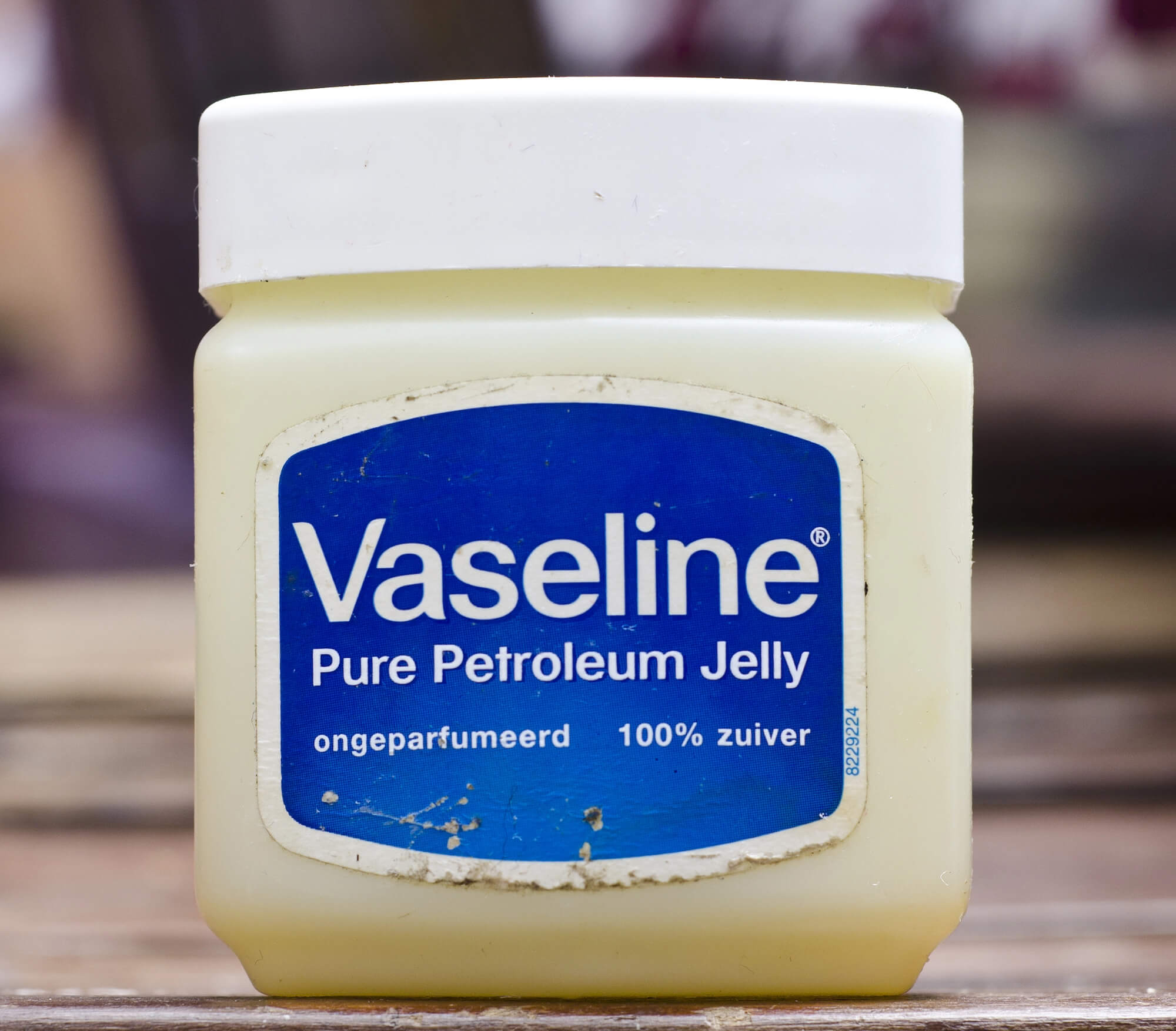
Discovered as residue on oil derricks that workers complained about, Robert Chesebrough realized this petroleum byproduct had remarkable healing properties and began commercial production as a salve.
Cornflakes
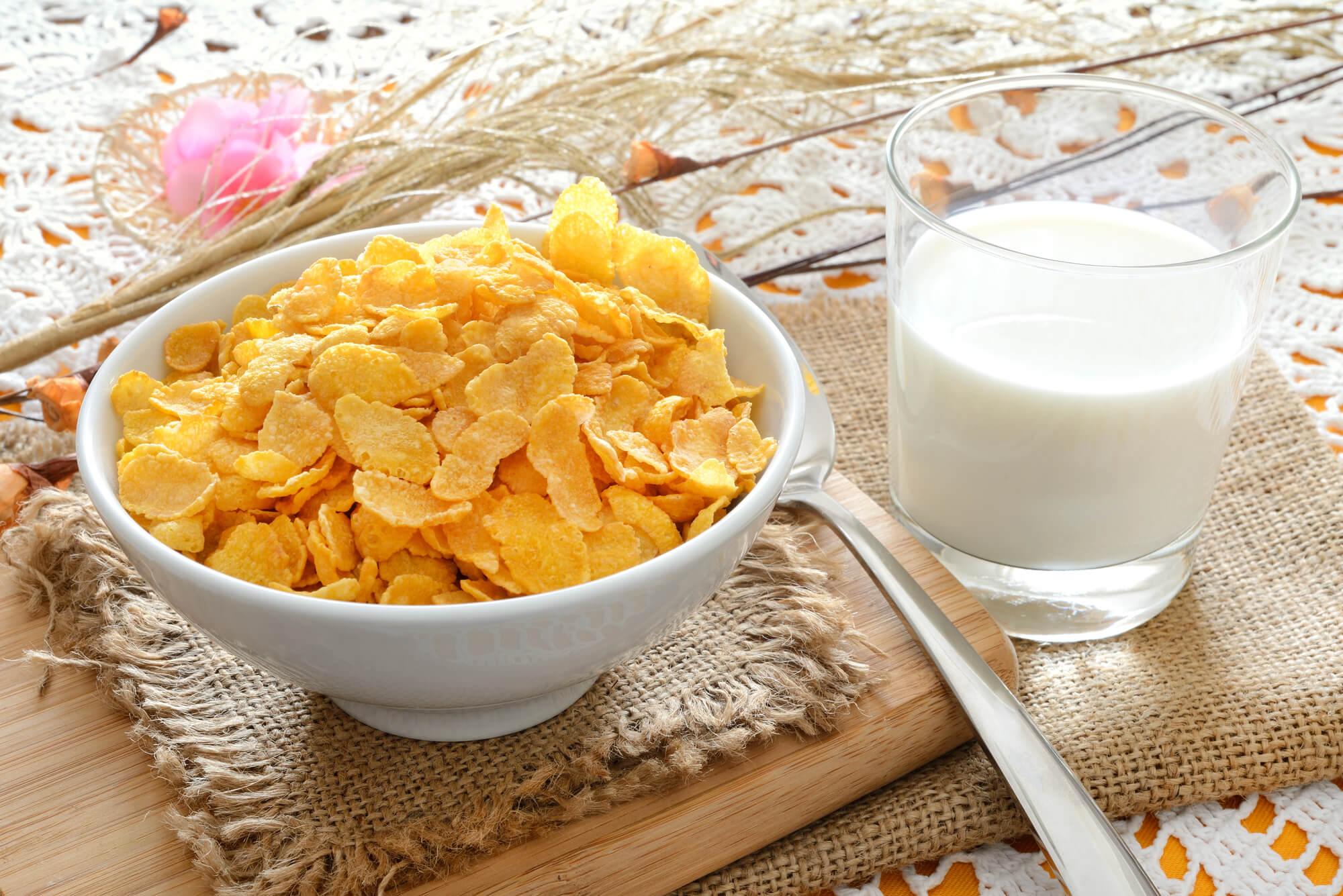
Two brothers forgot about a pot of cooked wheat and let it sit out until it became stale, then they rolled the mixture flat and cooked it again to avoid wasting food, resulting in a crispy flake with a pleasant taste. This accidental breakfast food became a global phenomenon.
Dynamite
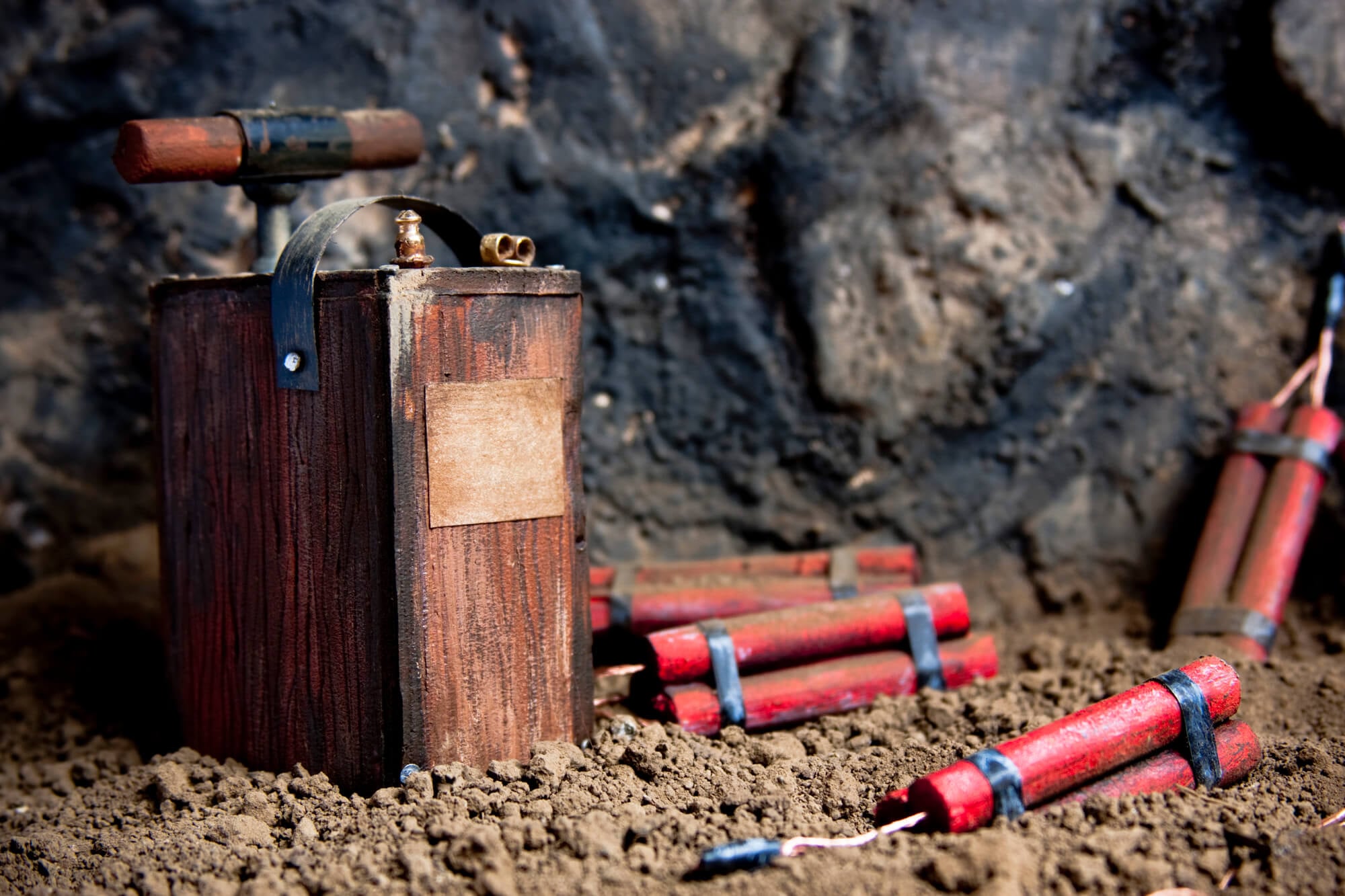
Alfred Nobel sought to find a stable, safe form of nitroglycerin for commercial mining. He accidentally discovered that diatomaceous earth could stabilize the volatile liquid, creating dynamite and revolutionizing construction and mining industries.
Prozac
During clinical trials for a heart medication that wasn’t working effectively, researchers noticed patients experiencing improved mood and reduced depression, leading to the development of one of the world’s most prescribed antidepressants.
Coca-Cola
Pharmacist John Pemberton created the drink as a medicinal tonic, not as a beverage. Its accidental popularity as a refreshing drink rather than medicine transformed it into one of the world’s largest beverage companies.
Stainless Steel

Metallurgist Harry Brearley was experimenting with erosion-resistant alloys when he discovered that adding chromium to steel created a material resistant to corrosion—a discovery he made while examining rust patterns that caught his attention.
Silly Putty
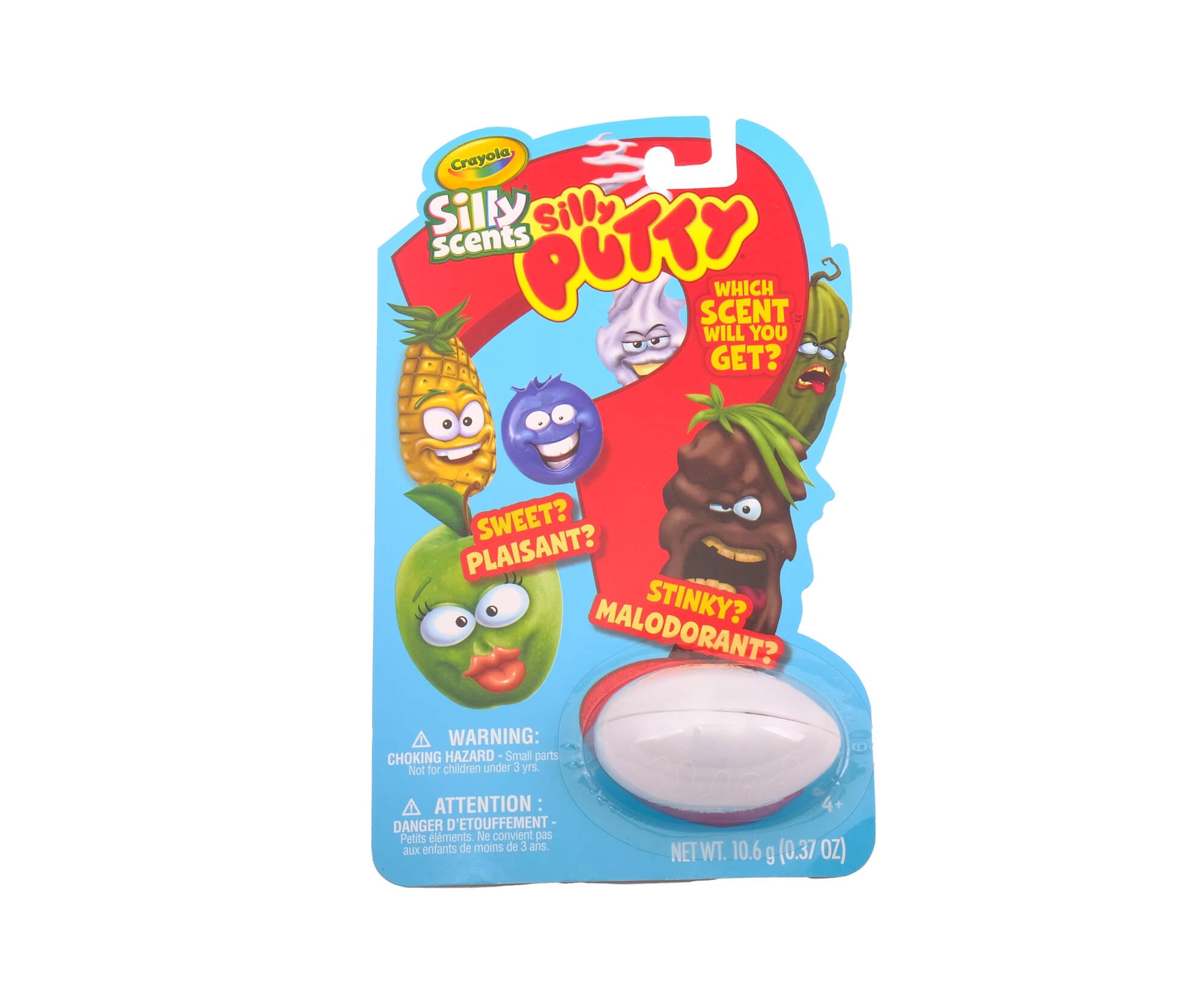
During World War II, researchers tried to develop synthetic rubber but created instead a substance that bounced oddly and displayed unusual properties. Rather than discarding the failed experiment, they eventually commercialized it as a novelty toy.
Velcro
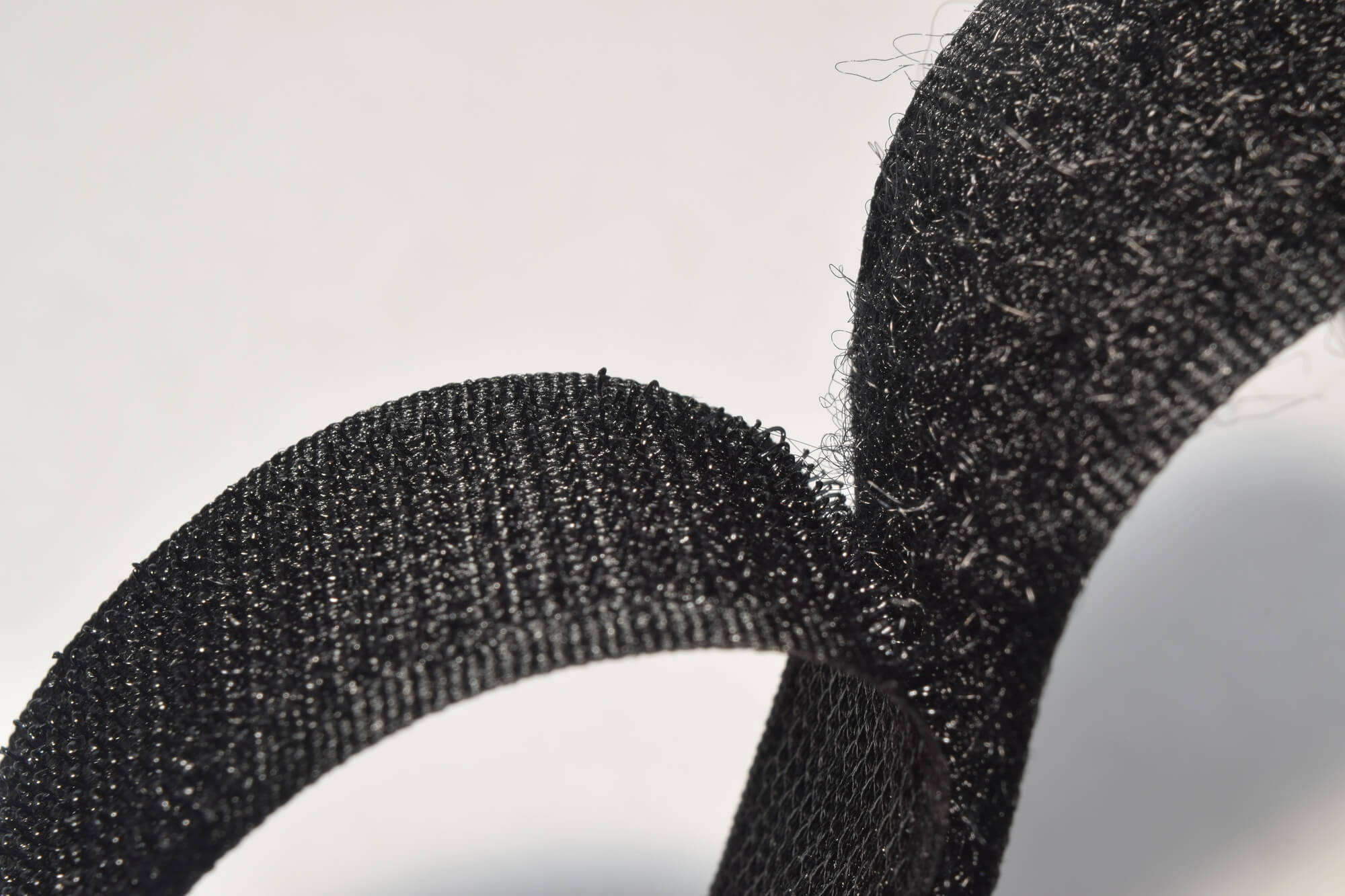
George de Mestral returned from a hunting trip covered in burrs and, instead of being frustrated, examined them under a microscope to understand their clinging mechanism. This observation led to the invention of hook-and-loop fasteners.
Antibacterial Soap
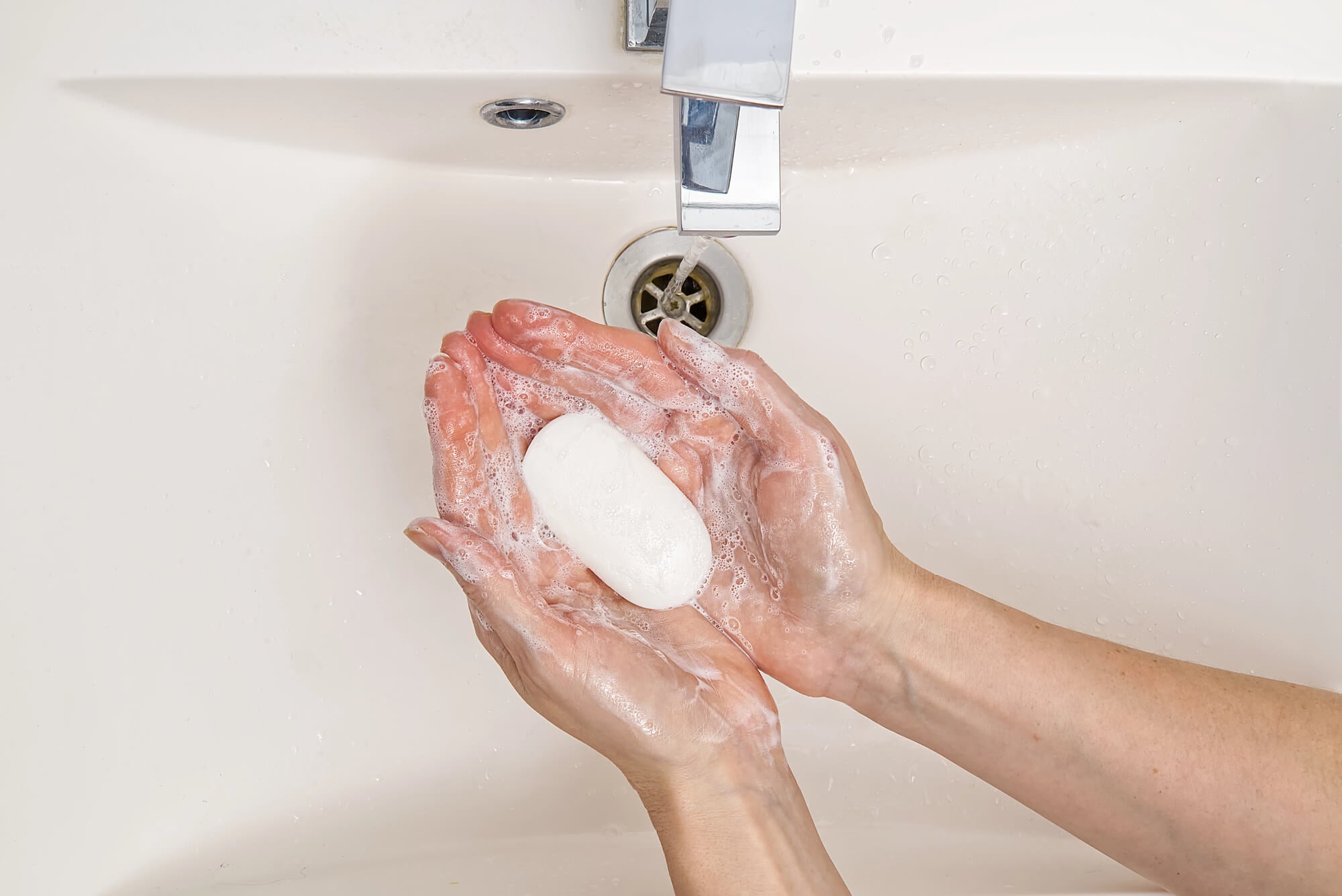
Researchers discovered antibacterial properties in a chemical compound when they noticed contaminated bacterial cultures in their laboratory. This led to the development of triclosan and similar compounds used in modern sanitizing products.
Nylon

A DuPont chemist was heating a mixture of chemicals when the temperature spiked unexpectedly. The resulting material was a strong, elastic fiber that became the foundation for nylon textiles and revolutionized clothing manufacturing.
Aspirin
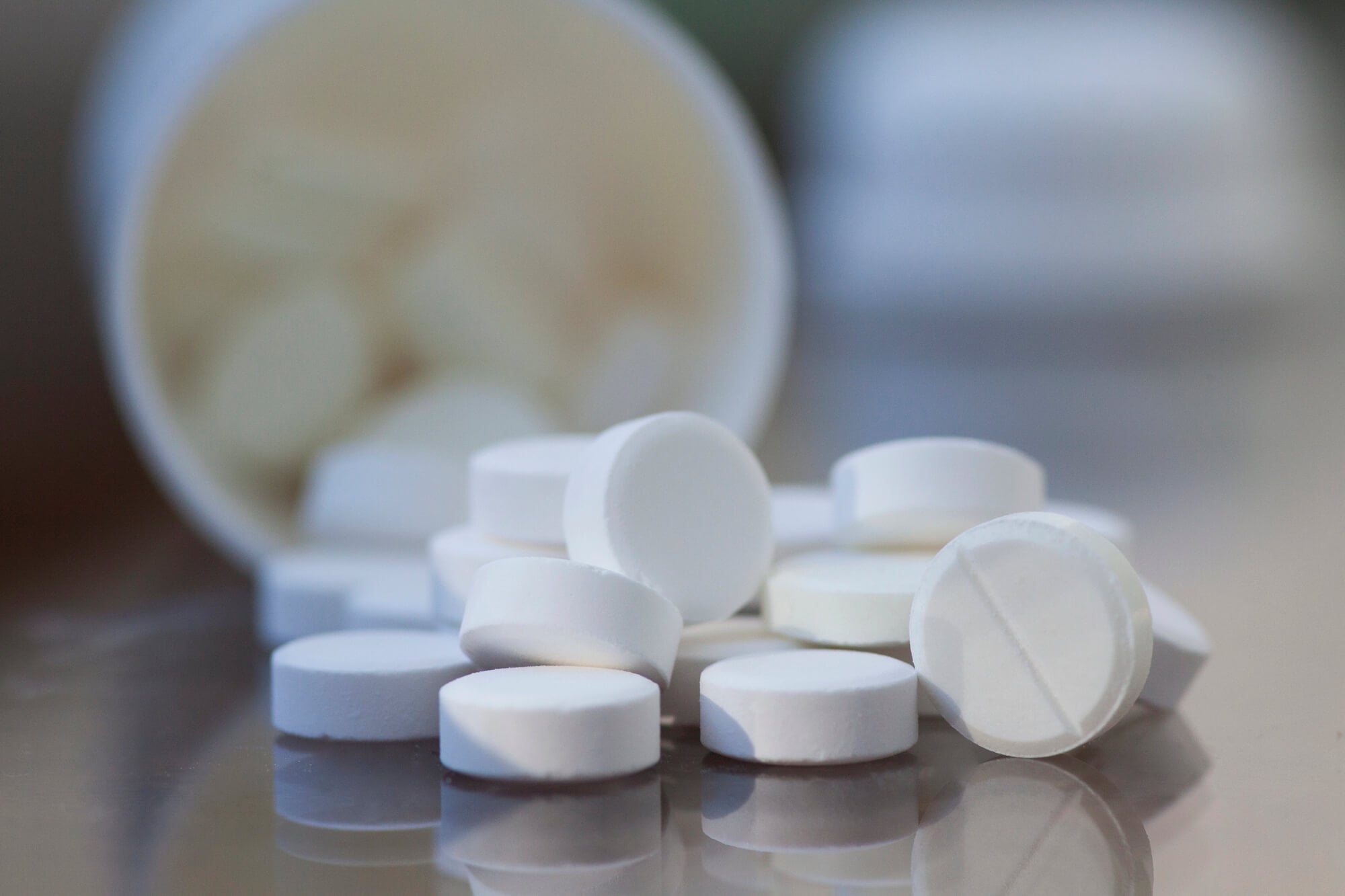
While trying to synthesize compounds with medicinal properties, a researcher created acetylsalicylic acid. When he tested it and found it relieved his own pain and fever, aspirin was born—now one of the world’s most widely used medications.
Plastic
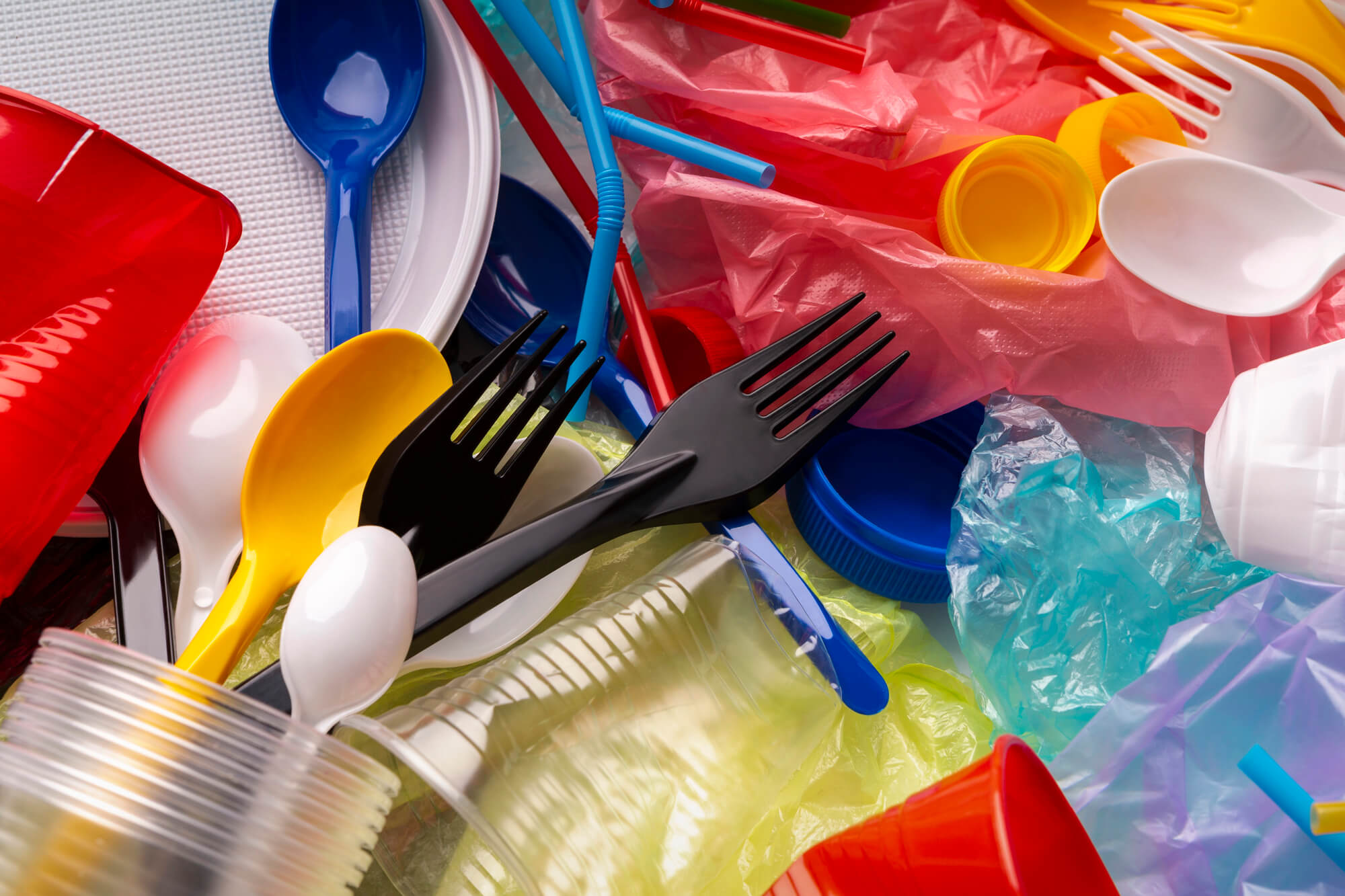
Early plastics were discovered during attempts to find synthetic alternatives to natural materials. Researchers creating these compounds didn’t initially intend to develop what would become the foundation of the modern world’s most ubiquitous material.
Cosmic Microwave Background Radiation
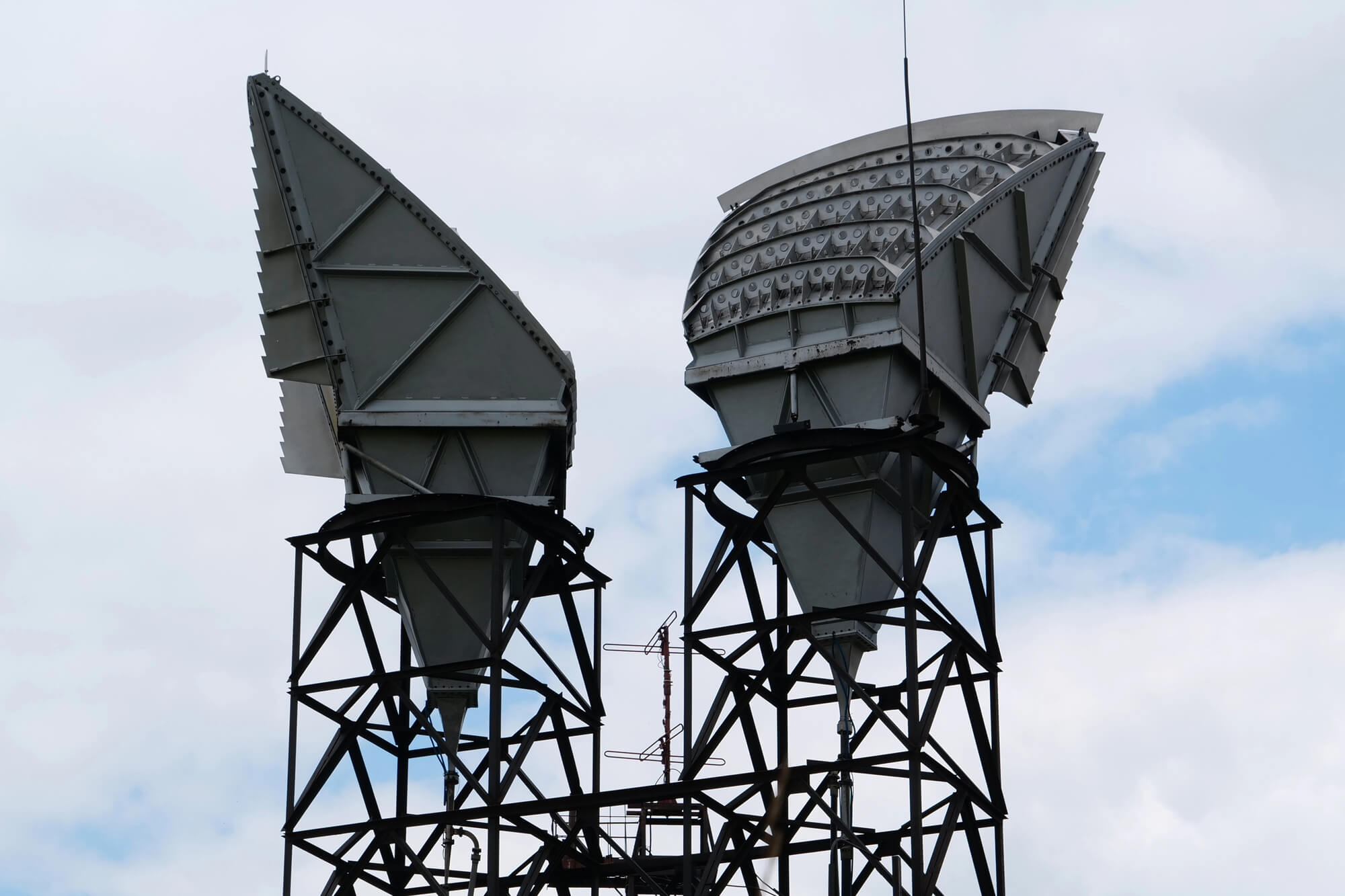
Radio astronomers Arno Penzias and Robert Wilson discovered mysterious microwave radiation interfering with their experiments. Rather than dismissing it as noise, they investigated and found evidence of the universe’s origin—earning a Nobel Prize for an accidental observation.
When Mistakes Become Miracles
The seven most transformative accidental discoveries—penicillin, X-rays, the microwave oven, Teflon, Post-It Notes, Velcro, and vulcanized rubber—reveal a profound truth: genius isn’t always intentional. The difference between a failed experiment and a breakthrough often comes down to one thing: curiosity.
When a scientist asks “why did that happen?” instead of “I ruined this,” progress becomes possible. These discoveries remind us that sometimes the best innovations emerge not from rigorous planning but from the willingness to notice anomalies and pursue them relentlessly.
More from Go2Tutors!

- The Romanov Crown Jewels and Their Tragic Fate
- 13 Historical Mysteries That Science Still Can’t Solve
- Famous Hoaxes That Fooled the World for Years
- 15 Child Stars with Tragic Adult Lives
- 16 Famous Jewelry Pieces in History
Like Go2Tutors’s content? Follow us on MSN.