17 Words That Mean Opposite Things in Other Countries
Language is full of surprises, especially when the same word can mean completely different things depending on where you happen to be standing on the planet. These linguistic flip-flops create some of the most entertaining and embarrassing moments in international communication, where a simple compliment in one country becomes an insult in another.
These word reversals reveal how cultures can take the exact same sound and attach completely opposite meanings to it, creating perfect traps for unsuspecting travelers and language learners. Here is a list of 17 words that mean opposite things in other countries.
Gift

In English, a gift is something wonderful you give to someone you care about, but in German, ‘Gift’ means poison. Imagine the confusion when English speakers enthusiastically talk about bringing gifts to their German hosts, who might wonder why anyone would want to bring poison to a dinner party.
This particular mix-up has probably caused more raised eyebrows at international gatherings than any other word on this list.
Fart

While this word makes English speakers giggle with its crude meaning, in Norwegian ‘fart’ simply means speed or pace. Norwegian traffic signs cheerfully wish drivers ‘God fart’ (good speed), which tends to send English-speaking tourists into fits of laughter.
The linguistic coincidence becomes even funnier when you realize that Norwegians learning English often accidentally tell people to ‘increase your fart’ when they mean to drive faster.
Kiss

In English, a ‘kiss’ is an expression of affection. In Swedish, ‘kiss’ (pronounced ‘kisse’) is a colloquial term for urine. So, a Swedish parent telling their child to ‘gå och kissa’ is instructing them to go pee, not to show affection.
This innocent word in one language can cause giggles or embarrassment in another.
Table

In American English, to ‘table’ a discussion means to postpone or suspend it. Conversely, in British English, to ‘table’ something means to present it for consideration.
This opposite usage in formal meetings can lead to significant misunderstandings, where one party believes a topic is being delayed, while the other thinks it’s being initiated.
Quite
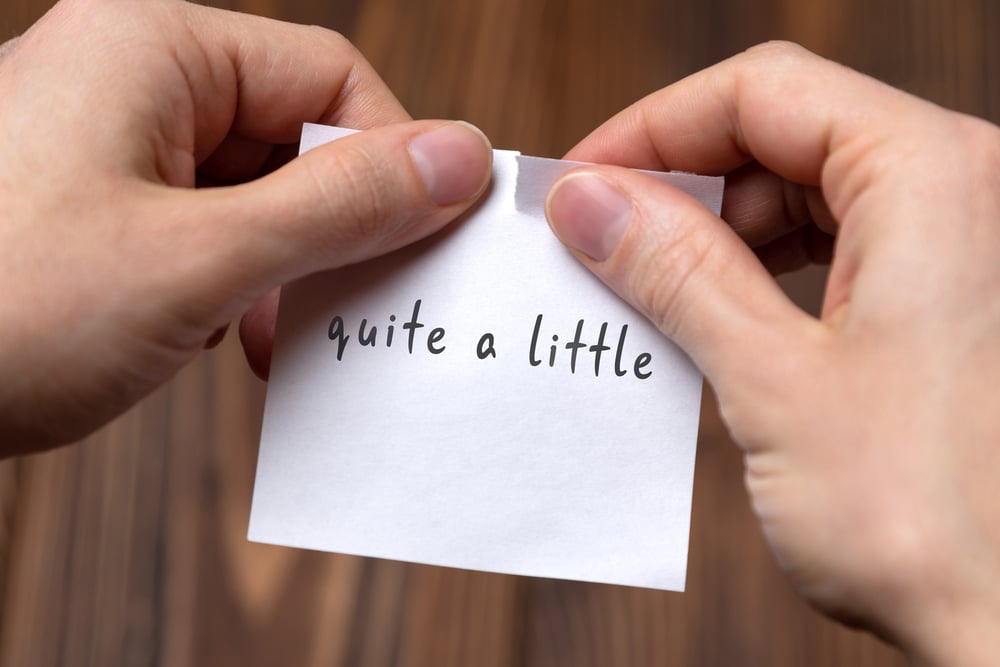
In American English, ‘quite’ means very or extremely—if something is quite good, it’s really good. British English flips this completely, using ‘quite’ to mean somewhat or rather—quite good actually means just moderately good, not exceptional.
An American saying a restaurant is quite excellent would be giving high praise, while a Brit using the same phrase would be offering lukewarm approval.
Pants

In America, pants are what you wear on your legs every day, but in Britain, pants are underwear. American tourists cheerfully complimenting someone’s pants in London might get shocked reactions, as they’ve essentially just commented on someone’s undergarments.
British visitors to America often seem overdressed because they think Americans are walking around in their underwear when they talk about wearing pants.
Fanny
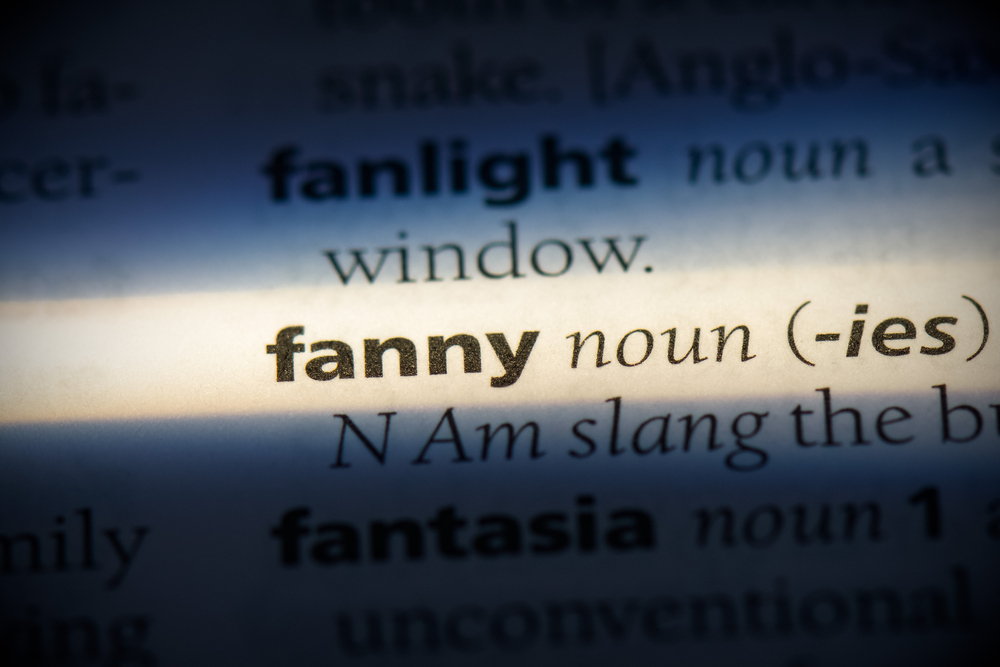
This innocent nickname for Frances in America refers to a person’s bottom, but in British and Australian English, it’s a crude term for female anatomy. American parents who affectionately call their daughters Fanny might get horrified looks from British relatives who can’t believe anyone would give a child such an inappropriate nickname.
The word creates some of the most mortifying cultural misunderstandings in the English-speaking world.
Deadly

Irish English uses ‘deadly’ as slang meaning excellent, fantastic, or brilliant—the complete opposite of its standard meaning related to death. An Irish person saying a concert was deadly means it was amazing, while most other English speakers would assume something terrible happened.
Sick

American slang uses ‘sick’ to mean awesome, cool, or impressive—particularly among younger speakers. Most other English-speaking countries maintain the traditional meaning of ill or unwell.
Telling someone their new car is sick could either be high praise or a suggestion that they need a mechanic.
Pie
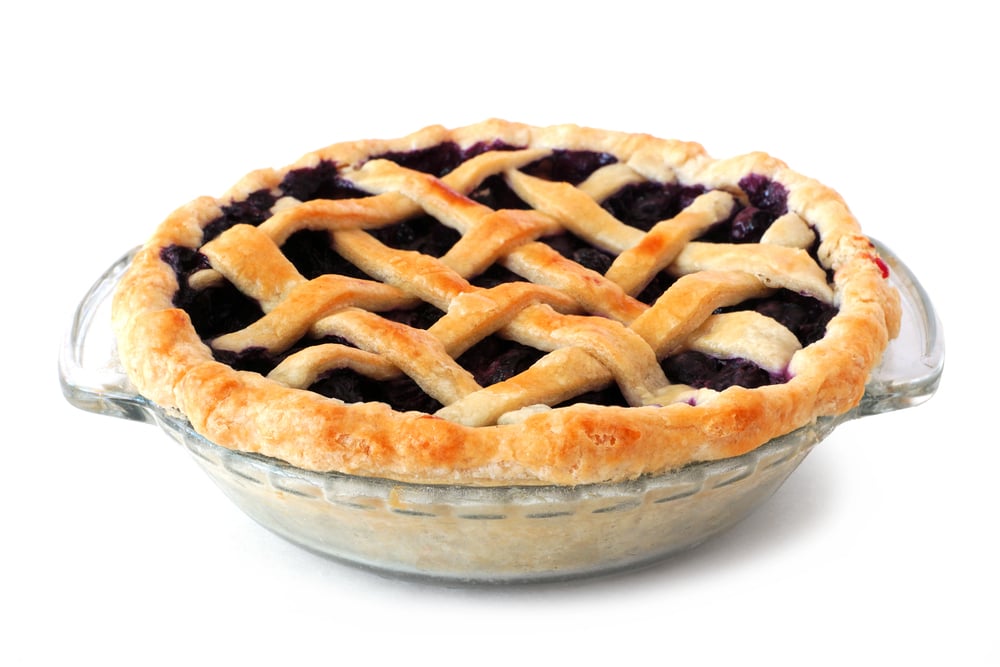
In the United States, a ‘pie’ is a sweet dessert filled with fruit or custard, while in South Africa, ‘pie’ typically refers to a savory pastry filled with meat or vegetables. An American craving a slice of apple pie might be taken aback when served a hearty meat pie in Johannesburg, highlighting how the same word can satisfy different appetites across cultures.
Chef

In English, a ‘chef’ is a professional cook, often the head of a kitchen. However, in German, ‘Chef’ means boss or manager, regardless of the industry. So, a German saying ‘Mein Chef ist nett’ is complimenting their boss, not the person who prepares their meals.
This divergence can lead to workplace misunderstandings for English speakers in German offices.
Bad

In the United States, calling something ‘bad’ means it is poor or negative, but in parts of African American Vernacular English and Jamaican Patois, ‘bad’ can mean very good or cool. This flipping of meaning can surprise outsiders when someone calls a car or outfit ‘bad’ and actually means it’s impressive.
Tea

In most English-speaking countries, ‘tea’ means the drink brewed from leaves. But in parts of Scotland and Northern England, “tea” also means the evening meal, similar to what others call dinner.
So, when someone invites you for ‘tea,’ you might be expecting a cup of hot drink, but instead get a full meal.
Mad

Americans primarily use ‘mad’ to mean angry or upset, though it can also mean crazy in certain contexts. In British and Australian English, ‘mad’ almost exclusively means insane or crazy, rarely referring to anger.
When an American says they’re mad about poor service, they’re expressing frustration, but a Brit might interpret this as claiming mental instability.
Mist

In English, ‘mist’ refers to a light fog or fine spray, often evoking a sense of calm. In German, however, ‘Mist’ is a crude term meaning manure or dung. An English speaker commenting on the beautiful morning mist might receive puzzled looks from German listeners who associate the word with something far less pleasant.
Pasta
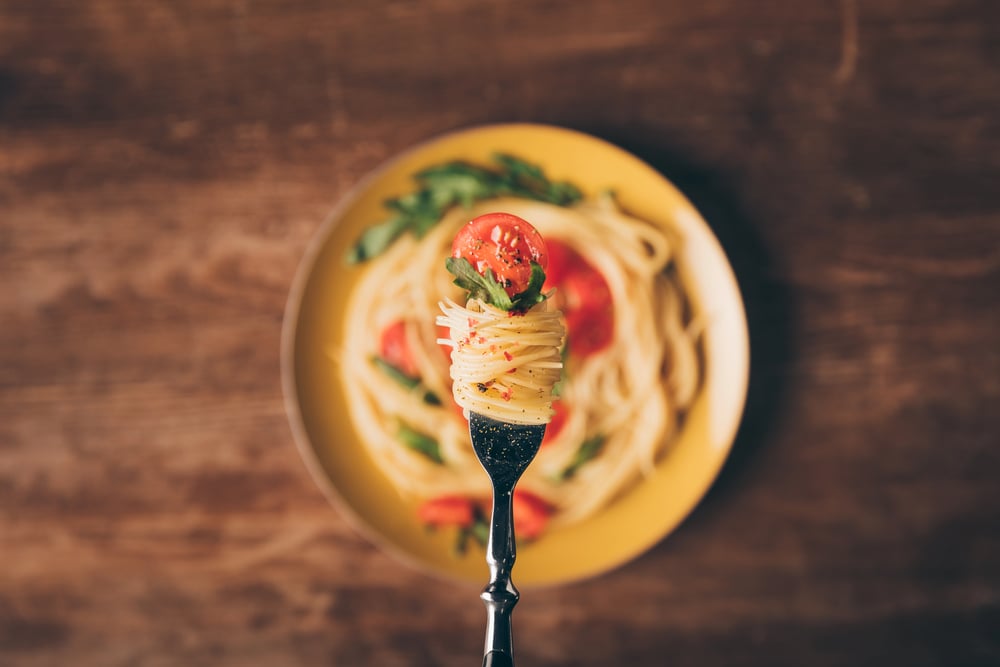
For Italians, ‘pasta’ is a beloved staple made from wheat and water, but in Polish, ‘pasta’ means toothpaste. Imagine the surprise of a Polish shopper seeing an Italian brand of pasta and wondering why anyone would want to eat something meant for brushing teeth.
This culinary confusion underscores the importance of context in language.
Pain

In English, ‘pain’ refers to physical discomfort or suffering, but in French, ‘pain’ means bread. So, while an English speaker might avoid pain, a French person eagerly seeks it out at the bakery each morning.
This linguistic twist can lead to amusing misunderstandings for travelers ordering breakfast in France.
Lost in Translation, Found in Laughter
These linguistic reversals remind us that sharing a language doesn’t guarantee sharing meaning, and that words are only as universal as the culture that shapes them. What seems perfectly innocent in one country can be scandalous in another, creating endless opportunities for embarrassment, confusion, and ultimately, connection through shared laughter at our mutual misunderstandings.
\The beauty of these opposite meanings lies not in the confusion they create, but in how they force us to slow down, ask questions, and appreciate the rich complexity of human communication. Perhaps the most important lesson from these flipped meanings is that assuming we understand each other just because we speak the same language is the first step toward some very interesting conversations.
More from Go2Tutors!

- The Romanov Crown Jewels and Their Tragic Fate
- 13 Historical Mysteries That Science Still Can’t Solve
- Famous Hoaxes That Fooled the World for Years
- 15 Child Stars with Tragic Adult Lives
- 16 Famous Jewelry Pieces in History
Like Go2Tutors’s content? Follow us on MSN.