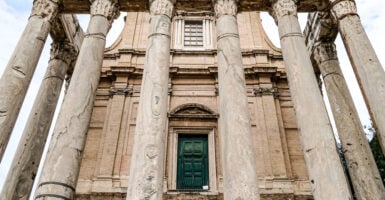
26 Buildings That Outlived the Cities Around Them
Some structures are built so durably that they outlast the civilizations that created them. Whether through geographical isolation, structural brilliance, or sheer luck, these buildings remain standing while the cities around them crumbled, were abandoned, or were swallowed by time.
They are monuments to human ambition that transcended their original purpose.
Machu Picchu’s Temple Complex
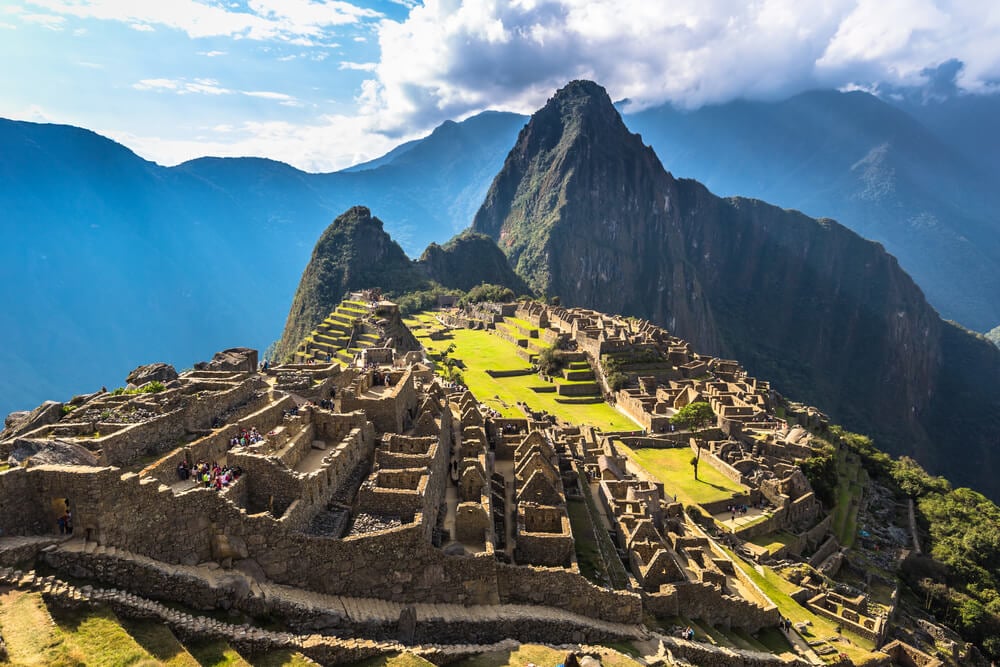
Built in the 1450s by the Inca, Machu Picchu was abandoned within a century as Spanish conquest disrupted Incan society and trade routes shifted. The city was lost to the outside world for three centuries, hidden by jungle growth.
The precisely fitted dry-stone temples and structures survived without mortar, enduring earthquakes that would have destroyed buildings relying on adhesive.
The Temple of the Tooth, Kandy
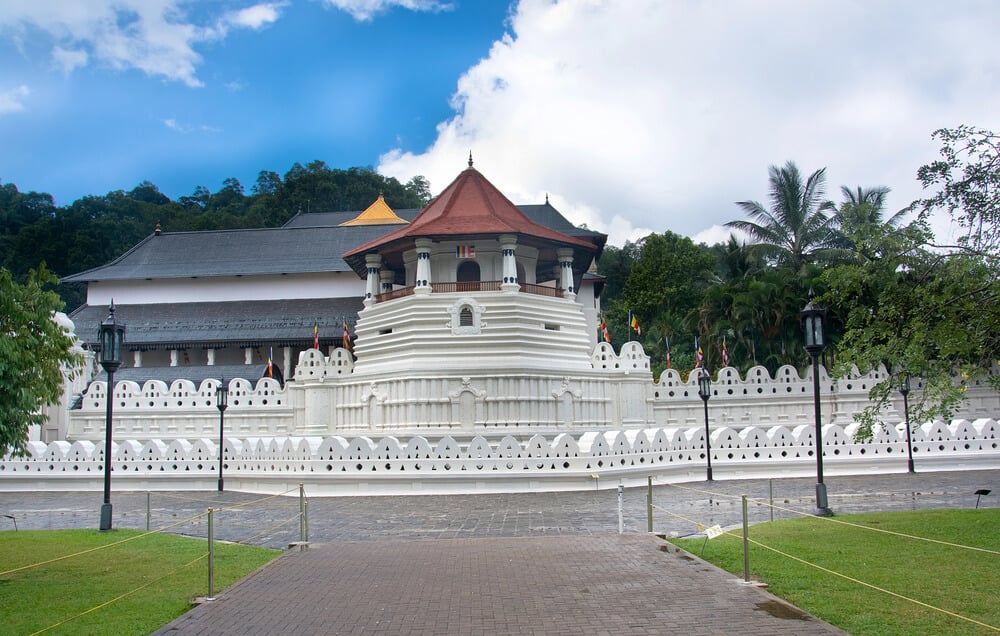
This Buddhist temple in Sri Lanka housed a relic since the 4th century CE. The city of Kandy itself was repeatedly destroyed during colonial periods and warfare, yet the temple survived multiple sieges, invasions, and occupation.
Its stone construction and sacred status protected it when surrounding structures burned.
Petra’s Treasury
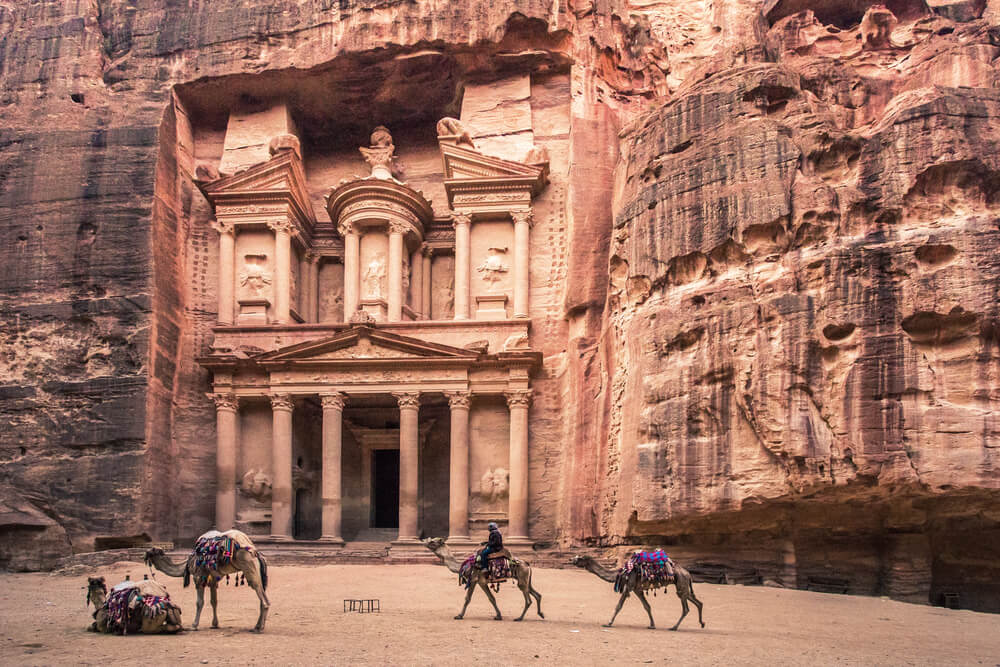
Carved entirely from rose-red sandstone in the Nabataean kingdom around the 1st century BCE, Petra’s Treasury (Al-Khazneh) stood guard over a city that gradually declined and was eventually abandoned. The city was lost to Europeans for centuries, known only to local Bedouin tribes.
The carved facade survived intact, impervious to weather erosion that had softened surrounding sandstone faces.
The Colosseum, Rome
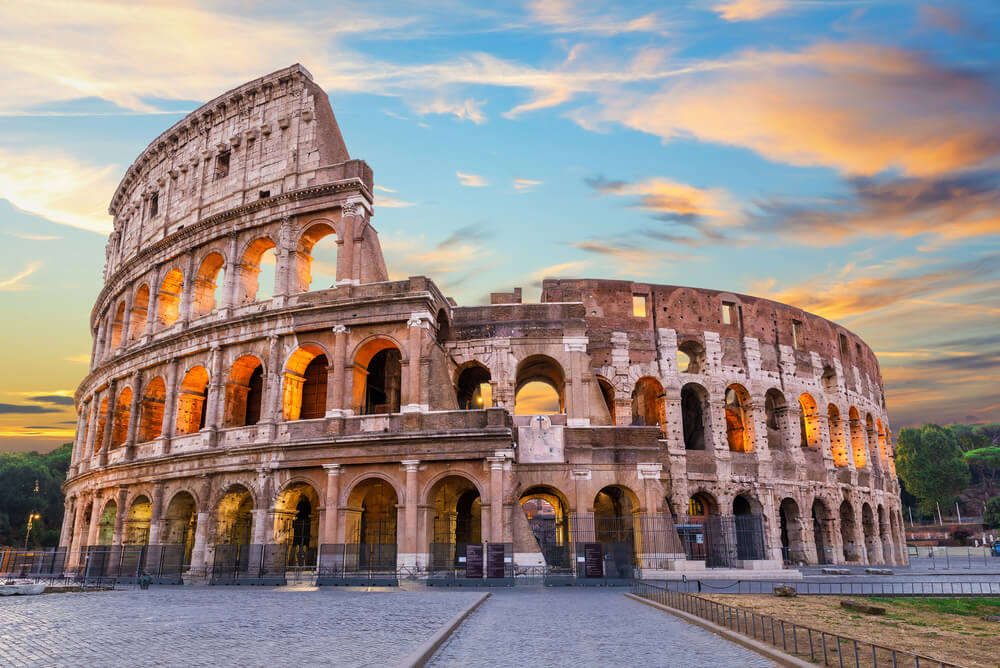
Built in 72-80 CE during the Roman Empire’s peak, the Colosseum remained standing through Rome’s decline, barbarian invasions, and the Middle Ages when the city’s population shrank to a fraction of its imperial size. While damaged by earthquakes and plunder, its travertine arches continued to rise above a smaller, humbler Rome for nearly two millennia.
Hadrian’s Wall
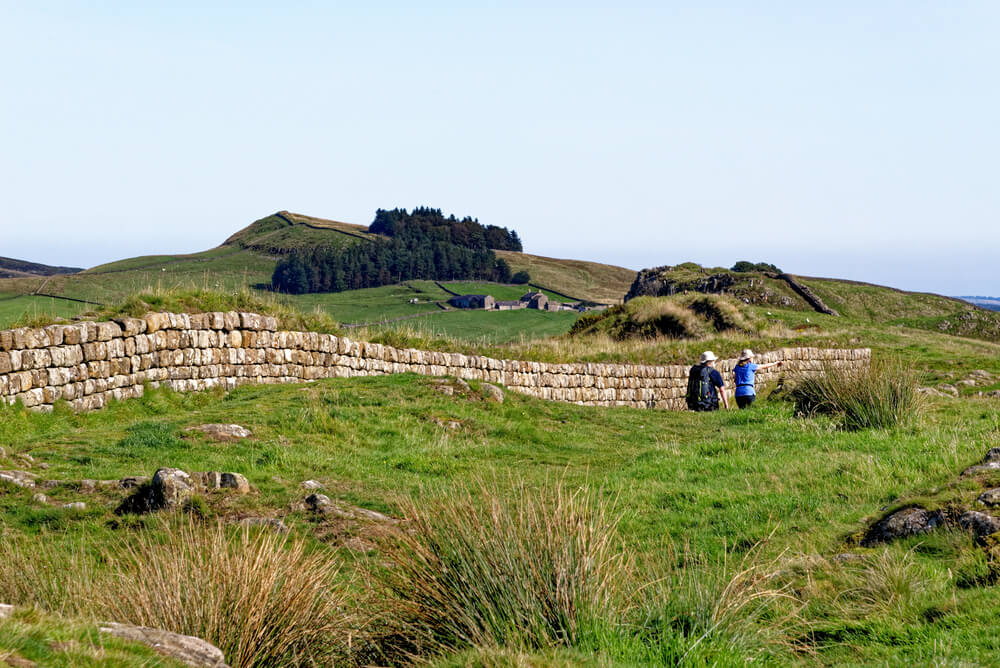
Constructed in 122 CE across northern Britain as Rome’s frontier defense, the wall outlasted Roman occupation by over 1,500 years. The string of forts and settlements along the wall were abandoned after Rome withdrew from Britain in 410 CE, yet the stone structure remained largely intact across the Scottish border, surviving as a physical ghost of empire.
The Great Mosque of Cordoba
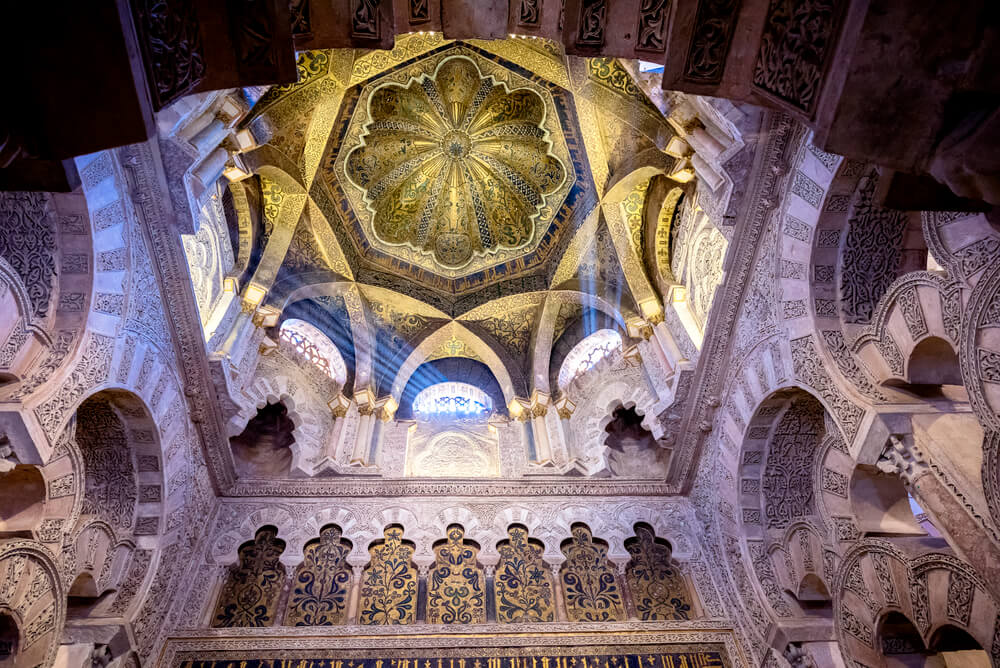
Built over 200 years (786-987 CE) during Al-Andalus’s golden age, the mosque witnessed the gradual decline of Islamic Spain and the Christian Reconquista. Cordoba shrank from over 500,000 inhabitants to a minor city.
The magnificent hypostyle hall with its red-and-white striped arches survived Christian occupation because the invaders converted it to a cathedral rather than destroy it.
Angkor Wat
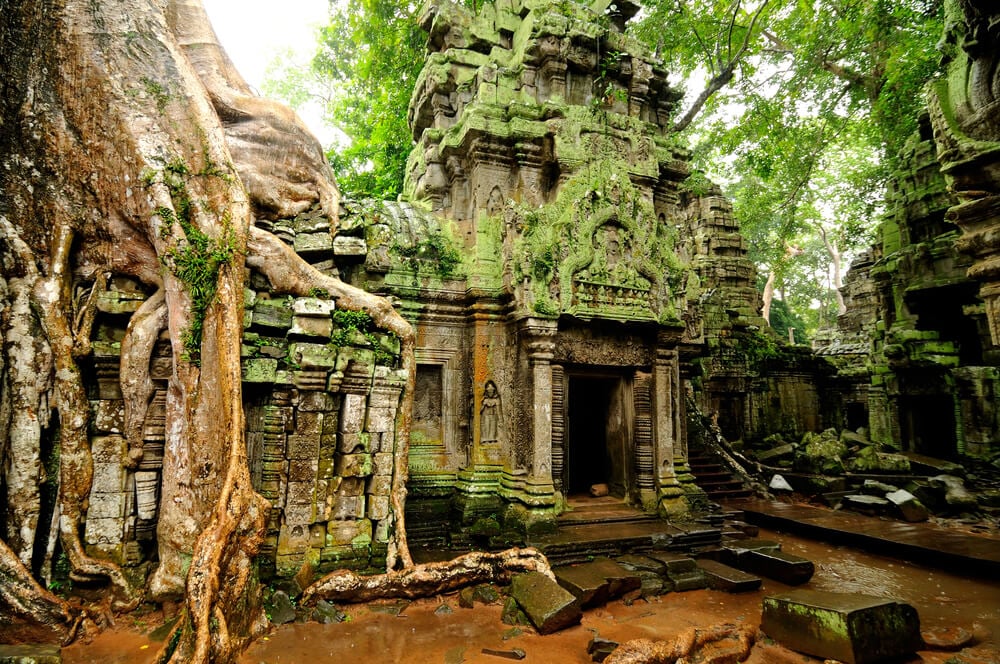
This 12th-century temple complex in Cambodia was the centerpiece of the Khmer Empire, which began declining in the 15th century. The city around it was gradually abandoned as rivers silted and political power shifted elsewhere.
Angkor Wat’s stone towers and galleries, built with interlocking blocks, resisted jungle overgrowth better than wooden structures, allowing it to emerge from the forest largely intact.
The Acropolis, Athens

The Parthenon and surrounding temples were built in the 5th century BCE during Athens’s classical peak. Athens itself declined from its golden age, fell under Macedonian and Roman rule, suffered invasions and occupation, and became a minor Ottoman town.
Yet the marble temples on the acropolis endured earthquakes, warfare, and weathering, remaining the most recognizable structures in the city.
Dubrovnik’s City Walls
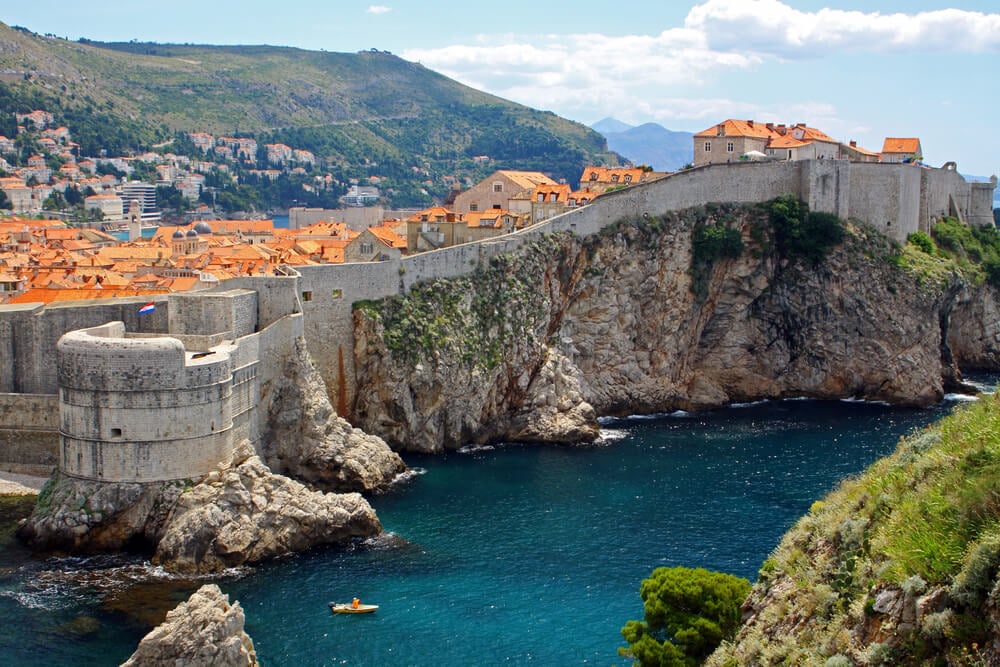
These limestone walls were constructed over centuries (12th-17th centuries) to protect the prosperous merchant republic of Ragusa. The city was briefly independent but mostly lived under Venetian or Ottoman control before becoming a minor Austro-Hungarian port.
The walls survived the Ottoman siege of 1667 and stood through centuries of decline, only to suffer modern damage during the 1991-92 siege.
Mont-Saint-Michel
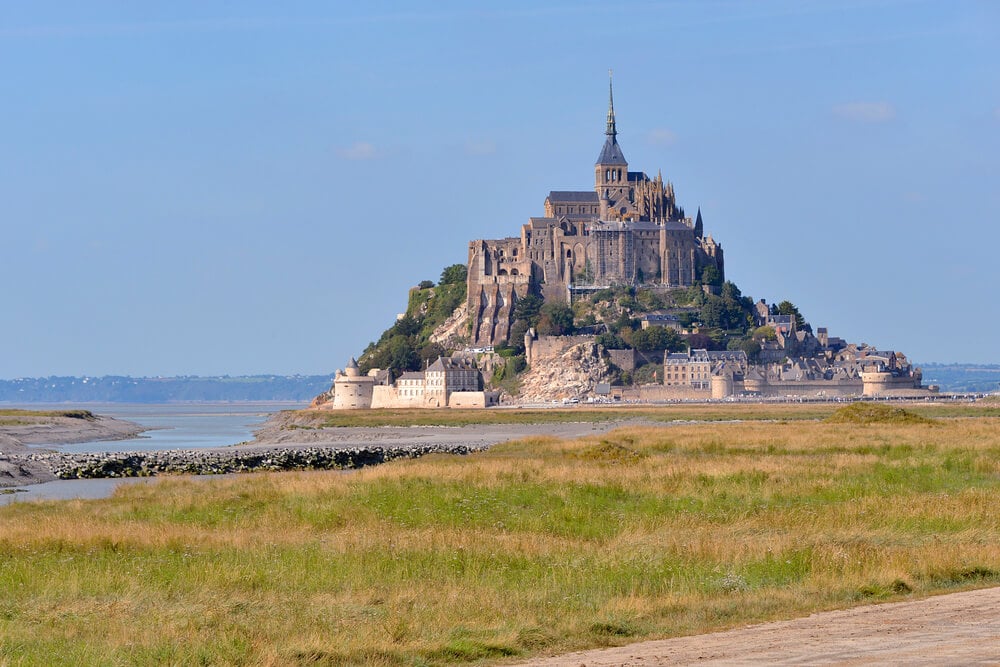
This Benedictine monastery was built on a rocky tidal island starting in the 8th century. The settlement around its base grew and declined repeatedly over medieval centuries as pilgrimage patterns shifted.
The fortress-monastery, built on defensible stone, survived when surrounding settlements vanished, remaining an occupied sacred site through centuries of political upheaval.
The Forbidden City, Beijing
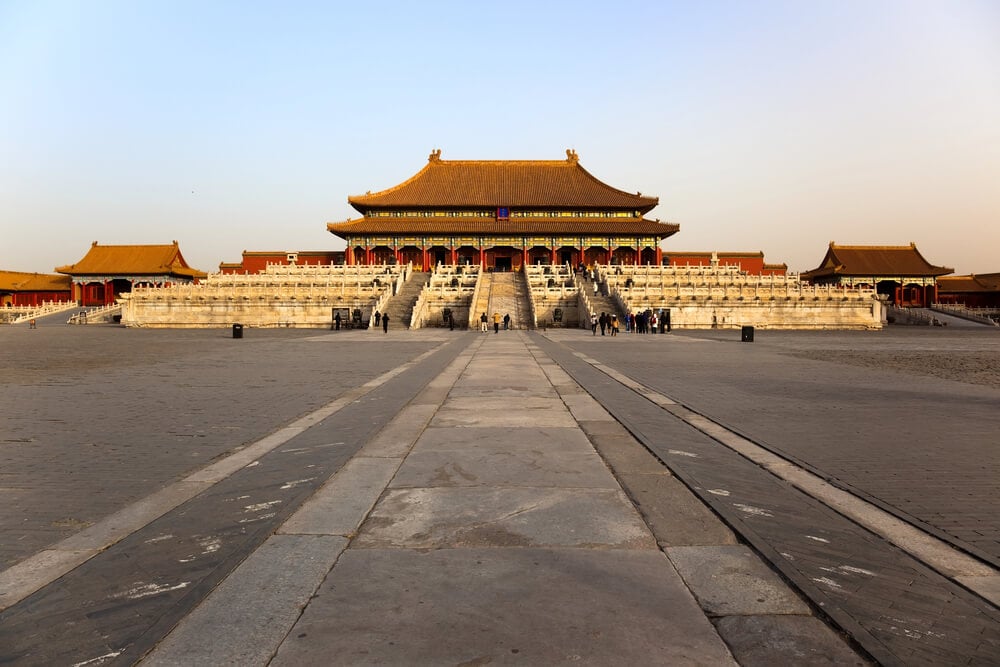
Constructed 1406-1420 as the imperial palace of the Ming Dynasty, the Forbidden City remained the seat of power through the Qing Dynasty but was abandoned by the imperial court during 20th-century modernization and revolution. The surrounding city transformed dramatically, yet the palace’s massive walls and timber-frame halls survived wars, neglect, and the Cultural Revolution to stand intact today.
Masada
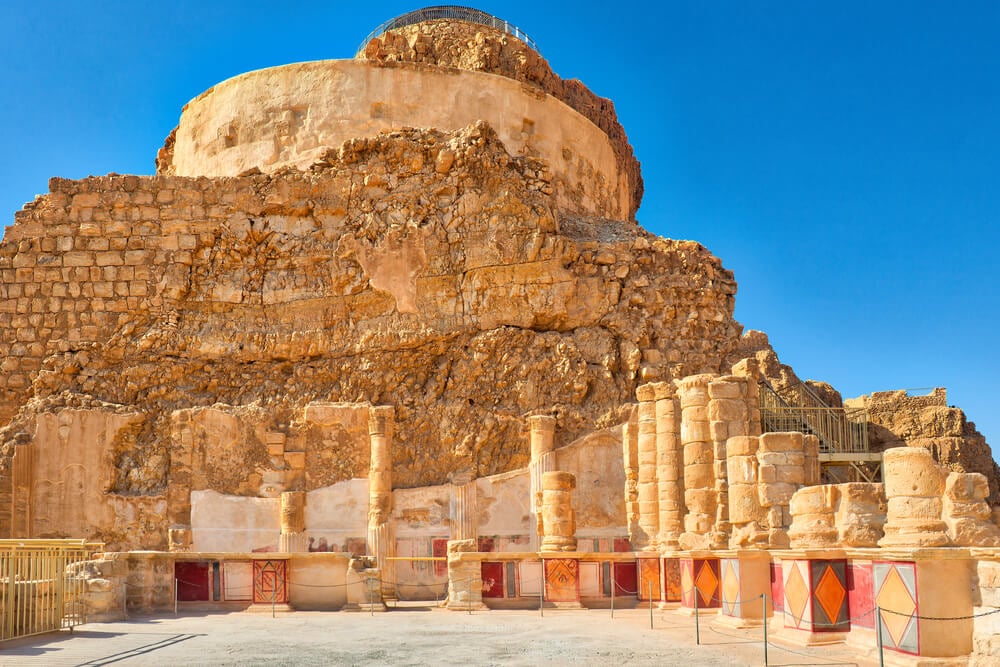
Built around 30 BCE by Herod the Great as a desert fortress, Masada was abandoned after Roman siege in 73-74 CE. For nearly 2,000 years, the hilltop ruins sat empty, visited only by occasional travelers.
The dry desert air and the fortress’s isolated location preserved the stone structures, which were later excavated and stabilized.
The Great Zimbabwe
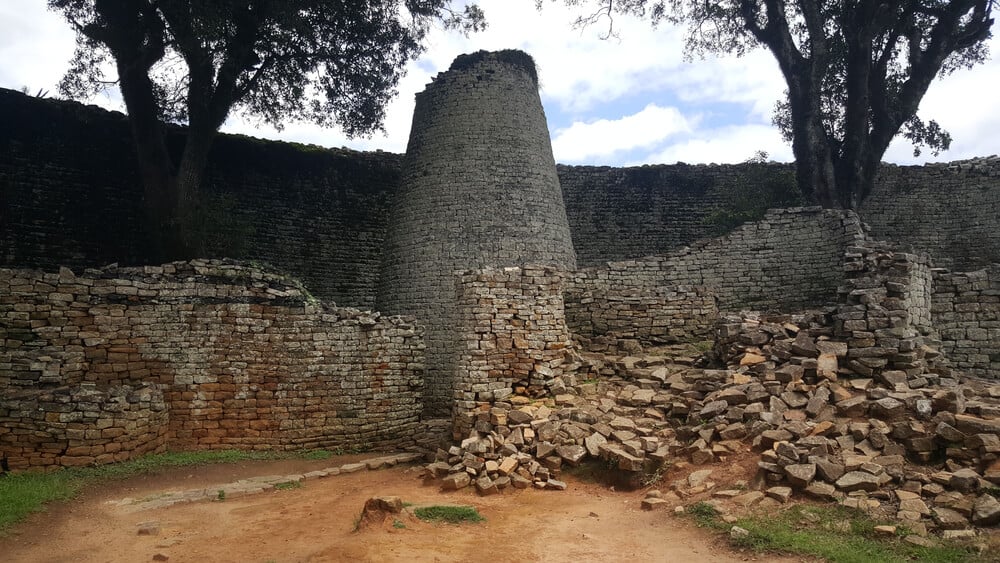
This stacked-stone fortress built between the 11th-15th centuries was the center of a major African kingdom. The city was gradually abandoned by the 17th century as political power and trade routes shifted.
The high stone walls, built without mortar in a specific interlocking technique, survived centuries of abandonment in the bush, their engineering superior to the mudbrick structures around them.
Sacsayhuamán
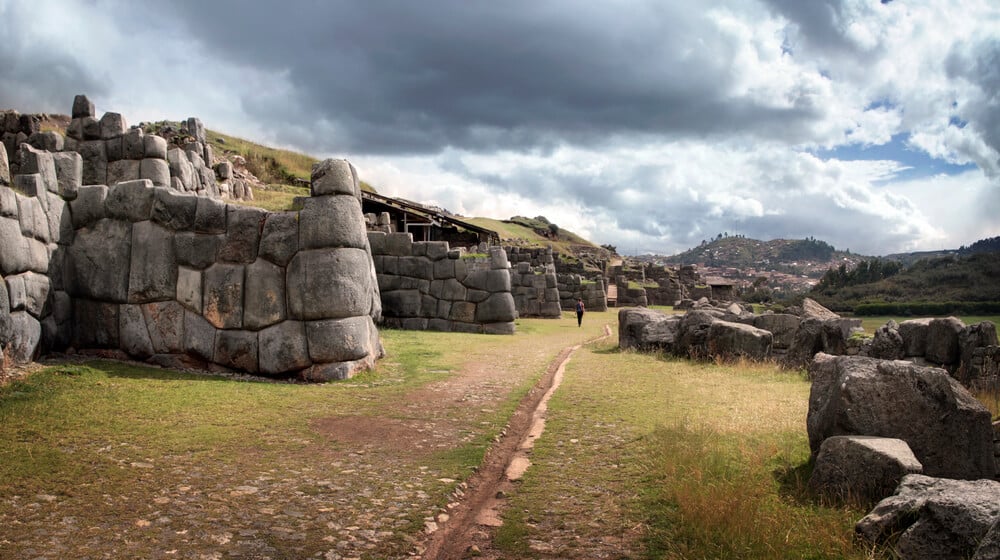
This massive Incan fortress above Cusco, built around 1460 with precisely fitted polygonal stones, overlooked the city during Incan rule. When the Spanish conquered the region and the city’s character changed, the fortress fell into disuse.
Its immense stone blocks, some weighing over 200 tons and fitted without mortar, resisted decay and earthquakes that destroyed lesser structures in Cusco.
Chichen Itza’s Pyramid
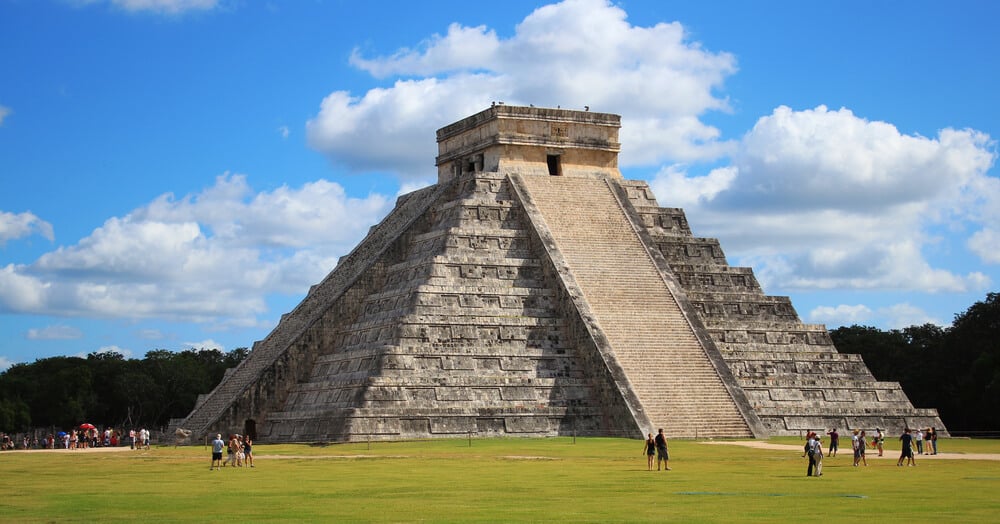
Built by the Maya around the 9th-12th centuries, Chichen Itza was gradually abandoned, with the final collapse occurring by the 16th century as Spanish conquest disrupted Maya civilization. The pyramid of Kukulkan, built with limestone blocks and precise astronomical alignments, survived jungle overgrowth and weathering better than perishable structures, emerging from vegetation largely intact.
The Tower of David, Jerusalem
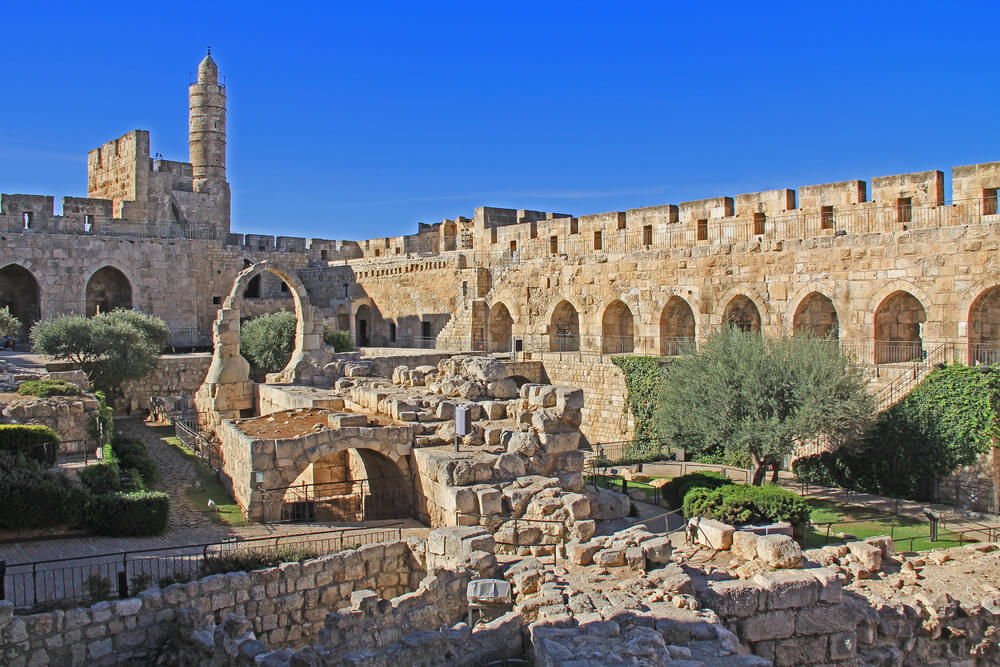
This citadel tower, built by Herod the Great around 24 BCE and fortified over subsequent centuries, survived the Jewish wars, Crusades, Ottoman occupation, and modern conflicts. The surrounding city changed hands repeatedly and was destroyed and rebuilt, yet the tower’s massive stone construction endured as a constant landmark.
Olympia’s Temple of Zeus
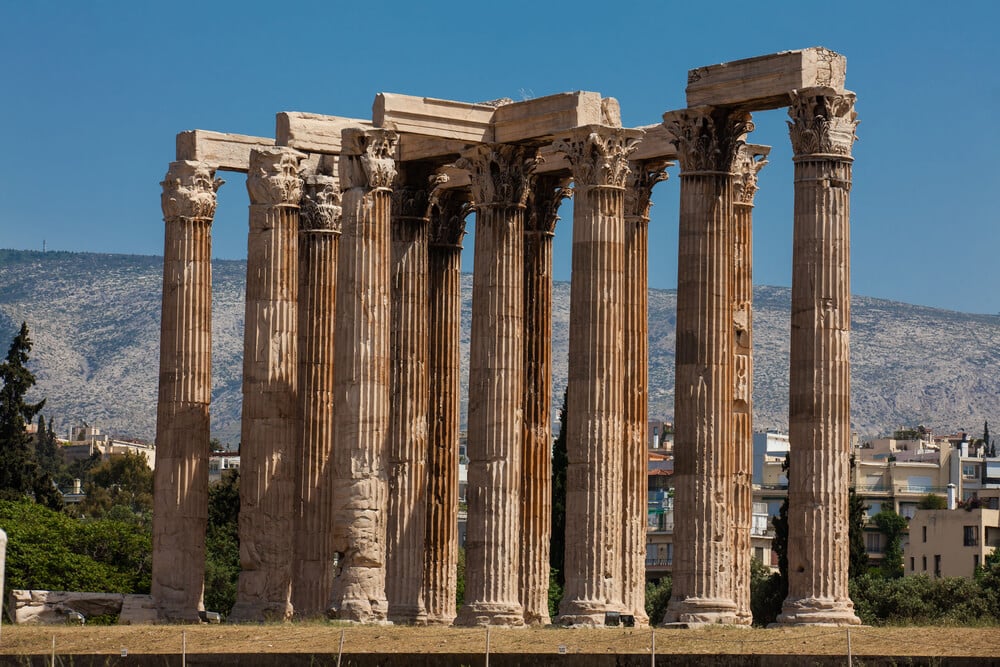
Built in 435 BCE to house a colossal chryselephantine (gold and ivory) statue, the temple stood through antiquity. The site was sacred for over 1,000 years until Christianity led to its abandonment in the 4th century CE.
Earthquakes and stone plunder damaged the structure, but its foundations and fallen columns survived, preserved in the Peloponnesian countryside long after Olympia ceased to be a living city.
The Roman Aqueduct at Pont du Gard
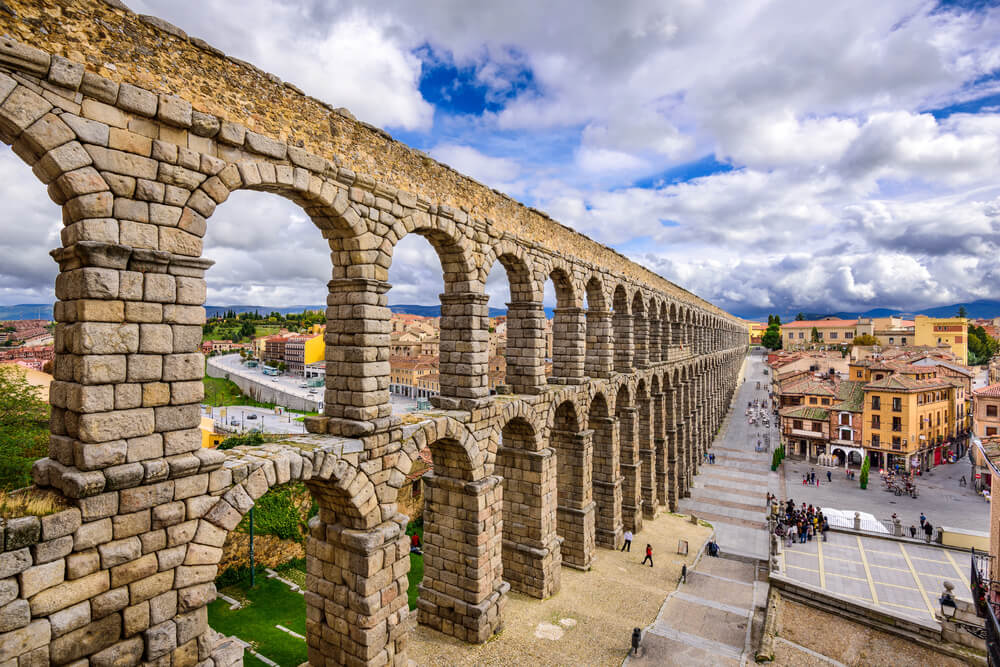
Built around 50 CE to carry water across the Gardon River valley to Nîmes, this three-tiered structure was abandoned when the city’s population declined and aqueduct maintenance ceased. For centuries, the bridge stood empty in a rural landscape.
Its arched engineering was so sound that it needed no mortar—gravity alone held the stones together.
Ayutthaya’s Temples
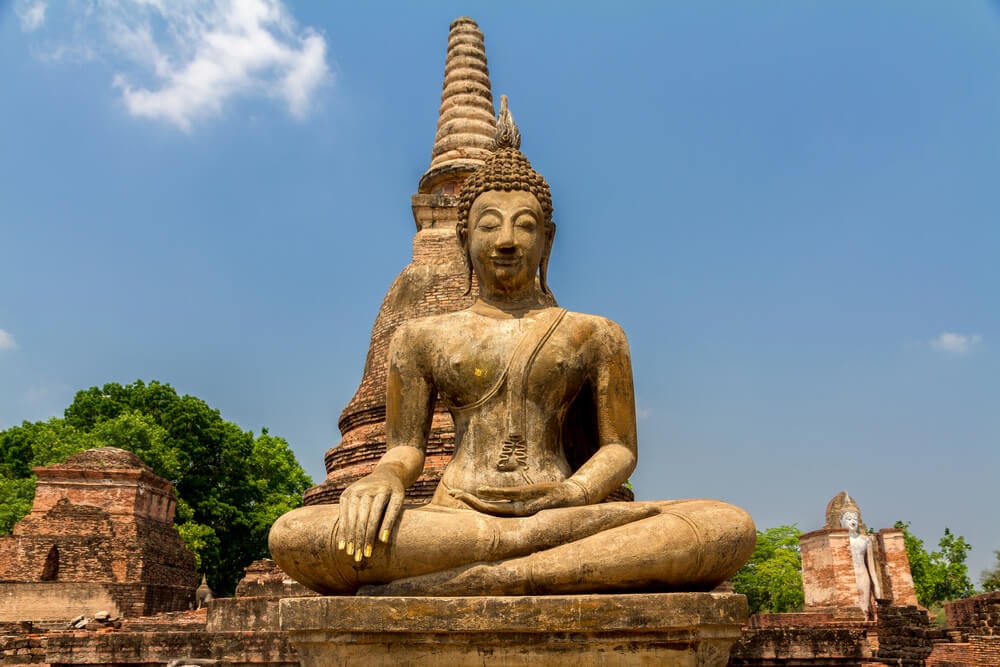
The former capital of Thailand, Ayutthaya flourished from the 14th-18th centuries as one of Asia’s largest cities, with a population rivaling London. After Burmese siege and conquest in 1767, the city was abandoned and burned.
Stone temples with their chedis and prangs survived the destruction and centuries of jungle encroachment because their design dispersed weight and resisted weathering.
Baalbek’s Temple of the Sun
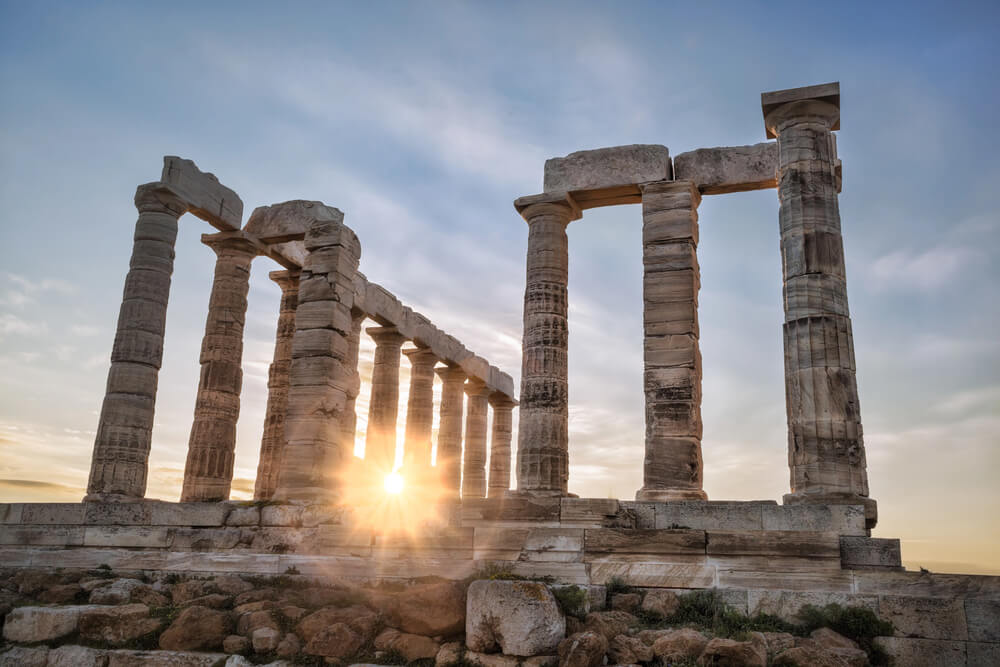
This Roman temple complex in Lebanon was built around 60 CE at the height of Roman power in the Levant. The region declined through the Byzantine period, Islamic conquest, and subsequent centuries of reduced importance.
The massive limestone platform, some blocks weighing over 800 tons, survived earthquakes, invasions, and neglect better than surrounding structures.
The Sphinx of Giza
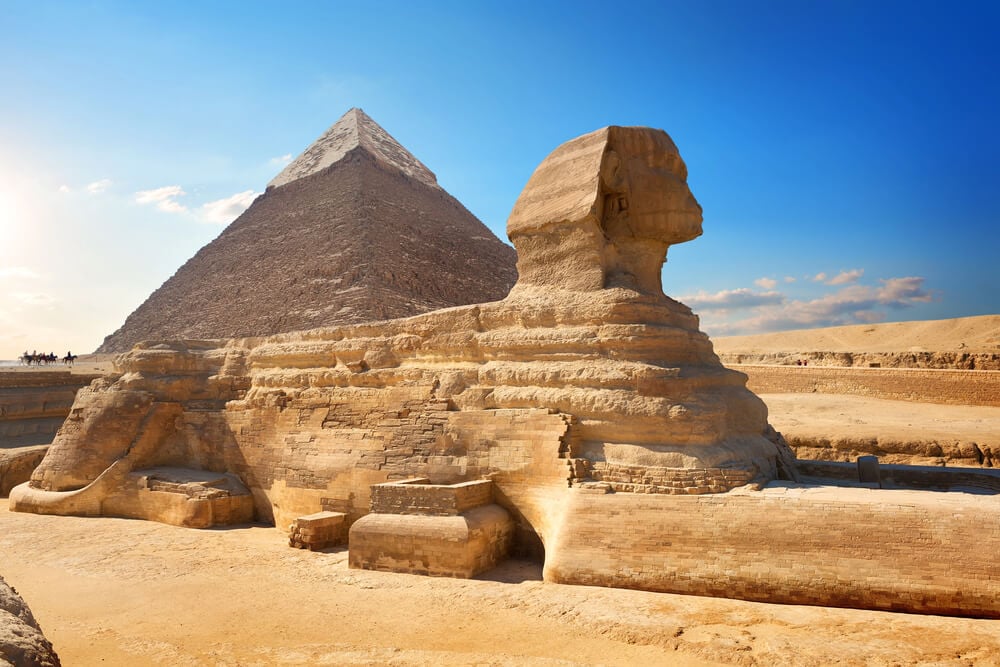
Carved from a single limestone outcrop around 2500 BCE during Khafre’s reign, the Sphinx watched over the pyramids and the Giza plateau. The ancient city of Memphis declined and was eventually abandoned as Egypt’s power moved north.
The Sphinx’s isolated location and solid limestone construction kept it relatively intact through sand erosion and deliberate damage.
Borobudur
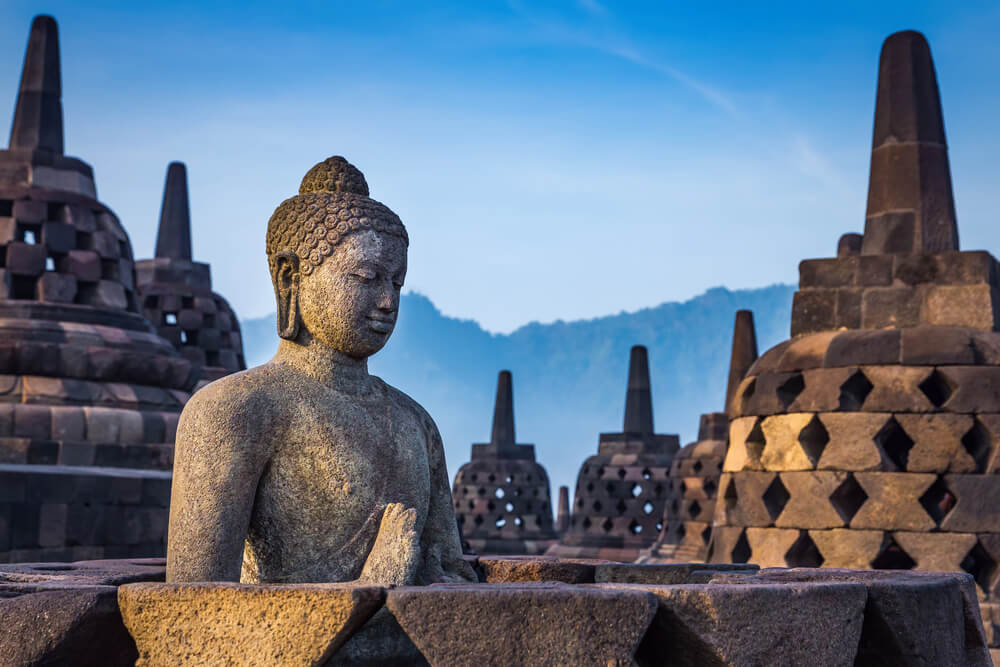
This 8th-century Buddhist temple in Java was gradually abandoned as Islamic kingdoms replaced Buddhist influence in the region. The surrounding cities shifted, but the massive volcanic stone structure, built as a mandala-shaped sanctuary with over 500 Buddha statues, endured earthquakes and centuries of overgrowth.
Its engineering distributed weight evenly, preventing catastrophic collapse.
The Leaning Tower of Pisa
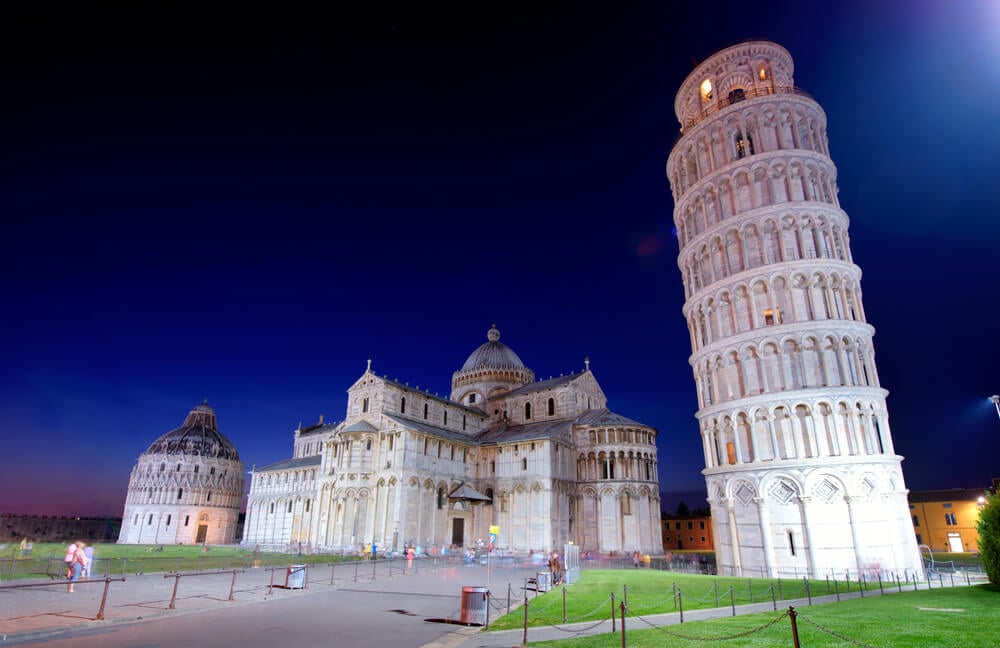
Built from 1173 onward as the bell tower for Pisa’s cathedral complex, the city itself remained important through its maritime decline. The tower’s distinctive tilt resulted from settling ground, yet the marble arcaded structure survived wars, neglect, and modernization while the surrounding medieval city was transformed by modernity.
Petra’s Monastery (Ad Deir)
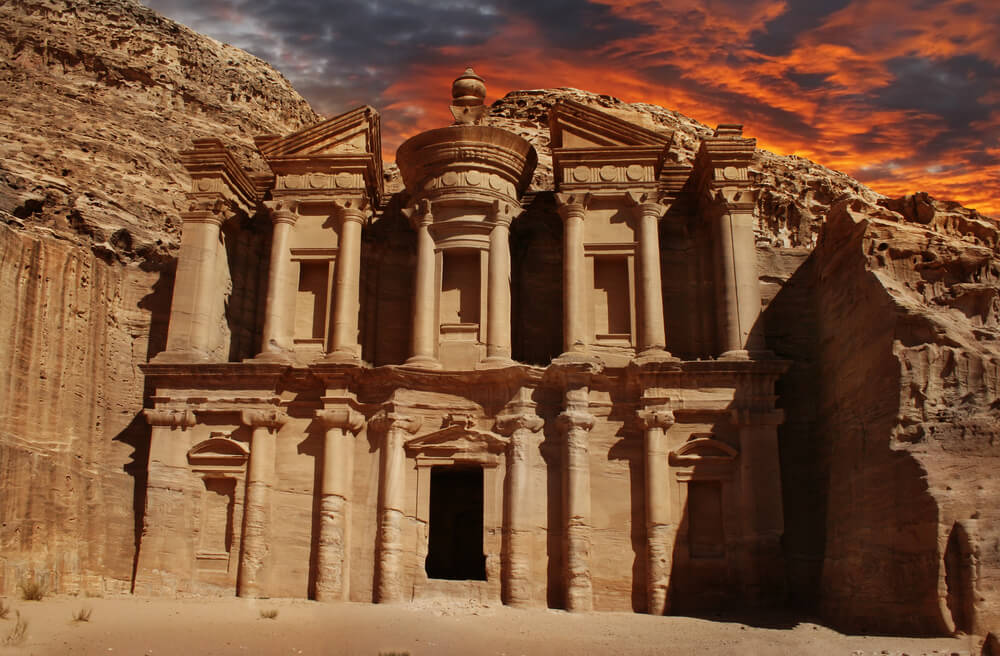
Carved into the rose-red cliffs alongside the Treasury, this monastery structure was built around the 1st-2nd centuries CE. Like the Treasury, it overlooked a city that gradually declined and was lost to the Western world.
The carved facade’s monumental scale and isolation in the canyon protected it from the weathering that would have eroded smaller, exposed structures.
The Citadel of Aleppo
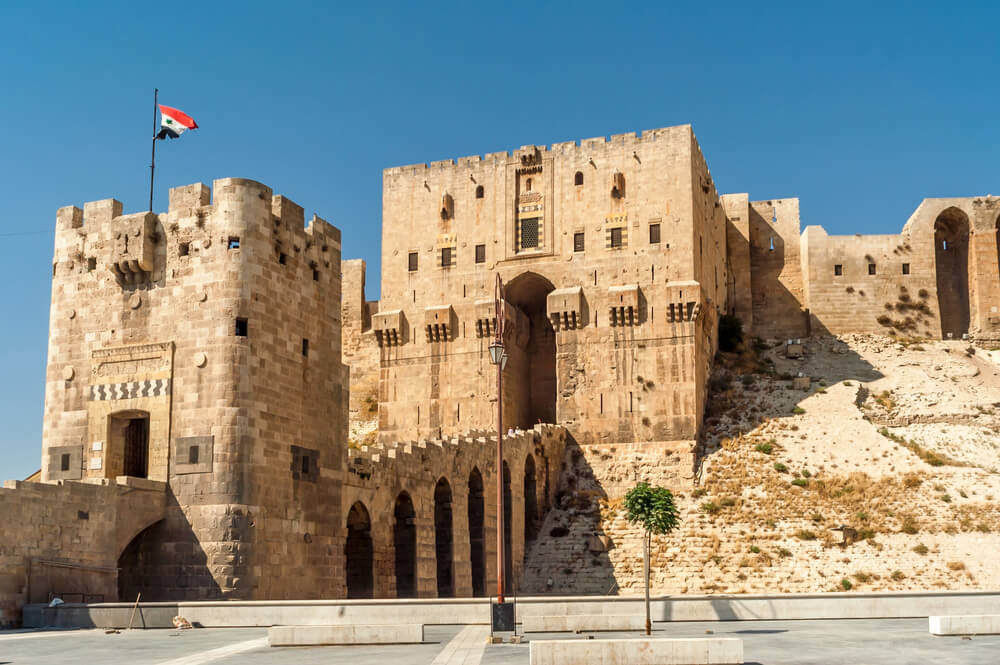
Built on a hill overlooking Syria’s second-largest city, the citadel dates to antiquity with major fortifications added in the 12th-13th centuries during the Ayyubid period. Aleppo’s fortune rose and fell as trade routes shifted, yet the limestone fortress survived Ottoman occupation, decline, and modern warfare, though severely damaged in the Syrian conflict.
Chan Chan’s Mudbrick Compounds
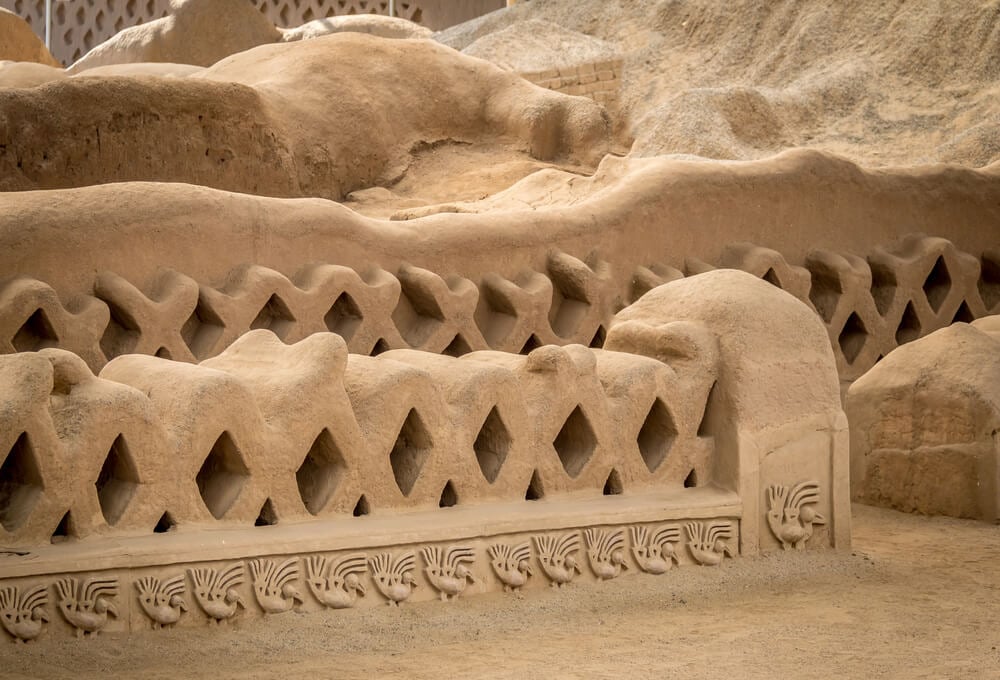
Built by the Chimu civilization between 900-1470 CE on Peru’s north coast, Chan Chan was once the largest city in South America. After Inca conquest and Spanish colonization, the city was abandoned, and the population dispersed.
The adobe mudbrick compounds survived not through durability but through the region’s extreme dryness—rain would have destroyed them, but the coastal desert preserved them.
When Empires Fall, Some Stones Remain
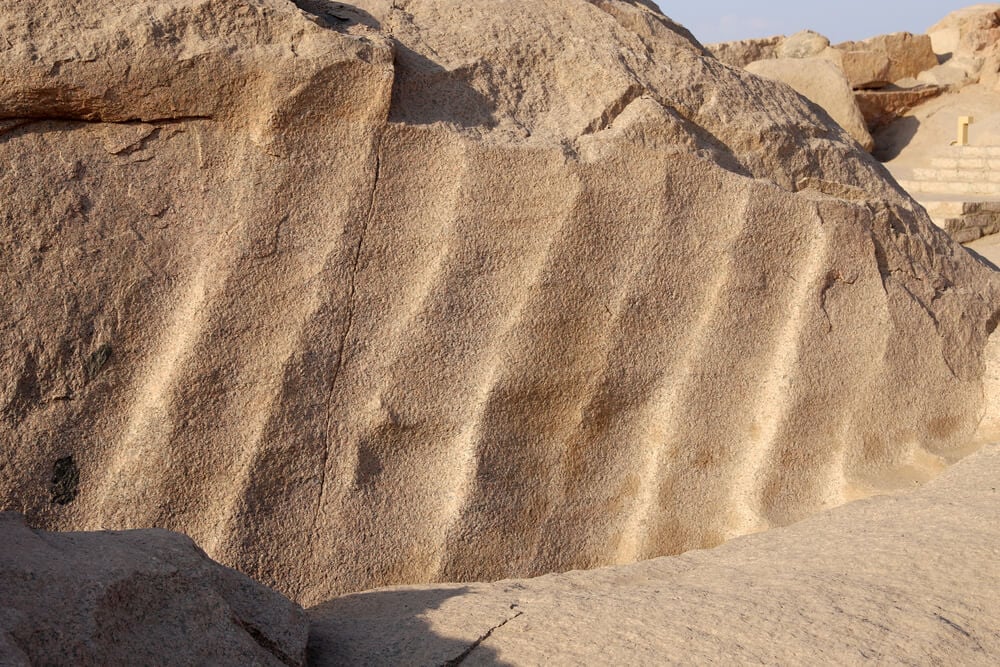
The most durable buildings transcend their cities through design, material, or circumstance. They stand as solitary witnesses to the rise and fall of civilizations around them—evidence that human ambition can outlast human kingdoms.
These structures remind us that empires are temporary, but stone, when shaped with knowledge and care, can endure through epochs of change.
More from Go2Tutors!

- The Romanov Crown Jewels and Their Tragic Fate
- 13 Historical Mysteries That Science Still Can’t Solve
- Famous Hoaxes That Fooled the World for Years
- 15 Child Stars with Tragic Adult Lives
- 16 Famous Jewelry Pieces in History
Like Go2Tutors’s content? Follow us on MSN.