33 Everyday Phrases With Origins in Old Trades
Language preserves the history of work. The following thirty-three phrases we use daily originated in specific trades and retain meanings that reflect their professional origins, even as the trades themselves have largely disappeared.
To Nail It
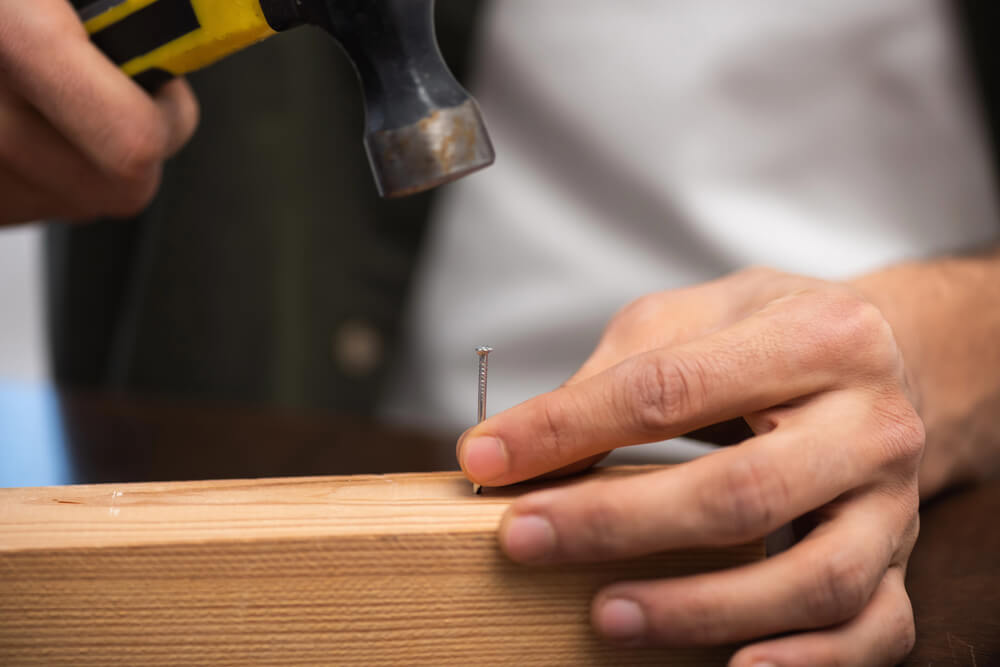
In carpentry, a nail driven truly and completely achieved its purpose perfectly. The phrase “to nail it” means to accomplish something precisely and successfully.
The phrase is at least three hundred years old and retains the image of the carpenter’s craft.
Learning the Ropes

On sailing ships, crew members had to learn dozens of ropes, each with a specific purpose and place. A new sailor “learning the ropes” was undergoing essential training.
The phrase persists as a general term for mastering the basics of any field.
Take It With a Pinch of Salt
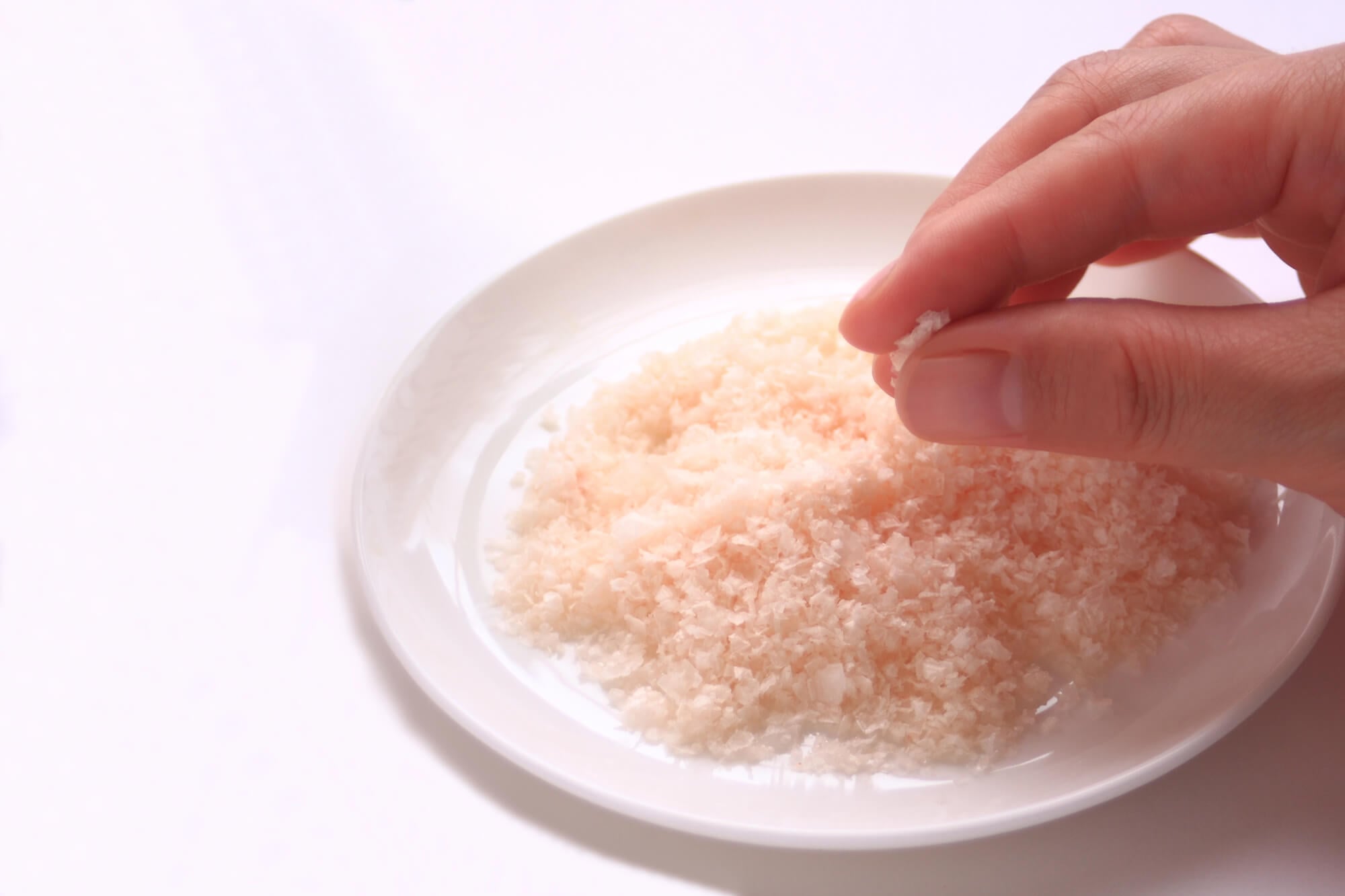
In the days before refrigeration, salt was essential to food preservation and command high value. Apothecaries and physicians used salt to adjust flavors and effects of medicines.
The phrase originally meant to use salt to adjust something’s effect or taste; it evolved to mean treating a claim skeptically.
Dressed to the Nines

The origin is disputed, but one theory traces it to the tailor’s craft. The ninth pin in a measuring stick was believed to be the most elegant, and tailors would measure clothing to that pin for maximum refinement.
The phrase means to dress with great care and elegance.
Burning the Midnight Oil

Candlemakers and those who used tallow and oil lamps knew that burning oil was a costly way to extend work into the night. The phrase originally referred to working late and hard at an expensive resource.
The phrase persists even as oil lamps have disappeared.
Whole Nine Yards

The origin is disputed, but one theory involves the textile trade. Bolts of cloth were sold in specific lengths; the “whole nine yards” would have been a substantial purchase.
The phrase evolved to mean the complete or maximum amount.
Right off the Bat
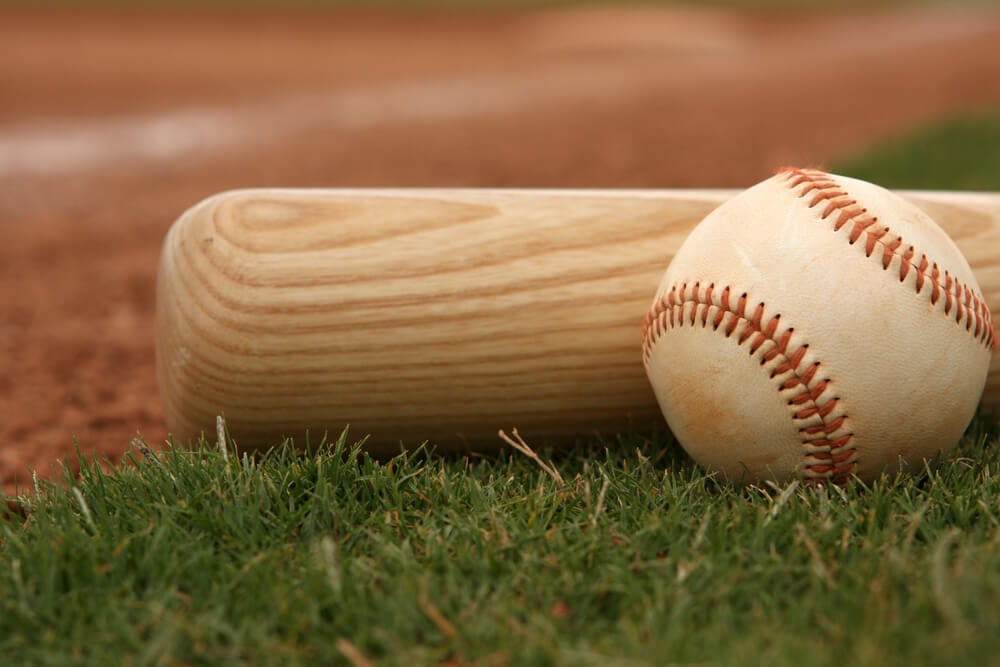
In cricket and baseball, an orb hit directly off the bat travels immediately. The phrase came to mean an immediate or spontaneous action.
The phrase retains its athletic origin but is used generally.
Roll With the Punches

In boxing, a fighter who couldn’t avoid a punch would minimize damage by moving with the punch’s direction. The phrase evolved to mean adapting to adversity.
The phrase is at least a century old and retains its pugilistic origin.
Chip on Your Shoulder

In the nineteenth century, boys would place wood chips on their shoulders as a challenge for others to knock them off in a fight. The phrase evolved to mean carrying a grudge or resentment, as if ready for confrontation.
The practice and phrase reflect the competitive culture of the era.
Keep Your Chin Up

In boxing, keeping your chin tucked protects the jaw and neck. The phrase evolved to mean maintaining morale despite difficulty.
The phrase retains its boxing origin in meaning if not in context.
Square Up

In boxing, fighters took a squared stance to fight. The phrase evolved to mean preparing to fight, or more generally, preparing to confront something directly.
The phrase retains its combat origin.
Bite the Dust
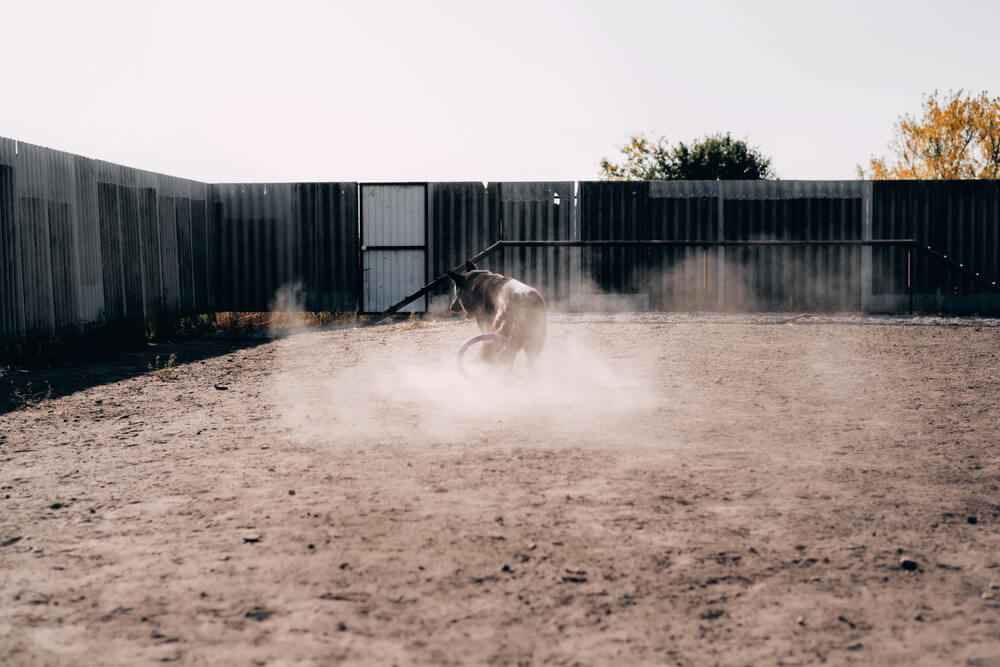
When a person fell from a horse or was knocked down, they would literally bite dust or dirt. The phrase came to mean defeat or death.
The phrase is at least three hundred years old and preserves the image of violence or defeat.
Break the Ice

In winter, ships’ captains and crews had to literally break ice to navigate. The phrase evolved to mean overcoming an awkward or tense initial encounter.
The phrase retains the image of forcibly creating a passage through resistance.
Getting Down to Brass Tacks
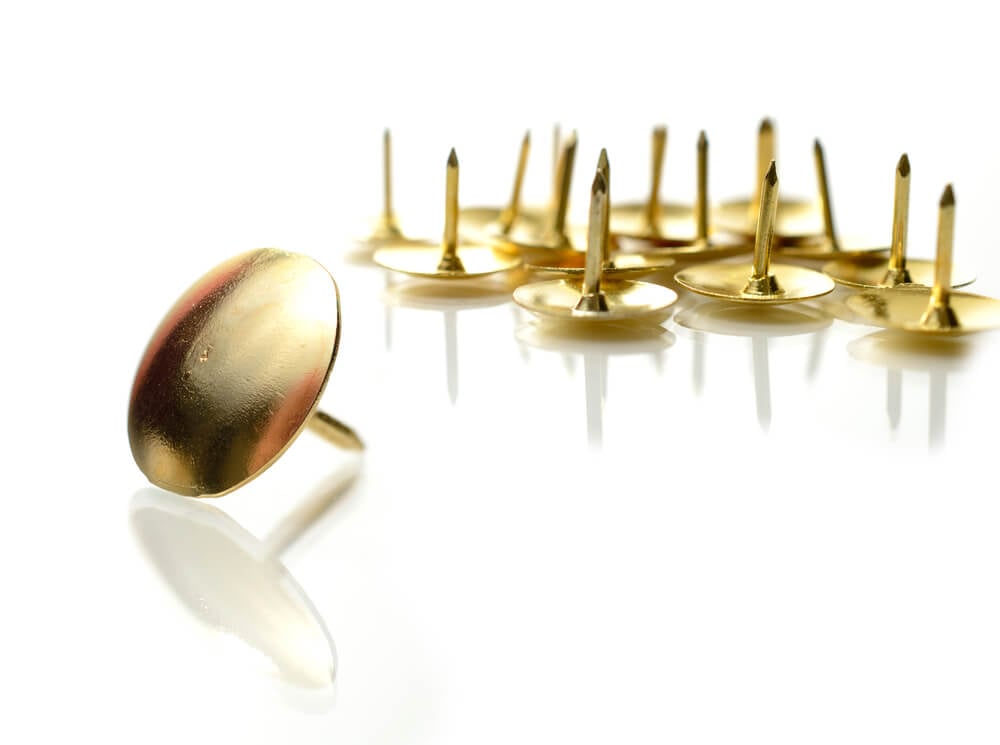
In upholstery and furniture making, brass tacks were used as the final detail and cost. The phrase meant getting down to essential details and costs.
It evolved to mean addressing the core issue directly.
True North
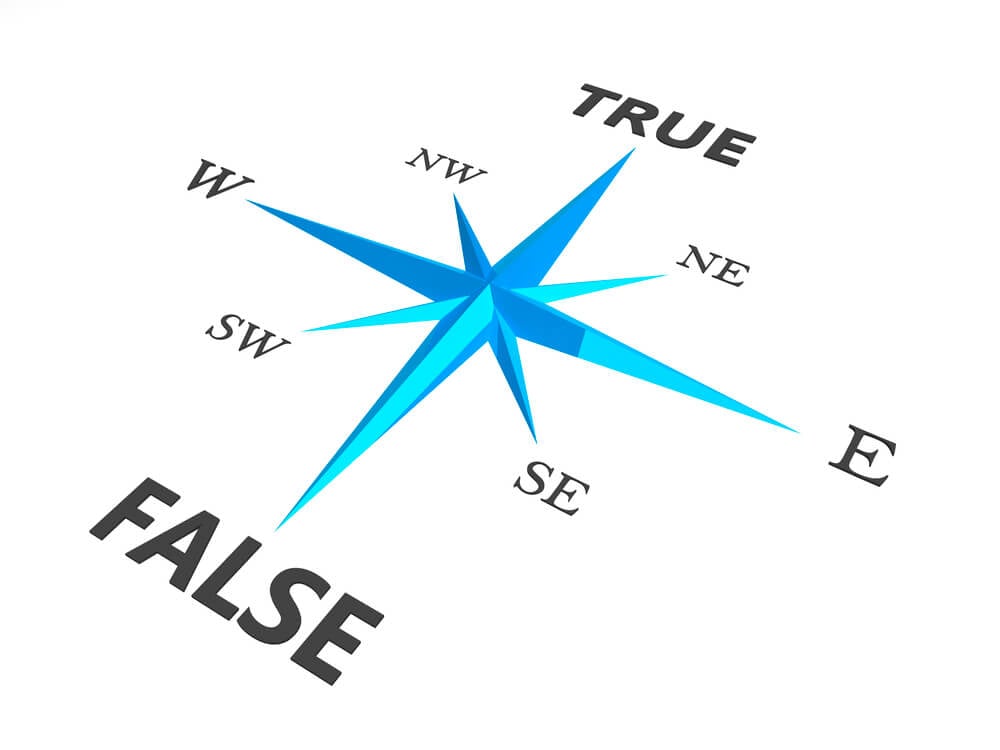
In navigation and surveying, true north is the actual magnetic direction, distinct from compass north. The phrase evolved to mean authentic moral direction or unwavering principle.
The phrase retains its navigational precision.
Measure Twice, Cut Once
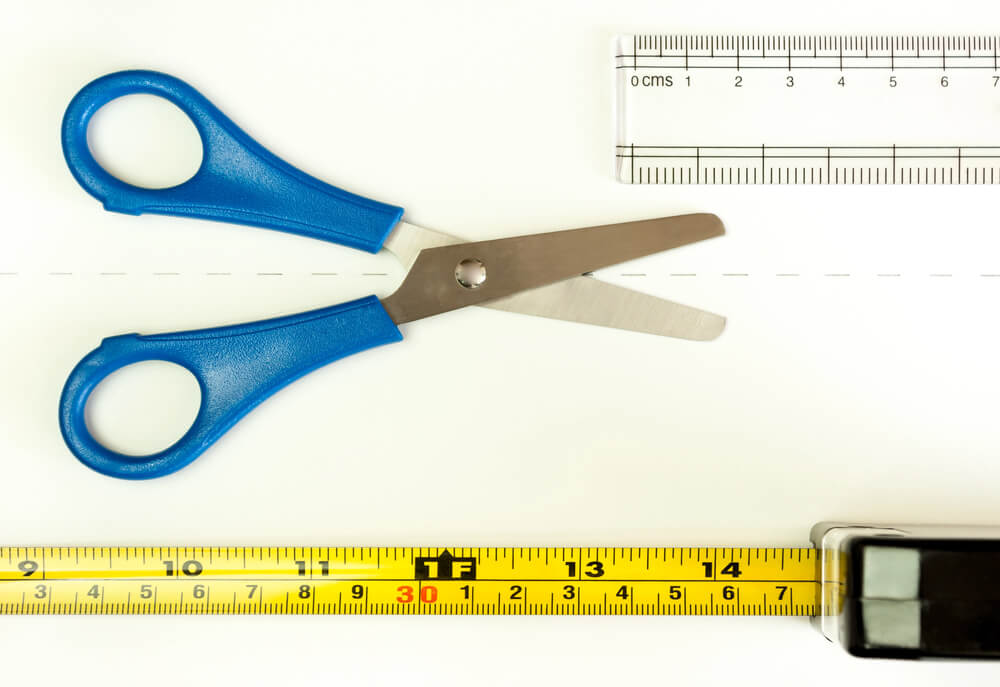
In carpentry and tailoring, precise measurement prevented expensive mistakes. The phrase became wisdom about careful preparation before action.
The phrase is attributed to multiple trades but likely originates in woodworking.
Give Someone the Boot
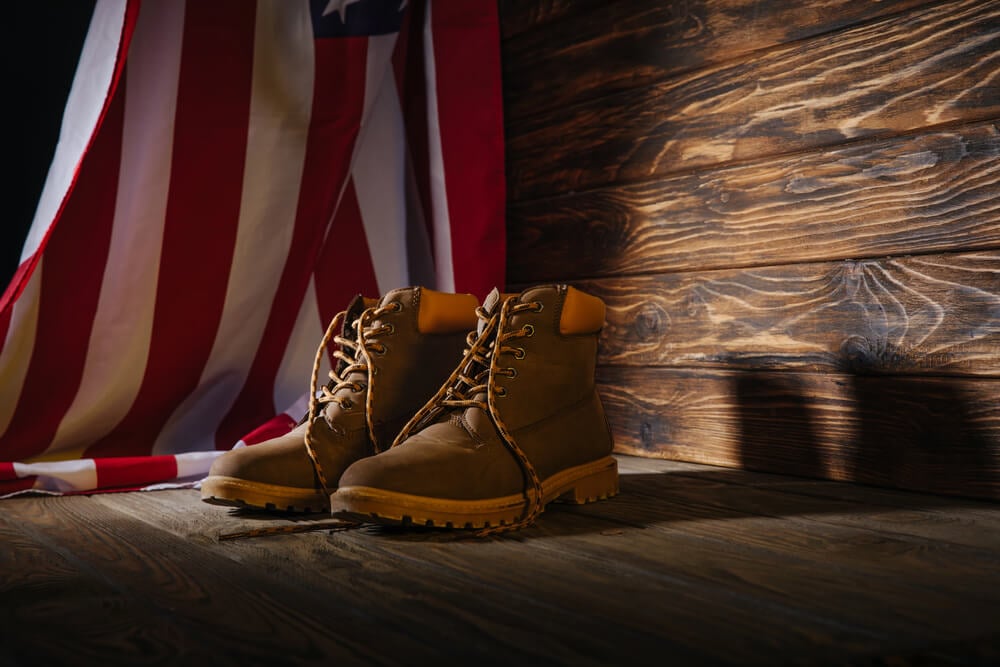
In medieval times, soldiers who were dishonorably discharged were literally given their boots as compensation for unpaid wages and then forced to leave. The phrase came to mean dismissing someone from employment or relationship.
The phrase preserves the image of forced departure.
Straight From the Horse’s Mouth
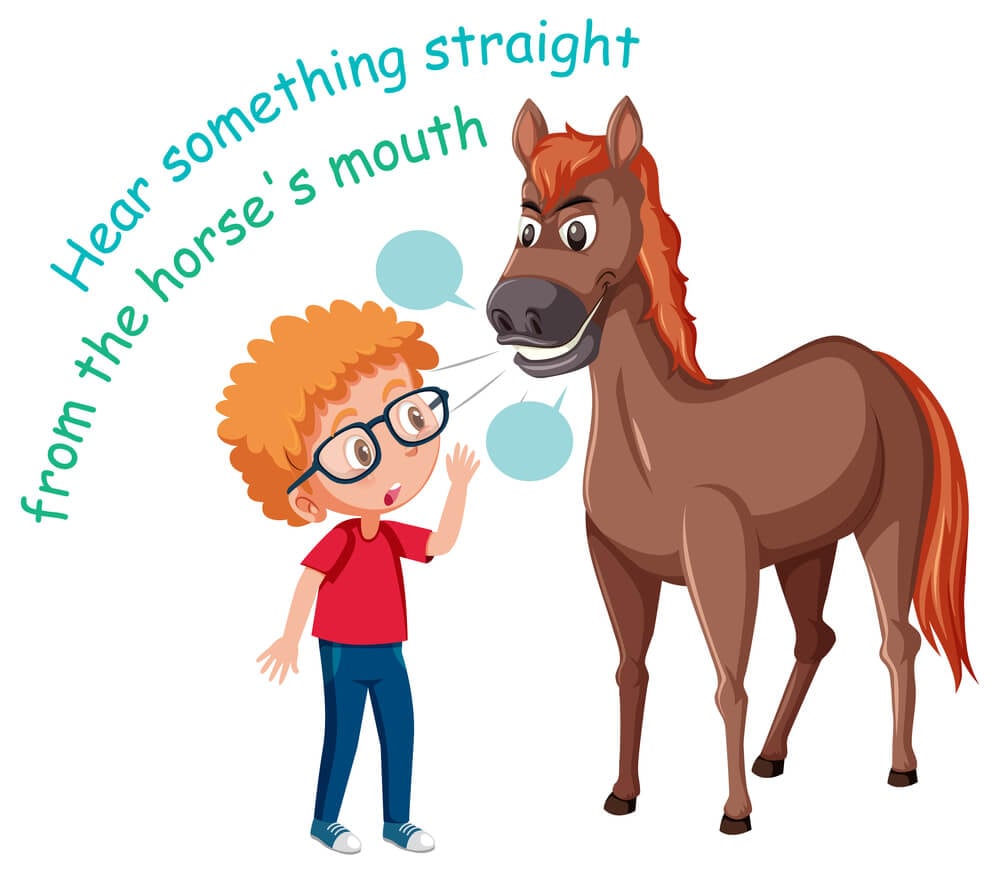
Horse traders would sometimes hide a horse’s age or conditions. Examining the horse directly, especially the teeth, provided reliable information.
The phrase came to mean information from the original and authoritative source. The phrase is at least a century old.
Dressed to Kill

In the days of hunting with firearms, being “dressed to kill” meant prepared for the hunt. The phrase evolved to mean dressed elegantly or impressively, as if one were prepared for any encounter.
Tight as a Drum
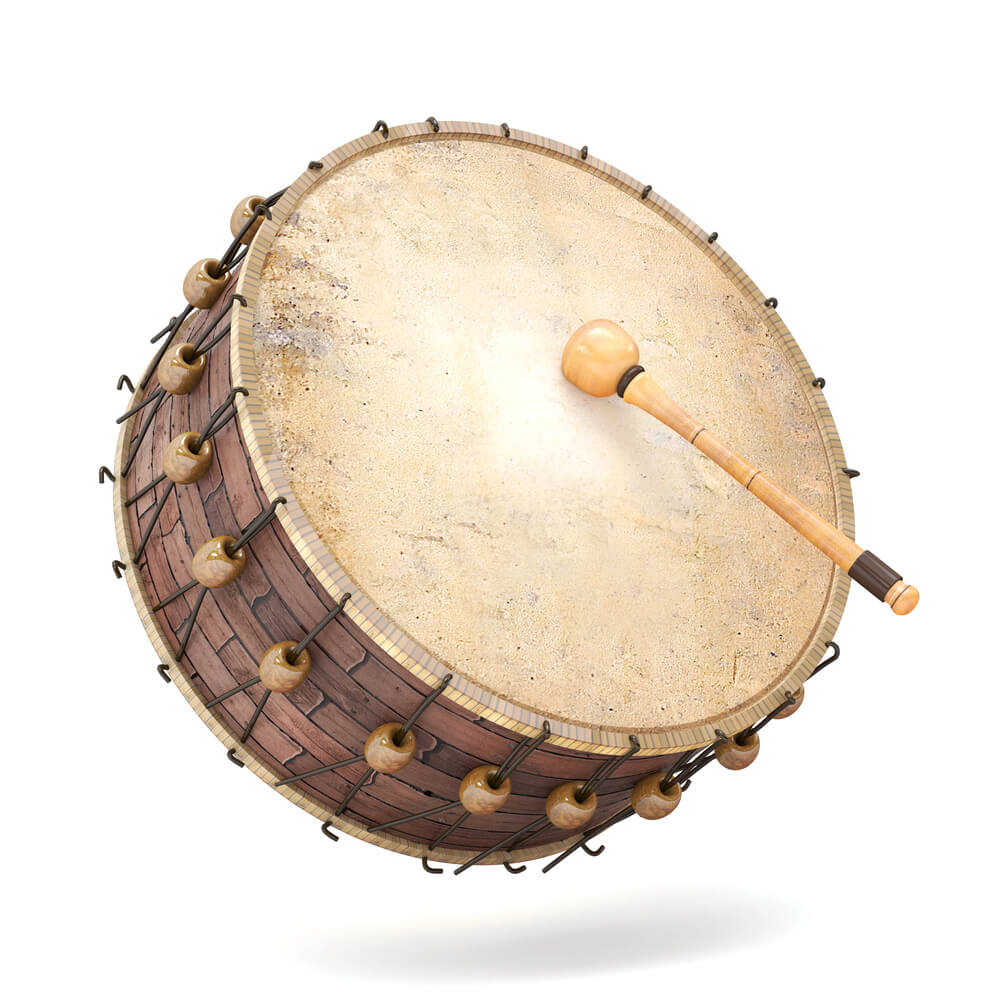
Drum makers would stretch leather over a wooden frame and tighten it to create sound. A drum stretched too loosely would not resonate properly.
The phrase came to mean secure or firm. The phrase is at least two centuries old.
At Loose Ends
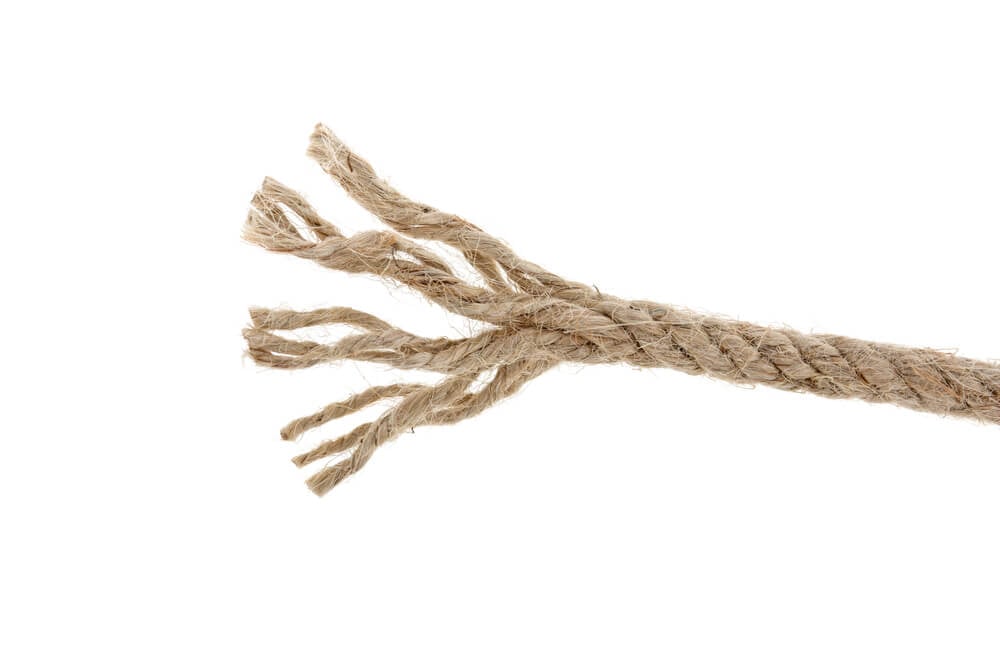
In rope making and sailing, loose ends were unfinished or unfastened portions that needed attention. A ship “at loose ends” had unfinished tasks or rigging that needed tending.
The phrase evolved to mean uncertain or without clear purpose.
Beat Around the Bush
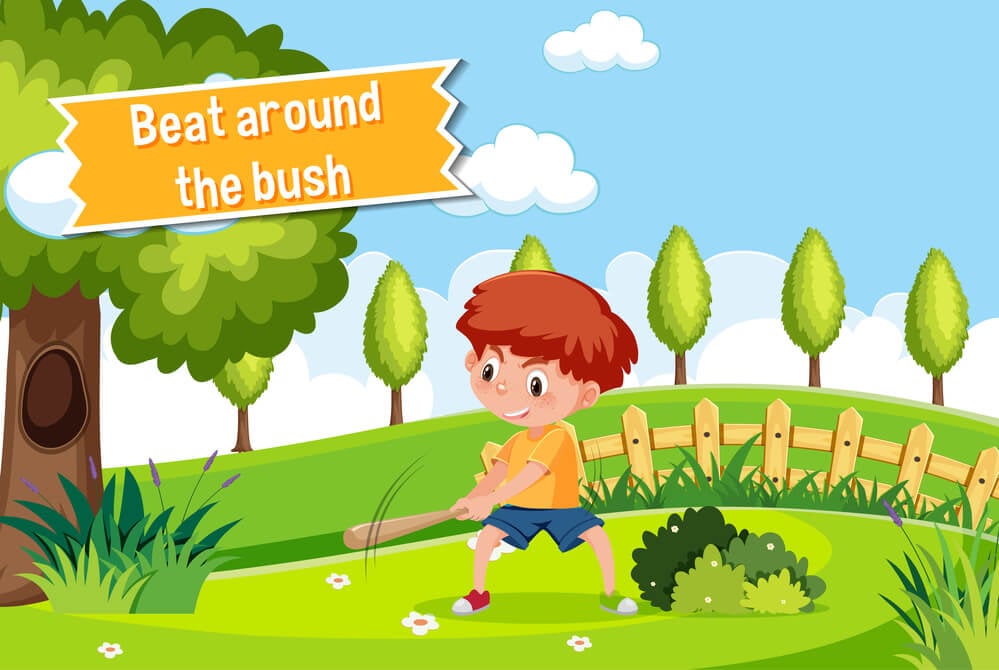
Before hunting technology changed, hunters would beat through bushes to flush out game. A hunter who beat around the bush without entering was being inefficient.
The phrase came to mean avoiding a topic or being indirect.
Fit to Be Tied

In horse training and handling, an animal “fit to be tied” was so wild it had to be restrained by tying. The phrase came to mean extremely angry or agitated.
Break a Leg
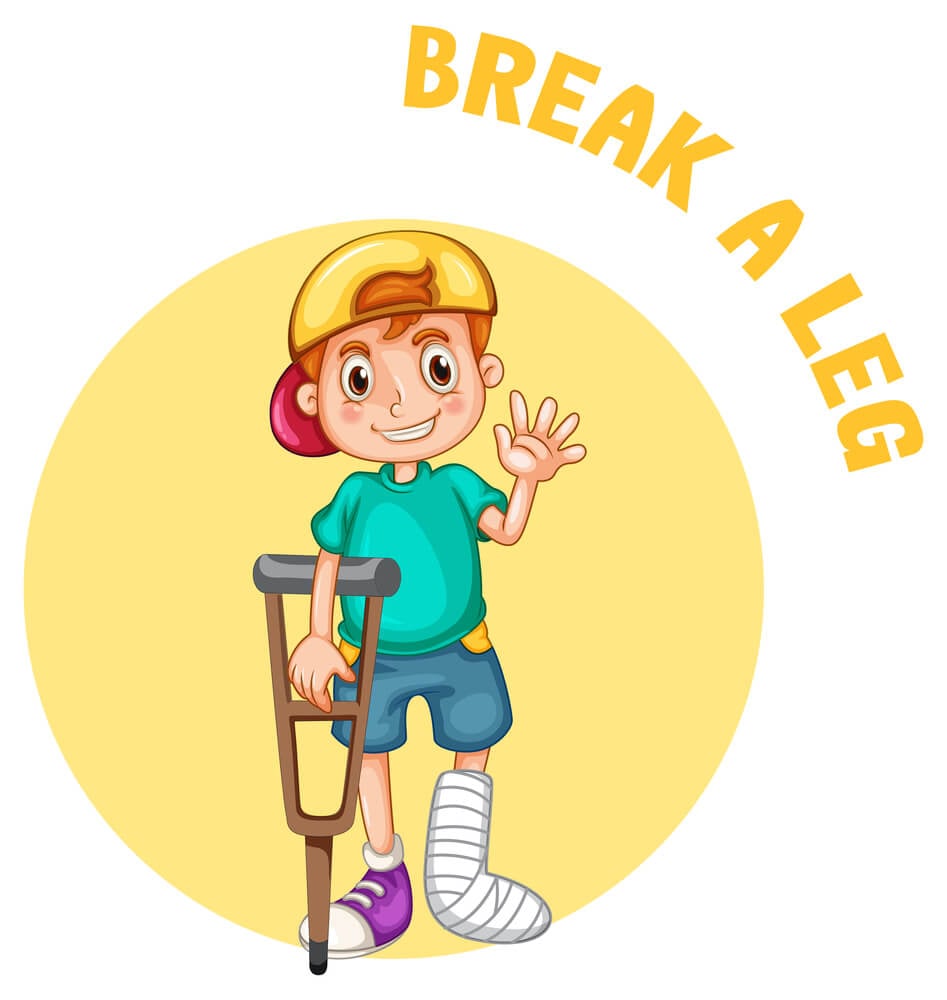
In theater, a superstition holds that wishing an actor good luck brings bad luck. Instead, actors wish each other to “break a leg,” an indirect blessing.
The phrase may originate in commedia dell’arte or Yiddish theater traditions.
Best Foot Forward
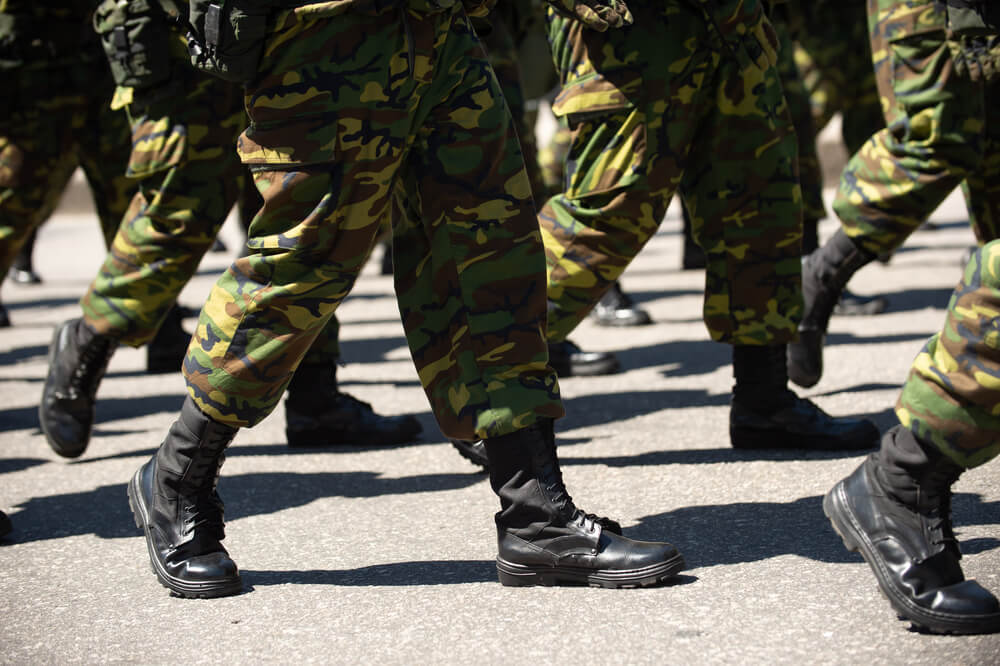
In military marching and dancing, soldiers and dancers would display their best foot forward as a sign of readiness or confidence. The phrase evolved to mean putting one’s best effort or appearance forward.
Bald Faced Lie

In leatherworking and horse tack, a “bald faced” horse or piece of leather had white markings clearly visible. A “bald faced lie” was one so obvious it could not be hidden.
The phrase preserves the image of something impossible to conceal.
Bite Off More Than You Can Chew
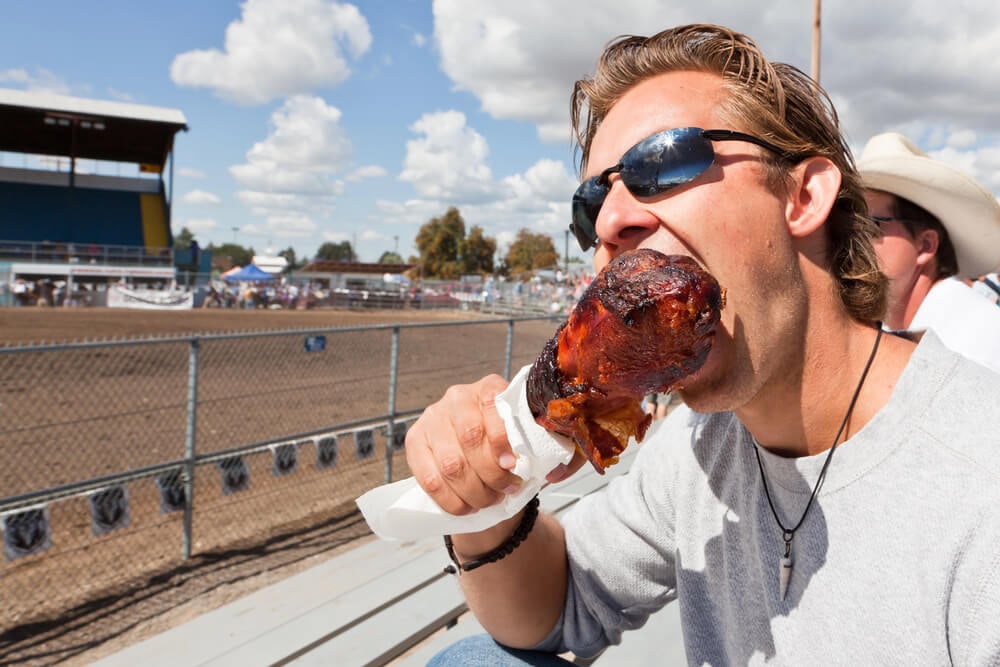
In food preparation and cooking, attempting to take a bite larger than one could comfortably chew would result in choking or embarrassment. The phrase evolved to mean undertaking more than one can accomplish.
Talk the Talk and Walk the Walk

In dance and theater, an actor who could both speak lines effectively and execute choreography with precision demonstrated full capability. The phrase came to mean demonstrating competence through both words and actions.
Get the Lead Out
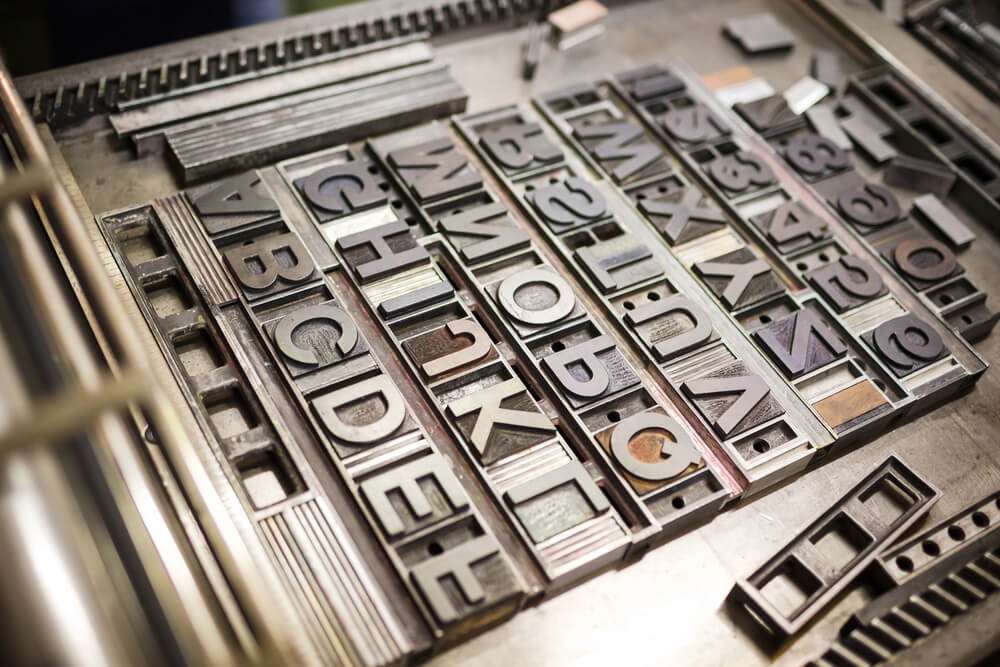
In printing, lead was used to space lines of type. A printer using excessive lead would slow production.
The phrase came to mean working faster or with more energy. The phrase is at least a century old and retains its printing origin.
Bump Up Against

In sailing, a ship would bump against an obstacle or dock. The phrase came to mean encountering resistance or opposition.
Running in Circles

In horse training and military drills, an animal or soldier running in circles was making no progress despite effort. The phrase evolved to mean being busy without accomplishing anything.
Sawing Logs
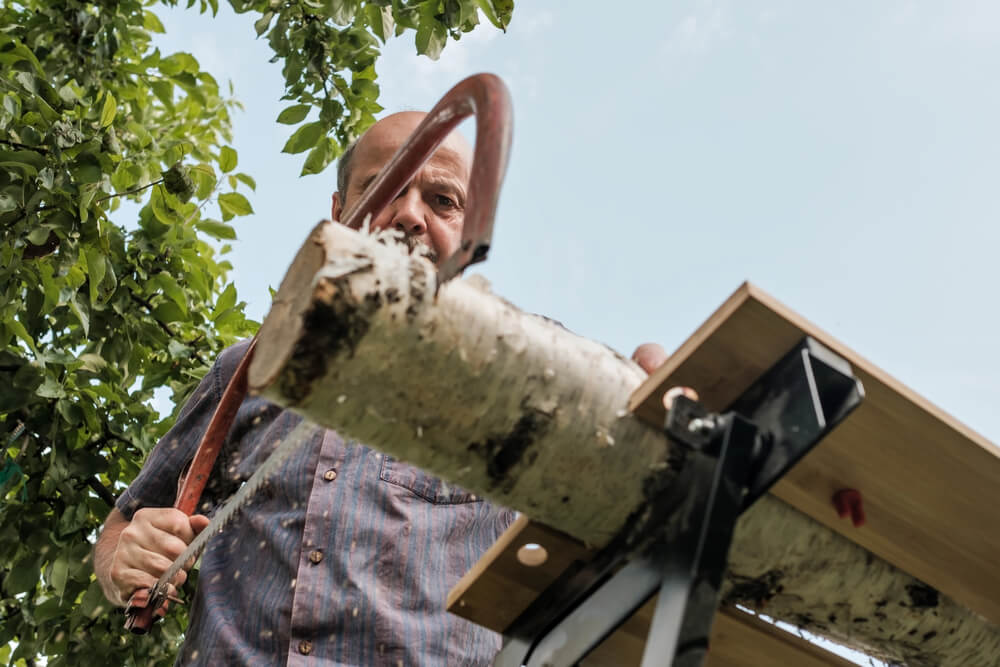
In sawmills, the sound of a saw cutting logs was distinctive and repetitive. The phrase came to mean sleeping loudly or being unconscious.
The phrase is at least a century old.
Iron Out the Details
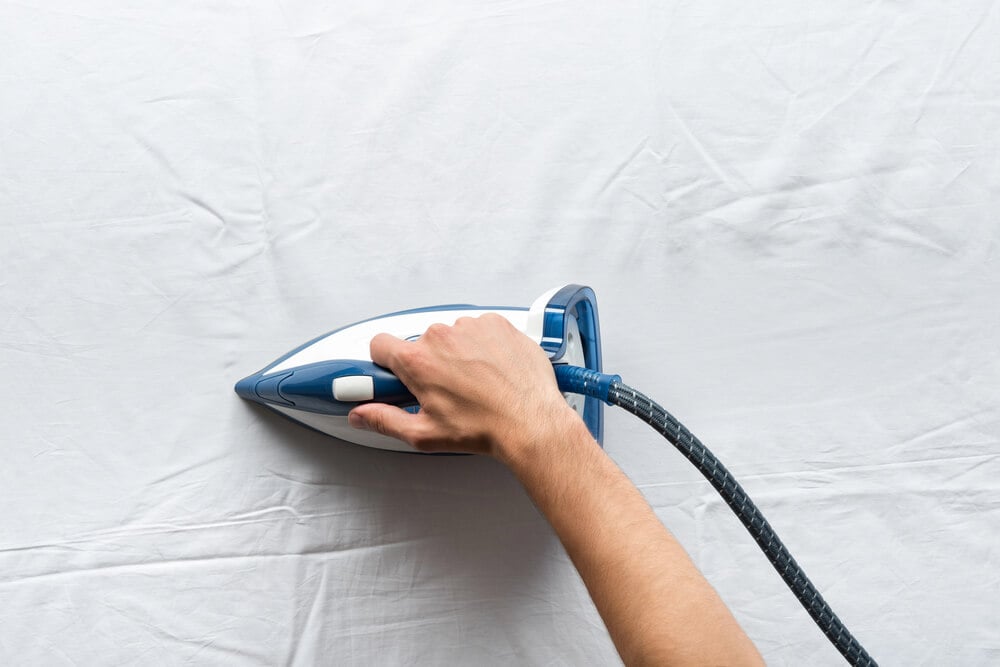
In textile work, iron was used to smooth fabric. The phrase came to mean resolving wrinkles or problems.
The phrase retains the image of making something smooth and presentable.
The Language of Work

These thirty-three phrases are only a fraction of the occupational origins embedded in English. The phrases persist partly because they are economical—they communicate complex ideas succinctly—and partly because they preserve a direct connection to work itself.
In learning the phrases, we learn the trades that created them.
More from Go2Tutors!

- The Romanov Crown Jewels and Their Tragic Fate
- 13 Historical Mysteries That Science Still Can’t Solve
- Famous Hoaxes That Fooled the World for Years
- 15 Child Stars with Tragic Adult Lives
- 16 Famous Jewelry Pieces in History
Like Go2Tutors’s content? Follow us on MSN.