Movies Altered to Please Foreign Audiences
Hollywood films travel across borders, but they don’t always arrive intact. Studios make changes—sometimes small tweaks, sometimes major overhauls—to ensure their movies work in different markets.
The reasons vary. Cultural sensitivities, government regulations, and business calculations all play a part.
What you see in a theater in Shanghai might look quite different from what screens in Stockholm or São Paulo.
The China Factor Changes Everything

Outside of North America, China is the biggest film market in the world, and studios go to great lengths to gain access to it. Filmmakers are aware of the country’s censorship board’s immense power long before the cameras begin to roll.
To prevent possible issues, entire plotlines are changed, scenes are rewritten, and scripts are modified. For Chinese releases, the Marvel Cinematic Universe has undergone a number of modifications.
The Tibetan roots of the Ancient One completely vanished in “Doctor Strange,” as Tibet is still a contentious political issue in China. Although this caused controversy in Western markets, the character’s transformation into Celtic allowed the movie to be shown in Chinese theaters.
Government Censorship Shapes Content

Different nations have different regulations regarding what can be shown on screens. In American theaters, violence that goes unnoticed is cut elsewhere.
Depending on local laws, references to politics, religion, or historical events are changed or eliminated. Regarding Tom Cruise’s famous jacket, “Top Gun: Maverick” underwent modifications.
In promotional materials targeted at Chinese consumers, the original patches depicting the flags of Taiwan and Japan vanished. After criticism, the flags were eventually brought back, but the event demonstrated how studios attempt to manage political unrest.
LGBTQ+ Content Gets Removed or Hidden

Scenes featuring LGBTQ+ relationships face cuts in many international markets. Disney has dealt with this repeatedly. “Eternals” included the Marvel Cinematic Universe’s first openly gay superhero, but several Middle Eastern countries refused to screen the film.
Disney declined to cut the content, which meant forfeiting those markets entirely. Sometimes studios make two versions from the start. “Lightyear” featured a same-gender kiss that was initially cut, then restored, then resulted in the film being banned in over a dozen countries.
The financial calculations become brutal—include the content and lose certain markets, or cut it and face criticism at home.
Cultural Symbols and References Change
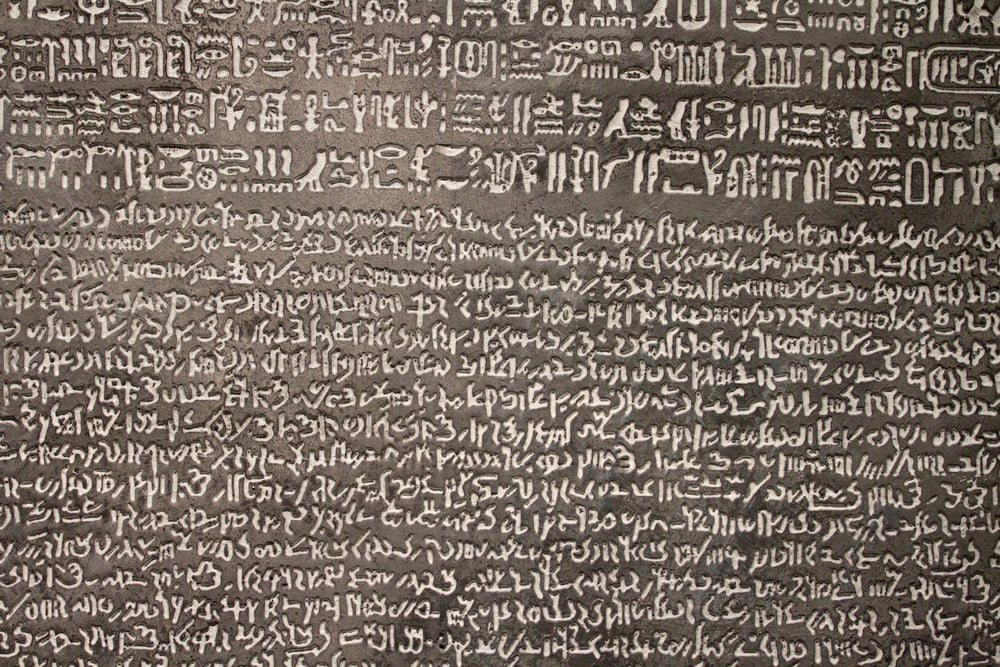
What means one thing in America might mean something completely different elsewhere. Studios hire cultural consultants to spot potential problems, but they don’t always get it right.
Numbers carry different weights across cultures. The number four sounds like the word for death in Chinese, Japanese, and Korean, so films marketed in those countries avoid emphasizing it.
Meanwhile, the number eight suggests prosperity and good fortune, making it a favorite for release dates and promotional campaigns.
Color Choices Matter More Than You Think

Red symbolizes luck and celebration in China, but it represents danger or communism in other contexts. Studios adjust color palettes in posters, costumes, and key scenes to match local associations.
The marketing materials for “Iron Man 3” emphasized red and gold heavily in Chinese promotions while using different color schemes elsewhere.
Dialogue Gets Rewritten Beyond Translation

Translation involves more than swapping words from one language to another. Jokes don’t always work across cultures.
References that make perfect sense to American audiences mean nothing elsewhere. Sometimes entire conversations get rewritten to maintain the intended tone or meaning.
Puns present particular challenges. A character’s name-based joke in English becomes nonsense when translated literally.
Translators either create entirely new jokes that work in the target language or replace the humor with something completely different.
Historical Events Get Treated Differently
How a film depicts historical events can determine whether it screens in certain countries at all. World War II films face particular scrutiny in various Asian markets. The way Japanese, Chinese, or Korean characters are portrayed can result in bans or protests.
“Unbroken” was never screened in Japan despite its subject matter involving a World War II story with Japanese soldiers. The film’s portrayal of prisoner-of-war camps and treatment of Allied soldiers created too much controversy for Japanese distributors to risk.
Violence and Blood Face Varying Standards

Due to post-World War II efforts to disassociate the nation from its militaristic past, Germany upholds stringent regulations regarding violence in entertainment. Films with a lot of blood or graphic violence are either edited or have ratings that severely restrict their viewership.
For its German release, “Django Unchained” underwent extensive editing. Due to Quentin Tarantino’s trademark graphic violence, almost twenty minutes of footage had to be cut in order to comply with German regulations.
After first objecting, the director finally approved a revised version.
Food and Eating Habits Get Adjusted

Folks munching on camera? It carries weight, though plenty of directors overlook that. What lands on a character’s plate might rub viewers wrong, clash with local values.
Take India – meatless diets are common, so movies aiming for release there often tweak or cut moments where someone eats animal flesh, adjustments that occasionally come off as tone-deaf. Halfway through filming, someone noticed the meal might look strange overseas.
Instead of serving what was first written, they swapped in safer choices for viewers abroad. One version kept traditional flavors; another played it cautious with familiar looks.
A dish seen as bold here could seem odd there – so adjustments happened quietly. Not every audience saw the same spread on screen.
Religious Content Requires Careful Handling

References to religion can make or break a film’s international prospects. Saudi Arabia only recently began allowing movie theaters, but films showing religious figures or practices face intense scrutiny.
Studios often create versions that minimize religious content for markets where such material creates problems. “Noah” faced bans in several Muslim-majority countries because depicting prophets on screen violates Islamic tradition.
No amount of editing could solve this problem—the film’s entire premise made it unsuitable for those markets.
Ending Changes Affect Audience Reception

Happy endings play better in some markets than others. Chinese audiences historically prefer upbeat conclusions, while European viewers accept ambiguous or darker finales.
Studios sometimes shoot alternate endings for different regions. Test screenings in various countries help studios determine which ending works where.
A film might screen with its original conclusion in France but show a modified, more optimistic version in China or South Korea.
Death and Ghosts Mean Different Things

A ghost might carry deep respect in parts of Asia, yet appear terrifying in a Hollywood movie. How people react often ties back to what their culture teaches about the unseen world.
Different places shape these stories in ways that feel familiar close to home. On-screen deaths shift depending on where you are.
Blood after a bullet hit may stay in some places, yet vanish elsewhere. How it fits into the story changes things – dying brave rarely feels like dying evil.
Sometimes what matters most isn’t how they fall, but why.
Product Placement Shifts by Market

Companies pay studios to feature their products on screen, but those products change depending on where the film screens. A character might drink Coca-Cola in the American version but Baidu in China.
Cars, phones, and snacks all get swapped to feature brands popular in specific regions. “Transformers: Age of Extinction” became famous for its aggressive Chinese product placement.
The film included appearances from Chinese products that made little sense to international audiences but helped the movie become one of China’s highest-grossing films ever.
Names and Titles Transform Completely

To better appeal to local audiences, movie titles are altered. This sometimes entails simple translation, but more often than not, studios come up with completely original titles that express the essence of the movie in a different way.
Because the single word in the English title was ineffective, “Frozen” became “The Ice Queen” in some markets. To avoid trademark disputes, “Zootopia” was renamed “Zootropolis” in some European countries.
The changes are meant to make titles meaningful and memorable in every language.
When Money Talks Louder Than Art

Studios face a constant tension between artistic vision and financial reality. A director might want to tell a specific story in a specific way, but if that means losing access to lucrative international markets, business considerations often win.
The calculations are stark. China alone can add hundreds of millions of dollars to a film’s total gross. Losing that market by refusing to make changes can mean the difference between profit and loss for expensive productions.
Studios increasingly think about international requirements during scriptwriting rather than fixing problems in post-production.
What Gets Lost in the Edits

What ends up on screen after all those changes? Is it what the filmmaker truly meant to show, or something reshaped by studio demands and rules from afar?
Driven by earnings and audience size, alterations help films travel wider. Still, each change chips away at the original aim, trading coherence for acceptance across markets.
Once upon a time, crowds packed cinemas watching identical tales play out across nations. Now, cohesion fades – endless spins appear, shaped by tastes, rules, sometimes just heated views on random topics.
True, films still deliver fun, thrills, scenes stuck in memory. Yet beneath lies a shift: yarns demand picks and sacrifices creators rarely faced long before.
More from Go2Tutors!

- The Romanov Crown Jewels and Their Tragic Fate
- 13 Historical Mysteries That Science Still Can’t Solve
- Famous Hoaxes That Fooled the World for Years
- 15 Child Stars with Tragic Adult Lives
- 16 Famous Jewelry Pieces in History
Like Go2Tutors’s content? Follow us on MSN.



