Planets With Weather That Kills
Earth throws some serious weather at us. Hurricanes flatten cities, tornadoes tear through neighborhoods, and blizzards shut down entire regions.
But step off this planet and you’ll find conditions so extreme they make our worst storms look like a light drizzle. Out there in the cosmos, weather doesn’t just inconvenience you.
It vaporizes you, crushes you, or pelts you with molten glass at supersonic speeds. These aren’t places where you pack an umbrella and hope for the best.
Venus: A Pressure Cooker from Hell
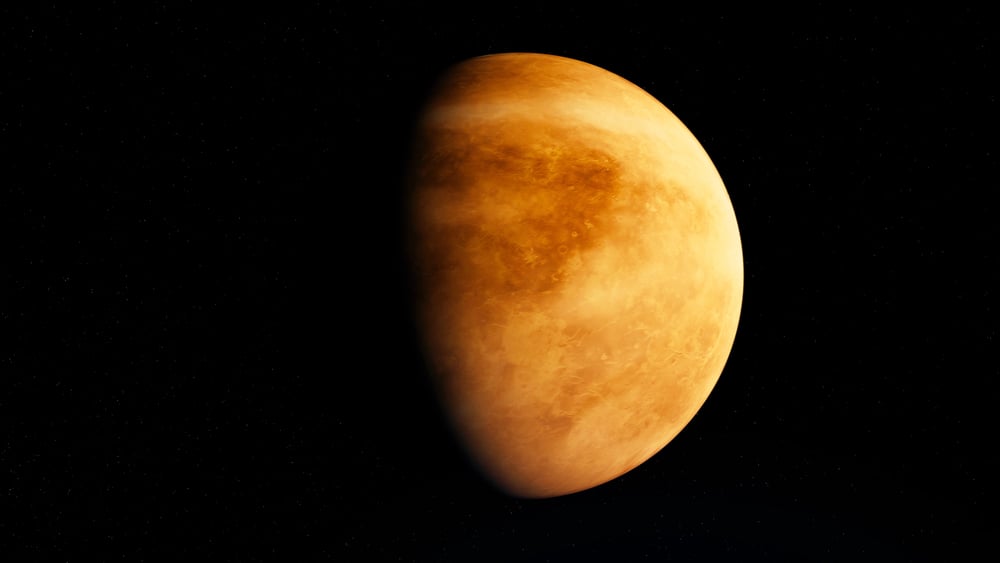
Venus looks beautiful from space, wrapped in those swirling white clouds. Get closer and you realize those clouds are made of sulfuric acid, and the atmosphere beneath them weighs as much as being half a mile underwater on Earth.
The surface temperature sits at 900 degrees Fahrenheit. Lead melts at those temperatures.
The Soviet Union landed several probes there in the 1970s and 1980s, and the longest any of them survived was about two hours before the heat and pressure destroyed them completely.
The winds in the upper atmosphere race around the planet at 200 miles per hour, but down at the surface things barely move. You’d be crushed and cooked long before you had time to worry about the weather.
Jupiter: Where Storms Last Centuries
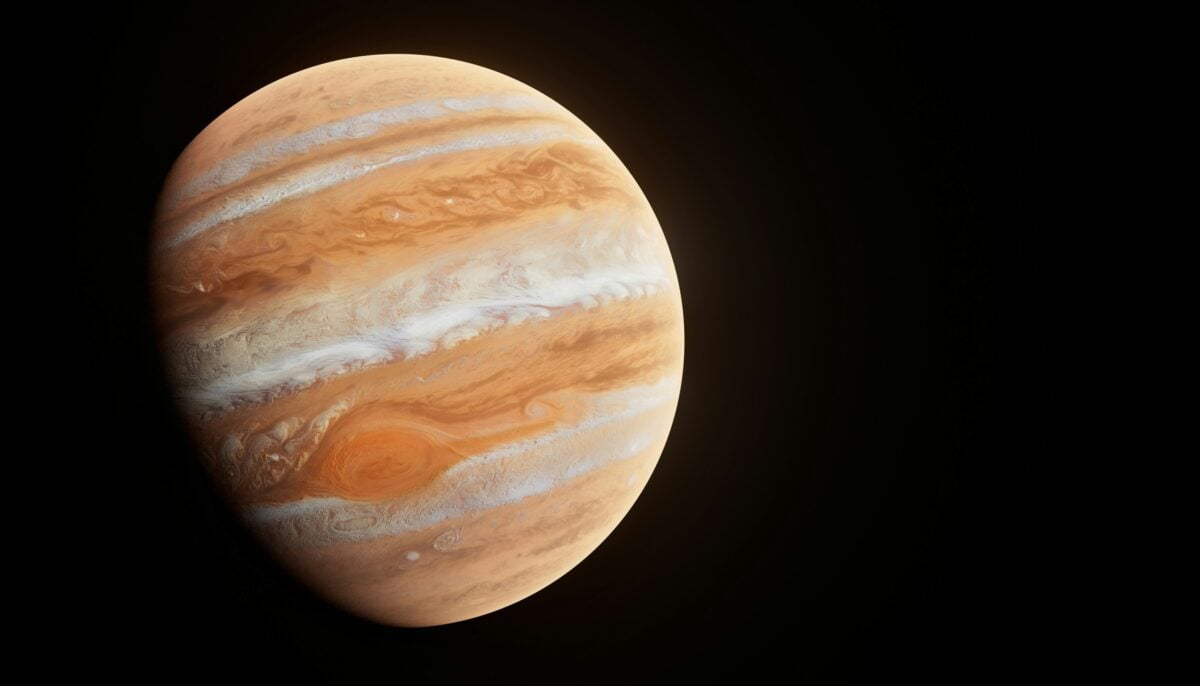
The Great Red Spot on Jupiter is a storm that’s been raging for at least 400 years. It’s big enough to swallow two or three Earths.
Wind speeds inside reach 270 miles per hour. But that’s just one storm among hundreds on Jupiter.
The planet’s atmosphere is in constant violent motion, with lightning bolts a thousand times more powerful than anything on Earth. The radiation belts around Jupiter would kill you in minutes, even inside a spacecraft.
You can’t actually stand on Jupiter because there’s no solid surface. You’d just keep falling through layers of gas that get denser and hotter until the pressure crushed you into nothing.
The weather never stops, and it never gets better.
Saturn: A Hexagon of Destruction
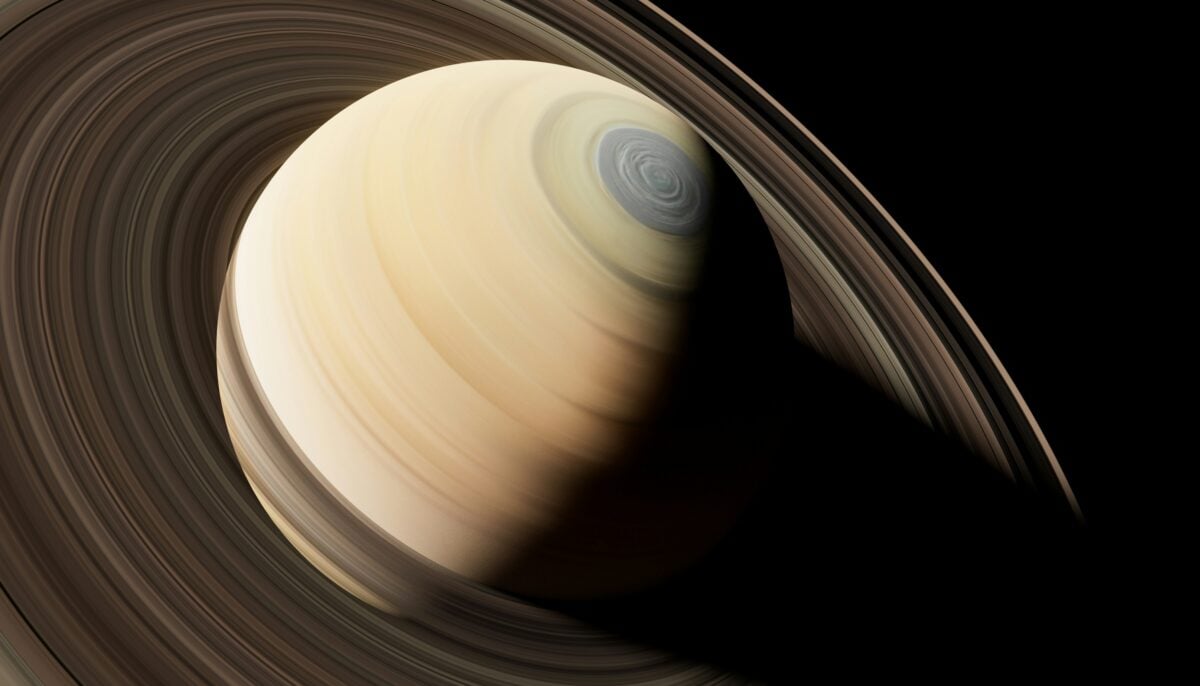
Saturn has a permanent hexagonal storm at its north pole. Each side of this six-sided shape is wider than Earth’s diameter.
Nobody fully understands why it forms this geometric pattern, but the winds howling around it reach 200 miles per hour. Near the equator, winds blow at 1,100 miles per hour.
That’s faster than the speed of sound on Earth. Saturn occasionally develops massive storms that wrap around the entire planet, creating lightning strikes 10,000 times more powerful than terrestrial lightning.
Like Jupiter, Saturn has no solid surface. The planet is mostly hydrogen and helium, and as you descend the pressure becomes so intense that hydrogen turns into a metallic liquid.
Long before you reached that point, you’d be dead.
Neptune: The Windiest Planet
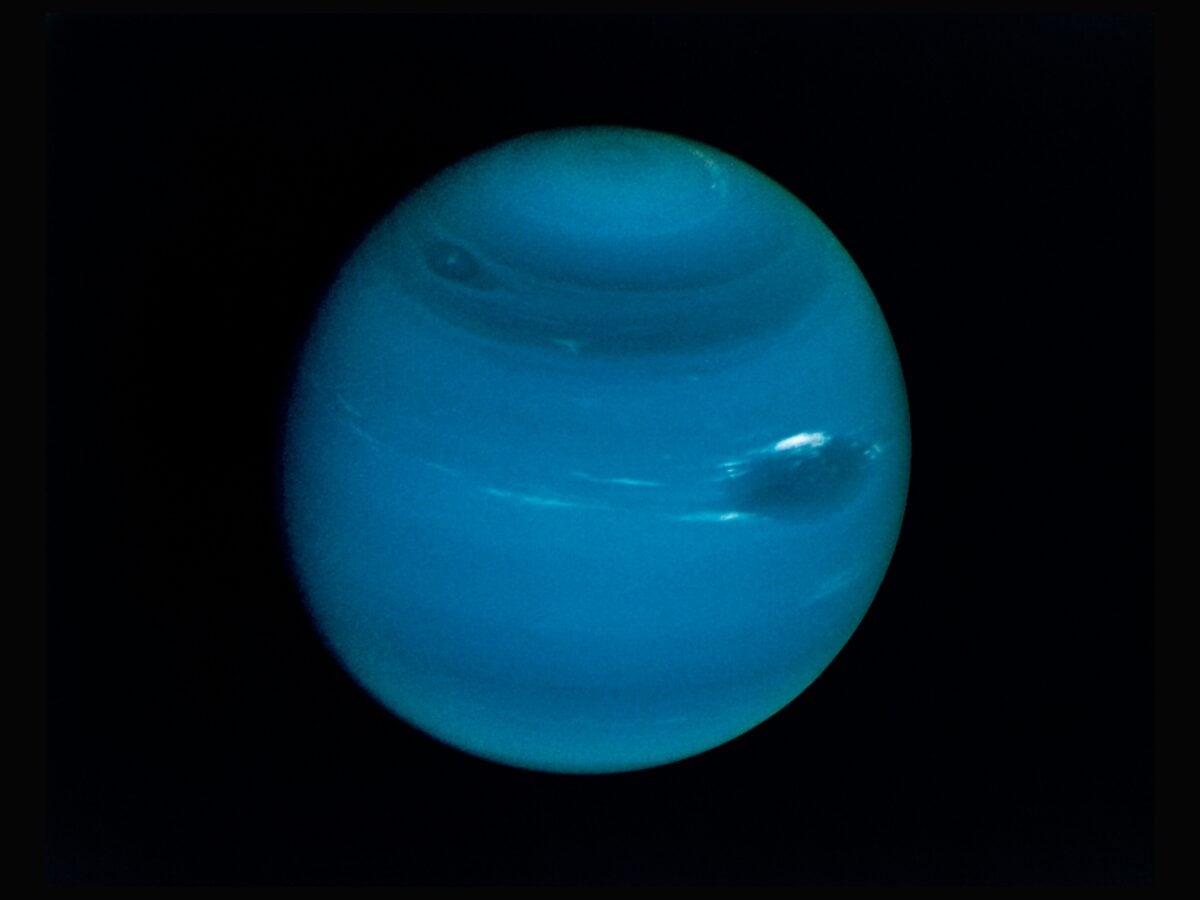
Neptune holds the record for the fastest winds in our solar system. They clock in at 1,200 miles per hour, which is about 1.5 times the speed of sound.
The planet sits so far from the Sun that it barely receives any heat, yet it somehow generates these incredibly violent storms. Dark spots appear and disappear on Neptune.
These are massive storm systems bigger than Earth. They form, rage for a few years or decades, and then vanish without explanation.
The temperature at Neptune’s cloud tops drops to minus 360 degrees Fahrenheit. The planet radiates more heat than it receives from the Sun, meaning something inside generates energy that drives this constant atmospheric chaos.
Scientists still don’t know what.
HD 189733b: Glass Rain Moving Sideways
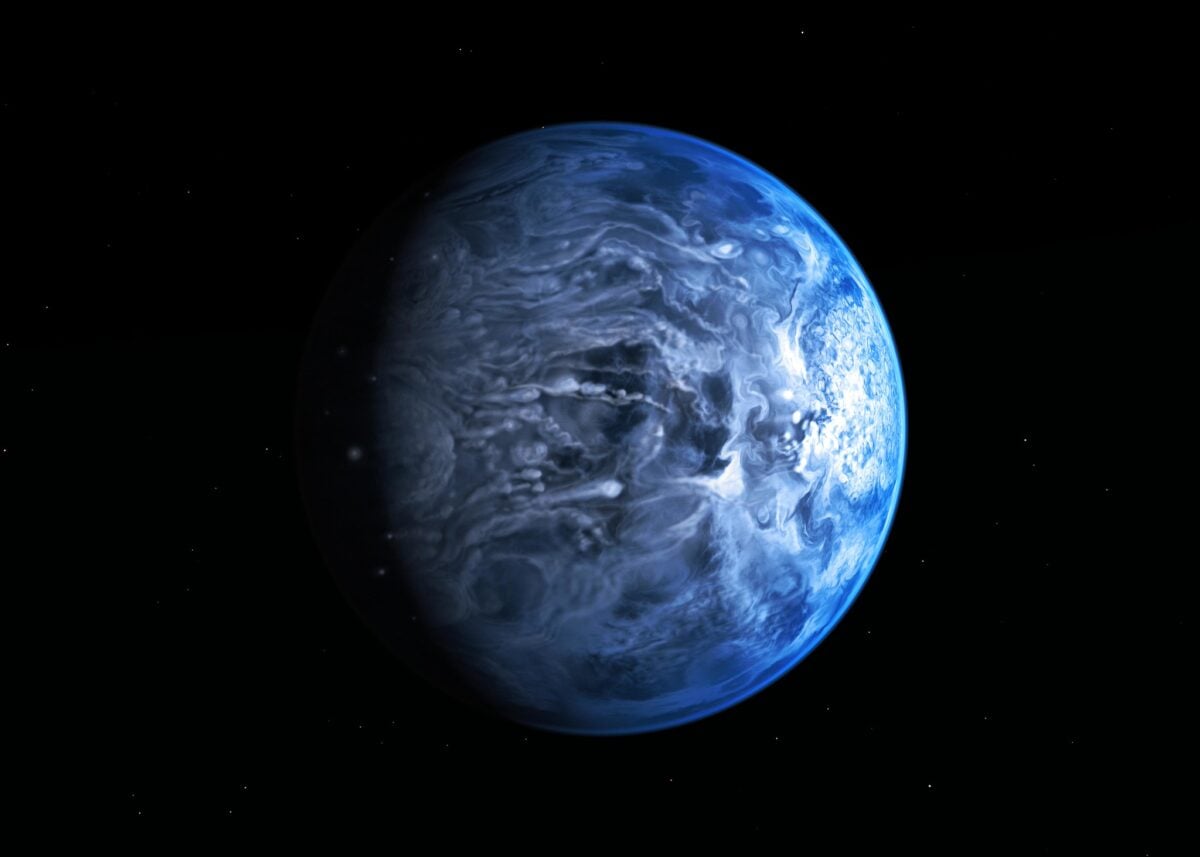
This planet orbits a star 63 light-years from Earth. The temperature reaches 1,700 degrees Fahrenheit, hot enough to vaporize silicates.
Those vaporized silicates condense into tiny particles of glass in the upper atmosphere. Then the glass falls as rain.
But it doesn’t fall straight down because the winds blow at 5,400 miles per hour. That’s seven times the speed of sound.
The glass rain flies sideways, shredding anything in its path. The planet is tidally locked, meaning one side always faces its star.
The dayside is a blazing inferno, while the nightside is slightly less hellish. The temperature difference drives those insane wind speeds that carry the glass from one side to the other in an endless, violent loop.
WASP-76b: Iron Rain at Dawn
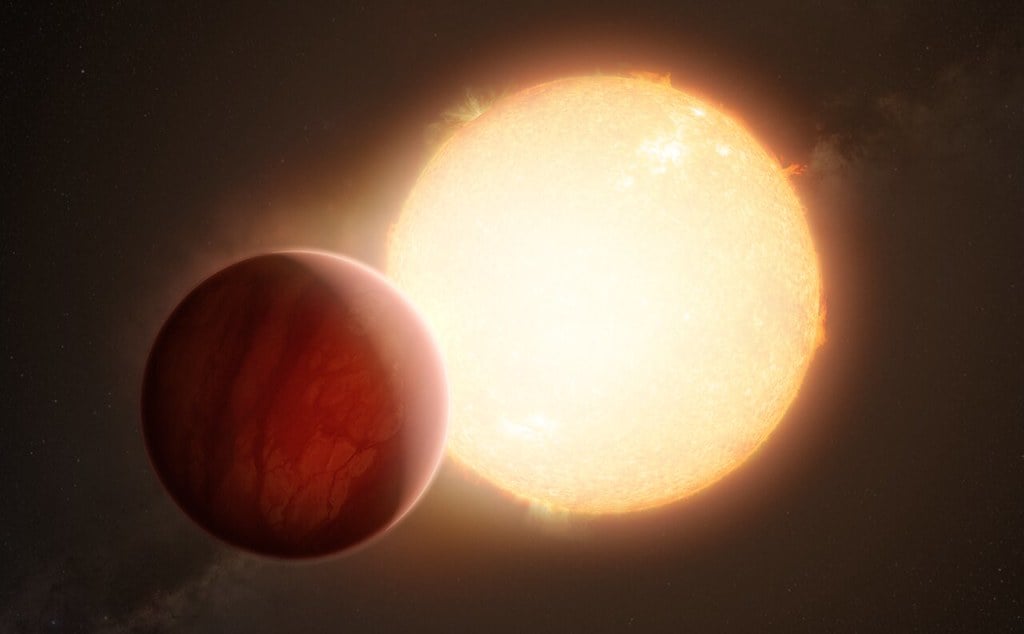
WASP-76b sits so close to its star that the dayside reaches 4,400 degrees Fahrenheit. Iron vaporizes at that temperature.
The atmosphere fills with iron gas that gets swept around to the nightside by powerful winds. On the nightside, where temperatures drop to about 2,700 degrees, the iron condenses back into liquid and falls as rain.
Imagine standing at the boundary between day and night, watching molten iron pour from the sky as the planet slowly rotates. The planet is about twice the size of Jupiter but orbits its star in just 1.8 days.
The proximity creates extreme tidal forces that probably distort the planet’s shape. Everything about this world is violent and lethal.
Titan: Methane Monsoons
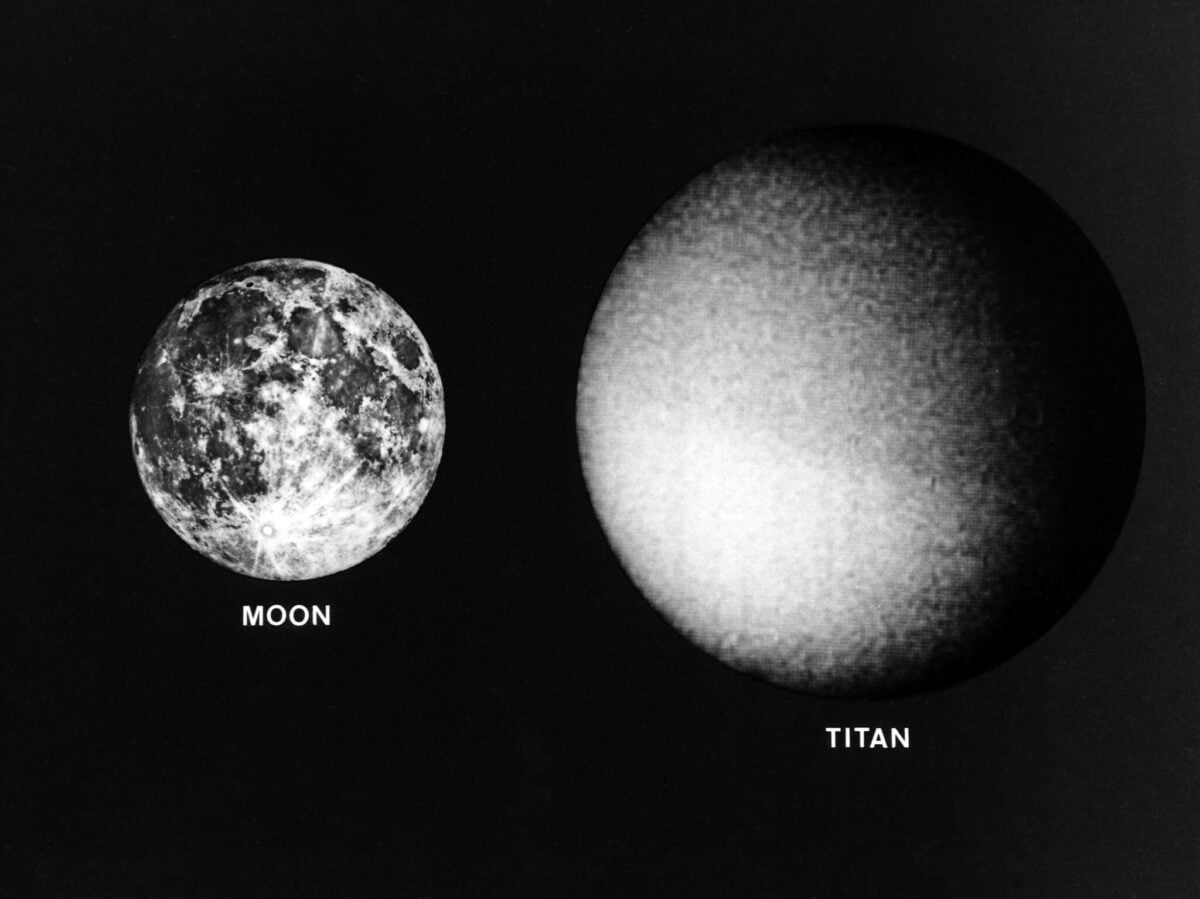
Saturn’s largest moon Titan has lakes and rain, which sounds almost pleasant until you learn they’re made of liquid methane and ethane. The surface temperature sits at minus 290 degrees Fahrenheit.
Rain on Titan falls in large droplets because the atmosphere is so thick and the gravity is so low. When it rains, it really rains.
Some storms drop several feet of liquid methane. These monsoons carve river channels into the icy surface and fill vast lakes near the poles.
The atmosphere is mostly nitrogen with clouds of methane and ethane. You could almost breathe there, except for the lack of oxygen and the temperature that would freeze you solid in seconds.
The methane cycle on Titan mirrors the water cycle on Earth, but in a form that would kill you instantly.
Mars: Dust That Buries Everything
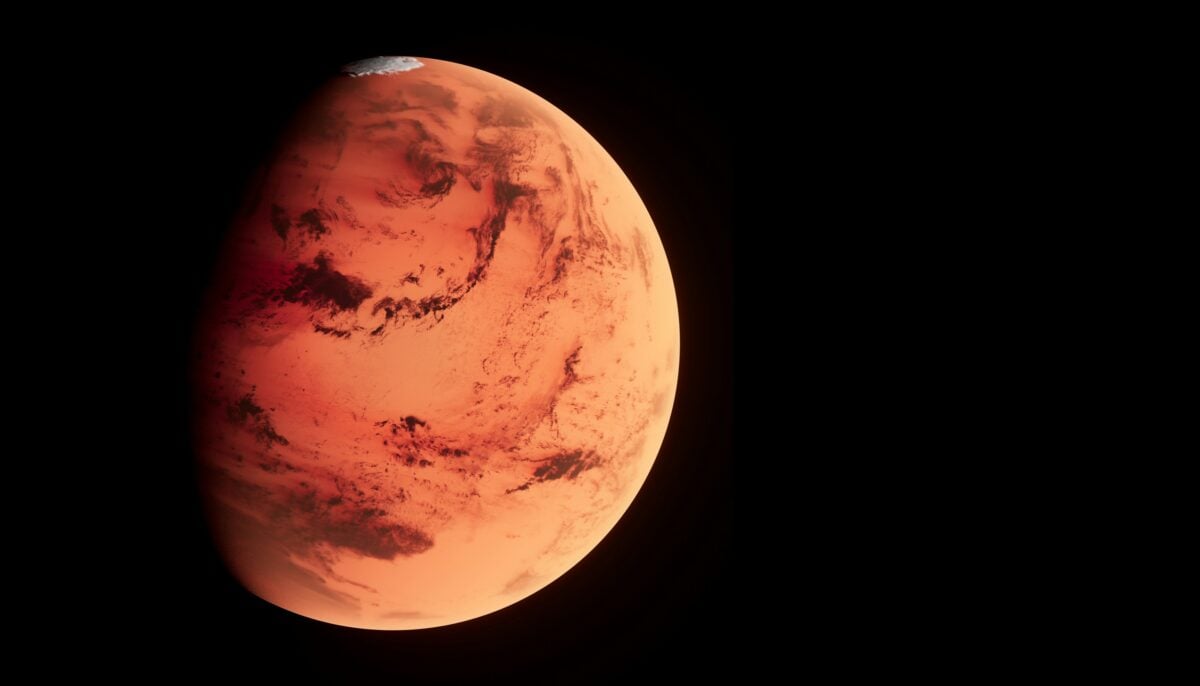
Martian dust storms can engulf the entire planet. They last for months and block out the Sun completely.
The dust is fine, almost like talcum powder, and it gets into everything. Wind speeds during these storms reach about 60 miles per hour.
That doesn’t sound too bad until you remember the dust particles are sharp and abrasive, basically sandblasting everything they touch. The thin atmosphere means these winds don’t hit as hard as Earth winds, but the dust still poses serious problems.
NASA’s Opportunity rover died in 2018 when a global dust storm covered its solar panels. The storm lasted for months.
The rover never recovered. If humans visit Mars, these storms will be one of the biggest dangers they face.
Mercury: Temperature Swings That Crack Rock
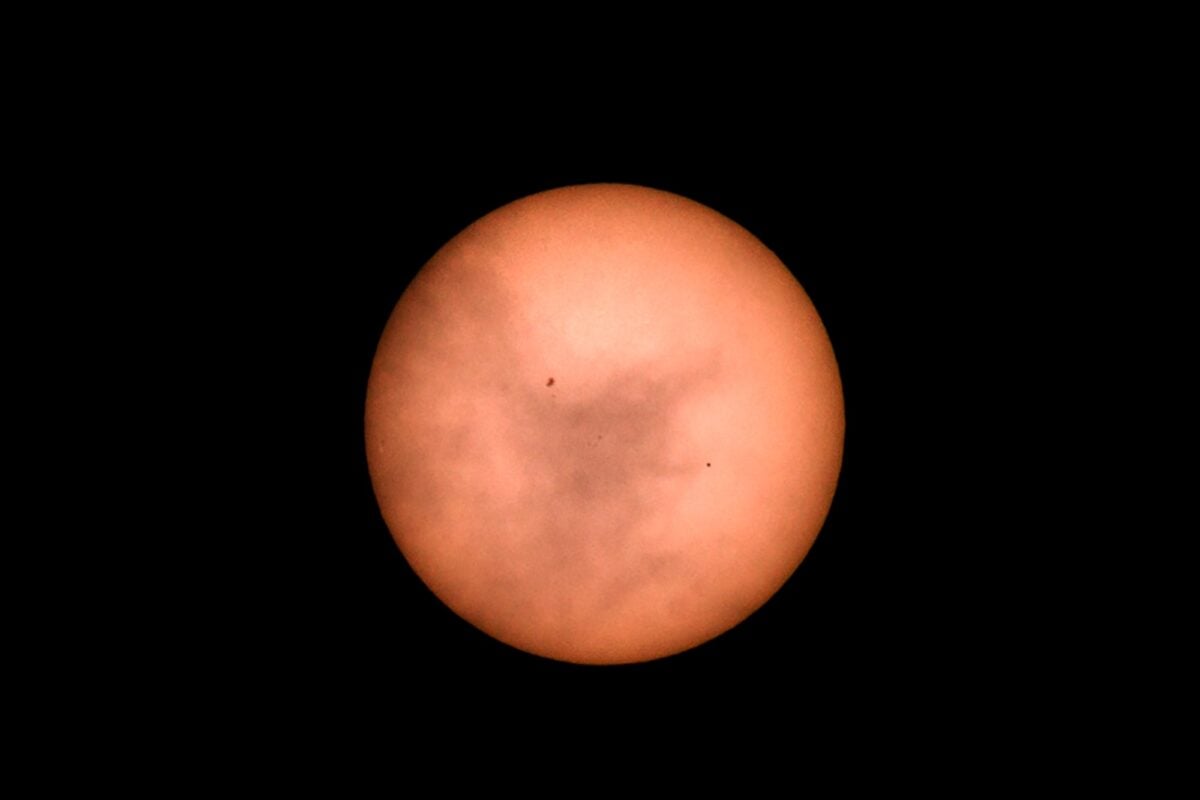
Mercury has no atmosphere to speak of, which means no weather in the traditional sense. But the temperature variations are extreme enough to kill you just as dead as any storm.
The dayside reaches 800 degrees Fahrenheit. The nightside drops to minus 290 degrees.
That’s a swing of over 1,000 degrees between day and night. The planet rotates slowly, taking 59 Earth days to complete one rotation, so these temperature changes happen gradually but relentlessly.
Rocks on Mercury’s surface crack and shatter from the thermal stress. The planet is being slowly broken apart by its own temperature extremes.
You’d cook during the day and freeze at night, and there’s nowhere to hide.
Uranus: Diamond Rain and Sideways Rotation
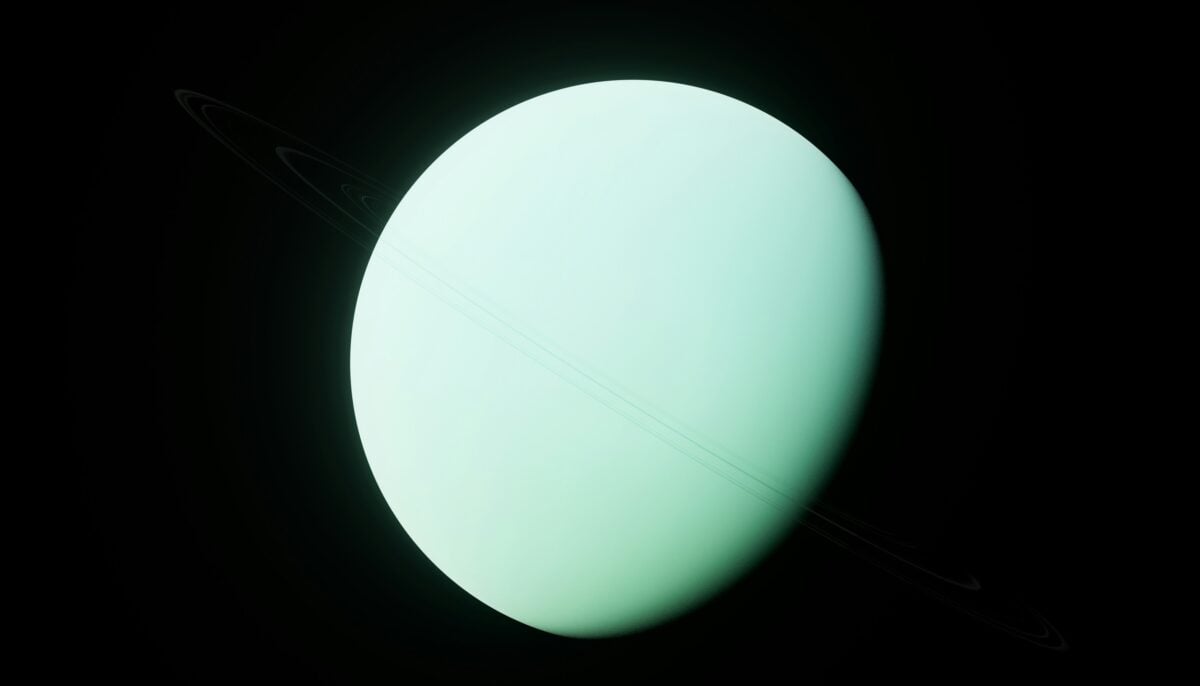
Uranus rotates on its side, making its seasonal changes bizarre and extreme. Each pole gets 42 years of continuous sunlight followed by 42 years of darkness.
Nobody knows what this does to the weather patterns, but it can’t be good. Deep inside Uranus, the pressure and temperature conditions create something strange.
Scientists think methane in the atmosphere breaks down under extreme pressure and heat, and the carbon atoms crystallize into diamonds that rain down toward the core. These diamonds sink through an ocean of liquid water, methane, and ammonia.
The atmospheric pressure near the core reaches millions of times Earth’s atmospheric pressure. You’d be crushed, frozen, and possibly pelted with diamonds, though you’d be dead long before the diamonds became relevant.
KELT-9b: Hot Enough to Break Molecules
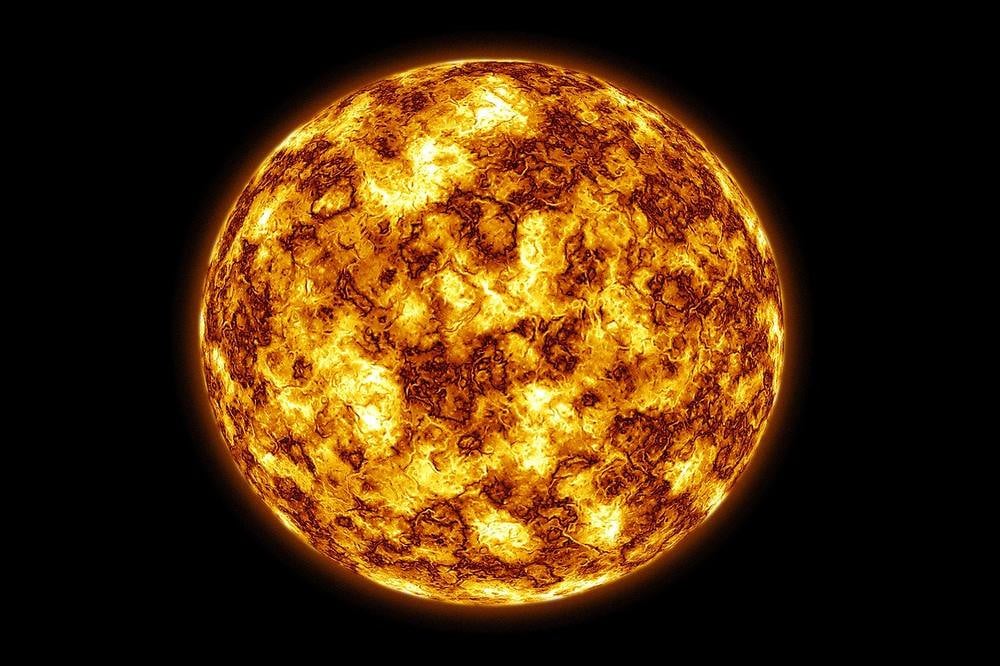
KELT-9b orbits so close to its star that the temperature exceeds 7,800 degrees Fahrenheit. That’s hotter than some stars. The heat breaks apart molecules in the atmosphere.
Water molecules split into hydrogen and oxygen. Even molecular hydrogen struggles to stay together.
The planet is being slowly evaporated by its own star, losing mass constantly as the intense radiation strips away the atmosphere. The nightside is cooler, maybe around 5,000 degrees, which is still hot enough to vaporize most materials.
There’s no weather in any conventional sense because there can’t be clouds or precipitation when everything is vaporized. It’s just a roiling mass of atomic chaos.
TrES-2b: The Darkest Planet
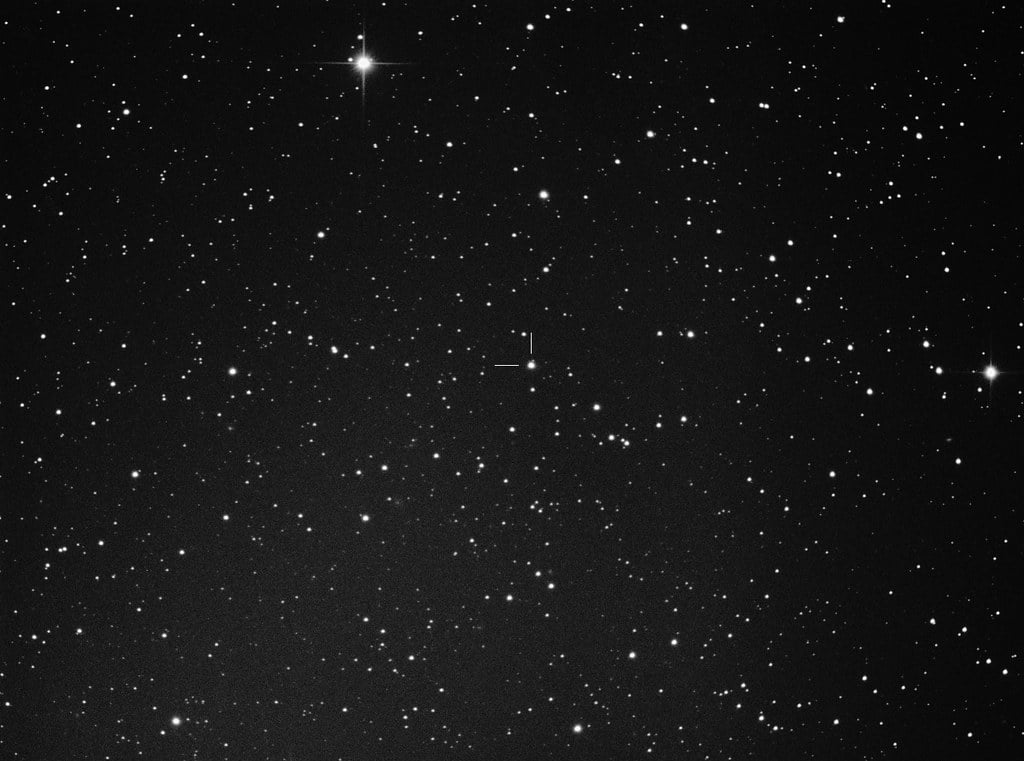
TrES-2b reflects less than 1% of the light that hits it, making it darker than coal. The temperature hovers around 1,800 degrees Fahrenheit, hot enough to glow with a faint red light like an ember.
Scientists don’t know what makes the planet so dark. The extreme heat vaporizes light-absorbing chemicals like sodium and potassium, which should make the planet reflective.
Instead, something in the atmosphere absorbs nearly all incoming light. The darkness creates temperature imbalances that drive violent winds.
The planet is tidally locked with permanent day and night sides, and the winds rush between them trying to equalize the temperature. They never succeed.
Kepler-70b: Surviving a Star’s Death
Closest to its sun of any discovered world, Kepler-70b zips through space without slowing. Halfway there – well, halfway compared to how far Earth sits from the Moon – it races ahead.
Rock would turn to gas under that kind of heat, since temperatures climb past twelve thousand degrees. That number? It burns brighter than most stars.
Once likely a massive orb of gas, this world lost its thick atmosphere after its sun swelled into a red giant. Radiation peeled off layer after layer until just the dense center remained.
Now it circles nonstop, completing an orbit in under half a day. Heat crushes its surface without pause.
Only steam might linger up top. Slowly vanishing, the whole world could be unraveling under its sun’s pull.
Much like Earth’s fate once the Sun fades long from now. A glimpse comes through – what remains when light drains everything.
Weather That Changes What It Means
Outside, you pause – wondering whether to grab that jacket. This everyday guess? It’s just Earth’s version of weather.
Other places do it differently. Much harsher. Unimaginably wild.
Out there, some skies burn with rains of liquid iron. Here, our air wraps the planet like a calm breath.
Not everywhere gets such luck – just look how fast those alien winds blow, quicker than any gun’s shot. Life here stumbles through hurricanes, sure, but that chaos still fits inside livable bounds.
Elsewhere? Heat tears molecules into pieces before they settle.
Storms aren’t dangers there – they’re built-in rejections of anything living. The very weather shuts the door.
More from Go2Tutors!

- The Romanov Crown Jewels and Their Tragic Fate
- 13 Historical Mysteries That Science Still Can’t Solve
- Famous Hoaxes That Fooled the World for Years
- 15 Child Stars with Tragic Adult Lives
- 16 Famous Jewelry Pieces in History
Like Go2Tutors’s content? Follow us on MSN.