27 Toys Kids Begged For That Stores No Longer Carry
A toy only needs one holiday season to become a household obsession, and a surprising number of the most demanded ones vanished from shelves almost as fast as they arrived. Some disappeared because of safety recalls, others because a novelty wore off before the manufacturer could restock.
Teddy Ruxpin
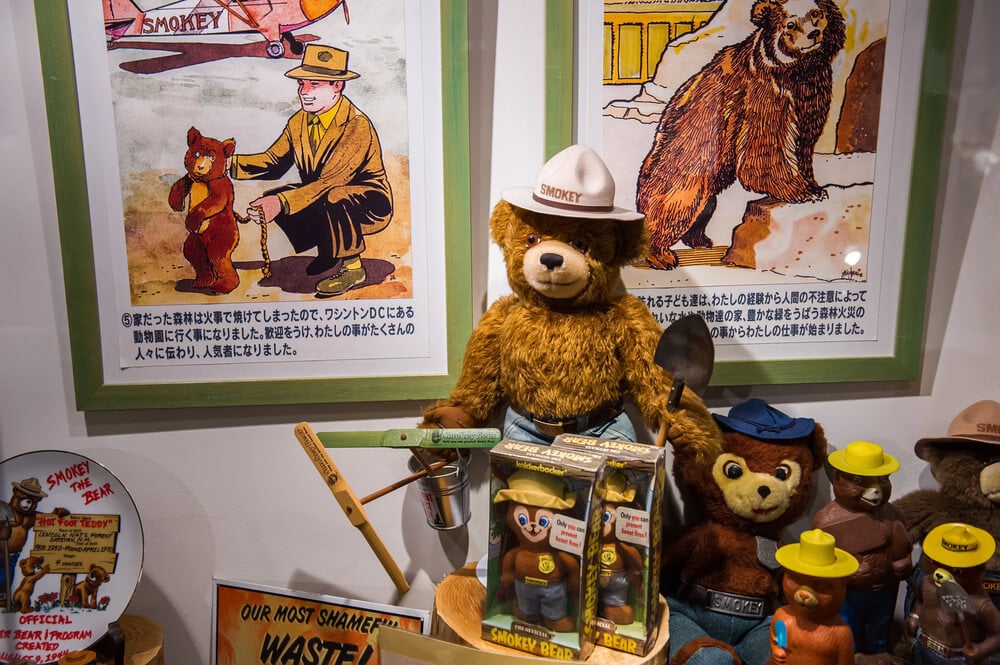
Worlds of Wonder released this animatronic storytelling bear in 1985, using a cassette player hidden in its chest to move its mouth and eyes in sync with recorded stories. It became one of the best-selling toys of the mid-1980s before the company filed for bankruptcy in 1987, largely from overexpansion rather than any fault in the bear itself.
Later relicensed versions never matched the original cassette-driven design, which is the version collectors specifically hunt for now.
Simon
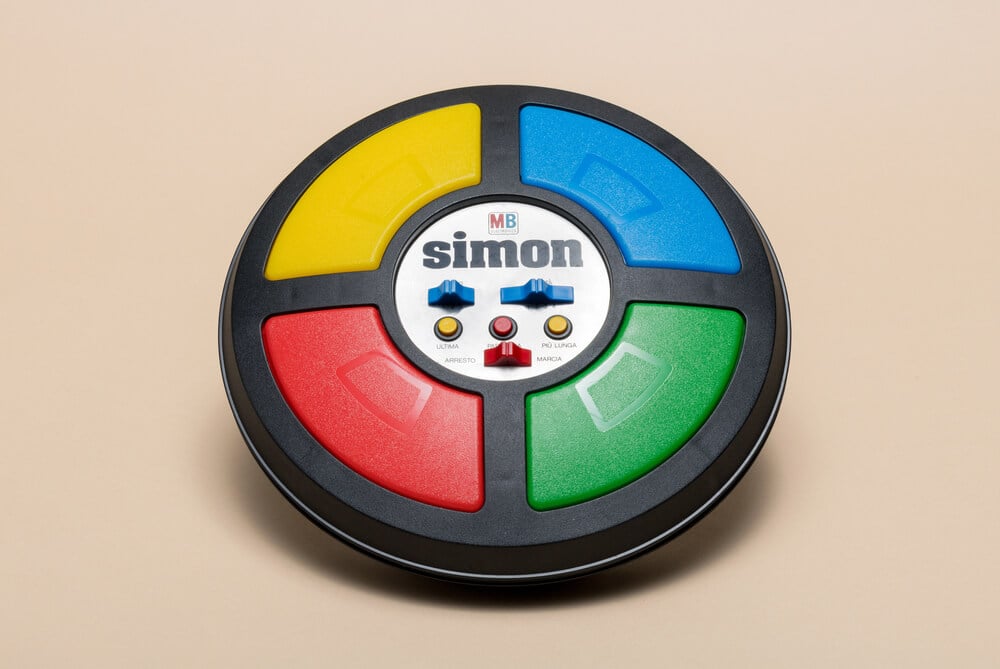
Milton Bradley released this electronic memory game in 1978, using four colored panels that lit up in an increasingly long sequence for the player to repeat. It sold heavily through the early 1980s before interest cooled alongside the broader electronic-game boom, and Milton Bradley scaled back production later in the decade.
Later Hasbro reissues exist, but the original heavy plastic 1978 units are what collectors specifically seek out.
Clackers
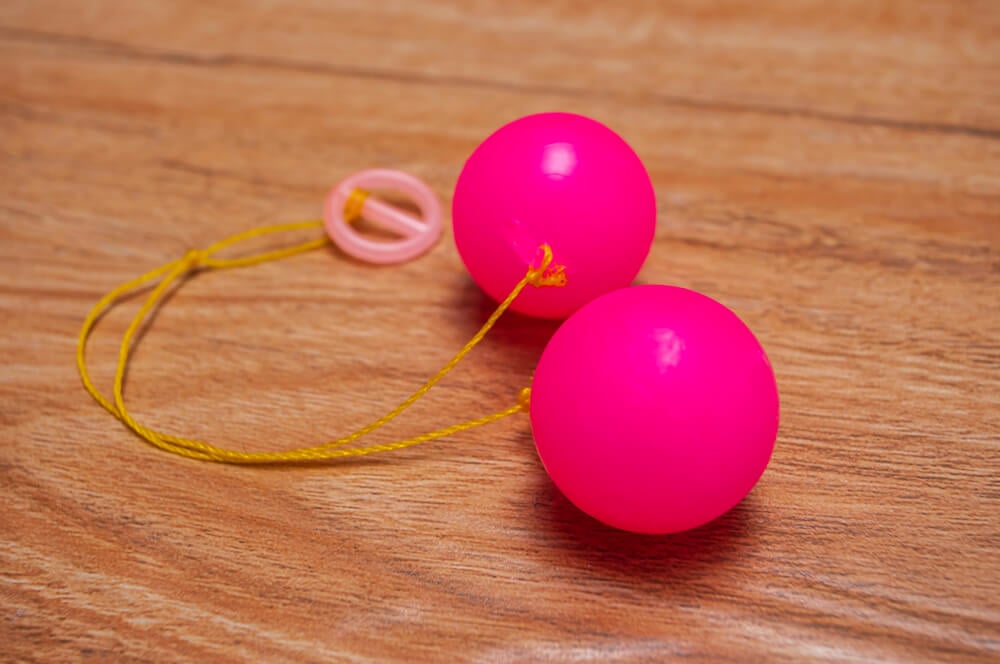
These paired acrylic spheres on a string, swung to strike against each other in rhythm, became a playground fixture in the early 1970s almost overnight. Reports of the acrylic shattering under repeated impact, occasionally sending fragments toward a child’s face, led several manufacturers to pull the toy and switch to softer materials that never caught on the same way.
The original hard acrylic version disappeared from stores by the mid-1970s and is now sold almost exclusively as a novelty collectible.
Weebles
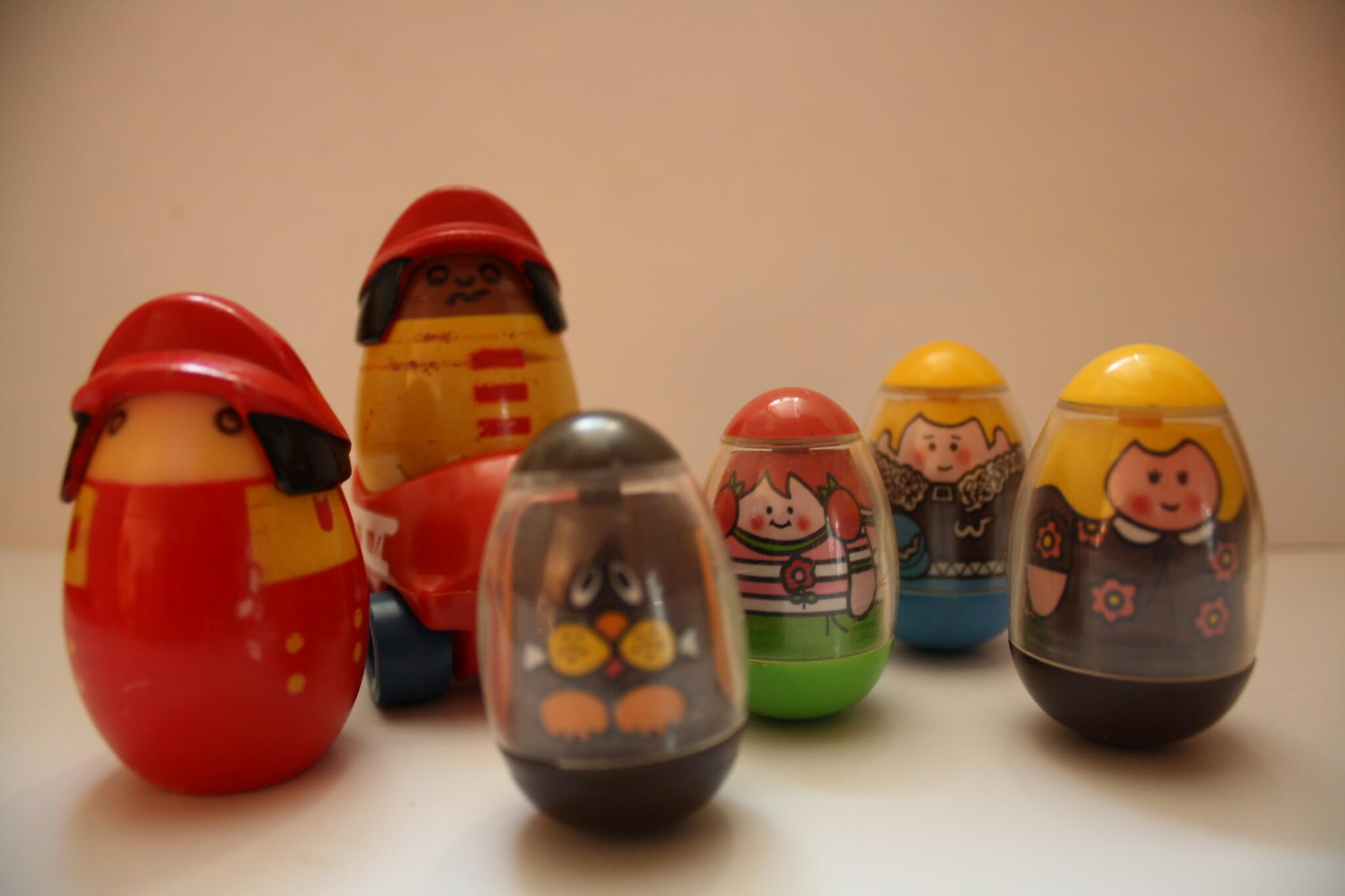
Hasbro’s Playskool division introduced these egg-shaped, weighted figures in 1971, built around the slogan promising they would wobble but never fall down. Weebles playsets sold heavily through the 1970s before losing shelf space to more elaborate action-figure lines in the 1980s.
Hasbro has revived the name periodically since, but the original playsets with their specific weighted bottoms are what nostalgia buyers request most.
Stretch Armstrong
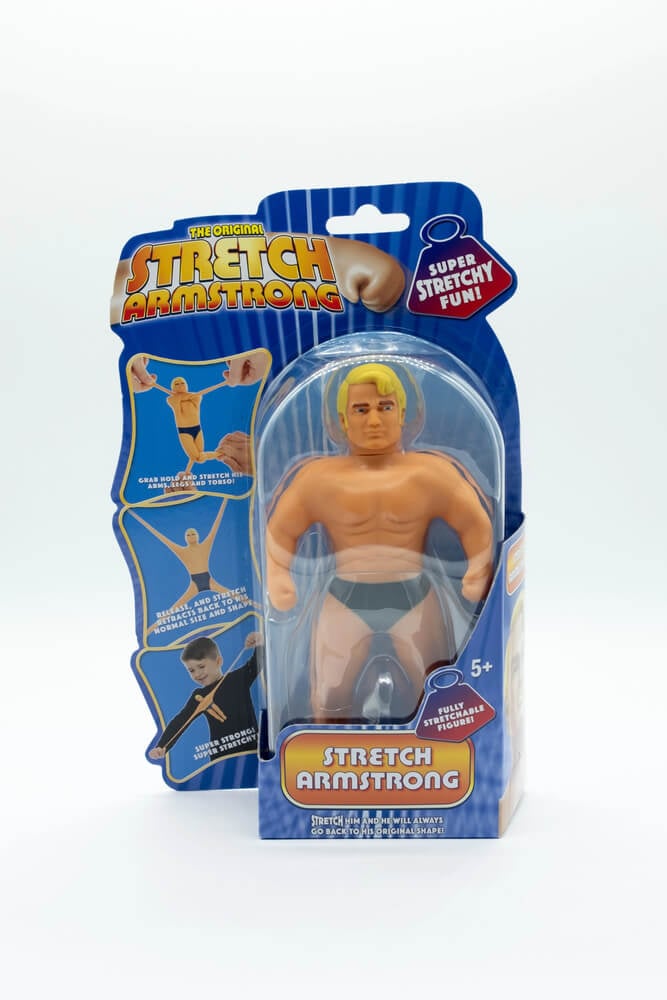
Kenner released this latex-and-corn-syrup figure in 1976, marketed on its ability to stretch to roughly four times its resting length before slowly returning to shape. Production quietly stopped by the early 1980s as the novelty wore thin and the material aged poorly in storage.
Hasbro has reissued the figure more than once since, but originals from the 1976 run are prized specifically because so few survived intact.
Popples
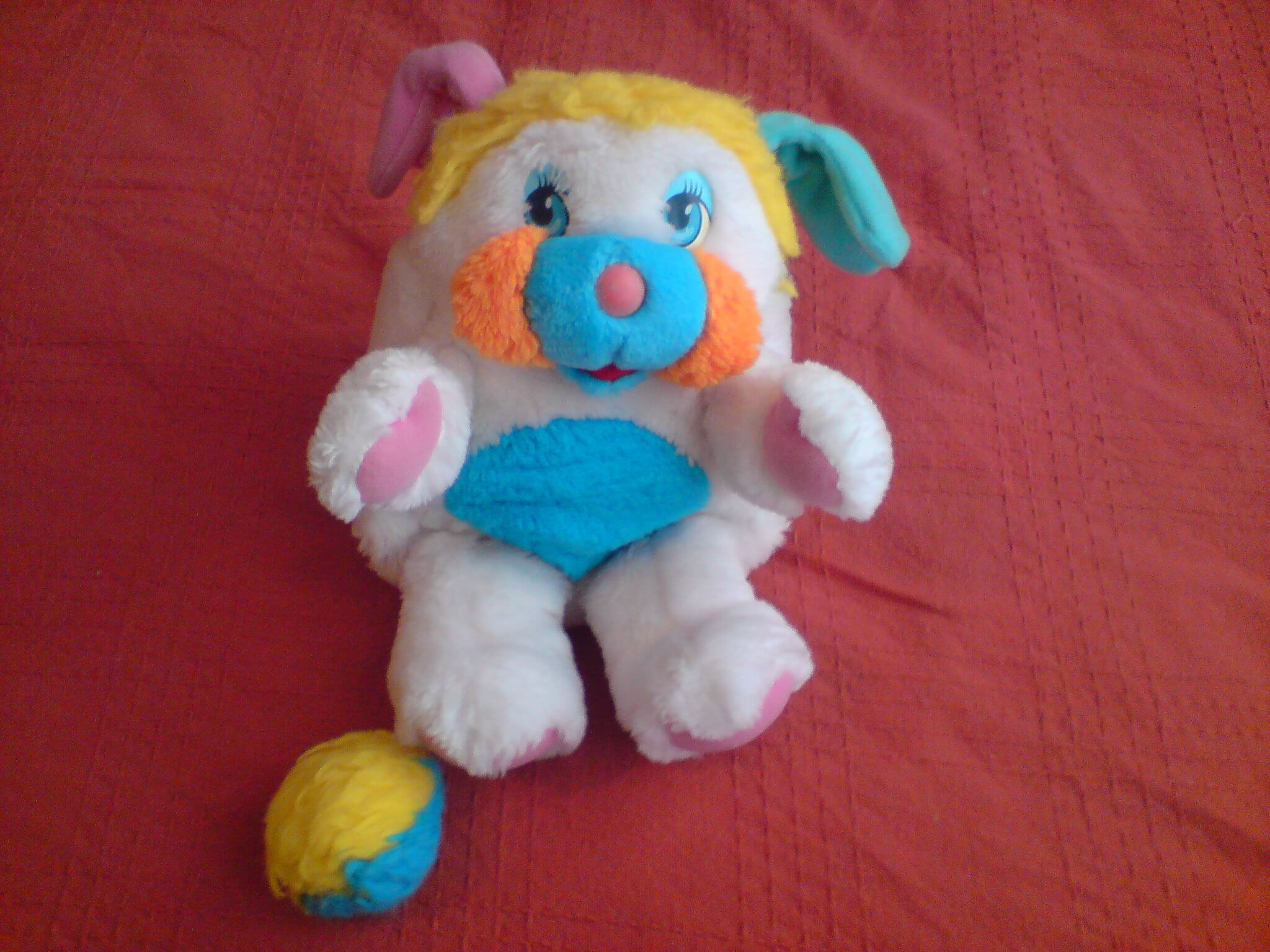
Mattel and American Greetings launched this line of plush creatures that turned inside out into a rounded, self-contained pouch in 1986, paired with a Saturday morning cartoon to drive demand. The toy line ended by the early 1990s as the licensing partnership wound down.
A Netflix reboot in 2015 briefly returned Popples to toy aisles, though the original plush design never returned to mainstream retail.
My Pet Monster
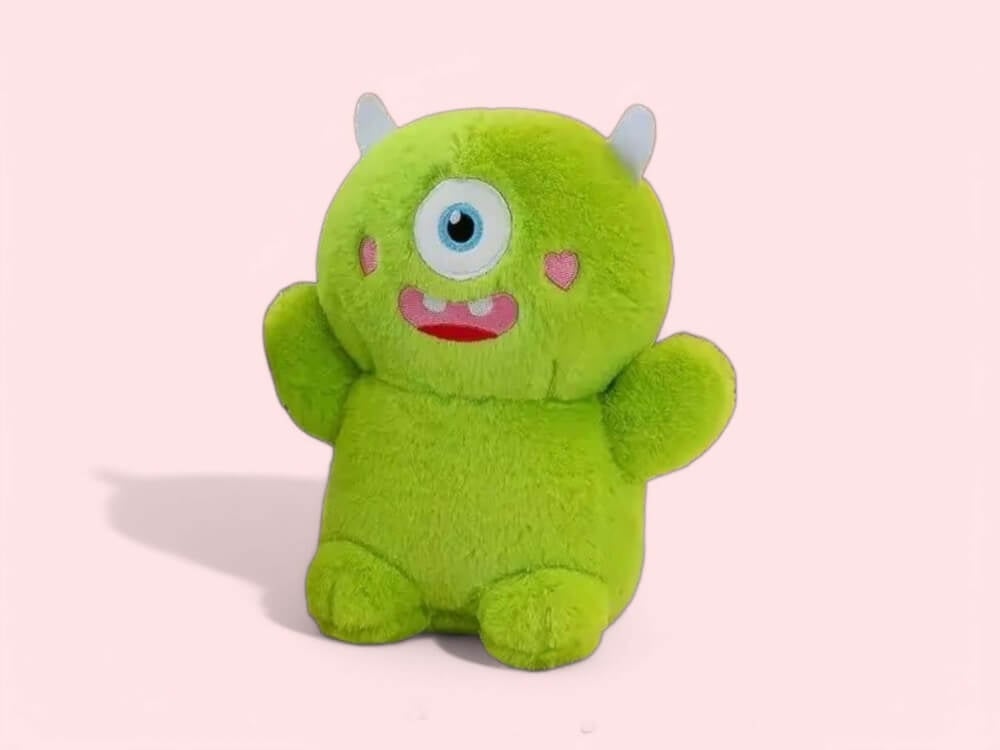
Amtoy released this oversized plush monster in 1986, sold with orange plastic manacles that snapped open so a child could break the toy free, a gimmick that drove significant demand that first holiday season. Interest faded within a couple of years and the line was discontinued by the late 1980s.
Complete examples with the original manacles intact are now the specific detail collectors check for.
Jarts

Regent Sports and other manufacturers sold these weighted lawn darts as a backyard game from the 1950s onward, designed to be thrown at a ground target in a game similar to horseshoes. After a string of serious injuries and at least one child fatality, the Consumer Product Safety Commission banned the sale of the pointed version in the United States in 1988.
Original sets are still legal to own and are traded specifically as a piece of banned-toy history.
Creepy Crawlers
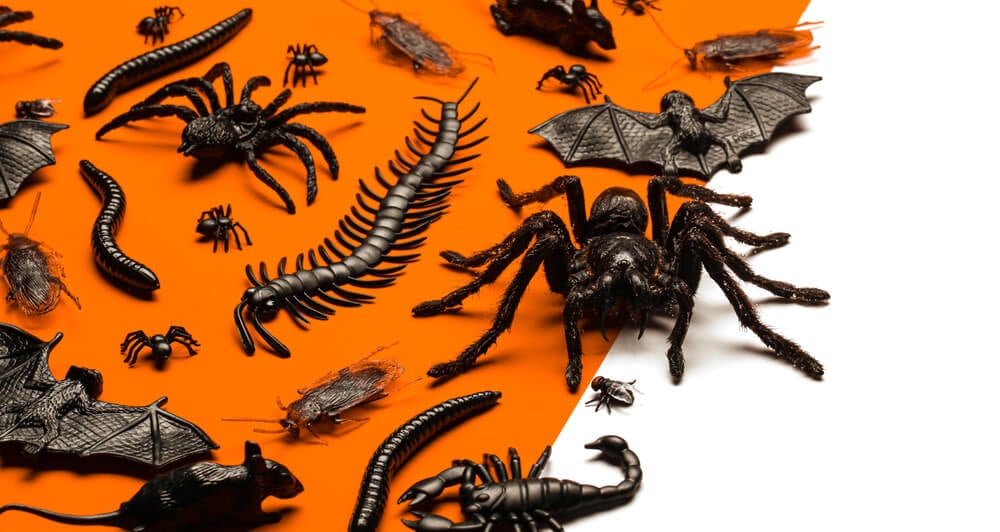
Mattel’s original Thingmaker set, released in 1964, let children pour liquid plastic into metal molds heated on an exposed hot plate to form rubbery bug shapes. The hot-plate design caused enough burns that Mattel discontinued it by the early 1970s, and later revivals in the 1990s and 2000s used a fully enclosed, cooler heating element instead.
The original open hot-plate units are now the version collectors specifically seek, despite the obvious reason they stopped being sold.
Suzy Homemaker

Topper Toys released this line of miniature working kitchen appliances in 1966, including a small oven that genuinely baked using a low-wattage heating element. The line sold well through the late 1960s before changing attitudes toward gendered toy marketing made the branding feel dated, and Topper folded shortly after in the 1970s amid unrelated financial troubles.
The working ovens are now handled carefully by collectors precisely because the heating elements still function.
Rainbow Brite Dolls
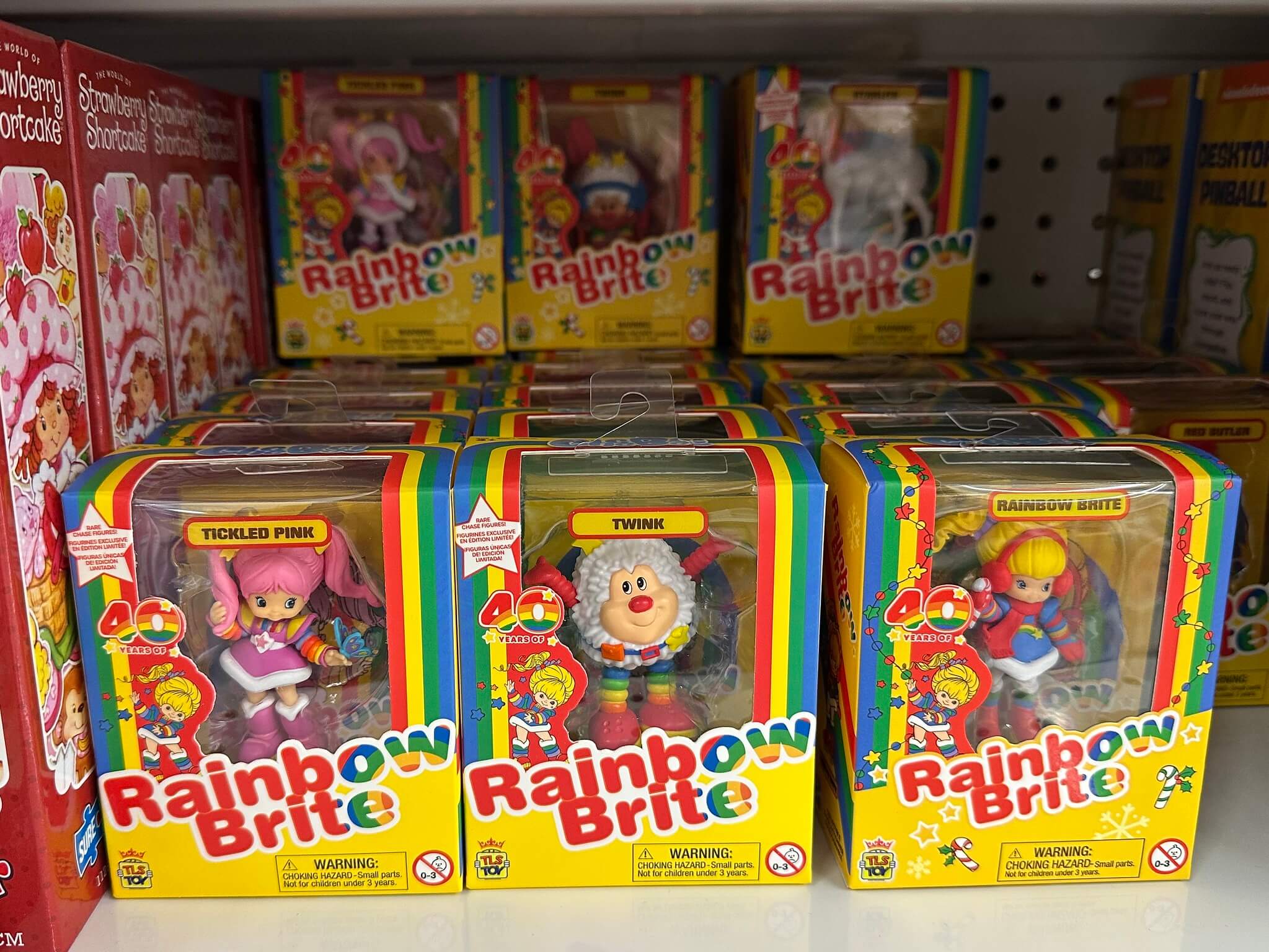
Hallmark and Mattel introduced this doll line alongside an animated special in 1983, built around a character who restored color to a gray world. The toy line was discontinued by 1986 as the broader wave of character-driven girls’ toys cooled.
Hasbro has since revived the license in limited runs, but original Mattel-era dolls remain the specific version most requested by collectors who watched the original cartoon.
Sky Dancers
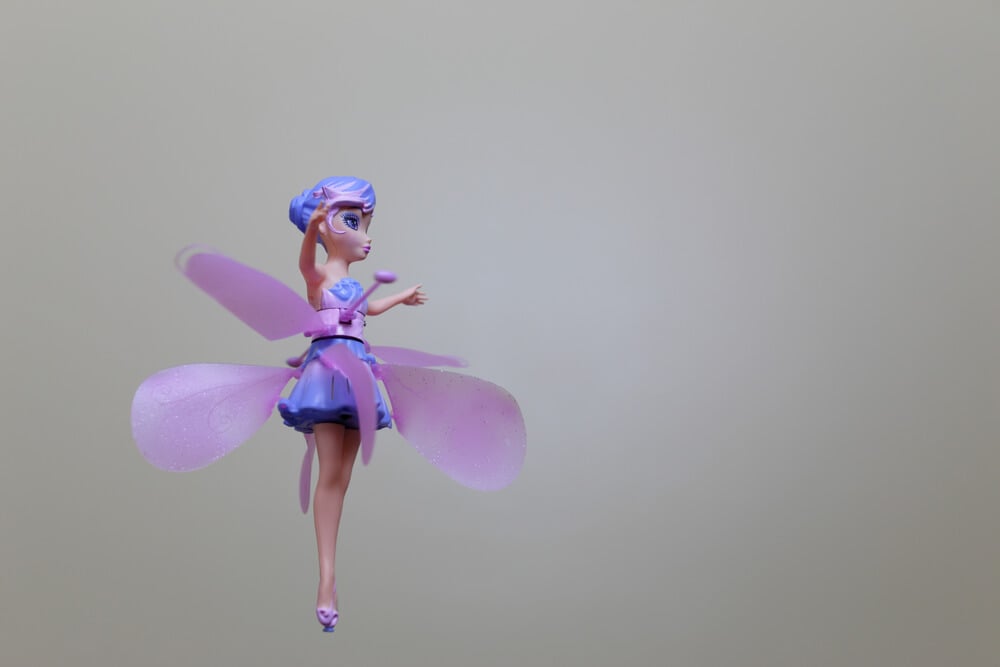
Galoob released these winged dolls in 1994, launched into the air by pulling a ripcord that sent them spinning several feet upward. A string of facial and eye injuries led to lawsuits and a formal recall in 2000, after which the line was discontinued entirely rather than redesigned.
It remains one of the clearer examples of a toy pulled specifically because the core mechanic was the hazard.
Aqua Dots
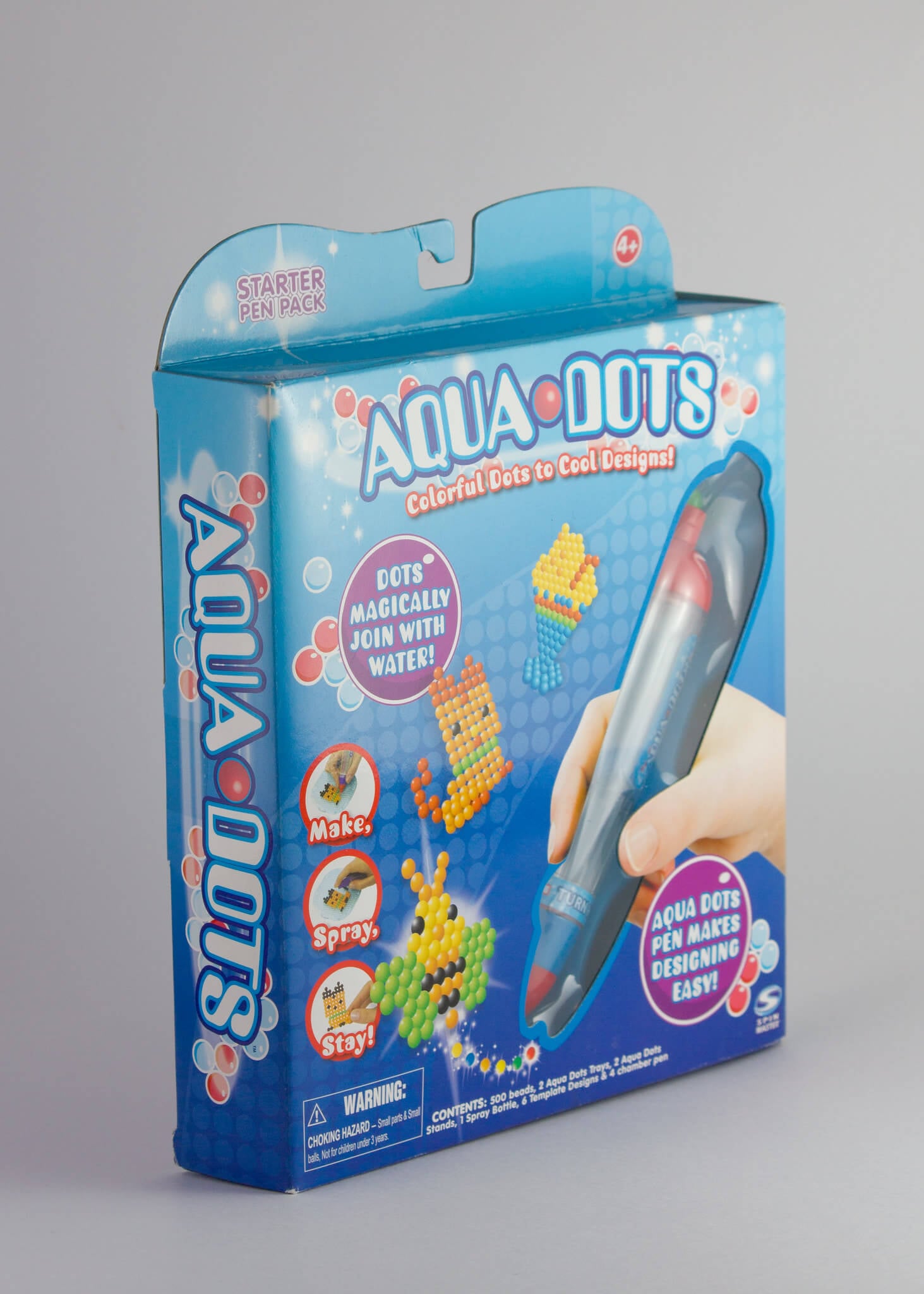
Spin Master’s bead-and-water craft kit let children arrange small beads that fused together when sprayed, and it became one of the most requested craft toys of 2007. That same year, testing found the bead coating contained a chemical that metabolized into a dangerous sedative if swallowed, prompting an immediate recall of millions of units.
The product returned later under the name Pixos with a reformulated, non-toxic coating, and the original Aqua Dots branding never came back.
Snacktime Cabbage Patch Kid
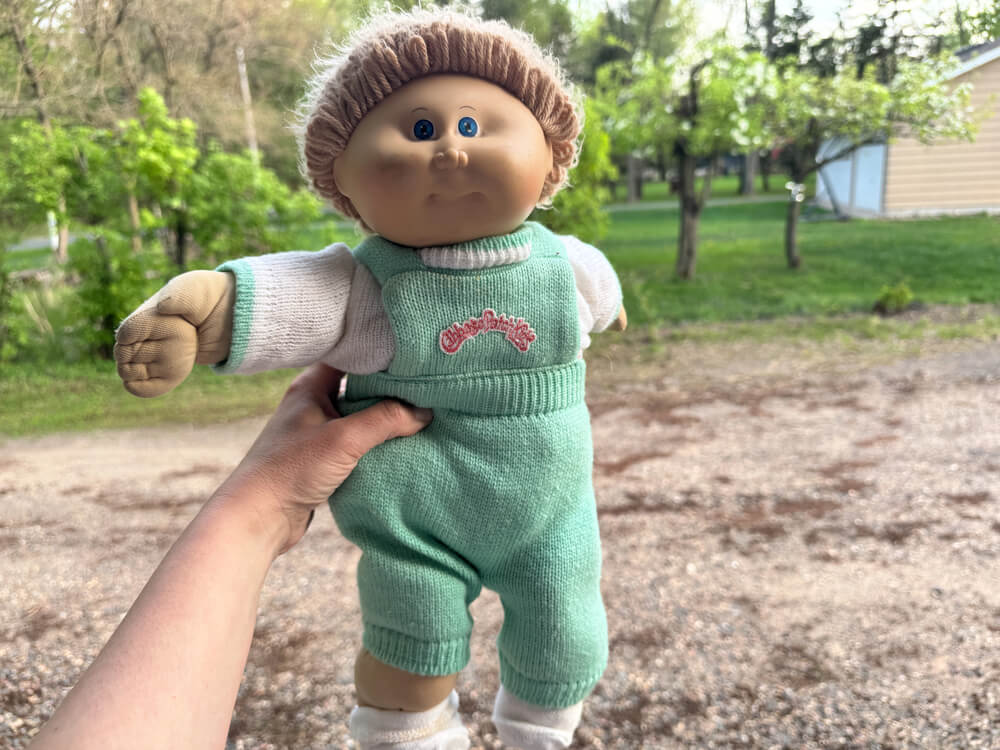
Mattel released this interactive doll in 1996, designed to chew and swallow small plastic snack pieces fed into its mouth using an internal motor. The motor could not distinguish between plastic snacks and a child’s hair or fingers, and after multiple reports of the mechanism catching real hair, Mattel pulled the doll from shelves within months of release.
It is now remembered specifically as a cautionary example in toy-safety design rather than as a beloved plaything.
Big Trak
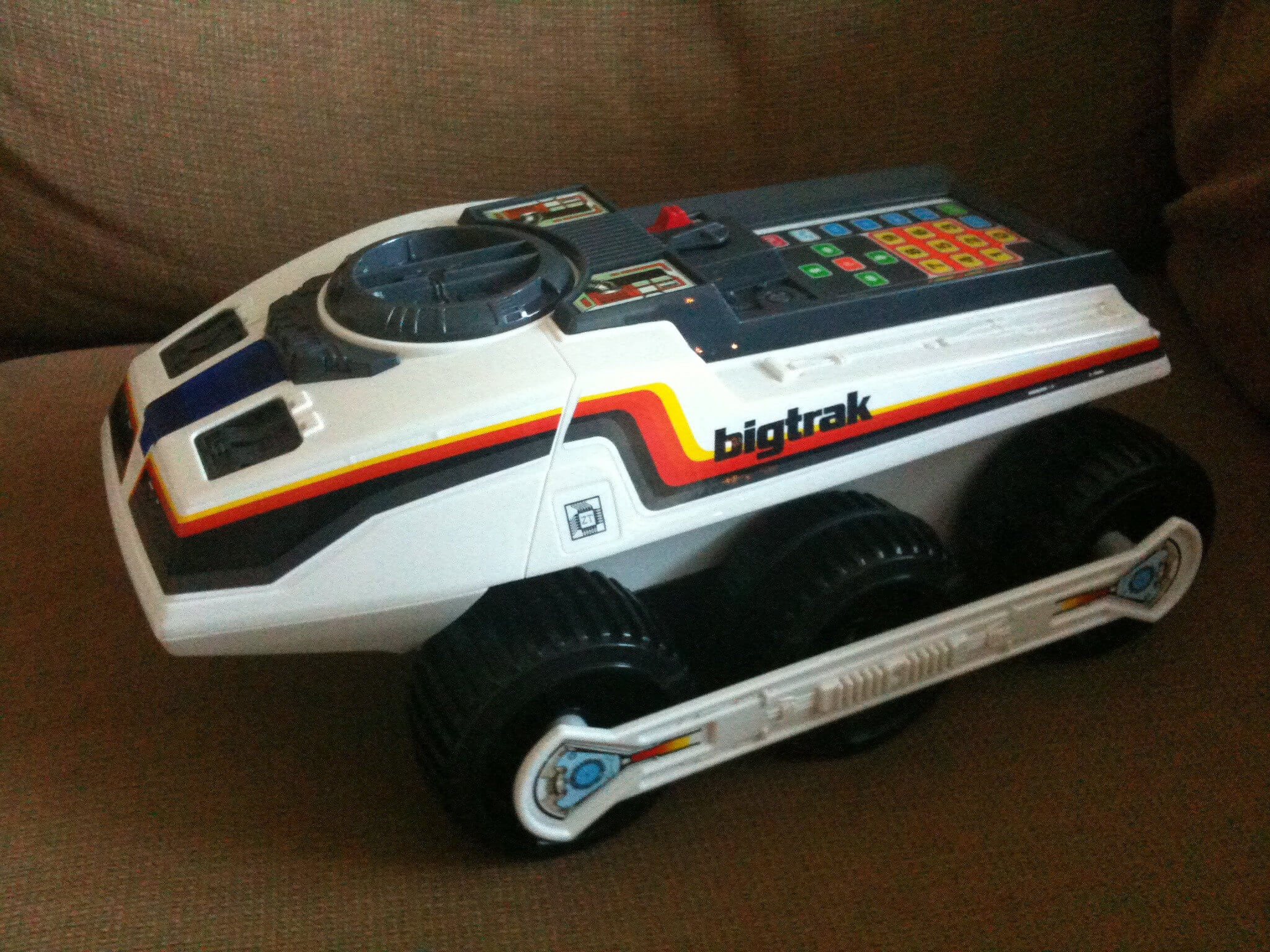
Milton Bradley released this programmable robotic truck in 1979, letting a child punch in a sequence of moves and turns for the toy to execute on its own. It sold well as an early introduction to programming logic before fading out in the early 1980s alongside the broader electronic-toy slowdown.
A modernized version returned briefly in 2010, though the blocky original remains the specific unit collectors chase.
Merlin

Parker Brothers released this handheld electronic game in 1978, packing six different games including tic-tac-toe and a simple music mode into one battery-powered unit shaped like a small keyboard. It sold strongly through the early 1980s before losing shelf space to more advanced handheld systems, and production ended by the mid-1980s.
Working original units are harder to find than the casing suggests, since the internal battery contacts corrode over decades of storage.
Nintendo Power Glove
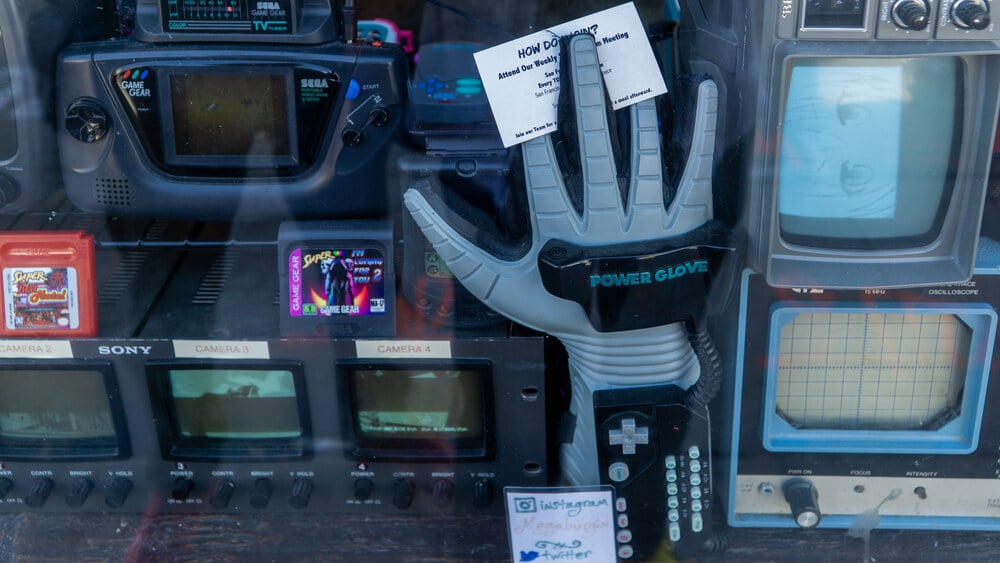
Mattel released this motion-sensing controller for the Nintendo Entertainment System in 1989, marketed on the promise of gesture-based control that the underlying technology could not reliably deliver. Poor accuracy and limited game support led to disappointing sales, and Mattel discontinued it within about a year.
It is now remembered as an ambitious failure specifically because the motion-control idea it attempted would not become reliable technology for another two decades.
Talkboy

Tiger Electronics built this cassette recorder for the 1992 film Home Alone 2, adding a variable-speed function that let a child slow down or speed up recorded voices. Demand after the film’s release outpaced the prop’s original design as a background gag, and Tiger rushed a consumer version to stores.
It stayed in production only a few years before fading out alongside other single-movie tie-in toys of the early 1990s.
Furby
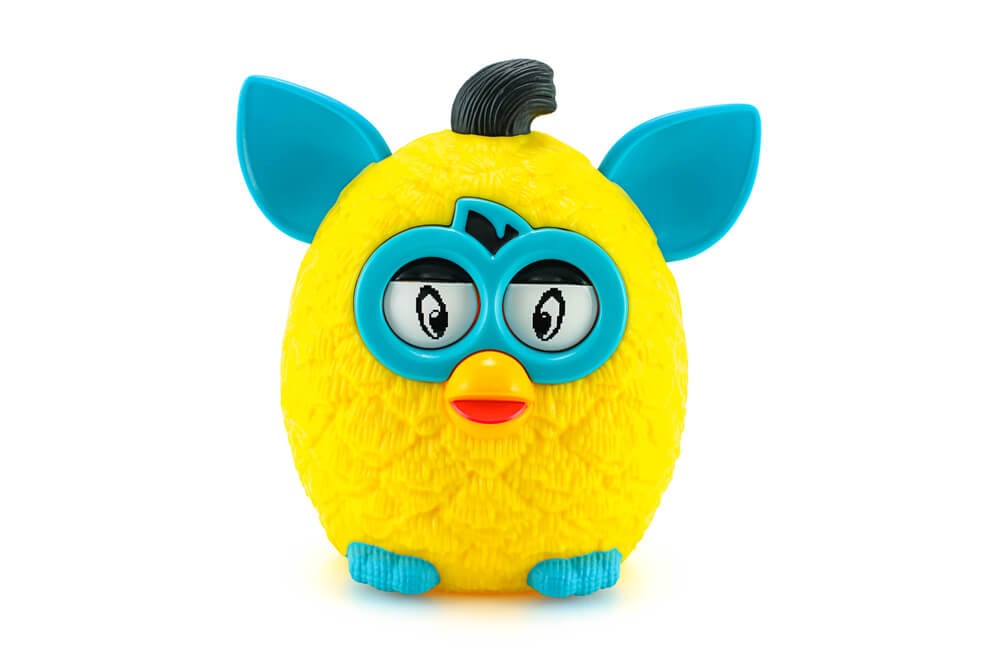
Tiger Electronics released this fur-covered robotic creature in 1998, programmed to speak a fictional language that gradually shifted toward English the longer a child interacted with it. Demand that first holiday season outstripped supply badly enough that it became a symbol of 1990s toy shortages.
Production of the original animatronic version ended in the early 2000s, and later Furby generations used different internal mechanisms entirely.
Tamagotchi
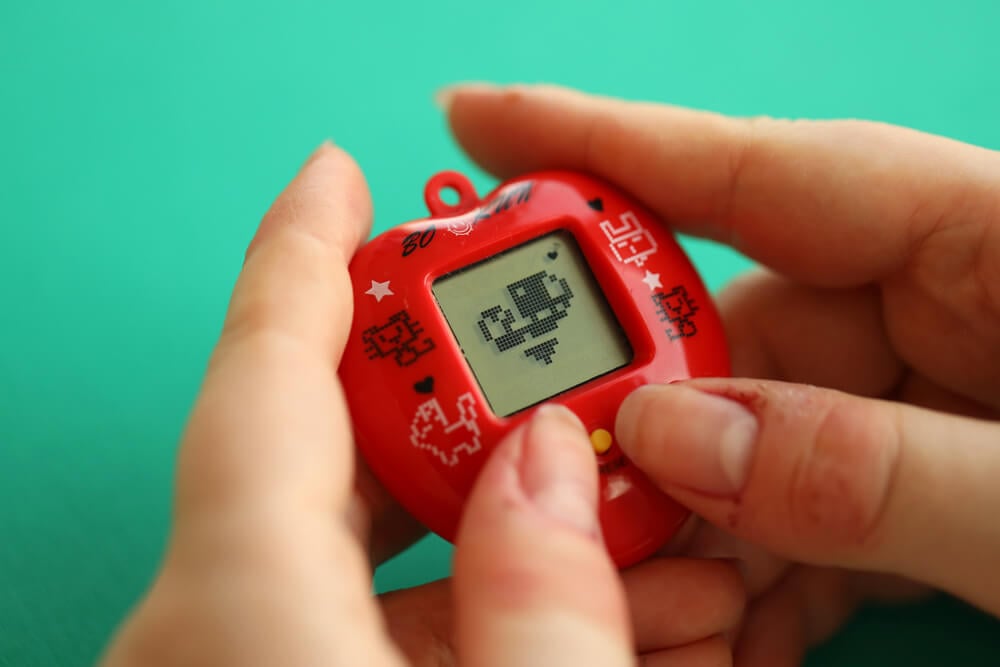
Bandai released this handheld digital pet in Japan in 1996 and brought it to the United States the following year, requiring regular feeding and cleaning inputs to keep the on-screen creature alive. The original egg-shaped units sold in the millions before interest faded by the early 2000s as newer handheld formats took over.
Bandai has reissued the concept several times since, but the 1997 originals remain the specific version tied to the initial craze.
Tiger Electronics Lights Out

Tiger released this single-player logic puzzle in the mid-1990s, challenging players to turn off a five-by-five grid of lights by pressing buttons that also toggled neighboring squares. It sold well as a quieter, puzzle-focused alternative to louder electronic toys of the era before fading out by the early 2000s.
Later app and browser versions of the same puzzle exist, but the original handheld unit was discontinued outright.
Skip It

Tiger Electronics released this ankle-worn counting toy in 1986, built around a weighted sphere attached to a loop that a child swung around one leg while hopping over it with the other. It sold steadily through the 1990s before losing shelf space to newer fitness-adjacent toys in the 2000s, and Tiger discontinued the original counter-equipped version.
A 2010s relaunch used updated electronics, but original units are still requested by name for their specific mechanical counter sound.
G.I. Joe With Kung-Fu Grip
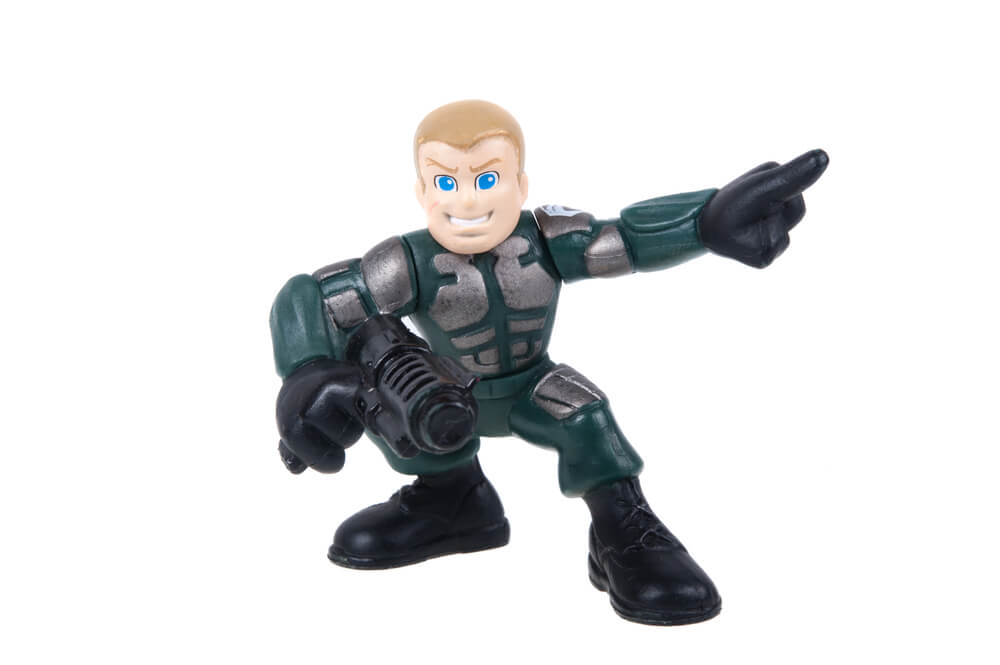
Hasbro modified its twelve-inch G.I. Joe figure in 1974, adding a textured rubber hand designed to hold accessories more securely than the original smooth grip. The larger twelve-inch format lost ground to smaller, more affordable figures by the early 1980s, and Hasbro discontinued the line in favor of the compact 3.75-inch figures that followed.
The phrase itself has outlived the product, still used decades later as shorthand for a toy upgrade that mattered more than it should have.
Big Jim
Mattel introduced this action-figure line in 1972, centered on a nine-inch adventurer figure with a flexing bicep mechanism activated by pressing a button on his back. The line sold well through the 1970s in the United States before being discontinued domestically in 1986, even as European markets kept it in production for years afterward.
American collectors now often source complete sets from European sellers rather than domestic ones.
Rock Flowers

Mattel released this small line of fashion dolls in 1970, each character tied to a fictional band and sold with a miniature record that played on a companion turntable accessory. The line lasted only a few years before Mattel discontinued it in favor of larger fashion-doll properties.
Complete sets with their original records intact are now uncommon enough that most listings include only the dolls.
Colorforms
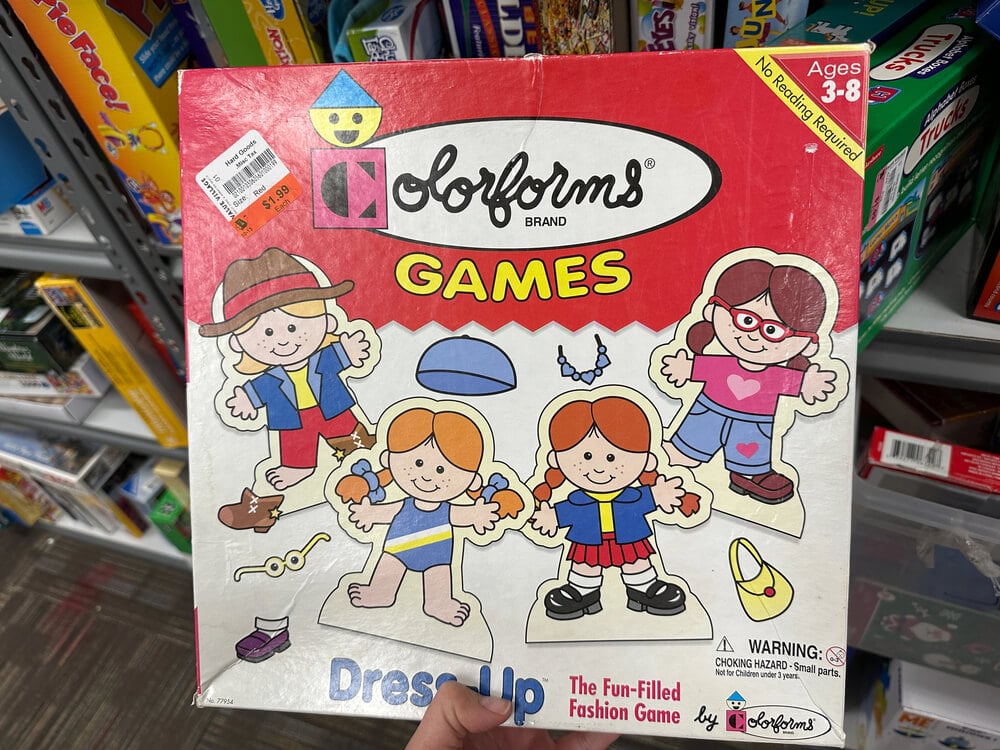
This company began selling sheets of vinyl shapes that clung to a glossy backing board without glue beginning in 1951, building entire licensed playsets around cartoon and movie characters for decades. Mainstream retail distribution thinned dramatically by the 2000s as sticker and screen-based activities replaced static-cling play.
The brand still exists in small print runs, but it no longer holds the shelf space it once had in every toy aisle in the country.
Micro Machines
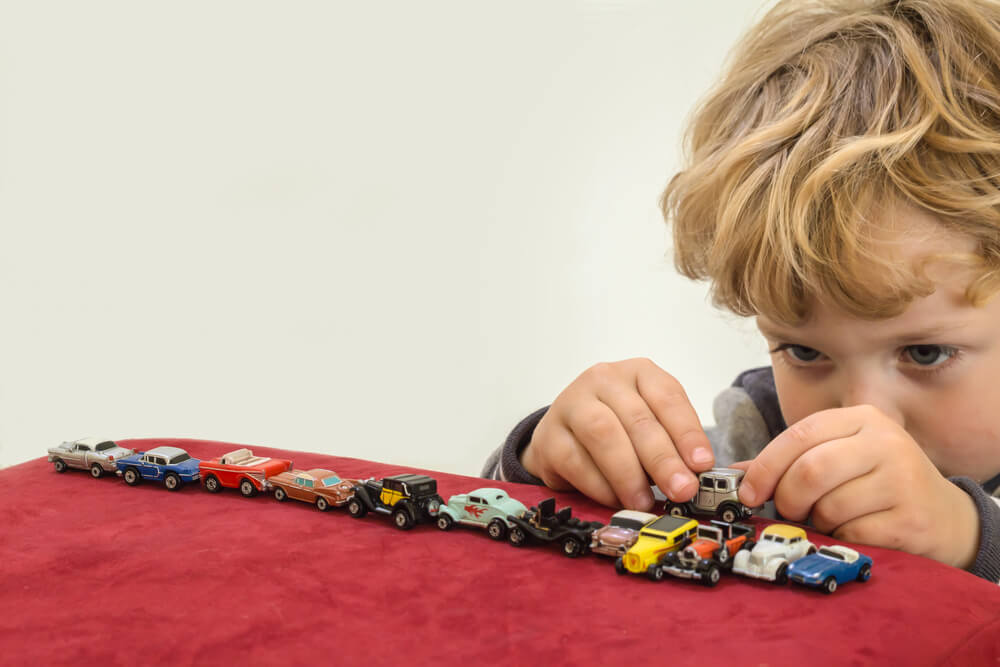
Galoob built this line of miniature die-cast vehicles beginning in 1986, distinguishing itself from competitors through vehicles small enough to fit a dozen to a single blister pack and elaborate fold-out playsets. The line moved between several corporate owners through the 1990s and 2000s, thinning its retail presence considerably even as the brand technically survived.
Original Galoob-era packaging from the peak years is now what most collectors specifically look for.
The Shelf Life of a Craze
Almost none of these toys failed because children stopped wanting them. Most disappeared because a company overextended production, a safety issue forced a recall, or a licensing deal simply expired before anyone thought to renew it.
What survives now is mostly memory and packaging, since the toys themselves were built for a few years of hard play rather than permanence. That mismatch between how briefly a toy was sold and how long it stayed remembered is exactly what keeps this specific category of nostalgia shopping active.
More from Go2Tutors!

- The Romanov Crown Jewels and Their Tragic Fate
- 13 Historical Mysteries That Science Still Can’t Solve
- Famous Hoaxes That Fooled the World for Years
- 15 Child Stars with Tragic Adult Lives
- 16 Famous Jewelry Pieces in History
Like Go2Tutors’s content? Follow us on MSN.