15 Outfits Banned by Governments
Throughout history, governments have tried to control their citizens through wardrobe regulations, often with surprising and sometimes ridiculous results. From ancient Rome to modern democracies, authorities have banned everything from specific colors to entire clothing categories, usually citing morality, security, or social order as justification. Here’s a list of fifteen outfits that various governments have actually prohibited, revealing how deeply politics and fashion have always been intertwined.
Jeans in Soviet Russia
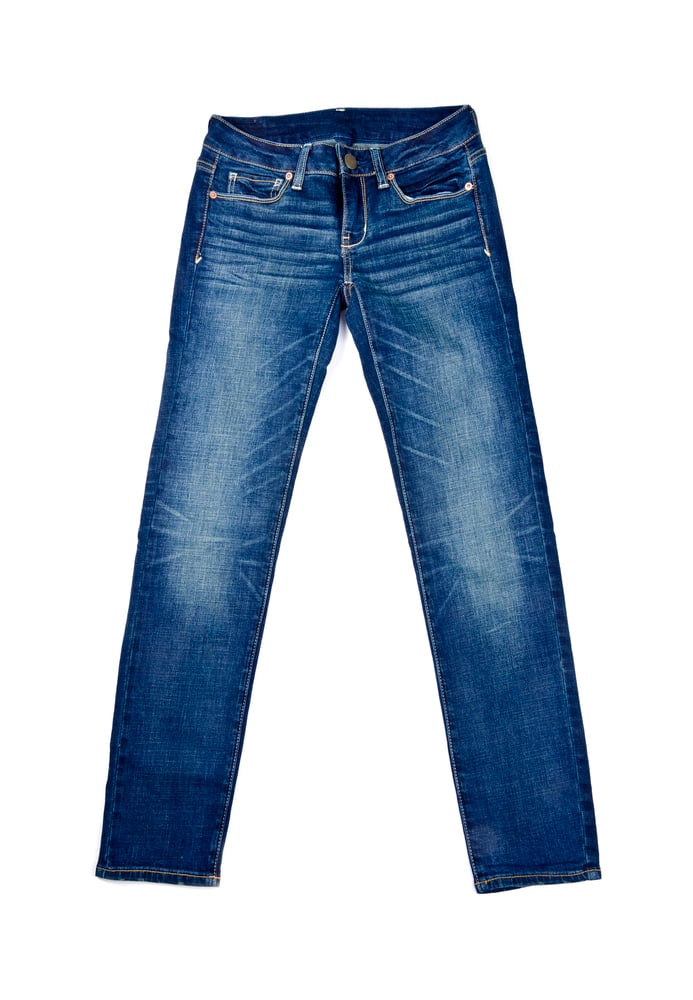
The Soviet Union banned jeans as a symbol of Western decadence and capitalist corruption. Wearing denim could result in fines, imprisonment, or expulsion from universities and jobs.
Black market jeans sold for months of average wages. Students risked their futures for a pair of Levi’s. The ban backfired spectacularly – forbidden denim became the ultimate status symbol among Soviet youth, who went to extraordinary lengths to smuggle in American jeans through Eastern European connections.
Purple Clothing in Ancient Rome
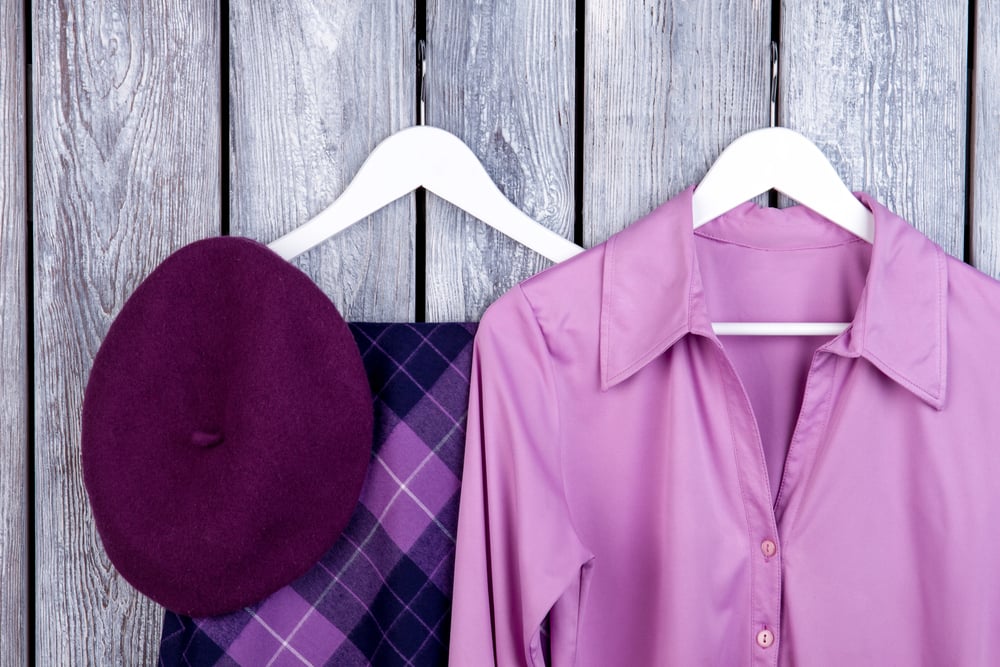
Only Roman emperors could wear purple garments, as the dye came from rare sea snails and cost more than gold. Commoners caught wearing purple faced death sentences.
The law was surprisingly specific about shades – deep Tyrian purple was completely forbidden, while lighter lavender might earn just a beating. Some wealthy Romans tried to skirt the rules by wearing purple-adjacent colors, leading to heated court debates about exactly which hues qualified as illegal.
Bikinis in Spain Under Franco

Francisco Franco’s regime banned bikinis from Spanish beaches as immoral and un-Christian. Police patrolled coastlines with measuring tapes to ensure women’s swimwear met modesty requirements.
Even so, tourists kept arriving in banned two-pieces. The government eventually created special “tourist zones” where bikinis were grudgingly tolerated, but Spanish women still faced arrest for wearing them. The contradiction highlighted the regime’s desperation for tourist money versus its moral posturing.
Zoot Suits in Los Angeles
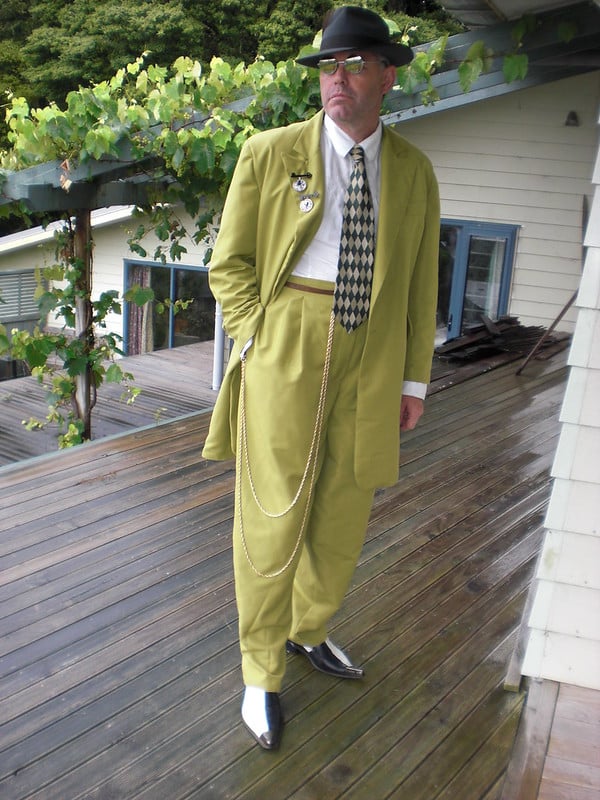
During World War II, Los Angeles banned the distinctive zoot suit – oversized jackets with wide shoulders and high-waisted, baggy pants that tapered at the ankles. Officials claimed the outfits wasted fabric needed for the war effort.
The real reason was racial tension. Zoot suits were popular among Mexican-American and African-American youth, and the clothing became a target during the infamous Zoot Suit Riots of 1943. Servicemen attacked anyone wearing the style, while police stood by or joined in.
Miniskirts in Uganda
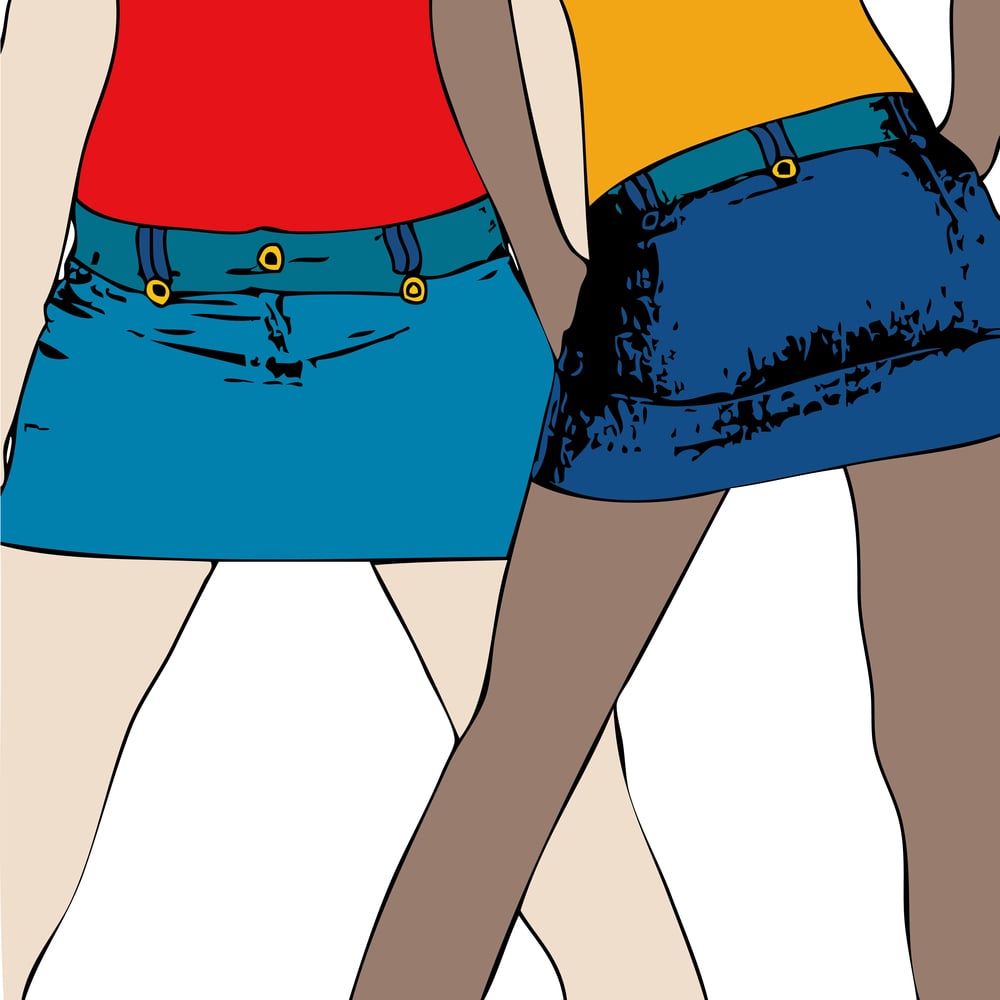
Uganda’s government under Idi Amin banned miniskirts as Western corruption undermined traditional values. Women wearing short skirts faced public humiliation, imprisonment, or worse.
Enforcement was brutal and arbitrary. What counted as “too short” changed daily based on officers’ moods. Some women were forced to kneel on gravel while their hemlines were measured with rulers. The fashion police became a genuine source of terror.
Skinny Jeans in North Korea

North Korea prohibits tight-fitting jeans as symbols of capitalist vanity and Western influence. Citizens must wear loose, modest clothing that reflects socialist values.
Border guards specifically check for banned denim styles during inspections. Smuggled skinny jeans command premium prices on black markets. The government fears that Western fashion trends could inspire broader cultural rebellion – apparently tight pants are genuinely threatening to authoritarian control.
Burqas in France
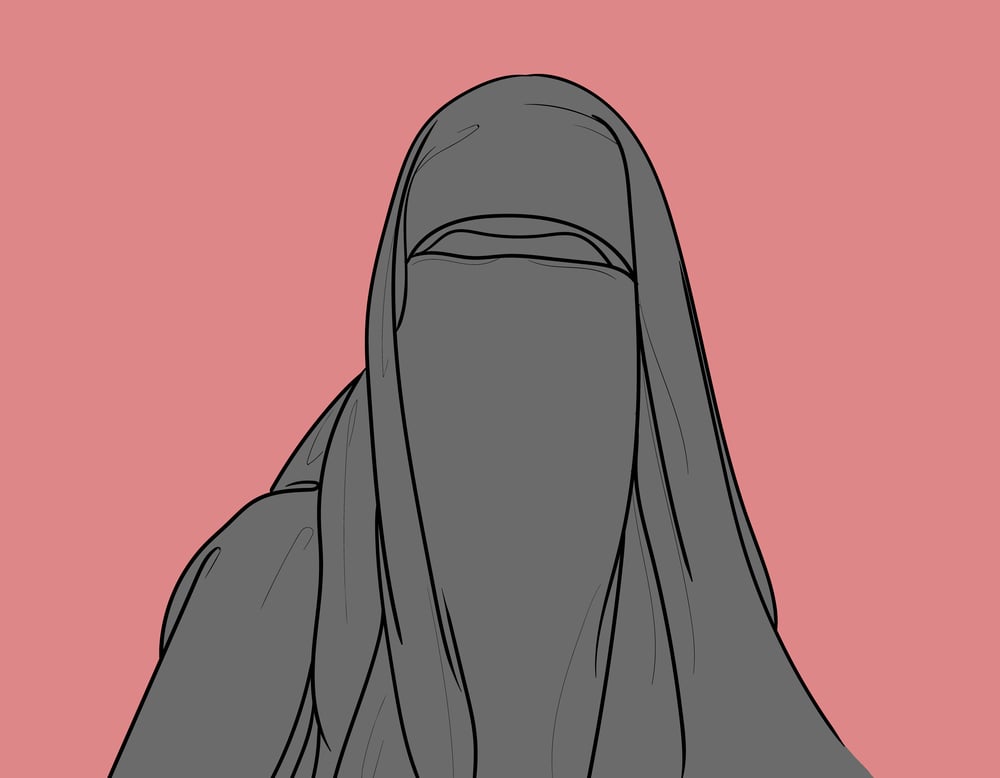
France banned full-face veils in public spaces, making it illegal to wear burqas or niqabs anywhere except private homes and religious buildings. Violators face fines and mandatory citizenship classes.
The law sparked massive international controversy. Supporters argued it promoted gender equality and secular values; critics called it religious discrimination disguised as feminism. Police rarely enforce the ban consistently, leading to ongoing legal and social confusion.
Yellow Clothing in Malaysia

Malaysia briefly banned yellow shirts during political protests, as the color became associated with opposition movements demanding electoral reform. Yellow-clad protesters faced arrest and prosecution.
The ban extended to yellow flowers, accessories, and even bananas at some checkpoints. Enforcement was inconsistent and often absurd – tourists wearing yellow Hawaii shirts found themselves questioned by confused police officers who couldn’t distinguish between political statements and vacation wear.
Saggy Pants in American Cities
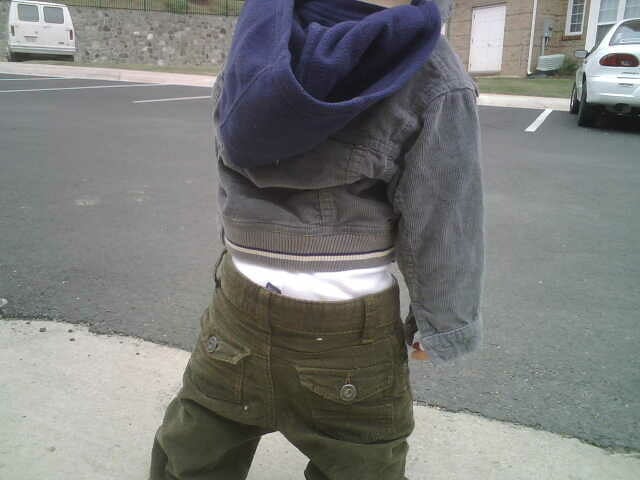
Multiple American cities have banned saggy pants that expose underwear, with penalties ranging from fines to community service. Officials claim the style promotes criminal behavior and corrupts youth.
The laws disproportionately target young Black men. Critics argue the bans are racially motivated attempts to criminalize urban fashion. Some cities have repealed their saggy pants laws after recognizing their discriminatory impact, while others continue enforcing them inconsistently.
Traditional Scottish Kilts
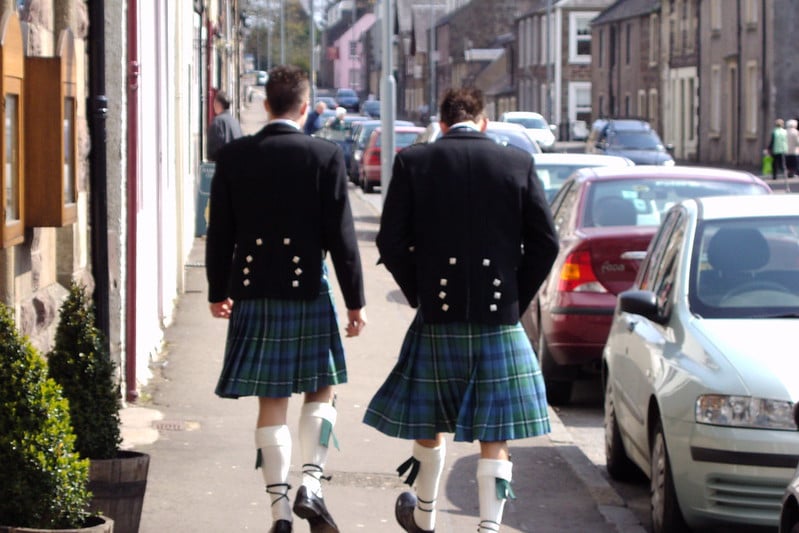
England banned Highland dress, including kilts, after the 1745 Jacobite uprising. Scottish men caught wearing traditional clan tartans faced imprisonment or transportation to the colonies.
The ban lasted nearly forty years and aimed to destroy Scottish cultural identity. Many traditional tartan patterns were lost forever as weavers destroyed their patterns to avoid prosecution. When the ban was finally lifted, kilts had become symbols of resistance rather than mere traditional dress.
Headscarves in Turkish Universities
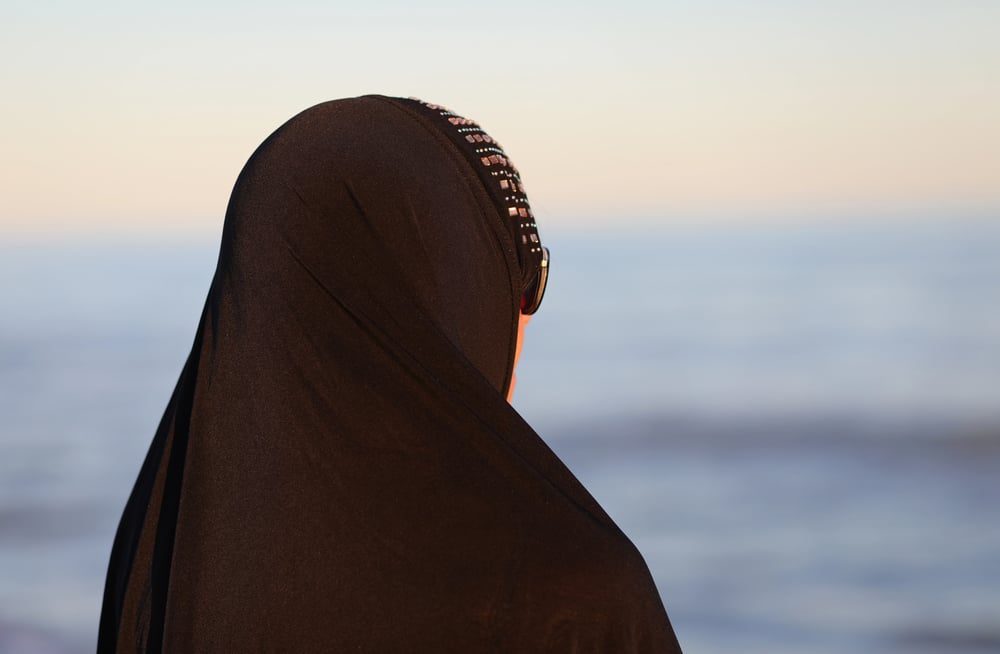
Turkey banned Islamic headscarves in universities and government buildings as part of its secular policies. Female students wearing hijabs were denied access to classrooms and official buildings.
The policy created a generation of educated women who couldn’t attend university or work in government. Some students wore wigs over their scarves or attended classes via video links from outside campus. The ban was eventually lifted, but it shaped decades of Turkish politics and women’s rights debates.
Blue Jeans in North Korea
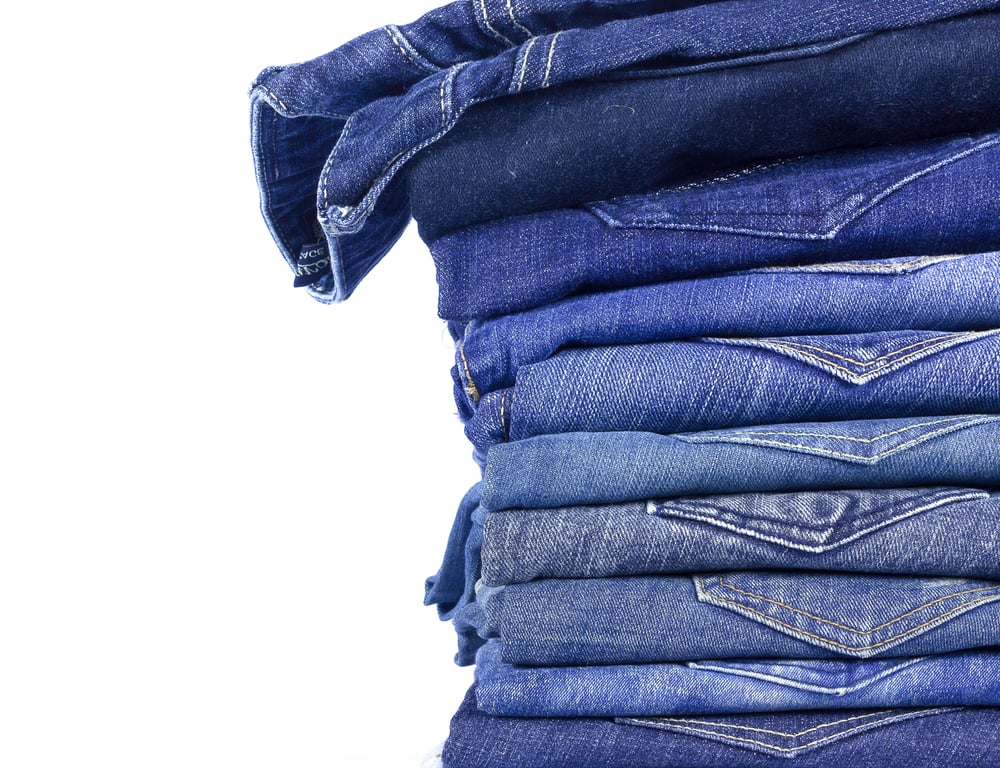
Beyond just skinny styles, North Korea restricts blue jeans entirely as symbols of American imperialism. Citizens can wear dark pants but not recognizably Western denim in traditional blue.
Black jeans sometimes pass inspection. Gray ones might work. But classic blue denim marks the wearer as dangerously influenced by capitalist culture. The clothing police take jean color very seriously in their ongoing war against Western fashion infiltration.
Hoodies in UK Shopping Centers

Many UK shopping centers ban hoodies and baseball caps to reduce crime and antisocial behavior. Security guards require shoppers to remove hoods and hats before entering stores.
The policies target young people and often escalate minor situations into major confrontations. Shopping center managers argue that hidden faces facilitate shoplifting and intimidation, while critics point out that the bans criminalize normal teenage fashion choices. Rainy British weather makes the anti-hood policies particularly impractical.
Flip-Flops in Italian Churches
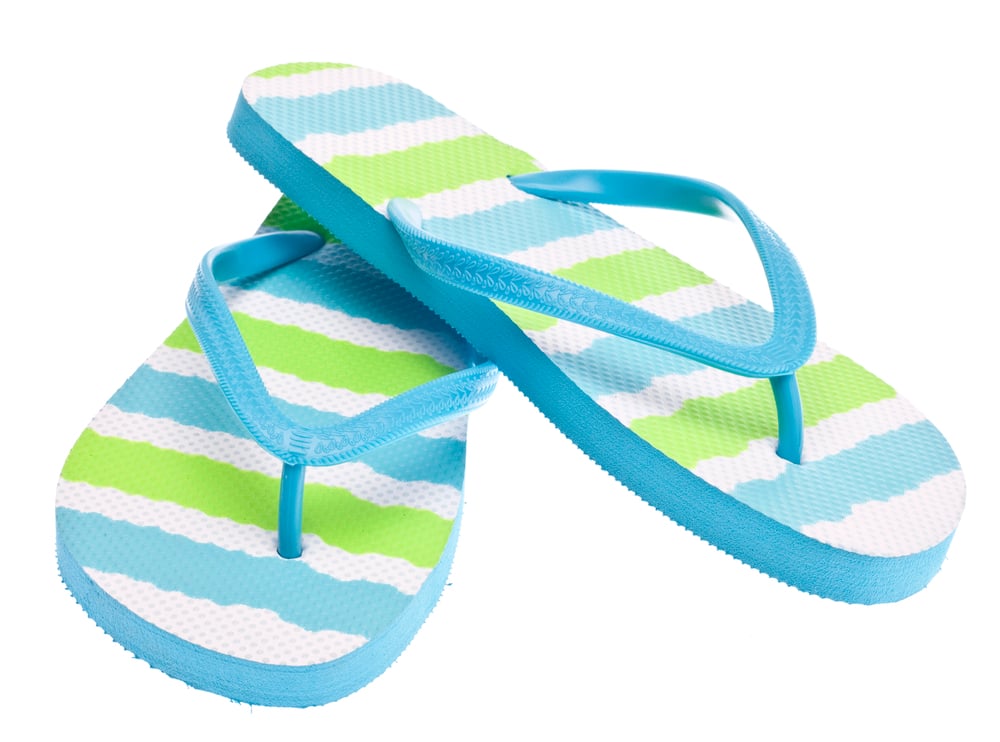
Italy enforces strict dress codes in churches and religious sites, banning flip-flops, shorts, tank tops, and revealing clothing. Guards turn away improperly dressed tourists at major attractions like the Vatican and St. Peter’s Basilica.
Summer tourists regularly find themselves locked out of must-see sites because of footwear violations. Enterprising vendors sell overpriced scarves and long pants outside church entrances to desperate sightseers. The rules apply regardless of weather – even during scorching Italian summers.
Red Clothing in Ghana

Ghana’s former government banned red clothing during certain periods, as the color represented opposition political parties. Citizens wearing red shirts, dresses, or accessories during sensitive times faced harassment and arrest.
Market vendors stopped selling red fabric. School uniforms were changed to avoid prohibited colors. The ban created a bizarre alternate economy where red items commanded premium prices on underground markets, turning ordinary clothing into contraband.
The Absurdity of Fashion Control

These bans reveal how deeply governments fear the power of clothing to express identity, challenge authority, and unite opposition movements. Whether targeting religious expression, cultural pride, or simple personal choice, clothing restrictions often backfire by making forbidden styles more desirable and symbolically powerful than they ever were before prohibition.
More from Go2Tutors!

- The Romanov Crown Jewels and Their Tragic Fate
- 13 Historical Mysteries That Science Still Can’t Solve
- Famous Hoaxes That Fooled the World for Years
- 15 Child Stars with Tragic Adult Lives
- 16 Famous Jewelry Pieces in History
Like Go2Tutors’s content? Follow us on MSN.