23 Eclipses Were Used to Prove or Disprove Major Scientific Theories
Eclipses have been the ultimate test bed for scientific credibility. When a prediction proved accurate, it validated an entire theoretical framework and elevated the physicist making it to legendary status.
When observations contradicted expectations, they forced science to overturn centuries of accepted wisdom. The stakes of eclipse observation extended far beyond astronomy—they determined which scientific paradigms would shape civilization’s understanding of reality.
The 1919 Solar Eclipse and Einstein’s Relativity Confirmation
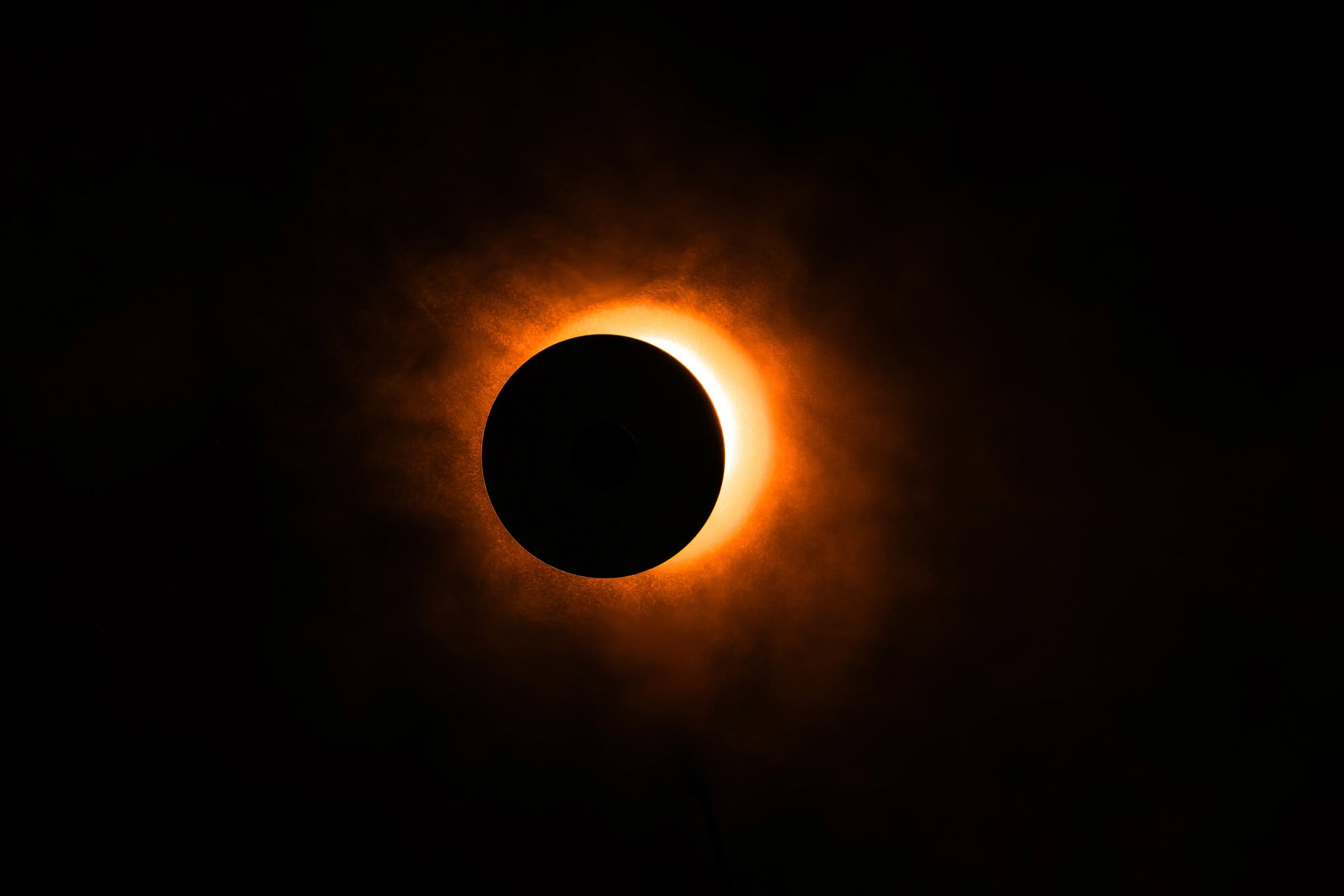
Arthur Eddington’s 1919 expedition to observe how starlight bent during a solar eclipse provided the first empirical confirmation that Einstein’s general relativity was correct. The successful observation moved Einstein from theoretical physicist to international celebrity and established relativity as the framework for understanding gravity and space.
Without the eclipse observation, relativity would have remained speculative and controversial far longer, potentially delaying its applications to cosmology and physics for decades.
The Lunar Parallax and the Distance to the Moon
Ancient Greek astronomers used lunar eclipses to measure the moon’s distance from Earth through parallax observations, proving the moon was smaller and closer than the sun. This measurement was so accurate it remained the standard for over a thousand years and demonstrated that geometric reasoning could measure the cosmos.
The parallax method became the foundation for measuring stellar distances, making lunar eclipses essential to establishing the scale of the universe.
Tycho Brahe’s Eclipse Observations and the Rejection of Ptolemy
Danish astronomer Tycho Brahe’s precision measurements of eclipse timing revealed inconsistencies in Ptolemaic calculations that had been accepted for fourteen centuries. His data forced the scientific community to recognize that Ptolemy’s model was incorrect despite its near-perfect prediction record.
Brahe’s eclipse observations provided the empirical foundation for Kepler and later Newton to develop entirely new astronomical frameworks.
The 1868 Eclipse and Spectroscopy’s Birth
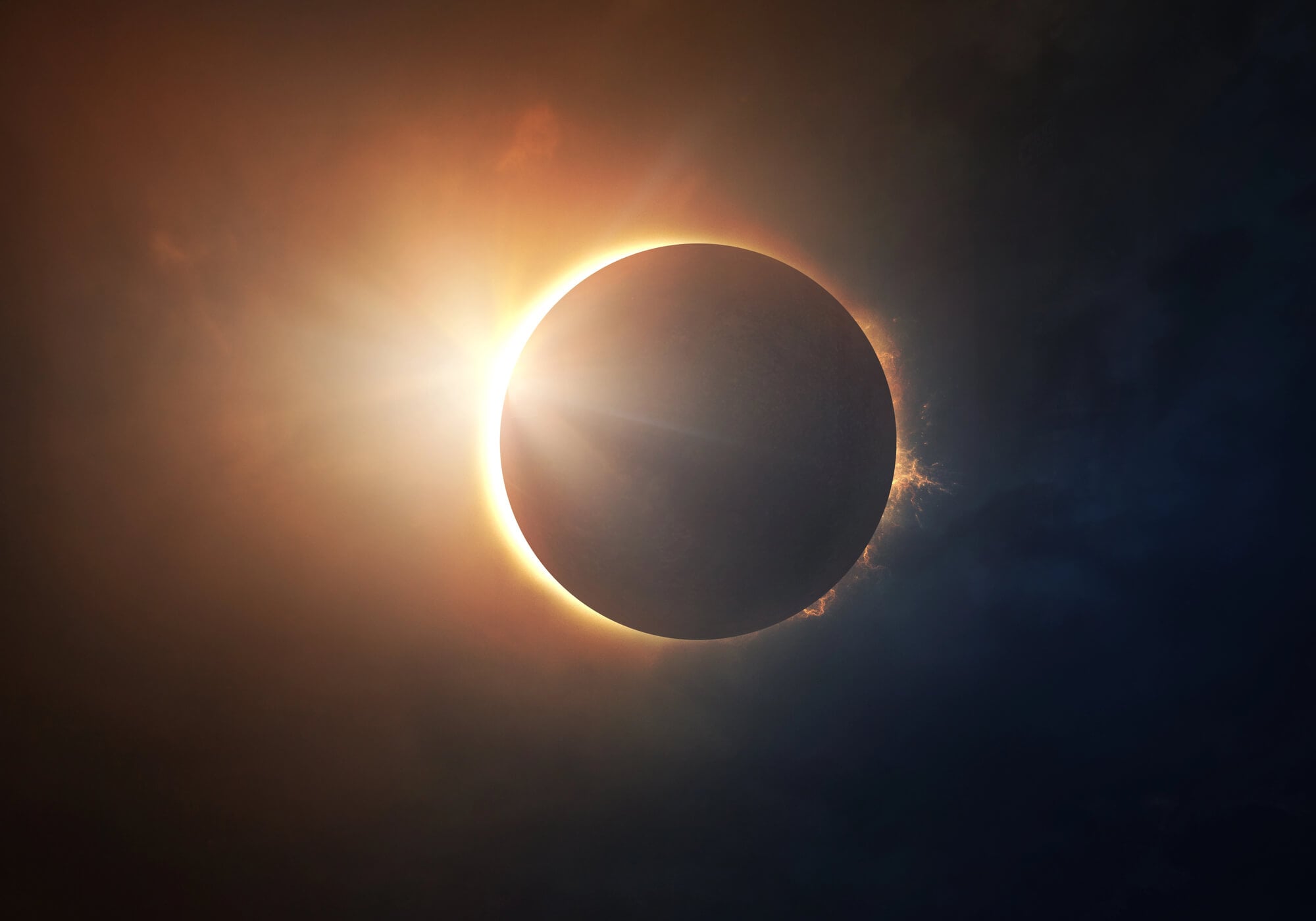
The 1868 solar eclipse was the first during which astronomers successfully used spectroscopy to analyze the sun’s atmosphere, discovering helium decades before it was found on Earth. This observation demonstrated that spectroscopy could identify elements in distant objects, revolutionizing astronomy and eventually enabling the entire field of stellar classification.
The eclipse essentially gave birth to spectroscopic analysis, one of modern astronomy’s most powerful tools.
Lunar Eclipses and the Measurement of Earth’s Atmosphere
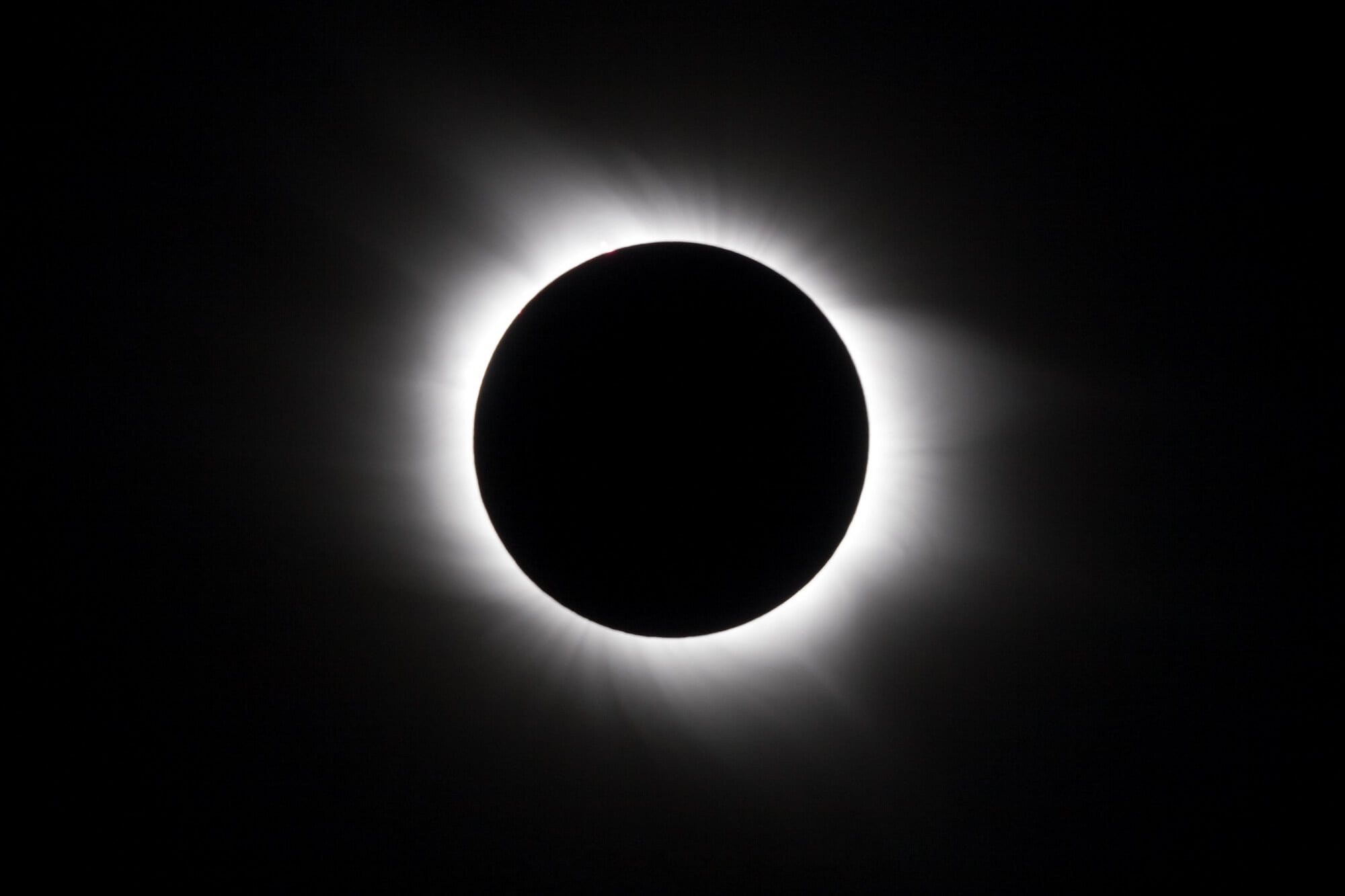
Observations of lunar eclipses showed that the moon’s shadow was larger than predicted, revealing that Earth’s atmosphere bent light around our planet. This discovery proved that light bends through different densities of matter, a principle crucial to understanding optics and eventually leading to fiber-optic technology.
The lunar eclipse essentially performed an experiment that proved light was not traveling perfectly straight through space.
Solar Eclipses and the Verification of Newton’s Laws
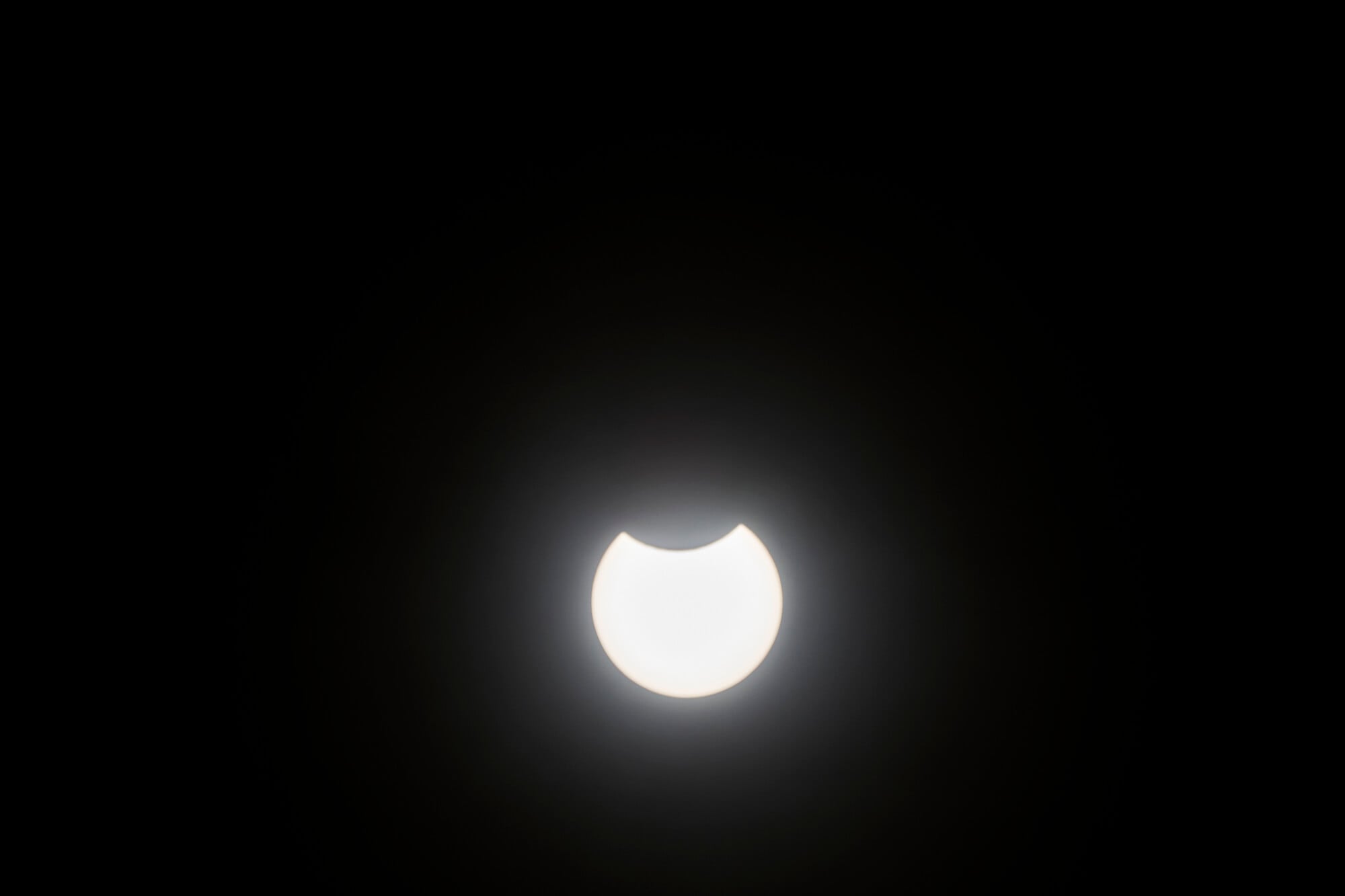
Solar eclipse observations allowed astronomers to test whether Newton’s laws accurately predicted lunar orbital mechanics. When eclipse timing proved that Newton’s equations were essentially correct, it validated the entire framework of classical mechanics.
Failed predictions would have triggered the Newtonian revolution’s collapse decades earlier, but successful eclipse predictions instead cemented Newton’s authority for the next three centuries.
The 1860 Solar Eclipse and the Discovery of Chromospheric Emission
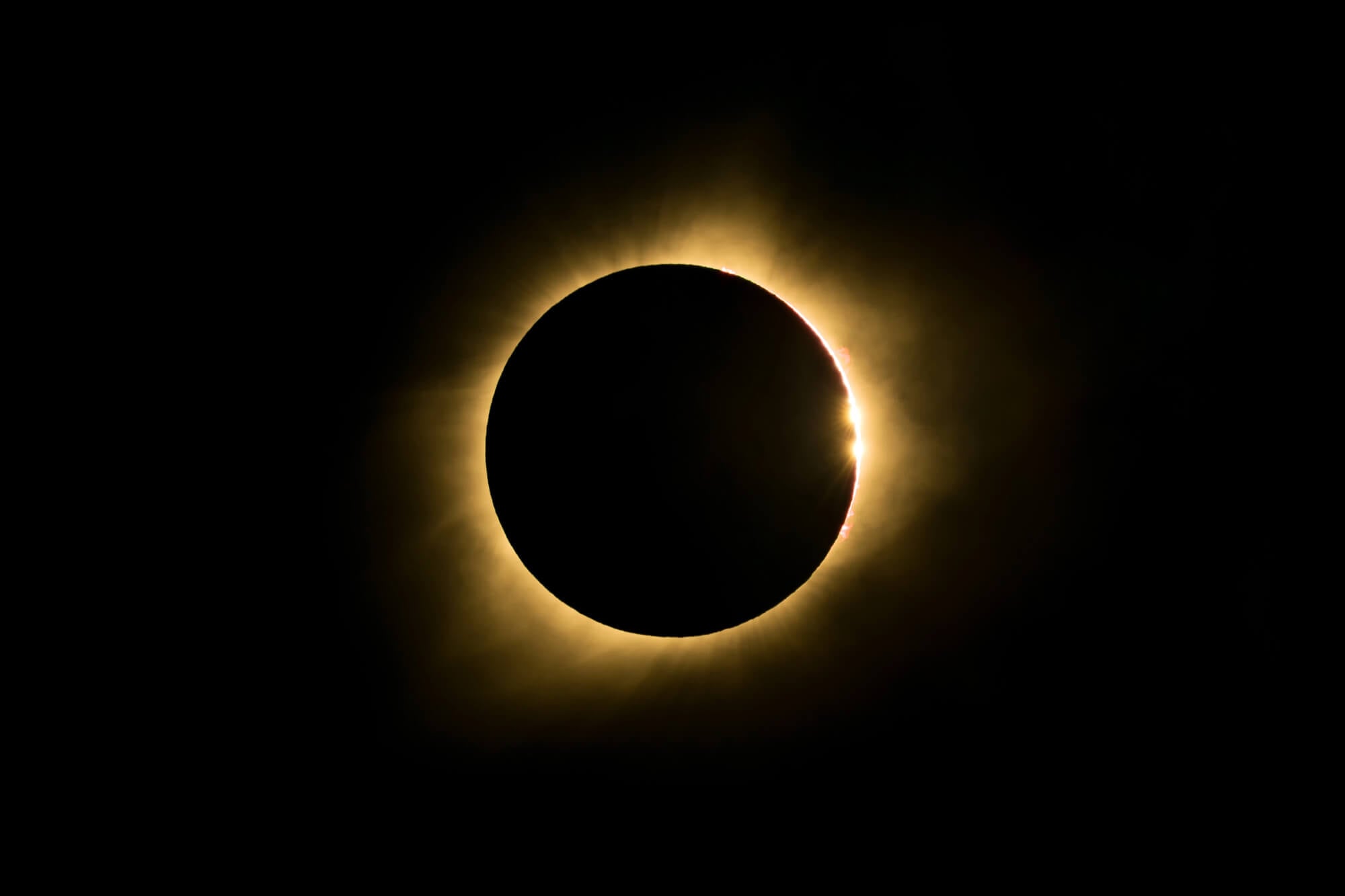
The 1860 solar eclipse revealed the chromosphere and prominences surrounding the sun, proving that the sun had an atmosphere with distinct layers. This observation contradicted the prevailing view that the sun was a simple luminous sphere, forcing scientists to develop models of stellar atmospheres.
Modern stellar physics essentially began with the eclipse observation that revealed the sun’s structural complexity.
Lunar Eclipses and Eratosthenes’ Measurement of Earth’s Size

Eratosthenes used knowledge of lunar eclipse patterns to refine his calculation of Earth’s circumference, achieving accuracy within about 2% of the modern value. This demonstration that geometric reasoning applied to eclipses could measure the planet itself was foundational to the entire scientific revolution.
Without eclipse-based measurement, the idea that the Earth could be accurately measured would have seemed impossible.
Solar Eclipses and the Testing of Gravitational Lensing
The 1919 eclipse observation confirmed Einstein’s prediction that massive objects bend light, providing empirical evidence for gravitational lensing. This single observation moved gravitational lensing from pure theory to confirmed phenomenon, eventually leading to the discovery of the great abyss and dark matter.
The eclipse essentially provided the proof that the universe’s geometry was fundamentally non-Euclidean.
Lunar Eclipses and the Verification of Earth’s Rotation
Ancient astronomers used the pattern of lunar eclipses to verify that Earth was spherical, since the moon’s shadow pattern on the lunar surface revealed Earth’s curved geometry and rotation. This observation provided early evidence that Earth was a sphere rotating in space, contradicting the flat-Earth assumption.
The eclipse pattern essentially acted as an observational mirror of Earth’s own motion and shape.
The 1900 Solar Eclipse and the Validation of Improved Telescopes
Observations during the 1900 solar eclipse confirmed that new telescope designs could resolve finer details of the sun’s corona than ever before. This validation drove further investment in telescope technology, leading to improvements that allowed the discovery of new asteroids, nebulae, and galaxies.
The eclipse observation essentially authorized the expensive technological innovations that would define modern astronomy.
Solar Eclipses and the Measurement of the Sun’s Mass
Eclipse observations allowed astronomers to determine the sun’s mass through careful measurement of gravitational effects on the moon’s motion. This measurement established the sun’s central role in the solar system’s gravitational structure and enabled calculations of planetary orbital mechanics.
Without eclipse-derived measurements of solar mass, modern orbital mechanics would have lacked fundamental data.
Lunar Eclipses and the Observation of Earth’s Shadow
The apparent size of Earth’s shadow during lunar eclipses allowed scientists to measure Earth’s radius with remarkable accuracy, comparing observed shadow size to predicted values. When observations revealed that Earth’s shadow was larger than expected, it revealed that Earth had a significant atmosphere refracting light.
This single eclipse observation provided evidence for atmospheric refraction and Earth’s atmospheric structure.
Solar Eclipses and the Temperature of the Sun’s Corona
During solar eclipses, the sun’s corona becomes visible, allowing direct measurement of its temperature, which paradoxically was hotter than the sun’s surface. This observation triggered the development of new solar physics theories to explain why the corona was hotter than the photosphere.
The eclipse observation revealed that the sun’s energy distribution was more complex than previously understood.
Lunar Eclipses and the Demonstration of Earth’s Spherical Shape
Observers from different latitudes recorded different lunar eclipse patterns, and when combined, these observations provided geometric proof that Earth was a sphere. Different regions saw the moon eclipse at different times, proving that Earth’s surface was curved.
This eclipse-based evidence for spherical Earth was so powerful that it essentially ended serious flat-Earth arguments in medieval Europe.
The 1882 Solar Eclipse and the Measurement of Solar Rotation
High-precision observations during the 1882 solar eclipse revealed that the sun’s equator rotated faster than its poles, providing evidence for the sun’s differential rotation. This observation opened the field of solar dynamo physics and eventually led to understanding how the sun generated its magnetic field.
The eclipse observation essentially initiated the study of stellar rotation as a physics problem.
Solar Eclipses and the Detection of Solar Wind
Modern eclipse observations detected the stream of particles flowing from the sun (solar wind) by measuring their effects on the corona and solar prominences. This discovery proved that the sun was not a static radiating sphere but an actively dynamic object ejecting particles into space.
The eclipse observation fundamentally changed our understanding of the sun’s interaction with the rest of the solar system.
Lunar Eclipses and the Refinement of Orbital Prediction
Successful prediction of lunar eclipse timing allowed astronomers to refine and improve their understanding of lunar orbital mechanics and gravitational interaction. Each accurate eclipse prediction demonstrated that Newton’s laws were working correctly and could be trusted for other applications.
Lunar eclipses essentially served as repeated confirmations that the laws of motion were universal.
The 1868 Solar Eclipse and the Discovery of Coronium
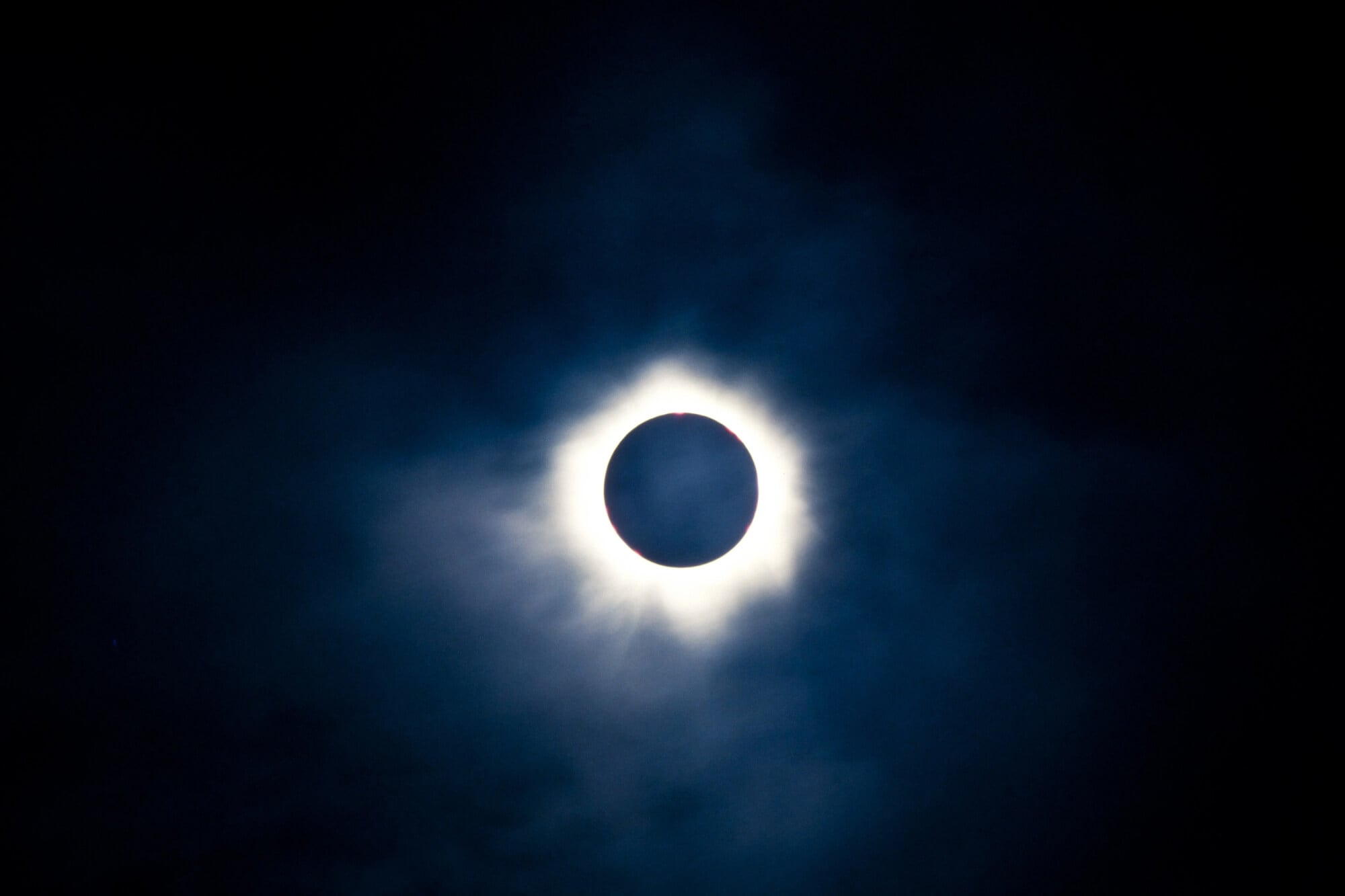
During the 1868 solar eclipse, astronomers observed spectral lines they could not identify, leading to speculation about an unknown element called coronium. This observation eventually led to the correct identification of highly ionized iron, opening the field of high-temperature plasma physics.
The eclipse observation essentially revealed that stellar atmospheres existed in physical states impossible to reproduce in laboratories on Earth.
Solar Eclipses and the Confirmation of Relativistic Aberration
Eclipse observations allowed measurement of stellar aberration (the apparent shift of star positions due to Earth’s motion), confirming one of relativity’s predictions. The accurate measurement proved that Einstein’s equations correctly described how observers in motion perceive starlight.
This eclipse-based confirmation contributed to the eventual acceptance of relativity as a fundamental framework.
Lunar Eclipses and the Measurement of Atmospheric Refraction
The apparent shift of the moon during lunar eclipses revealed how much light bent in Earth’s atmosphere, allowing precise measurement of atmospheric refraction. This measurement allowed astronomers to correct their observations for atmospheric effects and eventually understand the atmosphere’s layering.
The eclipse essentially revealed the atmosphere’s optical properties through the lens of the moon’s shadow.
The 1932 Solar Eclipse and the Verification of Stellar Mass-Energy
The 1932 solar eclipse observations contributed data that helped establish the mass-energy relationship and how energy generation in stars operated. The observations revealed details of the sun’s corona that were consistent with nuclear fusion theories.
The eclipse data essentially provided evidence that the sun was powered by nuclear fusion rather than chemical combustion or gravitational compression.
Solar Eclipses and the Measurement of the Fine Structure Constant
High-precision eclipse observations of stellar spectra near the sun allowed measurement of the fine structure constant with unprecedented accuracy. This fundamental constant defines the strength of electromagnetic interaction and is crucial to quantum mechanics.
Eclipse observations essentially provided a window into quantum mechanical constants by observing their effects on stellar light.
The Greatest Laboratory in Nature

Eclipses served as nature’s most perfect experiment, occurring rarely enough to justify international expeditions yet frequently enough to provide repeated testing opportunities. Each eclipse became a moment when theory faced observational reality, when predictions could be verified or falsified, and when science’s fundamental assumptions were tested against the cosmos itself.
More from Go2Tutors!

- The Romanov Crown Jewels and Their Tragic Fate
- 13 Historical Mysteries That Science Still Can’t Solve
- Famous Hoaxes That Fooled the World for Years
- 15 Child Stars with Tragic Adult Lives
- 16 Famous Jewelry Pieces in History
Like Go2Tutors’s content? Follow us on MSN.